
How to Plant Fruit Trees: A Guide to Hardiness Zones

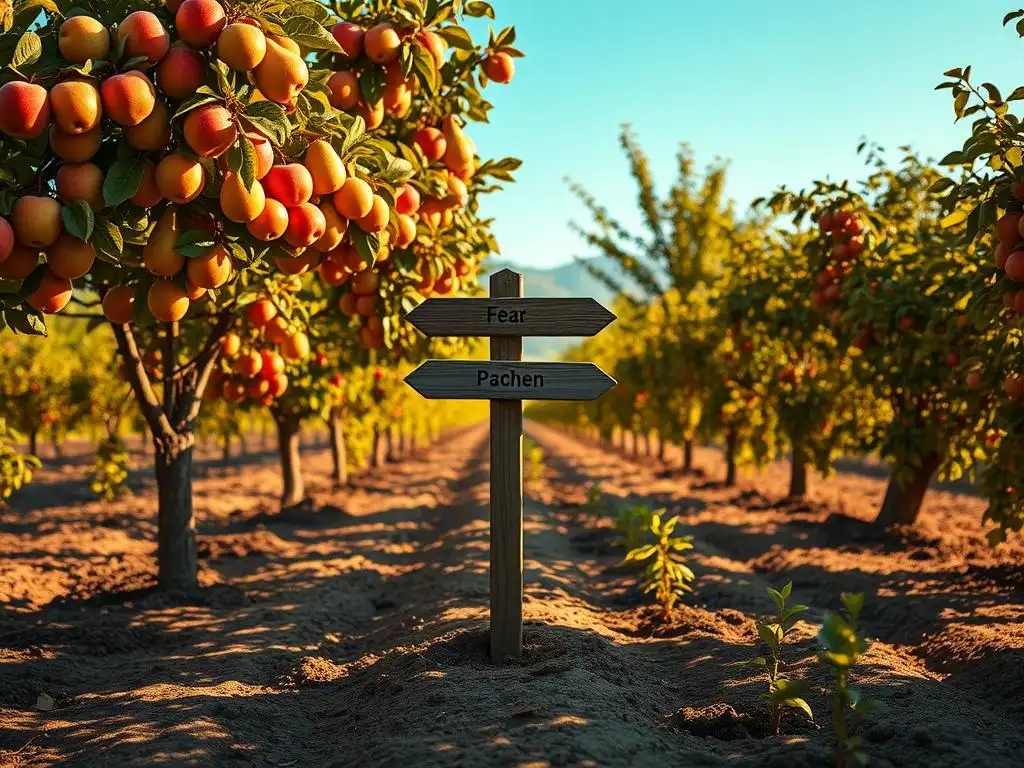
Ready to transform your backyard into a thriving orchard? At CultivateYourFood, we empower you to grow your own delicious and healthy fruits, vegetables, and herbs using sustainable methods. But knowing where to start can be tricky. That's why we've created this essential Fruit Tree Planting Zones Guide, your key to unlocking successful fruit tree cultivation, no matter your climate. Discover the secrets to selecting the perfect trees for your region and embark on a rewarding journey of homegrown abundance. Let's get started!
- Understanding Hardiness Zones and Your Local Climate
- Selecting the Right Fruit Tree for Your Needs
- Preparing for Fruit Tree Planting
- Step-by-Step Fruit Tree Planting Guide
- Post-Planting Care for Fruit Trees
- Fruit Tree Planting Zones Guide: Troubleshooting and FAQs
- Long-Term Care and Maintenance of Fruit Trees in Your Zone
-
Frequently Asked Questions
- What is a hardiness zone, and why is it important for fruit tree planting?
- How do I find my hardiness zone?
- What are some common fruit trees suitable for colder hardiness zones?
- Can I plant fruit trees outside the recommended hardiness zone?
- What other factors should I consider besides hardiness zones when planting fruit trees?
- Final Reflection: Cultivating a Greener Future, One Fruit Tree at a Time
- Unleash Your Inner Orchard: Grow Your Dream Fruit Trees!
Understanding Hardiness Zones and Your Local Climate
Planting fruit trees successfully hinges on understanding your local climate and, crucially, your USDA Plant Hardiness Zone. This guide will equip you with the knowledge to select the right fruit trees for your specific area, maximizing your chances of a bountiful harvest. Choosing trees suited to your zone prevents the disappointment of premature death or stunted growth due to unsuitable temperatures. Ignoring hardiness zones is a common mistake among novice fruit tree planters, leading to significant losses in time, effort, and, ultimately, delicious fruits.
We'll delve into the nuances of hardiness zones, explore the impact of microclimates, and provide a comprehensive guide to selecting the perfect fruit trees for your garden, fostering a thriving and sustainable orchard. This guide is your key to unlocking the secrets of successful fruit tree planting, regardless of your geographic location. Let's get started on cultivating your own delicious, homegrown fruit! 🍎
Determining Your USDA Plant Hardiness Zone
The USDA Plant Hardiness Zone Map is a crucial tool for any gardener, particularly when planting fruit trees. This map divides North America into zones based on average annual minimum winter temperatures. Each zone represents a 10°F range, with Zone 1 being the coldest and Zone 13 the warmest. For example, Zone 7 experiences average annual minimum temperatures between 0°F and 10°F (-18°C and -12°C).
Knowing your zone is paramount because it dictates which fruit trees can survive and thrive in your area. You can easily find your zone by using the interactive USDA Plant Hardiness Zone Map available online. Remember, this is an average; your specific microclimate might differ slightly. Precise data for your specific location can often be found through your local agricultural extension office or weather service.
This information is absolutely essential for selecting appropriately hardy fruit trees. Without it, you risk investing time and resources in trees that won't survive the winter. 🥶
Microclimates and Their Impact on Fruit Tree Selection
While the USDA Hardiness Zone provides a broad overview, your property may contain microclimates – smaller areas with unique temperature and environmental conditions. These microclimates can significantly influence your fruit tree choices. For instance, a south-facing slope will receive more sunlight and retain heat longer than a north-facing slope, potentially allowing you to grow trees that are marginally outside your official zone. Similarly, a sheltered area protected from strong winds will offer more favorable conditions than an exposed location. Consider the following factors when assessing microclimates on your property:
- Sun exposure: How many hours of direct sunlight does the area receive daily?
- Wind protection: Is the area shielded from prevailing winds?
- Soil drainage: Does the soil drain well, or is it prone to waterlogging?
- Proximity to buildings or other structures: Buildings can provide windbreaks and radiate heat.
By carefully considering these microclimate factors, you can effectively expand your options for fruit tree selection, potentially allowing you to grow a wider variety of fruits than initially suggested by your USDA zone alone. This detailed assessment will optimize your chances of success. ☀️
Choosing Fruit Trees Suitable for Your Zone: A Comprehensive Guide
Once you've determined your USDA Plant Hardiness Zone and analyzed your microclimates, you're ready to select fruit trees appropriate for your location. This involves researching the hardiness zones of various fruit tree varieties. Many nurseries and online resources provide detailed information on the hardiness of specific cultivars. For example, certain apple varieties are suited to colder climates (Zones 3-6), while others thrive in warmer temperatures (Zones 7-9). Similarly, peach trees generally prefer warmer zones, often Zones 5-8, while some more cold-hardy varieties can tolerate lower temperatures.
Remember to consult reliable sources and choose trees specifically listed as suitable for your zone or a slightly more tolerant adjacent zone. Always prioritize selecting varieties known to perform well in your area to avoid losses due to environmental stress. This careful selection process is the foundation of establishing a successful and productive home orchard. 🌳
Selecting the Right Fruit Tree for Your Needs
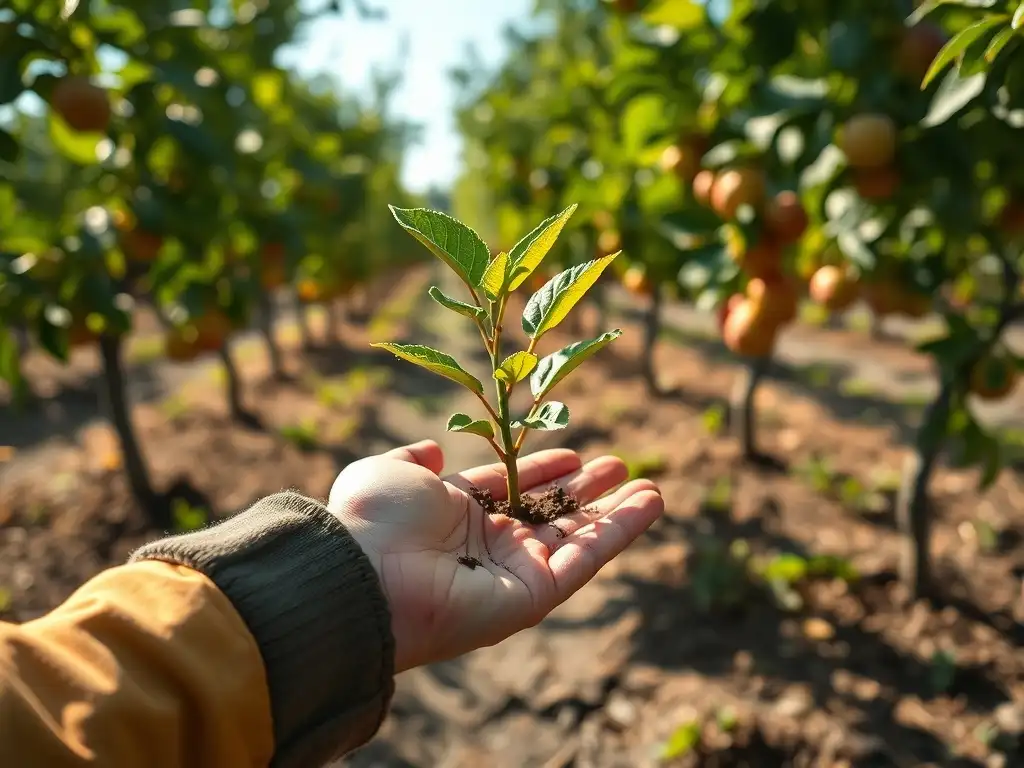
This section delves into the crucial first step of successful fruit tree planting: selecting the right tree for your specific needs and environment. Ignoring this step can lead to disappointment—a tree that doesn't thrive in your climate or simply doesn't produce the fruit you desire. Understanding your local climate and soil conditions is paramount.
This isn't just about choosing a pretty tree; it's about maximizing your chances of a bountiful harvest. We'll explore how to make informed decisions based on your hardiness zone, pollination needs, and available space. Mastering this selection process significantly increases your chances of success in your fruit tree planting journey.
Choosing Fruit Tree Varieties Based on Your Hardiness Zone
Your hardiness zone, determined by the average minimum winter temperature in your area, is a fundamental factor in selecting fruit trees. Planting a tree outside its hardiness range drastically reduces its chances of survival and fruit production. A tree not suited to your climate might struggle to survive harsh winters or scorching summers, leading to stunted growth, poor fruit yield, or even death. Knowing your zone allows you to choose varieties specifically adapted to your local climate.
For instance, a peach tree thriving in zone 7 might not survive the intense cold of zone 4. Many online resources and local agricultural extensions provide hardiness zone maps to help you determine your specific zone. Use this information wisely; it's the cornerstone of successful fruit tree planting.
Considering Pollination Requirements for Fruit Tree Success
Many fruit trees require cross-pollination to produce fruit. This means you need two different, but compatible, varieties of the same species planted within pollinating distance of each other. For example, you can't expect a single apple tree to produce a substantial crop; you'll need at least two different apple varieties that are compatible pollinators. Some varieties are self-fertile, meaning they can pollinate themselves, but even these often benefit from having a companion tree nearby for increased yield.
Before purchasing your trees, research the pollination requirements for your chosen variety. Failure to consider this crucial aspect will result in significantly reduced fruit production or no fruit at all. This is a common mistake that can easily be avoided with a little pre-planting research. Understanding pollination needs is as critical to success as knowing your hardiness zone.
Space Considerations and Tree Size at Maturity
Fruit trees vary greatly in size at maturity. A dwarf apple tree might only reach 8-10 feet tall, while a standard apple tree can easily exceed 25 feet. Consider the mature size of the tree relative to your available space. Planting a large tree in a small yard will lead to overcrowding, competition for resources, and potential problems with branches encroaching on structures or neighboring properties.
Check the mature size of your chosen variety before planting. This will help you plan the layout of your orchard or home garden effectively and ensure the trees have sufficient space to thrive. Accurate space planning is just as important as choosing the right variety and understanding pollination requirements. Remember to account not only for the tree's height but also for its spread, as the branches can extend significantly.
This detailed guide helps you navigate the essential considerations before planting fruit trees. Utilizing this information will increase your chances of a successful and rewarding fruit-growing experience. Remember, careful planning is key to a bountiful harvest! 🍎🌳
Preparing for Fruit Tree Planting
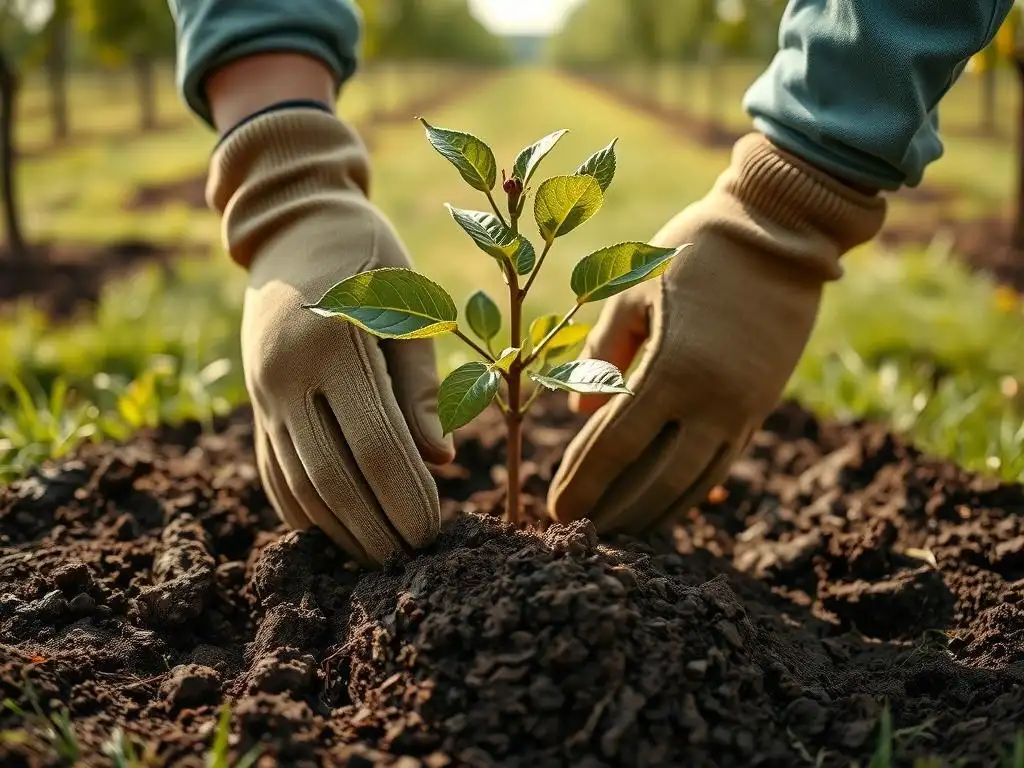
This section focuses on the crucial preparatory steps before planting your fruit trees. Understanding these steps is vital for ensuring the long-term health and productivity of your orchard, no matter your hardiness zone. Proper preparation minimizes risks and maximizes your chances of success in fruit tree cultivation. We'll cover selecting the perfect spot, preparing the soil, and gathering the essential tools and materials.
Selecting the Ideal Planting Location: Sunlight, Soil, and Drainage
Choosing the right location is paramount for successful fruit tree planting. Fruit trees, especially those bearing delicious fruits, need ample sunlight, well-drained soil, and the right amount of space to thrive. Neglecting these factors can lead to stunted growth, poor fruit production, and even tree death.
Consider these key elements when selecting a planting location:
- Sunlight: Most fruit trees require at least 6-8 hours of direct sunlight daily. Less sunlight can result in reduced fruit production and weaker growth. Observe your yard throughout the day to identify areas receiving optimal sun exposure. Note that the amount of sunlight can vary throughout the seasons, so consider the winter sun angles as well.
- Soil: Fruit trees need well-drained soil that is rich in organic matter. Poor drainage can lead to root rot and other diseases. Conduct a soil test to determine its pH level and nutrient content. Ideal pH levels vary depending on the type of fruit tree; however, generally, a slightly acidic to neutral pH (6.0-7.0) is preferred for many common fruit trees. Amend the soil as necessary to improve drainage and fertility.
- Drainage: Excellent drainage is crucial to prevent waterlogging around the roots. Observe the area after rainfall; if water pools for an extended period, it’s an indication of poor drainage. Consider amending heavy clay soils with organic matter like compost to improve drainage. Raised beds can also be a solution in areas with consistently poor drainage.
The selection of your planting spot directly impacts the growth and yield of your fruit trees. Careful consideration of these factors ensures a healthy foundation for your orchard.
Soil Preparation: Testing, Amending, and Enrichment for Optimal Growth
Soil preparation is a critical step in fruit tree planting that often gets overlooked. Healthy soil is the foundation for a thriving fruit tree. Before planting, you should conduct a thorough soil test and amend it as needed. This ensures your trees have access to the necessary nutrients for optimal growth and fruit production.
Soil Testing: A soil test will reveal your soil's pH level, nutrient content (nitrogen, phosphorus, potassium), and other essential elements. You can obtain a soil testing kit from a local garden center or agricultural extension office. The results will guide you on how to amend your soil appropriately.
Amending the Soil: Depending on the soil test results, you may need to amend your soil to improve its structure, drainage, and nutrient content. Common soil amendments include:
- Compost: Adds organic matter, improving soil structure, water retention, and nutrient availability.
- Aged Manure: Provides essential nutrients and improves soil fertility. Ensure it's well-aged to avoid burning the tree's roots.
- Lime: Raises the soil pH if it's too acidic.
- Elemental Sulfur: Lowers the soil pH if it's too alkaline.
Soil Enrichment: Once you've amended the soil, enrich it further with organic matter before planting. This will provide a nutrient-rich environment for the young tree's roots to establish themselves. You can incorporate additional compost or other organic materials into the planting hole.
Gathering Necessary Tools and Materials for Planting
Having the right tools and materials readily available simplifies the planting process and ensures a smooth operation. This minimizes stress on the young tree and increases the chances of successful establishment.
Here's a checklist of essential items:
| Item | Description |
|---|---|
| Shovel/Post Hole Digger | For digging the planting hole. A post hole digger is particularly useful for larger trees. |
| Watering Can/Hose | For watering the newly planted tree. |
| Soil Amendment Materials | Compost, aged manure, lime, or sulfur, as determined by your soil test. |
| Tree Stakes (optional) | To provide support for young trees, especially in windy areas. |
| Tree Guards (optional) | To protect the young tree from pests and damage. |
| Measuring Tape | To ensure proper spacing between trees. |
| Gloves | To protect your hands. |
Remember to check the specific requirements for your chosen fruit tree variety. Some varieties may need additional support or protection during their initial growth stages. Proper preparation and the right tools will significantly contribute to the success of your fruit tree planting project.
Step-by-Step Fruit Tree Planting Guide
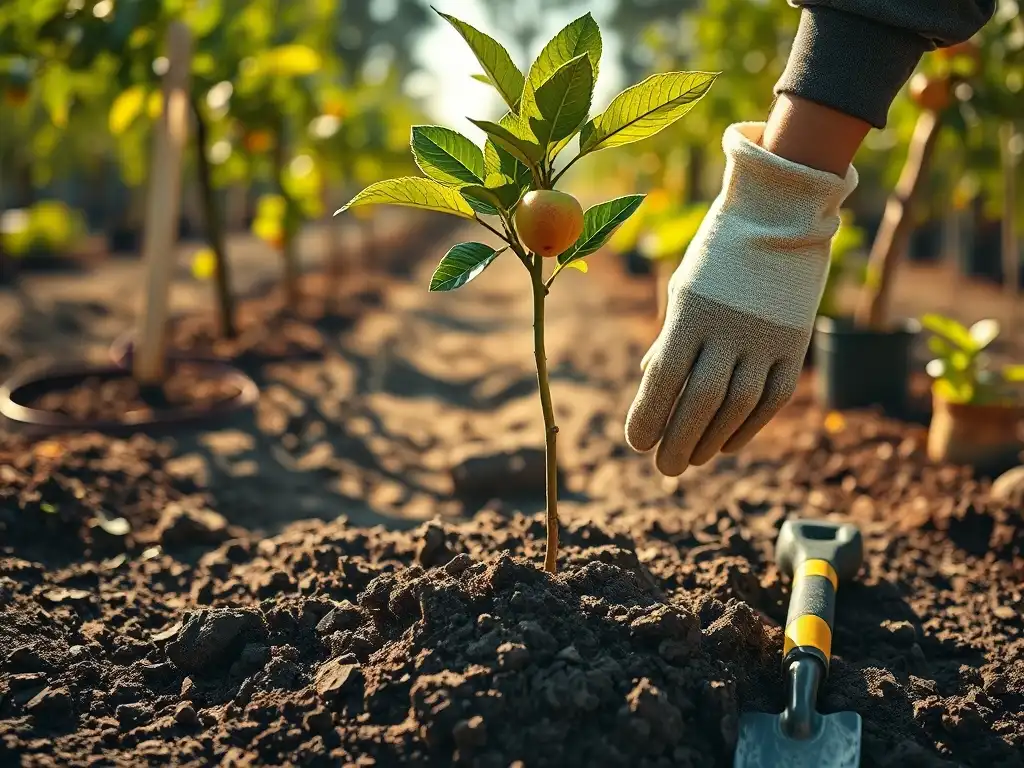
This section provides a detailed, step-by-step guide to planting fruit trees successfully, focusing on techniques that ensure healthy growth and a bountiful harvest. Understanding your hardiness zone is crucial, as detailed in the preceding sections, but proper planting techniques are equally vital for fruit tree success. This guide will help you plant your fruit trees effectively, maximizing their chances of thriving in your specific environment. We'll cover the key aspects from digging the hole to ongoing care, ensuring you have the knowledge to cultivate a flourishing orchard.
Digging the Planting Hole: Size and Depth Considerations
The success of your fruit tree planting hinges significantly on properly preparing the planting hole. Digging a hole that's too small restricts root growth, while one that's too large can lead to the tree settling unevenly and potentially causing damage. The ideal size and depth depend on the root system of your sapling. Generally, you should aim for a hole at least twice as wide as the root ball and as deep as the root ball, allowing ample space for root expansion.
For example, a fruit tree with a 12-inch diameter root ball should have a hole approximately 24 inches (61 cm) in diameter. The depth should be sufficient to accommodate the entire root ball without burying the graft union (the point where the scion and rootstock are joined) too deeply. Burying the graft union can lead to rootstock growth instead of the desired fruit tree variety. Always check the planting instructions provided with your specific tree, as size recommendations can vary depending on the species and cultivar.
Avoid compacting the soil at the bottom of the hole. Loose soil encourages better root penetration and water drainage. If your soil is particularly heavy clay, consider amending it with organic matter like compost to improve drainage and aeration. This will promote healthier root development and reduce the risk of root rot, a common problem for fruit trees. Remember, a well-prepared planting hole is the foundation for a strong and productive tree. Think of it as giving your tree the best possible start in life! 🍎
Planting the Fruit Tree: Proper Techniques for Healthy Growth
Once the hole is prepared, carefully remove the fruit tree from its container. Gently loosen any circling roots at the bottom and sides of the root ball to encourage outward growth. Avoid damaging the delicate roots as much as possible. Planting is a delicate process; handle the sapling with care.
Position the tree in the hole, ensuring the graft union is above the soil line. Backfill the hole with the amended soil, gently firming it around the roots to eliminate air pockets. Avoid compacting the soil too tightly, which can hinder root growth. Water thoroughly after planting to settle the soil and encourage root contact.
Proper planting depth is crucial. Planting too deep can suffocate the roots, while planting too shallow can leave the tree unstable and vulnerable to wind damage. The soil level should be consistent with the level at which the tree grew in its container. Observe the soil line on the trunk of the tree as a guide. A slightly raised mound around the base of the trunk helps with drainage and prevents water from accumulating around the trunk.
Watering and Mulching Your Newly Planted Fruit Tree
Consistent watering is critical during the first growing season, especially during periods of drought. Water deeply and infrequently, encouraging deep root growth rather than shallow roots. Aim for consistent soil moisture but avoid overwatering, which can lead to root rot. The frequency of watering will depend on your local climate and soil type. Observe the soil moisture regularly, and water when the top inch or two feels dry.
Applying a layer of mulch around the base of the tree (but not directly touching the trunk) helps retain soil moisture, suppress weeds, and regulate soil temperature. Use organic mulch such as wood chips, shredded bark, or straw. A 2- to 4-inch layer of mulch is generally sufficient. Mulching also helps prevent soil erosion and improves soil health over time.
Remember to replenish the mulch layer as it decomposes. Consistent watering and mulching are essential practices to ensure the long-term health and productivity of your newly planted fruit tree. These simple steps will significantly enhance your chances of success in cultivating a thriving fruit tree orchard. Remember to monitor your trees regularly and adjust your watering and mulching strategies as needed based on the specific requirements of your fruit tree variety and the prevailing weather conditions.
Post-Planting Care for Fruit Trees
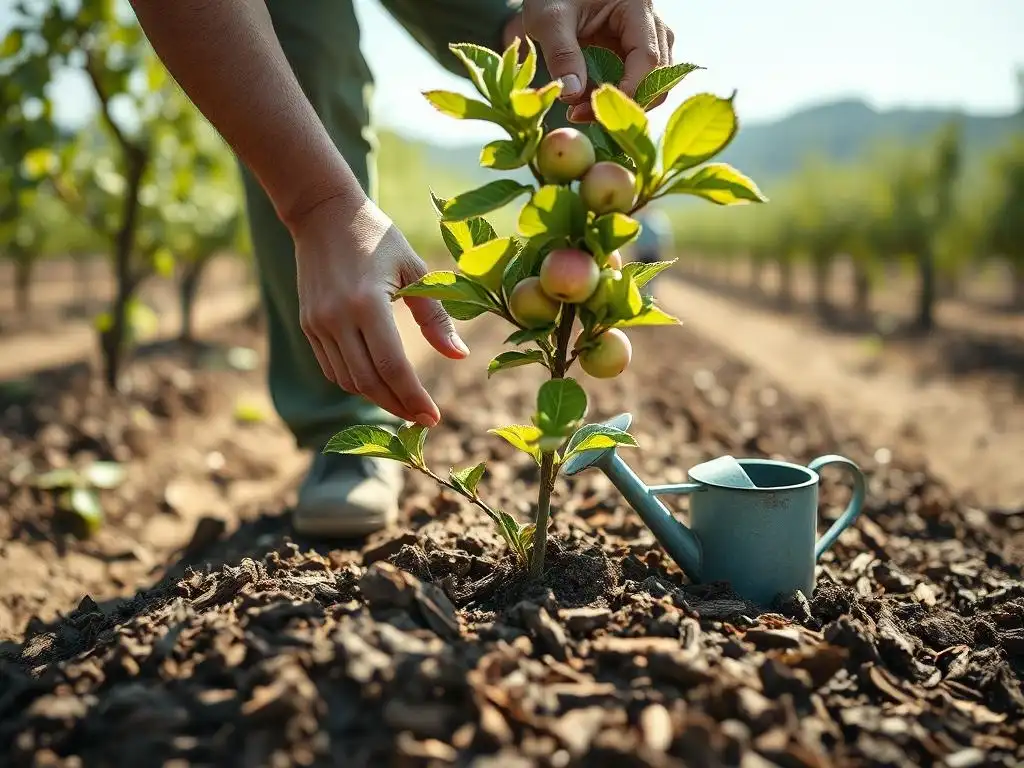
Once you've successfully planted your fruit trees according to their hardiness zone requirements, the post-planting care is crucial for their establishment and long-term health. This phase focuses on providing the right conditions for your young trees to thrive and develop a strong root system. Neglecting this stage can significantly impact the tree's growth, fruit production, and overall lifespan. Remember, patience is key; fruit tree growth takes time, and consistent care will yield the best results.
This section will delve into the specifics of watering, fertilizing, and pest/disease control for your newly planted fruit trees. Proper care during this crucial period will significantly influence the success of your fruit tree planting project. This is a key aspect of a successful fruit tree planting zones guide.
Watering Schedule for Newly Planted Fruit Trees
Consistent watering is paramount, especially during the first year after planting. The goal is to keep the soil consistently moist, but not waterlogged. Overwatering can lead to root rot, while underwatering can stress the tree and hinder growth. The frequency of watering depends heavily on several factors: soil type (clay retains moisture longer than sandy soil), weather conditions (hot, dry weather requires more frequent watering), and tree size (larger trees require more water).
A good rule of thumb is to water deeply and less frequently. Instead of shallow, frequent watering, aim for a thorough soaking that reaches the root zone. This encourages deep root growth, making the tree more drought-tolerant in the long run. You can check soil moisture by digging a few inches down; if the soil feels dry, it's time to water. During particularly hot and dry periods, you might need to water every few days.
However, during cooler, wetter periods, watering might only be necessary once a week or even less. Always monitor the tree's condition; wilting leaves are a clear sign of underwatering. Remember, a well-hydrated tree is a happy, healthy tree! Consider using a soaker hose or drip irrigation system for efficient and even watering. This method minimizes water waste and ensures that the water reaches the roots effectively.
Fertilizing Young Fruit Trees for Optimal Growth
While newly planted fruit trees often have enough nutrients from the planting hole, supplemental fertilization can significantly boost their growth and development. Avoid over-fertilizing, as this can damage the roots. A balanced, slow-release fertilizer specifically formulated for fruit trees is ideal. The type of fertilizer will depend on your soil's composition, which you can determine through a soil test. This test will identify any nutrient deficiencies and guide you in selecting the appropriate fertilizer.
Generally, you should fertilize your young fruit trees in early spring, just as new growth begins. Follow the instructions on the fertilizer packaging carefully, as application rates vary depending on the product and tree size. Avoid fertilizing during the late summer or fall, as this can stimulate late-season growth, making the tree more susceptible to winter damage.
Regular fertilization, coupled with proper watering and pest control, ensures vigorous growth and a bountiful harvest in the years to come. Remember to keep a record of your fertilization schedule to track the effectiveness and adjust your approach as needed. Using organic fertilizers is a sustainable practice that benefits both your trees and the environment.
Protecting Young Fruit Trees from Pests and Diseases
Young fruit trees are particularly vulnerable to pests and diseases. Regular inspection is crucial for early detection and timely intervention. Common pests include aphids, scale insects, and borers, while diseases like fire blight and powdery mildew can also affect young trees. Early identification is key to preventing widespread damage.
Prevention is better than cure. Maintaining good tree hygiene, such as removing fallen leaves and fruit, can help minimize pest and disease problems. You can also use natural pest control methods such as introducing beneficial insects like ladybugs, which prey on aphids. If pests or diseases are detected, consider using organic pesticides or fungicides, following the instructions carefully.
Always choose products that are safe for both the environment and beneficial insects. Remember to regularly inspect your trees throughout the growing season to ensure their health and to address any issues promptly. A proactive approach to pest and disease management is a crucial part of successful fruit tree cultivation. This is a significant factor to consider when following any fruit tree planting zones guide.
Pruning Young Fruit Trees: Essential Techniques for Healthy Growth
Pruning young fruit trees is crucial for establishing a strong framework and promoting healthy growth. Neglecting this important step can lead to weak branches, poor fruit production, and increased susceptibility to disease. The goal of pruning young trees is to create a well-balanced structure with evenly spaced branches that allow for ample sunlight penetration and air circulation. This helps prevent fungal diseases and encourages robust fruit development.
The best time to prune young fruit trees is typically during the dormant season, late winter or early spring, before new growth begins. This allows the tree to heal properly before the onset of active growth. However, some light pruning, such as removing dead or damaged branches, can be done throughout the growing season if necessary.
Several essential techniques are employed when pruning young fruit trees:
- Heading Back: This involves shortening the terminal buds of branches to encourage branching and bushier growth. It's particularly useful for shaping the tree and promoting lateral growth. For example, a young apple tree might have its central leader shortened to encourage branching lower down, preventing the tree from becoming too tall and top-heavy.
- Thinning Out: This technique involves removing entire branches at their point of origin, rather than just shortening them. Thinning out improves air circulation and sunlight penetration within the canopy, reducing the risk of disease and improving fruit quality. It's important to remove any crossing or rubbing branches that could damage each other. Overcrowding is a common problem, and thinning addresses this directly.
- Selecting Leader and Scaffold Branches: Establishing a strong central leader (the main trunk) and well-spaced scaffold branches (main branches arising from the trunk) is vital for the tree’s long-term structure. Carefully select these branches, ensuring they are evenly spaced around the trunk and angled outward to support the weight of the fruit. Remove competing leaders or branches that are poorly positioned.
Pruning young fruit trees might seem daunting, but with practice and patience, it becomes a manageable task. Remember to use sharp, clean pruning shears or saws to prevent the spread of disease. Start by removing any dead, damaged, or diseased branches. Then focus on shaping the tree, ensuring adequate spacing between branches.
A well-pruned young tree will reward you with abundant harvests for years to come. Regular pruning, adapted to the specific needs of the species and the tree’s growth habit, is key to sustainable fruit production. Many resources, including local agricultural extension offices and experienced arborists, can offer personalized guidance on pruning techniques for specific fruit tree varieties within your hardiness zone. Consider consulting these experts for tailored advice.
Fruit Tree Planting Zones Guide: Troubleshooting and FAQs
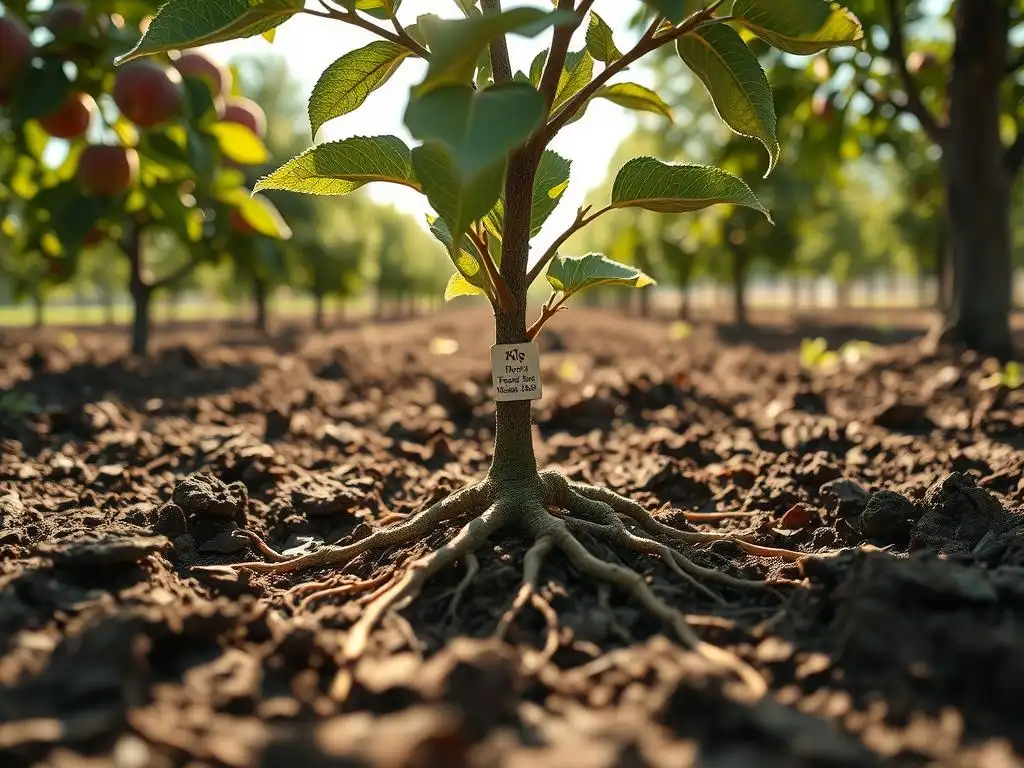
This section addresses common challenges encountered when planting fruit trees according to hardiness zones, offering solutions and preventative measures. Understanding your specific zone is crucial, but even with perfect zone selection, problems can arise.
Addressing Common Fruit Tree Planting Problems
Planting fruit trees, even within the recommended hardiness zone, presents several potential hurdles. Let's examine some common issues and how to address them effectively.
One frequent problem is poor drainage. Fruit trees, like most plants, need well-drained soil to thrive. Standing water can lead to root rot, a fatal condition. Before planting, amend heavy clay soils with organic matter like compost to improve drainage. Consider raised beds or berms if drainage is consistently poor in your area. Symptoms of poor drainage include yellowing leaves, stunted growth, and wilting even after watering.
Another common issue is incorrect planting depth. Planting too deep or too shallow can severely stress the tree, hindering its ability to establish a strong root system. The graft union (the point where the scion and rootstock are joined) should always be above the soil line. Planting too deeply buries the graft union, potentially leading to the death of the scion and failure to bear fruit. Planting too shallow leaves the roots exposed and vulnerable to drying out. Always check the planting instructions provided with your specific tree variety.
Pests and diseases are another major concern. Regular inspection is key. Early detection and treatment are crucial for preventing widespread damage. Implementing preventative measures, such as proper spacing to improve air circulation and using organic pest control methods, can significantly reduce the risk of infestation. Consider the susceptibility of different fruit tree varieties to common pests and diseases in your specific hardiness zone when making your selections. For example, apple trees in zone 5 might be particularly susceptible to apple scab, requiring careful monitoring and treatment.
Finally, nutrient deficiencies can manifest as yellowing leaves, weak growth, and reduced fruit production. Regular soil testing can identify nutrient imbalances. Amend the soil with appropriate organic fertilizers based on the test results. For instance, a deficiency in nitrogen might be indicated by pale green leaves, while a lack of iron could cause yellowing between the leaf veins. Understanding the specific nutrient needs of your chosen fruit tree variety is critical for healthy growth.
Tips for Successful Fruit Tree Growth in Various Hardiness Zones
Successful fruit tree cultivation hinges on selecting appropriate varieties for your hardiness zone and providing optimal care. This section provides actionable tips for maximizing your chances of success.
Even within a hardiness zone, microclimates exist. Consider factors like sun exposure, wind protection, and soil type when selecting a planting location. A south-facing slope might offer warmer conditions than a north-facing one, impacting the tree's ability to thrive. Windbreaks can protect young trees from damaging winds, especially in exposed areas.
Choosing the right variety is paramount. Look for cultivars known for their adaptability and disease resistance within your specific hardiness zone. Nurseries and local agricultural extension offices are excellent resources for obtaining this information. They can provide tailored advice based on your local conditions and the specific needs of different fruit tree varieties.
Proper watering is crucial, especially during the establishment phase. Consistent watering, avoiding both overwatering and underwatering, is essential for healthy root development. Mulching around the base of the tree helps retain soil moisture and suppress weeds. A layer of organic mulch, such as wood chips or straw, can significantly improve soil health and reduce water loss.
Regular pruning is necessary to maintain the tree's shape, remove dead or diseased branches, and encourage fruit production. Different fruit trees require different pruning techniques; research the specific needs of your chosen variety. Pruning also improves air circulation, reducing the risk of disease. Proper pruning techniques will vary depending on the age and type of fruit tree, ensuring its long-term health and productivity. Consult resources specific to your chosen variety for detailed guidance.
Finally, remember that patience is key. Fruit trees take time to mature and produce a substantial harvest. Consistent care and attention will increase your chances of success and reward you with delicious, homegrown fruit. Keep detailed notes of your planting process, including variety, planting date, and any observed issues. This will assist with future plantings and troubleshooting.
Long-Term Care and Maintenance of Fruit Trees in Your Zone
Once you've successfully planted your fruit trees according to your hardiness zone, the journey doesn't end. Long-term care is crucial for healthy growth, abundant harvests, and the longevity of your trees. Neglecting maintenance can lead to reduced yields, disease susceptibility, and ultimately, the demise of your fruit trees. This section focuses on the ongoing care needed to ensure your orchard thrives. Understanding your specific zone's climate and typical challenges will help you tailor your approach for optimal results. This is key for successful fruit tree planting zones.
Regular Pruning and Maintenance Practices
Regular pruning is paramount for maintaining the health and productivity of your fruit trees. The specific techniques and timing will vary slightly depending on the type of fruit tree and your hardiness zone. However, some general principles apply across the board.
Pruning promotes strong framework development, improves air circulation to reduce disease, and encourages more fruit production by redirecting energy to fruiting wood. For example, in colder zones (zones 3-5), winter pruning is often preferred, while warmer zones (zones 8-10) might benefit from late winter or early spring pruning to avoid frost damage to newly pruned branches.
A well-structured tree allows sunlight to penetrate the canopy, reaching all the branches and fruit. Overgrown trees, on the other hand, can lead to shaded inner branches, weak growth, and reduced fruit yield. Consider these points:
- Dormant Season Pruning: This involves removing dead, damaged, or diseased branches, as well as thinning out crowded branches to improve air circulation.
- Summer Pruning: This focuses on removing water sprouts and suckers that compete with main branches for nutrients. It also helps to shape the tree and maintain its size.
- Thinning Fruit: This crucial step prevents overcropping, ensuring larger, higher-quality fruit. Thinning should be done early in the season, typically when fruit is the size of a pea or marble.
Pest and Disease Management Strategies for Your Zone
Pest and disease management is a critical aspect of long-term fruit tree care. The specific pests and diseases prevalent in your hardiness zone will influence your strategy. Ignoring these issues can lead to significant fruit loss and even tree death.
Monitoring your trees regularly for signs of infestation or disease is crucial for early detection and intervention. This includes checking leaves, branches, and fruit for unusual discoloration, spots, holes, or insect activity.
Integrated pest management (IPM) is a sustainable approach that prioritizes preventative measures and employs less toxic methods only when necessary. This might involve:
- Cultural Practices: Selecting disease-resistant varieties, providing proper spacing for good air circulation, and maintaining soil health.
- Biological Control: Introducing beneficial insects, such as ladybugs or lacewings, to prey on pests.
- Physical Control: Handpicking pests, using sticky traps, or installing physical barriers.
- Chemical Control: Using pesticides as a last resort, opting for organic and less toxic options whenever possible. Always follow label instructions carefully and consider the impact on beneficial insects and pollinators. In many zones, certain organic pesticides are far more effective than chemical ones.
Harvesting Your Fruit: Timing and Techniques for Optimal Yields
Harvesting your fruit at the peak of ripeness is essential for achieving optimal flavor and quality. The timing varies depending on the type of fruit, the variety, and your hardiness zone's climate. A late frost in a normally warm zone can impact the harvest, for example.
Knowing when your fruit is ready for harvest requires careful observation. Look for characteristic signs of ripeness, such as color changes, softness, and aroma. For example, apples will typically change color from green to red or yellow, depending on the variety, and will yield slightly to gentle pressure.
Harvesting techniques also play a significant role in preserving the quality of the fruit. Use clean and sharp tools to avoid damaging the fruit or the tree. Handle the fruit gently to prevent bruising. After harvest, store your fruit properly to maintain its freshness and extend its shelf life.
Proper storage techniques vary based on the type of fruit; some fruits require refrigeration, while others can be stored at room temperature for a short period. Understanding the nuances of each fruit and adapting your approach to your specific hardiness zone will result in the best possible yield and flavor. 🍎
Frequently Asked Questions
What is a hardiness zone, and why is it important for fruit tree planting?
Hardiness zones indicate the average minimum winter temperatures in a region. Knowing your zone is crucial because it determines which fruit tree varieties will survive and thrive in your climate. Planting trees outside their zone can lead to winter damage or death.
How do I find my hardiness zone?
You can easily find your zone using the USDA Plant Hardiness Zone Map available online. Simply enter your zip code or address to determine your specific zone. Many gardening websites also have interactive map tools.
What are some common fruit trees suitable for colder hardiness zones?
Apples, pears, plums, and some cherry varieties are cold-hardy and suitable for colder zones. Consider selecting dwarf or semi-dwarf varieties for easier management in smaller spaces. Always check the specific hardiness rating of the cultivar.
Can I plant fruit trees outside the recommended hardiness zone?
While possible, it's risky to plant outside the recommended zone. You might experience reduced fruit production, winter damage, or even tree death. Consider microclimates or providing extra winter protection.
What other factors should I consider besides hardiness zones when planting fruit trees?
Beyond hardiness zones, consider sunlight requirements, soil type, and available space. Proper soil drainage is vital, and sufficient sunlight is necessary for optimal fruit production. Also, research the mature size of the tree to ensure it fits your location.
Final Reflection: Cultivating a Greener Future, One Fruit Tree at a Time
Understanding your hardiness zone is not just about successful fruit tree planting; it's about actively participating in a more sustainable and resilient future. The simple act of choosing the right tree for your climate contributes to a larger conversation about responsible resource management and environmental stewardship. This knowledge empowers us to make informed choices that benefit both our own harvests and the health of our planet.
The impact of understanding hardiness zones extends far beyond the individual backyard. It fosters a deeper connection with the natural world, encouraging us to observe and appreciate the subtle nuances of our local ecosystems. The glory of gardening: hands in the dirt, head in the sun, heart with nature. To nurture a garden is to feed not just the body, but the soul.
This quote beautifully captures the essence of what we've explored – the profound satisfaction derived from understanding and working with nature, rather than against it.
Now, consider your own space. What kind of fruit trees could thrive in your hardiness zone? What small step can you take today to cultivate a greener future, whether it's researching local varieties, preparing your soil, or simply planting a single sapling? Let the knowledge gained from this guide inspire you to nurture not only your own harvest, but also a deeper connection with the land and the enduring legacy of sustainable living.
Unleash Your Inner Orchard: Grow Your Dream Fruit Trees!
Thank you for learning about planting fruit trees suited to your hardiness zone! You're now equipped to select the perfect trees for your climate. Let's turn that knowledge into delicious, homegrown fruit.
- Plant your first fruit tree today! Research local nurseries, check their stock for the varieties you've chosen, and get started. This is the crucial first step toward realizing your orchard dream.
- Share your planting experience! Tell us about your chosen tree and its anticipated harvest on our CultivateYourFood community forum. Let's grow together!
- Explore different fruit tree varieties suitable for your zone – you might discover some surprising and delightful options!
Ready to enjoy the sweet rewards of your labor? Imagine the delicious fruit gracing your table next year!