
Planting Fruit Trees: The Importance of Sunlight

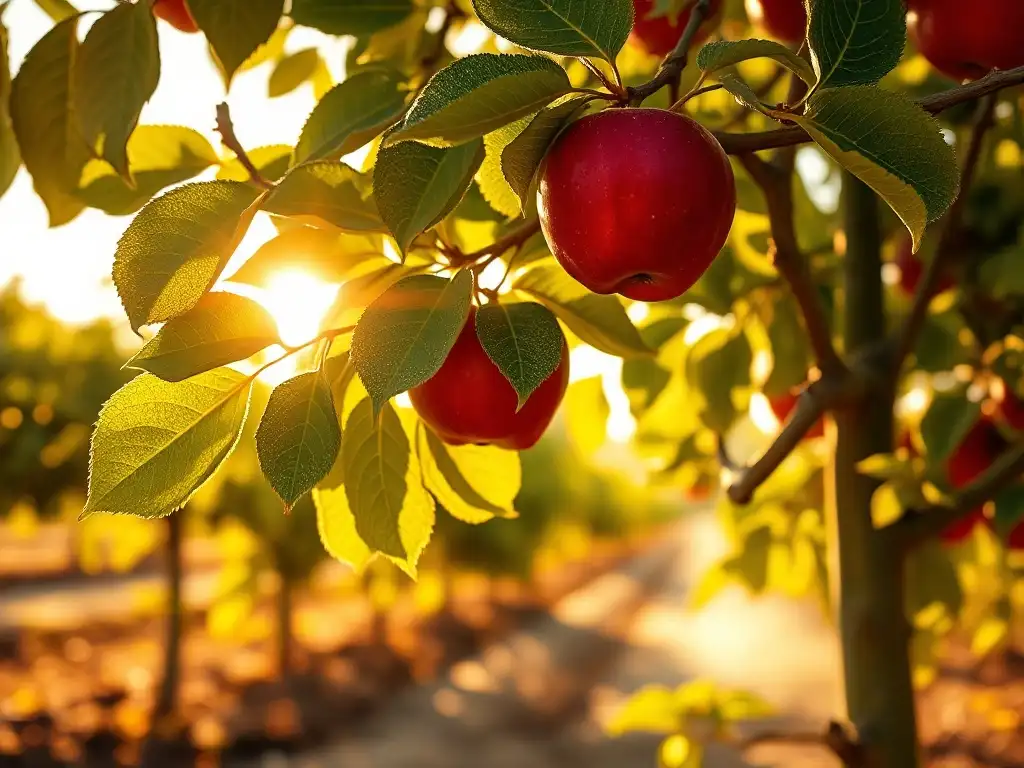
Ready to transform your backyard into a bountiful orchard? At CultivateYourFood, we empower you to grow your own delicious fruits, vegetables, and herbs organically. Discover the secrets to a thriving garden, starting with our essential guide on Sunlight needs fruit tree planting. Unlock the key to successful fruit tree cultivation and learn how sunlight impacts your harvest – your journey to homegrown goodness starts now!
- Understanding Sunlight Needs for Fruit Tree Planting
- Assessing Your Site's Sunlight Conditions for Fruit Tree Planting
- Selecting the Right Fruit Tree for Your Sunlight Conditions
- Optimizing Sunlight Exposure for Healthy Fruit Trees
- Troubleshooting Sunlight-Related Issues in Fruit Tree Planting
- Frequently Asked Questions
- Final Reflection: The Enduring Power of Sunlight in Orchard Dreams
- Unleash Your Orchard's Potential: Sunlight's Secret to Success
Understanding Sunlight Needs for Fruit Tree Planting
Sunlight is arguably the most crucial factor determining the success of your fruit tree planting project. This isn't just about whether your trees survive; it's about ensuring they thrive, producing abundant, healthy fruit year after year. This article delves into the specific sunlight requirements for various fruit trees, explaining the critical role sunlight plays in photosynthesis and overall fruit production.
Understanding these needs is paramount for choosing the right location for planting and maximizing your harvest. Neglecting sunlight requirements can lead to poor growth, reduced yields, and even tree death, ultimately undermining your efforts in sustainable and organic fruit cultivation. We'll explore how different fruit trees respond to varying levels of sunlight exposure, empowering you to make informed decisions that will lead to a bountiful orchard.
Essential Sunlight Requirements for Optimal Growth
Most fruit trees require at least 6-8 hours of direct sunlight daily for optimal growth and fruit production. This means choosing a planting location that receives ample sunlight throughout the day, avoiding areas shaded by buildings, tall trees, or other structures. The intensity and duration of sunlight exposure directly impact the tree's ability to photosynthesize, a process vital for converting light energy into chemical energy for growth. Insufficient sunlight can lead to weak, spindly growth, smaller leaves, and reduced flowering and fruiting.
Conversely, excessive sunlight, especially during the hottest part of the day, can cause sunburn on leaves and fruit, impacting their quality and yield. Finding the "just right" amount of sunlight is key. Consider the specific needs of the variety of fruit tree you're planting; some are more tolerant of shade than others. 🌳
Sunlight's Role in Photosynthesis and Fruit Production
Sunlight is the primary energy source driving photosynthesis, the process where plants convert carbon dioxide and water into sugars (energy) using chlorophyll and sunlight. This energy fuels all aspects of the tree's growth, from developing strong roots and branches to producing flowers and eventually, fruit. The more sunlight a tree receives, the more energy it can generate for these processes. Insufficient sunlight directly limits photosynthesis, resulting in stunted growth and a significantly reduced fruit yield.
Moreover, sunlight influences the quality of the fruit itself. Fruit grown in ample sunlight tends to be sweeter, more flavorful, and richer in nutrients. This is because the sun influences sugar production and the development of essential vitamins and minerals within the fruit. ☀️
How Different Fruit Trees Respond to Sunlight Exposure
Different fruit trees have varying sunlight requirements. For example, some varieties of apple trees can tolerate partial shade, while others need full sun. Similarly, cherry trees generally prefer full sun, while some plum varieties may adapt to slightly less sunlight. Understanding these differences is critical for successful fruit tree planting. Researching the specific sunlight requirements of your chosen fruit tree variety before planting is crucial.
This information is usually available from nurseries, seed suppliers, or online resources dedicated to fruit tree cultivation. Consider factors such as the local climate and microclimate of your planting location – a north-facing slope, for example, will receive less sunlight than a south-facing one. Careful consideration of these factors will ensure your fruit trees receive the optimal amount of sunlight for healthy growth and abundant harvests. 🍎
Assessing Your Site's Sunlight Conditions for Fruit Tree Planting
Sunlight is paramount for successful fruit tree planting. Understanding your site's sunlight conditions is crucial for selecting the right fruit tree varieties and ensuring optimal growth and fruit production. Insufficient sunlight can lead to poor fruit yield, weak growth, and increased susceptibility to diseases. Conversely, excessive sunlight, particularly intense afternoon sun in certain climates, can scorch leaves and stress the tree.
This section details how to effectively assess your site's sunlight to maximize your chances of a bountiful harvest. Proper assessment of "Sunlight needs fruit tree planting" is key to success. We'll explore methods to accurately measure sunlight exposure, identify potential problems, and analyze sunlight patterns throughout the day. Remember, different fruit trees have varying sunlight requirements; research your chosen variety before planting.
Measuring Sunlight Hours with a Sun Tracker
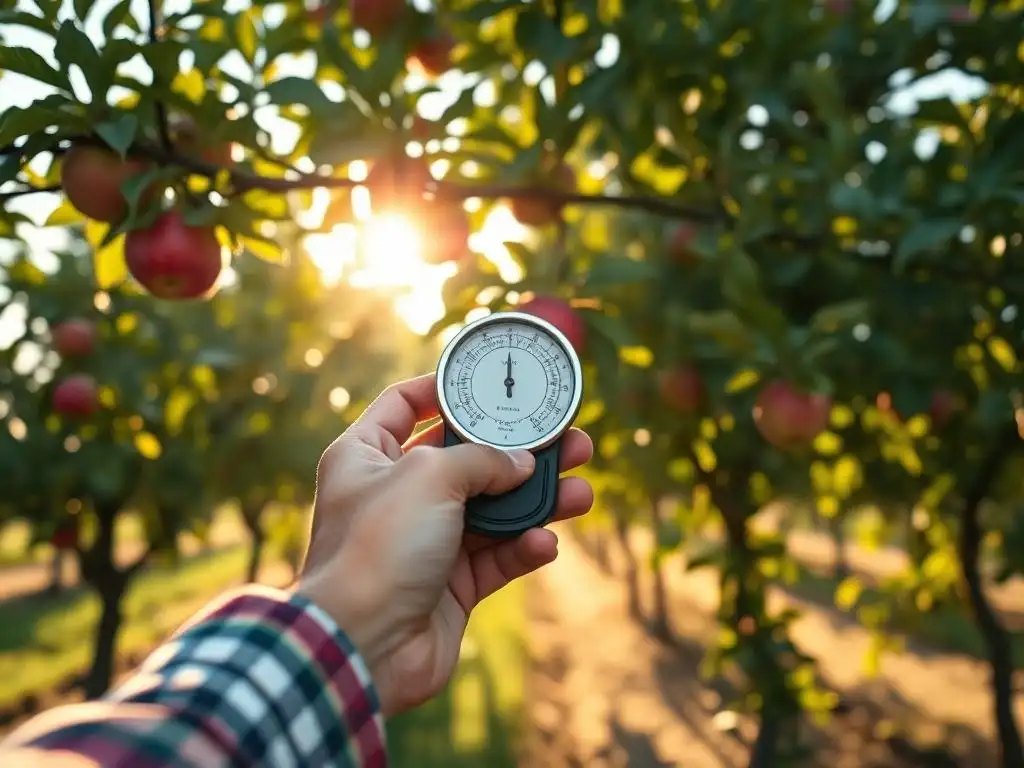
Accurately measuring the number of sunlight hours your planting site receives is the first step. While a simple observation can provide a rough estimate, using a sun tracker provides a more precise measurement. These devices, available online or at gardening supply stores, record the duration and intensity of sunlight throughout the day.
Place the sun tracker in your intended planting location for at least a week to get a reliable average. Record the data daily, noting variations due to weather conditions. This detailed information will be invaluable in determining the suitability of your site for various fruit tree species.
For example, a sun-loving peach tree requires at least 6-8 hours of direct sunlight daily, while a more shade-tolerant plum tree might thrive with slightly less. Analyzing this data allows for informed decision-making concerning which fruit trees will flourish in your specific environment. Don't underestimate the importance of this step; accurate sunlight data is the foundation of successful fruit tree cultivation.
Identifying Shady Areas and Potential Obstructions
Once you've assessed the overall sunlight exposure, carefully examine your planting site for shady areas and potential obstructions. These can significantly reduce the amount of sunlight reaching your fruit trees. Tall buildings, fences, large trees, or even hills can cast shadows that limit sunlight. Use a simple method: Take pictures of your planting area at different times of the day, particularly during peak sunlight hours. This visual record will help you identify areas consistently shaded.
Consider the sun's path throughout the year; what might be sunny in summer could be shaded in winter. Mapping these areas will help you strategically choose your planting location, ensuring maximum sunlight exposure. Remember, even a seemingly small obstruction can cumulatively reduce sunlight over time, hindering the tree’s growth and fruit production. Careful observation and meticulous planning are crucial here.
Analyzing Sunlight Patterns Throughout the Day
Sunlight intensity and duration aren't uniform throughout the day. Analyzing the sunlight patterns throughout the day is essential for choosing the optimal planting location and selecting suitable fruit tree varieties. For instance, many fruit trees benefit from morning sun and protection from harsh afternoon sun. Observe how the sun's angle and intensity change throughout the day.
Note the times of the day when your chosen spot receives the most direct sunlight. This information, combined with the data from your sun tracker, will allow you to make an informed decision about the best location for your fruit trees. Consider factors such as prevailing winds, which can exacerbate the effects of intense sun.
A well-chosen location, considering both the quantity and quality of sunlight, significantly increases the likelihood of a healthy and productive fruit tree. This detailed analysis is a critical step in the process of successful fruit tree planting. Remember, paying close attention to detail now will reap rewards in the years to come.
Selecting the Right Fruit Tree for Your Sunlight Conditions
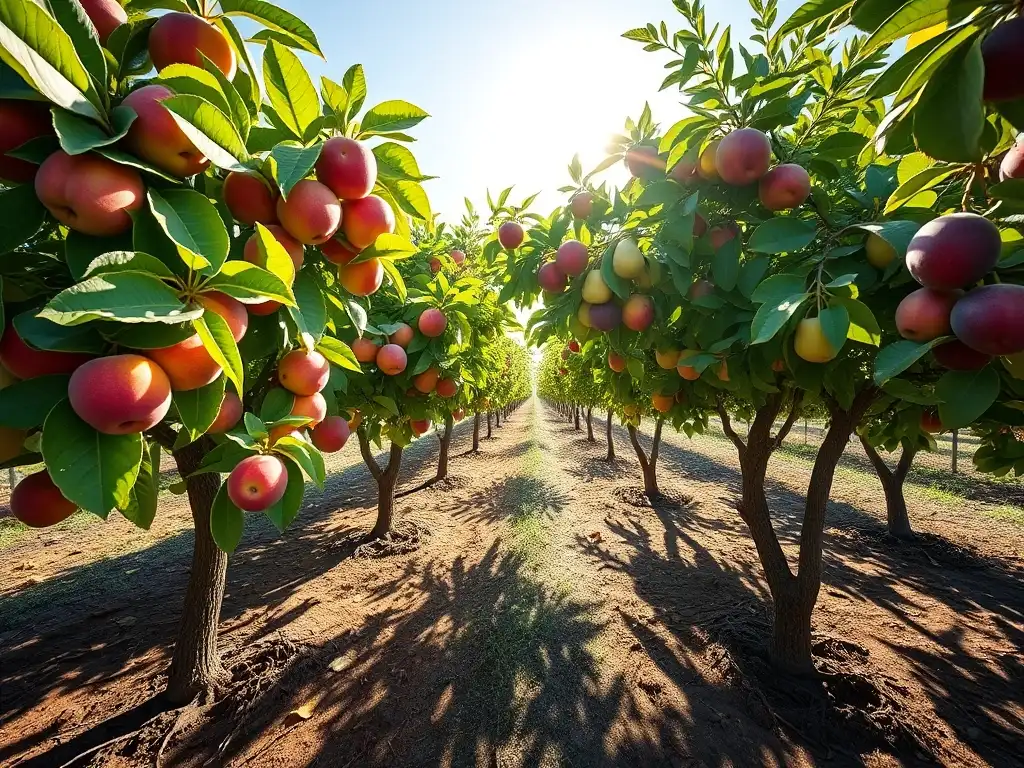
Choosing the right fruit tree is paramount for a successful harvest, and sunlight needs are a crucial factor in this selection process. Understanding the sunlight requirements of different fruit tree varieties is essential for maximizing yield and overall tree health. Ignoring these needs can lead to poor fruit production, stunted growth, and increased susceptibility to diseases.
This section will guide you through selecting the appropriate fruit tree based on the amount of sunlight your planting location receives. Effective planning, considering your specific sunlight conditions, is key to achieving a thriving orchard, no matter the size. Remember, even small differences in daily sun exposure can significantly impact a fruit tree's performance.
Sunlight Tolerance Levels of Popular Fruit Trees
Different fruit trees have varying sunlight needs. Some thrive in full sun (6-8 hours of direct sunlight daily), while others tolerate partial shade (4-6 hours). Understanding these differences is crucial for successful planting. Let's examine the sunlight tolerance levels of some popular fruit tree varieties:
| Fruit Tree Variety | Sunlight Requirement | Notes |
|---|---|---|
| Apple | Full Sun | Requires at least 6 hours of direct sunlight for optimal fruit production. |
| Peach | Full Sun | Similar to apples, needs ample sunlight for best results. |
| Cherry | Full Sun | Full sun is vital for healthy growth and abundant cherry production. |
| Pear | Full Sun to Partial Shade | More tolerant of shade than apples or peaches, but still benefits from ample sun. |
| Plum | Full Sun | Requires consistent sunlight for good fruit set and overall tree health. |
| Fig | Full Sun | Thrives in intense sunlight; partial shade can reduce fruit production. |
| Grapefruit | Full Sun | Needs at least 6 hours of direct sunlight for optimal growth and fruiting. |
| Lemon | Full Sun | Similar to grapefruit, requires abundant sunlight. |
It's important to note that these are general guidelines. Specific cultivars within each variety may exhibit slightly different sunlight preferences. Always check the specific requirements of the cultivar you intend to plant. Proper sunlight exposure directly impacts the tree's ability to photosynthesize, affecting fruit size, sweetness, and overall yield.
Matching Tree Species to Available Sunlight
Once you've assessed the amount of sunlight your planting area receives, you can begin matching tree species to your available conditions. For areas with limited sunlight, selecting shade-tolerant varieties is crucial. Conversely, if you have a sunny location, you can choose from a wider range of fruit trees, prioritizing those that require full sun for optimal growth. Consider the following factors when making your selection:
- Orientation: The direction your planting area faces significantly impacts sunlight exposure. South-facing areas generally receive the most sunlight.
- Surrounding Structures: Buildings, fences, and tall trees can cast shadows, reducing the amount of sunlight your fruit trees receive.
- Seasonal Variations: Sunlight duration varies throughout the year. Account for shorter days during winter months.
Careful consideration of these factors will ensure that you choose the right species for your specific environment. Remember that even slight variations in sunlight can affect the overall health and productivity of your fruit trees. Proper planning is crucial for long-term success.
Adapting Planting Strategies for Low-Light Conditions
If your planting location receives less than ideal sunlight, don't despair! There are ways to adapt your planting strategies to maximize the success of your fruit trees, even in low-light conditions. Consider these techniques:
- Pruning: Strategic pruning can help improve light penetration within the tree canopy, allowing more sunlight to reach the inner branches and leaves. This is crucial for enhancing photosynthesis in low-light environments.
- Spacing: Proper spacing between trees is essential to ensure that each tree receives adequate sunlight. Overcrowding should be avoided, especially in shaded areas.
- Soil Improvement: Rich, well-drained soil can help compensate for limited sunlight. Amend your soil with organic matter to improve its structure and nutrient content. This will help your trees thrive despite less sunlight.
- Supplemental Lighting (in extreme cases): In very low-light situations, supplemental lighting, such as grow lights, could be considered, although this is generally not practical for established trees. This is more suitable for young saplings in particularly shaded areas.
Remember, even with these adaptations, some fruit trees may struggle to thrive in consistently low-light conditions. Choosing the most shade-tolerant varieties is crucial for increasing the chances of success in such environments. Careful observation and diligent care are key to nurturing your fruit trees to their full potential, even under less-than-ideal sunlight conditions.
Optimizing Sunlight Exposure for Healthy Fruit Trees
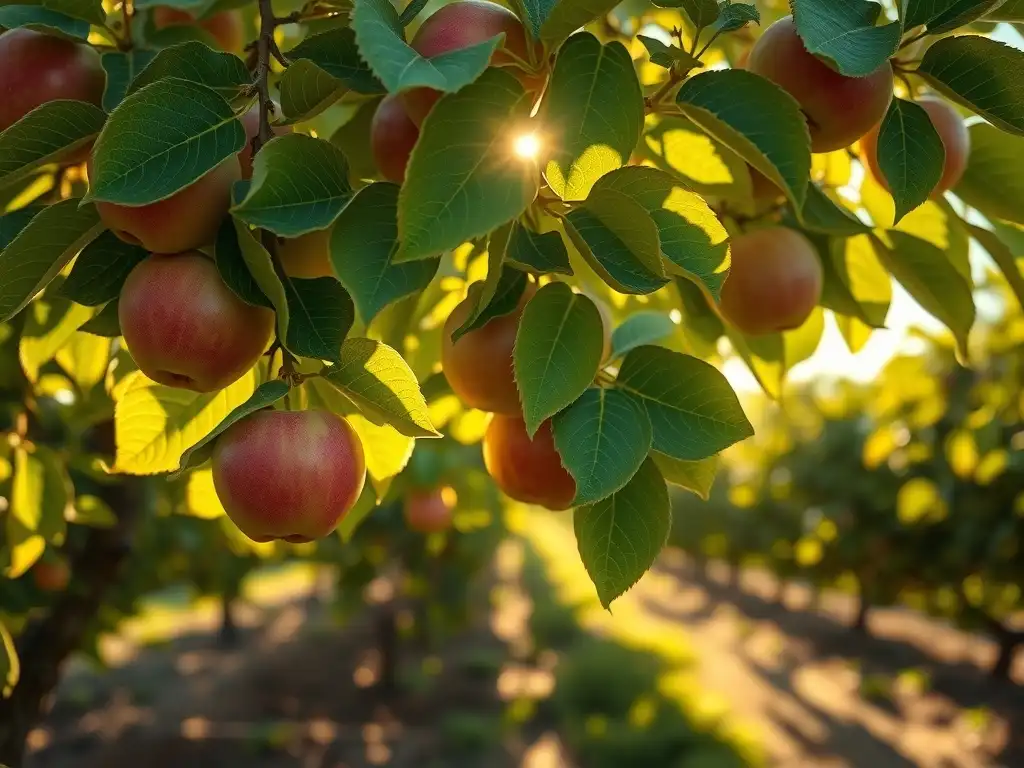
Sunlight is paramount for successful fruit tree planting and subsequent fruit production. The amount of sunlight a fruit tree receives directly impacts its growth, fruit yield, and overall health. Insufficient sunlight can lead to weak growth, reduced flowering, poor fruit set, and increased susceptibility to diseases. Understanding and optimizing sunlight exposure is therefore crucial for maximizing your harvest and ensuring healthy, thriving trees.
This section will delve into specific techniques to harness the power of the sun for your fruit trees. The ideal amount of sunlight varies depending on the specific fruit tree variety; however, most fruit trees require at least 6-8 hours of direct sunlight daily. This translates to a sunny location with minimal shade from buildings, taller trees, or other obstructions.
Proper Tree Spacing for Maximum Sunlight Penetration
Proper spacing between fruit trees is critical for ensuring each tree receives adequate sunlight. Overcrowding leads to competition for sunlight, water, and nutrients, ultimately hindering the growth and productivity of all trees involved. The required spacing varies depending on the mature size of the specific fruit tree variety. For example, dwarf apple trees might require only 8-10 feet of spacing, while standard-sized peach trees may need 15-20 feet or more.
Always consult reliable resources or nursery professionals for specific spacing recommendations for your chosen variety. Careful planning during the planting phase is essential to prevent future issues related to insufficient sunlight. Ignoring proper spacing can result in reduced yields, smaller fruits, and increased disease problems. Consider the mature size of the tree and plan accordingly, allowing ample room for growth and sunlight penetration.
Visualizing the mature size of your trees in the space you have available will aid in making informed decisions about spacing. Remember, a little extra space is always better than overcrowding. This ensures each tree receives optimal sunlight, leading to healthier trees and a bountiful harvest.
Pruning Techniques to Enhance Sunlight Access
Strategic pruning plays a vital role in maximizing sunlight penetration within the tree canopy. By removing branches that are competing for sunlight or blocking light from reaching the interior of the tree, you can significantly improve the overall health and productivity of your fruit tree. Proper pruning techniques involve removing dead, diseased, or crossing branches that create shade. This also includes thinning out the canopy to allow for better air circulation and sunlight penetration.
The goal is to create an open, vase-shaped structure that allows sunlight to reach all parts of the tree. This encourages fruiting spurs to develop and produce fruit. Different pruning techniques exist depending on the type of fruit tree and its age. For example, young trees require different pruning than mature trees.
Consult resources specific to your tree type to learn the appropriate pruning techniques. Neglecting pruning can lead to a dense canopy that restricts sunlight and air circulation, leading to reduced fruit yield and increased disease susceptibility. Regular pruning, ideally during the dormant season, is a crucial aspect of sunlight management for fruit tree cultivation. Remember to use sharp, clean pruning tools to prevent the spread of diseases.
Managing Competing Vegetation for Better Sunlight
Weeds, grasses, and other competing vegetation can significantly reduce the amount of sunlight reaching your fruit trees. These competing plants not only shade the trees but also compete for water and nutrients, further hindering their growth. Effective weed control around the base of the fruit trees is crucial for optimizing sunlight exposure. This can be achieved through mulching, which helps suppress weed growth while also conserving soil moisture.
Organic mulches such as wood chips or straw are ideal, as they decompose over time, enriching the soil. Regular weeding is also necessary to remove any persistent weeds that manage to penetrate the mulch layer. Maintaining a weed-free zone around your fruit trees ensures that the trees receive the maximum amount of sunlight and nutrients they need to thrive. Consider the size of the area needed for weed control; it should be large enough to prevent competition for resources but not so large that it becomes difficult to manage.
This comprehensive approach to weed management ensures your fruit trees get the sunlight they need for optimal growth and fruit production. Regular monitoring and timely intervention are key to maintaining a healthy environment around your fruit trees and maximizing their sunlight exposure. Remember, healthy soil and adequate sunlight are essential for a successful harvest.
Sunlight is paramount for successful fruit tree cultivation. Insufficient sunlight leads to reduced yields, poor fruit quality, and increased susceptibility to diseases. Conversely, excessive sunlight can cause sunscald, damaging the tree's bark and fruit. Understanding these sunlight-related challenges and implementing effective solutions are crucial for maximizing your harvest and ensuring the long-term health of your fruit trees. This section will guide you through diagnosing, remediating, and preventing sunlight issues in your fruit tree plantings. Optimizing your fruit tree's sunlight needs is key to a bountiful harvest.
Diagnosing Symptoms of Insufficient Sunlight
Identifying the symptoms of insufficient sunlight is the first step towards a solution. Trees deprived of adequate sunlight often exhibit several telltale signs:
- Weak growth: Branches will be thin and spindly, with noticeably longer internodes (the spaces between leaves). The overall growth rate will be significantly slower than expected for the tree's variety and age.
- Pale or yellow leaves (chlorosis): This indicates a lack of chlorophyll production, a direct consequence of insufficient light for photosynthesis. The yellowing might be uniform across the entire tree or localized to shaded areas.
- Small, sparse fruit: Fruit production will be reduced, and the fruits themselves will be smaller and less flavorful than usual. They may also ripen unevenly or prematurely drop from the tree.
- Increased susceptibility to pests and diseases: Weakened trees are more vulnerable to various diseases and pest infestations, further impacting their health and productivity. This can manifest as leaf spots, fungal growth, or insect damage.
- Dieback of branches: In severe cases of light deprivation, branches may begin to die back, starting from the tips and gradually progressing inwards.
Consider these examples: A young apple tree planted too close to a large oak might show weak growth and pale leaves on its south-facing side. A peach tree overshadowed by a building might exhibit sparse fruit production and increased vulnerability to fungal diseases. Careful observation, coupled with an understanding of your tree's specific sunlight requirements, is essential for accurate diagnosis.
Remediating Sunlight Deficiencies in Existing Plantings
If you've identified insufficient sunlight as a problem, several remediation strategies can be employed. The best approach depends on the severity of the issue and the surrounding environment:
- Pruning: Carefully prune overhanging branches from neighboring trees or structures that block sunlight. This will allow more light to reach your fruit tree's canopy. Remember to use appropriate pruning techniques to avoid damaging the tree.
- Thinning the canopy: If your fruit tree's canopy is too dense, thin it out to allow better light penetration. This involves removing some branches to improve air circulation and increase sunlight exposure to the inner parts of the tree.
- Relocation (if feasible): In extreme cases where sunlight deficiencies are severe and cannot be easily remedied, transplanting the tree to a sunnier location might be necessary. This is a more drastic measure, requiring careful planning and execution to minimize stress on the tree.
- Supplemental lighting (for small trees): For small, young trees, supplemental lighting using grow lights can provide additional light during periods of low sunlight.
For instance, a pear tree suffering from chlorosis due to shade from a nearby house could benefit from carefully pruning the house's overhanging branches. A heavily laden apple tree whose branches are overlapping, reducing sunlight penetration to lower branches, would benefit from some careful thinning. Remember that any intervention should be done with care and consideration for the tree's overall health.
While insufficient sunlight is a major concern, excessive sunlight can also harm your fruit trees. Sun scald is a common problem, particularly in young trees or those with thin bark. It manifests as sunburned patches of bark, often leading to cracks and potential entry points for diseases.
To prevent sunscald and other sunlight-related damage:
- Provide shade during the hottest part of the day: For young trees, especially those planted in hot, sunny climates, consider providing temporary shade during the peak sun hours, perhaps using shade cloth or strategically placing other plants nearby.
- Whitewash the trunk: Applying a whitewash to the trunk of young trees can help reflect sunlight and prevent overheating.
- Choose appropriate tree varieties: Select fruit tree varieties that are well-suited to the specific sunlight conditions of your location. Some varieties are more tolerant of full sun than others.
- Proper watering: Well-watered trees are better equipped to handle intense sunlight. Consistent watering helps maintain turgor pressure, preventing sun-induced stress.
For example, newly planted cherry trees in a full-sun location might benefit from temporary shade during the hottest summer months. A young plum tree with thin bark could be protected from sunscald by applying a coat of whitewash to its trunk. Careful selection of appropriate varieties, appropriate watering strategies, and preventative measures can significantly reduce the risk of sunlight-related damage. The key is understanding the specific sunlight needs of your chosen fruit tree varieties and taking preventative measures to ensure their optimal health and productivity.
Frequently Asked Questions
How much sunlight do fruit trees need?
Most fruit trees require at least 6-8 hours of direct sunlight daily to thrive. Less sunlight will result in reduced fruit production and overall tree health. Choose a sunny location for planting.
What happens if my fruit tree doesn't get enough sun?
Insufficient sunlight leads to weak growth, smaller fruit, and a higher susceptibility to diseases and pests. The tree may also struggle to flower and produce fruit properly.
Can I plant a fruit tree in partial shade?
Some fruit trees tolerate partial shade, but their productivity will be significantly lower than in full sun. Research the specific sunlight requirements of your chosen variety before planting.
How can I determine if my planting location gets enough sunlight?
Observe the area throughout the day. Use a sunlight tracking app or simply note the number of hours of direct sunlight the location receives. Consider the surrounding structures and trees that may cast shade.
What are the best ways to maximize sunlight for my fruit trees?
Ensure the area is free of obstructions, like buildings or large trees. Prune lower branches to allow more sunlight to reach the inner canopy. Proper spacing between trees is also crucial for optimal sun exposure.
Final Reflection: The Enduring Power of Sunlight in Orchard Dreams
The sun's role in successful fruit tree planting isn't just a horticultural detail; it's the very foundation upon which bountiful harvests are built. Without sufficient sunlight, even the most carefully selected sapling will struggle to thrive, a stark reminder of nature's fundamental needs. Understanding this simple truth unlocks the potential for flourishing orchards, both large and small.
The impact of sunlight extends far beyond the individual tree; it shapes entire landscapes and influences our cultural relationship with food. From the sun-drenched vineyards of Tuscany to the apple orchards of the American Midwest, sunlight has been a silent partner in the creation of iconic agricultural scenes and culinary traditions. The sun is the heart of the garden.
This simple statement speaks volumes about the vital role sunlight plays in nurturing life and shaping our world. It's a reminder of the interconnectedness of nature and the profound impact of even the most seemingly basic elements.
Consider the implications of this knowledge in your own life. Perhaps you've always dreamed of growing your own fruit, or maybe you're simply looking to improve the yield of your existing trees. Take a moment to observe the sunlight in your garden, to assess the conditions, and to plan accordingly. By understanding and respecting the sun's power, you can cultivate not just fruit, but a deeper connection to the natural world and the satisfaction of nurturing life from the ground up. Let the sun be your guide, and watch your orchard flourish.
Unleash Your Orchard's Potential: Sunlight's Secret to Success
Thank you for learning about the crucial role of sunlight in growing thriving fruit trees! We hope you feel empowered to make informed decisions for your garden. Ready to put this knowledge into action?
- Prioritize Sunlight: Carefully assess your yard to find the sunniest spots for planting—this is key to abundant harvests. Plan your tree placement to maximize sun exposure, considering shading from buildings or other plants.
- Share Your Sunniest Spot: Tell us about the sunniest part of your garden! Share a picture in the comments—let's inspire each other.
- Explore Further: Research different fruit tree varieties and their sunlight needs to choose the perfect trees for your sunny space.
So, which sunny spot in your garden is calling out to you, ready for a new fruit tree?