
Planting Fruit Trees: Understanding Tree Training

Welcome to CultivateYourFood, your guide to a thriving, sustainable garden! Ready to unlock the secrets to bountiful harvests? We're diving deep into the art of fruit tree training techniques, exploring proven methods to cultivate healthy, productive trees. Discover how the right training can transform your fruit trees from saplings to flourishing sources of delicious, homegrown goodness. Let's get started!
- Introduction to Fruit Tree Training Techniques
- Choosing the Right Training System for Your Fruit Trees
- Essential Tools and Materials for Fruit Tree Training
- Step-by-Step Guide to Common Fruit Tree Training Techniques
- Advanced Fruit Tree Training Techniques for Increased Yield
- Troubleshooting Common Problems in Fruit Tree Training
- Maintaining Your Trained Fruit Trees for Long-Term Health and Productivity
- Harvesting Fruit from Trained Trees: Optimizing Your Yield
-
Frequently Asked Questions
- What are the main benefits of fruit tree training?
- When is the best time to start training a young fruit tree?
- What are some common fruit tree training techniques?
- How often should I prune my fruit tree as part of the training process?
- What are some common mistakes to avoid when training fruit trees?
- Final Reflection: The Enduring Legacy of Fruit Tree Training
- Unleash Your Orchard's Potential: Grow Fruit Trees Like a Pro!
Introduction to Fruit Tree Training Techniques
Growing your own fruit trees is a rewarding experience, offering fresh, delicious produce and a connection to nature. However, simply planting a tree isn't enough to guarantee a bountiful harvest. Proper fruit tree training, encompassing techniques like pruning and shaping, is crucial for maximizing yield, promoting tree health, and ensuring long-term productivity.
This comprehensive guide delves into various fruit tree training techniques, explaining their benefits and providing practical advice for successful implementation. We'll explore the "why" behind these methods, outlining the advantages of well-trained trees compared to neglected ones, and providing specific examples to help you cultivate a thriving orchard in your backyard. Mastering fruit tree training techniques is key to unlocking the full potential of your trees, leading to healthier trees and higher fruit yields for years to come.
This article will equip you with the knowledge and understanding needed to implement effective fruit tree training methods, addressing various aspects, from the initial planting to the long-term management of your fruit trees. We'll cover everything from choosing the right training system to addressing common challenges, ensuring you have the tools and knowledge to succeed in your fruit tree cultivation journey.
Why Train Your Fruit Trees? Maximizing Yield and Health
Untrained fruit trees often develop into a tangled mess of branches, making harvesting difficult and reducing fruit production. Proper training, however, offers numerous advantages:
- Increased Sunlight Penetration: Training opens up the canopy, allowing sunlight to reach all parts of the tree, promoting photosynthesis and fruit development. This leads to larger, higher-quality fruit. Think of it like this: more sunlight equals more energy for fruit production! ☀️
- Improved Air Circulation: A well-trained tree has better air circulation, reducing the risk of fungal diseases and pest infestations. Good airflow is a natural defense mechanism against many common fruit tree problems. 💨
- Easier Harvesting: Trained trees are easier to harvest, as the fruit is more accessible and less likely to be hidden within a dense canopy. This saves you time and effort during harvest season. 🍎
- Enhanced Tree Longevity: Proper training supports the structural integrity of the tree, making it stronger and more resistant to damage from wind, snow, or heavy fruit loads. A well-structured tree is a long-lasting tree. 🌳
- Optimized Fruit Size and Quality: By directing the tree's energy towards fruit production, training results in larger, more flavorful, and higher-quality fruit. The difference between a trained and untrained tree's fruit can be remarkable. 😋
Consider the case of a neglected apple tree versus one that has undergone proper training. The neglected tree will likely produce smaller, less flavorful apples, while the trained tree will yield larger, juicier fruit, easier to harvest. This difference is directly attributable to the improved sunlight penetration, air circulation, and overall tree health achieved through training.
The Benefits of Proper Fruit Tree Pruning and Shaping
Pruning and shaping are integral parts of fruit tree training. These practices shape the tree's structure, remove dead or diseased wood, and encourage the development of fruiting spurs. The benefits include:
- Improved Fruit Production: Pruning removes competing branches, redirecting the tree's energy towards fruit production. Regular pruning is an investment in future harvests.
- Disease Prevention: Removing diseased or damaged branches prevents the spread of disease throughout the tree. It's a proactive approach to maintaining tree health.
- Enhanced Fruit Quality: By removing excess growth, pruning allows for better sunlight penetration and air circulation, resulting in higher-quality fruit.
- Simplified Harvesting: A well-pruned tree is easier to harvest, saving you time and effort.
- Increased Tree Lifespan: Proper pruning promotes the overall health and longevity of the tree.
Different pruning techniques exist, such as thinning and heading cuts, each serving a specific purpose in shaping the tree and optimizing its productivity. The choice of technique depends on the type of fruit tree and its stage of development. We will explore these techniques in detail in the following sections. Understanding these techniques is fundamental to successful fruit tree cultivation, contributing to a bountiful and healthy harvest year after year.
Choosing the Right Training System for Your Fruit Trees
Selecting the optimal fruit tree training system is crucial for maximizing yield, promoting healthy growth, and ensuring ease of management. The best system depends heavily on several factors, including the specific fruit tree species, the available space in your orchard or garden, your personal preferences, and even the local climate. Ignoring these factors can lead to reduced fruit production, increased susceptibility to disease, and difficulty in harvesting. Effective fruit tree training techniques are essential for successful cultivation.
Selecting a Training System Based on Tree Species and Space
Different fruit tree species have varying growth habits and structural requirements. For example, apple trees are often trained using central leader or modified leader systems, which allow for a strong central trunk with scaffold branches radiating outwards. This structure provides ample space for fruit development and sunlight penetration. In contrast, smaller fruit trees like blueberries or dwarf varieties of other fruits might thrive with less structural training, perhaps only requiring minimal pruning to maintain shape and prevent overcrowding.
Space constraints significantly influence your choices. Espalier training, which trains trees to grow flat against a wall or fence, is ideal for small gardens or urban settings. Conversely, open-center training, which allows for a more expansive canopy, demands considerably more space. Consider the mature size of your chosen fruit tree and the available space before selecting a training system. Failure to do so could result in overcrowded trees competing for resources and producing less fruit.
Consider this example: A homeowner with a small backyard might opt for espalier training for their apple trees, while a farmer with ample acreage might prefer open-center training for maximizing yield per tree. Careful planning and consideration of these factors are fundamental to successful fruit tree training techniques.
Understanding Espalier, Cordon, and Open Center Training Methods
Several popular fruit tree training methods cater to different needs and preferences. Each method has its own advantages and disadvantages, which should be carefully weighed before implementation.
- Espalier: This technique trains branches to grow flat against a support structure, such as a wall or fence. It's space-saving and ideal for smaller gardens. It requires regular pruning and tying of branches to maintain the desired shape.
- Cordon: Similar to espalier, cordon training involves training branches along a single stem or wire. It's particularly suitable for smaller fruit trees or those with a naturally upright growth habit. It minimizes the overall tree size, making harvesting more manageable.
- Open Center: This method involves creating a central leader with several main scaffold branches spreading outwards. It allows for excellent air circulation and sunlight penetration, reducing the risk of diseases and promoting even fruit development. However, it requires more space than espalier or cordon training.
Careful consideration of these methods is key to successful implementation of fruit tree training techniques. The choice depends on the space available, the type of fruit tree, and the grower's skill level. Incorrect application can lead to reduced yields and increased susceptibility to disease.
The Advantages and Disadvantages of Different Fruit Tree Training Systems
The selection of a specific fruit tree training system involves a trade-off between several factors. Let's analyze the pros and cons of the previously discussed methods:
| Training System | Advantages | Disadvantages |
|---|---|---|
| Espalier | Space-saving, aesthetically pleasing, easy access | Requires regular pruning and tying, can be labor-intensive |
| Cordon | Space-saving, simple to manage, good sunlight exposure | Limited fruit production compared to open center, susceptible to damage |
| Open Center | Maximizes fruit production, good air circulation, | Requires more space, more complex pruning |
Choosing the right system is crucial. For instance, while open-center training maximizes yields, it's not suitable for small spaces. Conversely, espalier, while space-saving, demands consistent maintenance. Understanding these trade-offs is essential for successful fruit tree cultivation and the effective application of fruit tree training techniques. Careful planning and consideration of the long-term implications are paramount. The appropriate technique should be chosen based on a holistic assessment of the available resources and the desired outcomes. 🍎
Essential Tools and Materials for Fruit Tree Training
Fruit tree training, a crucial aspect of fruit tree care, necessitates the right tools and materials for optimal results. Improper tools can lead to damaged branches, increased disease susceptibility, and ultimately, reduced fruit yield. Choosing the right equipment is the first step in mastering fruit tree training techniques.
Gathering the Necessary Pruning Tools and Equipment
Effective fruit tree training relies heavily on precise pruning. Therefore, assembling a collection of sharp, clean, and appropriately sized tools is paramount. This isn't about having the most expensive set, but rather the right tools for the job.
Here's a checklist of essential pruning tools and equipment:
- Hand Pruners: Essential for cutting smaller branches up to ½ inch in diameter. Look for bypass pruners with sharp, clean blades for a precise cut to minimize damage. Regular sharpening is crucial for maintaining their effectiveness.
- Loppers: Necessary for cutting larger branches, typically ranging from ½ inch to 1 ½ inches in diameter. Anvil-type loppers are suitable for thicker, drier branches, while bypass loppers are better for live wood.
- Pruning Saw: For removing larger branches exceeding 1 ½ inches in diameter. A good quality pruning saw with a fine tooth will create clean cuts, reducing the risk of infection. Consider a folding saw for easier storage and portability.
- Pole Saw: This tool extends your reach, allowing you to prune high branches safely, without needing a ladder. Essential for taller fruit trees.
- Pruning Gloves: Protecting your hands from thorns and potential injuries is vital. Look for durable gloves with good grip.
- Disinfectant: Keeping your tools clean prevents the spread of diseases between trees. A solution of diluted bleach or rubbing alcohol is effective. Remember to disinfect your tools between each cut, especially if you suspect disease.
Selecting the Right Time for Fruit Tree Training and Pruning
Timing is everything when it comes to fruit tree training and pruning. Pruning at the wrong time can severely impact the tree's health and fruit production. The optimal time depends on the specific type of fruit tree and your climate, but generally, there are two main periods:
- Dormant Season Pruning: This is typically done during late winter or early spring, before the tree begins to bud. Dormant pruning is ideal for shaping the tree's structure, removing dead or damaged wood, and controlling overall size. During this time, the tree is less susceptible to diseases and the cuts heal more quickly. This is often the preferred method for establishing strong framework branches early in the tree's life. This is especially important when following techniques like the central leader or open center methods for fruit tree training.
- Summer Pruning: This involves removing new growth during the summer months, typically after the main fruit harvest. Summer pruning primarily focuses on maintaining the tree's shape, preventing overcrowding, and improving air circulation. It also helps to control the vigor of the tree and encourage more fruiting wood.
The best approach often involves a combination of both dormant and summer pruning to ensure optimal fruit tree training and a healthy, productive tree. Careful observation of your trees and knowledge of their specific needs are crucial for determining the most appropriate pruning schedule. Remember that proper fruit tree training techniques, combined with timely pruning, will lead to healthier trees and a bountiful harvest. 🌳
Step-by-Step Guide to Common Fruit Tree Training Techniques
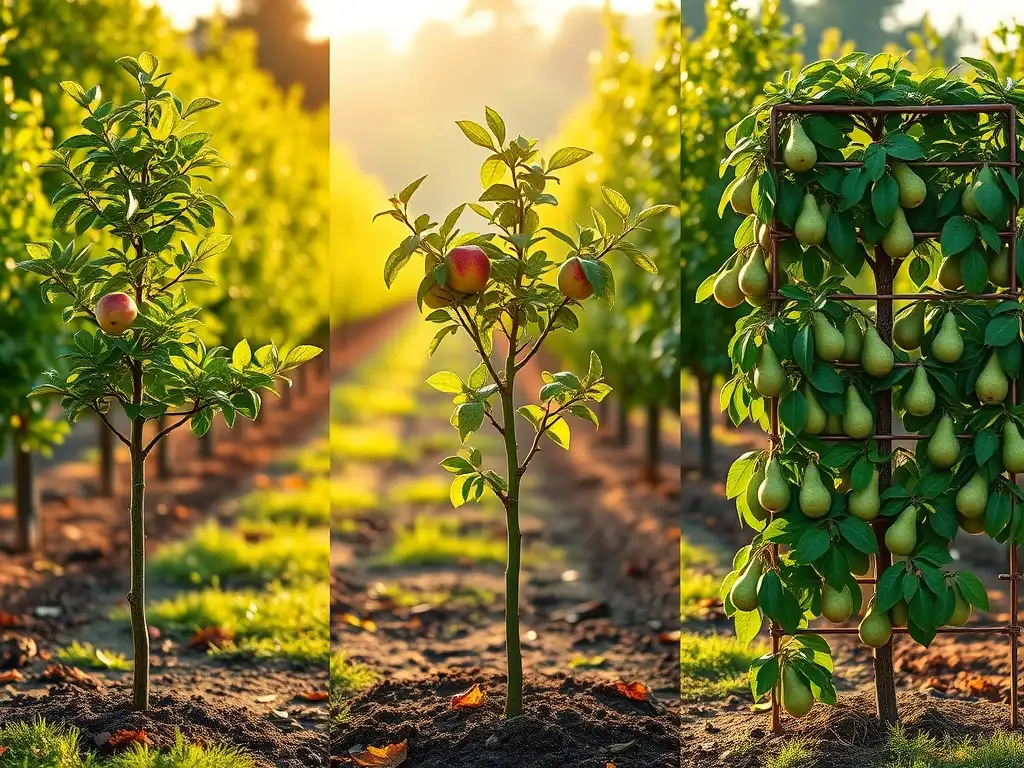
This section delves into the practical application of various fruit tree training techniques. Mastering these techniques is crucial for maximizing fruit yield, ensuring tree health, and simplifying future pruning and harvesting. Remember, the best technique depends on the specific fruit tree species and your individual garden space. We'll focus on the foundational steps common to many popular methods.
Step 1: Preparing Your Fruit Tree for Training
Before you begin any training, ensure your young fruit tree is healthy and vigorous. Proper preparation significantly impacts the success of your training efforts. This involves several key steps:
First, inspect the tree carefully for any signs of disease or pest infestation. Addressing these issues before training prevents them from hindering growth. Look for things like unusual leaf discoloration, insect damage, or cankers. Early detection is key to effective treatment.
Next, prune any damaged or crossing branches before beginning the formal training process. This improves air circulation within the tree, reducing the risk of fungal diseases. Removing these competing branches allows for better light penetration, promoting stronger growth of the selected branches.
Finally, consider the root system. A healthy root system is essential for a strong, productive tree. Ensure the tree was planted correctly, with the graft union above the soil line. Proper watering and soil amendment will support healthy root development. Remember, a well-established root system is the foundation for successful tree training. Consider soil testing to understand your soil's nutrient levels and amend as needed.
Step 2: Establishing the Central Leader (for specific training systems)
Many fruit tree training systems, such as the central leader system, require establishing a strong central leader. This is the main vertical stem from which all other branches will grow. The central leader method is particularly suitable for apple, pear, and cherry trees. It promotes a strong framework and easy access to fruit.
The process begins by identifying the strongest, most vertically growing shoot from the sapling. This will become your central leader. All other stems and shoots that compete with the central leader should be pruned away. This is a crucial step, as a weak central leader will result in a poorly structured tree.
Regular monitoring is key. As the tree grows, you may need to prune competing shoots that emerge near the leader. This ensures the central leader remains dominant and prevents the tree from becoming overcrowded. Remember to make clean cuts using sharp pruning shears to minimize damage and disease risk. Pruning should be done during the dormant season or early spring before new growth begins.
Step 3: Selecting and Positioning Branches for Training
Once the central leader is established, the next step involves selecting and positioning the scaffold branches. These are the main lateral branches that will form the framework of the tree. Careful selection and positioning are essential for maximizing fruit production and minimizing shading.
The optimal number and spacing of scaffold branches vary depending on the specific training system and the tree species. Generally, you want branches that are well-spaced, strong, and grow outwards at an angle. Branches that grow vertically should be pruned back or removed to promote outward growth and better light penetration.
A useful technique is to select branches that are evenly spaced around the central leader. This helps to create a balanced canopy, ensuring all parts of the tree receive adequate sunlight. Avoid selecting branches that are too close together or cross each other, as this can create competition and lead to weak growth. Remember to consider the long-term growth habit of the tree when selecting and positioning branches – a well-planned framework will simplify future pruning and maintenance. The use of branch spreaders can assist in maintaining the angle of the branches, particularly during the early years of training.
Step 4: Pruning and Shaping Branches for Optimal Growth
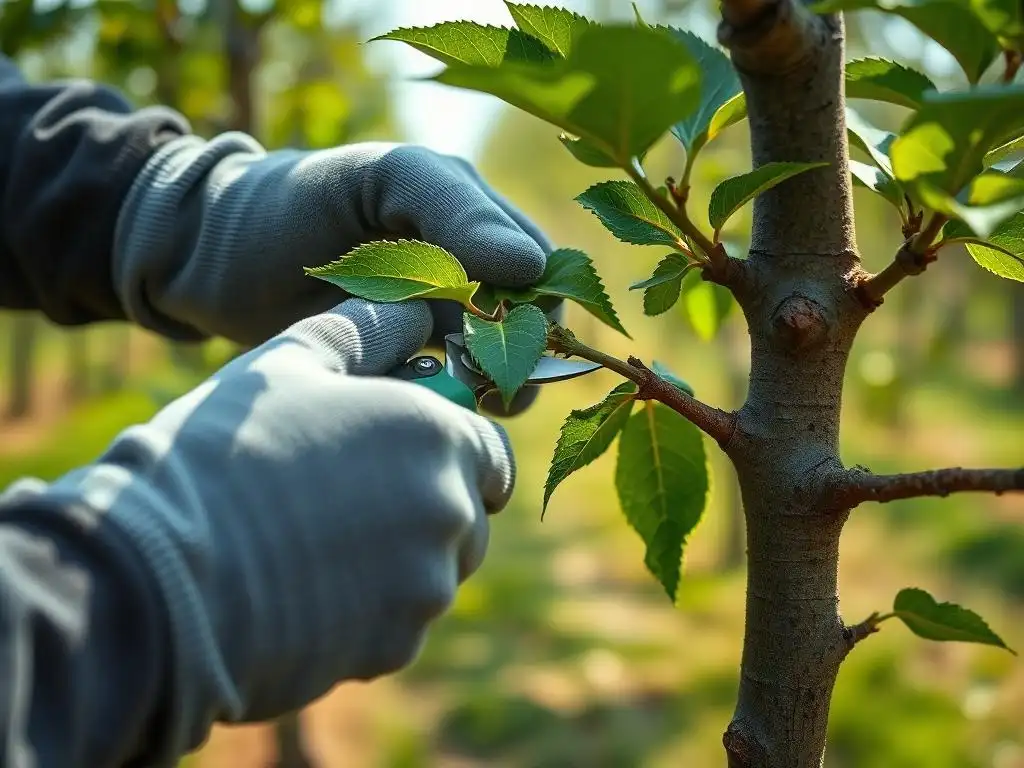
Pruning is a crucial aspect of fruit tree training, influencing fruit production, tree structure, and overall health. The goal isn't just to remove branches; it's to strategically shape the tree for efficient sunlight penetration and air circulation, minimizing disease and pest issues. This step, ideally performed annually, involves removing competing branches, those growing inward, or those that are diseased or damaged. Proper pruning techniques vary depending on the specific fruit tree and training system employed.
For example, in a central leader system, you'd focus on maintaining a strong central trunk and evenly spaced scaffold branches, removing any suckers or water sprouts that compete with the main branches. In an open-center system, you'll aim to create a vase-like structure with several main branches radiating outwards. Removing crossing branches is vital in both systems to prevent rubbing and potential damage.
Different pruning cuts serve different purposes. A heading cut, made just above a bud or lateral branch, encourages branching at that point. A thinning cut, removing a branch entirely at its base, removes the entire branch without stimulating new growth. Knowing when and how to use each cut is key to successful pruning.
For instance, heading cuts might be used to control the vigor of a branch while thinning cuts remove overly dense growth. Incorrect pruning can lead to weak growth, reduced fruit production, and an increased susceptibility to diseases. Always use sharp, clean pruning tools to minimize the risk of infection. Additionally, timing is critical; pruning is generally best done during the tree's dormant season, minimizing sap loss and stress on the tree.
This allows the tree to allocate its energy to healing the wounds and preparing for the upcoming growing season. Pruning during the dormant season reduces the risk of disease and promotes strong, healthy growth. Careful consideration should be given to the specific needs of the fruit tree variety, as some varieties are more sensitive to pruning than others.
Step 5: Ongoing Maintenance and Adjustments for Fruit Tree Training
Fruit tree training isn't a one-time process; it's a continuous cycle of observation, adjustment, and refinement. Regular monitoring is essential to address any issues that may arise. This includes checking for any new growth that deviates from the desired structure, identifying and removing diseased or damaged branches, and ensuring adequate spacing between branches to promote air circulation. Regular inspections will also help you identify potential pest problems early on.
The frequency of adjustments will depend on the tree's growth rate and the chosen training system. Young trees typically require more frequent adjustments than mature trees. As the tree matures, the need for major structural changes decreases, though annual pruning remains essential.
Furthermore, environmental factors can impact the tree's growth and may necessitate adjustments to the training plan. For example, strong winds can cause branches to bend or break, requiring corrective pruning or support structures. Similarly, heavy fruit loads can stress the branches, requiring support or thinning to prevent breakage.
Understanding the typical growth patterns of your fruit tree species is also key to anticipating necessary adjustments. Some trees have naturally vigorous growth, requiring more frequent pruning, whereas others are slower growing and need less intervention. Keeping a record of pruning activities, including the type of cuts made and the reasons for them, can be invaluable for future reference and helps in tracking the tree’s development over time.
This documentation is particularly beneficial in identifying successful techniques and refining your approach for optimal fruit tree management. Remember, patience and consistent attention to detail are key to the long-term success of fruit tree training. Over time, you'll develop a better understanding of your specific trees' needs and refine your approach to achieve the best possible results.
Advanced Fruit Tree Training Techniques for Increased Yield
This section delves into advanced techniques for fruit tree training, going beyond the basics to maximize yield and optimize tree health. Mastering these methods allows for greater control over fruit production, improving both quantity and quality. Remember, proper fruit tree training is crucial for long-term success, ensuring a bountiful harvest year after year. Effective fruit tree training techniques are key to achieving optimal growth and fruiting.
Advanced Techniques for Espalier Training
Espalier, the practice of training fruit trees to grow flat against a wall or trellis, offers significant advantages. While basic espalier involves simple techniques, advanced methods focus on maximizing sunlight capture and fruit production. This involves careful consideration of branch placement and pruning.
One advanced technique is the use of double-cordon espalier. Instead of a single central stem, two main stems are trained vertically, with fruiting spurs developing along horizontal laterals. This system allows for a larger fruiting surface area compared to a single-cordon system.
Another advanced technique is fan training. This method trains branches to radiate outwards from a central point, resembling a fan. It requires meticulous pruning to maintain the fan shape and prevent overcrowding. Careful selection of varieties suited to fan training is also essential. Consider using varieties known for their compact growth habit.
Accurate spacing between branches is crucial. Overcrowding can lead to reduced sunlight penetration, affecting fruit quality and quantity. Aim for even spacing to ensure adequate light reaches all parts of the tree. Regular monitoring and adjustment of branch placement is essential for maintaining the desired shape and maximizing productivity. The goal is to create a balanced structure that promotes optimal airflow and sunlight penetration.
Advanced Techniques for Cordon Training
Cordon training, where the tree is trained along a single horizontal stem or several parallel stems, presents unique opportunities for advanced techniques. This style often lends itself to smaller spaces and high-density planting.
A more sophisticated approach to cordon training involves the use of multiple-cordon systems. Instead of a single horizontal arm, several parallel cords are trained along a support wire. This allows for increased fruiting capacity within the same space, boosting overall yield. This technique is ideal for maximizing production in limited areas.
Another refinement is the implementation of vertical cordon training. In this method, the main stem grows vertically, with short fruiting spurs trained along its length. This is a particularly space-saving technique, ideal for smaller gardens or urban settings. Proper pruning is critical to maintain the vertical structure and prevent the tree from becoming overly dense.
Advanced Techniques for Open Center Training
Open center training, where the tree develops a central leader with several main scaffold branches, allows for advanced techniques focused on optimizing light penetration and air circulation. This style is particularly effective for larger fruit trees.
Advanced open-center training often involves the use of delayed fruiting spur selection. Instead of allowing all spurs to develop, you select specific ones based on their position and orientation to maximize sunlight exposure and fruit development. This selective pruning promotes the growth of higher quality fruits.
Another sophisticated approach is the balanced scaffold branch development. Careful consideration is given to ensuring that the scaffold branches are evenly spaced and do not compete for resources. This results in a more balanced tree structure, promoting uniform growth and fruit production. Regular assessment and pruning are vital to maintain this balance. Over time, you'll learn to identify and address any imbalances that may develop. Careful attention to detail in these advanced techniques is crucial for long-term success.
The ultimate goal of all these advanced techniques is to create a tree structure that facilitates optimal light penetration, air circulation, and fruit development, ultimately resulting in a higher yield of high-quality fruit. Regular monitoring, timely pruning, and a deep understanding of your tree's specific needs are key to mastering these advanced fruit tree training techniques.
Troubleshooting Common Problems in Fruit Tree Training
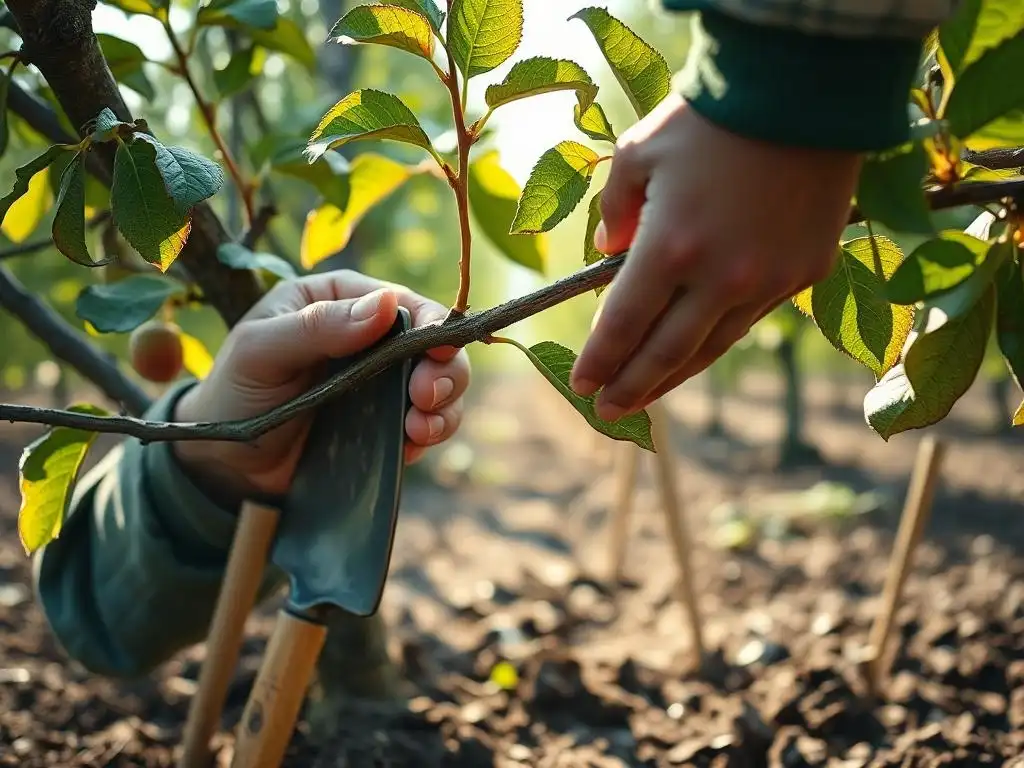
Fruit tree training, while rewarding, can present challenges. Successful training relies on understanding the tree's natural growth habits and proactively addressing potential issues. This section details common problems and their solutions, ensuring a healthy and productive fruit tree. Mastering these techniques is key to maximizing your harvest and enjoying the fruits (pun intended!) of your labor. Effective fruit tree training techniques are crucial for long-term success.
Addressing Issues with Branch Growth and Development
Uneven branch growth is a frequent problem in fruit tree training. Sometimes, a dominant leader will outpace other branches, creating an unbalanced canopy. This can lead to weak structure, reduced fruit production, and increased susceptibility to damage from wind or snow.
To address this, consider these solutions:
- Regular Pruning: Pruning is crucial for shaping and maintaining the tree's structure. Regularly remove competing branches, suckers, and water sprouts to encourage even growth and development. This involves carefully selecting and removing branches that are crossing, rubbing, or growing inward. The timing of pruning depends on the specific type of fruit tree, but generally, it's best done during the dormant season.
- Strategic Tip Pruning: Lightly pruning the tips of overly vigorous branches can redirect growth and stimulate the development of lateral branches. This technique helps to create a more balanced canopy with a stronger framework. Remember to use sharp, clean pruning shears to avoid damaging the tree.
- Weight Distribution: Heavily laden branches can cause structural problems. Consider using support systems like stakes or props to prevent branches from breaking under the weight of the fruit. This is especially important for young trees with a less established root system. Proper weight distribution is key to preventing damage and ensuring long-term health.
Another common issue is the development of weak or poorly-angled branches. These branches are prone to breakage and are less productive. To mitigate this:
- Training Young Trees: Proper training from the beginning is essential. Use techniques like tying branches to supports to encourage the development of strong, well-angled scaffold branches. This early intervention will prevent many structural problems later.
- Branch Selection: When selecting scaffold branches, choose those that are well-spaced, have strong attachments to the trunk, and are growing at the desired angle. Avoid selecting weak or poorly-angled branches.
The goal is a strong, well-balanced framework that supports abundant fruit production. Remember that patience and consistent attention to detail are key to achieving successful branch growth and development in your fruit tree training efforts. Consistent application of these fruit tree training techniques will yield better results.
Dealing with Pests and Diseases Affecting Trained Fruit Trees
Trained fruit trees, with their carefully structured canopies, can be more susceptible to certain pests and diseases than untrained trees. The close proximity of branches can hinder air circulation and create humid microclimates, ideal breeding grounds for many pathogens.
Here's how to tackle common problems:
| Pest/Disease | Symptoms | Control Methods |
|---|---|---|
| Aphids | Curling leaves, sticky honeydew | Insecticidal soap, ladybugs, strong water spray |
| Powdery Mildew | White powdery coating on leaves and fruit | Fungicides (organic options available), improve air circulation by pruning |
| Codling Moth | Wormholes in fruit | Pheromone traps, Bacillus thuringiensis (Bt) |
| Fire Blight | Browning and wilting of leaves and branches | Pruning infected branches, avoiding overhead watering, copper-based fungicides (carefully!) |
| Scale Insects | Small, immobile insects on branches and leaves | Horticultural oil, systemic insecticides (use cautiously and as a last resort) |
Regular inspection is crucial for early detection. Early intervention is key to minimizing damage and preventing widespread infestation. Implementing preventative measures, such as proper pruning to improve air circulation and selecting disease-resistant varieties, are also effective strategies. Remember to always identify the specific pest or disease before applying any treatment to ensure you use the most effective and appropriate method. This is a vital part of effective fruit tree training techniques.
Correcting Mistakes in Fruit Tree Training
Even experienced growers make mistakes. Fortunately, many training errors can be corrected, although the earlier the correction, the better the outcome.
- Overly Vigorous Growth: If a branch is growing too aggressively, you can prune it back to a lateral branch, redirecting growth and promoting a more balanced canopy. This technique is particularly useful for controlling the growth of dominant leaders.
- Poor Branch Angles: Young branches can be carefully repositioned using ties and supports to correct poor angles. This is most effective in the early stages of tree development.
- Crossing Branches: Branches that cross or rub against each other should be removed to prevent damage and disease. Careful selection of which branch to remove is crucial to maintain the overall structure of the tree.
- Incorrect Training System: If you've chosen an unsuitable training system for your tree type or growing conditions, you might need to adjust your approach. This may involve re-training the tree to a more appropriate system, which requires careful planning and execution.
Don't be discouraged by mistakes. View them as learning opportunities. Observe your trees carefully, learn from your experiences, and adapt your approach as needed. Consistent monitoring and timely corrections are vital aspects of successful fruit tree training techniques. Remember, patience and persistence are rewarded in the long run.
Maintaining Your Trained Fruit Trees for Long-Term Health and Productivity
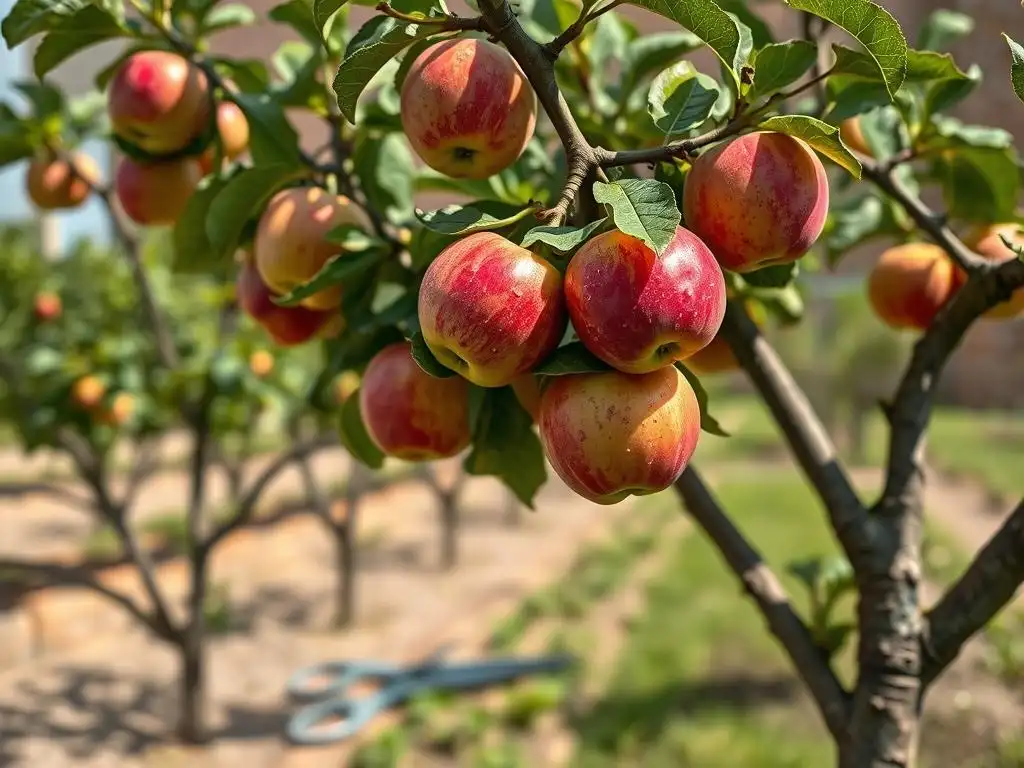
Proper fruit tree training techniques are only half the battle. Maintaining the health and productivity of your trained trees requires ongoing care and attention. Neglecting this crucial aspect can lead to reduced yields, weakened trees, and increased susceptibility to pests and diseases. This section focuses on the essential long-term maintenance practices to ensure your fruit trees thrive for years to come. We'll delve into pruning schedules, pest and disease monitoring, and nutrient management strategies specifically tailored for trained trees.
Ongoing Pruning and Maintenance Schedules
Regular pruning is paramount for maintaining the structure and productivity of your trained fruit trees. The frequency and intensity of pruning will vary depending on the tree's age, variety, and training system. However, a consistent schedule is key. For young trees (0-3 years), focus on shaping the tree according to your chosen training system (e.g., espalier, central leader, open center). This involves removing competing branches, suckers, and water sprouts to encourage strong scaffold branches. Pruning during dormancy (late winter/early spring) is generally recommended.
Older, established trees require different pruning strategies. These typically involve removing dead, diseased, or crossing branches, as well as thinning out the canopy to improve air circulation and sunlight penetration. This can improve fruit quality and size. Summer pruning (thinning out shoots) can also be beneficial to manage tree size and improve air circulation, reducing the risk of fungal diseases.
A sample pruning schedule could look like this:
| Year | Season | Activity | Description |
|---|---|---|---|
| Year 1-3 | Dormant (Winter) | Shaping/Training | Establish structure according to chosen training system. Remove competing branches and suckers. |
| Year 4+ | Dormant (Winter) | Maintenance Pruning | Remove dead, diseased, or crossing branches. Thin out canopy. |
| Year 4+ | Summer | Thinning | Remove excess shoots to improve air circulation and sunlight penetration. |
Remember to use sharp, clean pruning tools to minimize the risk of disease transmission. Proper sanitation practices are also crucial – disinfect your tools between cuts, especially if you suspect any disease. Careful pruning, tailored to the specific needs of your tree, is a fundamental aspect of fruit tree training techniques for sustainable yields.
Monitoring for Pests and Diseases
Regular monitoring is crucial for early detection of pests and diseases. Early intervention is key to preventing widespread infestation or infection. Trained trees, with their structured canopies, can sometimes be more susceptible to certain issues if not properly maintained. Regularly inspect your trees for signs of common pests and diseases, paying close attention to leaves, branches, fruit, and the soil around the base.
Common issues to look out for include:
- Aphids: Small, soft-bodied insects that suck sap from leaves and stems.
- Scale: Tiny insects that attach themselves to branches and leaves, causing stunted growth.
- Powdery mildew: A fungal disease that appears as a white, powdery coating on leaves and fruit.
- Fire blight: A bacterial disease that causes branches to wilt and die.
Implementing preventative measures, such as providing good air circulation through proper pruning and ensuring appropriate spacing between trees, can significantly reduce the risk of pest and disease problems. Organic pest control methods, such as introducing beneficial insects or using insecticidal soaps, are preferred to minimize environmental impact. If a serious problem arises, consult with a local agricultural extension office or arborist for advice. Careful monitoring and timely action are vital components of successful fruit tree training techniques.
Nutrient Management for Trained Fruit Trees
Healthy soil is the foundation of healthy fruit trees. Nutrient management is crucial for ensuring your trained trees receive the necessary nutrients for optimal growth and fruit production. Soil testing is recommended to determine your soil's nutrient levels. This will guide you in selecting the appropriate fertilizers and amendments.
Organic fertilizers, such as compost and manure, are excellent choices for improving soil health and providing essential nutrients. These release nutrients slowly, providing a consistent supply over time. Avoid over-fertilizing, as this can damage your trees. Follow the fertilizer application instructions carefully, considering the age and size of your tree.
Proper nutrient management, in conjunction with effective fruit tree training techniques, will contribute to increased yields and improved fruit quality. Remember that healthy soil is the key to long-term success in fruit tree cultivation. A balanced approach to nutrient management is crucial for maintaining the vigor and productivity of your trained fruit trees.
Harvesting Fruit from Trained Trees: Optimizing Your Yield
Proper fruit tree training significantly impacts harvest efficiency and yield. A well-trained tree allows for easier access to fruit, reducing the time and effort needed for harvesting, and ultimately leading to a higher overall yield. Untrained trees, on the other hand, often produce fruit hidden within dense foliage, making harvesting difficult and potentially resulting in significant fruit loss due to inaccessibility or damage. This section explores how different training systems affect harvesting and provides practical tips for maximizing your yield.
Harvesting Techniques for Different Training Systems
The method you use to harvest fruit depends heavily on the training system employed. Let's examine a few popular systems:
- Spindle Bush: This system creates a narrow, upright tree, making harvesting incredibly straightforward. Fruit is easily accessible from the ground or with a short ladder. Simple hand-picking is usually sufficient. The compact nature also reduces the risk of fruit damage during the harvest. Yield per unit area is exceptionally high with this system.
- Palmette: Palmette systems, with their flat, fan-like shape, also offer good accessibility. Harvesting is often done from the ground or a low ladder, though the height of the tree can vary depending on the specific palmette variation. Careful attention is needed to avoid damaging the branches and fruit spurs while picking. This method can be particularly effective for larger-fruited varieties.
- Open Center: Open center trees, while offering good sunlight penetration, present a slightly more challenging harvest. Fruit is located on branches extending outward from a central trunk. A ladder or picking poles may be necessary to reach higher branches. This system might benefit from using harvesting aids like fruit picking bags to prevent dropping fruit. Careful pruning is key to maintaining accessibility in this system. Overall yield is typically high but requires more effort during harvest.
- Traditional (Untrained): Untrained trees are notoriously difficult to harvest. Fruit is often buried deep within the tree's canopy, requiring extensive effort and potentially specialized tools like long-handled pickers. This method often leads to lower yields due to inaccessibility and increased fruit drop before harvest. It also increases the risk of fruit damage.
The table below summarizes the harvesting ease and potential yield for each system:
| Training System | Harvesting Ease | Potential Yield | Notes |
|---|---|---|---|
| Spindle Bush | Very Easy | High | Excellent for smaller areas |
| Palmette | Easy to Moderate | High | Requires careful branch management |
| Open Center | Moderate | High | May require ladders or picking poles |
| Untrained | Difficult | Low | Significant fruit loss possible |
Proper training, therefore, isn't just about aesthetics; it's a crucial aspect of optimizing your harvest and minimizing wasted fruit. Choosing a training system that aligns with your physical capabilities and the size of your orchard is key to efficient and successful harvesting.
Maximizing Fruit Quality Through Proper Training
Beyond yield, proper fruit tree training directly impacts fruit quality. Well-trained trees receive better sunlight exposure, leading to improved fruit coloring, sugar content, and overall flavor. Additionally, training minimizes shading and promotes better air circulation, reducing the incidence of fungal diseases and pest infestations. This translates to healthier, more appealing fruit with a longer shelf life.
Proper training also affects fruit size and uniformity. Trees trained to distribute fruit evenly across the branches generally produce more uniform fruit size, improving the overall market value of the produce. Overcrowding, a common issue in untrained trees, results in smaller, less developed fruit.
By implementing appropriate fruit tree training techniques, you are not only improving the efficiency of your harvest, but you are also actively enhancing the quality and value of the fruit itself. This holistic approach to fruit tree management ensures a bountiful and rewarding harvest year after year. Careful consideration of sunlight exposure, air circulation, and branch spacing are crucial factors in maximizing fruit quality through training. Remember that consistent pruning and attention to the tree's structure are vital components of successful fruit tree training and fruit quality.
Frequently Asked Questions
What are the main benefits of fruit tree training?
Training your fruit trees improves fruit yield, fruit quality, and tree longevity. Proper training also makes harvesting easier and reduces the risk of disease.
When is the best time to start training a young fruit tree?
The ideal time to begin training is immediately after planting, while the tree is still young and flexible. This allows you to establish the desired structure early on.
What are some common fruit tree training techniques?
Popular methods include central leader, open center, and palmette. The best technique depends on the species of tree and your available space.
How often should I prune my fruit tree as part of the training process?
Regular pruning is crucial. You should prune annually during the dormant season to maintain the chosen training system and remove unwanted growth.
What are some common mistakes to avoid when training fruit trees?
Avoid over-pruning, which can weaken the tree. Also, avoid leaving crossing branches or those growing inward, as this can hinder growth and fruit production.
Final Reflection: The Enduring Legacy of Fruit Tree Training
The art of fruit tree training isn't merely a horticultural practice; it's a testament to our enduring relationship with nature, shaping the bounty we harvest and influencing the very landscape around us. Understanding the nuances of tree training techniques, as explored throughout this article, is more crucial than ever in a world facing challenges of food security and environmental sustainability. The methods we employ directly impact the health, productivity, and longevity of our fruit trees, and by extension, the future of our food systems.
The impact of proper fruit tree training extends far beyond the individual orchard or backyard garden. It shapes the aesthetic of our landscapes, influencing the visual appeal of farms and gardens alike. The careful shaping of a tree, the thoughtful pruning, and the strategic placement of branches are all reflections of a deeper connection to the natural world. The best time to plant a tree was 20 years ago. The second best time is today.
This quote highlights the enduring importance of investing in the future, a future shaped by the choices we make today in how we cultivate our fruit trees.
Consider the implications of what you've learned. Will you approach your next pruning session with a renewed sense of purpose, understanding the long-term consequences of each cut? Will you choose to plant a fruit tree, contributing to a more resilient and sustainable food system? The knowledge gained here isn't just information; it's a tool, a pathway to a more fruitful and fulfilling relationship with the natural world. Embrace this knowledge, and let it inspire you to cultivate not just fruit trees, but a deeper connection to the land and the legacy you wish to leave behind.
Unleash Your Orchard's Potential: Grow Fruit Trees Like a Pro!
Thank you for learning about fruit tree training! You now have the knowledge to cultivate a thriving orchard. Ready to put your new skills to the test?
- Start training your young trees today! Use the techniques discussed to shape their growth and maximize fruit production. Even small adjustments can make a significant difference.
- Share your progress on social media using #CultivateYourFood and inspire others to grow their own fruit. Let's build a community of home orchard enthusiasts!
- Consider trying a different training method next year to see what works best in your garden. Every tree is unique, and experimentation is key to finding what suits your specific environment and tree varieties.
What new training method will you explore to further enhance your fruit tree cultivation skills? Let us know in the comments!