
Pruning Fruit Trees to Maintain a Manageable Size and Shape

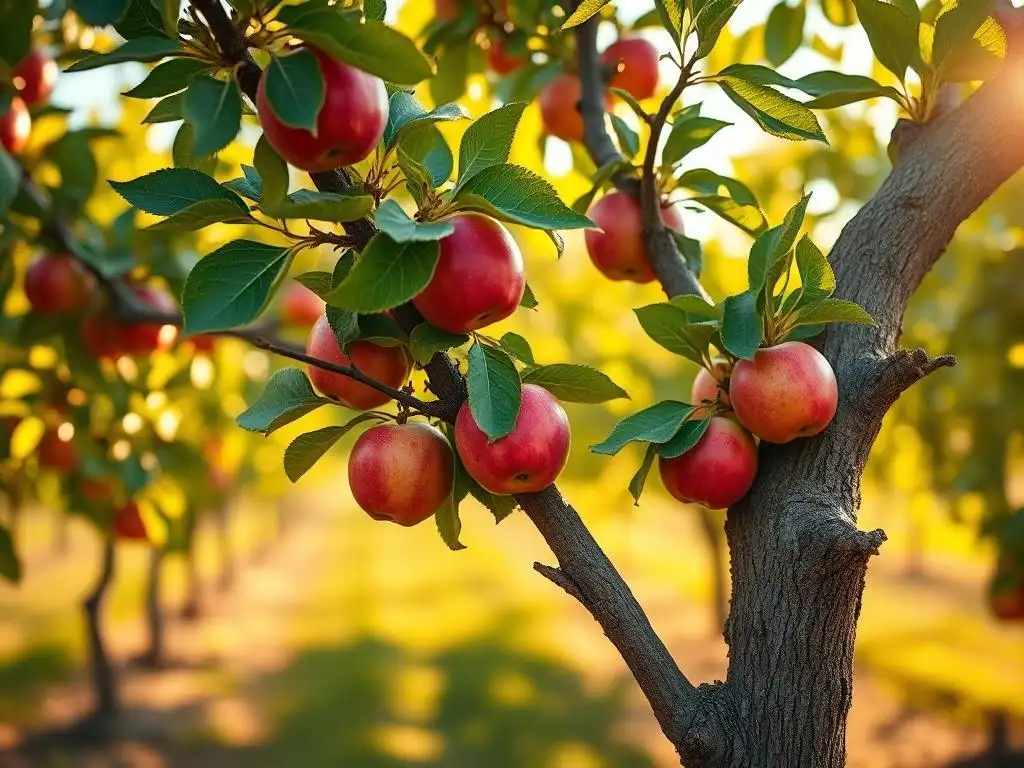
Ready to unlock the secrets of a thriving home orchard? At CultivateYourFood, we empower you to grow your own delicious fruits, vegetables, and herbs using sustainable methods. Learn how to cultivate a bountiful harvest, from planting to pest control, and everything in between. This article dives into the crucial art of pruning fruit trees, showing you how to maintain a manageable size and shape for years of fruitful rewards. Discover the techniques that will transform your home orchard and keep your fruit trees healthy and productive—let's get started!
- Understanding the Importance of Pruning Fruit Trees in Your Home Orchard
- When to Prune Your Fruit Trees: Timing for Optimal Results
- Essential Tools and Techniques for Pruning Fruit Trees
- Step-by-Step Guide to Pruning Different Fruit Tree Types
- Maintaining Your Pruned Fruit Trees: Post-Pruning Care
- Troubleshooting Common Pruning Mistakes in Home Orchards
- Resources and Further Learning on Pruning Fruit Trees
- Frequently Asked Questions
- Final Reflection: The Enduring Harvest: Shaping Our Orchards and Ourselves
- Unleash Your Orchard's Potential: Take Action Today!
Understanding the Importance of Pruning Fruit Trees in Your Home Orchard
Pruning fruit trees is a crucial aspect of maintaining a healthy and productive home orchard. Regular pruning, when done correctly, isn't just about shaping your trees; it's a fundamental practice that directly impacts fruit yield, tree health, and the overall ease of managing your fruit trees. This guide will delve into the essential techniques for pruning fruit trees, focusing on maintaining a manageable size and shape for easier harvesting and improved fruit production in your backyard.
Neglecting pruning can lead to overcrowded branches, reduced sunlight penetration, increased susceptibility to disease, and ultimately, lower yields. By understanding the principles of pruning and implementing the proper techniques, you can cultivate a thriving and bountiful home orchard, maximizing your harvest while minimizing effort.
This article will equip you with the knowledge and confidence to prune your fruit trees effectively, ensuring a healthy and productive orchard for years to come. Let's explore the key benefits of incorporating regular pruning into your fruit tree care routine.
Why Prune Fruit Trees? Benefits of Regular Pruning for Home Growers
Pruning your fruit trees offers a multitude of advantages for the home grower. It's not just about aesthetics; it's about optimizing the tree's health and productivity. Regular pruning helps to:
- Increase Fruit Production: By removing dead, diseased, or crossing branches, you redirect the tree's energy towards producing larger, higher-quality fruit. This leads to a more abundant harvest.
- Improve Fruit Quality: Sunlight penetration is crucial for fruit development. Pruning opens up the canopy, allowing sunlight to reach more fruit, resulting in sweeter, more flavorful fruit.
- Enhance Tree Longevity: Removing weak or diseased branches prevents the spread of disease and pests, extending the lifespan of your fruit trees.
- Simplify Harvesting: A well-pruned tree is easier to harvest from. You'll have better access to the fruit, making the process quicker and less strenuous.
- Reduce Pest and Disease Problems: Improved air circulation and sunlight penetration, facilitated by pruning, discourage the growth of pests and diseases. This is a crucial aspect of organic and sustainable fruit growing.
- Control Tree Size: Pruning allows you to manage the size and shape of your fruit trees, ensuring they remain manageable within the confines of your home orchard. This prevents the trees from becoming too large and overshadowing other plants.
Maintaining Tree Size and Shape for Easy Harvesting
Maintaining a manageable size and shape is paramount for easy harvesting and overall orchard management. Overgrown trees can make harvesting difficult and dangerous, leading to bruised fruit and potential injuries. Pruning techniques should focus on:
- Removing Water Sprouts and Suckers: These vigorous shoots grow from the trunk and branches, competing with fruiting wood for resources. Their removal redirects energy to fruit production.
- Thinning the Canopy: Removing overcrowded branches allows for better air circulation and sunlight penetration, crucial for healthy fruit development. This involves selectively removing branches to create space and an open structure.
- Creating an Open Center: An open center allows sunlight to reach the inner branches, promoting fruit production throughout the tree. This is especially important for larger fruit trees.
- Establishing a Strong Framework: Pruning young trees helps establish a strong framework of branches that will support the weight of the fruit in later years. This ensures the long-term health and structural integrity of the tree.
Improving Air Circulation and Sunlight Penetration to Prevent Disease
Proper pruning significantly improves air circulation and sunlight penetration within the tree canopy. This is a crucial step in preventing the spread of diseases and pests. By removing crowded branches and opening up the center of the tree, you create an environment that is less hospitable to pathogens and insects. This contributes to:
- Reduced fungal diseases: Many fungal diseases thrive in damp, shaded conditions. Improved air circulation helps to dry out the leaves and branches, reducing the risk of fungal infections.
- Decreased pest infestations: Good air circulation and sunlight penetration can deter many insect pests that prefer shaded and humid environments.
- Faster drying of leaves and fruit after rain: This reduces the chances of fungal infections developing.
- Healthier overall tree growth: A well-pruned tree is a stronger tree, better able to resist diseases and pests. This leads to a more resilient and productive orchard.
Pruning your fruit trees is a fundamental aspect of sustainable orchard management. By following these guidelines and understanding the benefits, you can ensure a healthy, productive, and easily manageable home orchard. Remember, regular pruning is key to maximizing your harvest and enjoying the fruits of your labor for years to come.
Enhancing Fruit Production Through Strategic Pruning Techniques
Strategic pruning is crucial for maximizing fruit production in your home orchard. By removing competing branches and shaping the tree, you encourage the growth of strong, fruit-bearing wood. This leads to larger, higher-quality fruit and a more abundant harvest. Think of it like this: a crowded tree struggles to produce its best because resources are spread thin. Pruning redirects those resources to fewer, healthier branches, resulting in a more efficient and productive tree.
For example, consider an apple tree heavily laden with small, underdeveloped apples. This indicates a lack of sunlight penetration within the canopy, likely due to overcrowding. Careful pruning, removing some interior branches and those that cross or rub against each other, allows sunlight to reach more fruit spurs, leading to larger, more evenly colored apples. This technique also improves air circulation, reducing the risk of fungal diseases that thrive in damp, shaded conditions. Different fruit trees have varying needs, so understanding the specific requirements of your chosen varieties is key.
Consulting resources specific to your tree type will guide you in achieving optimal pruning strategies for maximum yield. Remember, the goal is to create an open, well-ventilated canopy that maximizes sunlight penetration to each fruit. The result? A significantly more productive and healthier tree, rewarding you with a bountiful harvest.
Pruning also influences the age of the fruiting wood. Many fruit trees produce fruit primarily on spurs—short, stubby branches—that develop on two- or three-year-old wood. By removing older, less productive wood, you stimulate the growth of new spurs, ensuring a consistent supply of fruiting wood for years to come. Regular pruning prevents the tree from becoming overly mature and unproductive, maintaining its vitality and yield.
This is particularly important for trees prone to biennial bearing (alternating years of heavy and light crops). Proper pruning techniques can help to even out production, providing a more consistent harvest each year. Failure to prune effectively can result in a decline in fruit production and an overall decline in the health of the tree. Therefore, understanding the relationship between pruning and fruiting wood is fundamental to maintaining a productive home orchard.
When to Prune Your Fruit Trees: Timing for Optimal Results
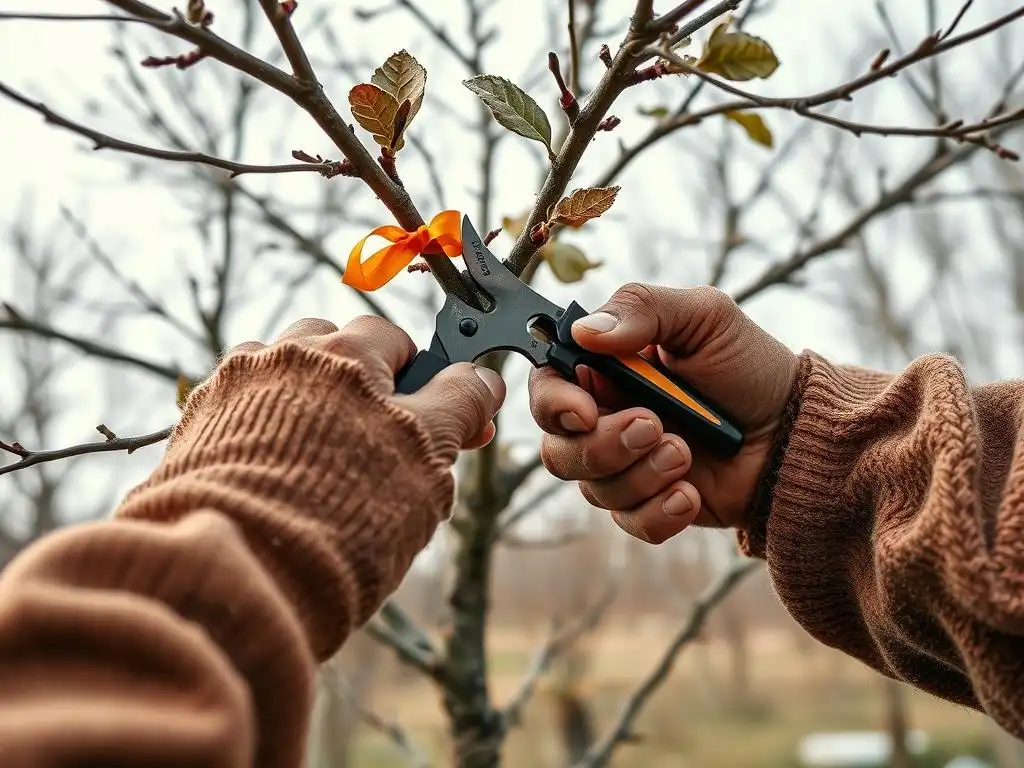
Pruning your fruit trees at the right time is crucial for maximizing yield and maintaining the health of your home orchard. Getting the timing wrong can lead to reduced fruit production, increased susceptibility to disease, and even damage to the tree itself. This section will guide you through the optimal pruning times for different types of fruit trees and situations. Understanding the "prune fruit trees home orchard" process requires attention to detail, especially concerning timing.
Best Time of Year to Prune Different Fruit Tree Varieties
The ideal pruning time varies significantly depending on the type of fruit tree. This is because different species have different dormancy periods and flowering times. Here's a breakdown:
- Stone Fruits (Peaches, Plums, Cherries, Apricots): These are best pruned in late winter or early spring, before bud break. Pruning during this dormant period minimizes the risk of gummosis (a bacterial disease) and reduces the spread of diseases. Delaying pruning until after flowering can lead to more significant losses.
- Pome Fruits (Apples, Pears): These are also typically pruned during the dormant season, but they have a little more flexibility. Late winter or early spring is ideal, but some light pruning can be done in summer to remove water sprouts and suckers. This summer pruning helps to maintain shape and air circulation.
- Citrus Trees: Citrus trees are best pruned after they have finished fruiting, typically in late spring or early summer. This avoids stressing the tree during the flowering and fruiting periods. Avoid heavy pruning; light shaping is usually sufficient.
| Fruit Tree Type | Best Pruning Time | Notes |
|---|---|---|
| Stone Fruits (Peaches, Plums, Cherries, Apricots) | Late winter/early spring (dormant) | Avoid pruning during active growth. |
| Pome Fruits (Apples, Pears) | Late winter/early spring (dormant) | Light summer pruning possible. |
| Citrus Trees | Late spring/early summer (after fruiting) | Light pruning only. |
Pruning Deciduous vs. Evergreen Fruit Trees
The pruning approach also differs between deciduous (trees that lose their leaves in autumn) and evergreen (trees that retain their leaves year-round) fruit trees.
Deciduous fruit trees, such as apples and peaches, are typically pruned during their dormant season. This allows the wounds to heal before the onset of new growth and reduces the risk of infection. Heavy pruning is often tolerated by deciduous trees during dormancy. Think of the dormant season as the tree's “off-season,” the ideal time for a significant “prune fruit trees home orchard” operation.
Evergreen fruit trees, such as citrus trees, are more sensitive to pruning. They are usually pruned lightly after fruiting to maintain shape and remove dead or diseased branches. Heavy pruning can shock evergreen trees and reduce fruit production. The goal is to maintain a balanced framework rather than drastic shaping. This gentler approach is crucial for their overall health and productivity.
Considering Dormant Season Pruning for Home Orchards
Dormant season pruning (late winter/early spring) offers several advantages for home orchards:
- Disease Prevention: Pruning during dormancy minimizes the risk of disease transmission as wounds heal more quickly during the tree's resting period. This is especially critical for stone fruits.
- Improved Air Circulation: Removing dead, diseased, or crossing branches improves air circulation within the tree canopy, reducing the risk of fungal diseases.
- Enhanced Light Penetration: Proper pruning allows more sunlight to reach the interior of the tree, promoting better fruit development and ripening.
- Easier Pruning: Dormant trees are easier to prune because the leaves are absent, providing a clearer view of the branches. This makes it easier to identify areas that need pruning and perform precise cuts.
Remember, even during the dormant season, avoid pruning on days with freezing temperatures or heavy frost, as this can damage the tree. Always use sharp, clean pruning tools to minimize injury and promote proper healing. Proper "prune fruit trees home orchard" techniques, especially during dormancy, are key to a successful and healthy yield.
Essential Tools and Techniques for Pruning Fruit Trees
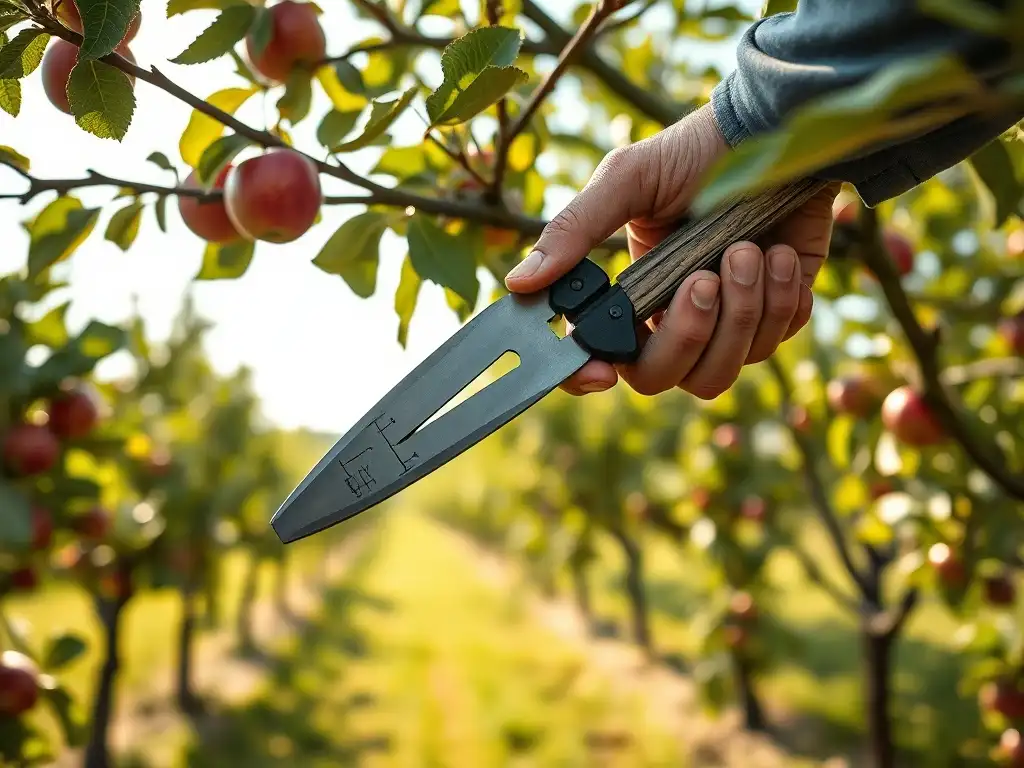
This section details the essential tools and techniques for successfully pruning fruit trees in your home orchard, maximizing yield and maintaining tree health. Proper pruning is crucial for the long-term health and productivity of your fruit trees, and having the right tools makes the job safer and more efficient. Remember, safety and precision are paramount when pruning your fruit trees.
Gathering the Necessary Pruning Tools for Your Home Orchard
Before you begin pruning your fruit trees, it's crucial to gather the right tools. Improper tools can lead to inefficient cuts, damage to the tree, and even injury to yourself. Here's a checklist of essentials for your home orchard:
- Hand Pruners: Essential for making clean cuts on smaller branches (under ¾ inch in diameter). Look for bypass pruners with sharp, clean blades for a precise cut that minimizes damage to the tree. Consider purchasing a pair with a ratchet mechanism for added leverage on thicker branches.
- Loppers: Needed for branches that are too thick for hand pruners (¾ inch to 1 ½ inches in diameter). Anvil loppers are suitable for dead wood, while bypass loppers are better for live branches. Choose loppers with long handles for better leverage and reach.
- Pruning Saw: For removing larger branches (over 1 ½ inches in diameter). A folding pruning saw is convenient and easy to store. Ensure the saw has a sharp blade to prevent tearing the bark.
- Pole Saw: Useful for reaching high branches without the need for a ladder. Choose a pole saw with an extendable handle and a sharp blade. Safety is paramount when using a pole saw, as it requires more careful maneuvering.
- Gloves: Always wear thick gloves to protect your hands from thorns and sharp branches. Leather or heavy-duty work gloves are recommended.
- Safety Glasses: Essential to protect your eyes from flying debris during pruning.
Safe Pruning Techniques to Avoid Injury to Yourself and the Tree
Pruning fruit trees can be physically demanding and potentially hazardous if not done correctly. Prioritize safety throughout the entire process. Here are some key safety tips to remember:
- Ladder Safety: If you need a ladder, ensure it's in good condition and placed on stable, level ground. Never overreach while on a ladder. Have a spotter assist you if possible.
- Sharp Tools: Dull tools require more force, increasing the risk of injury and causing ragged cuts on the tree. Sharpen your tools regularly or replace them when necessary.
- Proper Posture: Maintain good posture to avoid strain and fatigue. Take breaks as needed.
- Awareness of Surroundings: Be mindful of power lines, other obstacles, and other people in the vicinity while pruning.
- Weather Conditions: Avoid pruning during inclement weather such as rain, snow, or high winds.
Proper Cuts: Understanding Different Pruning Cuts (Heading, Thinning, etc.)
Different pruning cuts serve different purposes in maintaining the shape and health of your fruit trees. Understanding these techniques is essential for effective pruning.
- Heading Cuts: These cuts shorten a branch, stimulating growth of lateral buds below the cut. They are often used to control the height and shape of the tree. The cut should be made just above an outward-facing bud, to encourage growth away from the center of the tree.
- Thinning Cuts: These cuts remove entire branches back to their point of origin, improving air circulation and sunlight penetration within the canopy. This is crucial for preventing diseases and promoting fruit production. When thinning, avoid leaving stubs; make the cut flush with the branch collar.
- Renewal Cuts: These cuts remove older, unproductive branches to encourage new growth. This is particularly useful for rejuvenating older trees. Cuts should be made just above a lateral branch or bud.
Understanding and employing these techniques correctly will contribute significantly to the health and productivity of your prune fruit trees home orchard. Remember, regular pruning is a key element of successful fruit tree care. Consistent application of these methods will lead to a healthier, more productive orchard for years to come.
Step-by-Step Guide to Pruning Different Fruit Tree Types
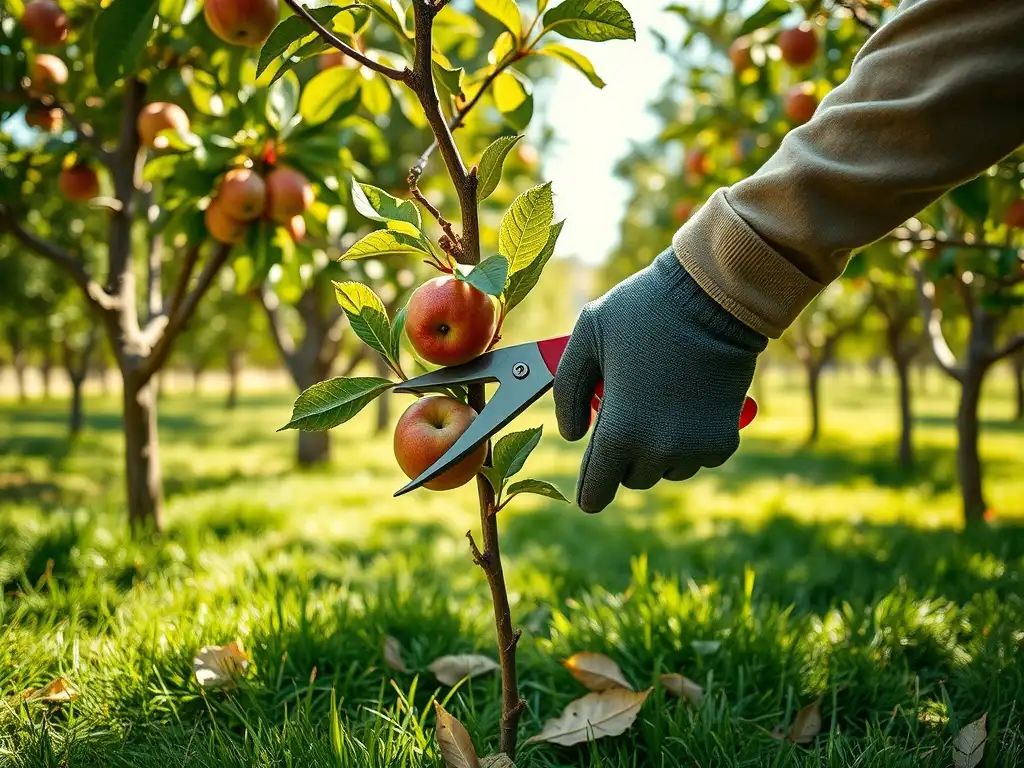
This section provides a detailed, step-by-step guide to pruning various fruit tree types commonly found in home orchards. Proper pruning techniques are crucial for maintaining a manageable size, maximizing fruit production, and ensuring the long-term health of your trees. Remember, the timing of pruning varies slightly depending on your climate and the specific fruit tree, but generally, late winter or early spring, before new growth begins, is ideal for most varieties. This allows the tree to heal properly before the growing season. Always use sharp, clean pruning shears to minimize damage and disease transmission.
Pruning Apple Trees for Optimal Fruit Production in Your Home Orchard
Apple trees, a staple in many home orchards, benefit greatly from regular pruning. The goal is to create an open vase or central leader structure, allowing sunlight to penetrate the canopy and promoting air circulation which reduces disease. Here's a breakdown of the process:
- Dormant Pruning (Late Winter/Early Spring): This is the primary pruning time for apple trees. Remove any dead, damaged, or diseased branches. Thin out branches that are crossing or rubbing against each other to improve air circulation. Cut back water sprouts (vigorous, upright shoots) to encourage fruit production on the main branches.
- Summer Pruning (Mid-Summer): This is a lighter pruning focusing on pinching back new growth to manage the size and shape of the tree. This helps to prevent excessive growth and maintain the open structure.
- Thinning Fruit: While not strictly pruning, thinning fruit is crucial for optimal apple production. Remove some developing fruit to allow remaining apples to grow larger and healthier. This is particularly important for younger trees. Aim for spacing of several inches between apples.
Pro Tip: When pruning apple trees, consider the age of the tree. Younger trees require more shaping, while mature trees need more maintenance pruning.
| Pruning Task | Timing | Purpose | Tools |
|---|---|---|---|
| Remove dead/diseased | Late Winter/Spring | Improve tree health, prevent disease spread | Pruning shears, saw |
| Thinning Branches | Late Winter/Spring | Improve air circulation, sunlight penetration | Pruning shears, saw |
| Water Sprout Removal | Late Winter/Spring | Encourage fruit production | Pruning shears |
| Pinch Back New Growth | Mid-Summer | Manage size and shape | Pruning shears |
| Fruit Thinning | Early Summer | Increase fruit size and quality | Hand |
Pruning apple trees correctly can significantly increase your harvest. Careful attention to detail and consistent pruning will reward you with abundant, high-quality apples year after year. Remember to always sterilize your pruning tools between cuts to prevent the spread of disease. 🍎
Pruning Pear Trees: Techniques for Maintaining Shape and Yield
Pear trees, similar to apple trees, require regular pruning to maintain their shape and maximize fruit production. However, pear trees are often more prone to fire blight, a bacterial disease, so careful pruning techniques are essential to minimize the risk.
The pruning techniques for pear trees are very similar to those for apple trees. We focus on maintaining an open structure to allow for good air circulation and sunlight penetration. However, a key difference is the emphasis on removing any suckers or watersprouts that emerge from the base of the tree, as these can weaken the tree and harbor diseases.
Unlike apple trees, which can tolerate more aggressive pruning, pear trees respond better to gentler, more selective pruning. Removing only the necessary branches to maintain the desired shape and size is key. Over-pruning can stress the tree and reduce fruit production.
Regular inspection throughout the growing season is also important for early detection of fire blight. Infected branches should be removed immediately and properly disposed of.
Important Note: Always disinfect your pruning tools with a 10% bleach solution between cuts to prevent the spread of fire blight.
Pruning Cherry Trees: Specific Considerations for Cherry Tree Pruning
Cherry trees, particularly sweet cherries, are relatively less tolerant of heavy pruning compared to apple or pear trees. Over-pruning can lead to reduced fruit production and increased susceptibility to diseases. The primary goal when pruning cherry trees is to maintain the tree's natural shape and remove any dead, damaged, or diseased wood.
- Focus on Thinning: Instead of heading back branches (cutting back the ends), focus on thinning out overcrowded branches to improve air circulation and sunlight penetration. This helps to reduce the risk of fungal diseases and promotes fruit development.
- Minimal Heading: Cherry trees generally don't respond well to heading cuts. These cuts stimulate vigorous growth that can be detrimental to fruit production. If heading is necessary, do it sparingly and only on young trees to establish the desired shape.
- Remove Suckers and Watersprouts: As with pear trees, removing suckers and watersprouts emerging from the base of the tree is crucial for maintaining the tree's health and vigor.
Pruning cherry trees requires a lighter touch than other fruit trees. Regular inspection and timely removal of dead or diseased wood are more important than extensive pruning. A well-maintained cherry tree will reward you with a bountiful harvest of delicious cherries for years to come. 🍒
Pruning Plum and Peach Trees: A Guide to Pruning Stone Fruit Trees
Pruning plum and peach trees, both members of the stone fruit family, requires a slightly different approach compared to pome fruits like apples and pears. Their growth habits and fruiting patterns necessitate specific pruning techniques to maximize yield and maintain tree health. The key is to understand that these trees produce fruit on one-year-old wood (peach trees primarily) and on spurs (short, lateral branches) of older wood (plums).
One crucial aspect of pruning stone fruit trees is timing. The ideal time to prune is during the dormant season, typically late winter or early spring, before bud break. This minimizes the risk of disease transmission and allows the tree to heal properly before the growing season begins. Delaying pruning until later in the spring can lead to excessive sap flow, weakening the tree and increasing susceptibility to diseases.
We need to consider the age of the tree when determining the intensity of pruning. Young plum and peach trees require more extensive pruning to establish a strong framework. This involves selecting a few main scaffold branches and removing competing or crossing branches. This process helps to create an open center, allowing sunlight to penetrate the canopy and promoting good air circulation – crucial for preventing fungal diseases common in humid climates. A well-structured young tree is the foundation for a healthy and productive mature tree.
Mature plum and peach trees require less drastic pruning. The focus shifts from framework development to maintaining tree size and shape, removing dead, damaged, or diseased wood, and thinning out overcrowded branches. This thinning encourages the development of larger, higher-quality fruit. Remember, excessive pruning can stimulate vigorous, unproductive growth, so a lighter hand is often preferable for mature trees. Regular, light pruning is far better than infrequent, heavy pruning.
Specific pruning cuts for plum and peach trees involve removing water sprouts (vigorous, upright shoots that grow from the trunk or main branches) and suckers (shoots that grow from the base of the tree). These are generally unproductive and compete with fruiting wood for resources. Furthermore, any branches that are rubbing against each other should be removed to prevent damage and disease.
When making pruning cuts, always use sharp, clean pruning tools to create clean cuts that heal quickly and efficiently. Improper cuts can leave wounds vulnerable to infection, potentially harming the tree's health and longevity. Remember to sterilize your pruning shears between cuts to prevent the spread of diseases.
Proper pruning techniques, combined with other essential care practices like fertilization and pest control, can significantly contribute to a bountiful harvest of delicious plums and peaches from your home orchard. Regular monitoring and timely pruning are essential components of successful stone fruit tree cultivation, ultimately rewarding you with healthy, productive trees for years to come. Remember to consult local gardening resources for more specific advice tailored to your climate and specific fruit tree varieties.
Maintaining Your Pruned Fruit Trees: Post-Pruning Care
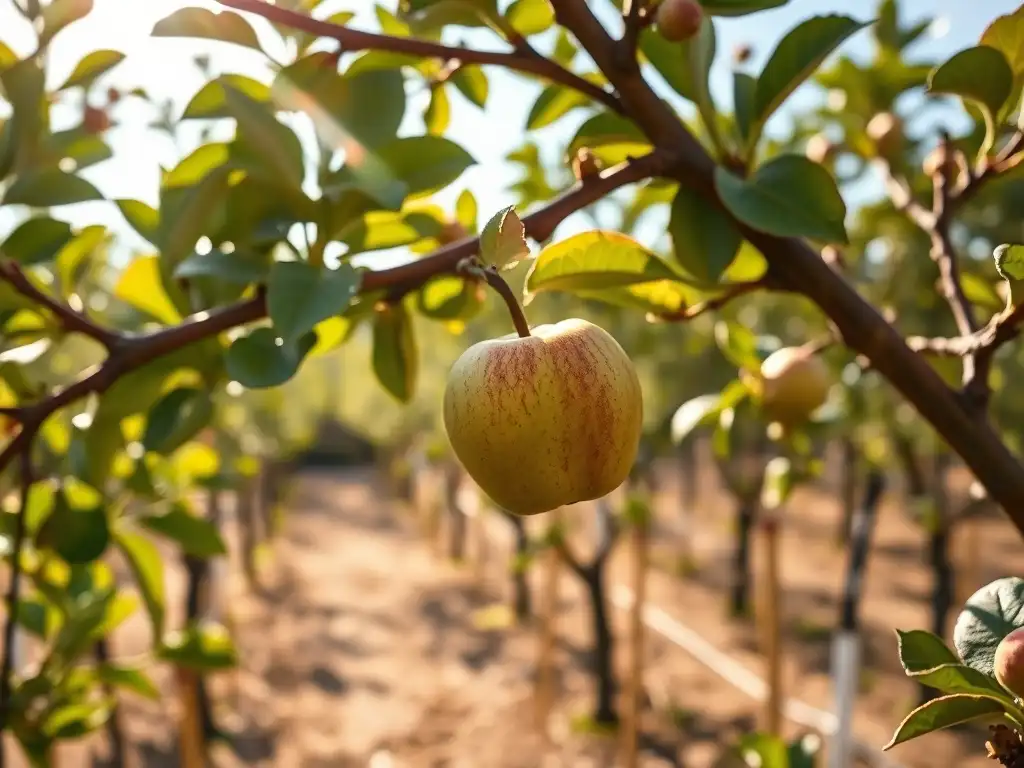
Pruning your fruit trees is only half the battle in maintaining a healthy and productive home orchard. Post-pruning care is crucial for preventing disease, encouraging strong growth, and maximizing your harvest. Neglecting this vital step can undo the benefits of careful pruning, leaving your trees vulnerable and your yield diminished. This section focuses on the essential steps to take after pruning your fruit trees to ensure their long-term health and productivity, optimizing your efforts in your prune fruit trees home orchard.
Cleaning and Disinfecting Pruning Tools After Use
Proper sanitation of your pruning tools is paramount to prevent the spread of diseases between your trees and even to other plants in your garden. Disease-causing pathogens can easily survive on uncleaned blades, infecting healthy tissue when used for subsequent pruning. Think of it as a crucial step in your integrated pest management (IPM) strategy for your prune fruit trees home orchard.
Here's a step-by-step guide to effectively clean and disinfect your pruning tools:
- Remove Debris: Begin by wiping off any sap, dirt, or plant debris from your tools using a clean cloth or brush. This removes the bulk of potential contaminants.
- Wash with Soap and Water: Wash your tools thoroughly with warm, soapy water. A dish soap works well. This helps to remove any remaining organic matter.
- Disinfect: After washing, disinfect your tools using a solution of 1 part household bleach to 9 parts water. Submerge your tools completely for at least 10 minutes. Alternatively, you can use a commercial disinfectant specifically designed for gardening tools. Always follow the manufacturer's instructions.
- Rinse and Dry: Rinse your tools thoroughly with clean water to remove any bleach residue. Then, dry them completely with a clean cloth to prevent rust.
- Store Properly: Store your clean and disinfected tools in a dry, protected place to prevent damage and contamination.
Failing to properly clean your tools after each pruning session can lead to the spread of diseases like fire blight, canker, and various fungal infections, significantly impacting the health and productivity of your prune fruit trees home orchard.
Protecting Your Trees from Pests and Diseases After Pruning
Pruning wounds, while essential for tree health, create entry points for pests and diseases. Taking preventative measures after pruning is key to minimizing the risk of infection. This is especially critical in managing your prune fruit trees home orchard to prevent outbreaks.
Several strategies can help protect your trees:
- Wound Sealants: While opinions differ on their effectiveness, some gardeners use wound sealants on larger cuts. Choose a product specifically designed for fruit trees and follow the application instructions carefully. Proper application is crucial; incorrectly applied sealant can actually hinder healing.
- Monitoring: Regularly inspect your trees for signs of pest infestations or disease. Early detection is key to effective treatment. Look for unusual discoloration, wilting, or insect activity.
- Natural Pest Control: Encourage beneficial insects, such as ladybugs and lacewings, to help control pest populations naturally. Consider using organic pest control methods such as neem oil or insecticidal soap if necessary. Avoid harsh chemicals that can harm beneficial insects and disrupt the delicate ecosystem of your prune fruit trees home orchard.
Remember, prevention is far better than cure. Proactive measures significantly reduce the likelihood of post-pruning problems.
Fertilizing and Watering After Pruning for Healthy Growth
Pruning stimulates new growth, and providing adequate nutrients and water is crucial for supporting this growth. This ensures your trees recover quickly and produce a bountiful harvest. Proper fertilization and watering are essential components of maintaining a healthy and productive prune fruit trees home orchard.
- Watering: Provide sufficient water, especially during dry periods, to keep the soil moist but not waterlogged. Deep, infrequent watering encourages deep root growth.
- Fertilizing: Apply a balanced fertilizer formulated for fruit trees according to the package instructions. The type and amount of fertilizer will depend on the age and type of your fruit trees and the soil conditions. Avoid over-fertilizing, which can harm your trees. Consider a soil test to determine specific nutrient needs.
By following these post-pruning care guidelines, you'll significantly enhance the health, productivity, and longevity of your fruit trees, ensuring a successful and rewarding prune fruit trees home orchard experience for years to come. Remember, consistent care is key to maximizing your harvest and enjoying the fruits (literally!) of your labor.
Troubleshooting Common Pruning Mistakes in Home Orchards
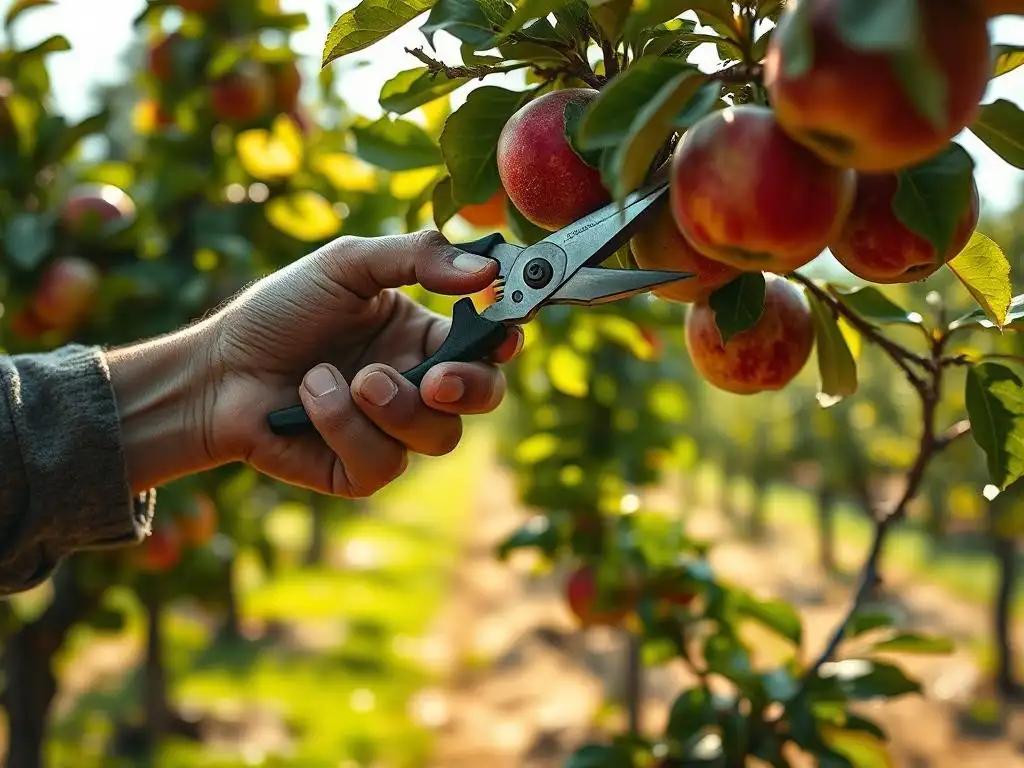
Pruning fruit trees, while essential for maintaining a healthy and productive home orchard, can easily lead to mistakes if not done correctly. Understanding common errors and their solutions is crucial for maximizing your harvest and ensuring the long-term health of your trees. This section focuses on identifying and rectifying some of the most frequent pruning problems encountered by home gardeners aiming to effectively prune fruit trees in their home orchard.
Proper pruning techniques are key to ensuring a successful harvest and the overall health of your trees. The goal is to learn how to prune fruit trees for optimal fruit production in a sustainable and organic way.
Identifying and Correcting Over-Pruning in Your Fruit Trees
Over-pruning is a common mistake, especially for beginner fruit tree growers. It can severely weaken the tree, reduce fruit production, and even lead to the death of the tree. The symptoms of over-pruning include: significantly reduced fruit yield, weak, spindly new growth, increased susceptibility to pests and diseases, and a generally unhealthy appearance. The tree might look sparse and vulnerable.
Over-pruning often results from removing too much wood during a single pruning session, or from making improper cuts that damage the tree's structure. For instance, removing more than 25-30% of the tree's canopy in a single year is generally considered excessive. Additionally, removing large branches without proper techniques (like leaving stubs) can create large wounds, inviting disease and insects.
Correcting over-pruning involves a multi-year process focused on promoting new growth and strengthening the tree. This requires patience and careful observation. Instead of aggressive pruning, focus on light, selective pruning in subsequent years. Concentrate on removing only dead, diseased, or crossing branches.
Encourage the growth of new fruiting wood by lightly thinning the canopy, letting sunlight reach more interior branches. Regular fertilization and proper watering are also crucial to help the tree recover. Always remember to use sharp, clean pruning tools to minimize damage and the risk of infection. The key is to gradually restore the tree's balance and vigor, allowing it to recover naturally.
Addressing Pruning Wounds and Preventing Infections
Pruning inevitably creates wounds on the tree. While small wounds heal naturally, larger wounds, especially those improperly made, are more susceptible to infection. Preventing infection is crucial for maintaining the health of your fruit trees. This involves proper pruning techniques and prompt wound care.
Proper pruning techniques minimize the size and number of wounds. Making clean cuts just outside the branch collar (the slightly swollen area at the base of the branch) prevents the formation of large stubs, which are slow to heal and more prone to infection. Using sharp, sterilized pruning tools is also paramount. Dirty tools can introduce pathogens into the wound, increasing the risk of infection.
For larger wounds, applying a wound sealant (though opinions vary on its effectiveness) can help protect the exposed wood from pathogens. However, the most important preventative measure is proper pruning technique. A clean, smooth cut heals much faster and better than a ragged, torn wound. Regular inspection of your trees is essential to identify and treat any signs of infection early on. Early detection and treatment significantly improve the chances of recovery and prevent the spread of disease throughout your orchard. This might involve removing infected branches or applying appropriate organic fungicides.
Dealing with Weak or Damaged Branches
Weak or damaged branches are a common problem in fruit trees, often resulting from storms, pests, or diseases. Ignoring these problems can lead to further damage, reduced fruit production, and even tree failure. Identifying and addressing these issues promptly is vital for maintaining a healthy and productive home orchard.
Weak branches often exhibit signs of breakage or splitting, while damaged branches may show signs of disease or pest infestation. These branches should be pruned to prevent further harm to the tree. The pruning technique depends on the extent of damage. Minor damage may only require trimming the affected area, while severely damaged branches might need complete removal. Again, using sharp, clean pruning tools is essential to minimize further damage and the risk of infection. Remember to always make clean cuts at the branch collar.
Sometimes, weak branches are a symptom of underlying problems such as nutrient deficiencies or improper watering. Addressing these underlying causes is crucial for preventing future problems. Regular soil testing can identify nutrient deficiencies, and a proper irrigation schedule can ensure adequate water supply. Always remember that a healthy tree is better equipped to withstand stresses and recover from damage. By addressing both immediate problems (damaged branches) and underlying causes (nutrient deficiencies, etc. ), you'll ensure the long-term health and productivity of your fruit trees within your home orchard.
Resources and Further Learning on Pruning Fruit Trees
This section provides valuable resources to deepen your understanding of pruning fruit trees and to help you maintain a healthy and productive home orchard. Successfully pruning fruit trees requires ongoing learning and adaptation to your specific climate and tree varieties. Remember, consistent, well-timed pruning is key to maximizing yield and maintaining a manageable tree size for your "prune fruit trees home orchard".
Recommended Books and Online Resources on Fruit Tree Pruning
Finding reliable information on fruit tree pruning can be challenging. To help you navigate the wealth of resources available, we've compiled a list of recommended books and online platforms. These resources offer in-depth explanations, visual guides, and practical advice tailored to various fruit tree species and growing conditions.
Choosing the right resource depends on your learning style and the specific challenges you face. Some prefer the detailed explanations found in books, while others might find online videos and tutorials more engaging. A combination of both often proves most effective.
Many excellent books cover fruit tree pruning in detail. Look for titles that focus on your specific region's climate and the types of fruit trees you're growing. Consider books that include detailed illustrations and diagrams, as visual aids are invaluable in understanding pruning techniques. For example, books focusing on espalier techniques, which involve training trees to grow flat against a wall or fence, offer specialized knowledge for space-saving pruning in smaller home orchards.
Online resources, such as university extension websites and reputable gardening blogs, offer a wealth of freely accessible information. These often include articles, videos, and FAQs covering various aspects of fruit tree care, including pruning. Be sure to source information from trusted institutions and experienced horticulturalists to avoid misinformation. Look for resources that provide clear, step-by-step instructions and address common mistakes.
Here's a sample table summarizing different resource types and their potential benefits:
| Resource Type | Benefits | Potential Drawbacks |
|---|---|---|
| Books | Detailed explanations, comprehensive coverage, visual aids | Can be expensive, less readily updated than online resources |
| University Websites | Reliable information, research-based advice, often region-specific | May lack visual appeal, can be dense and technical |
| Gardening Blogs/Vlogs | Accessible, visually engaging, often practical and relatable | Quality can vary, information may not be peer-reviewed |
| Horticultural Societies | Access to local experts, tailored advice for your region and climate | May require membership fees |
Remember to always cross-reference information from multiple sources to ensure accuracy and consistency in your pruning practices. A well-rounded approach using books and online resources will empower you to become a confident and skilled fruit tree pruner.
Local Horticultural Societies and Expert Advice for Home Growers
Connecting with your local horticultural society is invaluable for gaining practical, region-specific advice on pruning fruit trees. These societies often host workshops, seminars, and demonstrations led by experienced horticulturists. This hands-on learning provides an opportunity to ask questions, observe techniques in action, and network with fellow gardeners facing similar challenges. Participating in these events can significantly improve your pruning skills and help you refine your techniques for your "prune fruit trees home orchard".
Furthermore, many horticultural societies offer mentorship programs or expert consultations. This personalized guidance can be particularly helpful for beginners or those tackling complex pruning tasks. A local expert can assess your trees, provide tailored advice based on their specific needs, and offer ongoing support as you develop your pruning skills. This personalized attention ensures that your pruning efforts maximize yield and maintain the health of your trees.
Consider the following benefits of engaging with local experts:
- Personalized advice: Experts can assess your specific trees and offer tailored recommendations.
- Hands-on learning: Workshops and demonstrations provide practical experience.
- Networking opportunities: Connecting with other gardeners allows for knowledge sharing.
- Access to resources: Societies often provide access to specialized tools and information.
- Ongoing support: Experts can answer questions and provide guidance as needed.
Don't underestimate the value of local expertise. These resources can transform your home orchard from a challenging project into a rewarding and productive endeavor. The knowledge and support you gain will significantly enhance your ability to prune your fruit trees effectively and sustainably.
Frequently Asked Questions
When is the best time to prune fruit trees in my home orchard?
The best time to prune most fruit trees is during the dormant season, typically late winter or early spring before new growth begins. This allows the tree to heal properly before the growing season.
How do I prune a fruit tree to maintain its shape?
Pruning for shape involves removing crossing branches, those growing inward, and any that are weak or diseased. This opens the canopy to sunlight and air circulation, promoting healthy growth.
What tools do I need to prune fruit trees in my home orchard?
Essential tools include hand pruners for smaller branches, loppers for larger ones, and a saw for thicker limbs. Always sanitize your tools between cuts to prevent the spread of disease.
How much should I prune my fruit tree?
The amount of pruning depends on the age and type of tree. Young trees need more pruning to establish a strong structure, while mature trees require lighter pruning to maintain their shape and fruit production.
What are the benefits of pruning fruit trees in my home orchard?
Pruning promotes better air circulation, increased sunlight penetration, and improved fruit production. It also helps to control the size and shape of your tree, making harvesting easier and preventing disease.
Final Reflection: The Enduring Harvest: Shaping Our Orchards and Ourselves
The art of pruning fruit trees isn't merely about shaping branches; it's about cultivating abundance. A well-pruned home orchard yields not only bountiful harvests but also a deeper understanding of growth, patience, and the cyclical nature of life itself. This knowledge, far from being confined to the backyard, holds valuable lessons for navigating the complexities of our own lives.
The act of carefully removing excess growth, of making difficult choices to ensure future prosperity, mirrors the challenges we face in our personal journeys. We, too, must prune away unproductive habits and negative influences to allow space for healthy growth and the blossoming of our potential. The fruit tree, like the human spirit, needs both discipline and freedom to bear its best fruit.
This simple truth, applicable to both our orchards and our lives, underscores the importance of mindful cultivation.
Consider the lessons learned within these pages. Think about the patience required to nurture a young tree, the careful observation needed to identify areas needing attention, and the satisfaction of witnessing the fruits of your labor. Now, apply this mindful approach to your own life. What areas need pruning? What habits or beliefs are hindering your growth? Take the time to cultivate your own potential, and watch as your own unique harvest flourishes.
Unleash Your Orchard's Potential: Take Action Today!
Thank you for learning about fruit tree pruning! You now possess the knowledge to maintain healthy, productive trees for years. Ready to apply your new skills?
- Grab your pruning shears and begin! Even a little pruning now significantly improves next season's yield. Remember the techniques discussed: clean cuts, proper angles, and targeted growth removal.
- Share your progress! Take before-and-after photos and post them on our CultivateYourFood social media pages using #CultivateYourOrchard. We'd love to see your results and share your experience with others.
- Experiment with different pruning techniques on a few branches to determine what best suits your trees and climate. Don't hesitate to try new approaches—practical experience is the best teacher!
What specific pruning challenges are you facing, and how do you plan to address them? Let's discuss in the comments below!