
Pruning Fruit Trees in Small Spaces: Maximizing Yield in Limited Areas

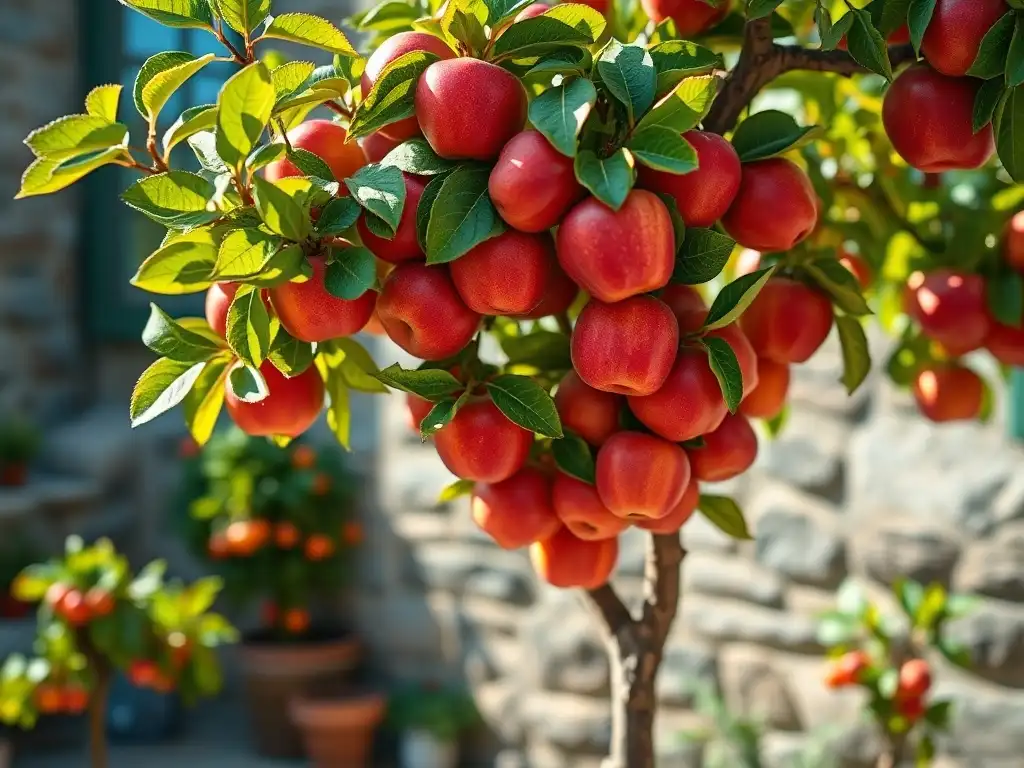
Welcome to CultivateYourFood, your guide to a thriving home garden! Are you dreaming of fresh, organic fruit but limited on space? Discover the secrets to maximizing your harvest with our expert advice on Small space fruit tree pruning. Learn how even the smallest backyard or balcony can become a bountiful orchard. Let's unlock the potential of your garden – read on to transform your space into a vibrant, productive haven!
- Understanding Small Space Fruit Tree Pruning Techniques
- Maximizing Fruit Production in Confined Areas
- Specific Pruning Techniques for Popular Small Fruit Trees
- Maintaining Your Small Fruit Trees After Pruning
- Advanced Pruning Techniques for Experienced Growers
- Frequently Asked Questions
- Final Reflection: Reaping Abundance from Tiny Orchards
- Unlock Your Tiny Orchard's Potential!
Understanding Small Space Fruit Tree Pruning Techniques
Cultivating fruit trees in small spaces presents unique challenges, but with the right techniques, you can maximize yield and enjoy a bountiful harvest even in limited areas. This guide focuses on the art of pruning fruit trees specifically designed for small gardens, balconies, or patios. We'll explore how to assess your space and tree variety, select appropriate tools, and master essential pruning cuts to optimize your tree's growth and fruit production.
Effective pruning isn't just about removing branches; it's a strategic process that promotes healthy growth, improves air circulation, and ultimately leads to a larger, more flavorful harvest. By understanding the principles of small space fruit tree pruning, you can transform your limited area into a thriving orchard.
This guide provides practical advice and actionable steps to help you achieve success, regardless of your experience level. Remember, patience and consistent attention are key to cultivating a healthy and productive fruit tree.
Assessing Your Space and Tree Variety for Optimal Pruning
Before you even pick up your pruning shears, careful assessment is crucial. Consider these factors:
- Available Space: Measure the exact dimensions of your planting area. Note the proximity to buildings, fences, or other plants. This helps determine the ultimate size your tree can reach without overcrowding. Account for the mature size of your chosen fruit tree variety.
- Sunlight Exposure: Fruit trees require ample sunlight – at least 6-8 hours daily. Observe the sun's path throughout the day to identify the sunniest spot in your space.
- Tree Variety: Different fruit trees have different growth habits and pruning requirements. Dwarf or semi-dwarf varieties are ideal for small spaces, as they naturally remain smaller than standard-sized trees. Research the specific needs of your chosen fruit tree (apple, pear, cherry, etc.) to understand its potential growth and pruning requirements. Knowing the mature size and shape will help you plan the pruning strategy.
- Soil Conditions: Well-drained soil is essential for healthy fruit tree growth. Poor drainage can lead to root rot and other problems. Consider amending your soil if necessary to ensure optimal conditions.
This initial assessment will dictate the type and intensity of pruning you'll need to perform. For instance, a small patio might require significantly more aggressive pruning than a larger backyard space. Remember to always prioritize the health and long-term viability of your tree.
Choosing the Right Pruning Tools for Small Trees
Using the correct tools is paramount for clean cuts that prevent disease and promote healing. For small fruit trees, you'll likely need:
- Hand Pruners: Essential for making precise cuts on smaller branches. Choose bypass pruners for clean cuts that minimize damage to the tree.
- Loppers: Useful for removing larger branches that are beyond the reach of hand pruners. Loppers with bypass blades are preferred for clean cuts.
- Pruning Saw: Necessary for removing very thick branches. A sharp saw ensures clean cuts, reducing the risk of infection.
- Gloves: Protect your hands from thorns and scratches.
- Disinfectant: Clean your tools with a disinfectant (such as rubbing alcohol) between each cut to prevent the spread of diseases.
Proper tool maintenance is vital. Keep your tools sharp and clean for efficient and safe pruning. Dull tools cause ragged cuts, increasing the risk of disease. Investing in quality tools will ensure a cleaner, more efficient pruning process and contribute to the long-term health of your tree.
Basic Pruning Cuts for Small Fruit Trees: A Beginner's Guide
Mastering a few basic pruning cuts will allow you to effectively manage your small fruit tree's growth and yield. These include:
- Heading Cuts: Made to shorten a branch, encouraging branching and bushier growth. This is often used to control the height and shape of the tree. Make the cut just above an outward-facing bud.
- Thinning Cuts: Removing entire branches back to their point of origin. This improves air circulation and sunlight penetration within the tree's canopy. Thinning cuts are crucial for preventing overcrowding and promoting healthy fruit development.
- Removal of Dead, Damaged, or Diseased Branches: This is essential for maintaining the tree's health and preventing the spread of disease. Remove branches completely at their point of origin.
Remember to make clean cuts with sharp tools, avoiding ragged or torn edges that can attract disease. Always prune during the dormant season (late winter or early spring) for most fruit trees, allowing the tree to heal before the growing season begins. The specific timing might vary slightly depending on your climate and the type of fruit tree. Following these basic techniques, combined with careful observation of your tree's growth, will help you maintain a healthy and productive small-space orchard.
Maximizing Fruit Production in Confined Areas
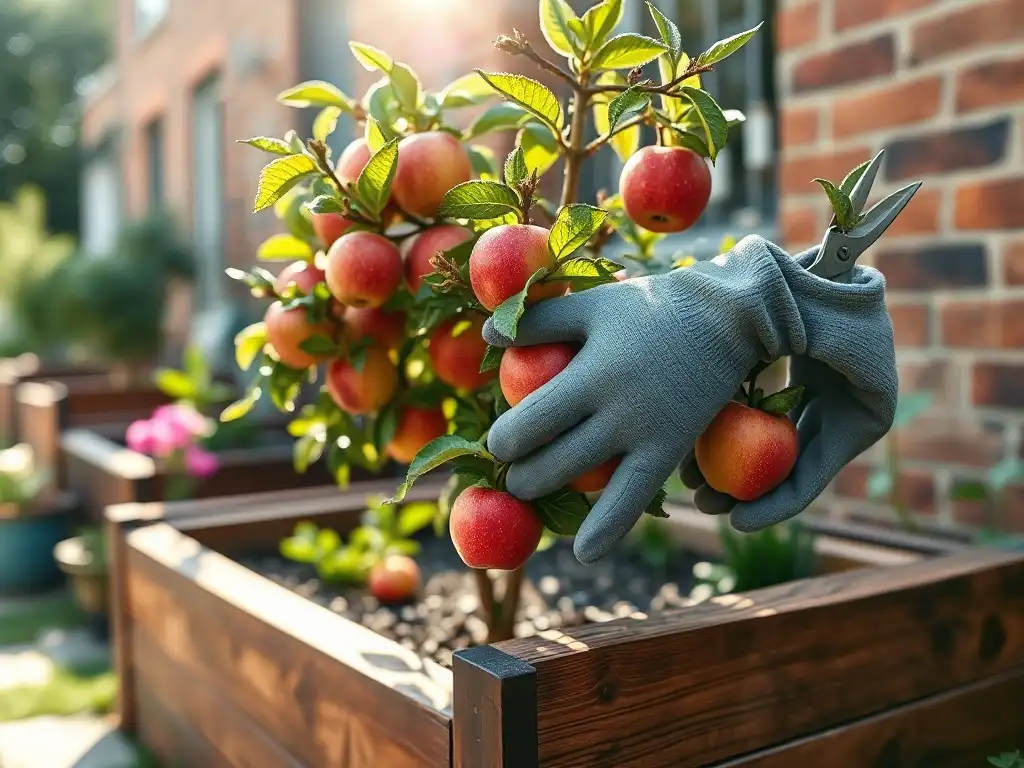
Growing fruit trees successfully in small spaces requires a strategic approach to pruning. The goal isn't just to maintain the tree's health; it's to optimize its yield within the confines of your available area. This involves careful consideration of light penetration, air circulation, and overall tree structure. Effective small space fruit tree pruning techniques significantly impact the quantity and quality of your harvest. We'll explore specific techniques to help you maximize your fruit production even in limited spaces. Remember, consistent pruning is key to long-term success, particularly when dealing with the challenges of small space fruit tree pruning.
Thinning Branches for Better Light Penetration and Air Circulation
Thinning branches is crucial for maximizing sunlight exposure and improving air circulation within the canopy. Dense foliage can shade inner branches, hindering fruit development and increasing the risk of fungal diseases. By strategically removing some branches, you allow sunlight to reach all parts of the tree, promoting healthier growth and a larger fruit set. This is especially important in small spaces where trees are closer together and compete for resources.
Consider these points when thinning branches:
- Target overlapping branches: Look for branches that cross or overlap, creating dense areas. Remove one of the crossing branches, prioritizing the healthier, better-positioned branch.
- Prioritize vertical growth: In small spaces, encourage vertical growth to keep the tree compact. Remove branches that grow horizontally or downward, unless they contribute to a balanced shape.
- Leave sufficient spacing: Aim for adequate spacing between branches to allow for good air circulation. This helps prevent fungal diseases and improves the overall health of the tree.
- Use sharp, clean tools: Using sharp, clean pruning shears minimizes damage to the tree and reduces the risk of infection.
For example, an apple tree in a small backyard might benefit from removing 20-30% of its branches annually to optimize light penetration and air circulation. This percentage can vary depending on the tree's size, density, and overall health. Regular observation and assessment are key to effective thinning.
Removing Dead, Diseased, or Crossing Branches in Small Spaces
Regularly inspecting your fruit trees for dead, diseased, or crossing branches is a fundamental aspect of small space fruit tree pruning. Removing these branches prevents the spread of disease, improves the overall health of the tree, and ensures the remaining branches receive adequate sunlight and nutrients. Ignoring these issues can lead to reduced yield and, potentially, the death of the tree.
Here's a detailed approach:
- Identify dead branches: Dead branches are typically brittle and grey or brown in color. They should be removed at their base to prevent further decay.
- Remove diseased branches: Branches exhibiting signs of disease, such as cankers, wilting, or unusual spots, should be pruned well below the affected area to prevent the spread of pathogens. Dispose of these branches properly to avoid contaminating the soil.
- Address crossing branches: Crossing branches often rub against each other, causing wounds that can become entry points for diseases and pests. Remove one of the crossing branches to improve air circulation and prevent damage.
Accurate identification is crucial. If you are uncertain about a branch's condition, it's best to err on the side of caution and consult a local arborist or experienced gardener for guidance. This proactive approach will contribute to the long-term health and productivity of your fruit tree, even in a small space.
Shaping Your Tree for Compact Growth and Maximum Yield
Shaping your fruit tree is essential for maximizing yield in small spaces. The goal is to create a compact, well-structured tree that maximizes sunlight exposure and fruit production while minimizing its overall footprint. This involves strategic pruning to encourage vertical growth and maintain a balanced shape.
Consider these techniques:
- Central leader training: This method involves selecting a central leader (the main stem) and pruning side branches to maintain a pyramidal or vase shape. This keeps the tree relatively narrow and tall, ideal for smaller yards.
- Espalier training: Espalier involves training branches to grow flat against a wall or trellis. This dramatically reduces the tree's footprint, making it suitable for extremely limited spaces. This technique requires patience and regular training.
- Regular pruning: Consistent pruning is crucial for maintaining the desired shape and preventing overcrowding. Remove any branches that grow out of the desired shape or interfere with other branches.
The specific shaping technique you choose will depend on the type of fruit tree, the available space, and your personal preferences. Research your specific tree's needs for optimal results. Careful shaping, combined with the other pruning techniques discussed, will contribute to a healthy, productive fruit tree, even in a small space garden. Remember, the key to successful small space fruit tree pruning is consistent effort and attention to detail.
Specific Pruning Techniques for Popular Small Fruit Trees
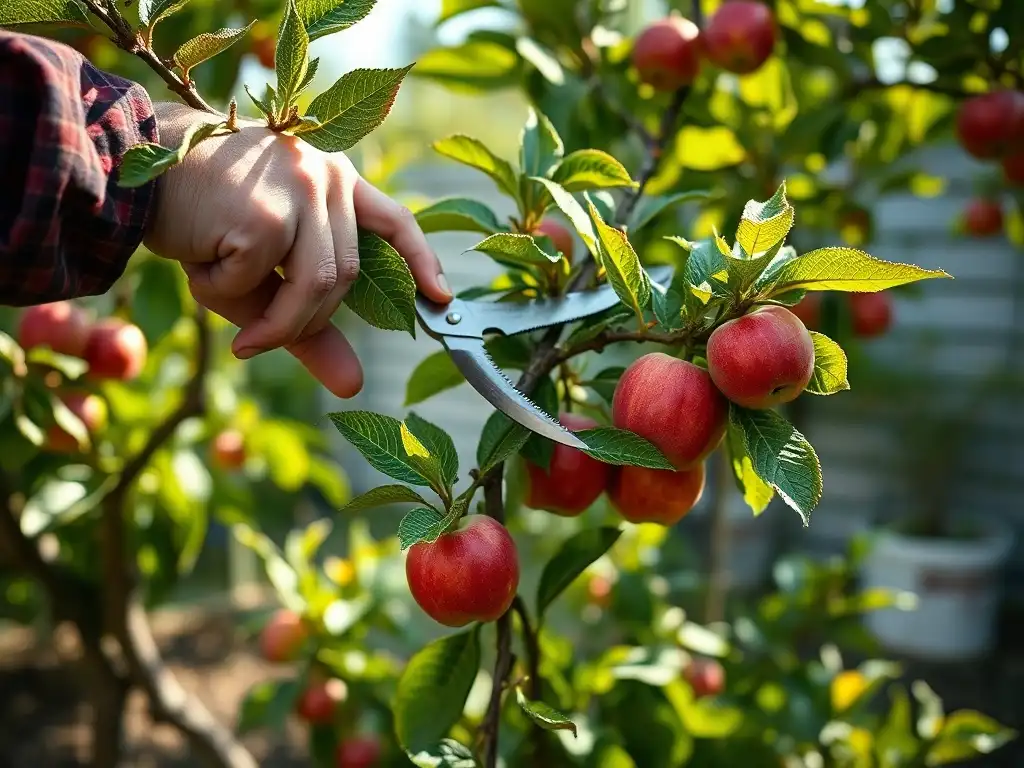
This section delves into the specifics of pruning popular fruit trees suitable for small spaces, focusing on techniques to maximize yield despite limited area. Remember, proper pruning is crucial not only for fruit production but also for the overall health and longevity of your trees. Consistent, informed pruning is key to successful small space fruit tree cultivation. These techniques are designed to enhance air circulation, sunlight penetration, and overall fruit quality. Ignoring these steps can lead to reduced yields and increased susceptibility to disease.
Pruning Dwarf Apple Trees for Abundant Fruit Production
Dwarf apple trees are a popular choice for small gardens due to their compact size. However, even these smaller trees require careful pruning to ensure a healthy and productive tree. The goal is to maintain an open vase shape, allowing sunlight to reach all parts of the tree. This promotes even fruit development and reduces the risk of fungal diseases.
Pruning should begin when the tree is young, establishing the desired structure. During the first few years, focus on selecting 3-4 main scaffold branches, spaced evenly around the trunk. Remove any crossing, rubbing, or weak branches. These competing branches consume energy that could be used for fruit production.
Once the structure is established, annual pruning involves removing any dead, damaged, or diseased wood. Thin out crowded branches to improve air circulation. This is crucial for preventing diseases like apple scab. You should also remove water sprouts (vertical shoots that grow vigorously from the trunk or branches). These are unproductive and steal energy from fruiting branches.
Consider the following schedule:
| Season | Pruning Activity | Goal |
|---|---|---|
| Dormant | Remove dead, damaged, and diseased wood; thin branches | Improve tree structure, air circulation, and light penetration. |
| Growing | Remove water sprouts; lightly thin fruit clusters | Prevent overcrowding, ensure even fruit development, and increase size. |
Remember, less is often more when pruning dwarf apple trees. Over-pruning can weaken the tree and reduce fruit production. A light pruning each year is often sufficient to maintain a healthy and productive tree. Observe your tree closely and adjust your pruning accordingly.
Pruning Compact Peach Trees: A Step-by-Step Guide
Compact peach trees, bred for smaller size, still require strategic pruning to optimize fruit production in confined areas. Unlike apples, peaches produce fruit on new growth, so pruning focuses on encouraging new wood while maintaining an open canopy.
Step 1: Winter Pruning (Dormant Season): Remove any dead, damaged, or diseased branches. Thin out the center of the tree to improve air circulation and sunlight penetration. Shorten overly long branches to promote branching and fruiting spurs.
Step 2: Summer Pruning (Growing Season): Pinch back the tips of new shoots to encourage branching and fruit bud formation. This process, called "pinching," helps create a more compact and productive tree. Remove water sprouts and suckers (shoots that grow from the base of the tree).
Step 3: Renewal Pruning (Every 3-4 Years): Remove some of the older, less productive branches to encourage the growth of new, vigorous wood. This rejuvenation process helps maintain the tree's vitality and fruit production over time. Select branches that are older, less productive, or showing signs of decline.
This three-step approach ensures a balance between maintaining tree structure and encouraging new growth for optimal fruit yield. Remember, peaches are susceptible to diseases, so good air circulation is paramount. Regular pruning significantly reduces the risk of fungal infections.
Pruning Small Cherry Trees: Techniques for Maximizing Fruit Set
Small cherry trees, particularly those grafted onto dwarfing rootstocks, benefit significantly from careful pruning. Their fruiting habits differ slightly from apples and peaches, requiring a slightly different approach to maximize fruit production in limited space. Cherries, like peaches, produce fruit on spurs and new growth, so a balance between removing older wood and encouraging new growth is important.
The key is to maintain a central leader while also ensuring sufficient light penetration throughout the canopy. Overcrowding can lead to reduced fruit size and increased susceptibility to diseases.
Initial Pruning (Young Trees): Select a strong central leader and remove competing branches. Train the main scaffold branches to develop a well-spaced, open structure. This initial shaping is crucial for the long-term health and productivity of the tree.
Annual Pruning (Mature Trees): Remove dead, diseased, or damaged branches. Thin out crowded branches to improve air circulation and sunlight penetration. Shorten overly long branches to encourage branching and fruiting spurs. Pay particular attention to removing branches that are rubbing against each other, as this can lead to wounds and disease.
Unlike peaches, summer pruning of cherries is generally less crucial. Focus your efforts on the dormant season pruning to establish and maintain the tree's structure. This approach, combined with proper fertilization and pest control, will result in a healthier, more productive small cherry tree. Remember that proper pruning techniques are crucial for maximizing the yield of your small-space fruit trees. Careful observation and timely intervention are key to success.
Maintaining Your Small Fruit Trees After Pruning
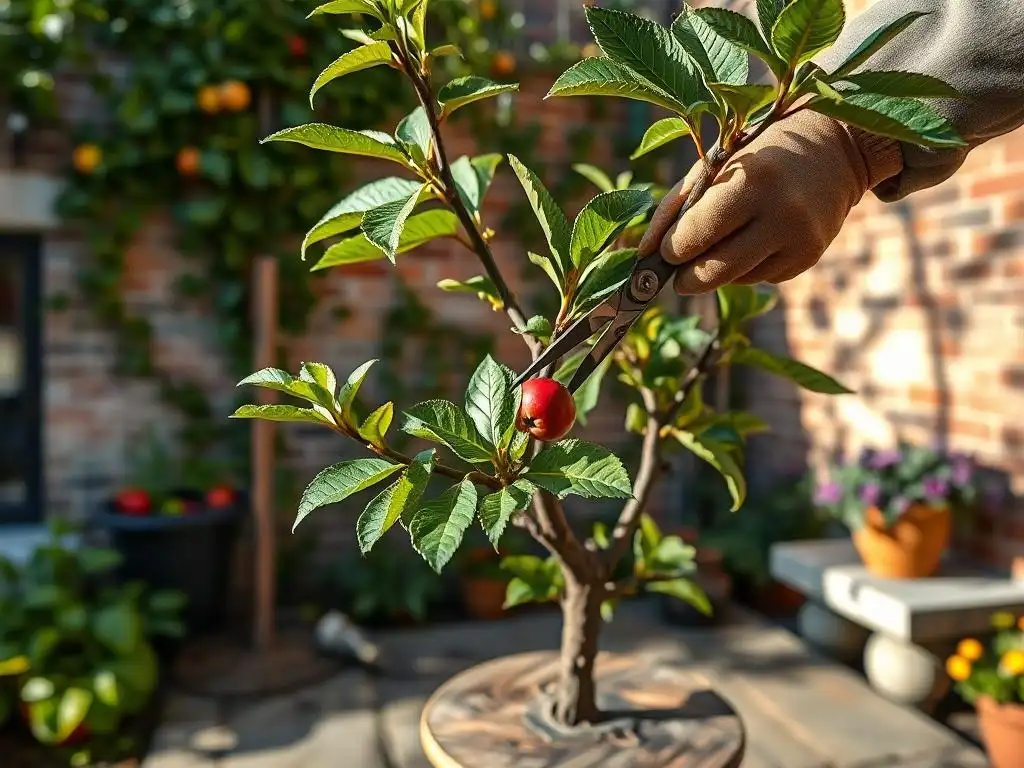
Pruning your fruit trees, especially in small spaces, is only half the battle. Post-pruning care is crucial for maximizing yield and ensuring the long-term health of your trees. Neglecting this vital step can lead to weaker growth, reduced fruit production, and increased susceptibility to pests and diseases. This section focuses on the essential steps to take after pruning to keep your small-space fruit trees thriving.
Watering and Fertilizing Your Pruned Trees
Proper watering and fertilization are paramount after pruning. Pruning stimulates new growth, and this new growth requires ample water and nutrients. Water deeply and regularly, especially during dry periods. The frequency will depend on your climate and soil type, but aim for consistent moisture without waterlogging. Observe the soil; if it feels dry a couple of inches below the surface, it's time to water. Consider using a soaker hose or drip irrigation to deliver water directly to the roots, minimizing water waste.
Fertilizing provides the necessary nutrients for vigorous growth and abundant fruit production. Choose a fertilizer specifically formulated for fruit trees, and follow the package instructions carefully. Avoid over-fertilizing, as this can lead to excessive vegetative growth at the expense of fruit production. A balanced NPK ratio (Nitrogen, Phosphorus, Potassium) is generally recommended.
For example, a 10-10-10 formula provides a good balance of essential nutrients. Apply the fertilizer according to the manufacturer's recommendations, usually around the drip line of the tree (the outer edge of the canopy). Consider a slow-release fertilizer for consistent nutrient delivery throughout the growing season. Soil testing can help determine your soil's nutrient levels and guide your fertilizer choices for optimal results.
Protecting Your Trees from Pests and Diseases Post-Pruning
Pruning wounds can be entry points for pests and diseases. Therefore, protecting your trees after pruning is essential to prevent infections and infestations. Inspect your trees regularly for signs of pests or diseases, such as unusual leaf discoloration, wilting, or insect activity. Prompt identification and treatment are key to preventing widespread damage.
Consider using organic pest control methods, such as neem oil or insecticidal soap, to address any pest problems. These options are less harmful to beneficial insects and the environment compared to synthetic pesticides. For disease prevention, ensure good air circulation around your trees by avoiding overcrowding and maintaining proper spacing.
Also, keep the area around your trees clean and free of fallen leaves and debris, which can harbor pests and disease pathogens. A proactive approach, combining regular inspections with preventative measures, is the most effective strategy for protecting your small-space fruit trees. Remember to carefully read and follow the instructions on any pest control product you choose to use.
Regular Inspection and Maintenance for Continued Productivity
Consistent monitoring and maintenance are crucial for the ongoing health and productivity of your pruned fruit trees. Regular inspections allow for early detection of any issues, enabling timely intervention and preventing more significant problems. Check for signs of pest infestations, disease symptoms, or nutrient deficiencies. Look for any physical damage, such as broken branches or bark injuries.
In addition to pest and disease monitoring, regular maintenance tasks, such as weeding around the base of the tree, will help prevent competition for resources and improve soil health. Mulching can help retain soil moisture, suppress weeds, and regulate soil temperature. Consider using organic mulch such as wood chips or shredded leaves. Regular pruning, even after the initial pruning, may be necessary to maintain the tree's shape and encourage fruiting.
This may involve removing suckers, water sprouts, or dead or diseased branches. By consistently monitoring and maintaining your trees, you can ensure their continued health and productivity, maximizing your harvest in even the smallest of spaces. 🍎
Advanced Pruning Techniques for Experienced Growers
This section delves into more advanced pruning techniques suitable for experienced growers aiming to maximize yield from fruit trees in small spaces. These techniques require a deeper understanding of tree structure and fruiting habits. Improper application can harm the tree, so careful observation and planning are crucial. Remember, even with advanced techniques, the principles of small space fruit tree pruning remain paramount: maintaining an open center for sunlight penetration and airflow, and removing competing branches.
Renewal Pruning for Older Small Fruit Trees
Older fruit trees in confined areas often become less productive due to declining vigor and congested canopies. Renewal pruning is a vigorous approach to rejuvenate these trees. It involves removing a significant portion of older wood to encourage the growth of new, more productive shoots. This isn't a one-year process; it's a multi-year strategy requiring patience and careful planning.
The process typically involves removing one-third to one-half of the oldest branches each year, rotating the cuts around the tree to avoid shocking it. This promotes the growth of younger, more vigorous shoots that bear a higher yield. It's important to select branches wisely, prioritizing those that are unproductive, diseased, or crossing each other. Remember to make clean cuts just outside the branch collar to prevent damage to the tree. After several years of this process, the tree will be significantly younger and more productive.
For example, an older apple tree might have several thick, unproductive branches in the center of the canopy. Renewal pruning would focus on removing these, opening up the center for better light penetration and allowing younger, healthier branches to thrive. This technique is particularly effective for small spaces, as it helps manage the size of the tree while boosting its fruit production. Careful monitoring of the tree's response is essential, adjusting the pruning intensity based on its vigor and health. Always use sharp, clean pruning tools to prevent disease transmission.
Training Young Fruit Trees for Optimal Space Utilization
Training young fruit trees from the start is crucial for maximizing yield in small spaces. This involves shaping the tree's structure to fit its environment, promoting an open canopy that allows for maximum sunlight penetration and minimizes overcrowding. Several techniques can be employed, including central leader training and modified leader training.
Central leader training involves developing a single central trunk with scaffold branches growing outwards. This is suitable for many fruit trees, creating a relatively compact shape. Modified leader training involves selecting several central leaders, creating a more spreading form that's well-suited to espalier techniques.
Careful selection of scaffold branches is key. These branches should be evenly spaced along the central trunk and positioned to optimize sunlight exposure. Regular pruning throughout the tree's early years is essential to maintain the desired structure and prevent overcrowding. This includes removing competing shoots, suckers, and water sprouts.
The goal is to create a well-balanced tree that maximizes fruit production within the confines of the available space. Consistent training is essential for success. For instance, a young pear tree trained with a central leader in a small yard might require more frequent pruning of the side branches to maintain a manageable size.
Utilizing Espalier and Other Space-Saving Techniques
Espalier is a technique of training fruit trees to grow flat against a wall or fence, significantly reducing their space requirements. This is incredibly effective for maximizing yield in small spaces. It involves careful pruning and tying of branches to a support structure, creating a two-dimensional growth pattern. Other space-saving techniques include creating fans, cordons, or palmettos, all of which require specific pruning techniques tailored to the chosen form.
The success of espalier and other space-saving techniques depends heavily on regular pruning. This involves removing any branches that grow out of the desired plane, maintaining the flat shape and preventing overcrowding. Regular thinning of fruit is also important to prevent overbearing and ensure high-quality fruit. Proper support structures are crucial. These might include wires, trellises, or even specially designed espalier systems.
Regular maintenance of these structures is essential to prevent damage to the tree. For instance, a neatly trained espaliered apple tree against a south-facing wall can provide an impressive harvest in a very limited space. This technique demands precision pruning, but the reward is a productive tree that fits seamlessly into a small garden. 🍎
Frequently Asked Questions
How much pruning do small fruit trees need compared to larger ones?
Small fruit trees in containers or limited spaces often require more frequent pruning than their larger counterparts. This is to maintain shape and size, and to maximize fruit production within the confined area. Regular pruning prevents overcrowding.
What are the best pruning techniques for small space fruit trees?
Focus on thinning rather than heading cuts. Remove crossing branches, deadwood, and suckers to improve air circulation and sunlight penetration. Use precise cuts to avoid damaging the tree.
When is the best time to prune small space fruit trees?
The ideal time is typically during the late winter or early spring, before new growth begins. This allows the tree to focus its energy on producing fruit rather than healing wounds. Avoid pruning during the growing season.
What tools do I need for pruning small space fruit trees?
You will need sharp, clean pruning shears or loppers, depending on the size of the branches. Hand pruners are ideal for smaller branches, while loppers are better for thicker ones. Gloves are also recommended.
Can I prune my small fruit tree too much?
Yes, over-pruning can stress the tree, reducing fruit yield and potentially harming its health. It's better to prune gradually and remove only what's necessary to maintain shape and encourage fruit production. Consult resources specific to your tree variety.
Final Reflection: Reaping Abundance from Tiny Orchards
The art of pruning fruit trees in small spaces isn't just about maximizing yield; it's about maximizing potential. In a world increasingly defined by urban living and limited land availability, the ability to cultivate fruit trees successfully within confined areas represents a powerful shift towards sustainable food production and a deeper connection with nature. This skill is not a niche hobby, but a vital tool for a future where resourcefulness and mindful cultivation are paramount.
The impact of this practice extends beyond the simple act of pruning. It speaks to a broader cultural shift towards valuing local food sources and embracing self-sufficiency. The best things in life are not things.
While this quote doesn't directly address fruit trees, it speaks to the intrinsic value of cultivating something with your own hands, the satisfaction of nurturing life, and the joy of harvesting the fruits of your labor, regardless of the size of your space. This connection to the land, even on a small scale, fosters a sense of responsibility and appreciation for the natural world that is increasingly crucial in our modern lives.
Now, consider your own space, however small. Do you have a balcony, a patio, even a window box? Imagine the possibilities.
Think about the satisfaction of tending to a thriving fruit tree, the taste of sun-ripened fruit grown by your own hand, and the quiet pride in overcoming the challenges of cultivating in a limited area. This isn't just about growing fruit; it's about cultivating a deeper connection with nature, fostering resilience, and embracing the potential for abundance even in the smallest of spaces. Let the lessons learned here inspire you to start small, dream big, and reap the rewards of your own tiny orchard.
Unlock Your Tiny Orchard's Potential!
Thank you for learning about maximizing fruit yields in small spaces! We hope you feel empowered to cultivate a bountiful harvest, even with limited room. Ready to put your knowledge into practice?
- Start pruning this weekend! Use sharp secateurs and follow the techniques in this article to shape your trees for optimal fruit production. This is the key to a richer harvest.
- Share your results on social media! Inspire others with your gardening success. Use #TinyOrchardTriumphs to connect with our community.
- Consider trying different pruning techniques next year. Experiment to find the best approach for your space and trees.
Ready to see the transformative power of proper pruning? What will you do first to boost your fruit trees' yield this year?