
The Role of Pruning in Preventing Fruit Tree Diseases

Welcome to CultivateYourFood, your guide to a thriving, sustainable garden! Ready to unlock the secrets to bountiful harvests? We'll show you how simple practices can make a huge difference. Learn how mastering techniques like prevent fruit tree diseases pruning is key to healthy, productive fruit trees – and discover the many other organic gardening methods waiting for you within. Let’s begin cultivating your own food paradise!
- Understanding the Link Between Pruning and Disease Prevention in Fruit Trees
- Types of Pruning for Disease Prevention in Fruit Trees
- Specific Pruning Techniques to Prevent Common Fruit Tree Diseases
- Tools and Techniques for Effective Pruning to Prevent Fruit Tree Diseases
- Pruning for Long-Term Disease Prevention in Fruit Trees
-
Frequently Asked Questions
- How does pruning help prevent fruit tree diseases?
- What is the best time of year to prune fruit trees to prevent disease?
- Which branches should I remove when pruning to prevent disease?
- What tools should I use when pruning to minimize disease transmission?
- Are there any other practices I should combine with pruning to prevent fruit tree diseases?
- Final Reflection: The Unsung Power of the Pruning Shears
- Unleash Your Orchard's Potential: Take Action Now!
Understanding the Link Between Pruning and Disease Prevention in Fruit Trees
Maintaining healthy fruit trees requires a multifaceted approach, and among the most crucial practices is proper pruning. This isn't simply about shaping the tree for aesthetic appeal; strategic pruning plays a vital role in preventing and controlling a wide range of diseases. By understanding how pruning techniques impact the tree's environment and structure, you can significantly reduce the risk of fungal infections, bacterial infestations, and other common fruit tree ailments.
This article will delve into the specific ways pruning helps prevent fruit tree diseases, empowering you to cultivate a thriving and healthy orchard using sustainable, organic methods. We'll explore how pruning improves air circulation, reduces humidity, and allows for the removal of diseased wood, ultimately contributing to a more resilient and productive tree. Learning these techniques is a key component of "Prevent fruit tree diseases pruning" and ensuring a bountiful harvest year after year.
How Pruning Improves Air Circulation and Sunlight Penetration
Proper pruning dramatically improves air circulation within the canopy of your fruit tree. Dense, overcrowded branches create a humid microclimate, the perfect breeding ground for many fungal pathogens. These fungi thrive in damp, shaded conditions, readily spreading from leaf to leaf and branch to branch.
By strategically removing overlapping and crowded branches, you create space for air to move freely, reducing humidity levels and preventing the stagnation of moisture. Simultaneously, increased sunlight penetration allows leaves to dry more quickly after rain or dew, further discouraging fungal growth. This improved air circulation and sunlight are crucial factors in preventing diseases such as apple scab, powdery mildew, and various leaf spot diseases.
Consider the difference between a densely packed tree, constantly retaining moisture, and one with well-spaced branches that dry quickly – the impact on disease prevention is substantial. Think of it as creating a well-ventilated environment for your tree, improving its overall health and resilience.
Reducing Humidity Through Strategic Pruning Techniques
High humidity is a significant contributor to the development and spread of many fruit tree diseases. Fungal spores, bacteria, and other pathogens proliferate in moist environments. Pruning techniques directly influence the humidity levels within the tree's canopy. For example, removing lower branches that touch the ground reduces the likelihood of soil splashing pathogens onto the tree's lower limbs. Thinning out the interior of the tree allows for better airflow and reduces the overall moisture retention within the canopy. Furthermore, removing water sprouts and suckers, which often grow densely and retain moisture, is crucial for disease prevention. These vigorous, upright shoots often compete with fruit-bearing branches for resources and create ideal conditions for disease development. By implementing these strategic pruning techniques, you actively work to decrease humidity, making your orchard less hospitable to disease-causing organisms. The result is a healthier, more productive tree, with a significantly lower risk of disease outbreaks.
Removing Diseased and Infected Branches: A Crucial Step in Disease Prevention
One of the most impactful ways pruning prevents fruit tree diseases is by physically removing infected or diseased branches. This is a proactive step in preventing the spread of pathogens throughout the tree. Identify and promptly remove any branches exhibiting signs of disease, such as cankers, leaf spots, dieback, or unusual growths.
Proper sanitation is crucial here; disinfect your pruning tools between cuts to avoid inadvertently spreading the disease to healthy parts of the tree. Remember to prune back to healthy wood, ensuring the cut is clean and precise. Leaving behind stubs of infected wood can serve as a breeding ground for further disease development.
This process of removing diseased material is essential for controlling the spread of many serious fruit tree diseases, including fire blight, bacterial canker, and various fungal infections. The removal of infected branches is a direct, effective intervention that limits disease propagation and protects the overall health of your tree. This diligent approach is a cornerstone of "Prevent fruit tree diseases pruning" strategies.
Types of Pruning for Disease Prevention in Fruit Trees
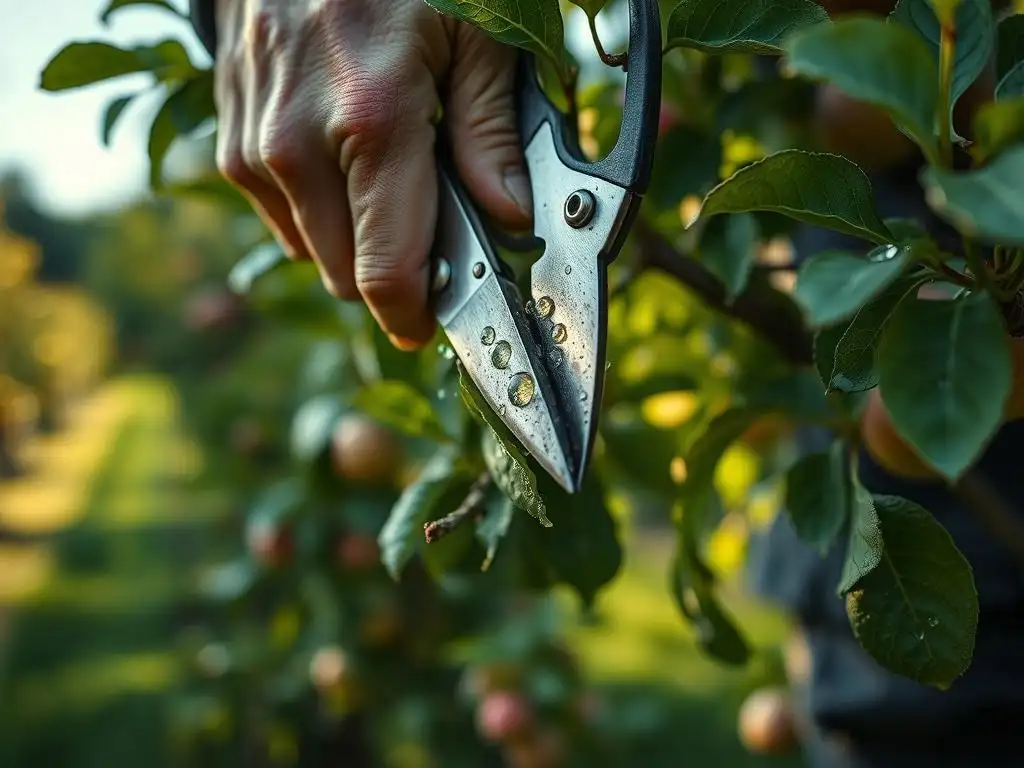
Pruning is a crucial aspect of preventing fruit tree diseases. By strategically removing infected or diseased branches, you minimize the spread of pathogens throughout your trees. Different pruning techniques, performed at different times of the year, target specific disease prevention goals. Understanding these techniques is key to maintaining healthy and productive fruit trees.
Proper pruning helps improve air circulation, sunlight penetration, and overall tree vigor, all of which contribute to disease resistance. This section delves into the specifics of various pruning methods for disease prevention, focusing on the timing and techniques involved. Remember, sanitation is paramount; always disinfect your pruning tools between cuts to avoid inadvertently spreading disease.
Winter Pruning for Disease Control: Timing and Techniques
Winter pruning, typically conducted during the dormant season (late winter or early spring before bud break), focuses on removing dead, damaged, or diseased branches. This is a preventative measure to eliminate potential sources of infection. The timing is crucial because the tree is less susceptible to infection during dormancy.
The techniques involved include identifying and removing any branches exhibiting signs of disease, such as cankers (sunken, discolored areas on the bark), fungal growths, or dead wood. You should also remove crossing branches that rub against each other, creating wounds that can be entry points for pathogens. This includes branches growing inwards towards the center of the tree, hindering air circulation.
A sharp, clean cut is essential to promote proper healing. Avoid ragged cuts that can leave vulnerable areas for disease entry. Make the cut just beyond the point where the branch joins the main stem, ensuring a clean, flush cut. Using appropriate pruning shears or saws, depending on the branch size, is critical for a precise cut. For larger branches, you may need to make a three-cut process to prevent bark tearing.
Remember to dispose of all pruned material responsibly. Burning the diseased branches is the best way to prevent the spread of infection. Never compost infected material. Winter pruning is a proactive approach to minimizing the risk of disease outbreaks throughout the growing season.
Summer Pruning for Disease Management: Removing Excess Growth
Summer pruning, conducted during the growing season, focuses on managing the tree's growth and removing excess foliage. While winter pruning addresses existing diseases, summer pruning helps to prevent future infections by improving air circulation and reducing humidity within the canopy. This is particularly important for preventing fungal diseases that thrive in humid environments.
This type of pruning involves removing water sprouts (vigorous shoots that grow vertically from the main branches), suckers (shoots arising from the base of the tree), and any branches that are excessively dense or shading other parts of the tree. Removing these excess branches allows for better air circulation and sunlight penetration, creating a less hospitable environment for fungal diseases and other pathogens.
Summer pruning also allows for the removal of any newly infected leaves or branches identified during routine monitoring. Early detection and removal are crucial in containing the spread of disease. The techniques are similar to winter pruning, focusing on clean cuts and proper tool sanitation. However, the goal shifts from removing deadwood to managing growth and improving air circulation to prevent future diseases. Regular summer pruning contributes significantly to the long-term health and productivity of your fruit trees.
Thinning Fruit to Prevent Disease Spread
Thinning fruit, while not strictly pruning, is an important cultural practice that directly impacts disease prevention. Overcrowding of fruit on a branch creates a humid microclimate conducive to fungal diseases and pest infestations. By thinning the fruit, you improve air circulation and sunlight penetration amongst the remaining fruit, reducing the risk of disease spread.
The thinning process involves removing some of the developing fruit from the tree, leaving sufficient space for the remaining fruit to grow to a healthy size. This is usually done early in the season, when the fruit is still relatively small. The amount of fruit to remove depends on the variety of fruit tree and the overall health of the tree. A general guideline is to leave enough fruit to achieve a proper crop load while ensuring adequate spacing.
Thinning fruit also reduces the stress on the tree, allowing it to allocate its resources more efficiently. A healthier tree is more resistant to diseases and pests. Combined with proper pruning techniques, thinning fruit significantly contributes to a healthier, more productive orchard. This practice is particularly important for preventing diseases like brown rot and apple scab, which thrive in humid, overcrowded conditions. Careful monitoring and timely thinning are essential aspects of integrated pest management for your fruit trees.
Specific Pruning Techniques to Prevent Common Fruit Tree Diseases
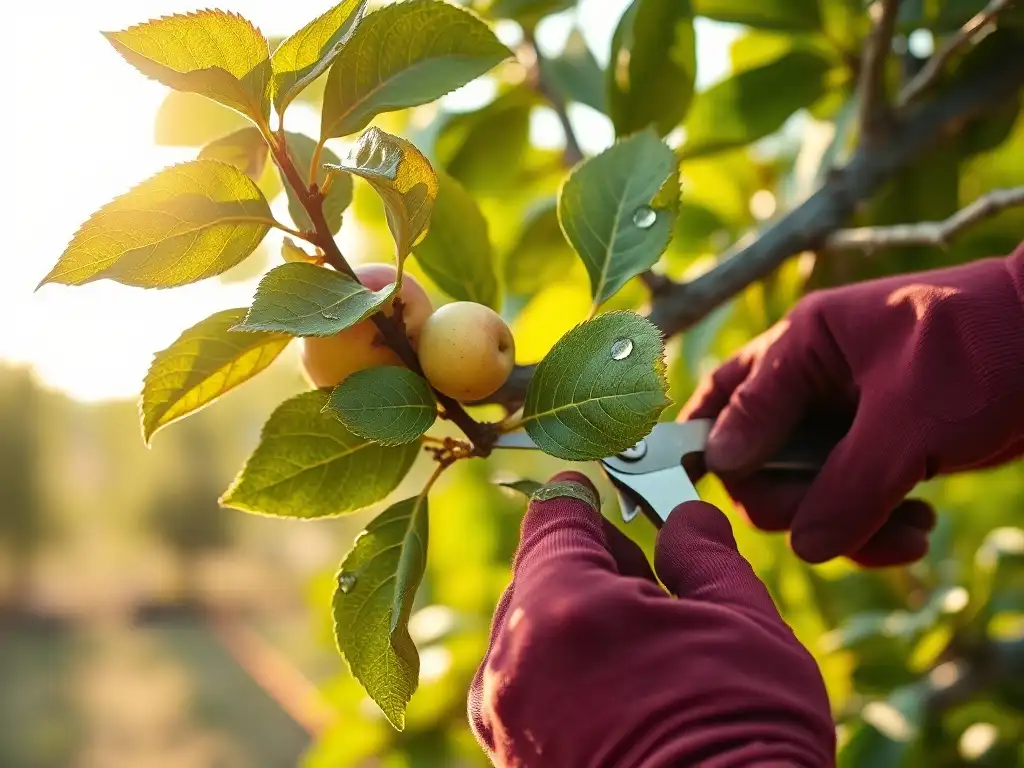
Proper pruning is a crucial element in a comprehensive strategy to prevent fruit tree diseases. By removing infected or diseased branches, we can significantly reduce the inoculum – the source of the disease – and improve air circulation within the tree canopy, creating a less hospitable environment for pathogens. This proactive approach, combined with other organic disease management techniques, helps to minimize the need for chemical interventions, aligning perfectly with the sustainable practices championed by CultivateYourFood. Remember that sanitation is key; always disinfect your pruning tools between cuts to avoid spreading diseases from one tree to another.
Preventing Apple Scab Through Pruning
Apple scab, caused by the fungus Venturia inaequalis, is a prevalent disease affecting apple trees. It manifests as olive-brown, scabby lesions on leaves, fruit, and twigs. Pruning plays a vital role in preventing this disease by improving air circulation and sunlight penetration within the tree. This reduces humidity, a crucial factor in the fungal spore's germination and spread.
To effectively combat apple scab through pruning, focus on these key strategies:
- Thinning the canopy: Remove overlapping branches, creating space between them. This allows for better air movement, reducing humidity and preventing the build-up of moisture that favors scab development. Aim for a well-spaced canopy that receives ample sunlight.
- Removing infected branches: Identify and promptly remove any branches exhibiting signs of apple scab. This includes branches with scabby lesions, defoliation, or cankers. Remember to disinfect your pruning tools after each cut.
- Pruning for proper tree structure: A well-structured tree with strong, outward-growing branches is less susceptible to disease. Proper pruning helps to maintain this structure, allowing for efficient air circulation and sunlight penetration. Consider training your apple tree using techniques like central leader or open center training to maximize light and air flow.
Regular, strategic pruning, starting from a young age, is crucial for long-term scab prevention. Neglecting this can lead to severe infections, impacting fruit quality and yield. Consider the timing of your pruning; dormant season pruning (late winter or early spring) is generally recommended for apple trees.
Pruning to Control Peach Leaf Curl
Peach leaf curl, caused by the fungus Taphrina deformans, is characterized by thickened, curled, and reddish leaves. These leaves often become blistered and eventually drop prematurely, weakening the tree and reducing fruit production. Pruning, while not a complete solution, can assist in managing the disease by removing infected tissues and improving air circulation.
Effective pruning for peach leaf curl management involves:
- Removing severely affected branches: Identify and remove branches exhibiting severe leaf curl symptoms. These branches are unlikely to recover and serve as a source of infection for the rest of the tree. Be thorough in removing all affected tissue.
- Improving air circulation: Similar to apple scab, good air circulation is crucial in reducing the humidity that favors the fungus's development. Therefore, thin out the canopy, ensuring adequate spacing between branches.
- Sanitation: Remember to sanitize your pruning tools after each cut to prevent the spread of the fungus to other parts of the tree or to other trees in your orchard.
Unlike some other pruning strategies, pruning for peach leaf curl is less critical in the dormant season. Early spring pruning, before bud break, can be beneficial but may not entirely eliminate the problem. A combination of good pruning practices and preventative fungicide applications (if organically acceptable options are available) is often the most effective approach.
Managing Cherry Leaf Spot with Proper Pruning
Cherry leaf spot, caused by the fungus Blumeriella jaapii, results in small, purplish-brown spots on cherry leaves. Severe infections can lead to premature leaf drop, impacting tree health and fruit production. Pruning plays a supportive role in managing this disease by improving air circulation and removing infected leaves.
Here's how pruning can help manage cherry leaf spot:
- Removing infected leaves and branches: Remove fallen leaves and branches exhibiting symptoms of cherry leaf spot as soon as they are noticed. This helps to reduce the fungal inoculum for the following season. Proper disposal of infected plant matter is crucial. Burning or burying the infected material is recommended.
- Thinning the canopy: Creating better air circulation by removing overlapping branches is essential for reducing humidity and preventing the spread of the fungus. This allows for rapid drying of leaves, reducing the time the fungus has to infect.
- Maintaining tree structure: Pruning to maintain a well-structured tree improves sunlight penetration and air circulation, further inhibiting fungal development. This is important for the overall health and vigor of the cherry tree.
Pruning alone might not entirely eliminate cherry leaf spot, especially in years with high humidity and rainfall. However, it contributes significantly to disease management when combined with other preventative measures, such as sanitation and the use of organic fungicides (where appropriate). Remember to prune during the dormant season for optimal results. Timing is key for effective disease prevention.
Tools and Techniques for Effective Pruning to Prevent Fruit Tree Diseases
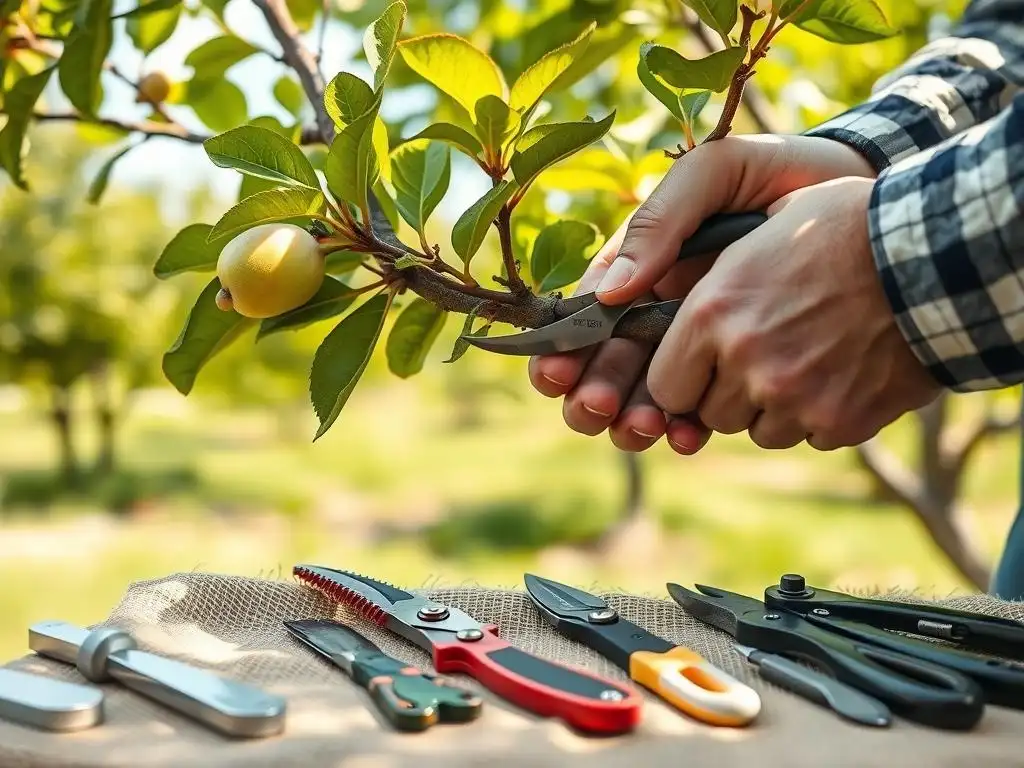
Effective pruning is a crucial aspect of preventing fruit tree diseases. By removing diseased branches and improving air circulation, you significantly reduce the risk of fungal infections and bacterial infestations. This section details the essential tools and techniques for safe and effective pruning to prevent fruit tree diseases. Mastering these techniques will contribute to healthier, more productive fruit trees. Remember, preventative pruning is key to minimizing the need for chemical interventions, aligning perfectly with sustainable and organic gardening practices.
Selecting the Right Pruning Tools for the Job
Choosing the right pruning tools is the first step towards successful disease prevention. Using dull or inappropriate tools can cause ragged wounds, making your trees more susceptible to infection. The type of tool you need depends on the size of the branch you're removing.
- Hand Pruners (Bypass): Ideal for small branches up to ¾ inch in diameter. Bypass pruners create a clean cut with minimal damage to the surrounding tissue. Look for pruners with sharp, replaceable blades. Regular sharpening is essential for clean cuts.
- Loppers: Used for branches ranging from ¾ inch to 1 ½ inches in diameter. Loppers provide more leverage than hand pruners, making it easier to remove larger branches cleanly. Anvil loppers are less precise and should be avoided for preventing disease.
- Pruning Saw: Necessary for branches larger than 1 ½ inches in diameter. Choose a pruning saw with a fine tooth blade for a clean cut. A curved blade is often easier to maneuver.
- Pole Saw: For high branches, a pole saw extends your reach, allowing you to prune without a ladder (always prioritize safety!). Ensure it has a sharp blade for precise cuts.
Maintaining your tools is paramount. Dull blades crush the branch, creating a larger wound that's more prone to infection. Regularly inspect and sharpen your tools to ensure they perform optimally.
Sterilizing Pruning Tools to Prevent Disease Transmission
Preventing the spread of disease between trees is critical. Even a seemingly healthy tree might harbor pathogens. Always sterilize your pruning tools between cuts, especially if you're working on multiple trees or suspect disease.
Several methods effectively sterilize pruning tools:
- 70% Isopropyl Alcohol: Dip your tools in a solution of 70% isopropyl alcohol for 30 seconds. This is a readily available and effective disinfectant.
- Household Bleach Solution: Mix one part bleach with nine parts water. Submerge your tools for 1-2 minutes. Rinse thoroughly with clean water afterward to prevent damage to the tools.
- Flame Sterilization: Carefully pass the blades over a flame until they are heated. This method requires caution to avoid burning yourself.
Remember to sterilize your tools before and after each pruning session, and between pruning different trees, to prevent cross-contamination and effectively minimize the risk of spreading diseases. This simple step significantly enhances your disease prevention strategy.
Proper Pruning Cuts: Minimizing Injury and Promoting Healing
Making the correct pruning cut is vital for minimizing injury and promoting rapid healing. Improper cuts leave large, exposed wounds that are vulnerable to disease.
The three-cut method is highly recommended for larger branches:
- Undercut: Make a shallow cut on the underside of the branch, about 6-12 inches from the trunk. This prevents the branch from tearing the bark as it's removed.
- Top Cut: Make a second cut on the top side of the branch, a few inches further out than the undercut. This removes the majority of the branch.
- Final Cut: Make a final cut, flush with the branch collar (the slightly swollen area where the branch joins the trunk). Avoid cutting into the branch collar, as this can damage the tree and increase susceptibility to disease.
For smaller branches, a single, clean cut just beyond a bud or node is sufficient. Always make cuts at an angle (around 45 degrees) to allow water to run off and prevent water from accumulating in the wound. Avoid leaving stubs, as these are susceptible to decay and infection. The goal is to make clean, precise cuts that promote rapid healing and minimize the opportunity for disease to take hold. Proper pruning cuts are a cornerstone of preventative care for your fruit trees.
Pruning for Long-Term Disease Prevention in Fruit Trees
Pruning is a cornerstone of preventative fruit tree disease management. By removing diseased or damaged branches, you significantly reduce the avenues for pathogens to invade your trees. This proactive approach is far more effective – and less resource-intensive – than treating established infections. The goal isn't just to remove visibly diseased wood; it's about creating an environment where disease is less likely to take hold in the first place.
This involves promoting good air circulation within the canopy, reducing humidity, and enhancing sunlight penetration. These factors inhibit fungal growth and other disease-causing organisms that thrive in damp, shaded conditions. Regular, well-executed pruning contributes significantly to the overall health and vigor of your trees, making them more resilient to disease. Remember, preventing fruit tree diseases through pruning is a long-term investment in the health and productivity of your orchard.
Establishing a Regular Pruning Schedule for Optimal Health
A consistent pruning schedule is crucial for disease prevention. The optimal timing and intensity depend on the specific fruit tree species and its growth habit. However, a general guideline is to prune during the dormant season (late winter or early spring, before new growth begins).
This minimizes stress on the tree and allows wounds to heal before the onset of active growth and potential infection. For example, apple trees often benefit from a more vigorous pruning than peach trees. A good rule of thumb is to aim for removing approximately 20-30% of the previous year's growth, depending on the tree's overall health and vigor.
Here's a sample schedule for a young and mature apple tree:
| Tree Age | Pruning Intensity | Frequency | Focus |
|---|---|---|---|
| 1-3 years | Light | Annually | Shaping, removing crossing branches |
| 4-7 years | Moderate | Annually | Maintaining structure, removing suckers |
| 8+ years | Moderate to Light | Annually | Maintaining air circulation, removing dead wood |
Failing to adhere to a regular schedule can lead to overcrowding, which creates ideal conditions for fungal diseases like powdery mildew and apple scab. Regular pruning, even if only light, is far more beneficial than infrequent, drastic pruning which can shock the tree and make it more susceptible to disease. Always use clean, sharp tools to minimize damage to the tree and reduce the risk of spreading infection.
Monitoring Your Trees for Signs of Disease After Pruning
Even with diligent pruning, it's essential to monitor your trees for signs of disease after each pruning session. Regular inspections are crucial for early detection, allowing for swift intervention before the problem escalates. Look for:
- Unusual discoloration: Dark spots, cankers, or wilting leaves.
- Abnormal growth: Galls, distorted branches, or excessive shoot growth.
- Presence of pests: Insects, mites, or other visible pests.
- Fruit abnormalities: Spots, rot, or unusual shapes.
Careful observation allows for prompt identification of potential issues. Early detection significantly improves the chances of successful treatment, minimizing the spread of disease and preserving the health of your tree. Documenting your observations – perhaps with a simple notebook or a digital record – can be invaluable for tracking the health of your trees over time and identifying recurring problems. This proactive approach is key to effective disease management. Remember, early detection is your best defense.
Integrating Pruning with Other Disease Prevention Strategies (e.g., organic sprays)
Pruning is a highly effective preventative measure, but integrating it with other organic disease management strategies maximizes its impact. Combining pruning with organic sprays, for instance, provides a comprehensive approach. Organic fungicides and pest control methods can target specific pathogens or pests that pruning alone may not fully address. This integrated approach reduces the reliance on harsh chemicals while strengthening the tree’s overall resilience.
For example, after pruning, applying a copper-based fungicide can help protect fresh cuts from infection. Similarly, controlling insect populations through the use of beneficial insects or organic insecticides will further reduce disease pressure. The combination of proper pruning techniques with organic disease management practices is a sustainable and effective way to prevent and control fruit tree diseases, ensuring a healthy and productive orchard. This holistic approach fosters a thriving ecosystem within your orchard, promoting the overall health and longevity of your trees.
Frequently Asked Questions
How does pruning help prevent fruit tree diseases?
Pruning improves air circulation and sunlight penetration within the tree canopy. This reduces humidity, creating a less favorable environment for many fungal diseases and bacterial infections. Proper pruning also removes diseased or infected branches, preventing the spread of pathogens.
What is the best time of year to prune fruit trees to prevent disease?
The ideal time depends on the specific fruit tree species, but generally, late winter or early spring (before new growth begins) is best for most. This allows wounds to heal before the growing season, minimizing the risk of infection.
Which branches should I remove when pruning to prevent disease?
Remove any branches that are dead, damaged, diseased, or crossing, as these are prime locations for disease to take hold. Also, thin out crowded branches to improve air circulation. Don't prune excessively.
What tools should I use when pruning to minimize disease transmission?
Use sharp, clean pruning tools to make clean cuts. Disinfect your tools between cuts with rubbing alcohol or a diluted bleach solution to prevent the spread of disease from one branch to another.
Are there any other practices I should combine with pruning to prevent fruit tree diseases?
Yes, proper sanitation, including removing fallen leaves and fruit, and applying appropriate organic pest control methods will significantly reduce disease risk in conjunction with effective pruning techniques.
Final Reflection: The Unsung Power of the Pruning Shears
The health of our fruit trees, and by extension, our food security, is inextricably linked to the practice of proper pruning. Ignoring this fundamental aspect of orchard management not only diminishes yields but actively invites disease and weakens the overall resilience of our trees. This is a critical issue, especially in the face of increasingly unpredictable weather patterns and the growing threat of climate change.
The impact of pruning extends far beyond the simple removal of branches; it's a deeply intertwined relationship between human intervention and the natural world. It's a delicate dance of understanding the tree's life cycle, its vulnerabilities, and its inherent strength. This careful balance, this act of mindful cultivation, resonates deeply with me, reminding me of the interconnectedness of all living things. The earth laughs in flowers.
– Ralph Waldo Emerson. This quote speaks to the joy and abundance that proper care can unlock, a bounty that is directly influenced by our understanding and application of pruning techniques.
Now, consider your own fruit trees, or even the plants in your garden. What steps can you take to ensure their health and vitality? Take the time to learn the art of pruning, to understand the subtle cues your plants are giving you. This isn't just about preventing disease; it's about fostering a relationship with nature, about participating in the cycle of growth and renewal. Embrace the power of the pruning shears, and watch your garden flourish.
Unleash Your Orchard's Potential: Take Action Now!
Thank you for learning about the crucial role of pruning in maintaining healthy, thriving fruit trees. You've gained valuable knowledge to protect your harvest! Now, let's put this knowledge into practice.
- Start pruning today! Even a small amount of pruning will make a significant difference. Begin by removing any obviously diseased or dead branches.
- Share this vital information with fellow gardeners—a healthy orchard benefits everyone! Post your before-and-after pruning photos on social media to inspire others.
- Consider joining our online forum at CultivateYourFood to connect with other gardening enthusiasts and ask questions about your specific tree care challenges.
Ready to see the difference proper pruning can make in your orchard? Which branch will you prune first?