
Companion Planting for Pollinators: Maximize Your Garden's Potential

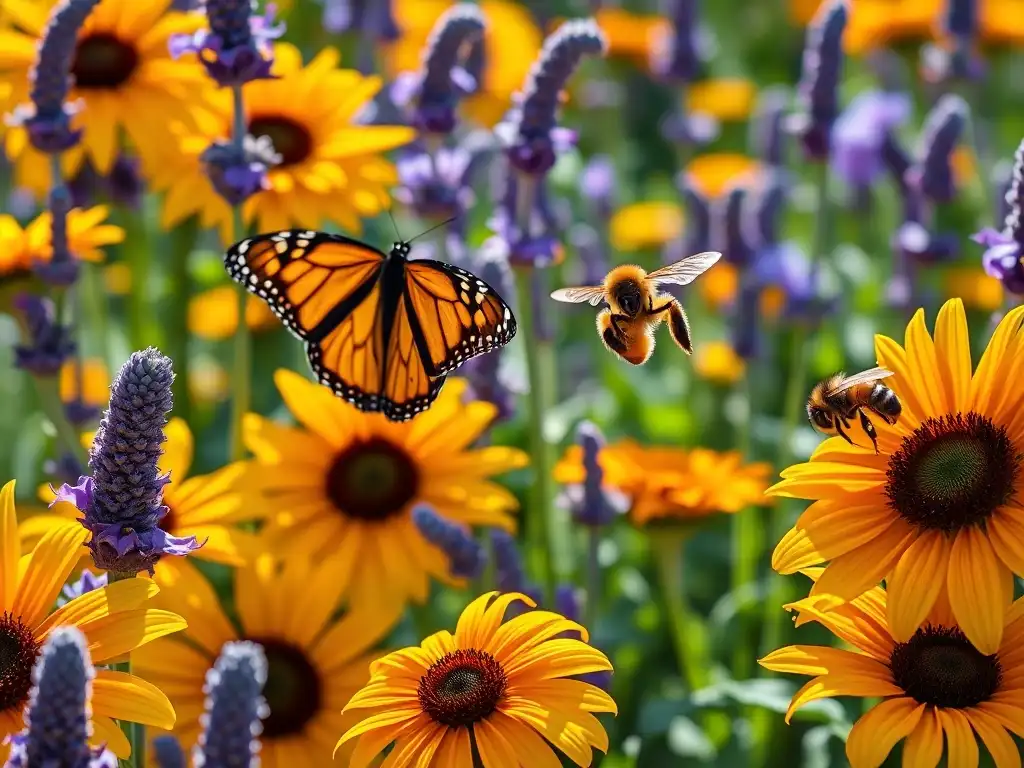
Welcome to CultivateYourFood, your guide to growing a thriving and sustainable garden! Are you ready to unlock the secrets to a bountiful harvest? Learn how strategic companion planting can dramatically increase your yields and attract beneficial pollinators, leading to healthier, happier plants. Discover the surprising power of Attract pollinators companion planting and transform your garden into a vibrant ecosystem buzzing with life. Dive in and explore the fascinating world of organic gardening – your journey to a greener, more fruitful future starts now!
- Understanding the Benefits of Companion Planting to Attract Pollinators
- Best Companion Plants for Attracting Pollinators: A Buyer's Guide
- Creating a Pollinator-Friendly Garden Design: Strategic Planting Techniques
- Maintaining Your Pollinator Garden: Sustainable Practices
- Troubleshooting Common Companion Planting Challenges
- Resources for Further Learning About Attracting Pollinators
- Frequently Asked Questions
- Final Reflection: A Blooming Future for Pollinators and Our Gardens
- Unleash Your Garden's Buzz: Attract More Pollinators Now!
Understanding the Benefits of Companion Planting to Attract Pollinators
Attracting pollinators to your garden is crucial for maximizing yields and fostering biodiversity. This practice goes beyond simply having pretty flowers; it's about creating a thriving ecosystem where plants and insects work together harmoniously.
Companion planting, the strategic placement of different plant species to benefit each other, is a powerful technique to attract and support a wide range of pollinators, from buzzing bees and fluttering butterflies to diligent hoverflies and even beneficial beetles. This article will explore the science behind this symbiotic relationship and guide you through selecting the best pollinator-attracting plants suited to your specific region and climate, ultimately helping you cultivate a vibrant and productive garden that's teeming with life.
By understanding the principles of companion planting for pollinators, you can significantly enhance your garden's potential, improve the health of your plants, and contribute to the overall well-being of the environment. This holistic approach to gardening offers significant advantages over relying solely on chemical interventions, aligning perfectly with sustainable and organic practices.
Why Attract Pollinators to Your Garden? Increased Yields and Biodiversity
A healthy pollinator population is essential for a productive garden. Pollinators are responsible for the fertilization of a vast majority of flowering plants, including many fruits, vegetables, and herbs. By attracting a diverse range of pollinators, you directly increase the chances of successful pollination and, consequently, higher yields. Consider the difference: a single bee can visit hundreds of flowers in a day, effectively transferring pollen and ensuring fruit set.
Without sufficient pollinators, your plants may produce fewer fruits, smaller vegetables, or even fail to produce at all. Furthermore, attracting pollinators contributes to biodiversity in your garden. A diverse range of pollinator species ensures resilience against potential threats, such as disease or habitat loss.
A vibrant ecosystem, teeming with pollinators, also attracts other beneficial insects that help control pests, reducing the need for harmful pesticides. This creates a more sustainable and environmentally friendly garden, enhancing both its productivity and its aesthetic appeal. The increased biodiversity also creates a more resilient and balanced garden ecosystem.
The Science Behind Companion Planting for Pollinator Attraction
The success of companion planting for pollinator attraction relies on understanding the specific needs of different pollinator species and the plants that attract them. Many plants produce nectar and pollen, the essential food sources for pollinators. However, the quantity, quality, and timing of these resources vary greatly among plant species. Effective companion planting involves strategically arranging plants that bloom at different times, offering a continuous supply of food throughout the growing season.
For example, early-blooming plants can provide essential early-season sustenance, while late-blooming plants ensure a food source even as summer ends. Furthermore, the visual cues, such as flower color and shape, are also crucial factors in attracting specific pollinators. Some pollinators are attracted to vibrant colors like red or purple, while others prefer more subtle hues. The arrangement also needs to consider the physical needs of the pollinators.
Providing shelter, such as shrubs or tall grasses, can offer protection from predators and harsh weather conditions. The science behind this practice is multifaceted, emphasizing the importance of careful planning and observation to optimize your garden's attractiveness to pollinators. This thoughtful approach ensures a successful and bountiful harvest.
Choosing the Right Pollinator Plants for Your Region and Climate
Selecting the appropriate plants is crucial for successful pollinator attraction. The best choices will be native plants adapted to your specific region and climate. Native plants are perfectly suited to local conditions, requiring less water and fewer resources while providing optimal nutrition for the local pollinator species.
Consider researching plants indigenous to your area known for their attractiveness to pollinators. This includes plants that offer a diverse range of flower shapes, colors, and bloom times. Additionally, consider the size and sunlight requirements of the plants to ensure they thrive in your garden.
For example, a sunny location might be ideal for sunflowers, while shadier areas could support other species like bee balm. Careful selection, considering the specific needs of your local pollinators and the conditions of your garden, is key to maximizing the impact of your companion planting strategy. Remember to consult local resources and gardening guides to identify the most appropriate pollinator-friendly plants for your region.
Best Companion Plants for Attracting Pollinators: A Buyer's Guide
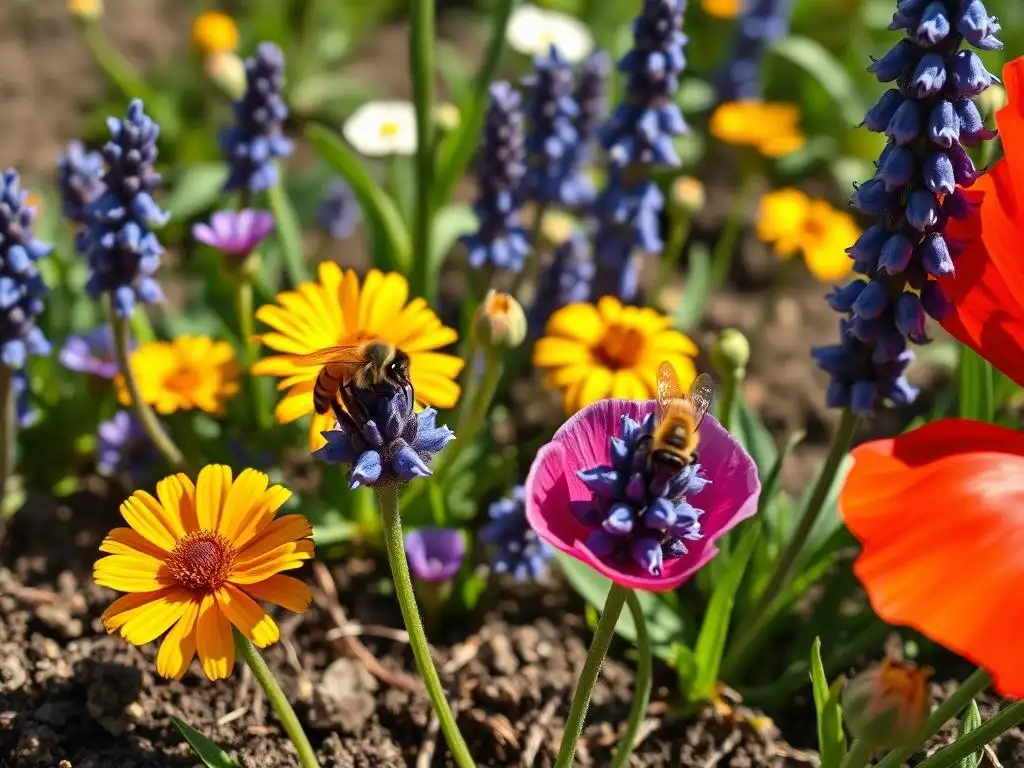
This section delves into the specifics of companion planting to attract pollinators, focusing on plant pairings proven effective in boosting pollinator populations within your home garden. Understanding which plants work synergistically to attract bees and butterflies is key to maximizing your harvest and contributing to a healthy ecosystem. Remember, attracting pollinators is not just about beautiful blooms; it's about ensuring the successful fertilization of your fruits, vegetables, and herbs. Effective "Attract pollinators companion planting" strategies can significantly increase your yields.
Top 5 Plants for Attracting Bees
Bees are crucial pollinators, and strategically planting their favorites can dramatically increase your garden's productivity. These buzzing friends are drawn to a variety of colors, shapes, and scents. Here are five top performers:
- Lavender (Lavandula): Known for its fragrant purple flowers, lavender is a bee magnet. Its nectar-rich blooms provide a valuable food source throughout the summer. Consider planting lavender near your berry bushes or other fruiting plants to boost pollination. The strong scent also acts as a natural repellent for some pests, making it a beneficial companion plant beyond its pollinator-attracting qualities.
- Borage (Borago officinalis): This star-shaped blue flower is a bee haven. Borage is incredibly easy to grow, self-seeds readily, and offers a continuous supply of nectar and pollen. Its presence in the garden significantly increases bee activity, leading to improved pollination of nearby plants like tomatoes and cucumbers.
- Sunflower (Helianthus annuus): These cheerful giants are not just visually appealing; they are a vital source of pollen and nectar for bees. Their large flower heads provide ample foraging opportunities, encouraging bees to stay longer in your garden. Plant sunflowers at the back of your garden to provide height and structure, attracting bees to the surrounding plants.
- Mint Family (Lamiaceae): This diverse family, including rosemary, thyme, and oregano, provides a wide array of flowering times and colors, ensuring a consistent food source for bees throughout the growing season. These herbs also offer culinary benefits, making them a highly versatile addition to your pollinator-friendly garden.
- Calendula (Calendula officinalis): These bright orange and yellow flowers are not only visually stunning but also attract a wide range of beneficial insects, including bees. Calendula's long blooming season provides a valuable late-summer nectar source when other flowers are fading. Moreover, calendula is known for its pest-deterrent properties, further enhancing its value as a companion plant.
Top 5 Plants for Attracting Butterflies
Butterflies, with their delicate beauty, are equally important pollinators. They are attracted to different plant characteristics than bees, focusing on specific nectar sources and host plants for their larvae. Here are five plants that will draw these graceful creatures to your garden:
- Milkweed (Asclepias): Milkweed is essential for monarch butterfly larvae, providing the sole food source for their caterpillars. Planting milkweed is crucial for supporting monarch populations, which are sadly declining. While not directly beneficial to other plants via pollination, its presence is crucial for the overall biodiversity of your garden.
- Butterfly Bush (Buddleja davidii): This shrub is renowned for its ability to attract butterflies in large numbers. Its long, fragrant flower spikes offer a plentiful supply of nectar, keeping butterflies in your garden for extended periods. The vibrant colors also make it a beautiful addition to your landscape.
- Coneflower (Echinacea): These daisy-like flowers, with their prominent central cones, are irresistible to butterflies. Their nectar-rich blooms attract a variety of butterfly species, contributing to a vibrant and diverse pollinator community. Coneflowers are also drought-tolerant, making them a low-maintenance choice.
- Zinnia (Zinnia elegans): Zinnias are annual flowers that come in a wide range of colors and shapes, all equally attractive to butterflies. Their vibrant blooms and abundant nectar provide a feast for these winged creatures. Their ease of cultivation makes them an excellent addition for beginner gardeners seeking to attract pollinators.
- Lantana (Lantana camara): Lantana's clusters of small, brightly colored flowers are a magnet for butterflies. They offer a continuous supply of nectar throughout the growing season, making them a valuable asset in any pollinator garden. Remember that Lantana can be invasive in some regions, so check your local guidelines before planting.
By strategically incorporating these plants into your garden design, you can significantly improve your chances of attracting a wide array of pollinators, boosting your harvest and contributing to the health of the local ecosystem. Remember, a diverse planting scheme is key to attracting a diverse range of pollinators. Happy gardening!
Creating a Pollinator-Friendly Garden Design: Strategic Planting Techniques
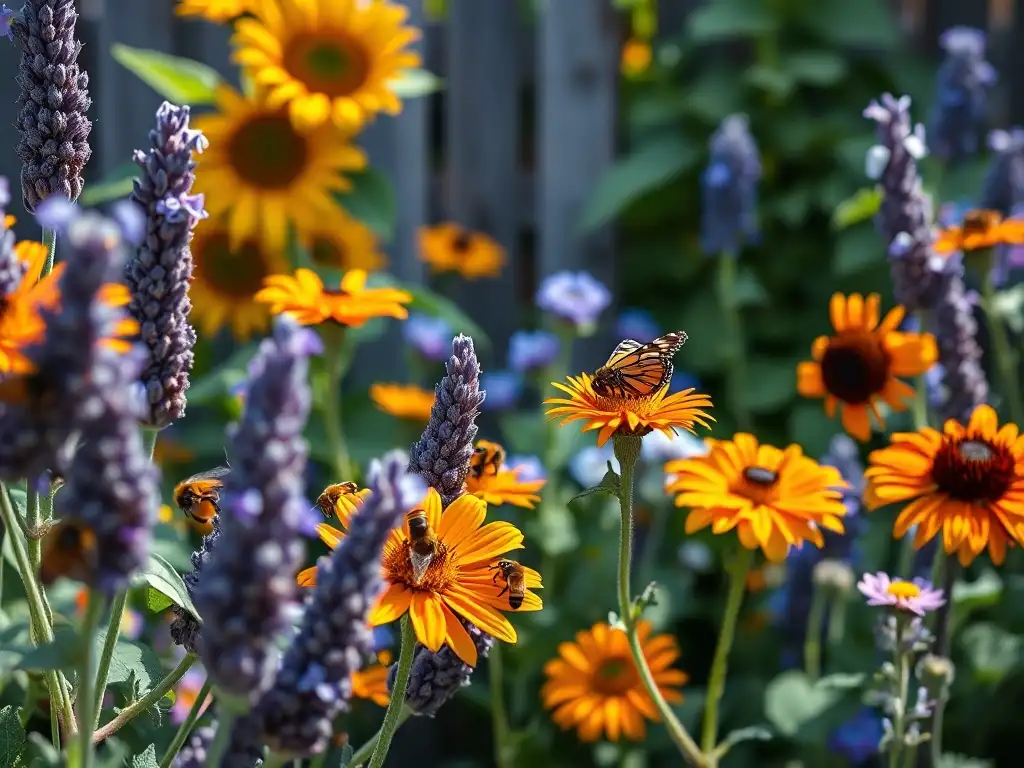
This section delves into the art of strategically placing plants to maximize pollinator attraction. Effective garden design isn't just about aesthetics; it's about creating a thriving ecosystem that benefits both your crops and the beneficial insects that support them. Remember, attracting pollinators with companion planting is a key element of sustainable gardening.
Effective Spacing and Grouping for Optimal Pollinator Attraction
Effective spacing and grouping of plants is crucial for attracting pollinators. Think of it as creating a buffet for bees, butterflies, and other beneficial insects. Instead of scattering plants haphazardly, consider grouping plants with similar bloom times together. This creates a visually appealing and highly attractive "patch" of color and nectar sources for pollinators, making it easier for them to find and forage.
For example, a cluster of lavender, borage, and rosemary will attract a diverse range of pollinators throughout their blooming season. Spacing should also consider the mature size of the plants. Overcrowding can hinder air circulation, leading to fungal diseases and reducing the attractiveness of the plants to pollinators. Aim for sufficient spacing to allow for easy access for pollinators to each plant within the group. A good rule of thumb is to follow the spacing recommendations provided on the plant tags or seed packets.
Consider the following table illustrating optimal spacing for a few common pollinator-attracting plants:
| Plant | Spacing (inches) | Notes |
|---|---|---|
| Lavender | 12-18 | Drought-tolerant, attracts bees and butterflies |
| Borage | 12-18 | Self-seeding, attracts a wide range of pollinators |
| Coneflower | 18-24 | Long blooming period, attracts bees and butterflies |
| Bee Balm | 18-24 | Attracts hummingbirds and bees |
Remember, the goal is to create a vibrant, diverse, and accessible landscape for pollinators, boosting their activity and subsequently the yield of your garden. This strategy directly contributes to the success of your "attract pollinators companion planting" efforts.
Integrating Pollinator Plants with Vegetables and Herbs: A Synergistic Approach
Companion planting, a technique that involves strategically planting certain species together to enhance growth and deter pests, is incredibly effective for attracting pollinators while boosting your vegetable and herb yields. Many pollinator plants not only attract beneficial insects but also offer other advantages.
For instance, planting marigolds amongst tomatoes helps repel nematodes, while basil planted near tomatoes improves their flavor and growth. Similarly, chives planted near carrots deter carrot root flies. This synergistic approach maximizes space utilization while attracting essential pollinators and improving the overall health and productivity of your garden.
Consider this example: a row of tomatoes interspersed with basil and marigolds. The marigolds deter pests, the basil enhances tomato flavor, and both attract beneficial insects, promoting pollination and a healthy ecosystem within the tomato patch. This is a perfect example of how "attract pollinators companion planting" can be successfully integrated into your vegetable garden.
The key is careful planning and understanding the specific needs and benefits of each plant in the chosen combination. Researching specific companion planting combinations tailored to your region and desired crops will significantly improve your garden's success.
Using Trellises and Vertical Gardening to Maximize Space and Attract Pollinators
Vertical gardening and trellises offer a fantastic opportunity to maximize space and attract pollinators. Climbing plants like nasturtiums, sweet peas, and climbing beans provide vertical blooms, creating additional foraging opportunities for pollinators, particularly bees and butterflies. These plants also maximize space utilization, especially beneficial in smaller gardens.
Furthermore, vertical gardening can improve air circulation, reducing the risk of fungal diseases. The structure of a trellis or vertical garden can also provide shelter for beneficial insects, encouraging them to stay in your garden for longer periods.
Consider installing a trellis near a seating area to create a visually appealing and functional element that attracts pollinators while providing a pleasant space for relaxation. By carefully selecting climbing plants with varying bloom times, you can ensure a continuous supply of nectar and pollen throughout the growing season. This approach directly supports your goal of attracting pollinators through companion planting. This multi-faceted approach provides a win-win situation for both your garden and its pollinator visitors.
Creating a Water Source for Pollinators: A Simple DIY Guide
Pollinators, like bees and butterflies, need a reliable water source, especially during hot and dry periods. Providing water isn't just about survival; it's about attracting and supporting a thriving pollinator population in your garden. A simple, shallow water source is far more effective than a deep pool, which poses a drowning risk. Here's how to create a safe and inviting watering station for your buzzing friends:
One easy method involves using a shallow dish, such as a terracotta saucer or a wide, flat bowl. Fill it with pebbles or marbles, ensuring they protrude slightly above the waterline. This provides a landing platform for pollinators to drink without getting submerged. Change the water daily to prevent the growth of bacteria and algae, ensuring the water remains fresh and clean. Consider adding a few drops of honey or sugar water for an extra boost of energy, but avoid using artificial sweeteners.
Another creative approach uses a recycled container, such as a repurposed yogurt container or a small plastic bowl. Puncture small holes in the bottom or sides to allow for drainage and prevent waterlogging. Place this container inside a slightly larger bowl or container, allowing for water to accumulate in the outer container. This creates a self-watering system that requires less frequent refilling.
You can also incorporate a water source directly into your garden design. For example, a shallow, gently sloping area in your garden could act as a natural water source. Ensure the ground is relatively firm to prevent pollinators from getting stuck in mud. A small, slow drip from a hose or a leaky pipe can also provide a constant water supply.
Remember to place your water source in a sunny location, sheltered from strong winds, to maximize its attractiveness and accessibility for pollinators. Regular maintenance is key to its success; keeping the water clean and replenishing it as needed will ensure your pollinators have a reliable source of hydration throughout the season. This simple act can significantly contribute to a thriving ecosystem in your garden and help attract more beneficial pollinators.
Providing water is a crucial aspect of attracting pollinators, often overlooked, yet vital for their survival and overall health. Don't underestimate the impact of this small but significant addition to your pollinator-friendly garden. 🍹🐝
Maintaining Your Pollinator Garden: Sustainable Practices
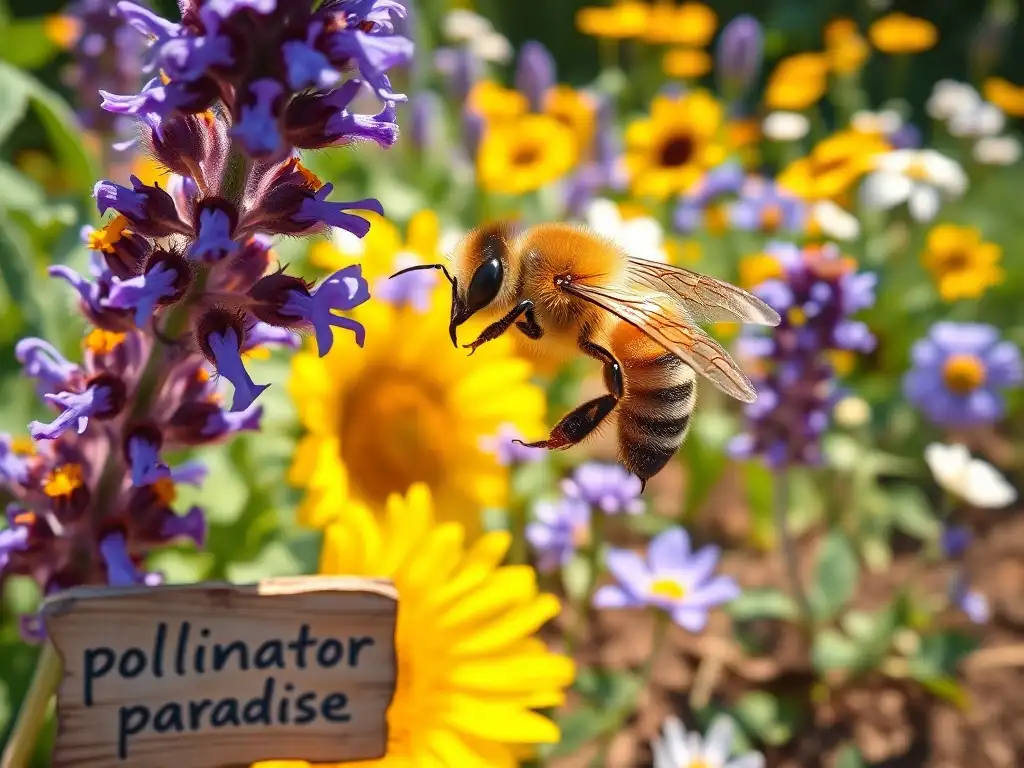
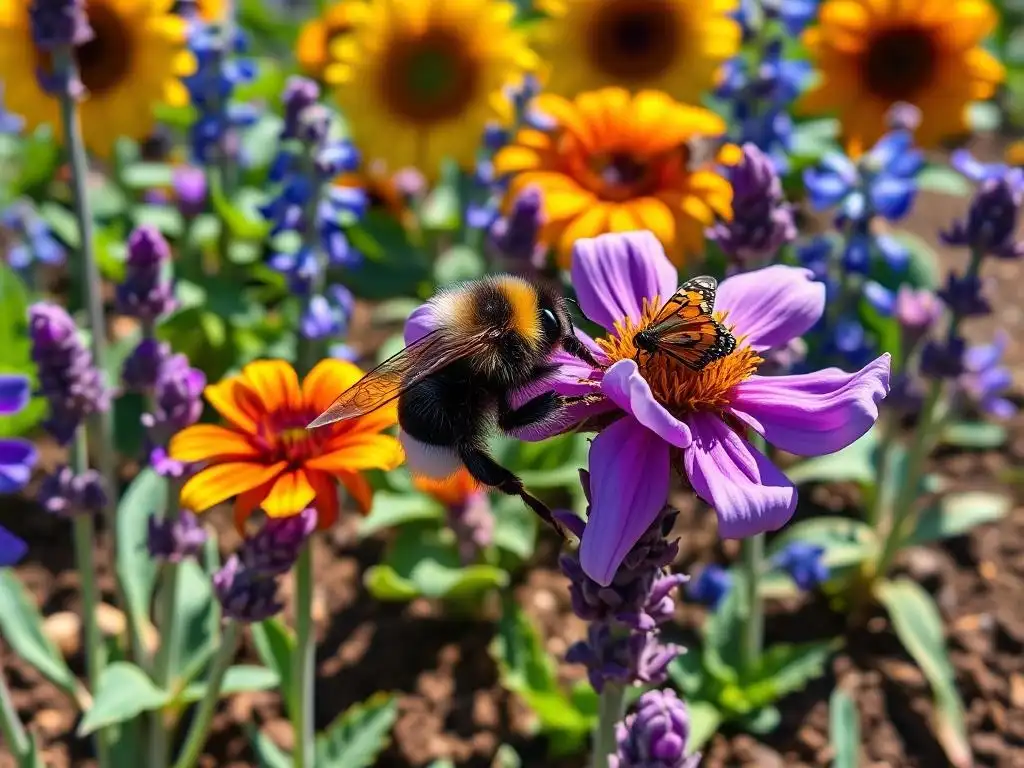
Attracting pollinators through companion planting is only half the battle; maintaining a healthy and thriving pollinator garden requires consistent effort and sustainable practices. Neglecting these crucial steps can undermine your efforts to attract beneficial insects and even harm the pollinators you're trying to help. This section focuses on organic methods to ensure your pollinator haven remains vibrant and effective, attracting a diverse range of beneficial insects year after year. Remember, a healthy garden is a happy pollinator garden!
Organic Pest Control for Pollinator Protection: Natural Methods & Products
Protecting your pollinator plants from pests without harming the very insects you're trying to attract is paramount. Avoid harsh chemical pesticides at all costs, as these can be toxic to bees, butterflies, and other beneficial insects. Instead, embrace organic pest control methods.
Several natural approaches can effectively manage pests:
- Beneficial Insects: Introduce ladybugs, lacewings, and praying mantises to your garden. These natural predators feed on common garden pests like aphids and caterpillars, minimizing the need for chemical intervention. Consider purchasing them from a reputable supplier specializing in beneficial insects.
- Neem Oil: This natural insecticide derived from the neem tree is effective against a wide range of pests while being relatively safe for pollinators. Always follow the product instructions carefully and apply it sparingly, ideally in the evening or early morning to minimize harm to pollinators.
- Insecticidal Soap: Another readily available organic option, insecticidal soap works by disrupting the cell membranes of soft-bodied insects. It's effective against aphids, spider mites, and other similar pests. Again, careful application is key to minimizing harm to beneficial insects.
- Diatomaceous Earth: This natural powder made from fossilized diatoms is a non-toxic insecticide that works by dehydrating insects. It's particularly effective against crawling insects like slugs and snails. Sprinkle it around the base of your plants.
- Companion Planting for Pest Control: Certain plants naturally repel pests. Marigolds, for instance, are known to deter nematodes and other soilborne pests. Strategically planting these alongside your pollinator-attracting plants can provide a natural layer of protection.
Remember to always monitor your plants regularly for signs of pest infestation. Early detection allows for timely intervention with minimal disruption to your ecosystem. Early intervention with natural methods is far more effective than letting a problem escalate and requiring more aggressive (and potentially harmful) solutions.
Watering Techniques for Optimal Pollinator Plant Health
Proper watering is crucial for the health and vitality of your pollinator plants. Underwatering stresses plants, making them more susceptible to pests and diseases. Overwatering, on the other hand, can lead to root rot and fungal growth, which are detrimental to both the plants and the pollinators they support.
Here are some key considerations for optimal watering:
- Deep Watering: Instead of frequent shallow watering, aim for deep, infrequent watering. This encourages deep root growth, making the plants more drought-tolerant and resilient.
- Water at the Base: Avoid overhead watering, as this can spread diseases and discourage pollinators from visiting wet flowers. Water directly at the base of the plants to keep the foliage dry.
- Monitor Soil Moisture: Regularly check the soil moisture using your finger. If the top inch or two of soil feels dry, it's time to water.
- Consider Soil Type: Different soil types retain water differently. Sandy soils drain quickly, requiring more frequent watering than clay soils, which retain water for longer periods.
- Mulching: Mulching helps retain soil moisture, reducing the frequency of watering needed and improving overall soil health (discussed further in the next section).
Consistent and appropriate watering is vital for maintaining a healthy and productive pollinator garden. Pay close attention to your plants’ needs and adjust your watering schedule accordingly.
Mulching and Soil Enrichment for a Thriving Pollinator Garden
Mulching is a cornerstone of sustainable gardening, offering numerous benefits for your pollinator garden. A good mulch layer helps retain soil moisture, suppresses weeds, regulates soil temperature, and improves soil structure over time. This creates a more hospitable environment for both your plants and the pollinators they attract.
Here's how mulching contributes to a thriving pollinator garden:
- Improved Soil Health: Organic mulches like compost, shredded leaves, or wood chips decompose slowly, adding valuable nutrients to the soil and improving its structure. This enhances drainage and aeration, creating a healthier root environment for your plants.
- Weed Suppression: A thick layer of mulch helps prevent weed growth, reducing competition for resources between your pollinator plants and unwanted vegetation. Less weeding means less disturbance to your pollinator habitat.
- Moisture Retention: Mulch acts as a natural insulator, helping to retain soil moisture and reduce the frequency of watering. This is especially beneficial during dry periods.
- Temperature Regulation: Mulch helps moderate soil temperature, protecting plant roots from extreme heat or cold. This creates a more stable environment for plant growth.
- Erosion Control: Mulch helps prevent soil erosion, especially on slopes or in areas exposed to wind or rain.
By incorporating mulching and regular soil enrichment into your garden maintenance routine, you create a supportive ecosystem that encourages healthy plant growth and attracts a diverse range of pollinators. Remember to choose organic mulches to avoid introducing harmful chemicals into your garden. The benefits of mulching extend far beyond simply attracting pollinators; it's a key element in creating a sustainable and productive garden overall.
Troubleshooting Common Companion Planting Challenges
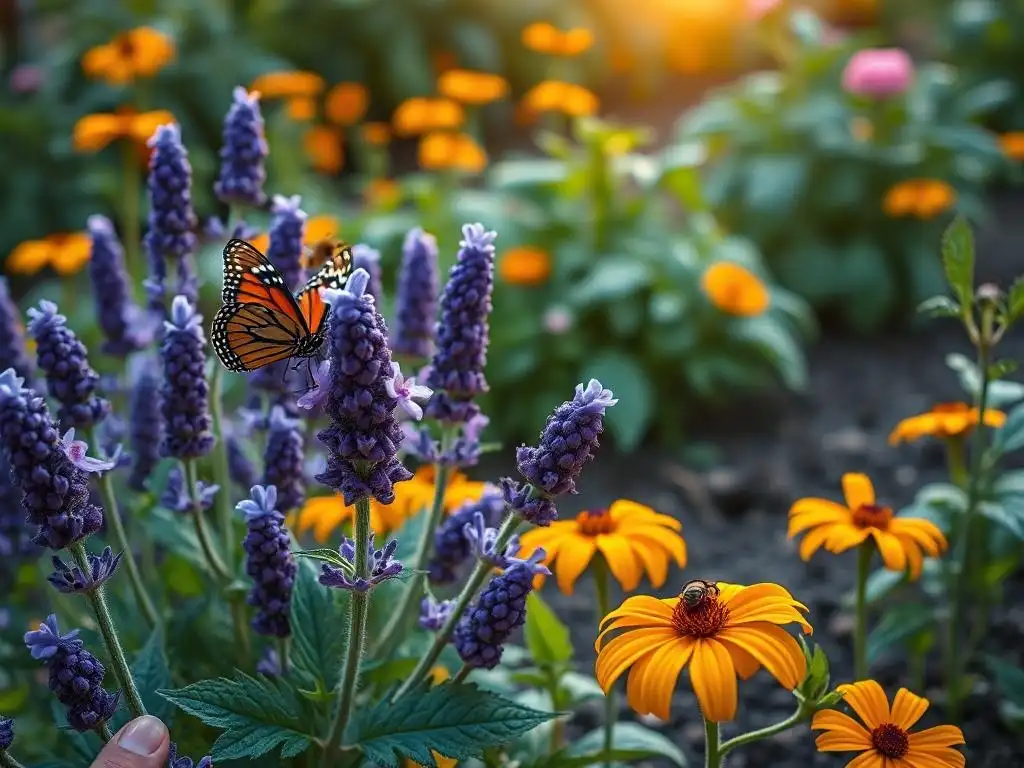
Successfully attracting pollinators through companion planting requires careful planning and ongoing observation. While the benefits are numerous, certain challenges can arise. Addressing these proactively ensures a thriving and productive pollinator-friendly garden. This section focuses on common problems and their solutions, helping you maximize the effectiveness of your companion planting strategy and attract pollinators effectively.
Dealing with Aggressive Plants: Managing Competition for Resources
Aggressive plant growth, while beneficial in some cases, can overshadow less vigorous pollinator-attracting companions. For example, sunflowers, while excellent for bees, can quickly dominate space and resources, potentially depriving smaller plants like lavender or borage of sunlight and nutrients. This competition can lead to stunted growth and reduced flowering in your chosen pollinator plants, diminishing their attractiveness to beneficial insects.
To mitigate this issue, strategic spacing is crucial. Plant aggressive species in areas where they won't directly shade or out-compete their gentler companions. Consider using physical barriers like low trellises or strategically placed stakes to guide growth and prevent overcrowding. Regular monitoring and selective pruning can also help maintain a balanced environment. Regular weeding is also essential to prevent unwanted competition from other weeds that could steal resources from your planned companion plants, reducing their ability to attract pollinators.
Careful selection of companion plants is also key. Choose species with differing growth habits and mature sizes. Researching the growth characteristics of each plant before planting is vital to avoid future conflicts. This careful planning can prevent many problems before they even arise, improving the overall effectiveness of your attract pollinators companion planting strategy.
Identifying and Solving Pollinator Plant Issues: Disease and Pest Management
Even the most well-planned companion planting scheme can be affected by disease and pests. Some companion plants might attract pests that damage your pollinator-attracting flowers. For instance, certain herbs might attract aphids, which can then spread to nearby flowering plants. Similarly, fungal diseases can spread rapidly through dense plantings.
Implementing integrated pest management (IPM) strategies is essential. This involves a combination of techniques, including:
- Regular inspection: Early detection of problems allows for timely intervention.
- Natural predators: Introducing beneficial insects like ladybugs (which eat aphids) can help control pest populations naturally.
- Organic pest control: Using organic pesticides or homemade solutions (like neem oil) reduces the risk of harming pollinators.
- Crop rotation: Rotating your companion planting scheme annually can help break pest and disease cycles.
- Resistant varieties: Choosing disease-resistant plant varieties reduces the risk of widespread infection.
Maintaining good garden hygiene, such as removing fallen leaves and debris, also helps prevent the spread of diseases. A healthy and well-maintained garden is less susceptible to problems and will better support the growth of the plants you've chosen to attract pollinators.
Adapting Your Companion Planting Strategy Based on Seasonal Changes
The effectiveness of companion planting can vary across seasons. What works well in spring might not be as effective in summer or fall. Pollinator needs change throughout the year, requiring you to adapt your approach.
For example, early spring might benefit from planting early-blooming species like crocus or snowdrops to provide early food sources for emerging pollinators. As the season progresses, you might switch to plants that bloom later in the summer, ensuring a continuous food supply. Autumn might require planting species that provide late-season nectar and pollen to help pollinators prepare for winter.
Understanding the life cycles of both your companion plants and the pollinators you're trying to attract is crucial. This knowledge will allow you to plan your planting schedule accordingly, ensuring a continuous bloom throughout the growing season.
Consider creating a planting calendar that outlines which plants to sow or transplant at different times of the year to maximize your garden's attractiveness to pollinators. This proactive approach ensures a year-round haven for beneficial insects, helping maximize your attract pollinators companion planting efforts. Remember to account for local climate variations and adjust your strategy accordingly. The success of attracting pollinators is a dynamic process requiring continuous monitoring and adaptation.
Resources for Further Learning About Attracting Pollinators
This section provides you with valuable resources to deepen your understanding of companion planting to attract pollinators and enhance your gardening practices. We've compiled a range of materials, from insightful books to helpful online communities and local initiatives, to support your journey towards a thriving pollinator-friendly garden. Remember, attracting pollinators is not just about aesthetics; it's a crucial step towards boosting your harvest and contributing to a healthier ecosystem. The more you learn, the more effective your strategies will become in attracting beneficial insects and birds to your garden.
Recommended Books on Pollinator Gardening
Choosing the right books can significantly improve your understanding of pollinator gardening and companion planting. Here are a few titles that offer valuable insights and practical advice for attracting pollinators:
- "Attracting Beneficial Insects to Your Garden": This book delves into the intricacies of beneficial insect behavior, providing detailed information on attracting specific pollinators through strategic plant selection and garden design. It often includes detailed plant profiles and practical tips for creating a thriving pollinator habitat.
- "The Pollinator Victory Garden: How to Create a Bee-Friendly Garden That Thrives": This title focuses on creating gardens specifically designed to support bees and other pollinators. It provides practical advice on plant selection, garden design, and pest management techniques that are beneficial for pollinators. Expect to find detailed information on creating habitats that meet the needs of diverse pollinator species.
- "Gardening for Pollinators: Attract Native Bees, Butterflies, and Hummingbirds to Your Backyard": This book emphasizes the importance of incorporating native plants to support local pollinator populations. It provides detailed information on identifying native plants suited to your region and creating habitats that meet the specific needs of native pollinators.
These books offer a comprehensive approach to attracting pollinators, moving beyond simple plant lists to encompass a deeper understanding of ecological principles and practical gardening techniques. They provide a wealth of information to help you create a truly thriving pollinator haven.
Useful Websites and Online Communities for Pollinator Enthusiasts
The digital world offers a wealth of information and support for those interested in attracting pollinators. Numerous websites and online communities provide valuable resources, fostering a sense of community among fellow enthusiasts.
Exploring these online resources can supplement your learning and connect you with a supportive network of gardeners sharing their experiences and knowledge. This is particularly useful for troubleshooting specific issues, finding regional advice, and discovering new companion planting techniques. Consider looking for websites and forums focusing on:
- Specific pollinator types: Websites dedicated to bees, butterflies, or hummingbirds often offer in-depth information on their specific needs and preferences. This specialized knowledge can be invaluable in selecting the most effective companion plants.
- Regional gardening: Many websites provide region-specific information on suitable plants and gardening techniques. This ensures that you're selecting plants that will thrive in your local climate and attract local pollinator species.
- Sustainable gardening practices: Websites and forums focusing on sustainable and organic gardening often include valuable information on attracting pollinators through environmentally friendly methods.
Participating in online communities allows you to share your experiences, ask questions, and learn from the successes and challenges of other gardeners. This collaborative approach can significantly enhance your understanding and effectiveness in attracting pollinators.
Local Resources: Connecting with Your Community's Pollinator Initiatives
Engaging with your local community offers invaluable opportunities to learn about and contribute to pollinator conservation efforts. Many local organizations and initiatives provide resources and support for gardeners interested in attracting pollinators.
Look for opportunities to:
- Attend workshops and seminars: Many local gardening clubs and environmental organizations offer workshops and seminars on pollinator gardening. These events provide practical advice and opportunities to network with other gardeners.
- Volunteer with local conservation groups: Participating in local conservation efforts, such as habitat restoration projects, allows you to contribute directly to pollinator conservation and gain valuable hands-on experience.
- Connect with local nurseries and garden centers: Many local nurseries and garden centers offer advice on selecting plants that attract pollinators. They often have a deep understanding of local plant species and their suitability for your region.
By actively engaging with your community, you can expand your knowledge, contribute to local conservation efforts, and create a more vibrant and biodiverse environment in your own backyard – all while successfully attracting pollinators to your garden using companion planting techniques. Remember, a thriving pollinator population benefits not only your garden but the entire ecosystem.
Frequently Asked Questions
What is companion planting?
Companion planting is the practice of planting compatible plant species together to improve growth, attract beneficial insects, and deter pests. This creates a mutually beneficial environment for your plants.
How does companion planting attract pollinators?
Certain plants, like lavender and borage, are highly attractive to pollinators like bees and butterflies. Planting them alongside your fruit and vegetable crops increases pollinator activity and improves fruit and seed set.
What are some good companion plants for attracting pollinators?
Excellent choices include sunflowers, chamomile, mint, and dill. These plants provide nectar and pollen, essential resources for pollinators, and create a vibrant, attractive garden space.
Does companion planting help with pest control?
Yes! Some companion plants can repel pests. For example, planting basil near tomatoes can deter tomato hornworms. This reduces the need for harmful pesticides.
How do I plan my companion planting strategy for maximum pollinator attraction?
Consider the flowering times of your chosen plants to ensure continuous bloom throughout the growing season. Also, choose a variety of plants to attract a wider range of pollinator species. Remember to provide water sources for pollinators as well!
Final Reflection: A Blooming Future for Pollinators and Our Gardens
The simple act of companion planting offers a powerful, accessible solution to the critical decline of pollinator populations. We've explored how strategic plant pairings can create vibrant, thriving ecosystems right in our own backyards, boosting biodiversity and ensuring the continued health of our planet. This isn't just about pretty flowers; it's about actively participating in the preservation of a vital ecological process.
The impact of companion planting extends far beyond the individual garden. It represents a shift in mindset, a move away from passive observation to active participation in the intricate web of life. We've seen how seemingly small actions can have a ripple effect, influencing not only the abundance of pollinators but also the overall health and resilience of our environment. The earth laughs in flowers.
– Ralph Waldo Emerson. This quote beautifully encapsulates the joy and the vital importance of nurturing the natural world, and companion planting is a tangible way to do just that.
Now, consider your own garden, your own space. What small changes can you implement to attract more pollinators? Will you dedicate a corner to a pollinator-friendly haven? Will you research the best companion plants for your region and existing garden? The future of our pollinators, and indeed, the future of our food systems, depends on our collective action. Let's make our gardens bloom, not just with vibrant flowers, but with the promise of a healthier, more sustainable future.
Unleash Your Garden's Buzz: Attract More Pollinators Now!
Thanks for learning about companion planting to attract pollinators! You've discovered the key to a thriving, vibrant garden buzzing with life. Ready to put this knowledge into practice?
- Plant pollinator-friendly companions today! Choose at least one new plant from our suggested list and get it in the ground—even a small pot on your balcony will make a difference.
- Share your progress with us! Take a picture of your new pollinator-attracting plants and share it on social media using #CultivateYourBuzz. We'd love to see them!
- Consider joining a local gardening group to exchange tips and learn from others. A community of fellow gardeners provides invaluable support and shared knowledge.
What simple step will you take today to support pollinators in your community?