
The Cottage Garden Layout: A Charming and Relaxed Approach

Welcome to CultivateYourFood, your guide to nurturing a thriving, sustainable garden! Are you dreaming of a bountiful harvest brimming with fresh, organic produce? Then discover the charm and practicality of a Cottage garden organic layout. We’ll unlock the secrets to creating a relaxed yet productive space, blending beauty with functionality. Dive in and explore the art of growing your own food—from seed to table.
- Understanding the Cottage Garden Aesthetic: A Blend of Nature and Charm
- Planning Your Cottage Garden Organic Layout: From Vision to Reality
- Implementing Your Cottage Garden Organic Layout: A Step-by-Step Guide
- Maintaining Your Cottage Garden Organic Layout: Tips for Long-Term Success
- Enhancing Your Cottage Garden Organic Layout: Adding Charm and Functionality
- Examples of Successful Cottage Garden Organic Layouts: Inspiration for Your Own Design
- Resources for Creating Your Dream Cottage Garden Organic Layout
- Frequently Asked Questions
- Final Reflection: Cultivating a Life as Charming as a Cottage Garden
- Unleash Your Inner Gardener: Design Your Dream Cottage Garden
Understanding the Cottage Garden Aesthetic: A Blend of Nature and Charm
The cottage garden, a beloved style evoking images of quaint English villages and overflowing flowerbeds, represents more than just a pretty picture. It's a philosophy of gardening that embraces natural abundance, relaxed informality, and a deep connection with the natural world. This style prioritizes a thriving ecosystem, often incorporating organic practices to foster biodiversity and minimize environmental impact.
This article delves into the art of designing a cottage garden layout, specifically focusing on organic methods to create a charming and productive space that's both beautiful and sustainable. We'll explore the key characteristics that define this style, the importance of organic practices, and how to translate these principles into a thriving, organic cottage garden in your own backyard.
From choosing the right plants to implementing effective pest control strategies, we will provide you with the knowledge and inspiration to cultivate your own piece of cottage garden paradise. This guide is designed to help you achieve a truly organic and aesthetically pleasing cottage garden layout, aligning perfectly with the principles of sustainable and environmentally conscious gardening.
Defining the Cottage Garden Style: Organic Abundance and Relaxed Beauty
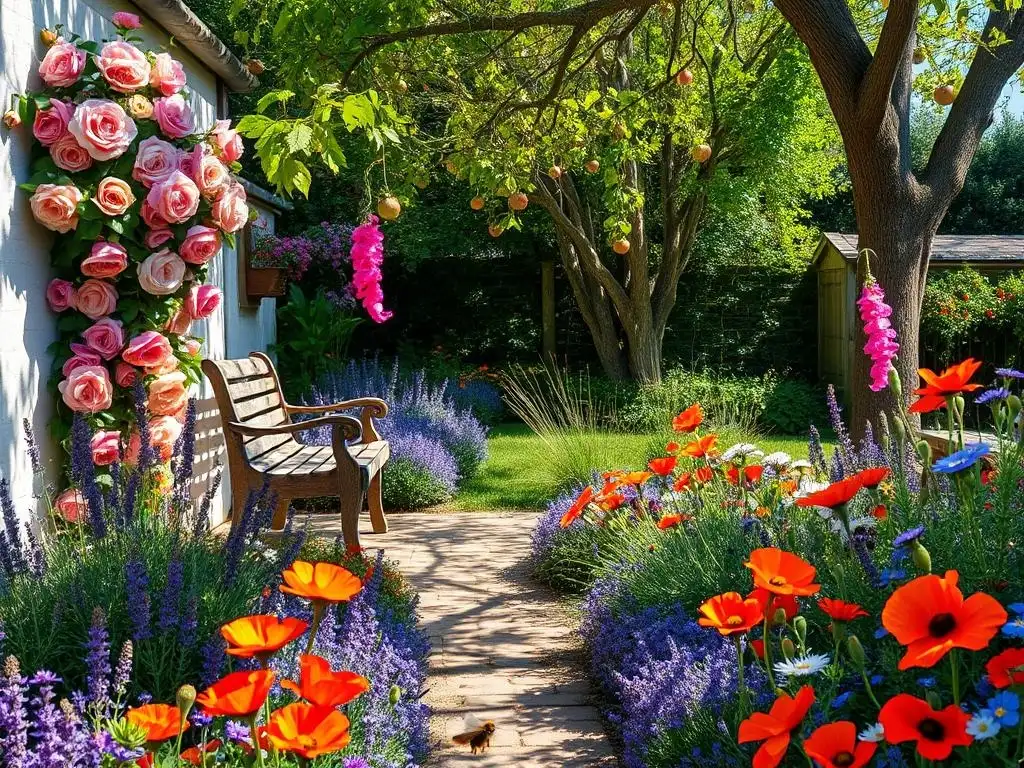
The hallmark of a cottage garden is its seemingly effortless abundance. Imagine overflowing borders bursting with a profusion of flowers, herbs, and vegetables, all intermingled in a harmonious blend of colors, textures, and heights. Unlike formal gardens with their structured lines and precise symmetry, cottage gardens celebrate a more relaxed, almost wild, aesthetic.
The beauty lies in the unexpected combinations, the subtle variations in height and color, and the overall sense of natural profusion. Think rambling roses clambering over rustic fences, self-seeding annuals creating drifts of vibrant color, and herbs interspersed amongst vegetables, creating a fragrant and productive landscape. This organic approach to design fosters a sense of natural harmony and encourages biodiversity.
The emphasis is on creating a space that feels both lived-in and bursting with life – a true reflection of nature's own artistry. The overall effect is one of charming spontaneity, inviting exploration and discovery within its bountiful embrace.
Key Characteristics of a Successful Cottage Garden Organic Layout: Wildflower Meadows and Informal Planting
A successful cottage garden organic layout hinges on several key characteristics. Firstly, informal planting is paramount. Avoid rigid rows and perfectly symmetrical beds. Instead, opt for a more natural, meandering arrangement, allowing plants to spill over and mingle freely.
Secondly, the incorporation of wildflower meadows or sections of less manicured planting adds to the overall charm and supports pollinators. These areas can be interspersed with carefully chosen flowering plants and grasses, creating a vibrant and dynamic landscape. Thirdly, consider the height and texture of your plants.
Varying heights creates visual interest and depth, while combining different textures (rough, smooth, feathery) adds further complexity and appeal. Finally, a successful layout considers pathways and seating areas, integrating these elements seamlessly into the design to create inviting spaces for relaxation and contemplation within your blossoming garden. Remember, a successful cottage garden should feel inviting and welcoming, a place where you can truly connect with the beauty of nature.
The Importance of Organic Practices in Cottage Garden Design: Sustainable Gardening for a Thriving Ecosystem
Organic practices are not merely an optional extra in cottage garden design; they are fundamental to its very essence. By choosing organic methods, you create a thriving ecosystem that supports beneficial insects, birds, and other wildlife. This approach minimizes the use of harmful chemicals, protecting both the environment and your own health. Composting kitchen scraps and yard waste provides nutrient-rich fertilizer, reducing reliance on synthetic products.
Natural pest control methods, such as companion planting and introducing beneficial insects, maintain a healthy balance within the garden. Choosing native plants attracts local pollinators, further enhancing the biodiversity of your space. By adopting organic practices, you are not only creating a beautiful and productive garden but also contributing to a healthier planet. The organic cottage garden is a testament to the power of sustainable living, demonstrating that beauty and environmental responsibility can coexist beautifully.
Planning Your Cottage Garden Organic Layout: From Vision to Reality

This section delves into the practical aspects of designing and implementing your own charming and productive cottage garden, focusing on organic principles. A successful cottage garden organic layout requires careful planning and consideration of several key factors. We'll guide you through the process, from initial assessment to final planting. Remember, the beauty of a cottage garden lies in its relaxed, informal feel, but achieving that aesthetic requires thoughtful preparation.
Assessing Your Space: Sunlight, Soil, and Site Preparation for a Cottage Garden
Before you even think about planting, understanding your garden space is paramount. A thorough assessment of sunlight, soil type, and overall site preparation will determine the success of your cottage garden organic layout.
Sunlight is crucial. Cottage gardens thrive in a mix of sun and shade. Observe your space throughout the day, noting areas that receive full sun (at least 6 hours), partial sun (4-6 hours), and shade (less than 4 hours). This will dictate where you plant sun-loving herbs like rosemary and thyme versus shade-tolerant plants such as hostas and ferns. Document your findings – a simple sketch with sun exposure notes is helpful.
Next, analyze your soil. Is it clay, sandy, loamy, or a combination? Soil testing kits are readily available and provide valuable insights into pH levels and nutrient content. Cottage garden organic layout thrives on healthy soil, so amending it with compost is essential. Compost improves drainage, aeration, and provides essential nutrients, promoting vigorous plant growth. Aim for a rich, dark brown, crumbly texture. For clay soils, adding organic matter like well-rotted manure will improve drainage. Sandy soils benefit from the addition of compost and peat moss to increase water retention.
Site preparation involves clearing the area of weeds, rocks, and debris. This is crucial for a successful cottage garden organic layout. Consider the existing landscape and any obstacles. You might need to level uneven terrain or build raised beds for better drainage, particularly in areas with poor soil or excessive moisture. Remember to remove any persistent weeds, as they can compete with your chosen plants for resources.
Choosing the Right Plants: Selecting Organic Seeds and Seedlings for a Vibrant Cottage Garden
Selecting the right plants is vital for a thriving cottage garden organic layout. Prioritize organic seeds and seedlings whenever possible, ensuring you're maintaining the integrity of your sustainable approach. Consider a mix of annuals, biennials, and perennials to ensure continuous bloom throughout the growing season.
When choosing plants, keep in mind their mature size and spacing requirements. Overcrowding can lead to disease and competition for resources. Consult plant tags or online resources to understand the specific needs of each plant—sunlight requirements, water needs, and soil preferences. A diverse range of plants will not only provide visual interest but also attract beneficial insects and pollinators, contributing to a healthy ecosystem within your garden.
Think about incorporating a variety of textures and colors. Combine tall, flowering plants with low-growing groundcovers to create visual depth. Include herbs amongst your flowers for a fragrant and functional cottage garden organic layout. Lavender, rosemary, and chamomile are excellent choices and add a culinary dimension to your garden. Consider companion planting—strategically placing plants that benefit each other, for example, planting marigolds to deter pests from nearby vegetables. Planning for succession planting is also beneficial, ensuring a continuous harvest throughout the growing season.
Creating a Planting Plan: Sketching Your Ideal Cottage Garden Organic Layout
Before you start digging, create a detailed planting plan. This is your blueprint for a successful cottage garden organic layout. Start with a scaled sketch of your garden space, noting the location of existing structures, pathways, and any existing plants you wish to retain.
On your sketch, indicate the sun exposure for each area. Then, begin placing your chosen plants, considering their mature size and spacing requirements. Group plants with similar needs together – for example, place sun-loving plants together in a sunny area. Use different heights and textures to create visual interest and depth. Remember, a cottage garden embraces a slightly chaotic yet charming look; don't be afraid to experiment and let your creativity flow!
Consider the flow and movement through your garden. Create winding pathways to encourage exploration and discovery. Incorporate seating areas for relaxation and enjoyment. A well-planned cottage garden organic layout is not just aesthetically pleasing but also functional and inviting. Remember to leave space for future growth and expansion, allowing your garden to evolve over time. Regularly review and adjust your planting plan as your garden matures and your preferences evolve. Enjoy the process of creating your own unique and thriving cottage garden!
Implementing Your Cottage Garden Organic Layout: A Step-by-Step Guide
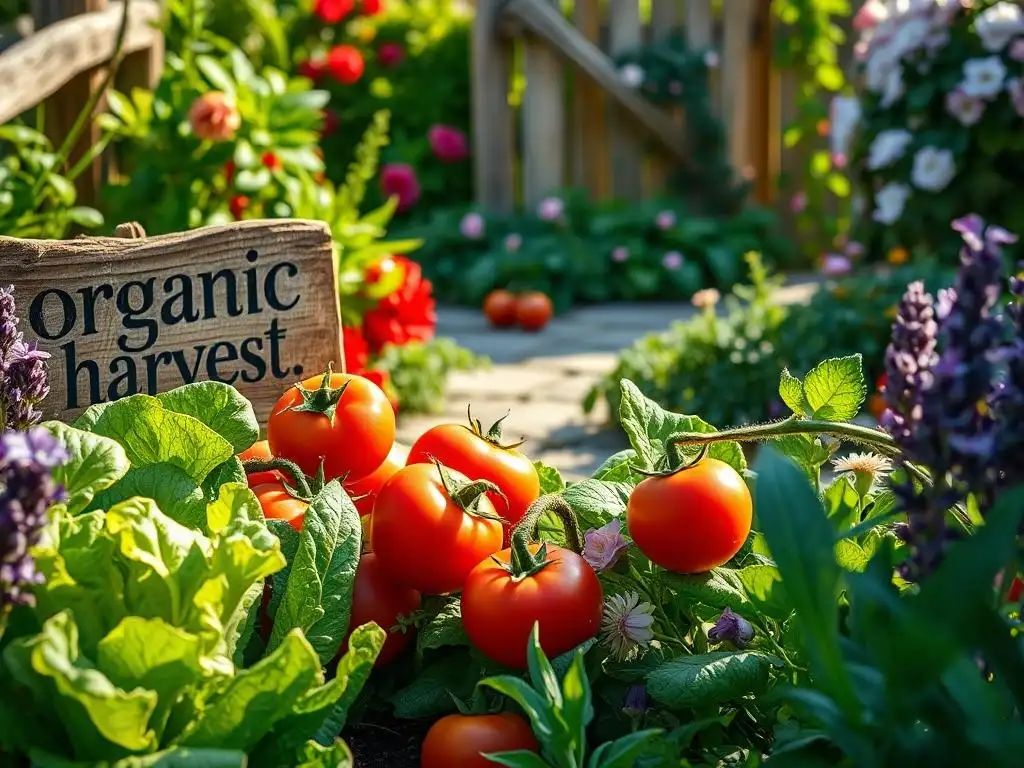
This section details the practical steps involved in creating a thriving and beautiful cottage garden using organic methods. We'll cover soil preparation, planting techniques, and ongoing maintenance, ensuring your "cottage garden organic layout" flourishes. Remember, patience and consistent care are key to success.
Preparing the Soil: Enriching Your Soil with Compost and Organic Matter
A fertile soil is the foundation of any successful organic garden, especially for a charming cottage garden. Before planting, enriching your soil with compost and other organic matter is crucial. This improves soil structure, drainage, and nutrient content, providing the ideal environment for your plants to thrive.
The process begins with a thorough soil test. This will help determine your soil's pH level and nutrient deficiencies. Based on the results, you can amend your soil accordingly. For example, if your soil is too acidic, you can add lime; if it's alkaline, you can add sulfur. However, for most cottage gardens, adding ample compost is usually sufficient.
Compost acts as a natural fertilizer, releasing nutrients slowly over time. Aim for a layer of at least 4-6 inches of well-rotted compost incorporated into the top layer of your soil. You can also incorporate other organic matter like aged manure (avoid fresh manure as it can burn plants), leaf mold, or shredded bark. These additions enhance the soil's water retention capacity and provide a habitat for beneficial microorganisms.
Remember to till the compost and organic matter into the soil gently, avoiding overly aggressive tilling which can damage soil structure. Proper soil preparation significantly reduces the need for chemical fertilizers and pesticides, a cornerstone of organic gardening.
Planting Your Seeds and Seedlings: Techniques for a Thriving Cottage Garden
Planting your seeds and seedlings correctly is vital for a successful cottage garden organic layout. Consider the mature size of your plants to avoid overcrowding. A crowded garden is more susceptible to pests and diseases, hindering growth and overall aesthetic appeal.
When planting seeds, follow the instructions on the seed packet carefully. Some seeds require specific planting depths and spacing. Generally, smaller seeds need less depth than larger ones. Ensure proper spacing to allow for adequate air circulation and sunlight penetration.
For seedlings, gently remove them from their containers, being careful not to damage the roots. Plant them at the same depth they were growing in their containers, ensuring the root ball is fully covered with soil. Gently firm the soil around the base of each plant to ensure good contact.
Consider companion planting – a key technique in organic gardening. Certain plants benefit from being grown together. For example, marigolds are known to repel some common garden pests, making them excellent companions for many vegetables and flowers. Research companion planting combinations suited to your chosen plants. This natural pest control strategy reduces reliance on chemical pesticides.
| Plant | Companion Plant | Benefit |
|---|---|---|
| Tomatoes | Basil | Repels pests, improves flavor |
| Carrots | Onions | Improves growth, deters pests |
| Lettuce | Radishes | Provides shade, improves soil structure |
| Roses | Garlic | Deters pests, improves overall health |
This thoughtful approach to planting contributes significantly to a thriving and aesthetically pleasing cottage garden organic layout.
Watering and Weeding: Maintaining Your Cottage Garden Organic Layout
Consistent watering and regular weeding are essential for maintaining a healthy cottage garden organic layout. Overwatering can lead to root rot, while underwatering can stunt plant growth. The frequency of watering depends on factors like weather conditions, soil type, and plant type. Aim for deep, infrequent watering rather than frequent shallow watering. This encourages deeper root growth, making plants more drought-tolerant.
Weeding is crucial for preventing weeds from competing with your plants for nutrients and water. Regular weeding, especially in the early stages of growth, is important to give your plants the best chance of thriving. Mulching helps suppress weed growth and conserves soil moisture. Use organic mulches like straw, wood chips, or shredded leaves.
Regular inspection for pests and diseases is also key to organic gardening. Early detection allows for timely intervention using natural methods such as introducing beneficial insects or using organic pest control solutions. This proactive approach minimizes the need for harmful chemicals, preserving the integrity of your organic cottage garden. Remember, a healthy, well-maintained garden is more resilient to pests and diseases. The beauty of a flourishing cottage garden is a testament to careful planning and consistent organic practices. Enjoy the fruits (and vegetables!) of your labor!
Pest and Disease Control: Organic Methods for a Healthy Garden
A thriving cottage garden, brimming with organically grown fruits, vegetables, and herbs, requires a proactive approach to pest and disease management. Forgoing chemical pesticides and herbicides is crucial for maintaining the integrity of your organic system and protecting beneficial insects and pollinators. Instead, embrace a holistic strategy that prioritizes prevention and utilizes natural methods to address any issues that arise.
One of the most effective preventative measures is crop rotation. By rotating your crops annually, you disrupt the life cycle of many common pests and diseases, preventing infestations from building up in the soil. For example, planting legumes (like beans or peas) one year can improve soil health and naturally suppress certain pests, making it a great predecessor for more susceptible crops the following year. Careful observation is key—regularly inspecting your plants for signs of pests or disease allows for early intervention, preventing widespread damage.
Organic pest control methods are diverse and effective. Beneficial insects, like ladybugs and lacewings, are natural predators of many common garden pests such as aphids and mealybugs. Encouraging their presence in your garden by providing habitat (like leaving some areas slightly wild) is a vital component of an organic approach. Introducing companion plants, known for their pest-repelling properties, is another powerful technique. Marigolds, for instance, are widely known to deter nematodes and other soil-borne pests, while basil can help repel aphids and flies.
For tackling existing infestations, consider natural solutions. A simple spray of insecticidal soap can effectively control many soft-bodied insects. Neem oil, derived from the neem tree, acts as a natural insecticide and fungicide, offering a broad-spectrum approach.
However, always follow the instructions carefully and use these solutions sparingly, as overuse can harm beneficial insects as well. Remember to always identify the specific pest or disease before applying any treatment, as different remedies are effective for various problems. A thorough understanding of your garden's ecosystem is paramount in ensuring the success of your organic pest control strategy.
Moreover, maintaining a healthy soil environment rich in organic matter strengthens the plants' natural resistance to disease, making them less susceptible to pests and pathogens. Composting is crucial in this respect, providing a continuous source of nutrient-rich soil amendments. By embracing a multifaceted, preventative, and organic approach, you can cultivate a vibrant and healthy cottage garden that thrives without the need for harmful chemicals.
Maintaining Your Cottage Garden Organic Layout: Tips for Long-Term Success
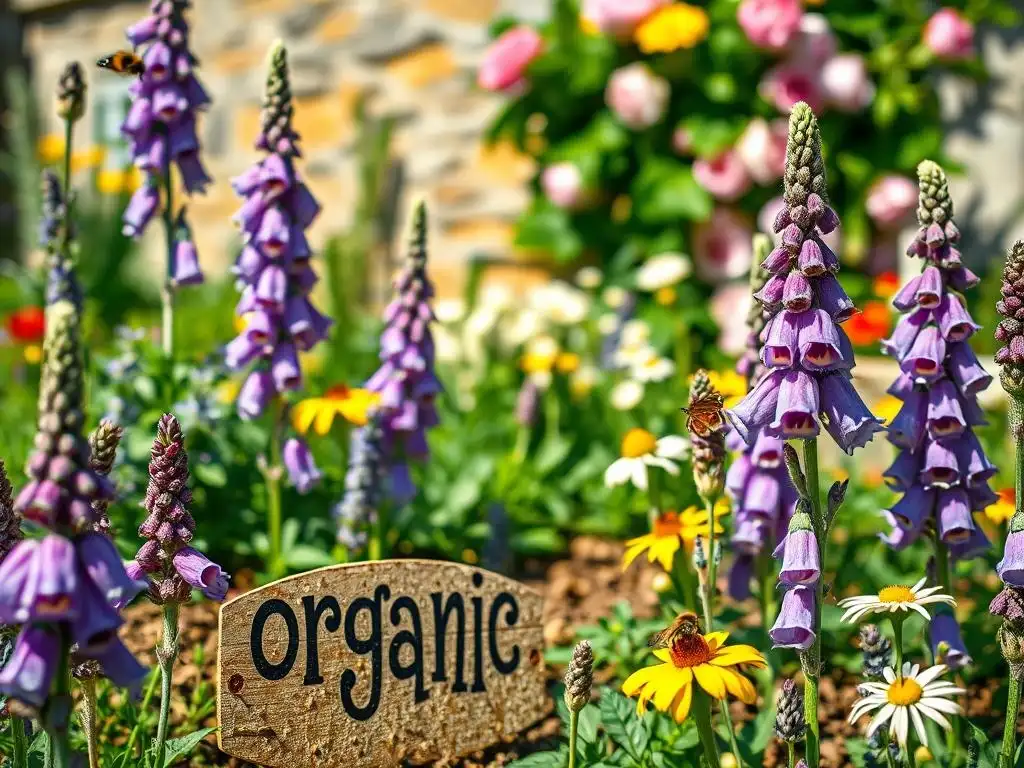
A thriving cottage garden, bursting with organic produce and charming blooms, requires consistent care. Maintaining an organic layout demands a gentle hand and a deep understanding of natural processes. This section focuses on practical strategies to ensure your cottage garden flourishes season after season, organically and sustainably. We'll explore key practices that promote plant health, deter pests naturally, and maximize your harvest. Remember, a successful organic cottage garden is a testament to mindful cultivation and patient observation.
Regular Weeding and Mulching: Keeping Your Cottage Garden Neat and Tidy
Regular weeding is crucial for maintaining a healthy and productive organic cottage garden. Weeds compete with your desired plants for nutrients, water, and sunlight, hindering their growth and potentially introducing pests or diseases. Consistent weeding, ideally done by hand to avoid harming beneficial insects and soil microbes, prevents weeds from going to seed and becoming a larger problem.
Consider the timing of your weeding. Early morning or late evening is ideal, as the soil is cooler and less likely to be disturbed. Focus on removing weeds before they flower, preventing the spread of seeds. For larger weed infestations, consider using a hoe or cultivator, but exercise caution to avoid damaging the roots of your desired plants.
Mulching plays a vital role in weed suppression, moisture retention, and soil health. Organic mulches such as straw, shredded leaves, or wood chips help to smother weeds, preventing them from germinating. A layer of mulch also helps to retain soil moisture, reducing the frequency of watering, particularly important during dry spells. Furthermore, as the mulch decomposes, it enriches the soil with organic matter, improving its structure and fertility. Aim for a mulch layer of 2-4 inches, ensuring it doesn't directly contact the stems of your plants to prevent rot.
Natural Pest Control Strategies: Protecting Your Plants Organically
Protecting your organic cottage garden from pests without resorting to harmful chemicals requires a proactive and integrated approach. Regular monitoring is key – inspect your plants regularly for signs of pests or diseases. Early detection allows for timely intervention, preventing widespread infestations.
Several natural pest control strategies can be implemented. These include introducing beneficial insects such as ladybugs, which prey on aphids and other common garden pests. You can attract beneficial insects by planting flowers that provide nectar and pollen. Companion planting, where certain plants are grown together to deter pests, is another effective technique. For example, marigolds are known to repel nematodes and other soil-borne pests.
Consider using natural pest control sprays. A simple solution of water and insecticidal soap can effectively control many soft-bodied insects. Neem oil is another effective organic pesticide that disrupts the life cycle of various pests. Always follow the instructions carefully and test on a small area before applying widely. Remember that a healthy and balanced ecosystem is less susceptible to pest infestations, so focus on maintaining soil health and plant vigor.
Harvesting and Enjoying Your Organic Produce: The Rewards of a Cottage Garden
Harvesting your organic produce is the culmination of your efforts, a time to celebrate the fruits (and vegetables!) of your labor. The timing of harvest depends on the specific plant and its maturity. Generally, harvest in the cool morning hours, when the produce is firm and less likely to be damaged. Use sharp tools to ensure clean cuts, minimizing damage to the plant.
Proper harvesting techniques contribute to the continued health of your plants. For example, when harvesting tomatoes, gently twist them from the vine instead of pulling, preventing damage to the plant. With herbs, cut or pinch them above a leaf node to promote bushier growth. Regular harvesting encourages continued production, extending the enjoyment of your homegrown organic produce.
Enjoy the bounty of your cottage garden! Use your fresh produce in delicious meals, preserving excess for later enjoyment through canning, freezing, or drying. Sharing your harvest with friends and family adds another layer of satisfaction to your organic gardening journey. The taste and satisfaction of homegrown, organically cultivated food is truly unparalleled. The rewards of a well-maintained cottage garden extend far beyond the aesthetic appeal; it's a celebration of sustainable living and the connection to nature.
Enhancing Your Cottage Garden Organic Layout: Adding Charm and Functionality
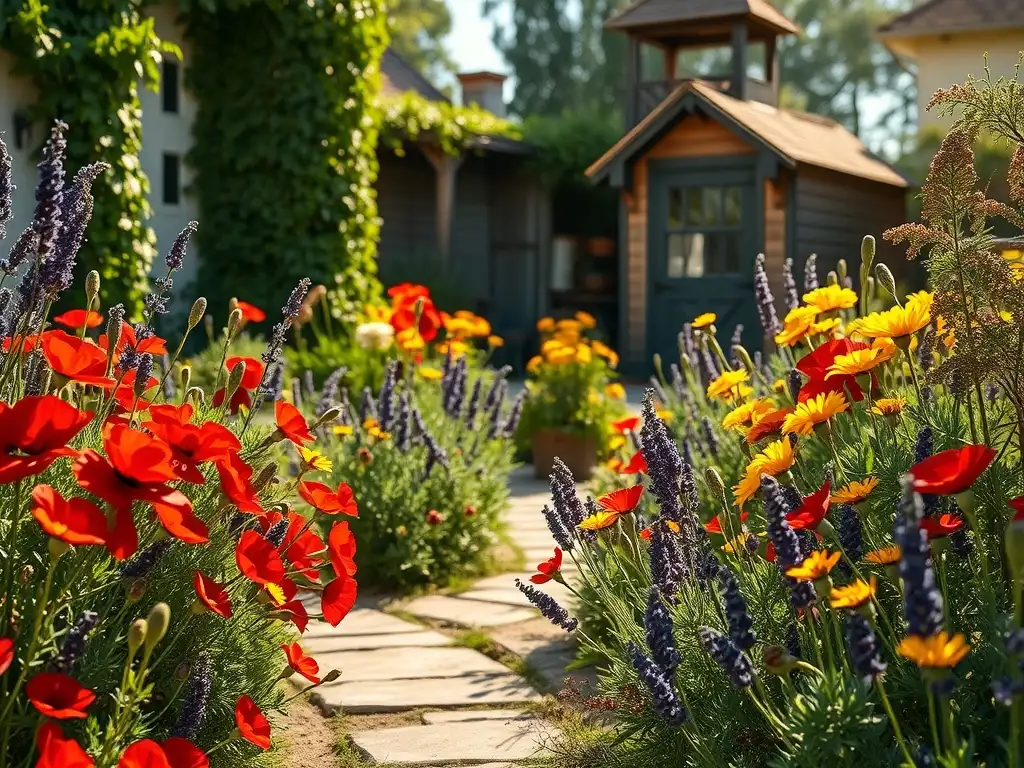
This section focuses on practical strategies to enhance the aesthetic appeal and functionality of your cottage garden while maintaining organic principles. We'll explore ways to improve navigation, introduce soothing water features, and select appropriate furniture to create a truly inviting and productive space. Remember, a successful cottage garden organic layout balances beauty with practicality.
Adding Pathways and Features: Creating a Welcoming Garden Space
Creating inviting pathways is crucial for a cottage garden organic layout. Avoid harsh, straight lines; instead, opt for meandering paths that encourage exploration and discovery. Consider using materials that blend seamlessly with the natural environment. Crushed gravel, stepping stones, or even well-maintained grass paths can create a charming and rustic feel. The choice depends on your soil type and personal preference. For instance, a clay soil might benefit from gravel pathways to prevent mud, while well-drained soil could easily support a grass path.
Beyond pathways, strategically placed features can significantly enhance your garden's charm. Think about incorporating:
- Arbors and Pergolas: These structures provide shade, support for climbing plants (like beans or cucumbers – perfect for your organic garden! ), and visually define different areas within your garden.
- Benches and Seating Areas: Designated resting spots invite relaxation and contemplation amidst your flourishing plants. Consider using reclaimed wood for a truly rustic feel.
- Small Fences or Walls: These can be used to delineate different sections of your garden, adding visual interest and potentially providing shelter for more delicate plants. Consider using natural materials such as stone or wattle fencing.
- Ornamental Gates: A charming gate can add a touch of whimsy and elegance, especially if you have separate sections within your garden.
The key is to use these features to create a sense of flow and intimacy, guiding visitors through your organic paradise. Remember to keep accessibility in mind, especially if you have mobility challenges. A well-planned path system makes tending to your plants much easier, enhancing both the aesthetic and practical aspects of your cottage garden organic layout.
Incorporating Water Features: Adding a Pond or Fountain to Your Cottage Garden
A water feature can dramatically elevate the ambiance of a cottage garden organic layout, adding a calming element and attracting beneficial wildlife. However, the choice between a pond and a fountain depends on your available space and maintenance preferences.
A pond, even a small one, offers a more naturalistic feel and can support a mini-ecosystem. Consider including aquatic plants to enhance the visual appeal and provide oxygen. Remember that ponds require regular maintenance to prevent algae growth and mosquito breeding. This can involve skimming the surface, removing excess vegetation, and possibly introducing beneficial bacteria.
A fountain, on the other hand, is generally easier to maintain. The constant flow of water helps prevent stagnation and reduces the risk of mosquito breeding. The gentle sound of running water adds a soothing auditory element to your garden. When selecting a fountain, consider its size and style to ensure it complements your overall cottage garden design.
Regardless of your choice, ensure that any water feature integrates seamlessly with the organic aesthetic of your garden. Avoid using harsh chemicals to maintain water clarity; instead, explore natural methods such as introducing beneficial bacteria or using aquatic plants to filter the water. A well-maintained water feature can significantly enhance the beauty and tranquility of your cottage garden organic layout, aligning perfectly with sustainable and organic principles.
Choosing the Right Garden Furniture: Creating a Relaxing Outdoor Space
Selecting appropriate garden furniture is essential for creating a truly relaxing and functional cottage garden organic layout. The furniture should complement the overall aesthetic, enhancing the charm and inviting visitors to linger and enjoy the space.
Prioritize comfort and durability. Consider materials that are weather-resistant and aesthetically pleasing. Reclaimed wood, wrought iron, or even woven wicker can add a rustic charm. When selecting furniture, consider the following:
| Furniture Type | Material Suggestions | Considerations |
|---|---|---|
| Benches | Reclaimed wood, stone, metal | Size, comfort, placement near focal points |
| Chairs | Wicker, metal, wood | Stackable for storage, comfort, style |
| Tables | Wood, metal, stone | Size, placement near seating, durability |
| Hanging Chairs/Swings | Woven materials, sturdy metal frames | Space requirements, weight capacity, safety |
Remember, the furniture should blend seamlessly with the natural surroundings. Avoid overly modern or stark pieces; instead, choose items that enhance the rustic charm of your cottage garden. The goal is to create a space where you can relax, enjoy the fruits (and vegetables!) of your labor, and appreciate the beauty of your organic haven. A well-chosen set of garden furniture elevates your cottage garden organic layout from simply a productive space into a truly tranquil retreat.
Examples of Successful Cottage Garden Organic Layouts: Inspiration for Your Own Design
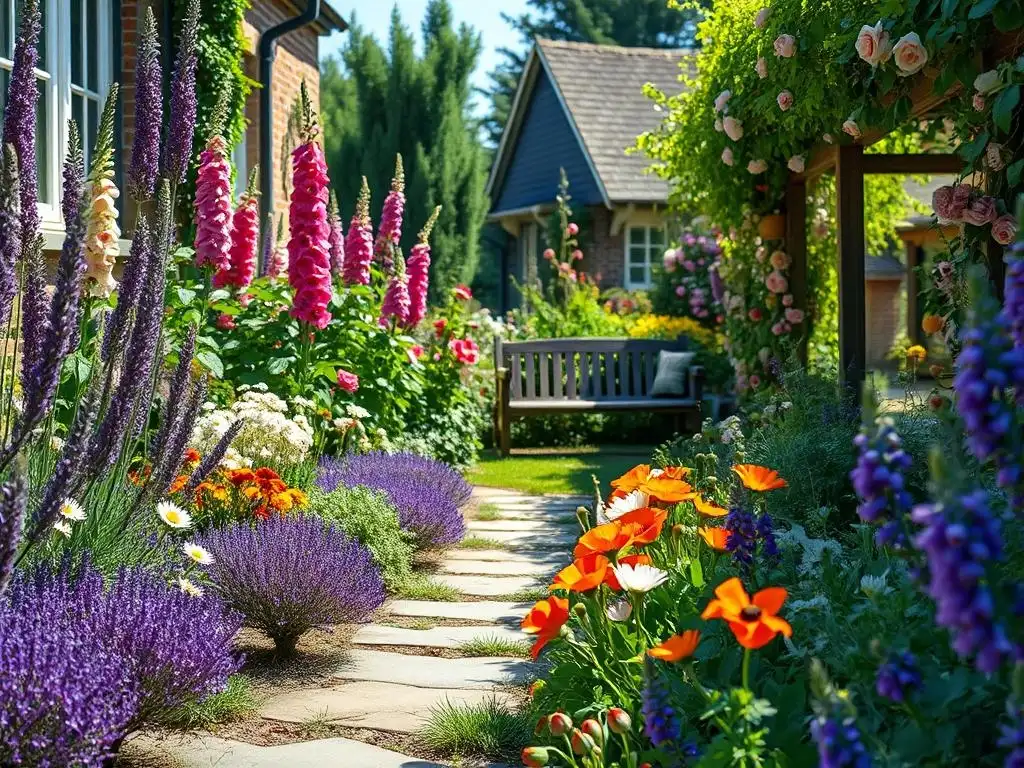
This section showcases real-world examples of cottage garden organic layouts, demonstrating how diverse and adaptable this style can be. We'll explore different scales and focuses, highlighting key design elements that contribute to both aesthetic appeal and sustainable practices. Remember, a successful cottage garden organic layout prioritizes biodiversity, natural pest control, and minimal environmental impact. The charm lies in its relaxed, informal feel, achieved through thoughtful plant selection and arrangement.
Case Study 1: A Small-Space Cottage Garden Design
This example focuses on maximizing yield and beauty in a limited area, perfect for urban or suburban settings. Imagine a 10ft x 10ft space, transformed into a thriving haven. The key here is vertical gardening and careful plant selection.
The design incorporates a tiered raised bed system, constructed from reclaimed wood, increasing the planting area significantly. Climbing varieties like beans and tomatoes are trained on trellises, maximizing vertical space. Herbs like rosemary, thyme, and oregano are interspersed amongst the vegetables, creating a fragrant and visually appealing mix. Low-growing strawberries are planted along the edges, creating a colorful border.
The use of companion planting, such as basil near tomatoes to deter pests, is a cornerstone of the organic approach. Regular composting, using kitchen scraps and garden waste, provides rich fertilizer, minimizing the need for external inputs. This design proves that even a small space can yield a bountiful and aesthetically pleasing organic cottage garden. The overall effect is one of abundance and charm, despite the limited space.
Case Study 2: A Large Cottage Garden with Integrated Vegetable Patch
This case study demonstrates how to seamlessly integrate a productive vegetable patch into a larger, more established cottage garden. Imagine a sprawling garden, perhaps 30ft x 50ft, blending ornamental flowers with a dedicated vegetable growing area. The design employs a meandering path, guiding visitors through different sections.
The vegetable patch, rather than being a stark, separate area, is woven into the design. Rows of vegetables are interspersed with flowering plants, attracting beneficial insects and pollinators. For example, sunflowers are planted amongst the beans, providing height and attracting pollinators, while marigolds are used to deter pests.
The use of diverse plants, including those with different heights and flowering times, ensures continuous blooms and a vibrant, ever-changing landscape throughout the growing season. The overall aesthetic is one of relaxed abundance, where the line between ornamental and edible blurs beautifully. This design demonstrates the potential for a large-scale organic cottage garden to provide both beauty and a generous harvest.
Case Study 3: A Cottage Garden Focused on Pollinator Plants
This design prioritizes biodiversity and supporting local pollinators. The core principle is to select plants that are attractive and beneficial to bees, butterflies, and other vital insects. Lavender, coneflowers, and bee balm are key features, alongside herbs like mint and borage. These plants provide nectar and pollen throughout the growing season, creating a haven for pollinators.
The garden's design encourages natural pest control by attracting beneficial insects that prey on common garden pests. The planting is dense and varied, mimicking a natural meadow-like setting. This approach not only contributes to the ecological health of the garden but also enhances its aesthetic appeal, creating a dynamic and vibrant landscape. The overall effect is a beautiful and biodiverse space buzzing with life, a testament to the power of a thoughtfully planned organic cottage garden design.
This highlights the importance of considering the wider ecosystem when planning a cottage garden organic layout. The abundance of pollinators also contributes to higher yields in the vegetable and fruit sections of the garden. 🦋🐝
This exploration of various cottage garden organic layouts illustrates the versatility and adaptability of this style, proving that beauty and productivity can coexist harmoniously within a sustainable framework. Remember to consider your available space, your desired harvest, and your local climate when planning your own design. Happy gardening! 🎉
Resources for Creating Your Dream Cottage Garden Organic Layout
This section provides a curated list of resources to help you design and maintain your idyllic cottage garden, focusing on organic and sustainable practices. From inspiring books to insightful websites and comprehensive online courses, we've compiled the best resources to guide you on your journey towards a thriving, beautiful, and ecologically conscious garden. Remember, a successful cottage garden organic layout hinges on careful planning and a commitment to natural growing methods.
Recommended Books on Cottage Gardening
Choosing the right books can significantly enhance your understanding of cottage gardening principles and techniques. These books offer a blend of inspiration and practical advice, helping you translate your vision into reality. They cover various aspects, from plant selection and soil preparation to pest control and harvesting. Below are some titles to get you started:
- "The Cottage Gardener's Handbook": This comprehensive guide delves into the history of cottage gardening, offering detailed explanations of design principles and practical tips for creating a vibrant and productive space. It emphasizes organic practices and sustainable methods, aligning perfectly with the cottage garden organic layout aesthetic. The author’s years of experience shine through in the detailed advice on plant combinations and seasonal planning.
- "Creating a Charming Cottage Garden": This visually stunning book provides a wealth of inspiration through breathtaking photographs of established cottage gardens. It offers practical advice on choosing the right plants for your climate and soil type, emphasizing the importance of biodiversity and natural pest control within an organic framework. This book is excellent for visual learners seeking inspiration for their own cottage garden organic layout.
- "The Organic Cottage Gardener's Almanac": This almanac provides a month-by-month guide to gardening tasks, tailored specifically for organic cottage gardens. It offers practical advice on sowing, planting, weeding, and harvesting, emphasizing the cyclical nature of gardening and the importance of working in harmony with nature. It's a fantastic resource for seasonal planning within your cottage garden organic layout.
Useful Websites and Blogs
The digital world offers a treasure trove of information for aspiring cottage gardeners. Many websites and blogs dedicated to organic gardening provide valuable insights, tips, and community support. These online resources often feature practical advice, stunning visuals, and engaging discussions with fellow gardeners.
Here are a few websites and blogs that stand out for their focus on organic and sustainable cottage gardening practices:
- [Website Name Pending]: This website offers a wealth of articles on various aspects of organic gardening, including detailed guides on plant selection, soil management, and pest control. It also features a vibrant community forum where gardeners can share their experiences and ask questions. This is a great resource for finding practical advice related to a cottage garden organic layout.
- [Blog Name Pending]: This blog features regular posts on cottage gardening, focusing on beautiful designs and practical tips for organic cultivation. The author shares personal experiences and insights, creating a relatable and engaging read. Their focus on sustainable practices makes this blog a valuable asset for anyone aiming for a cottage garden organic layout.
- [Website Name Pending]: This website provides a comprehensive resource library for organic gardeners, including detailed plant profiles, gardening guides, and a wide range of articles on sustainable practices. Its focus on ecological balance is particularly relevant to creating a harmonious cottage garden organic layout.
Online Courses on Organic Gardening
Structured online courses can provide a more in-depth understanding of organic gardening principles and techniques. These courses often combine theoretical knowledge with practical exercises, allowing you to learn at your own pace and apply what you've learned to your own garden.
Several platforms offer online courses specifically focused on organic gardening techniques relevant to a cottage garden organic layout:
- [Course Name Pending]: This course provides a comprehensive introduction to organic gardening, covering various aspects such as soil health, plant nutrition, pest management, and sustainable practices. It's particularly valuable for beginners aiming to establish a thriving cottage garden organic layout.
- [Course Name Pending]: This specialized course focuses on the design and maintenance of cottage gardens, emphasizing organic methods and sustainable practices. It combines theoretical knowledge with practical exercises, helping you create a beautiful and productive space. This course is ideal for those seeking a more in-depth understanding of creating a cottage garden organic layout.
- [Course Name Pending]: This advanced course delves deeper into the intricacies of organic gardening, covering topics such as composting, biodynamic farming, and integrated pest management. It's perfect for experienced gardeners looking to refine their techniques and enhance the sustainability of their cottage garden organic layout.
Remember that creating a thriving cottage garden organic layout is an ongoing process. Embrace the learning journey, experiment with different techniques, and enjoy the rewarding experience of cultivating your own beautiful and productive garden. 🌱
Frequently Asked Questions
What is a cottage garden layout?
A cottage garden layout is a relaxed and informal style of gardening, characterized by a mix of flowers, herbs, and vegetables planted together in a seemingly haphazard, yet charming way. It emphasizes natural beauty and abundance.
How do I create an organic cottage garden layout?
Focus on sustainable and organic practices. Use compost to enrich your soil, choose disease-resistant varieties, and employ natural pest control methods like companion planting. Avoid chemical fertilizers and pesticides.
What plants are suitable for a cottage garden layout?
Many plants work well! Consider flowering annuals and perennials, herbs like lavender and rosemary, and easy-to-grow vegetables like tomatoes and beans. Choose plants with varying heights and textures for visual interest.
How important is planning for a cottage garden layout?
While the style is informal, some planning is beneficial. Consider sunlight requirements, soil conditions, and plant spacing to ensure the success of your garden. A rough sketch can be helpful but don't be afraid to improvise!
Where can I find more information on organic gardening techniques for my cottage garden?
Explore resources like CultivateYourFood for detailed guides on organic gardening practices, including composting, pest control, and plant selection. Many books and online communities also offer valuable advice.
Final Reflection: Cultivating a Life as Charming as a Cottage Garden
The principles of a cottage garden—organic growth, a relaxed aesthetic, and a focus on biodiversity—aren't just for flowerbeds; they're a powerful metaphor for cultivating a more fulfilling and sustainable life. The seemingly haphazard beauty of a cottage garden belies a deep understanding of natural processes and a commitment to nurturing growth, mirroring the intentional chaos and rewarding abundance we can strive for in our own lives.
The enduring appeal of the cottage garden lies in its ability to evoke a sense of peace and connection with nature, a feeling increasingly rare in our fast-paced world. It reminds us of the importance of slowing down, appreciating the small details, and finding beauty in imperfection. A garden is a friend you can always count on.
This sentiment, though simple, speaks volumes about the comfort and solace a thoughtfully designed space, whether physical or metaphorical, can provide. The organic layout, with its emphasis on natural processes, encourages us to embrace the unpredictable and find joy in the unexpected blooms of life.
Consider the lessons of the cottage garden layout. Embrace the organic flow of your own life, allowing for spontaneity and unexpected growth. Nurture the diverse aspects of your being, just as a cottage garden thrives on a variety of plants. Don't strive for rigid perfection, but instead find beauty in the unique and charming aspects of your own individual journey. Let the spirit of the cottage garden inspire you to cultivate a life that is both beautiful and bountiful.
Unleash Your Inner Gardener: Design Your Dream Cottage Garden
Thank you for exploring the charming world of cottage garden design! We hope you've found inspiration and practical tips to create your own peaceful retreat. Now it's time to put your ideas into action.
- Sketch your dream cottage garden: Grab a pen and paper (or your favorite digital tool) and begin visualizing your ideal space. Consider sunlight, existing plants, and your personal style. Let your creativity flourish!
- Share your ideas: Discuss your plans with other gardening enthusiasts—you might discover unexpected inspiration!
- Start small: Don't feel overwhelmed. Begin by transforming a small section of your garden, building confidence and momentum for a larger project.
What element of your cottage garden are you most excited to create?