
Garden Benches: Styles, Materials, and Placement Tips

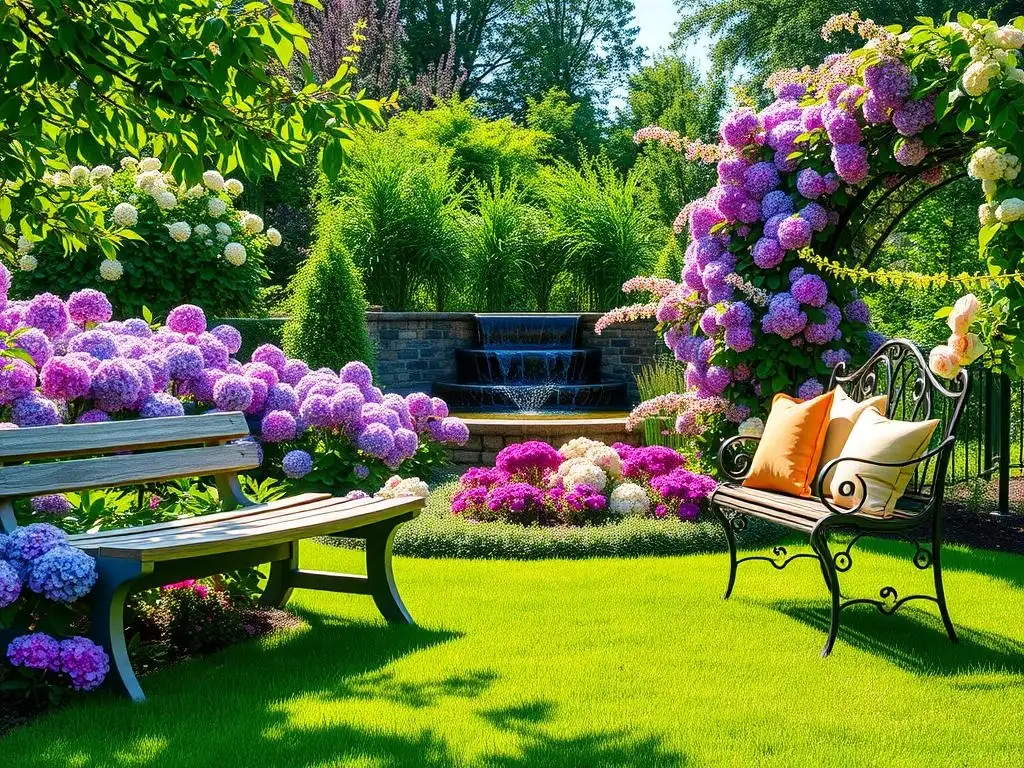
Ready to transform your outdoor space into a thriving, organic oasis? CultivateYourFood is your guide to growing your own fruits, vegetables, and herbs, sustainably and naturally. But first, let's talk about maximizing your garden's potential with the perfect garden bench placement. Discover how strategic positioning can enhance both the beauty and productivity of your homegrown haven – and unlock the secrets to a truly flourishing garden. Learn more about finding the best garden bench placement and elevate your gardening experience today!
- Choosing the Perfect Garden Bench: A Guide to Styles and Materials
- Best Garden Bench Placement for Maximum Enjoyment and Functionality
- Maintaining Your Garden Bench: Tips for Longevity
- Selecting the Right Garden Bench Materials for Your Climate and Style
- Creating a Harmonious Garden Design with Your New Bench
- Where to Buy High-Quality Garden Benches
- Frequently Asked Questions about Garden Benches (FAQ)
-
Frequently Asked Questions
- What is the best placement for a garden bench to maximize enjoyment?
- How can I choose a garden bench material that complements my garden style?
- What are some essential factors to consider before buying a garden bench?
- How can I ensure my garden bench is placed to provide shade and comfort during the hottest part of the day?
- Are there any safety considerations when placing a garden bench?
- Final Reflection: Finding Your Perfect Garden Oasis
- Unleash Your Inner Gardener: Design Your Dream Bench!
Choosing the Perfect Garden Bench: A Guide to Styles and Materials
Creating a tranquil and productive garden involves more than just cultivating thriving plants; it's about crafting a space where you can relax and enjoy the fruits (and vegetables!) of your labor. A garden bench is the perfect addition to any home garden, offering a comfortable spot to sit, contemplate your flourishing crops, and simply appreciate the beauty of your outdoor sanctuary.
This guide will explore the diverse world of garden benches, helping you choose the perfect style, material, and placement to maximize both comfort and aesthetic appeal in your sustainable and organic garden. We'll delve into various designs, considering factors like durability, maintenance, and, most importantly, the best garden bench placement for optimal enjoyment and functionality.
Choosing the right bench isn't just about aesthetics; it's about enhancing your overall gardening experience and creating a truly inviting outdoor space. Finding the best garden bench placement will significantly impact how much you use and enjoy your garden.
Popular Garden Bench Styles: From Traditional to Modern Designs
The variety of garden bench styles available is truly astounding, ranging from classic designs that exude timeless elegance to modern interpretations that seamlessly blend form and function. Selecting the right style depends largely on your personal preferences, the overall aesthetic of your garden, and the available space. Let's explore some of the most popular options:
Classic Wooden Garden Benches: Durability and Charm
Wooden garden benches epitomize rustic charm and natural beauty. Often crafted from durable hardwoods like cedar or teak, they offer exceptional longevity when properly treated and maintained. The warm, inviting aesthetic of wood complements virtually any garden style, seamlessly blending into both formal and informal settings. Many classic designs feature intricate carvings or simple, clean lines, adding a touch of elegance to your outdoor space.
Regular oiling or staining is essential to protect the wood from the elements and extend its lifespan. The inherent warmth and natural grain of wood make these benches a popular and enduring choice. They often provide a comfortable, slightly yielding seating experience.
Metal Garden Benches: Low Maintenance and Modern Aesthetics
Metal garden benches, particularly those made from aluminum or steel, offer a low-maintenance and contemporary alternative to wood. Their sleek lines and clean designs make them ideal for modern or minimalist gardens. Metal benches are incredibly durable and resistant to weathering, requiring minimal upkeep. However, they can become quite hot in direct sunlight, making it crucial to consider placement carefully. Powder-coated finishes add extra protection against rust and enhance aesthetic appeal. Metal benches often offer a more structured, less yielding seating experience than wooden options.
Wrought Iron Garden Benches: Elegant and Ornate Options
Wrought iron benches exude elegance and sophistication. Their intricate designs and ornate detailing add a touch of old-world charm to any garden. While requiring slightly more maintenance than other metal options (to prevent rust), their beauty and durability make them a worthwhile investment. The strength and stability of wrought iron allow for elaborate designs and comfortable seating. These benches often create a statement piece in the garden, adding a touch of grandeur.
Stone and Concrete Garden Benches: Robust and Weather-Resistant Choices
For ultimate durability and weather resistance, stone and concrete benches are unparalleled. These robust options require virtually no maintenance and can withstand even the harshest weather conditions. Their substantial weight adds a sense of permanence and stability to the garden. However, their weight also makes them difficult to move, so careful placement is essential. The natural textures and colors of stone benches add a unique and earthy element to any outdoor setting. They often represent a more substantial investment than other materials but offer exceptional longevity.
Recycled Plastic Garden Benches: Eco-Friendly and Durable Alternatives
Increasingly popular are garden benches made from recycled plastic. These eco-friendly options offer excellent durability and weather resistance, making them a sustainable choice for environmentally conscious gardeners. They require minimal maintenance and are available in a wide range of colors and styles. Recycled plastic benches are a good compromise between affordability, durability, and environmental responsibility. They represent a stylish and sustainable addition to a modern organic garden.
Best Garden Bench Placement for Maximum Enjoyment and Functionality
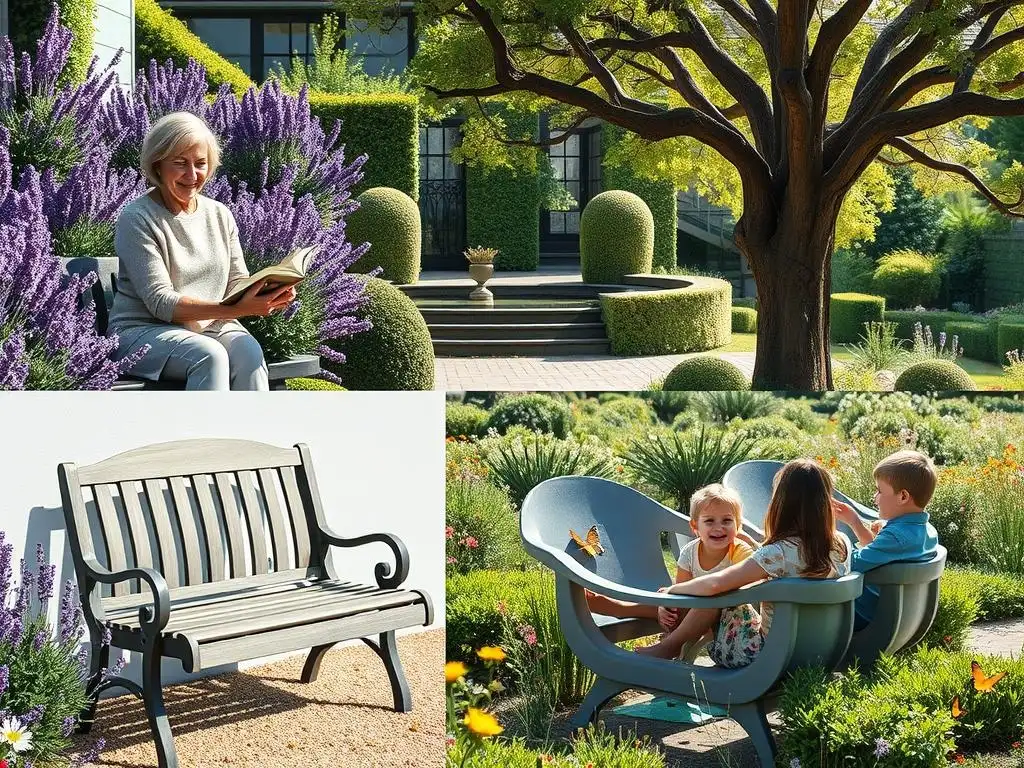
Finding the best garden bench placement is crucial for maximizing both the aesthetic appeal and practical use of your garden furniture. A thoughtfully positioned bench can transform your outdoor space into a relaxing retreat, a vibrant focal point, or a functional extension of your gardening activities. This section explores key considerations for achieving optimal bench placement, ensuring your garden bench becomes a cherished addition to your outdoor haven.
Strategic Bench Placement for Small Gardens: Maximizing Space
Small gardens present unique challenges, but with clever planning, even the most compact spaces can accommodate a comfortable garden bench. The key is to maximize space and avoid creating a cluttered feel. Consider these strategies:
Using Benches to Define Zones in Your Garden
A garden bench can effectively divide a small garden into distinct zones. For example, a bench placed between a vegetable patch and a flower bed creates a natural separation, enhancing the overall garden design while providing a convenient resting spot. This technique works especially well in cottage gardens or those with a more informal layout. Think of it as creating visual "rooms" within your garden.
Placing Benches Near Focal Points: Water Features, Flower Beds, etc.
In a small garden, strategically placing a bench near a focal point—like a charming water feature, a vibrant flower bed, or a carefully sculpted topiary—draws the eye and creates a sense of depth. This technique emphasizes the garden's most attractive elements, making the space feel larger and more inviting. For instance, positioning a bench overlooking a small pond with aquatic plants can create a tranquil and visually appealing seating area.
Creating a Relaxing Seating Area with a Garden Bench and Outdoor Lighting
Enhance the ambiance of your small garden seating area by incorporating outdoor lighting. String lights draped over the bench or strategically placed solar path lights can transform your space into a magical retreat in the evening. This is especially effective in creating a cozy and intimate atmosphere for relaxation and contemplation. Consider the style of your garden—rustic lanterns complement a traditional garden, while modern spotlights enhance a contemporary design.
Optimizing Garden Bench Placement for Sunlight and Shade
Sunlight and shade play a significant role in determining the ideal location for your garden bench. Careful consideration of sun exposure ensures your seating area is comfortable and enjoyable throughout the day.
Positioning Benches for Morning Sun and Afternoon Shade
The best garden bench placement often involves balancing sun and shade. Positioning your bench to catch the morning sun provides warmth and energy, while afternoon shade offers respite from the intense heat. This strategic placement allows you to enjoy the benefits of both, maximizing comfort throughout the day. Observe the sun's path across your garden to identify areas that receive this ideal combination of sun and shade.
Choosing Locations with Views: Enjoying Your Garden from the Perfect Spot
Consider the view from your bench. Ideally, the bench should be positioned to offer a pleasing perspective of your garden's most attractive features. This could be a flower border bursting with color, a majestic tree, or a stunning vista beyond your garden. A well-chosen view significantly enhances the enjoyment of your outdoor seating area, transforming it into a place of relaxation and appreciation for your garden's beauty.
Considering Wind Direction: Creating a Sheltered Seating Area
Wind can significantly impact the comfort of your outdoor seating area. Positioning your bench in a sheltered location, such as against a wall, hedge, or under the branches of a large tree, will create a more peaceful and relaxing environment. Observing prevailing wind patterns in your garden will help you identify the most sheltered spots, ensuring a comfortable experience regardless of the weather. This simple consideration significantly improves the usability of your garden bench.
Garden Bench Placement Near Key Garden Features
Strategic placement of your garden bench can significantly enhance your gardening experience and overall enjoyment of your outdoor space. Consider positioning your bench near areas you frequent most, maximizing both relaxation and functionality. This thoughtful placement transforms a simple bench into a valuable addition to your garden's design. Let's explore some prime locations.
Placing Benches Near Vegetable Patches for Easy Harvesting
Placing a bench near your vegetable patches offers several advantages. Firstly, it provides a comfortable resting spot during harvesting, especially beneficial after extended periods of weeding, planting, or picking. This is particularly useful for larger vegetable patches or those with low-lying crops requiring kneeling or bending. Secondly, it allows for convenient access to your produce, reducing the need to walk back and forth carrying heavy baskets or buckets.
Imagine the convenience of having a seat readily available while you carefully select ripe tomatoes or harvest plump zucchini! A well-placed bench can make the entire process of harvesting smoother and more enjoyable. Consider the size and layout of your vegetable patches when choosing a bench location. A smaller bench might suffice for a compact herb garden, while a longer bench might be ideal for a larger vegetable patch.
Positioning Benches Near Herb Gardens for Convenient Access and Aroma
Herb gardens are often small but intensely fragrant and frequently accessed. Placing a bench nearby allows for easy access when snipping herbs for cooking or crafting. The proximity also allows you to fully appreciate the aromatic qualities of your herbs, providing a sensory experience that enhances the overall gardening experience.
The subtle scent of rosemary, thyme, or basil can transform your relaxation time into a truly immersive experience. Furthermore, if you're using your herb garden for drying herbs, the bench can serve as a convenient spot to oversee the drying process and ensure proper air circulation. The visual appeal of the herb garden, combined with the comfort of the bench, creates a tranquil and functional area.
Using Benches to Frame Entryways and Pathways
Using garden benches to frame entryways and pathways adds a touch of elegance and functionality to your garden design. A bench positioned near the entrance creates a welcoming atmosphere, encouraging visitors to pause and admire your garden. This strategic placement not only enhances the aesthetic appeal but also provides a convenient resting spot for tired gardeners or visitors. Moreover, placing benches along pathways creates natural resting points, ideal for taking a break while tending to your plants or simply enjoying the beauty of your garden.
The size and style of the bench should complement the surrounding landscape and architectural elements. A rustic wooden bench might perfectly frame a rustic stone pathway, while a sleek metal bench could enhance a modern garden design. Consider the overall flow and aesthetics of your garden when deciding the number and placement of benches along pathways.
Maintaining Your Garden Bench: Tips for Longevity
Choosing the best garden bench placement is only half the battle. To truly enjoy your garden bench for years to come, proper maintenance is crucial. The longevity of your bench depends heavily on the material it's made from. Different materials require different care routines to prevent deterioration and maintain their aesthetic appeal. Neglecting maintenance can lead to premature aging, damage, and ultimately, replacement. This section will outline specific care instructions for common garden bench materials, ensuring your seating remains a beautiful and functional addition to your outdoor space.
Cleaning and Protecting Wooden Garden Benches: Using Teak Oil
Wooden garden benches, especially those made from untreated wood, require regular cleaning and protection from the elements. Sunlight, rain, and fluctuating temperatures can cause the wood to crack, warp, and fade. A simple cleaning routine, combined with the application of a protective sealant, can significantly extend the life of your wooden bench.
Regularly inspect your wooden bench for signs of damage, such as cracks, splinters, or insect infestation. Address these issues promptly to prevent further deterioration. For cleaning, use a soft brush or sponge and a mild soap solution. Avoid using harsh chemicals or abrasive cleaners, as these can damage the wood's finish. Rinse thoroughly with clean water and allow the bench to dry completely before applying any sealant.
For optimal protection, apply a high-quality teak oil or wood sealant at least once a year, or more frequently in harsh climates. Teak oil penetrates the wood, protecting it from moisture and UV damage while enhancing its natural beauty. Follow the manufacturer's instructions carefully for application and drying times.
Remember to always work in a well-ventilated area and wear appropriate protective gear. Properly maintained, a wooden garden bench can become a treasured heirloom, providing years of enjoyment in your garden. This proactive approach to wood care ensures you maximize your investment and enjoy its beauty for many seasons to come.
Caring for Metal Garden Benches: Preventing Rust and Corrosion
Metal garden benches, while durable, are susceptible to rust and corrosion if not properly maintained. Exposure to moisture and fluctuating temperatures accelerates this process. Regular cleaning and the application of a protective coating are essential for preventing rust and preserving the bench's structural integrity.
Regularly inspect your metal bench for signs of rust or corrosion. Use a wire brush or sandpaper to remove any loose rust or flaking paint. Clean the bench thoroughly using a mild soap solution and a soft brush or sponge. Rinse thoroughly and allow the bench to dry completely before applying a protective coating.
Apply a rust-resistant paint or sealant specifically designed for outdoor use. Choose a high-quality product that offers good UV protection and durability. Follow the manufacturer's instructions carefully for application and drying times. Reapply the coating every 1-2 years, or more frequently if necessary, to maintain protection against the elements and prevent rust formation. This preventative measure ensures your metal garden bench remains sturdy and aesthetically pleasing for years to come. The initial investment in protective coatings pays dividends in the long run, saving you from costly repairs or replacements.
Maintaining Stone and Concrete Benches: Simple Cleaning Techniques
Stone and concrete garden benches are generally very durable and require minimal maintenance. However, regular cleaning is still essential to prevent the accumulation of dirt, grime, and algae, preserving their appearance and ensuring a comfortable seating experience.
For cleaning, use a soft brush or sponge and a mild soap solution. Avoid using harsh chemicals or abrasive cleaners, as these can damage the surface of the stone or concrete. For stubborn stains or algae growth, you may need to use a pressure washer set to a low pressure setting.
Always test any cleaning solution on an inconspicuous area first to ensure it doesn't damage the surface. Rinse thoroughly with clean water and allow the bench to dry completely. Consider applying a sealant every few years to help protect the bench from water damage and staining, particularly in areas with harsh weather conditions.
This simple maintenance routine will ensure your stone or concrete bench remains a beautiful and functional part of your garden for many years, providing a relaxing spot to enjoy your carefully cultivated space. The low-maintenance nature of these materials makes them a practical and elegant choice for outdoor seating.
Selecting the Right Garden Bench Materials for Your Climate and Style
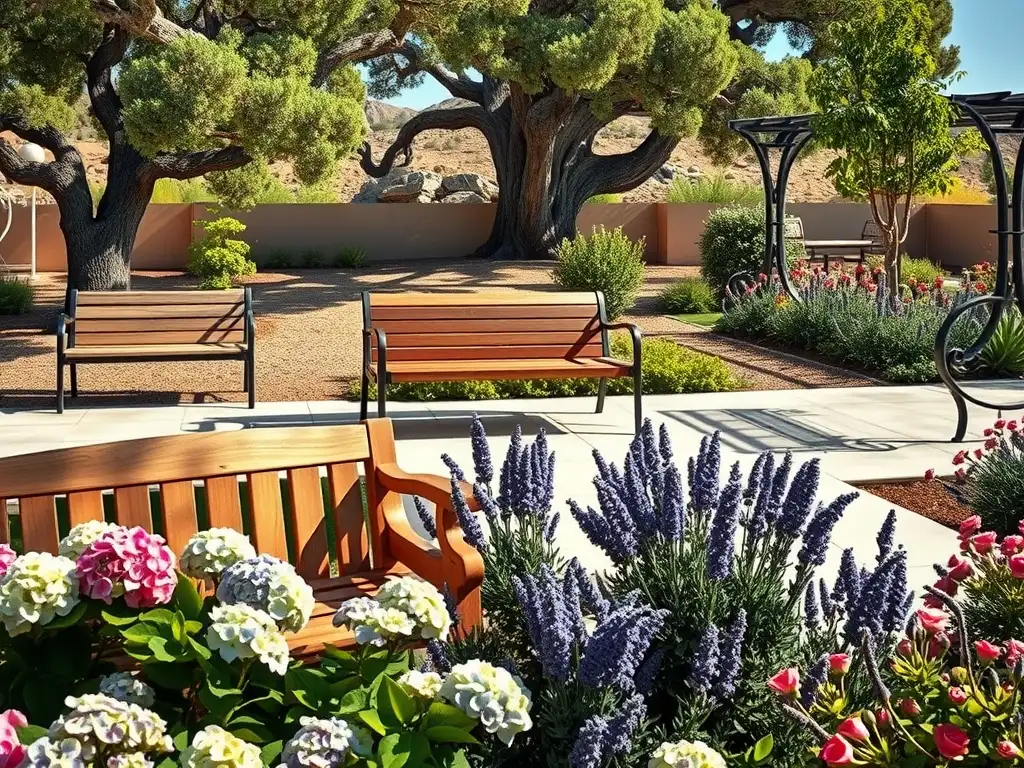
Choosing the right materials for your garden bench is crucial for both its aesthetic appeal and its longevity. The best garden bench placement is only half the battle; the material must withstand the elements of your specific climate. Consider factors like rainfall, temperature extremes, and sun exposure to ensure your bench remains beautiful and functional for years to come. This section will explore various materials, highlighting their pros and cons in different environments. Understanding these factors will greatly influence your decision and lead to a more satisfying gardening experience.
Choosing Weather-Resistant Materials for Outdoor Benches
Outdoor benches face the brunt of the weather. Therefore, selecting weather-resistant materials is paramount for long-term durability. This means choosing materials that can withstand prolonged exposure to sun, rain, snow, and temperature fluctuations without significant deterioration. Some materials are inherently more resistant than others, requiring less maintenance and offering a longer lifespan. The best approach involves a careful assessment of your specific climate and the level of maintenance you're willing to commit to.
Wood Types Suitable for Garden Benches: Cedar, Redwood, etc.
Wood remains a popular choice for garden benches, offering a natural aesthetic that complements most garden styles. However, not all wood types are created equal in terms of weather resistance. Certain species naturally possess properties that make them better suited for outdoor use.
- Cedar: Known for its natural resistance to rot and insects, cedar is a premium choice for garden benches. Its rich aroma is an added bonus. Cedar requires minimal maintenance, though occasional sealing can extend its lifespan.
- Redwood: Similar to cedar in its durability and resistance to decay, redwood is another excellent option. It's known for its beautiful reddish hue, which deepens with age. Like cedar, redwood benefits from periodic sealing.
- Pressure-Treated Pine: While less aesthetically pleasing than cedar or redwood, pressure-treated pine offers a budget-friendly alternative. The pressure-treating process enhances its resistance to rot and insects, making it suitable for outdoor use. However, it may require more frequent maintenance than cedar or redwood.
- Ipe: This tropical hardwood is exceptionally durable and weather-resistant, boasting a naturally high density and oil content. It's extremely resistant to rot, insects, and weathering, requiring very little maintenance. However, it's also one of the most expensive options.
Choosing the right wood type significantly impacts the bench's longevity and requires careful consideration of your budget and aesthetic preferences. Remember that even weather-resistant woods benefit from periodic maintenance like sealing or oiling to protect against UV damage and moisture.
Considerations for Metal Garden Benches in Different Climates
Metal garden benches offer a sleek, modern aesthetic and are generally very durable. However, their susceptibility to rust and corrosion needs careful consideration, especially in climates with high humidity or frequent rainfall.
- Rust Prevention: Many metal benches are treated with rust-resistant coatings, but these can wear down over time, especially with exposure to harsh weather conditions. Regular cleaning and the application of rust inhibitors can significantly extend the life of your metal bench.
- Aluminum: Aluminum is a lightweight and rust-resistant metal, making it a good choice for areas with high humidity or frequent rainfall. It's relatively low-maintenance and requires minimal upkeep.
- Steel: Steel is stronger and more durable than aluminum but is more susceptible to rust. Powder-coated steel offers better protection against rust and corrosion. However, chips in the coating can expose the underlying steel to the elements.
- Wrought Iron: Wrought iron is known for its decorative and durable qualities. However, it requires regular maintenance to prevent rusting, especially in humid climates.
The choice of metal and its protective coating will significantly influence the bench's longevity and the amount of maintenance required. Regular inspection and prompt attention to any signs of rust or corrosion are crucial for maintaining the aesthetic appeal and structural integrity of your metal garden bench.
Durability of Stone and Concrete Benches in Various Weather Conditions
Stone and concrete benches offer exceptional durability and weather resistance. They can withstand extreme temperatures, heavy rainfall, and even freezing conditions with minimal damage. However, their weight and cost are significant factors to consider.
- Stone Types: Different types of stone vary in their durability and weather resistance. Granite and limestone are popular choices, known for their strength and ability to withstand the elements. However, porous stones may require sealing to prevent water damage.
- Concrete: Concrete benches are highly durable and relatively inexpensive. However, they can be prone to cracking if not properly reinforced. Using high-quality concrete and proper curing techniques are essential for ensuring the longevity of your concrete bench.
- Maintenance: While stone and concrete benches are generally low-maintenance, regular cleaning can help prevent staining and maintain their appearance. Sealing porous stones can further enhance their durability and protect them from water damage.
Stone and concrete offer a timeless and durable solution for outdoor seating, making them excellent long-term investments. Their inherent strength and weather resistance make them ideal for even the harshest climates, minimizing the need for regular maintenance and repairs. However, the significant weight and potential cost should be factored into the decision-making process.
Creating a Harmonious Garden Design with Your New Bench
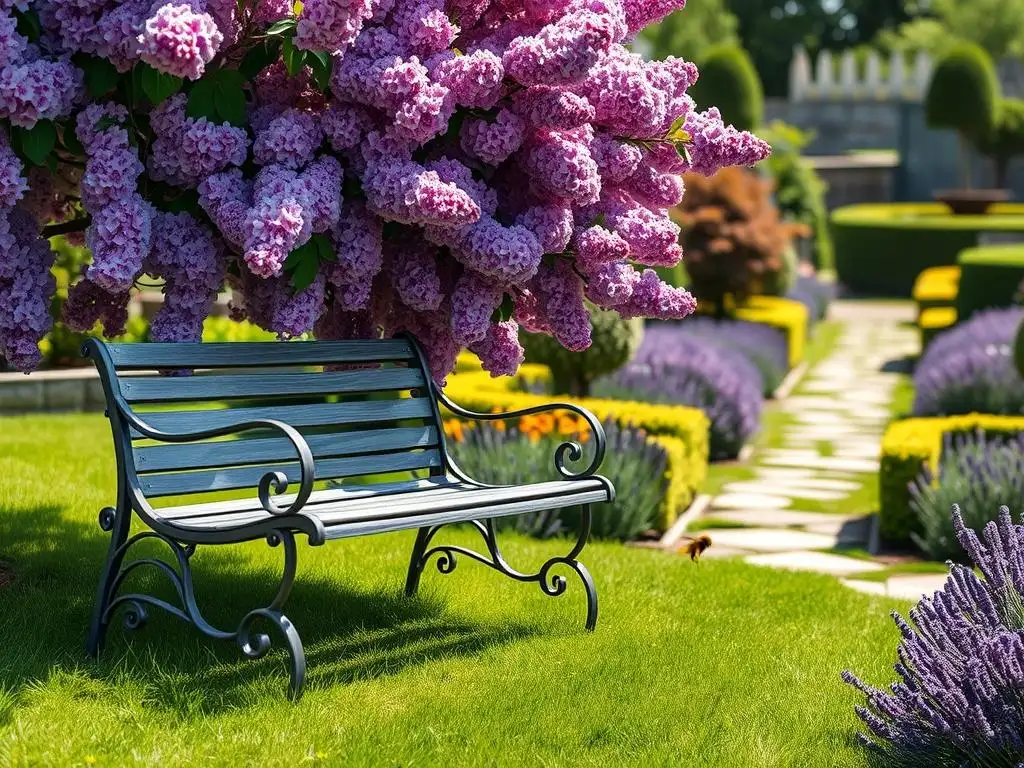
Choosing the best garden bench placement is crucial for maximizing its aesthetic and practical value. It's not just about finding a spot; it's about integrating the bench seamlessly into your existing garden design, enhancing its overall beauty and functionality. A poorly placed bench can disrupt the flow of your garden, while a well-placed one can become a focal point, drawing the eye and inviting relaxation. Consider these factors for optimal placement:
Incorporating Garden Benches into Existing Landscape Design
Integrating a garden bench into your existing landscape requires careful consideration of several key elements. Firstly, analyze the existing pathways and walkways. A bench strategically placed near a pathway can provide a resting spot for weary gardeners or a delightful vantage point to admire your handiwork. Avoid placing benches directly in the middle of pathways, obstructing foot traffic. Secondly, consider the visual balance.
A large bench in a small garden can overwhelm the space, while a small bench in a large garden might get lost. Strive for a balance that complements the scale of your garden. Finally, think about sightlines. Where do you want people to look when they sit on the bench?
Position it to offer a beautiful view, whether it's a vibrant flower bed, a tranquil water feature, or a stunning sunset. For instance, placing a bench near a herb garden allows you to enjoy the fragrant aromas while tending to your plants. This thoughtful integration ensures the bench doesn't just occupy space but adds to the overall harmony of your garden design. Remember, the goal is to create a space that feels both inviting and aesthetically pleasing, perfectly complementing your existing garden features.
Matching Bench Style to Your Home's Architectural Style
The style of your garden bench should complement your home's architecture for a cohesive and aesthetically pleasing overall design. A rustic wooden bench fits perfectly with a farmhouse or cottage-style home, while a sleek, modern bench made of metal or concrete complements contemporary architecture. Consider the materials, colors, and overall design of your bench in relation to your home's exterior.
For example, a Victorian-style home might pair beautifully with an ornate wrought-iron bench, while a minimalist home might benefit from a simple, clean-lined wooden bench. The interplay between the architectural style of the house and the garden bench creates a sense of unity and visual harmony.
Careful consideration of this aspect ensures that the bench enhances the beauty of your home and garden rather than jarring with its surroundings. This principle of harmonious design extends beyond mere aesthetics; it creates a sense of continuity and visual flow, making your outdoor space feel more inviting and well-considered.
Using Accessories to Enhance Your Garden Bench Area: Cushions, Throws, and Plants
Adding cushions, throws, and strategically placed plants can elevate your garden bench area from functional to truly inviting and comfortable. Think about comfort and weather protection; plush cushions in vibrant colors can add a pop of personality, while weather-resistant throws provide warmth and protection from the elements. Consider using outdoor fabrics that are durable and easy to clean. The placement of plants around the bench is equally important. Taller plants can provide privacy and shade, while smaller plants can add a touch of color and texture.
Consider planting fragrant herbs or flowers nearby to enhance the sensory experience. For example, a lavender bush beside the bench provides a calming aroma and beautiful purple blooms. The interplay of textures and colors creates a visually appealing and relaxing space. Remember, the goal is to create a sanctuary where you can unwind and enjoy the beauty of your garden.
Careful selection and arrangement of accessories transform a simple bench into a welcoming oasis. This attention to detail elevates the overall aesthetic and transforms the space into a more inviting and comfortable area for relaxation and enjoyment. Consider using weatherproof materials for cushions and throws to ensure longevity and ease of maintenance. This thoughtful approach to accessorizing will significantly enhance the visual appeal and functionality of your garden bench area.
Where to Buy High-Quality Garden Benches
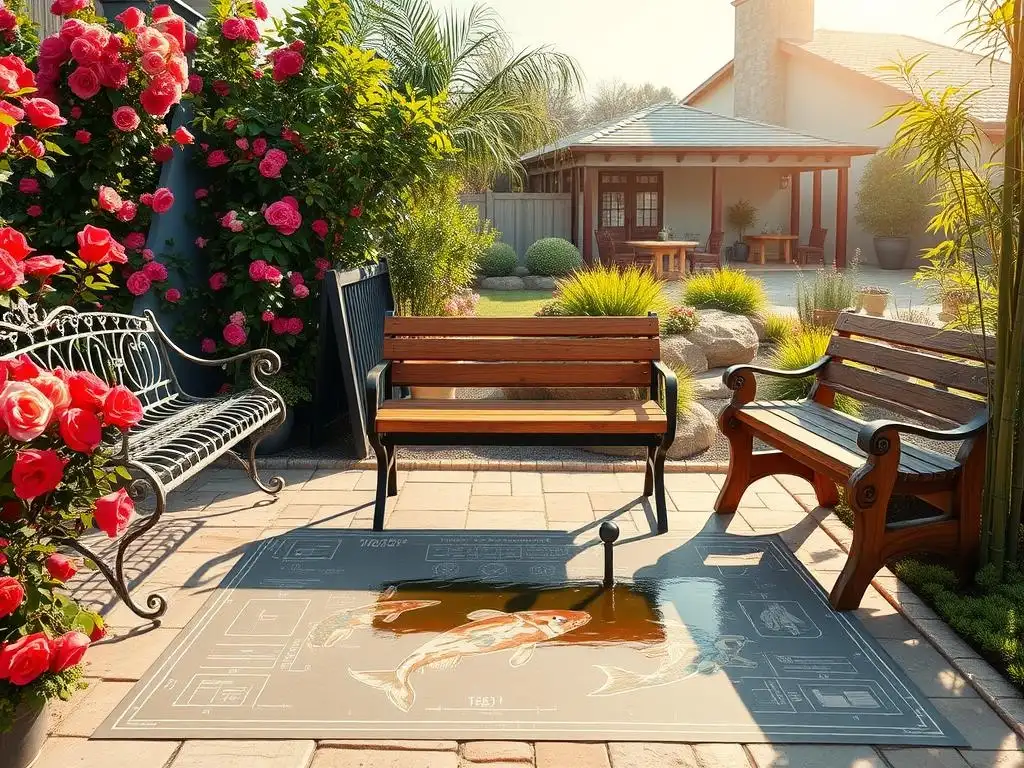
Finding the perfect garden bench involves not only considering style and material but also sourcing it from a reputable seller. The best garden bench placement is only half the equation; the quality of the bench itself dictates its longevity and enjoyment. Let's explore various avenues for acquiring a high-quality bench that complements your garden aesthetic and stands the test of time.
Online Retailers Offering a Wide Selection of Garden Benches
E-commerce has revolutionized the way we shop, and garden furniture is no exception. Many online retailers offer a vast selection of garden benches, catering to diverse styles, materials, and budgets. The convenience of browsing from home, comparing prices, and reading customer reviews is a significant advantage.
However, it's crucial to thoroughly check the seller's reputation and return policies before making a purchase. Look for retailers with detailed product descriptions, high-quality images, and positive customer testimonials. Pay close attention to shipping costs and delivery times, as these can significantly impact the overall cost.
Some online retailers specialize in sustainable and ethically sourced materials, aligning with the CultivateYourFood ethos of organic and responsible gardening. Careful consideration of these factors ensures you find a durable and aesthetically pleasing bench that enhances your outdoor space. Remember to factor in the overall dimensions and weight of the bench to ensure it will fit through your doorways and be manageable for placement in your garden.
Local Garden Centers and Nurseries with High-Quality Benches
While online shopping offers convenience, supporting local businesses offers unique advantages. Local garden centers and nurseries often stock a curated selection of high-quality garden benches, many made from locally sourced materials. This allows for a more hands-on approach, enabling you to inspect the bench's craftsmanship and materials firsthand before purchasing. You can also benefit from the expertise of the staff, who can offer personalized recommendations based on your garden's style, size, and climate.
Moreover, purchasing locally reduces your carbon footprint, aligning with sustainable practices. Visiting local nurseries allows for a more personal experience, fostering a connection with your community and supporting local businesses dedicated to gardening. Don't hesitate to ask about their sourcing practices and the durability of the materials used in their benches. This direct interaction allows for a more informed purchasing decision, ensuring the best garden bench placement is enhanced by a superior product.
Custom Garden Bench Makers for Unique Designs
For those seeking a truly unique and personalized garden bench, commissioning a custom piece from a skilled craftsman is an excellent option. This allows for complete control over design, materials, and dimensions, ensuring the bench perfectly complements your garden's aesthetic and fulfills your specific needs. Custom-made benches often utilize high-quality, sustainable materials and can incorporate personalized touches, such as engraved initials or intricate carvings. While the cost may be higher than purchasing a ready-made bench, the investment in a bespoke piece reflects a commitment to quality and individuality.
Finding a reputable custom bench maker requires thorough research and potentially meeting with several artisans to discuss your vision. This personalized approach guarantees a one-of-a-kind addition to your garden, ensuring the best garden bench placement is made even more special. The increased cost is often offset by the exceptional quality, longevity, and sentimental value of a handcrafted bench.
Frequently Asked Questions about Garden Benches (FAQ)
This section addresses common queries regarding garden bench selection and maintenance, focusing specifically on maximizing their lifespan and ensuring optimal placement for your garden's aesthetic and functional needs. We'll explore factors influencing cost and durability, helping you make informed decisions for your outdoor space.
What is the average lifespan of a garden bench?
The lifespan of a garden bench is highly variable and depends on several key factors: the materials used in its construction, the quality of craftsmanship, the frequency of use, and exposure to the elements. A high-quality cedar wood bench, properly treated with a weather-resistant sealant, might last 15-20 years or even longer with regular maintenance. However, a cheaper, untreated pine bench might only last 5-7 years before significant deterioration occurs.
Metal benches, particularly those made of wrought iron or steel, can be incredibly durable and last for decades, even with minimal maintenance. However, rust is a major concern, especially in humid climates. Regular cleaning and application of rust inhibitors are crucial for extending their lifespan. Plastic or resin benches are generally the least durable, often lasting only a few years before fading, cracking, or becoming brittle due to sun exposure and temperature fluctuations.
Here's a table summarizing expected lifespans based on material:
| Material | Average Lifespan (Years) | Factors Affecting Lifespan |
|---|---|---|
| Cedar Wood | 15-20+ | Quality of wood, sealant application, weather exposure |
| Pine Wood | 5-7 | Quality of wood, weather exposure, treatment |
| Wrought Iron | 20-30+ | Rust prevention, maintenance, climate |
| Steel | 10-20+ | Rust prevention, maintenance, climate |
| Plastic/Resin | 3-5 | Sun exposure, temperature fluctuations, UV degradation |
Regular maintenance, including cleaning, applying protective coatings, and addressing any damage promptly, is vital for extending the lifespan of any garden bench, regardless of the material. This proactive approach ensures that your investment provides years of enjoyment and adds to the overall beauty of your garden.
How much does a garden bench cost?
The cost of a garden bench varies significantly depending on several factors, including the materials used, the size and design complexity, and the retailer or manufacturer. Simple, small benches made of inexpensive materials like pressure-treated pine can cost as little as $50-$100. However, more elaborate designs using high-quality materials like teak or cedar, or featuring intricate metalwork, can cost several hundred or even thousands of dollars. Custom-made benches will also command a higher price.
Consider the following cost factors when budgeting for your new bench:
- Material: The type of wood, metal, or other material significantly impacts the price. Durable hardwoods like teak and cedar are more expensive than softwoods like pine.
- Size and Design: Larger benches and those with intricate designs are generally more expensive.
- Retailer: Prices can vary between different retailers, both online and brick-and-mortar stores. Comparing prices from multiple sources is advisable.
- Features: Additional features like built-in storage or cushions will increase the overall cost.
Therefore, setting a realistic budget based on your desired features and materials is crucial before purchasing a garden bench. Remember that a higher initial investment in a quality bench might save money in the long run due to its increased durability and longevity.
What are the best materials for a garden bench in a specific climate?
Choosing the right material for your garden bench is crucial, especially considering your local climate. Different materials react differently to exposure to sunlight, rain, snow, and extreme temperatures.
For hot and sunny climates: Teak is an excellent choice because of its natural resistance to rot, insects, and UV degradation. Cedar is also a good option, but requires regular sealing to protect it from the sun's harsh rays. Avoid materials that are prone to warping or cracking under intense heat, such as certain types of untreated pine.
In cold and snowy climates: Durable hardwoods like cedar or redwood, properly treated with a weather-resistant sealant, are suitable. Powder-coated metal benches can also withstand harsh winters, but ensure they're made from a rust-resistant material. Avoid materials that are prone to cracking under freezing temperatures.
In humid climates: Wrought iron can be a great option, but requires regular cleaning and rust prevention treatment. Teak and cedar are also good choices due to their natural resistance to moisture, but proper sealing is still recommended.
Ultimately, the best material depends on your specific climate and your maintenance preferences. Consider the pros and cons of each material before making a decision to ensure your bench endures the test of time and enhances your outdoor space for years to come. Remember that proper maintenance is key regardless of the material chosen for optimal "best garden bench placement" and longevity.
Frequently Asked Questions
What is the best placement for a garden bench to maximize enjoyment?
The best placement depends on your garden's layout and personal preferences. Consider placing it near a focal point, like a flowerbed or water feature, offering a view of the garden's beauty. Sunlight and shade should also be factored in.
How can I choose a garden bench material that complements my garden style?
Consider the overall aesthetic of your garden. Natural materials like wood blend seamlessly with most styles. Metal offers a more modern feel, while stone provides a classic and durable option. Choose a material that complements your existing structures.
What are some essential factors to consider before buying a garden bench?
Before purchasing, measure your available space carefully. Consider the number of people the bench should accommodate, the height and comfort of the seating, and the bench's durability and weather resistance.
How can I ensure my garden bench is placed to provide shade and comfort during the hottest part of the day?
Strategic placement is key. Observe your garden throughout the day to identify areas with optimal shade during peak sun hours. This might involve positioning the bench under a tree or near a wall or pergola for protection from direct sunlight.
Are there any safety considerations when placing a garden bench?
Ensure the bench is placed on a level and stable surface to prevent tipping. Avoid placing it too close to sharp objects or areas with high foot traffic. If you have children, ensure there are no tripping hazards nearby.
Final Reflection: Finding Your Perfect Garden Oasis
The art of garden bench placement isn't merely about aesthetics; it's about crafting a sanctuary, a personal haven where moments of peace and reflection can blossom. Choosing the right bench, in the right spot, transforms a simple garden feature into a cherished space for contemplation, connection, and quiet enjoyment. This careful consideration elevates the garden from a collection of plants to a truly lived-in, loved space.
The impact of thoughtfully placed seating extends far beyond the visual appeal. It encourages us to slow down, to appreciate the subtle shifts in light and shadow, the changing seasons, and the quiet beauty of nature. The glory of gardening: hands in the dirt, head in the sun, heart with nature. To nurture a garden is to feed not just the body, but the soul.
This quote perfectly encapsulates the profound connection we can forge with our surroundings when we create spaces designed for mindful engagement. The simple act of sitting, observing, and breathing deeply in a well-designed garden space can be incredibly restorative.
Now, consider your own garden, or even a small balcony or patio. Where could you create a similar haven? I invite you to take a fresh look at your outdoor space, envisioning the perfect spot for a bench that speaks to your soul. Think about the view, the sunlight, the sounds of nature. Let this article serve as a springboard for your own creative exploration, and begin crafting your personal outdoor sanctuary, one thoughtful bench placement at a time.
Unleash Your Inner Gardener: Design Your Dream Bench!
Thank you for exploring the world of garden benches with us! We hope you've found inspiration for enhancing your outdoor space. Now, let's put that inspiration into action.
- Sketch your dream bench: Grab a pen and paper (or your favorite digital design tool!) and start visualizing your ideal bench. Consider the styles and materials we discussed, and don't hesitate to be creative—even a simple drawing can be invaluable.
- Share your design: We'd love to see your ideas! Share a picture of your sketch or mood board on social media and tag us—let's inspire each other!
- Visit local lumberyards: Explore local lumberyards to discover the unique textures and aromas of various wood types. You might be surprised by the options available!
Ready to begin creating your dream garden oasis? Now that you've designed your perfect bench, what's the next design element you'll focus on?