
Garden Furniture Layouts: Designing Functional and Beautiful Outdoor Spaces

Welcome to CultivateYourFood, your guide to a thriving, sustainable home garden! Ready to transform your outdoor space into a haven of organic abundance? We believe everyone can cultivate their own food, and we're here to help you every step of the way. Discover the secrets to creating a functional and beautiful garden with our in-depth article on Sustainable Garden Furniture Layout, the perfect blend of form and function for your flourishing oasis. Learn how to design a space that's as aesthetically pleasing as it is productive – let's get growing!
- Planning Your Sustainable Garden Furniture Layout: Key Considerations
- Creating a Functional and Efficient Layout for Your Sustainable Garden
- Maximizing Space and Functionality in Small Gardens: Compact Sustainable Furniture Layouts
- Enhancing Your Sustainable Garden Furniture Layout with Accessories and Decor
- Maintaining Your Sustainable Garden Furniture: Tips for Longevity and Care
- Inspiring Sustainable Garden Furniture Layouts: Real-World Examples
- Resources for Sustainable Garden Furniture: Where to Buy and Learn More
-
Frequently Asked Questions
- How can I design a sustainable garden furniture layout?
- What are some sustainable materials for garden furniture?
- How can I arrange my furniture to maximize space and functionality?
- How does my garden furniture layout impact sustainability?
- What are some tips for maintaining sustainable garden furniture?
- Final Reflection: Cultivating Sustainable Outdoor Living
- Unleash Your Outdoor Oasis: Design Your Dream Garden Now!
Planning Your Sustainable Garden Furniture Layout: Key Considerations
Creating a beautiful and functional outdoor space is a rewarding endeavor, especially when approached with sustainability in mind. This guide focuses on designing a sustainable garden furniture layout, helping you craft an aesthetically pleasing area that minimizes environmental impact while maximizing comfort and enjoyment. We'll explore key considerations for choosing eco-friendly materials, assessing your space, and arranging furniture to create a haven for relaxation and outdoor living.
Designing with sustainability in mind not only benefits the planet but also often leads to more durable and longer-lasting furniture, representing a smart, long-term investment. Let's delve into the crucial aspects of creating your ideal sustainable outdoor oasis.
Assessing Your Outdoor Space: Size, Shape, and Sunlight Exposure
Before even considering furniture styles, a thorough assessment of your outdoor space is paramount. Understanding the dimensions, shape, and sunlight exposure of your garden is crucial for effective planning. This initial step will inform all subsequent decisions, from furniture selection to placement.
Consider these factors:
- Size: Measure the length and width of your garden or patio area. Accurate measurements prevent overcrowding or underutilization of space. A small patio will require compact furniture, while a large garden allows for more expansive arrangements.
- Shape: The shape of your space dictates the furniture arrangement. A rectangular area might lend itself to a linear layout, while a circular space could benefit from a more radial arrangement. Consider using pathways to define zones within irregular spaces.
- Sunlight Exposure: Note the sun's path throughout the day. This will help you position furniture strategically to maximize sun-drenched relaxation spots or create shaded areas for respite from the midday heat. Consider the placement of umbrellas or shade sails to complement your furniture layout.
Careful planning in this initial phase will ensure your sustainable garden furniture complements and enhances your outdoor space, rather than detracting from it. Remember to account for walkways and access points to ensure ease of movement and accessibility.
Choosing the Right Materials: Eco-Friendly Options for Sustainable Garden Furniture
Selecting sustainable materials is the cornerstone of an environmentally conscious garden furniture layout. Opting for eco-friendly options reduces your carbon footprint and supports responsible manufacturing practices. Several excellent choices offer a blend of durability, aesthetics, and sustainability.
Reclaimed Wood Garden Furniture: Benefits and Considerations
Reclaimed wood offers a unique charm and environmental advantage. Using wood salvaged from demolition projects or old structures reduces deforestation and minimizes waste. Reclaimed wood furniture often boasts a rustic aesthetic, adding character and warmth to your outdoor space. However, consider potential maintenance requirements, as reclaimed wood may require more regular treatment to protect it from the elements.
Recycled Plastic Garden Furniture: Durability and Environmental Impact
Recycled plastic garden furniture provides a highly durable and low-maintenance option. Made from recycled materials like plastic bottles, it diverts waste from landfills and reduces the demand for virgin plastic. Its weather resistance and longevity make it an excellent choice for various climates and usage patterns. While the aesthetic might be less rustic than reclaimed wood, it offers a clean, modern alternative.
Bamboo Garden Furniture: A Sustainable and Stylish Choice
Bamboo is a rapidly renewable resource, making it an exceptionally sustainable choice for garden furniture. It's lightweight yet strong, offering a natural aesthetic that complements many garden styles. Bamboo furniture is often treated to enhance its durability and weather resistance, ensuring it withstands outdoor conditions. Its versatility allows for a variety of designs, from sleek and modern to more traditional styles. The inherent elegance of bamboo can elevate your outdoor space's aesthetic appeal significantly.
Integrating Your Furniture with Existing Landscaping: Harmonious Design Principles
Creating a truly sustainable and aesthetically pleasing garden involves seamlessly integrating your furniture with the existing landscape. This isn't just about placing chairs on a patio; it's about creating a harmonious whole where furniture complements, rather than clashes with, your natural surroundings. Think of your plants, trees, and pathways as the foundation upon which your furniture arrangement is built. A successful integration considers both visual harmony and practical functionality.
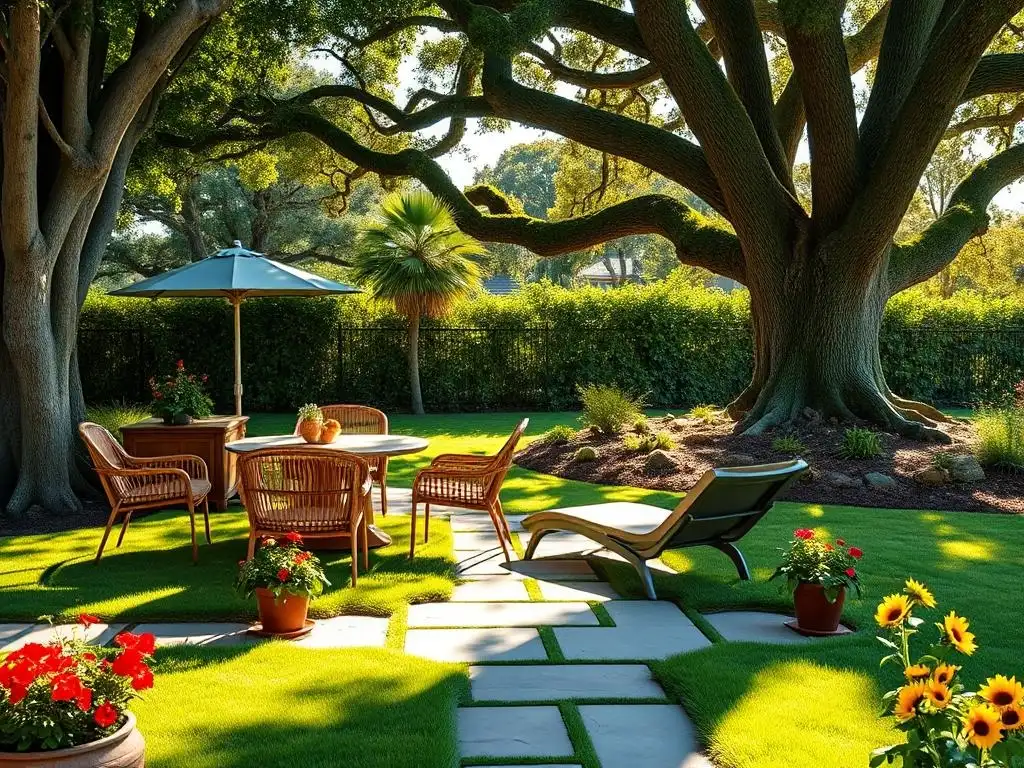
For example, if you have a mature oak tree providing shade in a specific area, consider placing a comfortable seating group beneath its canopy. This not only provides a naturally shaded and cool spot to relax, but it also minimizes the need for artificial shading structures, reducing your environmental footprint and promoting the tree's natural beauty.
Alternatively, if you have a vibrant flower bed, choose furniture that doesn't obstruct the view or overshadow the plants' delicate blossoms. Instead, select pieces that allow the flowers to remain the focal point, perhaps using low seating options or placing furniture strategically to frame the garden bed effectively.
Consider the colors and textures of your existing landscaping. If your garden is dominated by cool blues and greens, choose furniture in complementary shades, such as grey, white, or natural wood finishes. These colors will blend seamlessly and enhance the overall tranquil atmosphere. Conversely, if your garden boasts warmer tones, such as terracotta and yellows, furniture in earthy browns or warm greys will create a cohesive and inviting space. Matching textures is just as important; rough-hewn wood furniture complements a rustic garden filled with wildflowers, while sleek, modern metal furniture might suit a minimalist, contemporary garden setting.
Remember to also consider the scale of your furniture in relation to the size of your garden. Oversized furniture can overwhelm a small space, while petite pieces can get lost in a large garden. Choose furniture that is proportionate to your garden's dimensions, ensuring a balanced and visually appealing layout. Sustainable choices, such as repurposed wood furniture or locally sourced materials, further enhance the overall harmony by showcasing your commitment to environmentally conscious design. This careful consideration of both aesthetics and sustainability ensures your garden furniture layout not only looks beautiful but also respects and enhances the natural environment.
Creating a Functional and Efficient Layout for Your Sustainable Garden
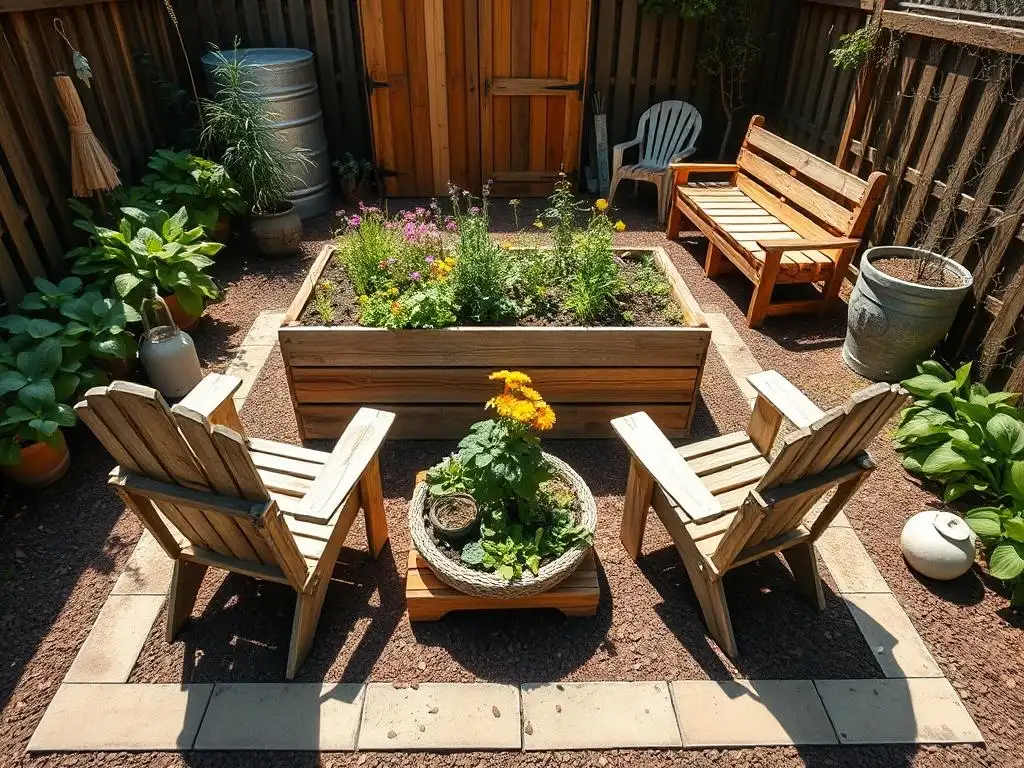
This section focuses on optimizing your garden space for both practicality and aesthetic appeal, emphasizing a sustainable approach to garden furniture layout. Efficient planning ensures you maximize the use of your outdoor area while minimizing environmental impact. Careful consideration of traffic flow, furniture placement, and material choices are crucial for a truly sustainable and enjoyable garden experience. Remember, a well-designed layout enhances the overall beauty and functionality of your sustainable garden.
Dining Areas: Placement for Optimal Comfort and Views
Creating a delightful outdoor dining area is key to enjoying your homegrown produce. Strategic placement is vital for maximizing comfort and appreciating your garden's beauty. Consider the following factors when designing your sustainable garden furniture layout for dining:
Positioning for Sun and Shade: Maximizing Enjoyment Throughout the Day
The sun's path significantly impacts the usability of your outdoor dining space. Ideally, position your dining area to take advantage of morning sun for warmth and afternoon shade to avoid harsh heat. This might involve using strategically placed trees, pergolas, or awnings to create shaded areas. Analyzing your garden's sun exposure throughout the day is crucial for determining the best location for your dining set. Observe the sunlight patterns over several days to identify areas with optimal sun/shade combinations. For example, a southeast-facing location might provide pleasant morning sun and natural shade in the afternoon.
Sustainable Outdoor Dining Set Review: A Case Study
Let's examine a specific example of a sustainable outdoor dining set to illustrate the principles discussed. Consider a set crafted from reclaimed teak wood. Reclaimed teak is a durable, weather-resistant material with a low environmental impact compared to newly harvested wood. The set could include six chairs and a table made from sustainably sourced materials.
This choice minimizes the carbon footprint associated with furniture production. Furthermore, the natural beauty of reclaimed wood enhances the aesthetic appeal of your sustainable garden, creating a harmonious blend of functionality and environmental responsibility. The longevity of the material also reduces the need for frequent replacements, further contributing to sustainability. Analyzing the lifecycle assessment of such a set would reveal its comparatively low environmental impact compared to options made from less sustainable materials.
Beyond dining, creating comfortable spaces for relaxation and socializing is essential for a well-rounded outdoor experience. Consider incorporating various seating options to cater to different needs and preferences within your sustainable garden furniture layout. This promotes a versatile and welcoming atmosphere.
Creating a Peaceful Oasis: Incorporating Hammocks and Daybeds
Hammocks and daybeds offer tranquil retreats within your garden. Their placement should prioritize privacy and peaceful views. Consider positioning them near flowering plants or a water feature to enhance the sense of serenity. Strategic placement can also create a visual separation between different zones within the garden, further improving the overall layout. For example, placing a hammock under the shade of a large tree can create a secluded and peaceful spot for relaxation. The gentle swaying motion of the hammock can be very relaxing, promoting mindfulness and stress reduction.
Hammock Brand Sustainability Analysis: A Case Study
Let's analyze the sustainability practices of a specific hammock brand. [Specific hammock brand and sustainability analysis pending]. This analysis would include sourcing of materials (e.g., organic cotton, recycled materials), manufacturing processes (e.g., low-energy production, fair labor practices), and end-of-life management (e.g., recyclability, biodegradability). By choosing brands committed to sustainable practices, you can ensure your relaxation space aligns with your overall garden's eco-friendly ethos. This holistic approach helps create a truly sustainable and enjoyable outdoor environment. Consider factors such as packaging, transportation, and the durability of the product to ensure a low overall environmental impact.
Storage Solutions: Keeping Your Garden Tidy and Organized
Maintaining a tidy and organized garden is crucial for efficient gardening and a visually appealing space. A sustainable garden furniture layout should prioritize storage solutions that minimize waste and maximize functionality. Clutter not only detracts from the aesthetic appeal but also hinders productivity, making it harder to find tools and supplies when needed. Effective storage helps keep your gardening tools readily accessible, protecting them from the elements and extending their lifespan. This, in turn, reduces the need for frequent replacements, aligning with sustainable practices. Consider the overall footprint of your storage solutions; strategically placed storage can even enhance the garden's aesthetic by integrating seamlessly with the landscape. Remember, a well-organized garden promotes a sense of calm and control, allowing you to fully enjoy your gardening experience. A sustainable approach to storage also means choosing durable, long-lasting materials that require minimal maintenance and reduce the environmental impact associated with frequent replacements.
Outdoor Storage Sheds: Choosing Eco-Friendly Materials
When selecting an outdoor storage shed for your sustainable garden furniture layout, prioritize eco-friendly materials. Consider sheds constructed from recycled or reclaimed wood, which significantly reduces the environmental impact compared to newly harvested timber. Look for certifications like FSC (Forest Stewardship Council) to ensure the wood comes from responsibly managed forests.
Bamboo is another excellent sustainable option; it's a rapidly renewable resource with high strength and durability. Metal sheds, particularly those made from recycled steel or aluminum, offer a durable and long-lasting alternative. However, be mindful of the embodied energy associated with metal production and choose products with high recycled content whenever possible.
For a truly sustainable approach, explore options made from locally sourced materials to minimize transportation emissions. Remember to factor in the shed's lifespan and its potential for future reuse or recycling when making your decision. The longevity of the materials directly impacts the overall sustainability of your storage solution.
Eco-Friendly Outdoor Storage Shed Review: Functionality and Sustainability
Let's examine a hypothetical example of an eco-friendly outdoor storage shed to illustrate the practical application of sustainable choices. Imagine a shed constructed from reclaimed cedar wood, sourced from a local deconstruction company. The cedar's natural resistance to rot and insects reduces the need for chemical treatments, minimizing environmental impact.
The shed features a rainwater harvesting system that collects water from the roof for use in watering plants, reducing reliance on municipal water supplies. Its design incorporates ample ventilation to prevent moisture buildup and prolong the life of stored items. Inside, shelves made from recycled plastic offer a durable and easy-to-clean surface for organizing tools and supplies.
The shed's footprint is compact, maximizing space utilization in the garden. This example demonstrates how functionality and sustainability can be seamlessly integrated in a garden storage solution, contributing to an overall sustainable garden furniture layout. By carefully selecting materials and considering design features, you can create a storage solution that minimizes environmental impact and enhances the efficiency and beauty of your garden.
Maximizing Space and Functionality in Small Gardens: Compact Sustainable Furniture Layouts
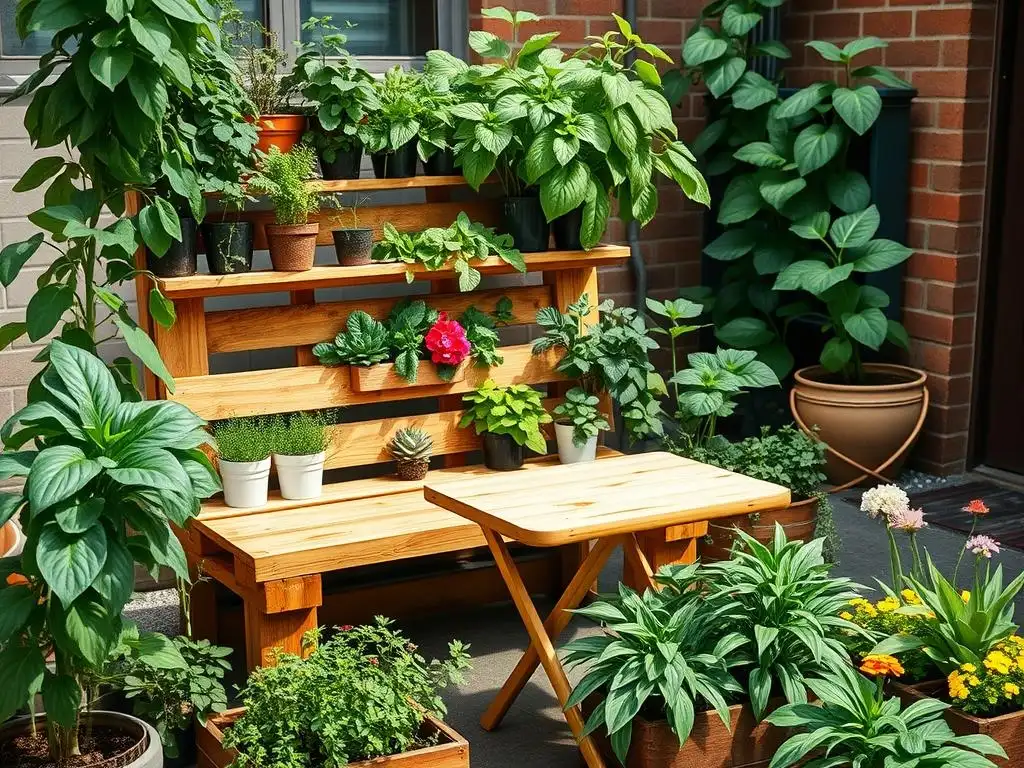
Creating a beautiful and functional outdoor space doesn't require a sprawling garden. Even small gardens can be transformed into inviting retreats with careful planning and the selection of appropriately sized, sustainable garden furniture. A sustainable garden furniture layout prioritizes both aesthetic appeal and efficient use of space, minimizing environmental impact while maximizing relaxation and enjoyment. This section focuses on strategies for maximizing space and functionality in smaller garden areas, emphasizing sustainable material choices and clever design solutions. We'll explore how to create a comfortable and stylish outdoor area, even with limited square footage.
Multifunctional Furniture: Space-Saving Solutions for Small Outdoor Areas
Space is often the biggest constraint in small gardens. Multifunctional furniture offers a fantastic solution, combining several functions into a single piece. This not only saves space but also streamlines the overall aesthetic, contributing to a more relaxed and uncluttered feel. Choosing sustainable materials like reclaimed wood or recycled aluminum further enhances the eco-friendly aspects of your design.
Folding Tables and Chairs: Maximizing Space When Needed
Folding tables and chairs are excellent space-savers. They can be easily stored away when not in use, freeing up valuable space for other activities or simply creating a more open feel. Look for models made from sustainably sourced wood or bamboo, or consider recycled aluminum for a durable and lightweight option.
When choosing, consider the ease of folding and storage, ensuring the mechanism is robust and easy to operate. A well-designed folding table and chair set can seamlessly transition your garden from a relaxing retreat to a space for al fresco dining or entertaining guests, all while maintaining a sustainable aesthetic.
Modular Seating: Adaptable Configurations for Different Occasions
Modular seating offers unparalleled flexibility. Individual units can be arranged and rearranged to suit different needs and occasions. This adaptability is particularly valuable in smaller gardens where space needs to be utilized efficiently. Imagine a configuration for intimate gatherings, easily transformed into a larger seating arrangement for a party. Opt for modular pieces constructed from sustainable materials, such as recycled plastic lumber or sustainably harvested teak. The ability to customize your seating arrangement based on the occasion significantly enhances both functionality and aesthetic appeal. Consider the weight and ease of movement of the modules when making your selection.
Vertical Gardening and Furniture Integration: A Space-Saving Approach
Vertical gardening is a game-changer for small gardens, maximizing usable space by growing upwards instead of outwards. Integrating vertical gardening directly into your furniture design is a highly effective space-saving strategy, creating a unique and aesthetically pleasing blend of functionality and style. This approach not only increases your growing capacity but also adds a layer of visual interest to your outdoor space.
Vertical Herb Gardens and Integrated Seating: A Stylish and Practical Solution
Imagine a comfortable bench with integrated vertical herb gardens built into its sides or back. This combines seating with fresh herbs readily available for cooking. This design maximizes space while adding a visually appealing and practical element to your sustainable garden furniture layout. The herbs add a touch of natural beauty, contributing to a vibrant and lively atmosphere.
Consider using planters made from recycled materials or repurposed containers to maintain the sustainability of your design. Careful planning of the herb selection and planter placement is crucial to ensure both the plants' health and the overall aesthetic appeal of the furniture. This approach offers a compelling example of how sustainable design can enhance both the functionality and the beauty of a small garden.
Enhancing Your Sustainable Garden Furniture Layout with Accessories and Decor
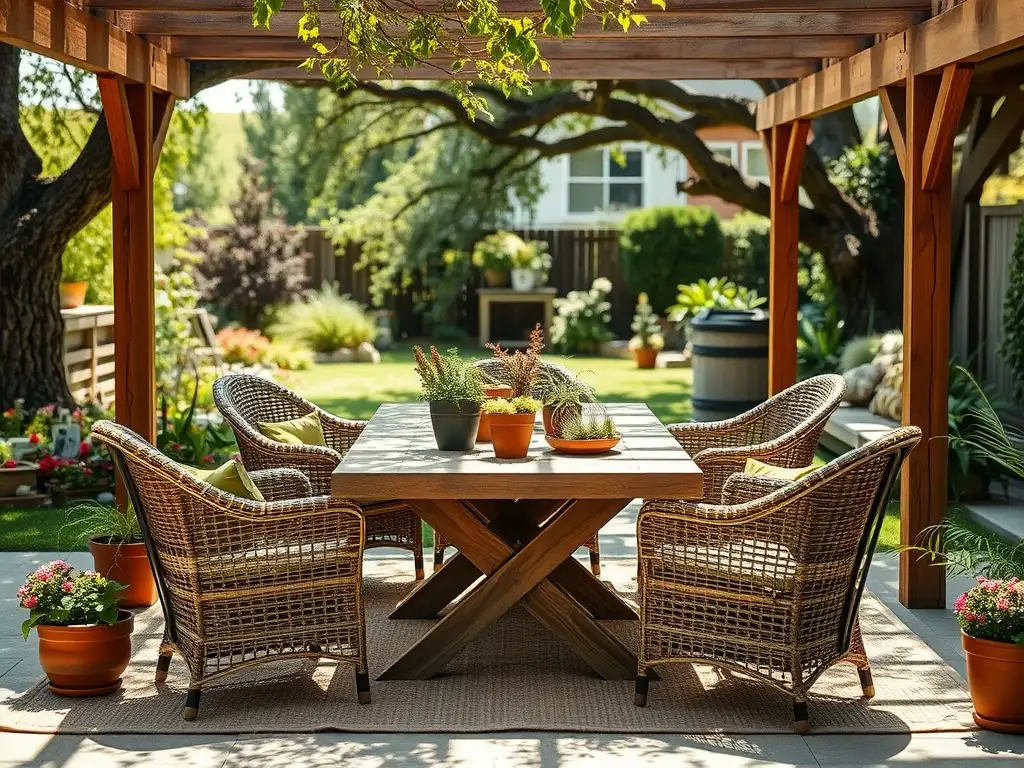
This section focuses on elevating your sustainable garden furniture layout by incorporating thoughtfully chosen accessories and decor. By selecting eco-friendly materials and designs, you can create a beautiful and functional outdoor space that aligns with your sustainable gardening ethos. We'll explore options that enhance both the aesthetics and the functionality of your garden, ensuring a harmonious blend of style and sustainability.
Outdoor Lighting: Creating Ambiance with Eco-Friendly Options
Effective outdoor lighting is crucial for extending the usability of your garden into the evening hours. However, traditional lighting options often come with a significant environmental footprint. Fortunately, there are numerous eco-friendly alternatives that allow you to create a warm and inviting atmosphere without compromising your sustainability goals. These options minimize energy consumption and reduce your carbon footprint, enhancing the overall sustainability of your sustainable garden furniture layout.
Solar-Powered Outdoor Lights: Sustainability and Cost-Effectiveness
Solar-powered outdoor lights represent a compelling choice for sustainable garden lighting. These lights harness the power of the sun during the day, storing energy in rechargeable batteries to illuminate your space at night. This eliminates the need for grid electricity, resulting in significant energy savings and a reduced environmental impact. Moreover, the initial investment cost is often recouped quickly through reduced electricity bills.
The long-term cost-effectiveness makes them a practical addition to any sustainable garden furniture layout. Consider factors like the number of lumens (brightness), the battery life, and the overall design when making your selection. A well-placed solar lantern can beautifully complement your garden furniture.
Solar Light Brand Review: Design and Performance
While specific brand names are beyond the scope of this article, it's important to research different brands and models before purchasing solar lights. Look for lights with high-quality solar panels for efficient energy conversion, long-lasting batteries for reliable performance, and durable construction to withstand the elements. Pay attention to reviews focusing on both design aesthetics and longevity, ensuring your choice complements your overall sustainable garden furniture layout and provides years of reliable service. Consider features such as adjustable brightness settings and motion sensors to further optimize energy usage and enhance security. [Specific brand performance data pending].
Outdoor Rugs and Cushions: Adding Comfort and Style
Outdoor rugs and cushions significantly enhance the comfort and aesthetic appeal of your garden furniture arrangement. They add texture, color, and warmth, transforming your outdoor space into a welcoming and inviting retreat. However, the materials used are key to maintaining a sustainable garden furniture layout.
Choosing Sustainable and Weather-Resistant Materials
Opting for sustainable and weather-resistant materials is crucial for both the longevity and environmental impact of your outdoor rugs and cushions. Look for rugs made from recycled materials, such as recycled plastic bottles, or natural fibers like organic cotton or jute. These materials are durable, resistant to fading and mildew, and environmentally friendly. For cushions, consider organic cotton or other naturally sourced, durable fabrics. Ensure the filling is also sustainably sourced, perhaps from recycled materials or plant-based alternatives. Prioritizing these materials contributes significantly to a truly sustainable garden furniture layout.
Outdoor Rug Brand Review: Durability and Aesthetics
Similar to solar lights, researching different brands and materials before purchasing outdoor rugs and cushions is essential. Read reviews focusing on durability, weather resistance, and ease of cleaning. Consider the overall aesthetic and how well the chosen materials complement your sustainable garden furniture layout. Pay close attention to colorfastness and the rug's ability to withstand exposure to sunlight and rain. [Specific brand durability and aesthetic data pending]. Remember to always check for certifications that verify the sustainability of the materials used.
Plants and Flowers: Integrating Greenery into Your Outdoor Space
Integrating plants and flowers into your sustainable garden furniture layout isn't just about aesthetics; it's about enhancing the overall experience and creating a harmonious blend of nature and design. Strategic placement of greenery can soften hard edges, create visual interest, and even provide shade or privacy. For instance, a tall, slender bamboo plant placed near a seating area can offer a natural screen, while trailing ivy cascading from a hanging planter can add a touch of whimsy.
Consider the height, width, and spread of each plant to ensure it complements the furniture and the overall space without overwhelming it. Think about the color palette too; vibrant blooms can add pops of color against neutral-toned furniture, while softer hues can create a calming atmosphere. Remember to choose plants that thrive in your specific climate and soil conditions, reducing the need for excessive watering or fertilization – a key component of sustainable gardening practices.
The goal is to create a living, breathing space that feels both inviting and environmentally responsible. Careful consideration of plant placement can significantly boost the visual appeal of your sustainable garden furniture layout, transforming it from a simple outdoor seating area into a thriving, vibrant oasis. Furthermore, the scent of blooming flowers adds another sensory layer to your outdoor experience, enhancing relaxation and well-being.
Choosing Native Plants: Supporting Local Ecosystems
Choosing native plants for your sustainable garden furniture layout offers numerous benefits beyond aesthetics. Native plants are adapted to your local climate and soil conditions, requiring less water and maintenance than non-native species. This reduces your environmental impact and aligns perfectly with sustainable gardening principles. They also support local ecosystems by providing food and habitat for native pollinators like bees and butterflies, crucial for a healthy environment.
For example, planting milkweed is vital for monarch butterfly populations, while native wildflowers attract a variety of beneficial insects. Researching plants native to your specific region is crucial. Local nurseries and botanical gardens are excellent resources for identifying suitable species and learning about their care requirements. By choosing native plants, you're not only creating a beautiful and functional outdoor space, but you're actively contributing to the health and biodiversity of your local ecosystem.
This conscious choice makes your sustainable garden furniture layout not just aesthetically pleasing but also environmentally responsible, showcasing a commitment to ecological balance and responsible land stewardship. Consider the long-term benefits; native plants often require less intervention, saving you time, resources, and money in the long run. This translates to a more sustainable and ultimately more enjoyable gardening experience.
Maintaining Your Sustainable Garden Furniture: Tips for Longevity and Care
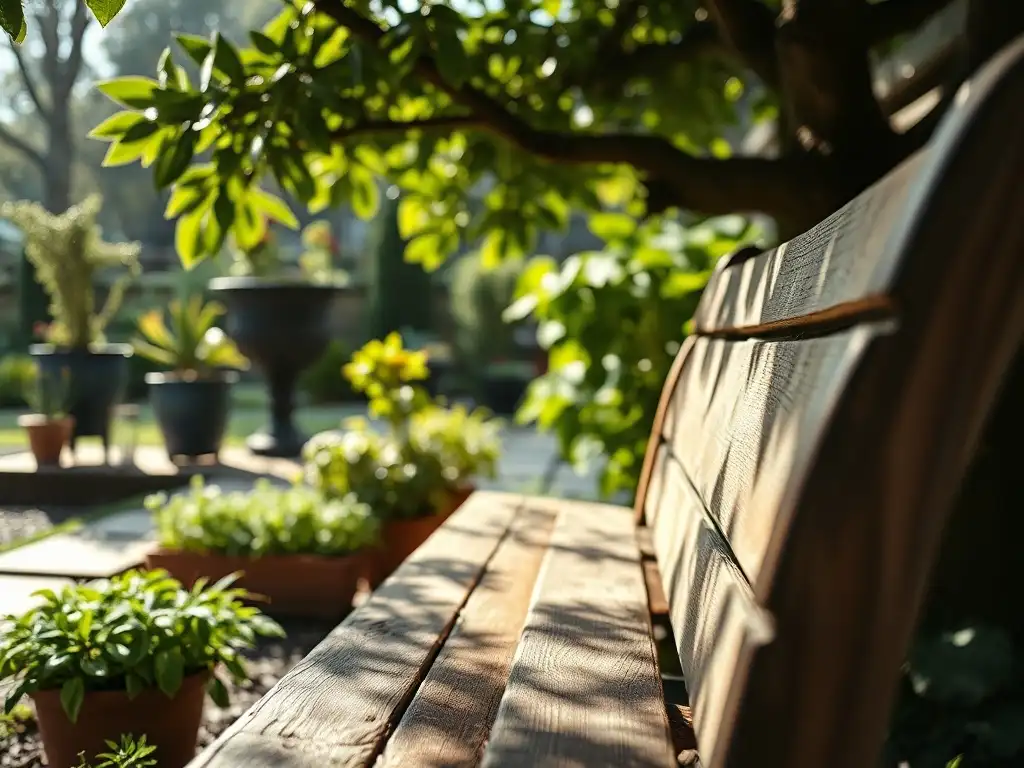
Creating a beautiful and functional outdoor space with sustainable garden furniture is a rewarding endeavor. However, to truly enjoy your investment and minimize environmental impact, proper maintenance is crucial. This section focuses on practical strategies to extend the lifespan of your eco-friendly furniture, keeping it looking its best for years to come. We'll explore cleaning, protection, and repair techniques that align with sustainable practices.
Cleaning and Protecting Your Furniture: Extending its Lifespan
Regular cleaning is paramount in preserving the beauty and integrity of your sustainable garden furniture. The best approach depends on the material. For example, wooden furniture, often made from sustainably sourced timber like cedar or redwood, benefits from a gentle cleaning with a soft brush and a mild soap solution. Avoid harsh chemicals, which can damage the wood and leach into the soil, harming beneficial organisms. Rinse thoroughly with water and allow to air dry completely. For wicker or rattan furniture, a similar approach works well, but ensure you don't saturate the material, which can lead to mildew.
After cleaning, consider applying a protective sealant or oil appropriate for the material. Natural oils like linseed oil or tung oil offer excellent protection against the elements, enhancing the wood's natural beauty and preventing weathering. These oils are biodegradable and less harmful to the environment than many synthetic alternatives. For metal furniture, a rust-resistant coating or paint made from sustainable, low-VOC (volatile organic compound) materials can provide long-term protection against corrosion.
Remember to always check the manufacturer's recommendations before applying any cleaning solutions or sealants. Regular cleaning and protection, ideally every few months or after significant exposure to rain or sun, significantly extends the furniture’s lifespan, reducing the need for frequent replacements and minimizing waste. This proactive approach is key to maximizing the value of your sustainable investment and reducing your environmental footprint. Consider a schedule for cleaning and maintenance – perhaps a seasonal approach, cleaning thoroughly in spring and fall.
Repairing and Restoring Damaged Furniture: Sustainable Practices
Even with diligent care, minor damage to your sustainable garden furniture is inevitable. Instead of immediately replacing damaged pieces, consider repair as a more sustainable option. Minor scratches on wooden furniture can often be easily repaired using wood filler and matching stain. For larger cracks or splits, wood glue and clamps can be highly effective. Always opt for non-toxic, water-based glues and stains whenever possible.
For wicker or rattan furniture, broken strands can sometimes be re-woven or replaced with new, sustainably sourced materials. This may require some skill, but tutorials and videos are readily available online. Similarly, loose joints in metal furniture can often be tightened or re-welded. If you lack the skills for these repairs, consider contacting a local artisan or furniture repair specialist who uses sustainable materials and practices.
Repairing damaged furniture not only saves money but also significantly reduces waste. It aligns perfectly with the principles of sustainability by extending the life cycle of your furniture and reducing the demand for new products. By prioritizing repair over replacement, you actively contribute to a more environmentally responsible lifestyle and maintain the beauty of your sustainable garden for years to come. Consider keeping a small repair kit handy with essential tools and materials to address minor issues promptly. This proactive approach reduces the likelihood of larger, more costly repairs down the line.
Inspiring Sustainable Garden Furniture Layouts: Real-World Examples

This section showcases practical examples of sustainable garden furniture layouts, demonstrating how to integrate eco-friendly materials and designs into your outdoor space. We'll explore different styles and sizes, highlighting the key principles of sustainable design and their impact on both the environment and your gardening experience. Remember, a sustainable garden furniture layout isn't just about the materials; it's about the whole design philosophy.
Showcase of Sustainable Garden Designs: Pictures and Inspirations
While we can't include actual pictures here, let's imagine some inspiring scenarios. Picture this: a small patio area furnished with a repurposed wooden pallet seating arrangement. The pallets, sanded and treated with non-toxic sealant, form comfortable benches and a small table. Cushions made from recycled fabric add pops of color and comfort. This design minimizes environmental impact by utilizing readily available, reclaimed materials.
Another example could be a larger garden with a dining area constructed from locally sourced, sustainably harvested timber. The table and chairs are designed with clean lines and simple construction, avoiding unnecessary ornamentation and reducing material waste. The natural wood finish complements the surrounding greenery, creating a harmonious and aesthetically pleasing space.
Imagine a charming corner seating area crafted from woven willow. This durable and renewable material offers a natural and rustic aesthetic. The gentle curves of the seating invite relaxation, while the woven texture adds visual interest. This design exemplifies the use of readily renewable resources and traditional craftsmanship techniques.
Consider also the integration of vertical gardening into your furniture layout. A living wall, perhaps using recycled plastic bottles as planters, could be incorporated into a pergola structure, providing shade and a visually stunning feature. This not only adds to the aesthetic appeal but also contributes to a more sustainable and productive garden.
Case Study: A Small Garden Transformation with Sustainable Furniture
Let's delve into a specific example: a small urban garden, previously underutilized and cluttered. The initial design was dominated by cheap, plastic furniture that was both visually unappealing and environmentally unfriendly.
The transformation began with removing the existing furniture and clearing the space. The next step involved selecting sustainable materials. Reclaimed railway sleepers were used to create raised beds, providing both seating and planting space. These sleepers, sourced from a local reclamation yard, required minimal processing, reducing energy consumption.
Old wooden crates, repurposed and painted with eco-friendly paint, served as stylish planters and storage solutions. A small, round table crafted from recycled wood added a focal point for seating. Finally, comfortable cushions made from organic cotton completed the look.
The result? A vibrant, functional, and aesthetically pleasing garden space. The sustainable furniture layout not only enhanced the beauty of the garden but also reduced its environmental footprint. This project demonstrates how a thoughtful approach to furniture selection can transform a small garden into a haven of sustainability and style.
The overall cost was surprisingly low due to the use of reclaimed materials and readily available resources. This case study highlights the financial benefits, in addition to the environmental advantages, of embracing a sustainable garden furniture layout. This approach promotes a circular economy, repurposing waste and minimizing the demand for newly manufactured products, thereby minimizing carbon emissions and promoting responsible resource management.
Resources for Sustainable Garden Furniture: Where to Buy and Learn More
Choosing sustainable garden furniture is a crucial step in creating a truly eco-friendly outdoor space. This section will guide you to resources where you can find beautiful, durable, and ethically sourced pieces for your garden, aligning with your commitment to sustainable gardening practices. Remember, selecting sustainable materials and supporting responsible manufacturers directly contributes to a smaller environmental footprint and a more beautiful, healthier garden.
Online Retailers of Sustainable Garden Furniture: Reputable Online Sources
Finding sustainable garden furniture online requires careful consideration. Not all retailers prioritize sustainability, so research is key. Look for companies that transparently detail the sourcing of their materials, manufacturing processes, and shipping practices. Reputable online retailers often showcase certifications like FSC (Forest Stewardship Council) for wood products, ensuring responsible forest management.
Here's what to look for when browsing online:
- Detailed Material Information: Websites should clearly specify the materials used (e.g., sustainably harvested teak, recycled aluminum, reclaimed wood). Avoid vague descriptions.
- Manufacturing Transparency: Look for information about the manufacturing process. Are the pieces made locally? Are fair labor practices employed?
- Shipping and Packaging: Consider the environmental impact of shipping. Companies committed to sustainability often use eco-friendly packaging and efficient shipping methods.
- Customer Reviews: Check customer reviews to assess the quality and durability of the furniture and the retailer's customer service.
Choosing online retailers requires diligence. Always verify the retailer's commitment to sustainability before making a purchase. Prioritize companies that openly communicate their ethical and environmental practices. A quick search for "[specific retailer name] sustainability report" may yield valuable information. Don't hesitate to contact the retailer directly with questions about their sourcing and manufacturing processes.
Local Artisans and Craftspeople: Supporting Sustainable Practices
Supporting local artisans and craftspeople is an excellent way to source sustainable garden furniture while bolstering your community. These individuals often use locally sourced materials and traditional techniques, minimizing transportation emissions and supporting local economies. Furthermore, you can often customize pieces to perfectly fit your garden's aesthetic and your needs, leading to less waste and a more personalized outdoor space.
When seeking local artisans:
- Attend Local Craft Fairs and Markets: These events are excellent opportunities to discover talented craftspeople and see their work firsthand.
- Check Online Directories: Many online directories list local artisans and craftspeople, allowing you to browse their work and contact them directly.
- Visit Local Shops and Galleries: Local shops and galleries often showcase the work of local artisans, providing a convenient way to explore options.
- Inquire with Local Garden Centers: Garden centers sometimes collaborate with local artisans, offering a curated selection of sustainable garden furniture.
By supporting local artisans, you not only obtain unique and durable furniture but also contribute to the vitality of your community and promote sustainable practices. Remember to ask questions about the materials used and the craftsmanship involved to ensure alignment with your sustainable garden goals. The personal connection with the artisan often leads to a deeper appreciation for the piece and its story, adding a unique dimension to your garden's design. This approach embodies the spirit of sustainable living – supporting local businesses and reducing your carbon footprint.
Frequently Asked Questions
How can I design a sustainable garden furniture layout?
Consider using recycled or reclaimed materials for your furniture. Choose pieces that are durable and long-lasting to minimize replacements. Prioritize locally sourced materials to reduce transportation impact.
What are some sustainable materials for garden furniture?
Recycled plastic lumber, reclaimed wood, and sustainable hardwoods like teak (certified) are excellent choices. Bamboo is another eco-friendly option. Avoid treated lumber with harmful chemicals.
How can I arrange my furniture to maximize space and functionality?
Plan your layout based on the size and shape of your garden. Consider traffic flow and create distinct zones for dining, relaxing, and entertaining. Use vertical space with planters or trellises.
How does my garden furniture layout impact sustainability?
A well-planned layout minimizes the need for extra furniture, reducing material consumption and waste. Careful placement can also optimize sunlight and shade, reducing the need for artificial lighting.
What are some tips for maintaining sustainable garden furniture?
Regular cleaning and maintenance prolongs the lifespan of your furniture, reducing the need for replacements. Use natural cleaning products and protect furniture from harsh weather conditions with covers or storage.
Final Reflection: Cultivating Sustainable Outdoor Living
Creating a sustainable garden furniture layout isn't just about aesthetics; it's about building a legacy of mindful outdoor living. The choices we make—from the materials we select to the way we arrange our furniture—directly impact our environment and our well-being. This article has explored how thoughtful design can foster both beauty and sustainability, creating spaces that are both inviting and environmentally responsible.
The shift towards sustainable living is profoundly impacting how we interact with our outdoor spaces. We are increasingly aware of the environmental footprint of our choices, and this awareness extends to the furniture we choose and how we arrange it in our gardens. This conscious approach to design isn't merely a trend; it's a reflection of our growing responsibility towards the planet. The earth provides enough to satisfy every man's needs but not every man's greed.
- Mahatma Gandhi. This quote highlights the importance of mindful consumption and responsible design, principles that are central to creating a truly sustainable garden.
Consider the impact of your own outdoor space. What message does your garden furniture layout send? Does it reflect your values? I encourage you to take what you've learned here and apply it to your own garden. Choose durable, ethically sourced materials. Prioritize functionality and comfort, ensuring your space is truly enjoyable. By making conscious choices, you can cultivate a sustainable outdoor oasis that benefits both you and the environment for years to come. Let your garden be a testament to your commitment to a greener future.
Unleash Your Outdoor Oasis: Design Your Dream Garden Now!
Thank you for exploring garden furniture layouts with us! We hope you've gained valuable insights to transform your outdoor space into a beautiful and functional haven. Now, let's put your knowledge into action.
- Sketch your ideal layout: Grab a pencil and paper, or use your favorite design app, and sketch your dream garden furniture arrangement, keeping in mind the principles we've discussed. This is a crucial first step!
- Share your vision: Post a picture of your sketch or even a description in the comments below—let's inspire each other!
- Choose materials carefully: Consider how different furniture materials complement your existing garden elements to create a cohesive and stylish look.
Ready to transform your outdoor area from an unused space into a stunning reflection of your personal style? What's the first piece of furniture you'll move to begin creating your dream garden?