
Garden Tables: Choosing the Right Size and Style for Your Needs

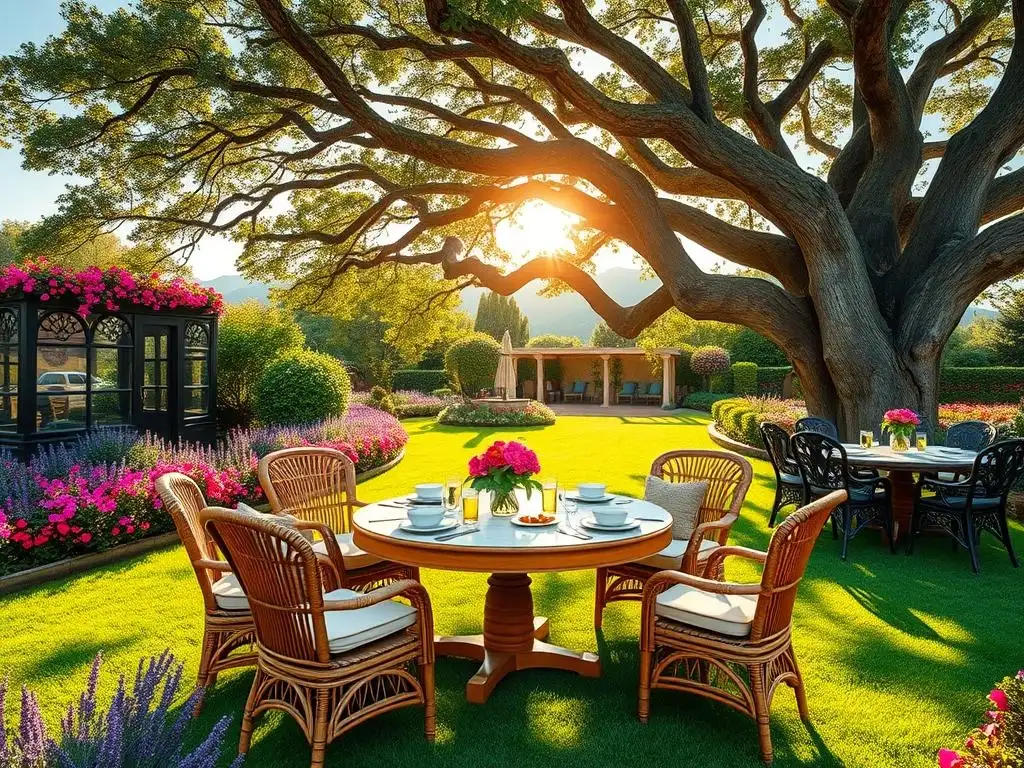
Welcome to CultivateYourFood, your guide to nurturing a thriving, sustainable garden! Ready to transform your outdoor space into a bountiful haven of fruits, vegetables, and herbs? We'll help you do just that, from seed to harvest. But first, let's tackle the foundation of your gardening success: choosing the perfect garden table. Our comprehensive Best garden table size guide will ensure you select the ideal size and style to match your needs and maximize your gardening potential. Discover how the right table can significantly impact your yield and enjoyment – let's get started!
- Understanding Your Garden Space and Needs
- Choosing the Right Garden Table Size
- Materials and Durability: Selecting a Long-lasting Garden Table
- Style and Aesthetics: Choosing a Garden Table that Complements Your Space
- Where to Buy Your Ideal Garden Table
- Maintaining Your Garden Table: Tips for Longevity and Beauty
- Frequently Asked Questions
- Final Reflection: Cultivating the Perfect Outdoor Oasis
- Unleash Your Outdoor Oasis: Design Your Dream Garden Table
Understanding Your Garden Space and Needs
Choosing the perfect garden table can significantly enhance your outdoor enjoyment. This guide focuses on selecting the right size and style of garden table to best suit your individual needs and garden space, helping you create the ideal outdoor oasis. We'll explore crucial factors like available space, the number of guests you typically entertain, and the overall aesthetic you're aiming for. Finding the right balance between functionality and style is key to maximizing your garden's potential and ensuring years of pleasurable use.
This comprehensive guide, focused on helping you find the best garden table size, will equip you with the knowledge to make an informed decision, ensuring your garden table becomes a cherished centerpiece of your outdoor living space. Let's delve into the specifics to help you find the best fit for your garden. 🪴
Measuring Your Patio or Garden Area for Optimal Table Placement
Before even considering table styles, accurately measuring your available space is paramount. A table that's too large will overwhelm a small patio, making movement difficult and creating a cramped feel. Conversely, a table that's too small will feel insignificant in a large garden. Use a measuring tape to determine the precise dimensions of your patio or garden area where you plan to place the table.
Consider not only the table's footprint but also the necessary space around it for comfortable seating and movement. Remember to account for chairs or benches, leaving at least 36 inches (approximately 90 cm) of space between the table's edge and any obstacles or surrounding furniture. This ensures enough room for people to comfortably sit, stand, and move around without feeling restricted.
Sketching a simple diagram of your space with measurements can be immensely helpful in visualizing different table sizes and placements. Accurate measurements are the foundation of choosing the right garden table size. 📏
Consider these additional factors when measuring:
- Access: Ensure easy access to the table from all sides, especially if you'll be carrying food and drinks.
- Obstacles: Note any existing features like flowerbeds, trees, or garden pathways that might restrict table placement.
- Sun and Shade: Consider the sun's path throughout the day and choose a location that offers the desired amount of sun or shade.
Assessing Seating Capacity: How Many Guests Will You Regularly Host?
Once you've measured your space, determine how many people you typically entertain in your garden. This directly impacts the size of the table you need. A small, intimate setting might only require a bistro table for two, while larger gatherings necessitate a larger table that can comfortably accommodate all your guests. Consider both the number of people and the amount of space each person needs. A general guideline is to allow at least 24 inches (approximately 60 cm) of table space per person. This allows for comfortable eating, drinking, and conversation without feeling crowded.
Think about your typical gatherings:
- Small gatherings (2-4 people): A square or round table measuring 30-36 inches (76-91 cm) would be suitable.
- Medium gatherings (4-6 people): A rectangular table measuring 48-60 inches (122-152 cm) in length would be appropriate.
- Large gatherings (6+ people): Consider a larger rectangular table or even a round table with a diameter of 60 inches (152 cm) or more.
Remember to factor in the size of the chairs or benches you plan to use. Bulkier seating will require more space around the table. Careful consideration of seating capacity ensures everyone enjoys a comfortable and enjoyable experience. 🎉
Considering Garden Table Styles
Choosing the right garden table style is crucial for both functionality and aesthetics. Your table should complement your existing garden design and provide a comfortable space for your activities, whether that's enjoying a cup of tea, potting seedlings, or hosting a small gathering. The material, design, and size all play a vital role in determining the overall look and feel of your outdoor space.
Consider the existing color palette of your garden, the materials used in other outdoor furniture, and the overall style you're aiming for—rustic, modern, minimalist, or something else entirely. A well-chosen garden table can be a stunning focal point, enhancing the beauty of your carefully cultivated plants and flowers.
Think about how much space you have available, and whether you need a large table for multiple people or a smaller, more intimate setting. Remember, the best garden table is one that perfectly blends form and function, providing both beauty and practicality.
Rustic Wooden Garden Tables
Rustic wooden garden tables evoke a sense of warmth and natural beauty. These tables often feature untreated or lightly treated wood, showcasing the natural grain and texture. The charm lies in their imperfections—knots, cracks, and variations in color add to their unique character. Popular wood choices include cedar, pine, and teak, each offering varying degrees of durability and weather resistance.
Cedar, for example, is naturally resistant to rot and insects, making it a popular choice for outdoor furniture. Pine, while more affordable, may require more frequent maintenance to protect it from the elements. Teak, known for its exceptional durability and rich color, is a luxurious option but comes with a higher price tag. Many rustic wooden tables are built with simple, sturdy designs, emphasizing functionality over elaborate ornamentation.
They can easily integrate into gardens with a cottage, farmhouse, or country style aesthetic. Consider the size carefully, as larger rustic tables can dominate a smaller garden. Regular cleaning and occasional oiling or sealing will help to preserve the beauty and extend the lifespan of your rustic wooden garden table.
Sleek Metal Garden Tables
Sleek metal garden tables offer a modern and contemporary aesthetic. Materials like aluminum, steel, and stainless steel provide durability and weather resistance, requiring minimal maintenance. Aluminum is lightweight and rust-resistant, making it an excellent choice for portability. Steel offers greater strength and stability but may require a protective coating to prevent rust.
Stainless steel is the most durable option, boasting exceptional resistance to corrosion and staining. The clean lines and minimalist designs of metal tables complement modern or minimalist garden styles. They often feature simple, geometric shapes and lack elaborate ornamentation.
Metal tables are available in various colors and finishes, allowing for customization to match your existing garden décor. However, metal can get very hot in direct sunlight, so consider this if you plan to sit at the table for extended periods during the summer. Regular cleaning with mild soap and water is generally all that's required to maintain the appearance of a sleek metal garden table.
Charming Wrought Iron Garden Tables
Charming wrought iron garden tables offer a blend of elegance and durability. Wrought iron, a type of malleable iron, allows for intricate designs and ornate detailing. These tables often feature decorative scrolls, flourishes, and other embellishments, adding a touch of sophistication to any outdoor space. Wrought iron is exceptionally strong and durable, capable of withstanding harsh weather conditions. However, it is prone to rust if not properly maintained. Regular painting or powder coating is necessary to protect the iron and preserve its appearance. The intricate designs of wrought iron tables can add a touch of classic or romantic charm to a garden, complementing traditional or cottage-style landscapes. While beautiful, wrought iron can be heavy and less portable than other materials. The weight, however, contributes to its stability and robustness. Choosing a wrought iron table requires consideration of its weight and the potential for rust; regular maintenance is essential for longevity.
Sustainable Bamboo Garden Tables
Sustainable bamboo garden tables are an eco-friendly and stylish choice. Bamboo is a rapidly renewable resource, making it a responsible alternative to traditional hardwoods. It’s also incredibly strong and durable, offering comparable strength to many hardwoods. Bamboo tables are often lightweight and relatively easy to transport. They typically feature a natural, warm tone that complements various garden styles. The inherent flexibility of bamboo allows for unique and creative designs, often incorporating curved lines and organic shapes.
Depending on the treatment, bamboo can be quite weather-resistant. However, some varieties may require regular oiling or sealing to protect them from the elements and prevent cracking. Bamboo’s natural aesthetic aligns well with eco-conscious and minimalist garden designs. The sustainability aspect makes these tables a great choice for environmentally conscious gardeners seeking durable and attractive garden furniture. The choice of treatment will significantly impact the table’s longevity and maintenance requirements.
Choosing the Right Garden Table Size
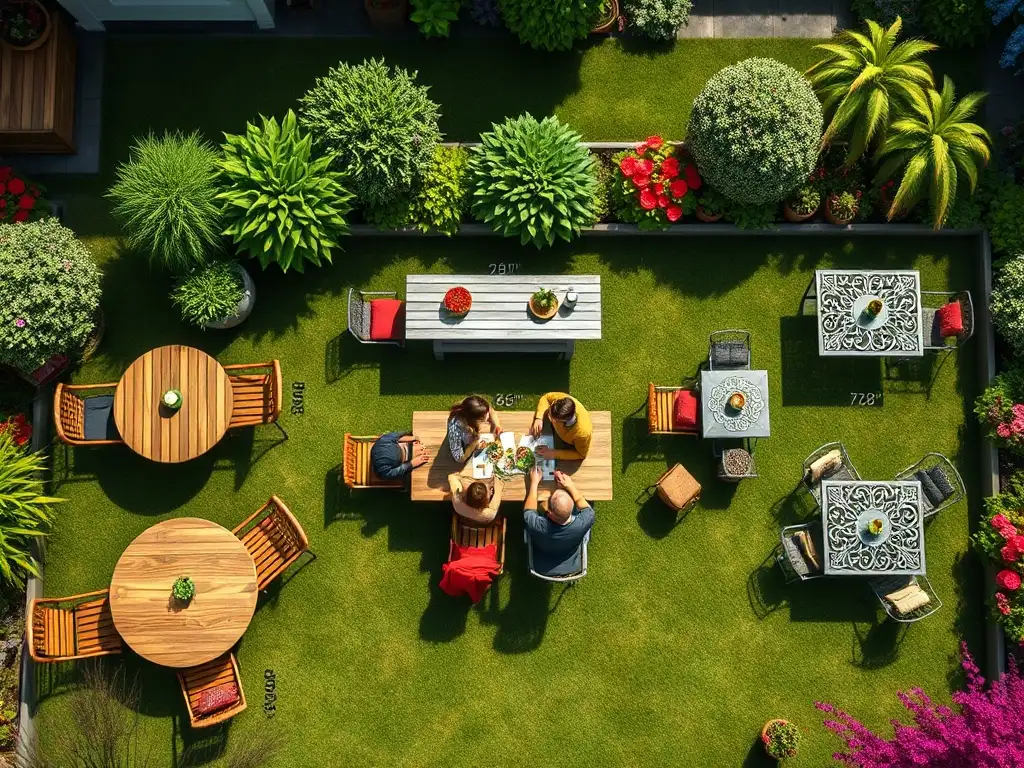
This section provides a comprehensive guide to selecting the best garden table size for your space and needs. We'll explore different sizes, ideal dimensions, and materials to help you make an informed decision. Finding the perfect fit ensures comfortable seating and enhances the overall aesthetic of your garden. This guide will help you navigate the world of garden table dimensions and styles, ultimately leading you to the best choice for your "best garden table size guide" needs.
Small Garden Tables: Perfect for Cozy Spaces and intimate gatherings
Small garden tables are ideal for compact gardens, patios, or balconies. They're perfect for intimate gatherings, solo gardening breaks, or enjoying a morning coffee amidst your flourishing plants. Choosing the right size is crucial for maximizing space and comfort.
Ideal Dimensions for Small Garden Tables
The ideal dimensions for a small garden table depend on the number of people you plan to seat. For two people, a table measuring approximately 30 inches (76 cm) in diameter or a rectangular table around 30 inches (76 cm) wide by 24 inches (61 cm) deep is sufficient.
If you need to accommodate a maximum of four people, consider a square table around 36 inches (91 cm) or a rectangular table around 48 inches (122 cm) long by 30 inches (76 cm) wide. Remember to account for comfortable elbow room – approximately 24 inches (61 cm) per person is recommended.
Best Small Garden Table Options
Several materials are suitable for small garden tables. Metal tables are lightweight and easy to move, making them perfect for small spaces. Wrought iron offers a classic, elegant look, while aluminum provides a more modern aesthetic. Wooden tables offer a more rustic charm; however, ensure the wood is treated for outdoor use to withstand the elements.
Consider foldable options for easy storage when not in use. For a truly compact solution, consider a bistro set, which typically includes a small round table and two chairs. Remember to consider the overall style of your garden when making your selection. A small, round table might be perfect for a cottage garden, while a square metal table might complement a more modern design.
Medium Garden Tables: Versatile Options for Medium-Sized Gardens
Medium-sized garden tables offer a versatile solution for many garden settings. They provide ample space for dining, crafting, or simply enjoying the outdoors, accommodating more people than smaller tables without overwhelming the space. Selecting the right size ensures comfortable seating and enough space for food, drinks, and other items.
Ideal Dimensions for Medium Garden Tables
Medium garden tables typically range from 48 inches (122 cm) to 60 inches (152 cm) in length or diameter. A 48-inch (122 cm) square or rectangular table comfortably seats four to six people, while a 60-inch (152 cm) table can accommodate six to eight. Remember to leave ample space between the table and any surrounding seating to allow for easy movement.
Consider the shape; round or oval tables are great for conversation, while rectangular tables offer more space for serving food. A good rule of thumb is to allow 24-30 inches (61-76 cm) of space per person along the table's edge.
Best Medium Garden Table Options
The best material for a medium garden table depends on your preferences and budget. Wood remains a popular choice, offering a natural aesthetic and durability. However, regular maintenance is required to protect it from the elements. Metal tables, particularly those made from aluminum or steel, are low-maintenance and weather-resistant.
Resin tables offer a more budget-friendly alternative with good durability. Consider the style of your garden; a rustic wooden table might suit a cottage garden, while a sleek metal table could complement a modern design. Think about features like built-in umbrella holes for sun protection, or extendable leaves for added seating capacity when needed. Remember to consider the weight and ease of movement when choosing your table, particularly if you need to relocate it frequently.
Large Garden Tables: Ideal for Large Families and Outdoor Entertaining
Large garden tables are perfect for families who love to dine al fresco, or for those who frequently host gatherings. These tables provide ample space for everyone to comfortably sit and enjoy a meal, a game, or simply conversation. The generous surface area allows for the spreading out of food, drinks, and serving dishes without feeling cramped.
Think of lively summer barbecues, birthday celebrations, or even casual family dinners under the stars – a large garden table becomes the central hub of these outdoor events. The size and style of the table should reflect the scale of your entertaining and the overall aesthetic of your garden. Consider the number of guests you typically host; a table that comfortably seats eight or more is a good starting point for large-scale entertaining.
You'll also want to account for extra space for serving platters, drinks, and perhaps even a few decorative elements. The material of the table should be durable enough to withstand the elements and regular use, while also complementing your existing outdoor furniture.
Ideal Dimensions for Large Garden Tables
Choosing the right dimensions for your large garden table is crucial for ensuring comfort and functionality. A good rule of thumb is to allow approximately 24-30 inches of space per person. For a table that comfortably seats eight, this translates to a table length of around 8-10 feet. However, this is just a general guideline; consider your specific needs and space constraints.
If you frequently entertain larger groups, a table that extends or has a larger surface area might be more suitable. For example, a rectangular table measuring 10 feet by 4 feet could easily seat eight to ten people, while a round table with a diameter of 8 feet could accommodate a similar number. The height of the table should also be considered.
A standard height of 30 inches is generally comfortable for most people, but you may prefer a slightly higher or lower table depending on your personal preference and the height of your chairs. Remember to account for the space needed around the table for people to comfortably move around their chairs. A minimum of 36 inches is recommended to ensure easy access and prevent feelings of confinement.
Best Large Garden Table Options
Several excellent large garden table options cater to various styles and budgets. For a classic and durable choice, a solid wood table, such as one made from teak or cedar, offers longevity and natural beauty. These tables often require minimal maintenance and can withstand the elements. However, they tend to be more expensive than other options.
Alternatively, a metal garden table, perhaps made from wrought iron or aluminum, provides a more contemporary aesthetic and is often lighter and easier to move. Metal tables are generally more resistant to pests and moisture damage than wooden counterparts, but they can get very hot in direct sunlight. A composite material table offers a balance between durability and affordability. These tables are often made from a blend of recycled materials and are low-maintenance.
Finally, consider extending tables, which offer flexibility for accommodating varying guest numbers. These tables can be easily expanded or reduced in size to suit your needs, making them ideal for both intimate gatherings and large-scale events. Ultimately, the best option depends on your individual preferences, budget, and the overall design of your outdoor space. Consider factors such as durability, maintenance requirements, and aesthetic appeal to make an informed decision.
Materials and Durability: Selecting a Long-lasting Garden Table
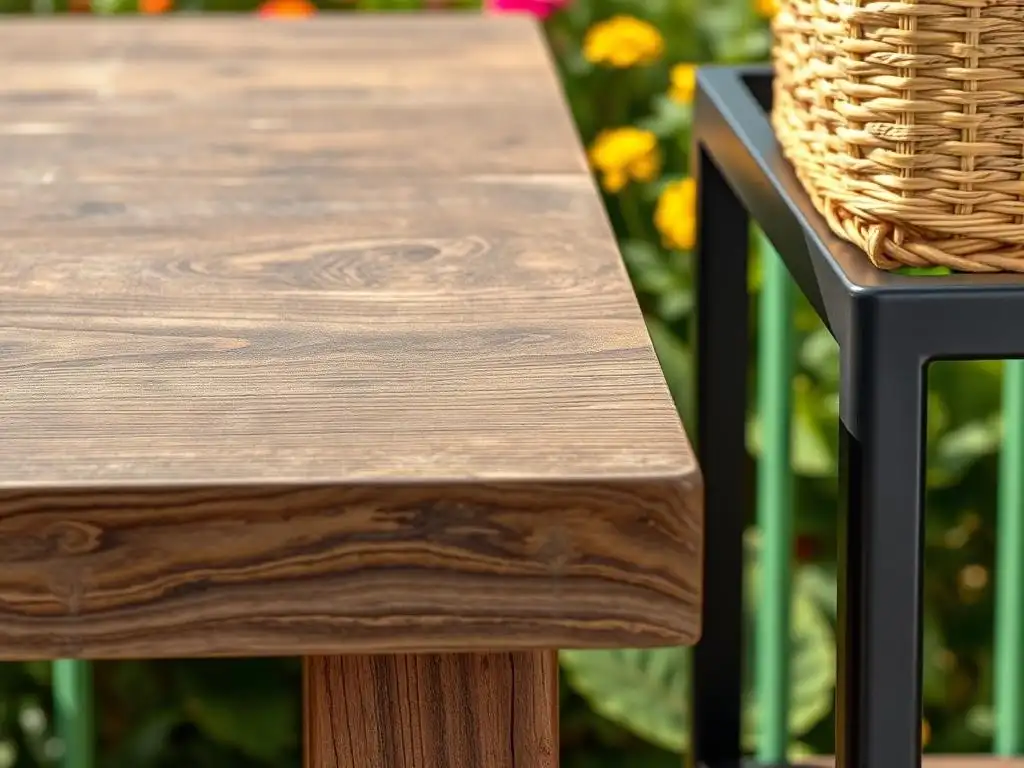
Choosing the right materials for your garden table is crucial for its longevity and aesthetic appeal. The best garden table size guide wouldn't be complete without considering the durability aspect. Different materials offer varying levels of resistance to weather, pests, and general wear and tear. Consider your climate, gardening style, and budget when making your selection. A well-chosen material can mean the difference between a table that lasts for years and one that needs replacing after a single season. Let's delve into some popular choices:
The Pros and Cons of Wooden Garden Tables
Wooden garden tables offer a classic, timeless aesthetic. They can range from rustic charm to elegant sophistication, depending on the type of wood and finish. However, wood requires more maintenance than other materials.
Pros:
- Aesthetic Appeal: Wooden tables are visually appealing and can complement various garden styles.
- Durability (with proper care): Hardwoods like teak and cedar are naturally resistant to rot and insects, offering excellent longevity with proper oiling or sealing.
- Warmth and Texture: Wood provides a warm and inviting feel, enhancing the overall ambiance of your garden.
Cons:
- Maintenance: Wooden tables require regular cleaning, sealing, and potentially staining to protect them from the elements and pests. Neglect can lead to rotting, warping, or insect infestation.
- Susceptibility to damage: Wood is prone to scratches, dents, and cracking, especially in harsh weather conditions.
- Cost: High-quality hardwoods can be expensive.
The Benefits of Metal Garden Tables
Metal garden tables, often made from aluminum, steel, or wrought iron, offer a different set of advantages. They are generally more durable and require less maintenance than wooden tables.
Pros:
- Low Maintenance: Metal tables typically require minimal upkeep, often just a quick wipe down.
- Durability and Strength: Metal is resistant to rot, insects, and many types of damage. Steel, in particular, is incredibly strong and long-lasting.
- Variety of Styles: Metal tables come in various styles, from sleek and modern to ornate and traditional.
Cons:
- Rust: Steel and wrought iron are susceptible to rust if not properly treated with a protective coating. Aluminum is more resistant to rust but can still be affected by harsh weather.
- Heat and Cold: Metal can get very hot in direct sunlight and very cold in freezing temperatures. This can make it uncomfortable to touch.
- Weight: Metal tables can be heavy and difficult to move.
Sustainable Garden Table Materials: Bamboo, Recycled Plastic, and More
Eco-Friendly Garden Table Options
Increasingly, gardeners are seeking sustainable and eco-friendly options for their garden furniture. This reflects a growing awareness of the environmental impact of material choices. Several excellent alternatives to traditional materials offer both durability and sustainability.
- Bamboo: Bamboo is a rapidly renewable resource, making it an environmentally responsible choice. It's also surprisingly strong and durable, offering a beautiful, natural aesthetic.
- Recycled Plastic: Tables made from recycled plastic lumber are incredibly durable, weather-resistant, and require virtually no maintenance. They are a great option for those seeking a low-impact, long-lasting solution.
- Reclaimed Wood: Using reclaimed wood reduces the demand for newly harvested timber, minimizing deforestation. This option offers a unique character and contributes to environmental sustainability. However, sourcing reputable suppliers who ensure ethical and sustainable reclamation practices is crucial.
Choosing the right materials is a key element in the “Best garden table size guide”. Consider factors like your climate, maintenance preferences, and budget to find the perfect balance between durability, aesthetics, and sustainability. Remember, a well-chosen table can be a centerpiece of your garden for years to come. 🌳
Style and Aesthetics: Choosing a Garden Table that Complements Your Space
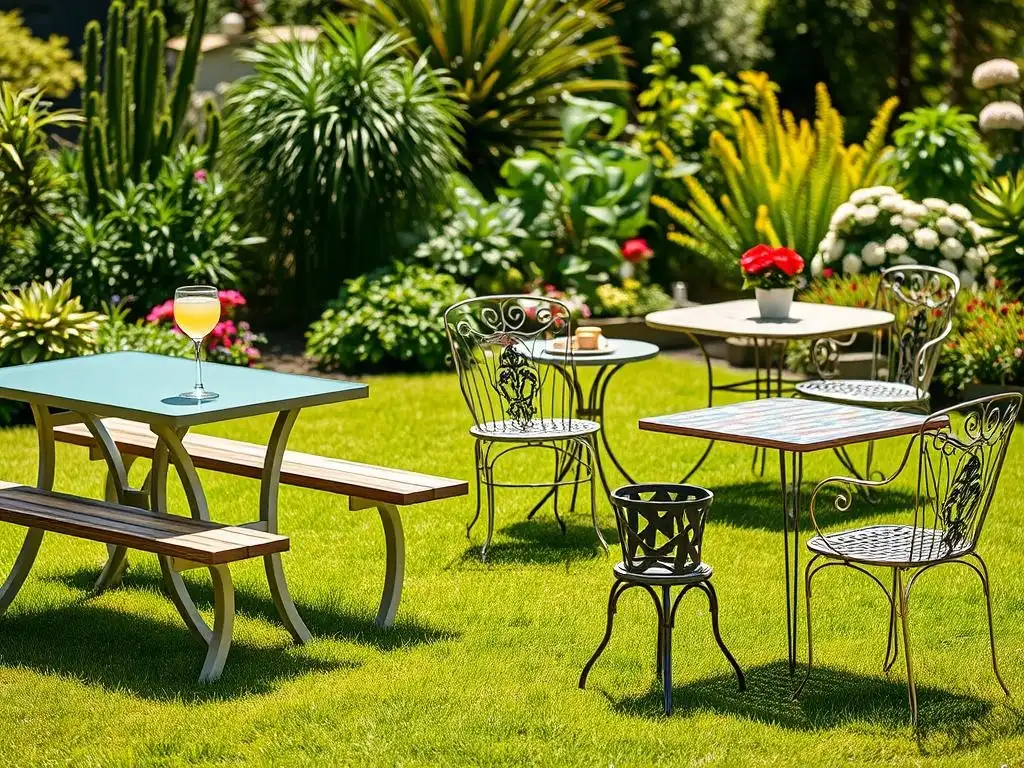
This section focuses on selecting a garden table that harmoniously integrates with your existing outdoor space and personal style. The right table can elevate your garden from a functional space to a beautiful and inviting outdoor living area. Consider your existing garden design, the overall aesthetic you're aiming for, and the functionality you need from your table when making your choice. Remember, the "best" garden table size guide is ultimately determined by your individual needs and preferences.
Matching Your Garden Table to Your Overall Garden Design
Your garden table should complement, not clash with, your garden's existing style. A rustic wooden table, for example, would be perfect for a cottage garden overflowing with wildflowers and climbing roses. Conversely, a sleek, modern metal table would be a better fit for a minimalist garden with clean lines and geometric plantings. Think about the materials used in your garden structures, pathways, and other furniture. Maintaining consistency in materials and color palettes will create a cohesive and visually appealing space.
Consider these examples:
- Traditional Garden: A cast iron or sturdy wooden table with intricate detailing would enhance the classic charm. Think about adding wrought iron chairs for a truly cohesive look.
- Modern Garden: A minimalist design with clean lines, perhaps a glass-topped table with a chrome or aluminum frame, would create a sophisticated and contemporary feel.
- Mediterranean Garden: A terracotta or stone table would perfectly complement the warm colors and textures of a Mediterranean-inspired garden. Consider adding some colorful cushions to the chairs for a pop of color.
- Tropical Garden: A wicker or bamboo table would evoke a sense of relaxed tropical living. Natural materials and a light color palette will create a feeling of warmth and serenity.
Choosing a table that aligns with the existing style of your garden will create a more harmonious and visually appealing outdoor space. Remember to consider the scale of the table in relation to the size of your garden. A large, imposing table in a small garden can feel overwhelming, while a tiny table in a large garden might get lost.
Incorporating Your Garden Table into Your Outdoor Living Area
The placement of your garden table is crucial for maximizing its functionality and aesthetic appeal. Think carefully about how you intend to use the space. Will it be primarily for dining, relaxing with a book, or entertaining guests? Consider proximity to other outdoor features such as a grill, fire pit, or seating areas. The ideal placement will enhance the flow and functionality of your entire outdoor living area.
Here are some factors to consider when placing your garden table:
- Accessibility: Ensure easy access from your home or other outdoor areas. Avoid placing it in a location that's difficult to reach or requires navigating obstacles.
- Sunlight and Shade: Consider the amount of sunlight the area receives throughout the day. You might want a shady spot for afternoon tea, but a sunny spot for a morning coffee.
- Privacy: If you desire a more private setting, consider placing the table near a screen of shrubs or a wall.
- View: Position the table to take advantage of a beautiful view or focal point in your garden.
Strategic placement of your garden table can significantly enhance the overall ambiance and usability of your outdoor space. Careful consideration of these factors will ensure your table becomes a central and enjoyable feature of your outdoor living area.
Adding Ambiance with Lighting and Decor
Adding lighting and decor to your garden table area can transform it from a simple functional space into a magical and inviting oasis. Consider using string lights, lanterns, or solar-powered pathway lights to create a warm and inviting atmosphere in the evening. These elements will not only enhance the visual appeal but also improve the usability of the space after sunset.
Enhance the ambiance with carefully chosen decorations:
- Tablecloth and Placemats: A stylish tablecloth and placemats can instantly elevate the look of your table, adding a touch of personality and color.
- Centerpieces: Fresh flowers, potted herbs, or decorative bowls filled with stones or candles can create a beautiful focal point.
- Cushions and Throws: Comfortable cushions and throws add warmth and inviting textures, particularly during cooler evenings.
- Plants: Potted plants strategically placed around the table area can add a touch of nature and enhance the overall aesthetic.
By thoughtfully incorporating lighting and decor, you can create a truly special and memorable space where you can relax, dine, and enjoy the beauty of your garden. Remember, the aim is to create a space that reflects your personal style and enhances your enjoyment of your outdoor living area. The best garden table size guide is only the beginning; it's the details that truly bring it to life.
Where to Buy Your Ideal Garden Table
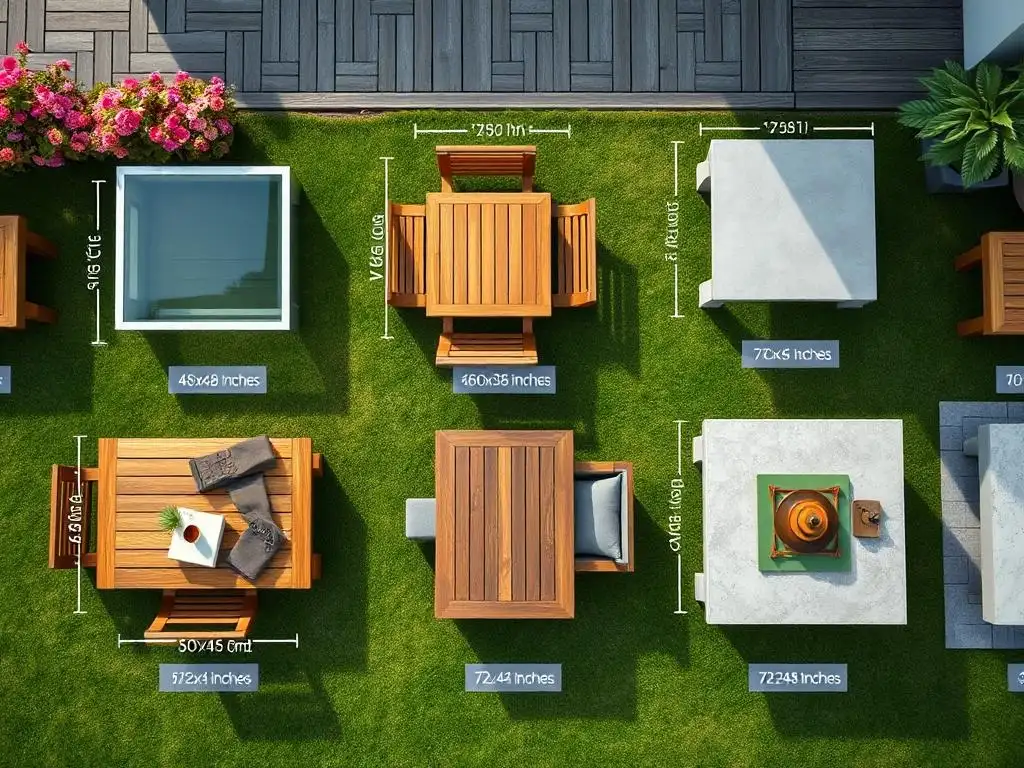
Finding the perfect garden table can significantly enhance your outdoor space and gardening experience. But knowing where to buy it is just as crucial as knowing what to buy. The right retailer can mean the difference between a sturdy, long-lasting table and one that quickly deteriorates, leaving you disappointed and needing to replace it sooner than expected.
This section focuses on identifying reliable sources for your ideal garden table, ensuring you get the best value for your investment. Choosing the best garden table size is only half the battle; finding a reputable seller is just as important for achieving your perfect outdoor oasis.
Finding High-Quality Garden Tables at Competitive Prices
Securing a high-quality garden table at a competitive price requires a strategic approach. Don't just settle for the first option you see! Researching different retailers and comparing prices is essential. Consider factors beyond the initial cost, such as the table's material, construction, warranty, and expected lifespan. A slightly higher upfront cost can often translate to significant long-term savings if the table is more durable and requires less maintenance.
For example, a table made from treated, sustainably sourced wood might cost more initially than a plastic alternative. However, the wooden table, with proper care, will likely last for many years, possibly decades, while the plastic option may fade, crack, or become brittle within a few seasons. This longer lifespan makes the initial investment worthwhile in the long run. Think of it as an investment in your enjoyment of your garden and outdoor space over time.
Remember to factor in shipping costs, especially when purchasing online. While a lower price might initially seem appealing, high shipping costs can negate the savings. Always calculate the total cost before making a purchasing decision. This thorough approach to pricing ensures you get the best possible value for your money when choosing the best garden table size for your needs.
Reputable Online Retailers for Garden Furniture
The internet offers a vast selection of garden tables, but navigating this sea of options requires caution. Stick to reputable online retailers with established reputations for quality products and customer service. Look for retailers that provide detailed product descriptions, high-resolution images, customer reviews, and clear return policies. Checking customer reviews is particularly important; positive reviews often indicate a higher probability of receiving a high-quality product and excellent customer service.
When selecting your online retailer, prioritize those that specialize in outdoor furniture. These retailers often have a deeper understanding of the demands placed on garden furniture and are better equipped to guide you toward durable and weather-resistant options. Many online retailers also offer detailed guides and resources to help you choose the best garden table size guide and style for your specific needs.
Consider checking for certifications related to sustainability and ethical sourcing. Choosing a retailer committed to sustainable practices aligns with the CultivateYourFood ethos of organic and environmentally friendly gardening practices.
Local Garden Centers and Furniture Stores
Don't overlook the benefits of shopping locally! Visiting local garden centers and furniture stores allows you to physically inspect the garden tables before purchasing them. You can assess the quality of materials, the sturdiness of the construction, and the overall finish. This hands-on approach minimizes the risk of receiving a product that doesn't meet your expectations.
Local stores often offer personalized advice and assistance. Their staff can answer your questions about different table materials, sizes, and styles, helping you choose the best garden table size guide based on your specific requirements and space constraints. Moreover, purchasing locally supports your community and reduces the environmental impact associated with shipping. This personalized service and community support make local stores a valuable option when searching for your perfect garden table.
Maintaining Your Garden Table: Tips for Longevity and Beauty
Maintaining your garden table is crucial for preserving its beauty and extending its lifespan. A well-maintained table not only enhances your gardening experience but also adds value to your outdoor space. This section provides practical advice on cleaning, protecting, and winterizing your garden table, regardless of its material. Following these guidelines will ensure your table remains a cherished part of your garden for years to come. This guide is essential for finding the best garden table size and ensuring its long-term usability.
Cleaning and Protecting Your Garden Table from the Elements
Regular cleaning is the cornerstone of garden table maintenance. The frequency depends on your climate and usage, but aim for at least a weekly wipe-down. For a basic clean, use a soft cloth or sponge with warm, soapy water. Avoid harsh chemicals or abrasive cleaners that can damage the finish. For stubborn stains, a mixture of mild dish soap and baking soda can be effective. Always rinse thoroughly with clean water and allow the table to air dry completely.
Protecting your table from the elements is equally important. Direct sunlight can cause fading and cracking, particularly in wood and painted surfaces. Consider using a high-quality outdoor furniture cover during periods of prolonged sun exposure or inclement weather. This prevents water damage, mildew growth, and protects against UV rays. Regular application of a suitable sealant or protective coating, depending on the material, will further enhance its durability and resistance to the elements. Consider the best garden table size guide to determine if your cover is adequately sized.
Regular Maintenance for Different Garden Table Materials
Different materials require specific maintenance approaches. Here's a breakdown of best practices for common garden table materials:
| Material | Maintenance Tips | Frequency |
|---|---|---|
| Wood | Apply wood sealant annually; sand and refinish as needed; treat for pests if necessary | Annually; as needed |
| Metal (Steel) | Clean regularly to prevent rust; apply rust-preventative spray or paint | Monthly; as needed |
| Metal (Aluminum) | Clean with mild soap and water; inspect for scratches or dents | Monthly; as needed |
| Plastic/Resin | Clean with mild soap and water; avoid abrasive cleaners | Monthly; as needed |
| Wrought Iron | Regularly apply a protective coating to prevent rust; clean with a wire brush | Bi-annually; as needed |
Remember to always check the manufacturer's recommendations for specific cleaning and maintenance instructions. The best garden table size guide won't matter if you don't maintain the table properly.
Winterizing Your Garden Table
Proper winterization is essential, especially in areas with harsh winters or significant snowfall. For wood tables, consider storing them in a dry, sheltered area to prevent moisture damage. Metal tables should be thoroughly cleaned and dried before storage to minimize rust.
Plastic or resin tables are generally more resistant to winter conditions but still benefit from being covered to protect against debris and extreme temperature fluctuations. Before storing, always ensure the table is completely clean and dry to prevent mold and mildew growth. This meticulous approach ensures the longevity of your garden furniture, regardless of the best garden table size guide you followed.
A little preventative care goes a long way in preserving your garden table's beauty and functionality. By following these guidelines, you can ensure your table remains a focal point in your outdoor space for many seasons to come. This comprehensive approach to maintenance will help you maximize the value and enjoyment of your chosen table size, aligning perfectly with the best garden table size guide.
Frequently Asked Questions
What is the ideal size for a garden table?
The ideal size depends on your space and needs. A small table (around 3ft x 2ft) works for smaller spaces or solo gardeners, while larger tables (4ft x 4ft or larger) accommodate multiple people and more supplies. Consider your available space and gardening activities.
How do I choose the right style of garden table for my garden?
Consider your garden's style and personal preferences. A simple wooden table fits rustic gardens, while a metal table suits modern designs. Think about material durability and maintenance requirements.
What materials are best for a garden table?
Popular choices include weather-resistant wood (cedar, redwood), durable metal (aluminum, steel), and plastic. Wood offers a natural look, metal is sturdy, and plastic is low-maintenance. Choose a material that suits your budget and climate.
Where should I place my garden table in my garden?
Locate it in a convenient and accessible spot, ideally near a water source and with ample sunlight for tasks like potting. Consider ergonomics; ensure comfortable access for planting and other gardening tasks. Avoid placing it in areas prone to heavy shade or strong winds.
Are there different heights to consider when choosing a garden table?
Yes, consider your height and comfort. Standard table heights may not be ideal for all gardeners. Taller individuals might prefer a higher table, while shorter gardeners may find a lower table more comfortable. Think about your comfort and ease of use.
Final Reflection: Cultivating the Perfect Outdoor Oasis
Choosing the right garden table isn't just about aesthetics; it's about crafting the heart of your outdoor living space. The perfect size and style directly impact how you use and enjoy your garden, transforming it from a simple plot of land into a vibrant extension of your home. This seemingly simple decision holds the key to countless summer evenings, family gatherings, and moments of peaceful solitude.
The impact of a well-chosen garden table extends far beyond its immediate function. It sets the tone for your outdoor experience, influencing everything from the intimacy of a quiet coffee to the lively energy of a boisterous barbecue. It's a testament to the power of thoughtful design and its ability to shape our lives. As the great landscape architect, Frederick Law Olmsted, once said: A park is a work of art; it is not a mere collection of trees and shrubs.
This sentiment applies equally to our personal gardens, and the garden table sits at the very center of that artistic creation.
Now, consider your own outdoor space. What kind of atmosphere are you hoping to cultivate? What are your needs and priorities? Take the insights from this guide and use them to design your ideal outdoor sanctuary. Don't just buy a table; choose a centerpiece that reflects your personal style and enhances your enjoyment of the natural world. Let your garden table become a testament to the beauty and tranquility you can create with careful consideration and a touch of personal expression.
Unleash Your Outdoor Oasis: Design Your Dream Garden Table
Thanks for exploring the world of garden tables with us! We hope you feel confident choosing the perfect size and style to complement your outdoor space and lifestyle. Ready to bring your vision to life?
- Begin your design journey: Sketch your ideal garden table, considering the dimensions and style discussed earlier, and visualize your perfect outdoor dining or relaxation area. Let your creativity flourish!
- Share your vision: Show us your garden table designs! Post a picture on CultivateYourFood’s social media channels using #MyCultivateTable to inspire others.
- Explore sustainable options: Consider using eco-friendly materials—it's a rewarding step towards a greener garden.
Now, tell us: What unique feature will make your garden table truly special?