
How to Maintain Water Quality in Your Garden Feature

Welcome to CultivateYourFood, your guide to a thriving, sustainable home garden! Are you ready to unlock the secrets to bountiful harvests and vibrant plant life? We believe everyone can grow their own food, and we're here to help you every step of the way. Discover the importance of clean garden water methods – a crucial element in achieving a flourishing garden – and learn how to create a truly exceptional space in our feature article on Garden Design & Aesthetics. Let's cultivate a healthier, more beautiful world, one plant at a time.
- Understanding Your Garden Water Ecosystem: Key Factors Affecting Cleanliness
- Effective Methods for Maintaining Clean Garden Water
- Chemical Treatments for Maintaining Clean Garden Water: When and How
- Preventing Future Water Quality Issues: Proactive Measures
- Advanced Techniques for Pristine Garden Water: Beyond the Basics
- Troubleshooting Common Water Quality Problems: Solutions for Cloudy Water and Algae Blooms
- Investing in Quality Equipment for Long-Term Clean Garden Water
- Frequently Asked Questions
- Final Reflection: Nurturing Life, One Drop at a Time
- Unlock Your Garden's Full Potential: Thrive with Pristine Water
Understanding Your Garden Water Ecosystem: Key Factors Affecting Cleanliness
Creating a beautiful and thriving garden often involves incorporating water features, adding serenity and visual interest. However, maintaining the cleanliness and health of your garden pond, fountain, or other water feature is crucial not only for aesthetics but also for the overall well-being of your plants and any aquatic life you may choose to introduce.
This article will explore effective and sustainable methods for keeping your garden water clean, focusing on organic and environmentally friendly practices in line with the principles of cultivating a healthy and balanced ecosystem. We'll delve into the key factors influencing water quality, from identifying and removing pollutants to understanding the beneficial roles of bacteria, plants, and even fish in maintaining a pristine aquatic environment.
By understanding these principles, you can implement effective "Clean garden water methods" to ensure your water feature remains a vibrant and healthy centerpiece of your garden for years to come. This approach aligns perfectly with the sustainable and organic practices championed by CultivateYourFood, ensuring a harmonious balance between beauty and environmental responsibility.
Identifying Potential Pollutants: Leaves, Debris, and Algae in Garden Ponds
Maintaining clean garden water requires vigilance in identifying and removing potential pollutants. Leaves, twigs, and other organic debris falling into your pond will decompose, depleting oxygen levels and potentially leading to unpleasant odors and the growth of harmful algae. Regularly skimming the surface of your pond with a net is a crucial first step.
Furthermore, algae blooms are a common problem in garden ponds. These can be caused by an excess of nutrients (like nitrogen and phosphorus) from fertilizers or decaying organic matter. Controlling nutrient levels is key. This can be achieved through careful fertilization practices in surrounding areas and the regular removal of excess plant growth within the pond itself.
Consider these proactive measures:
- Regular skimming: Skim the surface of your pond at least once a week, removing fallen leaves and debris.
- Water testing: Regularly test your pond water for nutrient levels (nitrates, phosphates) to monitor its health. [Specific water testing kits and frequency pending]
- Mechanical filtration: A simple filter can help remove smaller particles and debris from the water.
- Biological control: Introduce beneficial bacteria (discussed further below) to help break down organic matter.
The Role of Beneficial Bacteria in Maintaining Clean Garden Water
Beneficial bacteria play a vital role in maintaining a clean and healthy aquatic environment. These microorganisms are essential for breaking down organic waste, such as decaying leaves and fish waste, preventing the build-up of harmful substances. The process of decomposition by these bacteria reduces the levels of ammonia and nitrites, which are toxic to aquatic life, converting them into less harmful nitrates which are then utilized by plants.
Think of it like this: beneficial bacteria are the natural cleanup crew of your pond ecosystem. They work tirelessly to maintain a balanced environment. You can support their growth by:
- Avoiding harsh chemicals: Avoid using harsh chemicals in or around your pond, as these can kill beneficial bacteria.
- Adding beneficial bacteria: You can purchase commercially available beneficial bacteria products to introduce into your pond. [Specific product recommendations pending]
- Maintaining oxygen levels: Ensure your pond has adequate oxygen levels, as this is crucial for the survival of beneficial bacteria. This can be done through aeration or by ensuring sufficient plant life.
Impact of Fish and Plant Life on Water Quality: Balancing Your Ecosystem
Introducing fish and plants to your garden water feature adds beauty and can contribute to a balanced ecosystem. However, it's crucial to consider the impact on water quality. Fish produce waste that contributes to nutrient levels, potentially leading to algae blooms if not managed properly. The type and number of fish should be carefully considered based on the size of your pond. [Specific fish stocking rates pending].
Plants, on the other hand, are beneficial as they absorb nutrients from the water, helping to prevent algae growth and maintain clarity. They also provide oxygen and shelter for beneficial bacteria and aquatic life. A well-balanced selection of oxygenating plants, like Elodea or Hornwort, are highly recommended.
Careful planning and regular monitoring are key to maintaining a healthy balance. This includes:
- Appropriate fish stocking: Avoid overstocking your pond with fish.
- Diverse plant life: Include a variety of aquatic plants to ensure nutrient uptake and oxygen production.
- Regular observation: Monitor your pond regularly for signs of imbalance, such as excessive algae growth or fish distress. This proactive approach will allow you to address issues promptly and maintain a thriving ecosystem. 🐠🌿
Effective Methods for Maintaining Clean Garden Water
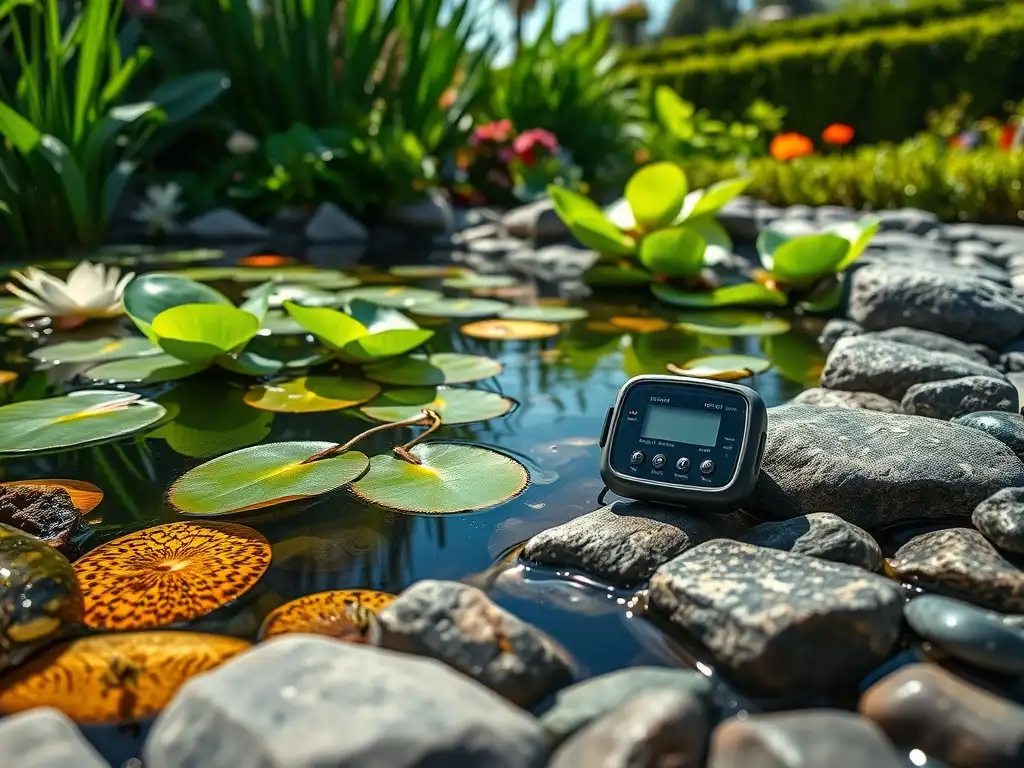
Maintaining pristine water quality in your garden feature is crucial not only for aesthetic appeal but also for the health of any aquatic plants or animals you might have. Neglecting water quality can lead to algae blooms, unpleasant odors, and even disease. This section details effective and sustainable methods for keeping your garden water clean, aligning with our commitment to organic and eco-friendly gardening practices. These "clean garden water methods" are essential for a thriving and beautiful water feature.
Regular Water Changes and Partial Refills: A Simple Solution for Maintaining Cleanliness
Regular partial water changes are a cornerstone of clean garden water maintenance. This simple yet effective method helps prevent the buildup of organic matter, reducing the risk of algae growth and unpleasant smells. The frequency of water changes depends on several factors, including the size of your water feature, the amount of sunlight it receives, and the number of plants and/or animals within it.
A good rule of thumb is to replace 10-20% of the water every 1-2 weeks for smaller features and 5-10% weekly for larger ones. For example, a 50-gallon pond would benefit from a 5-10 gallon water change every week or two. Always use a dechlorinated water source, allowing it to sit for 24 hours before adding it to your feature to allow chlorine to dissipate. This prevents harming beneficial bacteria and aquatic life.
Remember to gently remove any debris visible at the surface before adding new water. This combined approach minimizes the accumulation of waste and helps maintain a healthy ecosystem within your water feature. Consistent partial water changes are a crucial part of any effective clean garden water method strategy.
Utilizing a Skimmer Net for Surface Debris Removal
A simple skimmer net is an invaluable tool for maintaining surface cleanliness in your garden water feature. This method addresses the readily visible debris like leaves, insects, and other floating matter that can quickly accumulate. Regular skimming prevents these materials from decomposing in the water, which can contribute to nutrient build-up and algae growth.
The frequency of skimming depends on the surrounding environment. Areas with many trees or plants will require more frequent skimming than those with less foliage. Ideally, you should skim your water feature at least once a week, or even more often during autumn when leaves fall. A simple and efficient clean garden water method, skimming directly reduces surface pollutants. Choose a net with a fine mesh to effectively capture even small debris particles. This simple, yet effective, clean garden water method is essential for maintaining a visually appealing and healthy water feature.
Employing a Pond Vacuum for Deeper Cleaning: Removing Sediment and Waste
For a more thorough cleaning, a pond vacuum is an excellent tool for removing sediment and waste that accumulates at the bottom of your water feature. This is a crucial step in maintaining water clarity and preventing nutrient build-up. Pond vacuums come in various types, from manual models to more powerful electric ones, catering to different sizes and depths of water features.
Using a pond vacuum involves carefully sucking up sediment and organic matter from the bottom. Be mindful not to disturb the beneficial bacteria that live in the substrate, as they play a vital role in maintaining water quality. It is advisable to conduct a thorough vacuuming every 2-3 months, or as needed, depending on the level of sediment accumulation. This is a more advanced clean garden water method, but an important one for long-term water feature health. Remember, a clean bottom contributes significantly to overall water clarity and a healthy aquatic environment.
The Importance of Filtration Systems: Choosing the Right One for Your Garden Feature
Maintaining clean garden water is crucial for the health of your aquatic plants and the overall aesthetic appeal of your water feature. Neglecting water quality can lead to murky water, unpleasant odors, and the proliferation of harmful algae and bacteria. This is where filtration systems become invaluable. They act as the first line of defense against contaminants, ensuring your pond or water feature remains a vibrant and healthy ecosystem.
The choice of filtration system depends heavily on the size and type of your water feature, as well as the level of maintenance you're willing to undertake. Larger ponds, for example, often require more robust and powerful filtration systems than smaller features. Factors like the volume of water, the number of fish (if any), and the type of plants present will all influence your decision.
Investing in a high-quality filtration system is an investment in the long-term health and beauty of your garden. A poorly maintained system can quickly lead to a decline in water quality, necessitating more extensive and costly remediation efforts later on. Choosing the right system from the outset is key to maintaining clean garden water methods.
Mechanical Filtration
Mechanical filtration is the first stage in most effective water purification systems for garden features. It involves physically removing larger debris like leaves, twigs, and other organic matter from the water. This is typically achieved using a filter media such as foam pads, filter sponges, or even gravel beds.
These materials trap the larger particles, preventing them from clouding the water or contributing to organic buildup that fuels algae growth. Regular cleaning and replacement of these filter media are essential to maintain the effectiveness of the mechanical filtration. Neglecting this crucial step can lead to a clogged filter, reducing water flow and ultimately compromising the overall filtration process.
Frequency of cleaning depends on various factors, including the size of the feature, the amount of surrounding vegetation, and the presence of fish or other aquatic life. A good rule of thumb is to inspect the filter media regularly and clean or replace as needed, typically every few weeks during peak seasons.
Biological Filtration
While mechanical filtration removes larger debris, biological filtration tackles the more insidious problem of dissolved organic waste. This waste, often invisible to the naked eye, can fuel the growth of harmful bacteria and algae, leading to poor water quality. Biological filtration relies on beneficial bacteria to break down these organic compounds. These bacteria colonize filter media, such as bio-balls or specialized filter mats, creating a thriving microbial community.
As water passes through this media, the bacteria consume the dissolved organic matter, converting it into less harmful substances. This process is crucial for maintaining a balanced ecosystem within your garden water feature. The effectiveness of biological filtration depends on maintaining the right balance of oxygen and nutrients.
Sufficient oxygen is essential for the survival of the beneficial bacteria. Overfeeding fish or introducing excessive organic matter can disrupt this balance, leading to a buildup of harmful substances. Regular water testing can help monitor the health of your biological filter and ensure optimal performance.
UV Sterilization: Controlling Algae Growth with UV-C Technology
UV sterilization offers a powerful and effective method for controlling algae growth in garden water features. UV-C light, a specific wavelength of ultraviolet light, is highly effective at killing algae and other microorganisms. UV sterilizers work by exposing the water to UV-C light as it passes through a chamber. This light damages the DNA of the algae cells, preventing them from reproducing and effectively controlling their population.
UV sterilization is particularly useful in preventing algae blooms, a common problem in many garden ponds and water features. These blooms not only detract from the aesthetic appeal of the water feature but can also deplete oxygen levels, harming fish and other aquatic life. Incorporating a UV sterilizer into your filtration system can significantly reduce the need for chemical treatments, promoting a more natural and sustainable approach to maintaining clean garden water methods. However, it's important to note that UV sterilization alone may not be sufficient to address all water quality issues.
It works best in conjunction with mechanical and biological filtration to create a comprehensive and effective system. Regular maintenance and bulb replacement are crucial to ensure optimal performance of the UV sterilizer. A failing bulb will greatly reduce its effectiveness in controlling algae growth.
Chemical Treatments for Maintaining Clean Garden Water: When and How
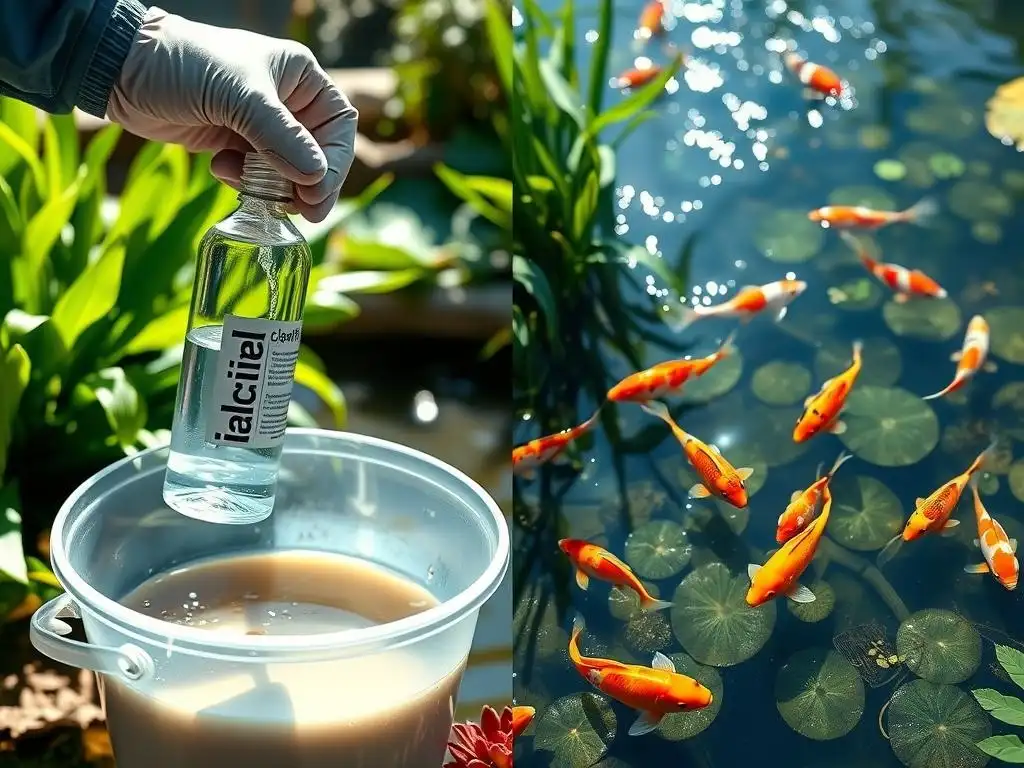
Maintaining pristine water quality in your garden feature is crucial for both aesthetic appeal and the health of any aquatic life present. While natural methods are often preferred, sometimes chemical treatments become necessary. This section details when and how to use them responsibly and effectively, ensuring you employ "clean garden water methods" that minimize environmental impact. Remember, chemical intervention should be a last resort, employed only after exploring and exhausting natural solutions.
Using Beneficial Bacteria to Naturally Control Algae
Before resorting to chemicals, consider introducing beneficial bacteria. These microorganisms naturally break down organic matter, reducing nutrient levels that fuel algae growth. Products containing Bacillus subtilis and other beneficial strains are readily available. The application process typically involves adding the bacteria directly to the pond or water feature, following the manufacturer’s instructions carefully. Regular water testing will help monitor the effectiveness of the bacteria and guide further treatment.
Remember to always introduce bacteria gradually to avoid shocking the ecosystem. Consistent use of beneficial bacteria is a key component of long-term "clean garden water methods". For example, a weekly dose of a concentrated bacterial solution in a smaller water feature can significantly reduce the need for chemical interventions. Larger features may require a more substantial initial dose followed by regular maintenance applications.
Safe and Effective Algae Control Products
If beneficial bacteria prove insufficient, carefully selected algaecides can help control algae blooms. Opt for products specifically formulated for aquatic use and containing copper-based compounds or other environmentally friendly ingredients. Always follow the label instructions precisely, paying close attention to dosage and application methods. Over-application can harm aquatic plants and animals, and even contaminate the surrounding soil, negating your efforts towards sustainable gardening.
Before using any algaecide, identify the type of algae present (e.g., filamentous, planktonic). This will help you choose the most effective product and tailor your application strategy. Regular monitoring of water parameters, such as pH levels and nutrient concentrations, is also crucial to assess the treatment's effectiveness and adjust accordingly. The correct application of algaecides is an important part of implementing effective "clean garden water methods".
Dealing with Excess Nutrients: Understanding and Addressing Nutrient Imbalances
Excess nutrients, primarily nitrogen and phosphorus, are the primary culprits behind excessive algae growth. These nutrients often originate from decaying organic matter (leaves, uneaten fish food), runoff from fertilized lawns, or even bird droppings. Effective "clean garden water methods" require addressing this root cause. Regularly removing fallen leaves and debris from the water surface is a crucial first step.
Consider installing a filtration system to mechanically remove excess organic matter. Regular water changes, especially in smaller water features, can also help dilute nutrient concentrations. For larger features, a biological filter incorporating plants like water hyacinth or other aquatic species known for their nutrient uptake capabilities can be highly beneficial.
In some cases, water testing may reveal a need for specialized water treatment products designed to bind and remove excess nutrients. A proactive approach to nutrient management is essential for long-term water quality maintenance. This holistic approach is vital to ensuring your "clean garden water methods" are both effective and environmentally responsible.
Preventing Future Water Quality Issues: Proactive Measures
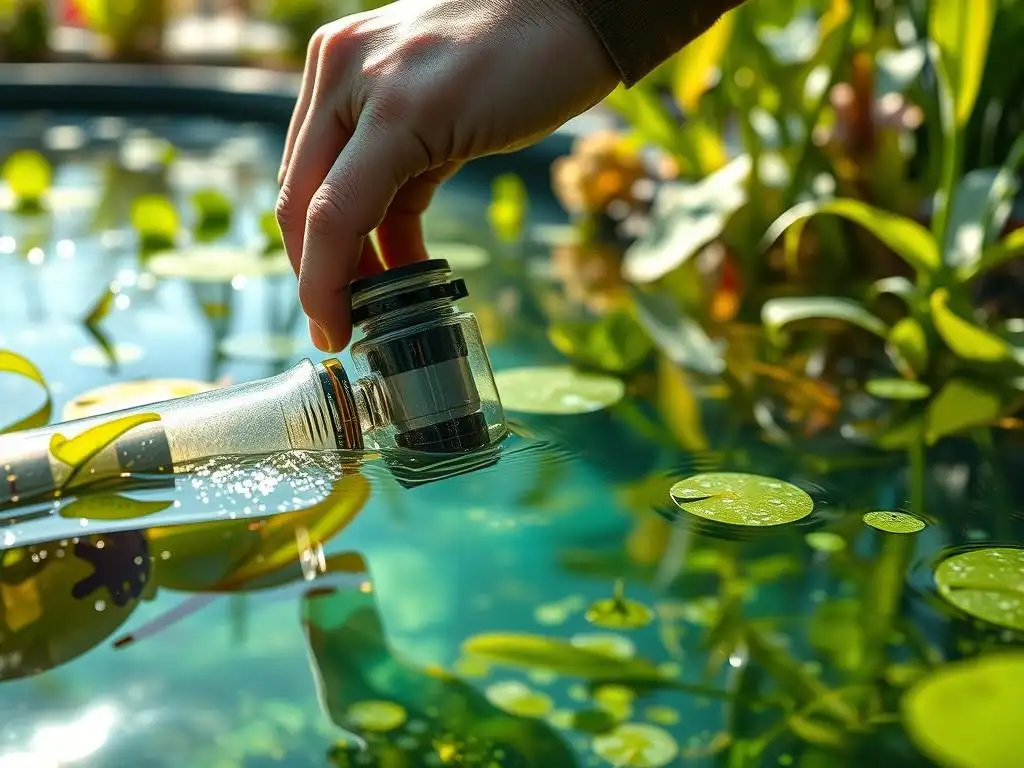
Maintaining clean garden water isn't just about reacting to problems; it's about proactively preventing them. A well-planned water feature is less likely to suffer from algae blooms, murky water, or unpleasant odors. This section details crucial steps to take before you even add water to your feature, significantly improving your chances of enjoying crystal-clear, healthy water for years to come.
Choosing the Right Plants for Your Pond or Water Feature: Oxygenating Plants and Their Benefits
Selecting appropriate plants is paramount for maintaining clean garden water methods. Oxygenating plants, also known as aquatic plants, play a vital role in the ecosystem of your water feature. They help prevent algae growth by consuming excess nutrients and releasing oxygen into the water, creating a balanced environment.
Several plants are particularly effective. For instance, Elodea canadensis (Canadian waterweed) is a fast-growing oxygenator that thrives in various conditions. It's excellent at absorbing nutrients, preventing algae from flourishing. Another excellent choice is Ceratophyllum demersum (coontail), a rootless plant that floats freely, providing ample oxygen and habitat for beneficial insects.
These plants naturally filter the water, significantly reducing the need for chemical treatments. The benefits extend beyond water clarity; they also enhance the aesthetic appeal of your water feature, creating a thriving, natural ecosystem. Consider adding a diverse range of oxygenating plants to maximize their impact. Proper plant selection contributes to a self-regulating system, minimizing maintenance and promoting long-term water quality.
Implementing a Regular Maintenance Schedule: A Checklist for Clean Garden Water
A regular maintenance schedule is crucial for preventing problems and maintaining clean garden water methods. Think of it as preventative medicine for your water feature. Here's a checklist to guide your efforts:
| Task | Frequency | Notes |
|---|---|---|
| Remove debris (leaves, etc.) | Weekly or as needed | Prevents decomposition and nutrient buildup. |
| Skim the surface | Weekly or as needed | Removes surface film and prevents algae growth. |
| Check water level | Weekly | Ensure adequate water depth and prevent drying out. |
| Test water parameters | Monthly | Monitor pH, ammonia, nitrite, and nitrate levels. Use a reliable test kit. |
| Partial water changes | Quarterly or as needed | Replenishes water and removes accumulated waste. Aim for 25-30% replacement. |
| Trim overgrown plants | As needed | Prevents overcrowding and maintains water circulation. |
| Inspect for pests/diseases | Regularly | Address any issues promptly to prevent widespread problems. |
Following this checklist diligently will help you maintain a healthy and beautiful water feature. Remember that proactive maintenance is far easier and more cost-effective than dealing with severe water quality issues later. Regular attention to these details is key to achieving and sustaining clean garden water.
Protecting Your Water Feature from External Contaminants
External contaminants can significantly impact your water feature's cleanliness. Protecting it from these sources is crucial for maintaining clean garden water methods. This involves preventing runoff from fertilizers, pesticides, and other chemicals used in your garden.
Here are some effective strategies:
- Create a buffer zone: Plant a border of vegetation around your water feature to intercept runoff before it reaches the water. This natural barrier helps filter out contaminants.
- Use organic gardening practices: Avoid using chemical fertilizers and pesticides, opting instead for organic alternatives. This significantly reduces the risk of contaminating your water feature.
- Properly maintain your gutters: Ensure your gutters are clean and functioning correctly to prevent contaminated rainwater from flowing directly into your water feature.
- Cover your water feature during heavy rainfall: If possible, use a temporary cover to protect it from excessive debris and runoff during storms.
- Regularly clean surrounding areas: Keep the area surrounding your water feature free of debris and litter to prevent contamination.
By implementing these preventative measures, you'll significantly reduce the risk of contamination and maintain the pristine quality of your garden water feature for years to come. Remember, clean garden water is a reflection of a healthy and well-maintained ecosystem. 🌱
Advanced Techniques for Pristine Garden Water: Beyond the Basics
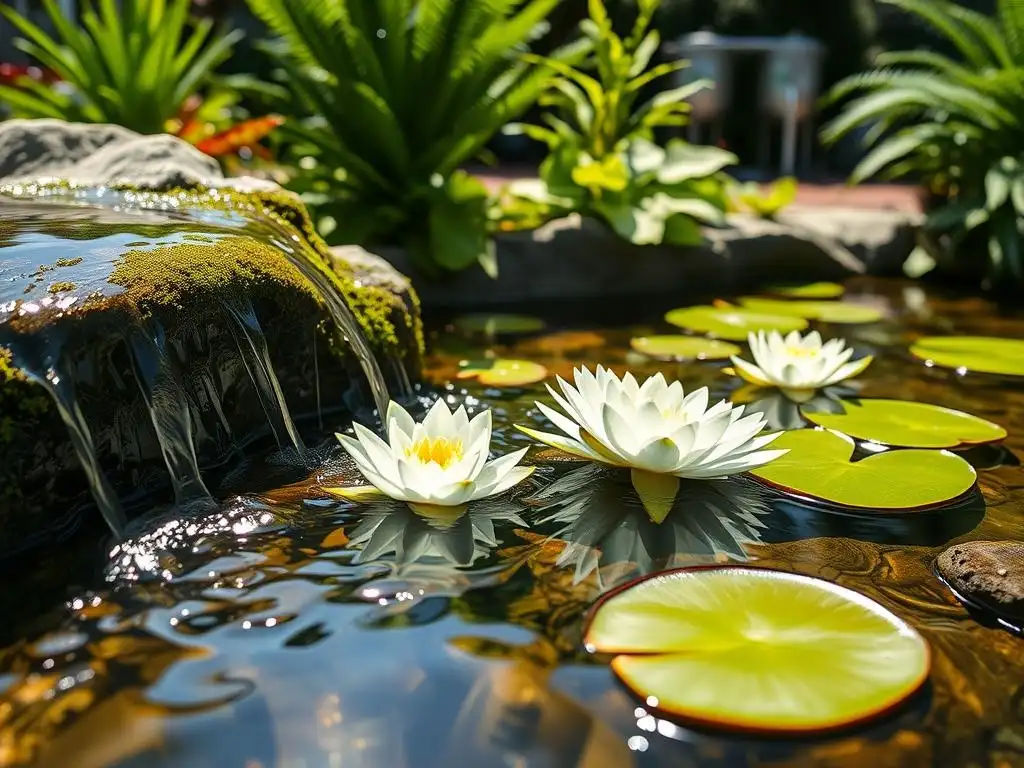
This section delves into more advanced methods for maintaining clean garden water, going beyond the fundamental practices of regular cleaning and water changes. These techniques are crucial for creating a thriving aquatic ecosystem within your garden feature, whether it's a pond, a bog garden, or a small water feature. Employing these strategies ensures not only aesthetic appeal but also the health of any aquatic life you may choose to introduce.
Maintaining pristine water quality is key to preventing algal blooms and other issues that can compromise the beauty and functionality of your garden feature. Remember, consistent monitoring and proactive maintenance are key to success with these advanced "Clean garden water methods".
Implementing a Biofilter System for Natural Water Purification
A biofilter is a crucial component in maintaining a healthy and balanced aquatic environment. It utilizes beneficial bacteria to break down organic waste, such as decaying leaves and fish waste, preventing the build-up of harmful ammonia and nitrates. These bacteria colonize the filter media, converting toxic ammonia into less harmful nitrites, and then further into nitrates, which are still nutrients but far less toxic. Several types of biofilters exist, each offering unique advantages:
- Trickling Filters: These filters use a bed of media, such as lava rock or plastic bio-balls, over which water trickles. The large surface area provides ample space for beneficial bacteria to colonize. This is a relatively simple and effective method for smaller water features.
- Submerged Filters: These are often placed directly within the water feature, typically hidden amongst plants or rocks. They provide continuous filtration and are ideal for ponds with fish. The efficiency depends heavily on the type and amount of filter media used.
- Constructed Wetlands: For larger water features, a constructed wetland acts as a natural biofilter. This involves creating a shallow, marshy area with aquatic plants that help filter the water naturally. This is a highly effective method for removing nutrients and improving water clarity, but requires more space.
The success of a biofilter system hinges on proper maintenance. Regularly inspect and clean the filter media to prevent clogging and ensure optimal bacterial activity. Avoid using harsh chemicals that could kill the beneficial bacteria. A healthy biofilter is the cornerstone of maintaining crystal-clear and healthy water in your garden feature. Regular maintenance is key to long-term success.
Using Submerged Gravel Filters for Enhanced Clarity
Submerged gravel filters offer a discreet and efficient way to enhance water clarity. These filters utilize a layer of gravel or other porous media placed at the bottom of the water feature. Water is drawn through the gravel, allowing beneficial bacteria to colonize the surface area of the gravel particles, filtering out suspended solids and organic matter. The filtered water then returns to the pond, creating a natural circulation that improves water quality.
The effectiveness of a submerged gravel filter depends largely on the size and type of gravel used. Smaller gravel provides a larger surface area for bacterial colonization, but also requires more frequent cleaning to prevent clogging. Larger gravel offers less surface area but is less prone to clogging. Consider the size of your water feature and the amount of organic waste it generates when choosing the appropriate gravel size.
The key to success is maintaining a proper balance between filtration capacity and the need for cleaning. Regular siphon cleaning of accumulated debris from the gravel bed is important. Consider incorporating a small pump to increase water circulation to improve the overall effectiveness of the system.
Monitoring Water Parameters: Testing Kits and Their Importance
Regular monitoring of water parameters is essential for maintaining a healthy aquatic environment. Key parameters to monitor include:
| Parameter | Ideal Range | Significance |
|---|---|---|
| pH | 6.5 - 8.0 | Affects the availability of nutrients and the health of aquatic plants and animals. |
| Ammonia (NH₃) | 0 ppm | Highly toxic to fish and other aquatic life. |
| Nitrite (NO₂⁻) | 0 ppm | Toxic to fish and other aquatic life. |
| Nitrate (NO₃⁻) | < 20 ppm (ideally below 10 ppm) | Less toxic than ammonia and nitrite, but high levels can still be harmful. |
| Dissolved Oxygen | > 6 ppm (higher is better, especially if you have fish) | Essential for the survival of aquatic life. |
Regular testing using a reliable water testing kit allows you to identify potential problems early on and take corrective action before they become serious. There are various kits available, ranging from simple dip strips to more sophisticated liquid reagent tests. Choose a kit that tests for the parameters most relevant to your garden feature and the type of plants and animals you have.
Regular testing, ideally weekly, is crucial for proactive management and ensuring the long-term health and beauty of your garden water feature. 🐠💦 Remember, prevention is always better than cure when it comes to maintaining clean garden water.
Troubleshooting Common Water Quality Problems: Solutions for Cloudy Water and Algae Blooms
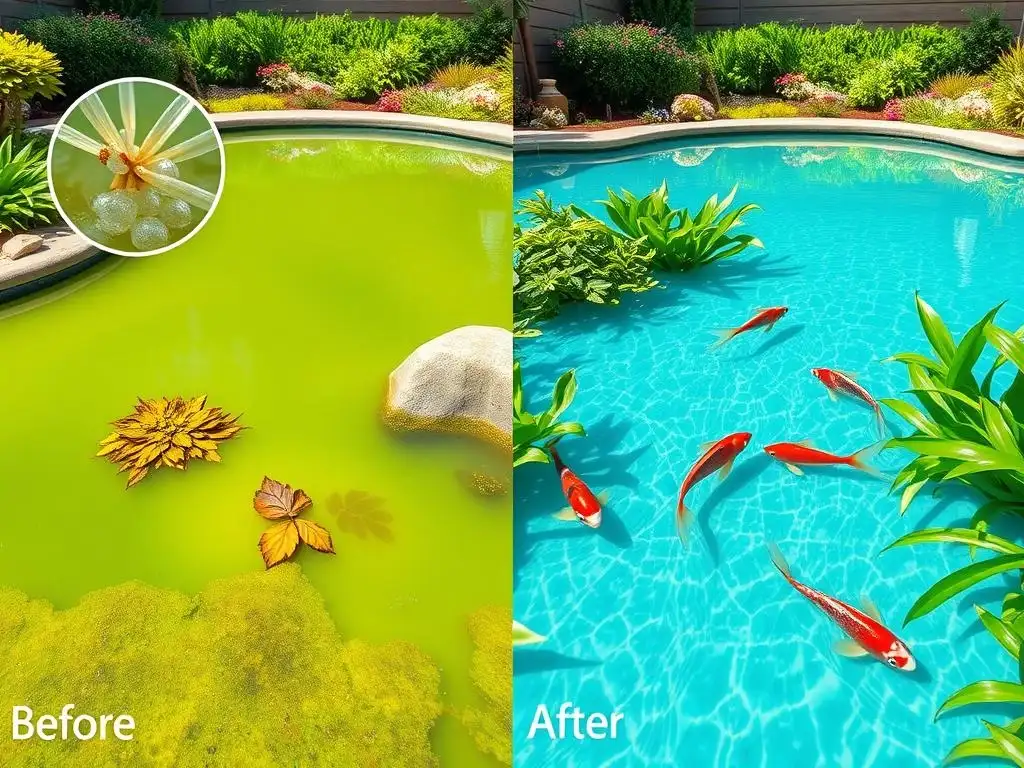
Maintaining pristine water quality in your garden feature is crucial for both aesthetic appeal and the health of any aquatic plants or wildlife you may have. Cloudy water and algae blooms are common issues, but with proactive management and the right techniques, you can keep your water feature sparkling clean, promoting a thriving and beautiful garden ecosystem. This section focuses on practical solutions for these pervasive problems, offering effective strategies for "clean garden water methods."
Dealing with Cloudy Water: Identifying and Addressing the Root Causes
Cloudy water in a garden feature is often caused by suspended particles – silt, decaying organic matter, or even microscopic organisms. Identifying the source is the first step towards a clear solution.
Several factors contribute to cloudy water:
- Recent additions: Introducing new plants, fish, or even soil can introduce sediment and increase turbidity. Allow sufficient time for the water to settle after any additions. Consider pre-washing any plants before adding them to your feature.
- Insufficient filtration: An inadequate or poorly maintained filter system fails to remove suspended solids, leading to cloudy water. Regular filter cleaning and replacement of filter media are essential components of any "clean garden water methods" strategy.
- Overfeeding fish: Excess fish food contributes to organic matter buildup, fueling bacterial growth and clouding the water. Feed your fish sparingly and remove any uneaten food promptly.
- Lack of water circulation: Stagnant water allows sediment to settle and promotes the growth of undesirable microorganisms. Adequate water circulation, using pumps or fountains, is key to preventing cloudiness.
- Decomposition of organic matter: Leaves, decaying plant material, and other organic debris contribute significantly to cloudy water. Regularly remove fallen leaves and other debris from the water feature.
Addressing cloudy water involves a multi-pronged approach:
- Thorough cleaning: Begin by removing visible debris and cleaning the feature’s surfaces. Consider using a garden net or siphon to remove larger particles from the water.
- Filter maintenance: Inspect and clean your filter system according to the manufacturer's instructions. Replace filter cartridges as needed.
- Water changes: Partial water changes can significantly improve water clarity, especially after significant organic matter buildup. Replace a portion of the water with fresh, clean water.
- Improved circulation: Ensure sufficient water circulation with a properly functioning pump and strategically placed fountains or bubblers.
- Biological solutions: In some cases, introducing beneficial bacteria can help break down organic matter and improve water clarity.
Combating Algae Blooms: Effective Strategies for Prevention and Control
Algae blooms, characterized by excessive growth of algae, are another common problem affecting garden water features. These blooms not only detract from the aesthetic appeal but can also deplete oxygen levels, harming aquatic life. Employing preventative measures and effective control strategies is essential for maintaining "clean garden water methods."
Several factors contribute to algae blooms:
- Excessive sunlight: Sunlight fuels algae growth. Consider planting aquatic plants that shade the water surface.
- Nutrient enrichment: Excess nutrients, such as phosphates and nitrates, from fertilizers, decaying organic matter, or bird droppings, stimulate algae growth. Minimize fertilizer use near the water feature and regularly remove any organic debris.
- Inadequate filtration: A poorly maintained filter system fails to remove excess nutrients and algae cells, allowing blooms to proliferate.
- Imbalanced water chemistry: An imbalance in pH levels or other water parameters can favor algae growth. Regular water testing and adjustments are crucial.
Controlling algae blooms involves a combination of preventative measures and active control methods:
- Reduce nutrient input: Minimize fertilizer use near the water feature and regularly remove any organic debris.
- Improve water circulation: Adequate water circulation helps prevent nutrient buildup and reduces the chances of algae blooms.
- Shade the water: Planting aquatic plants or using floating plants to provide shade can significantly reduce algae growth.
- Biological control: Introducing certain species of fish or invertebrates that feed on algae can help control populations.
- Chemical control: In severe cases, algae control products can be used, but always follow the manufacturer's instructions carefully and be mindful of the potential impact on aquatic life. Consider this option only as a last resort. Always prioritize environmentally friendly "clean garden water methods".
By diligently addressing these common problems and implementing the strategies outlined above, you can ensure your garden water feature remains a clean, healthy, and beautiful focal point for years to come.
Investing in Quality Equipment for Long-Term Clean Garden Water
Maintaining clean garden water requires a proactive approach, starting with the initial investment in high-quality equipment. Cutting corners here often leads to increased maintenance, higher long-term costs, and potentially, a compromised ecosystem within your water feature. Think of it as an investment in the health of your garden and the beauty of your water feature—a clean pond or fountain enhances the overall aesthetic appeal significantly.
Prioritizing durable, efficient equipment from the outset will save you headaches and money down the line. This section focuses on two key aspects of this initial investment: selecting the appropriate pump and choosing durable, easily cleanable materials.
Selecting the Right Pump for Your Water Feature: Efficiency and Longevity
The pump is the heart of any water feature. A poorly chosen pump can lead to stagnant water, reduced oxygen levels, and an increased risk of algae blooms – all detrimental to the overall cleanliness and health of your garden water. Consider these factors when making your selection:
- Flow Rate: The flow rate should be appropriate for the size and design of your water feature. A pond requires a different flow rate than a small fountain. Too little flow can lead to stagnation; too much can be wasteful and noisy. Consult pump specifications carefully, considering the volume of water and the desired water movement.
- Energy Efficiency: Opt for energy-efficient pumps. While the initial cost might be slightly higher, the long-term savings on your electricity bill will be substantial. Look for pumps with high energy efficiency ratings (EER) to minimize your environmental impact and reduce running costs.
- Durability: Choose a pump constructed from robust materials resistant to corrosion and wear. Stainless steel or high-grade plastics are excellent choices. Consider the pump's warranty as an indicator of its expected lifespan and the manufacturer's confidence in its quality.
- Maintenance: Select a pump that is easy to access and clean. Regular maintenance is crucial for maintaining clean water, and a pump that is difficult to clean will be a constant source of frustration. Look for models with easily removable impellers and filter baskets.
Choosing Durable and Easy-to-Clean Materials for Your Pond or Water Feature
The materials used to construct your pond or water feature directly impact the ease of maintenance and the longevity of your clean water system. Certain materials are more prone to algae growth, while others are easier to clean and require less frequent maintenance.
| Material | Pros | Cons | Cleanliness Ease |
|---|---|---|---|
| Concrete | Durable, versatile, relatively inexpensive | Can be porous, requiring sealant; can crack | Moderate |
| Fiberglass | Lightweight, durable, smooth surface | Can be more expensive; less versatile | High |
| Pre-formed liners | Easy installation, various shapes & sizes | Can be prone to punctures; limited lifespan | Moderate |
| Natural Stone | Beautiful, natural look | Can be expensive; requires careful sealing | Low |
Choosing the right materials is crucial for minimizing the effort required to maintain clean garden water. A smooth, non-porous surface will inhibit algae growth and make cleaning easier. Regular cleaning, using appropriate methods, is still necessary, regardless of the material chosen.
For example, scrubbing the sides of a concrete pond with a stiff brush and a non-toxic cleaning solution might be necessary periodically, while a fiberglass pond might only require occasional wiping. The key is selecting materials that facilitate easy and efficient cleaning, minimizing the time and effort required to maintain a clean and healthy water feature. Remember that regular cleaning is key to maintaining "clean garden water methods".
Frequently Asked Questions
What are the best methods for ensuring clean garden water?
The best methods involve using rainwater harvesting whenever possible. Supplement with filtered tap water if necessary, avoiding chlorinated water which can harm plants. Regular testing of your water's pH and nutrient levels is also crucial.
How can I prevent contamination of my garden water?
Prevent contamination by keeping your water storage containers clean and covered. Avoid using chemical fertilizers and pesticides near your water source. Also, ensure your gutters and downspouts are free from debris before collecting rainwater.
What are the signs of poor water quality in my garden?
Signs include wilting plants despite adequate watering, yellowing leaves, and poor growth overall. You may also notice an unusual odor or discoloration of the water itself. Consider testing your water.
Can I use greywater for my garden?
Using greywater (from showers, baths, and sinks) can be beneficial, but it requires careful consideration. Proper filtration and treatment are essential to remove harmful pathogens and soap residue. Always research your local regulations before using greywater.
How often should I test my garden water?
The frequency depends on your water source and local conditions. At least once a year is recommended for rainwater harvesting systems, and more frequently if you suspect contamination or notice plant health issues. Using a simple water testing kit is a great way to monitor quality.
Final Reflection: Nurturing Life, One Drop at a Time
Maintaining clean water in our garden features isn't just about aesthetics; it's about fostering a thriving ecosystem and ensuring the long-term health of our plants and the environment. The methods discussed – from responsible fertilizer use to regular cleaning and filtration – are crucial not only for beautiful gardens but also for protecting our precious water resources. Ignoring these practices has far-reaching consequences, impacting everything from local wildlife to the broader water cycle.
The journey towards cleaner garden water is a continuous one, reflecting our evolving understanding of environmental responsibility. It's a journey I've personally embraced, witnessing firsthand the positive impact of simple changes. The vibrant growth of my plants, the increased biodiversity in my garden, and the sheer joy of knowing I'm contributing to a healthier planet are rewards in themselves. The earth provides enough to satisfy every man's needs but not every man's greed.
– Mahatma Gandhi. This quote underscores the importance of mindful water management, not just in our gardens, but in all aspects of our lives.
Now, consider your own garden. What small changes can you implement today to improve water quality? Perhaps it's choosing eco-friendly fertilizers, installing a simple filter, or simply being more mindful of your water usage. Let's commit to nurturing life, one drop at a time, creating gardens that are not only beautiful but also sustainable and environmentally responsible. The future of our planet depends on it.
Unlock Your Garden's Full Potential: Thrive with Pristine Water
Thanks for exploring the world of healthy garden hydration! You've gained valuable knowledge to cultivate thriving plants. Ready to put your knowledge into practice? Let's get growing!
- Prioritize your water source: Begin by evaluating your water source. Is it ideal for your plants? Consider its pH and mineral content; these factors significantly impact plant health. This is your first step towards a flourishing garden!
- Share your water-wise gardening tips! Join the conversation on our CultivateYourFood community forum and share your favorite water-saving techniques.
- Experiment with different watering methods: Consider trying a new technique, such as drip irrigation, to optimize your watering efficiency and plant health.
What have you learned about improving your garden's water quality? Let's discuss!