
Raised Beds vs. InGround: Choosing the Right Layout for Your Needs

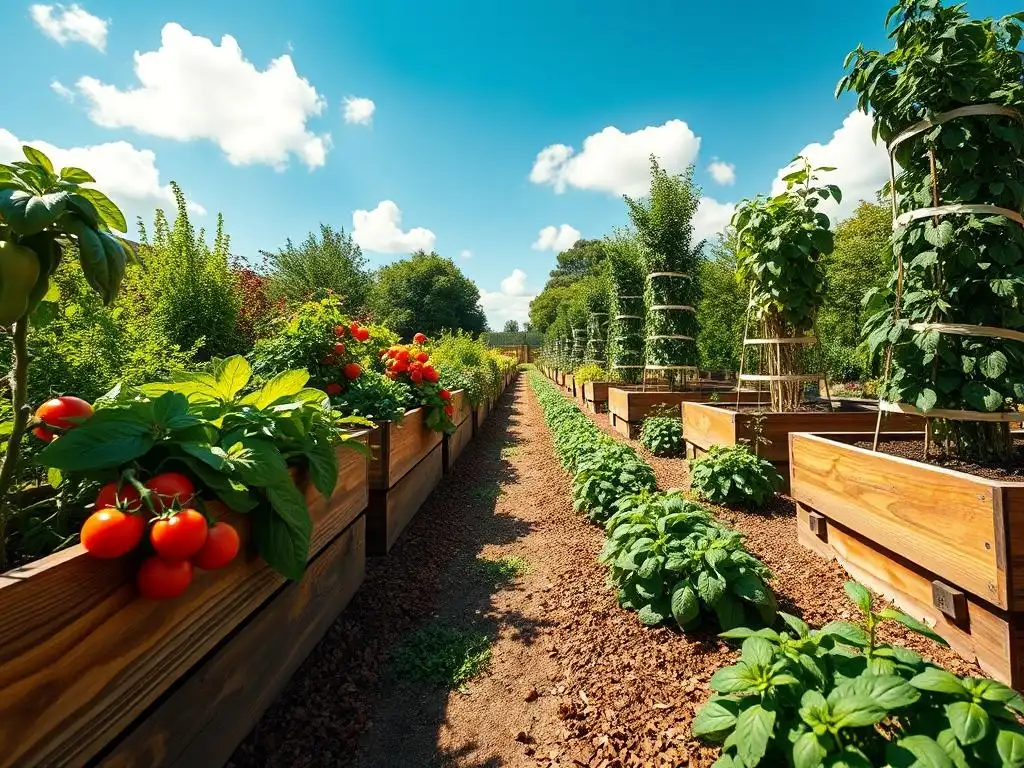
Welcome to CultivateYourFood, your guide to nurturing a thriving, sustainable garden! Are you ready to transform your outdoor space into a bountiful haven of fruits, vegetables, and herbs? We'll help you achieve that dream, starting with the crucial decision of garden layout. Discover the secrets to designing the perfect best raised bed garden layout and unlock the potential of your homegrown harvest. Dive in and explore the world of organic gardening, from planting to pest control, with practical advice and inspiring ideas.
- Understanding Your Gardening Goals: In-Ground vs. Raised Bed Vegetable Gardens
-
The Allure of Raised Bed Gardening: Benefits and Considerations
- Superior Soil Control: Creating the Perfect Growing Medium in Raised Beds
- Improved Drainage and Aeration: Preventing Root Rot in Raised Bed Systems
- Pest and Weed Control: Minimizing Challenges in Raised Bed Gardening
- Enhanced Warmth and Earlier Planting: Accelerating Growth in Raised Beds
- Increased Yield Potential in Raised Beds: Maximizing Your Harvest
- The Cost Factor: Comparing the Initial Investment of Raised Beds vs. In-Ground
- Aesthetic Appeal: Designing Beautiful and Functional Raised Bed Gardens
-
In-Ground Gardening: Advantages and Disadvantages
- The Natural Approach: Working with Existing Soil Conditions
- Cost-Effectiveness of In-Ground Gardening: Minimizing Initial Expenses
- Potential Challenges: Soil Drainage, Compaction, and Weed Control
- Dealing with Soilborne Diseases and Pests in In-Ground Gardens
- Maintaining Soil Health in In-Ground Gardens: Organic Practices and Soil Testing
-
Choosing the Right Approach for Your Garden: A Comparative Analysis
- Raised Bed Garden Designs: Choosing the Right Size and Shape for Your Space
- Planning Your In-Ground Garden Layout: Maximizing Space and Functionality
- Side-by-Side Comparison: Raised Beds vs. In-Ground Gardens for Specific Vegetables
- Choosing the Best Option Based on Your Budget, Time, and Experience
-
Creating Your Dream Garden: Step-by-Step Guide to Implementation
- Designing Your Ideal Garden Layout: Software and Planning Tools
- Selecting the Right Materials: Wood, Metal, or Plastic Raised Bed Options
- Preparing the Soil: Essential Steps for Both Raised Beds and In-Ground Gardens
- Planting Your Vegetables and Herbs: Optimal Spacing and Techniques
- Ongoing Maintenance: Watering, Fertilizing, and Pest Control for Both Systems
- Frequently Asked Questions
- Final Reflection: Cultivating Your Ideal Garden Space
- Unlock Your Garden's Potential: Next Steps to Bountiful Harvests
Understanding Your Gardening Goals: In-Ground vs. Raised Bed Vegetable Gardens
Choosing between in-ground and raised bed gardening is a crucial first step in designing your dream garden. This decision significantly impacts not only the aesthetics of your garden but also its practicality, long-term sustainability, and overall yield. This article will help you navigate the complexities of this choice, guiding you towards the best raised bed garden layout – or perhaps confirming that in-ground gardening is the better option for your specific needs and circumstances. We'll explore the advantages and disadvantages of each approach, focusing on factors like soil quality, available space, and long-term planning.
Ultimately, the "best" layout depends entirely on your individual goals, resources, and the unique characteristics of your gardening environment. Let's delve into the key considerations that will help you make an informed decision and cultivate a thriving, beautiful garden. 🥕
Assessing Your Soil Quality: Is In-Ground Gardening Suitable?
Before even considering raised beds, it's essential to evaluate your existing soil. In-ground gardening offers the advantage of working with nature, leveraging the inherent nutrients and structure of your soil. However, this approach is only viable if your soil is healthy and fertile. Poor soil quality, characterized by compaction, poor drainage, high clay content, or low nutrient levels, can severely hinder plant growth and yield. Assessing your soil involves several steps:
- Visual Inspection: Examine the soil's texture. Is it loose and crumbly, or hard and compacted? Observe its color; dark, rich soil usually indicates higher fertility.
- Drainage Test: Dig a hole and fill it with water. Observe how quickly the water drains. Slow drainage suggests poor drainage and potential for root rot.
- Soil Test: A professional soil test provides a comprehensive analysis of your soil's pH, nutrient levels, and organic matter content. This is the most reliable method for determining suitability for in-ground gardening. Consider this crucial if you're aiming for a bountiful harvest.
If your soil test reveals significant deficiencies, amending the soil can be a time-consuming and labor-intensive process. In such cases, raised beds often provide a more manageable and efficient solution, allowing you to create the ideal growing medium independent of your existing soil conditions. This is especially important for those aiming for organic gardening practices.
Evaluating Space Constraints: Maximizing Small Garden Spaces with Raised Beds
For gardeners with limited space, raised beds offer a significant advantage. They allow for efficient use of vertical space and can be tailored to fit even the smallest patios or balconies. In contrast, in-ground gardening requires a larger continuous area. Raised beds provide structure and organization, maximizing the planting area within a confined space. Consider these aspects:
- Vertical Gardening: Raised beds can be built to various heights, allowing you to grow plants in tiers, further increasing your planting space.
- Modular Design: Raised beds can be constructed in modular units, allowing for flexibility and adaptability as your gardening needs evolve. You can easily add or rearrange sections as needed.
- Accessibility: Raised beds can improve accessibility, making gardening easier for individuals with mobility issues. They bring the plants to a more comfortable working height.
Raised beds, therefore, are often the preferred choice for urban gardeners, apartment dwellers, or anyone with limited land availability seeking the "best raised bed garden layout" for their space. They allow you to create a productive and aesthetically pleasing garden even in the smallest of spaces.
Long-Term Garden Planning: The Advantages of Raised Bed Longevity
Raised beds offer significant long-term advantages over in-ground gardening, particularly concerning soil health and longevity. The contained nature of raised beds allows for better soil management and control, which is key to sustainable gardening practices.
- Improved Drainage: Raised beds promote excellent drainage, preventing waterlogging and root rot, which are common issues in poorly draining in-ground gardens.
- Soil Health Control: You have complete control over the soil composition within raised beds. You can create a custom soil mix optimized for your plants' needs, ensuring consistent fertility and optimal growing conditions year after year. This is especially beneficial for organic gardeners who want to avoid soilborne diseases.
- Reduced Weed Pressure: The raised bed structure creates a physical barrier, significantly reducing weed pressure compared to in-ground gardening. This saves time and effort on weeding, making maintenance much easier. This is a significant factor in maintaining a beautiful and productive garden over the long term.
The longevity and ease of maintenance offered by raised beds contribute to a more sustainable and enjoyable gardening experience, making them a compelling option for those seeking a long-term, low-maintenance approach to home cultivation. This contributes to the overall benefits of choosing the "best raised bed garden layout" for your long-term gardening success.
Accessibility Considerations: Raised Beds for Easier Gardening
Raised bed gardening offers significant advantages for gardeners with mobility issues or physical limitations. The elevated height eliminates the need for excessive bending and kneeling, reducing strain on backs, knees, and hips. This is particularly beneficial for older gardeners or those recovering from injuries. Consider the height of your raised beds carefully; a height of approximately 30 inches is often cited as ideal for comfortable access, but individual needs may vary.
Lower beds might suit those with more limited mobility, while taller beds can be advantageous for those who prefer to work standing. The ease of access also extends to weeding and harvesting; tasks that can be incredibly challenging in an in-ground garden become significantly easier with a raised bed. This improved accessibility translates directly to a more enjoyable and sustainable gardening experience, allowing individuals to continue cultivating their food even with physical limitations. Furthermore, the contained nature of raised beds means that plants are closer together, reducing the distance you need to reach for tasks like watering or pruning.
This concentration of plants within a smaller area is a major benefit for those with reduced reach or dexterity. In essence, a well-designed raised bed garden can be a game-changer for individuals seeking to cultivate their own food while managing physical challenges. Planning for accessibility is crucial, ensuring the garden remains a source of joy and productivity for years to come.
The Allure of Raised Bed Gardening: Benefits and Considerations
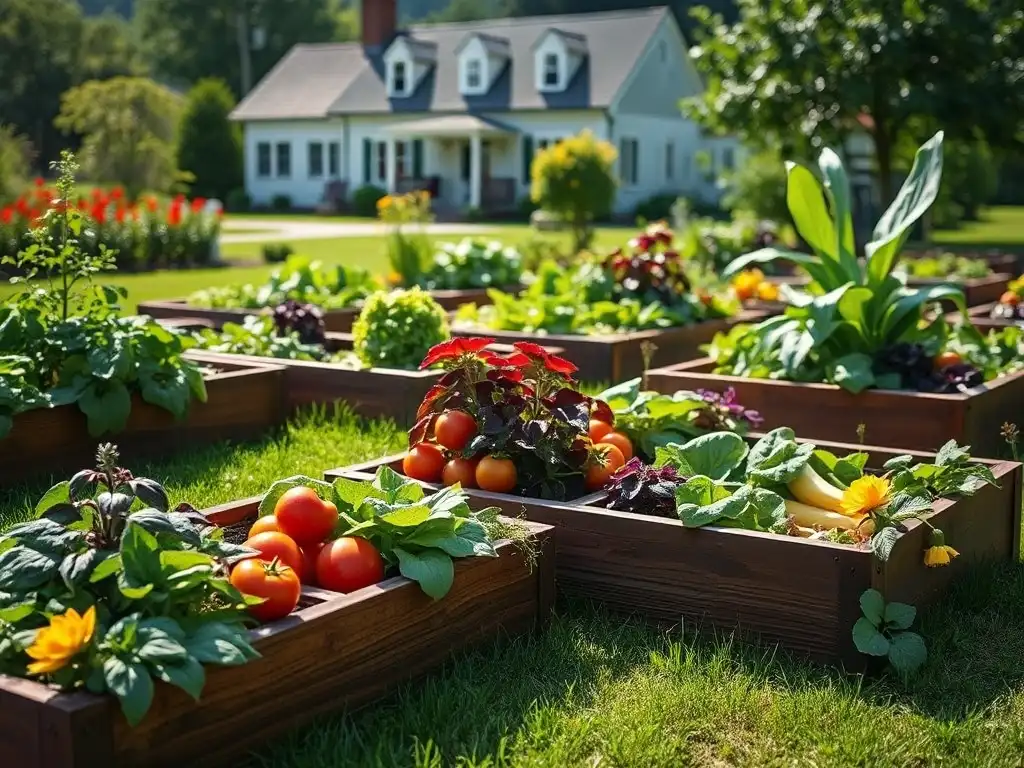
Raised bed gardening offers a compelling alternative to traditional in-ground planting, particularly for those seeking a more controlled and efficient growing environment. The "best raised bed garden layout" is highly dependent on individual needs and site conditions, but understanding the advantages and disadvantages is crucial for making an informed decision. This section delves into the key benefits of raised beds, highlighting their superior soil management capabilities and improved drainage, while also acknowledging potential drawbacks. Choosing the right approach significantly impacts yield, ease of maintenance, and overall gardening satisfaction.
Superior Soil Control: Creating the Perfect Growing Medium in Raised Beds
One of the most significant advantages of raised beds is the ability to meticulously control the soil composition. Unlike in-ground gardens, where soil quality can be inconsistent and challenging to amend, raised beds allow gardeners to create a customized growing medium tailored to the specific needs of their plants. This translates to healthier plants, increased yields, and reduced susceptibility to diseases. This level of control is a key factor in achieving the best raised bed garden layout for optimal plant growth.
Using Premium Soil Blends: Specific Brand A vs. Specific Brand B
The choice of soil blend significantly impacts the success of a raised bed garden. Two popular options are Brand A's "Garden Gold" blend and Brand B's "Organic Supreme." Brand A's blend boasts a higher percentage of composted manure, promoting excellent water retention and nutrient availability. However, it can be slightly more expensive.
Brand B's blend emphasizes a balanced mix of peat moss, vermiculite, and composted bark, providing excellent drainage and aeration. A direct comparison reveals Brand A is better suited for clay soils and plants with high water requirements, while Brand B excels in sandy soils and for plants that prefer well-drained conditions. The "best" choice depends entirely on your specific soil type and plant selection. Consider conducting a soil test to determine your soil's pH and nutrient levels before making a decision.
Composting and Soil Amendments for Raised Bed Gardens: The Importance of Organic Matter
Integrating composting into your raised bed strategy is crucial for long-term soil health and fertility. Regularly adding compost improves soil structure, enhances drainage and aeration, and provides essential nutrients. This organic matter not only feeds the plants but also supports a thriving soil ecosystem, fostering beneficial microorganisms that contribute to plant health.
The best raised bed garden layout incorporates a robust composting system, either through in-situ composting within the beds themselves or by utilizing a separate composting bin to supplement the soil with rich, nutrient-laden material. Remember, consistency is key; regular additions of compost will maintain soil fertility and ensure optimal plant growth year after year. Consider experimenting with different compost types, such as leaf mold or green waste compost, to fine-tune your soil's nutrient profile.
Improved Drainage and Aeration: Preventing Root Rot in Raised Bed Systems
Poor drainage is a common problem in in-ground gardens, often leading to root rot and other soil-borne diseases. Raised beds, however, offer significantly improved drainage and aeration. The elevated position allows for better water percolation, preventing waterlogging and ensuring that plant roots receive adequate oxygen. This is particularly beneficial in areas with heavy clay soils or high water tables.
The best raised bed garden layout takes drainage into account, incorporating features like gravel layers at the base of the bed to further enhance water flow. Careful consideration of bed height and the use of appropriate materials are also crucial factors in optimizing drainage and aeration, contributing to the overall success of your raised bed garden. Proper drainage is a cornerstone of successful raised bed gardening and contributes directly to obtaining the best raised bed garden layout for your site.
Pest and Weed Control: Minimizing Challenges in Raised Bed Gardening
Raised bed gardening offers significant advantages in pest and weed control compared to in-ground planting. The contained environment of a raised bed makes it easier to monitor and manage pest infestations. Early detection is key, and the clear boundaries of the bed allow for quicker identification of any unwanted visitors. This facilitates targeted treatments, minimizing the use of broad-spectrum pesticides and promoting sustainable pest control methods.
For example, using diatomaceous earth, beneficial nematodes, or companion planting can effectively manage common garden pests without harming beneficial insects or the environment. Furthermore, the raised bed structure acts as a physical barrier, preventing many weeds from easily establishing themselves. Careful selection of quality soil, free from weed seeds, also plays a crucial role.
Regular weeding, which is easier in a contained space, prevents weed competition for resources, allowing your plants to thrive. This proactive approach to weed management significantly reduces the need for herbicides, maintaining the integrity of your organic gardening practices. The overall benefit is a healthier garden ecosystem with less time spent battling pests and weeds.
Enhanced Warmth and Earlier Planting: Accelerating Growth in Raised Beds
Raised beds warm up faster in the spring than in-ground gardens. This is because the soil in raised beds is exposed to more sunlight and air circulation, leading to quicker warming. This accelerated warming translates to an earlier planting window, allowing you to get a head start on the growing season.
In colder climates, this advantage can be substantial, extending your growing season and potentially increasing your harvest. For example, you could plant heat-loving vegetables like tomatoes or peppers several weeks earlier in a raised bed than in the surrounding ground, giving them a significant growth advantage. This enhanced warmth also contributes to faster germination and overall faster plant growth throughout the growing season.
The improved drainage in raised beds further aids in warmer soil temperatures, preventing waterlogging which can hinder root development and lead to slower growth. By choosing the right location and materials for your raised beds, you can maximize this benefit and enjoy a more bountiful harvest earlier in the year.
Increased Yield Potential in Raised Beds: Maximizing Your Harvest
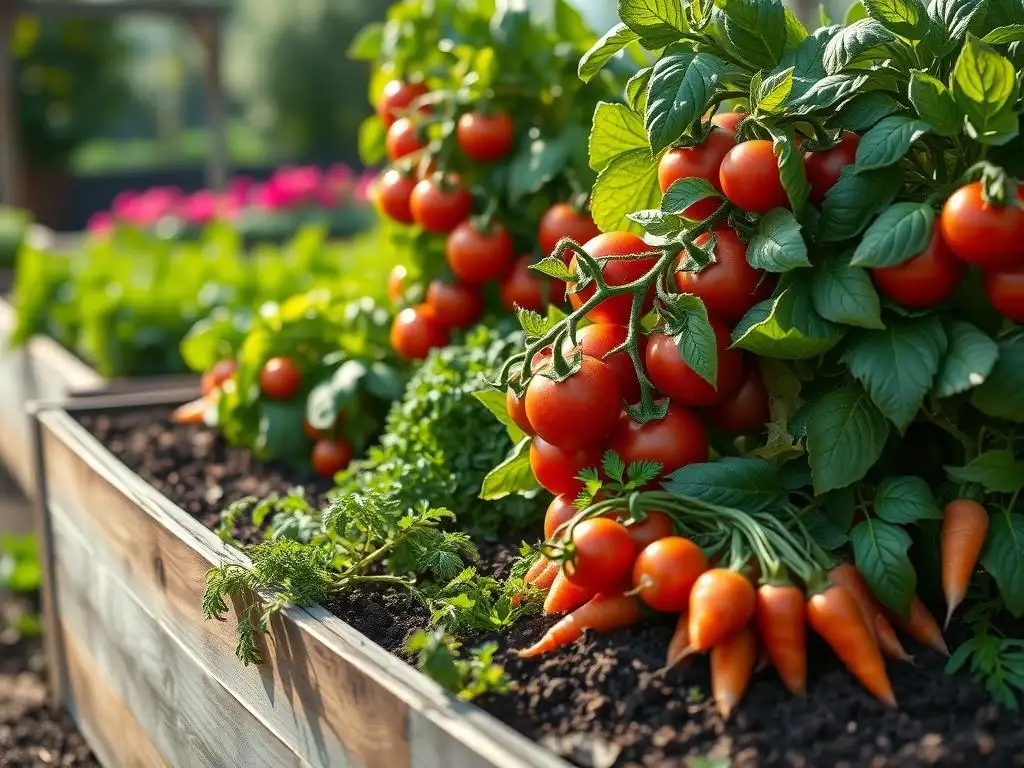
Raised beds often result in higher yields compared to in-ground gardens. Several factors contribute to this increased productivity. Firstly, the improved soil drainage in raised beds promotes healthier root systems. Well-drained soil allows for better oxygen circulation around the roots, leading to vigorous growth and increased nutrient uptake.
This improved root development directly translates to larger and more abundant harvests. Secondly, the concentrated soil volume in raised beds allows for better nutrient management. You can tailor the soil mix to the specific needs of your plants, ensuring they have access to the optimal nutrients for optimal growth.
This precision in soil composition, combined with the improved drainage, leads to a more efficient use of fertilizers and amendments, maximizing the yield potential. For instance, a raised bed filled with a custom blend of compost, topsoil, and perlite can significantly outperform the same plants growing in compacted, nutrient-poor soil. Finally, the ease of access and management in raised beds simplifies tasks like weeding and watering, ensuring that plants receive the care they need to thrive and produce abundant yields.
The Cost Factor: Comparing the Initial Investment of Raised Beds vs. In-Ground
The initial investment for raised beds versus in-ground gardens presents a significant difference that home gardeners should carefully consider. In-ground gardening often boasts a lower upfront cost. The primary expense usually involves purchasing seeds, seedlings, and perhaps some basic tools if you don't already own them. Soil amendment costs might also apply, depending on your soil's existing condition. However, this initial low cost can be deceptive, as ongoing maintenance and potential soil issues could lead to higher expenses in the long run.
Raised bed gardening, on the other hand, involves a more substantial upfront investment. The cost depends on several factors, including the size and materials of your raised beds. Using readily available materials like reclaimed wood can significantly reduce the cost, while opting for cedar or pre-fabricated kits will increase the initial expense.
You'll also need to factor in the cost of the soil itself, which is typically purchased in bulk and can be a considerable expense, particularly for larger raised bed gardens. However, the benefits of better soil drainage and easier weed control can lead to long-term savings in time and effort, potentially offsetting the higher initial investment. The total cost difference can vary greatly depending on the scale of your project and your material choices.
For a small raised bed garden, the difference might be minimal, but for larger projects, the initial investment in raised beds can be substantially higher. Careful planning and budget allocation are crucial before embarking on either type of garden. Consider the long-term costs and benefits to make an informed decision that aligns with your budget and gardening goals.
Aesthetic Appeal: Designing Beautiful and Functional Raised Bed Gardens
Raised bed gardens offer a unique opportunity to enhance the aesthetic appeal of your outdoor space. Their defined structure allows for creative design possibilities, transforming a simple vegetable patch into a visually stunning feature. Careful consideration of the bed's shape, size, and placement can significantly impact the overall look of your garden.
Rectangular raised beds create a clean, modern look, while curved or circular beds offer a softer, more natural aesthetic. The height of the beds can also influence the overall visual impact. Taller beds can provide a dramatic focal point, while shorter beds blend seamlessly into the surrounding landscape.
Beyond the shape and size, the materials used to construct the raised beds significantly influence the aesthetic. Untreated wood offers a rustic charm, while cedar provides a more refined look with its natural reddish hue. Stone or brick raised beds create a timeless and elegant feel, easily integrating into various garden styles.
The choice of material should complement the overall style of your home and garden, creating a cohesive and visually pleasing space. Furthermore, the plants themselves play a significant role in the aesthetic appeal. Strategically planting flowers and herbs alongside vegetables not only enhances the visual interest but also attracts beneficial insects and improves biodiversity.
Using companion planting techniques can also optimize plant growth and create a more vibrant and colorful garden. The arrangement of plants within the raised beds is critical, with taller plants placed at the back and shorter plants at the front to ensure optimal sunlight and visibility. By carefully considering these elements, you can create a raised bed garden that is both beautiful and functional, enhancing the overall aesthetic of your outdoor space and providing a rewarding gardening experience.
In-Ground Gardening: Advantages and Disadvantages
In-ground gardening, the traditional method of planting directly into the earth, offers a unique set of advantages and disadvantages compared to raised beds. Understanding these nuances is crucial in choosing the best gardening layout for your specific needs and resources. The "best raised bed garden layout" is often touted, but let's not forget the merits of a well-planned in-ground garden.
The Natural Approach: Working with Existing Soil Conditions
In-ground gardening inherently embraces the existing soil conditions of your garden plot. This can be a significant advantage, fostering a closer connection to the natural environment. By understanding your soil type – whether sandy, clay-like, silty, or a loam blend – you can tailor your planting choices and soil amendments accordingly. For example, sandy soils, known for their excellent drainage, might benefit from the addition of organic matter to improve water retention.
Conversely, clay soils, prone to compaction and poor drainage, may require amendments like compost and gypsum to improve aeration and water permeability. This natural approach minimizes disruption to the existing ecosystem and encourages biodiversity. Careful soil testing can reveal its pH level, nutrient content, and overall health, guiding you in creating a thriving in-ground garden. Analyzing your soil's composition is crucial for optimizing your gardening success and reducing the environmental impact.
Cost-Effectiveness of In-Ground Gardening: Minimizing Initial Expenses
One of the most compelling reasons to choose in-ground gardening is its cost-effectiveness. Unlike raised beds, which require purchasing or constructing materials, in-ground gardening leverages the land you already possess. This significantly reduces initial setup costs. While you might still invest in tools like shovels, rakes, and gardening gloves, the expense pales in comparison to the materials needed for raised beds, such as lumber, stones, or plastic sheeting.
This makes in-ground gardening a more accessible option for beginners or those on a tight budget. Long-term maintenance costs can also be lower, particularly regarding replacing or repairing structures. The savings can be reinvested in high-quality soil amendments and other essential gardening supplies, further enhancing your garden's productivity. The initial cost savings are particularly appealing for larger garden spaces.
Potential Challenges: Soil Drainage, Compaction, and Weed Control
While in-ground gardening offers financial benefits, it presents certain challenges. Poor soil drainage can lead to root rot and other plant diseases. Compacted soil restricts root growth and limits water and nutrient uptake. Furthermore, weeds can be a persistent problem, requiring consistent weeding to prevent competition with your desired plants.
These issues can be mitigated through careful soil preparation, including amending the soil with organic matter to improve drainage and aeration, and employing effective weed control strategies like mulching and pre-emergent herbicides. However, these solutions add to the overall effort and, in some cases, expense. Addressing these challenges requires a more hands-on approach and a deeper understanding of soil management techniques compared to raised bed gardening. The level of effort required to overcome these challenges should be carefully considered before committing to an in-ground garden design.
Dealing with Soilborne Diseases and Pests in In-Ground Gardens
Soilborne diseases and pests represent a significant challenge for in-ground gardens. Unlike raised beds, where you have more control over the soil composition, in-ground gardens are susceptible to existing pathogens and pests already present in the native soil. These can include fungal diseases like Fusarium wilt, Verticillium wilt, and various root rots, as well as nematodes and other soil-dwelling insects that can decimate crops. Effective management requires a proactive approach.
One crucial step is understanding your soil. A soil test can reveal the presence of harmful pathogens or nematodes. This information is vital for making informed decisions about crop rotation, soil amendments, and disease management strategies. Crop rotation, the practice of planting different plant families in the same area each year, helps break pest and disease cycles. For instance, planting legumes (like beans or peas) one year can improve soil health and suppress certain pests, while the following year, you might plant a different family, like brassicas (cabbage, broccoli).
Another effective strategy involves using resistant or tolerant plant varieties. Many plant breeders develop cultivars specifically resistant to common soilborne diseases. Checking seed packets or plant tags for disease resistance information is crucial before planting. Furthermore, practicing good sanitation is vital.
Removing and destroying infected plant material promptly prevents the spread of diseases. This includes removing diseased leaves, stems, and roots, and avoiding the use of contaminated tools. Finally, the application of beneficial microbes, such as mycorrhizal fungi, can enhance plant health and resilience against soilborne pathogens. These fungi form symbiotic relationships with plant roots, improving nutrient uptake and disease resistance.
Maintaining Soil Health in In-Ground Gardens: Organic Practices and Soil Testing
Maintaining healthy soil is paramount for successful in-ground gardening. Unlike raised beds where you can easily replace the soil, working with in-ground soil requires a long-term commitment to soil improvement and organic practices. Regular soil testing is an essential first step. A comprehensive soil test will provide information on pH levels, nutrient content (nitrogen, phosphorus, potassium), and the presence of any potentially harmful substances. Based on this analysis, you can tailor your soil amendment strategy.
Organic practices are key to building healthy, vibrant in-ground soil. Composting is an excellent way to enrich the soil with organic matter. Compost improves soil structure, water retention, and nutrient availability. Adding compost annually or bi-annually helps to gradually improve the soil's overall health. Cover cropping is another valuable technique. Planting cover crops, such as clover or rye, during fallow periods helps to prevent soil erosion, suppress weeds, and add organic matter. These plants enrich the soil with nitrogen and other nutrients, leaving it healthier and more productive for the next planting season.
Mulching also plays a significant role in maintaining soil health. Organic mulch, like straw or wood chips, helps regulate soil temperature, suppress weeds, and retain moisture. This reduces water stress on plants and creates a more favorable environment for beneficial soil organisms.
Regularly incorporating these organic practices and monitoring the soil through testing ensures the long-term health and productivity of your in-ground garden, minimizing the need for chemical fertilizers and pesticides and creating a thriving ecosystem for your plants. Remember to always amend your soil based on the results of your soil tests; this ensures you address specific deficiencies and avoid over-application of nutrients.
Choosing the Right Approach for Your Garden: A Comparative Analysis
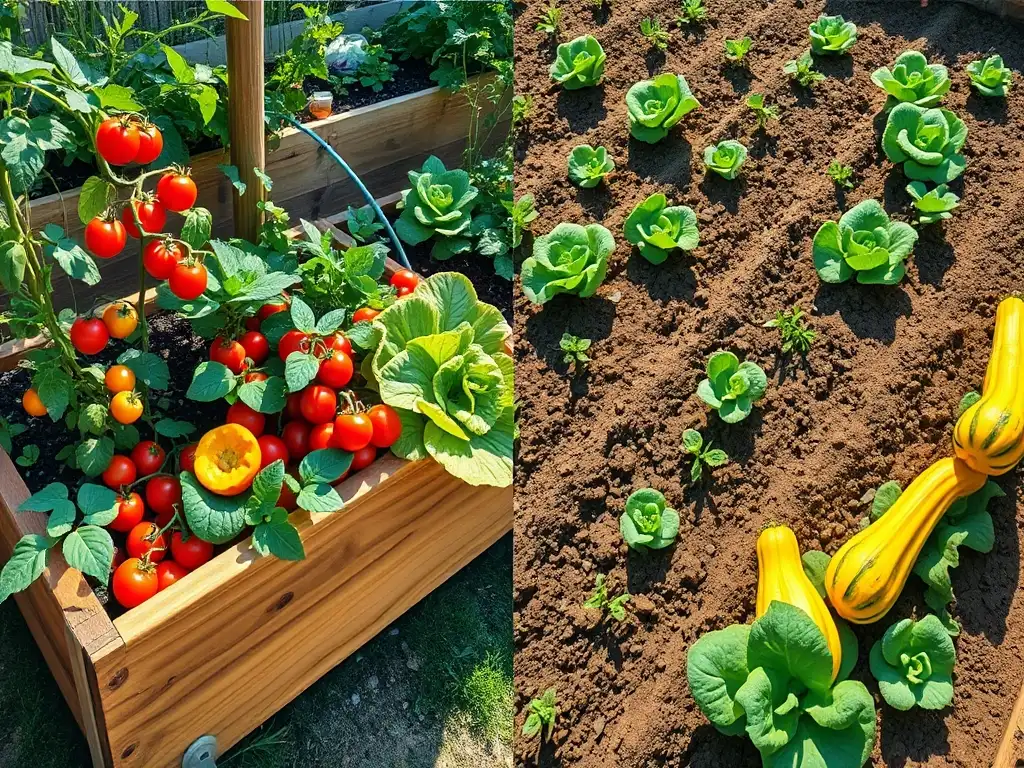
This section delves into a detailed comparison of raised bed and in-ground gardening, focusing on factors crucial for selecting the best approach for your specific needs and garden space. We'll explore the advantages and disadvantages of each method, ultimately helping you determine which layout best suits your "best raised bed garden layout" aspirations. The choice hinges on several factors, including available space, soil conditions, budget, and personal preferences. Let's examine these in detail.
Raised Bed Garden Designs: Choosing the Right Size and Shape for Your Space
The optimal size and shape of your raised bed garden directly impacts its functionality and aesthetic appeal. Consider these key aspects when designing your raised bed layout:
The dimensions of your raised beds should be dictated by the plants you intend to grow. Taller plants, like tomatoes or sunflowers, require more space than low-growing herbs or leafy greens. A good rule of thumb is to ensure adequate spacing between plants to allow for proper air circulation and prevent overcrowding. Overcrowding can lead to increased susceptibility to pests and diseases.
- Shape: Rectangular raised beds are popular due to their practicality and ease of construction. However, circular or square beds can also be aesthetically pleasing and efficient, particularly for smaller spaces. Consider the overall design of your garden and choose a shape that complements it.
- Size: The ideal size depends on your space and planting needs. Narrower beds (around 4 feet wide) make accessing plants easier, while longer beds can accommodate more plants. However, beds that are too long can make maintenance challenging.
- Accessibility: Plan your raised bed layout to ensure easy access to all areas. Avoid creating beds that are too narrow or difficult to reach. Consider pathways between beds for convenient movement.
DIY Raised Bed Construction: Materials, Tools, and Step-by-Step Guides
Building your own raised beds offers significant cost savings and allows for customization. However, it requires time, effort, and specific tools and materials.
- Materials: Common materials include untreated lumber (cedar or redwood are excellent choices due to their durability and rot resistance), recycled plastic lumber, or even repurposed materials like bricks or stones. Choose materials that are durable, weather-resistant, and safe for your plants.
- Tools: Basic tools needed include a measuring tape, saw (circular saw or hand saw), level, shovel, post hole digger (if using posts for support), and screws or nails. Safety glasses and work gloves are essential.
- Step-by-Step Guide (Example using untreated lumber):
- Cut lumber to desired dimensions, ensuring all corners are square.
- Use screws or nails to assemble the frame, ensuring a tight fit.
- Level the frame on your chosen location.
- Fill the frame with a suitable growing medium (a mix of compost, topsoil, and other organic matter).
Pre-fabricated Raised Bed Kits: Specific Brand C and Specific Brand D – A Comparison
Pre-fabricated raised bed kits offer convenience and often come with detailed instructions for assembly. However, they can be more expensive than DIY options.
| Feature | Specific Brand C | Specific Brand D |
|---|---|---|
| Material | Treated Pine | Recycled Plastic |
| Size Options | Limited to standard sizes | Wide range of sizes and shapes available |
| Assembly | Relatively easy | Simple, often requiring minimal tools |
| Price | Moderately priced | Higher price point |
| Durability | Moderate; requires occasional maintenance | Very durable; long lifespan with minimal maintenance |
| Warranty | [Specific information pending] | [Specific information pending] |
Choosing between Specific Brand C and Specific Brand D depends on your budget, desired size, and the level of maintenance you are willing to undertake. Consider the long-term costs and benefits before making a decision.
Planning Your In-Ground Garden Layout: Maximizing Space and Functionality
In-ground gardening offers a cost-effective alternative to raised beds, but requires careful planning to maximize space and functionality. Consider these key aspects:
- Soil Preparation: Thorough soil preparation is crucial for successful in-ground gardening. This involves amending the soil with compost or other organic matter to improve drainage, aeration, and nutrient content. Soil testing can identify nutrient deficiencies and guide appropriate amendments. This is particularly important for obtaining the best results when planting a vegetable garden.
- Sun Exposure: Most vegetables require at least six hours of sunlight per day. Plan your layout to maximize sun exposure for each plant. Observe your garden throughout the day to determine sun patterns.
- Water Management: Efficient water management is vital. Consider installing a drip irrigation system or using soaker hoses to conserve water and prevent runoff. Proper soil preparation also contributes to better water retention.
- Pest and Disease Control: Plan for pest and disease control by incorporating companion planting techniques or using organic pest control methods. Maintaining good garden hygiene is crucial to prevent disease outbreaks. Careful spacing of plants will help minimize disease transmission.
Remember, the "best raised bed garden layout" isn't a one-size-fits-all solution. The optimal choice depends on your individual circumstances and preferences. Careful planning and consideration of the factors discussed above will help you create a thriving and beautiful garden.
Side-by-Side Comparison: Raised Beds vs. In-Ground Gardens for Specific Vegetables
Raised beds and in-ground gardens each present unique advantages and disadvantages when cultivating different vegetables. Let's explore how the choice of gardening method impacts the success of specific crops. For instance, root vegetables often thrive in loose, well-drained soil, a condition easily achieved in raised beds. However, the larger scale of an in-ground garden might be more suitable for extensive root vegetable production.
Similarly, certain fruiting vegetables such as tomatoes and peppers benefit from the enhanced drainage and warmth of raised beds, allowing for earlier harvests and improved yields. Conversely, in-ground methods can provide a more natural environment for some plants, potentially requiring less frequent watering and maintenance. The ideal approach often depends on the specific needs of the vegetable in question and the gardener's resources. Careful consideration of soil type, sun exposure, and water availability is crucial in determining which method will yield the best results.
Optimal Raised Bed Vegetable Garden Layout for Tomatoes and Peppers
Tomatoes and peppers, both warm-season crops requiring ample sunlight and well-drained soil, are excellent candidates for raised bed cultivation. A well-designed raised bed layout for these plants should prioritize optimal sunlight exposure and airflow to minimize disease. Consider arranging them in a staggered pattern, placing taller tomato plants at the north end (in the Northern Hemisphere) to prevent shading of the shorter pepper plants.
Spacing is key; allow sufficient space between plants (approximately 2-3 feet for tomatoes and 1-2 feet for peppers) to ensure good air circulation and prevent overcrowding. This layout promotes healthy growth and reduces the incidence of fungal diseases common in these crops. Employing trellises or cages for tomatoes is crucial for supporting their weight and keeping fruits off the ground, further preventing rot and pests.
Regular watering and fertilization are also essential to maximizing yields in a raised bed system. Careful monitoring for pests and diseases is crucial. A proactive approach, including the use of organic pest control methods, will help ensure healthy, productive plants.
In-Ground Gardening Techniques for Root Vegetables like Carrots and Potatoes
Root vegetables like carrots and potatoes require loose, well-draining soil for optimal growth. In-ground gardening is suitable for these crops, provided the soil is properly prepared. Before planting, amend the soil with compost or other organic matter to improve its structure and drainage. For carrots, choose a location with loose, sandy loam soil to prevent forked roots.
Deep tillage is important to ensure that the soil is free of rocks and other obstructions that can hinder root development. Potatoes, on the other hand, benefit from slightly heavier soil that retains moisture but still drains well. Consider hilling, a technique that involves gradually adding soil around the growing plants as they develop, to encourage more potato formation. Careful weed control is essential for both crops, as weeds compete for nutrients and water.
Mulching can help suppress weeds and conserve moisture. Regular watering is also crucial, especially during dry periods. Careful planning and soil preparation are key to success with these crops in the ground. The scale of in-ground gardening allows for larger planting areas, potentially resulting in higher overall yields.
Choosing the Best Option Based on Your Budget, Time, and Experience
The decision between raised beds and in-ground gardens often hinges on several factors: budget, available time, and gardening experience. Raised beds typically involve a higher initial investment in materials like lumber or other construction materials. However, they often require less weeding and soil preparation in the long run, saving time and effort. In-ground gardens usually have lower upfront costs but demand more labor for soil preparation and ongoing weed control.
Experienced gardeners might find in-ground gardening more manageable due to their familiarity with soil conditions and pest management. Beginners may find raised beds easier to manage due to their contained nature and improved soil control. Time constraints also play a crucial role; raised beds often offer a more efficient use of time and effort, especially for those with limited available hours.
Ultimately, the "best" option depends on a careful evaluation of your individual circumstances and priorities. Consider your budget, the time you can dedicate to gardening, and your level of experience to make an informed decision that aligns with your needs and capabilities. A realistic assessment will help ensure a successful and enjoyable gardening experience, regardless of the method chosen.
Creating Your Dream Garden: Step-by-Step Guide to Implementation
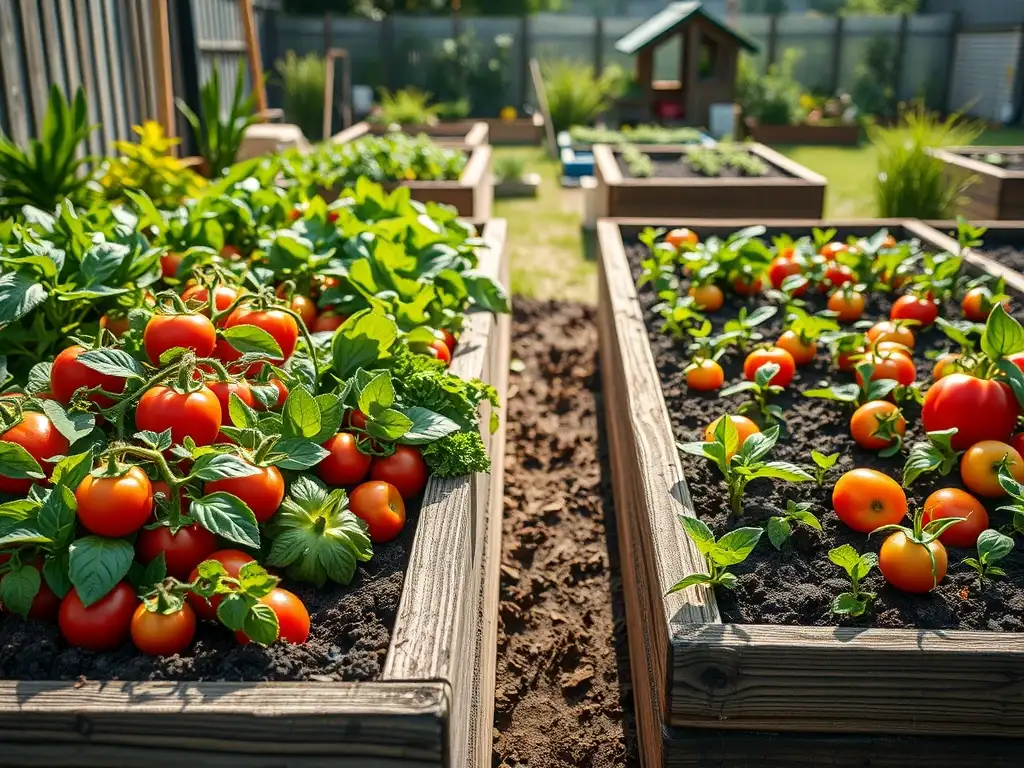
This section details the practical steps involved in transforming your garden plan into a thriving reality. We'll cover crucial aspects, ensuring your chosen layout – whether raised beds or in-ground – yields the best possible results. Remember, the best raised bed garden layout is the one that best suits your specific needs and resources.
Designing Your Ideal Garden Layout: Software and Planning Tools
Before you even touch a shovel, meticulous planning is key. Utilizing garden design software can significantly streamline this process. Several free and paid options are available, offering features like automated plant spacing calculations, sun path analysis, and 3D visualizations.
These tools allow you to experiment with different layouts, plant combinations, and even visualize the mature size of your plants. This is especially crucial when optimizing space in a best raised bed garden layout scenario. Consider factors such as sunlight exposure (at least 6 hours daily for most vegetables), water access (consider proximity to a water source for efficient irrigation), and ease of access for planting, weeding, and harvesting.
For example, a software might suggest a staggered planting pattern to maximize sunlight penetration within a raised bed, a crucial aspect of the best raised bed garden layout. Don't underestimate the power of sketching your design on paper first, however. This allows for a more intuitive and creative approach before translating it into digital format.
Selecting the Right Materials: Wood, Metal, or Plastic Raised Bed Options
Choosing the right material for your raised beds significantly impacts their longevity and aesthetic appeal. Each option presents distinct advantages and disadvantages:
- Wood: Offers a classic, rustic look and is readily available. However, wood requires regular maintenance to prevent rot and insect infestation. Cedar and redwood are naturally resistant to decay and are popular choices. Proper treatment with a non-toxic wood preservative is essential for extending the lifespan of your raised beds. Consider the cost of initial materials and ongoing maintenance when choosing this option.
- Metal: Durable and long-lasting, metal raised beds resist rot and insect damage. They are often more expensive upfront but require minimal maintenance. However, metal can overheat in direct sunlight, potentially harming sensitive plants. Galvanized steel is a common choice, but ensure it's food-safe. Aluminum is another option, although potentially more expensive.
- Plastic: Affordable and lightweight, plastic raised beds are easy to assemble and move. They're resistant to rot and insects, requiring minimal maintenance. However, plastic can degrade over time, becoming brittle and losing its structural integrity. Choose high-quality, UV-resistant plastic to maximize its lifespan. Consider the environmental impact of plastic when making this choice.
The best raised bed garden layout will incorporate materials that align with your budget, maintenance preferences, and aesthetic goals.
Preparing the Soil: Essential Steps for Both Raised Beds and In-Ground Gardens
Soil preparation is paramount for a successful harvest, regardless of whether you're using raised beds or in-ground planting. Healthy soil is the foundation of healthy plants. For both methods, begin by testing your soil’s pH level and nutrient content. A soil test kit can provide valuable insights into your soil's composition and guide you in amending it accordingly. This is especially crucial for raised beds, where you have more control over the soil mix.
For raised beds, you'll likely be creating your own soil blend. A well-draining mix is essential, typically consisting of a combination of compost, topsoil, and other organic matter like coco coir or peat moss (while considering environmentally friendly alternatives). The precise ratio will depend on your soil test results and the specific needs of your plants. Avoid using garden soil directly from your yard as it may contain pathogens or unwanted weeds.
In-ground gardens require similar attention. Amend the existing soil with compost and other organic matter to improve its drainage, aeration, and nutrient content. Remove any weeds, rocks, or debris before planting. Turning the soil over to a depth of at least 12 inches helps to improve soil structure and aeration. Regular soil testing and amendment will ensure your plants receive the nutrients they need throughout the growing season. This approach is crucial for creating a successful and beautiful garden, regardless of the chosen layout, contributing to the overall impact of the best raised bed garden layout.
Planting Your Vegetables and Herbs: Optimal Spacing and Techniques
Optimal spacing is crucial for a thriving garden, regardless of whether you choose raised beds or in-ground planting. Overcrowding leads to competition for resources like sunlight, water, and nutrients, resulting in stunted growth and reduced yields. Conversely, planting too sparsely leaves valuable garden space unused. The best approach involves understanding the mature size of each plant. For instance, sprawling cucumbers need significantly more space than compact lettuce.
Consider using a square-foot gardening method for raised beds, maximizing space efficiency. This technique divides the bed into one-foot squares, allowing you to precisely plan the number of plants per square based on their growth habit. For example, a single tomato plant might occupy an entire square, while you could fit several smaller herbs like basil or thyme in the same area.
In-ground planting provides more flexibility regarding spacing, but careful planning remains essential. Consult seed packets or plant tags for recommended spacing guidelines. These guidelines often specify the distance between plants within a row and the distance between rows themselves.
Remember that larger plants will require more space than smaller ones. Consider the mature size of each plant, not just its current size, when planning your layout. Accurate spacing ensures sufficient airflow, preventing fungal diseases and improving overall plant health, a key factor when aiming for a "best raised bed garden layout".
Ongoing Maintenance: Watering, Fertilizing, and Pest Control for Both Systems
Maintaining a healthy garden involves consistent watering, fertilization, and pest control. Raised beds often dry out faster than in-ground gardens due to increased exposure to sun and wind. Therefore, raised beds might require more frequent watering, especially during hot and dry periods. Regular monitoring of soil moisture is key; using a moisture meter can help determine when watering is necessary. For in-ground gardens, the soil retains moisture better, but overwatering can still lead to root rot. Well-draining soil is crucial for both systems.
Fertilizing is essential to provide nutrients for healthy growth. Organic fertilizers, such as compost and worm castings, are ideal for sustainable gardening practices. The frequency and amount of fertilizer depend on the specific plants and soil conditions. Soil testing can help determine nutrient deficiencies and guide fertilization strategies. Raised beds often benefit from more frequent fertilization because nutrients leach out more quickly. In-ground gardens, especially those with rich soil, may require less frequent fertilization.
Pest control is a vital aspect of maintaining a healthy garden. Regular inspection for pests and diseases is necessary, and early detection is key to effective management. Implementing preventative measures, such as companion planting (planting certain plants together to deter pests), can significantly reduce pest problems. Organic pest control methods, including introducing beneficial insects and using insecticidal soaps, are preferred over harmful chemical pesticides. Both raised bed and in-ground gardens are susceptible to pests and diseases; proactive management is crucial for a successful harvest, ultimately contributing to achieving the "best raised bed garden layout" you desire.
Frequently Asked Questions
What are the benefits of raised bed gardening compared to in-ground gardening?
Raised beds offer several advantages, including improved drainage, better soil control, and easier access for planting and harvesting. They also help reduce soil compaction and weed pressure.
What is the best layout for a raised bed garden?
The best layout depends on your space and needs. Consider factors like sun exposure, water access, and the types of plants you'll be growing. A simple rectangular or square layout often works well.
How do I choose the right size and shape for my raised bed?
The ideal size is manageable for planting and harvesting. Standard sizes are 4ft x 8ft or smaller. The shape should complement your space and planting strategy. Consider accessibility and ease of maintenance.
What materials are best for building raised beds?
Many materials work well, including untreated lumber, recycled plastic, and stone. Choose materials that are durable, rot-resistant, and environmentally friendly. Avoid pressure-treated wood.
How can I optimize my raised bed layout for maximum yield?
Maximize sunlight exposure by orienting beds east-west. Consider companion planting to improve growth and reduce pest problems. Plan for adequate spacing between plants to allow for air circulation and growth.
Final Reflection: Cultivating Your Ideal Garden Space
The choice between raised beds and in-ground gardening isn't merely about aesthetics; it's a fundamental decision impacting the yield, ease of maintenance, and overall enjoyment of your gardening experience. Ultimately, the "best" layout is the one that best suits your individual needs, resources, and gardening goals. This article has explored the nuances of each approach, highlighting the advantages and disadvantages to help you make an informed choice.
The impact of accessible and efficient gardening methods, like raised beds, extends far beyond the individual plot. It speaks to a growing awareness of sustainable practices and the desire to connect more deeply with our food sources. As urban farming gains momentum and concerns about soil health rise, the ability to create productive and manageable garden spaces, regardless of physical limitations or soil conditions, becomes increasingly important. The glory of gardening: hands in the dirt, head in the sun, heart with nature. To nurture a garden is to feed not just the body, but the soul.
This quote perfectly encapsulates the transformative power of gardening, and choosing the right layout is the first step towards realizing that potential.
Consider your own circumstances. What are your physical capabilities? What is the condition of your soil? What are your long-term gardening aspirations? By carefully weighing these factors and applying the insights shared in this article, you can design a garden that is not only productive but also a source of immense personal satisfaction. Embrace the journey of creating your ideal garden space – a space that nourishes both your body and your spirit.
Unlock Your Garden's Potential: Next Steps to Bountiful Harvests
Thank you for exploring the world of raised beds versus in-ground gardening! You're now equipped to choose the best method for your space and gardening style. Let's put that knowledge to good use.
- Design your ideal garden: Consider your available space, sunlight, and preferred planting techniques. Careful planning is essential for a thriving garden.
- Share your vision: Join our CultivateYourFood community on social media and share your garden plans! Let's inspire each other with creative designs and helpful growing tips.
- Start with a manageable project and experiment: Don't hesitate to try both raised beds and in-ground planting to see which works best for you and your crops. Learning through experience is all part of the fun!
What's the first vegetable you'll plant in your newly designed garden? Let us know in the comments!