
Top 10 MustHave Plants for a Buzzing Pollinator Garden

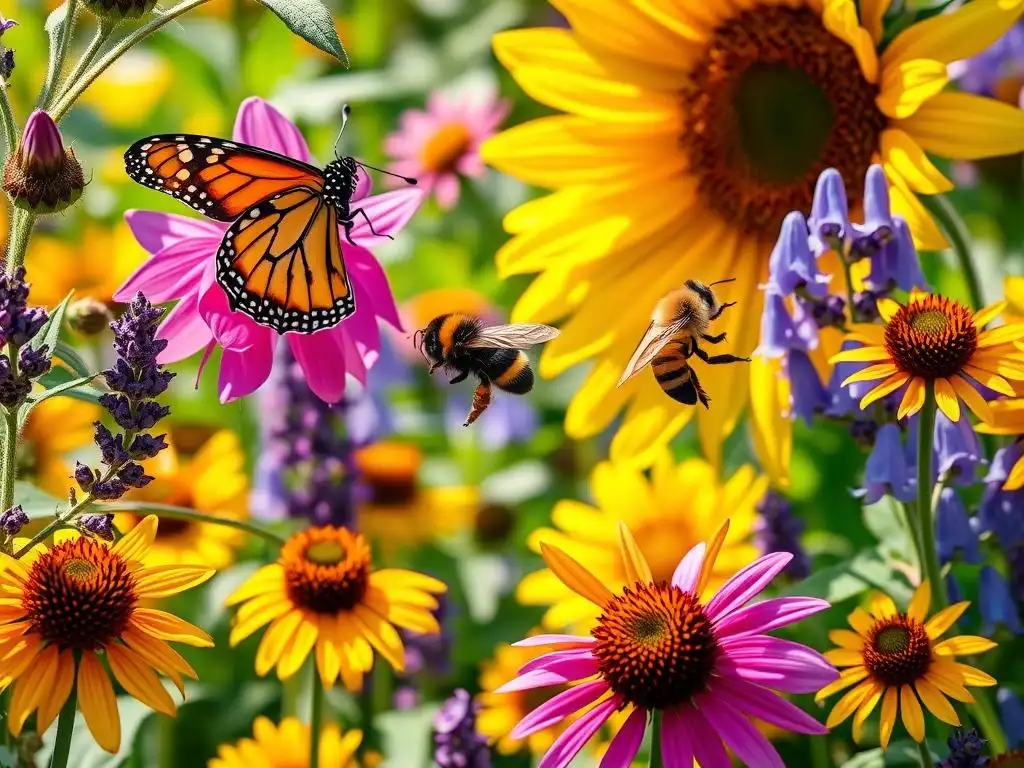
Welcome to CultivateYourFood, your guide to a thriving, sustainable home garden! Ready to transform your outdoor space into a vibrant ecosystem teeming with life? Discover the secrets to attracting beneficial insects and boosting your harvest with our expert guide on Attract pollinators organic garden. Learn which ten plants are essential for creating a buzzing haven in your own backyard – and unlock the key to a bountiful, naturally-grown harvest. Let's cultivate a greener, healthier future, together.
- Attract Pollinators Organic Garden: Why It Matters
-
Top 10 Plants to Attract Pollinators: A Buyer's Guide
- 1. Lavender (Lavandula): A Fragrant Favorite for Bees and Butterflies
- 2. Sunflowers (Helianthus annuus): A Classic Pollinator Magnet
- 3. Bee Balm (Monarda): A Nectar-Rich Delight for Bees
- 4. Coneflowers (Echinacea): Beauty and Pollinator Benefits Combined
- 5. Salvia: A Diverse Genus for Extended Bloom
- 6. Goldenrod (Solidago): A Late-Season Nectar Source
- 7. Borage (Borago officinalis): A Versatile Annual for Bees
- 8. Mint Family (Lamiaceae): Diverse Options for Pollinator Attraction
- 9. Zinnia (Zinnia elegans): Vibrant Blooms for Butterflies
- 10. Milkweed (Asclepias): Essential for Monarch Butterflies
- Creating the Perfect Pollinator Garden: Essential Tips
- Resources for Creating Your Organic Pollinator Garden
-
Frequently Asked Questions
- What are the best plants to attract pollinators to my organic garden?
- How can I ensure my garden is pollinator-friendly using organic practices?
- When is the best time to plant pollinator-attracting plants?
- What other factors besides plants attract pollinators to an organic garden?
- Are there specific herbs that are particularly good for attracting pollinators?
- Final Reflection: Cultivating a Haven for Pollinators
- Unleash Your Inner Gardener: Attract a Swarm of Happy Pollinators!
Attract Pollinators Organic Garden: Why It Matters
Creating a thriving organic garden relies heavily on the tireless work of pollinators. These beneficial insects, birds, and even bats are essential for the reproduction of a vast majority of flowering plants, including many fruits, vegetables, and herbs you're likely growing. Without them, your yields would plummet, and the biodiversity of your garden, and indeed the surrounding ecosystem, would suffer.
This article focuses on attracting pollinators to your organic garden using ten must-have plant species, highlighting the crucial role these creatures play in sustainable gardening practices and the significant benefits of supporting native pollinator populations. Understanding the symbiotic relationship between pollinators and your garden is the first step towards creating a vibrant and productive ecosystem right in your backyard. Let's delve into the importance of attracting these vital creatures and discover how to create a haven for them within your organic growing space.
The Importance of Pollinators for a Thriving Organic Garden
Pollinators are the unsung heroes of our food system and garden ecosystems. They facilitate the transfer of pollen from the male part of a flower (stamen) to the female part (pistil), enabling fertilization and the subsequent production of fruits, seeds, and vegetables. In an organic garden, where chemical pesticides are avoided, healthy pollinator populations are even more crucial. A lack of pollinators can directly impact your harvest, leading to significantly reduced yields, particularly for plants that rely heavily on insect pollination, such as tomatoes, cucumbers, squash, and berries.
Furthermore, a diverse range of pollinators contributes to stronger, healthier plants with increased resilience to disease and pests. The absence of these beneficial insects can create an imbalance in your garden's ecosystem, potentially leading to an increase in unwanted pests. Attracting pollinators isn't just about maximizing your harvest; it's about fostering a balanced and sustainable gardening environment.
Benefits of Attracting Native Pollinators: Biodiversity and Sustainable Gardening
Focusing on attracting native pollinators offers a multitude of benefits beyond simply improving your harvest. Native species are perfectly adapted to your local climate and conditions, requiring less supplemental care and resources. They are also more likely to thrive in an organic setting, as they haven't developed resistance to synthetic pesticides. Supporting native pollinators contributes significantly to biodiversity, creating a more resilient and robust ecosystem within your garden and beyond.
A diverse pollinator population ensures pollination even in challenging environmental conditions. Increased biodiversity also contributes to a healthier soil structure, improved pest control through natural predation, and a more visually appealing and vibrant garden. Choosing plants that specifically attract native pollinators is a key step towards sustainable and ecologically responsible gardening.
How to Create a Pollinator-Friendly Habitat: Soil Health and Organic Practices
Creating a haven for pollinators involves more than just planting attractive flowers. Healthy soil is fundamental. Organic practices, such as composting and avoiding synthetic fertilizers and pesticides, are vital for creating a rich and diverse environment that supports the entire pollinator food web. Pollinators need a variety of food sources throughout the growing season, so consider planting a mix of early, mid, and late-season bloomers.
Providing nesting sites, such as leaving some areas undisturbed with leaf litter or installing bee houses, can further enhance your garden's attractiveness to pollinators. Remember, water sources are also crucial; a shallow dish of water with pebbles for the pollinators to land on can be a lifesaver during hot and dry periods. By implementing these organic and ecologically conscious practices, you'll not only attract pollinators but also create a healthier, more sustainable garden overall.
Top 10 Plants to Attract Pollinators: A Buyer's Guide
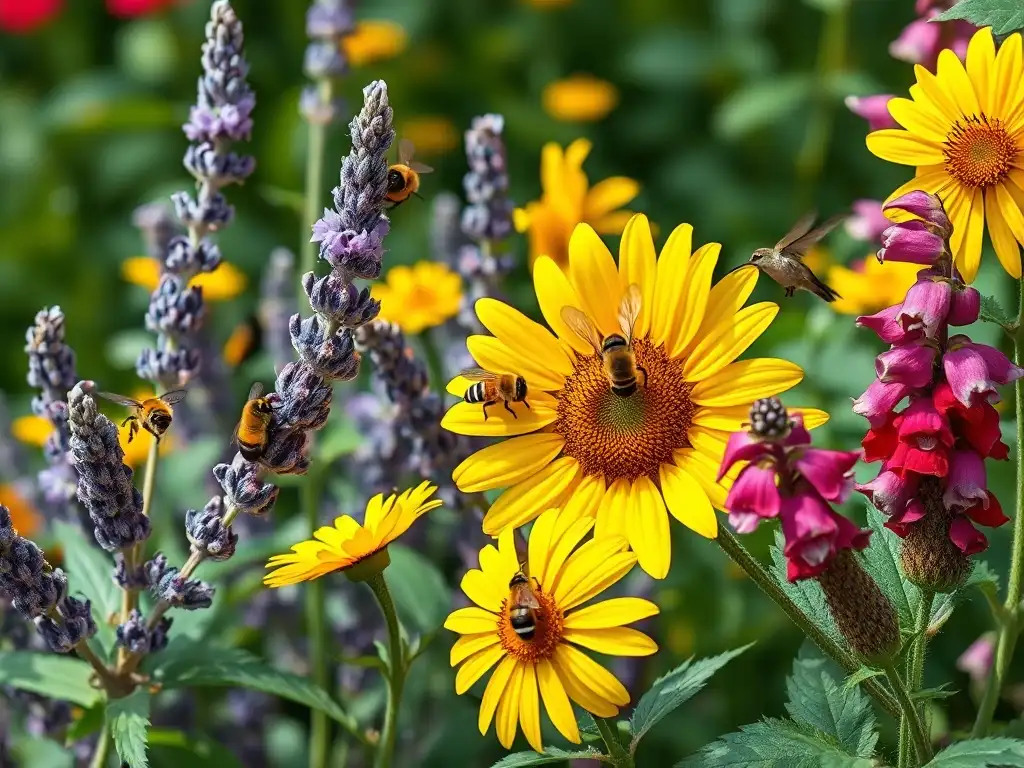
This section delves into the top ten plants proven to attract pollinators to your organic garden, boosting biodiversity and crop yields. Choosing plants specifically for their pollinator-attracting qualities is a crucial step in creating a thriving, sustainable ecosystem in your backyard. Remember, attracting pollinators is vital for successful organic gardening; these insects are key to fruit and vegetable production. Let's explore these amazing plants!
1. Lavender (Lavandula): A Fragrant Favorite for Bees and Butterflies
Lavender, with its calming scent and beautiful purple blooms, is a highly sought-after addition to any garden aiming to attract pollinators. Its vibrant color and strong fragrance act as powerful beacons, drawing in a variety of bees, butterflies, and even beneficial hoverflies. The long blooming period, often extending from early summer to late autumn, ensures a continuous food source for these vital insects.
Several lavender varieties are particularly effective at attracting pollinators. English lavender ( Lavandula angustifolia) is a popular choice known for its robust fragrance and ability to withstand various climates. French lavender ( Lavandula dentata) offers a slightly different aesthetic with its serrated leaves and equally potent aroma. Planting a mix of varieties can broaden the appeal to a wider range of pollinators.
Consider planting lavender in sunny, well-drained locations for optimal growth and flowering. Regular pruning after flowering will encourage bushier growth and more blooms the following year. This simple step ensures a continuous supply of nectar and pollen, attracting pollinators throughout the season. Remember to avoid using pesticides near your lavender plants to maintain a safe and healthy environment for the pollinators.
2. Sunflowers (Helianthus annuus): A Classic Pollinator Magnet
Sunflowers are iconic for their cheerful demeanor and impressive height, but their value extends far beyond mere aesthetics. These giants of the garden are veritable magnets for pollinators, providing a substantial amount of pollen and nectar. Their large, disc-shaped flower heads are teeming with tiny florets, each capable of producing copious amounts of pollen – a feast for bees, particularly bumblebees.
Beyond bees, sunflowers also attract a wide array of butterflies and other beneficial insects. The towering stalks provide excellent perching spots, allowing pollinators to rest and refuel before continuing their important work. Sunflowers are relatively easy to grow, thriving in full sun and well-drained soil. They require minimal maintenance, making them an ideal choice for both beginner and experienced gardeners seeking to attract pollinators.
Different varieties offer diverse heights and bloom times, allowing you to create a continuous display of sunflower blooms throughout the summer months. Planting a mix of early, mid, and late-season varieties ensures a prolonged period of pollinator attraction. Additionally, leaving some sunflower heads to mature and dry will provide valuable winter food sources for birds and other wildlife.
3. Bee Balm (Monarda): A Nectar-Rich Delight for Bees
Bee balm, aptly named for its irresistible allure to bees, is a powerhouse of nectar production. Its vibrant, clustered flowers attract a wide range of pollinators, including hummingbirds, butterflies, and, of course, bees. The plant's tall stature and showy blooms make it a striking addition to any pollinator garden. The rich nectar provided by bee balm is particularly attractive to long-tongued bees, helping to support a diverse pollinator community.
Bee balm thrives in moist, well-drained soil and prefers full sun to partial shade. Several varieties offer different flower colors, ranging from vibrant reds and purples to delicate pinks and whites. This allows for creative garden design to attract even more pollinators by creating a diverse palette of colors and shapes.
Regular deadheading (removing spent flowers) encourages continuous blooming throughout the summer months, extending the period of pollinator attraction. Furthermore, bee balm is relatively low-maintenance and resistant to many common garden pests, making it a reliable and attractive addition to any organic garden aiming to attract pollinators. Planting bee balm in proximity to other pollinator-friendly plants can create a synergistic effect, enhancing the overall attraction of your garden to these beneficial insects.
4. Coneflowers (Echinacea): Beauty and Pollinator Benefits Combined
Coneflowers, particularly Echinacea purpurea, are not only stunning additions to any garden, but they are also magnets for pollinators. Their vibrant daisy-like blooms, boasting a central cone surrounded by drooping petals, offer a feast for bees, butterflies, and other beneficial insects. The color range extends from the classic deep purple to vibrant pink, white, and even orange varieties, providing visual interest throughout the growing season. Beyond their aesthetic appeal, coneflowers are remarkably low-maintenance.
They thrive in full sun to partial shade and well-drained soil, requiring minimal watering once established. Their drought tolerance makes them ideal for water-wise gardening practices, aligning perfectly with sustainable and organic gardening principles. Furthermore, coneflowers are remarkably resilient to pests and diseases, reducing the need for harmful pesticides.
Planting different coneflower varieties ensures a continuous bloom period, attracting pollinators from early summer well into autumn. Their sturdy stems also make them excellent choices for cut flowers, bringing the pollinator-attracting benefits indoors. Consider incorporating a mix of heights and colors for maximum impact and pollinator attraction.
5. Salvia: A Diverse Genus for Extended Bloom
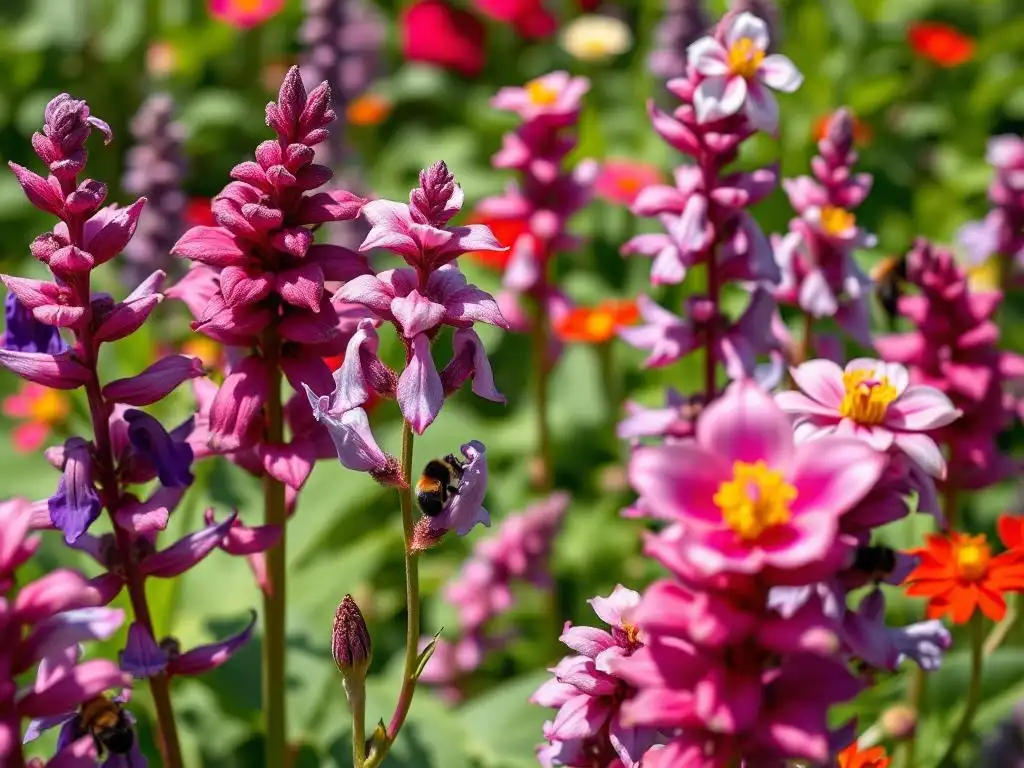
The Salvia genus encompasses a vast array of species, offering a diverse palette of colors and bloom times to attract pollinators throughout the growing season. From the vibrant blues and purples of Salvia nemorosa to the fiery reds and oranges of Salvia splendens, there's a salvia to suit every garden aesthetic and pollinator preference. Many salvias are known for their extended bloom periods, providing a consistent nectar source for bees, butterflies, and hummingbirds.
Their tubular flowers are particularly attractive to long-tongued pollinators like bumblebees and hummingbirds, which are crucial for the pollination of many plants. Salvias are relatively easy to grow, thriving in well-drained soil and full sun to partial shade, depending on the specific variety. Some varieties, like Salvia officinalis (common sage), even offer culinary uses, adding another layer of benefit to your garden.
When choosing salvias for your pollinator garden, consider selecting varieties with different bloom times to ensure a continuous supply of nectar and pollen throughout the growing season. This extended bloom period is key to supporting a healthy and diverse pollinator population. Proper spacing is also important to ensure adequate air circulation and prevent fungal diseases.
6. Goldenrod (Solidago): A Late-Season Nectar Source
Goldenrod ( Solidago) is often unfairly maligned for its association with allergies, but it's a crucial late-season nectar source for pollinators when other flowers have faded. These robust plants, boasting tall, spires of tiny yellow flowers, provide a vital food source for bees, butterflies, and other insects as they prepare for winter. The pollen produced by goldenrod is relatively heavy and does not easily become airborne, thus not a primary allergen culprit.
Unlike ragweed, which blooms at a similar time and is a major allergen, goldenrod's pollen is sticky and is primarily spread by insects rather than wind. Goldenrods thrive in various soil types and sun conditions, making them adaptable to many gardens. Their height can vary from a few inches to several feet, providing different visual textures and attracting a range of pollinators.
Planting goldenrod is a simple yet impactful way to support pollinators during a critical time of year, ensuring they have sufficient resources to survive the winter months. Consider planting different varieties to extend the bloom period and attract a wider range of pollinators. Goldenrod's late-season bloom makes it an invaluable asset to any organic garden aiming to attract pollinators.
7. Borage (Borago officinalis): A Versatile Annual for Bees
Borage is a star performer in any pollinator garden aiming to attract bees. Its vibrant blue, star-shaped flowers are incredibly attractive to a wide variety of bee species, including honeybees and bumblebees. Beyond its aesthetic appeal, borage offers practical benefits. It's a remarkably easy plant to grow, thriving in most well-drained soils and tolerating even somewhat poor conditions.
Its rapid growth makes it an excellent choice for filling gaps in your garden quickly. Furthermore, borage is considered a companion plant, meaning it can benefit other plants nearby. It's known to improve the growth of tomatoes and strawberries, making it a valuable addition to a productive, pollinator-friendly vegetable patch. The plant itself is also edible, with its star-shaped flowers adding a unique cucumber-like flavor to salads and drinks.
Consider planting borage in succession to ensure a continuous supply of blooms throughout the growing season, maximizing its attractiveness to bees and ensuring a continuous flow of nectar and pollen. This simple addition significantly contributes to a thriving ecosystem in your organic garden, attracting bees and improving the yield of surrounding plants. Remember to choose organically grown seeds to maintain the integrity of your sustainable garden.
8. Mint Family (Lamiaceae): Diverse Options for Pollinator Attraction
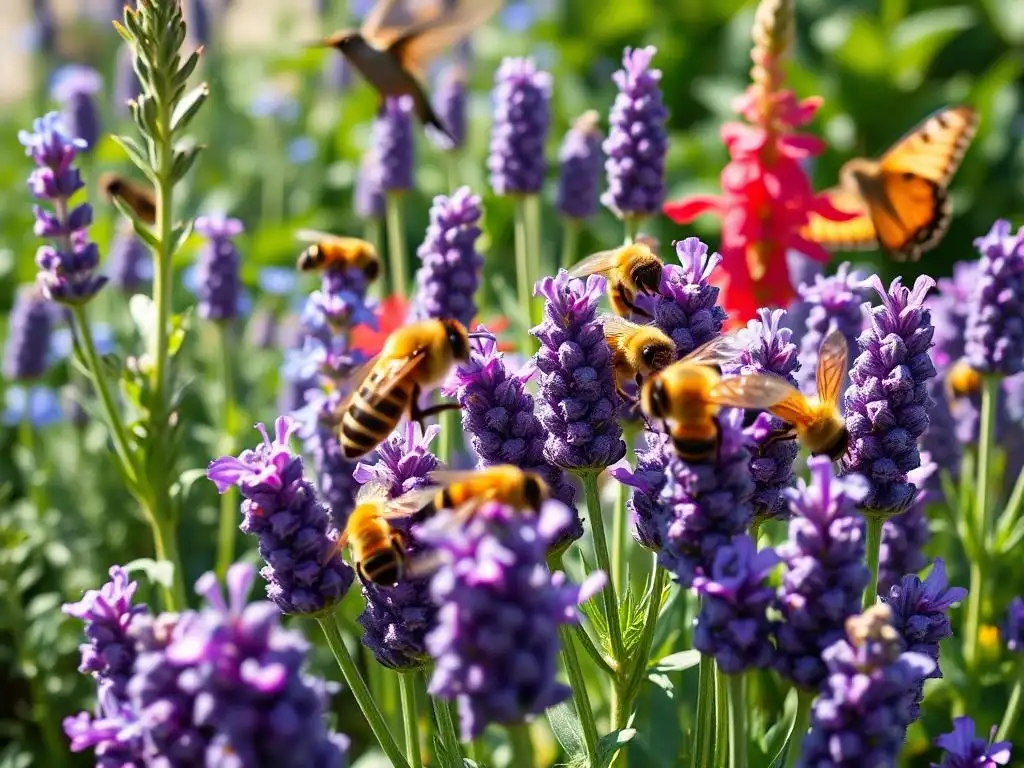
The mint family, or Lamiaceae, is a treasure trove of pollinator-attracting plants. This diverse family boasts a wide array of species, each with its own unique appeal to different pollinators. From the fragrant lavender, beloved by butterflies and bees alike, to the vibrant salvias, attracting hummingbirds and bumblebees, the options are plentiful. Many mint family members are also known for their drought tolerance and resilience, making them ideal for low-maintenance organic gardening.
For example, catmint ( Nepeta species) is a favorite among cats and pollinators alike, providing a long blooming season of attractive flowers. Rosemary, another member of this family, offers fragrant foliage and small, attractive flowers that attract bees and other beneficial insects. The key to maximizing pollinator attraction within the mint family is to choose a variety of species with different bloom times.
This ensures a continuous supply of nectar and pollen throughout the growing season, fostering a thriving pollinator population in your organic garden. By diversifying your mint family plants, you can create a vibrant and buzzing haven that supports a wide range of beneficial insects, all while enjoying the delightful fragrances and diverse aesthetics they offer. Planting different varieties also helps attract a more diverse range of pollinators, contributing to a healthier and more resilient ecosystem.
9. Zinnia (Zinnia elegans): Vibrant Blooms for Butterflies
Zinnias are a gardener's delight, offering a profusion of vibrant colors and a long blooming season. Their cheerful blooms, ranging from fiery reds and oranges to delicate pinks and whites, are irresistibly attractive to butterflies. These easy-to-grow annuals thrive in full sun and well-drained soil, making them a perfect choice for beginners and experienced gardeners alike. The daisy-like flowers provide ample nectar and pollen, fueling butterflies and other pollinators throughout the summer months.
To further enhance their appeal to butterflies, consider planting zinnias in large clusters or drifts. This creates a visual feast for butterflies, making it easier for them to locate the nectar-rich blooms. Deadheading, or removing spent flowers, encourages continuous blooming, prolonging the attractiveness of the plants to pollinators. Zinnias are also relatively low-maintenance, requiring minimal care beyond regular watering and occasional fertilization with an organic fertilizer.
Their drought tolerance makes them a suitable choice for those looking to conserve water in their organic garden. The vibrant colors and plentiful blooms make zinnias a visually stunning addition to any pollinator garden, contributing significantly to a thriving and aesthetically pleasing space. Planting a mix of zinnia varieties with different flower heights and colors will create a more visually appealing and pollinator-friendly environment.
10. Milkweed (Asclepias): Essential for Monarch Butterflies
Milkweed ( Asclepias species) is not just a pretty plant; it's a lifeline for monarch butterflies. These striking orange and black butterflies are entirely dependent on milkweed for their survival. Monarch caterpillars exclusively feed on milkweed leaves, and the plant's milky sap contains cardenolides, which the caterpillars incorporate into their bodies, making them toxic to predators. This crucial relationship highlights the importance of including milkweed in any pollinator garden aiming to support biodiversity. Different milkweed varieties exist, catering to diverse climates and garden aesthetics.
For instance, common milkweed ( Asclepias syriaca) thrives in full sun and tolerates poor soil, while swamp milkweed ( Asclepias incarnata) prefers moist to wet conditions. Choosing a variety suitable for your specific growing conditions is key to its success. Planting several milkweed plants ensures a robust food source for multiple generations of monarch caterpillars. Remember to avoid using pesticides near your milkweed plants, as these can harm both the butterflies and their larvae. The vibrant pink, purple, or white flowers of milkweed also attract a variety of other pollinators, adding to its overall value in a pollinator-friendly garden.
Supporting monarch butterfly populations through milkweed cultivation is a simple yet impactful way to contribute to ecological balance and conservation efforts. The rewarding sight of monarch butterflies fluttering amongst your milkweed plants is an added bonus! Consider planting different milkweed species to maximize the benefits for monarch butterflies and other beneficial insects. This variety ensures a continuous bloom period, providing a consistent food source throughout the growing season.
Creating the Perfect Pollinator Garden: Essential Tips
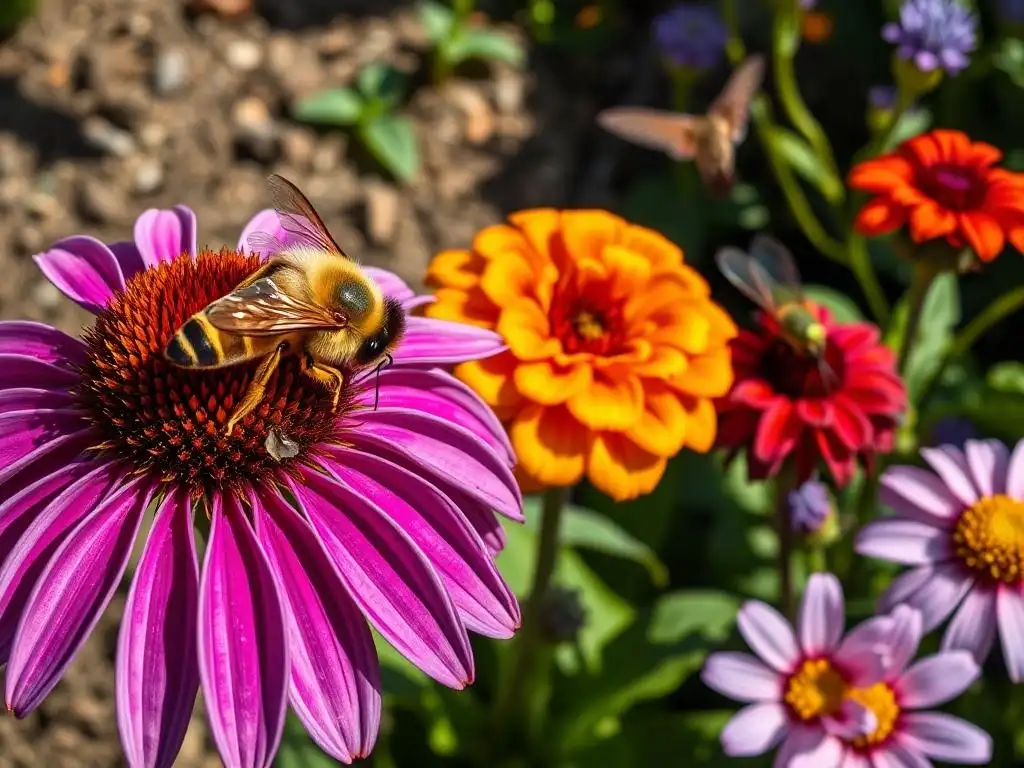
Attracting pollinators to your organic garden requires more than just planting pretty flowers. Strategic planning and thoughtful design are key to creating a thriving pollinator habitat. Remember, the goal is to provide a diverse and abundant food source throughout the growing season, ensuring a continuous supply of nectar and pollen. This means selecting plants with staggered bloom times, so something is always in flower. Think of it as a buffet for your buzzing friends!
Optimizing Your Garden Layout for Maximum Pollinator Attraction
To maximize pollinator activity, consider the following layout strategies:
- Plant in Clusters: Instead of scattering individual plants, group them together in larger clusters. This creates more visible and attractive patches for pollinators, making it easier for them to locate and navigate your garden. Think of it like creating a "supermarket" for bees and butterflies. For example, plant 5-7 lavender plants together rather than spreading them throughout the garden.
- Create a Variety of Heights: Incorporate plants of varying heights to offer a range of microclimates and nesting sites. Tall plants can provide shade and shelter, while shorter plants offer easier access to nectar and pollen. Consider a mix of groundcovers, shrubs, and taller flowering plants.
- Minimize Hard Surfaces: Reduce the amount of paved areas or bare soil in your garden. These surfaces offer little to no habitat for pollinators and can disrupt their foraging patterns. Instead, use mulch or groundcovers to keep the soil covered and provide natural habitat.
- Avoid Using Pesticides: This is crucial for attracting pollinators to your organic garden. Pesticides can harm or even kill pollinators, defeating the purpose of your efforts. Instead, focus on organic pest control methods. We'll discuss that in detail later.
- Sun Exposure: Many pollinators prefer sunny areas. Ensure that a significant portion of your garden receives ample sunlight throughout the day. However, also include some areas with partial shade to provide refuge from the intense heat.
Providing Water Sources for Pollinators: Creating a Pollinator-Friendly Watering Hole
Pollinators, like all living creatures, need a reliable water source. A shallow dish of water can be a lifesaver, particularly during hot and dry periods. However, simply placing a bowl of water isn't enough; pollinators need safe access to the water. Here's how to create a pollinator-friendly watering hole:
- Shallow Dishes: Use shallow dishes or birdbaths, filled with pebbles or marbles. These provide landing platforms for pollinators to drink without drowning. The pebbles also help to aerate the water and prevent stagnation.
- Regular Cleaning: Change the water frequently to prevent the breeding of mosquitoes and other harmful insects. A clean water source is essential for maintaining a healthy pollinator habitat.
- Location: Place your watering hole in a sunny spot, but also consider providing some shade nearby to give the pollinators a place to rest.
- Alternative Options: A dripping hose or a shallow, gently flowing stream can also serve as an excellent water source. The movement of water attracts pollinators and provides a constant supply of fresh water.
Organic Pest Control: Protecting Pollinators from Harmful Chemicals
Protecting pollinators from harmful chemicals is paramount to creating a thriving pollinator garden focused on attracting pollinators to your organic garden. The use of synthetic pesticides is detrimental to pollinator health and should be strictly avoided. Instead, embrace organic pest control methods:
- Beneficial Insects: Encourage the presence of beneficial insects, such as ladybugs and lacewings, which prey on common garden pests. These natural predators can help keep pest populations under control without harming pollinators.
- Natural Pesticides: Consider using natural pesticides like neem oil or insecticidal soap. These options are less harmful to pollinators than synthetic pesticides, but always follow the instructions carefully and apply them judiciously.
- Handpicking: For small infestations, handpicking pests is an effective and environmentally friendly method. This requires regular monitoring of your plants, but it prevents the use of any chemicals altogether.
- Companion Planting: Certain plants repel pests and attract beneficial insects. Strategic companion planting can create a natural pest control system within your garden. Research companion planting combinations to discover which plants work well together. For example, basil is known to deter many common garden pests.
Remember, a healthy and thriving pollinator garden is a testament to sustainable gardening practices. By implementing these strategies, you'll not only attract a vibrant array of pollinators but also contribute to the overall health of your ecosystem. 🐝🦋🐞
Maintaining Soil Health: Essential for a Thriving Pollinator Garden
Healthy soil is the cornerstone of a vibrant pollinator garden. Pollinators, like bees and butterflies, rely on a diverse range of flowering plants, and these plants thrive in nutrient-rich, well-structured soil. Neglecting soil health directly impacts the abundance and diversity of your pollinator-attracting plants, ultimately reducing the number of pollinators your garden can support. Think of it as building a strong foundation for a thriving ecosystem.
One crucial aspect of maintaining soil health is composting. Composting kitchen scraps and yard waste creates a nutrient-rich amendment that improves soil structure, aeration, and water retention. A healthy soil structure allows for better root penetration, enabling plants to access water and nutrients more effectively.
This leads to stronger, healthier plants that produce more nectar and pollen, attracting a wider variety of pollinators. For instance, incorporating composted material into your soil before planting can significantly increase the yield of your pollinator-friendly plants, such as sunflowers or lavender. Aim for a rich, dark brown compost—a sign of its maturity and high nutrient content.
Beyond composting, avoiding chemical pesticides and herbicides is paramount. These chemicals can harm beneficial soil organisms like earthworms and microbes, which are crucial for soil health. Earthworms, for example, aerate the soil, improving drainage and oxygen availability for plant roots. These same chemicals can also directly harm pollinators, reducing their populations and impacting the overall success of your pollinator garden. Opt for organic pest control methods, like introducing beneficial insects or using natural repellents, to protect your plants without jeopardizing the health of your soil or the pollinators you're trying to attract.
Regular soil testing is another vital step in maintaining soil health. Soil tests provide valuable insights into your soil's pH level, nutrient content, and overall health. Based on the test results, you can tailor your soil amendments and fertilization strategies to meet the specific needs of your pollinator plants. For example, if your soil test reveals a deficiency in potassium, you can amend the soil with potassium-rich fertilizers to promote healthy plant growth and abundant flower production.
Regular testing allows for proactive adjustments, ensuring your soil remains fertile and conducive to a thriving pollinator garden. Consider testing your soil annually to monitor its condition and make adjustments as needed. Remember, healthy soil equals healthy plants, which in turn attracts more pollinators, creating a positive feedback loop for your garden's ecosystem.
Resources for Creating Your Organic Pollinator Garden
Attracting pollinators to your organic garden requires careful planning and sourcing of plants and materials. Choosing organic options ensures you're not introducing harmful chemicals that could harm beneficial insects. Here's where to find the resources you need to build a thriving, pollinator-friendly space:
Organic Seed Suppliers
Sourcing organic seeds is crucial for maintaining the integrity of your pollinator-friendly garden. Avoid seeds treated with neonicotinoids, a class of insecticides particularly harmful to bees and other pollinators. Reliable organic seed suppliers offer a wide variety of plants known to attract pollinators, often including detailed information about each variety's suitability for your region and its attractiveness to specific pollinators.
When selecting your seeds, consider the diversity of your pollinator population. Different pollinators, like bees, butterflies, and hummingbirds, are attracted to different flower shapes, colors, and scents. A diverse selection of seeds ensures a longer blooming season and a wider range of pollinator attraction throughout the year.
For example, consider a mix of early bloomers like crocus and snowdrops, followed by mid-season performers such as lavender and coneflowers, and finally late bloomers like goldenrod and asters. This staggered approach ensures a continuous food source for your pollinators. Look for seed packets that clearly label their organic certification, such as USDA Organic or equivalent.
Remember to check the germination rates provided by the supplier, as this gives an indication of the quality of the seeds. Higher germination rates generally translate to more successful plantings and a more vibrant pollinator garden. Additionally, some suppliers offer seed-starting kits, making the process even easier for beginners.
Local Nurseries Offering Organic Plants
While buying seeds allows for greater selection and often lower costs, purchasing organic plants from local nurseries offers several advantages. You can see the plants before you buy them, ensuring their health and vigor. Local nurseries often have staff knowledgeable about local growing conditions and which plants thrive in your specific area, maximizing your chances of success in attracting pollinators. Furthermore, supporting local businesses contributes to the economic vitality of your community.
When choosing a local nursery, inquire about their organic practices. Ask about their pest and disease management strategies; they should prioritize natural methods over synthetic pesticides. Look for plants that are free from chemical treatments and are clearly labeled as organic.
Observe the overall health of the plants – lush, vibrant foliage is a good sign. Don't hesitate to ask questions; a reputable nursery will be happy to discuss their growing practices and help you select plants suitable for your pollinator garden. The added benefit of buying locally grown plants is that they are already adapted to your local climate, giving them a head start.
Online Resources for Organic Gardening and Pollinator Conservation
The internet offers a wealth of information on organic gardening and pollinator conservation. Reputable websites and organizations provide guidance on plant selection, soil health, pest management, and other essential aspects of creating a thriving pollinator-friendly environment. These resources are invaluable for both beginners and experienced gardeners looking to enhance their knowledge and techniques.
Many online resources offer detailed guides, articles, and videos on various organic gardening practices, including attracting pollinators. You can find information on everything from seed starting to composting to natural pest control. Look for websites and organizations dedicated to sustainable agriculture and pollinator conservation; these sources are often more reliable than generic gardening websites.
Consider joining online forums or communities dedicated to organic gardening; this allows you to connect with other gardeners, share experiences, and ask questions. Engaging with these communities can provide valuable insights and support as you cultivate your organic pollinator garden. Remember to critically evaluate the information you find online, ensuring it aligns with reputable sources and best practices.
Frequently Asked Questions
What are the best plants to attract pollinators to my organic garden?
The article highlights ten must-have plants that are particularly attractive to pollinators. These include a variety of flowers offering diverse shapes, sizes, and bloom times to ensure continuous attraction throughout the growing season. Consider planting a mix for optimal results.
How can I ensure my garden is pollinator-friendly using organic practices?
Avoid using pesticides and herbicides, which can harm pollinators. Instead, focus on natural pest control methods and choose plants that naturally deter pests. Provide water sources like shallow dishes of water with pebbles for pollinators to drink from.
When is the best time to plant pollinator-attracting plants?
The ideal planting time depends on your climate and the specific plants you choose. However, generally, spring and fall are good times for many pollinator plants. Check the individual plant's requirements for optimal results.
What other factors besides plants attract pollinators to an organic garden?
Providing diverse habitats is key. This includes leaving some areas unmowed for nesting, offering sources of water and shelter, and avoiding the use of harmful chemicals. A variety of flower shapes and colors will also draw in a wider range of pollinators.
Are there specific herbs that are particularly good for attracting pollinators?
Yes! Many herbs are excellent for attracting pollinators. Lavender, mint, and thyme are just a few examples that offer nectar and pollen to bees and other beneficial insects. Incorporate them into your garden design for added benefits.
Final Reflection: Cultivating a Haven for Pollinators
The health of our ecosystems hinges on the tireless work of pollinators, and creating havens for them is no longer a luxury, but a necessity. The decline in pollinator populations poses a significant threat to global food security and biodiversity, impacting everything from the fruits and vegetables on our tables to the vibrant tapestry of wildflowers in our meadows. Ignoring this crisis is simply not an option.
Witnessing the dramatic increase in pollinator activity in my own garden since implementing the strategies outlined in this article has been profoundly rewarding. It's a tangible reminder of the power of small actions to create significant positive change. We do not inherit the earth from our ancestors, we borrow it from our children.
This quote encapsulates the responsibility we have to nurture the environment, and supporting pollinators is a crucial step in fulfilling that responsibility. The simple act of planting the right flowers can have a ripple effect, impacting not only the pollinators themselves but also the wider ecosystem and future generations.
Now, I invite you to consider your own role in this vital effort. What steps can you take to create a pollinator-friendly space, however small? Perhaps it's planting a single sunflower, creating a small wildflower patch, or simply reducing your pesticide use. Every action, no matter how seemingly insignificant, contributes to a larger movement towards a healthier, more vibrant planet. Let's work together to ensure that the buzzing of bees and the flutter of butterflies continue to fill our gardens and our world for years to come.
Unleash Your Inner Gardener: Attract a Swarm of Happy Pollinators!
Thanks for exploring the world of pollinator-friendly plants! You now have the knowledge to create a haven for bees and butterflies. Ready to transform your garden?
- Plant your pollinator paradise! Choose a few of your favorite plants from our list and plant them—in the ground or in pots, if space is limited. Consider sunlight and soil type to maximize their growth.
- Share your success! Post a picture of your blooming garden on social media using #CultivateYourFoodPollinators and inspire others to create their own pollinator havens.
- Explore our website for more tips on creating a thriving garden ecosystem—discover more about companion planting or building a small pond to further increase biodiversity!
What was the first pollinator you spotted in your new garden? Let us know in the comments!