
Using Color in Garden Layout: Creating Visual Harmony

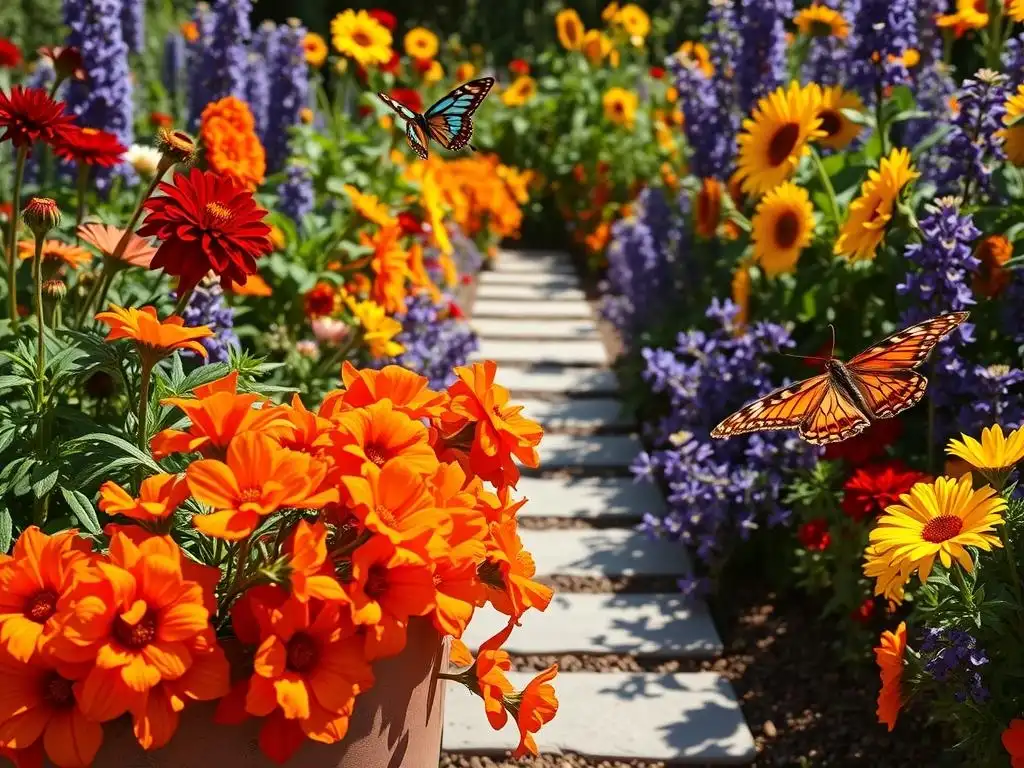
Ready to transform your backyard into a vibrant, thriving ecosystem? CultivateYourFood is your guide to growing delicious and healthy fruits, vegetables, and herbs organically. Discover the secrets to a bountiful harvest with our expert advice, from seed to table. Intrigued by the power of organic garden color planning? Learn how strategic color choices can enhance your garden's beauty and productivity – and unlock the visual harmony you've always dreamed of. Let's get started!
- Understanding Organic Garden Color Planning: The Basics
- Organic Garden Color Planning: Creating Visual Interest
- Practical Application: Organic Garden Color Planning Examples
- Advanced Techniques in Organic Garden Color Planning
- Tools and Resources for Organic Garden Color Planning
- Maintaining Your Organic Garden's Color Harmony Throughout the Seasons
- Frequently Asked Questions about Organic Garden Color Planning
-
Frequently Asked Questions
- How does color planning improve my organic garden?
- What are some basic color palettes for an organic garden?
- How do I incorporate color planning into my existing organic garden?
- What role do flowers play in organic garden color planning?
- Are there any resources to help me with organic garden color planning?
- Final Reflection: The Enduring Power of Color in the Organic Garden
- Unleash Your Garden's Inner Artist: Design with Color!
Understanding Organic Garden Color Planning: The Basics
Creating a vibrant and productive organic garden isn't just about healthy soil and diligent weeding; it's also about thoughtful design. A well-planned garden layout, incorporating color theory, can significantly enhance the visual appeal of your space while also promoting plant health and yield. This article delves into the art of "Organic garden color planning," guiding you through the process of choosing and harmonizing colors to create a visually stunning and thriving organic garden.
We'll explore the psychological impact of color on gardeners, discuss practical color palette selection for vegetable gardens, and guide you through the principles of complementary and analogous color schemes to achieve visual harmony in your outdoor haven. Understanding these principles will elevate your gardening experience, transforming your plot from a functional space into a beautiful and productive ecosystem. Let's cultivate not only healthy plants but also a visually pleasing and relaxing garden environment.
The Psychology of Color in the Organic Garden
The colors in your garden don't just look pretty; they evoke specific feelings and responses. Understanding the psychology of color is crucial for creating a garden that is both aesthetically pleasing and emotionally satisfying. For instance, warm colors like red and orange are known to stimulate appetite and energy – perfect for placing near herbs and vegetables you'll be using frequently in your cooking. Think vibrant red tomatoes or fiery orange carrots strategically placed to brighten a corner and enhance your culinary inspiration.
Conversely, cool colors like blue and green offer a calming and tranquil effect, ideal for creating a relaxing seating area or a meditative space within your garden. The strategic use of these colors can transform your garden into a true sanctuary. Consider the following:
- Warm Colors (Red, Orange, Yellow): Stimulating, energetic, and appetite-enhancing. Ideal for areas where you want to feel invigorated or near frequently used herbs and vegetables.
- Cool Colors (Blue, Green, Purple): Calming, tranquil, and relaxing. Perfect for creating a peaceful atmosphere and for areas designated for rest and relaxation.
- Neutral Colors (Brown, Gray, Beige): Grounding, stable, and provide a backdrop for bolder colors. Essential for creating balance and visual harmony in your garden design.
Remember that the emotional impact of color is subjective, but understanding these general principles allows for a more intentional and effective design process.
Choosing a Color Palette for Your Vegetable Garden
Selecting a color palette for your organic vegetable garden involves more than just personal preference. Consider the types of plants you're growing, their mature sizes, and their blooming periods. For example, a garden dominated by greens might benefit from pops of color from flowering plants like calendula (orange) or borage (blue), which also attract beneficial pollinators. It's important to note that the same principles of color theory that apply to art also apply to garden design. Here's a simplified approach:
| Color Group | Plant Examples | Visual Effect | Practical Considerations |
|---|---|---|---|
| Warm Colors | Tomatoes, Peppers, Carrots | Vibrant, Energetic | Can be overwhelming if overused; balance with cool colors. |
| Cool Colors | Lettuce, Cabbage, Blueberries | Calming, Tranquil | Creates a sense of spaciousness and serenity. |
| Neutral Colors | Eggplants (dark purple), herbs | Grounding, Balanced | Provides a stable backdrop for other colors. |
Consider also the height and spread of your plants. Taller plants can form a backdrop for shorter, more colorful ones. A well-balanced palette will create visual interest and a sense of harmony. Remember to account for the seasonal changes in color as your plants grow and mature.
Harmonizing Colors: Complementary and Analogous Schemes in Gardening
To achieve true visual harmony in your organic garden, consider using complementary and analogous color schemes.
- Complementary Colors: These are colors opposite each other on the color wheel (e.g., red and green, blue and orange). Using complementary colors creates a vibrant and dynamic effect. For example, planting red peppers alongside green lettuce can create a striking contrast.
- Analogous Colors: These are colors that are next to each other on the color wheel (e.g., blue, blue-green, and green). Using analogous colors creates a more subtle and harmonious effect. A garden featuring shades of blue, purple, and green will evoke a sense of tranquility and calm.
By carefully considering color psychology and employing both complementary and analogous color schemes, you can create a visually stunning and productive organic garden that is both a feast for the eyes and a source of healthy, homegrown food. Remember, the key is balance and thoughtful planning. Experiment, observe, and enjoy the process of transforming your garden into a colorful masterpiece!
Organic Garden Color Planning: Creating Visual Interest
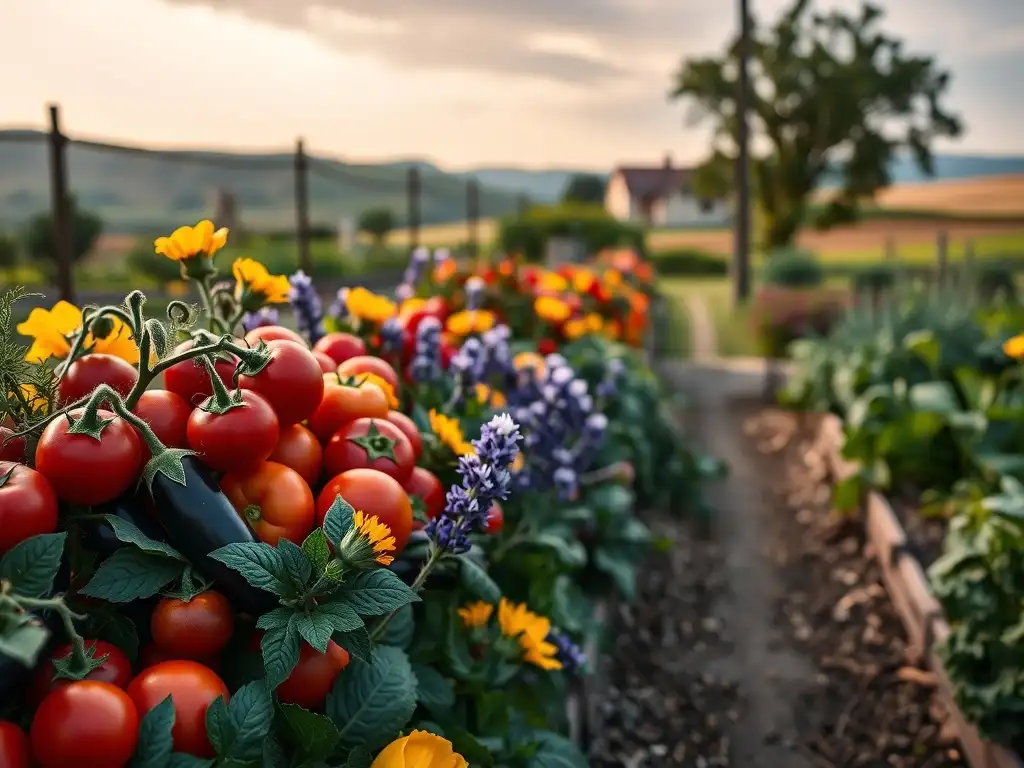
Organic garden color planning goes beyond simply choosing pretty flowers. It's about strategically using color to enhance the overall aesthetic appeal, boost harvests, and create a thriving ecosystem. Understanding the principles of color theory within the context of your organic garden allows you to craft a space that is both visually stunning and productive.
Think of your garden as a living canvas, where each plant contributes to the overall masterpiece. This section explores how to harness the power of color to achieve a harmonious and visually engaging organic garden. We'll delve into specific techniques to maximize the impact of your color choices, considering factors like plant height, bloom time, and even the surrounding landscape.
Using Color to Highlight Focal Points in Your Garden
Focal points are crucial in any garden design, drawing the eye and creating a sense of visual depth. In organic gardening, strategically placed focal points can also improve the functionality of the space. For example, a vibrant patch of red peppers nestled amongst leafy greens acts as a focal point, while simultaneously providing a burst of color and a delicious harvest. Consider using plants with intense colors – deep reds, bright yellows, or striking purples – to draw attention to specific areas.
These could be a particularly impressive specimen plant, a charming water feature, or even a strategically placed garden bench. Think about the overall shape and size of your garden when planning your focal points. A large garden might benefit from multiple, smaller focal points, while a smaller garden might only need one or two carefully chosen highlights.
The effectiveness of a focal point hinges on contrast. A bright yellow sunflower will stand out dramatically against a backdrop of darker greens, creating a powerful visual impact. Consider the color wheel – complementary colors (those opposite each other on the wheel) create the strongest contrast. For instance, pairing orange marigolds with deep blue salvia provides a vibrant and eye-catching combination. Remember to consider the surrounding environment; a garden situated near a brick wall might benefit from incorporating colors that complement the brick's hue, while a garden near a white fence might benefit from bold, contrasting colors.
The Impact of Texture and Form on Garden Color Schemes
Color isn't the only element influencing the visual harmony of your organic garden. Texture and form play equally crucial roles. The interplay between these elements significantly impacts the overall aesthetic. A garden solely relying on color can appear flat and uninteresting.
Introducing varying textures – from the soft, velvety petals of a poppy to the spiky leaves of a thistle – adds depth and complexity. Similarly, the form of your plants – their height, shape, and growth habit – significantly influences the visual impact. Tall sunflowers create a vertical element, contrasting beautifully with low-growing groundcovers. By combining different textures and forms, you avoid monotony and create a visually rich and dynamic space.
Consider the following example: A monochromatic scheme using shades of purple could appear dull if all plants have similar textures and forms. However, incorporating plants with varying textures – smooth lavender, feathery fennel, and spiky purple coneflowers – adds visual interest and prevents the scheme from becoming monotonous. Similarly, using a mix of plant heights – tall purple hollyhocks alongside low-growing purple alyssum – creates visual depth and dimension. This layered approach ensures that the color scheme feels dynamic and engaging rather than static and repetitive. Think about incorporating both upright and trailing plants to add more visual interest.
Incorporating Monochromatic Schemes for a Calming Effect
Monochromatic color schemes, using varying shades and tints of a single color, offer a sense of calm and tranquility to your organic garden. This approach is ideal for creating a serene and peaceful atmosphere. However, achieving visual interest within a monochromatic scheme requires careful consideration of texture and form, as discussed previously. Using only shades of green, for instance, might seem boring at first glance. However, by incorporating different textures – the smooth leaves of hostas, the feathery foliage of ferns, and the rough texture of succulents – the scheme becomes far more engaging.
For example, a calming monochromatic blue scheme could incorporate various shades, from the pale blue of forget-me-nots to the deep blue of salvia. Adding plants with varying forms – tall delphiniums, spreading lobelia, and climbing clematis – further enhances the visual appeal. This careful layering of colors, textures, and forms prevents the scheme from becoming visually monotonous.
Remember that even within a monochromatic scheme, subtle variations in hue and tone can create a surprisingly rich and layered effect. Don't be afraid to experiment with different shades and tints to achieve the perfect balance of calmness and visual interest in your organic garden. Consider also using different types of blue – periwinkle, sky blue, and navy blue – to add depth and complexity to your palette.
Practical Application: Organic Garden Color Planning Examples
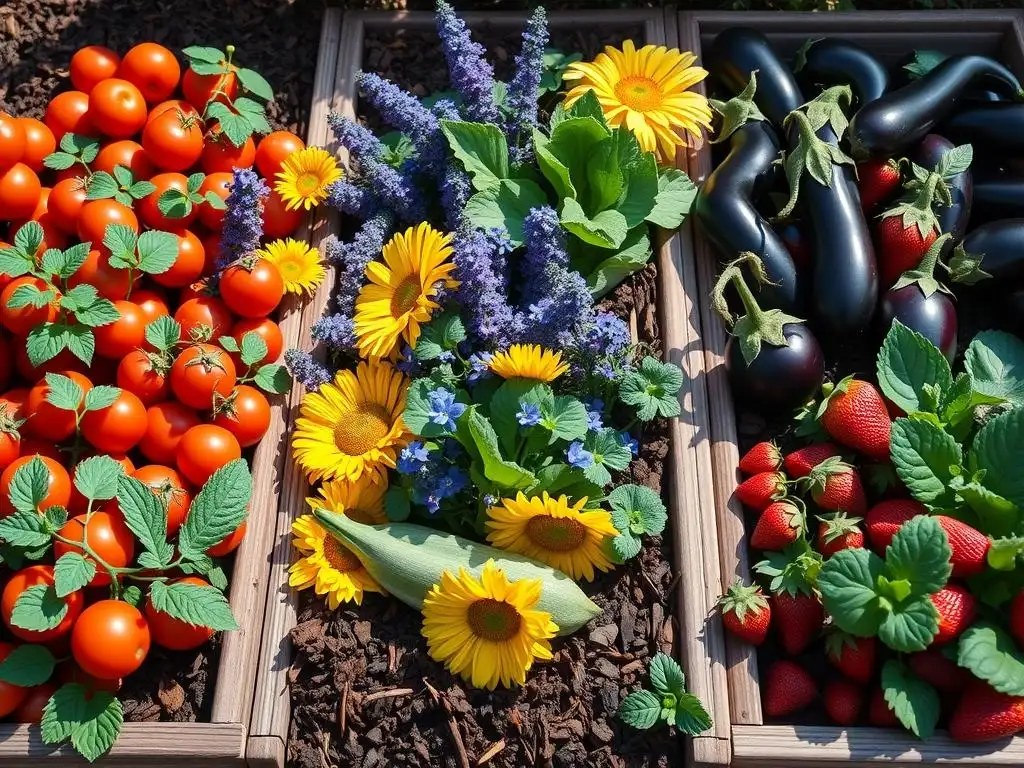
This section provides practical examples of how to apply color theory to your organic garden design, enhancing both its aesthetic appeal and functionality. Remember, successful organic garden color planning involves careful consideration of plant choices, their growth habits, and their blooming periods. We’ll explore different color palettes and their impact on the overall garden atmosphere.
A Vibrant Summer Vegetable Garden using Heirloom Tomato and Zinnia Seeds
Creating a vibrant summer vegetable garden is all about embracing bold contrasts and lively combinations. Heirloom tomatoes, with their diverse colors ranging from deep reds and yellows to vibrant oranges and even near-blacks, form the perfect foundation. These varieties not only offer a delicious range of flavors but also provide a stunning visual spectacle.
To enhance this vibrant palette, consider incorporating zinnias. These cheerful flowers come in a dazzling array of colors, from fiery reds and oranges to soft pinks and yellows, complementing the tomatoes beautifully. Their bright hues will add a playful touch to your garden, making it a feast for the eyes as well as the palate. Planting zinnias amongst the tomato plants also offers a practical benefit: they attract beneficial insects that help control pests, naturally enhancing the organic aspect of your garden.
Consider this planting scheme:
| Plant | Color Palette | Role in Garden Design | Organic Benefit |
|---|---|---|---|
| Heirloom Tomatoes | Red, Yellow, Orange, Black | Focal point, main crop | Nutrient-rich, diverse flavors |
| Zinnias | Red, Orange, Yellow, Pink | Accent flowers, pest control | Attracts beneficial insects |
Remember to choose heirloom tomato varieties with staggered ripening times to ensure a continuous harvest and prolonged visual interest throughout the summer. The zinnias will provide a burst of color throughout the growing season, extending the overall vibrancy of your organic garden.
A Calming Monochromatic Herb Garden using Lavender and Chives
For a tranquil and calming atmosphere, a monochromatic herb garden using shades of purple and green is an excellent choice. Lavender, with its iconic purple blooms and fragrant foliage, forms the cornerstone of this palette. Its soothing color and aroma create a relaxing ambiance, ideal for a meditation garden or a quiet corner for relaxation.
To complement the lavender, chives offer a subtle yet effective contrast. Their vibrant green foliage provides a refreshing counterpoint to the purple, creating a visually harmonious and balanced design. The subtle color difference between the lavender and chives prevents the garden from becoming monotonous, while maintaining the calming effect of the monochromatic scheme. Both lavender and chives are excellent additions to any organic garden, offering culinary uses and beneficial properties.
Planting lavender and chives in alternating rows or in carefully planned clusters can create a visually appealing and functional design. The strong scent of lavender can also deter certain pests, naturally protecting both plants. This design emphasizes the beauty of simplicity and the power of subtle contrasts in organic garden color planning.
Using Color to Camouflage Pests in Your Garden using Companion Planting Techniques
Organic garden color planning can extend beyond aesthetics; it can also play a crucial role in pest control. By strategically using contrasting colors, you can make it more difficult for pests to locate your plants. This technique, known as companion planting, involves planting certain plants together based on their beneficial interactions.
For example, strong-smelling herbs like rosemary (with its greyish-green foliage) can mask the scent of vulnerable plants like cabbages, making them less attractive to cabbage white butterflies. Similarly, the bright yellow flowers of calendula can act as a visual distraction, drawing pests away from nearby vegetables. The key here is to create a visually complex environment that disrupts the pests' foraging patterns.
Here's a simplified table showing examples:
| Pest | Vulnerable Plant | Camouflaging Plant | Color Contrast | Organic Benefit |
|---|---|---|---|---|
| Cabbage White | Cabbage | Rosemary | Grey-green vs. Green | Masks scent, deterring butterflies |
| Aphids | Roses | Calendula | Yellow vs. Green | Attracts beneficial insects that prey on aphids |
Careful consideration of plant heights and textures, in addition to color, can further enhance the camouflage effect. This approach allows for a more natural and effective pest control strategy, aligning perfectly with the principles of organic gardening. Remember, this is a supplementary strategy; it's best combined with other organic pest control methods for optimal results.
Advanced Techniques in Organic Garden Color Planning
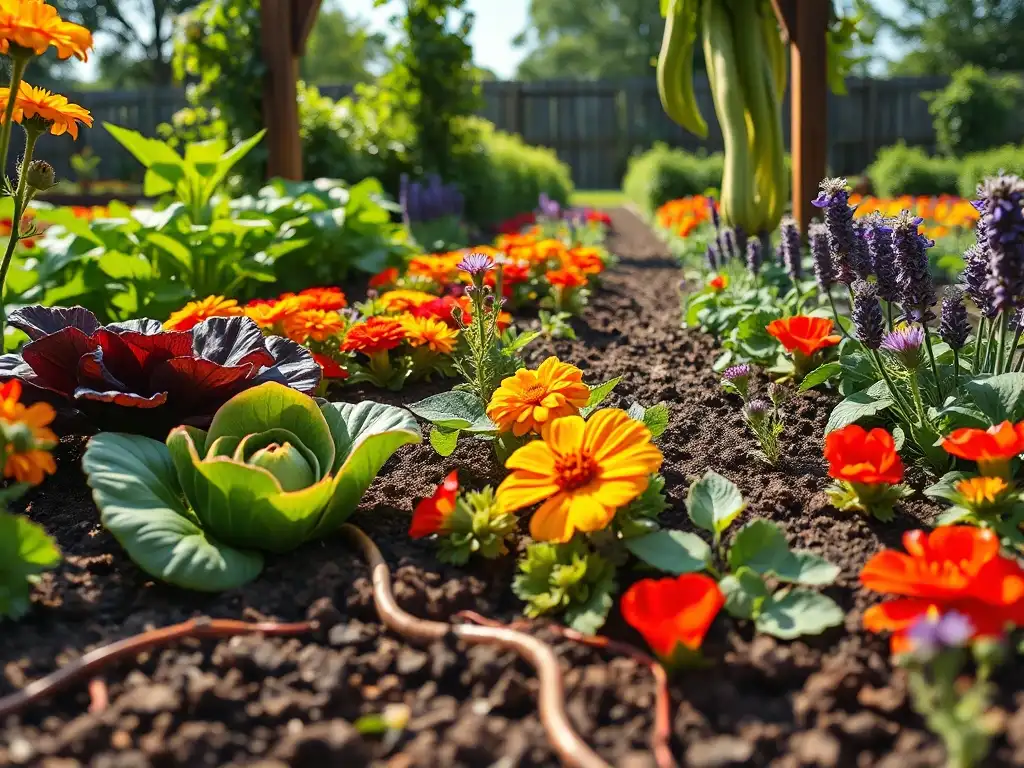
This section delves into sophisticated strategies for leveraging color in your organic garden design, moving beyond basic color wheel principles to explore nuanced techniques that enhance both aesthetics and productivity. We'll examine how strategic color choices can influence light absorption, extend the growing season, and even create thriving shade gardens. Effective organic garden color planning considers more than just visual appeal; it's about optimizing growing conditions and maximizing yields.
Using Color to Extend the Growing Season: Utilizing Row Covers
Extending your growing season is a key goal for many organic gardeners. Strategic use of color, in conjunction with row covers, can significantly improve results. Row covers, often made from lightweight fabrics, protect plants from frost, wind, and even some pests. The color of the row cover itself plays a role. Darker-colored row covers absorb more sunlight, creating a warmer microclimate beneath, ideal for extending the growing season into spring and fall. This allows for earlier planting of heat-loving crops like tomatoes and peppers and extends the harvest of cool-season vegetables like spinach and lettuce.
For example, a black row cover can raise the temperature under it by several degrees, providing crucial warmth for delicate seedlings during spring frosts. Conversely, a white or silver row cover reflects sunlight, preventing overheating during hot summer days and protecting plants from sunscald. Careful selection of row cover color based on the season and the specific needs of your plants is crucial for optimal results in organic garden color planning. This approach allows you to effectively manage temperature fluctuations and lengthen the productive life of your garden.
Color and Light: Maximizing Sunlight in Your Garden
Sunlight is essential for healthy plant growth. Understanding how color interacts with light allows you to optimize your garden layout for maximum sun exposure. Light-colored surfaces, such as white or light gray mulch or pathways, reflect sunlight, increasing the amount of light reaching plants, especially those in shadier areas of your garden. This is particularly important for plants that require a lot of sunlight to thrive, such as peppers and tomatoes. Conversely, darker colored mulches absorb more sunlight and can actually increase soil temperature, which may be beneficial in cooler climates but can be detrimental in hot climates.
Consider this: a garden with predominantly dark-colored soil and mulch in a hot, sunny climate might experience significantly higher soil temperatures, potentially stressing plants and reducing yields. In contrast, a garden with lighter-colored pathways and mulch will reflect more sunlight, leading to cooler soil temperatures and potentially healthier plants. Organic garden color planning, therefore, involves considering the albedo (reflectivity) of different materials and their impact on light distribution within your garden space. This careful consideration of color and light is essential for maximizing sunlight penetration and promoting healthy plant growth.
Color and Shade: Creating a Thriving Shade Garden using Hostas and Ferns
While sunlight is vital for many plants, shade-loving plants thrive in areas with less direct sunlight. Creating a visually appealing and productive shade garden involves careful consideration of color. Hostas, with their wide variety of leaf colors ranging from deep greens to blues and even variegated patterns, are a cornerstone of shade gardening. Their contrasting colors add visual interest and depth to a shady area. Similarly, ferns, with their delicate fronds and varying shades of green, offer textural contrast and a sense of lushness.
Consider a design incorporating a mix of hosta varieties: the deep blue-green of Hosta sieboldiana 'Elegans' contrasted with the bright yellow-green of Hosta 'Golden Tiara' creates a dynamic and visually appealing display. This combination of textures and colors adds depth and interest even in low-light conditions.
Combining these with ferns like Dryopteris erythrosora (Autumn Fern), with its reddish-bronze new growth, provides a beautiful interplay of color and texture, showcasing the potential of shade garden color planning within your overall organic garden design. A thoughtfully designed shade garden can be as vibrant and productive as a sun-drenched one, proving that organic garden color planning extends to all garden spaces.
Tools and Resources for Organic Garden Color Planning
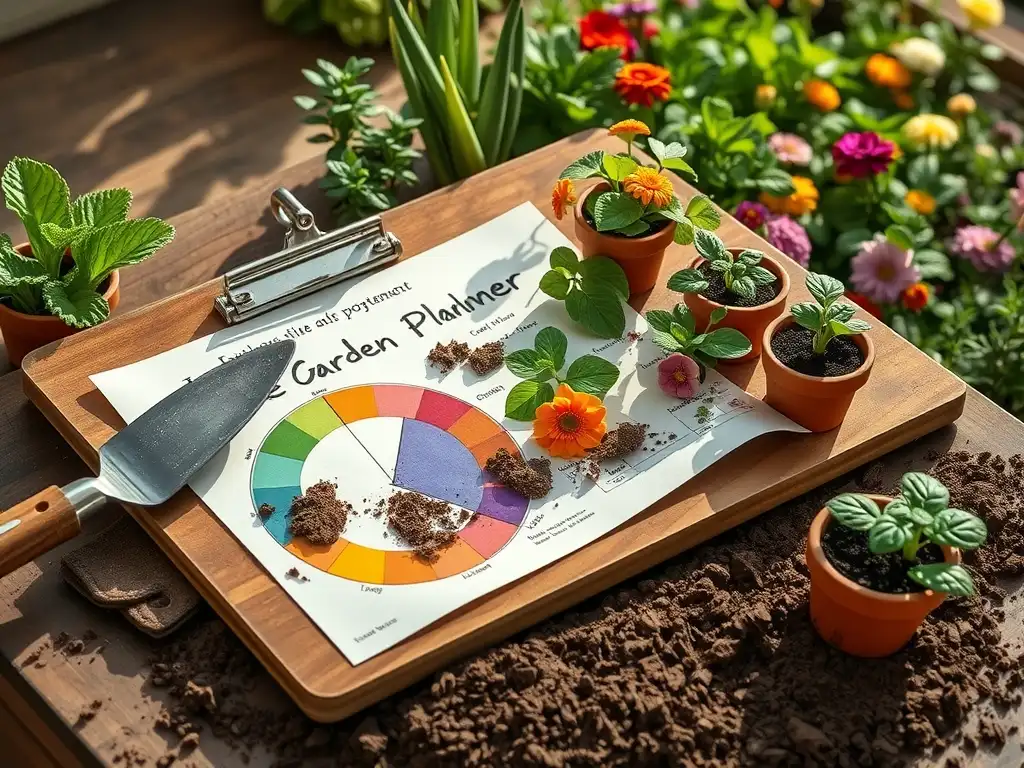
Effective organic garden color planning requires more than just a keen eye for aesthetics; it demands strategic tools and resources to ensure a visually stunning and thriving garden. This section outlines key tools and resources to help you achieve your desired color scheme while maintaining organic principles. Remember, the beauty of your organic garden should reflect the health and vitality of your plants.
Garden Design Software for Visualizing Your Garden
Visualizing your garden before planting is crucial for successful organic garden color planning. Garden design software allows you to experiment with different plant arrangements and color palettes without the commitment of actually planting. This saves time, resources, and potential frustration from realizing a color scheme doesn't work in practice. Many software options offer features specific to organic gardening, including plant databases with bloom times and mature sizes, crucial for predicting the garden's appearance throughout the growing season. This predictive capability is key for ensuring a consistent and vibrant display of color.
Consider using software that allows you to specify plant heights, spread, and bloom periods to ensure an accurate representation of the final look. Some advanced software even allows you to simulate sunlight and shadow patterns, impacting the vibrancy and appearance of your chosen colors. Accurate representation is crucial for organic garden color planning, as it allows you to anticipate any potential issues with light exposure and adjust your plant choices accordingly. For example, you could plan for the sunniest areas to showcase your brightest blooms, creating a visually dynamic display.
Color Wheel for Gardeners for Choosing Harmonious Color Palettes
Understanding color theory is fundamental to effective organic garden color planning. A color wheel specifically designed for gardeners is invaluable. Unlike a standard color wheel, a gardener's version often includes information about plant types associated with specific colors, making it easier to translate color theory into plant selection. This ensures you're not just choosing aesthetically pleasing colors but also selecting plants that thrive in your specific climate and soil conditions.
Using a color wheel, you can experiment with different color schemes:
- Analogous: Using colors that are next to each other on the wheel (e.g., blues, purples, and violets) creates a calming and harmonious effect.
- Complementary: Using colors opposite each other on the wheel (e.g., orange and blue) creates a vibrant and contrasting effect.
- Triadic: Using three colors evenly spaced on the wheel (e.g., red, yellow, and blue) creates a bold and energetic effect.
Remember that the intensity of each color can also be adjusted by selecting different shades, tints, and tones of the plants. For instance, using a deep red alongside a pale pink can create visual interest without overwhelming the eye. Documenting your chosen color scheme with the color wheel annotations will be beneficial for future planning and maintaining consistency throughout your garden. This precise approach ensures successful organic garden color planning.
Resources for Further Inspiration on Garden Design
Beyond software and color wheels, numerous resources can inspire your organic garden color planning. Books dedicated to garden design, particularly those focusing on organic gardening, often feature stunning photographs and detailed plans showcasing various color palettes and planting arrangements. Many online platforms and blogs dedicated to gardening offer articles, tutorials, and visual guides that can help you refine your ideas.
Consider exploring resources showcasing different gardening styles, such as cottage gardens, formal gardens, or wildflower meadows, each offering unique opportunities for color planning. Observing established gardens in your area or visiting botanical gardens can provide invaluable inspiration and help you visualize how different color combinations work in real-world settings. Remember, the best approach to organic garden color planning is a mix of planning, experimentation, and inspiration drawn from various sources. This holistic approach will help you craft a unique and beautiful garden that reflects your personal style while adhering to your organic gardening practices.
Maintaining Your Organic Garden's Color Harmony Throughout the Seasons
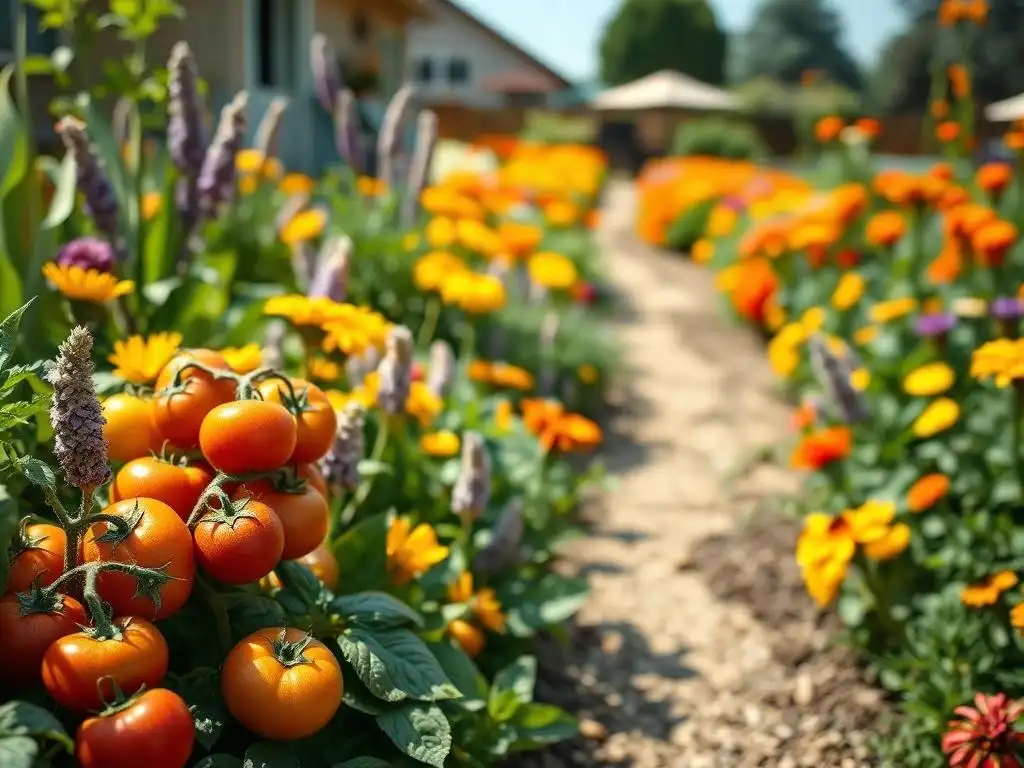
Maintaining the vibrant color palette you've carefully planned for your organic garden requires ongoing attention, especially as the seasons change. The initial burst of spring blooms will eventually fade, and summer's lush greens will give way to the autumnal hues. Understanding these natural transitions and proactively planning for them is key to preserving the visual harmony of your organic garden design. This involves more than just choosing plants with complementary colors; it's about anticipating the evolution of your garden's appearance throughout the year.
Seasonal Color Changes in Your Garden
The vibrant tapestry of your organic garden is a dynamic entity, constantly shifting with the seasons. Spring's delicate pastels—think the soft pinks of early tulips and the gentle blues of forget-me-nots—will eventually yield to the bolder, richer colors of summer. Sunflowers will explode with golden brilliance, while zinnias provide a riot of reds, oranges, and yellows.
As summer wanes, the landscape transforms once more. The fiery reds and oranges of maples and other deciduous trees become the dominant features, while late-blooming asters offer a final flourish of purple and white. Careful consideration of these seasonal changes is crucial for effective organic garden color planning.
Think of your garden as a living painting, where the colors are not static but rather evolve throughout the year. A well-planned organic garden will exhibit a pleasing progression of colors, ensuring visual interest from the first crocus in spring to the last chrysanthemum in autumn. This requires choosing plants with diverse blooming periods and fall foliage colors.
For example, consider planting early-blooming bulbs like daffodils (yellow) and hyacinths (various colors) to create a vibrant spring display. These can be followed by summer annuals like petunias (various colors) and salvias (blues, purples, reds) for a continuous flow of color. Finally, integrate late-blooming perennials such as coneflowers (purples, oranges, yellows) and asters (various colors) to extend the vibrant display into the autumn. This strategic approach ensures a consistent, visually appealing garden throughout the growing season.
Planning for Succession Planting to Maintain Consistent Color
Succession planting is a crucial technique for maintaining consistent color in your organic garden. This involves strategically planting new crops to replace those that have finished their growing cycle. By carefully choosing plants with overlapping bloom times and similar color schemes, you can create a seamless transition from one season to the next. This approach ensures that your garden never looks bare or lacks visual interest.
For example, after the early spring blooms of pansies fade, you can replace them with summer annuals like impatiens or petunias in similar color tones. Similarly, when your summer vegetables finish producing, you can plant fall crops like kale or chard, whose foliage provides a pleasing backdrop, even without blooms. This process requires careful planning and knowledge of the growth cycles of various plants. Consider creating a planting schedule that outlines which plants will be planted when and where, to maintain a continuous show of color. This meticulous planning is an essential component of successful organic garden color planning.
| Plant | Planting Time | Bloom Time | Color Palette | Successor Plant |
|---|---|---|---|---|
| Pansies | Early Spring | Spring | Purple, Yellow, Orange | Petunias |
| Petunias | Late Spring | Summer | Various | Zinnias |
| Zinnias | Summer | Summer/Autumn | Red, Orange, Yellow | Kale |
| Kale | Late Summer | Autumn | Green | Ornamental Cabbage |
Dealing with Pests and Diseases that Affect Plant Color
Pests and diseases can significantly impact the color of your plants, leading to discoloration, wilting, and even plant death. This can disrupt the carefully planned color harmony of your organic garden. Proactive pest and disease management is therefore crucial for maintaining the visual appeal of your garden.
Effective organic pest control relies on prevention and early intervention. Healthy plants are less susceptible to diseases and pests. This means ensuring proper spacing, adequate watering, and fertilization using organic methods. Regular monitoring is also vital. Early detection of pests or diseases allows for timely intervention, minimizing damage and preserving the vibrant colors of your garden.
For instance, powdery mildew can cause a white, powdery coating on leaves, affecting their color and overall health. Organic treatments, such as neem oil or baking soda solutions, can help control this disease. Similarly, aphids can cause leaf discoloration and stunted growth. Introducing beneficial insects like ladybugs, which prey on aphids, can help maintain plant health and color.
Remember, a healthy, vibrant garden is the cornerstone of successful organic garden color planning. Addressing pest and disease issues promptly is an integral part of this process. Using organic methods not only protects the environment but also ensures the continued beauty of your colorful garden.
Frequently Asked Questions about Organic Garden Color Planning
This section addresses common questions regarding color planning in your organic garden, focusing on maximizing visual appeal while maintaining sustainable practices. Effective organic garden color planning considers not only aesthetics but also the practical aspects of plant growth and overall garden health.
How do I choose the right colors for my small garden?
Choosing the right colors for a small organic garden is crucial for maximizing its visual impact. The limited space necessitates careful consideration of color combinations to avoid overwhelming the eye. Think of using a monochromatic scheme, varying shades of a single color, for a calming and cohesive effect.
For example, using varying shades of green, from the deep green of kale to the lighter green of lettuce, creates a harmonious and natural look. Alternatively, you can opt for a limited analogous palette, using colors that sit next to each other on the color wheel, such as blues and greens, or yellows and oranges. This creates a sense of unity without being monotonous.
Remember to consider the height and spread of your plants. Taller plants in darker shades can create a sense of depth, while smaller plants in brighter hues can add pops of color. Avoid using too many contrasting colors, as this can make the small space feel cluttered and chaotic. A simple, well-planned color scheme will make your small organic garden feel larger and more inviting.
Consider using color to highlight focal points, such as a small water feature or a unique garden sculpture. This will draw the eye and create a sense of visual interest, even in a confined space. Think about incorporating flowering plants strategically to add bursts of color throughout the growing season.
What are some common mistakes to avoid when planning the color scheme of my garden?
Many pitfalls can hinder the success of your organic garden color planning. One common mistake is ignoring the existing environment. Failing to consider the surrounding colors of your house, fence, or other landscape features can result in a jarring mismatch. Before selecting your plant palette, take a step back and assess the existing colors in your immediate surroundings.
Another frequent error is overlooking the plant's mature size and its color changes throughout the growing season. Many plants change color as they mature, so selecting plants based solely on their initial color may lead to an unexpected and unbalanced appearance later in the season. Always research the full growth cycle and color changes of your chosen plants.
Overusing vibrant colors is another common mistake. While pops of bright color can be effective, an overabundance can create a visually overwhelming and chaotic effect. Strive for a balance between vibrant and muted tones to create a more pleasing and harmonious aesthetic. Similarly, neglecting the texture and form of plants alongside their color can diminish the overall appeal.
Consider incorporating plants with varying textures and forms to add depth and interest to your color scheme. Finally, failing to plan for seasonal color changes can lead to a garden that lacks visual appeal for extended periods. Choose plants that bloom at different times of the year to ensure continuous color throughout the growing season. Careful planning and consideration of these factors will yield a visually stunning and harmonious organic garden.
How can I use color to improve the overall aesthetic appeal of my garden?
Color plays a pivotal role in enhancing the aesthetic appeal of your organic garden. Strategic color placement can create visual depth, making a small space feel larger or emphasizing specific features. For instance, using cool colors like blues and purples in the background can create a sense of spaciousness, while warmer colors like reds and yellows in the foreground can draw the eye and create a focal point. Think of using a layered approach, incorporating varying shades and tones of the same color to add depth and texture.
Furthermore, contrasting colors can be used to highlight certain elements, such as a pathway or a water feature. For example, a bright yellow flower bed placed against a backdrop of deep green foliage will create a striking contrast that draws the eye. However, it's essential to maintain balance. Too much contrast can lead to a chaotic and overwhelming effect.
Consider using a color wheel to guide your choices and ensure harmonious combinations. Incorporating different shades and tints of the same color creates a more sophisticated and cohesive look. For example, using different shades of green, from the deep green of ferns to the lighter green of lettuce, creates a natural and unified feel.
Finally, don't forget the importance of seasonal color changes. By selecting plants that bloom at different times of the year, you can ensure that your garden remains visually appealing throughout the entire growing season. Careful planning and strategic color placement will ensure a visually stunning and harmonious organic garden.
Frequently Asked Questions
How does color planning improve my organic garden?
A well-planned color scheme enhances the aesthetic appeal of your garden, creating a visually pleasing space. It can also improve functionality by highlighting specific plant groups or guiding the eye through different areas. This makes your garden more enjoyable and easier to maintain.
What are some basic color palettes for an organic garden?
Consider monochromatic schemes using varying shades of a single color, or analogous palettes combining colors adjacent on the color wheel (e.g., blues, greens, and yellows). Complementary palettes (e.g., purples and yellows) offer high contrast. Experiment to find what you like best!
How do I incorporate color planning into my existing organic garden?
Start by assessing your current plants and their bloom times. Note down the existing colors and consider adding plants that complement or contrast with them. You can also use color-blocking techniques to create distinct areas within your garden.
What role do flowers play in organic garden color planning?
Flowers are essential for adding vibrant hues and visual interest throughout the growing season. Choose flowers that attract pollinators and complement your vegetables and herbs. Consider their height and bloom times for a balanced and continuous display of color.
Are there any resources to help me with organic garden color planning?
Yes! Many online resources, including websites like CultivateYourFood, offer color planning guides and inspiration. You can also find helpful books and magazines on organic gardening and landscape design. Consider exploring different sources to find a style that suits your preferences.
Final Reflection: The Enduring Power of Color in the Organic Garden
The vibrant tapestry of an organic garden is not just about the bounty it yields; it's a testament to the power of thoughtful design, where color plays a pivotal role in creating a space that nourishes both body and soul. Understanding the principles of color harmony isn't merely an aesthetic pursuit; it's a crucial element in maximizing the potential of your organic garden, impacting everything from pest control to overall yield and enjoyment.
The influence of color extends far beyond the visual appeal; it subtly affects our moods, our interactions with nature, and even the health of our plants. The earth laughs in flowers.
– Ralph Waldo Emerson. This quote beautifully captures the essence of what we've explored: the inherent joy and vitality that color brings to the organic gardening experience. From the calming blues of a water feature to the energizing yellows of sunflowers, each hue contributes to a holistic and enriching garden environment. The careful selection and arrangement of colors, as discussed throughout this article, is a testament to the interconnectedness of aesthetics and practicality in organic gardening.
Now, consider your own garden, or the green space you frequent. What colors resonate most deeply with you? How could you use the principles of color harmony – the complementary pairings, the analogous schemes, the strategic use of focal points – to enhance your own personal garden sanctuary? Take the time to observe, experiment, and create a space that not only thrives but also inspires and delights you. Let the vibrant hues of your organic garden be a constant reminder of the beauty and balance found in nature's palette.
Unleash Your Garden's Inner Artist: Design with Color!
Thank you for exploring the world of garden color palettes! We hope you feel inspired to create a visually stunning and harmonious outdoor space. Ready to put your knowledge into practice?
- Start designing your dream garden: Sketch out your garden's layout using pen and paper or your favorite digital design tool. Experiment with different color combinations, and don't be afraid to be bold!
- Share your color inspiration: Post a picture of your color scheme or a mood board on social media using #GardenColorInspiration and tag us! Let's inspire each other!
- Join our online community: Connect with fellow gardeners in our forums to share your successes and challenges. Let's build a thriving community of color-conscious creators!
What exciting and unusual color combination are you most looking forward to trying in your garden this year?