
Vertical Gardening: Innovative Layouts for Limited Space

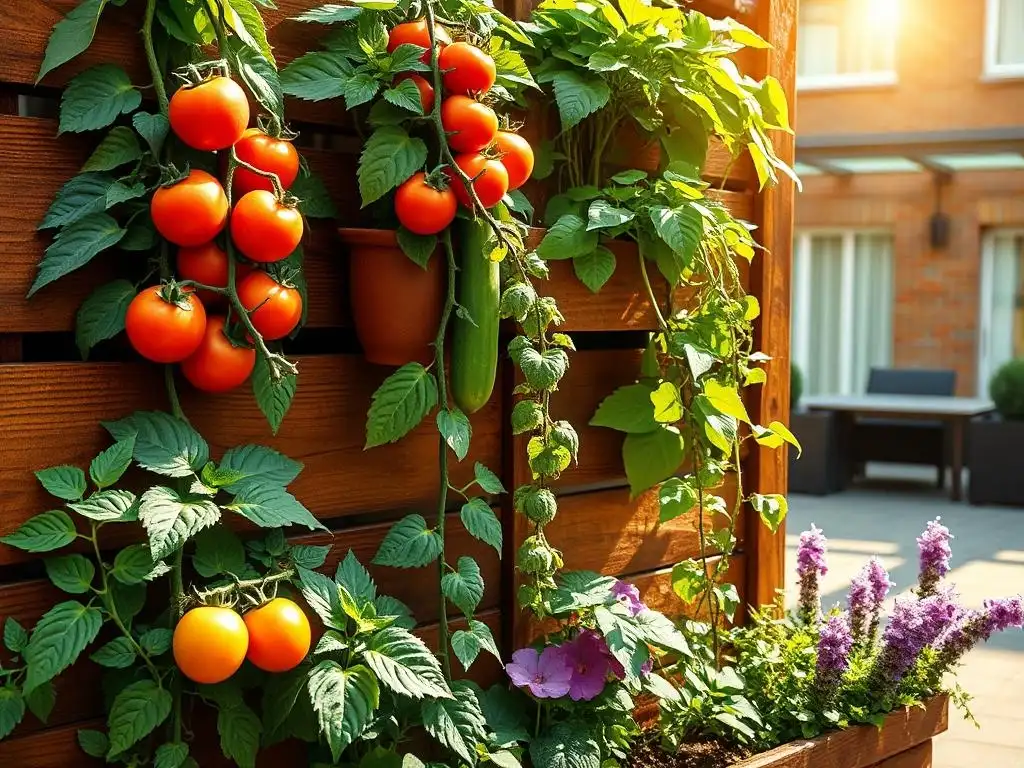
Welcome to CultivateYourFood, your guide to growing a thriving, sustainable garden, even in the smallest of spaces! Are you dreaming of fresh, organic produce but lacking the land? Then discover the secrets to maximizing your yield with our comprehensive guide on the best vertical garden layouts. Learn how to transform limited space into a vibrant oasis brimming with fruits, vegetables, and herbs. Prepare to be inspired by innovative designs and practical tips that will revolutionize your home gardening experience. Let’s get growing!
- Understanding the Benefits of Vertical Gardening for Small Spaces
- Best Vertical Garden Layouts for Beginners
- Advanced Vertical Gardening Layouts: Maximizing Space and Aesthetics
- Choosing the Right Plants for Your Vertical Garden
- Maintaining Your Vertical Garden: Tips and Tricks
- Where to Buy Vertical Gardening Supplies
- Inspiring Vertical Garden Designs: Real-World Examples
- Frequently Asked Questions
- Final Reflection: Cultivating Community, One Vertical Garden at a Time
- Unleash Your Inner Gardener: Grow Taller, Not Wider!
Understanding the Benefits of Vertical Gardening for Small Spaces
Vertical gardening is a revolutionary approach to cultivating fruits, vegetables, and herbs, especially beneficial for those with limited outdoor space. This innovative method allows you to maximize your growing area by utilizing vertical surfaces, such as walls, fences, or even repurposed items. In today's increasingly urbanized world, where access to expansive gardens is often limited, vertical gardening offers a sustainable and efficient solution for home growers seeking to cultivate their own organic produce.
This article will explore some of the best vertical garden layouts designed to optimize space utilization and yield, helping you create a thriving and productive garden even in the smallest of areas. We'll delve into practical techniques and innovative designs, focusing on maximizing light exposure and overall plant health within a vertical framework. Whether you're a seasoned gardener or a complete beginner, the principles outlined here will empower you to create a beautiful and productive vertical garden, regardless of the size of your space.
Let's cultivate a greener, more sustainable future, one vertical garden at a time! 🌱
Maximize Space Utilization with Vertical Gardening Techniques
Vertical gardening dramatically increases the amount of produce you can grow within a small footprint. Instead of spreading plants horizontally, which requires significant ground area, vertical systems stack plants upwards. This space-saving approach is perfect for balconies, patios, small backyards, or even indoor spaces with ample sunlight. Consider these effective techniques for maximizing space:
- Tiered Planters: These create distinct levels for different plants, allowing for varied sunlight requirements and mature plant sizes. A well-designed tiered system can accommodate a surprisingly large number of plants in a relatively small area.
- Wall-Mounted Trellises: These provide vertical support for climbing plants like tomatoes, cucumbers, and beans, maximizing vertical space and allowing for optimal air circulation.
- Hanging Baskets: Perfect for herbs and trailing plants, hanging baskets utilize otherwise unused overhead space. They can be easily moved to follow the sun throughout the day.
- Vertical Planters with Pockets: These modular systems are incredibly versatile and can be customized to fit various spaces and plant types. They are often made from recycled materials, promoting sustainable gardening practices.
- Repurposed Items: Get creative! Old pallets, ladders, and even gutters can be transformed into unique and functional vertical gardens. This upcycling approach is both cost-effective and environmentally friendly.
Increased Yield in Compact Areas: A Vertical Gardening Advantage
One of the most significant advantages of vertical gardening is its ability to significantly increase yield in compact spaces. By stacking plants vertically, you're effectively multiplying your growing capacity. This is particularly beneficial for high-yield crops like tomatoes and peppers, which can easily become overcrowded in traditional horizontal gardens. Here’s how vertical gardening boosts yield:
- Optimized Sunlight: Plants receive more direct sunlight, leading to faster growth and increased fruit production. This is especially important in areas with limited sunlight exposure.
- Improved Air Circulation: Vertical systems promote better air circulation, reducing the risk of fungal diseases and pest infestations which can drastically reduce yield in densely packed horizontal gardens.
- Efficient Water Management: Many vertical garden designs incorporate efficient watering systems, ensuring that plants receive the right amount of water without overwatering. This optimized watering prevents root rot and maximizes plant health.
- Reduced Competition: Vertical gardening minimizes competition between plants for resources like sunlight, water, and nutrients. Each plant has its own dedicated space, leading to healthier growth and higher yields.
Light Optimization for Vertical Vegetable Gardens
Sunlight is crucial for successful vertical gardening. Optimizing light exposure is key to maximizing the growth and yield of your plants. Here are some strategies for ensuring your vertical garden receives adequate sunlight:
- South-Facing Location (Northern Hemisphere): Place your vertical garden in a location that receives maximum sunlight, ideally facing south in the Northern Hemisphere (or north in the Southern Hemisphere).
- Supplemental Lighting: Consider using supplemental lighting, especially during the shorter days of winter or in areas with limited sunlight. LED grow lights are energy-efficient and effective.
- Plant Selection: Choose plants that are well-suited to the amount of sunlight your vertical garden receives. Some plants thrive in full sun, while others prefer partial shade. Carefully consider the sun exposure of your chosen location when selecting plant species.
- Rotation and Pruning: Regularly rotate your plants to ensure that all sides receive equal amounts of sunlight. Also, prune plants to improve air circulation and prevent overcrowding, allowing for better light penetration. This ensures all plants get sufficient light for optimal growth.
Choosing the Right Vertical Gardening System for Your Needs
Selecting the optimal vertical gardening system hinges on several crucial factors. Firstly, consider the available space. A small balcony might suit a wall-mounted planter or a compact tiered system, while a larger patio could accommodate a more extensive tower garden or a vertical trellis system. Think carefully about the dimensions – measure your space accurately before purchasing any system to avoid disappointment. Don't forget to factor in the mature size of your plants; some varieties can become quite large, requiring robust support.
Secondly, assess your gardening experience. Beginners might find simpler systems like hanging baskets or self-watering wall planters easier to manage. These often require less maintenance and are forgiving of occasional lapses in care. More experienced gardeners might prefer more complex systems offering greater control over watering and plant placement, such as vertical hydroponic systems or sophisticated multi-tiered structures. The level of complexity directly relates to the time commitment required.
Thirdly, evaluate the type of plants you intend to grow. Certain plants, such as vining tomatoes or cucumbers, thrive in vertical systems, readily climbing trellises or other support structures. Others, such as leafy greens or herbs, might benefit from individual pots within a tiered system or a wall-mounted planter. Research the specific needs of your chosen plants – their sunlight requirements, water needs, and mature size – before selecting a system. A poorly chosen system could lead to stunted growth or poor yields. For example, heavy fruiting plants require sturdier support than lighter leafy vegetables.
Finally, consider the aesthetic appeal and overall design. Vertical gardens aren't just functional; they can be beautiful additions to your space. Choose a system that complements your existing decor and garden style. Materials such as wood, metal, or recycled plastic offer diverse aesthetic options. Think about the color and overall visual impact of the system within your home or garden environment. A well-chosen system can enhance the beauty of your outdoor space, while a poorly chosen one may clash with the overall design. Remember, your vertical garden should be a source of pride and enjoyment.
Best Vertical Garden Layouts for Beginners
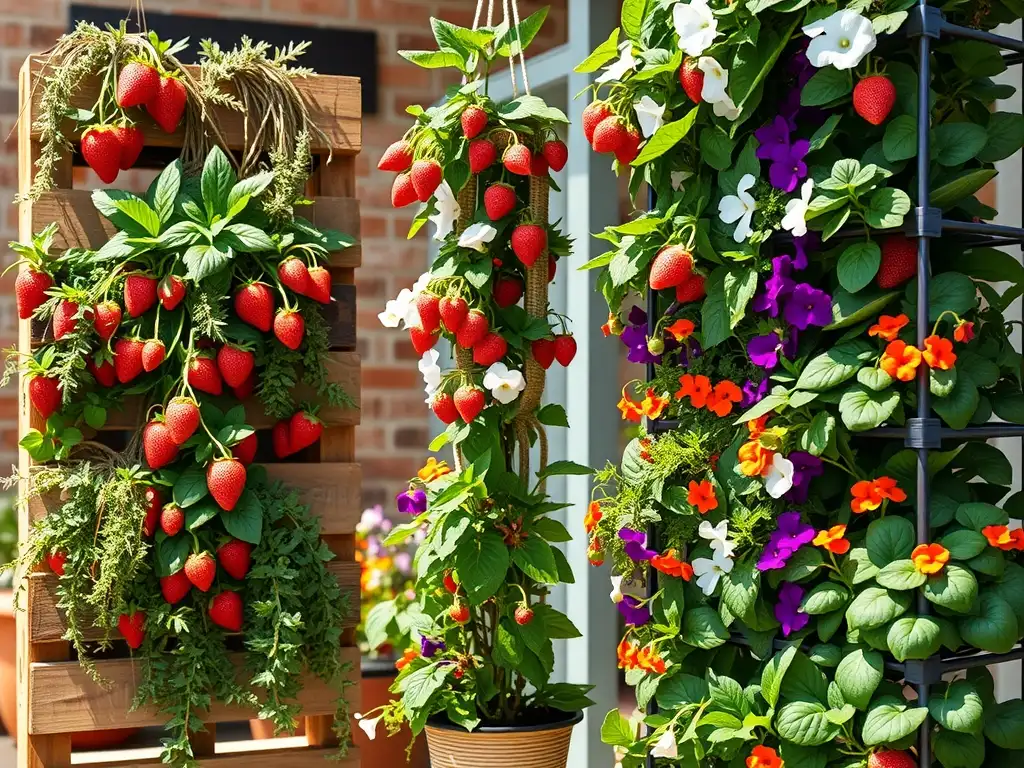
This section explores some of the best vertical garden layouts ideal for beginners, focusing on ease of construction, maintenance, and aesthetic appeal. We'll delve into specific designs that maximize space utilization while minimizing complexity, perfect for those starting their vertical gardening journey. Finding the best layout often depends on your specific needs and available resources, but these examples offer a strong starting point for maximizing your yield in limited spaces. These designs are optimized for achieving bountiful harvests using sustainable and organic practices, aligning perfectly with the CultivateYourFood ethos.
Simple DIY Pallet Vertical Garden: A Step-by-Step Guide
Creating a vertical garden from reclaimed pallets is a fantastically budget-friendly and sustainable option. This method repurposes materials, reducing waste and minimizing environmental impact – a key aspect of organic gardening. The rustic charm of the pallet also adds a visually appealing element to your outdoor space.
Here's a step-by-step guide:
- Source your pallet: Ensure the pallet is untreated wood (check for any chemical treatments). Untreated pine or cedar are excellent choices. Thoroughly clean the pallet, removing any debris or loose wood.
- Prepare the planting pockets: Use landscape fabric or plastic sheeting to line each section of the pallet, creating individual planting pockets. This prevents soil from falling through the gaps. Secure the fabric with staples or twine.
- Fill the pockets: Use a high-quality potting mix suitable for the plants you intend to grow. Consider adding compost for added nutrients and soil health.
- Planting: Carefully plant your seedlings or seeds, ensuring adequate spacing for growth. Choose compact varieties of vegetables, herbs, or flowers to optimize space.
- Watering: Water regularly, keeping the soil consistently moist but not waterlogged. Consider installing a drip irrigation system for efficient watering.
- Maintenance: Regularly inspect for pests and diseases, addressing any issues promptly. Fertilize as needed, using organic fertilizers to maintain soil health.
This simple method offers a rewarding experience, yielding delicious homegrown produce while promoting sustainable practices. Remember to choose plants appropriate for your climate and sunlight conditions. Consider using a mix of herbs, strawberries, or leafy greens for a diverse and visually appealing pallet garden. The flexibility of this design makes it one of the best vertical garden layouts for beginners.
Creating a Stunning Hanging Herb Garden: Materials and Techniques
Hanging herb gardens are visually appealing and highly efficient for maximizing vertical space, particularly on patios or balconies. The choice of containers and plants dramatically affects the overall aesthetic and success of the garden.
Here's a breakdown of materials and techniques:
- Containers: Consider using terracotta pots, hanging baskets, or even repurposed containers like tin cans (ensure they're properly lined and have drainage holes). The size of the container will depend on the type and number of herbs you plan to grow.
- Planting Medium: A well-draining potting mix is crucial for healthy herb growth. Avoid using heavy clay-based soils.
- Herb Selection: Choose herbs that thrive in similar conditions. Basil, oregano, thyme, and mint are popular choices and can be combined beautifully. Consider the mature size of each herb to avoid overcrowding.
- Watering: Regular watering is essential, especially during hot and dry periods. Overwatering can lead to root rot, so ensure good drainage.
- Sunlight: Most herbs require at least 6 hours of direct sunlight per day. Choose a location that provides ample sunlight.
This approach showcases the beauty and practicality of vertical gardening. The hanging aspect adds a touch of elegance, transforming a simple herb garden into a stunning focal point. Careful selection of containers and herbs is key to creating a visually pleasing and productive hanging herb garden. This is a fantastic option for those seeking one of the best vertical garden layouts for aesthetic appeal.
Easy-to-Build Trellis Systems for Climbing Vegetables
Trellises provide excellent support for climbing vegetables like tomatoes, cucumbers, and beans, maximizing space utilization and improving air circulation to prevent fungal diseases. Building a trellis is straightforward, offering a satisfying DIY project.
Here are some easy-to-build trellis options:
- A-Frame Trellis: This simple design is easy to construct using two long stakes and crosspieces. It's ideal for smaller plants.
- Obelisk Trellis: An obelisk trellis offers a more decorative option, creating a focal point in your garden. It's slightly more complex to build but offers excellent support.
- Horizontal Trellis: This design is ideal for supporting multiple climbing plants along a wall or fence. It's easy to build using posts and horizontal wires or slats.
Consider the size and type of climbing plants you'll be growing when choosing a trellis design. Ensure the trellis is sturdy enough to support the weight of the mature plants, especially when they're laden with fruit. Proper spacing between plants is essential for optimal growth and yield. Remember to choose durable materials resistant to rot and decay. A well-constructed trellis system significantly enhances the productivity of your vertical garden, making it one of the best vertical garden layouts for maximizing yield.
Upcycled Container Vertical Gardens: Using Repurposed Materials
Upcycling is a fantastic way to create a beautiful and sustainable vertical garden while saving money. The possibilities are endless! Think creatively about items you might already have around the house that could be repurposed. Old pallets, for example, are a popular choice. Their sturdy construction and readily available slatted design make them ideal for creating a rustic vertical garden.
Simply clean the pallet thoroughly, ensuring there are no splinters or hazardous materials, and then attach small pots or containers to the slats. You can use screws, wire, or even strong adhesive, depending on the weight of your plants and the material of the pallet. Consider pre-drilling holes to prevent the wood from splitting. This method is perfect for herbs, strawberries, and smaller leafy greens.
Another excellent option is using old ladders. Leaning an old wooden ladder against a wall, or even securing it to a fence, provides a vertical surface to hang potted plants. The rungs of the ladder provide natural shelves for your containers. Ensure the ladder is sturdy and stable before adding weight. A coat of paint or stain can update its appearance and protect the wood from the elements. This type of vertical garden layout offers a charming, slightly whimsical aesthetic and works well with a variety of plants, from trailing flowers to compact vegetables.
Don't forget about plastic bottles! Cut the bottles in half, creating small individual pots. You can even create a more elaborate system by connecting multiple bottles together, forming a larger, more complex vertical structure. This is particularly effective for herbs and small seedlings.
Remember to drill drainage holes in the bottom of each section to prevent root rot. While this method requires more effort in terms of assembly, it's incredibly budget-friendly and utilizes readily available materials. The resulting vertical garden will be a testament to your creativity and commitment to sustainability. Consider painting the bottles to add a pop of color to your garden.
Finally, consider using old tin cans. Clean and thoroughly rinse them, ensuring all food residue is removed. Then, add drainage holes and attach them to a wall or fence using wire or strong adhesive. This is a simple yet effective way to create a vertical garden, perfect for herbs or small succulents.
The rustic look of the tin cans adds a unique charm to any outdoor space. Remember to use sturdy wire and to place the cans strategically to avoid overloading the structure. The weight of the soil and plants needs to be considered when planning the arrangement. The best vertical garden layouts often involve a little experimentation and adaptation to your available materials and space.
Advanced Vertical Gardening Layouts: Maximizing Space and Aesthetics
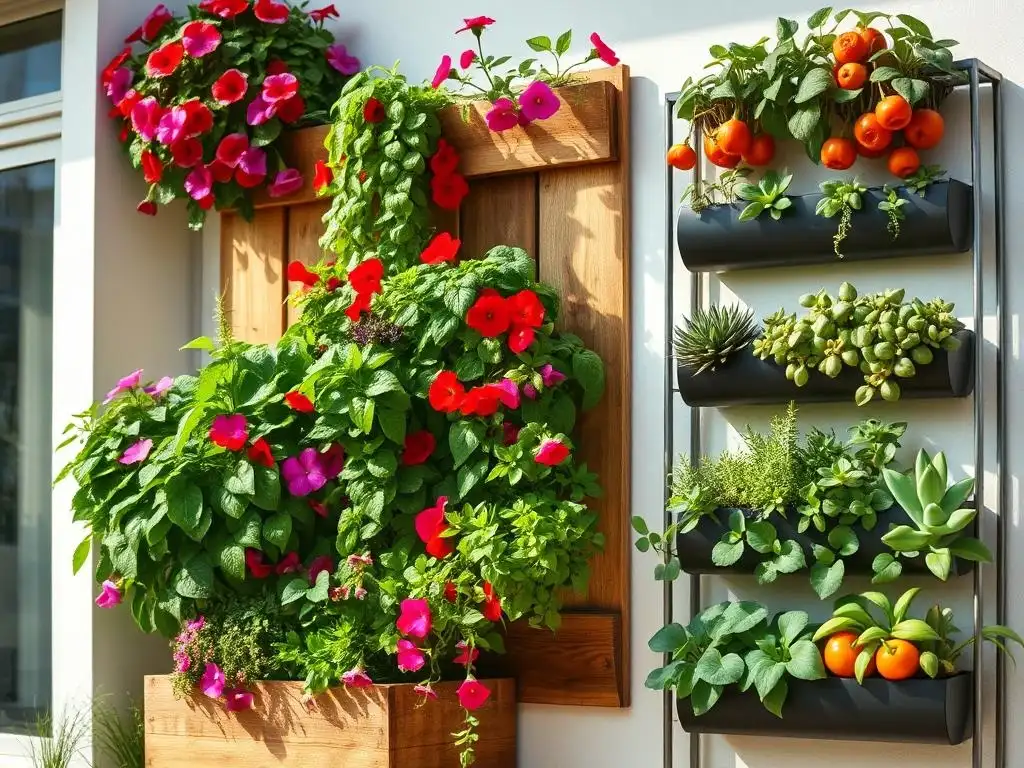
This section delves into sophisticated vertical gardening techniques that go beyond basic setups, focusing on maximizing space utilization and aesthetic appeal. We'll explore systems that offer increased efficiency and visual interest for your homegrown produce. These layouts are perfect for those seeking to optimize their "best vertical garden layouts" while minimizing their environmental impact.
The Living Wall System: A Guide to Installation and Plant Selection
A living wall, also known as a green wall, is a stunning and efficient vertical gardening solution. It transforms a plain wall into a vibrant, verdant display while significantly increasing growing space. Successful installation involves careful planning and execution.
First, consider the wall's structural integrity. A living wall adds considerable weight, so ensure the wall can support the load. Professional assessment might be necessary for older structures. The wall's orientation also impacts plant selection; south-facing walls receive more sunlight, ideal for sun-loving herbs and vegetables.
Next, choose your growing medium. Coco coir, a sustainable alternative to peat moss, is popular for its water retention and aeration properties. Other options include rockwool and specialized felt pockets. The choice will depend on your budget and the specific needs of your chosen plants.
Plant selection is crucial. Consider plants with varying heights and textures to create visual depth and interest. Trailing plants like strawberries or cascading herbs can soften the edges, while upright plants like tomatoes or peppers add height and structure. Prioritize plants that thrive in vertical environments and have similar water and sunlight requirements for easier maintenance. A well-planned living wall will require less frequent watering and fertilization due to its efficient water retention system.
For example, a successful living wall might incorporate a mix of:
- Sun-loving: Basil, thyme, cherry tomatoes
- Shade-tolerant: Lettuce, spinach, mint
- Trailing: Strawberries, creeping thyme
Finally, regular maintenance is key. This includes monitoring moisture levels, fertilizing as needed, and pruning to maintain shape and prevent overcrowding. A well-maintained living wall not only provides a bountiful harvest but also enhances the aesthetic appeal of your home.
Hydroponic Vertical Gardening: Techniques and Equipment
Hydroponic vertical gardening offers a space-saving and highly productive approach. This method eliminates soil, allowing plants to absorb nutrients directly from a nutrient-rich water solution. This leads to faster growth rates and higher yields compared to traditional soil-based gardening, making it a popular choice for maximizing space.
Several hydroponic systems are suitable for vertical gardening, each with its own advantages and disadvantages. Deep water culture (DWC) systems are relatively simple, involving suspending plant roots in a nutrient-rich water reservoir. Nutrient film technique (NFT) systems continuously circulate a thin film of nutrient solution over the roots, ensuring consistent nutrient delivery. Aeroponic systems suspend the roots in the air and periodically mist them with nutrient solution, promoting rapid growth.
The equipment needed includes a reservoir for the nutrient solution, a pump (for NFT and aeroponic systems), a timer (for automated nutrient delivery), and grow lights (especially crucial for indoor setups). Choosing the right equipment depends on the chosen system and the scale of your vertical garden. Careful consideration of nutrient solution composition is also essential for optimal plant health and yield. Regular monitoring of pH levels and nutrient concentrations is necessary to ensure the plants receive the correct balance of nutrients. This meticulous approach is key to achieving the "best vertical garden layouts" with hydroponics.
Vertical Gardening with Automated Irrigation Systems
Implementing an automated irrigation system significantly reduces the time and effort required for maintaining a vertical garden, especially larger installations. These systems offer precise control over watering, ensuring plants receive the optimal amount of water at the right time.
Drip irrigation systems are well-suited for vertical gardening. These systems deliver water directly to the roots, minimizing water waste and preventing overwatering. A timer can be programmed to deliver water at specific intervals, adapting to the needs of different plants. Sensors can be added to monitor soil moisture levels, ensuring plants receive only the necessary amount of water.
Furthermore, automated systems can incorporate fertilizer injection, simplifying nutrient management. This automated fertilization ensures consistent nutrient delivery, boosting plant growth and yield. The system's components, including tubing, emitters, and a control unit, should be chosen based on the size and complexity of your vertical garden and the specific needs of your plants. Proper installation and regular maintenance are crucial for the longevity and efficiency of the system. Investing in a well-designed automated irrigation system is a significant step towards achieving truly efficient and aesthetically pleasing "best vertical garden layouts."
Designing a Multi-Tiered Vertical Garden for Optimal Sunlight Exposure
Designing a multi-tiered vertical garden requires careful consideration of sunlight exposure. Plants need sufficient sunlight to thrive, and a multi-tiered system can create shading issues if not planned correctly. The key is to understand the sun's path throughout the day and to arrange your plants accordingly. Plants requiring the most sunlight, such as tomatoes or peppers, should be placed on the top tiers, where they'll receive the most direct sunlight. Lower tiers can accommodate plants that tolerate partial shade, such as leafy greens or herbs.
Consider the direction your garden faces. A south-facing garden in the Northern Hemisphere will receive the most direct sunlight, while a north-facing garden will receive the least. This significantly impacts the plant placement within your vertical garden. In a south-facing garden, you might need to adjust the spacing between tiers to prevent lower plants from being completely shaded. In a north-facing garden, you may need to supplement with grow lights to ensure adequate light penetration to all tiers.
The size and shape of your tiers also affect sunlight exposure. Wider tiers allow for better light distribution, while narrower tiers can lead to more competition for sunlight. Experiment with different tier sizes to find the optimal balance between space utilization and sunlight access for your specific plants. For example, a wider bottom tier might be ideal for larger, shade-tolerant plants, while narrower upper tiers can accommodate smaller, sun-loving plants.
Remember that the sun's angle changes throughout the year. In the summer, the sun is higher in the sky, resulting in more direct sunlight. In the winter, the sun is lower, leading to less intense sunlight. This seasonal variation needs to be factored into your design, potentially requiring adjustments to plant placement or supplemental lighting depending on your climate and the chosen plant species. Careful observation and adjustments throughout the year will ensure the success of your multi-tiered vertical garden. Regular pruning can also help to maintain optimal sunlight access for all plants.
Choosing the Right Plants for Your Vertical Garden
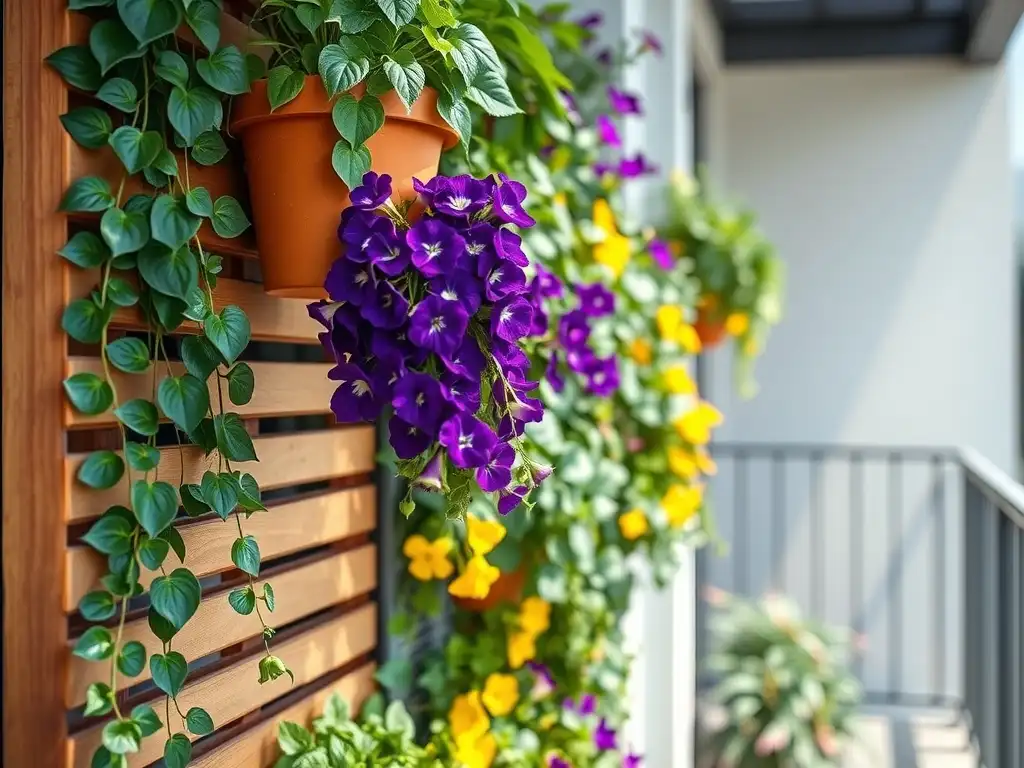
Selecting the appropriate plants is crucial for a thriving and productive vertical garden. The success of your vertical garden hinges on choosing species that are well-suited to the conditions you can provide, considering factors like sunlight exposure, available space, and your desired harvest. Careful plant selection ensures optimal growth, maximizing yield and minimizing frustration.
This section focuses on identifying the best vegetables, climbing plants, and herbs for your vertical garden setup, offering a range of options to suit different preferences and gardening styles. Remember, understanding the specific needs of each plant is key to achieving the best results in your vertical gardening endeavor. This careful consideration translates directly into a more bountiful and aesthetically pleasing vertical garden.
Best Vegetables for Vertical Gardening: High-Yielding Options
Many vegetables are ideally suited for vertical gardening, offering high yields in a compact space. These are often compact varieties or those with a climbing or vining habit. Here are some top contenders for your vertical garden:
- Tomatoes: Choose determinate or compact indeterminate varieties. Determinate tomatoes grow to a certain height and produce their fruit all at once, making them perfect for containers and vertical systems. Indeterminate varieties continue growing and producing fruit throughout the season, requiring more support. Look for compact varieties specifically designed for containers.
- Cucumbers: Bush cucumbers or compact vining varieties are excellent choices for vertical growing. Their vigorous growth makes them ideal for trellises or hanging baskets. Ensure adequate support for the vines to prevent overcrowding and maximize fruit production.
- Peppers: Both bell peppers and chili peppers can thrive in vertical gardens. Choose compact varieties for best results. Support may be needed as the plants grow taller, especially for larger pepper varieties.
- Strawberries: These delicious fruits are well-suited for vertical gardening, especially in hanging baskets or tiered systems. They require ample sunlight and well-drained soil. Consider "everbearing" varieties for a continuous harvest.
- Beans: Bush beans are relatively low-maintenance and suitable for vertical gardening. Pole beans, on the other hand, are vigorous climbers that need strong support structures like trellises or stakes.
| Vegetable | Variety Type | Space Requirements | Sunlight Needs | Notes |
|---|---|---|---|---|
| Tomatoes | Determinate/Compact | Moderate | Full sun | Choose varieties suited to container growing |
| Cucumbers | Bush/Compact Vine | Moderate | Full sun | Provide strong support |
| Peppers | Compact | Moderate | Full sun | Consider size at maturity |
| Strawberries | Everbearing | Low | Full sun | Well-drained soil essential |
| Bush Beans | Bush | Low | Full sun | Easy to grow |
Climbing Plants for Vertical Gardens: Vines and Trailers
Climbing plants are natural choices for maximizing space utilization in vertical gardens. These plants use tendrils, twining stems, or other mechanisms to climb upwards, creating a visually appealing and productive display. Some excellent options include:
- Passionflower: Known for their beautiful flowers and edible fruit (depending on the variety), passionflowers are vigorous climbers that add both beauty and potential harvest to your vertical garden. They need strong support.
- Hops: These vigorous climbers are known for their use in brewing beer, but they also make a stunning addition to a vertical garden. They require plenty of space and strong support.
- Morning Glories: These flowering vines are known for their vibrant colors and rapid growth. They're excellent for covering walls or fences and adding a splash of color.
- Ivy: While not fruiting, various ivy varieties offer year-round green cover and are excellent for screening or creating privacy in a vertical garden. They are relatively low-maintenance.
The choice of climbing plant will largely depend on the available space and the desired aesthetic effect. Always ensure adequate support structures are in place to prevent the vines from becoming tangled and to encourage upward growth. Regular pruning may be necessary to maintain shape and encourage fruiting (where applicable).
Herbs That Thrive in Vertical Gardens: Flavor and Fragrance
Many herbs are ideally suited to vertical gardening, offering a convenient and space-saving way to grow fresh herbs for culinary use. Their compact growth habit and relatively low maintenance requirements make them perfect for vertical systems:
- Basil: A staple in many kitchens, basil thrives in warm, sunny locations. It's a relatively fast-growing herb, perfect for harvesting throughout the growing season.
- Mint: Mint is a vigorous grower, so it's best grown in its own container to prevent it from taking over. It prefers partial shade and moist soil.
- Rosemary: Rosemary is a drought-tolerant herb that prefers full sun and well-drained soil. It's a woody herb, so it's best grown in a larger container.
- Thyme: Thyme is a low-growing, spreading herb that thrives in full sun and well-drained soil. It's relatively easy to grow and requires minimal maintenance.
- Chives: Chives are a clump-forming herb that's easy to grow and harvest. They prefer full sun to partial shade and well-drained soil.
Choosing the right herbs for your vertical garden will depend on your culinary preferences and the amount of sunlight your garden receives. Consider the growth habit of each herb and ensure adequate spacing to prevent overcrowding. Regular harvesting will encourage bushier growth and a continuous supply of fresh herbs.
Flowering Plants for Vertical Gardens: Adding Beauty and Biodiversity
Choosing flowering plants for your vertical garden offers a fantastic way to boost its aesthetic appeal while simultaneously enhancing biodiversity. The vibrant colors and attractive blooms not only make your vertical garden a stunning focal point, but they also attract beneficial insects like bees and butterflies, crucial for pollination in your overall garden ecosystem. Remember to select varieties known for their compact growth habits to avoid overcrowding and ensure sufficient airflow within your vertical garden structure.
Consider the sunlight exposure your vertical garden receives when making your selections. Sun-loving flowers, such as petunias, geraniums, and nasturtiums, thrive in full sun, while shade-tolerant options like impatiens and begonias are better suited for partially shaded areas. Understanding the light requirements of each plant will ensure their optimal growth and abundant flowering.
Beyond aesthetics, incorporating flowering plants contributes significantly to biodiversity. The diverse range of flowers attracts a wider array of pollinators, supporting a healthy and balanced garden ecosystem. This biodiversity also helps to naturally deter some pests, reducing the need for chemical interventions and aligning with sustainable gardening practices. For instance, planting marigolds amongst your vegetables is a well-known companion planting technique that repels certain pests.
Planning for a succession of blooms is key to maintaining visual interest throughout the growing season. Choose a mix of plants with different flowering periods to ensure a continuous display of color. Researching the bloom times of different varieties will help you create a harmonious and visually appealing vertical garden that bursts with color from spring through fall. Remember to check the mature size of each plant to avoid overcrowding. A well-planned vertical garden will reward you with a stunning display of color and a thriving ecosystem.
Maintaining Your Vertical Garden: Tips and Tricks
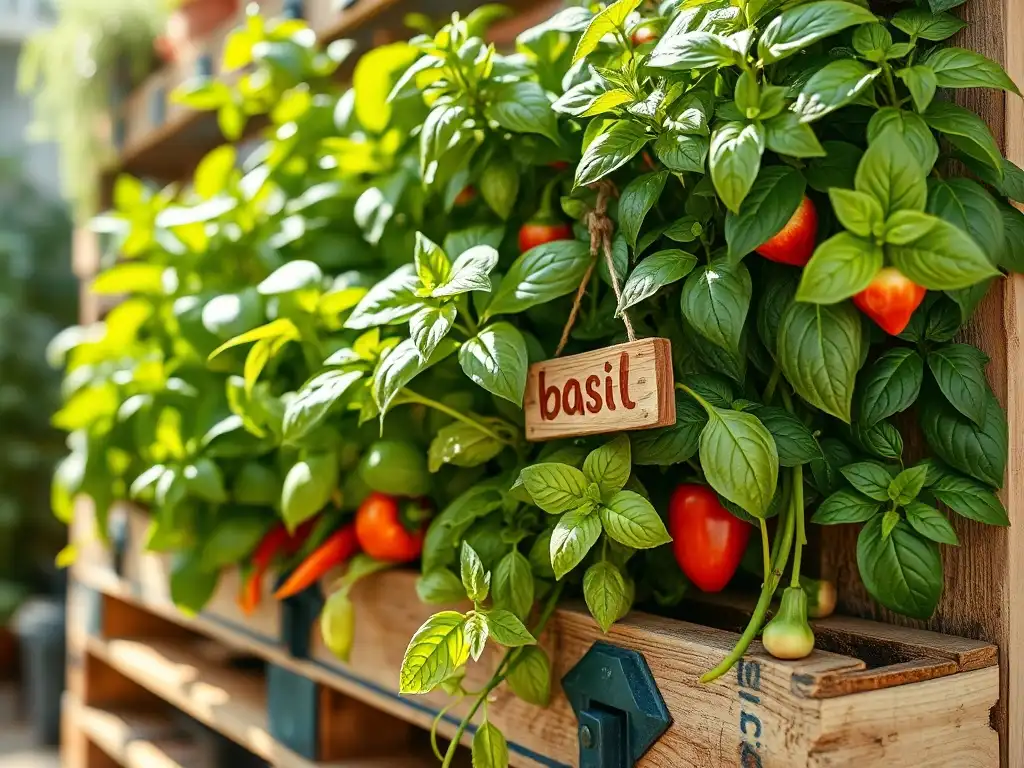
Vertical gardening, while offering space-saving solutions for the home grower, requires a slightly different approach to maintenance than traditional gardening. Success hinges on understanding the unique challenges and adapting your techniques accordingly. This section delves into the key aspects of maintaining a thriving vertical garden, focusing on watering, pest control, and fertilization – crucial elements for achieving optimal yields and plant health. Finding the best vertical garden layouts is only the first step; consistent care is paramount to enjoying a bountiful harvest.
Watering Techniques for Vertical Gardens: Preventing Overwatering and Underwatering
Efficient watering is critical in vertical gardening. Unlike in-ground planting, the soil in vertical systems can dry out faster or, conversely, become waterlogged more easily due to limited drainage. The key is to strike a balance, avoiding both underwatering and overwatering, which can lead to wilting, root rot, and overall plant stress.
Several techniques can help optimize watering:
- Drip Irrigation: This method delivers water directly to the plant's roots, minimizing water waste and preventing runoff. A drip irrigation system, even a simple DIY one, is particularly beneficial for vertical gardens, ensuring consistent moisture without oversaturation. This is often considered the best approach for larger vertical garden setups.
- Soaker Hoses: These hoses slowly release water along their length, providing gentle, even moisture to the plants' root zones. They're a cost-effective alternative to drip irrigation and are suitable for smaller vertical gardens. Regular checking is crucial to avoid overwatering.
- Watering Can with Rose Head: For smaller setups, a watering can with a rose head attachment allows for precise watering, directing water gently to the base of each plant. However, this method requires more frequent watering, especially during hot and dry periods.
The frequency of watering depends on several factors, including the type of plants, the climate, the type of growing medium, and the design of your vertical garden. Regularly checking the soil moisture is essential. Stick your finger a couple of inches into the soil; if it feels dry, it's time to water. Remember to water thoroughly until water drains from the bottom, but avoid letting water pool at the base of the system.
Pest and Disease Control in Vertical Gardens: Organic Solutions
Vertical gardens, due to their close proximity of plants, can be more susceptible to pest and disease outbreaks. Early detection and proactive prevention are key to maintaining a healthy garden. Organic solutions are preferred for their environmental friendliness and safety for both plants and humans.
Here are some effective organic pest and disease control strategies:
- Beneficial Insects: Introducing beneficial insects like ladybugs, lacewings, and praying mantises can help control aphid and other pest populations naturally. These insects prey on common garden pests, reducing the need for chemical interventions.
- Neem Oil: This natural insecticide derived from the neem tree is effective against a broad range of pests, including aphids, mites, and whiteflies. It's safe for use on edible plants, but always follow label instructions.
- Diatomaceous Earth: This naturally occurring sedimentary rock, when finely ground, acts as a desiccant, causing pests to dehydrate and die. It's a safe and effective option for controlling slugs, snails, and some insects.
- Disease Prevention: Practicing good sanitation, including removing dead leaves and debris, can help prevent the spread of diseases. Ensuring proper spacing between plants allows for better air circulation, reducing the risk of fungal infections. Regularly inspecting plants for signs of disease is also crucial for early intervention. Using disease-resistant plant varieties can also significantly reduce the risk of problems.
Fertilizing Your Vertical Garden: Nutrient-Rich Options
Vertical gardens often have limited soil volume, meaning nutrients can be depleted quickly. Regular fertilization is crucial to ensure healthy plant growth and abundant harvests. Organic fertilizers are ideal for maintaining soil health and providing essential nutrients without harmful chemicals.
Consider these options:
| Fertilizer Type | Benefits | Application |
|---|---|---|
| Compost Tea | Rich in beneficial microbes, improves soil structure | Diluted and applied weekly or bi-weekly |
| Worm Castings | Excellent source of nutrients, improves soil aeration | Mixed into the growing medium or top-dressed |
| Liquid Seaweed Extract | Provides micronutrients, promotes strong growth | Diluted and applied every 2-4 weeks |
| Balanced Organic Granules | Slow-release nutrients, less frequent application | Mixed into the growing medium at planting time |
Remember to follow the instructions on the fertilizer packaging carefully, and avoid over-fertilizing, which can damage the plants. Regular soil testing can help determine the nutrient levels and guide your fertilization strategy. Choosing the best vertical garden layouts also considers the ease of access for fertilization and maintenance. A well-planned layout facilitates efficient nutrient application.
Harvesting from Your Vertical Garden: Tips for Maximum Yield
Harvesting from a vertical garden requires a slightly different approach than traditional ground-level gardening. The proximity of plants and the often-limited access necessitate careful consideration to maximize yield and minimize damage. Regular monitoring is key; you’ll need to check your plants frequently to identify ripe produce before it over-ripens or becomes susceptible to pests.
One of the most important aspects of vertical garden harvesting is the use of appropriate tools. Long-handled pruners or small hand shears are ideal for reaching plants at different heights without straining or damaging the structure of your vertical garden. For delicate herbs or leafy greens, consider using a small harvesting knife for precise cuts. Avoid pulling plants, as this can disrupt the root systems of neighboring plants and damage the overall structure of your vertical garden.
Timing is everything. Harvesting at the optimal ripeness ensures the best flavor and nutritional value. Familiarize yourself with the specific harvesting times for each plant in your vertical garden. For example, cherry tomatoes are generally ready for harvest when they turn a deep red color and are slightly soft to the touch. Similarly, herbs should be harvested before they flower for optimal flavor. Overripe produce can attract pests and negatively impact the overall health of your vertical garden.
Consider the layout of your vertical garden when planning your harvest. Start from the top and work your way down to avoid accidentally damaging lower plants while reaching for higher ones. It’s a good idea to have a designated collection container nearby to prevent dropped produce from falling onto lower plants or the ground. Regular harvesting encourages continuous growth and prevents overcrowding, leading to a healthier and more productive vertical garden. Removing ripe produce also prevents the plant from expending energy on ripening further fruit, thus encouraging more blossoms and fruit production.
Finally, don’t forget the importance of post-harvest care. Properly storing your harvested produce will help maintain its freshness and prolong its shelf life. Some herbs, for instance, benefit from being stored in a glass of water similar to cut flowers, while tomatoes are best stored at room temperature to prevent them from losing flavor. Proper post-harvest handling is just as crucial as the harvesting process itself in ensuring the maximum yield from your vertical garden. By following these tips, you can enjoy a bountiful harvest from your vertical garden year after year.
Where to Buy Vertical Gardening Supplies
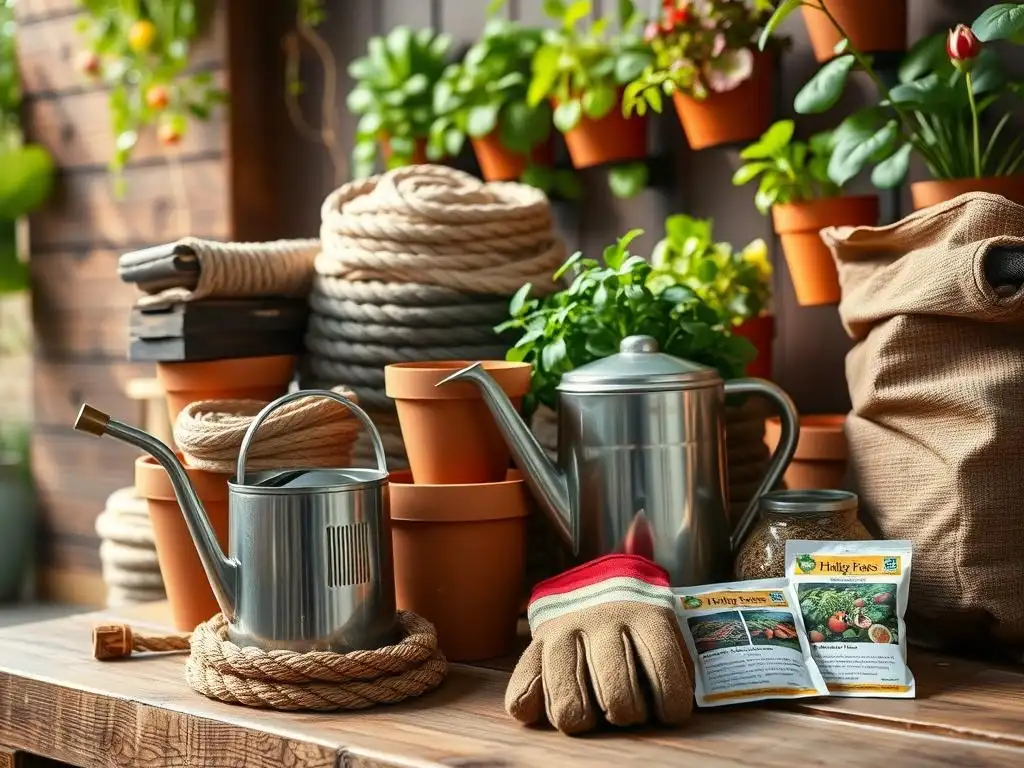
Finding the right supplies is crucial for a successful vertical garden. Whether you're a seasoned gardener or a beginner, accessing high-quality materials is key to achieving optimal growth and yield. This section explores the best avenues for sourcing your vertical gardening needs, focusing on both online and local options. The best vertical garden layouts depend heavily on the quality of components used.
Finding Quality Vertical Gardening Kits and Systems Online
The internet offers a vast array of vertical gardening kits and systems. However, navigating this landscape requires careful consideration. Look for reputable online retailers specializing in gardening supplies. Read reviews carefully, paying attention to customer experiences with product quality, shipping, and customer service. Consider the following when searching online for the best vertical garden layouts:
- Kit Completeness: Does the kit include everything you need, or will you need to purchase additional components separately? A complete kit can simplify the setup process significantly.
- Material Durability: Check the material specifications. Will the system withstand the elements and provide long-term support for your plants? Durable materials are essential for longevity and to ensure your best vertical garden layouts last.
- System Design: Does the design suit your space and gardening style? Consider factors like the number of plants you want to grow, the size of your space, and the type of plants you'll be cultivating. Some designs are better suited for certain plants or spaces than others, impacting the efficacy of your best vertical garden layouts.
- Price vs. Value: Compare prices across different retailers and consider the overall value proposition. A slightly more expensive kit might offer superior quality and longevity, ultimately saving you money in the long run.
Remember to compare features and specifications before making a purchase. Prioritize quality over price to ensure you're investing in a system that will support your gardening goals and contribute to the success of your best vertical garden layouts. Look for reviews that specifically mention the longevity and ease of use of the system.
Locating Local Suppliers for Vertical Gardening Materials
While online shopping offers convenience, supporting local businesses offers several advantages. Local nurseries and garden centers often carry a wider variety of pots, containers, and other materials. They can also provide personalized advice and support, making them invaluable resources for beginners and experienced gardeners alike. Finding local suppliers helps contribute to the success of your best vertical garden layouts in several ways:
- Personalized Advice: Local experts can offer tailored advice based on your specific climate, soil type, and the types of plants you want to grow. This personalized touch can significantly improve your chances of success.
- Wider Material Selection: Local suppliers might offer unique or hard-to-find materials that aren't available online. This expanded selection allows for more creative and effective best vertical garden layouts.
- Community Support: Shopping locally helps support your community and fosters a sense of connection with fellow gardeners. This can lead to valuable networking opportunities and shared knowledge.
- Reduced Carbon Footprint: Buying locally reduces transportation distances and associated carbon emissions, aligning with sustainable gardening practices.
Consider visiting local hardware stores, home improvement centers, and even recycling centers for repurposed materials that can be used in your vertical garden. Creativity and resourcefulness can lead to cost-effective and environmentally friendly best vertical garden layouts.
Choosing the Right Pots and Containers for Vertical Gardening
The choice of pots and containers significantly influences the success of your vertical garden. Different materials have varying properties regarding water retention, drainage, and durability. The best vertical garden layouts consider these factors meticulously:
- Material Selection: Common materials include plastic, terracotta, fabric, and recycled materials. Plastic pots are lightweight and inexpensive, while terracotta pots offer excellent drainage but can be heavier and more prone to cracking. Fabric pots allow for better aeration but may dry out faster. Recycled materials offer an eco-friendly option. The choice depends on your climate, plant type, and personal preference, all impacting the overall success of your best vertical garden layouts.
- Size and Shape: The size and shape of your pots should be appropriate for the size and root systems of your plants. Overcrowding can hinder growth, while undersized pots can restrict root development. Consider using a variety of pot sizes to accommodate different plants within your best vertical garden layouts.
- Drainage: Adequate drainage is essential to prevent root rot. Ensure your pots have drainage holes or use a well-draining potting mix. This is critical for successful best vertical garden layouts, regardless of material.
- Mounting: Choose pots that are easy to mount or secure within your vertical garden system. Some systems require specific types of pots or attachments. This ensures your best vertical garden layouts are both aesthetically pleasing and functional.
Careful consideration of these factors will contribute to the creation of robust and productive best vertical garden layouts, maximizing the yield and beauty of your home-grown produce. Remember to always prioritize plant health and well-being when selecting your containers.
Inspiring Vertical Garden Designs: Real-World Examples
This section showcases the diverse and inspiring world of vertical gardening, highlighting successful implementations that demonstrate the versatility and aesthetic appeal of this space-saving technique. We'll explore various designs, focusing on their practicality and the creative solutions they offer for limited spaces. Finding the best vertical garden layouts often involves considering factors like sunlight exposure, water access, and the types of plants you wish to cultivate.
Showcase of Stunning Vertical Gardens from Around the World (with Images)
(Note: Images would be included here. Descriptions below will suffice for the text-only format.)
Imagine a vibrant wall of cascading strawberries in a sunny Parisian courtyard. The terracotta pots, meticulously arranged in a tiered system, create a breathtaking display. This is just one example of the many stunning vertical gardens found globally. In rural Japan, we might see a meticulously crafted bamboo structure supporting an array of climbing vegetables, a testament to the integration of vertical gardening with traditional aesthetics.
Urban balconies in New York City are transformed into thriving green spaces, utilizing innovative wall-mounted systems and self-watering planters. These examples highlight the adaptability of vertical gardening across diverse climates and cultural contexts. The best vertical garden layouts are often those that seamlessly blend with their surroundings, enhancing both the visual appeal and the functionality of the space.
Another inspiring example is a community vertical garden in a bustling city center. This collaborative project uses repurposed materials, such as pallets and old barrels, creating a unique and sustainable vertical garden that fosters a sense of community and provides fresh produce for residents. The layout is carefully planned to maximize sunlight and water efficiency, showcasing the potential of vertical gardening for promoting urban sustainability. This community project demonstrates that even in densely populated areas, the best vertical garden layouts can be both visually striking and socially beneficial.
Vertical Gardening Ideas for Small Balconies and Patios
Small spaces don't mean sacrificing the joy of gardening. Vertical gardening is particularly well-suited for balconies and patios, maximizing limited square footage. Here are some ideas to get you started:
- Tiered Planters: These are incredibly versatile. You can stack several together, creating a visually appealing and space-efficient setup. Consider varying the sizes and shapes of your planters for added visual interest. Choose lightweight materials like plastic or recycled wood to avoid overloading your balcony.
- Wall-Mounted Planters: These can be easily affixed to walls or railings, allowing you to cultivate herbs, strawberries, or even small vegetables directly on the vertical plane. Look for models that offer excellent drainage and are made from durable materials.
- Hanging Baskets: A classic choice, hanging baskets are ideal for trailing plants like petunias or ivy, adding a touch of elegance and color to your balcony. Ensure you have strong hooks or brackets that can support the weight of the soil and plants when fully grown.
- Trellises and Climbing Supports: Perfect for vining plants like tomatoes, cucumbers, or beans, trellises maximize vertical space, allowing plants to climb upwards instead of sprawling across the limited ground area. Choose a sturdy trellis material that can withstand the weight of the mature plants.
Remember, even the smallest balcony can become a thriving vertical garden with careful planning and the right selection of plants and containers. Choosing the best vertical garden layouts for your small space will depend on factors like available sunlight and the type of plants you wish to grow.
Vertical Gardening in Urban Environments: Creative Solutions
Urban dwellers often face unique challenges when it comes to gardening, but vertical gardening offers numerous creative solutions. The best vertical garden layouts in urban environments often utilize innovative and space-saving designs.
- Living Walls: These sophisticated systems create lush, green walls that can significantly improve the aesthetic appeal of buildings and provide a habitat for pollinators. They are often custom-designed and may require professional installation.
- Repurposed Materials: Transforming old pallets, tires, or even ladders into vertical gardens is an environmentally friendly and cost-effective way to create unique and functional spaces. Consider the durability and water retention capabilities of the materials you choose.
- Modular Systems: These customizable systems allow you to adapt your vertical garden to fit your specific space and needs. Modules can be added or removed as needed, making them incredibly versatile.
- Rooftop Gardens: If you're lucky enough to have access to a rooftop, consider creating a rooftop garden. This can transform a barren space into a productive and aesthetically pleasing oasis. However, careful consideration of weight capacity and drainage is essential.
Urban vertical gardening not only enhances the beauty of the urban landscape but also contributes to cleaner air and a more sustainable environment. By selecting the best vertical garden layouts for your specific urban setting, you can create a functional and beautiful garden that enhances your living space and contributes to a healthier environment.
Frequently Asked Questions
What are the benefits of vertical gardening?
Vertical gardening offers several advantages, including maximizing space in small gardens or urban environments, improved air circulation to prevent fungal diseases, and easier harvesting as plants are closer to reach.
What are some of the best vertical garden layouts?
Many layouts exist, from simple wall-mounted planters and trellis systems to more complex designs using pallets or repurposed materials. The "best" layout depends on your space and plant choices.
What types of plants are suitable for vertical gardening?
Many plants thrive vertically! Consider vining plants like tomatoes, cucumbers, and beans, as well as herbs and smaller leafy greens that don't require extensive root systems.
What materials are commonly used for building a vertical garden?
You can use a variety of materials, including recycled pallets, PVC pipes, fabric pots, and wire mesh. Choose materials that are durable, weather-resistant, and appropriate for your chosen design.
How do I ensure proper watering for my vertical garden?
Consistent watering is crucial. Consider using a drip irrigation system or self-watering planters to prevent overwatering or underwatering, especially in hotter climates. Regularly check soil moisture.
Final Reflection: Cultivating Community, One Vertical Garden at a Time
The quest for sustainable living and vibrant green spaces, even in the most urban environments, is more urgent than ever. Vertical gardening isn't just a trendy design choice; it's a powerful solution to food insecurity, urban blight, and the growing need for connection with nature in densely populated areas. The innovative layouts explored in this article represent a significant step towards a greener, more resilient future.
The impact of vertical gardening extends far beyond the aesthetic. It fosters a sense of community, encouraging neighbors to share knowledge, resources, and the bounty of their harvests. The garden is a lovesong to the earth. It is a place where we can find solace, beauty, and connection.
This sentiment rings truer than ever as we witness the increasing popularity of community gardens, many of which incorporate vertical designs to maximize their impact in limited spaces. The simple act of planting and nurturing, whether on a balcony or a rooftop, cultivates a deeper appreciation for the natural world and our role within it.
Now, consider your own space. Do you have a small balcony, a sunny windowsill, or even just a wall? Imagine the possibilities: fresh herbs for your cooking, vibrant flowers to brighten your day, or even a small but productive vegetable patch. Take the inspiration from this article and begin your own vertical gardening journey. Start small, experiment with different designs, and share your experiences with others. Let's cultivate a world where green spaces thrive, no matter how limited the area.
Unleash Your Inner Gardener: Grow Taller, Not Wider!
Thanks for joining us on this vertical gardening adventure! We hope you've discovered exciting new ways to maximize your growing space. Now it's time to put your knowledge into practice.
- Design your dream vertical garden: Sketch out your ideal vertical garden, considering the plants you want to grow and the available sunlight. Use pen and paper, or a digital design tool—whatever works best for you.
- Share your vision: Post a picture of your design or a progress photo on our CultivateYourFood community forum—let's inspire each other!
- Build your vertical garden: Explore inexpensive and innovative options like repurposed pallets or hanging planters to bring your design to life.
Ready to transform your space into a thriving, vertical oasis? What's the first step you'll take?