
Wildflower Wonders: Bring Native Pollinators to Your Garden

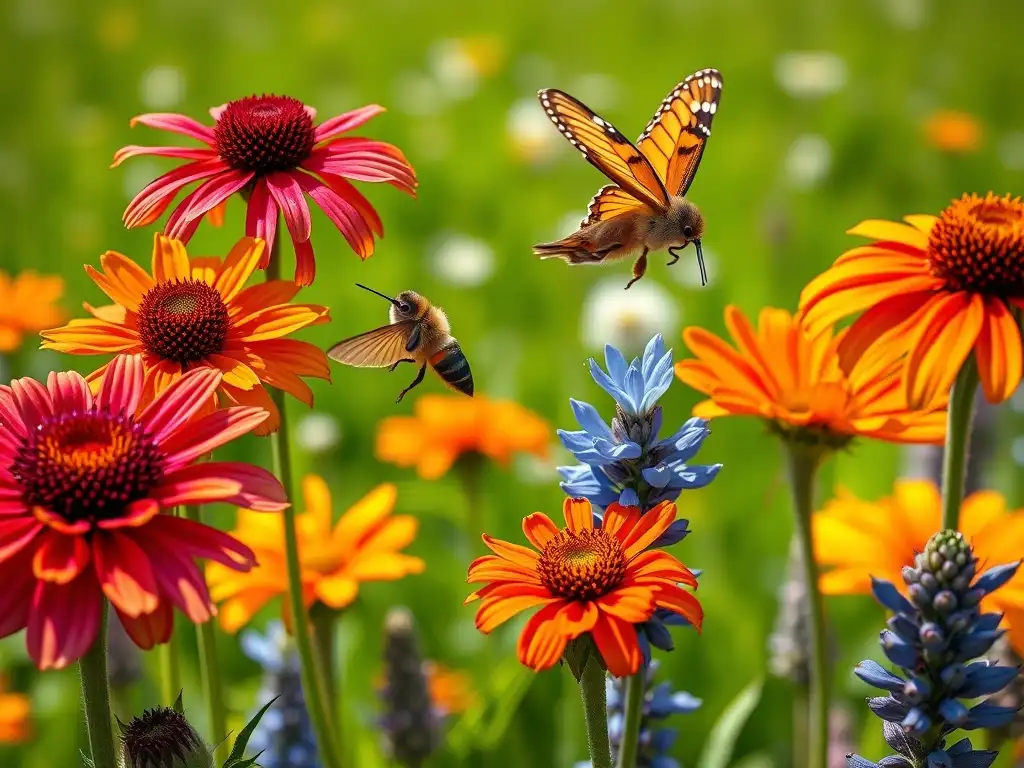
Welcome to CultivateYourFood, your guide to a thriving, sustainable home garden! Are you ready to transform your outdoor space into a vibrant ecosystem teeming with life? Learn how attracting native pollinators can dramatically increase your harvests and create a breathtakingly beautiful garden. Discover the secrets to a flourishing garden in our article, "Wildflower Wonders: Bring Native Pollinators to Your Garden," and unlock the potential of organic, sustainable gardening. Let's cultivate a greener future, together!
- Understanding the Importance of Native Pollinators for Your Garden Ecosystem
-
Choosing the Right Native Wildflowers to Attract Pollinators
- Selecting Wildflower Species for Your Region and Soil Type
- Sun Exposure and Wildflower Selection: Matching Plants to Your Garden Conditions
- Blazing Star Mix for Sunny Locations: A Detailed Review
- Wild Ginger and Bloodroot Mix for Shady Areas: Features and Benefits
- Creating a Diverse Wildflower Habitat: Combining Species for Maximum Pollinator Attraction
-
Creating the Perfect Habitat: Planting and Care for Native Wildflowers
- Preparing Your Soil for Optimal Wildflower Growth: Soil Amendments and Preparation
- Planting Techniques for Native Wildflowers: Spacing, Depth, and Timing
- Watering and Maintaining Your Wildflower Garden: A Guide to Sustainable Practices
- Dealing with Pests and Diseases in Your Native Wildflower Garden: Organic Pest Control Solutions
- Neem Oil for Natural Protection
- Boosting Pollinator Attraction with Supplemental Resources
- Maintaining Your Wildflower Garden for Long-Term Pollinator Support
- Resources for Further Learning and Native Plant Sourcing
-
Frequently Asked Questions
- What are the benefits of attracting native pollinators to my garden?
- Which wildflowers are best for attracting native pollinators?
- How can I create a pollinator-friendly habitat in my garden?
- When is the best time to plant wildflowers to attract pollinators?
- What else can I do to support native pollinators besides planting wildflowers?
- Final Reflection: Cultivating a Future for Native Pollinators
- Unleash Your Inner Pollinator Gardener!
Understanding the Importance of Native Pollinators for Your Garden Ecosystem
Creating a thriving, sustainable garden isn't just about the plants you cultivate; it's about the intricate web of life that supports them. A vibrant ecosystem, teeming with beneficial insects and pollinators, is the cornerstone of successful organic gardening.
This article explores the vital role of native pollinators, specifically focusing on how to attract them to your home garden using native wildflowers and sustainable practices. We'll delve into the specific benefits of attracting native pollinators, highlighting their crucial role in boosting fruit and vegetable yields while contributing to a healthier and more resilient garden environment.
Understanding the symbiotic relationship between native plants and native pollinators is key to achieving a truly flourishing and ecologically responsible garden – one that thrives naturally and requires minimal intervention. Let's discover how you can transform your garden into a haven for these essential creatures and, in turn, reap the rewards of a more productive and beautiful space.
The Crucial Role of Bees, Butterflies, and other Pollinators in Sustainable Gardening
Bees, butterflies, hummingbirds, and other pollinators are the unsung heroes of our food system. Their tireless work transferring pollen from flower to flower is essential for the reproduction of a vast majority of flowering plants, including many fruits, vegetables, and herbs you grow in your garden. Without these essential pollinators, yields would plummet, and the biodiversity of our gardens would suffer drastically. Consider the following:
- Increased Fruit and Vegetable Production: Pollinators significantly increase the quantity and quality of fruits and vegetables. A healthy pollinator population translates directly into a more abundant harvest. Studies have shown that cross-pollination, facilitated by pollinators, leads to larger, healthier fruits and vegetables.
- Enhanced Seed Production: Many plants rely on pollinators for successful seed production, ensuring the continuation of plant life and the opportunity for future harvests. This is particularly important for gardeners who save their own seeds.
- Improved Plant Health: Some pollinators, like certain types of bees, also contribute to plant health by controlling pests. They help maintain a balanced ecosystem within the garden, reducing the need for chemical interventions.
The impact of pollinators extends beyond your immediate garden. Healthy pollinator populations contribute to the overall health of the surrounding ecosystem, supporting a wider range of plant and animal life.
Attracting Native Pollinators: A Key to a Thriving Vegetable Garden and Fruit Orchard
Attracting native pollinators to your garden is not only beneficial for the environment but also crucial for maximizing your harvest. By planting a diverse range of native wildflowers, you create a welcoming habitat that provides food and shelter for these vital creatures. This approach is far more effective than relying on commercially available, non-native plants, many of which offer little nutritional value to native pollinators. Think about:
- Flower Diversity: A variety of flower shapes, sizes, and colors will attract a wider range of pollinators, catering to their diverse preferences. Consider including plants that bloom at different times throughout the growing season to ensure a continuous food source.
- Nesting Sites: Provide suitable nesting habitats for bees and other pollinators. This might include leaving patches of bare ground, creating small piles of wood chips, or installing bee hotels.
- Water Sources: A shallow dish of water with pebbles or stones will provide a vital water source for thirsty pollinators, especially during hot and dry periods.
Biodiversity and Pollinator Health: Why Native Plants are Essential
Choosing native plants is paramount when attracting native pollinators. Native plants have evolved alongside local pollinators, creating a symbiotic relationship where both species thrive. Non-native plants, on the other hand, often lack the necessary nutrients and pollen to adequately support these beneficial insects. Furthermore, native plants are better adapted to the local climate and soil conditions, requiring less water and fertilizer, aligning perfectly with sustainable gardening practices. The benefits of focusing on native plants include:
- Increased Pollinator Abundance: Native plants provide a reliable food source for native pollinators, leading to increased populations within your garden.
- Reduced Pesticide Use: Healthy pollinator populations help to naturally control pests, reducing or eliminating the need for harmful pesticides.
- Enhanced Ecosystem Resilience: A diverse range of native plants contributes to a more resilient and stable ecosystem, making your garden less susceptible to environmental stresses.
By prioritizing native plants, you're not only supporting the health of pollinators but also contributing to a more sustainable and ecologically sound gardening practice. The beauty of a garden teeming with native wildflowers and buzzing with pollinators is a testament to the power of biodiversity and its importance in creating a thriving and productive garden.
Choosing the Right Native Wildflowers to Attract Pollinators
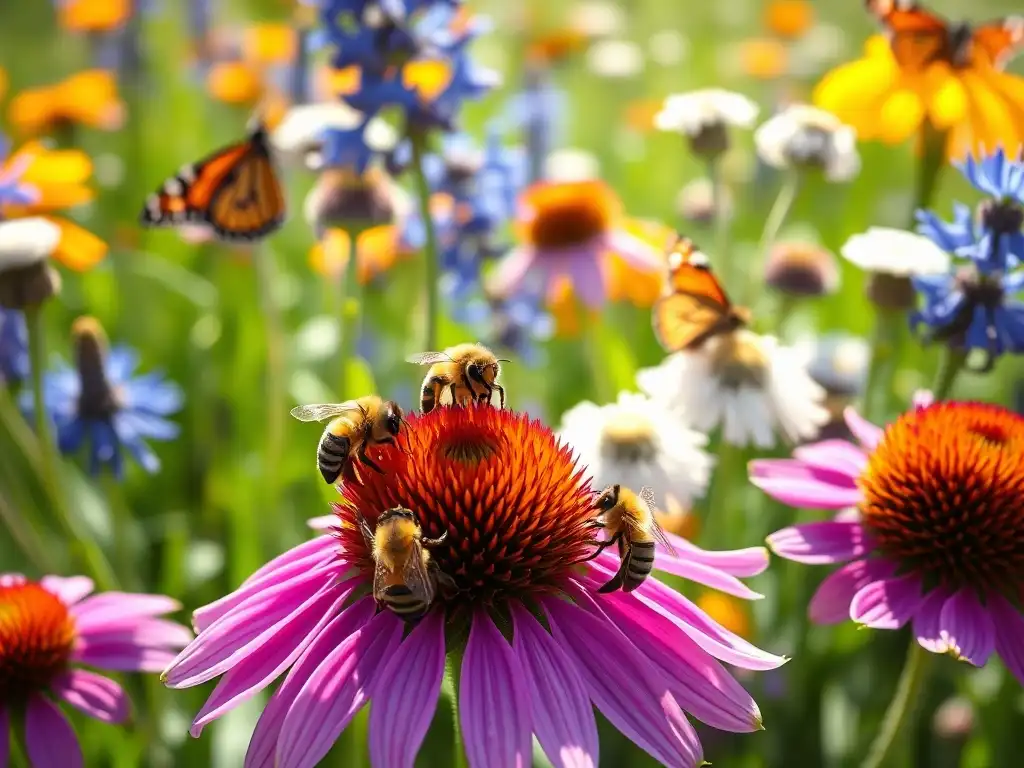
This section focuses on selecting the optimal native wildflowers to attract a diverse array of pollinators to your garden. Successfully attracting native pollinators hinges on choosing plant species that thrive in your specific environment. Ignoring this crucial step can lead to disappointing results, with chosen plants failing to flourish and, consequently, failing to attract the beneficial insects you desire. Remember, a healthy, vibrant garden is the key to attracting a thriving pollinator population.
Selecting Wildflower Species for Your Region and Soil Type
The first step in attracting native pollinators is understanding your local ecosystem. Choosing wildflowers native to your region is paramount. Native plants have evolved alongside local pollinator populations, creating a symbiotic relationship that ensures mutual success. Non-native species, while pretty, may not provide the same nutritional value or attract the same range of pollinators. Consider consulting your local agricultural extension office or a native plant society for a list of recommended species suited to your area.
Furthermore, soil type significantly impacts plant growth and, subsequently, pollinator attraction. Sandy soil requires different plant choices compared to clay or loamy soil. Before selecting your wildflowers, conduct a soil test to determine its composition (pH level, nutrient content, etc.). This will help you choose species that will thrive, leading to a robust and attractive habitat for pollinators. For instance, Liatris spicata (Blazing Star), a popular choice for attracting pollinators, prefers well-drained soil, while Rudbeckia fulgida (Orange Coneflower) tolerates a wider range of soil conditions. Understanding these nuances is crucial for successful pollinator gardening.
Remember to consider the overall size and spread of the plants. Overcrowding can inhibit growth and reduce the attractiveness of your garden to pollinators. Proper spacing allows for optimal sunlight and airflow, promoting healthy plant growth and abundant blooms.
Sun Exposure and Wildflower Selection: Matching Plants to Your Garden Conditions
Sunlight is a crucial factor influencing the success of your wildflower planting project and its ability to attract native pollinators. Different wildflowers have different sunlight requirements. Some thrive in full sun (at least 6 hours of direct sunlight daily), while others prefer partial shade (2-6 hours) or even full shade (less than 2 hours). Ignoring these requirements can result in weak, unhealthy plants that fail to attract pollinators.
For example, many Echinacea (Coneflower) varieties prefer full sun and well-drained soil, providing a vibrant display that attracts bees, butterflies, and other pollinators. In contrast, woodland wildflowers like Trillium often thrive in shaded areas under the canopy of trees. Careful consideration of your garden's sun exposure is vital for selecting the right wildflowers.
A well-lit area might be perfect for attracting sun-loving pollinators such as bumblebees, while a shadier spot might attract more shade-tolerant butterflies and moths. Creating a diverse garden with areas of varying sun exposure will attract a wider range of pollinators. Mapping out your garden's sun exposure throughout the day is a valuable first step.
Creating a diverse garden with areas of varying sun exposure will attract a wider range of pollinators. Careful planning and consideration for the sun exposure needs of your chosen wildflowers will significantly increase your success in attracting native pollinators.
Blazing Star Mix for Sunny Locations: A Detailed Review
The Liatris spicata, commonly known as Blazing Star, is a fantastic choice for sunny locations aiming to attract native pollinators. Its tall, spiky flower heads, ranging in color from vibrant purple to white, are irresistible to a wide variety of pollinators, including bees, butterflies, and hummingbirds. The extended bloom period, typically lasting several weeks, ensures a continuous food source for pollinators throughout the summer months.
This plant is relatively low-maintenance, thriving in full sun and well-drained soil. It's drought-tolerant once established, making it a water-wise choice for sustainable gardening. The Blazing Star's deep taproot helps it withstand dry conditions and compete effectively with weeds. Furthermore, its striking appearance adds a beautiful vertical element to the garden, complementing other pollinator-friendly plants. However, it's important to note that Blazing Star can spread via rhizomes, potentially becoming invasive if not managed appropriately.
Careful planting and monitoring are recommended to prevent uncontrolled spread. Consider planting it in a contained area or using physical barriers to manage its spread. The rewards of attracting a wide array of pollinators with this visually stunning plant far outweigh the minimal effort required for its management. Many gardeners find success in creating a mixed bed with other sun-loving plants, further enhancing the attractiveness of the garden to pollinators.
Wild Ginger and Bloodroot Mix for Shady Areas: Features and Benefits
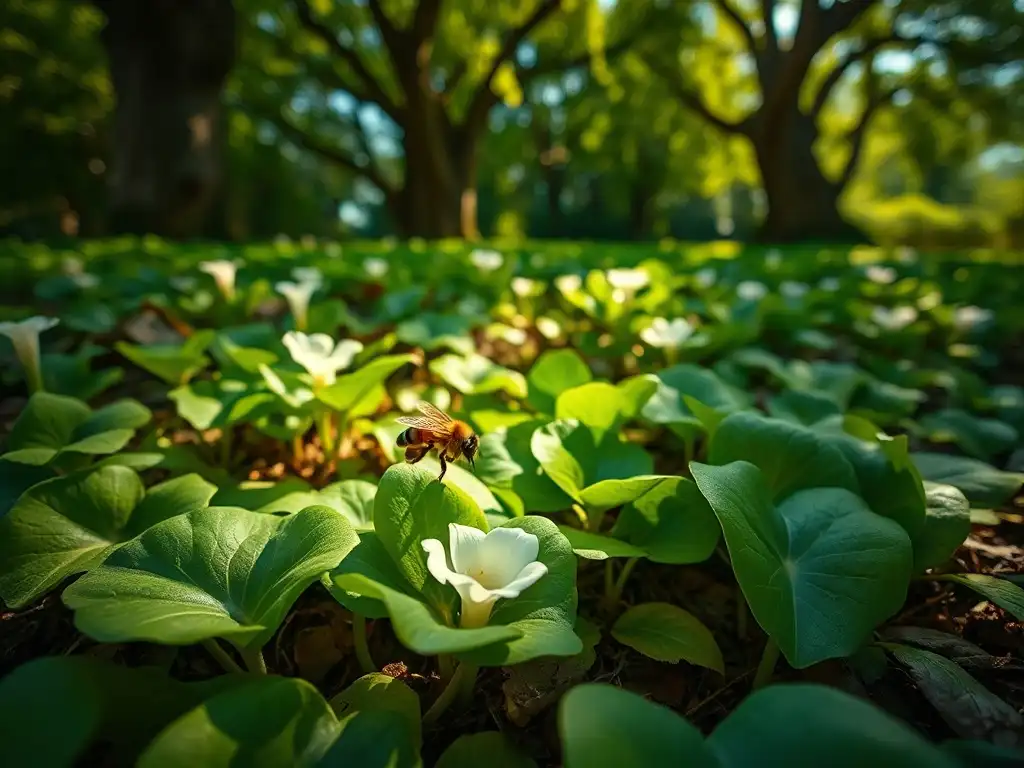
Wild ginger ( Asarum canadense) and bloodroot ( Sanguinaria canadensis) are excellent choices for attracting pollinators to shady areas of your garden, often overlooked spaces that can be transformed into buzzing havens. These native wildflowers thrive in moist, shaded conditions, offering a valuable resource for pollinators like bumblebees and flies that prefer these environments. Wild ginger, with its unique, kidney-shaped leaves and inconspicuous reddish-brown flowers hidden near the ground, provides a reliable groundcover.
Its flowers, while not showy, are incredibly fragrant, attracting specific pollinators like fungus gnats. Bloodroot, on the other hand, boasts striking white flowers with a vibrant orange center, appearing in early spring before the leaves fully unfurl. These early blooms are crucial for pollinators emerging from winter dormancy, providing a much-needed early-season food source.
The combination of these two plants offers both visual appeal and a continuous supply of nectar and pollen throughout the early growing season, effectively extending the foraging opportunities for your native pollinators. Furthermore, their shade-tolerant nature ensures that even the less sunny parts of your garden can contribute to a thriving pollinator habitat. Remember to mulch around these plants to maintain soil moisture and suppress weeds, creating an ideal environment for their growth and the pollinators they attract.
Creating a Diverse Wildflower Habitat: Combining Species for Maximum Pollinator Attraction
To truly maximize your garden's appeal to native pollinators, avoid monocultures. Instead, strive for diversity in both plant species and bloom times. Think of it like a buffet for your pollinators – a varied menu ensures that something is always in season, catering to different pollinator preferences and life cycles. Combining wildflowers with different flower shapes, sizes, and colors will attract a broader range of pollinators. For example, you could incorporate plants with tubular flowers, like bee balm ( Monarda), which attract hummingbirds and long-tongued bees, alongside open, flat flowers like coneflowers ( Echinacea), which are perfect for bees and butterflies.
Consider the height of the plants as well; a mix of tall, medium, and low-growing wildflowers creates visual interest and provides varied microhabitats. Staggering bloom times is also crucial. Planting early, mid, and late-season bloomers ensures a continuous food source for pollinators throughout the growing season. This could include spring bloomers like bloodroot, followed by summer bloomers like black-eyed Susans ( Rudbeckia), and finally autumn bloomers like goldenrod ( Solidago).
This strategic planning helps sustain pollinator populations and contributes significantly to the overall biodiversity of your garden. Remember to research the specific needs of each plant species, ensuring they are compatible with your soil type, sun exposure, and moisture levels to create a thriving and attractive habitat for your native pollinators. The diversity you create will not only attract a wider array of pollinators but will also increase the overall resilience and beauty of your garden. A diverse garden is a healthy garden, and a healthy garden is a pollinator's paradise!
Creating the Perfect Habitat: Planting and Care for Native Wildflowers
Attracting native pollinators to your garden isn't just about choosing the right flowers; it's about creating a thriving ecosystem that supports their entire lifecycle. This means providing the right food sources (nectar and pollen), shelter, and nesting sites. Successfully attracting native pollinators to your garden hinges on understanding and implementing these key aspects of habitat creation. Remember, a diverse range of plants will attract a diverse range of pollinators, increasing the biodiversity and resilience of your garden. This section focuses on the practical steps to establish and maintain a pollinator-friendly habitat using native wildflowers.
Preparing Your Soil for Optimal Wildflower Growth: Soil Amendments and Preparation
Before planting your native wildflowers, preparing the soil is crucial for their success. Native wildflowers often thrive in well-drained soil, but the specific needs vary depending on the species. Analyzing your soil's composition is the first step. A simple soil test can reveal its pH level and nutrient content. This information guides you in amending the soil appropriately.
For instance, clay soils, which retain a lot of water, might benefit from adding organic matter like compost to improve drainage. This improves aeration and allows roots to access nutrients more easily. Conversely, sandy soils, which drain quickly, might need the addition of organic materials to retain moisture and nutrients. The addition of compost also enriches the soil with essential nutrients, providing a healthy foundation for your wildflowers. Adding aged compost or other organic materials several weeks before planting allows time for it to break down and integrate into the soil.
Remember to remove any existing weeds or grass before planting to reduce competition for resources. This ensures your wildflowers get the best possible start. Consider tilling the soil to a depth of about 6-8 inches to loosen it and improve drainage, but be careful not to disturb the soil too deeply, as this can damage beneficial soil organisms. The goal is to create a fertile and well-drained environment that mimics the natural conditions where your chosen wildflowers thrive.
Planting Techniques for Native Wildflowers: Spacing, Depth, and Timing
Planting native wildflowers correctly ensures their optimal growth and flowering. Proper spacing is key, preventing overcrowding and allowing each plant sufficient access to sunlight, water, and nutrients. The recommended spacing varies depending on the specific species; however, you can typically find this information on the plant label or from a reputable native plant nursery. Generally, smaller wildflowers require less space than larger ones.
Planting depth is equally important. Plant seeds at the depth recommended on the seed packet or plant tag. Planting too deeply can hinder germination, while planting too shallowly can leave the seeds exposed to the elements. For seedlings or transplants, ensure the root ball is at the same level as the surrounding soil. Avoid planting too deep or too shallow, which can stress the plant and hinder its establishment.
The best time to plant native wildflowers depends on the species and your local climate. Many wildflowers are best sown in the fall or early spring, allowing them to establish roots before the heat of summer. Check the specific requirements of your chosen species. Spring planting allows the wildflowers to take advantage of the increased moisture and warmer temperatures. Fall planting allows roots to establish over the winter, leading to stronger plants in the spring. Always follow the specific planting instructions for each species to optimize your chances of success.
Watering and Maintaining Your Wildflower Garden: A Guide to Sustainable Practices
Once established, native wildflowers are generally drought-tolerant, requiring less watering than many cultivated plants. However, consistent watering, especially during the establishment phase, is crucial for successful growth. Deep watering less frequently is better than shallow, frequent watering, encouraging deeper root growth. Aim to water deeply but infrequently, allowing the soil to dry slightly between waterings. This promotes stronger root systems and reduces the risk of fungal diseases.
Avoid overhead watering, which can lead to fungal diseases and hinder pollination. Instead, use a drip irrigation system or water at the base of the plants. Mulching the soil around your wildflowers helps retain moisture, suppress weeds, and regulate soil temperature. Use organic mulch such as shredded bark or leaves. Avoid over-mulching, as this can smother the plants.
Maintaining your wildflower garden involves regular weeding, especially during the first year. Weeds compete with wildflowers for resources, hindering their growth. Regular deadheading (removing spent flowers) can encourage more blooms and prevent self-seeding in some species, keeping your garden looking neat and tidy. Avoid the use of chemical fertilizers and pesticides, opting for organic and sustainable practices to protect pollinators and the environment. Regular observation and gentle care will reward you with a thriving and vibrant wildflower garden, teeming with native pollinators. Remember, patience and observation are key to creating and maintaining a healthy pollinator habitat.
Dealing with Pests and Diseases in Your Native Wildflower Garden: Organic Pest Control Solutions
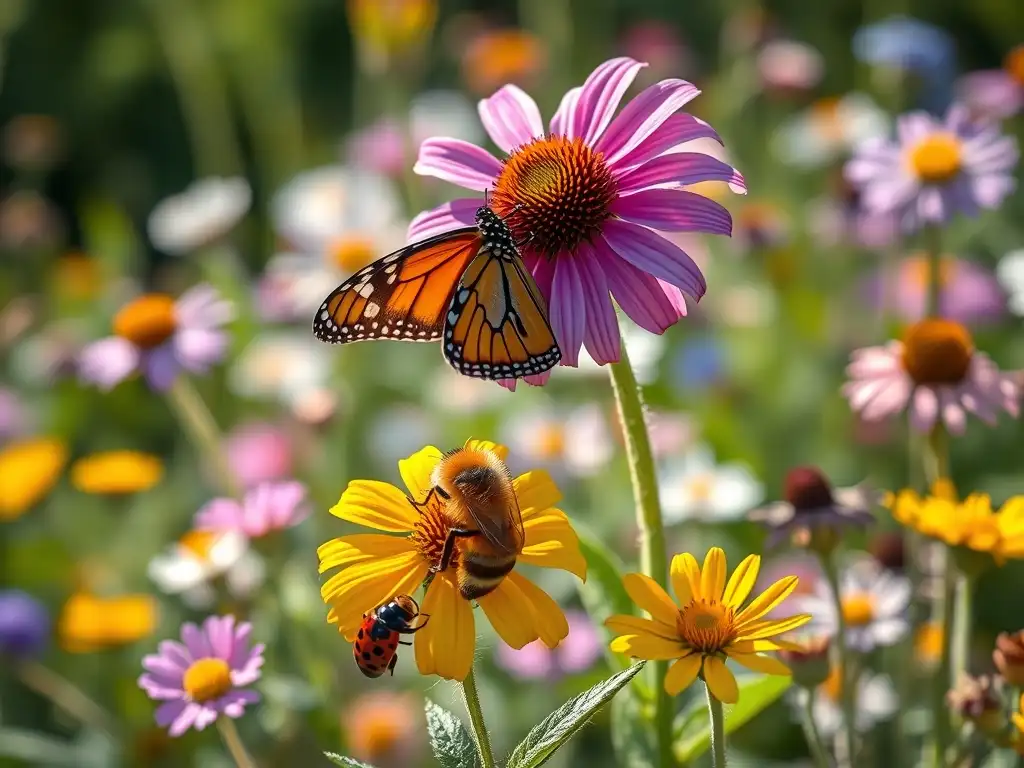
Maintaining a thriving native wildflower garden while attracting native pollinators requires a mindful approach to pest and disease management. The good news is that many organic solutions exist, minimizing harm to beneficial insects like bees and butterflies. Prioritizing preventative measures is key. This means selecting disease-resistant varieties whenever possible—nurseries often provide information on plant hardiness and susceptibility to common ailments.
Proper spacing between plants improves air circulation, reducing the risk of fungal diseases. Regularly inspecting your plants for signs of infestation or disease is crucial for early intervention. Early detection can prevent widespread damage and limit the need for aggressive treatments.
Common pests in wildflower gardens include aphids, spider mites, and leafhoppers. These tiny creatures can quickly decimate a plant's health if left unchecked. Before resorting to any treatment, consider the severity of the infestation. A light infestation might be manageable by simply hosing the plants down with a strong stream of water to dislodge the pests.
This is particularly effective for aphids. For more severe infestations, consider using insecticidal soap, a readily available organic solution that effectively targets many soft-bodied insects without harming beneficial pollinators. Always follow the product instructions carefully and consider spot-treating affected areas rather than applying it broadly.
Another organic approach involves introducing beneficial insects like ladybugs, lacewings, and praying mantises. These natural predators feed on many common garden pests, providing a sustainable and environmentally friendly control method. You can purchase these beneficial insects from specialized suppliers or create a habitat that attracts them naturally by planting plants that they find appealing.
Remember to avoid using broad-spectrum pesticides that could harm these helpful allies in your garden's ecosystem. A healthy, balanced garden ecosystem is the best defense against most pests and diseases. Finally, composting garden debris appropriately helps prevent the spread of diseases from one season to the next.
Neem Oil for Natural Protection
Neem oil, derived from the neem tree ( Azadirachta indica), is a versatile and effective organic pesticide with a long history of use. Its active ingredient, azadirachtin, disrupts the life cycle of many insects, acting as both an insecticide and a repellent. It's particularly effective against a wide range of common garden pests, including aphids, whiteflies, mealybugs, and various caterpillars. The beauty of neem oil lies in its multi-pronged approach: it interferes with insect feeding, mating, and egg-laying, significantly reducing their population.
When using neem oil, it's crucial to understand that it's not a "knock-down" insecticide; it doesn't kill insects instantly. Instead, it works more gradually, disrupting their life cycle over time. This makes it a safer option for beneficial insects, as it allows them time to escape the treated area. However, this also means that multiple applications might be necessary for complete pest control, especially in cases of heavy infestations.
Always dilute neem oil according to the product instructions. Using too concentrated a solution can harm plants or beneficial insects. Furthermore, applying neem oil during the hottest part of the day can stress plants, so aim for early morning or late evening applications.
Neem oil is also effective as a preventative measure. Regular applications can help deter pests from establishing themselves in your wildflower garden. Remember to test a small area of your plants before applying neem oil to the entire garden to ensure it doesn't cause any adverse reactions.
While generally safe for pollinators, it's always best to exercise caution and avoid spraying directly onto flowers while they are in bloom to minimize any potential contact with bees and other pollinators. By using neem oil responsibly and strategically, you can protect your native wildflowers while maintaining a healthy and vibrant garden ecosystem that supports your native pollinators.
Boosting Pollinator Attraction with Supplemental Resources
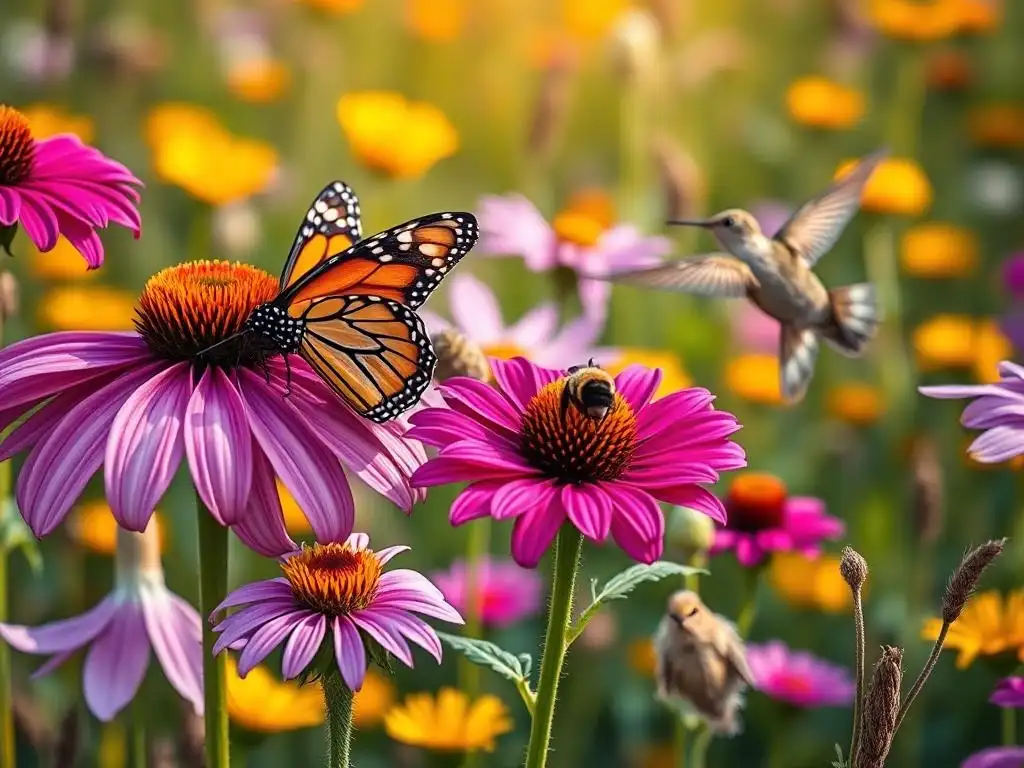
Attracting native pollinators to your garden isn't solely about planting the right flowers; it's about creating a complete and welcoming habitat. Providing supplemental resources, beyond nectar and pollen, significantly increases your chances of success in attracting and supporting a thriving pollinator community. This means considering their needs for water, shelter, and a safe environment free from harmful chemicals. Let's explore how to enhance your garden's appeal to these vital insects and birds. Remember, a diverse and healthy pollinator population is crucial for a bountiful and sustainable garden – attracting native pollinators is key to achieving this.
Providing Water Sources for Pollinators: Building a Bee Bath or Bird Bath
Dehydration is a significant threat to pollinators, especially during hot and dry periods. Providing a reliable water source is a simple yet powerful way to support their survival. While larger pollinators like hummingbirds might utilize a traditional bird bath, bees and other smaller insects need shallower water sources to avoid drowning.
Here's how to create a simple bee bath:
- Shallow Dish: Use a shallow dish, such as a terracotta saucer, a birdbath designed for bees, or even a repurposed lid. The water should be no deeper than an inch.
- Pebbles or Marbles: Add smooth pebbles or marbles to the dish. These provide landing platforms for bees and other insects to drink without getting submerged.
- Location: Place the bee bath in a sunny spot, preferably near flowering plants, to maximize its accessibility.
- Maintenance: Change the water daily to prevent the growth of bacteria and algae. Clean the dish regularly to remove any debris.
Creating a safe water source for pollinators is crucial for a thriving ecosystem. Consider adding several water sources throughout your garden for optimal results. A well-placed bird bath can also attract larger pollinators. Remember to regularly clean and refill these sources to ensure the health and safety of your garden's visitors.
Creating Shelter for Pollinators: Using Bee Hotels and Other Habitats
Beyond food and water, pollinators require safe places to rest, overwinter, and raise their young. Providing shelter significantly improves their chances of survival and encourages them to establish themselves in your garden.
Several options exist for creating pollinator shelters:
- Bee Hotels: These commercially available or DIY structures provide nesting sites for solitary bees. They consist of bundles of hollow stems or drilled blocks of wood. Ensure the holes are of varying diameters to cater to different bee species.
- Leaf Piles: Leave a corner of your garden undisturbed with leaf piles. These provide shelter for overwintering insects and other beneficial creatures.
- Brush Piles: Similar to leaf piles, brush piles offer excellent shelter for a variety of pollinators and other garden wildlife. They also provide habitat for beneficial insects that prey on garden pests, promoting natural pest control.
- Hollow Stems: Leave some hollow-stemmed plants standing over winter. These can serve as excellent nesting sites for various insects.
Remember, the key is to provide a variety of shelter options to attract a broader range of pollinators. A diverse habitat means a healthier pollinator population. Providing varied shelter options is an important aspect of attracting native pollinators to your garden. This contributes to the overall health and biodiversity of your garden ecosystem.
Avoiding Pesticides and Harmful Chemicals: Protecting Pollinators with Organic Practices
The use of pesticides and harmful chemicals poses a significant threat to pollinators. These substances can directly kill pollinators or contaminate their food sources, leading to population decline. Protecting pollinators requires a commitment to organic gardening practices.
Here are some key strategies:
- Organic Pest Control: Employ natural pest control methods, such as introducing beneficial insects, using insecticidal soaps, or employing companion planting techniques.
- Weed Control: Use hand-weeding or mulching instead of herbicides, which can harm pollinators and other beneficial insects.
- Integrated Pest Management (IPM): Adopt an IPM approach to minimize the need for chemical intervention. This involves monitoring pest populations, using preventative measures, and only resorting to chemical control as a last resort.
- Careful Product Selection: When purchasing gardening products, carefully read the labels to ensure they are safe for pollinators. Opt for products that are specifically labeled as pollinator-friendly.
By avoiding harmful chemicals, you are not only protecting pollinators but also ensuring the health of your soil and the overall sustainability of your garden. Remember, a healthy garden ecosystem relies on a healthy pollinator population. Prioritizing organic practices is crucial for attracting and maintaining a thriving pollinator community in your garden; it's essential for attracting native pollinators.
Compost Tea to Nourish Your Wildflowers and Attract Pollinators
Compost tea, a nutrient-rich liquid derived from composted organic matter, offers a fantastic way to boost the health of your wildflowers and, consequently, attract more pollinators. Unlike chemical fertilizers that can harm beneficial insects, compost tea provides a gentle, natural boost, enriching the soil with essential microbes and nutrients. These microbes not only improve soil structure and water retention, crucial for thriving wildflowers, but also create a healthier environment that attracts and supports pollinators.
A thriving plant, robust from the nutrients in the compost tea, will produce more nectar and pollen, the essential food sources for bees, butterflies, and other beneficial insects. Think of it as a delicious buffet for your pollinators!
The preparation of compost tea is surprisingly simple. You'll need a container (a 5-gallon bucket works well), an aerator (either an aquarium pump or a specialized compost tea brewer), and of course, your compost. A good compost should be dark brown or black, crumbly, and smell earthy – not foul. Mix a cup or two of your compost into the bucket of water, aerate it for 24-48 hours, and then dilute it before application.
The aeration is crucial, as it encourages the growth of beneficial aerobic bacteria and fungi. Avoid over-fertilizing; a diluted solution applied every few weeks is generally sufficient. Over-application can lead to nutrient burn and negatively impact your plants.
Remember to observe your wildflowers after applying the compost tea. Look for signs of improved growth, increased flowering, and a greater abundance of pollinators visiting your garden. This is a clear indication that your compost tea is working its magic, creating a haven for both your plants and the beneficial insects that support them.
Regular application of compost tea, coupled with other pollinator-friendly practices, will significantly enhance your garden's attractiveness to a wider array of native pollinators, contributing to a healthier and more vibrant ecosystem in your backyard. This sustainable approach to gardening not only attracts pollinators but also contributes to a more environmentally conscious way of cultivating your food and flowers. The benefits extend far beyond attracting bees; a healthier soil supports a healthier overall garden ecosystem.
Maintaining Your Wildflower Garden for Long-Term Pollinator Support
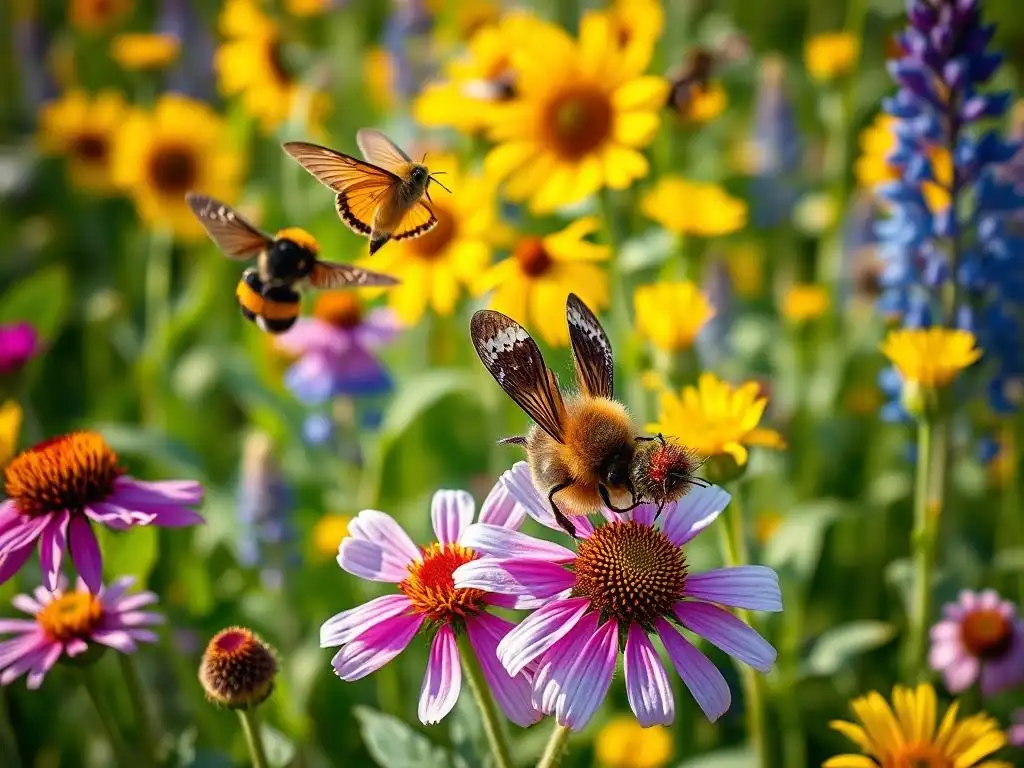
Attracting native pollinators to your garden isn't a one-time effort; it's a commitment to creating and maintaining a thriving ecosystem. Consistent care ensures your wildflower patch continues to bloom profusely, providing a reliable food source for bees, butterflies, and other beneficial insects throughout the growing season and beyond. This section focuses on the crucial maintenance tasks that maximize your garden's pollinator-attracting potential year after year. Remember, a healthy garden equals happy pollinators!
Deadheading and Pruning Your Wildflowers: Encouraging Continued Blooming
Deadheading, the removal of spent flowers, is a simple yet powerful technique to encourage continuous blooming in many wildflower species. By removing faded blossoms, you prevent the plant from diverting energy into seed production and instead stimulate the growth of new buds. This results in a longer flowering period, providing an extended feast for your pollinators.
Different wildflowers have slightly different needs: some benefit from regular deadheading, while others may only require it occasionally. For instance, coneflowers ( Echinacea) respond well to deadheading, prolonging their vibrant blooms throughout the summer. However, some self-seeding wildflowers, like California poppies ( Eschscholzia californica), benefit more from leaving the seed heads intact to ensure natural propagation.
Careful observation of your specific plants will guide your deadheading strategy. Remember to use sharp, clean pruning shears to minimize damage to the plant. This practice is crucial for attracting native pollinators throughout the season, maximizing their access to nectar and pollen.
Seed Saving and Propagation: Extending Your Wildflower Garden
Seed saving is a rewarding and sustainable way to expand your wildflower garden and ensure its longevity. Many wildflowers readily produce seeds, allowing you to collect and sow them for the following year or to share with others. This process not only saves money but also helps maintain the genetic diversity of your local pollinator population. To collect seeds, wait until the seed heads are fully mature and dry.
This is often indicated by a change in color and texture. Gently collect the seeds, ensuring they are free from pests or diseases. Store them in a cool, dry place in paper envelopes until planting time. Direct sowing is often the easiest method for wildflower propagation.
However, some species may benefit from starting seeds indoors a few weeks before the last frost. This approach, combined with deadheading, significantly improves your chances of attracting native pollinators to your garden each year. It's a crucial step in fostering a sustainable and thriving pollinator habitat.
Winter Preparations for Your Wildflower Garden: Protecting Plants from Harsh Weather
Winter can pose significant challenges to your wildflower garden, potentially impacting its ability to attract pollinators in the following year. Preparing your garden for winter is essential to protect your plants from frost, snow, and harsh winds. For many perennial wildflowers, cutting back the foliage to a few inches above the ground helps prevent fungal diseases and protects the crown of the plant from harsh winter elements.
However, leaving some seed heads standing can benefit birds and provide winter interest. In areas with heavy snow, consider providing some light protection for particularly delicate plants using burlap or other protective coverings. Mulching around the base of your plants with organic materials, such as shredded leaves or straw, helps insulate the soil, protecting the roots from freezing temperatures and retaining moisture.
This simple practice contributes significantly to the long-term health of your wildflowers and their ability to attract pollinators consistently each spring. It is a critical step in ensuring the success of your efforts to attract native pollinators to your garden year after year. Remember, a well-protected garden is a thriving garden, ready to bloom again in the spring, providing abundant nectar and pollen for your native pollinators.
Long-Term Pollinator Garden Maintenance: A Checklist for Year-Round Success
Maintaining a thriving wildflower garden that consistently attracts native pollinators requires dedication and a strategic approach throughout the year. It's not a "plant it and forget it" endeavor; rather, it's an ongoing process of nurturing and adapting to the changing seasons. Success hinges on understanding the life cycles of both your wildflowers and the pollinators they support. Think of it as a partnership – you provide the habitat, and they provide the pollination services vital for your garden's overall health and the health of the wider ecosystem.
One key aspect is deadheading. Deadheading, or removing spent blooms, prevents the plants from expending energy on seed production, instead encouraging more flowering. This continuous blooming provides a consistent food source for pollinators throughout the growing season. For example, coneflowers ( Echinacea) are known for their long bloom times, but removing faded flowers will prolong this period considerably. Different plants will require different deadheading techniques; some may simply need the spent flower head snipped off, while others may require a more extensive pruning.
Beyond deadheading, watering is crucial, particularly during dry spells. Pollinators need healthy, vibrant plants to thrive. Consistent moisture, especially during establishment, helps your wildflowers to develop strong root systems, making them more resilient to drought and pests. However, avoid overwatering, which can lead to root rot and fungal diseases. Observe your plants; if the soil feels dry to the touch a couple of inches below the surface, it's time to water deeply but infrequently.
Another important consideration is mulching. A layer of organic mulch, like wood chips or shredded leaves, helps retain soil moisture, suppress weeds (which compete with your wildflowers for resources), and regulate soil temperature. This creates a more stable environment for both the plants and the pollinator communities that depend on them. The mulch also helps to break down and enrich the soil over time, enhancing its fertility. Remember to avoid using mulch that contains herbicides or pesticides, as these can harm pollinators.
Finally, pest and disease management is essential. While many wildflowers are relatively low-maintenance, they can still be susceptible to pests and diseases. Employ integrated pest management (IPM) techniques, focusing on preventative measures such as proper spacing of plants to improve airflow and selecting disease-resistant varieties. If pests or diseases do appear, consider using organic methods of control, such as introducing beneficial insects or using insecticidal soaps, rather than resorting to broad-spectrum pesticides that can harm pollinators.
Careful observation and early intervention are key to minimizing the impact of any pest or disease problems. By diligently following this checklist, you can create a vibrant, pollinator-friendly garden that will flourish for years to come, attracting a diverse range of beneficial insects to your space. Remember that attracting native pollinators is not just about beauty; it's a vital step towards a healthier and more sustainable garden and environment.
Resources for Further Learning and Native Plant Sourcing
Attracting native pollinators to your garden is a rewarding endeavor, and expanding your knowledge is key to success. This section provides valuable resources to help you identify suitable native plants and find reliable suppliers. Remember, choosing plants native to your region is crucial for supporting local pollinator populations and creating a thriving ecosystem in your garden. This strategy helps you effectively Attract native pollinators garden.
Local Native Plant Nurseries and Suppliers: Finding the Best Sources Near You
Finding a local nursery specializing in native plants is paramount. These nurseries often carry plants specifically adapted to your region's climate and soil conditions, increasing your chances of success. They also provide invaluable expertise on plant care and local pollinator species. Look for nurseries that emphasize sustainable and organic practices, aligning with the ethos of CultivateYourFood.
To locate these nurseries, start with online searches using keywords such as "native plant nurseries [your city/region]," "organic plant suppliers [your city/region]," or "native wildflowers [your state/province]". Check local gardening clubs and community forums; they often have recommendations and reviews. Consider visiting local farmers' markets; some vendors might sell native plants alongside their produce. Don't hesitate to call your local agricultural extension office; they are a fantastic resource for information on local flora and sustainable gardening practices.
The benefits of using local nurseries extend beyond the plants themselves. Supporting local businesses strengthens your community and ensures you receive personalized advice tailored to your specific needs. You'll also contribute to the preservation of biodiversity by promoting the use of locally sourced plants. Remember to inquire about their growing practices to ensure they align with your organic and sustainable preferences.
Think of it this way: a thriving pollinator garden is a testament to responsible and informed gardening. Sourcing your plants locally is a crucial step in building that thriving ecosystem.
Online Resources for Identifying Native Wildflowers and Pollinators
Identifying native wildflowers and the pollinators they attract can be a fun and educational experience. Several online resources can assist in this process, making it easier to choose plants that will flourish in your garden and attract a diverse range of beneficial insects.
Many websites offer detailed plant databases with images, descriptions, and information on their pollinator interactions. These databases often allow you to filter by region, making it easy to find plants native to your specific area. Furthermore, numerous websites and apps focus on pollinator identification, enabling you to learn more about the insects visiting your garden. These tools can help you assess your garden's current pollinator diversity and identify areas for improvement. This detailed approach to plant and pollinator identification helps you to effectively Attract native pollinators garden.
Using these resources, you can create a comprehensive list of native wildflowers suitable for your garden, taking into consideration factors such as sunlight exposure, soil type, and bloom times. This detailed planning is essential for creating a successful and sustainable pollinator habitat. Remember to take notes on your observations, creating a personal record of your garden's biodiversity. This helps to track changes over time and refine your approach to attracting native pollinators.
Lady Bird Johnson Wildflower Center
The Lady Bird Johnson Wildflower Center is a leading resource for information on native plants and pollinators. Their website offers a wealth of information, including plant databases searchable by region, articles on pollinator conservation, and educational resources. They also offer a range of programs and workshops, providing opportunities to expand your knowledge and connect with other gardening enthusiasts. The center's commitment to native plant conservation and pollinator protection makes it an invaluable resource for anyone looking to Attract native pollinators garden effectively and sustainably.
Their interactive plant database is particularly useful, allowing you to search for native plants based on your specific location and garden conditions. This tool helps you make informed decisions about which plants to choose, maximizing the chances of success in your efforts to attract native pollinators. The center's website also includes detailed information on various pollinator species, including their habitat preferences and the types of plants they visit.
This information is invaluable for creating a diverse and thriving pollinator garden. The Lady Bird Johnson Wildflower Center is an excellent example of a resource that aligns perfectly with the sustainable and organic principles promoted by CultivateYourFood.
[Example Local Nursery Affiliate Link - Replace with actual link]
Finding the right native plants for your garden is crucial for attracting native pollinators. Your local nursery is an excellent resource, offering expert advice tailored to your specific region's climate and soil conditions. They can guide you toward varieties that thrive in your area and provide valuable insights into planting and care. Many nurseries also participate in conservation efforts, specializing in native plants and offering a wide selection.
When choosing a nursery, consider their commitment to sustainable practices and their knowledge of native pollinator plants. Look for nurseries that actively promote biodiversity and offer information on the plants' specific benefits for local pollinators. Don't hesitate to ask questions; knowledgeable staff can help you select plants that will flourish in your garden and provide a valuable habitat for bees, butterflies, and other beneficial insects. Remember to check for any ongoing sales or promotions to help you get the most for your money while supporting local businesses.
Supporting local nurseries is a great way to contribute to the local economy and ensure the continued availability of native plants in your region. Consider visiting several nurseries to compare prices and selections before making your final decision. The investment in high-quality native plants will pay dividends in a vibrant and thriving pollinator garden.
Frequently Asked Questions
What are the benefits of attracting native pollinators to my garden?
Attracting native pollinators like bees and butterflies offers significant benefits. You'll see increased fruit and vegetable yields, and contribute to a healthier ecosystem. Plus, it's beautiful!
Which wildflowers are best for attracting native pollinators?
The best wildflowers are those native to your region. Research local species that bloom at different times to provide consistent food sources throughout the growing season. Consider variety in flower shape and color.
How can I create a pollinator-friendly habitat in my garden?
Create a diverse habitat with a mix of sun and shade, different flower heights, and sources of water. Avoid using pesticides, and leave some areas slightly unkempt to provide nesting sites for beneficial insects.
When is the best time to plant wildflowers to attract pollinators?
The best time to plant depends on your local climate and the specific wildflower species. Spring and fall are generally good times, allowing plants to establish themselves before the hottest or coldest months. Check the seed packet instructions.
What else can I do to support native pollinators besides planting wildflowers?
Provide access to clean water sources, such as a shallow dish of water with pebbles. Avoid using pesticides, which can harm pollinators. Educate yourself and others about the importance of pollinator conservation.
Final Reflection: Cultivating a Future for Native Pollinators
The decline of native pollinators is not merely an ecological concern; it's a direct threat to the health and stability of our entire ecosystem. Ignoring this crisis means jeopardizing the future of food production, biodiversity, and the very beauty of our natural world. The simple act of planting native wildflowers, as explored in this article, becomes a powerful act of resistance against this alarming trend.
Witnessing the vibrant buzz of a native bee on a coneflower, or the delicate dance of a butterfly amongst goldenrod, is a deeply moving experience. It's a reminder of the intricate interconnectedness of life, and the vital role these often-overlooked creatures play. We do not inherit the earth from our ancestors; we borrow it from our children.
– Native American Proverb. This quote underscores the responsibility we have to protect and nurture the natural world, ensuring that future generations can experience the same wonders we enjoy today. The impact of our choices, both large and small, resonates far beyond our own lifetimes.
Now, consider your own garden, your own balcony, even a single pot on your windowsill. What small step can you take today to contribute to the revival of native pollinator populations? Will you plant a single native wildflower? Will you research the species best suited to your region? Will you commit to creating a haven for these essential creatures? The answer, my friend, lies within your own hands. Let's work together to cultivate a future where the vibrant hum of pollinators fills the air, a testament to our collective commitment to the health of our planet.
Unleash Your Inner Pollinator Gardener!
Thank you for joining us on this journey into the fascinating world of wildflowers and native pollinators! You've learned how easy it is to create a vibrant, buzzing haven in your own backyard. Now it's time to put your knowledge into action.
- Start planning your pollinator garden today! Consider sun exposure and soil type when designing your garden to attract the specific pollinators you'd like to see. Careful planning is crucial for a thriving ecosystem.
- Share your passion for pollinators! Encourage friends and family to create their own pollinator-friendly spaces. Collective action is vital for protecting these essential creatures.
- Consider joining a local gardening group or online forum to connect with other enthusiasts and discover even more ways to support local pollinators.
Ready to transform your space into a vibrant pollinator habitat? What's the first wildflower you'll plant?