
Choosing the Right Irrigation System for Container Gardening: Tips and Tricks

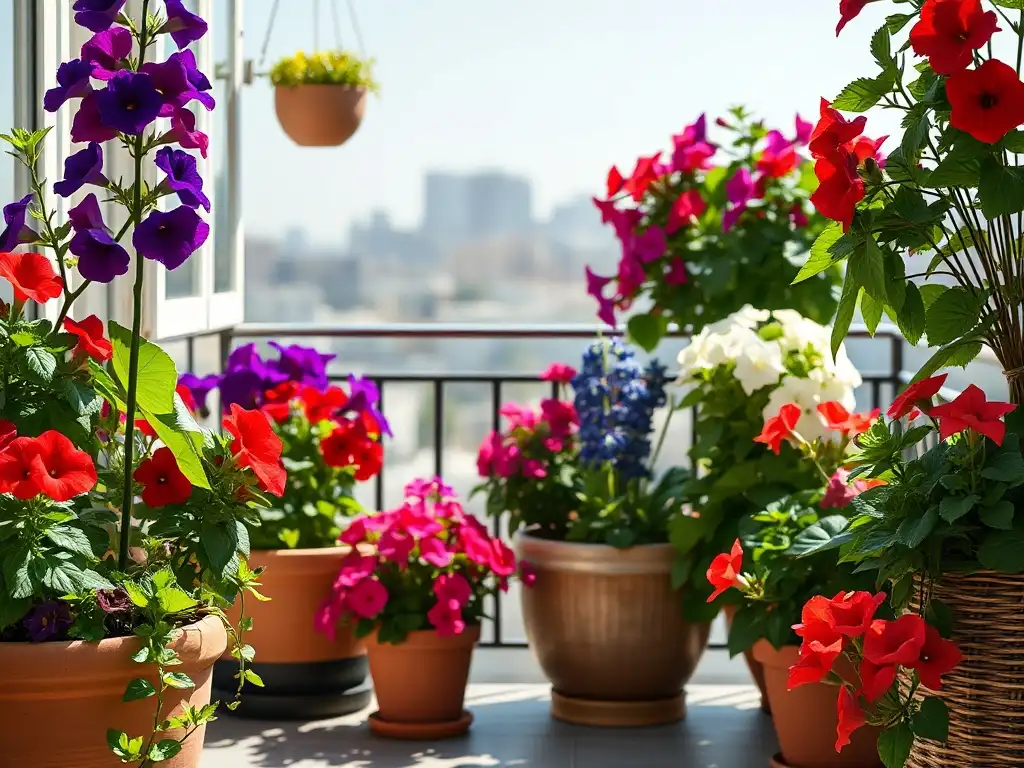
Ready to transform your balcony or patio into a thriving oasis? At CultivateYourFood, we empower you to grow your own delicious and healthy produce using sustainable methods. This journey starts with the right tools, and that's why we're diving deep into the world of container garden irrigation systems. Discover how choosing the best system can unlock bountiful harvests and simplify your gardening routine – let's get started!
- Understanding Your Container Gardening Needs: Choosing the Best Irrigation System
- Top Container Garden Irrigation Systems: A Comparative Review
- DIY Container Irrigation Solutions: Budget-Friendly Options
- Maintaining Your Chosen Irrigation System: Tips for Success
- Choosing the Best Container Garden Irrigation System: A Summary
- Frequently Asked Questions (FAQs) about Container Garden Irrigation
-
Frequently Asked Questions
- What is the best irrigation system for container gardens?
- How do self-watering containers work?
- What are the advantages of drip irrigation for container gardens?
- Are there any disadvantages to using drip irrigation in containers?
- How can I choose the right size reservoir for my self-watering containers?
- Final Reflection: Nurturing Growth, One Drop at a Time
- Unleash Your Container Garden's Potential!
Understanding Your Container Gardening Needs: Choosing the Best Irrigation System
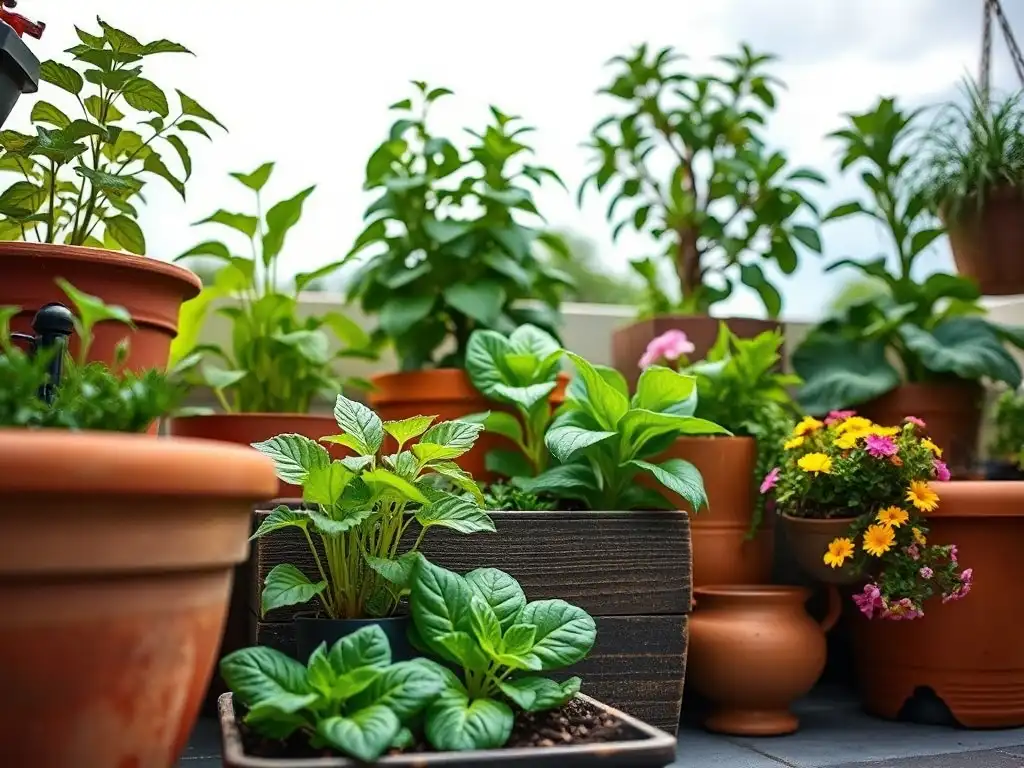
Container gardening offers a fantastic way to cultivate fruits, vegetables, and herbs, even with limited space. However, success hinges on providing consistent and appropriate watering. This article will guide you through selecting the best container garden irrigation system for your specific needs, considering factors beyond simply choosing a watering can.
We'll explore how container size, sunlight exposure, soil type, and budget all play crucial roles in determining the most efficient and effective irrigation solution for a thriving, sustainable, and organic home garden. Choosing the right system isn't just about convenience; it's about optimizing plant health and minimizing water waste, aligning perfectly with sustainable gardening practices. Let's delve into the key considerations to help you make an informed decision and achieve abundant harvests.
Assessing Container Size and Plant Water Requirements
The size of your containers directly impacts their water retention capacity and the frequency of watering needed. Smaller containers dry out much faster than larger ones. Understanding this relationship is paramount for selecting an appropriate irrigation system.
For example, a small terracotta pot holding a single herb will require significantly more frequent watering than a large plastic trough containing several tomato plants. The water requirements of the plants themselves also play a significant role. Thirsty plants like tomatoes and peppers will demand a more robust irrigation system compared to drought-tolerant herbs like rosemary or lavender.
Consider this table illustrating the relationship between container size and watering frequency:
| Container Size (Gallons) | Plant Type | Approximate Watering Frequency (Summer) | Irrigation System Suggestion |
|---|---|---|---|
| 1-2 | Herbs (Basil, Mint) | Daily or every other day | Drip irrigation or soaker hose |
| 3-5 | Peppers, small herbs | Every 2-3 days | Drip irrigation or self-watering pot |
| 5-10 | Tomatoes, larger plants | Every 3-4 days | Drip irrigation or larger self-watering system |
| 10+ | Larger vegetables, shrubs | Every 4-7 days, depending on weather | Larger drip system, or automated system |
Remember to always check the soil moisture before watering, regardless of your irrigation system. Overwatering can be just as detrimental as underwatering. Using a moisture meter can be a helpful tool to ensure you're not over or under watering.
Evaluating Sunlight, Soil Type, and Microclimate for Efficient Irrigation
Sunlight exposure significantly affects soil moisture evaporation rates. Containers in full sun will dry out much faster than those in shade. This dictates the frequency and potentially the type of irrigation system you choose. For instance, containers in full sun may benefit from a drip irrigation system that delivers water directly to the plant's roots, minimizing evaporation.
Soil type also influences water retention. Well-draining soil, like sandy soil, requires more frequent watering than heavier clay soils which retain moisture better. Consider amending your soil with organic matter like compost to improve drainage and water retention, depending on your soil type.
Microclimate factors, such as wind and temperature, also impact the rate of evaporation. A windy location will cause containers to dry out more quickly, necessitating a more frequent watering schedule or a more efficient irrigation method. Hotter temperatures will similarly accelerate evaporation.
Budgeting for Container Irrigation Systems
The cost of container irrigation systems varies greatly depending on the complexity and features. Simple soaker hoses are relatively inexpensive, while automated systems with timers and sensors can be considerably more costly.
Consider the following cost ranges for various irrigation systems:
- Soaker hoses: $5 - $20
- Drip irrigation kits: $15 - $50
- Self-watering pots: $10 - $30 per pot
- Automated irrigation systems: $50 - $200+
Before purchasing, carefully consider your budget and the size and number of your containers. Starting with a smaller, less expensive system and upgrading later as needed may be a cost-effective approach. Remember, a well-chosen, even simple, irrigation system will save you time and water in the long run, ultimately contributing to your gardening success and sustainability goals. 🌱
Top Container Garden Irrigation Systems: A Comparative Review
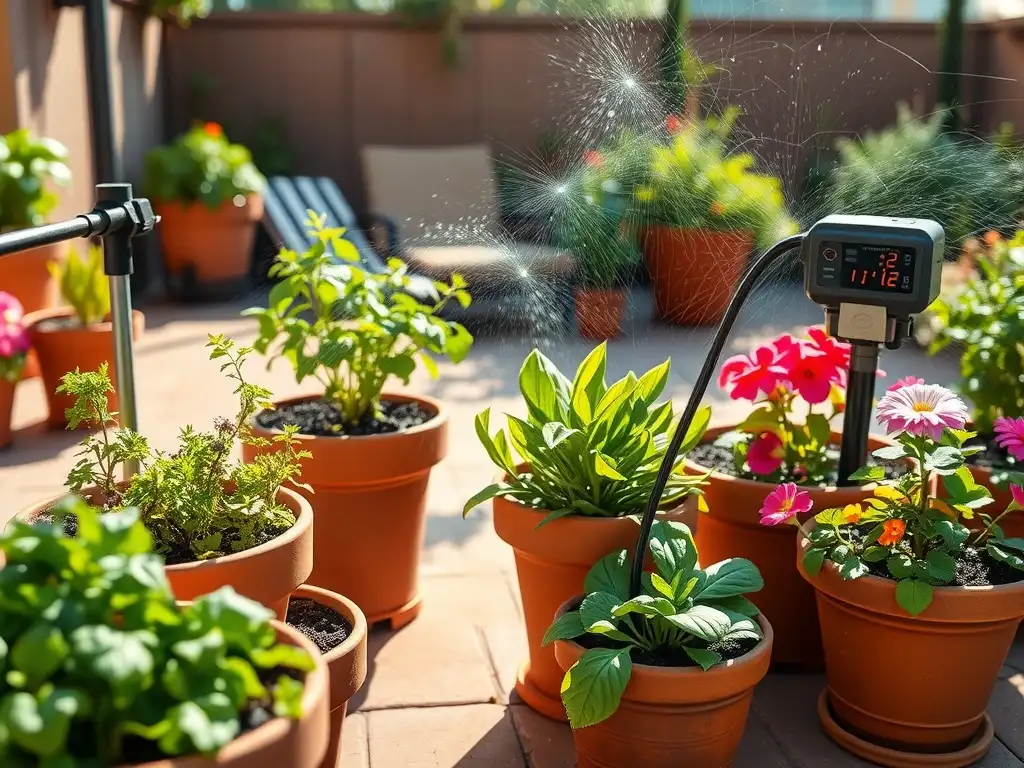
Choosing the best container garden irrigation system depends heavily on your specific needs, the number of containers, the types of plants, and your available time. This section compares three popular options, highlighting their strengths and weaknesses to help you make an informed decision. Finding the optimal balance between convenience, effectiveness, and cost is key to successful container gardening. We'll explore drip irrigation, self-watering containers, and soaker hoses, analyzing their suitability for various container gardening scenarios. Remember, the "best" system is the one that best meets your gardening goals and lifestyle.
Drip Irrigation for Container Gardens: Benefits and Drawbacks
Drip irrigation systems, often lauded as efficient water delivery methods, present a compelling option for container gardening. They deliver water directly to the roots of your plants, minimizing water waste through evaporation and runoff. This targeted approach is particularly beneficial for containers, which tend to dry out quickly. Precision is key here; you can fine-tune the water flow to meet the individual needs of each plant.
However, drip irrigation does require an initial investment in equipment. You'll need a water source, tubing, emitters (drip heads), and potentially a timer to automate watering. While the upfront cost might seem significant, the long-term savings in water and reduced labor often outweigh the initial expense. Furthermore, the system's complexity can be a drawback for beginners. Proper installation is crucial to prevent clogs and ensure even water distribution. Regular maintenance, including cleaning the emitters, is essential for optimal performance.
Consider these points when evaluating drip irrigation for your containers:
- Pros: Water conservation, precise water delivery, suitable for various plant types, can be automated.
- Cons: Initial investment cost, potential for clogging, requires installation and maintenance.
Self-Watering Pots and Planters: A Convenient Solution
Self-watering containers offer unparalleled convenience, making them an attractive option for busy gardeners or those prone to forgetting to water their plants. These ingenious designs incorporate a reservoir that slowly releases water to the plants as needed, reducing the frequency of watering. This feature is particularly valuable during periods of intense heat or when you're away from home for extended periods. Many self-watering containers also include indicators to show when the reservoir needs refilling, further simplifying the process.
However, the convenience comes at a cost. Self-watering pots are generally more expensive than traditional containers. The reservoir's capacity limits the duration between waterings, and overwatering can still occur if the reservoir isn't properly managed. Additionally, the design might not be suitable for all plant types, especially those that prefer consistently dry soil. Some plants might be prone to root rot in overly moist conditions presented by these systems.
Here's a summary of the advantages and disadvantages:
| Feature | Advantages | Disadvantages |
|---|---|---|
| Watering | Convenient, infrequent watering | Limited reservoir capacity, potential for rot |
| Cost | Higher initial cost | |
| Maintenance | Minimal maintenance | Needs occasional cleaning of reservoir |
| Plant Suitability | Not suitable for all plant types; check specific needs. |
Soaker Hose Irrigation for Containers: A Simple and Effective Method
Soaker hoses represent a middle ground between the precision of drip irrigation and the convenience of self-watering pots. They're relatively inexpensive and easy to install, making them a popular choice for container gardeners of all experience levels. The porous nature of the hose allows for slow, even water release, minimizing water waste and promoting healthy root development. They are particularly well-suited for grouping containers close together, as a single hose can efficiently water multiple plants.
However, soaker hoses aren't as precise as drip irrigation. They provide a gentler watering that's less targeted than drip irrigation. While this is generally beneficial, it might not be ideal for plants with very specific watering requirements. Additionally, soaker hoses can sometimes become clogged with debris, reducing their effectiveness. Regular flushing can help prevent this issue. Finally, their efficacy can be affected by strong sunlight, potentially leading to faster evaporation.
Let's weigh the pros and cons:
- Pros: Simple installation, cost-effective, even water distribution, good for grouping containers.
- Cons: Less precise than drip irrigation, prone to clogging, sun exposure can impact efficiency. 🤔
Choosing the best container garden irrigation system involves careful consideration of your individual circumstances and priorities. By weighing the benefits and drawbacks of each system, you can select the most appropriate solution for your container garden, ensuring healthy and thriving plants all season long.
DIY Container Irrigation Solutions: Budget-Friendly Options
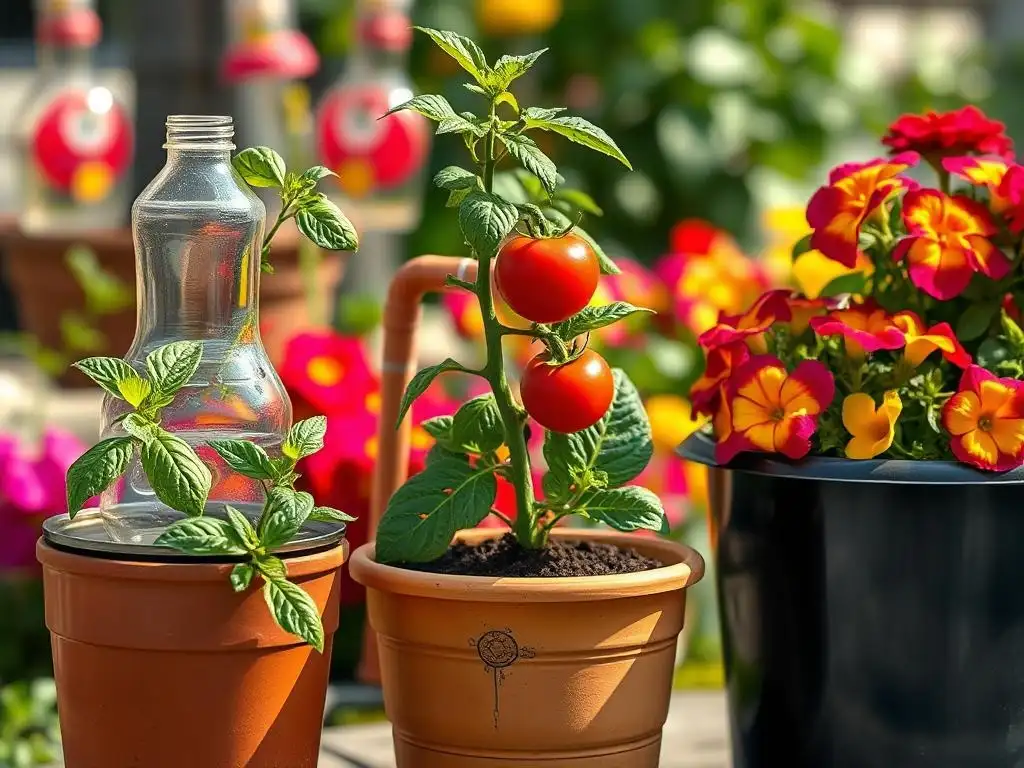
Choosing the best container garden irrigation system doesn't always mean breaking the bank. Many effective and sustainable watering solutions can be crafted at home using readily available materials. This section explores several DIY options, perfect for the budget-conscious gardener looking for reliable and efficient watering for their containers. These methods are particularly useful for smaller-scale container gardening projects and offer a great way to minimize water waste, a crucial aspect of sustainable gardening practices. Finding the best solution often depends on the size of your containers and the types of plants you are growing.
Building a Wick Irrigation System for Small Containers
A wick irrigation system is incredibly simple to build and perfect for smaller containers holding herbs, seedlings, or low-water plants. This passive system uses the principles of capillary action to draw water from a reservoir up to the plant's roots. You'll need a few basic materials: a container with drainage holes (terracotta pots work well), a length of absorbent material (old cotton t-shirts, rope, or even thick yarn), and a water reservoir (a larger container, a plastic bottle, etc. ).
Here's a step-by-step guide:
- Prepare the reservoir: Clean and thoroughly rinse your chosen reservoir. Ensure it's large enough to hold enough water for several days, depending on the size of your container and the plant's water needs.
- Cut and prepare the wick: Cut a length of absorbent material long enough to reach from the bottom of the reservoir to the top of the planting container. The thicker the wick, the more water it can transport.
- Assemble the system: Place one end of the wick into the reservoir, ensuring it's submerged. Then, place the other end into the drainage hole of your planting container. Plant your seedlings or herbs, ensuring the roots are near the wick but not directly touching it.
- Monitor and adjust: Regularly check the water level in the reservoir and refill as needed. You might need to adjust the wick's position or length depending on the rate of water absorption.
This method minimizes water evaporation and ensures consistent moisture for your plants. Experiment with different wick materials to find what works best for your climate and plant types. Consider using a larger reservoir for plants with higher water requirements.
Repurposing Materials for Cost-Effective Container Watering
Repurposing household items is a fantastic way to create a sustainable and inexpensive container irrigation system. Many materials can be easily adapted for this purpose. For instance, old plastic bottles can be transformed into simple watering systems by drilling holes near the bottom and inverting them into the soil. This creates a slow-release watering method, ideal for plants requiring consistent moisture. Remember to adjust the size and number of holes according to the plant's water needs.
Another option is using recycled plastic pipes or tubing. Cut them to size and drill holes along their length, then bury them in the soil next to your plants. Connect one end to a water source (like a larger container) for a simple gravity-fed system. This approach is especially effective for larger containers or raised beds. Remember to monitor the system to prevent overwatering. The key to success here is experimentation and careful observation of your plants' water requirements. Don't hesitate to adjust the system based on the plants' response.
Creating a Gravity-Fed System for Raised Beds and Containers
A gravity-fed system is a more advanced DIY option, suitable for larger containers or raised beds. This system uses gravity to deliver water from a raised reservoir to your plants. You will need a reservoir (a large container, a rain barrel, etc. ), tubing (flexible PVC or similar), and connectors. The reservoir should be placed at a higher elevation than the containers.
The process involves connecting the tubing to the reservoir and running it down to each container. Small holes poked into the tubing at the desired location will allow water to drip slowly onto the soil. This method offers more precise control over watering than wick systems, allowing you to adjust the water flow by adjusting the size of the holes or the height of the reservoir. Consider adding a valve or tap to the system for better control, especially important during dry spells when you might need to increase watering frequency.
Remember to use materials that are resistant to weathering and UV degradation for long-term durability. Careful planning and execution are key for a successful gravity-fed system. Properly designed, this method can significantly reduce your workload and ensure consistent watering for your plants, helping you achieve optimal growth and yield in your container garden.
Maintaining Your Chosen Irrigation System: Tips for Success
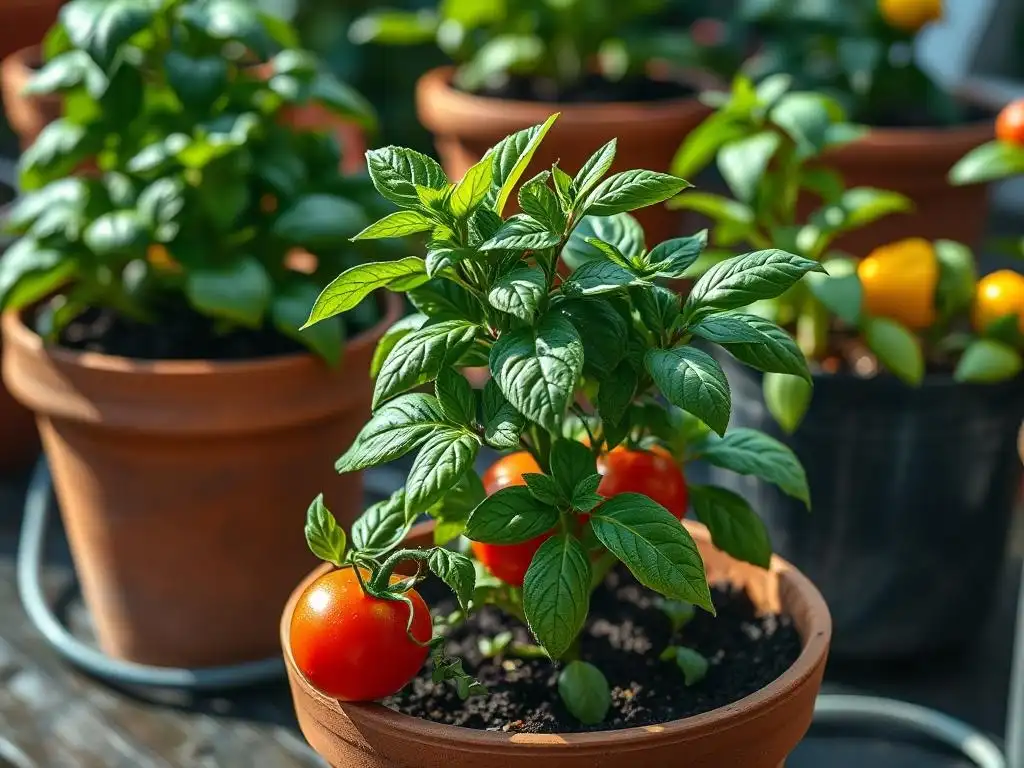
Maintaining your container garden irrigation system is crucial for its longevity and the health of your plants. Neglecting regular maintenance can lead to reduced efficiency, clogged emitters, and ultimately, plant stress. A well-maintained system ensures consistent and optimal watering, maximizing your yield and minimizing water waste. This section focuses on practical steps to keep your chosen system performing at its best, regardless of whether you've opted for drip irrigation, soaker hoses, or self-watering containers. Finding the best container garden irrigation system is only half the battle; maintaining it is key to long-term success.
Regular Maintenance and Cleaning for Optimal Performance
Regular cleaning is paramount to preventing clogs and ensuring even water distribution. The frequency depends on your water source and the type of system. Hard water, for example, will necessitate more frequent cleaning than soft water due to mineral deposits.
- Drip Irrigation Systems: Inspect the drip lines and emitters for clogs at least monthly, or more often if you notice reduced water flow. You can use a small wire or pipe cleaner to clear blockages. For a more thorough cleaning, detach the lines and soak them in a solution of white vinegar and water (equal parts) for a few hours. Rinse thoroughly before reconnecting. Remember to check the water filter regularly and replace it as needed. This is a key aspect of achieving the best container garden irrigation system performance.
- Soaker Hoses: Soaker hoses are generally less prone to clogging than drip systems, but they can still accumulate debris. Periodically flush the hoses by running water through them for several minutes. Inspect for any holes or damage and replace sections as needed.
- Self-Watering Containers: These systems often require less maintenance, but it's still essential to check the reservoir regularly for algae growth or sediment buildup. Clean the reservoir with mild soap and water, rinsing thoroughly before refilling. Check the wicks or tubes for any blockages.
A simple maintenance schedule, perhaps using a checklist, can greatly improve the longevity and efficiency of your chosen system. Consider using a log to record cleaning dates and any issues encountered. This proactive approach will contribute to achieving the best possible results from your best container garden irrigation system.
Troubleshooting Common Irrigation Problems in Containers
Even with regular maintenance, problems can arise. Knowing how to troubleshoot common issues can save your plants from stress and ensure a healthy harvest.
- Uneven Watering: This could be due to clogged emitters (drip irrigation), kinks in soaker hoses, or problems with the water pressure. Check each component carefully, replacing or repairing as necessary. Consider adjusting the water pressure if it's too high or low.
- Low Water Pressure: This might indicate a blockage in the main water line or a problem with your water source. Check the entire system, from the source to the emitters, looking for obstructions or leaks.
- Leaking Connections: Tighten loose connections or replace damaged fittings. Using appropriate sealant can prevent future leaks.
- Algae Growth: This is common in self-watering systems. Regular cleaning and using filtered water can minimize this issue.
Addressing these issues promptly will ensure the efficiency and longevity of your best container garden irrigation system. Effective troubleshooting is a crucial aspect of successful container gardening.
Water Conservation Strategies for Container Gardening
Container gardening, while convenient, can be water-intensive if not managed properly. Implementing water conservation strategies is essential for both environmental responsibility and cost savings. Choosing the best container garden irrigation system is only part of the equation; efficient water usage is key.
- Use mulch: A layer of mulch around your containers helps retain soil moisture, reducing the frequency of watering.
- Water deeply but less frequently: Encourage deep root growth by watering thoroughly but less often, allowing the soil to dry slightly between waterings. Avoid frequent shallow watering, which encourages shallow root systems.
- Group containers together: This helps create a microclimate that retains moisture.
- Use a rain barrel: Collect rainwater for irrigation, reducing your reliance on municipal water.
- Monitor soil moisture: Use a moisture meter to determine when your plants need watering, avoiding overwatering.
- Choose the right container materials: Darker-colored containers heat up faster and dry out more quickly than lighter-colored ones. Consider using lighter-colored containers or materials that retain moisture.
By implementing these water-wise techniques, you can significantly reduce your water consumption while maintaining healthy and thriving container gardens. This mindful approach complements your choice of the best container garden irrigation system and contributes to sustainable gardening practices.
Choosing the Best Container Garden Irrigation System: A Summary
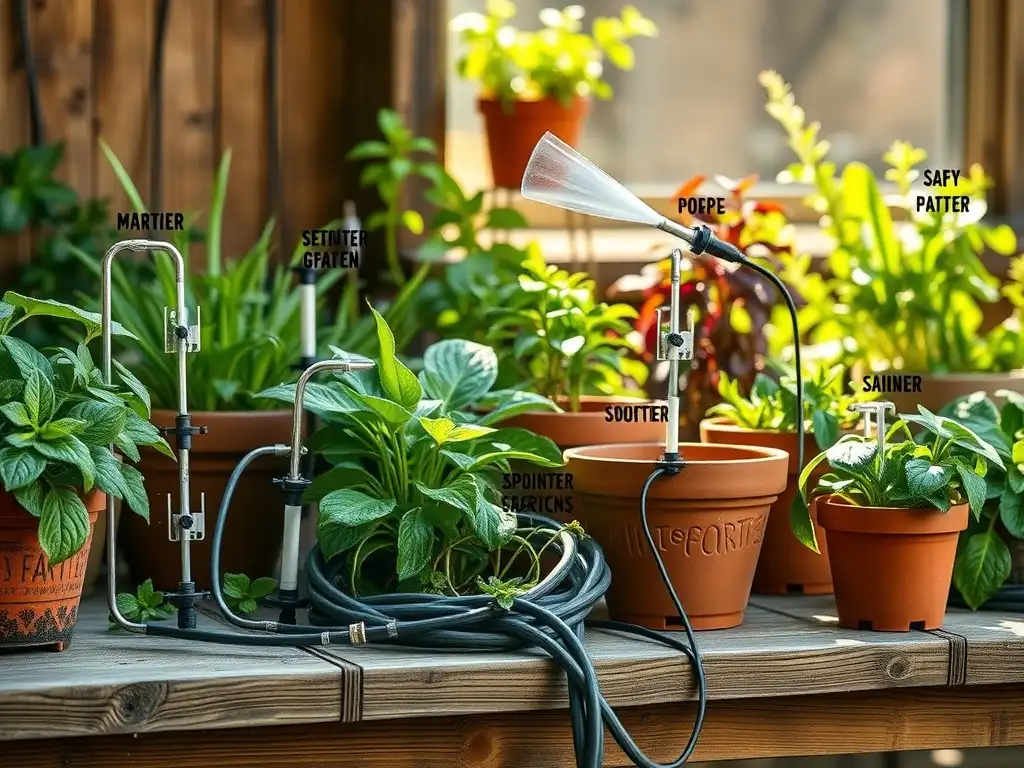
Selecting the best container garden irrigation system hinges on several crucial factors, far beyond simply choosing the cheapest option. This section will help you navigate the complexities and make an informed choice tailored to your specific needs and gardening style. The ideal system balances efficiency, cost-effectiveness, and ease of maintenance, ensuring your plants thrive without excessive water waste or labor. Finding the perfect balance is key to achieving a successful and sustainable container garden. We will explore various aspects to help you determine which system best suits your "best container garden irrigation system" needs.
Matching Irrigation Systems to Plant Types and Container Sizes
The type of irrigation system you choose should directly correlate with the plants you're growing and the size of their containers. For instance, a small herb garden in 6-inch pots might benefit from a simple, low-cost drip irrigation system using individual drippers. This targeted approach prevents overwatering and ensures each plant receives the precise amount of moisture it requires.
Conversely, a larger container garden featuring thirsty plants like tomatoes or peppers in 10-gallon containers might necessitate a more robust system, such as a soaker hose or even a more sophisticated automated drip system with a timer. These larger systems offer more consistent and efficient watering over a wider area.
Consider these examples:
| Plant Type | Container Size | Recommended Irrigation System | Rationale |
|---|---|---|---|
| Herbs (Basil, Mint) | 6-inch pots | Individual drip emitters | Precise watering, prevents overwatering of small root systems. |
| Tomatoes | 10-gallon pots | Soaker hose or automated drip system | Consistent watering for larger plants with high water requirements. |
| Peppers | 5-gallon pots | Drip irrigation with adjustable flow | Allows customization of water delivery based on plant size and needs. |
| Strawberries | Hanging baskets | Self-watering baskets or drip system | Maintains consistent moisture in hanging containers, preventing drying out. |
Remember, proper watering is crucial for healthy plant growth. An appropriately sized system reduces the risk of underwatering or overwatering, leading to healthier plants and a more bountiful harvest. Matching your system to your plants and containers is a crucial step in achieving the "best container garden irrigation system" for your specific situation.
Considering Long-Term Costs and Maintenance
While the initial purchase price of an irrigation system is important, long-term costs and maintenance should also factor heavily into your decision. A cheap, low-quality system might seem attractive initially, but frequent repairs or replacements could negate any initial savings. Furthermore, a system requiring extensive maintenance will eat into your valuable gardening time.
For example, drip irrigation systems, while initially more expensive than simple watering cans, often prove more cost-effective in the long run due to their water efficiency and reduced labor. They also typically require less maintenance than other systems. However, they do require periodic cleaning to prevent clogging.
Automated systems, while offering convenience, carry higher upfront costs and may require occasional professional servicing. Consider the time commitment involved in maintaining your chosen system. Will you have the time to clean drip lines, replace worn-out parts, or troubleshoot malfunctions? These are critical questions to ask yourself when evaluating the long-term implications of choosing a particular "best container garden irrigation system."
Making Informed Decisions Based on Budget and Gardening Goals
Your budget and gardening goals will significantly influence your choice of irrigation system. If you're on a tight budget, a simple drip system with manual operation might be the most practical option. However, if convenience and efficiency are paramount, investing in an automated system might be worthwhile, even if it means a higher initial investment.
Consider your gardening goals. Are you aiming for a small, low-maintenance herb garden, or a large-scale vegetable production? The scale of your operation will impact the complexity and cost of the irrigation system you'll need. A large-scale operation will likely benefit from a more sophisticated system, while a smaller garden may only require a simpler solution.
Ultimately, the "best container garden irrigation system" is the one that best aligns with your individual circumstances. Carefully weigh the factors discussed—plant types, container sizes, long-term costs, maintenance requirements, budget, and gardening goals—to make an informed decision that will support your gardening success for years to come. Careful planning now will yield a rewarding and efficient harvest later.
Frequently Asked Questions (FAQs) about Container Garden Irrigation
This section addresses common questions regarding irrigation systems for container gardening, helping you choose the best system for your needs and achieve optimal plant growth. Finding the best container garden irrigation system involves understanding your plants' needs and the available options.
Watering Frequency with Different Irrigation Systems
The frequency of watering significantly depends on the type of irrigation system you choose and environmental factors like temperature, sunlight, and humidity. Let's analyze watering frequency for several popular systems:
- Drip Irrigation: Drip irrigation systems deliver water directly to the plant's roots, minimizing evaporation. This usually translates to less frequent watering, perhaps every 2-3 days, depending on plant type and weather. You might need to adjust the emitters' flow rate to match your plants' needs. For instance, thirsty plants like tomatoes might require a higher flow rate compared to low-water plants like succulents.
- Soaker Hoses: Similar to drip irrigation, soaker hoses provide consistent moisture to the root zone, reducing the need for frequent watering. Watering frequency will be comparable to drip irrigation, usually every 2-3 days, but you may need to check soil moisture more frequently, especially in hot, windy conditions.
- Self-Watering Containers: These containers incorporate a reservoir that slowly releases water to the plants. Watering frequency is highly variable and depends on the reservoir size and the plant's water requirements. Some self-watering containers might only require watering once a week or even less frequently. However, always check the soil moisture level to prevent overwatering.
- Manual Watering: This method requires daily or even twice-daily watering, especially during hot, dry periods. The frequency depends entirely on the plant's water needs and the weather conditions. Consistent monitoring is crucial to avoid both underwatering and overwatering.
The table below summarizes the general watering frequency for various systems:
| Irrigation System | Watering Frequency (General) | Factors Influencing Frequency |
|---|---|---|
| Drip Irrigation | Every 2-3 days | Plant type, temperature, sunlight |
| Soaker Hoses | Every 2-3 days | Plant type, temperature, wind |
| Self-Watering Containers | Variable, often weekly or less | Reservoir size, plant needs |
| Manual Watering | Daily or twice daily (often) | Plant needs, temperature |
Remember, these are general guidelines. Always monitor your plants' health and adjust watering schedules accordingly. Overwatering is just as detrimental as underwatering.
Signs of Overwatering or Underwatering in Containers
Recognizing the signs of overwatering and underwatering is critical for maintaining healthy container plants. Here's a breakdown of the symptoms:
Overwatering:
- Yellowing leaves: Lower leaves may yellow first, indicating root rot.
- Wilting: Surprisingly, overwatered plants can wilt due to oxygen deprivation in the root zone.
- Soggy soil: The soil remains consistently wet and heavy.
- Fungal growth: Mold or fungus may appear on the soil surface.
- Root rot: This is a serious issue caused by excessive moisture, leading to root decay and plant death.
Underwatering:
- Wilting: Leaves droop and become limp.
- Dry, brittle soil: The soil is completely dry and crumbles easily.
- Leaf curling: Leaves curl inward to conserve moisture.
- Stunted growth: Plants fail to grow properly due to lack of water.
- Leaf drop: Plants may drop leaves to reduce water loss.
Regularly checking the soil moisture is key to preventing both scenarios. Consider using a moisture meter for accurate readings. Remember, preventing these issues is far easier than treating them!
Choosing the Right Container Size and Type
Container size and type directly impact watering frequency and overall plant health. Larger containers retain moisture longer than smaller ones, reducing the need for frequent watering. The material also plays a crucial role:
- Terracotta pots: These porous pots allow for greater evaporation, requiring more frequent watering. They are excellent for plants that prefer drier conditions.
- Plastic pots: These retain moisture better than terracotta, reducing the frequency of watering. They are ideal for plants that need consistent moisture.
- Self-watering containers: As discussed previously, these offer inherent advantages in terms of watering frequency and convenience.
The size of the container should also be appropriate for the plant's root system. A cramped root system can lead to stress and reduced growth. Always choose a container that is large enough to accommodate the plant's mature size. Consider the mature size of your plant when selecting a container size.
For example, a small herb might thrive in a 6-inch pot, while a tomato plant might need a 12-inch or larger container. Choosing the right container size and material is crucial for optimal plant growth and efficient water management. The interplay between container type, size and the irrigation system selected directly impacts the success of your container garden.
Sustainable Practices for Container Irrigation
Sustainable container gardening goes hand-in-hand with efficient irrigation. Choosing the right system is only half the battle; employing sustainable practices maximizes water conservation and minimizes environmental impact. This means moving beyond simply choosing a drip irrigation system and considering the broader context of your water usage.
One key aspect is water harvesting. Rainwater harvesting, for example, offers a fantastically sustainable alternative to municipal water. Collecting rainwater via barrels or other suitable containers allows you to utilize a free and naturally filtered resource. This significantly reduces your reliance on treated water, lowering your water bill and your carbon footprint. Consider installing a simple gutter system to divert rainwater from your roof directly into storage. Remember to filter the collected water before use to prevent the introduction of contaminants into your plants.
Beyond rainwater harvesting, consider the type of water you are using. Greywater recycling, where you reuse water from showers or sinks (after appropriate filtration), can also contribute to a sustainable irrigation strategy. However, it's crucial to understand that not all greywater is suitable for all plants; certain plants are more tolerant of the higher salt and nutrient content in greywater than others. Thorough research and careful selection of greywater-appropriate plants are essential.
Furthermore, soil type plays a significant role in water retention. Using well-draining potting mixes helps prevent waterlogging, which can lead to root rot and wasted water. Amend your potting mix with organic materials like compost to improve water retention and reduce the frequency of watering. This not only conserves water but also provides essential nutrients to your plants, promoting healthy growth.
Finally, efficient irrigation scheduling is paramount. Avoid overwatering, which is a common mistake leading to wasted water and potentially harming plants. Monitor your plants closely and water only when necessary. Consider using soil moisture sensors to accurately determine when your plants need watering, ensuring you provide the right amount at the right time, reducing water waste significantly. This mindful approach to irrigation is the cornerstone of a sustainable container garden. The combination of these practices contributes to a more environmentally friendly and economically responsible approach to container gardening.
Frequently Asked Questions
What is the best irrigation system for container gardens?
The "best" system depends on your needs and budget. For small setups, self-watering planters are excellent. Larger gardens may benefit from a drip irrigation system for more precise water delivery. Consider your plant types and garden size when choosing.
How do self-watering containers work?
Self-watering containers utilize a reservoir at the bottom, keeping the soil consistently moist. A wicking system or a water level indicator helps maintain the water supply without overwatering. They are ideal for busy gardeners or those prone to forgetting to water.
What are the advantages of drip irrigation for container gardens?
Drip irrigation offers precise water delivery directly to the plant roots, minimizing water waste and reducing evaporation. It's particularly beneficial for larger container gardens or those with diverse plant needs, allowing for customized watering schedules.
Are there any disadvantages to using drip irrigation in containers?
Drip irrigation systems can be more expensive than other options initially. Proper installation is crucial to avoid clogging. They also require more maintenance, such as regular cleaning of the emitters to prevent blockages.
How can I choose the right size reservoir for my self-watering containers?
The reservoir size should be proportional to the size of the container and the water needs of the plants. Consider the climate, plant type, and the frequency of watering before selecting a reservoir. Overly large reservoirs can lead to root rot if not managed properly.
Final Reflection: Nurturing Growth, One Drop at a Time
The quest for the best container garden irrigation system isn't just about convenience; it's about ensuring the thriving success of your green oasis. In a world increasingly focused on sustainable practices and efficient resource management, choosing the right irrigation system is more crucial than ever, impacting not only your plants' health but also your environmental footprint.
The journey through various irrigation methods – from simple watering cans to sophisticated automated systems – highlights the profound impact technology has on our relationship with nature. We've moved beyond simply providing water; we're now striving for precision and optimization. This shift reflects a broader cultural movement towards mindful gardening and a deeper understanding of the delicate balance required for healthy plant growth. The glory of gardening: hands in the dirt, head in the sun, heart with nature. To nurture a garden is to feed not just the body, but the soul.
This quote encapsulates the emotional connection we forge with our plants, and the right irrigation system allows us to nurture that connection more effectively.
Now, consider your own container garden. What system best suits your lifestyle, your plants' needs, and your commitment to sustainability? Take the time to reflect on the information presented, and choose wisely. Remember, the best system isn't just about the initial investment; it's about the long-term rewards of healthy, vibrant plants and the satisfaction of knowing you've created a thriving ecosystem, one carefully measured drop at a time. Let your garden flourish!
Unleash Your Container Garden's Potential!
Thanks for exploring the world of container gardening irrigation! You now have the knowledge to create a thriving, effortlessly watered oasis. Ready to put your new skills to the test?
- Design your ideal irrigation system: Sketch out your perfect setup—on paper, using a design app, or even a simple diagram. Consider each plant's individual needs and the overall layout of your container garden. Careful planning is key to success.
- Share your design: Post a picture of your plan on social media using #CultivateYourFood and tag us! Let's inspire each other!
- Experiment with different watering methods: Don't limit yourself to drip irrigation. Explore wicking beds, self-watering pots, or even automated systems. What innovative approach will you try next?
Ready to transform your balcony or patio into a lush, thriving garden? What's the first step you'll take to improve your container garden's watering?