
Choosing the Right Irrigation System for Loamy Soil: Balanced Watering Approaches

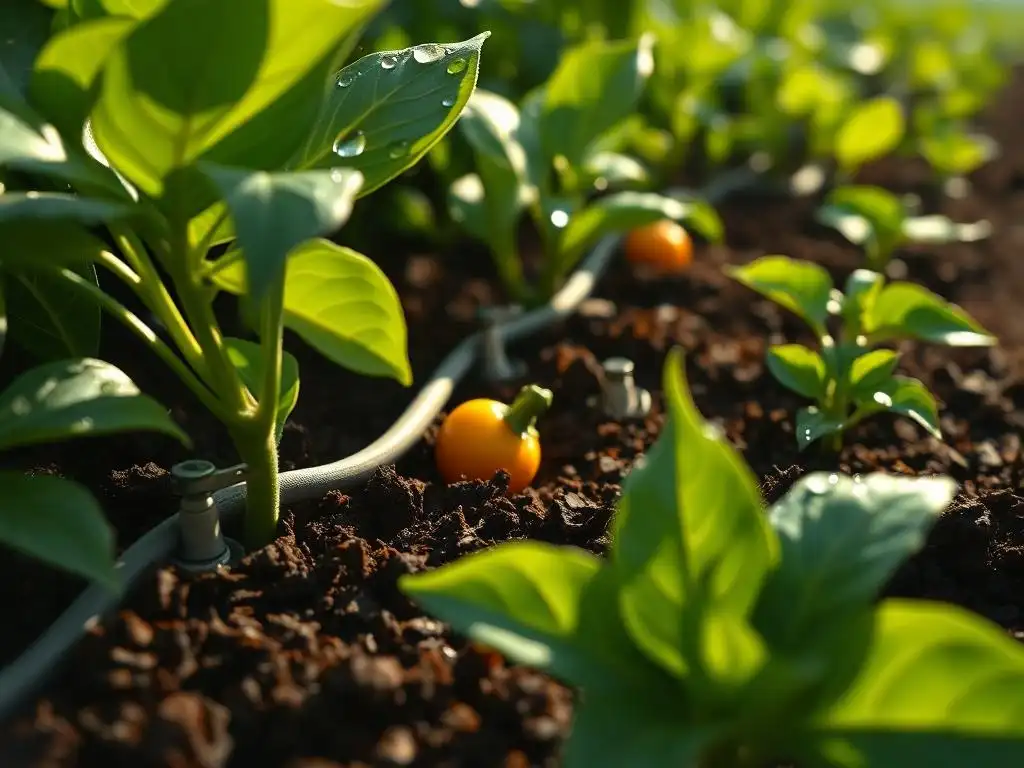
Welcome to CultivateYourFood, your guide to nurturing a thriving home garden! Are you ready to unlock the secrets to bountiful harvests using sustainable methods? We'll help you cultivate your own fruits, vegetables, and herbs, from seed to table. But first, let's tackle a crucial element: finding the best irrigation for loamy soil. Discover how the right watering techniques can transform your garden's potential – read on to learn more about balanced watering approaches and achieve optimal growth!
- Understanding Loamy Soil and its Watering Needs
- Best Irrigation Systems for Loamy Soil: A Comparative Analysis
- Selecting the Right Irrigation System Based on Garden Size and Plant Type
- Maintaining Your Chosen Irrigation System for Long-Term Success
- Choosing the Best Irrigation System for Your Loamy Soil Garden: A Summary and Recommendations
- Frequently Asked Questions about Loamy Soil Irrigation
- Frequently Asked Questions
- Final Reflection: Cultivating a Sustainable Future, One Drop at a Time
- Unlock Your Loamy Soil's Potential: Water Wisely!
Understanding Loamy Soil and its Watering Needs
Choosing the right irrigation system is crucial for a thriving garden, and understanding your soil type is the first step. This article focuses on finding the best irrigation for loamy soil, a soil type prized by gardeners for its balanced properties. Loamy soil, a mixture of sand, silt, and clay, offers a unique combination of drainage and moisture retention, making it ideal for a wide variety of plants.
However, achieving the perfect balance of moisture requires a thoughtful approach to irrigation. We'll explore the characteristics of loamy soil, ideal moisture levels, and common watering pitfalls, ultimately guiding you towards selecting the irrigation system that best suits your needs and promotes healthy, sustainable growth.
We'll also discuss how different irrigation methods impact loamy soil and help you avoid common problems such as overwatering and underwatering. Getting this right is key to maximizing your harvest and minimizing water waste, two cornerstones of sustainable gardening.
Characteristics of Loamy Soil: Drainage, Moisture Retention, and Nutrient Content
Loamy soil boasts a desirable texture that combines the benefits of its constituent components. The sand content ensures excellent drainage, preventing waterlogging which can suffocate plant roots. Silt contributes to good water retention, allowing plants to access moisture even during dry spells. Finally, the clay component provides a reservoir of essential nutrients, supporting healthy plant growth.
This balanced composition makes loamy soil incredibly versatile, supporting a wide range of fruits, vegetables, and herbs. However, this balance also means that loamy soil's water retention capabilities are not excessive; it's crucial to find an irrigation system that provides consistent moisture without leading to saturation. A well-drained loamy soil will typically feel moist but not soggy to the touch after watering. You can easily test your soil by squeezing a handful: if it forms a loose ball that crumbles easily, you likely have loamy soil.
Ideal Moisture Levels for Optimal Loamy Soil Plant Growth
Maintaining the optimal moisture level in loamy soil is key to maximizing plant health and yield. Plants growing in loamy soil require consistent moisture, but not excessive saturation. Overwatering can lead to root rot and fungal diseases, while underwatering results in stunted growth and reduced yields. The ideal moisture level varies depending on the plant species, weather conditions, and the time of year. However, a good rule of thumb is to keep the soil consistently moist, but not waterlogged, in the top few inches.
Regular monitoring using a soil moisture meter can be incredibly helpful in achieving this balance. Additionally, understanding the specific water requirements of the plants you're growing is crucial. Some plants, such as tomatoes, prefer slightly drier conditions, while others, like lettuce, require more consistent moisture. Proper mulching can also help regulate soil moisture, reducing evaporation and the frequency of watering.
Common Problems with Watering Loamy Soil: Overwatering and Underwateriing
While loamy soil's balanced composition is beneficial, it's not immune to watering problems. Overwatering is a common issue, especially with clay-rich loamy soils. Excessive moisture can lead to compacted soil, hindering root development and oxygen uptake.
Symptoms of overwatering include yellowing leaves, wilting plants despite moist soil, and a foul odor emanating from the soil. On the other hand, underwatering causes stress, leading to stunted growth, wilting, and reduced yields. Plants may appear dry and brittle, and the soil may feel dry to the touch even at a depth of several inches.
The best irrigation system for loamy soil will address these challenges by providing controlled and efficient watering, preventing both overwatering and underwatering. This might involve drip irrigation, soaker hoses, or a well-designed sprinkler system that allows for precise control over water delivery. Regular soil monitoring and careful observation of plant health are essential in identifying and addressing these problems promptly.
Best Irrigation Systems for Loamy Soil: A Comparative Analysis
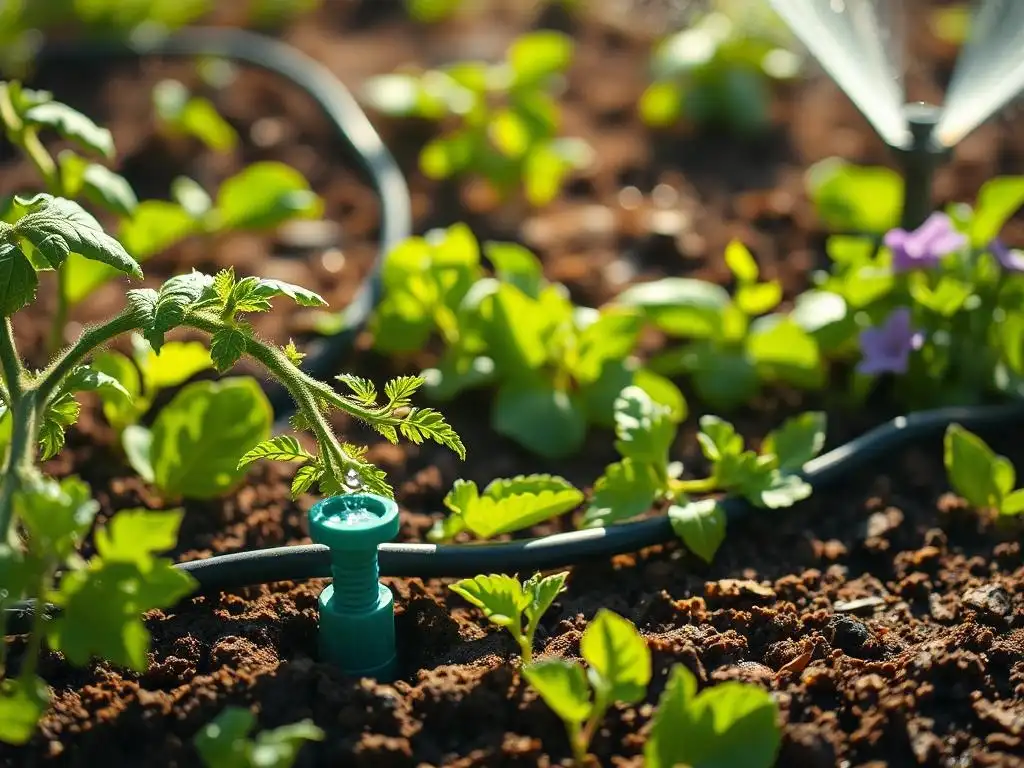
Loamy soil, with its ideal balance of sand, silt, and clay, presents both opportunities and challenges for irrigation. While it retains moisture better than sandy soil, it can also become compacted, hindering water penetration. Choosing the right irrigation system is crucial for achieving optimal moisture levels without overwatering or causing runoff.
This section compares two excellent choices for loamy soil: drip irrigation and soaker hoses, highlighting their strengths and weaknesses to help you determine the best fit for your garden. Finding the best irrigation for loamy soil often hinges on understanding the unique properties of your soil and your gardening needs.
Drip Irrigation for Loamy Soil: Advantages, Disadvantages, and Setup
Drip irrigation delivers water directly to the roots of plants, minimizing water waste and evaporation. This targeted approach is particularly beneficial in loamy soil, where even moisture distribution can be a challenge. The slow, steady release of water allows for deep penetration, encouraging healthy root growth.
Choosing the Right Drip Irrigation System Components: Emitters, Tubing, and Filters
Selecting the right components is paramount for a successful drip irrigation system. Emitters, the devices that release water, should be chosen based on your plants' water requirements. For example, thirsty vegetables might benefit from higher-flow emitters (e.g., 2 gallons per hour) compared to more drought-tolerant herbs (e.g., 0.5 gallons per hour). Tubing should be durable and resistant to clogging, preferably with a UV-resistant coating to withstand prolonged sun exposure. A filter is essential to prevent debris from clogging the emitters and ensuring consistent water flow. Consider a mesh filter for loamy soil, as it's effective in removing larger particles.
Drip Irrigation System Component Selection and System Design
The design of your drip irrigation system should consider the layout of your garden beds. For a rectangular vegetable garden, a main line with lateral lines branching off can be highly effective. For irregularly shaped areas, more flexible tubing might be necessary. Proper spacing of emitters is crucial; overcrowding can lead to uneven watering, while spacing them too far apart can leave some areas dry. Consider using pressure-compensating emitters to ensure even water distribution across the system, regardless of elevation changes. Planning your system meticulously minimizes installation difficulties and maximizes efficiency. Careful planning ensures a well-balanced, efficient system.
Case Study: Successful Drip Irrigation Implementation in a Loamy Soil Vegetable Garden
A home gardener successfully implemented a drip irrigation system in their loamy soil vegetable garden. They used 1/2" diameter tubing with 0.5 GPH pressure-compensating emitters spaced 12 inches apart. A 130-mesh filter effectively removed soil particles from the water supply. The result? Consistent moisture levels, reduced water consumption by 40% compared to overhead watering, and a significant increase in vegetable yield. This example demonstrates the potential of drip irrigation for optimizing water use in loamy soil gardens.
Soaker Hose Irrigation for Loamy Soil: Pros, Cons, and Best Practices
Soaker hoses offer a simpler, less expensive alternative to drip irrigation. They deliver water directly to the soil surface, allowing for gradual absorption. This method is particularly beneficial for loamy soil, as it reduces the risk of surface runoff and promotes deeper water penetration.
Comparing Soaker Hoses: Material, Porosity, and Durability
Soaker hoses come in various materials, each with unique properties. Rubber hoses are durable and long-lasting but can be less porous than PVC or polyethylene hoses. Porosity is a key factor to consider; a more porous hose will release water more quickly and evenly. Durability is also essential, especially in loamy soil where potential for abrasion is higher. Look for hoses with reinforced construction for extended lifespan.
Soaker Hose Material and Application Analysis
The choice of soaker hose material significantly influences its performance in loamy soil. Rubber hoses, while durable, might not be ideal for heavy clay loam due to their lower porosity. A more porous PVC or polyethylene hose would be a better choice in this scenario. For sandy loam, a less porous hose might prevent excessive water loss. Careful selection ensures optimal water delivery and efficient irrigation.
Case Study: Utilizing Soaker Hoses for Efficient Watering in a Loamy Soil Herb Garden
A homeowner successfully used soaker hoses to irrigate their herb garden, which had loamy soil. They chose a polyethylene soaker hose with a medium porosity rating. The hoses were laid along the rows of herbs, ensuring even coverage. The result was a consistent moisture level, minimal water waste, and vigorous herb growth. This experience shows how effective soaker hoses can be, especially in smaller gardens or when a simpler system is preferred. The ease of use and cost-effectiveness make soaker hoses a viable alternative to more complex drip irrigation systems.
Sprinkler Irrigation for Loamy Soil: When it Works and When it Doesn't
Loamy soil, with its balanced composition of sand, silt, and clay, presents a unique challenge and opportunity for sprinkler irrigation. The good news is that loamy soil generally drains well, reducing the risk of waterlogging that can plague heavier clay soils. This means sprinklers can be effective, particularly for larger areas needing even coverage.
However, the drainage also means that water can be lost quickly if not managed correctly. The key is finding the right balance between efficient water application and preventing runoff. Sprinkler systems can be a very effective and convenient method for watering a garden with loamy soil, particularly for larger vegetable patches or fruit trees.
The choice of sprinkler type and system design plays a crucial role in determining success. A well-designed system can provide consistent moisture levels, promoting healthy plant growth and minimizing water waste. Conversely, a poorly designed system can lead to significant water loss and uneven watering, negating the benefits of using sprinklers altogether.
Types of Sprinklers Suitable for Loamy Soil: Impact, Rotor, and Rotary Sprinklers
Several sprinkler types are well-suited to loamy soil, each with its strengths and weaknesses. Impact sprinklers, known for their simplicity and low cost, are often suitable for smaller areas with loamy soil. Their forceful spray can penetrate the soil effectively, but they are less efficient for larger gardens due to potential water loss through overspray and wind drift. Rotor sprinklers, on the other hand, are better suited to larger areas and offer a more precise and consistent watering pattern.
Their rotating heads deliver water over a wider radius, making them efficient for covering larger gardens. However, they require higher water pressure than impact sprinklers. Finally, rotary sprinklers provide a balance between the two, offering a good compromise between coverage area and water pressure requirements.
The choice depends on the specific garden layout, size, and available water pressure. Careful consideration of these factors helps select the most efficient and cost-effective sprinkler type for your loamy soil garden. Consider factors like water pressure, area to be covered, and budget when making your selection.
Potential Drawbacks of Sprinkler Systems on Loamy Soil: Runoff and Uneven Watering
Despite the benefits, sprinkler systems can present some drawbacks in loamy soil. One major issue is runoff. Because loamy soil drains relatively quickly, if the water application rate exceeds the soil's infiltration capacity, water will run off instead of being absorbed. This wastes water and can even lead to soil erosion. Furthermore, uneven watering can occur if the sprinklers aren't properly spaced or adjusted.
Uneven distribution leads to some areas receiving too much water (potentially causing runoff), while others receive too little, impacting plant health. Wind can also significantly impact sprinkler effectiveness, causing uneven distribution. Addressing these issues requires careful planning, including appropriate sprinkler spacing, water pressure regulation, and potentially the use of water-saving nozzles or soil amendments to improve water retention. 💦
Sprinkler System Design and Optimization for Loamy Soil
Optimizing a sprinkler system for loamy soil involves several key considerations. First, proper sprinkler spacing is crucial to ensure even water distribution. Overlapping spray patterns help minimize dry spots, but excessive overlap leads to wasted water. Second, water pressure regulation prevents runoff by ensuring the water application rate doesn't exceed the soil's infiltration capacity.
Pressure regulators can help control the water flow to each sprinkler head, ensuring a consistent and efficient watering pattern. Third, consider the soil's texture and organic matter content. Loamy soil with higher organic matter content tends to retain water better than sandy loam, requiring less frequent watering.
Finally, monitoring soil moisture levels provides valuable feedback for adjusting the system’s settings. Regularly checking soil moisture ensures the system delivers the right amount of water at the right time, maximizing efficiency and minimizing water waste. Implementing these strategies enhances the effectiveness and sustainability of sprinkler irrigation in loamy soil gardens.
Selecting the Right Irrigation System Based on Garden Size and Plant Type
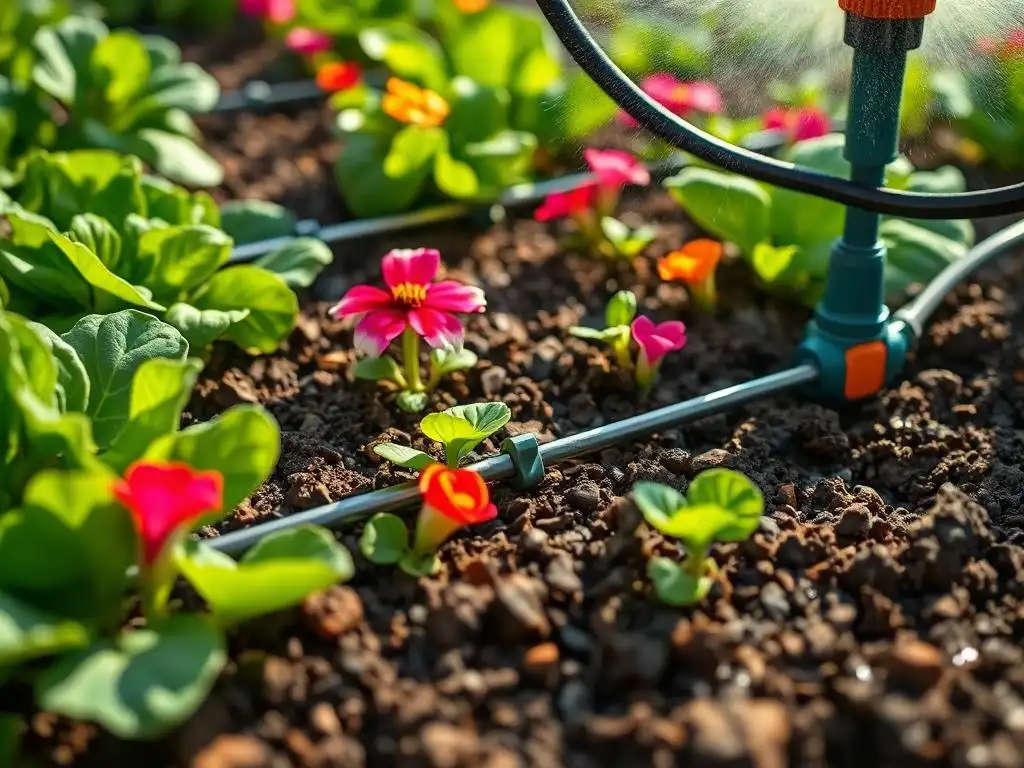
Choosing the best irrigation for loamy soil depends heavily on the scale of your garden and the types of plants you're cultivating. Loamy soil, with its excellent drainage and water retention properties, presents a unique set of considerations when selecting an irrigation system. Overwatering can lead to root rot, while underwatering can stunt growth. Finding the right balance is key. This section will guide you through selecting the optimal irrigation solution based on your garden's size.
Small-Scale Loamy Soil Gardens: Best Irrigation Solutions
For small loamy soil gardens (under 100 square feet), simpler, more hands-on irrigation methods often prove most effective and cost-efficient. These gardens often feature a mix of vegetables, herbs, and perhaps a few fruit bushes.
Precise watering is crucial to avoid over-saturation, which is particularly important in loamy soil. Therefore, we recommend:
- Soaker hoses: These are excellent for delivering water directly to the roots, minimizing evaporation and runoff. Their slow, gentle release mimics natural rainfall, promoting healthy root development. You can easily customize their placement to suit individual plant needs. For small areas, a single soaker hose can be quite sufficient.
- Drip irrigation: While slightly more complex to set up than soaker hoses, drip irrigation offers even greater control. You can adjust the water flow to individual plants or groups of plants, ensuring consistent moisture levels. This method is particularly beneficial for delicate seedlings and plants with shallow root systems. Consider using emitter tubing for even water distribution.
- Watering can: For the smallest gardens, a watering can allows for precise, targeted watering. This method offers the greatest control, but can be time-consuming for larger areas. It's perfect for supplemental watering of specific plants or areas needing extra attention.
Remember to monitor soil moisture regularly, even with these effective methods. A simple finger test can help determine if the soil needs more water. Overwatering, even with these systems, can still occur if not monitored.
Medium-Scale Loamy Soil Gardens: Efficient Irrigation Strategies
Medium-sized loamy soil gardens (100-500 square feet) require a more efficient irrigation system that balances water conservation with thorough coverage. These gardens might include a wider variety of plants, perhaps including more mature fruit trees or berry bushes.
For this size, these options are highly recommended:
- Drip irrigation with a timer: Expanding on the drip irrigation system used for small gardens, a timer automates the watering process, saving you time and ensuring consistent watering schedules. This is particularly useful for busy gardeners or those who need to maintain consistent moisture during periods of high heat. Programmable timers allow for customization based on weather conditions and plant needs.
- Combination of soaker hoses and drip irrigation: This blended approach leverages the strengths of both methods. Soaker hoses can handle larger areas with similar water requirements, while drip irrigation can target individual plants with specific needs. This offers a flexible and efficient solution for diverse planting schemes.
The key here is proper planning. Before installation, map out your garden and identify the water needs of each plant. This allows for precise placement of emitters and soaker hoses, optimizing water usage and ensuring even distribution. Regular maintenance, checking for clogs and leaks, is also crucial for the long-term success of your system.
Large-Scale Loamy Soil Gardens: Optimizing Water Distribution
Large loamy soil gardens (over 500 square feet) necessitate a more robust irrigation system capable of efficiently distributing water across a wide area. These gardens often feature a diverse range of plants, including mature trees, extensive vegetable patches, and potentially even a small orchard.
For these larger spaces, consider these options:
- In-ground drip irrigation: This permanent system involves installing a network of pipes and emitters beneath the soil surface. While more costly upfront, it offers long-term efficiency and minimizes water waste through evaporation. This system is ideal for established gardens with consistent planting layouts. Consider the use of pressure-regulating valves to ensure consistent water pressure throughout the system.
- Combination of in-ground drip and above-ground micro-sprinklers: A hybrid approach combining the efficiency of in-ground drip for specific plant needs with above-ground micro-sprinklers for larger areas can offer an excellent balance between cost and performance. This allows for targeted watering while still ensuring adequate coverage across the whole garden.
For large gardens, meticulous planning and professional installation are highly recommended. A poorly designed system can lead to uneven watering, wasted resources, and potentially damage to plants. Consider consulting with a landscape irrigation specialist to ensure your system is optimized for your specific soil type, plant selection, and garden layout. Proper zoning and pressure regulation are key to success in large-scale irrigation projects.
Maintaining Your Chosen Irrigation System for Long-Term Success
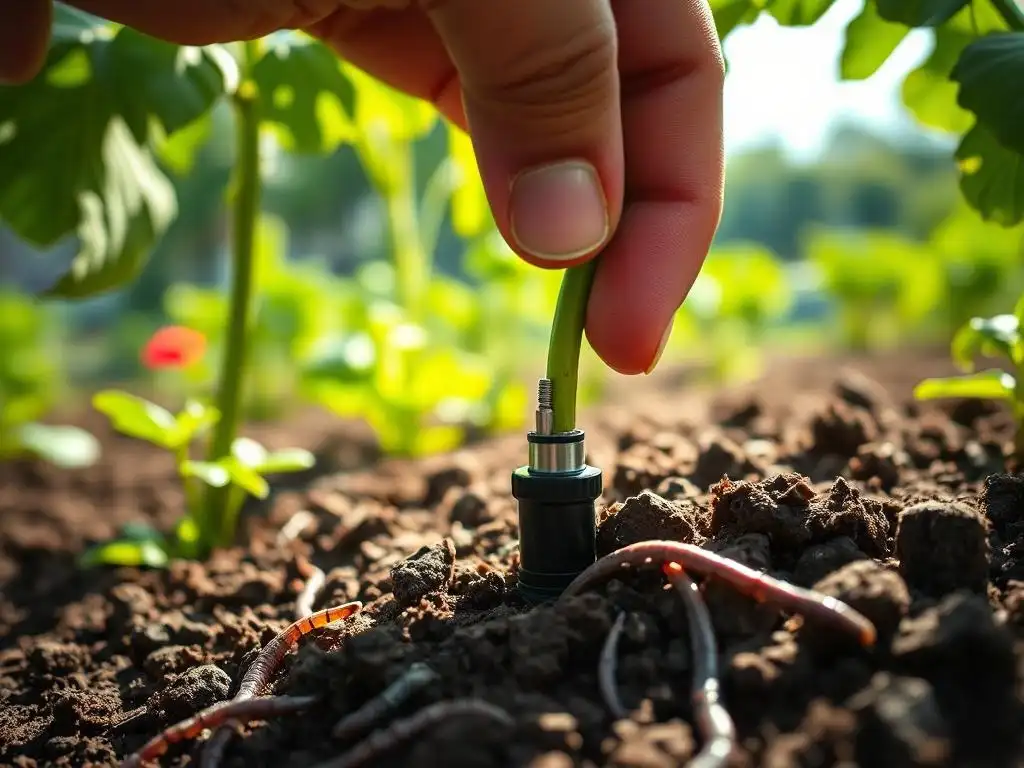
Maintaining your irrigation system is crucial for its longevity and effectiveness, especially when dealing with loamy soil which can present unique challenges. Regular upkeep ensures optimal water delivery to your plants, preventing issues like waterlogging or underwatering, both detrimental to healthy growth. A well-maintained system also saves you water and money in the long run, aligning perfectly with sustainable gardening practices. Neglecting maintenance can lead to costly repairs and reduced yields. The "best irrigation for loamy soil" is only truly effective with consistent care.
Regular Maintenance Checks: Preventing Clogs and Leaks
Regular inspections are the cornerstone of preventative maintenance. Aim for weekly checks during peak growing seasons and bi-weekly checks during less demanding periods. Begin by visually inspecting all components: pipes, emitters, sprinklers, and valves. Look for any signs of leaks, cracks, or blockages. Listen carefully for unusual gurgling or hissing sounds that might indicate a leak.
For drip irrigation systems, specifically check emitters for clogs. Loamy soil, while generally well-draining, can still contain fine particles that can restrict water flow. Gently flush emitters with a toothpick or small brush to clear any debris. For larger blockages, a low-pressure air compressor can be helpful. Document any issues you find, including their location and severity, to aid in repairs and future maintenance.
A simple logbook or digital spreadsheet can be invaluable for tracking this information. Remember, early detection of problems prevents them from escalating into major headaches. Consider using a pressure gauge to monitor water pressure throughout the system. Consistent pressure ensures even water distribution, a key element for healthy plant growth, especially in loamy soil where water retention is relatively balanced.
Cleaning and Repairing Irrigation Components: Troubleshooting Common Issues
Cleaning and repairing your irrigation system are essential for maintaining its efficiency. Regular cleaning prevents mineral build-up and clogging, particularly important in areas with hard water. For drip irrigation, consider using a solution of vinegar and water to remove mineral deposits from emitters and tubing. Always follow the manufacturer's instructions for cleaning specific components.
Repairing leaks is crucial to prevent water waste and soil erosion. Small leaks can often be patched using specialized repair tape or sealant. Larger leaks or damaged components may require replacement. Always use parts that are compatible with your existing system.
When addressing issues in loamy soil, remember that the soil's texture can influence the type of repair needed. For example, a leak near the soil surface might require a more robust repair than one in a well-drained area. Keep a small supply of common replacement parts on hand, such as emitters, tubing sections, and connectors, to speed up repairs and minimize downtime. A well-stocked toolkit should include basic plumbing tools, such as adjustable wrenches, pliers, and screwdrivers.
Winterizing Your Irrigation System: Protecting Against Freezing Temperatures
Protecting your irrigation system from freezing temperatures is crucial in colder climates. Failure to winterize can lead to burst pipes and damaged components, resulting in costly repairs in the spring. The process of winterizing varies depending on the type of system you have. For above-ground systems, draining the entire system is usually sufficient.
This involves turning off the water supply, opening valves, and allowing the water to drain completely. For buried systems, you might need to use compressed air to blow out any remaining water from the pipes. Always consult the manufacturer's instructions for your specific system. In areas with particularly harsh winters, consider adding antifreeze to the system before draining, following the manufacturer's recommendations.
Proper winterization ensures that your irrigation system will be ready for the next growing season, saving you time, money, and frustration. Remember, a well-winterized system is a crucial part of ensuring the longevity and effectiveness of your "best irrigation for loamy soil" strategy. Taking these steps will guarantee a successful growing season year after year.
Choosing the Best Irrigation System for Your Loamy Soil Garden: A Summary and Recommendations
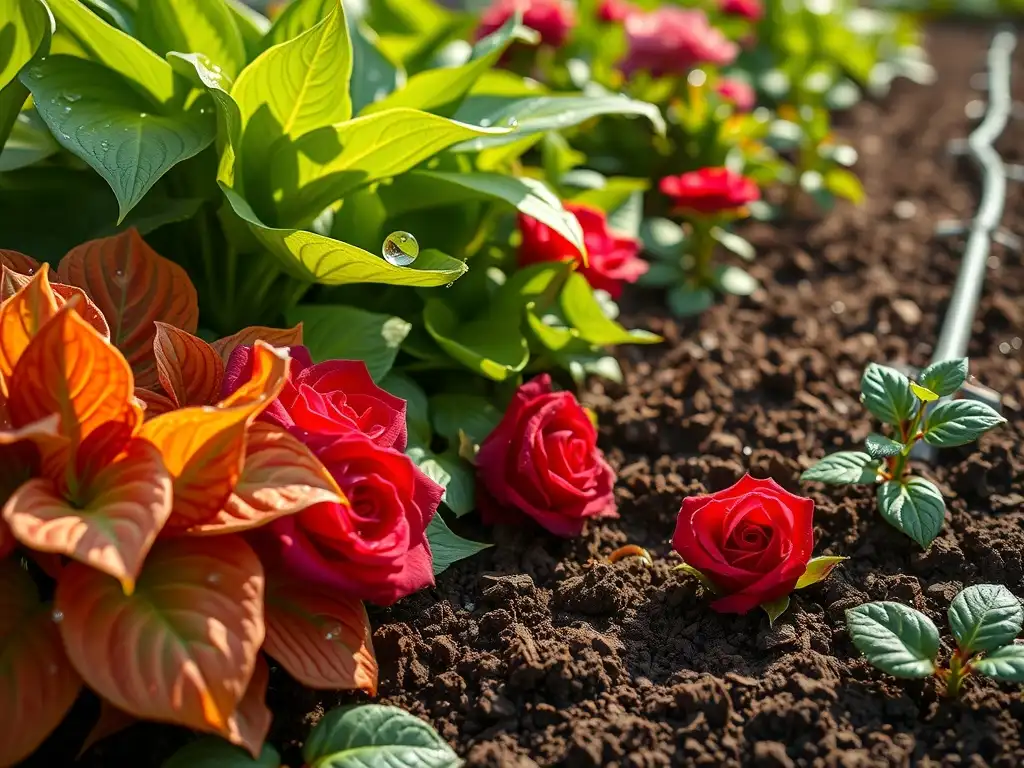
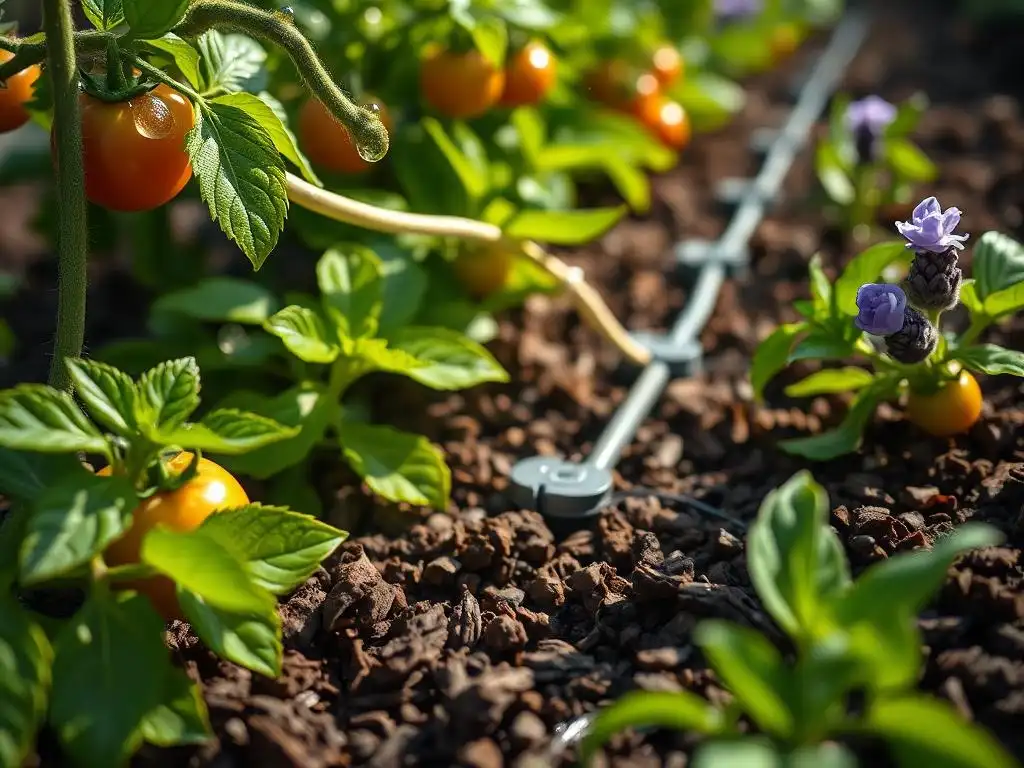
Loamy soil, a gardener's dream due to its excellent drainage and water retention properties, presents a unique challenge when it comes to irrigation. Finding the best irrigation for loamy soil requires careful consideration of several factors to avoid both overwatering and underwatering. This section summarizes key considerations and offers tailored recommendations for achieving optimal soil moisture levels for healthy plant growth.
The ideal system balances efficient water delivery with the soil's inherent ability to retain moisture, minimizing water waste and promoting sustainable gardening practices. We'll explore various irrigation methods and highlight their suitability for loamy soil, keeping in mind cost-effectiveness and environmental impact. Remember, the "best" system will depend on your specific garden size, plant types, and personal preferences.
Factors to Consider When Making Your Decision
Choosing the right irrigation system for your loamy soil garden involves several crucial factors. Let's break them down:
- Garden Size and Layout: A small, easily accessible garden might benefit from a simple drip irrigation system, while a larger, more complex layout might require a more sophisticated solution like a sprinkler system or even a combination approach. Consider the shape and topography of your garden. Is it flat, sloped, or terraced? This influences the effectiveness of different irrigation methods.
- Plant Type and Water Requirements: Different plants have varying water needs. Vegetables like tomatoes and peppers generally require more frequent watering than drought-tolerant herbs like rosemary or lavender. A well-designed system caters to these individual needs, perhaps utilizing a combination of drip irrigation for thirsty plants and a less frequent sprinkler system for more resilient ones.
- Water Source and Pressure: Your water source (municipal water, well, rainwater harvesting) and water pressure significantly impact the choice of irrigation system. Low water pressure might necessitate a pump for certain systems, adding to the overall cost and complexity.
- Budget and Installation: Consider the initial cost of the system, including materials and installation. Drip irrigation, while efficient, can be labor-intensive to install, especially in larger gardens. Sprinkler systems are generally quicker to set up but might be less efficient in terms of water usage. Factor in ongoing maintenance costs as well.
- Soil Type and Drainage: While we're focusing on loamy soil, even within this category, there are variations in drainage. Well-draining loamy soil might require more frequent but less intense watering than heavier loamy soil. Observe your soil's drainage characteristics to fine-tune your irrigation schedule.
Cost-Effective Irrigation Solutions for Loamy Soil
Optimizing water usage is key to cost-effective irrigation. For loamy soil, several solutions stand out for their balance of efficiency and affordability:
- Drip Irrigation: This method delivers water directly to the plant roots, minimizing evaporation and runoff. It's particularly effective for loamy soil, which retains moisture well. Using a timer further enhances cost-effectiveness by automating watering schedules.
- Soaker Hoses: These porous hoses provide gentle, even watering over a longer period. They're excellent for vegetable patches and flower beds, allowing for deep, consistent moisture penetration in loamy soil. They are generally less expensive than full drip irrigation systems.
- Rain Barrels: Harvesting rainwater significantly reduces reliance on municipal water, saving money and promoting sustainable practices. Rain barrels can supplement or even replace your primary water source, especially in areas with sufficient rainfall.
Sustainable and Eco-Friendly Irrigation Practices for Loamy Soil
Sustainable irrigation is not just about saving money; it's about conserving a precious resource and protecting the environment. Here are some eco-friendly approaches for loamy soil gardens:
- Mulching: Applying a layer of mulch (organic matter like straw, wood chips, or compost) helps retain soil moisture, reducing the need for frequent watering. This is especially beneficial in loamy soil, which benefits from improved water retention.
- Water Wise Plant Selection: Choosing drought-tolerant plants reduces overall water consumption. Consider incorporating native plants that are well-suited to your local climate and soil conditions.
- Soil Testing: Regular soil testing helps determine nutrient levels and pH, ensuring your plants receive the optimal conditions for healthy growth. Healthy soil is more efficient at retaining moisture.
- Smart Irrigation Controllers: These controllers use weather data and soil moisture sensors to optimize watering schedules, preventing overwatering and conserving water. They can significantly reduce water waste, especially in loamy soil which is less prone to rapid drying.
The best irrigation for loamy soil is the one that best suits your individual needs and preferences while promoting sustainable practices and efficient water use. By carefully considering the factors discussed above, you can create a thriving garden while minimizing your environmental impact. 🌱
Frequently Asked Questions about Loamy Soil Irrigation
This section addresses common queries regarding irrigation systems best suited for loamy soil, a soil type known for its excellent drainage and water retention capabilities. Understanding your soil's characteristics is crucial for selecting the optimal irrigation method and maintaining a thriving garden. Choosing the best irrigation for loamy soil involves balancing efficient water delivery with preventing both overwatering and underwatering.
How Often Should I Water My Loamy Soil Garden?
The frequency of watering your loamy soil garden depends on several factors beyond just the soil type itself. These include:
- Climate: Hot, dry climates require more frequent watering than cooler, more humid ones. Evaporation rates are significantly higher in hot weather, leading to faster soil drying.
- Plant Type: Different plants have different water requirements. Deep-rooted plants like tomatoes can tolerate slightly drier conditions between waterings compared to shallow-rooted plants like lettuce, which need more frequent, but lighter, watering.
- Plant Stage: Young seedlings and newly transplanted plants generally need more frequent watering than established plants. Their root systems are still developing, and they are more vulnerable to drought stress.
- Mulch: Applying a layer of organic mulch (such as straw or wood chips) helps retain soil moisture, reducing the frequency of watering. This is especially beneficial in loamy soil, which already retains moisture well.
A good rule of thumb is to check soil moisture regularly. Stick your finger about 2 inches into the soil. If it feels dry, it's time to water. However, don't just rely on a schedule; instead, adapt your watering based on your observations and the specific conditions in your garden. Overwatering is almost as damaging as underwatering. In loamy soil, aim for consistently moist but not soggy conditions. This balance is key to healthy plant growth. The best approach is to water deeply and less frequently, encouraging deep root growth.
What are the signs of overwatering and underwatering in loamy soil?
Recognizing the signs of overwatering and underwatering is vital for maintaining a healthy garden, regardless of your chosen irrigation system. Loamy soil, while well-draining, can still suffer from both extremes.
Signs of Overwatering:
- Yellowing leaves: While nutrient deficiencies can also cause yellowing, persistently soggy soil can restrict root oxygen uptake, leading to chlorosis (yellowing) of the leaves.
- Wilting: Ironically, overwatering can cause wilting. Soggy soil suffocates roots, preventing them from absorbing water and nutrients effectively.
- Mushy stems: Overwatered plants often develop soft, mushy stems, a clear indication of root rot.
- Fungal diseases: Excess moisture creates ideal conditions for fungal diseases to thrive, leading to leaf spots, mold, and other issues.
- Poor drainage: Standing water on the soil surface after watering indicates inadequate drainage, even in loamy soil, possibly due to compaction.
Signs of Underwater:
- Wilting: This is a common sign of underwatering, with leaves drooping and appearing dry and brittle.
- Dry, cracked soil: The soil surface will appear dry and may crack, especially during hot, dry weather.
- Stunted growth: Plants deprived of adequate water will exhibit stunted growth and reduced yields.
- Leaf curling: Leaves may curl inward as the plant tries to conserve moisture.
- Premature leaf drop: Severe underwatering can cause the plant to shed its leaves in an attempt to reduce water loss.
Can I use rainwater harvesting with my chosen irrigation system?
Yes, rainwater harvesting is an excellent sustainable practice compatible with most irrigation systems used for loamy soil. Collecting rainwater significantly reduces your reliance on municipal water supplies and provides a naturally soft, nutrient-rich water source for your plants. Several methods facilitate this integration:
- Rain barrels: These simple containers collect rainwater from your roof gutters. The collected water can then be used to supplement or even replace your irrigation system's water source.
- Drip irrigation systems: These systems are particularly well-suited for rainwater harvesting, as they deliver water directly to the plant roots, minimizing evaporation. A simple pump can be used to move water from a rain barrel to the drip system.
- Soaker hoses: Similar to drip irrigation, soaker hoses deliver water slowly and directly to the roots, making them efficient for use with harvested rainwater.
- Gravity-fed systems: If your rain barrels are positioned higher than your garden, you might even be able to create a simple gravity-fed system, eliminating the need for a pump.
Remember to filter the rainwater before use to remove debris and potential contaminants. A simple mesh filter is usually sufficient. Rainwater harvesting not only conserves water but also reduces the need for chemical fertilizers and pesticides, aligning perfectly with organic and sustainable gardening practices. 🌱
Frequently Asked Questions
What is the best irrigation system for loamy soil?
The best irrigation system for loamy soil often depends on your specific needs and setup, but drip irrigation or soaker hoses are excellent choices. These methods deliver water directly to the roots, minimizing water waste and runoff.
Why is drip irrigation or soaker hoses ideal for loamy soil?
Loamy soil has good drainage, but it can still dry out quickly, especially during hot weather. Drip and soaker hoses provide consistent, targeted watering, preventing both underwatering and overwatering.
How do I avoid overwatering my loamy soil?
Overwatering can lead to root rot. Monitor the moisture levels of your soil regularly, and adjust your watering schedule accordingly. Consider using a soil moisture meter for accurate readings.
What are the disadvantages of using sprinklers on loamy soil?
Sprinklers can lead to significant water waste with loamy soil due to evaporation and runoff. They also tend to wet the foliage, increasing the risk of fungal diseases.
Can I use rainwater harvesting with my loamy soil irrigation system?
Yes! Rainwater harvesting is a sustainable and cost-effective way to irrigate your loamy soil. Collect rainwater in barrels and use it to supplement your irrigation system.
Final Reflection: Cultivating a Sustainable Future, One Drop at a Time
Choosing the right irrigation system is not merely a matter of efficient water use; it's a crucial step towards ensuring the long-term health of our land and the sustainability of our food systems. The increasing scarcity of water resources globally underscores the urgency of adopting responsible irrigation practices, making the information presented in this article more relevant than ever. We must move beyond simply watering our crops and embrace a holistic approach that considers both yield and environmental impact.
The journey towards optimal irrigation for loamy soil, as explored in this article, highlights the complex interplay between soil type, climate, and available resources. It's a journey that demands careful consideration and a willingness to adapt. The impact extends far beyond the individual garden or farm; it touches upon broader issues of water conservation, food security, and environmental stewardship. The land is what gives us our life; it is the mother of all things.
This ancient wisdom reminds us of our profound responsibility to care for the earth that sustains us.
Consider the choices you make regarding your irrigation system. Will you opt for a method that prioritizes efficiency and minimizes water waste, or will you continue with practices that may deplete precious resources? The future of our planet, and the future of agriculture, depends on our collective commitment to sustainable practices. Take the time to assess your current methods, research the options available, and make informed decisions that benefit both your land and the wider community. Let this article serve as a catalyst for change, inspiring you to cultivate a more sustainable and responsible approach to irrigation.
Unlock Your Loamy Soil's Potential: Water Wisely!
Thank you for exploring the world of loamy soil irrigation with us! You've learned how to choose the best watering system for healthy, thriving plants. Ready to put this knowledge into action?
- Design your ideal irrigation setup: Sketch a plan for your garden, considering the advice on system types and water efficiency. This is the first step towards a flourishing garden!
- Share your garden plans: Connect with other CultivateYourFood community members and share your design—even a photo! Let's learn from each other.
- Monitor soil moisture: Take your water management to the next level by using a soil moisture meter to ensure optimal watering practices.
What irrigation solution will you implement first to bring out the best in your loamy soil? Let's discuss!