
Electric Cultivators for Raised Beds: Preparing Soil with Minimal Effort

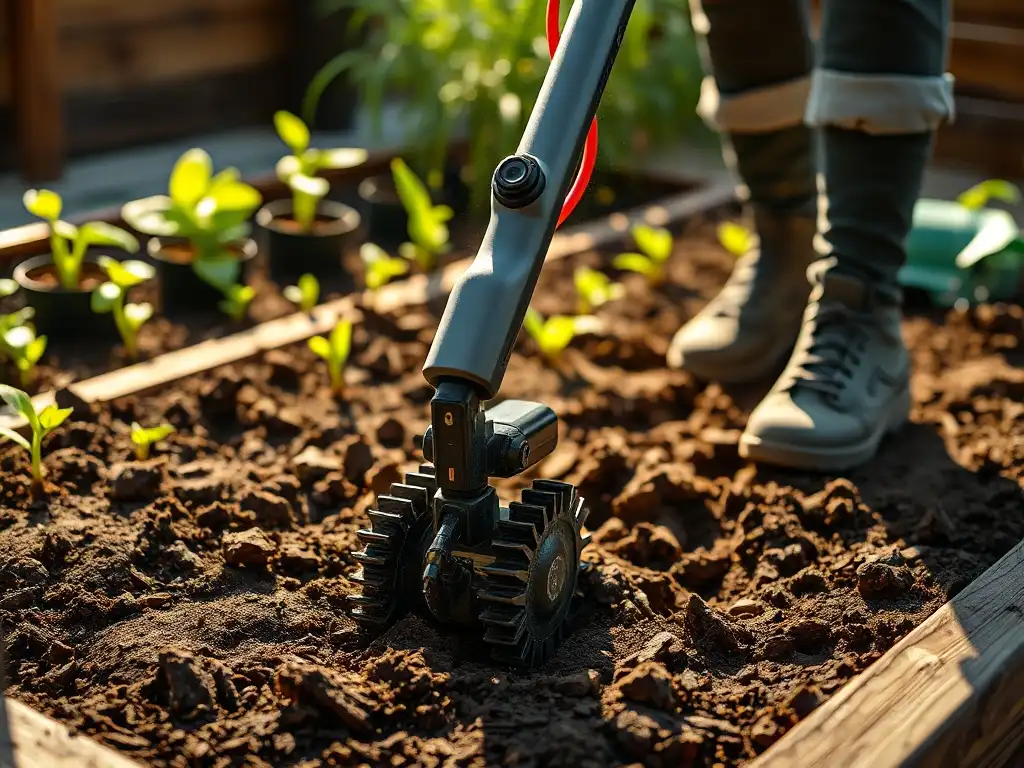
Ready to transform your backyard into a thriving oasis? At CultivateYourFood, we empower you to grow your own delicious fruits, vegetables, and herbs organically. Discover how to effortlessly prepare your raised beds for planting with our expert guide on electric cultivator raised bed soil. Learn the secrets to achieving a bountiful harvest with minimal effort – your journey to sustainable gardening starts now!
- Understanding the Benefits of Electric Cultivators for Raised Bed Soil Preparation
- Choosing the Right Electric Cultivator for Your Raised Bed Needs
- Top Electric Cultivators for Raised Beds: A Comparative Review
- Maintaining Your Electric Cultivator for Long-Term Performance
- Electric Cultivator vs. Manual Tools: A Cost-Benefit Analysis for Raised Bed Gardening
- Tips and Tricks for Using an Electric Cultivator in Raised Beds
-
Frequently Asked Questions
- What is an electric cultivator, and how does it benefit raised bed gardening?
- Can any electric cultivator be used in a raised bed?
- How deep can an electric cultivator till in a raised bed?
- What types of soil are best suited for electric cultivators in raised beds?
- What are the advantages of using an electric cultivator over manual tools for raised bed soil preparation?
- Final Reflection: Cultivating a Greener Future, One Raised Bed at a Time
- Unleash Your Inner Gardener: Cultivate the Perfect Raised Bed Today!
Understanding the Benefits of Electric Cultivators for Raised Bed Soil Preparation
Preparing soil for your raised bed garden can be physically demanding. Traditional methods like hand-forking and shoveling require significant time and effort, often leading to backaches and fatigue. This is especially true when dealing with compacted soil or larger raised bed areas.
However, the advent of electric cultivators has revolutionized soil preparation, offering a powerful and efficient solution for home gardeners committed to sustainable and organic practices. This article explores the advantages of using electric cultivators specifically for raised bed soil preparation, highlighting the time savings, ergonomic benefits, and improvement in soil health they provide. We will delve into the specifics of how these tools contribute to a thriving and productive garden, minimizing physical exertion while maximizing results.
Choosing the right electric cultivator can significantly enhance your gardening experience, transforming a potentially arduous task into a manageable and even enjoyable one. Let's explore how these tools can help you cultivate your food with minimal effort and maximum yield.
Time Savings with Electric Soil Tillers for Raised Beds
Time is a precious commodity, especially for busy gardeners. Electric cultivators drastically reduce the time needed to prepare your raised bed soil. Instead of spending hours manually tilling, you can achieve the same result in a fraction of the time. For example, preparing a 4ft x 8ft raised bed might take an experienced gardener approximately 45 minutes using traditional methods. With an electric cultivator, this time could be reduced to as little as 15-20 minutes, depending on the soil conditions and the cultivator's power.
This significant time saving allows you to focus on other essential gardening tasks such as planting, watering, and pest control. The efficiency gained translates directly into more time spent enjoying the fruits (and vegetables!) of your labor. This increased efficiency is particularly beneficial for larger gardens or when preparing multiple raised beds simultaneously. The impact on overall gardening productivity is substantial.
Reduced Physical Strain: Ergonomic Design and Electric Power
Back pain and physical exhaustion are common complaints among gardeners who rely on manual soil preparation. Electric cultivators offer a significant ergonomic advantage, minimizing physical strain and reducing the risk of injury. The electric motor does the heavy lifting, eliminating the need for strenuous pushing, pulling, and digging. Many electric cultivators also feature adjustable handles and lightweight designs, further improving comfort and reducing fatigue during prolonged use.
This is particularly important for individuals with limited mobility or those who are recovering from injuries. By reducing physical strain, electric cultivators allow gardeners of all ages and physical abilities to enjoy the satisfaction of growing their own food without compromising their health. Investing in an electric cultivator is an investment in your well-being.
Improved Soil Aeration and Drainage: The Key to Healthy Plants
Proper soil aeration and drainage are crucial for healthy plant growth. Compacted soil restricts root growth and can lead to poor water absorption and nutrient uptake. Electric cultivators effectively break up compacted soil, improving both aeration and drainage. The rotating tines of the cultivator create channels in the soil, allowing for better air circulation and water penetration.
This improved soil structure promotes stronger root systems, leading to healthier, more vigorous plants. Furthermore, better drainage reduces the risk of root rot and other soil-borne diseases. The resulting improved soil health contributes to higher yields and more resilient plants, ensuring a more successful and rewarding gardening experience. Healthy soil is the foundation of a thriving garden, and electric cultivators play a significant role in achieving this.
Preparing Your Raised Bed for Planting: A Step-by-Step Guide
Before you even think about turning on your electric cultivator, proper preparation of your raised bed is crucial for a successful harvest. This involves several key steps that ensure optimal soil conditions for healthy plant growth. Neglecting these steps can lead to poor drainage, compacted soil, and ultimately, a disappointing yield. Let's break down the process:
First, clear the bed of any debris. This includes removing weeds, rocks, and any leftover plant matter from the previous season. Thorough removal prevents competition for nutrients and minimizes the risk of pest and disease infestations. A clean slate allows for more effective soil preparation. Consider using a hand rake for smaller debris and a sturdy garden shovel for larger items. Remember, the goal is a smooth, even surface ready for cultivation.
Next, assess your soil's condition. Is it compacted? Does it drain well? Is it rich in organic matter? The answers to these questions will guide your next steps. Compacted soil benefits greatly from aeration, which an electric cultivator excels at. Poor drainage may require amending with compost or other organic materials to improve water retention and aeration. If your soil lacks organic matter, adding compost or well-rotted manure will enrich it, providing essential nutrients for your plants.
Now, it's time to amend your soil (if necessary). Based on your assessment, incorporate compost, aged manure, or other organic amendments to improve soil structure, drainage, and fertility. The amount you'll need depends on your soil's existing condition. A soil test can provide valuable insights into your soil's nutrient levels and pH, guiding your amendment choices. Remember, healthy soil is the foundation of a successful garden.
Finally, use your electric cultivator to till the soil. This step is where your electric cultivator truly shines. Its ability to efficiently break up clods and aerate the soil is invaluable, creating the perfect environment for seed germination and root development. Remember to follow the manufacturer's instructions for your specific model. Work the soil to a depth of approximately 6-8 inches, ensuring even tilth throughout the bed.
This process mixes the amendments uniformly into the soil, providing a consistent nutrient supply for your plants. Avoid over-tilling, which can damage soil structure. A gentle, even tilling is key. After tilling, level the surface with a rake for optimal planting conditions. Your raised bed is now ready for planting!
Choosing the Right Electric Cultivator for Your Raised Bed Needs
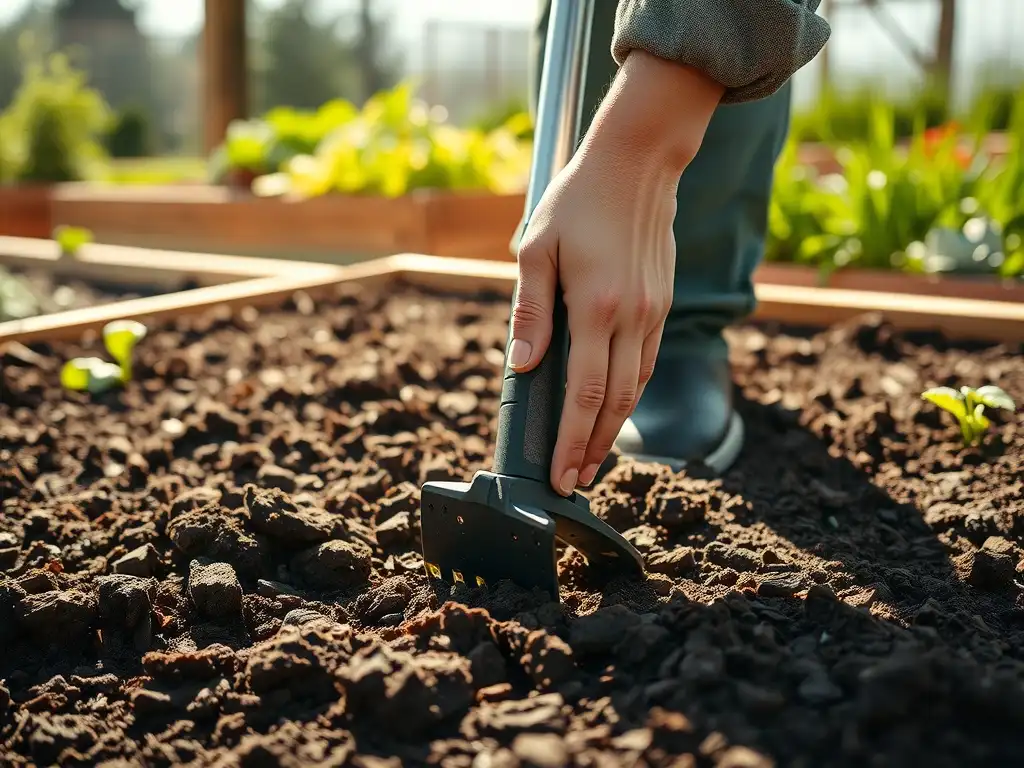
This section focuses on selecting the ideal electric cultivator for your raised bed gardening needs. Efficient soil preparation is crucial for successful cultivation, and choosing the right tool can significantly reduce the physical effort involved. We'll explore key factors to consider when making your purchase decision, ensuring you select a cultivator that perfectly matches your raised bed size and soil type. Remember, the right electric cultivator can transform your gardening experience, making it more enjoyable and less strenuous. Let's delve into the specifics of choosing the perfect electric cultivator for electric cultivator raised bed soil preparation.
Power and Motor Size: Matching the Cultivator to Your Raised Bed Size
The power of your electric cultivator, measured in amps and horsepower (HP), directly impacts its ability to cultivate different soil types and bed sizes. A larger raised bed, particularly one with compacted or clay-rich soil, will require a more powerful motor. Smaller, less powerful cultivators are suitable for smaller raised beds and lighter soils. Consider these points:
- Amperage (A): Higher amperage generally indicates greater power. Look for cultivators with amperage ratings appropriate for the size and soil type of your raised bed. A cultivator with a lower amperage might struggle with larger beds or heavy clay soils.
- Horsepower (HP): Horsepower is another indicator of power. A higher HP rating translates to more robust performance. However, more powerful motors often mean heavier and potentially less maneuverable cultivators.
- Tine Width: The width of the tines (the cultivating blades) determines how much soil the cultivator can process in a single pass. Wider tines are more efficient for larger raised beds, reducing the number of passes required.
Choosing the right power and motor size is about finding the balance between efficiency and maneuverability. For example, a small raised bed with sandy soil might only need a cultivator with 2 amps and 0.5 HP, while a large raised bed with heavy clay soil might benefit from a cultivator with 5 amps and 1.5 HP or more. Always check the manufacturer's specifications for recommended bed size and soil type.
Tine Configuration: Choosing the Right Tines for Different Soil Types
The configuration of the tines, or cultivating blades, significantly affects the cultivator's performance in different soil types. Different tines are designed to tackle various soil conditions effectively. Consider the following:
| Tine Type | Description | Best Suited For |
|---|---|---|
| Standard Tines | Straight, relatively narrow tines. | Light to medium-textured soils, general cultivation. |
| Heavy-Duty Tines | Wider, stronger tines, often with aggressive shaping. | Heavy clay soils, compacted soil, breaking up clods. |
| Aerating Tines | Designed with a specific shape to improve soil aeration and drainage. | Improving soil structure, reducing compaction. |
| Cultivating Tines | Designed to mix soil and organic matter more efficiently. | Mixing amendments, preparing seedbeds. |
Consider your soil type when selecting tines. Heavy clay soils benefit from heavy-duty tines that break up compacted earth. Lighter soils might only require standard tines for general cultivation. Some cultivators offer interchangeable tines, allowing you to adapt to different soil conditions or gardening tasks throughout the year. This adaptability is a significant advantage for versatile gardening.
Weight and Maneuverability: Ease of Use in Confined Spaces
The weight and maneuverability of the electric cultivator are crucial, especially when working in the confined spaces of raised beds. A heavy cultivator can be difficult to handle, especially for extended periods or in tight corners. Consider the following:
- Weight: Lighter cultivators are easier to maneuver, but may lack the power of heavier models. Find a balance between weight and power that suits your strength and the size of your raised bed.
- Handle Design: Ergonomic handles reduce strain and fatigue during extended use. Look for adjustable handles for customized comfort.
- Wheel Size and Type: Larger wheels generally make the cultivator easier to push and pull, especially over uneven terrain. Consider wheel type – some are better suited for soft soil than others.
Maneuverability is paramount in raised beds. A cultivator that's too heavy or unwieldy will make the gardening process more challenging. Read reviews to get an idea of how users find the cultivator's maneuverability, especially in confined spaces. Remember, a comfortable and easy-to-use cultivator will make the entire process of preparing your electric cultivator raised bed soil much more enjoyable.
Features to Consider: Adjustable Depth, Safety Features, and Cord Length
Choosing the right electric cultivator for your raised bed gardening project requires careful consideration of several key features. The depth adjustment, safety mechanisms, and cord length are particularly crucial for efficient and safe operation. Let's delve into each of these aspects.
The ability to adjust the cultivation depth is paramount. Different seeds and plants have varying depth requirements for optimal germination and root development. A cultivator with adjustable tines or a depth control lever allows you to tailor the soil preparation to the specific needs of each plant. For instance, smaller seeds like lettuce require shallower planting than larger seeds like beans. An adjustable depth setting ensures you won't damage delicate seeds or plant roots by cultivating too deeply.
Furthermore, the ability to adjust depth is also helpful for different stages of plant growth. You might need a shallower cultivation during the early growth phase to avoid damaging young roots and a deeper one later for aeration and weed control. Look for cultivators with clear depth markings or a simple, intuitive adjustment mechanism. A cultivator that only offers one fixed depth will severely limit its usefulness and versatility.
Safety should always be a top priority when operating power tools. Electric cultivators, while generally safe, can pose risks if not used correctly. Look for models with features designed to enhance safety. A crucial feature is a dead-man's switch, which automatically stops the cultivator when you release the handle. This prevents accidental injury or damage to your raised beds.
Other important safety considerations include a sturdy, ergonomic handle design that minimizes vibration and strain during use. A well-balanced cultivator is less likely to cause fatigue and accidental slips. Additionally, check for a robust safety guard that protects your hands and feet from the rotating tines. This guard should be securely attached and ideally made from durable, impact-resistant material. Never compromise on safety; a safer cultivator will ensure a more enjoyable and less risky gardening experience.
Finally, the cord length is a critical factor often overlooked. A short cord severely restricts your movement and can make cultivating even a relatively small raised bed cumbersome and inefficient. You'll constantly need to unplug and relocate the cultivator, interrupting your workflow. Opt for a cultivator with a reasonably long cord, ideally at least 25 feet (7.6 meters), to provide ample reach and maneuverability throughout your raised beds.
Consider the size and layout of your garden when selecting the cord length. A longer cord allows you to work continuously without constant interruptions, significantly increasing your efficiency and reducing frustration. For larger raised bed gardens or those with complex layouts, a longer cord is essential for seamless operation. A convenient cord wrap or storage feature is also a valuable addition, keeping the cord tidy and preventing tangles.
Top Electric Cultivators for Raised Beds: A Comparative Review
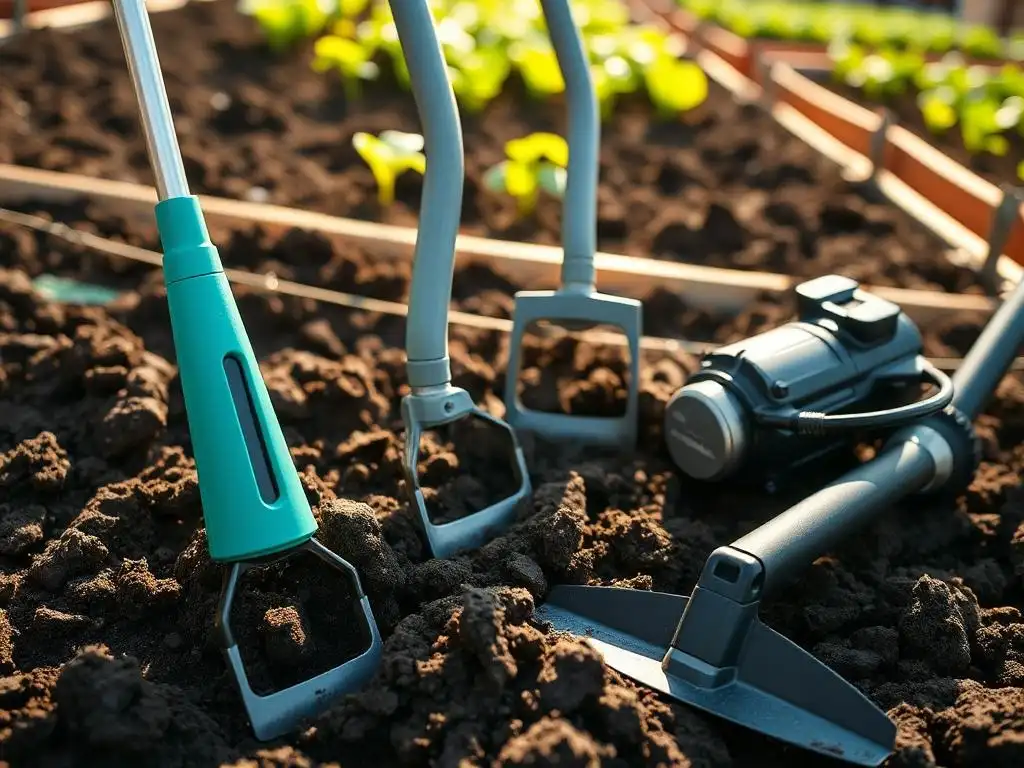
This section provides a detailed comparison of two popular electric cultivators ideal for preparing raised bed soil: the Sun Joe MJ401E-P and the Earthwise TC70016. Both offer efficient soil preparation with minimal physical exertion, crucial for maintaining healthy and productive raised beds. Choosing the right electric cultivator depends on your budget and the specific needs of your garden. We'll analyze their features, performance, and cost-effectiveness to help you make an informed decision for your electric cultivator raised bed soil preparation. Remember, proper soil preparation is paramount for successful gardening, and these tools can significantly ease the process.
Sun Joe MJ401E-P Electric Garden Tiller Review: Power and Versatility
The Sun Joe MJ401E-P is a popular choice among home gardeners seeking an electric cultivator for raised bed soil preparation. Its compact size and powerful motor make it suitable for various gardening tasks, exceeding simple tilling. It's a versatile tool that can handle different soil types with relative ease.
Sun Joe MJ401E-P: Features, Pros, and Cons
The Sun Joe MJ401E-P boasts several key features. Its lightweight design reduces strain during prolonged use, a significant advantage for those with limited physical strength or those working on large raised bed areas. The adjustable depth control allows for precise soil preparation, adapting to the specific needs of different plants. The durable construction ensures longevity, making it a worthwhile investment for the serious gardener.
| Feature | Description |
|---|---|
| Motor Power | [Specific horsepower rating pending] |
| Tilling Width | [Specific tilling width in inches pending] |
| Weight | [Specific weight in pounds pending] |
| Depth Adjustment | Adjustable, allowing for precise soil preparation |
| Cord Length | [Specific cord length in feet pending] |
Pros:
- Lightweight and easy to maneuver.
- Adjustable depth control for precise tilling.
- Relatively quiet operation compared to gas-powered tillers.
- Durable construction for long-term use.
- Versatile; can be used for various gardening tasks beyond tilling.
Cons:
- May struggle with very hard or compacted soil.
- Cord length might limit reach in larger raised bed areas.
- [Potential con pending – e.g., price point relative to other models]
Sun Joe MJ401E-P: Price and Where to Buy (Affiliate Link)
[Price information pending] The Sun Joe MJ401E-P is widely available at various online and brick-and-mortar retailers. Finding the best deal often involves comparing prices across different platforms.
Earthwise TC70016 Electric Tiller Review: Budget-Friendly Option
The Earthwise TC70016 presents a more budget-friendly alternative for those seeking an electric cultivator for raised bed soil. While offering less power than the Sun Joe MJ401E-P, it's still a capable tool for preparing soil in smaller raised beds or for lighter gardening tasks. It's a good option for beginners or those with smaller gardens.
Earthwise TC70016: Features, Pros, and Cons
This model prioritizes affordability without entirely sacrificing functionality. Its compact design makes it easy to store and transport. While it may not be as powerful as higher-end models, its lightweight nature is beneficial for users who prefer easier handling. The ease of assembly is a plus for those less experienced with power tools.
- The Earthwise TC70016 is a great option for smaller raised beds and lighter soil types.
- Its lightweight design makes it easy to maneuver. This reduces fatigue, especially during longer gardening sessions.
- The relatively lower price point makes it accessible to a wider range of gardeners.
Pros:
- Affordable price point.
- Lightweight and easy to handle.
- Simple assembly process.
- Suitable for smaller raised beds and lighter soil.
Cons:
- Less powerful than higher-end models.
- May struggle with larger raised beds or heavy clay soil.
- [Potential con pending – e.g., durability compared to higher-end models]
Earthwise TC70016: Price and Where to Buy (Affiliate Link)
[Price information pending] The Earthwise TC70016 is readily available from various online and physical retailers. Checking multiple sources before purchasing is recommended to secure the best price. Remember to compare features and specifications before making your final decision to ensure you find the best electric cultivator for your raised bed soil needs. 🌱
Black+Decker Cultivator Review: Compact Design for Small Raised Beds
The Black+Decker cultivator is a popular choice for gardeners with smaller raised beds or limited storage space. Its compact design makes it easy to maneuver in tight spaces, a significant advantage when working with raised bed gardening. The lightweight nature of the tool also reduces fatigue during prolonged use, a common issue with heavier, gas-powered cultivators.
This makes it an excellent option for those new to raised bed gardening or those who prefer a less strenuous approach to soil preparation. The ease of use is a major selling point, particularly for individuals with limited upper body strength or those recovering from injuries. Many users appreciate the simplicity of operation, requiring minimal assembly and a straightforward learning curve.
However, its smaller size also means it might not be ideal for large-scale projects or extremely compacted soil. The depth of tilling is relatively shallow compared to larger models, necessitating multiple passes for optimal soil preparation. This can be a trade-off for the convenience of its compact size.
Black+Decker Cultivator: Features, Pros, and Cons
The Black+Decker cultivator boasts several features designed for efficient and user-friendly soil preparation in raised beds. It typically features adjustable tilling depth, allowing users to customize the depth of soil cultivation based on their specific needs and the type of soil they are working with. The cultivator's lightweight design, typically under 10 pounds, significantly reduces user fatigue, allowing for longer work sessions with less physical strain. The compact size is a major advantage for maneuvering in confined spaces, such as narrow raised beds or areas with limited accessibility.
Its electric motor eliminates the need for gas, reducing emissions and simplifying maintenance. However, its power output might be insufficient for exceptionally hard or compacted soil. The depth of cultivation is limited compared to larger, more powerful models.
The relatively short cord length can restrict maneuverability, requiring the use of extension cords in larger raised beds. Additionally, the tines may not be as durable as those found on more expensive, heavier-duty models, potentially requiring replacement sooner. The overall durability, while generally good for its price point, isn't comparable to professional-grade cultivators.
Black+Decker Cultivator: Price and Where to Buy (Affiliate Link)
The Black+Decker cultivator typically falls within a mid-range price bracket for electric cultivators, making it an accessible option for many home gardeners. Its price is competitive with similar models offering comparable features. [Specific price information pending]. The exact price may vary depending on retailer, sales, and the specific model. This cultivator is widely available at most major home improvement stores and online retailers.
[Specific retailer information pending]. Checking multiple retailers is recommended to compare prices and find the best deal. Consider reading customer reviews before purchasing to get a better understanding of user experiences and potential issues. Remember to always check the warranty information provided by the manufacturer before making your purchase. Choosing the right retailer can influence factors such as shipping costs, return policies, and customer support.
Maintaining Your Electric Cultivator for Long-Term Performance
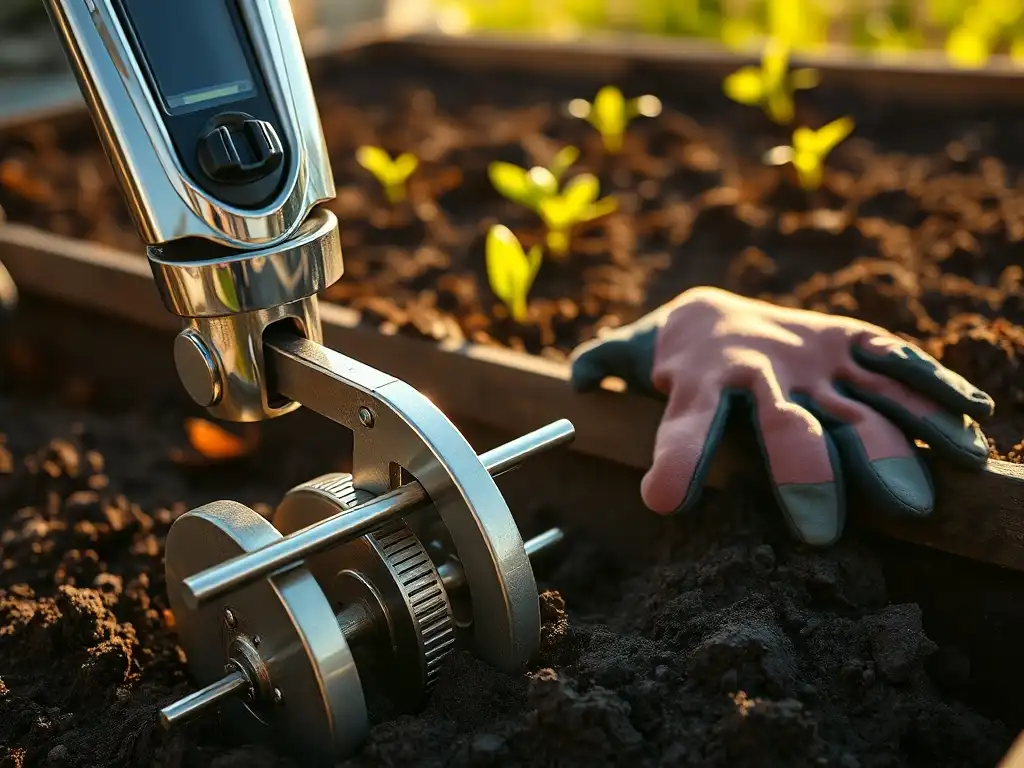
Maintaining your electric cultivator is crucial for maximizing its lifespan and ensuring consistently effective soil preparation in your raised beds. Neglecting regular maintenance can lead to premature wear, decreased performance, and ultimately, costly repairs or replacements. This section details the essential steps for keeping your electric cultivator in top condition, saving you time, money, and frustration in the long run. Proper care also ensures the tool remains a valuable asset in your sustainable and organic gardening practices.
Cleaning and Storage: Protecting Your Investment
Cleaning your electric cultivator after each use is paramount. Soil, debris, and plant matter can accumulate and clog moving parts, leading to reduced efficiency and potential damage. Begin by disconnecting the power source – always prioritize safety! Then, use a stiff brush or compressed air to remove any loose dirt from the cultivator's tines, housing, and motor. For stubborn caked-on soil, a damp cloth (never a water hose!) can be used, ensuring all parts are thoroughly dried before storage. Avoid using harsh chemicals or abrasive cleaners, as these can damage the cultivator's finish and components.
Once clean, store your electric cultivator in a dry, cool, and secure location, preferably indoors, to protect it from the elements and prevent accidental damage. Consider using a protective cover to further shield it from dust and moisture. Proper storage not only extends the lifespan of the cultivator but also safeguards your investment and ensures it's ready for use whenever you need it. Regularly inspecting the storage area for signs of rust or corrosion will prevent further damage. Think of it as preventative maintenance—a small effort that pays large dividends.
Troubleshooting Common Issues: Simple Fixes for Extended Lifespan
Even with proper cleaning and storage, occasional issues can arise. Understanding how to troubleshoot common problems can significantly extend the life of your electric cultivator. For example, if the cultivator is struggling to till the soil, check for clogged tines or a dull cutting edge. A simple sharpening with a file (if applicable to your model) might be all that’s needed. If the motor is overheating, ensure adequate ventilation and avoid overloading the cultivator by working in manageable sections.
Here's a table summarizing common problems and their potential solutions:
| Problem | Possible Cause(s) | Solution |
|---|---|---|
| Cultivator won't start | Dead battery (cordless models), power cord issue | Check battery charge/replace, inspect and replace damaged power cords. |
| Motor overheating | Overuse, clogged ventilation | Allow the motor to cool, clean ventilation openings. |
| Tines are not rotating properly | Clogged tines, damaged gears | Clean tines, consult the manual for gear-related troubleshooting. |
| Reduced tilling effectiveness | Dull tines, compacted soil | Sharpen tines (if applicable), till smaller areas at a time. |
Remember to always consult your cultivator's user manual for specific troubleshooting advice and safety precautions. Addressing minor issues promptly can prevent them from escalating into more significant problems, saving you time, money, and the frustration of a malfunctioning tool.
Regular Maintenance Schedule: Ensuring Optimal Performance
A regular maintenance schedule is key to keeping your electric cultivator running smoothly. A simple checklist can help ensure you don't miss crucial steps. Consider this schedule:
- After Each Use: Clean the cultivator thoroughly, as detailed above.
- Monthly: Inspect the tines for damage or dullness, tightening any loose bolts or screws. Check the power cord (if applicable) for any fraying or damage.
- Annually: Perform a more thorough inspection, lubricating moving parts as recommended by the manufacturer. Consider professional servicing if needed. This proactive approach ensures your electric cultivator remains a reliable tool for years of efficient soil preparation for your raised bed gardening.
By following this simple maintenance schedule, you'll significantly extend the lifespan of your electric cultivator, ensuring it remains a valuable asset in your journey towards cultivating healthy, organic produce in your raised beds. Remember, a well-maintained tool is a gardener's best friend! 🌱
Electric Cultivator vs. Manual Tools: A Cost-Benefit Analysis for Raised Bed Gardening
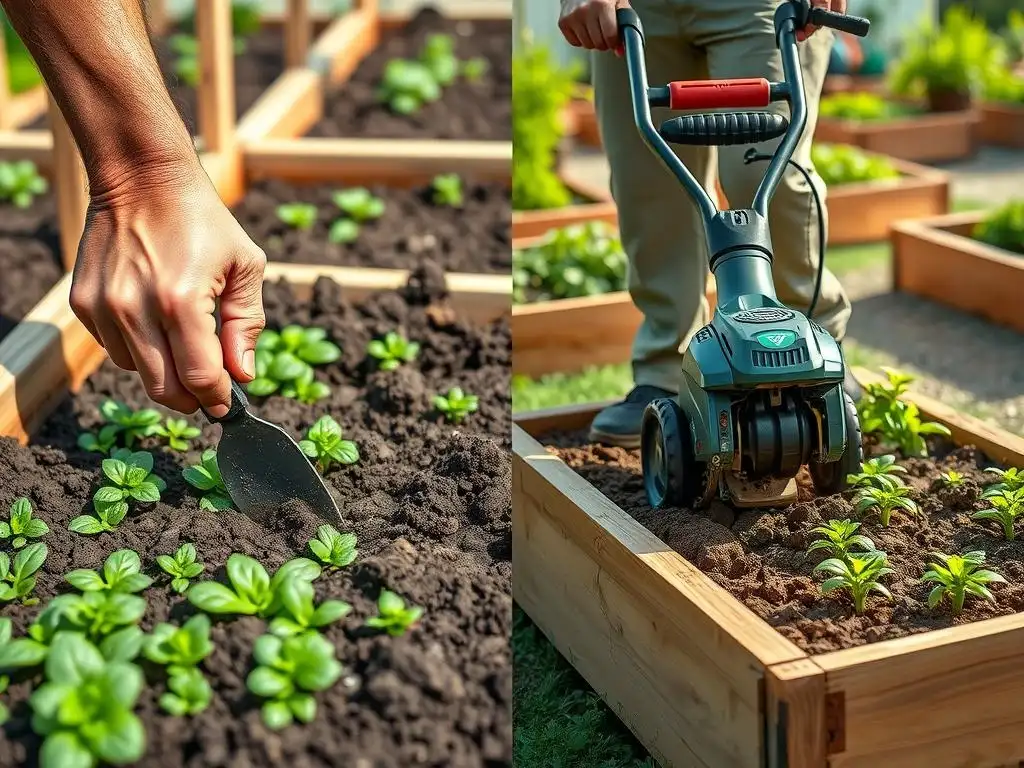
Choosing between an electric cultivator and manual tools for your raised bed gardening significantly impacts your long-term gardening experience. This section analyzes the cost-effectiveness of each approach, considering initial investment and ongoing expenses. Optimizing your soil preparation for planting is crucial, and the right tool can make all the difference in achieving a thriving garden. The key is to find the balance between upfront cost and long-term savings, aligning with your gardening needs and budget. The decision hinges on factors like garden size, soil type, and your personal physical capabilities.
Initial Investment vs. Long-Term Savings: Comparing Costs
The initial investment in an electric cultivator is considerably higher than purchasing a set of high-quality hand tools. A basic electric cultivator can cost anywhere from $100 to $300, while a more powerful model with additional features might exceed $500. In contrast, a comprehensive set of hand tools (trowel, cultivator, hoe, rake) can be acquired for under $100.
However, the long-term savings with an electric cultivator can be substantial, especially for larger raised beds or those with heavy clay soil. Manual tilling requires significant physical exertion and time, potentially leading to fatigue and back pain. An electric cultivator significantly reduces the physical labor involved, saving you time and energy over the growing season. Consider the potential cost of lost workdays due to gardening-related injuries when comparing the two options. While the initial outlay is higher, the electric cultivator minimizes the long-term cost of physical therapy or lost productivity.
| Tool Type | Initial Cost | Long-Term Costs (Labor, Maintenance) | Time Savings |
|---|---|---|---|
| Electric Cultivator | $100 - $500+ | Relatively Low (minor repairs, electricity) | Significant |
| Manual Tools | Under $100 | Higher (physical labor, potential injury) | Minimal to Moderate |
The long-term cost-benefit analysis often favors the electric cultivator, especially for gardeners with limited physical strength or those managing extensive raised beds. For smaller gardens, however, the manual tools might represent a more economical and practical solution.
Physical Effort and Time Commitment: Weighing the Pros and Cons
The most significant advantage of an electric cultivator for raised bed soil preparation is the reduction in physical exertion. Manual tilling, especially in compacted soil or larger beds, can be strenuous and time-consuming. This is particularly relevant for individuals with physical limitations or those who prefer a less physically demanding gardening experience.
Using an electric cultivator minimizes back strain, reduces fatigue, and allows for faster soil preparation. Think of the difference between spending an entire afternoon manually tilling a large bed versus completing the task in a fraction of the time with an electric cultivator. The time saved can then be allocated to other crucial gardening tasks, such as planting, watering, or pest control.
Conversely, manual tools offer a gentler approach to the soil, allowing for more precise control over the tilling process. This is beneficial for working with delicate seedlings or avoiding damage to existing plant roots. Manual tools also require less maintenance and are generally more environmentally friendly, lacking the reliance on electricity.
The choice depends on individual priorities. If minimizing physical effort and time commitment are paramount, an electric cultivator is the clear winner. If precise soil control and environmental friendliness are prioritized, manual tools might be the better option.
Suitability for Different Garden Sizes and Soil Types
The suitability of an electric cultivator for raised bed soil preparation depends heavily on the garden's size and the soil's type. For smaller raised beds (under 100 square feet), the benefits of an electric cultivator might not outweigh the initial cost and potential storage challenges. Manual tools often suffice for these smaller spaces, providing greater control and maneuverability.
However, for larger raised beds or gardens with multiple beds, the efficiency of an electric cultivator becomes increasingly advantageous. The time saved significantly increases with the size of the area to be cultivated. The electric cultivator’s power also makes it more effective in dealing with compacted or heavy clay soils, where manual tilling can be exceptionally challenging and time-consuming. Conversely, extremely loose or sandy soil might not require the power of an electric cultivator, and manual tools might be sufficient.
Therefore, careful consideration of your garden's size and the characteristics of your soil is crucial in determining whether an electric cultivator is the right tool for you. Consider the long-term benefits of reduced physical strain and time savings when evaluating the suitability for your specific gardening context. The electric cultivator, while representing a larger initial investment, can prove to be a worthwhile purchase for those with larger gardens or challenging soil conditions.
Tips and Tricks for Using an Electric Cultivator in Raised Beds
This section provides practical advice for maximizing the efficiency and effectiveness of electric cultivators in raised bed soil preparation. We'll explore pre-cultivation steps, optimal cultivation techniques, and common pitfalls to avoid. Remember, proper technique is key to achieving a finely tilled, weed-free seedbed for your plants.
Preparing the Soil Before Cultivation: Removing Debris and Rocks
Before you even think about powering up your electric cultivator, proper soil preparation is crucial. This significantly reduces the risk of damaging your equipment and ensures a smoother cultivation process. Think of it as preventative maintenance for both your tools and your raised beds.
First, manually remove any large debris like sticks, stones larger than an inch or two, and persistent weeds. A thorough initial cleanup will prevent these items from jamming or damaging the cultivator's tines. This step might seem tedious, but it's a vital investment in the longevity of your equipment and the success of your planting. Consider using gloves and garden tools like a trowel or hand rake to make this process easier and safer.
Next, assess the soil's moisture content. Ideally, the soil should be slightly moist but not waterlogged. Too dry soil will be difficult to cultivate and could lead to the cultivator's tines bouncing and skipping across the surface, resulting in uneven tilling. Conversely, excessively wet soil will be too heavy and sticky, potentially causing the tines to clog and the motor to overheat. Aim for a consistency that resembles moist breadcrumbs. A soil moisture meter can help you achieve this optimal condition consistently.
Cultivating Techniques for Optimal Results: Depth and Pass Strategies
The depth of cultivation and the number of passes you make with your electric cultivator significantly impact the final soil texture and the health of your plants. Over-cultivation can damage beneficial soil organisms, while insufficient cultivation leaves the soil compacted and poorly aerated. Finding the right balance is key to success.
For most raised bed applications, a cultivation depth of 4-6 inches is usually sufficient. This depth allows for adequate soil aeration and root penetration, while avoiding the disruption of deeper soil layers containing beneficial microorganisms. Always refer to your cultivator's manual for the recommended depth setting and never exceed the maximum depth.
Regarding passes, a single pass might not be sufficient for heavily compacted or weedy soil. Multiple passes, typically in perpendicular directions (e.g., first lengthwise, then crosswise), are generally recommended for optimal soil preparation. This ensures thorough mixing and breaking up of soil clumps, resulting in a finer, more uniform tilth. Observe the soil after each pass to determine if additional passes are necessary. The goal is a consistently crumbly texture, free of large clods. Remember, less is sometimes more; avoid excessive tilling.
Avoiding Common Mistakes: Preventing Damage to Plants and Equipment
Even with careful preparation and technique, there's always a risk of damaging your plants or equipment. Understanding these common mistakes and how to avoid them is crucial for a smooth and productive gardening experience.
- Overloading the cultivator: Don't try to cultivate too large an area at once. Work in manageable sections, and avoid forcing the cultivator through particularly dense or rocky patches. This prevents strain on the motor and reduces the likelihood of damage to the tines.
- Ignoring safety precautions: Always wear appropriate safety gear, including gloves, eye protection, and sturdy footwear. Keep children and pets away from the operating cultivator. Never operate the equipment near electric lines or in wet conditions.
- Neglecting maintenance: Regularly inspect your electric cultivator for signs of wear and tear. Clean the tines after each use to remove any soil buildup. Lubricate moving parts as recommended in the manufacturer’s instructions. Proper maintenance prolongs the life of your equipment and ensures optimal performance.
- Incorrect soil moisture: As mentioned earlier, cultivate only when the soil is appropriately moist. Avoid cultivating in extremely dry or waterlogged conditions, which can damage the equipment and lead to uneven soil preparation.
By following these tips and avoiding common mistakes, you can effectively utilize your electric cultivator to prepare your raised bed soil with minimal effort and maximum results. Remember, a well-prepared seedbed is the foundation for a bountiful harvest!
Frequently Asked Questions
What is an electric cultivator, and how does it benefit raised bed gardening?
An electric cultivator is a small, powered tiller ideal for raised beds. It helps prepare soil efficiently, breaking up clumps and mixing amendments with minimal physical effort compared to manual tools. This saves time and energy.
Can any electric cultivator be used in a raised bed?
No, the size and power of the cultivator are crucial. Choose a model specifically designed for smaller spaces like raised beds to avoid damaging the structure or plants. Check the cultivator's width and depth capabilities.
How deep can an electric cultivator till in a raised bed?
The tilling depth depends on the specific cultivator model and the soil conditions. Most models can cultivate to a depth of several inches, sufficient for most raised bed gardening needs. Always refer to the manufacturer's specifications.
What types of soil are best suited for electric cultivators in raised beds?
Electric cultivators work best in relatively loose and dry soils. Very hard, compacted, or excessively wet soil may be difficult to till effectively. Amendments like compost can improve soil tilth and make cultivation easier.
What are the advantages of using an electric cultivator over manual tools for raised bed soil preparation?
Electric cultivators offer significantly reduced physical effort, increased speed and efficiency, and better soil preparation compared to manual tools like hand rakes and hoes. This is especially beneficial for larger raised beds or individuals with limited physical strength.
Final Reflection: Cultivating a Greener Future, One Raised Bed at a Time
The rise of electric cultivators signifies a pivotal shift in how we approach gardening, offering a sustainable and efficient path to preparing fertile soil for raised beds. This isn't just about minimizing physical exertion; it's about embracing technology to create healthier, more productive gardens, reducing our environmental impact in the process. The convenience and ease of use offered by electric cultivators are transforming the gardening experience for a wider range of individuals, making the joy of homegrown produce accessible to more people.
The impact of readily available, efficient gardening tools like electric cultivators extends far beyond the individual garden. They represent a growing awareness of the importance of sustainable practices and the desire for a closer connection to our food sources. This shift is vital in a world grappling with climate change and food security concerns. The future of agriculture depends on our ability to innovate and adopt sustainable practices. Small changes, like using electric cultivators, can have a significant cumulative effect.
This quote underscores the importance of embracing even seemingly small advancements that contribute to a larger, positive change.
Consider the potential within your own reach. You have the power to cultivate not only fertile soil, but also a deeper connection with nature and a more sustainable lifestyle. Embrace the convenience and efficiency of electric cultivators, and watch as your raised beds transform into thriving oases of productivity and beauty. Let this be the beginning of your journey towards a greener, more fulfilling gardening experience.
Unleash Your Inner Gardener: Cultivate the Perfect Raised Bed Today!
Thanks for exploring the world of electric cultivators! We hope you feel empowered to easily manage even the toughest soil. Ready to get started? Here’s what you can do next:
- Transform your raised bed: Prepare the perfect seedbed using your electric cultivator. Share your progress with a before-and-after photo!
- Share your experience: Tell us about your favorite cultivator model or a gardening tip you've learned. We love hearing from our community!
- Experiment with different techniques: Try your cultivator with various soil types and seed starting mixes to discover what works best for you.
What innovative gardening technique will you try in your newly prepared raised bed?