
The Future of Irrigation: Innovations in Sustainable Watering Practices

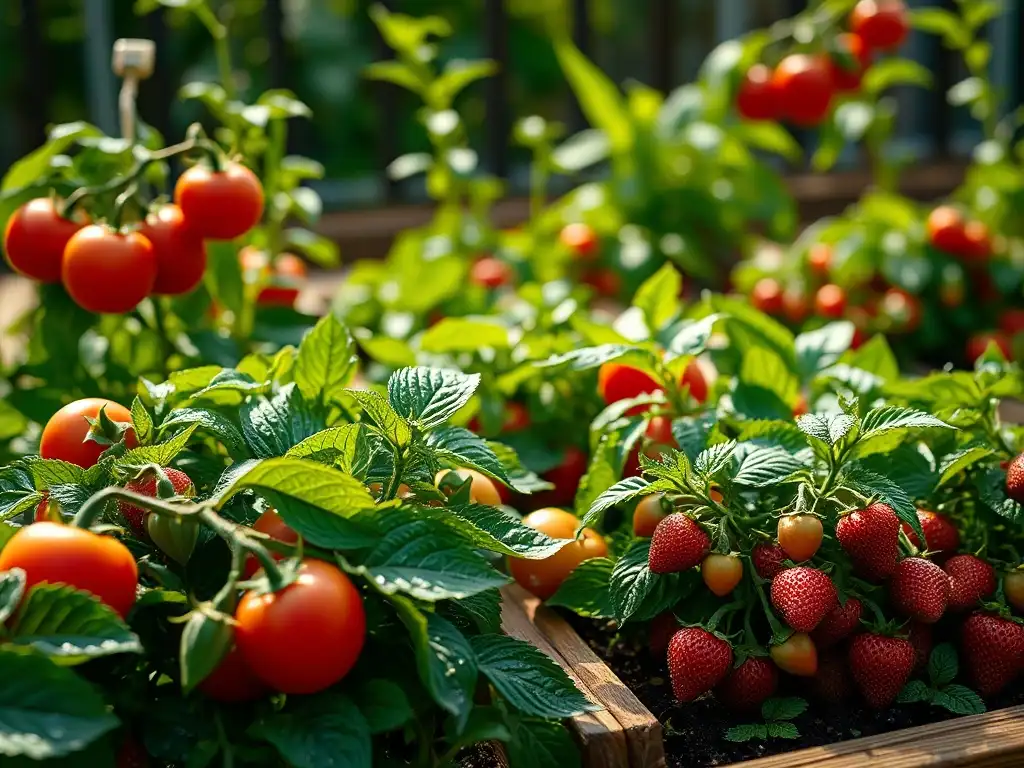
Ready to transform your garden into a thriving, eco-friendly oasis? At CultivateYourFood, we believe everyone can grow their own food, sustainably. Discover the secrets to bountiful harvests with our expert guides, covering everything from seed to table. Learn how to revolutionize your gardening practices with our in-depth exploration of Sustainable Home Irrigation Systems – a game-changer for water conservation and plant health. Dive in and unlock the potential of your own backyard garden!
- Understanding the Need for Sustainable Home Irrigation Systems
- Exploring Innovative Sustainable Irrigation Solutions
-
Choosing the Right Sustainable Irrigation System for Your Garden
- Assessing Your Garden's Specific Needs: Soil Type, Plant Variety, and Sunlight Exposure
- Calculating Your Water Requirements: Understanding Evapotranspiration
- Budget Considerations: Comparing Prices and Long-Term Savings of Different Systems
- DIY vs. Professional Installation: Weighing the Pros and Cons
- Maintaining Your Sustainable Home Irrigation System
- The Future of Sustainable Irrigation Technology
- Conclusion: Embracing Sustainable Watering Practices for a Thriving Garden
-
Frequently Asked Questions
- What is a sustainable home irrigation system?
- How does a sustainable system benefit my garden?
- What are some examples of sustainable irrigation techniques?
- Are sustainable systems more expensive to install than traditional methods?
- Where can I learn more about designing a sustainable irrigation system for my home?
- Final Reflection: Nurturing a Sustainable Future, One Drop at a Time
- Unleash Your Garden's Potential: Embrace Sustainable Irrigation
Understanding the Need for Sustainable Home Irrigation Systems
The increasing global demand for fresh produce, coupled with the escalating effects of climate change, necessitates a critical re-evaluation of our traditional agricultural and home gardening practices. Water scarcity is a growing concern, impacting both large-scale farming and individual gardens. This article delves into the future of home irrigation, focusing on innovative and sustainable watering techniques that minimize environmental impact while maximizing yields.
We'll explore how smart irrigation systems can help you conserve water, reduce your carbon footprint, and cultivate a thriving garden, all while embracing sustainable and organic principles. The shift towards sustainable home irrigation systems is not merely a trend; it's a crucial step towards responsible gardening and a more environmentally conscious lifestyle.
Mastering efficient water management is key to the long-term health and productivity of your home garden and contributes to a healthier planet. This guide will equip you with the knowledge to choose the best sustainable home irrigation system for your specific needs and contribute to a greener future.
The Environmental Impact of Traditional Irrigation Methods
Traditional irrigation methods, such as flood irrigation and overhead sprinklers, often lead to significant water waste and environmental damage. Flood irrigation, for example, results in substantial runoff and evaporation, leading to inefficient water use and potential soil erosion. Overhead sprinklers, while more targeted than flood irrigation, still suffer from significant water loss through evaporation and wind drift, particularly in hot and windy conditions. Furthermore, the overuse of water can deplete groundwater resources and contribute to soil salinization, negatively impacting soil health and long-term productivity.
The energy consumption associated with pumping and distributing water in traditional systems is also a considerable factor, contributing to greenhouse gas emissions. These factors highlight the urgent need for more efficient and environmentally friendly irrigation solutions. Consider this: a single poorly managed sprinkler system can waste hundreds of gallons of water per week, which translates to significant water bills and environmental strain.
Water Conservation: A Crucial Aspect of Sustainable Gardening
Water conservation is paramount in sustainable gardening. By implementing efficient irrigation techniques, gardeners can significantly reduce their water consumption without compromising plant health or yield. This not only translates into lower water bills but also reduces the strain on local water resources and minimizes the environmental impact of gardening practices. Several strategies contribute to water conservation, including:
- Choosing drought-tolerant plants: Selecting plant varieties adapted to your climate significantly reduces water requirements.
- Mulching: Applying a layer of mulch around plants helps retain soil moisture, reducing the frequency of watering.
- Drip irrigation: This method delivers water directly to the roots, minimizing evaporation and runoff.
- Rainwater harvesting: Collecting rainwater for irrigation provides a sustainable and cost-effective water source.
Implementing these strategies can lead to substantial water savings. For example, a study found that using drip irrigation reduced water consumption by 50% compared to overhead sprinklers. The cumulative effect of even small water-saving measures across numerous gardens can have a significant positive impact on water resources.
Reducing Water Waste with Smart Irrigation Techniques
Smart irrigation technologies represent a significant advancement in sustainable watering practices. These systems utilize sensors, weather data, and soil moisture monitoring to optimize water delivery, minimizing waste and maximizing efficiency. Smart controllers adjust watering schedules based on real-time conditions, ensuring that plants receive the precise amount of water they need, preventing overwatering and underwatering.
Some systems even incorporate soil moisture sensors that directly measure the water content in the soil, providing highly accurate data for irrigation scheduling. Furthermore, smart irrigation systems often integrate with weather forecasts, automatically adjusting watering schedules based on predicted rainfall, preventing unnecessary watering during rainy periods. The adoption of these technologies represents a significant step towards more responsible and environmentally conscious gardening practices, enabling gardeners to conserve water, reduce costs, and contribute to a more sustainable future.
The benefits extend beyond simple water savings; they contribute to healthier plants, richer soil, and a reduced environmental footprint. This represents a paradigm shift in gardening, moving away from guesswork towards data-driven, optimized watering.
The Economic Benefits of Efficient Irrigation Systems
Efficient irrigation systems, a cornerstone of sustainable home gardening, offer significant economic advantages beyond the environmental benefits. Water, a precious resource, is increasingly expensive in many regions. By optimizing water usage, sustainable irrigation systems directly translate to lower water bills.
This saving can be substantial, especially for larger gardens or those in areas with high water costs. For instance, a homeowner transitioning from a traditional sprinkler system to a drip irrigation system could see a reduction in their water bill by as much as 50%, depending on factors like garden size, climate, and the specific systems used. This reduction isn't a mere percentage; it represents real, tangible savings that accumulate over time, potentially offsetting the initial investment in a more sustainable system within a few years.
Furthermore, efficient irrigation leads to healthier plants. Overwatering can lead to root rot and other diseases, necessitating costly replacements or treatments. Conversely, precise water delivery through drip irrigation or other efficient methods minimizes the risk of such issues, resulting in stronger, more productive plants.
A healthier yield directly translates into economic benefits, particularly for those growing fruits, vegetables, or herbs for consumption or sale. The increased yield from healthier plants easily offsets the cost of the initial investment in a sustainable irrigation system, making it a financially sound decision in the long run. The monetary value of this increased yield varies greatly depending on the types of plants and market prices, but the principle remains constant: healthier plants mean greater economic returns.
Beyond direct cost savings on water and plant health, efficient irrigation can also lead to reduced labor costs. Traditional watering methods often require significant manual effort, especially in larger gardens. Sustainable systems, many of which are automated, drastically reduce the time spent watering, freeing up valuable time for other gardening tasks or other pursuits.
This time saved represents a significant indirect economic benefit, although quantifying it precisely is challenging. It can be considered in terms of the opportunity cost: the potential earnings or value of the time saved that could have been spent on other income-generating activities or leisure pursuits. This hidden economic advantage is often overlooked but is a key element in evaluating the overall economic value of a sustainable home irrigation system.
Exploring Innovative Sustainable Irrigation Solutions
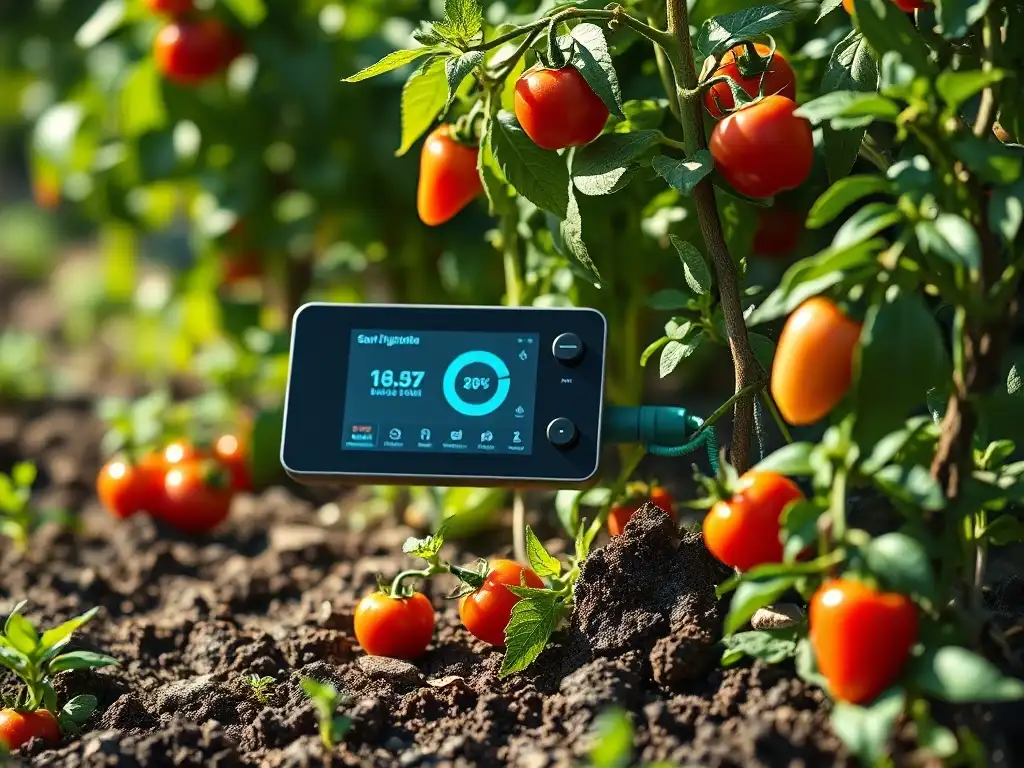
This section delves into the specifics of several innovative and sustainable home irrigation systems, focusing on their practical applications and benefits for home gardeners. We'll examine the efficiency, ease of use, and environmental impact of each system, helping you choose the best option for your needs and contribute to a more sustainable gardening practice. The goal is to provide you with the knowledge to select the most effective sustainable home irrigation systems for your unique garden.
Drip Irrigation Systems: A Deep Dive into Efficiency
Drip irrigation, a highly efficient method of water delivery, delivers water directly to the roots of plants, minimizing water waste and maximizing water uptake. This targeted approach significantly reduces evaporation compared to traditional overhead watering methods. The system uses a network of tubes and emitters to deliver water slowly and steadily, allowing for deep root penetration and healthier plant growth. This is particularly beneficial in arid climates or during periods of drought.
Features and Benefits of Drip Irrigation
Drip irrigation systems boast several key features contributing to their efficiency and sustainability:
- Precision Watering: Water is delivered directly to plant roots, avoiding wetting foliage and reducing the risk of fungal diseases.
- Reduced Water Waste: Minimizes evaporation and runoff, conserving precious water resources.
- Improved Soil Health: Encourages deeper root growth leading to healthier, more drought-tolerant plants.
- Fertilizer Application: Many systems allow for the simultaneous application of fertilizers, reducing labor and optimizing nutrient delivery.
- Automated Control: Advanced systems offer programmable timers and sensors for automated watering schedules, enhancing convenience and efficiency.
Advantages and Disadvantages of Different Drip Irrigation Systems
Several types of drip irrigation systems exist, each with its own set of advantages and disadvantages:
| System Type | Advantages | Disadvantages |
|---|---|---|
| Gravity-fed Systems | Low cost, simple setup, reliable. | Limited pressure, not suitable for large areas or hilly terrain. |
| Pressure-compensating Systems | Consistent water flow even across uneven terrain. | Higher initial cost. |
| Subsurface Drip Systems | Reduced evaporation, weed suppression, improved soil temperature regulation. | Higher installation cost, potential for clogging. |
Setting up a Drip Irrigation System: A Step-by-Step Guide
Setting up a drip irrigation system involves several key steps:
- Planning: Map out your garden and determine the water requirements of each plant.
- Materials: Acquire the necessary components, including tubing, emitters, fittings, and a water source.
- Installation: Lay the tubing and connect the emitters, ensuring proper spacing and water pressure.
- Testing: Run a test to check for leaks and adjust water flow as needed.
- Maintenance: Regularly flush the system to prevent clogging and ensure optimal performance.
Soaker Hoses: A Simple Yet Effective Solution for Sustainable Watering
Soaker hoses provide a straightforward and sustainable method for watering gardens. These porous hoses slowly release water along their length, providing even moisture to the soil around plants. Their simplicity makes them a popular choice for home gardeners seeking a low-maintenance, water-efficient irrigation solution. They are particularly effective for smaller gardens or raised beds.
Review and Comparison of Soaker Hose Products
The market offers a variety of soaker hoses made from different materials, each with its own lifespan and performance characteristics. For example, rubber soaker hoses tend to be more durable than vinyl ones, but also more expensive. Choosing the right material depends on your specific needs and budget. Data on the longevity and water permeability of various materials is [specific information pending]. A comparison table outlining the performance characteristics of different soaker hose materials would be beneficial here.
Best Practices for Using Soaker Hoses for Optimal Water Uptake
To maximize the effectiveness of your soaker hoses:
- Proper Placement: Lay hoses directly on the soil, ensuring even coverage around plants. Avoid placing them on top of mulch, as this can hinder water penetration.
- Water Pressure: Adjust water pressure to prevent excessive runoff or inadequate watering.
- Regular Flushing: Periodically flush the hoses to remove sediment and prevent clogging.
- Winter Storage: Drain and store hoses properly during winter months to prevent damage. Proper care will extend the lifespan of your soaker hoses, contributing to long-term sustainability.
Smart Irrigation Controllers: Optimizing Water Usage with Technology
Smart irrigation controllers represent a significant leap forward in sustainable home irrigation systems. These devices go beyond basic timers, offering sophisticated features designed to conserve water and optimize plant health. Instead of relying on a fixed schedule, smart controllers analyze various factors to determine the precise amount of water needed, minimizing waste and maximizing efficiency. This intelligent approach is crucial for responsible water management, especially in regions facing water scarcity. The result is a healthier garden with less environmental impact. The initial investment in a smart controller can quickly pay for itself through reduced water bills and healthier plants.
Features and Automated Watering Schedules of Smart Controllers
A key feature of smart irrigation controllers is their ability to create customized watering schedules based on specific plant needs. Many models allow users to program different zones within their garden, each with its own unique watering schedule. This is particularly beneficial for gardens with diverse plant species, each having varying water requirements. For example, a vegetable patch might need more frequent watering than a drought-tolerant herb garden. Furthermore, sophisticated algorithms adjust watering schedules based on real-time conditions, ensuring plants receive the optimal amount of water without overwatering or underwatering.
Some controllers even offer features like "rain delay," automatically postponing watering when precipitation is detected. This prevents unnecessary water waste during rainy periods. The ease of use varies between models; some offer intuitive mobile apps, while others may require more technical expertise. Choosing a controller with a user-friendly interface is essential for a seamless experience.
Integration with Weather Data and Soil Sensors in Smart Irrigation Systems
The most advanced smart irrigation controllers integrate with external sensors and weather data to further refine watering schedules. Integration with weather stations provides real-time information on rainfall, temperature, and humidity, enabling the controller to adjust watering schedules accordingly. For example, if heavy rain is predicted, the controller will automatically delay or skip watering for that day. Similarly, high temperatures can trigger increased watering, while cooler temperatures can reduce the frequency. The incorporation of soil moisture sensors provides even greater precision.
These sensors are placed directly in the soil and monitor moisture levels, providing accurate data to the controller. This eliminates guesswork and ensures plants receive water only when needed, preventing both overwatering and underwatering. This level of precision is crucial for optimizing water usage and promoting healthy plant growth. The data collected by these sensors can also provide valuable insights into soil conditions and irrigation effectiveness.
Connecting Smart Controllers to Existing Irrigation Setups
One of the significant advantages of smart irrigation controllers is their adaptability. Many models are designed to be compatible with existing irrigation systems, making the upgrade process relatively straightforward. This eliminates the need for a complete system overhaul, saving both time and money. The installation process typically involves connecting the smart controller to the existing wiring and valves. Some controllers may require professional installation, especially for complex systems.
However, many are user-friendly enough for DIY installation, provided the user possesses basic plumbing knowledge. The ability to integrate with existing setups makes smart controllers an accessible and cost-effective way to improve water efficiency in established gardens. This accessibility is a crucial factor in promoting the adoption of sustainable irrigation practices among homeowners. The transition to a smart controller is often a simple step towards a more environmentally conscious and efficient garden.
Choosing the Right Sustainable Irrigation System for Your Garden
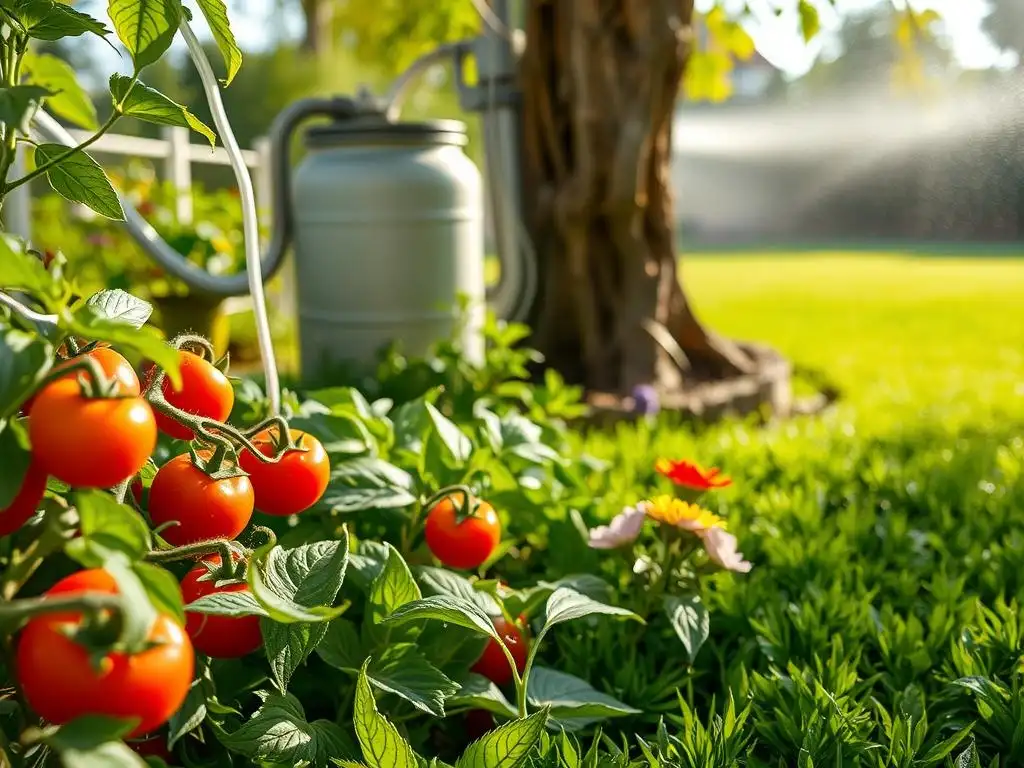
This section delves into the crucial first steps in selecting a sustainable home irrigation system perfectly suited to your needs. Ignoring these initial assessments can lead to inefficient water use, plant stress, and ultimately, a less bountiful harvest. Remember, choosing the right system is paramount for achieving successful and sustainable gardening.
Assessing Your Garden's Specific Needs: Soil Type, Plant Variety, and Sunlight Exposure
Before investing in any irrigation system, a thorough understanding of your garden's unique characteristics is essential. This involves carefully analyzing three key factors: soil type, plant variety, and sunlight exposure.
Different soil types retain water at vastly different rates. Sandy soils, for example, drain quickly, requiring more frequent watering than clay soils, which tend to retain moisture for longer periods. Understanding your soil's texture – whether sandy, silty, loamy, or clay – directly impacts your irrigation system choice. A sandy soil might benefit from a drip irrigation system with frequent, shorter watering cycles, while clay soil might need a less frequent, deeper watering approach, perhaps utilizing a soaker hose system.
The water requirements of your chosen plants are equally crucial. A thirsty tomato plant will have vastly different needs compared to a drought-tolerant succulent. Consider the mature size of your plants; larger plants naturally require more water. Research the specific water needs of each plant species in your garden to tailor your irrigation schedule accordingly. Consult seed packets, plant tags, or reliable gardening resources for this information.
Sunlight exposure significantly influences evapotranspiration – the process by which water is lost from the soil and plants through evaporation and transpiration. Areas with intense sunlight will experience higher evapotranspiration rates, demanding more frequent irrigation. Conversely, shaded areas will require less frequent watering. Observe your garden throughout the day to determine sun exposure patterns and adjust your irrigation accordingly. This careful assessment ensures efficient water usage and prevents both underwatering and overwatering, crucial components of sustainable gardening.
Calculating Your Water Requirements: Understanding Evapotranspiration
Accurately calculating your garden's water requirements is key to efficient and sustainable irrigation. This involves understanding evapotranspiration (ET), the combined process of water evaporation from the soil surface and transpiration from plants. ET is influenced by several factors including temperature, humidity, wind speed, and solar radiation. While precise ET calculations often involve specialized tools and weather data, a simplified approach can provide a reasonable estimate.
One method involves using a reference ET value, often available from local weather stations or online resources. This value represents the ET for a specific reference crop (often grass) under standard conditions. You can then adjust this value based on your garden's specific characteristics, such as plant type and canopy cover. For instance, a dense canopy will reduce ET compared to sparse vegetation.
Another approach involves monitoring soil moisture. A simple soil moisture meter can provide valuable data on the water content in your soil. This allows you to water only when necessary, avoiding unnecessary water waste. Regularly checking soil moisture levels, especially during dry spells, helps you refine your irrigation schedule and optimize water usage. Remember, consistency is key; regular monitoring allows you to fine-tune your watering to the specific needs of your plants and soil, minimizing waste and maximizing efficiency.
Budget Considerations: Comparing Prices and Long-Term Savings of Different Systems
Sustainable home irrigation systems offer a range of price points, reflecting varying levels of complexity and features. While initial costs can vary significantly, considering long-term savings related to water conservation and reduced labor is crucial.
Drip irrigation systems, known for their water efficiency, typically represent a moderate initial investment. However, their long-term savings in water bills can be substantial, especially in drier climates. The upfront cost includes purchasing drip tubing, emitters, and a timer. Soaker hoses represent a more budget-friendly option, though they may not offer the same level of precision as drip irrigation.
More advanced systems, such as automated sprinkler systems, involve higher initial costs due to the installation of underground piping and sophisticated controllers. However, these systems offer convenience and can be programmed for optimal watering schedules, contributing to long-term water conservation. Factors such as the size of your garden, the complexity of the layout, and the level of automation desired will all influence the overall cost.
When comparing systems, carefully weigh the initial investment against projected long-term savings on water bills and labor. Remember to factor in the cost of maintenance and potential repairs. A well-maintained, efficient system will provide significant long-term benefits, contributing to both a thriving garden and a sustainable approach to water management. Investing in a high-quality system that meets your needs and budget will ensure a return on investment through years of productive and sustainable gardening.
DIY vs. Professional Installation: Weighing the Pros and Cons
Choosing between a DIY installation and hiring a professional for your sustainable home irrigation system is a crucial decision impacting both cost and effectiveness. Let's weigh the pros and cons of each approach.
A DIY installation offers significant cost savings. You'll only pay for the materials, avoiding labor charges that can substantially inflate the project's overall price. This is particularly attractive for smaller gardens or simpler systems. Furthermore, the hands-on experience provides a deeper understanding of your system, allowing for easier troubleshooting and maintenance down the line. You'll gain valuable knowledge about your garden's water needs and the intricacies of your chosen irrigation method.
This empowers you to make informed adjustments as needed, optimizing water usage and plant health over time. However, DIY projects require time, patience, and a certain level of technical skill. Improper installation can lead to leaks, inefficient water distribution, or even damage to your plants. Without proper expertise, you might overlook crucial aspects like water pressure regulation or soil type considerations, potentially negating the benefits of a sustainable approach.
Professional installation, while more expensive upfront, offers several advantages. Experienced professionals possess the knowledge and tools to ensure a precise and efficient system setup. They can assess your garden's specific requirements, including soil type, sun exposure, and plant density, to design a customized irrigation plan. This expertise minimizes the risk of errors and ensures optimal water delivery, maximizing your plants' growth and minimizing water waste – a key element of sustainable gardening. Professional installers often offer warranties on their work, providing peace of mind and covering potential issues arising from faulty installation. They'll also be familiar with local regulations and building codes related to irrigation systems, ensuring compliance and avoiding potential penalties. However, the higher initial cost is a significant drawback. Finding a reputable and experienced installer specializing in sustainable irrigation systems may require some research and could lead to scheduling delays.
Ultimately, the best choice depends on your budget, technical skills, and the complexity of your desired irrigation system. For smaller, simpler systems, a DIY approach might be feasible. However, for larger gardens or more complex setups, the expertise and peace of mind provided by a professional installation often outweigh the higher initial cost, especially considering the long-term benefits of efficient and sustainable water management. Careful consideration of these factors will help you make the most informed decision for your sustainable home irrigation system.
Maintaining Your Sustainable Home Irrigation System
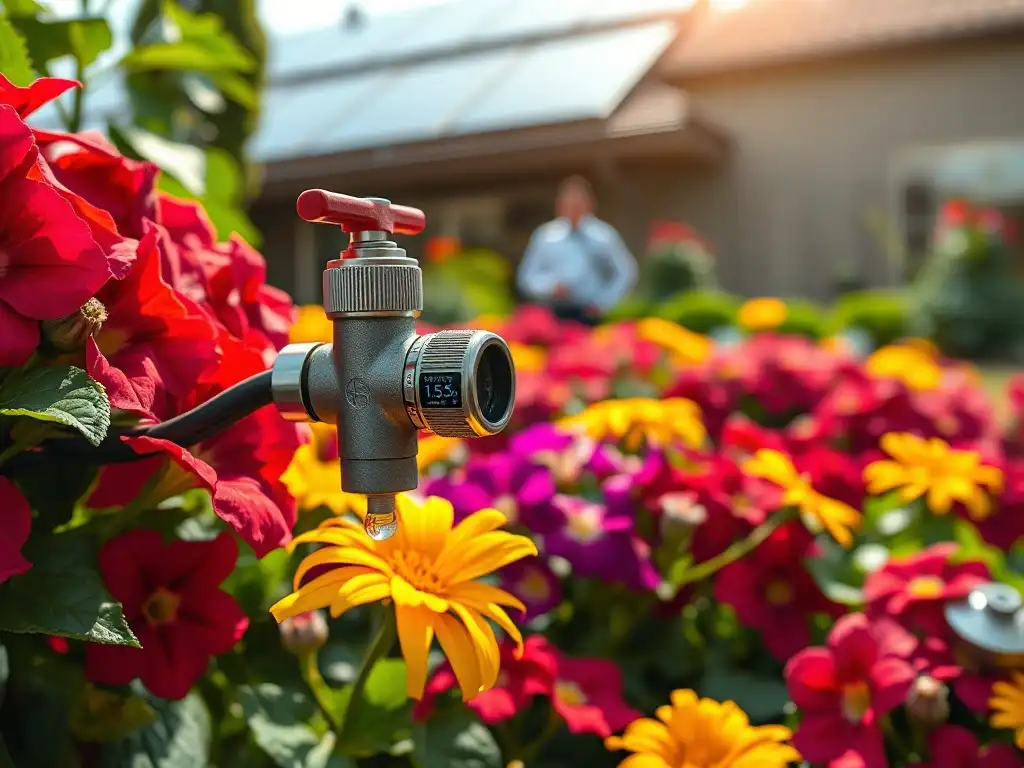
Efficient and long-lasting operation of your sustainable home irrigation system hinges on consistent maintenance. Neglecting regular upkeep can lead to decreased efficiency, water waste, and ultimately, damage to your plants. This section details crucial maintenance steps to ensure your system thrives, saving you money and maximizing your garden's yield. Proper maintenance is key to reaping the benefits of your investment in sustainable gardening practices.
Regular System Check-Ups and Maintenance: Preventing Clogs and Leaks
Regular inspections are the cornerstone of effective sustainable home irrigation system maintenance. Aim for weekly checks during peak growing seasons and monthly checks during less active periods. These check-ups should include:
- Visual Inspection: Carefully examine all components of your system, including tubing, drip emitters, soaker hoses, and valves. Look for any signs of leaks, cracks, or damage. Pay close attention to areas where the tubing connects to fittings, as these are common points of failure. A small leak can significantly increase water consumption over time.
- Pressure Check: Use a pressure gauge to monitor the water pressure throughout the system. Inconsistent pressure can indicate a clog or leak somewhere in the line. Note the pressure readings at different points in the system for comparison during subsequent checks. Consistent pressure ensures even water distribution to all plants.
- Flow Rate Check: Observe the flow rate from each emitter or soaker hose. A significant decrease in flow rate suggests a clog. You can measure the flow rate using a container and a timer. Consistent flow rates across all emitters are crucial for uniform watering and healthy plant growth.
- Debris Removal: Remove any debris, such as leaves, twigs, or soil, that may have accumulated in the system. This is particularly important for drip irrigation systems, where small particles can easily clog emitters. Regular debris removal prevents clogging and ensures optimal water delivery.
Cleaning and Repairing Drip Emitters and Soaker Hoses
Clogged drip emitters and damaged soaker hoses significantly reduce the efficiency of your sustainable home irrigation system. Cleaning and repair are essential maintenance tasks.
- Cleaning Drip Emitters: If you notice a decrease in flow rate from a drip emitter, try flushing it with a mixture of water and vinegar. Soak the emitter in the solution for a few hours, then rinse thoroughly with clean water. A small wire brush can help remove stubborn clogs. Replacing damaged emitters is often more cost-effective than prolonged attempts at cleaning heavily clogged ones.
- Repairing Soaker Hoses: Soaker hoses are susceptible to punctures and tears. Small holes can be patched using specialized repair tape designed for irrigation tubing. For larger damage, replacing the section of hose is often necessary. Consider using higher-quality soaker hoses initially to minimize the need for frequent repairs. This will reduce the environmental impact associated with replacing materials.
- Tools & Materials: Keep a small kit readily available containing a pressure gauge, wire brush, vinegar, repair tape, replacement emitters and hose sections. This ensures you’re always prepared for minor repairs, minimizing downtime and water waste.
Winterizing Your Irrigation System: Protecting Against Freezing Temperatures
In regions with freezing winters, protecting your sustainable home irrigation system from damage caused by freezing temperatures is crucial. Failure to winterize can result in burst pipes and damaged components, requiring costly repairs in the spring.
- Draining the System: Completely drain all water from the system before the first frost. This is essential to prevent water from freezing and expanding within the pipes and fittings, causing damage. Consult your system's manual for specific draining instructions.
- Disconnect Components: Disconnect any above-ground components, such as timers and valves, and store them indoors in a protected location. This prevents damage from freezing temperatures and extends the lifespan of your equipment. Proper storage also contributes to the sustainability of your irrigation system.
- Insulation (Optional): In particularly harsh climates, consider insulating above-ground pipes or using heat tape to prevent freezing. This offers an additional layer of protection, especially for systems that are difficult to fully drain. This is a useful measure for systems in very cold climates.
By following these maintenance procedures, you can ensure the longevity and efficiency of your sustainable home irrigation system, contributing to a healthy garden and a reduced environmental footprint. Remember, proactive maintenance is far more cost-effective than reactive repairs. Careful attention to these details will ensure years of reliable service from your investment in sustainable gardening.
The Future of Sustainable Irrigation Technology
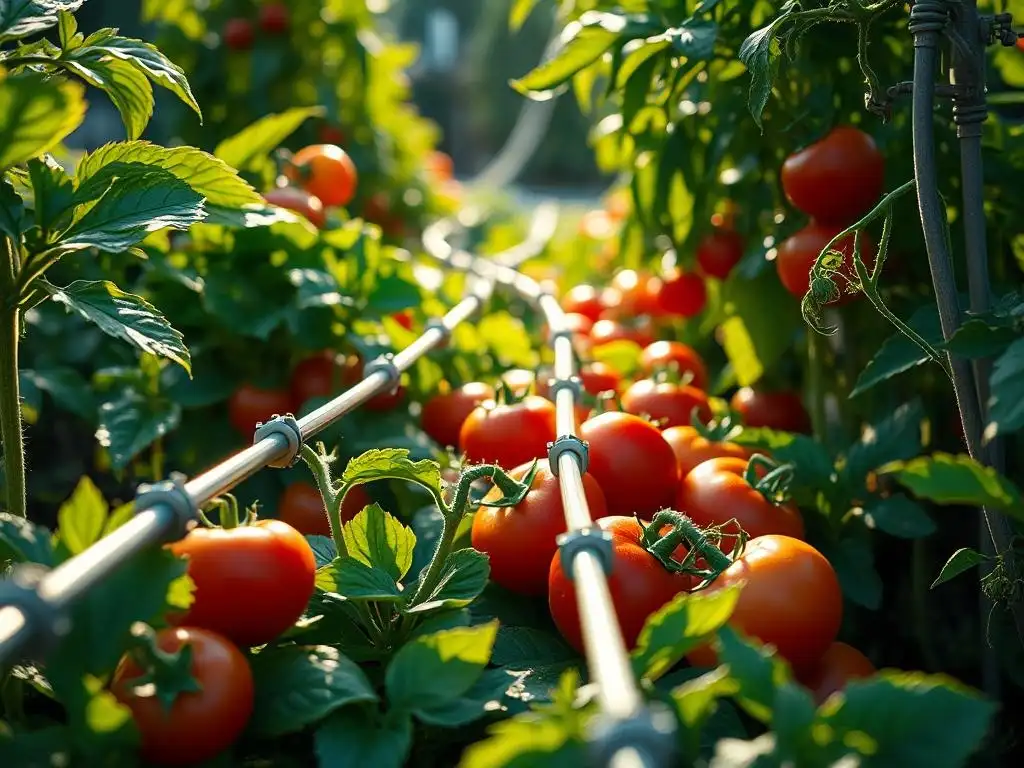
The future of sustainable home irrigation systems hinges on technological advancements that minimize water waste while maximizing plant health. This isn't just about conserving a precious resource; it's about creating efficient and effective gardening practices for the modern home grower. We're moving beyond simple timers and sprinklers towards intelligent, responsive systems that learn and adapt to changing conditions.
This shift towards smart irrigation is driven by increasing awareness of water scarcity and the growing demand for environmentally friendly gardening solutions. The key to unlocking the future of sustainable irrigation lies in embracing innovation and adopting technologies designed for efficiency and resilience. This section will explore some of the most promising advancements in this field.
Emerging Trends in Water-Saving Irrigation Technologies
Several emerging technologies promise significant improvements in water-saving irrigation. One notable trend is the rise of drip irrigation systems with advanced features. Traditional drip irrigation is already a more water-efficient method than overhead sprinklers, but new iterations incorporate sensors and controllers for even greater precision. These systems can monitor soil moisture levels in real-time, adjusting water delivery based on actual plant needs, rather than following a pre-programmed schedule. This eliminates overwatering, a common problem that leads to wasted water and potential root rot.
Another promising technology is soaker hoses. These porous hoses deliver water directly to the roots of plants, minimizing evaporation and runoff. Modern soaker hoses are often made from durable, recycled materials, further enhancing their sustainability credentials. Their ease of installation and low maintenance make them an attractive option for home gardeners seeking a simple yet effective solution for sustainable watering.
Furthermore, the development of smart soil moisture sensors is revolutionizing how we approach irrigation. These sensors provide accurate, real-time data on soil moisture content, allowing gardeners to water only when necessary. This data can be accessed remotely via smartphone apps, providing valuable insights into plant water requirements and helping to optimize irrigation schedules. This level of precision drastically reduces water waste compared to traditional methods.
| Irrigation Technology | Water Efficiency | Maintenance | Cost |
|---|---|---|---|
| Traditional Sprinklers | Low | Low | Low |
| Drip Irrigation (Basic) | Medium | Medium | Medium |
| Smart Drip Irrigation | High | Medium | High |
| Soaker Hoses | Medium-High | Low | Low-Medium |
| Smart Soil Moisture Sensors | High | Low | Medium-High |
The Role of AI and Machine Learning in Optimizing Water Use
The integration of Artificial Intelligence (AI) and Machine Learning (ML) is transforming sustainable home irrigation systems. AI-powered systems can analyze vast amounts of data—including weather forecasts, soil type, plant species, and historical watering patterns—to create highly personalized irrigation schedules. This level of customization ensures that plants receive precisely the right amount of water at the optimal time, minimizing waste and maximizing growth.
ML algorithms can learn and adapt over time, improving their accuracy and efficiency. For example, an AI-powered system might learn that a particular plant species requires more water during periods of high heat and sun exposure. This continuous learning process leads to increasingly precise and efficient irrigation management.
The result is a significant reduction in water consumption, a healthier garden, and a smaller environmental footprint. The use of AI and ML signifies a move towards truly intelligent irrigation, where the system autonomously manages water resources based on real-time data and predictive analytics. This technology is quickly becoming a key component of advanced sustainable irrigation solutions.
Sustainable Irrigation and the Smart Home Revolution
The convergence of sustainable irrigation technologies and the smart home revolution is creating exciting new possibilities for home gardeners. Smart irrigation systems can be seamlessly integrated into existing smart home ecosystems, allowing for centralized control and monitoring of all aspects of garden watering. This integration enables users to manage their irrigation systems remotely through smartphone apps, receive alerts about potential problems (e.g., low water levels, sensor malfunctions), and even automate watering based on weather conditions or other environmental factors.
This level of control and automation offers significant benefits for busy homeowners. It simplifies garden maintenance, ensures efficient water use, and promotes healthier plant growth. Moreover, the data collected by smart irrigation systems can provide valuable insights into water consumption patterns, helping homeowners to further optimize their water usage and reduce their environmental impact.
The integration of sustainable irrigation into the smart home represents a significant step towards a more environmentally conscious and technologically advanced approach to home gardening. As smart home technology continues to evolve, we can expect even more sophisticated and integrated sustainable irrigation solutions to emerge in the near future.
Conclusion: Embracing Sustainable Watering Practices for a Thriving Garden
This exploration of innovative sustainable home irrigation systems highlights a crucial shift in gardening practices. Moving beyond traditional, often wasteful methods, we've seen how technology and mindful design can dramatically improve water efficiency while promoting healthier plant growth. The benefits extend far beyond simply saving water; they encompass improved soil health, reduced reliance on chemical fertilizers, and a smaller environmental footprint.
Choosing the right system for your specific needs – considering factors like garden size, plant types, and water availability – is key to maximizing these benefits. By embracing sustainable watering, we actively contribute to a healthier planet while nurturing thriving, productive gardens.
Investing in a Sustainable Future: The Long-Term Benefits for Your Garden and the Environment
The initial investment in a sustainable home irrigation system might seem significant, but the long-term rewards far outweigh the upfront costs. Consider these key advantages:
- Water Conservation: Sustainable systems, such as drip irrigation or rainwater harvesting, significantly reduce water consumption compared to traditional methods like sprinklers. This translates to lower water bills and a reduced strain on local water resources, particularly crucial in areas prone to drought. For instance, a properly designed drip irrigation system can use up to 70% less water than overhead sprinklers, leading to substantial savings over time.
- Improved Plant Health: Precise water delivery through drip irrigation or soaker hoses minimizes water waste and ensures that plants receive the exact amount of moisture they need. This targeted approach promotes healthier root development, leading to more vigorous growth and higher yields. Overwatering, a common problem with traditional methods, is effectively eliminated.
- Enhanced Soil Health: Sustainable irrigation techniques contribute to better soil structure and health. Consistent moisture levels prevent soil compaction and erosion, creating an ideal environment for beneficial microorganisms. This, in turn, reduces the need for chemical fertilizers, promoting a healthier and more sustainable gardening practice.
- Reduced Weed Growth: Targeted watering directly to the plant's roots minimizes moisture reaching surrounding weeds, effectively suppressing their growth. This reduces the need for herbicides and contributes to a cleaner, more environmentally friendly garden.
- Environmental Stewardship: By conserving water and reducing reliance on chemical inputs, sustainable home irrigation systems contribute to a healthier environment. This aligns with broader sustainability goals, promoting responsible resource management and reducing the overall environmental impact of gardening.
The transition to sustainable watering practices isn't merely a trend; it's a responsible and ultimately rewarding approach to gardening. By making informed choices and investing in the right system, you can cultivate a thriving garden while contributing to a more sustainable future. The long-term benefits for your garden and the planet are undeniable. The future of gardening is undoubtedly greener, more efficient, and more sustainable. 🌱
Frequently Asked Questions
What is a sustainable home irrigation system?
A sustainable home irrigation system is a method of watering your fruits, vegetables, and herbs that conserves water and minimizes environmental impact. This often involves using drip irrigation, rainwater harvesting, or other water-efficient techniques.
How does a sustainable system benefit my garden?
Sustainable irrigation systems reduce water waste, leading to lower water bills and a smaller carbon footprint. They also deliver water directly to plant roots, promoting healthier plant growth and reducing weed problems.
What are some examples of sustainable irrigation techniques?
Popular choices include drip irrigation, which delivers water directly to plant roots, and soaker hoses, which slowly release water along their length. Rainwater harvesting is also a highly sustainable option.
Are sustainable systems more expensive to install than traditional methods?
The initial cost might be higher than traditional sprinklers, but sustainable systems save money in the long run through reduced water bills and increased plant health. Many DIY options also exist to lower costs.
Where can I learn more about designing a sustainable irrigation system for my home?
Resources like CultivateYourFood provide in-depth information on designing and installing sustainable home irrigation systems. You can also find helpful guides and tutorials online and at your local gardening center.
Final Reflection: Nurturing a Sustainable Future, One Drop at a Time
The future of our planet hinges on our ability to adopt sustainable practices, and nowhere is this more critical than in our approach to water management. The escalating global water crisis demands innovative solutions, and the shift towards sustainable home irrigation systems is not just a trend—it's a necessity for ensuring a secure and thriving future for generations to come. We can no longer afford to waste this precious resource.
The journey towards truly sustainable irrigation has been a long and complex one, revealing the intricate interplay between technological advancement, environmental responsibility, and individual action. The impact of our choices, both large and small, resonates far beyond our own gardens. Water is the driving force of nature,
Leonardo da Vinci wisely observed, and understanding this fundamental truth compels us to treat this resource with the utmost respect and care. The shift towards efficient irrigation systems is not merely about conserving water; it's about fostering a deeper connection with the natural world and recognizing our role in its preservation.
Consider the impact you can make. By choosing a sustainable home irrigation system, you are not only conserving water and reducing your environmental footprint, but you are also actively participating in a global movement towards a more sustainable future. Think about the ripple effect of your actions—inspiring your neighbors, influencing policy, and contributing to a healthier planet for all. Let us all commit to nurturing a future where water is managed responsibly, and where the beauty and bounty of our gardens flourish in harmony with the environment.
Unleash Your Garden's Potential: Embrace Sustainable Irrigation
Thank you for exploring the future of irrigation with us! You've gained valuable insights into smarter, more eco-friendly watering methods. Now it's time to put your knowledge into practice.
- Start with a single water-saving technique: Begin by adjusting your watering schedule based on weather conditions, or consider collecting rainwater in a barrel. Even small changes can have a significant impact.
- Share your sustainable gardening journey: Inspire others by sharing your progress on social media using #SustainableGardening and tagging us @CultivateYourFood (fictional handle). Let's build a thriving community of eco-conscious gardeners!
- Learn more about water-wise landscaping: Research native plants suitable for your region; they typically require less watering than non-native species.
What innovative irrigation method will you adopt first, and what factors influenced your decision?