
Hand Tools for Accessible Gardening: Making Gardening Easier

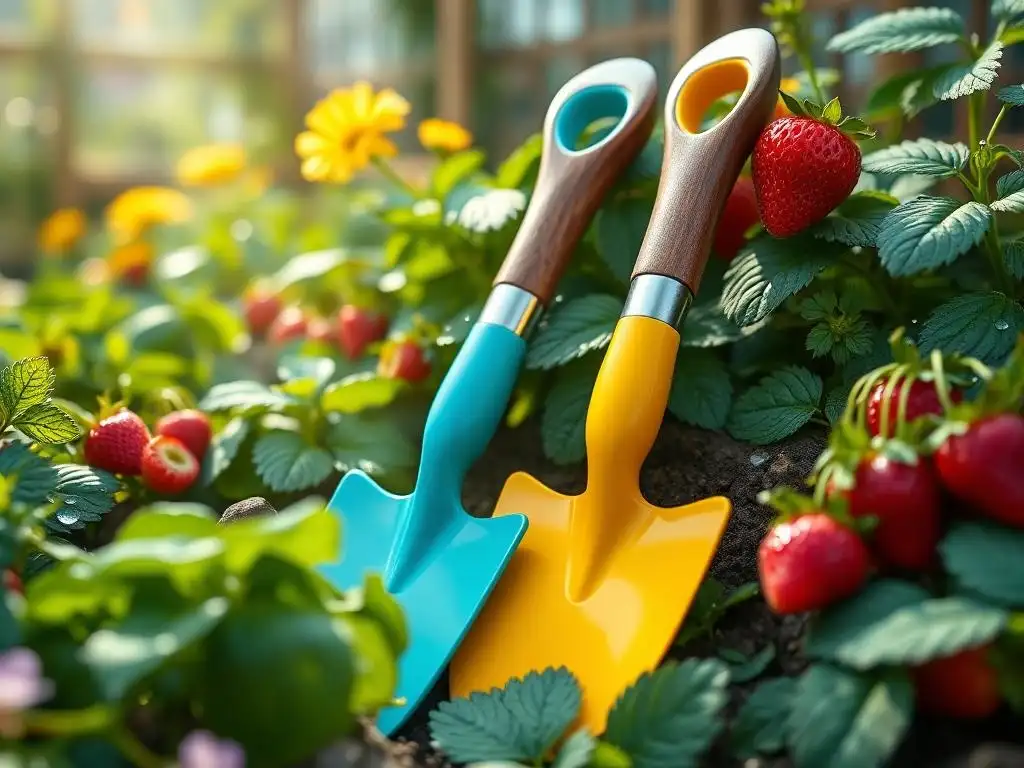
Ready to transform your backyard into a thriving oasis? At CultivateYourFood, we believe everyone can experience the joy of homegrown goodness. This website is your guide to sustainable and organic gardening, from seed to harvest. But first, let's talk about the tools that make it all possible—discover our essential guide on Easy gardening hand tools and unlock the secrets to effortless and rewarding gardening. Learn how the right equipment can simplify your journey and yield bountiful results!
- Choosing the Right Easy Gardening Hand Tools for Your Needs
-
Top 5 Easy Gardening Hand Tools for Beginners
- The Fiskars Ergonomic Softgrip Weeder: A Must-Have for Weed Removal
- The Radius Garden Comfort Grip Trowel: Perfect for Planting and Transplanting
- Felco Classic Pruners: Effortless Pruning for Smaller Branches and Plants
- The Ames True Temper 26-Inch Bow Rake: Effortless Soil Preparation
- A High-Quality Garden Kneeler and Seat: Comfort and Support During Extended Gardening Sessions
-
Adapting Tools for Increased Accessibility
- Long-Handled Tools for Reduced Bending: Reaching those hard-to-reach spots
- Gardening Gloves with Extra Support: Protecting Your Hands and Wrists
- Using Adaptive Gardening Tools: Solutions for Specific Physical Limitations
- Tool Modifications for Improved Grip and Control: Customizing tools for individual needs
- Maintaining Your Easy Gardening Hand Tools
- Budget-Friendly Options for Accessible Gardening Tools
- Beyond the Basics: Specialized Easy Gardening Hand Tools
- Resources and Further Information on Accessible Gardening
-
Frequently Asked Questions
- What are some easy-to-use gardening hand tools for beginners?
- Which hand tools are best for working with delicate plants?
- How can I choose the right size and weight of gardening hand tools?
- Where can I find high-quality, yet affordable, easy gardening hand tools?
- What are some essential hand tools for successful harvesting?
- Final Reflection: Cultivating Accessibility, Harvesting Joy
- Unleash Your Green Thumb: Grow Easier with the Right Tools
Choosing the Right Easy Gardening Hand Tools for Your Needs
Gardening shouldn't be a strenuous activity! Cultivating your own food should be enjoyable and accessible to everyone, regardless of age or physical ability. This article focuses on selecting easy gardening hand tools that make tending your fruits, vegetables, and herbs a simpler and more comfortable experience. We'll explore how to choose tools that perfectly match your needs, prioritizing ergonomic design and lightweight materials to minimize physical strain and maximize your gardening pleasure.
This guide is designed to empower you to create a thriving garden using sustainable and organic methods, without sacrificing your comfort or well-being. We'll cover key considerations for selecting the best hand tools to make your gardening journey easier and more rewarding. Let's dig in! 🥕
Assessing Your Physical Capabilities and Garden Size for Tool Selection
Before you even think about purchasing any gardening tools, consider your physical capabilities and the size of your garden. This crucial first step will help you avoid buying tools that are too heavy, too cumbersome, or simply inappropriate for your needs. For example:
- Physical Limitations: If you have arthritis, back problems, or limited mobility, you'll want to prioritize tools with ergonomic handles, lightweight materials (like aluminum or fiberglass), and features like cushioned grips. Avoid tools that require repetitive strenuous movements.
- Garden Size: A small balcony garden will require a different set of tools than a large vegetable patch. For smaller spaces, compact and versatile tools are ideal. Larger gardens might benefit from tools with longer handles for better reach and leverage.
- Types of Tasks: Consider the specific tasks you'll be undertaking. Will you be primarily planting seeds, weeding, harvesting, or a combination of tasks? Choosing tools designed for specific jobs will improve efficiency and reduce strain.
- Consider Adaptive Tools: Many specialized tools are available for gardeners with disabilities. Research options like ergonomic trowels, kneeling pads with handles, and reach extenders to find what works best for you.
Remember, selecting the right tools is an investment in your comfort and enjoyment of gardening. Don't hesitate to seek advice from gardening experts or physical therapists if you have specific concerns.
Ergonomic Design in Easy Gardening Hand Tools: A Focus on Comfort and Reduced Strain
Ergonomic design is paramount when choosing easy gardening hand tools. Tools designed with ergonomics in mind prioritize comfort and reduce the risk of strain and injury. Look for features such as:
- Comfortable Grips: Handles should be contoured to fit your hand comfortably and prevent slippage. Cushioned grips are especially beneficial for those with arthritis or hand pain.
- Balanced Weight Distribution: A well-balanced tool minimizes strain on your wrists, hands, and arms. Avoid tools that feel top-heavy or awkward to hold.
- Proper Handle Length: The handle length should be appropriate for your height and the tasks you'll be performing. Too short, and you'll strain; too long, and you'll lose control.
- Lightweight Materials: Opt for tools made from lightweight yet durable materials like aluminum or fiberglass. These materials significantly reduce physical exertion compared to heavier steel tools.
Choosing ergonomic tools will not only make gardening more comfortable, but it will also help prevent repetitive strain injuries, allowing you to enjoy your garden for years to come.
Lightweight Gardening Tools: Minimizing Physical Exertion
Minimizing physical exertion is key to accessible gardening. Lightweight tools are a game-changer, especially for those with limited strength or stamina. When selecting your tools, prioritize materials such as:
- Aluminum: A lightweight yet strong metal, ideal for many gardening tasks.
- Fiberglass: Another lightweight option offering good strength and durability.
- Plastic: Suitable for certain tasks, but may not be as durable as aluminum or fiberglass for heavier jobs.
Avoid heavy steel tools unless absolutely necessary. The difference in weight can be substantial, making a significant impact on your overall gardening experience. Consider the weight of each tool before purchasing, and don't hesitate to test them out in the store if possible. Investing in lightweight tools is an investment in your long-term gardening success and enjoyment. Remember, a lighter tool doesn't necessarily mean a less effective tool; many lightweight options are both effective and comfortable to use.
Top 5 Easy Gardening Hand Tools for Beginners
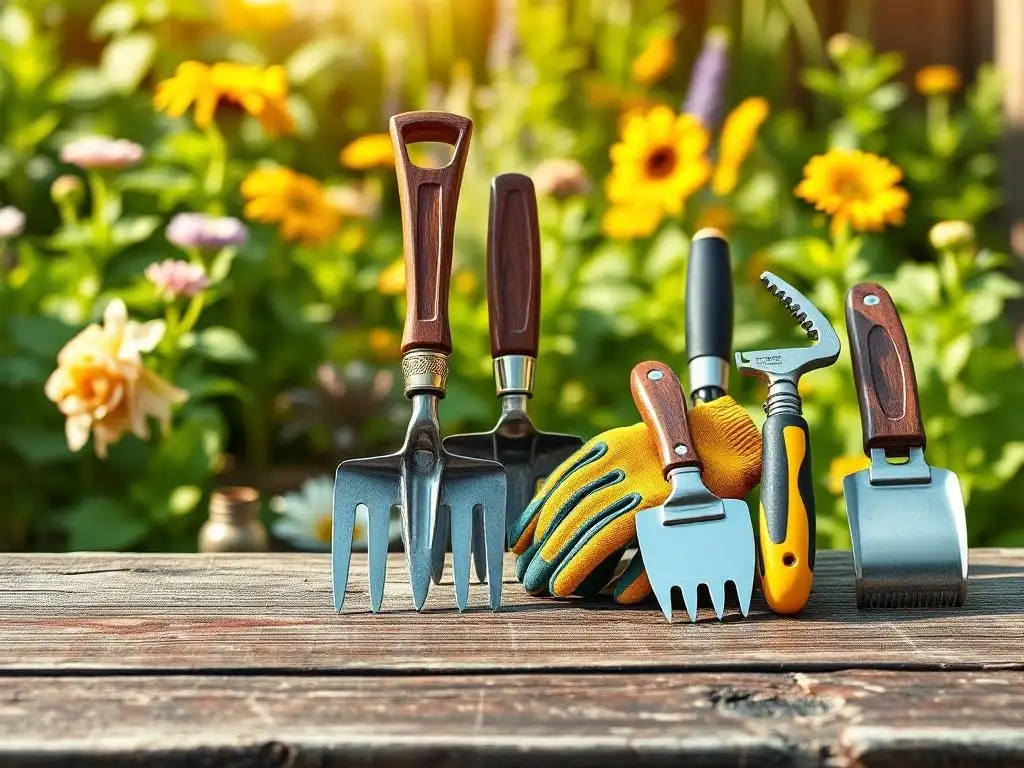
This section explores five essential hand tools that make gardening more accessible and enjoyable, particularly for beginners. We'll focus on ease of use, ergonomic design, and overall effectiveness in common gardening tasks. These tools are designed to minimize strain and maximize efficiency, helping you cultivate your food with less effort. Choosing the right "easy gardening hand tools" can significantly improve your gardening experience.
The Fiskars Ergonomic Softgrip Weeder: A Must-Have for Weed Removal
Weed removal can be a back-breaking task, but the Fiskars Ergonomic Softgrip Weeder makes it significantly easier. Its design prioritizes comfort and efficiency. The softgrip handle reduces hand fatigue, even during prolonged use. The durable, stainless steel blade is strong enough to tackle most weeds, from delicate seedlings to stubborn perennial roots.
The angled blade allows for precise weeding, minimizing damage to surrounding plants. I've personally used this weeder for years, and I can attest to its effectiveness and comfort. It's become an indispensable part of my gardening arsenal. The long handle also helps to keep your hands away from the soil, reducing the risk of getting dirty or transferring soil-borne diseases.
This tool is particularly beneficial for individuals with arthritis or other conditions that affect hand strength and dexterity. The ergonomic design allows for a more natural hand position, reducing strain and discomfort. The Fiskars Ergonomic Softgrip Weeder truly embodies the concept of "easy gardening hand tools."
The Radius Garden Comfort Grip Trowel: Perfect for Planting and Transplanting
Planting seeds and transplanting seedlings is a fundamental aspect of gardening. The Radius Garden Comfort Grip Trowel excels at these tasks. Its unique, patented design features a comfortable, ergonomic handle that fits snugly in the hand. The curved blade is ideal for digging small holes and gently lifting delicate plants without damaging their roots. The blade's sharp edge ensures clean cuts, while the sturdy construction guarantees longevity. Unlike some trowels that are flimsy and bend easily, the Radius Garden trowel is built to last, making it a worthwhile investment for any gardener.
The comfort grip is particularly important for extended periods of gardening. The reduced strain on the hand and wrist allows you to work longer without experiencing fatigue. This is a critical factor for accessibility, allowing individuals with limited hand strength to participate fully in the gardening process. The Radius Garden Comfort Grip Trowel is a prime example of how thoughtful design can make even the most basic gardening tasks easier.
Felco Classic Pruners: Effortless Pruning for Smaller Branches and Plants
Pruning is crucial for maintaining the health and productivity of your plants. The Felco Classic Pruners are a classic choice for a reason. These bypass pruners are renowned for their sharp, precision blades that make clean cuts without crushing or tearing stems. The forged aluminum handles are lightweight yet durable, and the adjustable nut allows you to customize the tension for optimal cutting performance. The Felco Classic Pruners are a significant upgrade from cheaper pruners; their superior cutting action significantly reduces effort and prevents hand fatigue.
The ergonomic design of the handles minimizes strain on your hands and wrists, making pruning a less strenuous activity. Their compact size makes them ideal for detailed work and accessing hard-to-reach areas. While there are more specialized pruners for larger branches, the Felco Classic Pruners are perfect for the everyday pruning needs of most home gardeners. The longevity of these pruners, combined with their ease of use, makes them a valuable addition to your collection of "easy gardening hand tools." Maintaining sharp blades is key to effortless pruning; regular sharpening will extend their lifespan and maintain their cutting efficiency.
The Ames True Temper 26-Inch Bow Rake: Effortless Soil Preparation
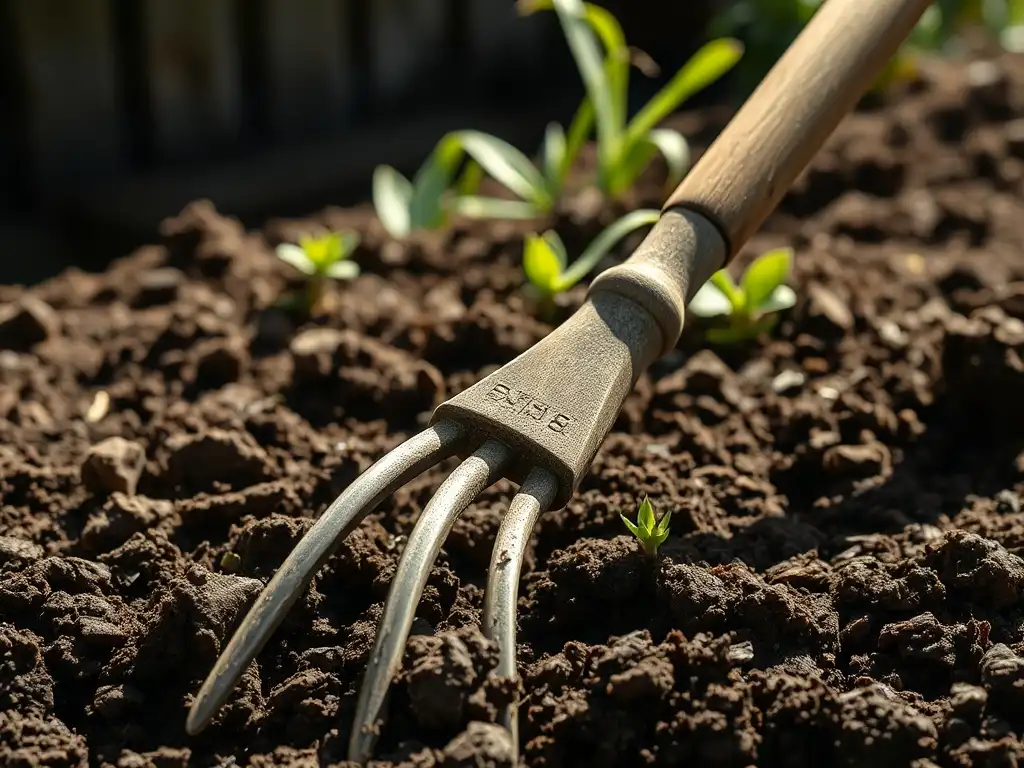
The Ames True Temper 26-Inch Bow Rake is a fantastic example of how the right tool can significantly ease the burden of gardening tasks. Its lightweight yet durable construction makes it ideal for beginners, and its design promotes efficient soil preparation. The bowed shape of the rake head allows for effective leveling and smoothing of soil, crucial steps before planting. Unlike stiff, inflexible rakes, the flexibility of the Ames True Temper rake allows it to conform to the contours of your garden beds, ensuring even soil distribution and preventing damage to delicate plant roots.
This is particularly important when preparing seed beds for smaller seeds that require a finely tilled surface. Furthermore, the 26-inch length provides excellent reach, reducing the need for excessive bending and minimizing strain on your back. The sturdy tines are designed to withstand regular use, making it a worthwhile investment for the home gardener. For those new to gardening, the ease and efficiency offered by this rake make it an indispensable tool in their arsenal.
It allows for a more enjoyable gardening experience, enabling you to focus on the rewarding aspects of cultivating your food, rather than struggling with cumbersome tools. The Ames True Temper 26-Inch Bow Rake truly exemplifies how the right "easy gardening hand tools" can transform the gardening experience. Choosing this tool for soil preparation will contribute significantly to creating a healthy and productive garden with minimal physical exertion. Remember, proper soil preparation is key to successful gardening, and this rake makes the process remarkably straightforward.
A High-Quality Garden Kneeler and Seat: Comfort and Support During Extended Gardening Sessions
Gardening, while rewarding, can be physically demanding. Spending hours bent over can lead to backaches and fatigue, quickly diminishing the joy of cultivating your own food. Investing in a high-quality garden kneeler and seat is a simple yet effective way to mitigate these issues and make gardening more accessible and enjoyable. A good kneeler and seat offers crucial comfort and support during extended gardening sessions. Look for features like padded kneeling surfaces to cushion your knees and prevent discomfort.
A sturdy, comfortable seat is equally important, allowing you to rest periodically without having to fully stand up. The best models often include features like built-in storage compartments for small gardening tools, further enhancing convenience. Consider the overall construction and materials; durable, weather-resistant materials are essential for long-term use. A well-designed garden kneeler and seat isn't just about comfort; it's about promoting good posture and preventing injuries. This, in turn, allows you to work more efficiently and spend more time tending to your garden without the physical limitations of pain and fatigue.
By prioritizing your comfort, you're investing in a more sustainable and enjoyable gardening practice. The ease and comfort provided by a quality kneeler and seat contribute significantly to making gardening a more accessible activity for people of all ages and physical abilities. It's an investment in your well-being and the long-term success of your gardening endeavors. Choosing a comfortable and supportive garden kneeler and seat is choosing to make your gardening experience easier and more sustainable. This simple addition to your easy gardening hand tools collection can significantly improve your overall gardening experience.
Adapting Tools for Increased Accessibility
Making gardening accessible to everyone, regardless of physical limitations, is crucial for fostering a love of growing your own food. This section focuses on adapting common gardening hand tools to improve ease of use and reduce strain. We'll explore how simple modifications and alternative tool designs can make even the most challenging gardening tasks manageable. The right tools can transform "easy gardening hand tools" from a simple phrase into a reality for all.
Long-Handled Tools for Reduced Bending: Reaching those hard-to-reach spots
Back pain is a common complaint among gardeners, often stemming from repeated bending and reaching. Long-handled tools significantly alleviate this problem, allowing you to cultivate your garden with minimal strain. Consider these options for maximizing reach and minimizing bending:
- Extended-reach trowels and cultivators: These tools feature longer handles, often extending up to 36 inches, allowing you to work the soil without excessive bending. Their ergonomic designs also help prevent wrist strain. The increased leverage also makes digging and weeding easier, especially in dense soil.
- Long-handled weeding tools: These tools, similar to long-handled cultivators, are specifically designed for weeding. The extended reach makes it possible to remove weeds from flowerbeds or vegetable patches without having to kneel or bend over repeatedly. Their design often includes a comfortable grip and a sturdy head for efficient weed removal.
- Stand-up weeder: This tool allows you to stand upright while removing weeds. Its design uses a rotating head that cuts weeds at the base, minimizing the need to pull or dig. This is ideal for those with limited mobility in their knees and back.
The benefits extend beyond physical comfort. Using long-handled tools can also increase efficiency. You can cover more ground in less time, reducing overall gardening time and effort. Investing in high-quality, durable long-handled tools is an investment in your long-term gardening success and well-being. Remember to choose tools with lightweight yet sturdy handles for optimal comfort and performance.
Gardening Gloves with Extra Support: Protecting Your Hands and Wrists
Protecting your hands and wrists is paramount for comfortable and injury-free gardening. Standard gardening gloves offer some protection, but those with arthritis, carpal tunnel syndrome, or other hand conditions may require additional support.
- Gloves with wrist support: These gloves incorporate reinforced wristbands or built-in wrist supports to provide extra stability and reduce strain on the wrists. This is particularly beneficial for repetitive tasks like weeding or transplanting.
- Gloves with padded palms: Gloves with extra padding in the palm area can significantly reduce hand fatigue and protect against blisters and calluses. Look for gloves with durable, breathable materials for optimal comfort and protection.
- Therapeutic gloves: For individuals with more severe hand conditions, specialized therapeutic gloves may be necessary. These gloves may incorporate features such as compression, heat therapy, or other therapeutic elements to ease pain and improve hand function.
Choosing the right gloves is a personal decision. Consider the specific needs of your hands and wrists, as well as the types of gardening tasks you'll be undertaking. Prioritizing comfort and support will help you enjoy your gardening experience without unnecessary pain or discomfort. The right gloves can make a world of difference in your ability to comfortably perform even the most delicate gardening tasks.
Using Adaptive Gardening Tools: Solutions for Specific Physical Limitations
Many adaptive gardening tools are available to cater to specific physical limitations. These tools are designed to make gardening more accessible to individuals with a wide range of disabilities.
- Elevated gardening beds: Raised beds allow gardeners to work at a comfortable height, reducing bending and strain. They are particularly beneficial for individuals with back problems or limited mobility. The height can be adjusted to suit individual needs.
- Seated gardening tools: These tools are designed to be used while seated, eliminating the need for bending or kneeling. They are ideal for individuals with limited mobility or those who find it difficult to stand for extended periods.
- One-handed tools: For individuals with limited use of one hand, one-handed tools provide a practical solution. These tools are designed to be operated with a single hand, making gardening tasks easier and more manageable.
- Ergonomic tools: Ergonomic tools are designed to fit the natural shape of the hand and wrist, reducing strain and improving comfort. They are beneficial for individuals with arthritis or other hand conditions.
The selection of the appropriate adaptive gardening tool depends heavily on the specific physical limitations of the gardener. It is crucial to carefully consider individual needs and preferences when choosing an adaptive tool to ensure maximum comfort and effectiveness. Remember, adapting your gardening practices doesn't diminish your ability to cultivate your own food; it enhances it. The availability of these tools ensures that the joy of gardening is accessible to all.
Tool Modifications for Improved Grip and Control: Customizing tools for individual needs
Adapting gardening hand tools for improved grip and control is crucial for making gardening more accessible. Many individuals, due to age, arthritis, or other conditions, find standard tool handles difficult to manage. Fortunately, numerous modifications can be implemented to enhance comfort and ease of use. These customizations cater to individual needs, ensuring a more enjoyable and less physically demanding gardening experience.
One simple yet effective modification involves adding larger, more ergonomic handles. Instead of the typical slender handles found on many trowels and cultivators, consider replacing them with thicker, contoured handles made from materials like soft foam, cork, or even bicycle grips. These provide a more substantial grip, reducing strain on the hands and wrists. The added thickness also allows for a more secure hold, preventing accidental slips and drops. This is particularly helpful for individuals with limited hand strength or dexterity.
Another effective approach is to utilize specialized grips or handle extensions. These can be purchased separately and easily attached to existing tools. Some grips offer textured surfaces for improved traction, while others incorporate features such as built-in cushioning or ergonomic shaping to better fit the hand. Handle extensions, on the other hand, increase the overall length of the tool, providing leverage and reducing the need for excessive bending or straining. This is particularly beneficial for individuals with back problems or limited range of motion.
For those with limited hand mobility, consider using tools with rotating or swiveling heads. These tools allow the gardener to maintain a comfortable hand position while manipulating the tool's working end. This reduces wrist twisting and strain, leading to a more comfortable and less painful gardening experience. This type of modification is particularly beneficial for individuals with arthritis or other conditions affecting joint mobility.
Beyond commercially available options, resourceful gardeners can employ DIY solutions. For example, wrapping handles with athletic tape or specialized grip tape can significantly improve traction and comfort. This inexpensive and readily available solution offers a quick and easy way to personalize tool handles to match individual needs and preferences. Remember to consider the material and its durability when selecting a tape for this purpose. Some tapes are more resistant to wear and tear than others, ensuring longevity and continued effectiveness. Furthermore, customizing tool handles with heat-shrink tubing provides a custom fit and a more secure, non-slip grip.
Finally, consider the weight of the tool itself. Heavier tools can be tiring, especially for individuals with limited strength or stamina. Choosing lighter-weight tools, or modifying existing tools by removing unnecessary weight, can make a significant difference in comfort and ease of use. For instance, a heavier-duty cultivator might be replaced with a lighter model, or parts of the tool might be carefully removed to reduce its overall weight, provided it doesn't compromise the tool's structural integrity. Remember always to prioritize safety and functionality when modifying any tool.
Maintaining Your Easy Gardening Hand Tools
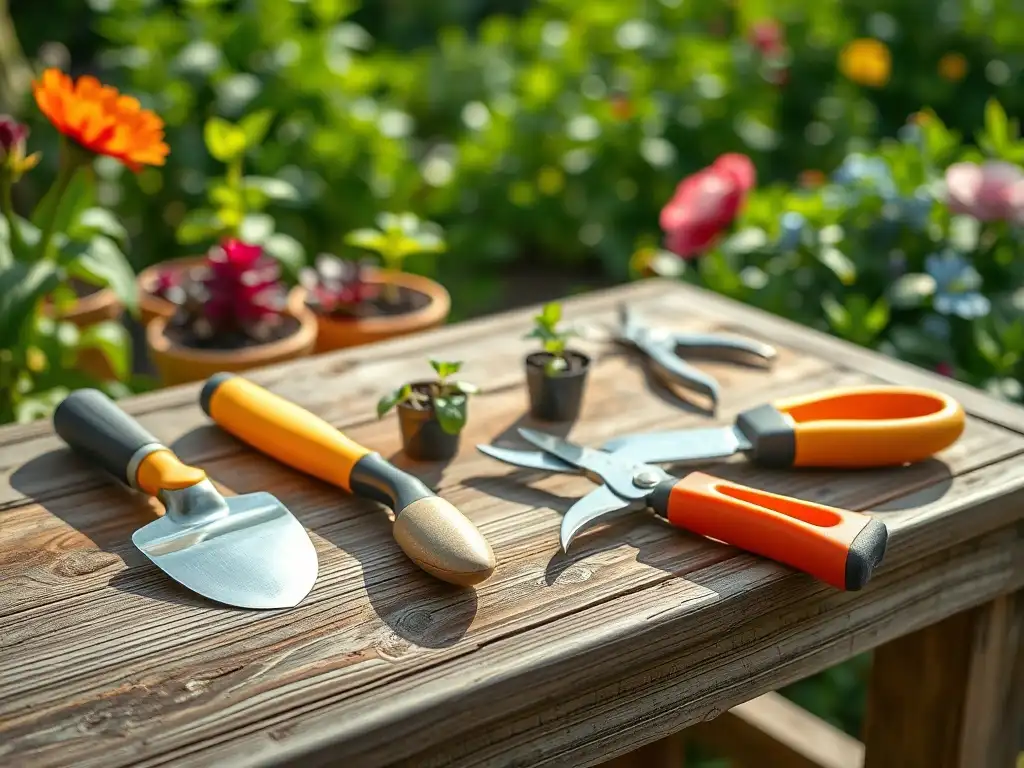
Maintaining your easy gardening hand tools is crucial for extending their lifespan and ensuring they remain effective and safe to use. Neglecting this aspect can lead to damaged tools, inefficient work, and even potential injury. Proper care translates directly into easier gardening and better results in your garden. Let's explore the key aspects of tool maintenance.
Cleaning and Storing Your Tools: Prolonging their lifespan
Cleaning your tools after each use is the single most important step in prolonging their lifespan. Soil, plant debris, and sap can corrode metal parts and dull blades. Here's a step-by-step guide:
- Remove loose soil and debris: Use a stiff brush or a wire brush to remove clinging soil and plant material from all surfaces of your tools. Pay close attention to crevices and joints.
- Wash with soapy water: Wash your tools thoroughly with warm, soapy water. A mild dish soap works well. This removes any remaining residue and helps prevent rust.
- Rinse thoroughly: Rinse all soap residue away with clean water. Make sure no soap remains, as this can leave a film that attracts more dirt.
- Dry completely: Dry your tools completely before storing. A clean cloth is ideal. Leaving tools damp encourages rust and corrosion.
- Proper storage: Store your tools in a dry, well-ventilated area, away from direct sunlight and moisture. Consider hanging them on a wall-mounted rack or storing them in a tool chest. This prevents accidental damage and keeps them organized for easy access.
Remember, regular cleaning—even after short gardening sessions—significantly reduces the build-up of damaging materials and simplifies the cleaning process later on. This simple routine contributes significantly to the longevity of your easy gardening hand tools. Think of it as an investment in your gardening ease and success!
Sharp tools are safer and more efficient. Dull tools require more effort, leading to fatigue and potentially causing damage to plants. Regular sharpening is essential for maintaining the effectiveness of your easy gardening hand tools.
- Sharpening: Many hand tools, such as trowels, spades, and pruning shears, benefit from regular sharpening. Use a sharpening stone or file, following the manufacturer's instructions or consulting online tutorials. Remember to maintain the original bevel of the blade for optimal performance. For pruning shears, a specialized shear sharpener is recommended for best results.
- Repairing loose handles: Over time, handles can loosen or become damaged. Tighten loose screws or consider replacing damaged handles. Use appropriate wood glue and clamps for a secure repair.
- Rust removal: If rust appears, act quickly. Use a wire brush to remove loose rust, then apply a rust remover or a light coating of oil to prevent further corrosion. For stubborn rust, consider using a commercial rust remover following the product instructions carefully.
Regular inspection of your tools for damage, looseness, or rust will minimize the need for extensive repairs, keeping your gardening experience easy and efficient. A little preventative maintenance goes a long way!
Replacing Worn-Out Parts: Ensuring continued efficiency and safety
Even with diligent care, some parts of your easy gardening hand tools will eventually wear out. Recognizing and replacing these worn parts is crucial for both efficiency and safety.
- Handles: Cracked or broken handles should be replaced immediately. Using a tool with a damaged handle can lead to injury.
- Blades: Severely chipped or damaged blades should be replaced. A dull or damaged blade is less effective and more dangerous.
- Fasteners: Replace any loose or broken screws, bolts, or rivets. Loose fasteners can compromise the structural integrity of the tool.
Replacing worn-out parts ensures the continued efficiency and safety of your tools. It's a small investment that prevents larger problems and contributes to an easier and safer gardening experience. Remember to always choose replacement parts that are compatible with your specific tools. Check the manufacturer's recommendations or consult a gardening supply store for assistance. Investing in quality replacements ensures the longevity of your tools, making gardening easier in the long run. 🌱
Budget-Friendly Options for Accessible Gardening Tools
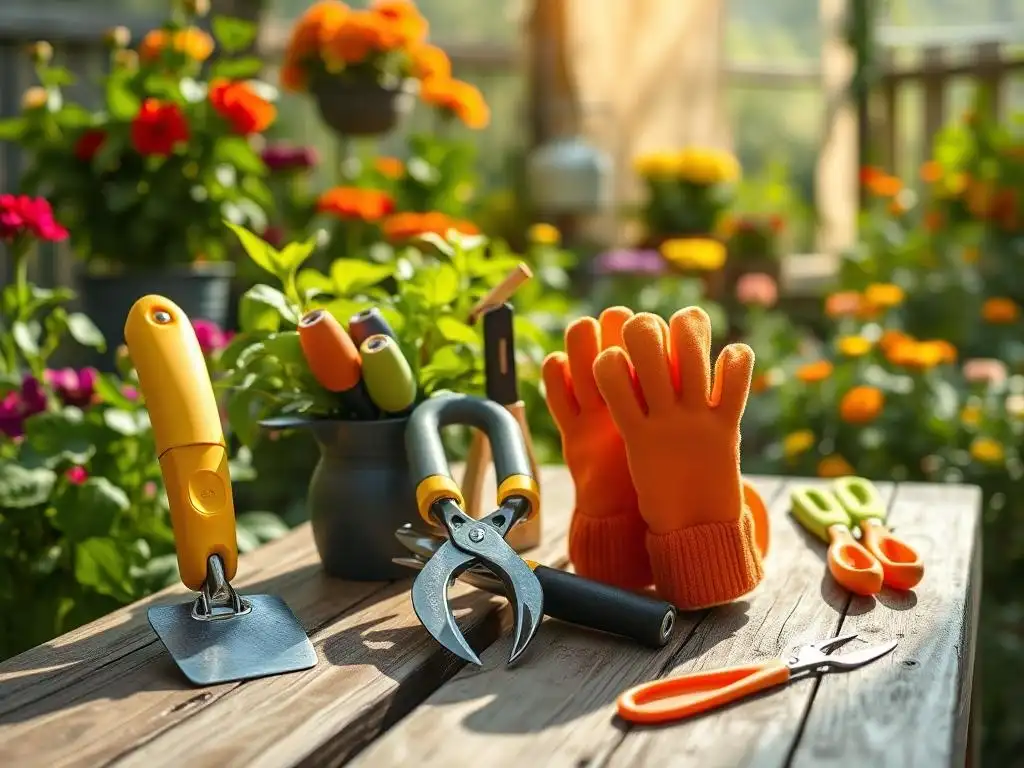
Making gardening accessible doesn't necessitate breaking the bank. Many high-quality, durable tools are available at affordable prices, especially if you know where to look. The key is to prioritize functionality and durability over brand recognition. Focusing on essential tools and strategically choosing where you purchase them can significantly reduce costs without sacrificing quality. This section explores ways to maximize value for money and build an effective, accessible gardening toolkit on a budget.
Finding Affordable Yet Durable Hand Tools: Maximizing value for money
Thrift stores, garage sales, and online marketplaces like eBay or Craigslist are excellent resources for finding gently used gardening tools at significantly reduced prices. Often, these tools are in excellent condition, having been used only a few times. Inspect them carefully for any damage before purchasing. Look for rust, cracks, or loose handles.
A little TLC, such as sharpening a dull blade or tightening a loose screw, can often restore a tool to like-new condition. This approach can save you a substantial amount of money compared to buying brand-new tools. Remember to always sanitize used tools thoroughly before use to prevent the spread of diseases.
Another strategy is to buy tools in bulk or during seasonal sales. Many garden centers and home improvement stores offer discounts on gardening tools during the spring and fall seasons. Purchasing a set of tools, even if you only need a few of the items, can often be more cost-effective than buying individual tools. Consider joining local gardening clubs or community groups; they sometimes offer tool-sharing programs or group buys that can significantly reduce the cost of acquiring necessary equipment.
For example, a trowel, hand rake, and cultivator can often be purchased as a set for a fraction of the cost of buying each tool individually. This approach is particularly beneficial for beginners who may not yet know exactly which tools they need.
| Tool | Average Retail Price | Potential Savings (Used/Bulk) |
|---|---|---|
| Trowel | $10 - $20 | $5 - $15 |
| Hand Rake | $15 - $25 | $7 - $18 |
| Hand Cultivator | $12 - $22 | $6 - $16 |
Remember, investing in a few high-quality, durable tools will serve you better in the long run than purchasing numerous cheap tools that break easily.
DIY Adaptations for Existing Tools: Creative solutions for accessibility
Sometimes, a little creativity can go a long way in adapting existing tools to improve accessibility. This approach is not only cost-effective but also environmentally friendly, reducing waste and promoting sustainability. Simple modifications can make a significant difference in comfort and ease of use.
For example, if you find a garden tool with a handle that's too short or uncomfortable to grip, you could add an extension using readily available materials like PVC pipe or even sturdy wood. Secure the extension firmly to the original handle using strong adhesive and screws. This simple adaptation can make a world of difference for individuals with limited hand strength or mobility issues. For tools with slippery handles, consider wrapping them with athletic tape or even repurposed inner tubes for a better grip.
Another option is to use readily available materials to create ergonomic grips. Thick foam pipe insulation can be easily cut and shaped to fit around tool handles, offering improved comfort and reducing strain on hands and wrists. This is especially helpful for individuals with arthritis or other conditions that affect hand dexterity. Remember always to prioritize safety and ensure that any modifications you make are secure and won't compromise the tool's functionality.
Adapting tools to fit your individual needs is a crucial aspect of accessible gardening, allowing you to enjoy the process without unnecessary physical strain. This approach aligns perfectly with sustainable practices by extending the life of your existing tools. This creative approach to tool adaptation is key to making gardening easier and more enjoyable for everyone. 🌱
Beyond the Basics: Specialized Easy Gardening Hand Tools
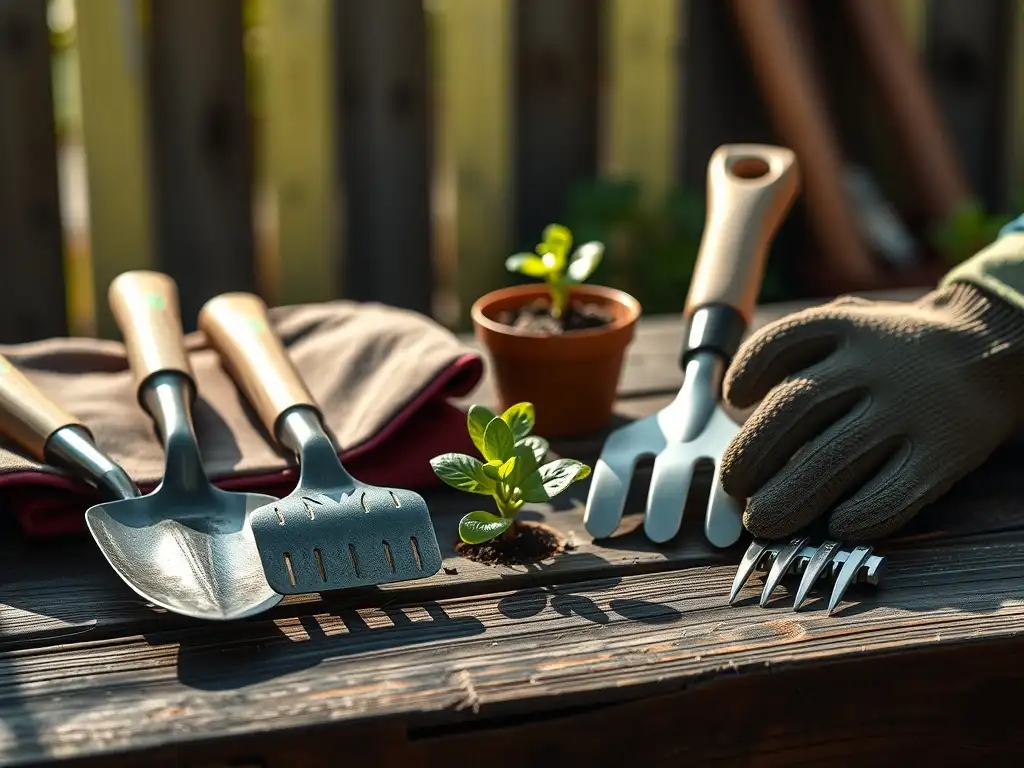
This section explores hand tools designed to make gardening more accessible and less physically demanding, focusing on ergonomic features and ease of use. We'll move beyond the standard trowel and hoe to examine specialized tools that significantly improve the gardening experience, contributing to a more enjoyable and sustainable approach to cultivating your food. The focus remains on "easy gardening hand tools" that cater to different needs and abilities.
Watering Cans with Ergonomic Handles: Effortless Watering
Watering your garden shouldn't be a strenuous chore. Many watering cans on the market are heavy and awkward, particularly when filled to capacity. However, several brands now offer watering cans designed with ergonomic handles in mind. These handles often feature a curved design that conforms to the natural shape of the hand, reducing strain and fatigue during extended use. Some even incorporate a wider grip area for added comfort and stability.
The benefits extend beyond mere comfort. Ergonomic handles can improve your precision and control, allowing for more targeted watering and preventing spills. This is particularly important when watering delicate seedlings or plants in containers. Furthermore, the reduced strain on your wrists and hands can prevent repetitive strain injuries, a common problem among avid gardeners.
Look for watering cans made from lightweight yet durable materials like plastic or recycled materials. Consider also the spout design; a long, slender spout is ideal for reaching plants without bending excessively. Choosing the right watering can can drastically improve the ease and efficiency of your watering routine.
Wheelbarrows with Improved Maneuverability: Transporting Materials with Ease
Moving soil, compost, and other gardening materials can be backbreaking work. Traditional wheelbarrows, while functional, often lack the features necessary for effortless transport. However, modern designs incorporate features that significantly improve maneuverability and reduce strain.
One key improvement is the use of pneumatic tires. These tires offer superior traction and shock absorption compared to solid rubber tires, making it easier to navigate uneven terrain. The larger wheel diameter also reduces the effort required to push the wheelbarrow, especially on sloped ground. Furthermore, some models feature ergonomic handles that reduce wrist and back strain.
These handles often have a comfortable grip and are positioned to encourage a more upright posture while pushing. Consider the wheelbarrow's capacity – choose a size appropriate for your garden's needs without compromising maneuverability. A smaller, lighter wheelbarrow is often easier to handle than a larger, heavier one, especially for individuals with limited strength or mobility. The improved maneuverability translates directly into less physical exertion and more time spent enjoying the process of gardening.
Seed Starting Trays with Raised Sides: Easy Seeding for Improved Access
Starting seeds indoors requires precision and often involves repetitive bending and reaching. Traditional seed starting trays can make this task challenging, especially for individuals with limited mobility or dexterity. However, seed starting trays with raised sides offer a significant improvement in accessibility.
The raised sides provide a stable platform for sowing seeds and potting up seedlings, reducing strain on the back, neck, and wrists. This is particularly helpful for individuals who experience back pain or arthritis. The raised sides also help prevent seeds from spilling or scattering, making the seeding process more efficient and less frustrating.
Furthermore, some trays are designed with larger cells or compartments, making it easier to handle seedlings and reduce the risk of root damage during transplanting. Look for trays made from durable, lightweight materials that are easy to clean and maintain. The improved access facilitated by the raised sides translates to a more comfortable and efficient seed-starting experience, making the entire process significantly easier.
Consider the size and depth of the cells to accommodate the specific needs of your seeds. Investing in an appropriate tray will significantly contribute to a more successful and less physically demanding seed starting process.
Resources and Further Information on Accessible Gardening
This section provides valuable resources to expand your knowledge and access further support for accessible gardening. Finding the right tools is just the beginning; understanding the techniques and accessing community support is crucial for a successful and enjoyable gardening experience.
Organizations Supporting Accessible Gardening
Several organizations dedicate themselves to promoting inclusive gardening practices and providing support to gardeners with disabilities. These groups often offer valuable resources, workshops, and community gardening opportunities. They can connect you with adaptive gardening techniques, tool recommendations tailored to specific needs, and a supportive network of fellow gardeners.
Researching local and national organizations dedicated to accessibility and horticulture is highly recommended. For instance, some organizations focus on adapting gardening practices for individuals with visual impairments, providing tactile guides and audio descriptions of gardening tasks. Others specialize in adapting tools and techniques for individuals with limited mobility or dexterity, offering innovative solutions and practical advice.
The specific resources available will vary based on location, but exploring these avenues can significantly enhance your gardening journey. Remember to check for organizations focused on disability-specific needs, such as those supporting people with arthritis, cerebral palsy, or other conditions that may impact gardening abilities. These specialized organizations often have the most relevant and targeted resources.
Online Retailers Specializing in Adaptive Gardening Tools
The internet offers a rapidly expanding market for adaptive gardening tools. Many online retailers specialize in providing ergonomic and adaptive tools designed to make gardening more accessible. These retailers often carry a wide range of products, from lightweight trowels and ergonomic handles to raised garden beds and specialized seating.
When searching for these tools online, use specific keywords like "easy gardening hand tools," "adaptive gardening tools," or "ergonomic gardening equipment" to refine your search results. Consider reviewing customer reviews to gauge the quality and ease of use of different products. Pay close attention to product descriptions, looking for features such as cushioned grips, adjustable handles, and lightweight materials.
Comparing prices across different retailers is also crucial to ensure you find the best value for your money. Don't hesitate to contact customer service to inquire about specific product features or to seek advice on choosing the right tool for your individual needs. Many online retailers offer excellent customer support and are happy to assist in finding the perfect fit for your gardening goals.
Books and Articles on Adaptive Gardening Techniques
Beyond tools, understanding adaptive gardening techniques is vital for successful and enjoyable gardening. Numerous books and articles delve into this subject, offering valuable insights and practical advice. These resources often cover various topics, including raised bed gardening for improved accessibility, the use of assistive technologies in gardening, and modified gardening techniques for individuals with different types of disabilities.
Look for books and articles specifically focused on accessible gardening or adaptive horticulture. These resources often include detailed instructions, illustrations, and case studies that demonstrate effective adaptive gardening methods. Consider searching library databases and online bookstores for relevant titles.
You can also explore online gardening forums and communities where gardeners share their experiences and offer advice on adaptive gardening techniques. Reading various perspectives and learning from others' experiences can significantly enhance your own gardening skills and confidence. Remember to look for resources that cater to your specific needs and challenges, as adaptive gardening techniques often require personalization based on individual circumstances.
Frequently Asked Questions
What are some easy-to-use gardening hand tools for beginners?
A great starting set includes a hand trowel for digging and transplanting, garden shears for pruning, and a cultivator for weeding and loosening soil. These are versatile and cover many basic gardening tasks.
Which hand tools are best for working with delicate plants?
For delicate plants, opt for tools with smaller heads and sharper blades. This minimizes damage to roots and stems during planting, transplanting, and weeding. Lightweight materials are also preferable.
How can I choose the right size and weight of gardening hand tools?
Consider your physical strength and the size of your garden. For smaller gardens or individuals with limited strength, lighter-weight tools with ergonomic handles are ideal. Larger gardens might benefit from sturdier, albeit heavier, tools.
Where can I find high-quality, yet affordable, easy gardening hand tools?
Many online retailers and garden centers offer a wide selection of ergonomic and durable hand tools at various price points. Look for tools made from high-quality materials like stainless steel or forged steel for longer lifespan.
What are some essential hand tools for successful harvesting?
For harvesting, you'll need harvesting shears or snips for cleanly cutting fruits and vegetables. Gloves are also crucial to protect your hands, and a small basket or bucket will make collecting your harvest easier.
Final Reflection: Cultivating Accessibility, Harvesting Joy
The accessibility of gardening, once a niche concern, is rapidly becoming a mainstream necessity. More and more people are recognizing the profound physical and mental health benefits of connecting with nature through gardening, and ensuring that this joy is available to everyone, regardless of physical limitations, is crucial. We must move beyond simply providing tools; we must cultivate a culture of inclusivity in the garden.
The impact of accessible gardening extends far beyond the individual gardener. It fosters community, strengthens social connections, and promotes a sense of empowerment for those who might otherwise feel excluded from this rewarding activity. The glory of gardening: hands in the dirt, head in the sun, heart with nature. To nurture a garden is to feed not just the body, but the soul.
This quote beautifully captures the essence of what we've explored – the deeply enriching experience of gardening, an experience that should be accessible to all. The ongoing development and refinement of ergonomic and adaptive tools is a testament to this growing awareness and commitment to inclusivity.
Consider the tools discussed in this article, and how they might improve your own gardening experience, or the experience of someone you know. Perhaps you'll be inspired to adapt your own tools, share this information with others, or even advocate for greater accessibility in your local community gardens. Let's work together to ensure that the joy of gardening blossoms for everyone.
Unleash Your Green Thumb: Grow Easier with the Right Tools
Thank you for exploring accessible gardening with us! We hope you feel empowered to create a garden that works perfectly for you. Ready to begin?
- Start your accessible gardening journey today! Begin with a small, manageable area of your garden, focusing on what brings you the most joy. Adapt this space using the tools and techniques we've discussed, and build from there.
- Share your gardening successes (and challenges!) with our community on social media using #AccessibleGardening. We love to see your progress!
- Explore additional adaptive gardening techniques online—there are many helpful resources available.
What's the first change you'll make to create a more accessible garden in your own space?