
Hand Tools for the Organic Gardener: Natural and Safe

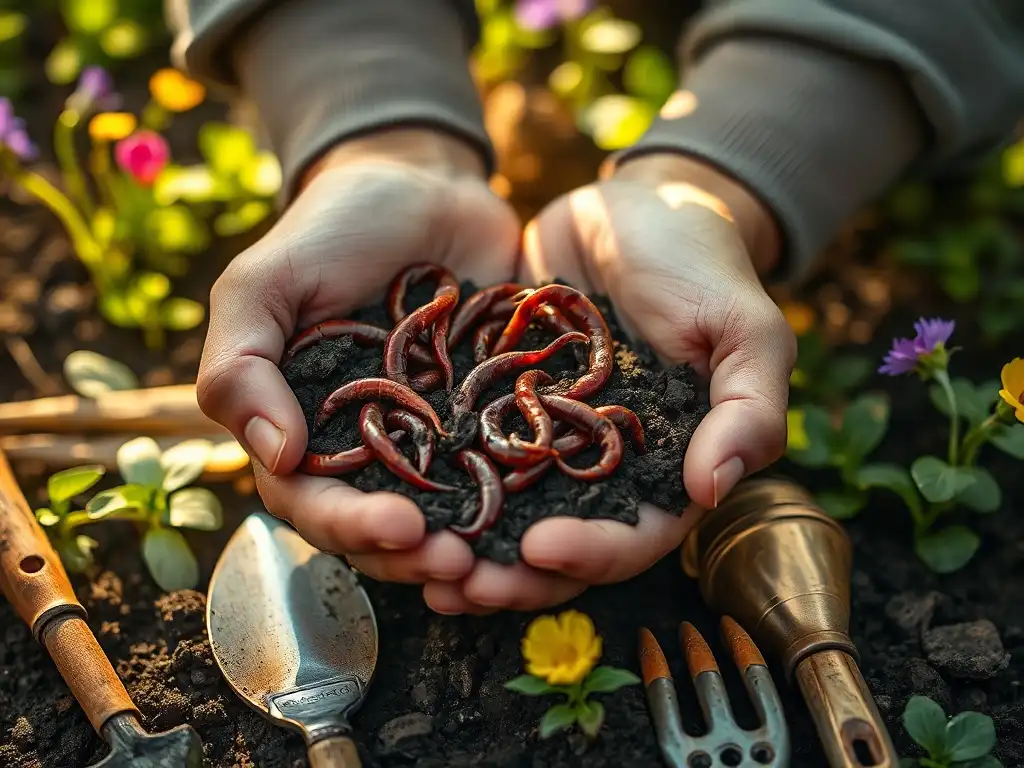
Ready to transform your backyard into a thriving, organic oasis? CultivateYourFood is your guide to growing delicious fruits, vegetables, and herbs at home. Discover the secrets to sustainable gardening, starting with our essential guide on Organic gardening hand tools. Learn how the right tools can make all the difference in nurturing your plants naturally and safely – and unlock the joy of a bountiful, homegrown harvest. Let's get growing!
- Choosing the Right Organic Gardening Hand Tools: A Buyer's Guide
- Top Picks: Best Organic Gardening Hand Tools of 2024
- Maintaining Your Organic Gardening Hand Tools: Cleaning and Care
- Beyond the Basics: Advanced Organic Gardening Hand Tools
- Frequently Asked Questions about Organic Gardening Hand Tools
- Conclusion: Investing in Sustainable Practices for a Thriving Organic Garden
- Frequently Asked Questions
- Final Reflection: Cultivating a Greener Future, One Hand Tool at a Time
- Unleash Your Inner Gardener: Grow Organically, Naturally!
Choosing the Right Organic Gardening Hand Tools: A Buyer's Guide
Cultivating a thriving organic garden relies heavily on the tools you use. This isn't just about convenience; the materials of your gardening hand tools directly impact the health of your soil, plants, and ultimately, your food. This comprehensive guide will walk you through selecting organic gardening hand tools that are not only effective but also environmentally friendly and safe for your organic practices. We'll explore the importance of sustainable materials, highlight the dangers of certain common materials, and guide you towards choosing tools that align with your commitment to organic gardening.
Choosing the right tools is a crucial step in creating a truly sustainable and productive garden, ensuring the health of your plants and the environment. Let's dig in! 🌱
Understanding the Importance of Sustainable Gardening Tools
The philosophy of organic gardening extends beyond the plants themselves; it encompasses every aspect of the cultivation process, including the tools employed. Using sustainable and ethically sourced tools is paramount for several reasons. Firstly, it minimizes the introduction of harmful chemicals into your soil. Many conventionally manufactured gardening tools contain plastics derived from petroleum or treated wood with pesticides and other potentially harmful substances.
These chemicals can leach into the soil, contaminating your plants and ultimately ending up in your food. Secondly, sustainable tools often have a longer lifespan, reducing waste and your environmental footprint. Finally, supporting companies committed to sustainable practices helps to promote responsible manufacturing and resource management within the gardening industry. Choosing sustainable tools is an investment in the long-term health of your garden and the planet.
Selecting Materials: Avoiding Harmful Chemicals in Your Hand Tools
When selecting hand tools for your organic garden, scrutinizing the materials is critical. Certain materials commonly found in gardening tools pose significant risks to the health of your soil and plants. Understanding these risks allows you to make informed choices that align with your organic gardening principles. Avoid tools made from materials that could compromise the integrity of your organic garden. A conscious choice of materials will significantly contribute to the overall health and sustainability of your gardening practices.
The Dangers of Plastic and Treated Wood in Organic Gardens
Many mass-produced gardening tools utilize plastics derived from petroleum. These plastics can release harmful chemicals into the soil over time, negatively impacting soil microbial life and potentially contaminating your crops. Similarly, treated wood often contains preservatives and pesticides that are detrimental to soil health and beneficial organisms. These chemicals can leach into the soil, interfering with the delicate balance of your organic ecosystem. The long-term consequences of using these materials can significantly outweigh any short-term cost benefits. It's crucial to prioritize the health of your garden and choose safer alternatives.
Opting for Sustainable Materials: Bamboo, Wood, and Stainless Steel
Fortunately, numerous sustainable alternatives are available for organic gardeners. Bamboo is a rapidly renewable resource, incredibly strong, and naturally resistant to decay. Untreated hardwood, such as ash or oak, also makes excellent durable tools. Finally, stainless steel is a non-toxic and highly durable material ideal for tools like trowels and hand rakes.
Choosing tools made from these materials ensures you're not introducing harmful chemicals into your garden while supporting environmentally responsible manufacturing practices. Remember to always check for certifications and labels that confirm the sustainability of the materials used in the production of your gardening hand tools. This careful selection contributes to a healthier and more sustainable gardening experience.
Essential Hand Tools for Every Organic Gardener
Choosing the right hand tools is crucial for success in organic gardening. The right tools make the work easier, more efficient, and ultimately, more enjoyable. Investing in high-quality, durable tools designed for organic gardening practices will pay dividends in the long run, minimizing soil compaction and preventing the spread of diseases. Remember, organic gardening prioritizes the health of the soil and plants, so selecting tools that respect this philosophy is paramount. This section will guide you through selecting essential hand tools that align with organic gardening principles. We’ll focus on tools made from sustainable materials and designed for ergonomic use to minimize strain and maximize effectiveness. The selection of tools discussed here will allow you to tackle a wide range of gardening tasks, from planting seeds to harvesting your bountiful crops. Remember to always clean your tools after each use to prevent the spread of disease and maintain their longevity.
High-Quality Trowels for Planting and Transplanting
A good trowel is an indispensable tool for any organic gardener. Look for a trowel with a strong, stainless steel blade – avoiding those with coatings that might leach chemicals into the soil. The blade should be sharp and appropriately sized for the tasks at hand. A comfortable, ergonomic handle made from sustainably sourced wood or recycled materials is a must. A wider, flatter blade is ideal for transplanting larger plants, while a narrower blade is perfect for planting seeds and seedlings.
Consider the depth of the blade; a deeper blade is beneficial for digging holes for larger plants. When choosing, prioritize durability and comfort. A well-made trowel will last for years, making it a worthwhile investment. For example, a Japanese-style trowel, known for its strength and sharpness, is a popular choice among organic gardeners.
Ergonomic Hand Rakes for Soil Preparation and Weeding
Hand rakes are essential for preparing seedbeds and removing weeds. Opt for a rake with a head made from durable, rust-resistant materials like stainless steel. The tines should be spaced appropriately for the tasks you'll be performing. Closely spaced tines are better for fine soil preparation, while wider spacing is suitable for weeding and larger debris removal. Ergonomics are key here; a long, comfortable handle will prevent back strain during extended use.
Look for handles made from strong, lightweight wood or recycled materials. The length of the handle should be proportionate to your height to maintain proper posture while working. Consider the overall weight and balance of the rake; a well-balanced rake reduces fatigue. Proper soil preparation is crucial for successful organic gardening, and an ergonomic hand rake can significantly improve your efficiency and comfort.
Durable Garden Forks for Aeration and Soil Turning
Garden forks, also known as digging forks, are invaluable for loosening compacted soil, aerating the soil, and turning compost. Choose a fork with strong, pointed tines made from high-carbon steel or stainless steel for superior durability and rust resistance. The tines should be spaced to allow for effective soil penetration and aeration without excessive clumping. A D-shaped handle is generally preferred for comfort and leverage, reducing strain on your hands and wrists.
The length of the handle should be suitable for your height and the depth of your garden beds. A longer handle is beneficial for working in deeper soil. When selecting a garden fork, prioritize a sturdy construction that will withstand years of use. A well-maintained garden fork will significantly improve the health and productivity of your soil.
Sturdy Hand Cultivators for Weeding and Soil Cultivation
Hand cultivators are incredibly versatile tools for weeding and cultivating soil. They effectively remove weeds while simultaneously aerating the soil around your plants. Choose a cultivator with strong, durable tines made from hardened steel or stainless steel. The tines should be shaped to effectively break up soil clods and remove weeds without damaging plant roots.
Consider the width of the cultivator; a narrower cultivator is ideal for working between closely spaced plants, while a wider cultivator is more efficient for larger areas. A comfortable, ergonomic handle is essential for reducing hand and wrist fatigue. Look for handles made from durable, sustainably sourced wood or recycled materials. Regular use of a hand cultivator will improve soil structure, reduce weed pressure, and promote healthy plant growth.
Precision Pruning Shears for Organic Pest Control and Plant Maintenance
Precision pruning shears are essential for maintaining the health and productivity of your plants. These shears are vital for organic pest control, allowing for the precise removal of diseased or infested plant parts. Choose shears with sharp, durable blades made from high-carbon steel or stainless steel. The blades should meet cleanly to ensure a precise cut, minimizing damage to the plant.
A comfortable grip and ergonomic design are essential for reducing hand fatigue during extended use. Look for shears with a bypass action, which provides a clean cut without crushing the plant tissue. Proper pruning not only improves plant health but also reduces the need for chemical pest control, aligning perfectly with organic gardening principles. Regular pruning enhances air circulation and sunlight penetration within the plant canopy, further promoting healthy growth.
Top Picks: Best Organic Gardening Hand Tools of 2024
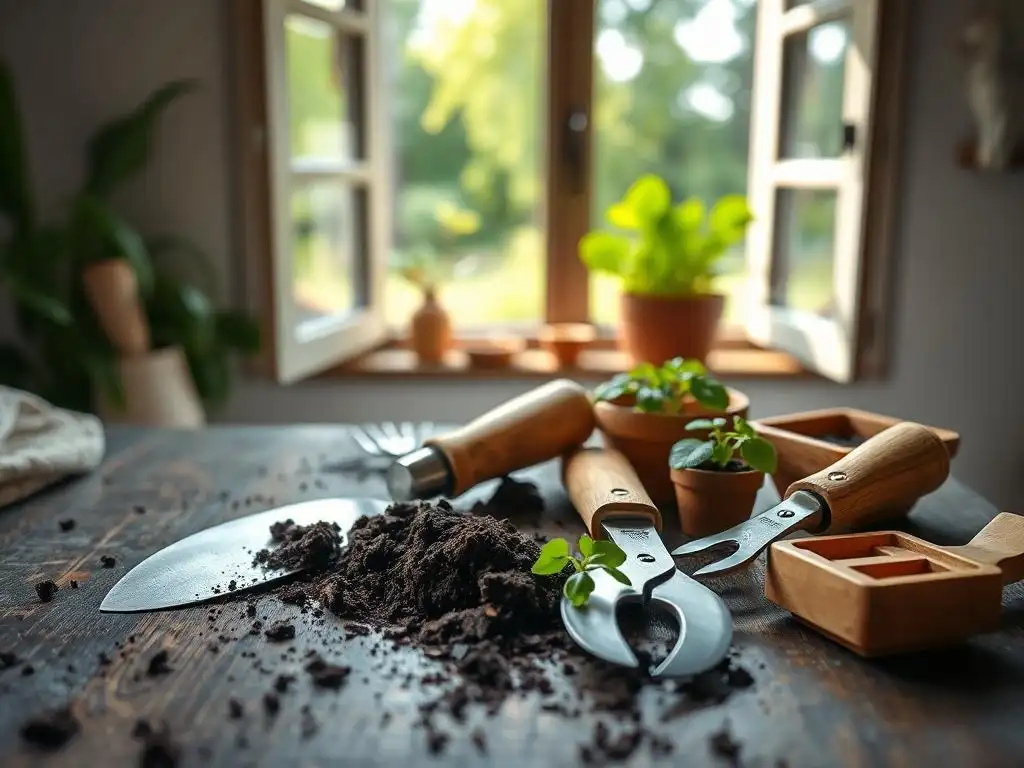
Choosing the right hand tools is crucial for successful organic gardening. The tools you select directly impact your efficiency, comfort, and the overall health of your plants. This section highlights some of the top choices for organic gardening hand tools in 2024, categorized for easy selection based on your needs and budget. Remember, investing in quality organic gardening hand tools is an investment in your garden's long-term success and your own well-being. Using durable, well-designed tools reduces strain and makes gardening more enjoyable.
Best Overall Organic Gardening Hand Tool Set
The ideal organic gardening hand tool set should offer a good balance of essential tools, durability, and ergonomics. A high-quality set often includes a trowel, hand rake, cultivator, and hand fork. Look for tools made from materials like forged steel (for strength and longevity) with comfortable, wooden or ergonomically designed handles. Avoid tools with plastic parts, especially handles, as they can break down faster and may contain harmful chemicals. A good set will last for many years with proper care and storage, representing a worthwhile investment for any serious organic gardener.
Consider features like:
- Material: Forged steel heads are preferable for strength and rust resistance. Wooden handles provide a comfortable grip and are biodegradable.
- Ergonomics: Look for tools with curved or contoured handles to reduce strain on your hands and wrists during prolonged use. This is especially important for those with arthritis or other hand conditions.
- Weight: While robust tools are necessary, excessively heavy tools can lead to fatigue. Strive for a balance between durability and weight.
- Warranty: A good warranty shows the manufacturer's confidence in the quality of their products.
The best overall set will depend on individual needs and preferences, but prioritizing the features listed above will help you make an informed decision and find the perfect organic gardening hand tools for your specific needs. Remember to always clean and store your tools properly after each use to extend their lifespan.
Best Budget-Friendly Organic Gardening Hand Tool Kit
Not everyone has a large budget for gardening tools. Fortunately, there are excellent budget-friendly options available that don't compromise on quality or effectiveness. These kits often include a smaller selection of essential tools, perhaps a trowel, hand rake, and cultivator. While they may not be made from the most premium materials, they still offer functionality and value for money.
When choosing a budget-friendly kit, consider these factors:
- Material: Look for durable, but more affordable materials such as high-carbon steel, which offers good strength-to-price ratio. Handles may be made of plastic, but ensure they are sturdy and comfortable to use.
- Features: Focus on the essential tools for your gardening style. A basic set with a trowel, cultivator and hand rake is a great starting point. You can always add more specialized tools later.
- Reviews: Read reviews from other gardeners to gauge the durability and performance of the kit before purchasing.
A well-chosen budget kit can be a great way to start your organic gardening journey without breaking the bank. Remember that even budget tools require proper care and storage to maximize their lifespan. Investing in a good tool roll or storage container can help protect your tools from damage and extend their longevity.
Best Ergonomic Hand Tools for Organic Gardening
Ergonomic design is crucial for preventing injuries and ensuring comfortable gardening, especially for extended periods. Ergonomic hand tools are designed to minimize strain on your hands, wrists, and back. This is particularly important for organic gardeners, as many tasks require repetitive movements.
Features to look for in ergonomic organic gardening hand tools include:
- Soft-grip handles: These handles provide a comfortable and secure grip, reducing slippage and strain.
- Contoured handles: Handles that conform to the shape of your hand reduce pressure points and fatigue.
- Lightweight materials: Lightweight tools reduce strain on your muscles and joints.
- Reduced vibration: Some tools incorporate features to minimize vibrations, which can cause discomfort and injury over time.
- Adjustable handles: Adjustable handles allow for customization to fit different hand sizes and preferences.
Investing in ergonomic tools can significantly improve your gardening experience and prevent long-term injuries. While these tools may be slightly more expensive, the long-term benefits to your health and comfort make them a worthwhile investment. Consider these tools as an investment in your well-being and a key component of sustainable and enjoyable organic gardening. Remember to take regular breaks and use proper gardening techniques to further minimize strain.
Best Stainless Steel Hand Tools for Organic Gardening
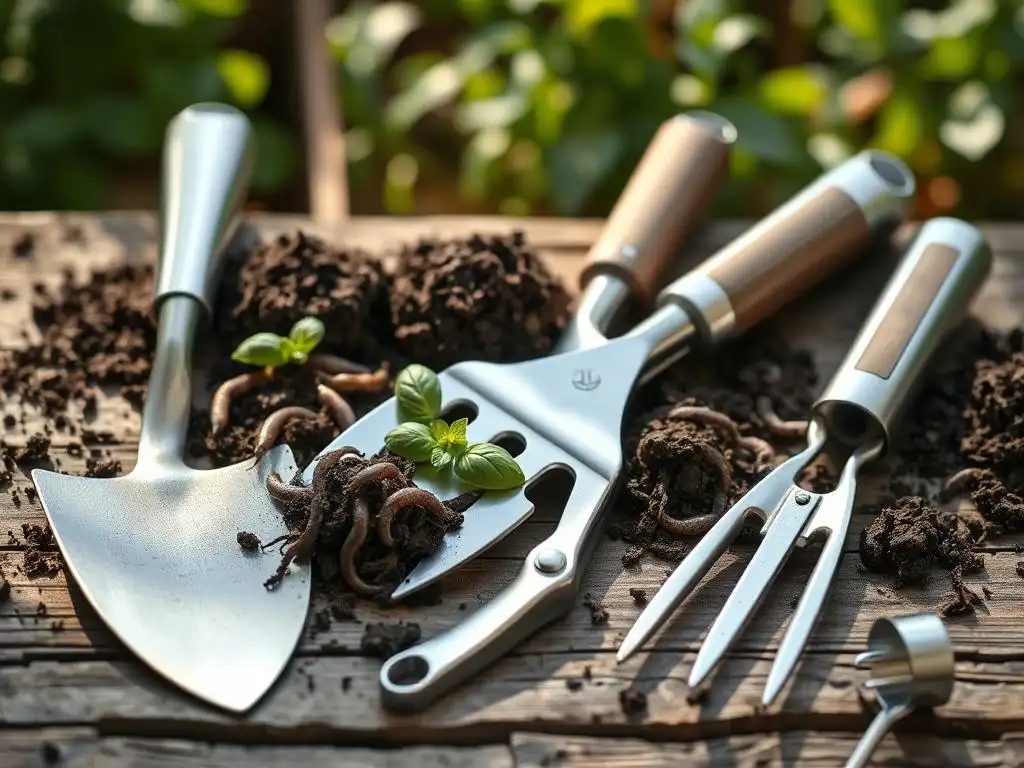
Stainless steel hand tools offer several advantages for the organic gardener. Their durability is unmatched; a well-made stainless steel trowel or cultivator can last for decades with proper care, reducing the need for frequent replacements and minimizing waste. This longevity contributes significantly to a sustainable gardening practice. Furthermore, stainless steel is non-reactive, meaning it won't leach chemicals into the soil, unlike some other metals.
This is crucial for maintaining the integrity of your organic garden and ensuring the health of your plants. You can be confident that your soil composition remains uncompromised by the tools you are using. Finally, stainless steel tools are generally easy to clean, further preventing the spread of diseases or pests between plants. A quick wipe-down after each use is often sufficient to keep them in optimal condition.
Look for tools with seamless construction to prevent dirt and debris from accumulating in crevices. While the initial investment might be slightly higher compared to cheaper alternatives, the long-term value and environmental benefits make stainless steel a superior choice for the committed organic gardener. Consider investing in a complete set, including trowels, cultivators, and hand rakes, for comprehensive garden maintenance. Remember to choose tools with ergonomic handles for comfortable and efficient use, reducing strain during prolonged gardening sessions.
Best Bamboo Hand Tools for the Eco-Conscious Gardener
Bamboo hand tools represent a fantastically sustainable option for the environmentally aware organic gardener. Bamboo is a rapidly renewable resource, requiring significantly less water and pesticides than many other materials used in tool manufacturing. Choosing bamboo tools directly supports sustainable forestry practices and reduces the environmental impact of your gardening endeavors. Beyond their eco-friendly production, bamboo tools are surprisingly durable and lightweight.
Their lightweight nature makes them ideal for extended periods of gardening, reducing fatigue and promoting better posture. The natural strength of bamboo allows these tools to withstand considerable use, providing a robust and reliable performance. While bamboo tools might require slightly more careful handling than their metal counterparts—avoiding prolonged exposure to excessive moisture—their overall lifespan is impressive, especially when properly cared for. Regular cleaning and oiling can significantly extend their longevity.
Look for tools with well-finished handles to ensure comfort and prevent splintering. The slightly softer nature of bamboo can be advantageous when working with delicate seedlings, minimizing the risk of root damage. Opting for bamboo tools is a clear statement of commitment to both organic gardening and environmental sustainability, a harmonious blend perfectly aligned with the principles of CultivateYourFood.
Maintaining Your Organic Gardening Hand Tools: Cleaning and Care
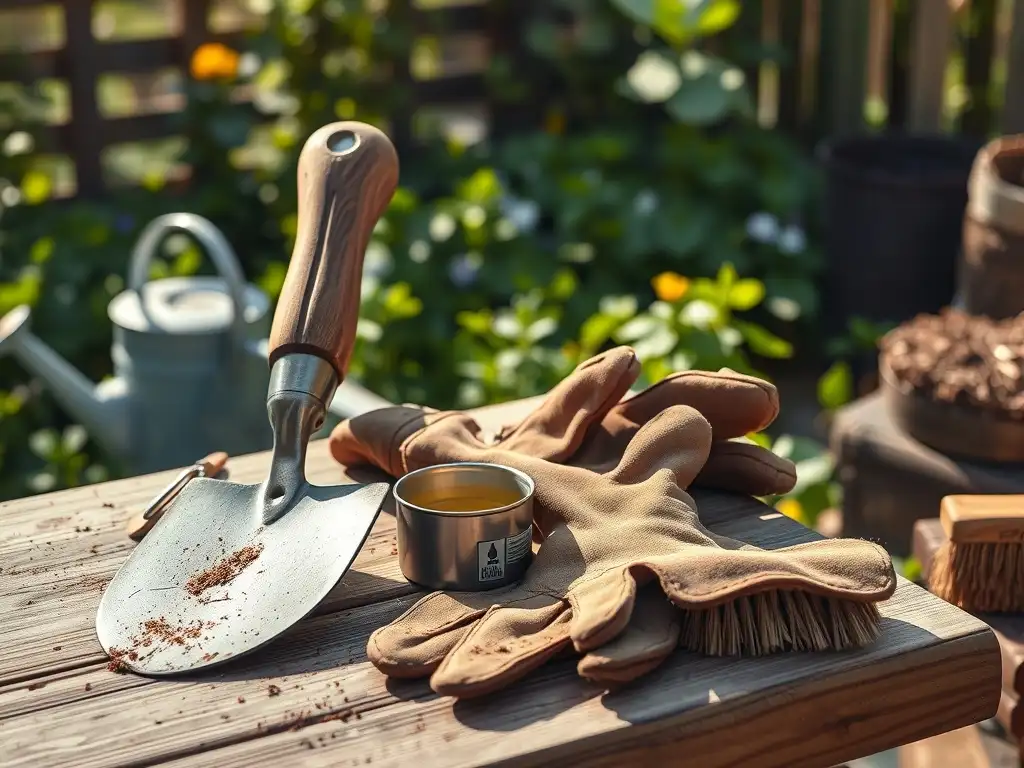
Maintaining your organic gardening hand tools is crucial not only for extending their lifespan but also for protecting the health of your plants and soil. Clean tools prevent the spread of diseases and pests, ensuring a thriving and productive garden. Neglecting this essential step can lead to compromised plant health and reduced yields. Let's delve into the specifics of proper tool maintenance.
Cleaning Your Tools After Each Use: Preventing Disease Spread
Cleaning your hand tools after each use is a fundamental practice in organic gardening. This simple step significantly reduces the risk of transmitting plant diseases and pests from one plant to another. Soilborne pathogens and fungal spores can easily cling to tools, spreading infections throughout your garden. Consider these steps for effective cleaning:
- Immediate Cleaning: Ideally, clean your tools immediately after use, before the soil dries and hardens. This makes cleaning much easier and more effective.
- Methods: Use a stiff brush or wire brush to remove caked-on soil and debris. For tougher residue, consider a mixture of warm water and mild dish soap. A solution of diluted white vinegar (1 part vinegar to 10 parts water) is also effective in removing stubborn dirt and potentially harmful microbes. Never use harsh chemicals; they can contaminate your soil and harm beneficial organisms.
- Disinfection (when necessary): If you suspect a disease infestation, a more thorough disinfection is necessary. A solution of 1 part bleach to 9 parts water can be used, but ensure thorough rinsing afterward. Alternatively, consider using isopropyl alcohol (70% concentration) for a less harsh disinfectant. Always test any disinfectant solution on a small, inconspicuous area of your tool first to avoid damage.
- Drying: Thoroughly dry your tools before storing them. This prevents rust and the growth of mold and mildew. Wipe them down with a clean cloth and allow them to air dry completely.
Remember, consistent cleaning is key to preventing the spread of diseases and pests, contributing significantly to the overall health and productivity of your organic garden. The extra time spent cleaning is a small price to pay for a healthier garden.
Proper Storage to Extend the Life of Your Tools
Proper storage is just as important as cleaning in extending the life of your organic gardening hand tools. Improper storage can lead to rust, damage, and ultimately, the need for premature replacement. Consider these key elements for optimal tool storage:
- Dry Environment: Store your tools in a dry, well-ventilated area, away from direct sunlight and moisture. A damp environment encourages rust and corrosion.
- Organized Storage: Keep your tools organized to prevent damage and make them easy to find when needed. Consider using a tool rack, a pegboard, or even a simple bucket to store your tools neatly.
- Protection from the Elements: If storing your tools outdoors, ensure they are protected from rain, snow, and extreme temperatures. A covered shed or a waterproof storage container will provide necessary protection.
- Lubrication: For tools with moving parts, such as pruning shears and loppers, regular lubrication with a light oil will prevent sticking and ensure smooth operation. Apply a small amount of oil to the moving parts after cleaning and drying.
By following these simple storage guidelines, you can significantly extend the lifespan of your organic gardening hand tools, saving you money and reducing waste. Investing in proper storage is an investment in the longevity of your tools and the success of your garden.
Dull tools are inefficient and can damage plants. Regular sharpening and timely repairs are essential for maintaining the effectiveness and longevity of your organic gardening hand tools. Here's how to keep your tools in top condition:
- Sharpening: Most hand tools, such as trowels, hoes, and pruning shears, benefit from regular sharpening. Use a sharpening stone, file, or honing steel to maintain a sharp edge. There are many online resources and tutorials available to guide you through the proper sharpening techniques for different types of tools. Sharpen your tools frequently, as needed, rather than waiting until they are extremely dull. This prevents excessive wear and tear.
- Repairing Minor Damage: Address minor damage promptly. Loose handles can be tightened, broken parts can often be repaired with epoxy or wood glue, and minor rust can be removed with a wire brush and a rust remover.
- Replacing Worn-Out Parts: Don't hesitate to replace worn-out parts, such as broken handles or damaged blades. Using tools with damaged parts can lead to injury and inefficient work. Prioritize safety and effectiveness when deciding whether to repair or replace.
Regular sharpening and repair are vital for maintaining the efficiency and lifespan of your organic gardening hand tools. Investing time in these tasks will pay off in the long run, ensuring your tools remain effective and safe to use for years to come. Remember, a well-maintained tool is a happy tool! 🌱
Beyond the Basics: Advanced Organic Gardening Hand Tools
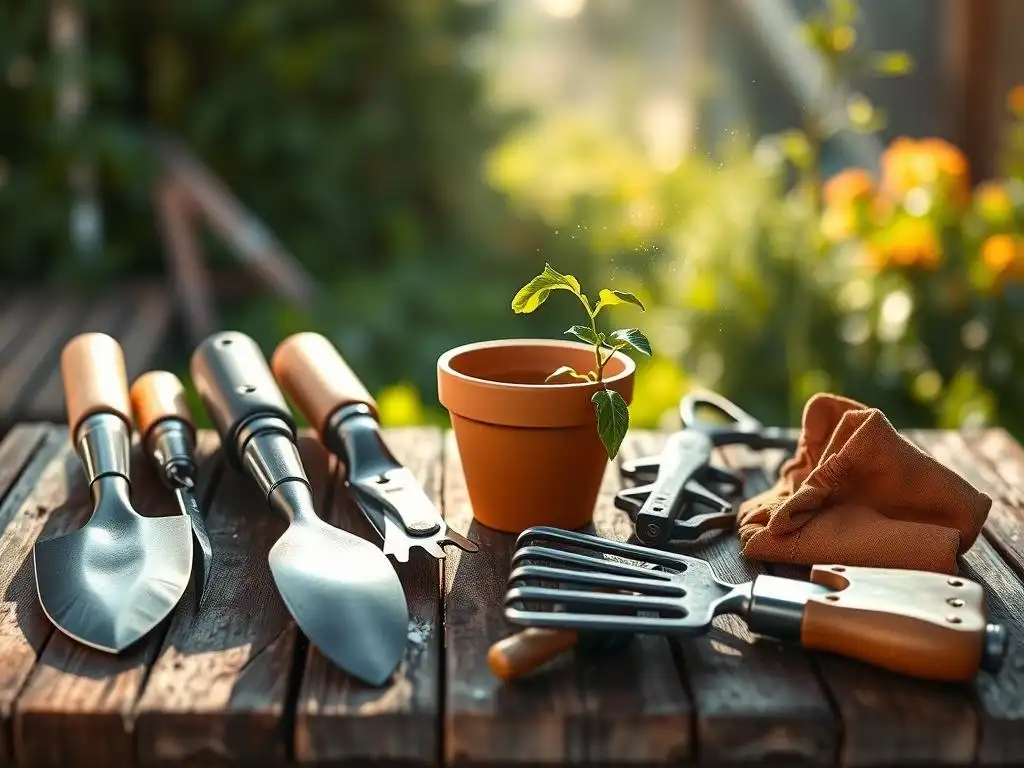
This section delves into specialized hand tools that elevate your organic gardening game beyond the fundamentals. While basic trowels and hoes are essential, these advanced tools offer efficiency and precision, contributing to a healthier and more productive garden. Choosing the right tools for specific tasks is crucial for minimizing your impact on the environment and maximizing your yield. Remember, the best organic gardening hand tools are durable, comfortable to use, and ideally made from sustainable materials.
Specialized Tools for Specific Tasks
Beyond the standard trowel and hand rake, a range of specialized tools caters to particular organic gardening needs. These tools allow for more precise work, reducing soil disturbance and promoting healthy plant growth. Let's examine a few examples:
- Dibber: This pointed tool is perfect for creating precise holes for planting seeds or seedlings, minimizing damage to the surrounding soil structure. A dibber ensures consistent planting depth, leading to improved germination rates. Look for dibblers made from hardwood or durable metal for longevity.
- Transplanting Trowel: Unlike a general-purpose trowel, a transplanting trowel features a wider, shallower blade, ideal for gently lifting seedlings without damaging their delicate roots. This minimizes transplant shock and improves the success rate of transplanting.
- Hula Hoe: This uniquely shaped tool is excellent for weeding and cultivating soil between rows. Its oscillating motion efficiently removes weeds while minimizing soil disturbance, preserving beneficial soil organisms crucial for organic gardening. The hula hoe's design also helps to reduce fatigue during extended gardening sessions.
- Hand Weeder: Designed specifically for targeting individual weeds, hand weeders offer precise removal of weeds without disturbing surrounding plants. Many hand weeders have a small, narrow blade that slips easily beneath the weed's root system, extracting it completely. This prevents weed regrowth and protects beneficial soil microbes.
The selection of specialized tools depends on your garden's size, the types of plants you grow, and your personal preferences. However, investing in a few specialized tools can significantly improve efficiency and reduce physical strain during your organic gardening practices.
Tools for Seed Starting and Propagation
Successfully starting seeds indoors requires specialized tools that ensure optimal conditions for germination and seedling growth. These tools aid in the delicate process of handling young plants and maintaining a healthy growing environment. Consider these essential tools:
- Seed Starting Trays: These trays provide individual cells for each seed, preventing overcrowding and promoting uniform growth. Choosing biodegradable trays further aligns with your organic gardening philosophy.
- Seed Starting Mix: Avoid using regular garden soil for seed starting. A specialized seed starting mix is lighter, well-draining, and contains fewer pathogens that could harm delicate seedlings.
- Watering Can with Rose Head: A gentle watering can with a rose head (a fine spray nozzle) provides precise watering without disturbing the delicate seedlings. Overwatering can lead to damping-off, a fungal disease that can wipe out seedlings.
- Heat Mat: For certain seeds that require warmer temperatures to germinate, a heat mat provides consistent bottom heat, speeding up the germination process and encouraging healthy growth.
Proper seed starting techniques are critical for successful organic gardening. Investing in the right tools ensures the health and vigor of your seedlings, setting the stage for a bountiful harvest. Careful attention to detail during this phase significantly impacts the overall success of your garden.
Composting Tools
Composting is a cornerstone of organic gardening, and the right tools make the process more efficient and effective. Composting tools aid in turning the compost pile, aerating the material, and maintaining optimal moisture levels. Here are some key tools for effective composting:
- Pitchfork: A sturdy pitchfork is essential for turning the compost pile, aerating the material, and breaking down larger pieces of organic matter. This ensures proper decomposition and accelerates the composting process.
- Compost Aerator: For larger compost piles, a compost aerator is a time-saver. These tools have long tines that penetrate deep into the pile, improving aeration and promoting decomposition.
- Compost Thermometer: Monitoring the temperature of your compost pile is crucial for effective composting. A compost thermometer allows you to track the temperature, ensuring optimal conditions for microbial activity and decomposition.
- Gardening Gloves: Protecting your hands from potential hazards (thorns, sharp objects) in the compost pile is essential. Choose durable, comfortable gardening gloves that provide adequate protection.
Effective composting is vital for enriching your soil with organic matter, reducing waste, and promoting sustainable gardening practices. Investing in these tools improves the efficiency and effectiveness of your composting efforts, ultimately benefiting your garden's health and productivity.
Frequently Asked Questions about Organic Gardening Hand Tools
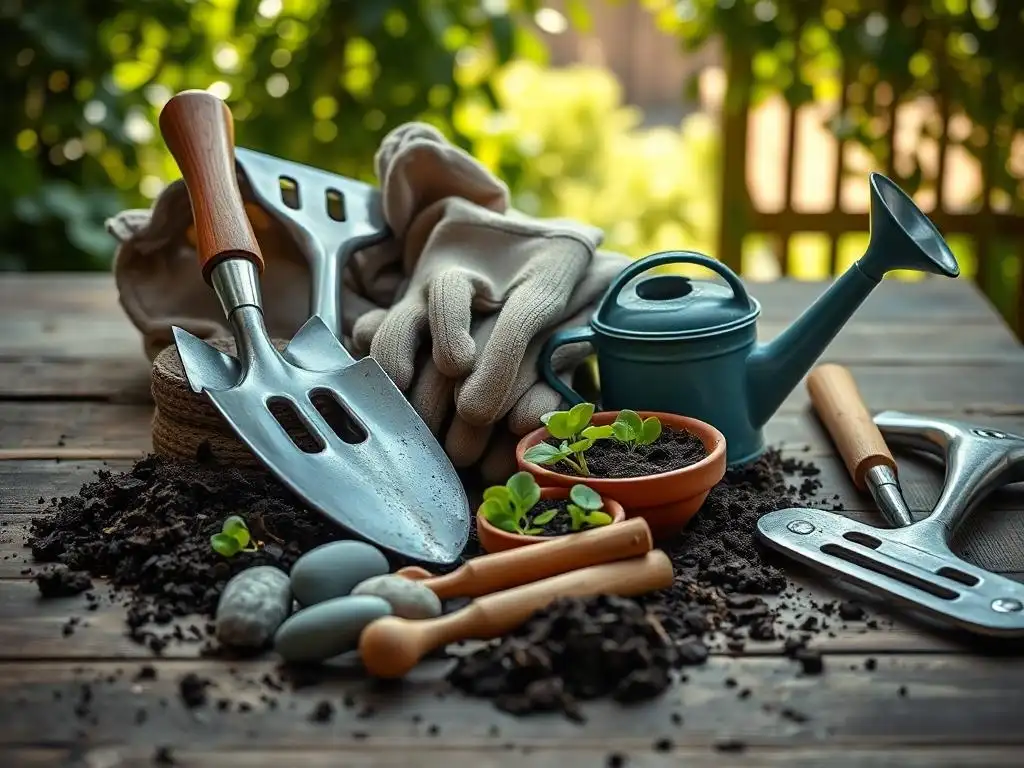
This section addresses common queries regarding the acquisition and selection of organic gardening hand tools, ensuring you make informed choices for your sustainable gardening practices. Choosing the right tools can significantly impact your gardening experience and the health of your plants. Let's delve into some frequently asked questions.
Where to Buy High-Quality Organic Gardening Hand Tools?
Finding high-quality, durable organic gardening hand tools doesn't require a treasure hunt. Many reputable sources offer excellent options. Prioritize suppliers who emphasize sustainably sourced materials and ethical manufacturing processes. Look for tools made from materials like untreated hardwood, forged steel, or recycled metals. Avoid tools with plastic or synthetic coatings that could leach harmful chemicals into your soil.
Some avenues for sourcing these tools include:
- Local garden centers: Often carry a curated selection of high-quality tools, and you can directly ask about the materials and origin. This also supports your local economy! 🌱
- Online retailers specializing in organic gardening supplies: These often provide detailed product descriptions, allowing for informed comparisons. Read reviews carefully to gauge the durability and performance of different brands.
- Directly from tool manufacturers: This provides transparency and allows you to understand the manufacturing process. However, this option may involve higher shipping costs.
- Used tool markets or online marketplaces: You can often find excellent pre-owned tools at a fraction of the cost, extending the lifespan of already manufactured tools and reducing waste. Just carefully inspect for any damage before purchasing.
Remember to check for certifications or labels that indicate sustainable practices and ethical sourcing. This ensures your purchase aligns with your organic gardening principles.
How Much Should I Spend on Organic Gardening Hand Tools?
The cost of organic gardening hand tools varies greatly depending on the material, quality, and brand. While it's tempting to opt for the cheapest option, investing in high-quality tools often proves more cost-effective in the long run. Cheap tools are more likely to break or become dull quickly, requiring frequent replacements. This can negate any initial savings.
Think of your tools as an investment in your garden's health and your own enjoyment of gardening. A well-made tool will last for years, providing reliable service and a rewarding gardening experience.
A reasonable budget for a basic set of organic gardening hand tools (including a trowel, hand rake, cultivator, and pruning shears) could range from $50 to $200. However, individual tool prices can vary significantly. A high-end forged steel trowel might cost more than a basic one made from stamped steel. Consider prioritizing a few high-quality tools initially, rather than buying a large set of inferior quality tools.
Here's a simplified cost breakdown example:
| Tool | Low-Cost Estimate | Mid-Range Estimate | High-End Estimate |
|---|---|---|---|
| Trowel | $10 | $25 | $50 |
| Hand Rake | $15 | $30 | $60 |
| Cultivator | $20 | $40 | $80 |
| Pruning Shears | $15 | $35 | $70 |
| Total | $60 | $130 | $260 |
Remember that these are estimates, and prices will vary based on the retailer and specific product.
How to Choose the Right Size and Weight of Hand Tools?
Selecting the appropriate size and weight of hand tools is crucial for comfortable and efficient gardening. Tools that are too heavy can lead to fatigue and strain, while tools that are too light may not be effective for certain tasks.
Consider these factors:
- Your physical strength and stamina: If you have limited strength or experience, opt for lighter tools with ergonomic handles. Avoid excessively heavy tools, especially for prolonged use.
- The type of soil you're working with: For heavy clay soils, you might need more robust tools than for lighter, sandy soils. A heavier trowel might be necessary for breaking up compacted clay.
- The tasks you'll be performing: Different tasks require tools of different sizes and weights. A small, lightweight trowel is ideal for transplanting seedlings, while a larger, heavier one is better for digging holes.
Before purchasing, try holding the tool in your hand to assess its weight and balance. A well-balanced tool will feel comfortable and natural in your grip. Look for tools with ergonomic handles that fit comfortably in your hand and reduce strain. Many manufacturers offer tools specifically designed for smaller hands or those with arthritis. Investing time in choosing the right tools will pay off in comfort and efficiency during your gardening endeavors. 🧑🌾
What are the Benefits of Using Organic Gardening Hand Tools?
Using organic gardening hand tools offers a multitude of benefits for both your garden and the environment. Firstly, they minimize soil disturbance. Unlike motorized tillers which can compact soil and damage delicate root systems, hand tools allow for more precise and gentle cultivation. This leads to healthier soil structure, improved water retention, and better nutrient uptake by your plants. The result? Healthier, more vigorous growth and higher yields of organic produce.
Secondly, hand tools promote biodiversity. By carefully tending to your garden with hand tools, you're less likely to inadvertently harm beneficial insects, earthworms, and other soil organisms crucial for a thriving ecosystem. These creatures play vital roles in nutrient cycling, pest control, and overall soil health, all of which contribute to a more sustainable and productive garden. In contrast, machinery can disrupt these delicate balances.
Thirdly, organic gardening hand tools are often made from sustainable materials, such as wood and recycled metal. This reduces your carbon footprint compared to the manufacturing and use of gas-powered equipment. Choosing durable, well-made tools also means less frequent replacements, further minimizing environmental impact. Consider the longevity—a high-quality hand tool can last for years, even decades, with proper care.
Finally, the act of gardening with hand tools is inherently more mindful and connected. It allows you to observe your plants closely, noticing subtle changes and addressing problems promptly. This hands-on approach fosters a deeper understanding of your garden and strengthens the bond between you and your plants. It's a more meditative and rewarding experience than simply relying on machinery. The benefits extend beyond the tangible; the process itself cultivates a deeper appreciation for nature and sustainable practices.
Conclusion: Investing in Sustainable Practices for a Thriving Organic Garden
Choosing the right hand tools is crucial for successful organic gardening. Sustainable and ethically sourced tools not only minimize your environmental impact but also contribute to a healthier and more productive garden. By prioritizing durability and longevity, you reduce the need for frequent replacements, lessening the demand on resources and reducing waste. This commitment to sustainability extends beyond the tools themselves; it influences your entire gardening approach, promoting a harmonious relationship between your garden and the environment.
Remember, organic gardening is a holistic practice, and the tools you choose play a significant role in its success. Investing in quality, sustainable tools is an investment in the long-term health and productivity of your garden. The initial cost might seem higher, but the long-term benefits, both environmentally and economically, far outweigh the expense.
This mindful approach to tool selection reflects a deeper commitment to the principles of organic cultivation, fostering a more sustainable and rewarding gardening experience. Consider the lifecycle of your tools – from sourcing materials to eventual disposal – and choose options that minimize their overall environmental footprint. This mindful consideration contributes to a more holistic and effective organic gardening practice.
The Long-Term Benefits of Choosing Sustainable Hand Tools
The advantages of using sustainable hand tools in your organic garden extend far beyond the immediate task at hand. Consider these long-term benefits:
- Reduced Environmental Impact: Sustainable tools, often made from recycled or sustainably harvested materials, minimize deforestation and pollution associated with manufacturing. This directly supports the principles of organic gardening, which prioritize environmental protection.
- Increased Durability and Longevity: High-quality, sustainably made tools are built to last. Unlike cheaply made counterparts, they resist wear and tear, reducing the need for frequent replacements and the associated waste. This translates to cost savings in the long run.
- Improved Ergonomics and Comfort: Many sustainable tool manufacturers prioritize ergonomic design, resulting in tools that are comfortable to use, reducing strain and fatigue during prolonged gardening sessions. This is particularly important for organic gardening, which often involves more intensive handwork.
- Support for Ethical Production: By choosing sustainably sourced tools, you support businesses committed to fair labor practices and environmental responsibility. This aligns with the ethical considerations inherent in organic gardening.
- Enhanced Gardening Experience: Using well-designed, comfortable tools makes gardening more enjoyable and rewarding. This positive experience encourages consistent gardening, leading to a healthier and more productive garden.
Recommendations for Building Your Ideal Organic Gardening Tool Kit
Building a comprehensive organic gardening tool kit requires careful consideration of your specific needs and gardening style. However, some essential tools should be included in every kit:
| Tool Category | Specific Tool Examples | Rationale | Considerations |
|---|---|---|---|
| Digging & Cultivating | Spade, Trowel, Hand Fork, Cultivator | Essential for planting, weeding, and soil preparation. | Choose tools with strong, durable handles and heads. |
| Planting & Transplanting | Dibber, Transplanting Trowel | Aids in accurate planting and transplanting of seedlings and plants. | Look for comfortable grips and appropriately sized tools. |
| Watering | Watering Can (consider a recycled material option) | Efficient and controlled watering is vital for organic gardening. | Choose a can with a rose head for even water distribution. |
| Weeding | Hand Weeder, Hoe | Effective weed removal is crucial for healthy plant growth. | Select tools suited to different types of weeds and soil. |
| Harvesting | Pruning Shears, Harvesting Knife, Garden Gloves | Crucial for safely and efficiently harvesting your produce. | Choose sharp, durable tools with comfortable handles. |
| Maintenance | Garden Rake, Compost Fork, Secateurs | Essential for maintaining soil health and overall garden upkeep. | Opt for tools made from sustainable and durable materials. |
Remember to prioritize quality and durability over quantity. A few well-chosen, sustainable tools will serve you better in the long run than a large collection of cheaply made, quickly replaced implements. Invest wisely in your organic gardening journey, and you'll reap the rewards for years to come. Consider tools made from wood, bamboo, or recycled metals for a truly sustainable approach to organic gardening. Prioritize tools with long warranties as a testament to their quality and durability. 🌱
Frequently Asked Questions
What are the essential hand tools for organic gardening?
The essential hand tools include a high-quality trowel for planting and weeding, a hand rake for soil preparation, hand cultivator for loosening soil, garden shears for pruning, and a sturdy digging fork for turning over soil. These are a great starting point for any organic garden.
Why should I choose organic gardening hand tools?
Choosing organic gardening hand tools avoids tools treated with harmful chemicals. This protects both your hands and the environment. Many are made from sustainable materials, further reducing your impact.
Where can I find organic gardening hand tools?
Many online retailers and local garden centers carry organic gardening hand tools. Look for tools made from sustainable wood, recycled metal, or other eco-friendly materials. Check reviews before purchasing.
Are organic gardening hand tools more expensive?
Sometimes, yes, but the long-term durability and environmental benefits often outweigh the initial cost. Investing in quality tools will save you money in the long run by reducing the need for replacements.
How do I care for my organic gardening hand tools?
Proper care ensures longevity. After each use, clean your tools thoroughly and sharpen blades as needed. Store them in a dry place to prevent rust and damage. Regular oiling can also extend their lifespan.
Final Reflection: Cultivating a Greener Future, One Hand Tool at a Time
The resurgence of organic gardening isn't just a trend; it's a vital movement towards a healthier planet and a more sustainable future. Choosing the right tools is paramount to this endeavor, ensuring both the success of your garden and the preservation of our environment. The careful selection of natural, durable hand tools, as explored throughout this article, is a crucial step in this journey.
The shift towards organic practices reflects a growing awareness of the interconnectedness between our food systems and the health of our ecosystems. This conscious choice, extending from the seeds we sow to the tools we wield, speaks volumes about our commitment to a more responsible way of life. The earth laughs in flowers.
– Ralph Waldo Emerson. This simple quote encapsulates the joy and responsibility inherent in nurturing life, a responsibility that extends to the tools we use to cultivate our gardens. The impact of our choices, both big and small, ripples outwards, influencing not only our own lives but the lives of future generations.
Consider the implications of your gardening practices. What kind of legacy do you want to leave behind? I urge you to reflect on the tools you use and the impact they have on your garden and the environment. Make a conscious effort to choose sustainable, ethically sourced hand tools, and experience the satisfaction of working with nature, not against it. Embrace the simple act of tending your garden as a powerful act of stewardship, ensuring a greener, healthier future for all.
Unleash Your Inner Gardener: Grow Organically, Naturally!
Thanks for exploring the world of organic gardening with us! We hope you've found inspiration for nurturing your plants naturally. Now, let's get started!
- Start planning your organic garden today! Sketch out your garden plot, considering your local climate and choosing seeds suited to your space. This is your chance to bring your vision to life.
- Share your gardening journey with our community! Tell us about the tools you're using and the organic methods you're employing. We love hearing from fellow gardeners.
- Consider enriching your soil using techniques like composting or cover cropping. This will significantly improve your garden's success.
What surprising organic gardening tip will you try first, and how will it benefit your garden this year?