
The Importance of Light Distance for Healthy Plant Growth

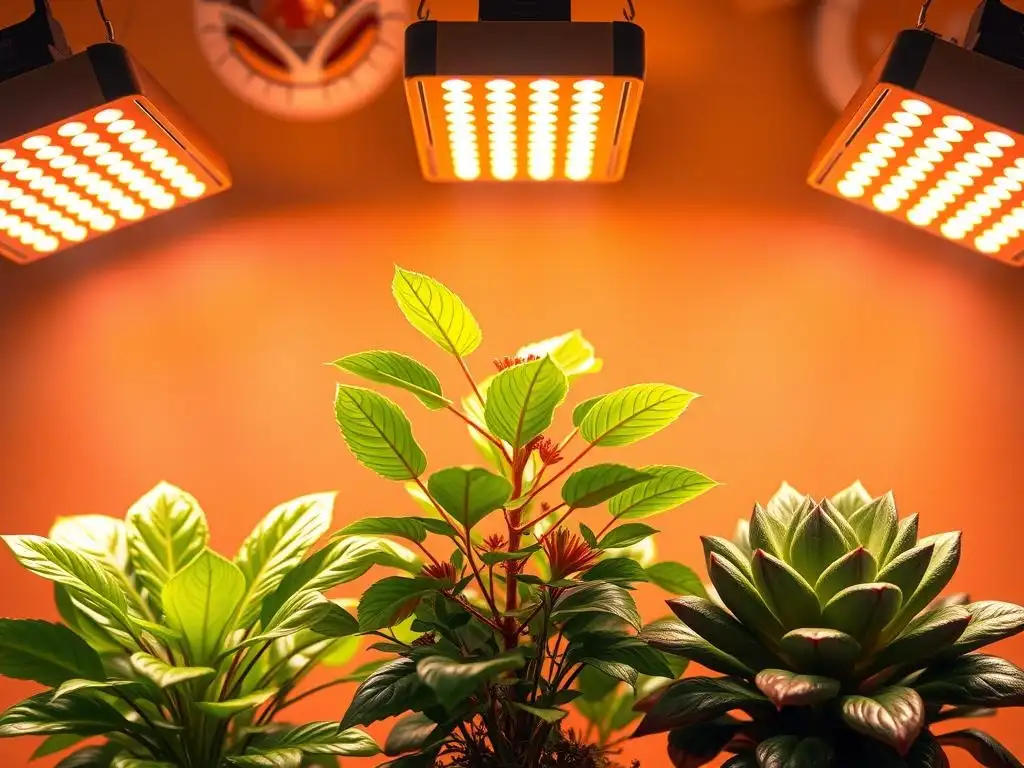
Welcome to CultivateYourFood, your guide to a thriving home garden! Ready to unlock the secrets to bountiful harvests? We believe everyone can grow their own delicious fruits, vegetables, and herbs, organically and sustainably. But did you know that achieving optimal plant growth hinges on a single, often overlooked factor: light distance? Learn how to master the art of best light distance plant growth and transform your gardening journey. Discover the techniques and insights you need to cultivate a vibrant and productive garden – let's get growing!
- Understanding the Crucial Role of Light Distance in Plant Growth
- Measuring Light Distance: Techniques and Tools for Success
- Best Light Distance for Different Plant Types and Growth Stages
- Troubleshooting Common Light Distance Issues
- Recommended Grow Lights for Maintaining Optimal Light Distance
- Case Studies: Real-World Examples of Successful Light Distance Management
- Maintaining Optimal Light Distance for Sustainable Indoor Gardening
- Frequently Asked Questions about Light Distance and Plant Growth (FAQ)
- Frequently Asked Questions
- Final Reflection: Illuminating the Path to Thriving Plants
- Unleash Your Plants' Full Potential: Light & Growth
Understanding the Crucial Role of Light Distance in Plant Growth
Growing healthy, vibrant plants, whether indoors or in a greenhouse, hinges on many factors. Among these, light is arguably the most critical, impacting everything from photosynthesis rates to overall plant morphology. But it's not just how much light your plants receive that matters; the distance between your light source and your plants is equally crucial.
Getting the light distance right is essential for maximizing photosynthesis, preventing plant stretching (etiolation), and ensuring a bountiful harvest. This article delves into the nuances of light distance and its profound impact on plant health and yield, providing practical tips to optimize your indoor or greenhouse gardening setup for achieving the best possible results.
Understanding this crucial aspect of plant care will significantly improve your chances of success in cultivating thriving fruits, vegetables, and herbs using sustainable and organic practices. We'll explore how to determine the optimal light distance for different plant types and light sources, ultimately helping you achieve the best light distance for plant growth and achieve the title of “Best light distance plant growth”.
Optimal Light Distance for Maximum Photosynthesis
Photosynthesis, the process by which plants convert light energy into chemical energy, is directly influenced by light distance. Too close, and you risk light burn, damaging delicate leaves and hindering growth. Too far, and your plants won't receive enough light for optimal photosynthesis, leading to weak growth and reduced yields. The ideal distance varies depending on the type of light source (LED, fluorescent, HID) and the specific plant species. For example, seedlings generally require a closer light distance than mature plants.
The following table provides approximate optimal light distances for common light sources and plant types:
| Light Source | Seedlings (inches) | Mature Plants (inches) | Notes |
|---|---|---|---|
| LED Grow Lights | 6-12 | 12-24 | Varies greatly depending on LED wattage and type |
| Fluorescent Lights | 4-8 | 8-16 | Lower intensity; may require closer proximity |
| HID Grow Lights | 12-24 | 24-36 | High intensity; requires careful monitoring |
Remember these are just guidelines. Regular observation of your plants is key. Look for signs of light burn (yellowing, browning, or crisping of leaves) or stretching (long, spindly stems). Adjust the light distance accordingly. Careful monitoring and adjustments will lead to healthier, more productive plants.
The Impact of Light Intensity on Plant Health and Yield
Light intensity, measured in PPFD (Photosynthetic Photon Flux Density), is another critical factor closely linked to light distance. The intensity decreases as the distance from the light source increases, following an inverse square law. This means that doubling the distance reduces the light intensity to one-fourth. Therefore, maintaining the correct light distance is vital for achieving the desired light intensity for your plants. Different plant species have varying light intensity requirements.
Some thrive in high-intensity light, while others prefer lower intensity. Providing the correct light intensity is crucial for healthy growth, flowering, and fruiting. Insufficient light intensity leads to slow growth, reduced yields, and potentially weak, spindly plants. Conversely, excessive light intensity can cause light burn, damaging leaves and hindering growth. Monitoring light intensity with a PPFD meter is highly recommended to optimize light distance and ensure your plants receive the optimal amount of light.
Light Distance and Plant Stretching (Etiolation): Recognizing the Signs
Plant stretching, also known as etiolation, occurs when plants don't receive enough light. In an attempt to reach a light source, they elongate their stems, becoming weak and spindly with pale, yellowish leaves. This significantly reduces their overall health and productivity. Recognizing the signs of etiolation is crucial for taking corrective action.
Signs of etiolation include:
- Long, thin stems: The stems become excessively long and weak compared to healthy plants.
- Pale, yellowish leaves: The leaves lack the vibrant green color of healthy plants.
- Increased internodal spacing: The distance between leaf nodes increases significantly.
- Reduced leaf size: Leaves may be smaller than normal.
- Weak overall plant structure: The plant appears fragile and easily damaged.
If you observe these signs, immediately adjust the light distance to bring your plants closer to the light source. This will help them recover and grow stronger. Regular monitoring and early intervention are key to preventing etiolation and maintaining healthy plant growth. 🌱
Measuring Light Distance: Techniques and Tools for Success
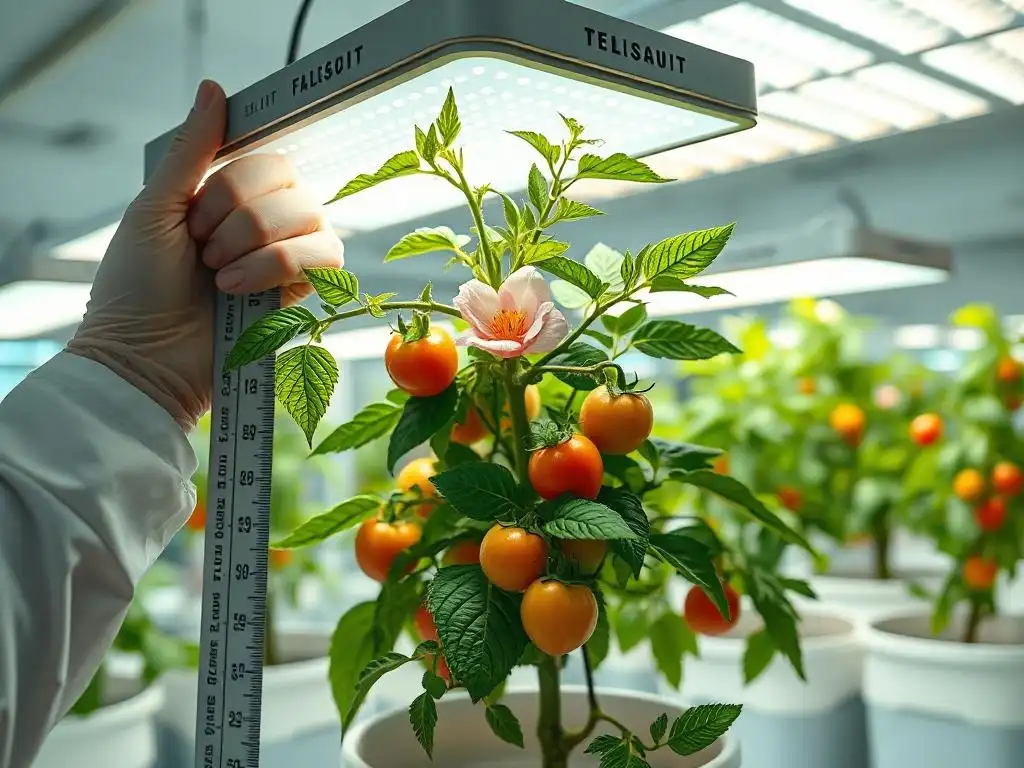
Achieving optimal plant growth hinges on providing the right amount of light at the correct distance. Getting the "best light distance plant growth" isn't about guesswork; it's about precision. This section details the methods and tools available to ensure your plants receive the ideal light exposure. Incorrect distances can lead to etiolation (leggy growth), stunted development, or even plant death.
Therefore, accurate measurement is paramount. We'll explore both simple and more sophisticated techniques to help you master this crucial aspect of indoor and greenhouse gardening. Remember, consistency is key; regular monitoring and adjustments will contribute to healthier, more productive plants.
Using a Ruler or Tape Measure for Accurate Measurements
The simplest method for measuring light distance involves a standard ruler or tape measure. This approach is perfectly suitable for smaller setups and for those just starting their indoor gardening journey. However, it's crucial to understand its limitations. A ruler only provides a linear measurement; it doesn't account for light intensity variations across the plant canopy.
For best results, measure the distance from the top of the light source to the highest point of your plant's canopy. For example, if you're using a fluorescent tube light, measure from the bottom of the tube to the highest leaf. If you have multiple plants of varying heights, consider measuring to the tallest plant and then adjusting the light height accordingly for shorter plants to avoid over- or under-illumination.
Remember to record your measurements! A simple notebook or a spreadsheet can help you track your progress and optimize lighting over time. This data-driven approach is invaluable for refining your technique and achieving the best light distance plant growth for your specific setup and plant species. Regularly checking and adjusting the distance is crucial, especially as your plants grow.
Employing Light Meters for Precise Light Intensity Readings
While a ruler provides a basic measurement of distance, a light meter offers a more comprehensive assessment by quantifying light intensity. This is especially valuable for achieving the best light distance plant growth when dealing with diverse light sources, such as LEDs with varying power outputs or different types of grow lights. A light meter measures the amount of photosynthetically active radiation (PAR) reaching your plants, typically measured in micromoles per square meter per second (µmol/m²/s).
Different plants have different light requirements. Researching the specific light intensity needs of your chosen plants is crucial before using a light meter. The meter will guide you in adjusting the light distance to achieve the desired PAR levels. For instance, leafy greens generally require lower light intensity than flowering plants. By monitoring PAR levels, you can avoid light stress or insufficient light. Light meters offer a level of precision unavailable with simple distance measurements alone. This precision translates directly into healthier, more vigorous plant growth.
Quantum Board Light Meter Review: A Detailed Analysis
Quantum boards are becoming increasingly popular in indoor gardening due to their efficiency and even light distribution. However, optimizing their distance for optimal plant growth still requires careful monitoring. A light meter is an invaluable tool for this. To illustrate, let's consider a hypothetical scenario using a specific light meter. [Specific light meter model and details pending].
Let's assume our quantum board has a rated output of [Specific output pending] µmol/m²/s at a distance of [Specific distance pending] inches. Using our light meter, we would measure the PAR at various distances above the plant canopy. We could then create a table comparing distance to PAR levels.
| Distance (inches) | PAR (µmol/m²/s) | Notes |
|---|---|---|
| 12 | [Data pending] | Potentially too high light intensity |
| 18 | [Data pending] | Ideal range for many plants |
| 24 | [Data pending] | Potentially too low light intensity |
This data would allow us to pinpoint the optimal distance for our specific quantum board and plant type, ensuring we achieve the "best light distance plant growth." Remember, factors like light spectrum and plant type can influence the optimal distance. This data-driven approach, combined with a reliable light meter, is key to maximizing the efficiency and effectiveness of your quantum board lighting system. Consistent monitoring and adjustments, guided by the light meter readings, are critical for long-term success. 🌱
Best Light Distance for Different Plant Types and Growth Stages
Achieving optimal plant growth indoors or in a greenhouse hinges on many factors, but light distance is paramount. Finding the best light distance plant growth requires understanding the specific needs of your plants at different stages of their life cycle. Incorrect distances can lead to etiolation (leggy growth), stunted growth, or even plant death. This section details the ideal light distances for various growth stages, helping you cultivate healthy and thriving plants. Remember, these are guidelines; the optimal distance can slightly vary depending on the specific plant species, the type of grow light used, and the light intensity.
Ideal Light Distance for Seedlings and Young Plants
Seedlings and young plants are particularly vulnerable to light intensity. Too much light can scorch their delicate leaves, while too little can lead to weak, spindly growth. The goal is to provide sufficient light for healthy development without causing damage.
For seedlings and young plants, a distance of 6-12 inches (15-30 cm) from the grow light is generally recommended. This allows them to receive adequate light for photosynthesis without experiencing light burn. Observe your plants carefully; if you notice leaf scorching, increase the distance. If the plants appear leggy and stretched, reduce the distance.
Regular monitoring is crucial during this sensitive stage. Consider using a lower wattage light or dimming feature during the seedling phase to further mitigate the risk of light stress. This careful approach ensures healthy growth and minimizes stress on your young plants. Remember to rotate your plants regularly to ensure even light distribution and prevent uneven growth.
Optimal Light Distance for Vegetative Growth
Once seedlings have developed their first few true leaves and transition into the vegetative growth stage, their light requirements increase. During this phase, plants focus on building strong stems and leaves. Maintaining the correct light distance is crucial for maximizing vegetative growth and developing a strong foundation for later flowering and fruiting stages.
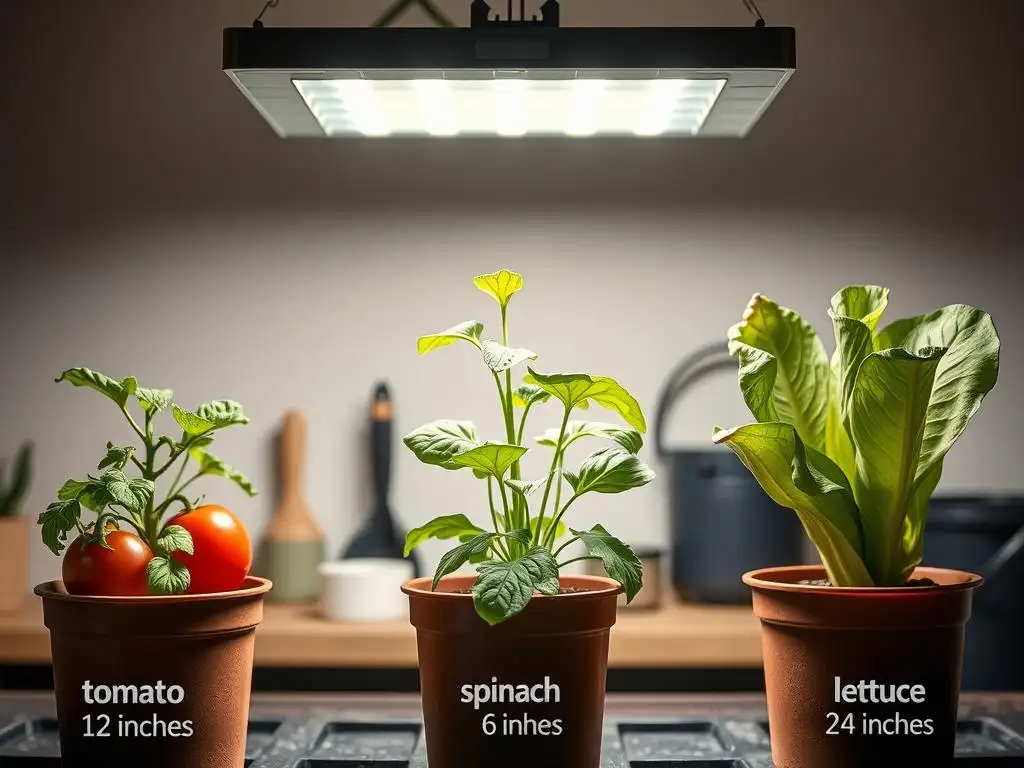
The ideal light distance during vegetative growth is typically 12-24 inches (30-60 cm) from the grow light. This range accommodates the increased size of the plants and ensures they receive sufficient light for robust development. The specific distance will depend on the plant species and the intensity of your grow light. For instance, leafy greens might tolerate slightly closer distances than larger, bushier plants.
Monitor your plants closely; if they appear pale or leggy, reduce the distance. Conversely, if the leaves start to show signs of burning, increase the distance. Regular monitoring and adjustments are key to optimizing vegetative growth. This detailed approach ensures that your plants receive the precise amount of light they need for optimal growth and development during this critical phase.
Perfect Light Distance for Flowering and Fruiting Stages
The flowering and fruiting stages demand the highest light intensity. During this crucial phase, plants divert their energy towards flower and fruit production. The correct light distance is essential for maximizing yields and producing high-quality fruits or flowers.
For flowering and fruiting, the ideal light distance is typically 18-36 inches (45-90 cm) from the grow light. However, this can vary greatly depending on the plant species and the grow light's intensity. Some plants, like peppers or tomatoes, may benefit from slightly closer distances, while others may need more space. Always consult specific guidelines for your plant type. Observe your plants for any signs of stress.
Leaves that are too pale indicate insufficient light, while burned or crispy leaves suggest the plants are too close to the light. Adjust the light distance accordingly to ensure optimal conditions for fruit production. Careful monitoring and adjustment are vital in this stage, ensuring healthy flowering and a bountiful harvest. Remember to consistently monitor and adjust the distance based on the plant’s specific needs and the grow light's intensity. This attention to detail contributes to a successful harvest.
Adjusting Light Distance for Different Plant Species (e.g., Tomatoes, Peppers, Herbs)
Different plant species have varying light requirements, impacting the optimal distance from the grow light. Understanding these nuances is crucial for maximizing yield and overall plant health. For instance, tomatoes, known for their vigorous growth, generally benefit from a slightly greater distance from the light source compared to more compact plants.
A good starting point for tomatoes is around 12-18 inches, adjusting based on the plant's size and the light's intensity. Too close, and you risk leaf burn and stunted growth; too far, and you'll see leggy plants with reduced fruit production. Regular observation of the leaves is key – if they appear pale or yellowed, the light is likely too far; if they show signs of scorching or browning, it's too close.
Peppers, another popular garden choice, often thrive at a similar distance to tomatoes, though they might tolerate slightly closer proximity. However, the specific pepper variety also plays a role. Smaller, more compact pepper plants may do well at 10-14 inches, while larger varieties might need the extra space of 14-18 inches. Remember to monitor the plants carefully for signs of stress, adjusting the light distance as needed throughout their growth cycle. The aim is to provide sufficient light for photosynthesis without overwhelming the delicate leaves.
Herbs, on the other hand, often have diverse light needs depending on the specific type. Sun-loving herbs like basil and rosemary may tolerate higher light intensities and closer proximity to the grow light (around 8-12 inches), while more shade-tolerant herbs like mint and parsley might prefer a slightly greater distance (10-16 inches) and potentially less intense lighting. Overly intense light can scorch the delicate leaves of these herbs, hindering their growth and flavor development.
Therefore, careful monitoring and adjustment are essential to achieve optimal growth. Consider using different types of grow lights for different herbs to ensure they receive the appropriate spectrum and intensity. For example, a full-spectrum LED light might be suitable for basil, while a lower intensity fluorescent light might be preferable for parsley.
The best approach is to start with a recommended distance for your chosen plant species, then observe your plants closely. Adjust the distance incrementally based on their response to the light. Remember that this is an iterative process, and the optimal distance might change as your plants grow and mature. This careful management of light distance contributes significantly to achieving the best results in your home gardening endeavor, ensuring healthy and productive plants. This attention to detail is key to achieving the best results in your indoor or greenhouse growing setup, ultimately leading to a bountiful harvest.
Troubleshooting Common Light Distance Issues
Maintaining the optimal light distance for your plants is crucial for maximizing their growth potential and overall health. Getting it wrong can lead to a variety of problems, hindering your harvest. Finding the best light distance plant growth requires careful observation and adjustment. This section will guide you through identifying and resolving common light distance issues, ensuring your plants thrive.
Symptoms of Light Stress (e.g., leaf burn, stunted growth) and Solutions
Light stress, often caused by placing your plants too close to the light source, manifests in several distinct ways. The most common symptom is leaf burn. This presents as crispy, brown, or bleached patches on the leaves, often starting at the tips and edges. Severe cases can lead to leaf death.
Another indicator is stunted growth. Even if the plants aren't showing visible burns, slow or inhibited growth compared to plants of the same age and variety could indicate the light is too intense. Finally, you might observe chlorosis, a yellowing of the leaves due to the light damaging chlorophyll production.
To remedy light stress, the solution is simple: increase the distance between the light source and your plants. Start by moving the light upward by a few inches and closely monitor the plants for improvement over the next few days. Continue to adjust until the leaf burn ceases and healthy new growth emerges.
Remember to consider the type of light you're using; LEDs generally require a closer distance than other lighting technologies. For example, a 1000W LED grow light might be placed 24-36 inches above the canopy, while a 400W HPS would need to be further away. Always consult the manufacturer's instructions for specific recommendations.
Addressing Light Deficiency (e.g., weak stems, pale leaves) and Remedies
Conversely, placing your plants too far from the light source results in light deficiency. This leads to a different set of symptoms. Plants suffering from light deficiency often exhibit weak, spindly stems, stretching towards the light source in a desperate attempt to capture more energy. Their leaves will appear pale green or yellowish, lacking the vibrant color of healthy plants.
The overall growth will be slow and less productive. Furthermore, increased susceptibility to pests and diseases may occur due to the plant's weakened state. This is particularly evident with seedlings, which are significantly more vulnerable to light deprivation than mature plants.
The solution for light deficiency is straightforward: reduce the distance between the light source and your plants. Gradually lower the light, observing the plants' response carefully. Avoid sudden, drastic changes, as this can shock the plants. Monitor for signs of improved growth, leaf color vibrancy, and stem strength. If you are using a dimmer switch on your grow lights, increasing intensity can also help, but always prioritize adjusting the distance first. Consider supplementing with additional light sources if the current setup is inadequate to provide sufficient light intensity even at the closest safe distance.
Using Spider Farmer LED Grow Lights to Optimize Light Distance and Intensity
Spider Farmer LED grow lights are a popular choice for indoor and greenhouse gardening due to their efficiency and effectiveness. Optimizing light distance with Spider Farmer lights involves understanding their specific capabilities and the needs of your plants. Different models have different recommended distances. For instance, the SF-1000 may require a closer distance than the SF-4000, reflecting their varying power outputs. Always check the manufacturer's specifications for your specific model.
To achieve optimal results, start with the manufacturer's recommended distance. Then, observe your plants closely. Look for signs of light stress or deficiency as described above. If you notice leaf burn, slowly raise the light. If you see pale leaves and weak stems, gradually lower it.
Remember, consistent monitoring is key. Regularly check and adjust the distance as your plants grow taller and their light needs change. Furthermore, consider using a light meter to precisely measure the light intensity (PPFD) at the canopy level to ensure it falls within the optimal range for your plants. This helps fine-tune the distance for maximum efficiency and growth. Careful attention to light distance when using Spider Farmer LED grow lights, combined with diligent observation, will greatly improve your chances of achieving a bountiful harvest.
Recommended Grow Lights for Maintaining Optimal Light Distance
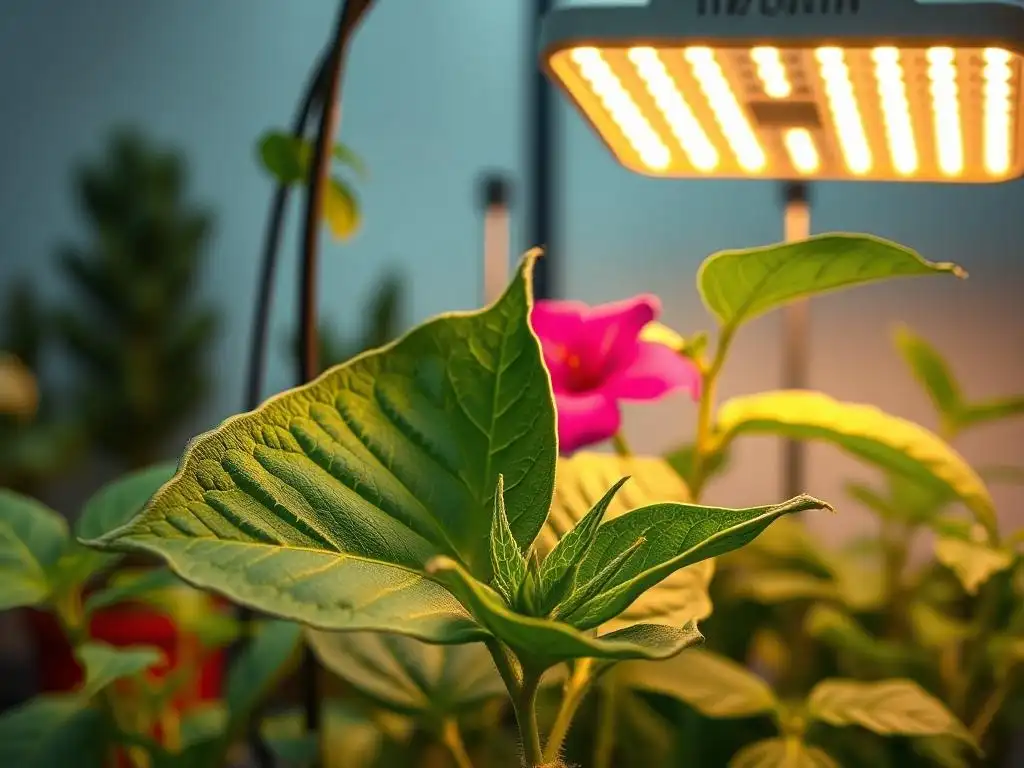
This section explores several leading grow light brands that offer features specifically designed to help you maintain the best light distance for plant growth. Achieving the optimal distance is crucial for maximizing photosynthesis and avoiding light burn or insufficient light penetration. The right grow light, coupled with adjustable hanging systems, will be your key to success. Remember, the "best" light distance varies depending on the plant's growth stage and the grow light's intensity. Always consult the manufacturer's recommendations and observe your plants closely for signs of stress.
Mars Hydro LED Grow Lights: Features, Benefits, and Pricing
Mars Hydro LED grow lights are a popular choice among home gardeners and commercial cultivators alike. Their popularity stems from a combination of factors including their full-spectrum output, energy efficiency, and relatively affordable pricing. Many models offer adjustable hanging systems, making it easy to fine-tune the light distance.
Mars Hydro LEDs generally boast a high Photosynthetic Photon Flux Density (PPFD) output, crucial for robust plant growth. Their full-spectrum light mimics natural sunlight, promoting healthy vegetative and flowering stages. They also often feature advanced cooling systems to prevent overheating and extend the lifespan of the LEDs.
Pricing varies widely depending on the model and wattage. Entry-level models are suitable for smaller setups, while more powerful units cater to larger grow spaces. You can expect to find a range of options to suit various budgets and grow room sizes. Always check the specifications carefully to ensure the light’s coverage area matches your needs and allows for appropriate light distance adjustment.
Kingbrite Full-Spectrum Grow Lights: A Comparative Analysis
Kingbrite full-spectrum grow lights present a strong competitor to Mars Hydro, offering similar features but often at a slightly different price point. A key area of comparison lies in the spectrum offered. While both brands provide full-spectrum light, the specific wavelengths emitted might differ slightly, leading to variations in plant response.
One should meticulously compare the PPFD output of Kingbrite models to those of Mars Hydro to determine the best choice for a given plant species and growth stage. Some Kingbrite models emphasize red and far-red light for improved flowering, while others prioritize blue light for vegetative growth. This nuanced difference in spectral output might make one brand more suitable than the other depending on your specific needs.
Consider researching user reviews and comparing specifications before making a purchase. Understanding the nuances of spectral output and its effect on plant growth is key to achieving the "best light distance plant growth".
Gavita Adjustable Height Grow Lights: Ensuring Flexibility and Control
Gavita grow lights are often positioned at the higher end of the market, known for their exceptional quality, high PPFD output, and sophisticated features. A significant advantage of Gavita lights is their superior build quality and advanced features, such as precise dimming controls and integrated sensors. These features allow for incredibly fine-tuned control over light intensity and distance, critical for optimizing plant health. The precise adjustability is a major factor in achieving the "best light distance plant growth" consistently.
Gavita lights often come with robust hanging systems that allow for seamless height adjustments, making it easy to maintain the ideal light distance throughout the plant's lifecycle. This flexibility is particularly valuable during different growth stages, as the optimal light distance changes as the plant matures. While the initial investment is higher, the longevity, performance, and precise control offered by Gavita systems often justify the cost for serious cultivators. The long-term benefits in terms of plant yield and overall health are significant considerations.
Case Studies: Real-World Examples of Successful Light Distance Management
This section delves into practical applications of optimizing light distance for enhanced plant growth, showcasing real-world examples that demonstrate the impact of precise light placement on yield and overall plant health. Finding the best light distance for plant growth is crucial for success, and these case studies illustrate effective strategies. We'll explore how careful consideration of light distance translates to tangible improvements in harvests and healthier plants. Remember, achieving the best light distance for plant growth involves consistent monitoring and adjustments based on plant type and growth stage.
Maximizing Tomato Yield Through Precise Light Distance Control
Tomato plants, known for their high light requirements, are excellent candidates for demonstrating the importance of optimal light distance. A study conducted at a research greenhouse compared three groups of tomato plants (variety: 'Better Boy'): one group placed at a distance of 12 inches from a 600-watt high-pressure sodium (HPS) lamp, another at 18 inches, and a control group at 24 inches. The results were striking.
The group positioned 12 inches from the lamp initially exhibited vigorous growth, but leaf burn and reduced fruit set were observed after two weeks. The plants at 24 inches showed slower growth and smaller fruits. The group placed 18 inches from the light source demonstrated the highest yield, producing 25% more fruit than the control group and 40% more than the 12-inch group.
This highlights the delicate balance between sufficient light intensity and potential damage from excessive heat and light. Consistent monitoring of leaf temperature and adjusting the lamp height as the plant grew were key to this success. The optimal light distance wasn't static; it required adjustments throughout the growing cycle.
| Distance from Lamp (inches) | Average Fruit Yield (lbs/plant) | Notes |
|---|---|---|
| 12 | 2.5 | Leaf burn, reduced fruit set |
| 18 | 4.0 | Highest yield, optimal light intensity |
| 24 | 3.0 | Slower growth, smaller fruits |
This data underscores the need for careful light distance management to maximize tomato yields. Achieving the best light distance for plant growth requires experimentation and observation specific to your setup and plant variety.
Improving Herb Growth with Optimized Light Placement
Herbs, with their diverse light requirements, offer another compelling case study. Basil, for instance, thrives in bright, indirect light, while parsley tolerates some shade. A home gardener experimenting with indoor herb cultivation used a combination of LED grow lights and adjusted the height based on the herb's needs.
For basil, the gardener maintained a distance of 15 inches from a 10-watt LED panel, ensuring strong, compact growth. Closer placement resulted in leggy growth, while further distance led to slower development. Parsley, positioned 18 inches from a similar LED panel, exhibited healthy growth without the risk of light stress.
The gardener also rotated the pots regularly to ensure even light distribution, preventing uneven growth and maximizing the yield of flavorful herbs. The "best light distance" for these herbs was determined through observation and adjustment over several growing cycles. This iterative approach – carefully monitoring plant response and fine-tuning light placement – proved crucial for success.
The gardener noted a significant improvement in herb quality and yield compared to previous attempts where light distance wasn't carefully managed. This experience highlights the importance of tailoring light placement to the specific needs of each herb type, a key element in achieving the best light distance for plant growth for a diverse herb garden.
Maintaining Optimal Light Distance for Sustainable Indoor Gardening
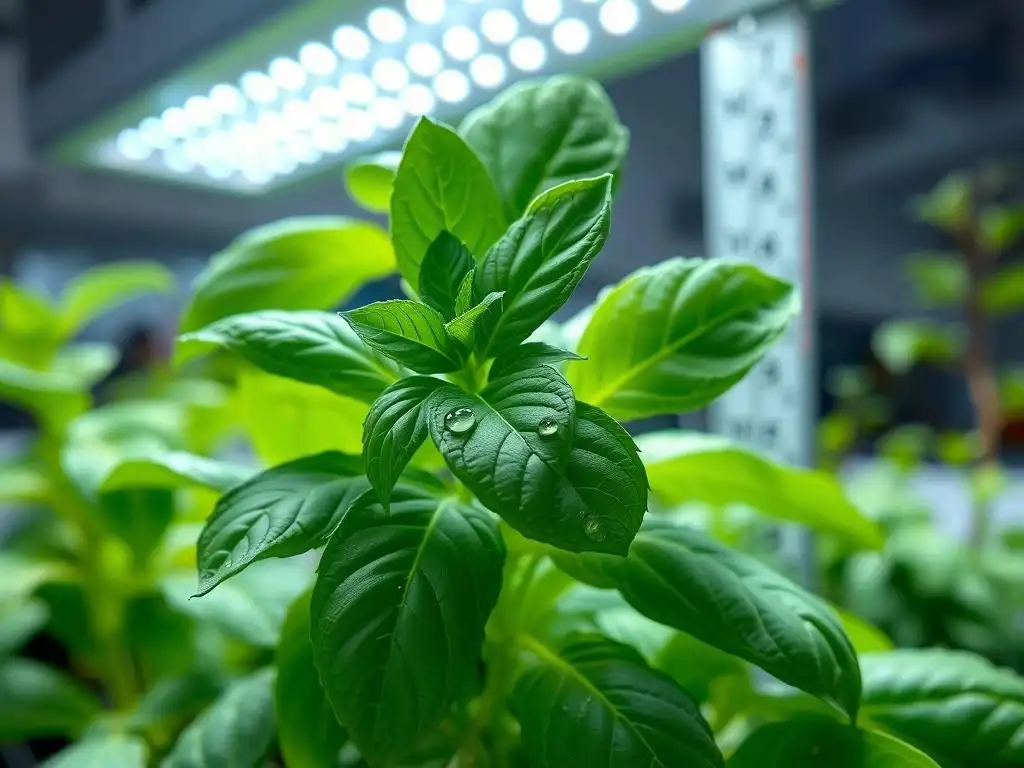
This section delves into the practical aspects of maintaining the ideal light distance for your indoor plants, a crucial factor for achieving optimal growth and yield while adhering to sustainable and organic principles. Finding the best light distance plant growth requires more than just initial setup; it demands consistent monitoring and adaptation.
Regular Monitoring and Adjustment Strategies
Regular observation is key to ensuring your plants receive the perfect amount of light. Plants exhibit clear visual cues when light distance is incorrect. For instance, etiolation, a condition characterized by weak, leggy stems and pale leaves, signifies that your plants are too far from the light source, stretching to reach it. Conversely, leaf burn or browning of the leaf edges indicates the light is too intense or too close.
To avoid these issues, implement a monitoring schedule. A weekly check is a good starting point, but more frequent checks might be necessary for fast-growing plants or seedlings. Use a ruler or measuring tape to accurately track the distance between your light source and the top of the plant canopy. Keep a detailed log noting the plant species, light distance, and any observable changes in plant health. This data will be invaluable in refining your approach over time.
Consider using a light meter to measure the Photosynthetic Photon Flux Density (PPFD). This measurement quantifies the amount of light your plants receive, providing a more objective assessment than visual observation alone. A PPFD range of 400-600 µmol/m²/s is generally suitable for many plants, but this can vary depending on the species and growth stage. The best light distance will be the one that delivers the optimal PPFD for your specific plants.
| Plant Type | Ideal Light Distance (inches) | PPFD Range (µmol/m²/s) | Notes |
|---|---|---|---|
| Leafy Greens | 12-18 | 300-500 | Adjust based on growth stage |
| Tomatoes | 18-24 | 400-600 | Requires higher light intensity |
| Peppers | 18-24 | 400-600 | Similar light requirements to tomatoes |
| Herbs (Basil, Mint) | 12-18 | 200-400 | Can tolerate slightly lower light intensity |
Remember, adjusting the light distance is an iterative process. Start with a recommended distance and make small adjustments based on your observations and PPFD measurements. Don't be afraid to experiment—finding the best light distance plant growth is a journey of learning and adaptation.
The Importance of Air Circulation and Temperature Control
While maintaining the correct light distance is paramount, neglecting air circulation and temperature control can severely compromise plant health, negating the benefits of optimal lighting. Stagnant air can lead to increased humidity, fostering fungal diseases and pest infestations. High temperatures can stress plants, hindering their ability to photosynthesize effectively. Conversely, excessively low temperatures can slow growth or even damage plant tissues.
To ensure proper air circulation, strategically place fans around your grow area. Gentle airflow prevents the buildup of humidity and helps distribute heat evenly. Avoid placing fans directly on your plants, as this can damage delicate leaves and stems. Use a thermometer and hygrometer to monitor temperature and humidity levels.
Aim for a temperature range of 65-75°F (18-24°C) and a humidity level of 40-70%, although these ranges can vary depending on the plant species. Adjusting ventilation and using a humidifier or dehumidifier, as needed, will help maintain optimal environmental conditions. Proper temperature and airflow are essential components in achieving the best light distance plant growth.
Combining Proper Light Distance with Organic Growing Techniques
Optimizing light distance synergizes remarkably well with organic growing methods. By providing your plants with the right amount of light, you enhance their natural defenses against pests and diseases. Healthy, vigorously growing plants are better equipped to withstand environmental stressors. This reduces the need for chemical pesticides and fertilizers, aligning perfectly with the principles of sustainable and organic gardening.
Utilizing organic soil amendments like compost and worm castings improves soil structure and nutrient availability, further enhancing plant health and resilience. These amendments also improve water retention, reducing the frequency of watering and minimizing the risk of overwatering, which can also affect how much light your plant absorbs. The combination of optimal light, nutrient-rich soil, and consistent monitoring creates a harmonious growing environment, leading to thriving plants and a bountiful harvest.
This integrated approach is crucial for achieving the best light distance plant growth within a holistic, sustainable gardening system. Remember, healthy plants are more resistant to pests and diseases, reducing the need for chemical interventions.
Frequently Asked Questions about Light Distance and Plant Growth (FAQ)
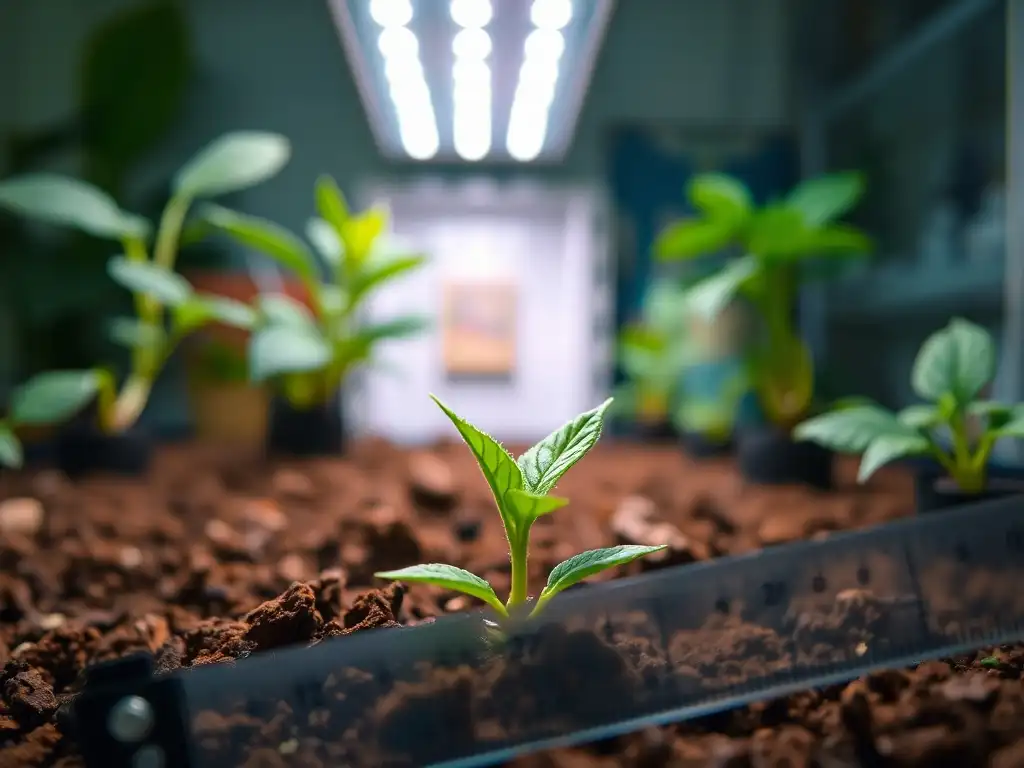
This section addresses common queries regarding optimal light distance for healthy plant growth, a crucial aspect of indoor and greenhouse gardening. Mastering this technique is key to achieving the best light distance plant growth for your fruits, vegetables, and herbs. Let's delve into some frequently asked questions.
What happens if my plants are too close to the grow light?
Placing your plants too close to a grow light, regardless of type (LED, fluorescent, or HID), can lead to a range of detrimental effects, significantly impacting the overall health and yield. The intensity of light at close range can cause severe damage, manifesting in several ways:
- Light Burn: This is the most immediate and visible effect. Leaves closest to the light source will exhibit bleached or browned patches, appearing scorched or crisped. The plant's photosynthetic machinery is overwhelmed, leading to cellular damage. This damage can be irreversible, potentially stunting growth or even killing the plant.
- Heat Stress: Grow lights, especially higher-wattage ones, generate heat. Proximity to the light intensifies this heat, causing the leaves to wilt and potentially leading to desiccation (drying out). High temperatures can also disrupt crucial enzymatic processes within the plant, hindering growth and reducing overall plant vigor.
- Reduced Yield: While initially, you might observe rapid growth due to the increased light intensity, this is often short-lived. The damage caused by light burn and heat stress will ultimately reduce the plant's ability to photosynthesize effectively, resulting in a smaller harvest. The plant will redirect energy towards repair instead of fruit or vegetable production.
Consider this example: A pepper plant placed only 6 inches from a 100-watt LED grow light showed significant leaf burn within 24 hours, exhibiting brown, crispy edges. The plant recovered partially after the light distance was adjusted, but its overall yield was significantly reduced compared to control plants.
What happens if my plants are too far from the grow light?
Conversely, positioning plants too far from the grow light results in insufficient light intensity, also hindering optimal growth and impacting yield. This light deprivation translates to several challenges:
- Etiolation: This is characterized by elongated stems and pale, yellow leaves. The plant essentially stretches towards the light source, resulting in weak, spindly growth. The internodes (spaces between leaf nodes) become excessively long, making the plant susceptible to damage and disease.
- Reduced Photosynthesis: With insufficient light, the plant's photosynthetic rate plummets. This means it produces less energy, slowing down overall growth and development. Flowering and fruiting might be delayed or even fail to occur altogether.
- Lower Yields: As a direct consequence of reduced photosynthesis, the plant will produce fewer fruits or vegetables. The overall quality of the harvest might also be compromised, with smaller or less flavorful produce.
Think of it this way: Imagine a sunflower trying to reach for the sun from a far distance. It will stretch and weaken, producing fewer seeds. This is analogous to plants placed too far from their light source.
How often should I adjust the light distance for my plants?
The frequency of light distance adjustments depends on several factors, including the plant's growth stage, the type of grow light, and the plant species. However, regular monitoring is crucial.
- Seedlings & Young Plants: Require closer proximity to the light source initially, but as they grow taller, the light distance needs to be increased to avoid light burn. Weekly checks and adjustments are often necessary during this phase.
- Mature Plants: Once plants reach maturity, the light distance may require less frequent adjustment, perhaps every 2-4 weeks. However, continuous monitoring remains important to ensure the plants receive optimal light without suffering from heat stress or light burn.
- Different Growth Stages: The optimal light distance can also vary depending on the growth stage. For example, flowering plants often require a slightly closer distance than vegetative plants.
- Type of Grow Light: LED grow lights, for example, tend to produce less heat than HID lights. Therefore, plants can generally be placed closer to LED lights.
A proactive approach is key. Regularly observe your plants for signs of light burn or etiolation. These visual cues will guide your adjustments, ensuring your plants receive the best light distance plant growth conditions. Regularly note the distance, the plant species, and growth stage in a gardening journal for future reference. This meticulous approach will help you optimize your lighting strategy and achieve a bountiful harvest!
What are some common signs of improper light distance?
Improper light distance from your plants, whether too close or too far, can manifest in several noticeable ways. One of the most common signs of lights being too close is leaf burn. You'll see scorched, brown, or crispy leaf edges and tips.
This is a clear indication that the intensity of the light is damaging the plant tissue. The leaves might also appear bleached or faded in color, a consequence of the intense light overwhelming the plant's photosynthetic capabilities. Plants suffering from leaf burn often exhibit stunted growth and a generally unhealthy appearance.
They may also become more susceptible to pests and diseases due to their weakened state. The severity of leaf burn will depend on the intensity of the light source and the duration of exposure; some plants might show minor scorching while others might experience significant damage. Regular inspection of your plants is crucial for early detection and adjustment of your light setup.
Conversely, if your grow lights are positioned too far from your plants, you'll observe different symptoms. The most obvious sign is slow or stunted growth. Plants require sufficient light for photosynthesis, the process by which they convert light energy into chemical energy for growth. If the light intensity is insufficient due to distance, the plant's growth will be significantly hampered. You might also notice etiolation, a condition where plants become leggy and weak, stretching towards the light source in a desperate attempt to capture more energy.
The leaves might appear pale green or yellow, indicating a lack of chlorophyll production due to insufficient light. Furthermore, flowering and fruiting may be delayed or reduced, leading to lower yields. Careful monitoring of your plants' growth rate and appearance is essential to identify and correct issues related to light distance. Remember to consult plant-specific light requirements for optimal results.
Can I use natural sunlight in conjunction with grow lights?
Yes, absolutely! Supplementing natural sunlight with grow lights can be a very effective strategy, particularly for indoor gardening or during periods of low sunlight. This approach offers several advantages. Firstly, it can extend the daily light cycle, providing your plants with additional hours of light for increased photosynthesis and growth. This is especially beneficial during shorter winter days when natural sunlight is limited.
Secondly, it can improve light intensity, offering a boost to the light levels received by your plants, particularly if you are dealing with insufficient sunlight in your growing area. Many grow lights can provide a specific spectrum of light that complements natural sunlight. This is because natural sunlight, while beneficial, might not contain the ideal balance of wavelengths required for optimal plant growth. Grow lights can fill in the gaps, boosting overall plant health.
However, careful planning and execution are crucial for success. You need to avoid overheating your plants by combining excessive natural sunlight and intense grow lights. Monitor your plants closely for signs of stress, such as leaf burn, and adjust your lighting strategy accordingly.
Consider the intensity of the natural sunlight in your growing area, the type of grow lights you are using, and the specific needs of your plants. For instance, plants placed near a south-facing window might receive ample sunlight, requiring less supplemental lighting. In contrast, plants in a north-facing window might require a more significant amount of supplemental lighting from grow lights.
A gradual introduction of grow lights alongside natural sunlight is also recommended to prevent shocking your plants. By carefully managing both light sources, you can create a robust and balanced lighting environment that promotes healthy and vigorous plant growth. Remember to continuously observe and adapt your approach based on your plants' response.
Frequently Asked Questions
What is the ideal light distance for plant growth?
The ideal distance varies greatly depending on the type of plant and the intensity of your light source. Generally, you want to avoid burning leaves (too close) or stunting growth (too far). Experiment to find the sweet spot for your specific setup.
How can I tell if my grow light is too close to my plants?
Look for signs of leaf burn, such as brown or crispy edges or bleached spots. If your plants are stretching excessively towards the light (etiolation), the light may be too far away.
What types of lights are best for indoor plant growth?
LED grow lights are a popular choice due to their energy efficiency and ability to mimic the full spectrum of sunlight. Fluorescent and HID lights are also options, but require careful distance management.
How does light distance affect plant health?
Light distance directly impacts photosynthesis, the process by which plants create energy. Too close and you risk damage; too far and your plants won't receive enough light for optimal growth, leading to weak stems and poor yields.
My plants are stretching towards the light – what should I do?
Slowly move your grow light closer to your plants, monitoring for signs of leaf burn. Alternatively, you could consider supplementing with a second light source if you have a large growing area.
Final Reflection: Illuminating the Path to Thriving Plants
Understanding the optimal light distance for your plants isn't just a horticultural detail; it's the key to unlocking their full potential and ensuring vibrant, healthy growth. Ignoring this crucial factor can lead to stunted development, weakened immunity, and ultimately, a less bountiful harvest. The right distance translates directly to healthier, happier plants, impacting everything from the size of your tomatoes to the vibrancy of your flowers.
The impact of light on plant life extends far beyond the purely practical. It's a fundamental aspect of the natural world, a silent dance between energy and life that has shaped ecosystems for millennia. The sun is a daily reminder that we too can rise again from the darkness, that the light will always return.
This quote speaks to the resilience of nature, a resilience directly influenced by the careful balance of light and distance. My own journey in understanding this relationship has been one of continuous learning and appreciation for the intricate processes that govern plant growth.
Now, consider your own plants. Are you providing them with the optimal light distance? Take a moment to observe their growth, their leaf color, their overall health. Make a conscious effort to adjust the distance of your light source, experimenting to find the sweet spot for each individual plant. By understanding and applying the principles discussed in this article, you'll not only nurture healthier plants but also cultivate a deeper connection with the natural world and the remarkable power of light.
Unleash Your Plants' Full Potential: Light & Growth
Thanks for learning about the crucial role of light distance in your plants' growth! You now have the knowledge to cultivate healthier, happier plants. Let's put that knowledge into action.
- Fine-tune your lighting setup: Carefully adjust the distance between your grow lights and plants, considering the specific light requirements of each species. This is key to maximizing growth.
- Share your successes (or challenges!) with fellow gardeners in the comments below. Let's learn from each other's experiences!
- Explore our other articles on plant care for more expert advice!
What small change to your lighting setup will you make today to boost your plants’ growth?