
LED vs. Fluorescent Grow Lights: Which is Right for Your Indoor Garden?

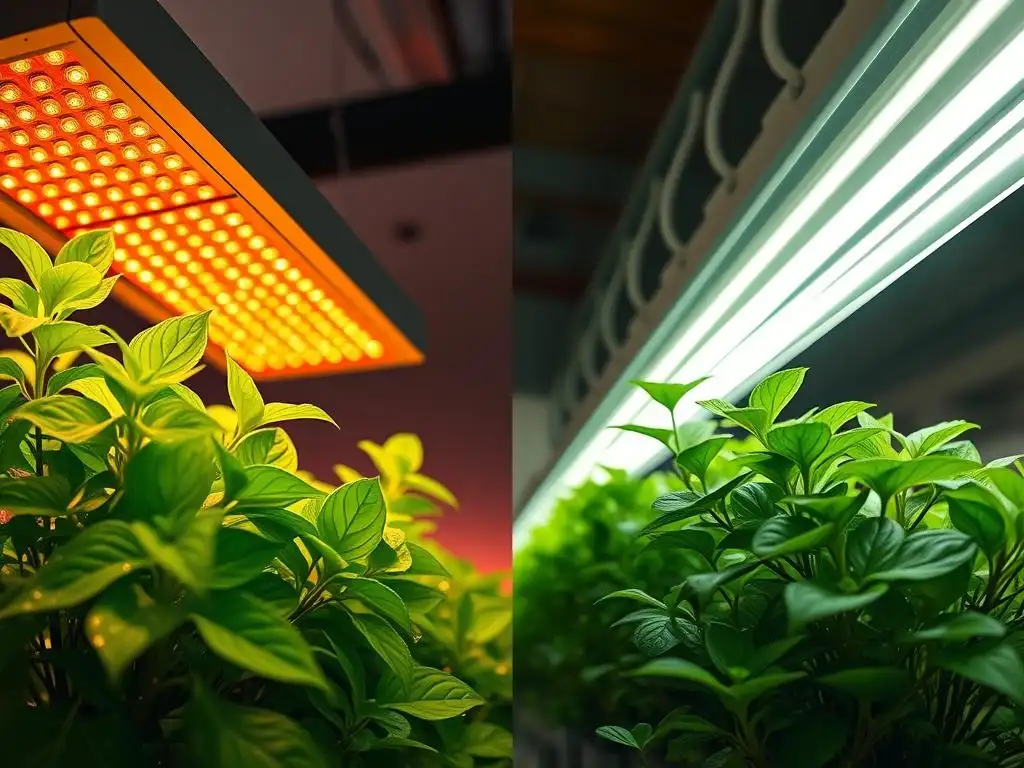
Welcome to CultivateYourFood, your guide to a thriving home garden! Are you ready to unlock the secrets to growing your own delicious fruits, vegetables, and herbs organically? We believe everyone can cultivate their own food, and we're here to help you every step of the way. But first, a crucial decision: Are LED or fluorescent grow lights the best choice for your indoor garden? Dive into our expert comparison of "Best grow lights indoor garden" options and discover the perfect illumination for your flourishing harvest!
- Understanding Your Indoor Gardening Lighting Needs: Choosing Between LED and Fluorescent Grow Lights
-
LED Grow Lights for Indoor Gardens: A Deep Dive
- Advantages of LED Grow Lights for Indoor Plants: Energy Efficiency and Longevity
- Top LED Grow Lights for Indoor Gardens in 2024
- Spectrum Analysis: Choosing the Right LED Grow Light for Vegetables, Herbs, and Flowers
- Setting up your LED Grow Light System: Height, Distance, and Timing for Optimal Growth
- Fluorescent Grow Lights for Indoor Gardening: A Comprehensive Overview
-
LED vs. Fluorescent Grow Lights: A Head-to-Head Comparison for Indoor Growing
- Energy Efficiency Comparison: LED vs. Fluorescent Grow Lights for Long-Term Savings
- Light Spectrum Comparison: Which Light Spectrum Best Suits Your Indoor Plants?
- Longevity and Maintenance: Comparing the Lifespan and Maintenance Needs of Each Type
- Price Comparison: Initial Investment vs. Long-Term Costs of LED and Fluorescent Grow Lights
-
Choosing the Best Grow Lights for Your Indoor Garden: A Practical Guide
- Selecting the Right Grow Light Based on Plant Type and Growth Stage
- Optimizing Your Indoor Garden Setup: Light Placement and Environmental Factors
- Maximizing Your Indoor Harvest: Combining Grow Lights with Other Gardening Techniques
- Sustainable Gardening Practices: Eco-Friendly Grow Lights and Energy Conservation
- Frequently Asked Questions about Indoor Grow Lights (FAQ)
- Frequently Asked Questions
- Final Reflection: Illuminating the Path to a Thriving Indoor Garden
- Unleash Your Indoor Garden's Potential!
Understanding Your Indoor Gardening Lighting Needs: Choosing Between LED and Fluorescent Grow Lights
Cultivating a thriving indoor garden requires careful consideration of many factors, and lighting is arguably the most crucial. The right grow lights can make the difference between vibrant, healthy plants and struggling, weak ones. This article dives deep into the comparison between LED and fluorescent grow lights, helping you determine which option best suits your indoor gardening needs and budget.
Choosing the "best grow lights indoor garden" isn't about a single "best" option, but rather finding the perfect fit for your specific circumstances, plant types, and gardening goals. We'll explore the key differences, advantages, and disadvantages of each technology, guiding you towards making an informed decision that will illuminate your path to successful indoor gardening. We'll also delve into practical considerations like light spectrum, intensity, and duration, ensuring your plants receive the optimal light for healthy growth.
Initial Considerations for Beginners
Starting an indoor garden can feel overwhelming, especially when faced with the choice between LED and fluorescent grow lights. Both technologies offer viable solutions, but understanding their fundamental differences is key. Fluorescent grow lights have been a staple for indoor gardeners for years, known for their affordability and relative ease of use. They're often a good entry point for beginners due to their lower initial cost. However, they generally consume more energy and produce more heat than LEDs, potentially requiring more advanced cooling systems in larger setups.
LED grow lights, while initially more expensive, offer significant long-term advantages. They boast higher energy efficiency, longer lifespans, and produce less heat, making them a more sustainable and often more manageable option, especially for larger indoor gardens or those with limited ventilation. Their customizable light spectrums also allow for precise control over plant growth, catering to the specific needs of different plant species. 🌱
Choosing between the two often depends on your budget and the scale of your indoor garden. A small herb garden might thrive under a simple fluorescent setup, while a larger vegetable garden might benefit from the efficiency and control offered by LEDs. Consider your experience level and long-term goals before making a decision.
Factors Affecting Indoor Plant Growth: Light Spectrum, Intensity, and Duration
The success of your indoor garden hinges on providing your plants with the right amount of light, at the right intensity, and with the right spectrum. Different plants have different light requirements. For example, leafy greens generally require a higher blue light component, while flowering plants often benefit from a higher red light component.
- Light Spectrum: Both LED and fluorescent grow lights can offer various light spectrums. However, LEDs offer greater flexibility in customizing the spectrum to meet your plants' specific needs. This control is crucial for maximizing growth and yield. Fluorescent lights often have a more limited spectrum.
- Light Intensity: Measured in PPFD (Photosynthetic Photon Flux Density), light intensity indicates the amount of light your plants receive. Insufficient intensity leads to weak growth, while excessive intensity can cause leaf burn. Both LED and fluorescent lights can provide adequate intensity, but LEDs often allow for finer control and adjustment.
- Light Duration: The photoperiod, or the duration of light exposure per day, significantly impacts plant growth and flowering. Most plants require a specific photoperiod to thrive. Both LED and fluorescent grow lights allow for controlling the photoperiod using timers, but LEDs often come with more sophisticated control options.
Assessing Your Budget for Indoor Grow Lights: High-End vs. Budget-Friendly Options
The cost of grow lights is a significant factor for many indoor gardeners. Fluorescent grow lights are generally cheaper upfront, but their higher energy consumption and shorter lifespan can increase long-term costs. LED grow lights, while more expensive initially, offer better energy efficiency and longer lifespans, resulting in lower operating costs over time.
| Grow Light Type | Initial Cost | Energy Efficiency | Lifespan | Long-Term Cost |
|---|---|---|---|---|
| Fluorescent | Lower | Lower | Shorter | Higher (potentially) |
| LED | Higher | Higher | Longer | Lower (generally) |
Consider your budget carefully. If you're on a tight budget and starting small, fluorescent lights might be a suitable starting point. However, for larger gardens or long-term sustainability, the higher initial investment in LEDs often pays off in the long run. Remember to factor in the costs of replacement bulbs, energy consumption, and potential cooling systems when making your decision. Investing in quality grow lights, regardless of type, is crucial for the success of your indoor garden.
LED Grow Lights for Indoor Gardens: A Deep Dive
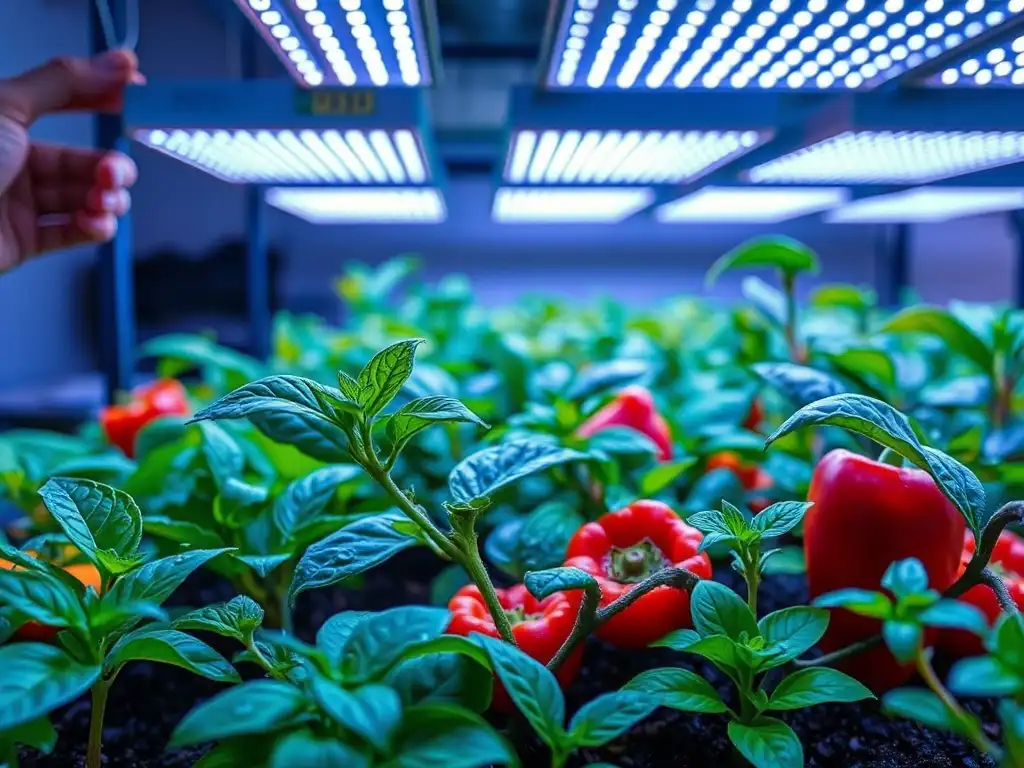
This section delves into the specifics of using LED grow lights for your indoor gardening endeavors. We'll explore their advantages, examine top models available in 2024, and analyze the crucial aspect of light spectrum for optimal plant growth. Finding the best grow lights for your indoor garden requires careful consideration, and this detailed analysis will equip you to make an informed decision. Remember, selecting the best grow lights depends heavily on your specific needs and the types of plants you intend to cultivate.
Advantages of LED Grow Lights for Indoor Plants: Energy Efficiency and Longevity
LED grow lights have rapidly become a favorite among indoor gardeners due to their significant advantages over traditional fluorescent lighting. One key benefit is their superior energy efficiency. Compared to High-Pressure Sodium (HPS) or Metal Halide (MH) lamps, LEDs consume considerably less electricity to produce the same amount of light. This translates to lower energy bills and a smaller carbon footprint – crucial aspects for sustainable gardening practices. For example, a typical 100-watt LED grow light can produce the same photosynthetically active radiation (PAR) as a 250-watt HPS lamp, resulting in substantial energy savings.
Another compelling advantage is their exceptional longevity. While fluorescent tubes typically need replacing every 6-12 months, high-quality LED grow lights can last for several years, sometimes even five years or more, significantly reducing replacement costs and minimizing waste. This extended lifespan contributes to their overall cost-effectiveness, making them a long-term investment for your indoor garden.
Moreover, LEDs generate significantly less heat than other grow light technologies. This reduced heat output is beneficial for maintaining a stable temperature within your growing environment, preventing heat stress on your delicate plants, and reducing the need for additional cooling systems. This lower heat generation also contributes to increased safety within your home growing space.
Top LED Grow Lights for Indoor Gardens in 2024
Choosing the best grow lights for your indoor garden in 2024 involves navigating a wide array of options. While specific product recommendations are beyond the scope of this section, we can highlight key features to look for when selecting high-quality LED grow lights. Consider factors such as:
- Wattage and PAR output: Higher wattage generally means more light intensity, but also higher energy consumption. Look for a balance that suits your plants' needs and your budget. PAR (Photosynthetically Active Radiation) is a more accurate measure of the light's effectiveness for photosynthesis.
- Spectrum: The light spectrum emitted is crucial for different growth stages. Full-spectrum LEDs mimic natural sunlight, offering a complete spectrum beneficial for all growth phases.
- Dimmability: Adjustable light intensity allows you to fine-tune the light levels to suit the specific requirements of your plants at various growth stages.
- Coverage area: Ensure the light's coverage area matches the size of your grow space. Avoid overcrowding plants under a single light, which can lead to insufficient light for all plants.
- Durability and warranty: Opt for robust, well-built lights with a reliable warranty, ensuring your investment is protected.
Remember to research specific models and read reviews before purchasing to find the best grow lights that meet your individual needs and budget. Consider your plant types (vegetables, herbs, flowers), the size of your growing area, and your desired level of control over light intensity and spectrum.
Spectrum Analysis: Choosing the Right LED Grow Light for Vegetables, Herbs, and Flowers
The spectrum of light emitted by your grow light is paramount for healthy plant growth. Different wavelengths affect plant growth and development in various ways. Understanding this is crucial in selecting the best grow lights for your indoor garden.
| Wavelength Range (nm) | Color | Effect on Plant Growth | Ideal for |
|---|---|---|---|
| 400-500 | Blue | Promotes vegetative growth, strong stems, and chlorophyll production | Leafy greens, seedlings, vegetative growth stage |
| 500-600 | Green | Less effective for photosynthesis, often filtered out by plants | Generally less important for plant growth |
| 600-700 | Red | Essential for flowering and fruiting; boosts chlorophyll production | Flowering and fruiting stages, fruits, vegetables |
| 700-800 | Far-red | Influences flowering, stem elongation, and plant morphology | Can be beneficial for specific plant types |
For instance, leafy greens benefit from a higher proportion of blue light during their vegetative growth phase, while flowering plants require more red light to initiate and support flowering and fruiting. A full-spectrum LED grow light offers a balanced spectrum, mimicking natural sunlight and providing the necessary wavelengths for all growth stages. However, some growers may choose to supplement their full-spectrum lights with supplemental lighting in specific wavelengths (e.g., additional red during flowering) to optimize plant development.
Careful consideration of your plants' light requirements at different growth stages is crucial for achieving optimal results with your indoor garden. Always research the specific light requirements of the plants you intend to grow to make the most informed decision about which grow lights are best for you.
Setting up your LED Grow Light System: Height, Distance, and Timing for Optimal Growth
Setting up your LED grow lights correctly is crucial for maximizing plant growth and yield. The height, distance from the plants, and the timing of the light cycle all play significant roles in the health and productivity of your indoor garden. Getting this right can mean the difference between thriving plants and struggling ones. Let's delve into the specifics.
First, consider the height of your grow lights. This depends on the type of LED grow light you’ve chosen, the stage of growth your plants are in, and the specific plant species. Seedlings and young plants require less intense light and should be placed further away from the lights to prevent burning.
As plants mature and enter the vegetative stage, you can gradually lower the lights to increase light intensity. Always consult the manufacturer's recommendations for your specific LED grow light model, as they will provide optimal height guidelines. Remember, you can always adjust the height, but it's better to start higher and gradually lower the light as needed.
Next, the distance between your LED grow lights and your plants is paramount. Too close, and you risk damaging your plants with excessive light intensity, leading to leaf burn and stunted growth. Too far, and you'll have insufficient light penetration, resulting in weak, leggy plants. The ideal distance varies depending on the wattage of your LED grow light and the growth stage of your plants.
High-wattage lights need to be further away than lower-wattage lights. For example, a 100-watt LED grow light might need to be positioned 18-24 inches above seedlings, while a 200-watt light might require 30-36 inches. Regularly monitor your plants for signs of light stress (e.g., leaf curling, yellowing, or browning) and adjust the distance accordingly. Consider using a light meter to ensure you're providing the correct light intensity (measured in PPFD or photosynthetic photon flux density) for your plants' needs.
Finally, the timing of your light cycle is equally important. Most plants require a specific photoperiod (the ratio of light to darkness) for optimal growth. For vegetative growth, a 16-18 hour light cycle is typically recommended, while a 12-hour light cycle is often used for flowering. Again, this depends on the specific plant species; some plants are naturally short-day plants and need less light for flowering, while others are long-day plants requiring more light.
Using a timer to automate your light cycle ensures consistency and eliminates the need for manual adjustments. Inconsistencies in light duration can stress your plants and negatively impact their growth. Investing in a reliable timer is a worthwhile investment for any serious indoor gardener using LED grow lights for their indoor garden.
Accurate timing, combined with the correct distance and height, provides the best environment for robust growth. Remember to always research the specific light requirements of your chosen plants for optimal results. This attention to detail will significantly improve your chances of success in cultivating healthy and productive indoor plants.
Fluorescent Grow Lights for Indoor Gardening: A Comprehensive Overview
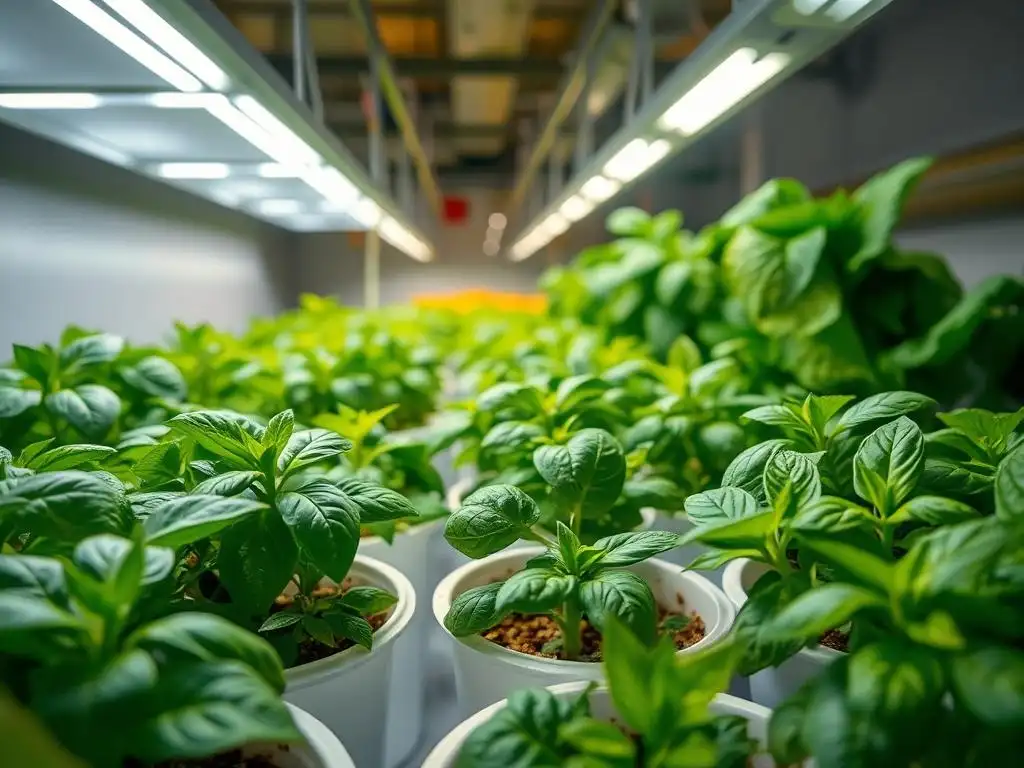
Fluorescent grow lights represent a long-standing, cost-effective solution for indoor gardening enthusiasts. While LED technology has gained significant traction in recent years, fluorescent lights still hold a place in the market, particularly for budget-conscious gardeners or those cultivating smaller indoor gardens. Understanding their capabilities and limitations is crucial in determining if they are the "best grow lights indoor garden" option for your specific needs.
This section provides a detailed analysis of fluorescent grow lights, focusing on their various types, advantages, disadvantages, and top recommendations for achieving optimal plant growth indoors. We'll explore why they remain a viable choice for many, despite the advancements in LED technology. The decision of which type of grow light is best often comes down to a careful consideration of factors like budget, space constraints, and the specific needs of your plants.
Types of Fluorescent Grow Lights: T5 vs. T8 for Indoor Plants
The most common types of fluorescent grow lights used for indoor gardening are T5 and T8. These designations refer to the diameter of the tube in eighths of an inch; T5 tubes are 5/8 inch in diameter, while T8 tubes are 8/8 inch (1 inch). This seemingly small difference significantly impacts their performance.
T5 fluorescent tubes are generally considered superior for indoor plant cultivation. They offer higher light output and efficiency compared to T8 tubes, meaning you get more usable light per watt of energy consumed. This translates to faster plant growth and potentially higher yields. They also tend to have a longer lifespan.
T8 fluorescent tubes, while less efficient, remain a popular choice due to their lower initial cost. They are often readily available and easier to find, making them a convenient option for beginners. However, you'll likely need more T8 tubes to achieve the same light intensity as a fewer number of T5 tubes, increasing your energy consumption and overall cost in the long run.
Here's a table summarizing the key differences:
| Feature | T5 Fluorescent | T8 Fluorescent |
|---|---|---|
| Diameter | 5/8 inch | 1 inch |
| Light Output | Higher | Lower |
| Energy Efficiency | Higher | Lower |
| Lifespan | Longer | Shorter |
| Initial Cost | Higher | Lower |
| Best for | Serious indoor gardeners | Budget-conscious beginners |
Pros and Cons of Fluorescent Grow Lights: Cost-Effectiveness vs. Energy Consumption
Fluorescent grow lights present a compelling balance between cost-effectiveness and energy efficiency, making them a practical choice for certain applications. However, understanding both their advantages and disadvantages is critical for informed decision-making.
Pros:
- Lower Initial Cost: Fluorescent grow lights are significantly cheaper to purchase than comparable LED grow lights. This is especially appealing to beginners on a tight budget.
- Readily Available: T8 fluorescent tubes are widely available at most hardware stores and home improvement centers, making replacements easy and convenient.
- Lower Heat Output: Compared to high-intensity discharge (HID) lights, fluorescent lights produce less heat, reducing the need for expensive cooling systems. This is crucial for maintaining optimal temperatures for sensitive plants.
- Simple Setup: Fluorescent grow lights are relatively simple to set up and use, requiring minimal technical expertise.
Cons:
- Lower Light Intensity: Fluorescent lights generally produce lower light intensity compared to LEDs, potentially limiting their effectiveness for plants requiring high light levels.
- Shorter Lifespan (T8): T8 tubes have a shorter lifespan than T5 tubes and LEDs, leading to more frequent replacements and increased long-term costs.
- Less Energy Efficient (T8): T8 tubes are less energy-efficient than T5 tubes and significantly less efficient than LEDs, resulting in higher electricity bills over time.
- Limited Spectrum: Standard fluorescent tubes may not provide the full spectrum of light required for optimal plant growth, potentially impacting yield and quality. Specialized "grow lights" versions offer improved spectra, but still lag behind LEDs.
Best Fluorescent Grow Lights for Indoor Gardening
Selecting the "best" fluorescent grow lights depends heavily on your specific needs and budget. However, several factors consistently contribute to superior performance. Look for fixtures with:
- High-quality reflectors: These maximize the light reaching your plants, improving efficiency.
- High-output tubes (T5 preferred): T5 tubes offer superior light intensity and energy efficiency compared to T8.
- Adjustable hanging system: Allows you to adjust the light height as your plants grow.
- Durable construction: Ensures longevity and withstands the rigors of daily use.
While specific product recommendations are beyond the scope of this section (to avoid implied endorsements), prioritizing these features will help you select a high-performing fluorescent grow light system for your indoor garden. Remember to always calculate the light intensity (measured in PPFD or µmol/m²/s) needed for your specific plants to ensure healthy growth. Insufficient light, regardless of the type of grow light, will negatively impact your plants' development.
Troubleshooting Common Issues with Fluorescent Grow Lights: Ballast Problems and Bulb Replacement
Fluorescent grow lights, while generally reliable and energy-efficient options for indoor gardening, aren't immune to problems. Understanding common issues and how to address them is crucial for maintaining optimal plant growth and avoiding frustrating setbacks. Two of the most frequent challenges involve the ballast and bulb replacement.
Ballast problems manifest in several ways. A malfunctioning ballast might result in flickering lights, a complete failure to illuminate, or even a buzzing sound emanating from the fixture. These issues often stem from aging components, power surges, or overheating. Diagnosing the exact cause can sometimes require a multimeter to test voltage and current, but often, a visual inspection can reveal obvious signs of damage, such as burnt wires or visibly damaged components.
If the ballast is the culprit, replacement is usually necessary. This often involves carefully disconnecting the fixture from the power source, removing the old ballast, and installing a new one of the same type and wattage. Always ensure the power is off before working with any electrical components.
Improper handling can lead to electric shock. Remember to consult the manufacturer's instructions for specific guidance on ballast replacement. Using the wrong ballast can damage your lights and even create a fire hazard.
Bulb replacement is a more straightforward process, but it's essential to use the correct type and wattage of bulb for your fixture. Fluorescent grow lights typically use T5 or T8 bulbs, each with different wattages and spectral outputs optimized for different plant growth stages. Using the wrong bulb can lead to insufficient light for healthy growth, or even damage to the fixture. Before replacing a bulb, always switch off the power to the fixture.
Then, carefully remove the old bulb, ensuring you don't damage the socket or surrounding components. Insert the new bulb firmly into the socket, ensuring proper contact. Finally, switch the power back on and check that the bulb is functioning correctly. Keep in mind that fluorescent bulbs have a limited lifespan.
Regularly inspect your bulbs for dimming or discoloration, which are signs that they may need to be replaced to maintain optimal light output for your plants. Replacing bulbs proactively can help prevent unexpected disruptions to your indoor garden's lighting schedule. Remember to properly dispose of old fluorescent bulbs according to local regulations, as they contain mercury. Many recycling centers accept fluorescent bulbs for safe disposal.
LED vs. Fluorescent Grow Lights: A Head-to-Head Comparison for Indoor Growing
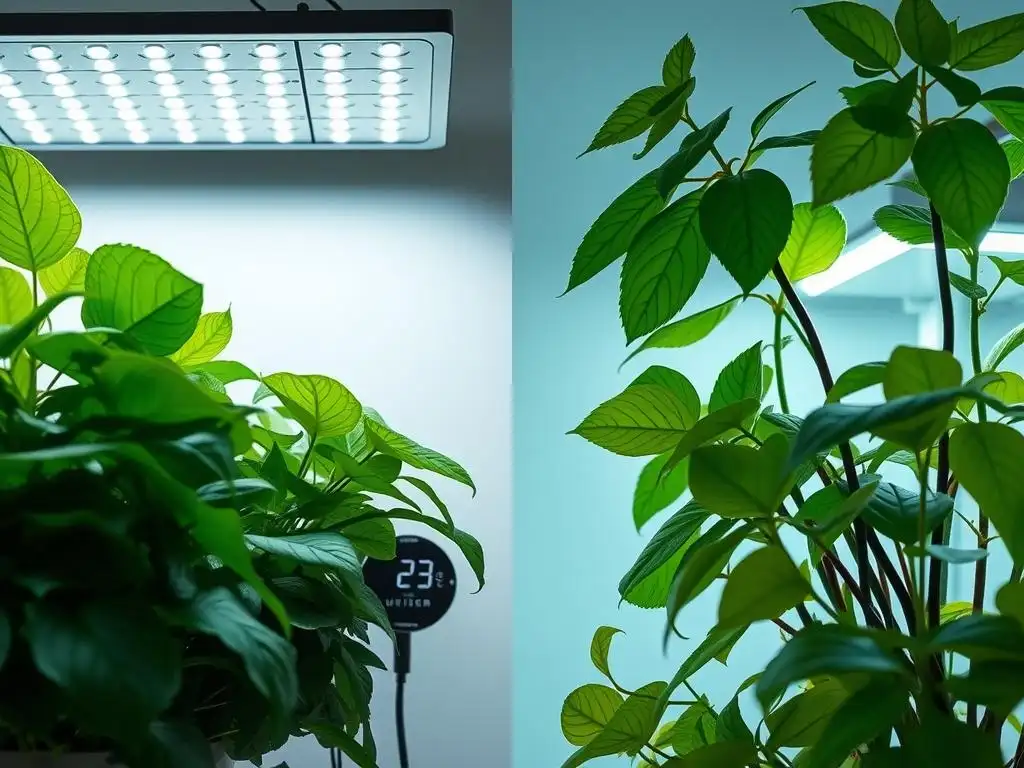
This section delves into the specifics of choosing between LED and fluorescent grow lights for your indoor garden, helping you determine the best grow lights for your indoor garden needs. We'll dissect energy efficiency, light spectrum, longevity, and maintenance to guide your decision. Finding the best grow lights for your indoor garden depends heavily on understanding these key differences.
Energy Efficiency Comparison: LED vs. Fluorescent Grow Lights for Long-Term Savings
Energy consumption is a critical factor when selecting grow lights, especially for long-term use. Fluorescent grow lights, while having improved significantly, still consume considerably more energy than their LED counterparts. Let's look at some concrete examples:
A typical 4-foot T5 fluorescent grow light fixture might consume around 55 watts of power. An equivalent LED grow light panel could achieve similar light output with only 30-40 watts. This difference becomes significant when running multiple lights for extended periods, potentially saving you money on your electricity bill.
| Light Type | Wattage (Example) | Approximate Cost per kWh (USD) | Daily Run Time (hours) | Daily Energy Cost (USD) | Annual Energy Cost (USD) (365 days) |
|---|---|---|---|---|---|
| 4-foot T5 Fluorescent | 55 | 0.15 | 12 | $0.099 | $36.17 |
| Equivalent LED Panel | 35 | 0.15 | 12 | $0.063 | $23.00 |
As you can see, even with a moderate daily run time, the energy savings add up over a year. This translates to significant long-term cost savings, making LEDs a more economical choice for many indoor gardeners seeking the best grow lights for their indoor garden setup. The cost savings from choosing energy-efficient LED grow lights can significantly contribute to the overall sustainability of your indoor gardening project.
Light Spectrum Comparison: Which Light Spectrum Best Suits Your Indoor Plants?
The light spectrum emitted by your grow lights significantly impacts plant growth and health. Both fluorescent and LED grow lights can be tailored to specific light spectrums, but LEDs offer greater flexibility and precision.
Fluorescent grow lights traditionally offer a more limited spectrum, often peaking in the blue and red ranges essential for photosynthesis. However, newer full-spectrum fluorescent bulbs attempt to mimic the broader spectrum of sunlight.
LED grow lights, on the other hand, allow for precise control over the light spectrum. You can choose from lights specifically designed to promote vegetative growth (higher blue light) or flowering/fruiting (higher red light), or opt for full-spectrum LEDs that mimic natural sunlight more closely. This customization provides greater control over plant development and potentially higher yields for those seeking the best grow lights for their indoor garden.
Choosing the right spectrum depends on the specific needs of your plants. Research the light requirements of your chosen plants to ensure you select the best grow lights for optimal growth. This careful selection is key to achieving a thriving indoor garden.
Longevity and Maintenance: Comparing the Lifespan and Maintenance Needs of Each Type
LED grow lights boast a significantly longer lifespan compared to fluorescent lights. High-quality LED grow lights can last for 50,000 hours or more, while fluorescent tubes typically need replacing every 12,000-20,000 hours. This longer lifespan translates to less frequent replacements, reducing maintenance and long-term costs. This makes LEDs a more sustainable and less labor-intensive option for the long-term gardener.
Maintenance is also simpler with LEDs. While fluorescent lights can flicker or dim over time, requiring replacement of the entire tube, LED panels usually have individual LEDs that may fail independently. However, the failure of a single LED usually doesn't render the entire panel useless, unlike a fluorescent tube. Therefore, LEDs offer a more robust and less maintenance-intensive solution for indoor gardening. This makes them a popular choice among those prioritizing convenience and longevity when searching for the best grow lights for their indoor garden.
Price Comparison: Initial Investment vs. Long-Term Costs of LED and Fluorescent Grow Lights
Choosing between LED and fluorescent grow lights often hinges on the initial cost versus long-term savings. While fluorescent grow lights typically have a lower upfront price, the long-term operational costs can significantly outweigh the initial investment in LEDs. Let's break down the specifics:
Fluorescent grow lights, particularly the older T5 and T8 models, are generally cheaper to purchase initially. You can often find a complete setup, including the fixture and bulbs, for under $50, depending on the size and features. However, these bulbs have a significantly shorter lifespan, typically ranging from 10,000 to 20,000 hours. This means more frequent replacements, adding up to considerable expenses over the lifetime of the light. Furthermore, fluorescent lights are less energy-efficient, consuming more electricity to produce the same amount of light compared to LEDs. This higher energy consumption translates into higher electricity bills over time.
LED grow lights, on the other hand, represent a larger upfront investment. A comparable LED grow light setup can cost anywhere from $100 to several hundred dollars, depending on the wattage, features (like spectrum control and dimming), and size. However, this higher initial cost is offset by their much longer lifespan, typically lasting 50,000 hours or more. This dramatically reduces replacement costs. Moreover, LEDs are significantly more energy-efficient, consuming less electricity to produce the same, or even greater, light output. This translates to lower electricity bills, making them a more cost-effective option in the long run.
To illustrate, consider a scenario where you need a 100-watt equivalent light. A high-quality fluorescent setup might cost $40 initially, but require bulb replacements every year (assuming 12 hours of daily use), costing approximately $20 each time. An LED equivalent, costing $150 initially, may only need replacement after several years, significantly reducing overall costs. The lower energy consumption of LEDs further reduces the operational cost.
The total cost of ownership over five years would show a significant difference in favor of the LED grow lights despite the higher initial price. Careful consideration of these factors is crucial for making an informed decision about the "best grow lights indoor garden" based on your budget and long-term needs. Remember to factor in the cost of replacement bulbs and energy consumption when comparing the two options. This comprehensive analysis will help you choose the most cost-effective solution for your indoor gardening needs.
Choosing the Best Grow Lights for Your Indoor Garden: A Practical Guide
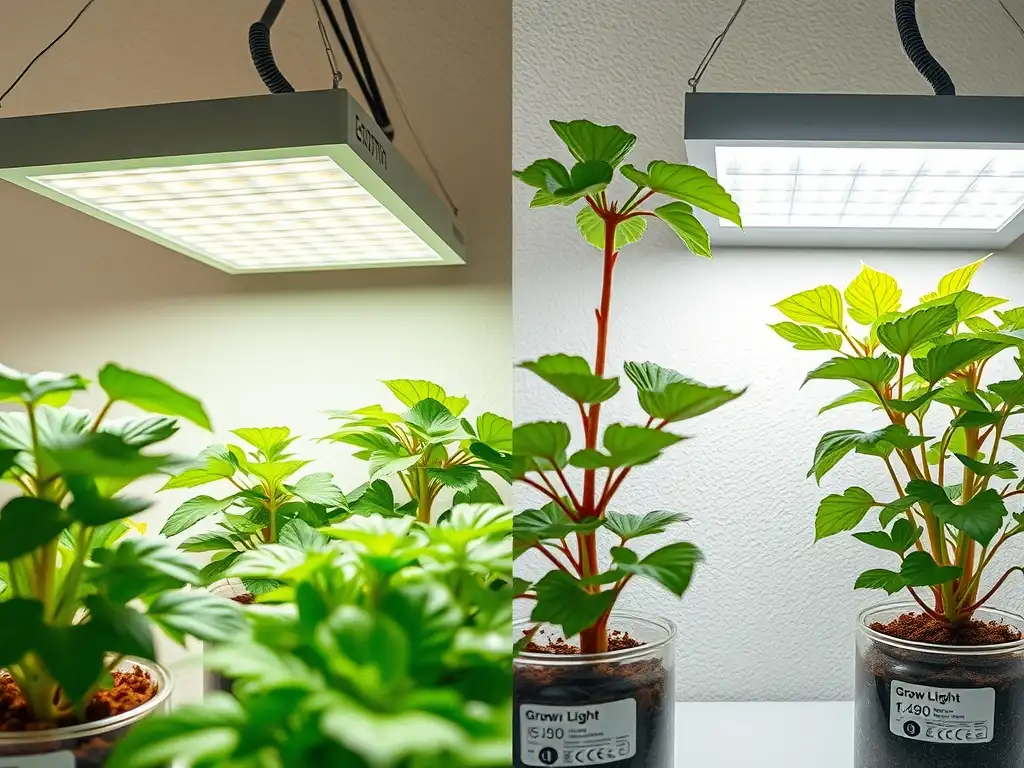
This section dives deep into the practical considerations when selecting and implementing grow lights for your indoor garden, helping you achieve optimal plant growth and a bountiful harvest. We'll explore factors beyond just the LED vs. fluorescent debate, focusing on how to tailor your lighting strategy to your specific needs. Finding the best grow lights for your indoor garden isn't about a single "best" product, but rather a holistic approach that considers your plants and your environment. This guide will empower you to make informed decisions, maximizing your chances of success.
Selecting the Right Grow Light Based on Plant Type and Growth Stage
Different plants have different light requirements, varying based on species and growth stage. Understanding these needs is crucial for successful indoor gardening. For instance, leafy greens like lettuce generally require less intense light than flowering plants like tomatoes. Seedlings, too, have lower light requirements than mature plants. Over-illumination can scorch delicate seedlings, while insufficient light hinders the growth of mature plants, leading to weak stems and poor yields.
Let's explore some examples:
| Plant Type | Light Intensity (Approximate) | Growth Stage | Notes |
|---|---|---|---|
| Lettuce | Low | Seedling | Gentle light is crucial to avoid scorching. |
| Lettuce | Moderate | Mature | Increased light for leafy growth. |
| Tomatoes | High | Seedling | Moderate light, gradually increasing intensity. |
| Tomatoes | Very High | Flowering/Fruiting | Maximum light for optimal fruit production. |
| Herbs (Basil, Mint) | Moderate | All Stages | Consistent light for robust growth. |
Consider using a combination of grow lights to achieve the appropriate spectrum and intensity. For example, you might use a lower-intensity fluorescent light for seedlings and supplement with a higher-intensity LED light as your plants mature. Remember to monitor your plants closely and adjust your lighting accordingly. Observe the leaves – signs of bleaching or burning indicate excessive light, while leggy growth points to insufficient light.
Optimizing Your Indoor Garden Setup: Light Placement and Environmental Factors
The placement of your grow lights is just as important as the lights themselves. Improper placement can lead to uneven growth and reduced yields. Here's what you need to consider:
- Distance: Maintain the recommended distance between the light and your plants. This distance varies depending on the light's intensity and the plant's growth stage. Too close, and you risk burning your plants; too far, and they won't receive enough light. Check your grow light's specifications for optimal distances.
- Uniformity: Ensure that the light is distributed evenly across your plants. Avoid clustering lights in one area, leading to uneven growth. Consider using multiple lights or diffusers to spread the light more evenly.
- Light Cycle: Mimic natural daylight cycles by providing your plants with a consistent light/dark cycle. Most plants thrive with a 12-16 hour light cycle, but this can vary depending on the species. Use a timer to automate your lighting schedule.
- Environmental Factors: Remember that temperature and humidity also play a significant role in plant growth. High temperatures can stress your plants, even under ideal lighting conditions. Maintain appropriate temperature and humidity levels using fans and humidifiers as needed.
Proper placement and environmental control are key components of a successful indoor garden. Careful attention to these factors can significantly impact your harvest.
Maximizing Your Indoor Harvest: Combining Grow Lights with Other Gardening Techniques
While grow lights are essential, they are just one piece of the puzzle. To maximize your indoor harvest, you need to combine them with other sustainable and organic practices. These include:
- Nutrient-rich Soil: Use high-quality soil rich in organic matter to provide your plants with the nutrients they need. Consider using compost or other organic amendments to improve soil structure and fertility.
- Proper Watering: Water your plants regularly, ensuring that the soil remains moist but not waterlogged. Overwatering can lead to root rot, while underwatering can stunt growth.
- Pest and Disease Control: Monitor your plants for pests and diseases and take appropriate action to prevent infestations. Consider using organic pest control methods such as neem oil or insecticidal soap.
- Air Circulation: Good air circulation helps to prevent disease and improve overall plant health. Use fans to circulate the air around your plants.
By combining optimized grow light usage with these other best practices, you can achieve a thriving indoor garden and enjoy a plentiful harvest of fruits, vegetables, and herbs all year round. Remember, success in indoor gardening requires a holistic approach, combining technology with time-tested gardening techniques. This multifaceted approach will elevate your indoor garden from a simple hobby to a productive and rewarding experience. 🌱
Sustainable Gardening Practices: Eco-Friendly Grow Lights and Energy Conservation
Choosing the right grow lights for your indoor garden isn't just about optimal plant growth; it's also about minimizing your environmental impact. Sustainable gardening practices extend to the energy sources powering your indoor oasis. Fluorescent and LED grow lights both offer varying degrees of energy efficiency, impacting your electricity bill and carbon footprint. LEDs, generally, boast significantly lower energy consumption compared to fluorescent tubes, even the most energy-efficient CFLs.
This translates to substantial savings over the lifespan of the light. Consider the wattage: a high-wattage fluorescent light will consume more energy than a lower-wattage LED, even if both offer comparable light output for your plants. The long-term cost benefits of LEDs are undeniable, making them a more sustainable choice for the environmentally conscious gardener.
Furthermore, the manufacturing process and end-of-life disposal of grow lights should be considered. While both fluorescent and LED lights contain materials that require responsible disposal, LEDs typically contain fewer hazardous materials than fluorescent tubes, which contain mercury. Proper recycling programs should be utilized for both types of lights to mitigate environmental harm.
Choosing a reputable brand committed to sustainable manufacturing practices can further reduce your impact. Look for companies that utilize recycled materials in their product creation and offer responsible recycling or take-back programs for their products. By carefully considering the entire lifecycle of your grow lights, from production to disposal, you can cultivate a truly sustainable indoor garden.
This holistic approach ensures that your commitment to organic and sustainable gardening extends beyond the soil and into the energy choices that power your plants' growth. Investing in long-lasting, energy-efficient LEDs is a significant step towards environmentally responsible indoor gardening, aligning your passion for cultivating food with a commitment to environmental stewardship.
Frequently Asked Questions about Indoor Grow Lights (FAQ)
This section addresses common queries regarding the selection and use of grow lights for your indoor garden, helping you choose the best grow lights for your indoor garden needs. We'll delve into specifics to guide you towards successful indoor cultivation.
What is the best grow light for starting seeds indoors?
Choosing the best grow light for starting seeds depends heavily on the type of seeds and your budget. For delicate seedlings, a gentle, low-heat light source is crucial to prevent burning. Many gardeners find success with fluorescent grow lights, specifically those with a combination of cool-white and warm-white tubes. These offer a balanced spectrum mimicking natural sunlight. The cool-white tubes promote vegetative growth, while the warm-white tubes encourage flowering and fruiting later in the plant's life cycle. However, for more robust seedlings, a full-spectrum fluorescent light or even a low-wattage LED grow light can be effective.
Consider the wattage carefully. Lower wattage lights are ideal for starting seeds, as they produce less heat and are gentler on young plants. Overly intense lighting can scorch fragile seedlings, hindering their growth and potentially killing them. You can also use grow mats with integrated heating elements to provide bottom heat, encouraging faster germination. This combination of gentle overhead lighting and bottom heat is often the best grow lights indoor garden setup for starting seeds.
Remember to position the lights appropriately, ensuring adequate distance to avoid scorching. Start with a higher placement and gradually lower them as the seedlings grow. Regularly monitor the seedlings for signs of stress, such as leaf burn or etiolation (leggy growth). Adjust the light intensity and distance accordingly to optimize their development. Proper light management during the crucial seedling stage significantly contributes to a healthy and thriving indoor garden.
How many hours of light do indoor plants need?
The ideal amount of light for indoor plants varies significantly depending on the species. Most vegetables and herbs require 12-16 hours of light per day during their vegetative growth phase. However, the light cycle needs adjusting once they enter the flowering phase. Many flowering plants need a shorter photoperiod (typically 10-12 hours) to trigger flowering. This is crucial for fruiting plants like tomatoes, peppers, and strawberries. Switching to a shorter day length is often essential for successful fruiting.
Failing to provide the correct photoperiod can lead to poor growth, reduced yields, or even prevent flowering altogether. Therefore, using a timer to automatically control your grow lights is highly beneficial. A timer ensures consistency and prevents you from having to manually switch the lights on and off every day. This is especially important if you are cultivating multiple plants with different light requirements.
Accurate timing is key for optimizing your indoor garden's productivity. This is a crucial factor when considering the best grow lights indoor garden setup. Consider using a timer and consulting species-specific light requirements for best results. Remember, even slight variations can have a significant impact.
Can I use regular household lights for indoor gardening?
While regular household lights can provide some light for indoor plants, they are generally not ideal for vigorous growth or fruiting. Incandescent and halogen bulbs produce significant heat and emit primarily in the infrared spectrum, which isn't very effective for photosynthesis. While fluorescent bulbs offer a better spectrum, they still lack the intensity and specific wavelengths needed for optimal plant growth, especially for flowering and fruiting. LEDs, designed specifically for plant growth, provide a much more suitable spectrum and greater intensity.
Using household lights might keep your plants alive, but they won't thrive. You'll likely see slower growth, weaker plants, and reduced yields compared to using dedicated grow lights. The spectrum emitted by household lighting is often insufficient to stimulate proper chlorophyll production, leading to pale, unhealthy plants. Moreover, the heat generated by incandescent and halogen bulbs can damage plants, especially delicate seedlings.
While it's possible, it's not practical or efficient. For a truly successful indoor garden, investing in dedicated grow lights is strongly recommended for achieving optimal results and maximizing your harvest. This is especially true when aiming for the best grow lights indoor garden experience.
How to extend the lifespan of my grow lights?
Extending the lifespan of your grow lights, whether LED or fluorescent, is crucial for maximizing your return on investment and maintaining consistent light output for your indoor garden. Several factors contribute to the degradation of grow lights, and understanding these factors allows you to implement proactive measures to prolong their life. Proper handling and maintenance are key.
One of the most significant factors affecting the lifespan of grow lights is heat. Excessive heat significantly reduces the lifespan of both LED and fluorescent bulbs. Ensure adequate ventilation around your grow lights to prevent overheating. This might involve using fans to circulate air within your grow space, keeping the lights away from other heat sources, and ensuring the grow area isn't enclosed in a poorly ventilated space. Regularly checking the temperature near your lights with a thermometer is recommended. Ideally, the ambient temperature shouldn't exceed the manufacturer's specified operating temperature for your chosen grow light.
Another crucial aspect is the avoidance of physical shocks and vibrations. Rough handling or accidental drops can damage the internal components of your grow lights, leading to premature failure. Handle your lights carefully when installing, adjusting, or cleaning them. Avoid placing them in areas prone to vibrations, such as near machinery or in unstable structures.
Regular cleaning is essential for maintaining optimal light output and extending the lifespan of your grow lights. Dust and debris accumulate on the surface of the lights, reducing the amount of light that reaches your plants. Clean your lights regularly using a soft, dry cloth or a slightly dampened cloth (avoid excessive moisture). Always turn off the lights before cleaning and allow them to cool completely before handling to avoid burns. For fluorescent lights, be mindful not to touch the glass tube directly as oils from your skin can damage the surface.
Finally, understanding the typical lifespan of your specific grow light model is crucial. Manufacturers provide estimated lifespans, usually measured in hours of operation. Keeping track of the total hours of use can help you anticipate when replacement might be necessary. While you can extend the lifespan through proper care, eventually, the light output will degrade, and replacement will become necessary to ensure optimal plant growth. Consider keeping a log of your grow light's usage to better track its lifespan and plan for timely replacements. This proactive approach ensures your plants consistently receive the necessary light for healthy growth.
Frequently Asked Questions
What are the main differences between LED and fluorescent grow lights?
LED grow lights are generally more energy-efficient and produce less heat, lasting longer than fluorescent lights. Fluorescent lights offer a cheaper initial investment, but may not provide the same spectrum of light for optimal plant growth.
Which type of grow light is best for my indoor garden?
The best grow light depends on your budget, plant type, and space. LEDs are often preferred for their efficiency and longevity, while fluorescent lights can be a suitable budget-friendly option for smaller setups. Consider the specific needs of your plants.
How much light do my indoor plants need?
The amount of light your plants need varies depending on the species. Research the specific light requirements of your chosen plants to ensure healthy growth. Supplement natural light with grow lights as needed, providing the correct light spectrum and intensity.
Are LED grow lights really worth the extra cost?
While LED grow lights have a higher initial cost, their energy efficiency and longer lifespan often make them more cost-effective in the long run. They also generally produce better results in terms of plant growth and yield.
Where can I find the best LED grow lights for my indoor garden?
Many retailers, both online and in-store, offer a wide selection of LED grow lights. Look for lights with a full spectrum and consider factors like wattage, coverage area, and dimming capabilities to find the perfect fit for your needs. Check reviews from other users to help you make an informed decision.
Final Reflection: Illuminating the Path to a Thriving Indoor Garden
The quest for the perfect indoor grow light is far more than a simple technical comparison; it's about nurturing life and fostering a connection with nature within the confines of our homes. The choice between LED and fluorescent lighting, as explored throughout this article, directly impacts the health and yield of your plants, ultimately determining the success of your indoor gardening journey. This isn't just about lumens and wattage; it's about understanding the specific needs of your plants and choosing the technology that best meets those needs.
The evolution of indoor gardening technology is a fascinating reflection of our increasing desire to connect with the natural world, even in urban environments. The shift towards more energy-efficient and plant-friendly options like LEDs highlights a growing awareness of sustainability and the importance of responsible resource management. The earth laughs in flowers.
– Ralph Waldo Emerson. This simple quote speaks volumes about the joy and beauty that even a small indoor garden can bring, and the right lighting is the key to unlocking that potential. The impact extends beyond the individual, influencing the broader conversation around urban farming and sustainable living.
Now, consider your own indoor space. What type of plants are you nurturing? What are their specific light requirements? Take the information presented in this article and use it to make an informed decision about the best grow light for your needs. Don't be afraid to experiment and learn from your experiences. The journey of cultivating your own indoor garden is a rewarding one, filled with growth, both literally and figuratively. Embrace the process, and let the light guide your way to a thriving, vibrant indoor oasis.
Unleash Your Indoor Garden's Potential!
Thank you for exploring the world of grow lights! We hope you now understand the differences between LED and fluorescent options. Ready to nurture your thriving indoor garden?
- Choose the right grow light: Carefully consider your plants' needs and the available space to select the most suitable grow light. Always refer to the plant's packaging for specific lighting requirements.
- Share your experience: Tell us (and other aspiring gardeners) which grow light you chose and why! We'd love to hear about your success.
- Expand your knowledge: Learn more about optimizing light schedules and other advanced techniques to enhance your gardening skills.
What exciting growth will you achieve with your new grow light?