
The Power of a Good Garden Knife: Uses Beyond Harvesting

Ready to unlock the secrets of a truly bountiful harvest? At CultivateYourFood, we believe everyone can grow their own delicious, healthy food. But did you know that the right tools can make all the difference? This article dives into the surprising versatility of the best garden knife uses, going far beyond simple harvesting. Discover how this essential tool can elevate your entire gardening experience, from planting to pest control. Let's get started!
- Understanding the Versatility of a High-Quality Garden Knife
- Beyond Harvesting: Unexpected Uses for Your Garden Knife
- Maintaining Your Garden Knife for Optimal Performance
- Maximizing Your Garden's Potential with the Right Tools
- Frequently Asked Questions about Garden Knives
- Where to Buy the Best Garden Knives
- Frequently Asked Questions
- Final Reflection: Cultivating More Than Just Plants
- Sharpen Your Skills: Unleash the Full Potential of Your Garden Knife
Understanding the Versatility of a High-Quality Garden Knife
A sharp, well-maintained garden knife is far more than just a harvesting tool; it's a versatile instrument crucial for a multitude of gardening tasks. From the initial planting process to post-harvest care, a good garden knife proves its worth time and time again. This article delves into the surprising range of applications for a quality garden knife, exploring its importance beyond simply reaping your bountiful harvest.
We'll examine what makes a truly best garden knife, helping you understand how this seemingly simple tool can significantly improve your gardening efficiency and overall success in cultivating a thriving, sustainable garden. Understanding the multifaceted uses of a garden knife allows you to optimize your gardening workflow and achieve better results with your fruits, vegetables, and herbs. Ultimately, investing in a high-quality garden knife is an investment in the long-term health and productivity of your garden.
This guide will help you discover why a good garden knife is an essential piece of equipment for any serious gardener, regardless of experience level or the size of their garden. Let's explore the many ways a garden knife can elevate your gardening game! 🔪
Choosing the Best Garden Knife for Your Needs: A Buyer's Guide
Selecting the right garden knife is paramount to ensuring ease of use and longevity. The "best" knife is subjective and depends heavily on individual needs and preferences. However, certain key features consistently set apart high-quality knives from their less effective counterparts. Consider these factors when making your purchase:
Essential Features: Blade Length, Material, and Handle Design
The ideal blade length often depends on the types of plants you cultivate. A shorter blade (around 3-4 inches) is perfect for delicate tasks like trimming herbs and smaller vegetables, while a longer blade (5-7 inches) offers more reach for larger plants and harvesting. The blade material is equally important. Stainless steel is a popular choice due to its durability and resistance to rust and corrosion.
However, high-carbon steel blades often boast superior sharpness and edge retention, although they require more careful maintenance. Finally, the handle should be comfortable and ergonomic to prevent fatigue during prolonged use. Look for handles made from durable, non-slip materials like wood or high-quality plastic that fit comfortably in your hand.
Top 3 Garden Knives Compared: A Detailed Analysis
While specific brands and models vary widely, we can analyze key features to illustrate the differences between top-tier garden knives. Consider these general characteristics:
| Feature | Knife A (Example) | Knife B (Example) | Knife C (Example) |
|---|---|---|---|
| Blade Length | 6 inches | 4 inches | 7 inches |
| Blade Material | High-Carbon Steel | Stainless Steel | Stainless Steel |
| Handle Material | Wood | Plastic | Rubberized Plastic |
| Weight | 4 oz | 3 oz | 5 oz |
| Price | $[Price A] | $[Price B] | $[Price C] |
(Note: Specific pricing and model details are pending. This table provides a framework for comparison.)
Budget-Friendly Options vs. Premium Garden Knives: Is the Price Worth It?
The price range for garden knives spans considerably. Budget-friendly options often sacrifice some features, such as blade material quality and handle ergonomics. While they may suffice for occasional use, premium knives typically offer superior performance, durability, and comfort, justifying their higher price tag for frequent or demanding gardening tasks. The decision ultimately hinges on your usage frequency and the importance you place on tool quality.
A premium knife might be a worthwhile investment for professional gardeners or serious home cultivators who value efficiency and long-term reliability. However, a budget-friendly knife can be perfectly adequate for casual gardeners with smaller gardens and less intensive needs. Careful consideration of your gardening habits and needs will guide you to the optimal choice.
Beyond Harvesting: Unexpected Uses for Your Garden Knife
The best garden knife isn't just for harvesting ripe tomatoes and juicy cucumbers. A sharp, well-maintained blade is a surprisingly versatile tool with applications far beyond the typical harvest. This section explores some unexpected yet incredibly useful ways to leverage your garden knife for improved plant care and overall garden productivity. From preparing seedbeds to precise pruning, understanding these alternative uses will elevate your gardening game and help you achieve a thriving, bountiful garden.
Preparing Seedbeds with Precision: Using Your Knife for Sowing
Preparing a well-structured seedbed is crucial for successful germination and seedling establishment. While many gardeners rely solely on trowels, a sharp garden knife offers unparalleled precision for several tasks. This allows for more controlled sowing, especially with smaller seeds or when planting in containers or raised beds.
Efficient Seedling Transplanting Techniques with a Garden Knife
Transplanting seedlings can be delicate work. A garden knife allows for a clean, precise cut around the root ball, minimizing root damage during the transplanting process. This reduces transplant shock and increases the chances of successful establishment. For example, when transplanting delicate lettuce seedlings, a sharp knife allows you to carefully lift the entire root system without tearing or disturbing the fragile roots. This precision is especially valuable when working with small cells or peat pots.
Creating Clean Cuts for Grafting and Budding: A Step-by-Step Guide
Grafting and budding are advanced horticultural techniques used to combine desirable traits from different plants. A sharp garden knife is essential for making the precise, clean cuts required for successful grafting and budding. The cleaner the cuts, the better the chance of successful union between the scion (the cutting) and the rootstock (the base plant). For instance, when grafting apple trees, a razor-sharp blade ensures a seamless fit, maximizing the chances of a successful graft. Failing to make clean cuts can lead to infection and graft failure.
Pest Control and Plant Maintenance with a Sharp Blade
Beyond harvesting, your garden knife becomes an invaluable tool for targeted pest control and plant maintenance. Its precision allows for surgical removal of pests and damaged plant parts, preventing the spread of disease and promoting healthy plant growth. This approach minimizes the need for harsh chemical treatments, aligning with sustainable gardening practices.
Removing Damaged Leaves and Pests with Surgical Precision
Identifying and removing infected or damaged leaves promptly is crucial for preventing the spread of diseases and pests. A garden knife allows for precise removal of affected areas without harming surrounding healthy tissues. For example, removing a single leaf affected by mildew prevents the fungus from spreading to the rest of the plant. Similarly, you can carefully remove individual pests, such as caterpillars or aphids, with a sharp blade, avoiding the need for broad-spectrum insecticides.
Pruning Young Plants and Removing Suckers: Essential Techniques
Pruning young plants helps to shape their growth and encourage strong, productive branches. A garden knife is ideal for making precise cuts on young stems and removing suckers (new shoots that grow from the base of the plant). This process redirects the plant's energy towards fruit production. For example, removing suckers from tomato plants helps to concentrate the plant's resources on the main stems, resulting in larger and more abundant fruit. The clean cuts made by a sharp knife minimize the risk of infection.
Using Your Garden Knife for Harvesting Specific Crops
While harvesting is the most obvious use, the type of knife matters for different harvests. A smaller, more nimble blade is ideal for delicate herbs, while a sturdier knife is better suited for harvesting root vegetables or larger fruits. This ensures efficient and clean harvesting without damaging the plant or the produce itself. For example, harvesting delicate herbs like basil requires a smaller, sharper knife to avoid bruising the leaves. Conversely, harvesting root vegetables like carrots requires a stronger blade to cleanly sever the roots from the soil.
Maintaining Your Garden Knife for Optimal Performance
A sharp, well-maintained garden knife is an invaluable asset, extending its lifespan and ensuring efficient and safe use. Neglecting its upkeep, however, can lead to dull blades, rust, and even injury. This section focuses on the best practices for maintaining your garden knife, maximizing its performance, and ensuring it remains a reliable tool for years to come. Proper care translates directly to better harvests and a more enjoyable gardening experience. Investing a little time in maintenance significantly improves your return on investment.
Cleaning and Sharpening Your Garden Knife: Essential Tips and Tricks
Keeping your garden knife clean is crucial for preventing rust and the buildup of sticky residues from plant saps and soils. After each use, promptly wipe the blade clean with a damp cloth. For stubborn residue, a gentle scrub with warm soapy water is effective. Avoid harsh chemicals or abrasive cleaners that can damage the blade's finish. Thorough cleaning is the first step in preserving the quality of your "best garden knife".
Once cleaned, assess the sharpness of your blade. A dull knife is not only inefficient but also more dangerous, increasing the risk of accidental slips and cuts. Regular sharpening is essential for maintaining optimal performance. How often you sharpen will depend on the frequency of use and the hardness of the materials you're cutting. As a general guideline, sharpen your knife after every few uses, or whenever you notice a significant decrease in its cutting ability.
The process itself is straightforward, but requires patience and the right tools. Start by gently removing any burrs or nicks using a honing steel before moving to a sharpening stone. Always maintain a consistent angle during sharpening, typically between 15 and 20 degrees. This ensures a uniformly sharp edge. Remember, a little and often is better than aggressive sharpening sessions that can damage the blade. The goal is to maintain a consistently keen edge, enhancing its ability to cleanly slice through tough stems and roots.
Proper Storage to Prevent Rust and Damage
Proper storage is just as important as cleaning and sharpening. A damp environment is a breeding ground for rust, which can severely damage your garden knife. Always store your knife in a dry place, away from moisture and direct sunlight. A dedicated knife sheath or a magnetic strip is ideal for protecting the blade and keeping it readily accessible.
Avoid storing your knife in a drawer with other utensils, where it can get knocked around and potentially chipped or damaged. The best garden knife is a well-protected one. Consider applying a thin layer of mineral oil to the blade before storing it for extended periods. This creates a protective barrier against rust and corrosion, prolonging its life. This simple step significantly contributes to the overall lifespan and effectiveness of your gardening tool.
Recommended Sharpening Tools
Several tools can effectively sharpen your garden knife. The most common include:
- Honing Steel: Used for straightening the blade's edge between sharpening sessions. It helps to realign microscopic imperfections, maintaining sharpness.
- Sharpening Stones: Available in various grits, these stones are used for removing material from the blade, creating a sharper edge. A combination stone (coarse and fine grit) is ideal for most needs. Using the coarse side first, followed by the fine side, produces the best results.
- Electric Sharpeners: These offer a convenient, albeit sometimes less precise, method of sharpening. Choose one with adjustable settings to accommodate different blade angles.
The choice of tool depends on personal preference and experience. However, regardless of your chosen method, always prioritize safety and use a steady hand to avoid accidents.
Proper Storage to Prevent Rust and Damage
Beyond the immediate storage environment, consider the overall conditions. High humidity levels in your garden shed or garage can significantly increase the risk of rust. If this is a concern, consider using a dehumidifier or silica gel packets to absorb excess moisture. Regularly inspect your knife for any signs of rust or damage. Addressing minor issues promptly will prevent them from escalating into more significant problems. A well-maintained garden knife is a testament to responsible gardening practices and a reflection of your commitment to efficient and sustainable cultivation. It's an investment that pays off in countless harvests to come.
Maximizing Your Garden's Potential with the Right Tools
Investing in the right tools can significantly impact your gardening success. A sharp, well-maintained garden knife isn't just for harvesting; it's a versatile tool that extends far beyond the simple act of picking produce. This section explores the multifaceted uses of a good garden knife, highlighting its importance in various gardening tasks and demonstrating how it contributes to a more efficient and productive gardening experience. Understanding the best garden knife uses will help you optimize your workflow and achieve better results in your garden.
The Importance of Investing in Quality Gardening Tools
The adage "buy once, cry once" rings particularly true when it comes to gardening tools. A cheap, poorly made knife will quickly become dull, making your work harder and potentially damaging your plants. Investing in a high-quality garden knife, crafted from durable materials like stainless steel with a comfortable, ergonomic handle, pays dividends in the long run. This translates to cleaner cuts, less effort, and a tool that will last for years, minimizing the need for frequent replacements.
Consider the features you need – a serrated blade for harvesting tougher produce, a pointed tip for delicate tasks, and a sturdy build to withstand daily use. Think of it as an investment in the longevity and success of your garden. The initial cost is easily offset by the increased efficiency and lifespan of a superior tool. The best garden knife uses are unlocked only through proper investment.
Combining Your Garden Knife with Other Essential Hand Tools
A garden knife works synergistically with other essential hand tools, enhancing their effectiveness and creating a more streamlined gardening process. For example:
- Pruning Shears & Garden Knife: Use pruning shears to make larger cuts on branches or stems, then employ your garden knife for precise shaping or removing smaller twigs and unwanted growth. This combination ensures clean, efficient pruning without damaging the plant.
- Trowel & Garden Knife: After using a trowel to transplant seedlings, use the garden knife's pointed tip to carefully loosen any compacted soil around the roots, ensuring a smooth transition and minimizing root damage. This delicate task requires precision, which a quality garden knife excels at.
- Hand Rake & Garden Knife: When weeding, use a hand rake to remove loose weeds, then utilize your garden knife to carefully extract stubborn weeds with deep taproots, preventing regrowth. The combination ensures a thorough and efficient weeding process.
| Tool Combination | Task | Benefits |
|---|---|---|
| Pruning Shears & Garden Knife | Pruning shrubs and trees | Precise cuts, minimizes damage, efficient shaping |
| Trowel & Garden Knife | Transplanting seedlings | Minimizes root damage, ensures smooth transition |
| Hand Rake & Garden Knife | Weeding | Removes stubborn weeds, prevents regrowth, thorough weeding |
| Secateurs & Garden Knife | Harvesting delicate fruits and vegetables | Clean cuts, prevents bruising, extends the shelf life of harvested produce |
The best garden knife uses often involve combining it with other tools to maximize efficiency and minimize damage to your plants. This collaborative approach significantly improves the overall gardening experience. Remember, a well-maintained tool kit is an essential part of any successful garden.
Frequently Asked Questions about Garden Knives
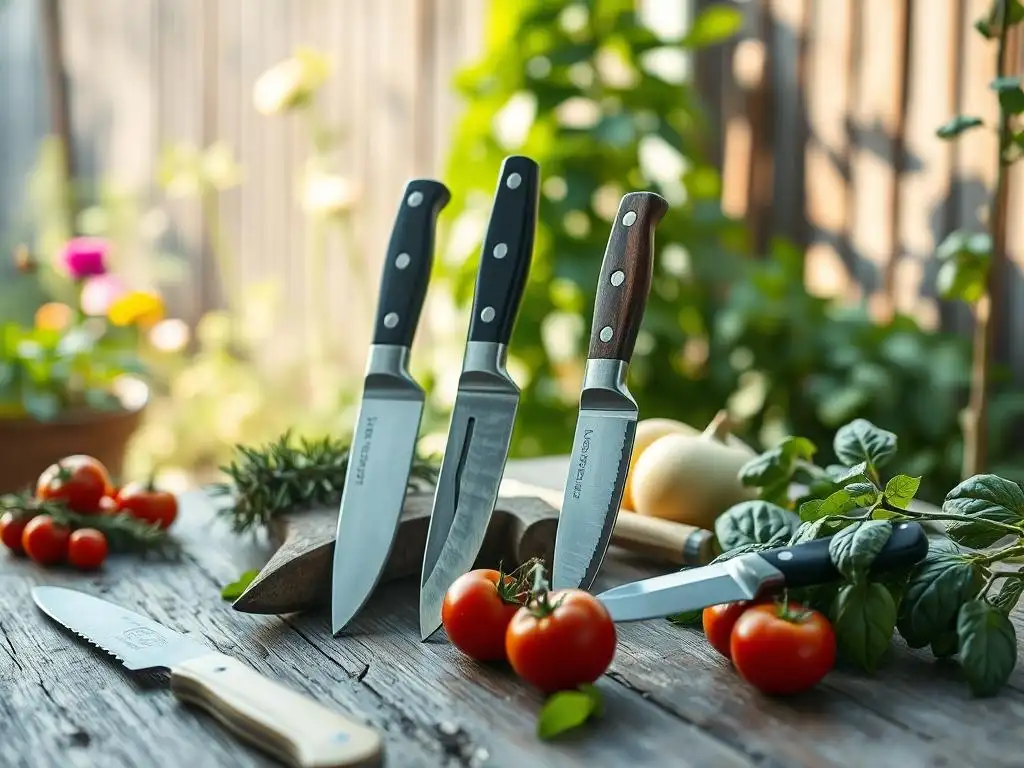
This section addresses common queries regarding the care and safe use of your garden knife, maximizing its lifespan and ensuring your safety while tending your fruitful harvest. Choosing the right knife and maintaining it properly is crucial for efficient and safe gardening. Mastering these techniques elevates your gardening experience and helps you achieve the best results from your efforts.
What type of blade material is best for a garden knife?
The "best" blade material for a garden knife depends heavily on your needs and preferences. However, several materials consistently rank highly for durability, sharpness retention, and resistance to corrosion – all vital qualities for a tool facing the rigors of outdoor use.
Let's examine some popular options:
- High-Carbon Stainless Steel: This is a popular choice offering a good balance of hardness, sharpness, and resistance to rust. It's relatively easy to sharpen and maintains its edge for a reasonable period. Many consider this the optimal choice for the average home gardener seeking a durable and reliable garden knife. It's also generally more affordable than other high-performance materials.
- High-Carbon Steel: Offering exceptional hardness and edge retention, high-carbon steel knives are prized by professional gardeners and those demanding the sharpest possible blade. However, they are more susceptible to rust and require more diligent care, including regular oiling and sharpening.
- Ceramic: Ceramic blades are incredibly sharp and maintain their edge exceptionally well. They are also lightweight and corrosion-resistant. However, they are brittle and can chip if dropped or misused. This makes them less suitable for heavy-duty tasks or gardeners who are less experienced with handling sharp tools.
The table below summarizes the key characteristics of each material:
| Material | Sharpness Retention | Rust Resistance | Durability | Price | Best Suited For |
|---|---|---|---|---|---|
| High-Carbon Stainless Steel | Good | Good | Good | Moderate | General gardening tasks, beginners |
| High-Carbon Steel | Excellent | Poor | Excellent | High | Professionals, demanding users |
| Ceramic | Excellent | Excellent | Fair | High | Precise cutting, delicate tasks, experienced users |
Choosing the right material is a balancing act between performance, maintenance, and cost. Consider your gardening style and frequency of use to make an informed decision.
How often should I sharpen my garden knife?
The frequency of sharpening your garden knife depends on several factors, including the blade material, the intensity of use, and the type of material you're cutting. However, a good rule of thumb is to sharpen your knife after every few hours of intensive use, or at least once a month for regular use.
Signs that your knife needs sharpening include:
- Difficulty cutting: If you notice that your knife is struggling to cleanly slice through stems or fruits, it's a clear sign of a dull blade.
- Rough cuts: Instead of clean cuts, you are now creating ragged edges and tearing the plant material.
- Increased effort: You might find yourself applying more force to cut through things than you used to.
Regular sharpening prevents the blade from becoming excessively dull, which can lead to damage to the tool and potentially dangerous slips. A sharp knife is safer and more efficient, making your gardening experience significantly more pleasant. For best results, invest in a high-quality sharpening stone or honing steel and learn the proper sharpening techniques.
What are some safety precautions when using a garden knife?
Safety is paramount when working with sharp tools. Always prioritize careful handling and adherence to safety guidelines to prevent accidents. Here are some essential safety precautions to follow when using your garden knife:
- Always use a cutting board: Avoid cutting directly on hard surfaces, as this can damage the blade.
- Keep your knife sharp: A sharp knife is less likely to slip and cause injury.
- Cut away from yourself: This simple rule helps prevent accidental self-injury.
- Store your knife safely: When not in use, store your garden knife in a protective sheath or case to prevent accidental cuts and damage.
- Never leave your knife unattended: Especially within reach of children or pets.
- Inspect your knife before each use: Check for any damage or loose parts. A damaged knife should never be used until repaired.
- Wear appropriate clothing: Avoid loose clothing that could get caught in the blade. Gloves can also provide an extra layer of protection.
- Be mindful of your surroundings: Ensure that there are no obstacles that could cause you to lose control of the knife.
By following these simple safety guidelines, you can significantly reduce the risk of accidents and ensure that your gardening experience is both productive and safe. Remember: a moment of carelessness can lead to serious consequences. Prioritize safety and enjoy the fruits – literally – of your labor! 🔪
Where to Buy the Best Garden Knives
Finding the right garden knife can significantly impact your gardening experience. A poorly made knife will dull quickly, making harvesting and other tasks frustrating and inefficient. Investing in a high-quality tool is crucial for longevity and ease of use. But where do you find these superior instruments? Knowing where to buy your garden knives is just as important as knowing how to use them. This section focuses on reputable suppliers and highlights a specific example of a high-quality knife to illustrate what to look for.
Reputable Garden Tool Supplier 1
One excellent source for high-quality garden knives is [Supplier Name Pending]. They are known for carrying a wide selection of hand tools, including knives from various reputable brands. Their website often features detailed product descriptions, customer reviews, and comparisons to assist in your decision-making process. They also tend to offer competitive pricing and excellent customer service, making them a reliable choice for gardeners of all levels.
Their focus on sustainable and ethically sourced products aligns well with the "CultivateYourFood" ethos. Look for features like ergonomic handles and high-carbon steel blades when browsing their inventory. Many gardeners praise their robust warranty policies, offering peace of mind with your purchase.
Reputable Garden Tool Supplier 2
Another strong contender for sourcing your best garden knife is [Supplier Name Pending], a company specializing in organic gardening supplies. While they may not have the same breadth of knife options as the previous supplier, they carefully curate their selection to include only the most durable and reliable tools. Their expertise in organic gardening means they understand the specific needs of gardeners working with delicate plants and prioritize tools that minimize damage.
Expect to find knives with sharp, precise blades ideal for delicate harvesting and detailed tasks. Their customer support is consistently rated highly, with many praising their helpfulness and willingness to provide gardening advice beyond just the sale. Their commitment to quality and customer satisfaction makes them a valuable resource for discerning gardeners.
A Specific High-Quality Garden Knife
As an example of a high-quality garden knife, let's consider the [Knife Brand and Model Name Pending]. This knife typically features a [Blade Material Pending] blade known for its exceptional sharpness and resistance to rust and dulling. The handle is often crafted from [Handle Material Pending], providing a comfortable and secure grip, even during prolonged use. This specific knife is frequently praised for its versatility.
Its design excels in both precise harvesting of delicate herbs and the more robust task of pruning thicker stems. Many users highlight its lightweight yet durable construction, making it ideal for various garden chores. Its balanced weight distribution minimizes hand fatigue, a crucial factor for those who spend considerable time working in their gardens. The [Knife Brand and Model Name Pending] often comes with a sheath for safe storage and transport, further enhancing its practicality.
The combination of quality materials, ergonomic design, and overall durability makes it a strong contender for the title of "best garden knife." Consider this knife as a benchmark when comparing other options. Remember to always check reviews before making a purchase to ensure the knife meets your specific gardening needs.
Frequently Asked Questions
What is the best type of knife for gardening?
A good garden knife should have a strong, sharp blade made of stainless steel for durability and easy cleaning. A comfortable, ergonomic handle is crucial for preventing hand fatigue during prolonged use.
What are some garden knife uses beyond harvesting?
Besides harvesting, a garden knife excels at preparing planting holes, dividing plants, pruning, removing weeds, and even cutting twine or string. Its versatility makes it an essential gardening tool.
How do I care for my garden knife to ensure longevity?
Always clean your knife thoroughly after each use to prevent rust and corrosion. Sharpen the blade regularly to maintain its effectiveness. Store it in a safe, dry place to protect it from damage.
What makes a garden knife different from a kitchen knife?
Garden knives are typically more robust and durable than kitchen knives, designed to withstand tougher materials like roots and stems. They often feature a thicker blade and a more rugged construction.
Are there any safety precautions I should take when using a garden knife?
Always handle your garden knife with care. Keep your fingers clear of the blade. Store it safely out of reach of children and pets. Regular maintenance will prevent accidents.
Final Reflection: Cultivating More Than Just Plants
The humble garden knife, often overlooked as a mere harvesting tool, reveals itself as a versatile instrument with far-reaching applications beyond the vegetable patch. Its impact extends far beyond the simple act of cutting, shaping our relationship with nature and even influencing our creative endeavors.
The enduring appeal of the garden knife lies not just in its functionality, but in the connection it fosters between us and the natural world. It's a tool that allows for intimate interaction with the earth, from the careful pruning of a rose bush to the delicate harvesting of herbs. This intimate connection, I believe, is crucial in a world increasingly disconnected from its natural roots. The glory of gardening: hands in the dirt, head in the sun, heart with nature. To nurture a garden is to feed not just the body, but the soul.
This quote perfectly encapsulates the deeper significance of the garden knife and its role in fostering a mindful approach to cultivation.
Consider the possibilities: You've learned about its uses in preparing cuttings for propagation, crafting unique garden art, and even preparing food directly from your harvest. Now, I invite you to reflect on your own relationship with your garden tools. What other creative uses can you envision for your garden knife?
Embrace the potential for innovation, experiment with new techniques, and discover the unique joy that comes from nurturing both your garden and your own creative spirit. Let the power of a good garden knife inspire you to cultivate more than just plants; cultivate a deeper connection with the natural world and your own inner creativity.
Thanks for exploring the versatile world of garden knives with us! You've discovered how this seemingly simple tool can significantly enhance your gardening experience. Ready to put this knowledge into practice?
- Master a new knife skill: Practice the efficient and satisfying technique we discussed for preparing root vegetables—it's surprisingly effective! This is your primary action.
- Share your experience: Tell us about your favorite ways to use your garden knife in the comments below. What unexpected tasks have you found it useful for?
- Expand your toolkit: Consider investing in a high-quality sharpening steel to keep your knife in top condition for years to come.
What ingenious uses will you discover next?