
Raised Garden Beds: Create a Productive and Organized Garden Space

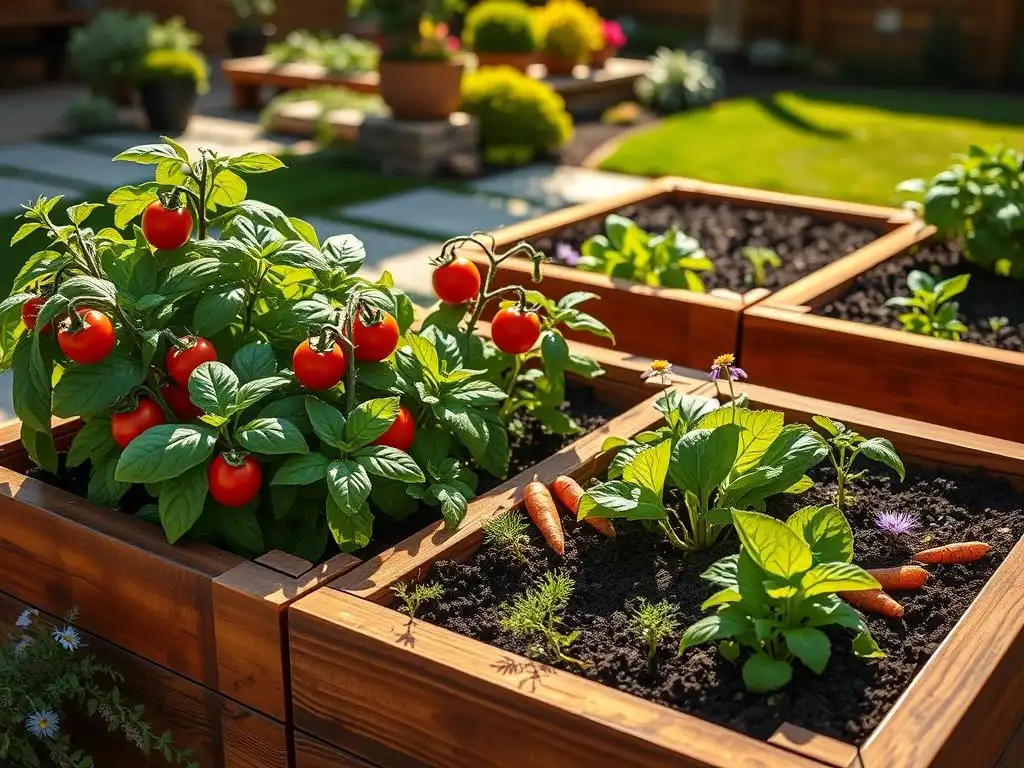
Ready to transform your backyard into a thriving oasis of fresh, organic produce? At CultivateYourFood, we empower you to grow your own food sustainably. This website is your guide to a bountiful harvest, and we're starting with the perfect foundation: learning how to build raised garden beds. Discover the secrets to creating a productive and organized garden space – and unlock the joy of homegrown goodness. Let's get started!
Why Choose Raised Garden Beds? Benefits of Elevated Planting
Building raised garden beds offers a multitude of advantages for both novice and experienced gardeners seeking to cultivate fruits, vegetables, and herbs at home. This method provides a more controlled and productive gardening environment, particularly beneficial for those with challenging soil conditions or limited space. By elevating your planting area, you're not just building a garden; you're constructing a customized ecosystem designed for optimal growth and ease of maintenance, aligning perfectly with sustainable and organic gardening practices. This article will guide you through the process of building raised garden beds, highlighting the key benefits and offering practical steps to create a thriving, organized garden space. We’ll explore various materials, construction techniques, and even innovative gadgets to enhance your raised bed gardening experience. Let's delve into the world of elevated planting and discover why it's becoming a popular choice for home gardeners seeking improved yields and a more enjoyable gardening journey.
Superior Soil Control and Drainage
One of the most significant advantages of raised garden beds is the ability to completely control the soil composition. Unlike in-ground gardening, where you're often working with existing soil that may be compacted, nutrient-deficient, or prone to poor drainage, raised beds allow you to create a custom soil blend tailored to the specific needs of your plants. This means you can mix in compost, peat moss, perlite, or other amendments to achieve the perfect balance of nutrients, aeration, and drainage.
This improved soil structure promotes healthy root development, leading to stronger, more vigorous plants and increased yields. Furthermore, excellent drainage prevents waterlogging, a common cause of root rot and other plant diseases.
The ability to easily amend and improve the soil within the raised bed makes it an ideal solution for gardeners with poor soil conditions. This level of control significantly reduces the risk of crop failure due to soil-related issues.
Improved Accessibility and Ergonomics
Raised garden beds drastically improve accessibility and reduce the physical strain often associated with traditional gardening. Bending and kneeling for extended periods can be challenging, especially for individuals with mobility limitations or back problems. The elevated planting surface allows you to work comfortably at a standing or slightly bent position, reducing back pain and fatigue.
This ergonomic advantage makes gardening more enjoyable and accessible to a wider range of people, regardless of their physical capabilities. The ease of access also simplifies weeding, harvesting, and general maintenance tasks, resulting in a more efficient and less strenuous gardening experience. The impact on overall gardening enjoyment shouldn't be underestimated; comfortable gardening translates to more time spent tending to your plants.
Enhanced Pest and Weed Control
Raised garden beds provide a natural barrier against many common garden pests and weeds. The elevated structure can prevent soil-borne pests from reaching your plants, and the contained environment makes it easier to monitor and control infestations. Additionally, the contained soil makes weeding significantly easier and more effective. You're working with a smaller, more manageable area, making it simpler to identify and remove weeds before they can compete with your plants for resources.
This reduced weed pressure translates to healthier plants and higher yields. The control offered by raised beds is a significant advantage for organic gardeners who prioritize natural pest and weed management strategies. The reduced need for chemical interventions is a key benefit for both the environment and the health of your produce.
Increased Growing Season and Earlier Harvests
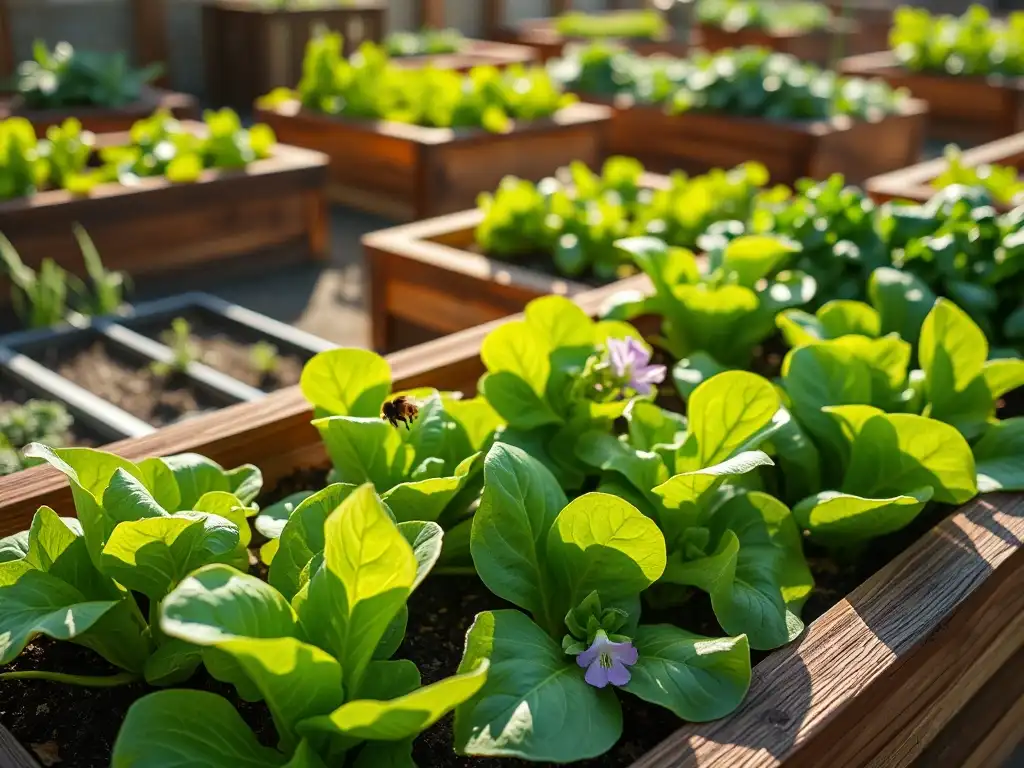
Raised beds warm up faster in the spring and retain heat longer in the fall, extending the growing season in many climates. This is because the soil in raised beds is typically better drained and absorbs solar radiation more efficiently than in-ground soil. The warmer soil temperatures promote faster seed germination and quicker plant growth, resulting in earlier harvests.
This advantage can be particularly valuable in regions with short growing seasons, allowing you to grow a wider variety of plants and maximize your yields. The extended growing season also provides opportunities to plant successive crops, further increasing productivity. The benefits of a longer growing season contribute significantly to the overall efficiency and success of your raised bed garden.
Space-Saving Solutions for Small Gardens
Even small gardens can benefit greatly from raised beds. They are a space-saving solution that allows you to maximize the available area and grow a greater variety of plants. You can utilize vertical space by creating tiered raised beds or incorporating trellises for climbing plants.
Raised beds can be designed to fit almost any space, from small balconies to narrow patios, allowing you to create a productive garden even in the most limited areas. This flexibility makes raised bed gardening suitable for urban dwellers and those with limited outdoor space, demonstrating its versatility and adaptability. The efficient use of space is a significant advantage, especially in urban gardening settings.
Frequently Asked Questions
What are the benefits of building raised garden beds?
Raised garden beds offer many advantages! They provide improved drainage, better soil control, and easier access for gardening, especially for those with mobility issues. They also warm up faster in the spring.
What materials can I use to build raised garden beds?
You can use a variety of materials, including untreated lumber, recycled plastic, stone, or even metal. The best choice depends on your budget, aesthetic preferences, and the longevity you desire. Consider durability and rot resistance.
How high should I make my raised garden beds?
The ideal height depends on your needs and preferences. A height of 12-18 inches is generally recommended for ease of access and good soil depth. Taller beds may be better for deeper-rooted plants.
What kind of soil is best for raised garden beds?
Use a well-draining soil mix, ideally a blend of compost, topsoil, and other organic matter. Avoid using heavy clay soil, which can compact and retain too much water. Amend your soil regularly for optimal plant health.
How do I prevent weeds from growing in my raised garden beds?
Line the inside of your raised bed with landscape fabric before adding soil to suppress weed growth. Regular weeding and mulching are also essential for maintaining a weed-free environment. Consider using pre-emergent herbicides as a last resort.
Final Reflection: Cultivating More Than Just Vegetables
The rise of raised garden beds signifies more than just a gardening trend; it represents a growing desire for connection with nature and a renewed appreciation for sustainable living. From urban rooftops to sprawling suburban backyards, the simple act of building a raised bed is transforming how we interact with our food and our environment. This accessibility to homegrown produce is increasingly vital in a world facing food security challenges and a growing awareness of the environmental impact of industrial agriculture.
The impact of raised garden beds extends beyond the purely practical. They foster a sense of community, connecting individuals with their food sources and encouraging a deeper understanding of the natural world. The glory of gardening: hands in the dirt, head in the sun, heart with nature. To nurture a garden is to feed not just the body, but the soul.
This quote perfectly encapsulates the emotional and spiritual rewards of tending a raised bed, a space where nurturing plants becomes a meditative practice, fostering mindfulness and a sense of accomplishment.
Consider the seeds you've planted today, both literally and figuratively. The knowledge gained from building your own raised garden bed empowers you to take control of your food production, fostering self-sufficiency and a deeper connection to the earth. Don't just build a raised bed; build a legacy of sustainable living, a testament to your commitment to a healthier planet and a more fulfilling life. Embrace the opportunity to cultivate not only bountiful harvests but also a richer, more meaningful relationship with the natural world.
Unleash Your Green Thumb: Grow Your Dream Garden Today!
Thank you for exploring the world of raised garden beds! We hope you've gained valuable insights into creating a productive and organized growing space. Now it's time to put your knowledge into practice.
- Design and build your raised bed: This is the crucial first step! Gather your tools and begin planning your ideal garden layout using the principles you've learned. Even a small raised bed can yield impressive results.
- Share your garden vision: Connect with our community on social media and inspire others with your plans! Show us your sketches, the materials you've chosen, or simply ask for advice. Let's grow together!
- Experiment with different planting techniques: Once your bed is built, consider companion planting or vertical gardening to maximize your space and yield.
Ready to transform your outdoor space into a thriving oasis? What's your next step in creating your raised garden bed?