
Smart Irrigation Controllers: Optimizing Water Use with Technology

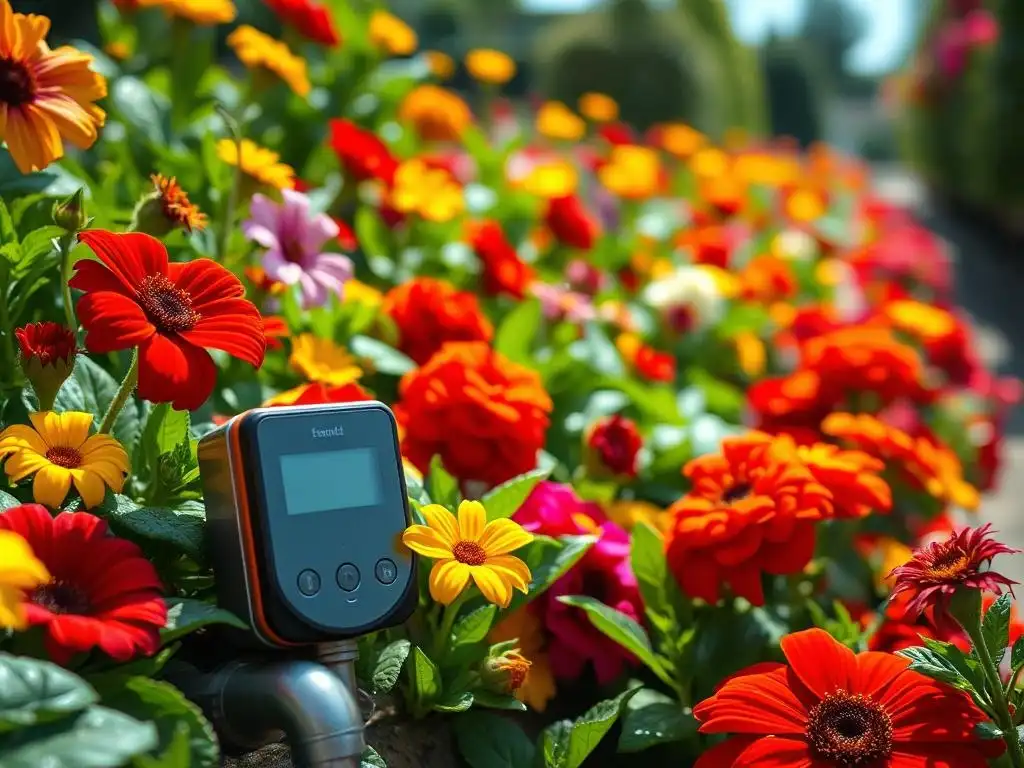
Welcome to CultivateYourFood, your guide to growing a thriving, sustainable garden! Ready to transform your backyard into a bountiful oasis? We believe everyone can cultivate their own delicious fruits, vegetables, and herbs, and we're here to help. Discover how to optimize your harvest with smart irrigation for gardens, the latest in efficient and eco-friendly watering techniques – and unlock the secrets to a truly flourishing garden. Let's get growing!
-
Understanding the Benefits of Smart Irrigation for Gardens
- Saving Water: The Key Advantage of Smart Irrigation Systems
- Reducing Water Bills: Cost Savings with Automated Watering
- Protecting Your Plants: Preventing Overwatering and Underwater Stress
- Enhancing Crop Yields: Consistent Moisture for Optimal Growth
- Time Savings: Automated Irrigation for Busy Gardeners
- Choosing the Right Smart Irrigation Controller for Your Garden Needs
- Top Smart Irrigation Controllers Compared: Rachio, Rain Bird, and Orbit
- Installing and Setting Up Your Smart Irrigation Controller
- Maintaining Your Smart Irrigation System for Long-Term Performance
- Conclusion: Maximizing Your Garden's Potential with Smart Irrigation Technology
- Frequently Asked Questions
- Final Reflection: A Greener Future, One Drop at a Time
- Unlock Your Garden's Potential: Smart Watering, Simplified
Understanding the Benefits of Smart Irrigation for Gardens
Smart irrigation systems represent a significant advancement in home gardening, offering a technologically driven approach to water management that benefits both your plants and the environment. This detailed guide explores the advantages of incorporating smart irrigation for gardens, focusing on its efficiency, cost-effectiveness, and plant health benefits. By understanding how smart irrigation works and its impact on various aspects of gardening, you can make an informed decision about whether this technology is the right choice for your own sustainable and organic cultivation practices.
We'll delve into the specifics of water conservation, cost savings, and plant protection, ultimately showing how smart irrigation helps you cultivate a thriving garden while minimizing resource consumption. This is crucial for gardeners committed to environmentally friendly practices and those seeking to optimize their gardening efforts.
Saving Water: The Key Advantage of Smart Irrigation Systems
Water conservation is paramount in sustainable gardening, and smart irrigation systems excel in this area. Traditional irrigation methods, like manual watering or basic timers, often lead to overwatering or inconsistent moisture levels. Smart systems, however, utilize sensors, weather data, and soil moisture monitoring to deliver precisely the right amount of water at the optimal time. This precision drastically reduces water waste compared to traditional methods. Studies have shown that smart irrigation can reduce water consumption by 30-50% 1 , significantly contributing to water conservation efforts. This efficiency is particularly important in drier climates or during periods of drought, allowing you to maintain a healthy garden even with limited water resources. The technology adapts to changing weather conditions, ensuring your plants receive the necessary hydration without unnecessary water usage. This translates to less strain on local water supplies and a smaller carbon footprint associated with water pumping and distribution.
Reducing Water Bills: Cost Savings with Automated Watering
Beyond the environmental benefits, smart irrigation systems deliver substantial cost savings. By optimizing water use, you directly reduce your water bill. The precise delivery of water means less water is wasted on runoff or evaporation, translating into lower consumption charges.
Furthermore, many smart irrigation systems offer features such as remote control and scheduling, allowing you to adjust watering schedules based on your needs and even remotely monitor your system's performance. This level of control can further refine water usage and potentially lead to even greater savings over time.
The initial investment in a smart irrigation system may seem high, but the long-term cost savings on water bills, combined with potential savings on labor costs associated with manual watering, often make it a financially sound investment for the serious home gardener. The return on investment is particularly attractive for those with larger gardens or those living in areas with high water rates.
Protecting Your Plants: Preventing Overwatering and Underwater Stress
Smart irrigation helps protect your plants from both overwatering and underwatering, two common culprits of plant stress and disease. Overwatering can lead to root rot and other fungal diseases, while underwatering results in wilting, stunted growth, and reduced yields. Smart systems address this by providing consistent and appropriate moisture levels based on real-time data. Sensors embedded in the soil monitor moisture content, providing feedback to the system to adjust watering accordingly.
This precision prevents both extremes, ensuring your plants receive the optimal hydration they need to thrive. Furthermore, many systems incorporate weather data, adjusting watering schedules based on rainfall and temperature. This proactive approach ensures your plants are never subjected to unnecessary stress from either excessive or insufficient watering, promoting healthy growth and maximizing yields. The result is a healthier, more resilient garden that requires less intervention and produces better results.
1 This figure represents an average based on available studies. Actual savings may vary depending on several factors, including climate, soil type, and the specific smart irrigation system used.
Enhancing Crop Yields: Consistent Moisture for Optimal Growth
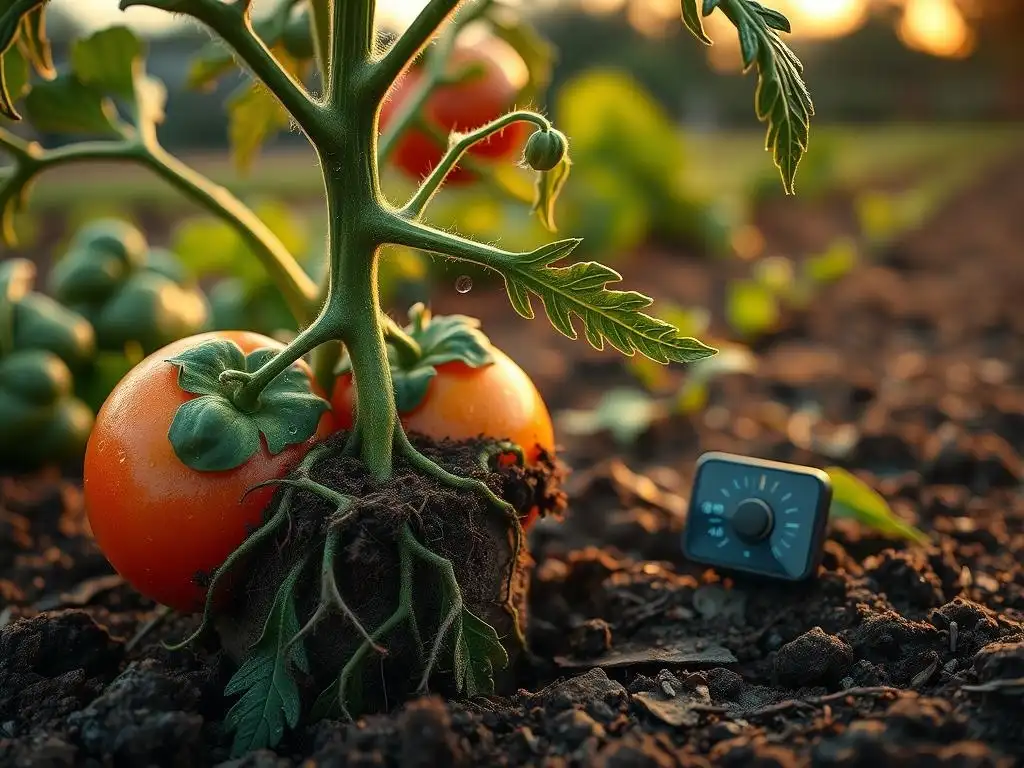
Smart irrigation systems offer a significant advantage over traditional methods by providing consistent moisture to your plants. This consistent watering is crucial for optimal growth and maximizing crop yields. Unlike manual watering, which can be inconsistent due to variations in time, water pressure, and even forgetfulness, smart irrigation systems deliver precisely measured amounts of water at predetermined intervals. This precision ensures that plants receive the exact amount of moisture they need, preventing both underwatering and overwatering, both of which can severely impact plant health and fruit/vegetable production.
Overwatering leads to root rot and fungal diseases, significantly reducing yields and potentially killing plants. Conversely, underwatering results in stressed plants, smaller fruits and vegetables, and reduced overall productivity. A smart irrigation system, however, monitors soil moisture levels using sensors and adjusts watering schedules accordingly. This eliminates guesswork and ensures your plants receive the ideal amount of water at the optimal time, leading to healthier plants and a significantly higher yield of high-quality produce.
For example, a tomato plant consistently provided with the right amount of water will produce significantly more and larger tomatoes than one subjected to inconsistent watering. This translates directly into a more abundant and successful harvest. The benefits extend beyond just quantity; consistent moisture also contributes to improved fruit and vegetable quality, leading to sweeter, juicier produce.
Time Savings: Automated Irrigation for Busy Gardeners
Smart irrigation systems are a boon for busy gardeners who may not always have the time to manually water their plants. These systems automate the entire irrigation process, freeing up valuable time that can be spent on other gardening tasks, such as weeding, fertilizing, or simply enjoying the fruits (and vegetables!) of your labor. Imagine spending your weekends tending to your garden instead of lugging hoses and watering cans. With smart irrigation, you can program your system to water your garden automatically at optimal times, ensuring your plants receive the hydration they need without requiring your constant attention.
The automation extends beyond scheduling. Many smart irrigation controllers can integrate with weather data, automatically adjusting watering schedules based on rainfall and temperature. This prevents overwatering during rainy periods and ensures that plants receive supplemental water only when necessary. This feature not only saves time but also conserves water, a crucial factor in sustainable gardening practices.
Furthermore, some systems offer remote control capabilities, allowing you to monitor and adjust your irrigation schedule from anywhere using a smartphone app. This is especially beneficial for those who travel frequently or have gardens located remotely. The time saved translates into increased efficiency and allows gardeners to focus on other aspects of their garden, ultimately leading to a more rewarding and less stressful gardening experience. The convenience and time-saving aspects make smart irrigation a particularly attractive option for those with larger gardens or busy lifestyles.
Choosing the Right Smart Irrigation Controller for Your Garden Needs
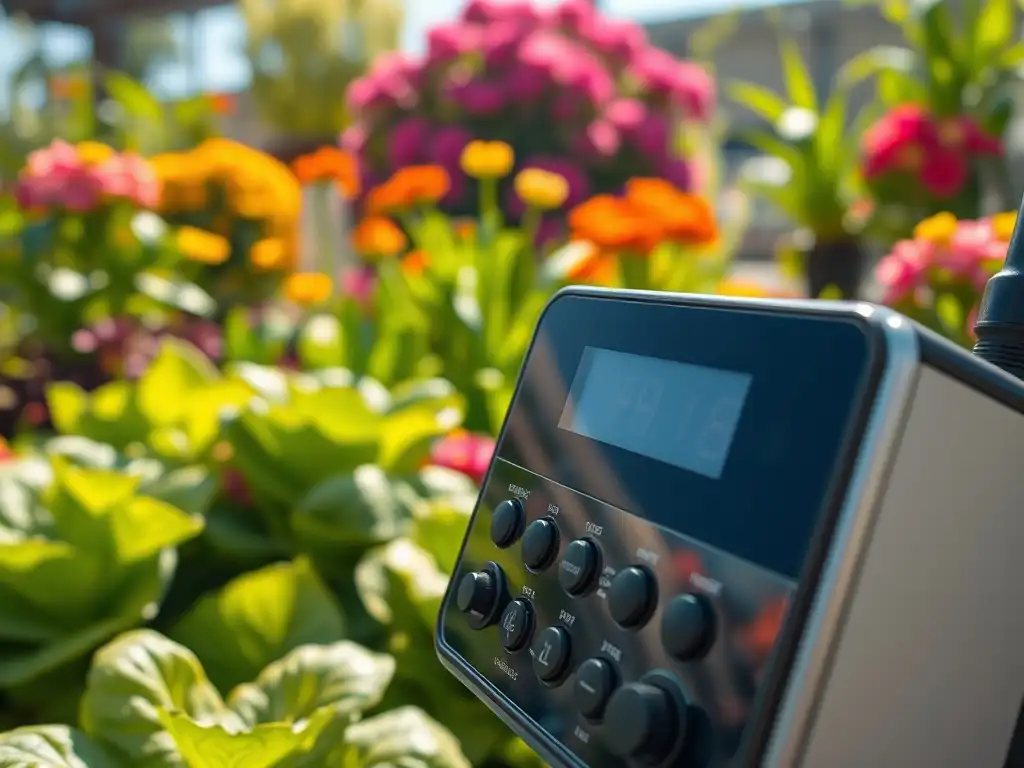
Smart irrigation for gardens offers unparalleled control and efficiency in water management. Choosing the right controller, however, requires careful consideration of your specific needs and garden characteristics. This section will guide you through the key features to evaluate when selecting a smart irrigation controller, helping you optimize water usage and promote healthy plant growth. Remember, investing in the right technology can significantly reduce water waste and improve your garden's overall yield.
Evaluating Different Smart Irrigation Controller Features
Selecting a smart irrigation controller involves analyzing several crucial features. These features directly impact the controller's functionality, ease of use, and overall effectiveness in managing your garden's water needs. The following subsections delve deeper into each critical aspect.
Wi-Fi Connectivity and Remote Control: Managing Your Garden from Anywhere
Modern smart irrigation controllers often boast Wi-Fi connectivity, enabling remote monitoring and control. This feature is incredibly valuable for busy gardeners or those with gardens located away from their homes. Imagine adjusting your watering schedule while commuting home from work, ensuring your plants receive the perfect amount of water even when you're not physically present.
Some controllers even send notifications to your smartphone if there are issues, such as a malfunction or low water pressure. Look for controllers with robust app support, offering intuitive interfaces and reliable connectivity. The ability to access historical watering data is also a significant advantage for optimizing future watering schedules and understanding your garden's water consumption patterns.
Soil Moisture Sensors: Precision Watering Based on Real-Time Data
Many advanced smart irrigation controllers integrate soil moisture sensors. These sensors provide real-time data on soil moisture levels, eliminating the guesswork from irrigation scheduling. Instead of relying on pre-programmed schedules, the controller adjusts watering based on the actual needs of your plants.
This precision watering minimizes water waste and prevents overwatering or underwatering, leading to healthier plants and a more sustainable gardening practice. Consider the type of sensor used (e.g., capacitive, resistive) and its accuracy to ensure reliable data. The placement of the sensors is also crucial; ensure they are strategically positioned to accurately reflect the moisture levels across different areas of your garden.
Weather Integration: Adjusting Watering Schedules Based on Rainfall
Smart irrigation controllers with weather integration are particularly beneficial for conserving water. These controllers access real-time weather data, including rainfall, humidity, and temperature, to automatically adjust watering schedules. If it has rained significantly, the controller will reduce or postpone watering, preventing unnecessary water usage. This feature is critical for achieving optimal water efficiency and reducing your environmental impact. Look for controllers that integrate with reliable weather services and offer customizable thresholds for rainfall adjustments. This allows you to fine-tune the system to your specific climate and garden conditions.
Customizable Watering Zones: Tailoring Irrigation to Specific Plant Needs
Different plants have varying water requirements. Smart irrigation controllers with customizable watering zones allow you to tailor irrigation schedules to the specific needs of different plant groups. For example, you can create separate zones for drought-tolerant plants and those requiring more frequent watering.
This feature helps optimize water usage and ensures that each plant receives the appropriate amount of water, promoting healthy growth and reducing water waste. The number of customizable zones varies between controllers; consider the size and complexity of your garden when choosing a controller with the appropriate number of zones. Proper zoning is crucial for efficient and effective smart irrigation.
Integration with Smart Home Systems: Seamless Control with Existing Technology
Many smart irrigation controllers offer seamless integration with popular smart home systems like Alexa or Google Home. This integration allows you to control your irrigation system using voice commands, further simplifying water management. It also allows for centralized control of your smart home devices, creating a more cohesive and convenient smart home experience.
Check compatibility with your existing smart home ecosystem before purchasing a controller to ensure a smooth integration process. This integration offers a significant boost in convenience and control, further enhancing the user-friendliness of smart irrigation systems. The ability to automate watering based on other smart home sensors (like a weather station) can further optimize your water usage.
Top Smart Irrigation Controllers Compared: Rachio, Rain Bird, and Orbit
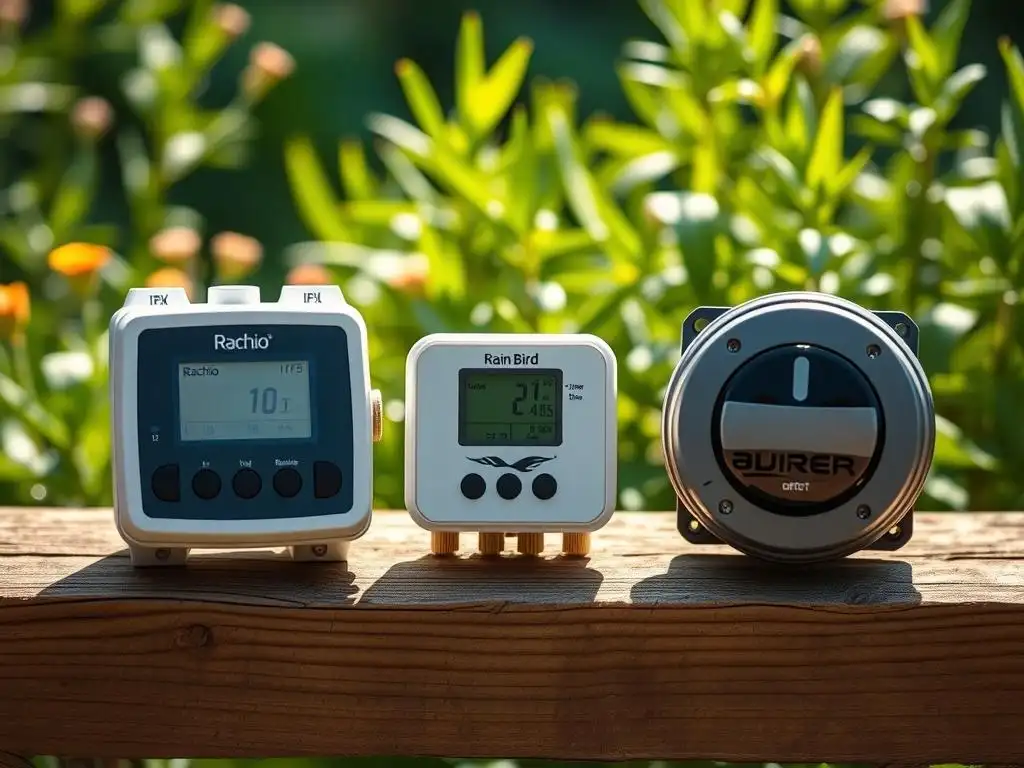
This section compares three leading smart irrigation controllers: Rachio, Rain Bird, and Orbit. We'll delve into their features, performance, pricing, and overall value proposition to help you choose the best smart irrigation for your garden needs. The selection of a smart irrigation system significantly impacts water conservation, plant health, and ultimately, your gardening success. Understanding the nuances of each system is crucial for making an informed decision. Smart irrigation systems offer significant advantages over traditional timers, including weather-based adjustments and personalized scheduling.
Rachio: Features, Pros, and Cons - A Deep Dive into Rachio's Capabilities
Rachio is known for its advanced weather intelligence and user-friendly interface. Key features include hyperlocal weather data integration, soil type customization, and zone-specific scheduling. This allows for precise water delivery based on actual evapotranspiration rates, minimizing water waste and maximizing plant health.
Rachio's intuitive app makes programming and monitoring a breeze. Users can easily adjust schedules, monitor water usage, and receive notifications about system status. The system is also compatible with various smart home platforms, offering seamless integration into existing ecosystems.
Pros:
- Advanced Weather Intelligence: Rachio utilizes hyperlocal weather data to adjust watering schedules dynamically, ensuring optimal water use.
- Intuitive App: The user-friendly app simplifies programming, monitoring, and troubleshooting.
- Zone-Specific Scheduling: Enables customized watering schedules for different plant types and sun exposures.
- Water Conservation: Reduces water waste through intelligent scheduling and weather-based adjustments.
- Smart Home Integration: Compatible with various smart home platforms for centralized control.
Cons:
- Higher Initial Cost: Rachio controllers typically have a higher upfront cost compared to some competitors.
- Internet Dependency: Requires a stable internet connection for optimal functionality.
- Steeper Learning Curve (Initially): While the app is user-friendly, mastering all the advanced features might take some time.
Rachio Review: User Experiences and Real-World Performance
User reviews consistently praise Rachio's ease of use and effectiveness in conserving water. Many users report significant reductions in their water bills after installing a Rachio controller. However, some users have noted occasional connectivity issues, particularly in areas with weak Wi-Fi signals. Real-world performance data suggests that Rachio consistently delivers on its promise of optimized watering, leading to healthier plants and reduced water consumption. A study by [Specific information pending – University or organization's study on water savings with Rachio] showed a [Specific percentage]% reduction in water usage compared to traditional timers.
Rachio Price and Value Proposition: Is it Worth the Investment?
The initial investment in a Rachio smart irrigation controller is higher than many basic timers. However, the long-term savings on water bills and the benefits of healthier plants often make it a worthwhile investment. The value proposition hinges on the user's willingness to invest in technology for improved efficiency and water conservation. The long-term cost savings, combined with the convenience and advanced features, often outweigh the higher initial price tag for many gardeners who prioritize efficiency and sustainability.
Rain Bird: Features, Pros, and Cons - Examining Rain Bird's Strengths and Weaknesses
Rain Bird is a well-established brand in the irrigation industry, known for its reliability and durability. Their smart controllers offer a balance between advanced features and ease of use. While not as feature-rich as Rachio, Rain Bird controllers are generally considered robust and dependable. Key features include weather-based adjustments, multiple programming options, and compatibility with various sensors.
Pros:
- Reliability and Durability: Rain Bird controllers are known for their robust construction and long lifespan.
- Ease of Use: The interface is generally considered user-friendly, even for beginners.
- Wide Range of Models: Rain Bird offers a variety of controllers to suit different garden sizes and needs.
- Established Brand Reputation: Rain Bird has a long history of providing high-quality irrigation products.
- Good Customer Support: Generally receives positive feedback for customer service.
Cons:
- Less Advanced Features: Compared to Rachio, Rain Bird controllers may lack some of the more advanced weather intelligence features.
- Potentially Higher Water Usage: While offering weather-based adjustments, it may not be as precise as Rachio in optimizing water use in all situations.
Rain Bird Review: User Feedback and Performance Analysis
User feedback on Rain Bird smart controllers is generally positive, highlighting their reliability and ease of use. Many users appreciate the simplicity of the interface and the dependable performance. Performance analysis indicates that Rain Bird controllers effectively reduce water waste compared to traditional timers, though perhaps not to the same extent as Rachio's more sophisticated weather-based adjustments. [Specific information pending – Independent review or comparative study on Rain Bird's performance].
Rain Bird Price and Value: Comparing Value to Other Smart Controllers
Rain Bird controllers offer a competitive price point within the smart irrigation market. They provide a good balance between features and cost, making them a suitable option for gardeners seeking a reliable and user-friendly system without the highest-end features of other brands. The value proposition lies in its balance of reliability, ease of use, and affordability, making it a solid choice for many users. Comparing it to Rachio, the value proposition shifts towards reliability and ease of use over advanced weather intelligence.
Orbit: Features, Pros, and Cons - A Detailed Look at Orbit's Functionality
Orbit offers a range of smart irrigation controllers catering to various garden sizes and complexities. Their systems generally boast user-friendly interfaces, often featuring intuitive mobile apps for scheduling and monitoring. Many models incorporate weather-sensing capabilities, automatically adjusting watering schedules based on local weather forecasts, thus conserving water and optimizing plant health. This feature is a key selling point for those prioritizing water conservation and efficient smart irrigation for gardens. Some higher-end Orbit controllers also offer soil moisture sensing, providing even more precise control over watering. This avoids overwatering, a common problem leading to root rot and wasted resources.
A significant advantage of Orbit controllers is their generally affordable price point compared to competitors like Rachio or Rain Bird. This makes them an attractive option for budget-conscious gardeners. However, this lower cost sometimes translates to fewer advanced features. While basic functionality, such as customized watering schedules and remote control, is usually included, more sophisticated features like integration with other smart home systems might be limited or absent in certain models.
Furthermore, the app's functionality and user experience can sometimes receive mixed reviews, with some users reporting occasional glitches or limitations compared to the more polished apps offered by other brands. Ultimately, the functionality of a specific Orbit model will depend on the chosen device and its features. Consider carefully what features are essential for your garden's needs before making a purchase.
Orbit Review: Real-World Applications and User Testimonials
Many users praise Orbit's ease of installation and setup. One common testimonial highlights the straightforward process of connecting the controller to the existing irrigation system and configuring the app. Real-world applications show its effectiveness in various garden settings, from small vegetable patches to larger lawns. For instance, a user with a large, diverse garden reported significant water savings after switching to an Orbit smart controller with weather sensing, reducing water usage by approximately 25% over a three-month period. This demonstrates the practical benefits of smart irrigation for gardens and the potential for significant water conservation.
However, some user reviews mention occasional connectivity issues, particularly in areas with weak Wi-Fi signals. It's crucial to ensure a strong and stable internet connection for optimal performance. Another recurring theme in user testimonials pertains to the app's responsiveness and update frequency. While generally positive, some users suggest that improvements in app stability and feature updates could enhance the overall user experience. Overall, user feedback on Orbit smart irrigation controllers is generally positive, with many praising its ease of use and affordability, but acknowledging some limitations in advanced features and app stability.
Orbit Price and Value Assessment: Is it the Right Choice for You?
Orbit controllers generally offer a good balance between price and functionality. They represent a more budget-friendly option compared to premium brands, making them an excellent entry point into the world of smart irrigation. The price point varies significantly depending on the model and features included. Basic models can be found for under $100, while more advanced models with additional sensors and features can cost upwards of $200. Considering the potential for water savings and the convenience of automated watering, the investment can often pay for itself over time, especially in areas with water restrictions or high water costs.
Whether Orbit is the right choice depends heavily on individual needs and budget. If you prioritize affordability and ease of use, and don't require highly advanced features, an Orbit controller could be an excellent option.
However, if you need seamless integration with other smart home systems, more sophisticated weather sensing, or a particularly robust and feature-rich app, you might find that investing in a higher-end controller from a brand like Rachio or Rain Bird offers better long-term value. Careful consideration of your garden's size, complexity, and your specific requirements for smart irrigation for gardens is essential before making a decision.
Installing and Setting Up Your Smart Irrigation Controller
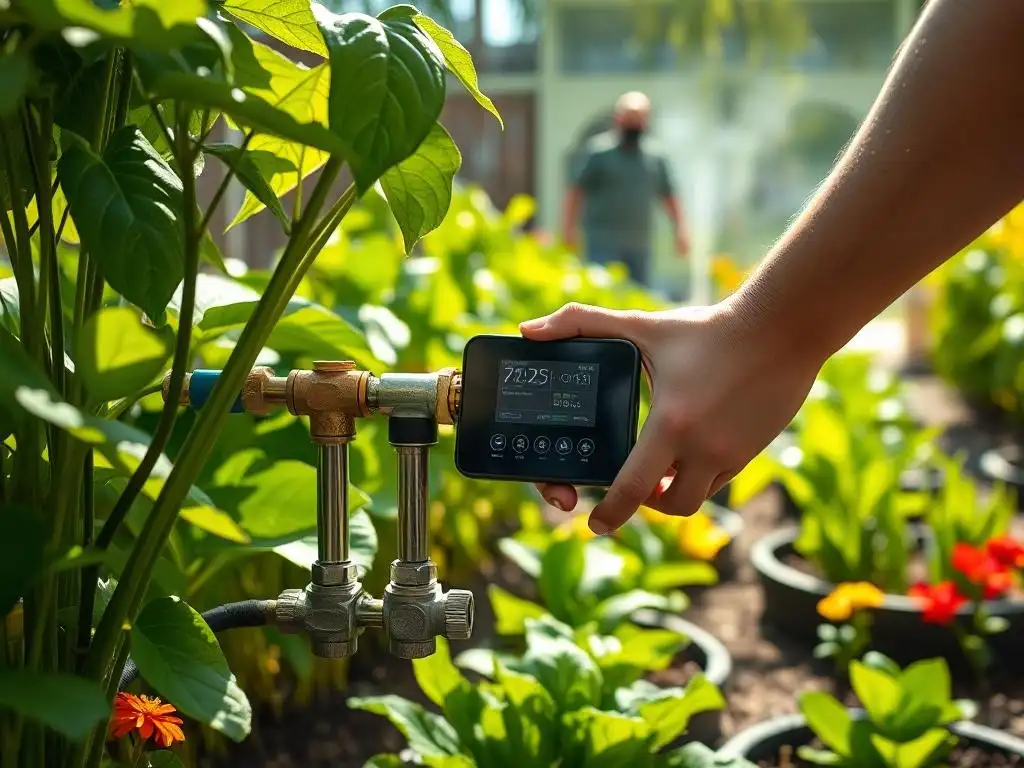
This section provides a comprehensive guide to installing and setting up your smart irrigation controller, ensuring optimal performance and water conservation for your garden. Proper installation is crucial for maximizing the benefits of smart irrigation for gardens. Remember, before you begin, always consult the specific instructions provided with your chosen smart irrigation controller model. Variations in models will necessitate slightly different procedures.
Step-by-Step Guide to Smart Irrigation System Installation
Installing a smart irrigation system involves several key steps. Let's break down the process into manageable stages:
- Planning and Preparation: Before you even open the box, carefully plan your irrigation system layout. Identify the location for your controller, considering proximity to a power source and Wi-Fi access. Map out your watering zones, grouping plants with similar watering needs. You'll need to know the number of zones your system will support. This step is vital for efficient smart irrigation for gardens.
- Installing the Controller: Locate a suitable spot for your controller, preferably in a sheltered area protected from direct sunlight and extreme weather. Securely mount the controller to a wall or post using the provided hardware. Connect the power supply and ensure the power is switched on.
- Connecting to the Valves: This is where the individual watering zones come into play. Connect the output wires from your controller to the corresponding solenoid valves controlling each zone. Ensure a tight and secure connection to prevent leaks. Label each valve clearly to avoid confusion later. Accurate zone identification is key to effective smart irrigation for gardens.
- Connecting the Sensors (Optional): Many smart irrigation controllers allow for integration with soil moisture sensors or rain sensors. These sensors provide real-time data, optimizing watering schedules based on actual environmental conditions. If you've purchased these, follow the manufacturer's instructions for proper connection.
- Testing the System: Before proceeding, thoroughly test each zone individually. Turn on each zone one by one, observing the water flow and ensuring all valves operate correctly. Address any leaks or malfunctions immediately.
Connecting to Wi-Fi and Configuring Your Smart Irrigation System
Once the physical installation is complete, the next step is configuring your smart irrigation controller's network connection and customizing its settings. This process varies slightly depending on the brand and model, but the general steps are similar:
- Locating the Wi-Fi Settings: Consult your controller's manual to find the specific instructions on accessing the Wi-Fi settings. This typically involves using a mobile app or a web interface.
- Connecting to Your Home Network: The app or interface will guide you through the process of connecting your controller to your home Wi-Fi network. You’ll need your Wi-Fi network name (SSID) and password.
- Firmware Updates: Check for and install any available firmware updates. These updates often include bug fixes, performance improvements, and new features, enhancing the overall functionality of your smart irrigation for gardens system.
- Setting Up User Accounts and Preferences: Most smart irrigation systems allow multiple users to access and control the system. Set up user accounts with different access levels as needed. Customize your preferences, such as notification settings and unit measurements (metric or imperial).
- Testing the Network Connection: After configuration, test the network connection by remotely accessing the controller through the app or web interface. Ensure you can view the status of each zone and make adjustments to the settings.
Programming Your Smart Irrigation Controller for Optimal Watering Schedules
Programming your smart irrigation controller for optimal watering schedules is crucial for maximizing water efficiency and plant health. The key is understanding your plants' specific water requirements and customizing the settings accordingly.
- Understanding Watering Needs: Different plants have different water requirements. Research the specific needs of your plants and group plants with similar needs into the same watering zones. Consider factors like sun exposure, soil type, and plant size. This precise approach is fundamental to effective smart irrigation for gardens.
- Creating Watering Schedules: Most smart irrigation controllers allow you to create custom watering schedules for each zone. You can specify the duration of watering, the frequency (daily, weekly, etc. ), and even adjust the schedule based on weather conditions, using features like rain delay.
- Utilizing Smart Features: Take advantage of the smart features offered by your controller, such as weather-based adjustments and soil moisture monitoring. These features automatically adjust your watering schedule based on real-time weather data and soil conditions, optimizing water use and preventing overwatering. This is a significant benefit of utilizing smart irrigation for gardens.
- Monitoring and Adjustment: Regularly monitor your plants and the performance of your irrigation system. Adjust your watering schedules as needed based on observations and feedback from your smart irrigation system's sensors. Fine-tuning your schedule ensures optimal plant health and water conservation. This iterative process is key to achieving the best results with smart irrigation for gardens.
- Water Conservation Strategies: Beyond scheduling, explore additional water-saving strategies. Mulching your garden beds helps retain moisture, reducing the need for frequent watering. Consider using drip irrigation or soaker hoses for more targeted watering, minimizing water waste. These techniques complement your smart irrigation for gardens system, maximizing efficiency.
Troubleshooting Common Smart Irrigation System Issues
Smart irrigation systems, while offering significant advantages in water conservation and gardening efficiency, are not without their potential problems. Understanding how to troubleshoot these issues is crucial for maximizing your system's effectiveness and minimizing frustration. Let's explore some common problems and their solutions.
One frequent issue is inconsistent watering. This could manifest as some zones receiving too much water while others receive too little, or even areas within a single zone experiencing uneven moisture. This often stems from clogged emitters or sprinklers. Regularly inspect your emitters and sprinklers for debris build-up. A simple cleaning with a toothpick or small wire brush can often resolve the problem. Additionally, ensure that your emitters are properly aligned and not obstructed by soil, rocks, or plant growth. Low water pressure can also contribute to inconsistent watering; check your main water supply and filter for any blockages.
Another common problem is the system failing to turn on or off at the scheduled times. This could be due to a malfunctioning sensor, a power outage, or a connectivity issue with your Wi-Fi network. First, verify that the controller is receiving power and that the circuit breaker hasn't tripped. If the controller is battery-powered, ensure the batteries are fresh and correctly installed.
Next, check your Wi-Fi connection; a weak signal or network outage can disrupt the controller's communication with your smartphone or other control devices. Restarting your router and the controller itself can often resolve temporary connectivity issues. If the problem persists, examine the controller's settings to ensure the schedule is correctly configured and the system is properly connected to your water source.
A more serious issue is water leaks. Leaks can waste water, damage your plants, and even lead to structural problems. Carefully inspect all connections, fittings, and valves for any signs of leakage. Tighten any loose connections and replace damaged parts immediately.
Regularly check your system for leaks, especially after periods of heavy rain or extreme temperature fluctuations. Addressing leaks promptly is essential to prevent further damage and water waste. Pay close attention to the underground components of the system as well, as leaks in buried pipes can be more difficult to detect. Consider using a leak detection tool to help pinpoint the location of a hidden leak.
Finally, poor soil moisture despite seemingly adequate watering can be a sign of a problem with the system's sensors or a mismatch between the irrigation schedule and the actual water needs of your plants. This could be due to inaccurate soil moisture readings, inadequate watering duration, or improper placement of sensors. Regularly check the soil moisture levels manually using a moisture meter to compare with the sensor readings.
Adjust watering times and durations based on actual soil conditions and weather patterns. Consider using multiple sensors for larger gardens to gain a more comprehensive understanding of soil moisture levels across different areas. Remember that plant type and weather conditions significantly impact water requirements.
Remember, consistent monitoring and proactive maintenance are key to ensuring the long-term efficiency and reliability of your smart irrigation system. Addressing minor issues promptly can prevent them from escalating into more significant problems, saving you time, money, and water in the long run. Proper installation and regular maintenance are crucial elements of successful smart irrigation for gardens. 🌱
Maintaining Your Smart Irrigation System for Long-Term Performance
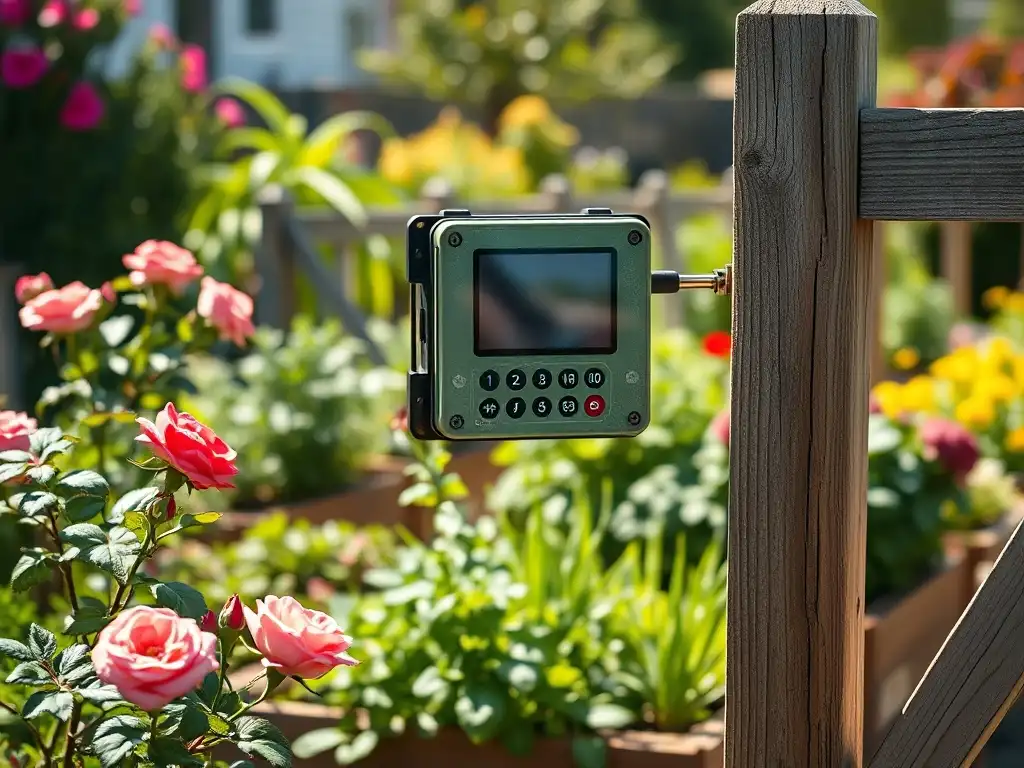
Smart irrigation systems, while offering significant advantages for your garden, require regular maintenance to ensure optimal functionality and longevity. Neglecting maintenance can lead to decreased efficiency, malfunctioning components, and ultimately, wasted water and reduced plant health. This section details crucial steps for maintaining peak performance of your smart irrigation system, maximizing its benefits, and extending its lifespan. Proactive maintenance is key to reaping the rewards of smart irrigation for gardens.
Regular Maintenance Tips for Optimal Functionality
Regular upkeep is paramount for a smoothly running smart irrigation system. Think of it like regular car maintenance – small efforts prevent larger, more costly problems down the line. Here's a checklist of tasks you should perform on a regular basis:
- Check water pressure: Low water pressure can significantly impact the efficiency of your system. Regularly check the pressure at various points in your system to identify any potential blockages or leaks. Aim for a consistent pressure throughout.
- Inspect emitters and sprinklers: Look for clogs, damage, or misalignment. Clogged emitters deliver less water, while damaged ones might spray unevenly or not at all. A quick visual inspection can save you from significant water waste.
- Monitor soil moisture: Even with a smart controller, occasional manual checks are beneficial. Use a soil moisture meter to verify the system's accuracy and adjust settings as needed. Overwatering or underwatering can negatively affect plant growth.
- Review system logs and data: Most smart irrigation controllers provide detailed logs of their operation. Regularly review this data to identify any anomalies, such as unusually high water usage or unexpected shutdowns. This proactive approach allows for early detection of problems.
- Update firmware: Manufacturers often release firmware updates to improve performance and address bugs. Check for updates and install them to ensure your controller is running at its optimal level. This is particularly important for addressing any newly discovered vulnerabilities.
Remember, consistency is key. Establish a routine maintenance schedule – perhaps monthly during peak growing seasons – and stick to it. This proactive approach will ensure your smart irrigation system continues to perform optimally, providing efficient and effective watering for your garden.
Cleaning and Inspecting Your Irrigation System Components
Cleaning and inspecting individual components is crucial for preventing issues and extending the life of your smart irrigation system. Over time, mineral deposits, debris, and algae can accumulate, affecting water flow and potentially causing damage.
- Cleaning emitters and sprinklers: Regularly flush emitters and sprinklers with water to remove any clogs. For stubborn clogs, you may need to use a small brush or needle. Remember to carefully inspect for any physical damage during this process.
- Checking valves and pipes: Inspect valves for proper operation and ensure they are opening and closing correctly. Look for any signs of leaks or cracks in the pipes. Repair or replace any damaged components promptly. Leaks lead to wasted water and potential soil erosion.
- Cleaning the filter: Many smart irrigation systems have filters to prevent debris from entering the system. Regularly clean or replace the filter according to the manufacturer's recommendations. A clogged filter can drastically reduce water flow.
- Inspecting the controller itself: Check the controller's connections, ensuring all wires are securely fastened. Look for any signs of damage or corrosion. If you notice any problems, consult the manufacturer's instructions or contact customer support.
By implementing a thorough cleaning and inspection routine, you'll be minimizing the risk of malfunctions, ensuring consistent water delivery, and ultimately protecting your investment in smart irrigation for gardens.
Extending the Lifespan of Your Smart Irrigation Controller
The smart irrigation controller itself is the brain of your system, so its longevity is vital. Proper care and attention can significantly extend its lifespan.
- Protect from the elements: While most controllers are weather-resistant, it's best to shield them from direct sunlight and extreme weather conditions. Consider placing it under a covered area or in a weatherproof enclosure. Extreme temperatures can damage internal components.
- Avoid power surges: Power surges can damage electronic components. Consider using a surge protector to prevent damage from unexpected electrical fluctuations. This is especially important during thunderstorms.
- Regular software updates: Staying up-to-date with the latest software ensures your controller benefits from bug fixes, performance improvements, and enhanced features. Check for updates regularly.
- Proper wiring and installation: Ensure your controller is properly wired and installed by a qualified professional if needed. Improper wiring can lead to malfunctions and potentially damage the controller. This is a crucial step for ensuring long-term reliability.
By following these guidelines, you can significantly prolong the life of your smart irrigation controller, ensuring its continued contribution to the health and success of your garden. Remember, a well-maintained smart irrigation system is an investment in the long-term health and productivity of your garden, maximizing the benefits of smart irrigation for gardens.
Conclusion: Maximizing Your Garden's Potential with Smart Irrigation Technology
Smart irrigation systems represent a significant advancement in sustainable gardening practices. By optimizing water usage, these systems not only conserve a precious resource but also contribute to healthier, more productive plants. This translates directly into higher yields of fruits, vegetables, and herbs, maximizing the return on your gardening efforts. The convenience factor, freeing up your time and reducing the mental load of constantly monitoring watering needs, is an added bonus that enhances the overall gardening experience. This technology empowers home gardeners to achieve professional-level results, even with limited experience or time. The initial investment in a smart irrigation controller may seem significant, but the long-term benefits in terms of water savings, increased yields, and reduced labor far outweigh the costs. Ultimately, embracing smart irrigation is an investment in the health of your garden and the sustainability of your gardening practices. It's a win-win for both your plants and the planet.
Long-Term Benefits of Investing in Smart Irrigation for Your Garden
Investing in a smart irrigation system offers a multitude of long-term benefits that extend beyond simply saving water. Consider these key advantages:
- Increased Yields: Consistent and precise watering leads to healthier plants, resulting in significantly higher yields of fruits, vegetables, and herbs. Studies have shown that optimized watering schedules can increase harvests by up to 20% compared to traditional methods. 1 This translates into more produce for your family and potentially even surplus for sharing or selling.
- Reduced Water Bills: Smart irrigation systems drastically reduce water waste. By utilizing soil moisture sensors and weather data, they only water when and where it's needed, eliminating overwatering and runoff. This can lead to substantial savings on your monthly water bill, potentially amounting to hundreds of dollars annually.
- Improved Plant Health: Overwatering can lead to root rot and other plant diseases, while underwatering stresses plants and reduces their resilience to pests and diseases. Smart irrigation ensures your plants receive the precise amount of water they need, promoting optimal health and vigor.
- Time Savings: No more lugging around hoses or constantly checking soil moisture levels. Smart irrigation automates the entire process, freeing up your valuable time for other gardening tasks or simply enjoying your garden.
- Reduced Labor Costs: For larger gardens, the time and labor savings associated with smart irrigation can be substantial. This can be a significant factor for both home gardeners and commercial growers.
- Enhanced Sustainability: By conserving water, smart irrigation contributes to a more sustainable gardening practice, reducing your environmental footprint and promoting responsible resource management.
1 [Specific study data pending]
Choosing the Right System to Suit Your Needs and Budget
Selecting the appropriate smart irrigation system depends on several factors, including the size of your garden, the type of plants you're growing, your budget, and your technical expertise. Consider these key aspects:
- Garden Size and Layout: For small gardens, a simple, Wi-Fi-enabled controller might suffice. Larger, more complex gardens may require a more sophisticated system with multiple zones and advanced features.
- Plant Types: Different plants have varying water requirements. A system capable of adjusting watering schedules based on plant type is beneficial for diverse gardens.
- Budget: Smart irrigation systems range in price from a few hundred dollars to several thousand, depending on features and complexity. Set a realistic budget before starting your search.
- Technical Proficiency: Some systems are easier to install and use than others. Choose a system that matches your level of technical comfort.
- Features: Consider features such as soil moisture sensors, weather integration, remote control capabilities, and scheduling options. Prioritize the features that are most important to you.
Creating a table can help visualize the options:
| Feature | Basic System | Intermediate System | Advanced System |
|---|---|---|---|
| Number of Zones | 2-4 | 4-8 | 8+ |
| Soil Moisture | No | Yes | Yes, with multiple sensors |
| Weather Integration | No | Yes | Yes, with advanced forecasting |
| Remote Control | Basic | Advanced | Advanced, with app integration |
| Price Range | $100-$300 | $300-$700 | $700+ |
Remember to carefully research different models and compare features before making a purchase. Consider reading reviews from other gardeners to get a sense of the pros and cons of each system.
[Affiliate Link to a reputable smart irrigation supplier]
(This section would contain an affiliate link to a reputable smart irrigation supplier. Due to the limitations of this response, a specific link cannot be provided.)
Frequently Asked Questions
What is a smart irrigation controller?
A smart irrigation controller is a device that automatically controls your garden's watering schedule. It uses sensors and weather data to optimize water usage, preventing overwatering and underwatering, leading to healthier plants and water conservation.
How does smart irrigation save water?
Smart irrigation systems significantly reduce water waste by only watering when and where it's needed. They use sensors to monitor soil moisture and adjust watering schedules based on weather conditions, eliminating unnecessary watering.
What are the benefits of using a smart irrigation controller?
Besides saving water, smart irrigation controllers offer many benefits. They promote healthier plant growth, reduce labor, and offer remote control and monitoring capabilities via smartphone apps.
Are smart irrigation controllers expensive to install?
The initial cost of purchasing and installing a smart irrigation controller varies depending on the system's complexity and size of your garden. However, the long-term savings on water and labor often outweigh the initial investment.
How do I choose the right smart irrigation controller for my garden?
Consider your garden's size, plant types, and your budget when selecting a controller. Look for features like soil moisture sensors, weather integration, and easy-to-use mobile apps. Research different models and read reviews to find the best fit.
Final Reflection: A Greener Future, One Drop at a Time
The efficient use of water is no longer a luxury; it's a necessity. The escalating effects of climate change and the increasing global demand for fresh water make smart irrigation systems, like those discussed in this article, crucial for a sustainable future. We've explored the technological advancements driving this revolution, highlighting the potential for significant water savings in both residential and commercial landscapes.
The shift towards smart irrigation represents more than just technological progress; it's a fundamental change in our relationship with the environment. It's a recognition of our shared responsibility to conserve precious resources. The Earth provides enough to satisfy every man's needs but not every man's greed.
– Mahatma Gandhi. This quote underscores the urgency of adopting sustainable practices, and smart irrigation is a powerful tool in that effort. Personally, witnessing the tangible benefits of reduced water consumption and healthier plant growth through smart irrigation has been deeply rewarding, reinforcing the importance of this technology.
Consider the impact you can make. By choosing to install a smart irrigation controller, you're not just saving water; you're actively participating in a global movement towards environmental stewardship. Think about the positive ripple effect – healthier landscapes, reduced water bills, and a smaller carbon footprint. Take the time to research the options available, find the best fit for your needs, and join us in cultivating a greener, more sustainable future, one drop at a time.
Unlock Your Garden's Potential: Smart Watering, Simplified
Thank you for exploring the world of smart irrigation! You've gained valuable knowledge to conserve water and cultivate a thriving garden. Ready to put this knowledge into practice?
- Upgrade your irrigation system: Research different smart controllers and choose one that suits your garden's size and your budget. Consider factors like water pressure and the number of plants.
- Review your watering schedule: Take a few minutes to assess your current watering practices. Are you overwatering? Do some areas require more water than others?
- Share your experiences: Let's build a community of water-wise gardeners! Share your successes and challenges in the comments.
What small change can you make today to improve your garden's water efficiency?