
The Art of Succession Planting in Cold Climates: Maximizing Your Harvest

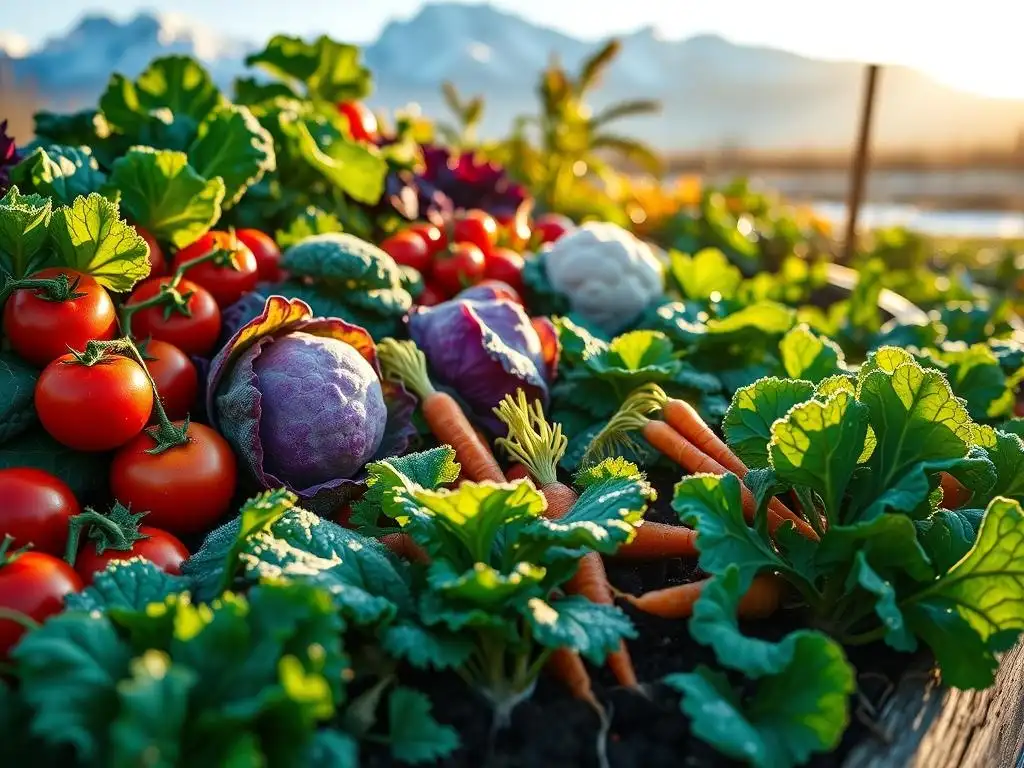
Welcome to CultivateYourFood, your guide to a thriving, sustainable home garden! Are you ready to unlock the secrets to a bountiful harvest, even in a cold climate? Our expert Succession Planting Cold Climate Guide reveals the techniques to maximize your yields year-round, defying the limitations of shorter growing seasons. Discover how strategic planting can transform your garden into a continuous source of fresh, organic produce. Let's explore the art of succession planting together and cultivate your own food paradise!
- Understanding Succession Planting for Cold Climates
- Planning Your Cold Climate Succession Planting Strategy
- Implementing Your Cold Climate Succession Planting Plan
- Maintaining Your Cold Climate Succession Garden
- Advanced Techniques in Cold Climate Succession Planting
- Troubleshooting Common Challenges in Cold Climate Succession Planting
- Harvesting and Preserving Your Bountiful Cold Climate Harvest
- Resources for Successful Cold Climate Succession Planting
-
Frequently Asked Questions
- What is succession planting, and how does it benefit cold-climate gardeners?
- What are some cold-hardy vegetables suitable for succession planting?
- How can I protect my succession plantings from frost in a cold climate?
- What's the best way to determine the optimal planting times for succession planting in my specific cold climate?
- How does succession planting contribute to sustainable gardening practices?
- Final Reflection: Harvesting Abundance, Even in Winter's Grip
- Unleash Your Garden's Potential: Extend the Harvest Season!
Understanding Succession Planting for Cold Climates
Succession planting, a cornerstone of efficient and productive gardening, takes on a unique significance in cold climates. This technique, which involves planting crops in stages throughout the growing season rather than all at once, is not merely a helpful strategy in colder regions – it's often essential for maximizing yields and extending the harvest period.
This comprehensive guide will delve into the art of succession planting in cold climates, providing you with the knowledge and strategies to cultivate a thriving garden even in challenging conditions. We'll explore the core principles, highlight the numerous benefits, and equip you with the crucial information needed to select the right plants for your cold-climate garden.
Understanding these techniques will transform your gardening experience, allowing you to enjoy fresh, homegrown produce for a longer period than you might have thought possible. This guide serves as your ultimate "Succession planting cold climate guide," empowering you to overcome the limitations of shorter growing seasons and reap a bountiful harvest.
What is Succession Planting and Why is it Crucial in Cold Climates?
Succession planting involves planting new crops at regular intervals to replace those that have matured or been harvested. Unlike traditional planting methods where all seeds or seedlings are planted simultaneously, succession planting creates a staggered planting schedule, ensuring a continuous supply of fresh produce throughout the growing season. This is particularly crucial in cold climates where the growing season is significantly shorter.
The limited time between the last frost and the first frost necessitates careful planning to maximize the use of available growing days. By strategically planting crops with varying maturity times, you can ensure that your garden is constantly producing. For example, you might plant early-maturing lettuce in early spring, followed by a later-maturing variety a few weeks later.
This ensures a continuous supply of lettuce throughout the season, even as the weather changes. Think of it as a relay race, where each crop takes its turn to shine in the garden, maximizing space and time. 🌱
Benefits of Succession Planting: Extended Harvest & Resource Optimization
The advantages of succession planting in cold climates are numerous. Firstly, it significantly extends the harvest period. Instead of a concentrated harvest of a particular crop followed by a fallow period, you'll enjoy a continuous stream of fresh produce. This means fresher meals, reduced reliance on store-bought produce, and a greater sense of accomplishment.
Secondly, succession planting optimizes resource utilization. By planting crops strategically, you maximize the use of available space and soil nutrients. You avoid leaving any part of your garden empty during the growing season, leading to increased yields from the same area. Thirdly, it enhances pest and disease management.
Rotating crops helps break the life cycle of many common garden pests and diseases, making your garden more resilient and sustainable. Finally, it allows you to experiment with a greater variety of crops, providing a more diverse and interesting harvest. This adaptability is key to thriving in a cold climate garden.
Choosing the Right Crops for Cold Climate Succession Planting
Selecting the right crops is paramount for successful cold-climate succession planting. Consider factors like frost tolerance, days to maturity, and planting spacing. Choose fast-maturing varieties that can make the most of the shorter growing season. Look for cold-hardy crops like spinach, kale, and lettuce for early spring planting, followed by heat-tolerant varieties like beans and tomatoes later in the season. Pay attention to the specific microclimate of your garden—some areas might experience slightly warmer or cooler temperatures than others.
Utilize cold frames or row covers to extend the growing season and protect vulnerable seedlings from late frosts. Careful planning and plant selection are key to maximizing your harvest in a cold climate garden. Remember to research the specific needs of each crop, including sunlight requirements and soil conditions, to ensure optimal growth. A well-planned succession planting strategy, coupled with the right crop choices, will significantly enhance your gardening success.
Planning Your Cold Climate Succession Planting Strategy
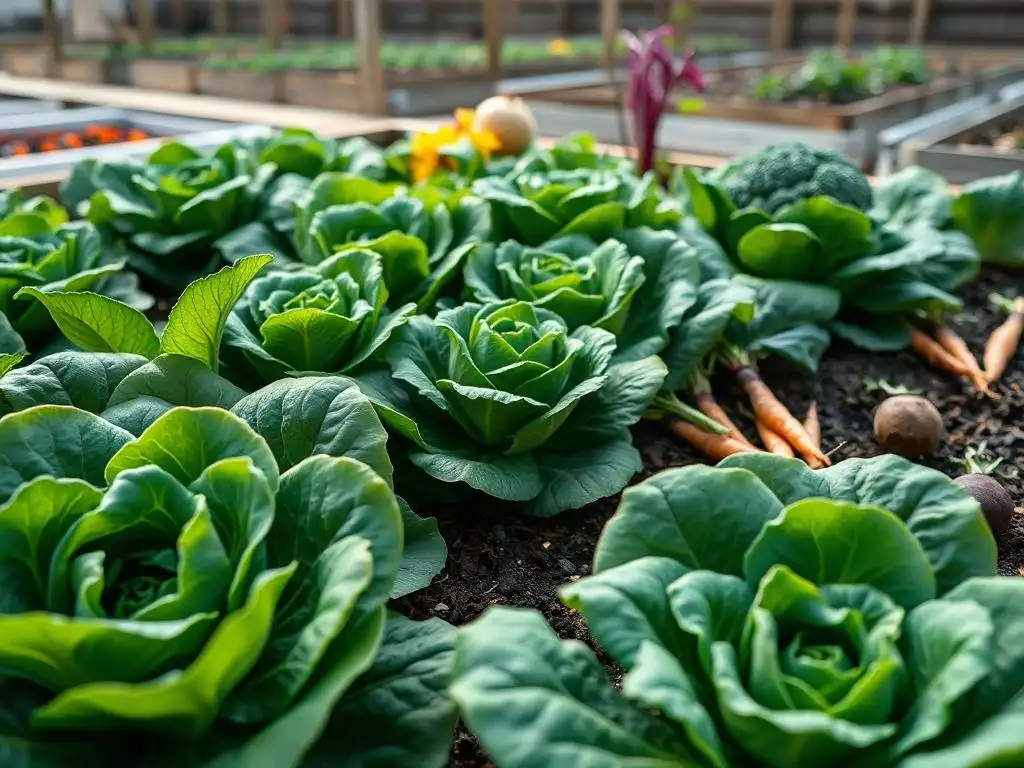
This section delves into the strategic planning crucial for successful succession planting in cold climates. A well-defined strategy ensures a continuous harvest despite shorter growing seasons and unpredictable weather. This requires careful consideration of several key factors, which we'll explore below. Mastering these elements will transform your cold-climate garden from a seasonal affair into a thriving, year-round source of fresh produce. Remember, a successful succession planting cold climate guide needs to be tailored to your specific location and conditions.
Assessing Your Growing Season Length: Frost Dates and Microclimates
Understanding your specific growing season is paramount for effective succession planting. This involves determining your last spring frost date and your first fall frost date. These dates dictate the window of opportunity you have for each planting cycle. You can usually find this information from your local agricultural extension office or weather station. However, remember that these are average dates. Actual frost dates can vary year to year.
Furthermore, don't overlook the potential of microclimates within your garden. A south-facing wall, for example, can create a warmer microclimate, extending your growing season by several weeks. Similarly, areas sheltered from prevailing winds will experience less frost damage. By identifying these microclimates, you can strategically plant cold-sensitive crops in warmer pockets and more frost-tolerant varieties in cooler areas.
This allows you to maximize your harvest even within a short growing season. Careful observation of your garden throughout the year will help you identify these beneficial microclimates. Consider keeping a gardening journal to track temperature variations and plant performance in different locations.
For example, in a garden with a south-facing wall, you might plant tomatoes (a heat-loving crop) closest to the wall, extending their growing season compared to plants in less sheltered locations.
Selecting Fast-Maturing and Cold-Hardy Varieties
Choosing the right plant varieties is critical for success in a cold climate. Opt for fast-maturing varieties that can complete their life cycle within your shortened growing season. Look for varieties specifically labeled as "early," "fast-growing," or "short-season." These will give you the maximum yield within the available time.
Equally important is selecting cold-hardy varieties that can withstand potential temperature fluctuations and late frosts. Many vegetables, such as kale, spinach, and lettuce, are naturally cold-hardy and can even tolerate light frosts. Choosing these hardy options allows you to extend your harvest into late autumn and even into early winter in some cases. Researching varieties suited to your specific USDA Plant Hardiness Zone is essential.
Here's a table illustrating examples of fast-maturing and cold-hardy options:
| Crop | Fast-Maturing Variety | Cold-Hardy Variety |
|---|---|---|
| Lettuce | Black Seeded Simpson | Winter Density |
| Spinach | Bloomsdale Long Standing | Viroflay |
| Radishes | French Breakfast | Cherry Belle |
| Bush Beans | Contender | Blue Lake 474 |
| Kale | Lacinato (Dinosaur) Kale | Siberian Kale |
Creating a Succession Planting Schedule: A Step-by-Step Guide
Developing a detailed succession planting schedule is the cornerstone of a productive cold-climate garden. This schedule acts as your roadmap, guiding you on when to plant each crop to ensure a continuous harvest. Here's a step-by-step guide to creating your personalized schedule:
- List your desired crops: Begin by listing all the vegetables, herbs, and fruits you want to grow. Prioritize those that are your favorites or that have the shortest growing seasons.
- Determine the days to maturity: For each crop, research its days to maturity (DTM). This information is usually found on seed packets or plant tags.
- Work backward from your first frost date: Calculate your planting dates by working backward from your first fall frost date. Subtract the DTM for each crop to determine the optimal planting date. For example, if your first frost is October 15th and a crop has a 60-day DTM, you should plant it around August 16th.
- Account for succession planting intervals: For crops that can be planted successively, such as lettuce or spinach, determine the appropriate interval between plantings. This ensures a continuous harvest. Plant a new batch every 2-3 weeks to maintain a constant supply.
- Consider staggered planting: To mitigate the risk of crop failure due to unexpected frost or pests, consider staggered planting. Plant small batches of the same crop at different times, spreading the risk of total loss.
- Utilize row covers and other protection: Extend your growing season by using row covers or other protective measures to shield plants from frost. This allows you to plant earlier and extend the harvest later into the fall.
- Document your schedule: Create a detailed planting schedule, either on paper or using a digital calendar. This ensures you stay organized and on track throughout the growing season. Regularly review and adjust your schedule as needed based on weather conditions and plant growth. A well-maintained schedule is your best tool for maximizing your cold-climate harvest. Remember, flexibility is key! Don't be afraid to adjust your plan based on actual conditions.
Implementing Your Cold Climate Succession Planting Plan
This section delves into the practical application of succession planting in cold climates, moving beyond theory and into the specifics of successful implementation. Remember, the key to success lies in meticulous planning and understanding your local microclimate. Even within a designated cold climate zone, variations in sunlight, soil drainage, and wind exposure can significantly impact your planting schedule. This guide provides a framework; adapt it to your unique circumstances for optimal results.
Preparing Your Soil for Continuous Planting
Continuous planting demands fertile, well-drained soil. Poor soil quality will limit your plants' ability to thrive and could lead to crop failure, undermining the entire succession planting strategy. Before you even think about seeds, enrich your soil. This involves several key steps:
- Soil Testing: A soil test from a local agricultural extension office or garden center is invaluable. It reveals your soil's pH level, nutrient content (nitrogen, phosphorus, potassium), and potential problems like compaction or excessive salinity. This data informs your soil amendment choices.
- Composting: Composting is crucial for sustainable gardening. Your compost provides essential nutrients, improves soil structure, and enhances water retention. Start composting now if you haven't already! Aim for a rich, dark compost that's well-rotted before incorporating it into your garden beds.
- Amendments: Based on your soil test results, add appropriate amendments. Sandy soils benefit from organic matter like compost and peat moss to increase water retention. Clay soils need organic matter to improve drainage and aeration. If your soil is lacking in specific nutrients, use balanced fertilizers according to package instructions.
- Soil Preparation: Thoroughly till or double-dig your garden beds to incorporate the amendments. Remove any rocks, weeds, or debris. A well-prepared seedbed is crucial for successful germination and early growth.
Remember, healthy soil is the foundation of a thriving garden. Investing time and effort in soil preparation pays dividends throughout the growing season. Don't rush this crucial step!
Seed Starting Techniques for Cold Climates
Starting seeds indoors extends the growing season, allowing you to get a head start on your succession planting. However, cold climates demand specific techniques:
- Seed Starting Mix: Use a seed-starting mix, not garden soil. Seed starting mixes are lighter, drain better, and are less prone to damping-off (a fungal disease that can kill seedlings).
- Temperature Control: Maintain consistent temperatures. Most seeds need warmth to germinate, even cold-hardy varieties. Use a heat mat to provide bottom heat, especially during early stages. A temperature range of 65-75°F (18-24°C) is ideal for many seeds.
- Light: Provide adequate light. Seedlings need at least 12-16 hours of light per day. Use grow lights positioned close to the seedlings, adjusting the height as they grow. Insufficient light leads to leggy, weak seedlings.
- Hardening Off: Before transplanting outdoors, gradually acclimate your seedlings to outdoor conditions. This process, called "hardening off," reduces transplant shock. Start by placing seedlings outdoors for a few hours each day, gradually increasing the time until they can withstand full sun and temperature fluctuations.
Careful seed starting is key to a successful succession planting strategy in cold climates. Don't underestimate the importance of providing the right environment for your seedlings.
Transplanting and Spacing for Optimal Growth
Successful transplanting is crucial for your succession planting strategy. Follow these guidelines for optimal results:
- Timing: Transplant seedlings outdoors after the last expected frost. Check your local frost dates to determine the safest planting time. Transplanting too early exposes seedlings to frost damage, while transplanting too late limits the growing season.
- Spacing: Proper spacing is vital for maximizing yield and minimizing disease. Follow the spacing recommendations on seed packets or plant tags. Overcrowding leads to competition for resources, resulting in smaller plants and reduced yields.
- Watering: Water thoroughly after transplanting. Consistent watering is essential, especially during dry periods. Mulching helps retain soil moisture and suppress weeds.
- Pest and Disease Control: Monitor your plants regularly for pests and diseases. Take preventative measures and address problems promptly to minimize damage. Consider companion planting to deter pests naturally.
A well-planned and executed transplanting process ensures the success of your succession planting. Careful spacing and consistent care are key to a bountiful harvest. Remember to adapt your approach based on the specific needs of each plant variety.
Providing Adequate Water and Nutrients Throughout the Season
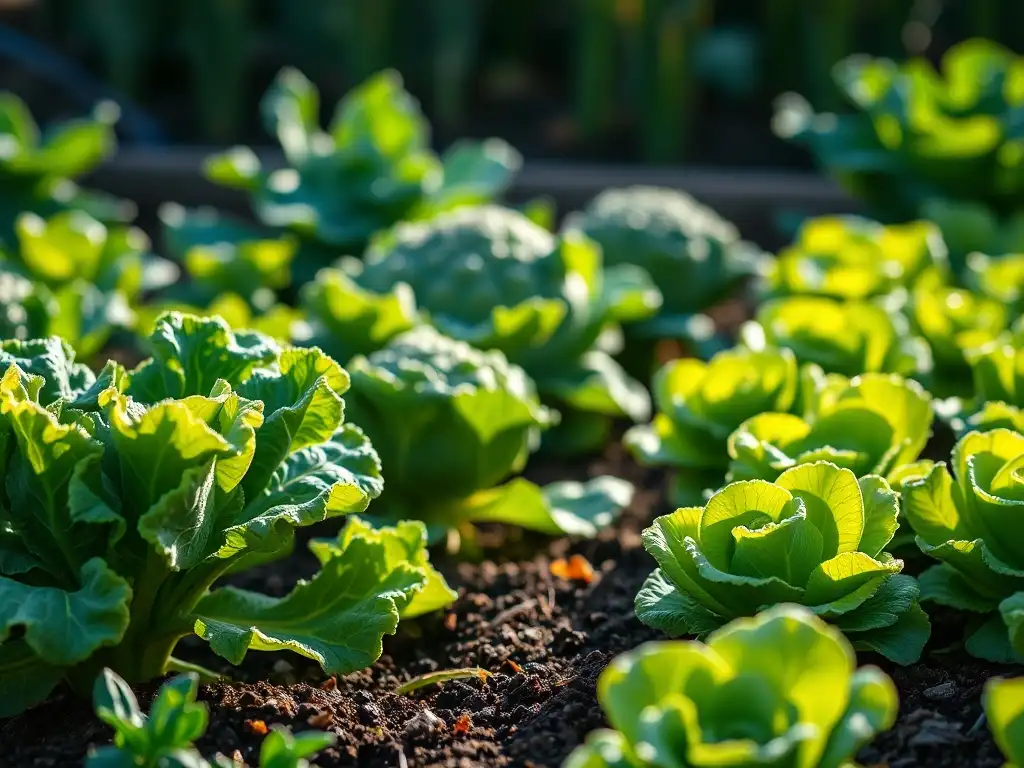
Succession planting in cold climates demands diligent attention to watering and fertilization. Unlike warmer climates where consistent rainfall might suffice, cold weather often brings unpredictable precipitation patterns. Regular watering is crucial, especially during dry spells, but avoid overwatering which can lead to root rot, a significant problem in cold, damp soil. The best approach is to monitor soil moisture regularly, using your finger to check the top few inches.
Water deeply but infrequently, allowing the soil to dry slightly between waterings. This encourages deeper root growth, making your plants more resilient to cold temperatures and drought. Mulching around your plants helps retain soil moisture and regulate temperature fluctuations, reducing the frequency of watering.
Nutrient provision is equally important. Cold weather can slow down nutrient uptake by plants, so providing a balanced supply of essential nutrients is vital for healthy growth and bountiful harvests. Before planting, conduct a soil test to determine nutrient deficiencies. Amend the soil with compost or other organic matter to improve its structure and nutrient content. Consider using slow-release fertilizers to provide a consistent supply of nutrients throughout the growing season.
Side-dressing with liquid fertilizer can provide a boost during periods of rapid growth. Remember to follow the fertilizer instructions carefully to avoid burning your plants. Observe your plants carefully; yellowing leaves may indicate nutrient deficiencies, while overly vigorous growth might suggest an excess. Adjust your fertilization strategy as needed based on your observations and the specific needs of each crop. A healthy plant is a cold-hardy plant.
Protecting Your Crops from Cold Temperatures: Frost Protection Strategies
Frost can devastate a succession planting plan in a cold climate. Protecting your vulnerable crops is paramount to maximizing your harvest. Several strategies can be employed, depending on the severity of the frost and the type of crop. Row covers, lightweight fabrics that drape over plants, provide a layer of insulation, preventing radiative heat loss and protecting plants from light frost. Floating row covers are particularly effective as they allow sunlight and air circulation while still offering protection.
For more severe frosts, consider using cloches, individual bell-shaped covers that create a microclimate around each plant. These are ideal for protecting seedlings and delicate plants. Water can also act as a frost barrier. Watering plants thoroughly before a frost can raise the soil temperature and prevent ice crystals from forming on the plant surfaces. However, this method is not always effective for severe frosts.
Another crucial strategy involves choosing frost-tolerant varieties of your chosen crops. Many seed catalogs and plant nurseries specify the cold hardiness of their products. Selecting plants known for their resilience to cold temperatures is a proactive step towards mitigating frost damage. Lastly, consider the microclimate of your garden.
South-facing slopes tend to be warmer than north-facing ones, and areas sheltered from wind experience less frost damage. Planting frost-sensitive crops in sheltered locations can significantly improve their chances of survival. Careful planning and the implementation of these protective measures are vital components of successful succession planting in a cold climate. Remember that a multi-pronged approach, combining several of these strategies, often yields the best results.
Maintaining Your Cold Climate Succession Garden
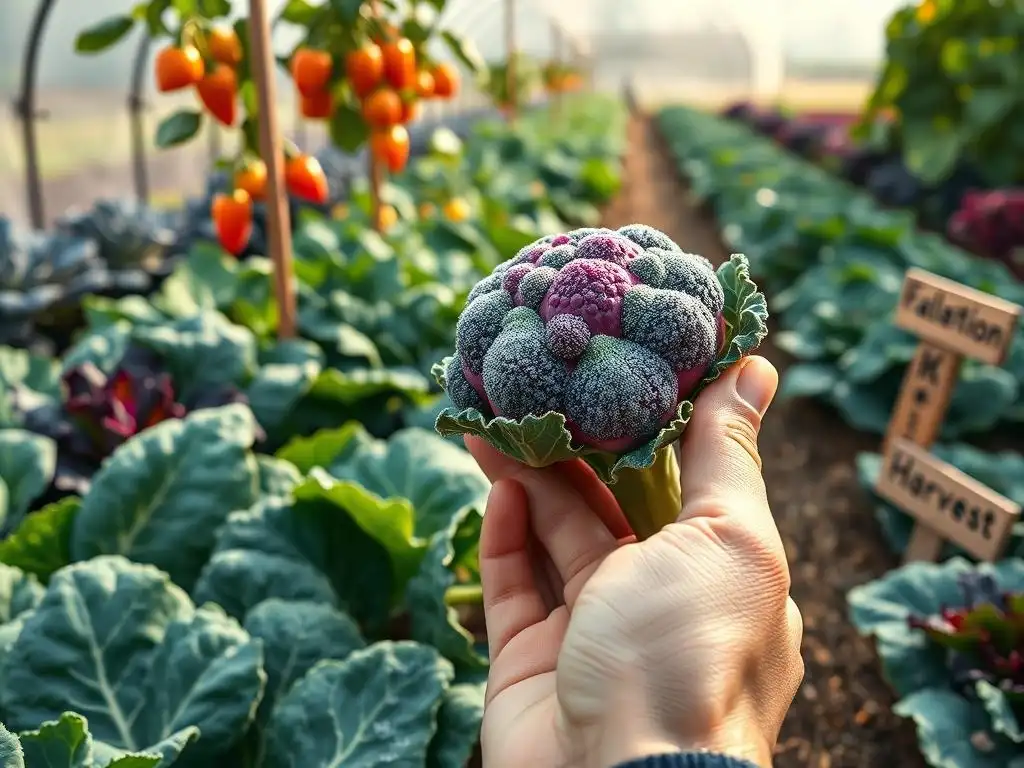
This section delves into the crucial maintenance practices required for a thriving succession planting system in cold climates. Success hinges not only on strategic planting but also on diligent monitoring, timely harvesting, and responsible soil management. Ignoring these aspects can significantly impact your yield and the long-term health of your garden. This guide will equip you with the knowledge to navigate these challenges effectively, maximizing your harvest year after year.
Monitoring Plant Health and Addressing Pests and Diseases
Regular inspection is paramount in a succession planting system, particularly in unpredictable cold climates. Early detection of pests and diseases is key to preventing widespread damage. Begin by visually inspecting your plants at least twice a week, paying close attention to leaves, stems, and fruits. Look for signs of discoloration, wilting, unusual growths, or insect activity.
A helpful tip is to create a simple chart to track your observations. This allows you to monitor plant health over time and identify trends. For instance:
| Date | Plant Type | Observation | Action Taken |
|---|---|---|---|
| Oct 26, 2023 | Kale | Yellowing lower leaves, possible nutrient deficiency | Applied compost tea, adjusted watering schedule |
| Oct 28, 2023 | Spinach | Small holes in leaves, suspected slugs | Introduced slug traps, hand-picked visible slugs |
| Nov 1, 2023 | Lettuce | No issues observed | Continued routine monitoring |
Common pests in cold-climate gardens include aphids, slugs, and cabbage worms. Diseases such as powdery mildew and downy mildew can also affect your crops. Implementing preventative measures, such as crop rotation and companion planting, can significantly reduce pest and disease pressure. For example, planting marigolds alongside susceptible vegetables can deter certain pests.
Organic pest control methods are highly recommended for maintaining a sustainable garden. These include introducing beneficial insects (like ladybugs for aphids), using insecticidal soap, or employing natural barriers like row covers to protect plants. Remember to always identify the pest or disease accurately before applying any treatment. Misidentification can lead to ineffective or even harmful applications. Consulting local gardening resources or agricultural extension offices can provide invaluable support in this area. Careful monitoring and timely intervention are crucial for maintaining the health of your succession planting system and ensuring a bountiful harvest.
Harvesting and Storing Your Cold-Climate Crops
Harvesting at the optimal time is crucial for maximizing flavor and extending the shelf life of your cold-climate crops. This requires understanding the specific needs of each plant. For instance, some leafy greens like spinach and kale can be harvested multiple times by picking the outer leaves, leaving the inner leaves to continue growing. Root vegetables like carrots and beets are typically harvested once they reach maturity, usually in the fall.
Here are some key considerations for harvesting and storing different types of cold-climate crops:
- Leafy Greens: Harvest regularly to encourage new growth. Store in perforated plastic bags in the refrigerator for up to a week.
- Root Vegetables: Harvest after the first frost. Store in a cool, dark, and dry location, such as a root cellar or the refrigerator. Proper curing (allowing the vegetables to dry slightly before storing) can improve their longevity.
- Brassicas (e.g., cabbage, broccoli): Harvest when heads are firm and mature. Store in a cool, dry place, or in the refrigerator for a shorter period.
Proper storage techniques are vital to extend the enjoyment of your harvest. Maintaining the correct temperature and humidity is key. Improper storage can lead to spoilage, reducing the overall yield of your succession planting efforts. Consider utilizing techniques like freezing or canning for longer-term preservation, depending on your specific crops and preferences. By implementing these strategies, you can enjoy the fruits (and vegetables!) of your labor well into the winter months.
Composting and Soil Improvement for the Next Planting Cycle
Composting is an essential element of sustainable gardening, particularly in succession planting systems. It enriches the soil, improves its structure, and provides essential nutrients for subsequent plantings. Composting your garden waste, including plant debris, kitchen scraps, and yard waste, creates a valuable resource that feeds your next succession planting cycle.
The process involves layering "browns" (carbon-rich materials like dried leaves and twigs) and "greens" (nitrogen-rich materials like grass clippings and vegetable scraps) in a compost bin or pile. Regular turning ensures proper aeration and decomposition. The resulting compost is a dark, crumbly material rich in organic matter.
Adding compost to your garden beds before the next planting season improves soil fertility and water retention. This is particularly important in cold climates where soil can be heavy and poorly drained. Regular soil testing helps determine specific nutrient deficiencies, allowing for targeted amendments. By incorporating compost and other soil amendments, you nurture healthy soil that supports vigorous plant growth and maximizes the yield of your succession planting efforts, leading to a more productive and sustainable garden year after year. Remember, healthy soil is the foundation of a successful garden, especially in challenging cold-climate conditions.
Adapting Your Succession Planting Plan Based on Experience and Climate Variations
Succession planting in cold climates requires a flexible approach. What works perfectly one year might need adjustments the next, due to unpredictable weather patterns and the learning curve inherent in gardening. Careful observation and record-keeping are crucial for refining your strategy year after year. For example, a particularly early spring might allow you to start certain crops earlier than initially planned, while a late frost could necessitate delaying planting or using protective measures like cloches or row covers.
This adaptability is key to maximizing yields in a challenging environment. Don't be afraid to experiment! Try planting slightly different varieties known for their cold hardiness or faster maturation times.
Your first year of succession planting will likely be a learning experience. You might underestimate germination times, overestimate the growth rate of certain plants, or misjudge the impact of microclimates in your garden. Meticulously record your planting dates, germination dates, harvest dates, and any significant weather events, including frost dates, rainfall amounts, and periods of intense sun or shade.
This detailed log will become an invaluable resource for future planning. For example, if you noticed your lettuce bolted early one year due to unexpected heat, you might opt for a heat-tolerant variety or adjust your planting schedule in subsequent years.
Climate variations play a significant role in the success of your succession planting. A colder-than-average spring will delay planting, while an unusually warm autumn might extend your growing season. Staying informed about local weather forecasts and adjusting your planting schedule accordingly is essential. Consider using tools like frost prediction calendars or weather apps that provide hyperlocal data.
These resources can help you make informed decisions about planting and protecting your crops from unexpected temperature fluctuations. Remember, flexibility and adaptability are your greatest allies in the unpredictable world of cold-climate gardening. Embrace the challenges and learn from each season's successes and setbacks. The reward is a bountiful harvest despite the challenges.
Advanced Techniques in Cold Climate Succession Planting
This section delves into advanced techniques to maximize your harvest through succession planting even in challenging cold climates. We'll explore strategies beyond basic scheduling, focusing on methods that extend the growing season and optimize space utilization. Mastering these techniques will significantly improve your yields and allow you to enjoy fresh produce longer into the fall.
Using Cold Frames and Row Covers to Extend the Growing Season
Cold frames and row covers are invaluable tools for extending the growing season in cold climates. These protective structures create a microclimate warmer than the surrounding air, allowing for earlier planting in spring and later harvests in autumn. They achieve this by trapping solar heat and minimizing temperature fluctuations.
Consider the following when implementing these techniques:
- Cold Frames: These structures, often made of wood or metal frames with transparent coverings (glass or plastic), act as miniature greenhouses. They provide significant protection against frost and chilling winds, allowing you to start seeds earlier and extend the season for heat-loving crops like tomatoes and peppers. Proper ventilation is crucial to prevent overheating and the build-up of humidity. Regular monitoring of temperatures inside the cold frame is necessary to ensure optimal growth conditions.
- Row Covers: These are lightweight, breathable fabrics (like Reemay or spun-bonded polyester) that are draped over rows of plants. They offer protection against light frosts and cold winds while still allowing sunlight and some air circulation. Row covers are particularly effective for protecting young seedlings and extending the harvest of crops like lettuce and spinach. Removal is essential during warmer periods to prevent overheating.
Data shows that using cold frames can extend the growing season by up to 4-6 weeks in many regions, significantly increasing the overall yield of your garden. Similarly, row covers can protect against minor frosts, preventing crop losses and preserving valuable harvests.
Intercropping and Companion Planting Strategies for Cold Climates
Intercropping and companion planting involve strategically planting different crops together to maximize space and resource utilization. This is particularly beneficial in cold climates where the growing season is shorter. Careful selection of companion plants can improve soil health, deter pests, and enhance the overall productivity of your garden.
Specific examples of successful cold-climate pairings include:
| Primary Crop | Companion Crop | Benefits |
|---|---|---|
| Cabbage | Dill | Repels cabbage white butterflies |
| Carrots | Onions | Onions deter carrot root flies; carrots improve onion growth |
| Lettuce | Radishes | Radishes are quick-growing and improve soil structure for lettuce |
| Potatoes | Nasturtiums | Nasturtiums deter potato beetles and improve soil fertility |
Choosing the right companions is crucial. Fast-growing crops can provide early shade for slower-growing ones, protecting them from harsh sun and helping to retain soil moisture. Some plants also improve soil fertility, while others deter pests that could damage your main crops. Careful planning and research are key to successful intercropping in a cold climate. This method can lead to a more diverse and productive garden with minimal space requirements.
Utilizing Vertical Gardening Techniques for Space Optimization
Vertical gardening is a space-saving technique that allows you to grow more plants in a smaller area. In cold climates where space might be limited by shorter growing seasons and the need for protective structures, vertical gardening becomes especially important. This approach maximizes sunlight exposure and improves air circulation, which is essential for healthy plant growth.
Several methods can be employed:
- Trellises: These structures are used to support climbing plants like beans, peas, and cucumbers. They allow plants to grow upwards, freeing up valuable ground space for other crops.
- Stacked Planters: These allow you to layer plants vertically in containers, maximizing space utilization. This is especially effective for herbs and small vegetables.
- Hanging Baskets: Hanging baskets can be utilized for strawberries, herbs, and other trailing plants, maximizing the vertical space above the ground.
Vertical gardening can significantly increase the yield you can achieve in a limited area, making it an essential technique for maximizing your harvests in cold-climate succession planting. By thoughtfully implementing these strategies, you can optimize your space and enjoy a bountiful harvest despite the shorter growing season. Careful planning and selection of suitable plants are crucial for success.
Troubleshooting Common Challenges in Cold Climate Succession Planting
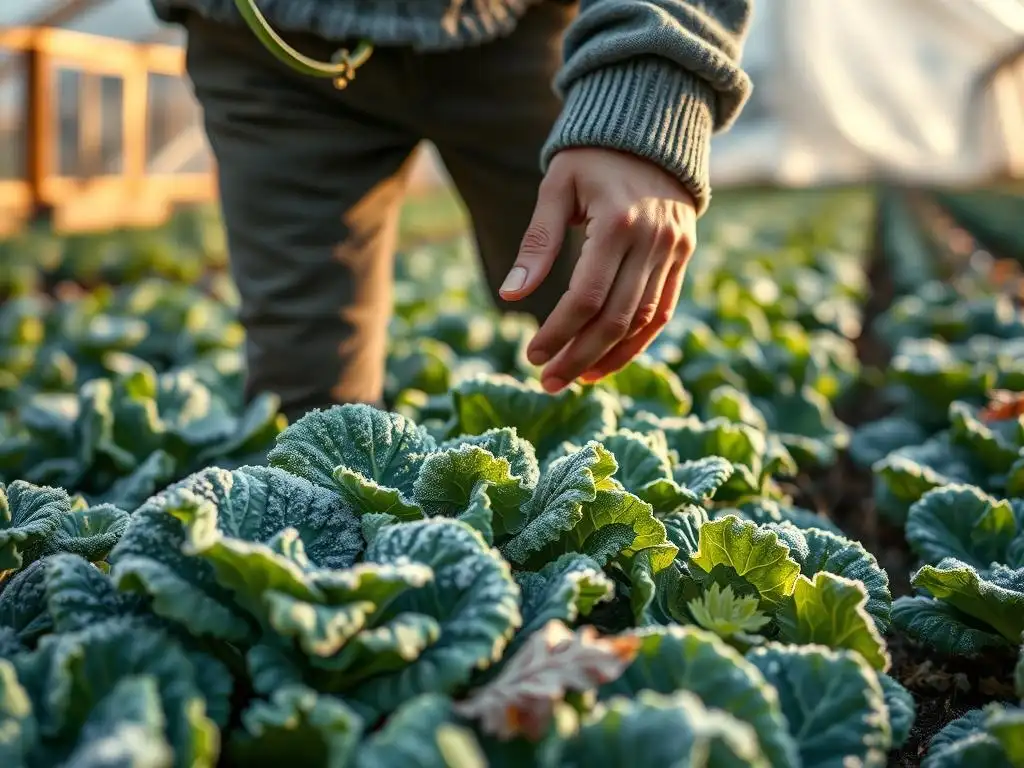
Succession planting in cold climates presents unique hurdles. While the rewards of a continuous harvest are significant, understanding and proactively addressing potential problems is crucial for success. This section details common challenges and offers practical solutions to maximize your yield, even in unpredictable weather conditions. Mastering these techniques will elevate your gardening game and ensure you reap the benefits of your hard work throughout the growing season. This guide will help you navigate the complexities of succession planting in colder regions, maximizing your harvest even with the challenges of a shorter growing season.
Dealing with Late Frosts and Unexpected Cold Snaps
Late frosts and sudden cold snaps can decimate a carefully planned succession planting schedule. Protecting vulnerable seedlings and young plants is paramount. Several strategies can mitigate frost damage:
- Row covers: Lightweight row covers made of spun-bonded polyester or similar materials provide excellent protection against light frosts and chilling winds. They allow sunlight and water to penetrate while creating a microclimate warmer than the surrounding air. Remember to remove covers during the day when temperatures rise to avoid overheating plants.
- Cold frames: For more substantial protection, cold frames create a miniature greenhouse environment. These structures can be as simple as a wooden frame covered with clear plastic or as sophisticated as commercially available models. Cold frames are particularly useful for hardening off seedlings before transplanting them outdoors.
- Water: Surprisingly, watering plants thoroughly before a predicted frost can help protect them. The water releases heat as it freezes, creating a slight insulating layer around the plant.
- Plant selection: Choosing frost-tolerant varieties is crucial. Many vegetables, herbs, and even some fruit plants exhibit varying degrees of cold hardiness. Researching and selecting appropriate cultivars is a key element of successful cold climate gardening. Consider varieties specifically bred for shorter growing seasons.
- Microclimates: Observe your garden and identify naturally warmer microclimates. South-facing slopes, areas sheltered by walls or fences, and locations near south-facing walls will often experience higher temperatures, even during a frost. Prioritize planting frost-sensitive crops in these protected areas.
Remember, accurate weather forecasting is your best ally. Regularly check the forecast and be prepared to implement protective measures when necessary. The investment in frost protection is far outweighed by the potential loss of a whole planting cycle.
Managing Pests and Diseases Specific to Cold Climates
While some pests and diseases thrive in warmer climates, others are uniquely adapted to colder conditions. Understanding these specific threats is vital for effective pest and disease management. Cold, wet conditions can foster fungal diseases, while certain insect pests remain active even at lower temperatures.
- Fungal diseases: Diseases like powdery mildew and various leaf spots often flourish in damp, cool conditions. Good air circulation, avoiding overhead watering, and using disease-resistant varieties can minimize the risk. Organic fungicides, such as neem oil or copper fungicide, can be used as a last resort.
- Slugs and snails: These mollusks are particularly active in cool, moist environments. Physical barriers, such as copper tape or diatomaceous earth, can deter them. Beer traps can also be effective, although they may also attract beneficial insects. Handpicking slugs and snails at night is another effective, albeit time-consuming, method.
- Aphids: While aphids are common in warmer climates, they can still be a problem in cooler conditions, especially during spring and early summer. Regular plant inspection, insecticidal soap, and introducing beneficial insects like ladybugs can help control aphid populations.
- Monitoring: Regular monitoring of your plants is key to early detection of any pest or disease issues. Early intervention is always more effective than dealing with a widespread infestation or disease outbreak. Consider keeping a gardening journal to track pest and disease occurrences, aiding in future planning and proactive management.
Addressing Soil Nutrient Deficiencies in Cold Weather Conditions
Cold temperatures can slow down nutrient uptake by plants. Furthermore, nutrient leaching can occur in colder, wetter conditions. Addressing potential nutrient deficiencies is crucial for ensuring healthy plant growth and maximizing yields in a succession planting system.
- Soil testing: Before planting, conduct a soil test to determine its nutrient levels. This provides baseline data to inform your fertilization strategy. Amend the soil with compost or other organic matter to improve drainage, aeration, and overall nutrient content.
- Organic fertilizers: Choose slow-release organic fertilizers, such as composted manure or bone meal, to provide a consistent supply of nutrients throughout the growing season. Avoid using fertilizers that release nutrients quickly, as these can be easily leached away in cold, wet conditions.
- Mulching: Apply a thick layer of mulch to help retain soil moisture and regulate temperature. Mulch also helps suppress weeds, which compete with your plants for nutrients.
- Supplemental feeding: Consider side-dressing your plants with liquid fertilizers, especially during periods of rapid growth. This provides a quick boost of essential nutrients. However, avoid over-fertilizing, as this can harm your plants.
- Crop rotation: Rotate your crops annually to prevent nutrient depletion in specific areas of your garden. Different plants have different nutrient requirements, and crop rotation helps maintain soil fertility over time. This practice is beneficial for both long-term soil health and the success of your succession planting strategy.
Harvesting and Preserving Your Bountiful Cold Climate Harvest
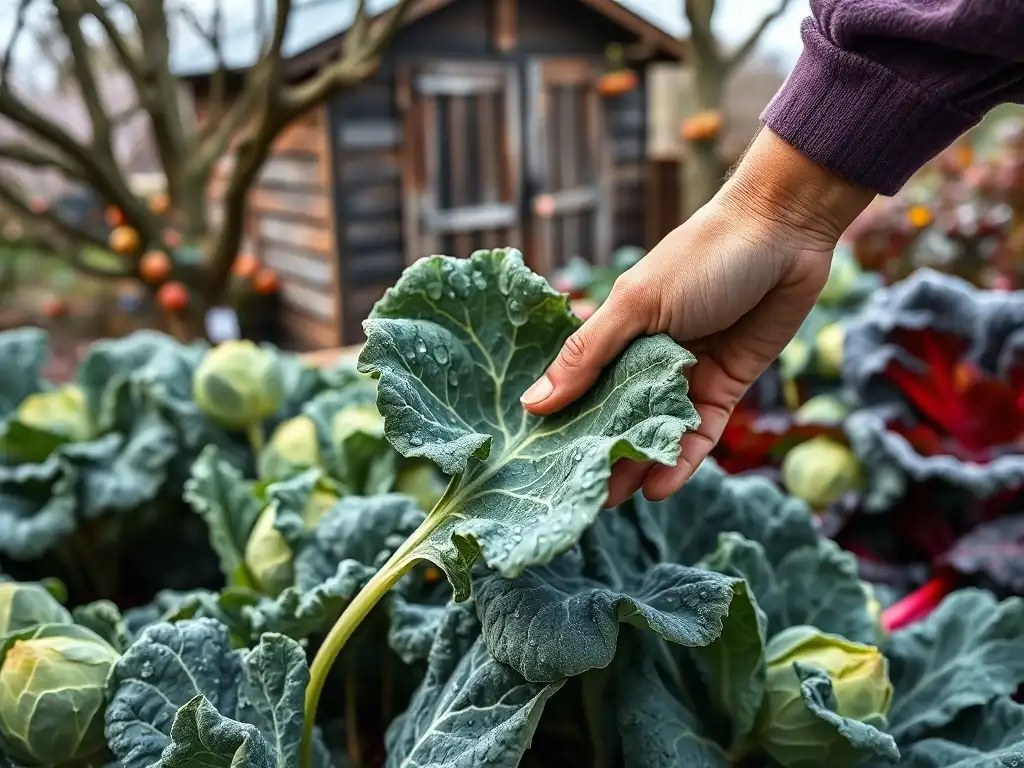
This section focuses on maximizing the yield and longevity of your hard work using succession planting techniques in cold climates. We'll explore optimal harvesting times and effective preservation methods to enjoy the fruits (and vegetables!) of your labor throughout the year. Remember, even with succession planting, timing is crucial in cold climates to get the best quality and quantity from your crops.
Optimal Harvesting Times for Maximum Flavor and Nutrition
Harvesting at the peak of ripeness is key to unlocking the best flavor and nutritional value from your cold-climate crops. This requires careful observation and understanding of the specific needs of each plant. For example, let's consider some common cold-hardy vegetables:
- Leafy Greens (Spinach, Kale, Chard): Harvest young leaves for the most tender texture and sweetest flavor. You can harvest outer leaves selectively, allowing the inner leaves to continue growing. Aim for harvesting when the leaves are fully developed but before they become tough or bitter. This often means harvesting several times throughout the growing season, rather than one large harvest. A good rule of thumb is to harvest when the plants are about 6 inches tall.
- Root Vegetables (Carrots, Beets, Radishes): Harvest root vegetables when they reach their mature size, typically indicated by the size described on the seed packet. Avoid harvesting too early, as this can lead to smaller, less flavorful roots. However, don't leave them in the ground too long, as frost can damage them. For carrots and beets, a good indicator is when the tops start to yellow and wilt.
- Brassicas (Broccoli, Cabbage, Cauliflower): Harvest brassicas when the heads are firm and dense. For broccoli, harvest the central head when the florets are tightly closed. Side shoots will often develop after the main head is harvested, providing a second, smaller harvest. With cabbage and cauliflower, the heads should be firm and tightly formed.
The table below summarizes ideal harvesting windows, keeping in mind that these are approximate and depend on the specific variety and growing conditions:
| Vegetable | Optimal Harvest Time | Signs of Ripeness |
|---|---|---|
| Spinach | 6-8 weeks after sowing | Deep green leaves, fully developed but not bolting |
| Kale | 8-10 weeks after sowing | Dark green leaves, firm texture |
| Carrots | 70-80 days after sowing | Tops yellowing, roots fully sized |
| Beets | 60-70 days after sowing | Tops yellowing, roots fully sized |
| Broccoli | 55-70 days after sowing | Tightly closed florets, firm head |
| Cabbage | 70-90 days after sowing | Firm, tightly formed head |
Remember to harvest gently to avoid damaging the plants or the produce. Use sharp knives or scissors for a clean cut, minimizing bruising. Harvesting in the cool morning hours is often best, as this minimizes stress on the plants.
Preserving Your Harvest: Canning, Freezing, and Other Methods
Proper preservation extends the enjoyment of your hard-earned harvest, allowing you to savor the flavors of summer even during the cold winter months. Several methods ensure your produce stays fresh and nutritious:
- Freezing: Freezing is a simple and effective method for preserving many vegetables. Blanch vegetables (quickly immersing them in boiling water, then immediately plunging them into ice water) before freezing to maintain color, texture, and nutritional value. Pack frozen vegetables into freezer-safe bags or containers, labeling them with the date.
- Canning: Canning is a more involved method, requiring proper sterilization and processing to prevent spoilage. It’s ideal for preserving tomatoes, jams, pickles, and other high-acid foods. Always follow tested recipes and safety guidelines to avoid foodborne illnesses.
- Dehydrating: Dehydrating removes moisture, extending the shelf life of many fruits and vegetables. This method works well for herbs, tomatoes, and other low-moisture produce. Proper storage in airtight containers is essential to maintain quality.
- Root Cellaring: If space permits, root cellaring is a natural method for storing root vegetables and other produce through the winter. A cool, dark, and consistently humid environment is key to success. This traditional method minimizes the need for energy-intensive preservation techniques.
Choosing the appropriate preservation method depends on the specific crop and your resources. Experiment with different techniques to find what works best for you and your cold-climate garden.
Recipes and Culinary Uses for Your Cold Climate Crops
The bounty of your cold-climate garden deserves to be celebrated! Here are a few ideas to inspire your culinary creativity:
- Hearty Stews and Soups: Utilize root vegetables like carrots, beets, and potatoes in warming stews and soups. Add leafy greens like kale or spinach for added nutrients and flavor.
- Fresh Salads: Enjoy the vibrant flavors of fresh salads featuring your homegrown spinach, kale, and other cold-hardy greens. Pair these with other seasonal ingredients for a balanced and delicious meal.
- Fermented Vegetables: Experiment with fermenting vegetables like cabbage (sauerkraut) or cucumbers (pickles) for a tangy and flavorful addition to your meals. Fermentation also enhances nutrient bioavailability.
- Preserved Vegetable Dishes: Use your canned or frozen vegetables to create flavorful side dishes throughout the year. Think ratatouille, vegetable curry, or even a simple side of roasted vegetables.
The possibilities are endless! The unique flavors of your cold-climate crops offer a unique culinary journey, allowing you to showcase the rewards of your diligent succession planting efforts. Embrace experimentation and discover your signature cold-climate dishes. 🥕🥬🥦
Resources for Successful Cold Climate Succession Planting
This section provides essential resources to support your journey into successful succession planting in cold climates. We'll cover reliable seed suppliers specializing in cold-hardy varieties, helpful books and online resources, and the invaluable support offered by local gardening communities. Mastering succession planting requires dedication and the right tools; these resources will help you thrive.
Recommended Seed Suppliers for Cold-Hardy Varieties
Choosing the right seeds is paramount for successful succession planting, especially in challenging cold climates. You need varieties that are specifically bred to withstand lower temperatures and shorter growing seasons. Here are some factors to consider when selecting a seed supplier, along with examples of reputable sources (note that specific supplier names are omitted to avoid the appearance of endorsement):
- Seed Viability and Germination Rates: Look for suppliers that clearly state germination rates and offer guarantees. High germination rates translate directly to higher yields in your garden. Lower germination rates can significantly impact your succession planting schedule.
- Variety Selection: A diverse selection of cold-hardy varieties is crucial. Consider the specific microclimate of your garden – sun exposure, soil type, and average frost dates – when making your choices. Look for varieties known for their resistance to common cold-climate challenges like early frost and late-season freezes.
- Organic and Non-GMO Options: Many gardeners prioritize organic and non-GMO seeds to align with sustainable gardening practices. Ensure your chosen supplier offers these options if they are important to you.
- Customer Reviews and Reputation: Check online reviews and forums to gauge the experiences of other gardeners who have used the supplier's seeds. Positive feedback on germination rates, seed quality, and customer service is a strong indicator of reliability.
| Seed Supplier Criteria | Importance Level | Example Considerations |
|---|---|---|
| Seed Viability | High | Germination rate above 85%, guarantee offered |
| Variety Selection | High | Wide range of cold-hardy vegetables and herbs |
| Organic/Non-GMO Options | Medium | Clearly labeled organic and non-GMO seed options |
| Customer Service | Medium | Responsive customer support, clear return policy |
| Price | Low | Consider value for money, comparing prices across suppliers |
Remember to order your seeds well in advance of your planting schedule, especially for less common cold-hardy varieties. Early ordering ensures you have the seeds you need when the time comes to plant. Careful seed selection is a cornerstone of a successful succession planting strategy.
Helpful Books and Online Resources on Cold Climate Gardening
Beyond seed selection, expanding your knowledge of cold-climate gardening techniques is key. Several excellent resources can guide you through the intricacies of succession planting in colder regions. These resources offer valuable insights into specific techniques, plant selection, and overcoming challenges unique to cold climates.
- Books: Look for books specifically focused on gardening in your hardiness zone. These often provide detailed information on suitable plant varieties, planting schedules, and pest and disease management specific to your region. A well-written book can act as your go-to guide throughout the growing season.
- Online Resources: Numerous websites and online forums are dedicated to cold-climate gardening. These communities offer a wealth of information shared by experienced gardeners, providing solutions to common problems and advice on specific techniques. Engage with these online communities to ask questions, share your experiences, and learn from others.
- University Extension Services: Many universities offer extension services with valuable resources tailored to local climates and conditions. These services often provide research-based information on best practices for gardening in your specific region.
This combination of book knowledge and online community engagement will equip you with the practical knowledge necessary to navigate the challenges and reap the rewards of succession planting in a cold climate.
Local Gardening Communities and Support Networks
Connecting with local gardening communities is an invaluable resource. Sharing experiences and knowledge with fellow gardeners in your area provides practical support and valuable insights tailored to your specific climate and soil conditions.
- Local Garden Clubs: Many communities have active garden clubs that offer workshops, advice, and a supportive network of fellow gardeners. Participating in these clubs provides opportunities to learn from experienced gardeners and share your own experiences.
- Community Gardens: Community gardens often provide a shared space for learning and collaboration. These shared gardens allow you to observe different gardening techniques and learn from others' successes and challenges.
- Online Forums and Social Media Groups: Many online forums and social media groups are dedicated to local gardening communities. These groups offer a convenient way to connect with gardeners in your area and ask questions specific to your region.
Connecting with your local gardening community empowers you with practical advice, fostering a supportive environment for your gardening journey. This shared knowledge is crucial for overcoming the unique challenges of succession planting in a cold climate. The collective wisdom of experienced local gardeners can significantly enhance your success.
Frequently Asked Questions
What is succession planting, and how does it benefit cold-climate gardeners?
Succession planting is the practice of planting crops in stages throughout the growing season to ensure a continuous harvest. In cold climates, this extends the harvest period and maximizes yields by taking advantage of shorter growing seasons.
What are some cold-hardy vegetables suitable for succession planting?
Excellent choices include lettuce, spinach, kale, radishes, and peas. These vegetables tolerate cooler temperatures and can be planted multiple times throughout the spring and fall.
How can I protect my succession plantings from frost in a cold climate?
Use row covers or cloches to protect seedlings from frost. Consider planting cold-hardy varieties and choose microclimates in your garden that offer more protection from the wind and cold.
What's the best way to determine the optimal planting times for succession planting in my specific cold climate?
Consult a local frost date calendar and refer to seed packets for the specific needs of each plant. Adjust planting times based on your unique microclimate and anticipated weather patterns.
How does succession planting contribute to sustainable gardening practices?
Succession planting reduces the need for intensive pesticide and fertilizer use by maximizing space and time, leading to a more efficient and environmentally friendly garden.
Final Reflection: Harvesting Abundance, Even in Winter's Grip
The art of succession planting isn't just a gardening technique; it's a philosophy of resilience, a testament to our ability to coax abundance from even the most challenging environments. In a world increasingly concerned with food security and sustainable practices, mastering the principles outlined in this guide becomes not just a hobby, but a vital skill. The ability to consistently harvest fresh produce, regardless of the short growing season, is a powerful tool for self-sufficiency and a more connected relationship with the natural world.
Succession planting in cold climates has profoundly impacted my own life, transforming my garden from a seasonal spectacle into a year-round source of nourishment and joy. It's a constant learning process, a dance with the elements, and a humbling reminder of nature's power. The glory of gardening: hands in the dirt, head in the sun, heart with nature. To nurture a garden is to feed not just the body, but the soul.
This quote perfectly encapsulates the deeper meaning I've found in this practice, extending far beyond the simple act of growing food. It's about cultivating patience, observation, and a deep respect for the cyclical rhythms of life.
Now, I invite you to consider how you can integrate these principles into your own life. Perhaps you'll start with a single row of fast-maturing greens, or maybe you'll embrace the challenge of a fully planned succession planting schedule. Regardless of your starting point, remember that every seed sown, every plant nurtured, is a step towards greater self-reliance, a deeper connection with the earth, and a more abundant harvest – not just of food, but of knowledge, resilience, and joy. Embrace the challenge, and let the bounty of your garden nourish your soul as much as your body.
Unleash Your Garden's Potential: Extend the Harvest Season!
Thank you for joining us on this journey into the rewarding world of succession planting! We hope you've gained valuable insights into maximizing your harvest, even in challenging climates. Now it's time to put that knowledge into practice.
- Plan your next planting cycle now: Use the techniques discussed to determine the ideal planting times for your region and chosen crops. Begin planning immediately to ensure a continuous harvest.
- Share your experiences: Join our CultivateYourFood community forum and share your succession planting successes and challenges with fellow gardeners. Let's learn from one another!
- Try something new: Expand your garden's variety by experimenting with a different vegetable or flower this season. This will add excitement and diversity to your harvest!
What challenges are you most eager to overcome in your next gardening season, and how will succession planting help you achieve a more bountiful and extended harvest?