
ClimateSmart Gardening: Choosing Heat or ColdTolerant Plants

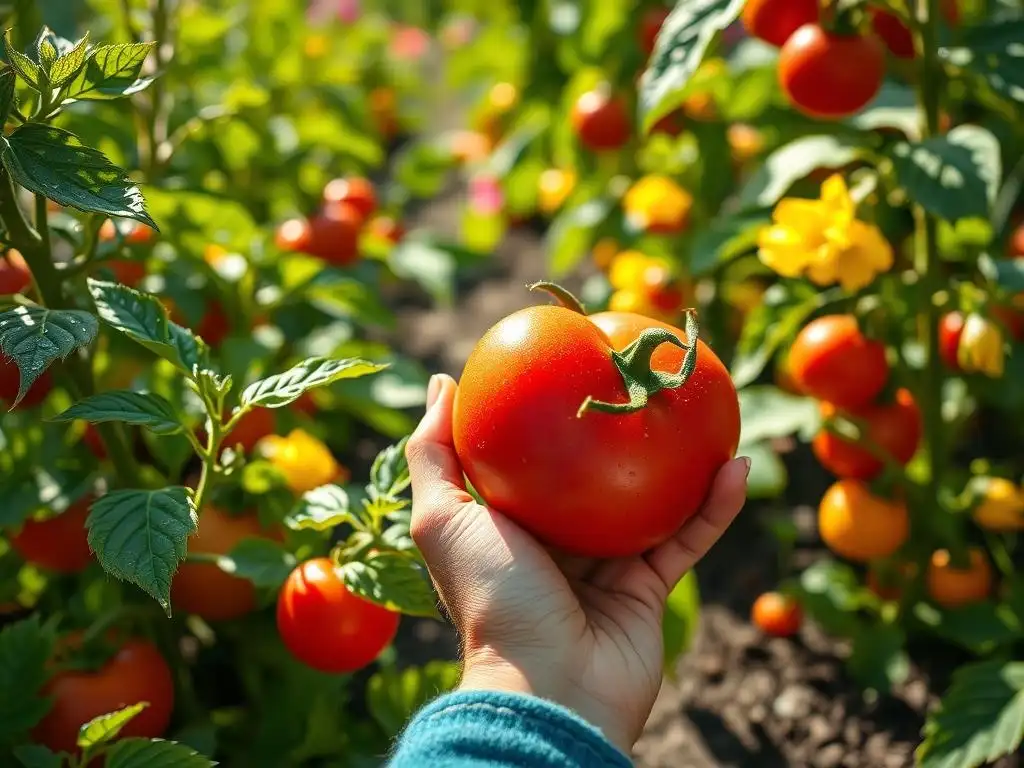
Welcome to CultivateYourFood, your guide to a thriving, sustainable garden! Are you ready to unlock the secrets to bountiful harvests, even in the face of extreme temperatures? This website is dedicated to helping you cultivate fruits, vegetables, and herbs organically, and we're particularly excited to share our expert Heattolerant vegetable gardening guide – a crucial resource for navigating the challenges of climate change. Discover how to choose the right plants for your climate and learn the techniques that ensure a successful and rewarding gardening experience, no matter the weather. Let's get growing!
- Understanding Your Climate Zone for Heattolerant Vegetable Gardening Guide
- Choosing Heat-Tolerant Vegetables for a Successful Harvest
- Cultivating Cold-Hardy Vegetables: A Comprehensive Guide
- Comparing Heat and Cold-Tolerant Plant Characteristics
- Creating a Climate-Resilient Garden Design
- Resources for Climate-Smart Gardening
- Frequently Asked Questions
- Final Reflection: Cultivating Resilience in a Changing Climate
- Bloom Where You're Planted: Cultivate Your Climate-Smart Garden
Understanding Your Climate Zone for Heattolerant Vegetable Gardening Guide
Choosing the right plants for your garden is crucial for a successful harvest, and understanding your climate is the first step. This guide focuses on creating a thriving heat-tolerant vegetable garden, a particularly important consideration given the increasing frequency and intensity of heatwaves in many regions. We'll explore how to identify your specific climate conditions, helping you select vegetables that flourish even under challenging temperatures.
This "Heattolerant vegetable gardening guide" will equip you with the knowledge to cultivate a bountiful and sustainable garden, regardless of your geographical location. Successfully navigating the complexities of heat-tolerant gardening involves more than simply selecting heat-loving plants; it requires a holistic understanding of your garden's microclimate and seasonal variations. Let's delve into the specifics!
Identifying Your USDA Plant Hardiness Zone
The USDA Plant Hardiness Zone Map is an excellent starting point for determining the average annual minimum winter temperatures in your area. This map divides North America into zones based on these minimum temperatures, providing a valuable indication of which plants are likely to survive and thrive. Knowing your zone helps you narrow down your plant choices significantly, eliminating those that are unlikely to survive the coldest months. For example, a zone 8 garden will have different options compared to a zone 10 garden.
Remember, the USDA Plant Hardiness Zone map only considers minimum winter temperatures; it doesn't capture the full picture of summer heat or other climate factors. Therefore, supplementing this information with other data points is essential for effective heat-tolerant vegetable gardening. Understanding your zone is the first, but not the only, key to success.
Microclimates in Your Garden: Sun Exposure and Soil Drainage
While your overall USDA Plant Hardiness Zone provides a general framework, your garden likely possesses unique microclimates. These microclimates are smaller areas within your garden that experience different conditions than the surrounding area. For instance, a south-facing wall can create a significantly warmer microclimate than a north-facing one, influencing sun exposure and temperature. Similarly, soil drainage plays a crucial role.
Well-drained soil allows for better aeration and prevents waterlogging, which can stress plants and make them more vulnerable to heat stress. Poorly drained soil, conversely, can lead to root rot and reduced heat tolerance. Observing your garden throughout the day, noting areas that receive the most sun and those with consistently wet or dry soil, will help you identify these microclimates and strategically place your heat-tolerant vegetables accordingly. Consider using raised beds or amending your soil to improve drainage if necessary.
Local Weather Patterns and Seasonal Variations
Beyond the broad strokes of hardiness zones and microclimates, understanding your local weather patterns and seasonal variations is critical. Consult historical weather data for your region to understand average summer temperatures, rainfall amounts, and the length of the growing season. This information provides a more nuanced picture of the heat challenges your plants will face. Consider the intensity and duration of heatwaves in your area, as some vegetables can withstand short bursts of extreme heat better than others.
Pay attention to the timing of your hottest months. Early summer heat might be manageable for some plants, but prolonged intense heat later in the season can be detrimental. This detailed knowledge of your local climate allows for more informed plant selection and preparation for potential heat stress events. Remember, proactive planning is key to a successful heat-tolerant vegetable garden!
Choosing Heat-Tolerant Vegetables for a Successful Harvest
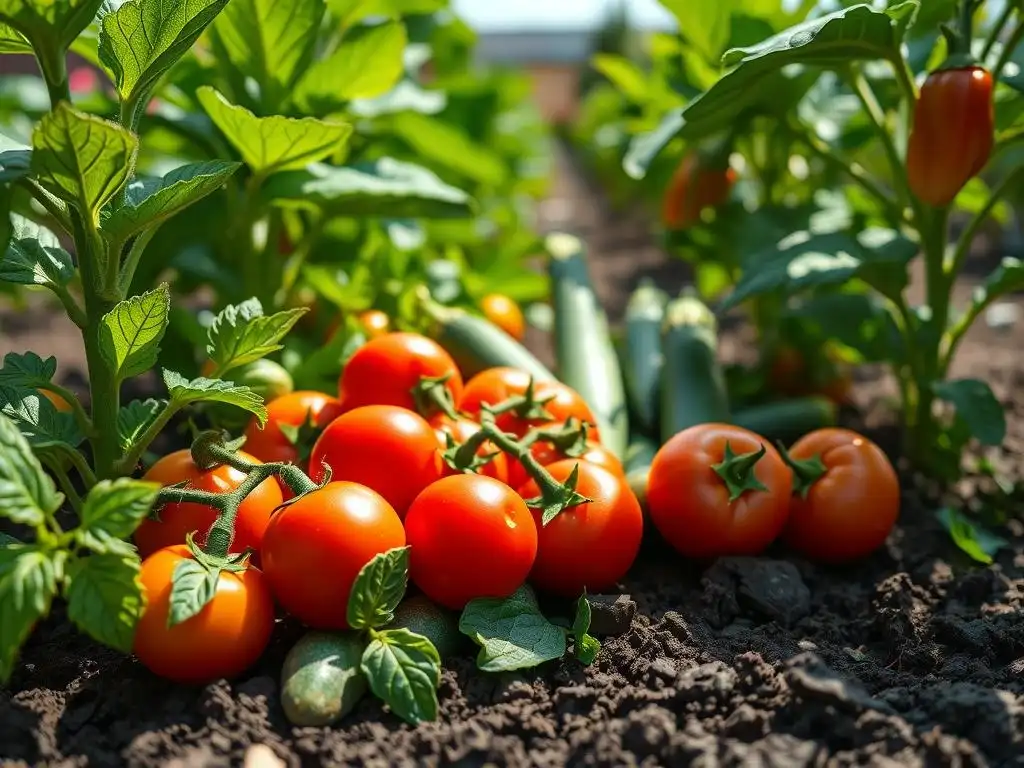
This section provides a comprehensive guide to selecting and cultivating heat-tolerant vegetables, crucial for achieving a bountiful harvest even during the hottest months. Understanding the specific needs of these plants is key to maximizing yield and minimizing stress on your crops. This heat-tolerant vegetable gardening guide will equip you with the knowledge to thrive in warmer climates.
Top Heat-Tolerant Vegetables: A Heattolerant Vegetable Gardening Guide
Many vegetables not only tolerate but thrive in high temperatures. Choosing the right varieties is paramount for success. Here are some top performers in hot climates, categorized for easy selection:
| Vegetable Category | Top Heat-Tolerant Varieties | Key Considerations |
|---|---|---|
| Leafy Greens | Okra, Amaranth, Malabar Spinach | Requires consistent moisture; may need afternoon shade. |
| Solanaceae | Tomatoes (certain varieties), Peppers (many types), Eggplant | Needs well-drained soil; requires regular watering. |
| Cucurbits | Zucchini, Squash, Watermelon, Cantaloupe | Needs ample space to spread; susceptible to pests. |
| Legumes | Beans (bush beans especially), Southern Peas | Nitrogen-fixing; relatively low maintenance. |
| Root Vegetables | Sweet Potatoes, Carrots (certain varieties) | Requires loose, well-drained soil; needs consistent moisture. |
Remember that even within a variety, some cultivars are better adapted to heat than others. Always check the seed packet or plant tag for specific heat tolerance information. For example, some tomato varieties are bred specifically for high temperatures and are labeled as such. This information is essential for a successful heat-tolerant vegetable gardening guide. Look for terms like "heat-tolerant," "high-temperature tolerant," or similar descriptions.
Planting and Caring for Heat-Loving Vegetables: Tips for Success
Successfully growing heat-tolerant vegetables involves more than just choosing the right variety. Proper planting and care techniques are crucial for optimal growth and yield.
- Watering: Consistent watering is key, especially during hot and dry periods. Avoid midday watering to minimize evaporation; early morning or late evening is ideal. Consider using mulch to retain soil moisture and suppress weeds. Deep, infrequent watering is better than shallow, frequent watering. This encourages deeper root growth, making plants more resilient to heat stress.
- Sunlight: Most heat-tolerant vegetables need at least 6-8 hours of direct sunlight daily. However, during the hottest part of the day (typically midday), some shade may be beneficial, especially for seedlings and young plants.
- Soil: Well-drained soil is crucial. Heavy clay soils can retain too much water, leading to root rot, while sandy soils can dry out too quickly. Amend heavy clay soils with compost or other organic matter to improve drainage and aeration.
- Fertilization: Use a balanced fertilizer according to package instructions. Over-fertilizing can stress plants, making them more susceptible to heat damage.
- Pest and Disease Management: Monitor your plants regularly for signs of pests and diseases. Use organic pest control methods whenever possible. Early detection and intervention are crucial for preventing significant damage.
- Spacing: Proper spacing allows for adequate air circulation, reducing the risk of fungal diseases. Follow the spacing recommendations on the seed packet or plant tag.
Optimizing Soil Conditions for Heat-Tolerant Plants
Soil health is paramount for heat-tolerant vegetable gardening. The right soil structure, organic matter content, and drainage are essential for healthy root development and resilience to heat stress.
- Improving Drainage: Poor drainage can lead to root rot, a major problem for plants under heat stress. Amend heavy clay soils with organic matter like compost, aged manure, or peat moss to improve drainage and aeration. Raised beds are also a great option for improving drainage.
- Enhancing Soil Structure: Healthy soil has a good balance of sand, silt, and clay. Adding organic matter improves soil structure by increasing water retention, improving aeration, and providing nutrients.
- Maintaining Soil Moisture: Mulching is a valuable technique to retain soil moisture, reducing the frequency of watering and minimizing water loss through evaporation. Organic mulches, such as straw or shredded leaves, also help to suppress weeds and regulate soil temperature.
- Adding Organic Matter: Regularly incorporating organic matter into the soil enhances its fertility, improves water retention, and enhances its overall health. Compost is an excellent source of organic matter, as are well-rotted manure and other organic materials. This is a crucial element of sustainable and organic heat-tolerant vegetable gardening.
Remember, consistent monitoring and proactive adjustments to your gardening techniques are essential for a successful harvest, even in hot climates. By following these guidelines, you’ll be well on your way to a bountiful yield, regardless of the temperature.
Watering Strategies for Heat-Stressed Vegetables
Heat-tolerant vegetables, while adapted to warmer temperatures, still require careful watering, especially during intense heat waves. Insufficient watering can lead to wilting, reduced yields, and increased susceptibility to pests and diseases. Overwatering, conversely, can create conditions favorable for fungal growth and root rot. The key is finding the right balance, which often involves adjusting your watering schedule and technique based on the specific needs of your plants and the prevailing weather conditions.
One effective strategy is deep, infrequent watering. Instead of light, frequent watering which encourages shallow root growth, aim for a thorough soaking that reaches deep into the soil. This encourages deeper root systems, enabling plants to access moisture even during dry spells. The frequency of deep watering will depend on factors like soil type (sandy soils drain faster than clay soils), sunlight exposure, and ambient temperature. Monitor the soil moisture regularly; a good rule of thumb is to water when the top inch or two of soil feels dry to the touch.
Consider using mulch to conserve soil moisture. A layer of organic mulch, such as straw, wood chips, or shredded leaves, helps to retain moisture, suppress weeds, and regulate soil temperature. This reduces the frequency of watering needed, conserving water and minimizing stress on the plants. Ensure that the mulch is applied around the base of the plants, leaving a small gap to prevent stem rot.
The time of day you water also matters. Watering in the early morning allows plants to absorb water before the heat of the day evaporates it. Avoid watering in the evening, as this can create a humid environment conducive to fungal diseases. Furthermore, consider using a drip irrigation system or soaker hoses for more efficient and targeted watering, minimizing water waste and ensuring that the water reaches the roots effectively. This method also prevents the leaves from getting wet, reducing the risk of fungal diseases.
Finally, remember that different vegetables have different water requirements. Some, like tomatoes, are relatively drought-tolerant once established, while others, such as leafy greens, require more frequent watering. Observe your plants closely and adjust your watering schedule accordingly. Pay close attention to signs of stress, such as wilting or leaf discoloration, and respond promptly with appropriate watering. A well-watered, heat-tolerant vegetable garden will reward you with a bountiful and healthy harvest, even during the hottest summer months.
Cultivating Cold-Hardy Vegetables: A Comprehensive Guide
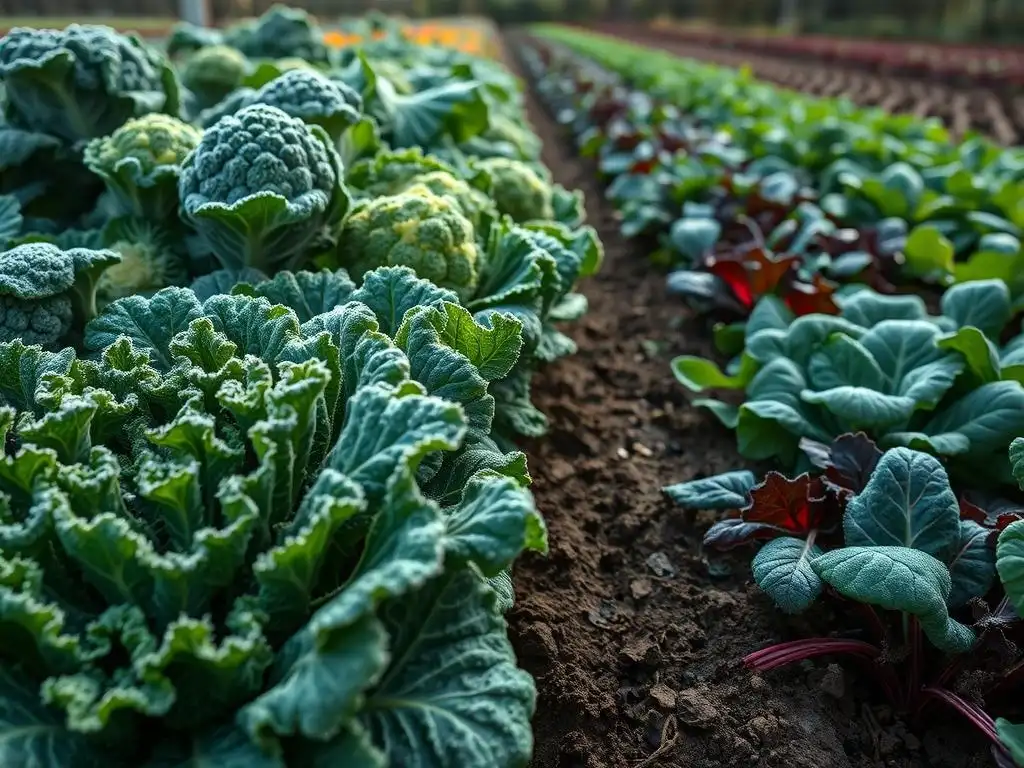
Cold-hardy vegetables are a gardener's best friend in regions with shorter growing seasons or unpredictable spring and fall weather. These resilient plants can withstand chilly temperatures and even light frosts, allowing for an extended harvest period and a wider variety of crops. Mastering the art of cultivating cold-hardy vegetables opens up opportunities to enjoy fresh produce earlier in the spring and later into the autumn, significantly maximizing your yield and minimizing reliance on store-bought produce.
This section delves into the specifics of choosing and nurturing these amazing plants. A successful cold-hardy vegetable garden requires careful planning and execution, ensuring optimal growth and bountiful harvests even in challenging climatic conditions. This guide provides the knowledge to achieve just that, focusing on the best varieties and crucial protection techniques.
Best Cold-Hardy Vegetables for Your Garden
Choosing the right varieties is paramount for successful cold-hardy vegetable gardening. Some vegetables are inherently more tolerant to cold temperatures than others. Here’s a selection of excellent choices, categorized for easier planning:
Leafy Greens:
- Spinach: A classic cold-hardy choice, spinach thrives in cool temperatures and can even tolerate light frost. Look for varieties specifically bred for cold tolerance.
- Kale: Incredibly hardy, kale can withstand freezing temperatures and continues to produce leaves even under snow cover (though harvesting becomes challenging! ).
- Lettuce: While some lettuce varieties are more sensitive, many types, particularly loose-leaf lettuces, are quite cold-tolerant. Choose varieties labeled as "cold-hardy" for best results.
- Chard: Similar to spinach and kale in its hardiness, chard provides colorful and nutritious leaves throughout the cooler months.
Root Vegetables:
- Carrots: Carrots generally tolerate cold temperatures well, although extremely cold snaps can hinder growth. Plant them early in the season or late in the fall for a successful harvest.
- Radishes: Radishes are quick-growing and remarkably cold-hardy, making them ideal for early spring or late fall planting.
- Turnips: These root vegetables are known for their cold tolerance and can withstand light frosts.
Other Cold-Hardy Vegetables:
- Broccoli: While not as tolerant as leafy greens, broccoli can withstand some frost, particularly when young. Choose early-maturing varieties for best results in colder climates.
- Cabbage: Similar to broccoli, cabbage tolerates cold temperatures, especially when properly hardened off.
- Brussels Sprouts: These small, delicious cabbages are surprisingly cold-hardy and produce well in cooler weather.
Protecting Cold-Sensitive Plants from Frost and Freeze
Even cold-hardy plants can suffer damage from unexpected hard frosts or prolonged periods of freezing temperatures. Implementing protective measures can significantly increase your chances of a successful harvest, even during challenging weather.
Several strategies can be employed:
- Row Covers: Lightweight, floating row covers create a microclimate around your plants, protecting them from frost and light freezes. They allow sunlight and air circulation while providing insulation.
- Cold Frames: Cold frames offer more substantial protection than row covers. These structures create a warmer environment, extending the growing season both in spring and fall.
- Mulching: Applying a thick layer of mulch around your plants insulates the soil and protects roots from freezing temperatures. Organic mulches like straw or shredded leaves are ideal.
- Watering: Proper watering is crucial. Well-hydrated plants are better equipped to withstand cold stress. Avoid overwatering, however, as soggy soil is more susceptible to freezing.
Extending the Growing Season with Cold Frames and Row Covers
Cold frames and row covers are invaluable tools for extending the growing season, allowing you to plant earlier in spring and harvest later in fall. These protective structures create a warmer microclimate around your plants, shielding them from frost and cold winds.
Cold Frames: These structures, typically made of wood or metal frames covered with transparent material (glass or plastic), create a small greenhouse environment. They trap solar heat during the day and provide insulation at night, significantly increasing the temperature inside. Cold frames are particularly useful for starting seeds early or for protecting vulnerable seedlings.
Row Covers: Row covers are lightweight fabrics that are draped directly over plants. They offer less protection than cold frames but are easier to use and more portable. They are ideal for protecting plants from light frosts and cold winds. Choosing the appropriate weight of row cover is vital; heavier fabrics offer more protection but can reduce air circulation.
Remember to remove row covers on warmer days to prevent overheating. Proper ventilation is key to preventing disease and ensuring healthy plant growth. Careful monitoring of temperature and timely adjustments are crucial for maximizing the benefits of these protective measures. This allows for an extended harvest period and a more robust yield, especially in areas with short growing seasons.
Soil Preparation for Cold-Tolerant Vegetables
Preparing the soil correctly is crucial for successful cold-hardy vegetable gardening. Cold-tolerant plants, while resilient to chilly temperatures, still need optimal soil conditions to thrive. This means focusing on soil structure, drainage, and nutrient content. Poor soil can hinder even the hardiest plants, leading to stunted growth and reduced yields. Therefore, investing time in soil preparation is an investment in a bountiful harvest.
One of the first steps is amending the soil with organic matter. This improves soil structure, making it easier for roots to penetrate and access water and nutrients. Adding compost, well-rotted manure, or leaf mold enhances soil fertility and provides beneficial microbes that contribute to plant health.
The amount of organic matter needed depends on the initial soil quality; a soil test can help determine the precise requirements for your specific garden. Aim for a rich, dark soil that crumbles easily when squeezed. This indicates good drainage and aeration, essential for healthy root development, especially during periods of cold, wet weather.
Drainage is particularly important for cold-tolerant vegetables. Poor drainage can lead to waterlogging, which suffocates roots and makes plants susceptible to diseases. If your soil is prone to waterlogging, consider raised beds or amending the soil with materials like perlite or vermiculite to improve drainage. These materials increase the soil's porosity, allowing excess water to drain away easily. Proper drainage is crucial for preventing root rot, a common problem in cold, wet conditions that can decimate a crop.
Finally, consider the nutrient content of your soil. Cold-hardy vegetables, like many others, require a balanced supply of essential nutrients for optimal growth. A soil test can identify nutrient deficiencies, allowing you to amend the soil with appropriate fertilizers. Organic fertilizers, such as bone meal or blood meal, are excellent choices for sustainable gardening practices.
These fertilizers release nutrients slowly, providing a consistent supply throughout the growing season. Remember, a soil test is your best friend in this process; it provides specific data on what your soil lacks and allows for targeted nutrient replenishment, maximizing the efficiency of your efforts and minimizing waste. Pay close attention to the levels of nitrogen, phosphorus, and potassium (NPK), as these are essential macronutrients for healthy plant growth.
Comparing Heat and Cold-Tolerant Plant Characteristics
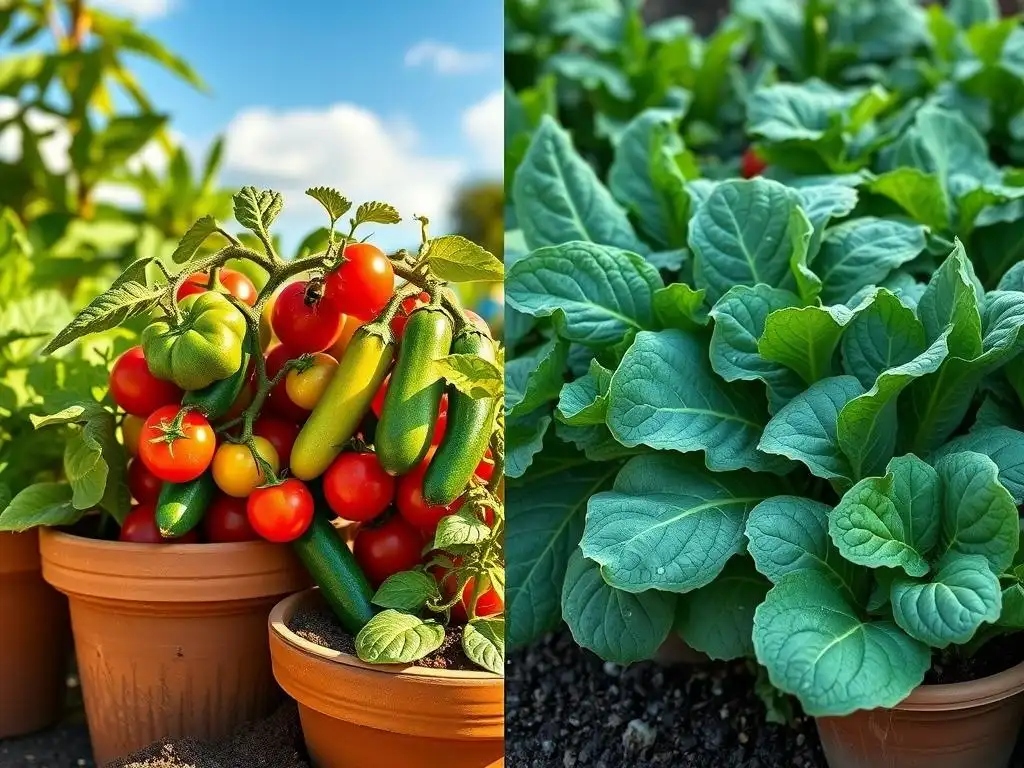
This section delves into the key distinctions between heat-tolerant and cold-tolerant plants, providing crucial information for successful gardening, regardless of your climate. Understanding these differences is paramount for a thriving, productive garden, especially when aiming for a truly Heattolerant vegetable gardening guide. We'll examine growth habits, nutrient needs, and pest resistance, equipping you to make informed plant selections.
Growth Habits and Maturation Times: Heat vs. Cold
Heat-tolerant plants, often originating from warmer climates, typically exhibit faster growth rates in high temperatures. Many mature quickly, producing fruits or vegetables within a shorter timeframe compared to their cold-hardy counterparts. For example, certain varieties of tomatoes, peppers, and squash thrive in consistently warm conditions, reaching maturity in as little as 60-70 days.
Conversely, cold-tolerant plants, such as kale, spinach, and lettuce, often have a slower growth rate. They may even enter a period of dormancy during extreme heat, affecting their yield and overall health. Their maturation period can extend well beyond 70 days, sometimes requiring 100 days or more, depending on the specific variety and environmental conditions.
Consider this table summarizing the typical maturation times:
| Plant Type | Heat-Tolerant (Days to Maturity) | Cold-Tolerant (Days to Maturity) |
|---|---|---|
| Tomatoes | 60-70 | 70-90+ |
| Peppers | 70-80 | 80-100+ |
| Squash (Summer) | 50-60 | N/A |
| Lettuce | N/A | 40-60 |
| Kale | N/A | 50-70 |
| Broccoli | N/A | 60-80 |
This difference in maturation times significantly impacts planting schedules. Heat-tolerant plants are often sown directly into the ground after the last frost, while cold-tolerant crops may require starting indoors or planting earlier in the season to ensure adequate growing time before the heat of summer arrives. Careful planning, considering the specific characteristics of each plant, is key to maximizing your harvest.
Nutrient Requirements: Tailoring Fertilization Strategies
Nutrient requirements vary significantly between heat- and cold-tolerant plants. Heat-tolerant plants, with their rapid growth, generally require a higher level of fertilization, particularly nitrogen, to support vigorous vegetative growth and fruit production. However, over-fertilizing can lead to excessive foliage at the expense of fruit development. A balanced fertilizer, such as a 10-10-10 blend, is often recommended, but the exact application rate should be adjusted based on soil testing results and the specific plant's needs.
Cold-tolerant plants, on the other hand, have different nutritional demands. They often require less nitrogen and may benefit more from fertilizers rich in phosphorus and potassium, which support root development and overall plant hardiness. Phosphorus is crucial for strong root systems, while potassium enhances disease resistance—both vital for plants facing potentially stressful conditions. Over-fertilizing cold-tolerant plants can lead to excessive growth that makes them more susceptible to pests and diseases.
Pest and Disease Resistance: Seasonal Considerations
Pest and disease pressure varies seasonally, significantly impacting both heat- and cold-tolerant plants. Heat-tolerant plants may face increased challenges from certain pests and diseases that thrive in warm, humid conditions. Aphids, spider mites, and fungal diseases like blight can become more prevalent during hot summer months. Implementing preventative measures, such as proper spacing to improve air circulation and regular monitoring for early signs of infestations, is crucial. Using organic pest control methods is also strongly recommended for sustainable gardening practices.
Cold-tolerant plants, while generally more resilient to some pests and diseases, can be susceptible to issues during periods of fluctuating temperatures or high humidity. Fungal diseases can develop during cool, wet springs, while certain pests, like slugs and snails, can be particularly problematic in damp environments. Careful monitoring and timely intervention are necessary to protect your crops throughout the growing season.
Understanding the specific pests and diseases common to your region and the plants you are growing is essential for effective management. A proactive approach, combining preventative measures with organic controls, is the best strategy for maintaining a healthy and productive garden.
Harvesting Techniques: Adapting to Different Growing Conditions
Harvesting heat-tolerant and cold-tolerant plants requires different approaches due to their varying growth cycles and sensitivity to temperature fluctuations. Heat-tolerant vegetables, often thriving in the peak summer heat, may require more frequent harvesting to prevent over-ripening and spoilage. For instance, harvesting peppers frequently, perhaps every other day during peak production, ensures optimal flavor and prevents the peppers from becoming too mature and losing their vibrant color.
Similarly, zucchini and squash, known for their rapid growth in warm weather, should be harvested regularly to encourage continued production. Delaying harvesting can lead to a drop in yield and quality as the plant diverts energy to seed production rather than fruit development. This is a critical aspect of a successful heat-tolerant vegetable gardening guide.
In contrast, cold-tolerant plants often have a longer growing season, allowing for less frequent harvesting. For example, leafy greens like kale and spinach can be harvested by picking individual leaves as needed, extending the harvest period over several weeks. Root vegetables such as carrots and beets are typically harvested only once the entire root is mature, usually in the late fall after the first frost. However, even with cold-tolerant varieties, monitoring the weather is crucial.
An unexpected early frost can damage crops, making timely harvest essential to salvage the yield. Understanding the specific requirements of each plant, whether heat- or cold-tolerant, is key to optimizing your harvest. Careful observation and adaptation to changing weather conditions are essential for maximizing the yield and quality of your homegrown produce.
A successful heat-tolerant vegetable gardening guide will emphasize the importance of this adaptability. The timing of harvest significantly impacts the taste, texture, and nutritional value of your vegetables, regardless of their tolerance to temperature extremes. This timing is influenced not only by plant maturity but also by the specific climate conditions experienced during the growing season.
Creating a Climate-Resilient Garden Design
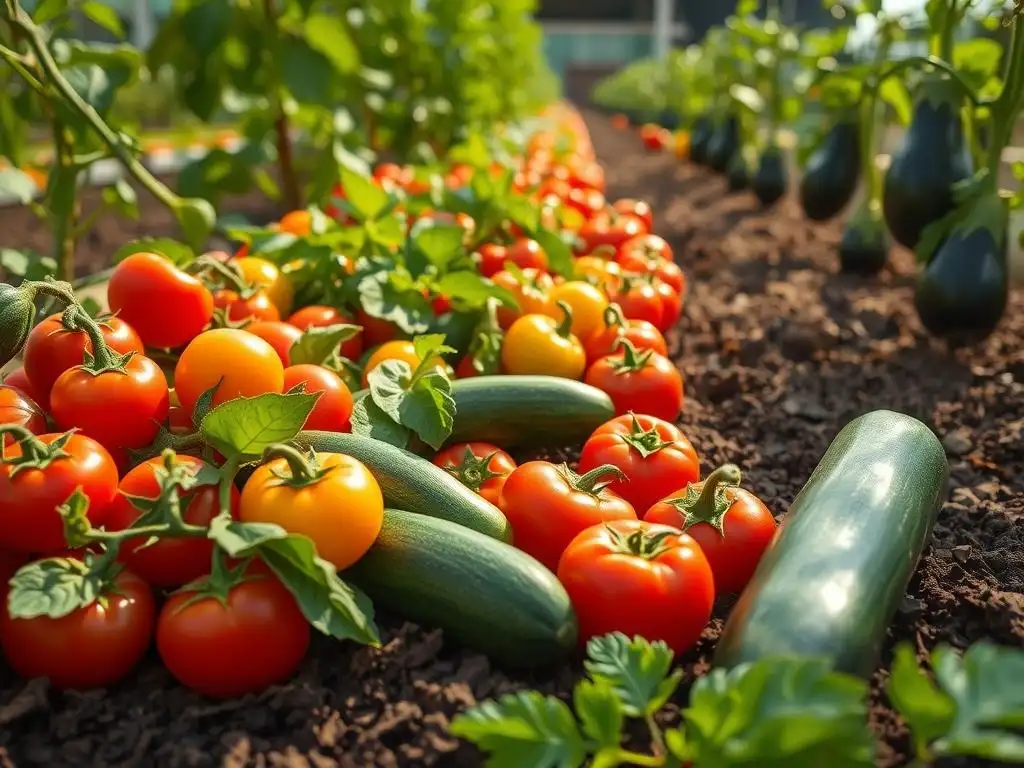
This section focuses on designing your garden to thrive even in challenging climates. A well-planned garden layout is crucial for maximizing the success of your heat-tolerant vegetables. Careful consideration of sun exposure, companion planting, and crop rotation will significantly improve your yields and reduce reliance on potentially harmful pesticides. This approach to heat-tolerant vegetable gardening is key to sustainable and organic practices.
Strategic Planting for Optimal Sun Exposure and Shade
Sunlight is essential for photosynthesis, but excessive heat can be detrimental to many plants. Understanding your garden's microclimates is vital for strategic planting. Heat-tolerant vegetables generally require at least six hours of direct sunlight daily. However, even these plants benefit from some afternoon shade, especially during the hottest part of the day. This can be achieved through strategic placement of taller plants, trellises, or the use of shade cloth.
For instance, consider planting taller plants like sunflowers or corn on the west side of your garden to provide afternoon shade for more delicate heat-tolerant vegetables like peppers and tomatoes. Observe your garden throughout the day to identify areas that receive the most intense sun and those that offer more respite from the heat. This careful observation will inform your planting decisions and help you maximize the growth potential of your heat-tolerant vegetables.
Remember to consider the height and spread of mature plants when planning your layout to ensure adequate spacing and shade provision. Careful planning minimizes competition for resources and optimizes yield.
Companion Planting for Enhanced Growth and Protection
Companion planting leverages the synergistic relationships between different plant species. Certain plants can enhance the growth of others or provide natural pest control. This technique is particularly beneficial in a heat-tolerant vegetable gardening guide, as it can help mitigate the stresses associated with high temperatures.
For example, basil is a well-known companion plant for tomatoes. It repels certain pests that affect tomatoes and improves their overall flavor. Similarly, marigolds planted amongst your vegetables can deter nematodes and other soilborne pests. Researching companion planting combinations specific to your chosen heat-tolerant vegetables will greatly improve their health and resilience. Creating a diverse garden ecosystem through companion planting also promotes biodiversity and reduces the need for chemical interventions. This approach is a cornerstone of sustainable and organic heat-tolerant vegetable gardening.
Crop Rotation to Improve Soil Health and Pest Control
Crop rotation is a crucial practice for maintaining soil health and preventing pest and disease buildup. Rotating your heat-tolerant vegetables with other plant families each year helps break the cycle of pests and diseases specific to certain plant types. This minimizes the need for chemical treatments and promotes long-term soil fertility.
For instance, if you plant tomatoes in a particular bed this year, avoid planting other members of the nightshade family (such as peppers or eggplants) in the same bed the following year. Instead, plant a legume (like beans or peas) or a member of a completely different plant family. This rotation helps to improve soil structure, nutrient content, and reduces the risk of soilborne diseases.
A well-planned crop rotation schedule is a vital component of any successful, sustainable heat-tolerant vegetable gardening plan. This practice greatly contributes to the overall health and productivity of your garden, reducing the need for external inputs and promoting long-term success. Careful planning will minimize pest and disease issues while improving soil health.
Water Conservation Techniques for Drought Tolerance
Heat-tolerant vegetable gardening often necessitates employing effective water conservation strategies. Prolonged periods of high temperatures can quickly deplete soil moisture, stressing plants and hindering their growth. Therefore, implementing smart irrigation techniques is crucial for building resilience against drought. One key method is drip irrigation, which delivers water directly to the roots, minimizing evaporation and runoff.
Unlike overhead sprinklers that lose significant water to evaporation, especially in hot, sunny conditions, drip irrigation ensures efficient water use. This method is particularly beneficial for heat-tolerant vegetables like tomatoes, peppers, and eggplant, which require consistent moisture but are susceptible to fungal diseases that thrive in overly wet conditions. Drip irrigation helps to maintain optimal soil moisture without creating a humid environment conducive to disease.
Another effective technique is mulching. Applying a layer of organic mulch, such as straw, wood chips, or shredded leaves, around the base of plants helps retain soil moisture. The mulch acts as a barrier, preventing evaporation and reducing the frequency of watering. Furthermore, mulch helps regulate soil temperature, protecting plant roots from extreme heat stress.
Choosing the right mulch is important; lighter-colored mulches reflect sunlight, keeping the soil cooler than darker mulches. This is especially beneficial during the hottest part of the day. For example, using a light-colored straw mulch around your heat-tolerant zucchini plants can significantly reduce water loss and protect the plants from sunscald.
Beyond irrigation and mulching, water-wise plant selection itself contributes significantly to drought tolerance. While we focus on heat-tolerant varieties, it's important to choose those known for their inherent drought resistance within that category. Some heat-tolerant vegetables are naturally more drought-tolerant than others.
For instance, certain types of beans and squash have deep root systems that allow them to access water deep within the soil. Understanding the specific water requirements of each plant, even within the category of heat-tolerant vegetables, allows for more precise watering schedules and reduces overall water consumption. This reduces the need for frequent and heavy watering, conserving water resources and promoting sustainability.
Finally, soil improvement plays a vital role in water retention. Healthy soil with a good structure and high organic matter content holds significantly more water than compacted or depleted soil. Adding compost and other organic materials improves soil drainage and water retention.
This allows the soil to absorb and retain more water from infrequent, deeper watering sessions, reducing the need for more frequent, shallow watering. The improved soil structure also promotes better root development, enabling plants to access water more effectively, further enhancing their drought tolerance. This holistic approach to water conservation, combining various techniques, leads to a more resilient and productive heat-tolerant vegetable garden.
Resources for Climate-Smart Gardening
This section provides valuable resources to help you find information and materials for successful heat-tolerant vegetable gardening, ensuring your climate-smart gardening efforts thrive. Access to reliable information and high-quality seeds is crucial for achieving optimal results in any climate.
Local Agricultural Extension Offices and Gardening Clubs
Leveraging local expertise is invaluable when planning your heat-tolerant vegetable garden. Agricultural extension offices, often run by universities or government agencies, offer a wealth of localized information. These offices frequently provide free or low-cost resources tailored to your specific region's climate and soil conditions. They can advise on the best heat-tolerant vegetable varieties to grow in your area, offer insights into pest control specific to your region, and provide guidance on water conservation techniques suitable for hot climates.
Furthermore, local gardening clubs offer a fantastic opportunity to connect with experienced gardeners in your community. Sharing knowledge and experiences with fellow enthusiasts is a great way to learn practical tips and tricks for successful heat-tolerant vegetable gardening. These clubs often host workshops, seed swaps, and provide opportunities for hands-on learning, fostering a supportive environment for gardeners of all skill levels. Joining a club can lead to valuable friendships and access to a collective wisdom base built over years of local gardening experience. Think of it as a living, breathing heat-tolerant vegetable gardening guide, personalized to your area!
Online Resources and Heattolerant Vegetable Gardening Guide Databases
The internet provides a vast repository of information for heat-tolerant vegetable gardening. However, it's crucial to be discerning about the sources you consult. Reliable online resources include websites of reputable universities, agricultural organizations, and experienced gardening bloggers. These sources often provide detailed information on specific heat-tolerant vegetable varieties, including their growth habits, optimal planting times, and care requirements.
Look for comprehensive heat-tolerant vegetable gardening guides that offer detailed planting schedules, tips for managing heat stress, and advice on selecting appropriate varieties based on your specific microclimate. Many websites offer searchable databases of plants, allowing you to filter by characteristics such as heat tolerance, growth habit, and maturity time. These databases can be incredibly helpful in planning your garden layout and selecting the right varieties to maximize your yield in a hot climate.
Remember to cross-reference information from multiple sources to ensure accuracy and reliability. A truly effective heat-tolerant vegetable gardening guide will combine scientific information with practical, hands-on advice.
Seed Suppliers Specializing in Climate-Adapted Varieties
Choosing the right seeds is paramount for successful heat-tolerant vegetable gardening. Many seed suppliers now specialize in providing climate-adapted varieties, including those specifically bred for hot and dry climates. These suppliers often provide detailed information about the heat tolerance of their seeds, allowing you to select varieties that are best suited to your specific conditions.
When choosing a seed supplier, consider factors such as their reputation, seed quality, and the range of heat-tolerant varieties they offer. Look for suppliers who clearly specify the heat tolerance of their seeds and provide detailed descriptions of each variety's growth characteristics. Reading reviews from other gardeners can also be helpful in assessing the quality of a seed supplier's products and customer service.
Investing in high-quality, climate-adapted seeds is a crucial step in ensuring a successful and bountiful heat-tolerant vegetable garden. This will significantly improve your chances of a successful harvest, even in challenging conditions. Don't underestimate the power of selecting the right seeds – it's the foundation of your heat-tolerant vegetable gardening journey!
Frequently Asked Questions
What vegetables are best suited for hot climates?
Many vegetables thrive in heat! Look for heat-tolerant varieties like tomatoes, peppers, eggplant, zucchini, and beans. These plants are specifically bred to withstand high temperatures.
How can I protect my plants from extreme heat?
Proper watering is crucial. Water deeply and less frequently to encourage deep root growth. Consider using mulch to retain soil moisture and reduce soil temperature.
What are some signs of heat stress in my vegetable plants?
Wilting leaves, even after watering, is a common sign. Look for scorched leaf edges and reduced growth rate. These indicate your plants need more protection from the sun.
Are there any specific techniques for planting heat-tolerant vegetables?
Yes, planting at the right time of year is important. Choose a location that receives morning sun but is shaded during the hottest part of the day. Also, ensure proper spacing to allow for good air circulation.
Where can I find heat-tolerant vegetable seeds or seedlings?
Many online retailers and local nurseries offer a wide selection of heat-tolerant vegetable varieties. Check the descriptions carefully to ensure you're selecting varieties suited to your climate.
Final Reflection: Cultivating Resilience in a Changing Climate
The choices we make in our gardens today directly impact our food security and environmental resilience tomorrow. The increasing frequency and intensity of extreme weather events, driven by climate change, demand a fundamental shift in our gardening practices. Ignoring this reality is no longer an option; embracing climate-smart gardening is a necessity.
The shift towards heat-tolerant and cold-tolerant varieties is not merely a trend; it's a crucial adaptation to a world grappling with unpredictable weather patterns. This journey of selecting the right plants for our specific microclimates has underscored the interconnectedness of our actions and the environment. The earth provides enough to satisfy every man's needs but not every man's greed.
- Mahatma Gandhi. This quote rings true as we strive to cultivate food sustainably, acknowledging the limitations of our resources and the importance of mindful gardening.
Now, consider your own garden, your own space for growth. What steps can you take to make it more resilient? Will you explore new varieties, experiment with companion planting, or perhaps even implement water-wise irrigation techniques? The future of our food systems, and indeed our planet, depends on our collective commitment to climate-smart practices. Let's cultivate a future where our gardens thrive, not just survive, in the face of climate change.
Bloom Where You're Planted: Cultivate Your Climate-Smart Garden
Thank you for learning about selecting the right plants for your climate! You now possess the knowledge to create a thriving, resilient garden. Ready to put your newfound expertise into practice?
- Start planning your garden layout today! Consider your sun exposure, soil type, and microclimates to determine the best locations for your plants, ensuring they thrive in the available conditions.
- Share your plant choices and garden design ideas on our CultivateYourFood forum—let's inspire each other!
- Explore resources like seed catalogs and local nurseries to discover unique plant varieties well-suited to your area. Perhaps you'll try growing a rare heirloom tomato or a vibrant, drought-tolerant flower this season?
Ready to transform your outdoor space? What's the first step you'll take to create a more sustainable and resilient garden?