
Creating a DroughtResistant Landscape: Design Ideas for Dry Areas

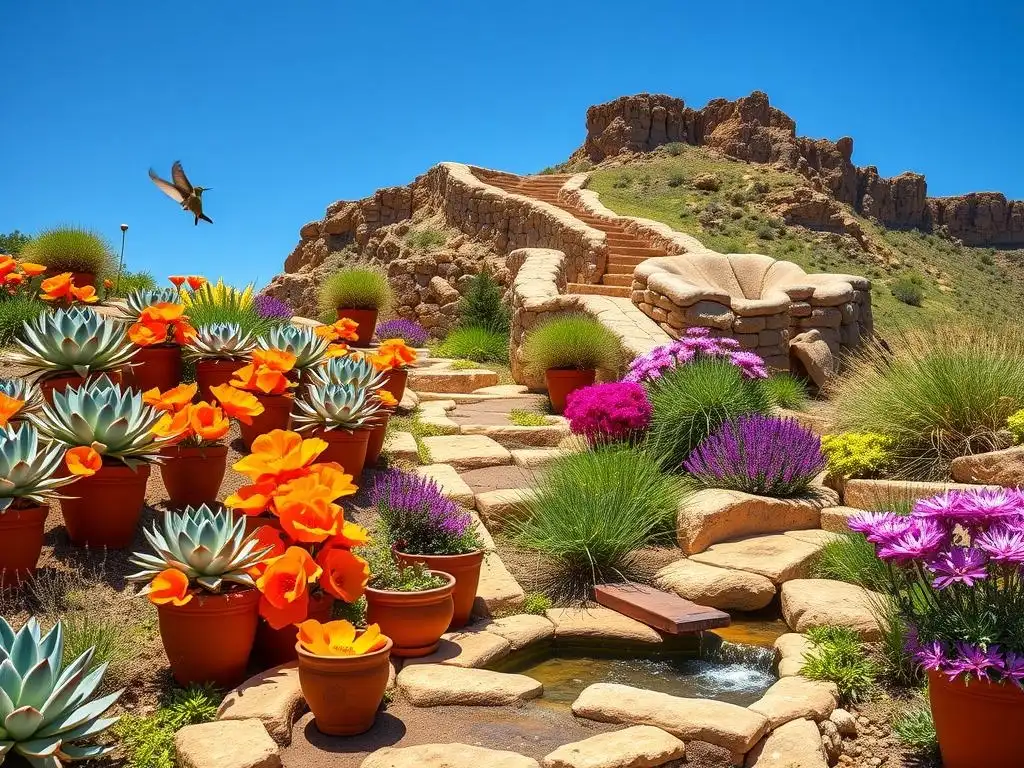
Welcome to CultivateYourFood, your guide to a thriving, sustainable garden! Are you ready to create a vibrant, productive space, even in the face of challenging conditions? Discover ingenious drought-resistant garden design ideas that will transform your landscape into a flourishing oasis, regardless of water limitations. Learn how to cultivate a bountiful harvest while conserving precious resources – let's explore the secrets to a resilient and rewarding garden together!
- Understanding Drought-Resistant Gardening Principles
- Drought-Resistant Garden Design Ideas for Small Spaces
- Drought-Resistant Landscape Design for Larger Areas
- Maintaining Your Drought-Resistant Garden
- Designing a Beautiful and Sustainable Drought-Resistant Garden
-
Frequently Asked Questions
- What are some key design elements for a drought-resistant garden?
- How can I choose drought-tolerant plants for my garden?
- What role does soil play in a drought-resistant garden?
- Are there any specific irrigation techniques for drought-resistant gardens?
- How can I maintain a drought-resistant garden during extended dry spells?
- Final Reflection: Cultivating Resilience in a Changing Climate
- Unlock Your Drought-Resilient Garden Today!
Understanding Drought-Resistant Gardening Principles
Creating a thriving garden in a drought-prone area requires a shift in perspective from traditional gardening practices. Instead of fighting against the lack of water, we embrace it, designing landscapes that not only survive but flourish with minimal irrigation. This article delves into the key principles of drought-resistant garden design, offering practical strategies and specific plant choices to help you cultivate a beautiful and sustainable oasis, even in the driest of climates.
We'll cover everything from selecting the right plants for your region to implementing efficient irrigation techniques. Mastering these principles will allow you to create a stunning and resilient garden that conserves water and reduces your environmental impact, all while enjoying a bountiful harvest.
Successfully implementing a drought-resistant garden design not only saves water but also reduces the need for frequent and potentially harmful chemical interventions, promoting a healthier ecosystem for both your plants and the environment. Let's explore how to create a truly drought-resistant and beautiful garden, perfect for even the most arid conditions.
Selecting Drought-Tolerant Plants for Your Region
Choosing the right plants is paramount to creating a successful drought-resistant garden. Ignoring this crucial step can lead to significant water waste and plant failure. The key is to select plants native to your region or those specifically bred for drought tolerance. These plants have adapted to the local climate and soil conditions, requiring less water to thrive. Consider these factors when making your selections:
- Native Plants: Prioritize plants native to your area. They are naturally adapted to the local climate, soil type, and rainfall patterns, minimizing the need for supplemental watering. Examples include [Specific native plant examples pending - region specific data needed].
- Water-Wise Alternatives: Research plants known for their drought tolerance. Look for labels or descriptions indicating low water needs. Consider succulents, cacti, and other xeric plants, which are specifically adapted to dry conditions. Examples include Lavender, Rosemary, and certain types of grasses.
- Mature Size and Spacing: Choose plants appropriate for the size of your garden and account for their mature size. Overcrowding can lead to competition for limited resources, including water. Proper spacing allows for better air circulation and reduces the risk of disease.
- Leaf Type: Consider plants with small, silvery, or hairy leaves. These characteristics help reduce water loss through transpiration. Larger, broad leaves tend to lose more moisture.
Soil Preparation for Optimal Water Retention
Even drought-tolerant plants need healthy soil to thrive. Proper soil preparation is crucial for maximizing water retention and minimizing water runoff. Here's how to prepare your soil for a drought-resistant garden:
- Soil Testing: Before planting, conduct a soil test to determine its composition and pH level. This will help you amend the soil with the necessary nutrients and improve its structure. Poor soil structure can lead to poor drainage and reduced water retention.
- Improving Soil Structure: Amend heavy clay soils with organic matter like compost to improve drainage and aeration. Sandy soils benefit from the addition of organic materials to increase their water-holding capacity.
- Mulching: Apply a thick layer of mulch (at least 2-3 inches) around plants. Mulch helps retain soil moisture, suppresses weeds, and regulates soil temperature. Organic mulches like wood chips or shredded bark decompose over time, adding nutrients to the soil. Consider using gravel or stones in very dry areas for added water retention and aesthetic appeal.
Efficient Irrigation Techniques for Dry Climates
Efficient irrigation is vital for conserving water in a drought-resistant garden. Avoid overhead watering, which leads to significant water loss through evaporation. Instead, opt for these methods:
- Drip Irrigation: This method delivers water directly to the roots of plants, minimizing evaporation and water waste. Drip irrigation systems are highly efficient and can be customized to suit different plant needs.
- Soaker Hoses: These hoses slowly release water over a longer period, allowing for deeper soil penetration and reduced evaporation. They are a cost-effective alternative to drip irrigation systems.
- Water Wisely: Water deeply and infrequently, encouraging deep root growth. Shallow, frequent watering leads to shallow root systems, making plants more susceptible to drought stress. Consider watering early in the morning or late in the evening to minimize evaporation.
- Rainwater Harvesting: Collect rainwater using rain barrels or other systems to supplement your irrigation needs. Rainwater is a free and sustainable source of water for your garden.
Remember that creating a drought-resistant garden is an ongoing process. Regular monitoring, adjustments, and learning from your experiences will lead to a beautiful and sustainable landscape that thrives even in the driest conditions. Enjoy the process and the rewards of a water-wise garden! 🌱
Mulching Strategies to Conserve Moisture
Mulching is a cornerstone of drought-resistant gardening. A well-maintained mulch layer acts as a protective barrier, significantly reducing water evaporation from the soil. This is crucial in arid and semi-arid climates where water conservation is paramount. The effectiveness of mulching in drought-resistant garden design ideas hinges on selecting the right material and applying it correctly.
Several organic mulches excel at retaining moisture. For example, shredded bark, wood chips, and straw are excellent choices. These materials not only reduce evaporation but also gradually decompose, enriching the soil with organic matter. The decomposition process also improves soil structure, enhancing its water retention capacity over time. The ideal depth for a mulch layer typically ranges from 2 to 4 inches; a thicker layer might impede air circulation and potentially lead to fungal issues.
In contrast to organic mulches, inorganic options like gravel or pebbles offer a different set of benefits. While they don't enrich the soil, they are highly effective at suppressing weeds and reflecting sunlight, further reducing soil temperature and evaporation. This makes them particularly suitable for areas with intense sunlight and high temperatures.
However, inorganic mulches can sometimes affect soil temperature extremes, potentially leading to slightly colder soil in winter and warmer soil in summer, which may need to be considered depending on the local climate and plant choices. Remember to choose materials that complement your overall garden aesthetic and the specific needs of your plants.
Beyond the type of mulch, proper application is key. Ensure that the mulch is evenly distributed around your plants, leaving a small gap around the stems to avoid rot. Regularly replenish the mulch layer as it decomposes, especially with organic mulches, to maintain its effectiveness throughout the growing season.
This consistent maintenance is essential for long-term water conservation and a thriving drought-resistant garden. Consider using a combination of mulching strategies, for instance, combining organic and inorganic mulches, to maximize water retention and minimize weed growth. This tailored approach allows you to leverage the unique benefits of different mulching materials, creating a robust and efficient water conservation system within your drought-resistant garden design.
Drought-Resistant Garden Design Ideas for Small Spaces
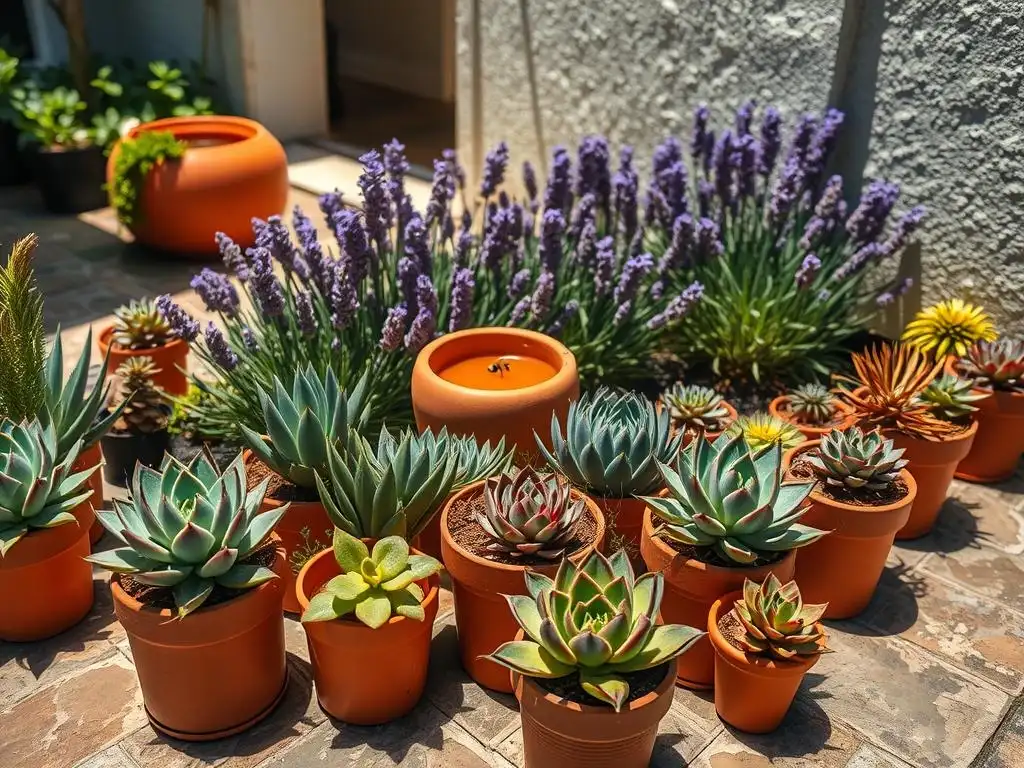
Creating a thriving and beautiful garden in a dry climate doesn't require vast expanses of land. Even small spaces can be transformed into flourishing drought-resistant havens with careful planning and the right plant choices. The key is to maximize space utilization and select plants that require minimal watering. This approach aligns perfectly with sustainable gardening practices and reduces water consumption significantly.
Let's explore some effective strategies for small-space drought-resistant garden design. This includes focusing on water-wise design principles and selecting plants adapted to arid conditions. The goal is to create a beautiful and productive garden while conserving precious water resources.
Vertical Gardening for Water Conservation
Vertical gardening is a game-changer for small spaces, offering a significant increase in planting area without expanding the footprint. By utilizing walls, fences, and trellises, you can cultivate a variety of drought-tolerant climbers and vining plants. These plants often require less water than their ground-dwelling counterparts because their roots are closer to the surface, taking advantage of morning dew and light rainfall.
Consider using self-watering planters designed for vertical applications. These systems efficiently deliver water directly to the roots, minimizing water waste through evaporation. Furthermore, vertical gardens can provide shade, reducing the need for additional watering.
Here's a table showcasing some excellent choices for vertical drought-resistant gardening:
| Plant Name | Sun Exposure | Water Needs | Growth Habit |
|---|---|---|---|
| Passion Flower | Full Sun | Moderate | Climbing Vine |
| Clematis | Full Sun/Part Shade | Moderate to Low | Climbing Vine |
| Nasturtiums | Full Sun | Low | Trailing/Climbing |
| Sweet Potato Vine | Full Sun | Low | Trailing/Climbing |
| Grapevines (certain varieties) | Full Sun | Moderate | Climbing Vine |
Remember to choose plants appropriate for your specific climate and sun exposure. Proper soil preparation and mulching are also crucial for water retention.
Container Gardening with Drought-Tolerant Plants
Container gardening provides unparalleled flexibility for drought-resistant landscaping, especially in small spaces. It allows you to strategically position plants to maximize sunlight and minimize water loss. Furthermore, containers allow you to control the soil composition, ensuring optimal drainage and water retention.
Choosing the right containers is vital. Terracotta pots, while aesthetically pleasing, tend to dry out more quickly than plastic or glazed ceramic pots. Consider using self-watering containers or adding water-retaining polymers to the potting mix to reduce watering frequency.
Selecting drought-tolerant plants for containers is paramount. Succulents, herbs like rosemary and thyme, and certain varieties of cacti thrive in containers with minimal watering. Group plants with similar water needs together to simplify watering schedules.
Here are some examples of excellent drought-tolerant container plants:
- Succulents: Echeveria, Sedum, Sempervivum
- Herbs: Rosemary, Thyme, Lavender, Oregano
- Small shrubs: Dwarf conifers (depending on climate), Potentilla
Remember to regularly check the moisture level of the soil in your containers, especially during hot and windy periods.
Xeriscaping Techniques for Minimal Water Use
Xeriscaping is a landscaping approach that emphasizes water conservation. It's particularly well-suited for drought-resistant garden design, focusing on selecting plants that require minimal irrigation and employing water-wise techniques. For small spaces, xeriscaping principles can be adapted to create a low-maintenance, beautiful, and water-efficient garden.
Key xeriscaping elements for small spaces include:
- Mulching: A thick layer of mulch (organic or inorganic) helps retain soil moisture, suppress weeds, and regulate soil temperature.
- Gravel and Stone: Incorporating gravel or stone pathways and borders reduces the area requiring watering.
- Strategic Plant Placement: Grouping plants with similar water needs minimizes water waste.
- Rainwater Harvesting: Collecting rainwater in barrels can supplement irrigation needs.
💧 Even small amounts of collected rainwater can make a significant difference.
- Drip Irrigation: This targeted irrigation method delivers water directly to the roots, minimizing evaporation.
By combining these techniques with careful plant selection, you can create a stunning drought-resistant garden in even the smallest of spaces, showcasing a commitment to both beauty and sustainability. Remember that planning and thoughtful execution are key to success in creating a thriving drought-resistant garden.
Utilizing Native Plants in Small Gardens
Native plants are exceptionally well-suited for drought-resistant gardening, particularly in small spaces. They've evolved to thrive in the local climate and soil conditions, requiring less water and maintenance than non-native species. Choosing native plants ensures your garden is not only drought-tolerant but also contributes to the local ecosystem, supporting pollinators and other beneficial insects.
This is a crucial aspect of sustainable gardening practices. For example, in the southwestern United States, selecting drought-tolerant varieties of yucca, agave, or penstemon can create a vibrant and low-maintenance garden that requires minimal watering. These plants not only survive dry spells but often flourish in them, showcasing their resilience.
Furthermore, many native plants boast beautiful blooms, attracting butterflies and hummingbirds, adding another layer of beauty and biodiversity to your compact garden. Careful consideration of mature plant size is crucial when selecting native plants for a small space; researching the growth habit of your chosen species is vital to ensure they won't outgrow their allotted space.
Consider the specific microclimate of your small garden. Even within a small area, sun exposure and soil drainage can vary. Some native plants prefer full sun, while others thrive in partial shade. Understanding these nuances will help you select plants that will flourish in their designated locations.
For example, if a portion of your small garden receives afternoon shade, you might select native shade-loving plants like ferns or woodland wildflowers, ensuring your entire space is utilized effectively. Remember to check with your local native plant society or nursery for recommendations specific to your region and soil type. They can provide invaluable advice on the best choices for your particular microclimate and garden size, helping you create a thriving drought-resistant haven. This personalized approach will guarantee a successful and aesthetically pleasing outcome, making the most of even the smallest of gardening spaces.
Drought-Resistant Landscape Design for Larger Areas
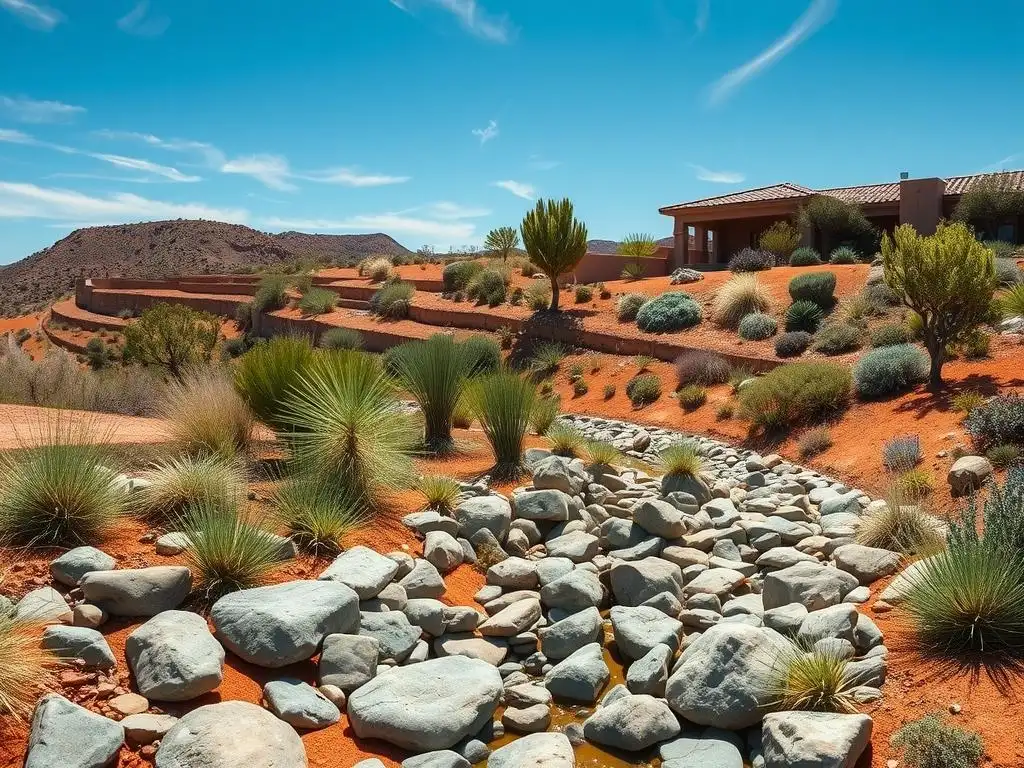
This section focuses on designing drought-resistant landscapes for larger properties, emphasizing sustainable practices and minimizing water consumption. We'll explore effective strategies to create visually appealing and environmentally friendly gardens that thrive even in arid conditions. The key is to select plants appropriate for your specific climate and soil type, and implement smart irrigation techniques. Remember, a successful drought-resistant garden design prioritizes water conservation while maintaining aesthetic appeal. This means moving away from traditional high-water-use landscaping and embracing alternatives that require minimal irrigation.
Creating a Water-Wise Lawn Alternative
Traditional lawns are notorious water guzzlers. Replacing them with drought-tolerant alternatives significantly reduces water consumption and maintenance. Several options exist, each offering unique benefits:
- Native grasses: These grasses are naturally adapted to your region's climate and require minimal watering once established. They often provide ecological benefits, supporting local wildlife. Examples include buffalo grass and blue grama grass. Consider the specific needs of your area when choosing a native grass; some require more sun than others.
- Groundcovers: Spreading groundcovers like sedum, creeping thyme, or clover create a lush, low-maintenance alternative to turfgrass. They offer excellent erosion control and can even suppress weed growth. However, they may not be suitable for high-traffic areas.
- Gravel or stone gardens: These require almost no watering and offer a modern, minimalist aesthetic. You can incorporate drought-tolerant plants within the gravel for pops of color and texture. Careful planning is key to prevent weed growth in these gardens; a layer of landscape fabric can be helpful.
- Xeriscaping: This landscaping approach emphasizes water conservation through the use of drought-tolerant plants, efficient irrigation, and mulch. Xeriscaping designs often incorporate a variety of textures and colors to create a visually interesting landscape. Proper planning and plant selection are crucial for a successful xeriscape.
Designing Dry Creek Beds and Rock Gardens
Dry creek beds and rock gardens are excellent features for drought-resistant landscapes. They mimic natural watercourses and add visual interest while requiring minimal maintenance.
- Dry creek bed design: These are channels filled with gravel, stones, and drought-tolerant plants. They effectively manage rainwater runoff, preventing erosion and directing water away from structures. The design should mimic the natural flow of water, creating a meandering path. Consider the slope of your land when designing the bed to ensure proper drainage.
- Rock garden creation: Rock gardens utilize various sizes and types of rocks to create a visually appealing landscape. Plants are strategically placed within the rocks, adding texture and color. Choosing plants that thrive in rocky, well-drained soil is crucial. Succulents and cacti are particularly well-suited for this type of garden. Proper drainage is critical to prevent waterlogging and root rot.
Integrating Drought-Tolerant Shrubs and Trees
Selecting drought-tolerant shrubs and trees is fundamental to creating a successful drought-resistant landscape. These plants require minimal watering once established, reducing overall water consumption.
| Plant Type | Example Species | Water Needs | Maintenance | Benefits |
|---|---|---|---|---|
| Evergreen Shrubs | Rosemary, Lavender, Juniper | Very Low | Low | Fragrant, attract pollinators |
| Deciduous Shrubs | Bougainvillea, Potentilla | Low to Moderate | Moderate | Colorful blooms, varied textures |
| Small Drought-Tolerant Trees | Olive Tree, Crape Myrtle | Low to Moderate | Moderate | Shade, beautiful flowers, attracts birds |
Choosing the right plants is crucial. Consider factors like sun exposure, soil type, and mature size when making your selections. Proper spacing is also essential to prevent overcrowding and competition for resources. Remember to group plants with similar water requirements together to simplify irrigation. Mulching around plants helps retain soil moisture and suppress weeds, further reducing water needs. Regular pruning can maintain the shape and health of your plants, promoting vigorous growth even during dry periods. Careful consideration of these factors ensures a thriving and beautiful drought-resistant landscape.
Planning for Seasonal Color with Water-Wise Blooms
Creating a vibrant and colorful drought-resistant garden doesn't mean sacrificing aesthetics. Many flowering plants thrive in dry conditions, offering a stunning display of color throughout the year with minimal watering. The key is to choose the right plants for your region and understand their specific needs. Careful planning, considering bloom times and plant heights, is crucial for achieving a visually appealing and sustainable landscape.
For instance, consider incorporating California poppies ( Eschscholzia californica) for a cheerful splash of orange and yellow during spring and early summer. These beauties are incredibly drought-tolerant and self-seed readily, ensuring a continuous display year after year. Their delicate, papery petals add a whimsical touch to any garden design. Pair them with lavender ( Lavandula), known for its fragrant purple flowers and silvery foliage, which thrives in full sun and well-drained soil – ideal conditions for drought-resistant landscaping. The contrasting textures and colors create a visually captivating combination.
To extend the season of color into summer and autumn, consider adding coneflowers ( Echinacea) and Russian sage ( Perovskia atriplicifolia). Coneflowers, with their daisy-like blooms in shades of pink, purple, and white, attract pollinators like butterflies and bees, contributing to a thriving ecosystem. Meanwhile, Russian sage offers a long-lasting display of silvery-blue foliage and delicate lavender flowers, providing a calming and elegant backdrop. These plants are exceptionally resilient to drought and heat, requiring minimal supplemental watering once established.
Careful consideration of plant placement is crucial for maximizing visual impact and ensuring the plants receive adequate sunlight. Taller plants, like Russian sage, should be positioned towards the back of the garden bed, while shorter plants, such as California poppies, can be placed in the front, creating visual depth and interest. Remember to research the mature size of each plant before planting to avoid overcrowding and ensure adequate spacing for air circulation and sunlight penetration, both important for healthy plant growth in dry conditions.
This thoughtful arrangement helps to prevent competition for resources and promote the overall health and vibrancy of your drought-resistant garden. The result? A stunning, low-maintenance landscape that bursts with color throughout the seasons, all while conserving water.
Maintaining Your Drought-Resistant Garden
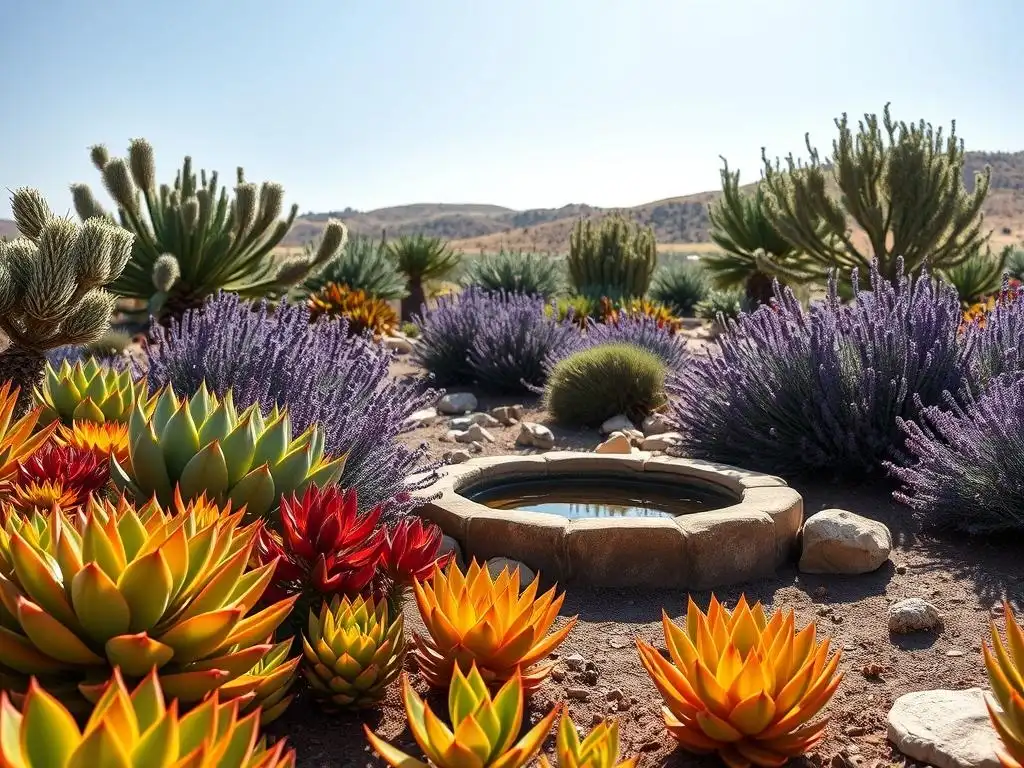
Creating a thriving drought-resistant garden isn't a one-time effort; it requires ongoing care and attention. Successful cultivation hinges on proactive maintenance, adapting strategies to the specific needs of your plants and the prevailing climate conditions. Consistent monitoring and timely interventions are key to ensuring the long-term health and productivity of your drought-tolerant landscape. This section details crucial maintenance practices for a flourishing, water-wise garden.
Regular Pruning and Maintenance Practices
Regular pruning is paramount for maintaining the health and vigor of your drought-resistant plants. Pruning encourages bushier growth, improves air circulation (reducing the risk of fungal diseases), and directs the plant's energy towards producing more flowers and fruits rather than excessive vegetative growth. Different plants require different pruning techniques. For example, herbs like rosemary and lavender benefit from light trimming to maintain their shape and prevent legginess.
Fruit trees in dry climates often benefit from thinning out branches to improve sunlight penetration and airflow. Deadheading, the removal of spent flowers, also encourages more blooms and prevents the plant from expending energy on seed production. Remember to always use sharp, clean pruning shears to prevent the spread of diseases.
A consistent pruning schedule, tailored to the specific needs of each plant species, is essential for a healthy and productive drought-resistant garden. Failing to prune regularly can lead to overcrowded plants, increased susceptibility to pests and diseases, and reduced yields. This translates to a less resilient and productive drought-resistant garden design.
Monitoring Soil Moisture Levels
Effective water management is crucial for a drought-resistant garden, even in arid conditions. Regular monitoring of soil moisture levels is essential to avoid both overwatering and underwatering. Overwatering can lead to root rot, while underwatering stresses the plants and reduces their resilience to drought. Several methods can help you gauge soil moisture. You can use a simple finger test: dig your finger about an inch into the soil.
If it feels dry, it's time to water. Alternatively, you can use a moisture meter, a readily available tool that provides a precise measurement of soil moisture content. Remember that different plants have different water requirements. Some plants, like succulents, store water in their leaves and stems and require less frequent watering than others.
Others, such as certain drought-tolerant vegetables, may need more frequent, but less intense watering. Consistent monitoring and adjusting your watering schedule based on soil moisture levels and plant needs is key to optimizing water use and ensuring the health of your drought-resistant garden. Accurate monitoring is crucial for successful drought-resistant garden design ideas. Failure to monitor adequately can lead to significant plant losses.
Dealing with Pests and Diseases in Dry Conditions
Even drought-resistant plants are susceptible to pests and diseases, particularly during periods of stress. Dry conditions can weaken plants, making them more vulnerable to infestations. Regular inspections are crucial for early detection. Look for signs of pests, such as insects, mites, or evidence of chewing or sucking damage on leaves and stems. Common diseases in dry conditions can include fungal infections like powdery mildew, which thrives in dry, dusty environments.
Implementing preventative measures is key. This includes choosing disease-resistant plant varieties, ensuring good air circulation around plants (through proper spacing and pruning), and maintaining a healthy soil ecosystem. Organic pest control methods are particularly suitable for drought-resistant gardens. These can include introducing beneficial insects, using insecticidal soaps, or employing neem oil.
Remember to always identify the pest or disease before applying any treatment to ensure you're using the most effective and appropriate method. Early detection and proactive management are essential for minimizing damage and maintaining the health and productivity of your drought-resistant garden. Ignoring pest and disease issues can drastically impact the success of your drought-resistant garden design ideas. A proactive approach is vital for long-term sustainability.
Adapting to Changing Weather Patterns and Water Restrictions
Adapting your drought-resistant garden design to changing weather patterns and water restrictions requires proactive planning and a flexible approach. The unpredictability of modern weather necessitates a garden that can withstand both extended dry periods and occasional intense rainfall. This means selecting plants with exceptional resilience and implementing water management techniques that conserve resources while providing sufficient hydration.
One crucial aspect is monitoring local weather forecasts and implementing adjustments accordingly. For example, during periods of predicted intense heat, consider providing temporary shade for more sensitive plants using shade cloth or strategically placing larger plants to offer natural protection. Conversely, during unexpected downpours, ensure your garden's drainage system is functioning efficiently to prevent waterlogging and root rot, which can be detrimental even to drought-tolerant species. Regularly checking soil moisture levels with a soil moisture meter is also crucial. This prevents overwatering, a common mistake that can negate the benefits of drought-tolerant plant selection.
Water restrictions often necessitate a shift in watering techniques. Instead of relying on frequent, shallow watering, adopt a deep, infrequent watering strategy. This encourages deeper root growth, making plants more resilient to dry spells. Consider using soaker hoses or drip irrigation systems to deliver water directly to the roots, minimizing evaporation and runoff.
Mulching is another essential practice; a thick layer of organic mulch around plants helps retain soil moisture, suppresses weeds, and regulates soil temperature. Experiment with different mulching materials like wood chips, straw, or shredded leaves to find what works best in your specific climate and soil type. Remember that the type of mulch and its depth can significantly impact water retention and soil health. Regularly replenish mulch as it decomposes to maintain its effectiveness.
Finally, consider collecting rainwater for irrigation, a sustainable practice that reduces reliance on municipal water supplies. This can involve installing rain barrels or creating swales to capture and store rainwater for later use. This strategy not only conserves water but also provides a naturally softer water source, beneficial for many plants.
Designing a Beautiful and Sustainable Drought-Resistant Garden
This section focuses on the crucial intersection of aesthetics and functionality in drought-resistant garden design. Creating a landscape that thrives despite water scarcity doesn't mean sacrificing beauty; in fact, thoughtful planning can enhance both the visual appeal and the ecological resilience of your garden. The key lies in understanding the principles of xeriscaping—landscaping that conserves water—and applying them creatively.
Combining Aesthetics and Functionality in Your Landscape
A successful drought-resistant garden isn't just about surviving; it's about thriving. This requires a holistic approach that considers several key elements:
- Strategic Grouping: Plants with similar water needs should be grouped together, simplifying irrigation and reducing water waste. For example, succulents and cacti can be placed in a sunny area requiring minimal watering, while more water-demanding plants (though still drought-tolerant) can be situated in a slightly shadier, more moist microclimate.
- Mulching Magic: Mulching is crucial. A thick layer (2-4 inches) of organic mulch, such as shredded bark or compost, helps retain soil moisture, suppresses weeds (reducing competition for water), and regulates soil temperature. This reduces the frequency of watering and improves soil health.
- Pathway Planning: Consider using permeable paving materials for pathways, allowing rainwater to seep into the ground instead of running off. Gravel, stepping stones, or decomposed granite are excellent choices. This not only conserves water but also reduces runoff and erosion.
- Creative Rock Gardens: Incorporate rocks and boulders strategically. They not only add visual interest but also help retain moisture by shading the soil and reducing evaporation. Rocks can also be used to create raised beds, improving drainage and soil aeration.
- Water Features (Smartly Designed): While aiming for drought resistance, small, strategically placed water features can add beauty and provide a habitat for beneficial insects and pollinators. However, ensure these features use water efficiently, perhaps incorporating a recirculating system.
Choosing the Right Plants for Your Microclimate
Selecting appropriate plants is paramount for a thriving drought-resistant garden. Understanding your specific microclimate—sun exposure, soil type, and prevailing winds—is crucial. Local nurseries are invaluable resources, as they can offer advice on plants well-suited to your area's conditions.
Here's a table showcasing examples of drought-tolerant plants categorized by their needs:
| Plant Category | Example Plants | Sun Exposure | Soil Type | Water Needs |
|---|---|---|---|---|
| Succulents | Sedum, Echeveria, Agave | Full Sun | Well-drained | Infrequent |
| Native Grasses | Blue Grama, Buffalo Grass | Full Sun | Sandy/Clay | Moderate (Initially) |
| Drought-Tolerant Shrubs | Lavender, Rosemary, Salvia | Full Sun/Part Shade | Well-drained | Moderate |
| Drought-Tolerant Trees | Olive Tree, Acacia, Desert Willow | Full Sun | Well-drained | Moderate (Established) |
Remember to consider the mature size of plants to avoid overcrowding and ensure adequate spacing for air circulation. Overcrowding can lead to increased competition for resources and disease.
Long-term Planning for a Thriving Drought-Resistant Garden
Creating a truly successful drought-resistant garden is a long-term commitment that requires ongoing maintenance and adaptation.
- Soil Health: Regular soil testing is recommended to monitor nutrient levels and pH. Amend the soil as needed with organic matter to improve its water retention capacity and overall health. Healthy soil is more resilient to drought conditions.
- Pest and Disease Management: Monitor your plants regularly for pests and diseases. Employ integrated pest management (IPM) techniques, prioritizing preventative measures and using organic controls whenever possible. A healthy plant is more resistant to pests and diseases.
- Regular Maintenance: Regular pruning, deadheading, and weeding are essential for maintaining the health and appearance of your drought-resistant garden. This also helps conserve water by reducing competition among plants. Pruning encourages bushier growth in some plants, providing more visual interest.
By following these guidelines and adapting them to your specific location and preferences, you can create a beautiful and sustainable drought-resistant garden that not only conserves water but also enhances the beauty and biodiversity of your outdoor space. 🌱 Remember, patience and observation are key to success in any gardening endeavor, especially when dealing with drought conditions.
Resources for Further Learning on Drought-Tolerant Landscaping
Embarking on a drought-resistant garden design journey often requires more than just initial planning. Continuous learning and refinement are key to success. Thankfully, numerous resources are available to deepen your understanding and refine your techniques. These resources range from online courses and workshops to books and reputable gardening organizations.
One excellent avenue for further learning is online courses. Many platforms offer comprehensive courses on xeriscaping (drought-tolerant landscaping) and sustainable gardening practices. These courses often include detailed information on selecting appropriate plant species, efficient irrigation techniques (like drip irrigation), soil management for water retention, and mulching strategies. Look for courses that provide practical, hands-on advice and real-world case studies, showcasing successful drought-resistant gardens in diverse climates. The quality of instruction varies widely, so read reviews carefully before committing to a paid course.
Beyond online courses, local workshops and seminars can offer invaluable, hands-on learning opportunities. Many community colleges, botanical gardens, and horticultural societies host workshops specifically addressing drought-tolerant landscaping. These workshops often involve practical demonstrations, allowing you to learn by doing. The advantage of these local events is the opportunity to network with experienced gardeners in your specific region, gaining insights tailored to your local climate and soil conditions. Check your local community calendar or the websites of relevant organizations for upcoming events.
Books also provide a wealth of information on drought-resistant garden design. Seek out books written by reputable authors with proven expertise in arid or semi-arid landscaping. Look for books that go beyond simply listing drought-tolerant plants, focusing instead on the principles of water-wise gardening, including soil preparation, plant selection based on microclimates, and long-term maintenance strategies. Reading reviews and comparing different books can help you choose one that aligns with your specific needs and experience level.
Finally, consider joining or connecting with reputable gardening organizations. These organizations often offer resources, publications, and online forums where you can connect with other gardeners and experts. They can provide valuable advice, share best practices, and offer support as you develop your drought-resistant garden. Many organizations specialize in sustainable gardening or landscaping for specific climates, providing targeted information and resources. Engaging with these communities fosters continuous learning and helps you stay updated on the latest techniques and innovations in drought-tolerant landscaping. Remember that continuous learning is vital for creating and maintaining a thriving drought-resistant garden.
Frequently Asked Questions
What are some key design elements for a drought-resistant garden?
Choosing native plants adapted to your region is crucial. Xeriscaping techniques, such as grouping plants with similar water needs, and using mulch to retain moisture, are also essential. Consider incorporating water-wise irrigation systems, like drip irrigation.
How can I choose drought-tolerant plants for my garden?
Research plants native to your area; they're naturally adapted to your climate. Look for plants labeled as drought-tolerant or xeriscape-suitable at your local nursery. Consider the sun exposure and soil type in your garden when making selections.
What role does soil play in a drought-resistant garden?
Healthy soil is vital. Amend your soil with compost to improve water retention and drainage. Using mulch helps retain moisture and suppress weeds. Proper soil preparation is key to plant establishment and survival during dry periods.
Are there any specific irrigation techniques for drought-resistant gardens?
Drip irrigation is highly effective, delivering water directly to plant roots, minimizing evaporation. Consider using a soaker hose for larger areas. Avoid overhead watering, which leads to significant water loss through evaporation.
How can I maintain a drought-resistant garden during extended dry spells?
Regular mulching helps retain soil moisture. Deep watering less frequently encourages deeper root growth. Monitor your plants closely and water as needed, focusing on newly planted specimens. Consider using rain barrels to collect rainwater.
Final Reflection: Cultivating Resilience in a Changing Climate
The urgent need for drought-resistant landscaping is no longer a niche concern; it's a vital strategy for a sustainable future. Our planet faces increasing water scarcity, and the choices we make in our own gardens directly impact this global challenge. By embracing drought-tolerant plants and design principles, we can significantly reduce our water footprint and contribute to a more resilient environment.
The shift towards drought-resistant garden design reflects a broader cultural awakening to environmental responsibility. We are moving beyond the aesthetic ideal of the lush, perpetually green lawn, recognizing that beauty can be found in diversity and adaptation. This change is not merely about saving water; it's about fostering a deeper connection with the natural world and respecting its limitations. The glory of gardening: hands in the dirt, head in the sun, heart with nature. To nurture a garden is to feed not just the body, but the soul.
This quote resonates deeply as we consider the profound impact of our gardening choices on both the environment and our own well-being.
Now, consider your own outdoor space. What changes can you make to create a more resilient and water-wise landscape? Perhaps it's as simple as replacing a thirsty lawn with native grasses or incorporating water-harvesting techniques. Every small step counts. Let this article serve as a springboard for your own journey towards creating a beautiful, sustainable, and drought-resistant garden—a garden that not only thrives but also contributes to a healthier planet for generations to come.
Unlock Your Drought-Resilient Garden Today!
Thank you for exploring drought-resistant landscaping with us! You now have the knowledge to create a beautiful and sustainable garden that thrives even in the driest conditions. Ready to put your new skills to the test?
- Start designing your dream drought-resistant landscape! Grab a pen and paper, or open your favorite design app, and begin sketching your vision. Incorporate the plants and strategies we've discussed, and let your creativity flourish!
- Share your design ideas with our community! We'd love to see your plans and offer support and inspiration. Join our forum to connect with fellow gardeners.
- Visit your local nurseries to find drought-tolerant plants suited to your region. Don't be afraid to choose an unusual variety that catches your eye!
What's the first plant you're excited to add to your drought-resistant garden? Let us know in the comments!