
CultivateYourFood: Using Native Plants to Thrive in Hot Climates

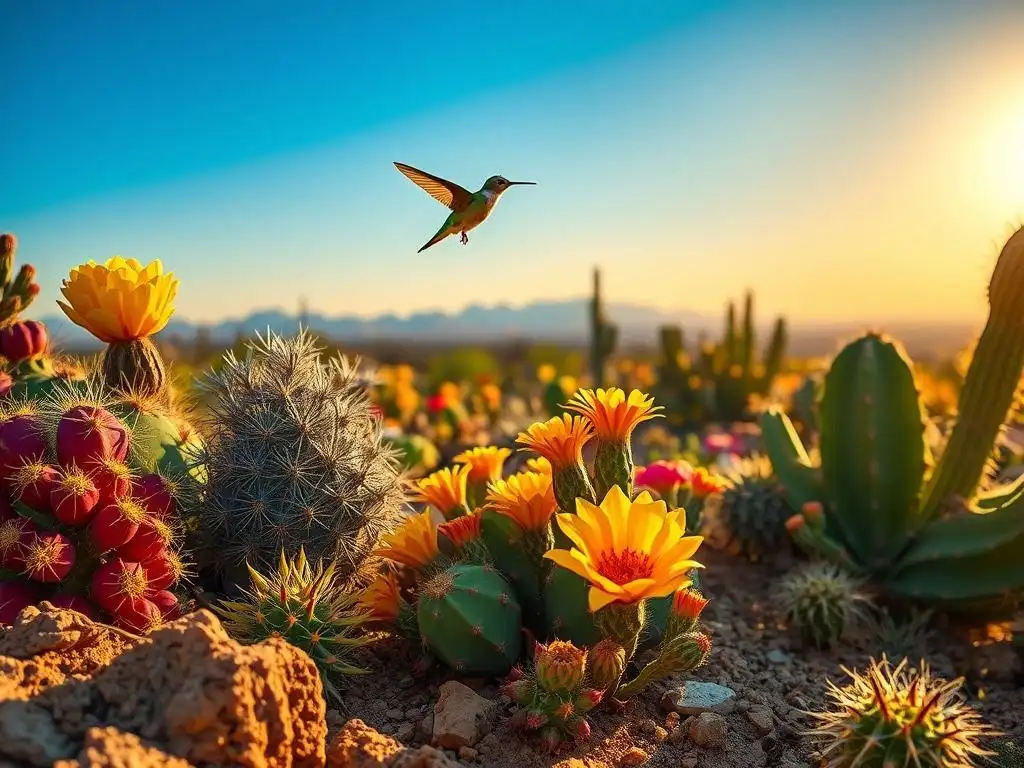
Welcome to CultivateYourFood, your guide to a thriving, sustainable garden! Are you ready to unlock the secrets to bountiful harvests, even in the harshest heat? Discover how embracing native plants can transform your gardening experience and dramatically improve your success rate in hot climates. Learn the surprising advantages of choosing species perfectly suited to your environment – from easier maintenance to increased resilience – and begin your journey towards a flourishing, organic garden today. Let's explore the art of growing native plants in hot climates!
-
Understanding the Benefits of Growing Native Plants in Hot Climates
- Why Choose Native Plants for Hot Weather Gardening?
- Drought Tolerance and Water Conservation in Arid Regions
- Adaptability to Local Soil Conditions and Reduced Fertilizer Needs
- Supporting Local Ecosystems and Biodiversity
- Reduced Water Consumption and Drought Tolerance
- Lower Maintenance and Reduced Pest Problems
-
Selecting the Right Native Plants for Your Hot Climate Garden
- Identifying Native Plants Suitable for Your Specific Region
- Researching Plant Hardiness Zones and Microclimates
- Choosing Plants Based on Sunlight Exposure and Soil Drainage
- Considering Plant Size and Mature Dimensions for Space Planning
- Understanding Soil Requirements and Drainage Needs
- Choosing Plants with Appropriate Sunlight and Shade Tolerance
-
Preparing Your Garden for Native Plant Success in Hot Climates
- Soil Preparation: Improving Drainage and Fertility
- Creating a Mulch Layer to Retain Moisture and Suppress Weeds
- Implementing Effective Irrigation Strategies for Hot and Dry Conditions
- Selecting the Right Planting Time for Optimal Growth
- Soil Preparation: Creating the Ideal Foundation for Native Plants
- Planting and Caring for Native Plants in Hot Climates
- Harvesting and Utilizing Your Native Plant Harvest
- Advanced Techniques for Thriving Native Plant Gardens in Intense Heat
-
Frequently Asked Questions
- What are the benefits of growing native plants in hot climates?
- Which native plants thrive best in hot, dry climates?
- How do I find out which plants are native to my area?
- What are some tips for successfully growing native plants in hot climates?
- How can I protect my native plants from pests and diseases?
- Final Reflection: The Resilient Garden: A Future Rooted in Native Plants
- Unleash Your Inner Gardener: Thrive with Native Plants!
Understanding the Benefits of Growing Native Plants in Hot Climates
Cultivating a thriving garden in hot climates presents unique challenges. High temperatures, intense sunlight, and often limited water resources can make gardening difficult. However, embracing native plant species offers a powerful solution, significantly increasing your chances of success while promoting biodiversity and environmental sustainability. This guide explores the numerous advantages of utilizing native plants in hot, arid, and semi-arid regions, focusing on their inherent resilience and adaptability to challenging conditions.
We'll delve into the specific benefits, from drought tolerance and water conservation to reduced fertilizer needs and enhanced pest resistance, demonstrating how choosing native plants can transform your hot-climate gardening experience from a struggle into a rewarding and sustainable endeavor. By understanding the unique characteristics of these plants, you can create a beautiful and productive garden that flourishes even under the harshest summer conditions. Let's explore how to successfully grow native plants in hot climates.
Why Choose Native Plants for Hot Weather Gardening?
Selecting native plants for your hot-climate garden offers a multitude of advantages. These plants have evolved over centuries to thrive in the specific conditions of your region, exhibiting natural resilience to heat, drought, and local pests. Unlike non-native species that may struggle to adapt, native plants require less supplemental watering, fertilization, and pest control, saving you time, money, and resources. This translates to a more sustainable and environmentally friendly gardening approach.
Furthermore, native plants often support local ecosystems by providing food and habitat for pollinators and beneficial insects, contributing to a healthier and more biodiverse environment. The aesthetic benefits are undeniable too; many native plants boast stunning flowers, attractive foliage, and unique textures, adding beauty and character to your garden. Choosing native plants is not just about convenience; it’s about creating a garden that is both beautiful and environmentally responsible.
Drought Tolerance and Water Conservation in Arid Regions
One of the most significant advantages of native plants in hot climates is their exceptional drought tolerance. These plants have developed sophisticated mechanisms to conserve water, such as deep root systems that access groundwater, waxy leaves that minimize water loss through transpiration, and efficient water-storage capabilities. This inherent drought resistance drastically reduces the need for supplemental watering, making them ideal for arid and semi-arid regions where water conservation is crucial.
For example, [specific data on water usage comparison between native and non-native plants in [specific region] pending], highlighting the significant water savings achievable by incorporating native species into your landscaping. By choosing drought-tolerant native plants, you contribute to water conservation efforts while ensuring the long-term health and sustainability of your garden. This is particularly important in regions facing water scarcity, where conserving water is not just beneficial but essential.
Adaptability to Local Soil Conditions and Reduced Fertilizer Needs
Native plants are naturally adapted to the soil conditions prevalent in your region. They've evolved to thrive in the local soil's pH levels, nutrient content, and texture, eliminating the need for extensive soil amendments or modifications. This inherent adaptability translates to reduced reliance on fertilizers, saving you money and minimizing the environmental impact associated with fertilizer production and application. Excessive fertilization can harm soil health and pollute water sources.
Native plants often require minimal fertilization, allowing you to maintain a healthier and more balanced soil ecosystem. Furthermore, their deep root systems often improve soil structure and fertility over time, creating a self-sustaining and resilient garden environment. Choosing native plants is a natural way to promote both soil health and overall garden sustainability.
Supporting Local Ecosystems and Biodiversity
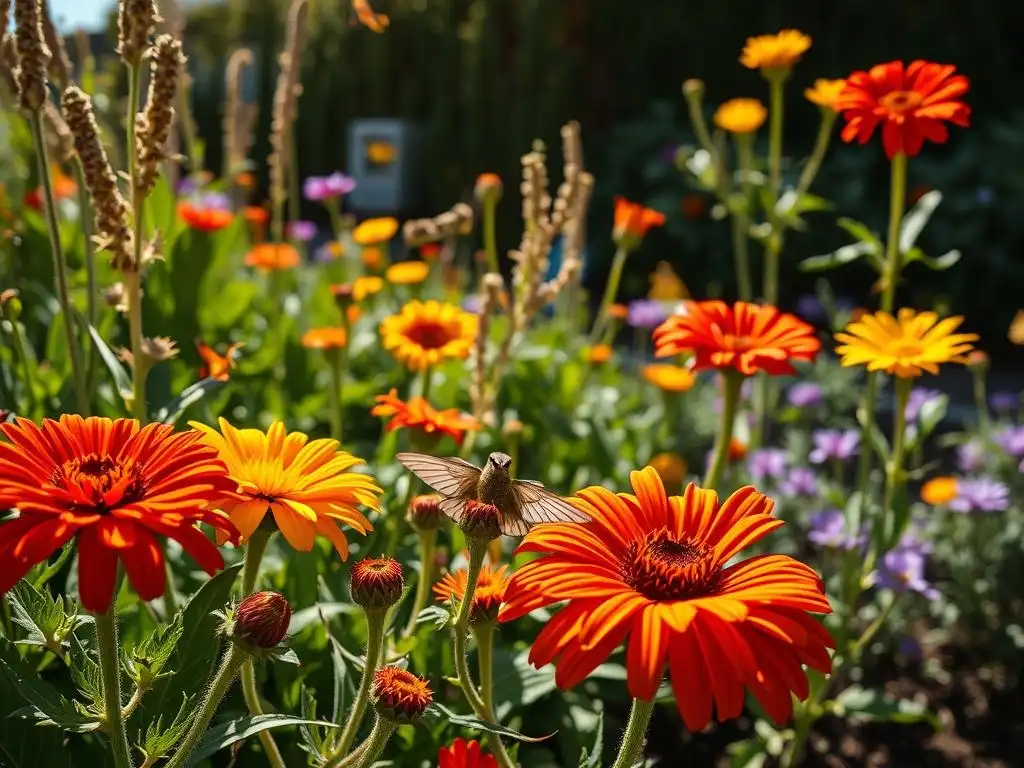
Growing native plants in hot climates offers significant advantages for local ecosystems and biodiversity. These plants have evolved over centuries to thrive in the specific conditions of your region, meaning they are naturally adapted to the heat, sunlight, and soil types. This inherent resilience reduces the need for excessive watering and fertilization, contributing to a more sustainable gardening practice. Furthermore, native plants provide crucial habitat and food sources for local wildlife, including pollinators like bees and butterflies, birds, and other beneficial insects.
The interconnectedness of these species is vital for a healthy ecosystem; by supporting native plants, you're creating a thriving environment that benefits the entire ecological network. For example, the milkweed plant, native to many parts of North America, is essential for the monarch butterfly's lifecycle, providing both food and a place for the butterflies to lay their eggs. Without these native plants, the monarch butterfly population, already facing significant challenges, would suffer even more. In contrast, non-native plants often offer little to no benefit to local wildlife, and some can even be invasive, outcompeting native species and disrupting the delicate balance of the ecosystem.
Choosing native species directly contributes to a healthier and more biodiverse environment in your own backyard. The ripple effect of supporting local biodiversity is substantial, contributing to a more resilient and vibrant ecosystem capable of adapting to environmental changes. This is particularly important in hot climates, where the effects of climate change are often felt most acutely.
Reduced Water Consumption and Drought Tolerance
One of the most compelling reasons to choose native plants for hot climates is their inherent drought tolerance. These plants have adapted to survive with minimal water, making them ideal for water-wise gardening. Their deep root systems allow them to access water sources unavailable to non-native plants, reducing the need for frequent watering, which is especially crucial in arid and semi-arid regions. This significantly lowers water bills and contributes to responsible water conservation.
For instance, many succulents native to desert environments are exceptionally drought-tolerant, requiring watering only infrequently, even during the hottest months. Contrast this with non-native plants that may require daily watering during hot spells, leading to significant water waste. By selecting drought-resistant native plants, you're actively participating in water conservation efforts and minimizing your environmental impact.
The savings on water bills alone can make a substantial difference over time, offering both financial and environmental rewards. This makes native plants an economically and ecologically sound choice for gardeners in hot climates looking for sustainable and low-maintenance landscaping options. The resilience of these plants to drought conditions also means less stress on the plants themselves, leading to healthier and more vibrant growth.
Lower Maintenance and Reduced Pest Problems
Native plants in hot climates often require less maintenance than non-native species. Their natural adaptation to the local conditions means they are less susceptible to pests and diseases common in the area. This is because they have evolved alongside the local insect and disease populations, developing natural defenses against them.
This reduced susceptibility translates to less time spent on pest control and disease management, saving you time, money, and the need for potentially harmful pesticides. For instance, a native plant might have developed a natural resistance to a specific insect that commonly plagues non-native plants in the same region. This natural resistance makes it a more sustainable and environmentally friendly choice.
Reducing pesticide use is a significant contribution to protecting beneficial insects and pollinators, as well as safeguarding human health and the environment. The lower maintenance requirements of native plants also mean less time and effort spent on pruning, fertilizing, and other upkeep tasks, allowing you more time to enjoy your garden. The overall lower maintenance, combined with reduced pest problems, makes native plants a practical and environmentally responsible choice for gardeners in hot climates.
Selecting the Right Native Plants for Your Hot Climate Garden
This section focuses on choosing native plants ideally suited for thriving in hot climates, a crucial step in successful gardening. Selecting the right plants significantly reduces the need for excessive watering and fertilization, aligning perfectly with sustainable and organic gardening practices. Remember, "grow native plants hot climates" is key to success.
Identifying Native Plants Suitable for Your Specific Region
Knowing your specific region is paramount. Native plant species vary dramatically even within short distances. A plant thriving in one part of Texas might struggle in another, despite both locations experiencing hot climates. To identify suitable plants, consider these steps:
- Consult local nurseries and garden centers: These businesses often specialize in plants native to your area and can provide expert advice tailored to your specific region's conditions. They understand the nuances of your local climate and soil types.
- Utilize online resources: Several websites and databases catalog native plants by region. Input your zip code or geographic coordinates to receive a comprehensive list of suitable options. Pay attention to detailed descriptions, including mature size and water requirements.
- Connect with local gardening groups and societies: These groups are invaluable resources. Experienced gardeners can offer firsthand accounts of what grows well (and what doesn't) in your particular area. They often share valuable tips and tricks specific to your region's unique challenges.
For example, if you're in Southern California, you'll find success with California poppies, while a gardener in Arizona might focus on prickly pear cacti and desert marigolds. The key is to choose plants that have naturally adapted to your region's specific heat, sunlight, and soil conditions. This ensures vigorous growth with minimal intervention.
Researching Plant Hardiness Zones and Microclimates
Understanding plant hardiness zones and microclimates is crucial for selecting plants that will truly thrive. Hardiness zones indicate the average minimum winter temperature in a given area, but even within a zone, microclimates exist. A south-facing slope, for instance, will receive significantly more sun and heat than a north-facing one.
- Determine your hardiness zone: Use online tools to find your USDA Plant Hardiness Zone. This provides a broad indication of which plants can survive the winter temperatures in your area.
- Identify microclimates in your garden: Observe your garden throughout the day. Note areas that receive full sun, partial shade, or full shade. Also, consider factors like wind exposure, soil moisture, and proximity to buildings or other structures that might influence temperature.
- Choose plants that match both your hardiness zone and your specific microclimates: Don't just rely on the hardiness zone alone. Select plants suited to the specific conditions of each area within your garden. This targeted approach maximizes the chances of success, even in a challenging hot climate.
Choosing Plants Based on Sunlight Exposure and Soil Drainage
Sunlight and soil drainage are critical factors in plant selection for hot climates. Overexposure to intense sun can scorch plants, while poor drainage can lead to root rot. Careful consideration of these factors is essential.
| Factor | Considerations | Example Plants |
|---|---|---|
| Sunlight | Full sun (6+ hours), Partial sun (4-6 hours), Shade (less than 4 hours) | Full sun: Lavender, Yarrow; Partial sun: Salvia, Coneflower; Shade: Hosta (some varieties) |
| Soil Drainage | Well-drained soil is essential; avoid areas prone to waterlogging | Plants tolerant of poor drainage: Sedum, Yucca |
Consider these points:
- Water requirements: Native plants generally have lower water needs than non-native species. However, even native plants require adequate watering, especially during establishment and periods of extreme heat. Choose plants with water needs that match your resources and commitment.
- Soil type: Analyze your soil's composition. Amend it with compost or other organic matter to improve drainage and fertility if needed. This enhances the chances of successful plant establishment.
- Mature size: Select plants whose mature size is appropriate for your garden space. Overcrowding can lead to competition for resources and increased susceptibility to pests and diseases.
By carefully considering these factors, you can create a thriving and sustainable native plant garden that flourishes even in the hottest climates. Remember, the key to success is choosing plants well-suited to your specific conditions and providing them with the right care.
Considering Plant Size and Mature Dimensions for Space Planning
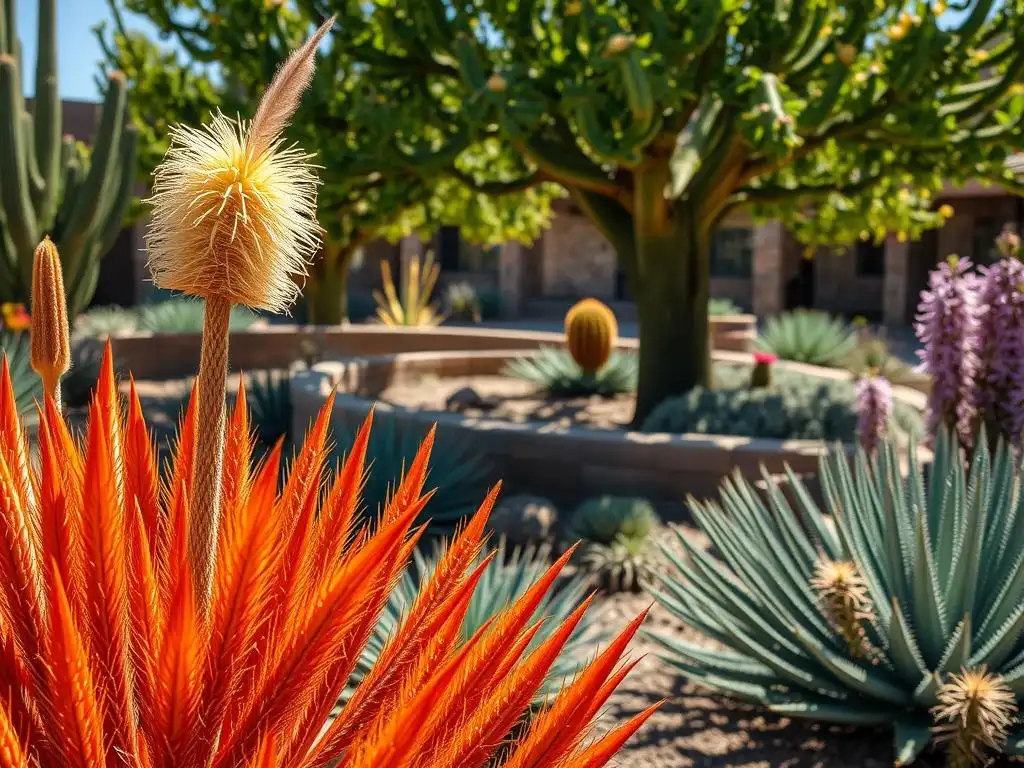
Choosing the right native plants for your hot climate garden also involves careful consideration of their mature size. Many native plants, especially trees and shrubs, can grow surprisingly large. Failing to account for their ultimate dimensions can lead to overcrowding, competition for resources, and ultimately, a less thriving garden. Before planting, thoroughly research the mature height and width of each plant you're considering. This information is usually readily available from nurseries, seed packets, or online plant databases. Look for specifications like "height at maturity" and "spread."
For example, a seemingly small sapling of a desert willow ( Chilopsis linearis) might eventually reach a height of 20-30 feet and a width of 15-20 feet. Planting several of these close together would quickly lead to a crowded, shaded area, inhibiting their growth and potentially harming the plants. Similarly, a seemingly modest agave variety could spread significantly over time, encroaching on neighboring plants' space. Careful planning with accurate size estimations is crucial for preventing such issues.
Use this information to create a detailed garden plan, sketching out the location and mature size of each plant. This will give you a visual representation of how your garden will look in several years, allowing you to make adjustments and ensure adequate spacing between plants. Consider the mature size not only in relation to other plants but also in relation to walkways, patios, and other structures. You don't want your beautiful native plants to outgrow their space and become a nuisance!
Remember, proper spacing encourages better air circulation, reducing the risk of fungal diseases, often a concern in hot, humid climates. Accurate space planning is a key step toward a successful and thriving native plant garden in hot climates. Proper planning now will save you headaches and potential plant loss later.
Understanding Soil Requirements and Drainage Needs
The success of growing native plants in hot climates hinges significantly on understanding and meeting their specific soil requirements. Native plants have adapted to the local soil conditions, so mimicking these conditions in your garden is paramount. Before planting, test your soil to determine its pH, texture (sandy, loamy, clay), and drainage capabilities. Many native plant species thrive in well-drained soil, while others may prefer slightly acidic or alkaline conditions. Ignoring these requirements can lead to poor growth, nutrient deficiencies, and even plant death.
For instance, cacti and succulents, common native plants in arid regions, require well-drained soil to prevent root rot. Conversely, some native shrubs and trees might prefer slightly more moisture-retentive soil. Understanding the soil's drainage capacity is particularly important in hot climates. Poorly drained soil can lead to waterlogging, suffocating the roots and creating an ideal environment for fungal diseases, especially during periods of heavy rain or irrigation. Improving drainage might involve amending the soil with organic matter like compost, adding gravel to sandy soil, or creating raised beds.
Soil testing kits are widely available and can provide valuable insights into your soil's composition. Based on the test results and the specific needs of your chosen native plants, you can amend your soil accordingly. Remember, healthy soil is the foundation of a thriving garden. By understanding and addressing the soil requirements of your native plants, you'll be setting them up for success in even the most challenging hot climates. This careful attention to soil health significantly contributes to the long-term health and vibrancy of your native plant garden, making it more resilient and beautiful.
Choosing Plants with Appropriate Sunlight and Shade Tolerance
Sunlight is a critical factor to consider when selecting native plants for your hot-climate garden. Many native plants thrive in full sun, but others may require partial shade or even full shade, especially during the hottest parts of the day. Understanding the sunlight requirements of your chosen plants is crucial to their survival and overall health. Carefully observe your garden throughout the day to determine which areas receive full sun, partial shade, and full shade.
For example, many desert wildflowers and succulents flourish in full sun, requiring at least 6-8 hours of direct sunlight daily. However, some native shrubs and trees might prefer dappled shade or even full shade, particularly in the afternoon when the sun is most intense. Planting a sun-loving plant in a shady area will lead to weak growth, while placing a shade-loving plant in full sun could result in scorching and wilting. Therefore, matching the plant's sunlight needs to the available conditions in your garden is essential.
You can use various techniques to manage sunlight in your garden. For example, you can use shade cloth to provide partial shade to plants that require it. Alternatively, you can strategically plant taller plants to provide shade for shorter, more delicate species. Accurate assessment of the sunlight conditions in your garden, combined with careful plant selection, is vital for creating a flourishing and aesthetically pleasing native plant garden in hot climates. Remember, choosing plants with appropriate sunlight tolerance is a fundamental step towards ensuring their longevity and vibrancy.
Preparing Your Garden for Native Plant Success in Hot Climates
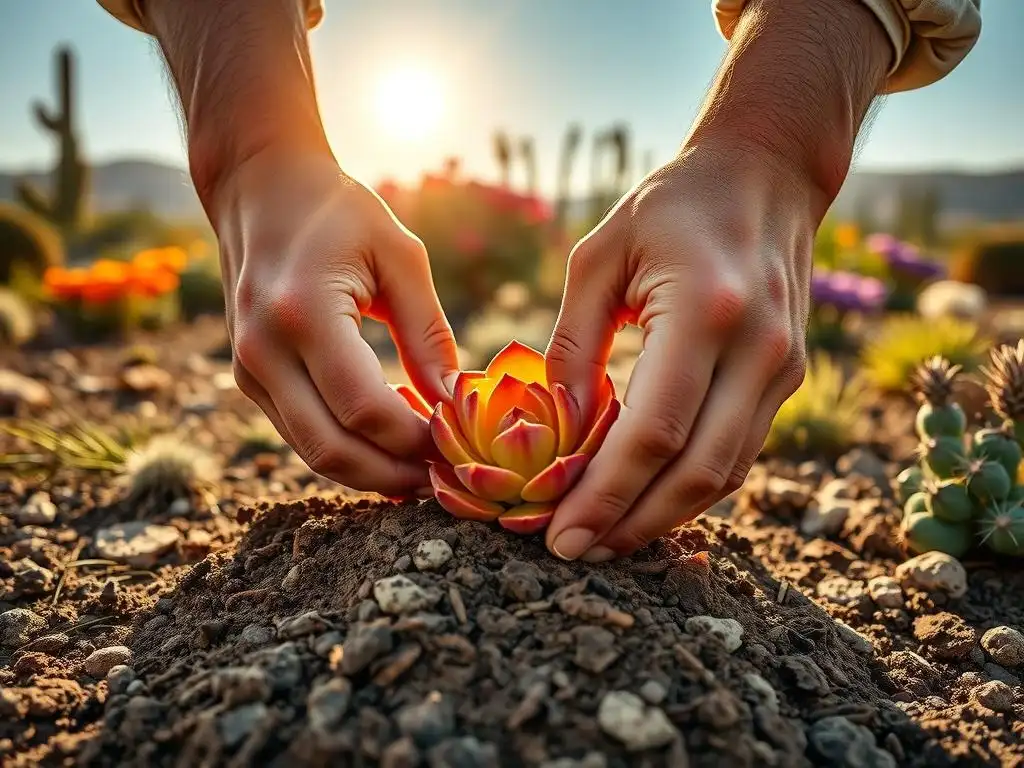
This section focuses on the crucial preparatory steps for successfully growing native plants in hot climates. Mastering these techniques will significantly improve your chances of a thriving, vibrant garden, even under intense heat. Remember, choosing the right native plants for your specific region is paramount, but proper preparation is equally vital for their success. We'll explore key aspects to ensure your native plants flourish, even in the most challenging conditions. This will help you effectively grow native plants hot climates.
Soil Preparation: Improving Drainage and Fertility
Effective soil preparation is the cornerstone of a successful garden, particularly in hot climates where water retention and nutrient availability can be challenging. Poor drainage leads to root rot, a common problem in hot, humid areas. Conversely, sandy soils drain too quickly, leading to dehydration. Therefore, amending your soil to achieve optimal drainage and fertility is critical for growing native plants successfully.
Many native plants thrive in well-drained soil, rich in organic matter. Before planting, conduct a soil test to determine its pH and nutrient levels. This will help you tailor your soil amendments accordingly. For heavy clay soils, incorporating organic matter such as compost, aged manure, or leaf mold improves drainage and aeration. These materials also enhance the soil's water-holding capacity, a crucial element in preventing drought stress. Aim for a soil structure that allows for easy water penetration while retaining enough moisture for the plant's needs.
Conversely, sandy soils benefit from the addition of organic matter to increase their water retention capacity. Mixing in peat moss, coconut coir, or composted materials will help create a more stable soil structure and prevent water from draining too quickly. Remember to work the amendments into the soil thoroughly to a depth of at least 12 inches to create a healthy root zone.
Regular soil testing, ideally annually, will help you monitor nutrient levels and adjust your amendments as needed. This proactive approach ensures your native plants have the optimal conditions for vigorous growth, making your efforts to grow native plants hot climates much more successful.
Creating a Mulch Layer to Retain Moisture and Suppress Weeds
Mulching is a vital practice for gardening in hot climates, offering several benefits that contribute to the health and resilience of your native plants. A well-maintained mulch layer acts as a protective barrier, helping to regulate soil temperature and moisture levels. In hot, dry conditions, mulch significantly reduces evaporation, keeping the soil cooler and moister for longer periods. This is especially crucial for newly planted natives that are still establishing their root systems.
Several organic mulches are suitable, including shredded bark, wood chips, straw, or composted leaves. Apply a layer of mulch 2-4 inches thick around your plants, taking care to keep it a few inches away from the stems to prevent rot. This layer helps suppress weed growth, reducing competition for water and nutrients.
Furthermore, as the mulch decomposes, it gradually enriches the soil, improving its fertility and structure. Regularly replenish the mulch layer as it breaks down to maintain its effectiveness throughout the growing season. This consistent effort will prove invaluable in helping you grow native plants hot climates and will significantly reduce the time and effort you spend on weeding.
Implementing Effective Irrigation Strategies for Hot and Dry Conditions
Efficient irrigation is crucial for successful gardening in hot climates. Overwatering can lead to root rot, while underwatering stresses plants and makes them vulnerable to pests and diseases. The key is to provide the right amount of water at the right time, considering factors like soil type, plant species, and weather conditions.
Drip irrigation or soaker hoses are highly effective methods for delivering water directly to the roots, minimizing evaporation and water waste. These systems also reduce the risk of fungal diseases that can thrive in consistently wet foliage. For newly planted natives, provide regular watering until they are established (typically 6-8 weeks). Once established, adjust your watering schedule based on rainfall and soil moisture levels.
Consider using a moisture meter to check soil moisture before watering. This helps prevent overwatering and ensures that your plants receive only the necessary amount of water. Also, consider the use of water-wise native plants and drought-tolerant varieties that require less frequent watering, making your efforts to grow native plants hot climates both effective and sustainable. Remember, deep, infrequent watering encourages deep root growth, making your plants more resilient to dry spells.
Selecting the Right Planting Time for Optimal Growth
Choosing the optimal planting time is crucial for the success of your native plants in hot climates. The intense heat and potential for drought necessitate careful consideration of the plant's specific needs and the local climate. Generally, planting in the early morning or late evening is recommended to minimize the impact of the sun's heat on young seedlings. This allows them to establish their root systems before the harshest part of the day.
For many native plants, the best time to plant is during the cooler months, often in spring or fall. This allows the plants to establish themselves before the summer heat arrives. However, this isn't a universal rule. Some desert-adapted species, for example, may thrive with a summer planting, particularly if you can ensure adequate watering during their initial establishment phase.
Always research the specific needs of the native plants you've chosen. Local nurseries or agricultural extension offices can provide valuable insights into the best planting times for your region and specific plant varieties. They can offer advice tailored to your microclimate and soil conditions, ensuring you maximize your chances of success.
Consider factors like average rainfall, typical temperature fluctuations, and frost dates when making your planting schedule. Careful planning during this phase significantly increases your chances of a thriving garden. Remember, a little research goes a long way in hot climates.
Soil Preparation: Creating the Ideal Foundation for Native Plants
Soil preparation is paramount when growing native plants in hot climates. The intense heat can quickly dry out the soil, leading to stress for young plants. Therefore, improving your soil's water retention capabilities is essential. This involves incorporating organic matter, such as compost, well-rotted manure, or leaf mold.
Adding organic matter not only improves water retention but also enhances soil structure, drainage, and nutrient content. For particularly sandy soils, consider adding clay to improve water retention, while for clay soils, adding sand can improve drainage. The goal is to create a well-draining soil that retains moisture effectively, preventing both waterlogging and excessive dryness.
Before planting, thoroughly till the soil to a depth of at least 12 inches (30 cm). This allows for better root penetration and reduces compaction. Remove any weeds or rocks that might compete with your plants for resources or hinder root growth. A soil test can provide invaluable information on your soil's pH and nutrient levels.
This allows you to amend the soil appropriately before planting, ensuring your native plants have the optimal conditions for growth. Remember, a healthy soil is the foundation for healthy plants, and this is especially crucial in hot and potentially arid conditions. Investing time in proper soil preparation will significantly increase your chances of success in cultivating your native plant garden.
Planting and Caring for Native Plants in Hot Climates
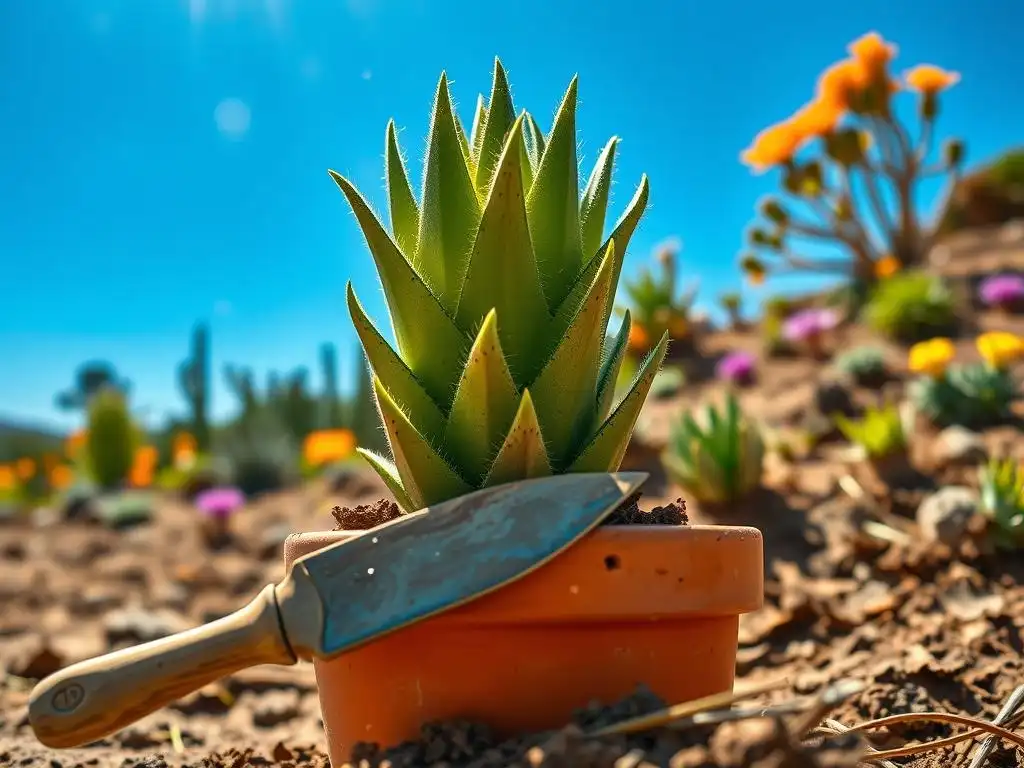
This section delves into the specifics of successfully establishing and maintaining native plants in hot climates. We'll explore the optimal planting techniques and ongoing care necessary to ensure thriving growth, even under intense heat conditions. Remember, choosing plants native to your specific region is crucial for their resilience and adaptability. This ensures they are naturally equipped to handle the local climate's challenges, minimizing the need for excessive intervention.
Step-by-Step Guide to Planting Native Plants
Planting native plants in hot climates requires careful timing and technique. The best time to plant is typically during the cooler months, either in early spring or late fall, avoiding the hottest part of the summer. Here's a step-by-step guide:
- Site Selection: Choose a location that receives the appropriate amount of sunlight for your chosen plant species. Many native plants thrive in full sun, but some prefer partial shade, especially during the hottest part of the day. Carefully read the plant's specific needs.
- Soil Preparation: Native plants often prefer well-drained soil. Amend heavy clay soils with compost or other organic matter to improve drainage and aeration. This is particularly important in hot climates where waterlogging can be detrimental.
- Planting: Dig a hole twice as wide as the root ball of your plant. Gently loosen the roots before placing the plant in the hole. Ensure the top of the root ball is level with the surrounding soil.
- Watering: Water deeply and thoroughly immediately after planting. This helps settle the soil around the roots and encourages establishment.
- Mulching: Apply a layer of organic mulch, such as wood chips or shredded bark, around the base of the plant. This helps retain soil moisture, suppress weeds, and regulate soil temperature. In hot climates, this is crucial for preventing excessive evaporation.
- Post-Planting Care: Monitor the plant regularly, especially during the first few weeks, to ensure it is receiving adequate water. Adjust watering frequency based on weather conditions and soil moisture levels.
Watering Techniques for Established and Newly Planted Species
Water management is critical for the success of native plants in hot climates. Newly planted species require more frequent watering than established ones, as their root systems are still developing.
- Newly Planted: Water deeply and regularly, especially during dry spells. Aim for consistent moisture without overwatering, which can lead to root rot. A soaker hose or drip irrigation system is ideal for delivering water directly to the roots, minimizing evaporation.
- Established: Established plants generally require less frequent watering. However, during prolonged periods of heat and drought, supplemental watering may be necessary. Deep, infrequent watering encourages deeper root growth, making the plants more drought-tolerant in the long run. Observe the soil moisture; water only when the top few inches feel dry.
Consider using a moisture meter to accurately gauge soil moisture levels. This helps prevent both underwatering and overwatering, which are equally detrimental. Remember that the watering needs will vary depending on the specific plant species, soil type, and weather conditions.
Essential Fertilizer and Soil Amendment Practices
While many native plants are adapted to low-fertility soils, providing the right nutrients can enhance their growth and vigor, especially in hot climates where nutrient depletion can occur rapidly.
Avoid using chemical fertilizers, which can harm beneficial soil organisms and pollute waterways. Instead, opt for organic amendments like compost, aged manure, or other nutrient-rich materials. These will gradually release nutrients, providing a sustained supply without causing a sudden surge in growth that might make the plant vulnerable to heat stress.
- Composting: Incorporating compost into the soil before planting improves soil structure, drainage, and fertility. Regular applications of compost throughout the growing season will provide a slow-release source of nutrients.
- Mulching (revisited): Mulching not only conserves moisture but also provides a slow release of nutrients as it decomposes. This is a natural and sustainable way to improve soil fertility without resorting to chemical fertilizers.
By following these practices – choosing the right plants, preparing the soil properly, and employing appropriate watering and fertilization techniques – you can successfully grow and maintain a thriving garden of native plants even in the hottest of climates. Remember that observation and adaptation are key to mastering the art of growing native plants. Pay close attention to your plants' individual needs and adjust your approach as necessary. Happy gardening!
Natural Pest and Disease Control for Native Plants
One of the significant advantages of growing native plants in hot climates is their inherent resilience to local pests and diseases. Because they've evolved alongside these organisms, they often possess natural defenses that non-native species lack. This reduces, and sometimes eliminates, the need for harsh chemical pesticides and fungicides, aligning perfectly with sustainable and organic gardening practices. However, this doesn't mean you can completely ignore pest and disease management. Proactive monitoring and the implementation of natural control methods are crucial for maintaining a healthy garden.
One effective strategy is to encourage beneficial insects. Ladybugs, lacewings, and praying mantises are voracious predators of common garden pests like aphids and mealybugs. Providing habitat for these beneficial insects, such as planting flowering herbs like dill and fennel, can significantly reduce pest populations. This approach is far more effective than relying solely on chemical interventions, which can disrupt the delicate balance of your garden ecosystem and harm beneficial insects along with the pests.
Another crucial aspect is maintaining good garden hygiene. Regularly removing weeds prevents competition for resources and reduces hiding places for pests. Proper watering techniques, avoiding overhead watering which can promote fungal diseases, also play a significant role. Consistent monitoring of your plants allows for early detection of any issues, enabling timely intervention before problems escalate. Look for signs of infestation, such as leaf discoloration, wilting, or the presence of insects. Early identification allows for less aggressive intervention, possibly just removing affected leaves or branches.
For more serious infestations, consider using natural remedies like neem oil or insecticidal soap. These organic options target pests without harming beneficial insects or pollinators. Always follow the instructions carefully and test a small area before applying them widely. Remember, prevention is always better than cure, and a healthy, well-maintained garden is less susceptible to pest and disease problems.
Choosing disease-resistant varieties of native plants is also a crucial step in proactive pest and disease management, ensuring a thriving garden with minimal intervention. The use of companion planting, where certain plants deter pests from others, can also be a powerful, natural way to keep your plants healthy. For example, planting marigolds near tomatoes is a well-known technique to repel certain tomato pests.
Harvesting and Utilizing Your Native Plant Harvest
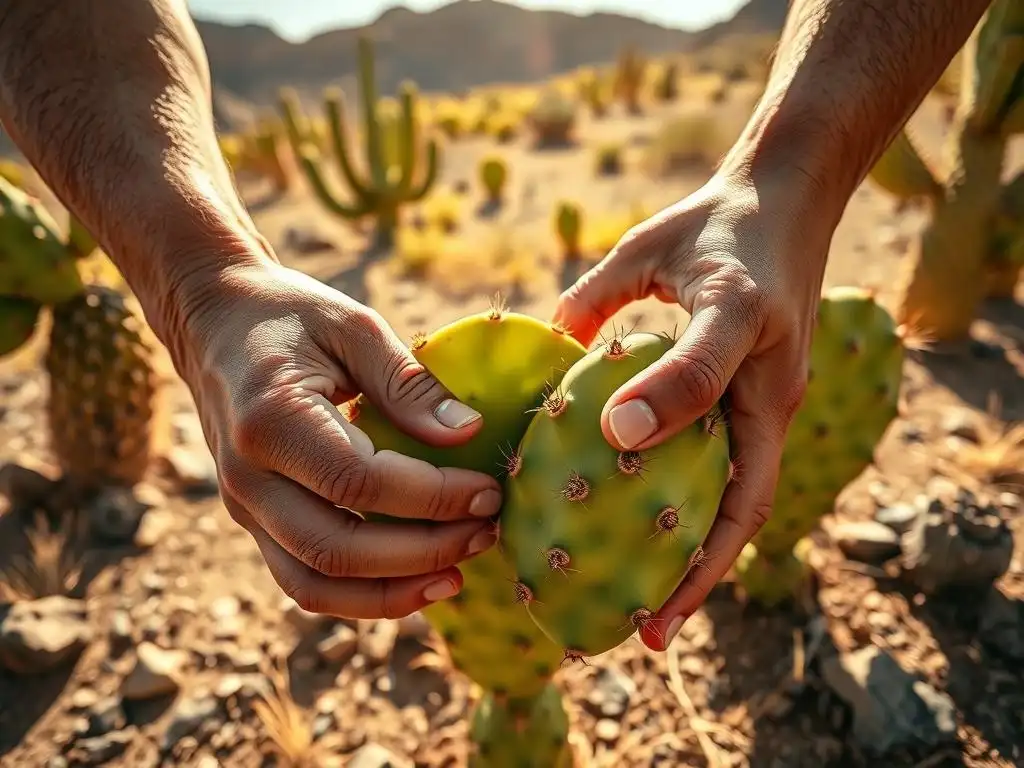
This section focuses on maximizing the yield and longevity of your native plant harvest in hot climates. Successfully growing native plants in these conditions is only half the battle; understanding how to harvest and preserve your bounty is crucial for year-round enjoyment and reduced food waste. Proper harvesting techniques, coupled with effective preservation methods, ensure you can savor the fruits (and vegetables!) of your labor long after the growing season ends. This is key to truly thriving with your garden and embracing sustainable, organic practices.
Identifying the Optimal Harvesting Time for Different Plants
Knowing when to harvest is as important as how. The ideal harvesting time varies significantly depending on the specific plant. For example, harvesting tomatoes too early results in a bland, acidic taste, while leaving them too long leads to splitting and disease. Similarly, peppers should be harvested when they reach their full color and firmness, indicating ripeness. Leafy greens like amaranth and various types of spinach are best harvested when young and tender, before they become bitter.
Here's a simplified guide, but always consult specific plant guides for optimal results:
| Plant Type | Optimal Harvesting Time | Signs of Readiness |
|---|---|---|
| Tomatoes | When fully colored and slightly soft to the touch | Rich color, slight give when gently squeezed |
| Peppers | When fully colored and firm | Vibrant color, firm texture |
| Leafy Greens (e.g., amaranth, spinach) | When young and tender, before bolting | Bright green color, delicate texture |
| Herbs (e.g., rosemary, oregano) | Harvest leaves regularly for continuous growth; flowers for seeds | Leaves are fragrant, flowers are fully opened and slightly dry |
| Root Vegetables (e.g., sweet potatoes) | After the foliage has died back and the soil is dry | Leaves withered, soil easily workable |
Remember to use sharp, clean tools to avoid bruising the plants. Harvesting early in the morning, when plants are hydrated, minimizes stress and damage. This careful approach ensures a plentiful and healthy harvest throughout the growing season.
Preserving and Storing Your Native Plant Harvest for Year-Round Use
Preserving your harvest extends its lifespan and allows you to enjoy the flavors of your garden year-round. Several methods are suitable for different plants, promoting minimal waste and maximizing the benefits of your hard work. This is especially critical in hot climates where spoilage can happen quickly.
- Freezing: Ideal for leafy greens, herbs, and some fruits. Blanch vegetables briefly before freezing to retain color and nutrients.
- Drying: Excellent for herbs and some fruits. Air drying or using a dehydrator allows for long-term storage. Dried herbs can be crushed and stored in airtight containers.
- Canning: A great method for preserving tomatoes, peppers, and other fruits and vegetables. Proper canning techniques are crucial to prevent spoilage.
- Pickling: Pickling adds a unique flavor profile and extends the shelf life of many vegetables, especially cucumbers and peppers.
- Root Cellaring: Suitable for root vegetables like sweet potatoes and carrots. Storing them in a cool, dark, and humid environment helps maintain their freshness for months.
Choosing the right preservation method depends on the plant and your preferences. Proper storage containers and techniques are essential for preventing spoilage and maintaining quality. Consider labeling your preserved items with the date to ensure optimal freshness.
Creative Culinary Applications of Native Plants in Hot Climates
Native plants often possess unique flavors and textures, perfect for enhancing your culinary creations. Their adaptability to hot climates makes them ideal for summer cooking. Experimenting with different preparations can unlock a world of culinary possibilities. Using native plants also promotes biodiversity and supports local ecosystems, aligning perfectly with sustainable and organic gardening principles.
Here are some ideas:
- Amaranth: Use tender leaves in salads or as a spinach substitute. The seeds can be cooked like rice or used as a grain.
- Chili Peppers: Incorporate them into salsas, sauces, stews, and chili. Experiment with different varieties for diverse levels of heat.
- Tomatoes: Perfect for sauces, salsas, juices, and even sun-dried tomatoes.
- Herbs (Rosemary, Oregano, etc.): Add to grilled meats, soups, stews, and sauces for aromatic complexity.
Don't be afraid to experiment! Try incorporating your native plants into familiar recipes or create entirely new dishes. The possibilities are endless, and the flavors are often surprisingly delicious. Researching traditional recipes that utilize native plants from your region can also provide inspiration and enhance your understanding of the plant's culinary uses. Remember to always wash your produce thoroughly before preparing it.
Recipes and Culinary Ideas using Native Plants
Many native plants offer surprising culinary uses, adding unique flavors and textures to your dishes. Understanding which parts of the plant are edible and how to prepare them is crucial. For example, prickly pear cactus pads (nopales) are popular in Southwestern cuisine. They can be grilled, sautéed, or even pickled, offering a slightly sour and refreshing taste. Remember to remove the spines carefully before preparing them! Their fruits, the prickly pears themselves, are incredibly versatile, used in jams, jellies, juices, and even candies.
Beyond nopales, many desert plants offer edible flowers, leaves, and fruits. Some desert wildflowers, such as certain species of Penstemon and Salvia, produce edible flowers that can be used to garnish salads or add a touch of vibrant color and subtle flavor to desserts. Always ensure you correctly identify the plant before consumption, as some flowers may be toxic.
Consider the diverse uses of native plants beyond the obvious. For instance, mesquite beans, after careful preparation (often involving soaking and boiling to remove tannins), can be ground into flour, used in baking, or even brewed into a coffee-like beverage. This not only expands your culinary repertoire but also showcases the resourcefulness of using locally sourced ingredients.
The key is to research the specific native plants growing in your region and explore their culinary potential. Numerous cookbooks and online resources are dedicated to native plant cuisine. Experimentation is key; start with small quantities and try different preparation methods to discover your favorite ways to incorporate these unique ingredients into your meals. Remember to always prioritize safety, correctly identifying edible plants and practicing safe harvesting techniques.
The rewards of using your homegrown native plants in your recipes are both delicious and satisfying, connecting you more deeply with your local ecosystem and its bounty. This sustainable approach to cooking reduces your carbon footprint and promotes biodiversity. Enjoy the adventure of discovering new flavors and textures through your native plant harvest!
Advanced Techniques for Thriving Native Plant Gardens in Intense Heat
This section delves into advanced strategies for cultivating native plants in hot climates, building upon the foundational knowledge of selecting appropriate species and preparing the soil. We'll explore techniques to optimize water usage, enhance soil health, and protect your plants from the most extreme heat stress. Mastering these techniques will significantly improve the resilience and productivity of your native plant garden, even in the harshest conditions. Successfully growing native plants in hot climates requires a commitment to proactive care and understanding the specific needs of your chosen species.
Advanced Irrigation Strategies: Drip Irrigation and Water-Wise Techniques
Efficient water management is paramount in hot climates. Simply watering deeply and infrequently isn't always sufficient, especially during prolonged heat waves. Advanced irrigation techniques like drip irrigation offer a superior solution. Drip irrigation delivers water directly to the roots, minimizing evaporation and runoff. This targeted approach reduces water consumption by up to 50% compared to traditional sprinkler systems, a crucial advantage during periods of water scarcity. Furthermore, the slow, consistent release of water encourages deeper root growth, making plants more drought-tolerant in the long run.
Beyond drip irrigation, several water-wise techniques further enhance efficiency. Mulching with organic materials like straw or wood chips helps retain soil moisture and suppress weeds, reducing evaporation. Consider using moisture-retentive soil amendments (discussed in the next section) to improve the soil's ability to hold water.
Regular monitoring of soil moisture with a soil moisture meter ensures you water only when necessary, preventing overwatering which can lead to root rot. Observing your plants closely for signs of wilting is also crucial; this indicates a need for immediate watering. Remember, the goal is to provide adequate moisture without creating overly saturated conditions.
Advanced Soil Management: Compost Tea and Organic Soil Amendments
Healthy soil is the foundation of thriving native plants, especially in challenging hot climates. While basic soil preparation is crucial, advanced soil management techniques unlock even greater potential. Compost tea, a liquid extract of composted organic matter, is a powerful soil amendment. It introduces beneficial microorganisms that improve soil structure, nutrient availability, and overall plant health. Applying compost tea regularly boosts the soil's biological activity, creating a more resilient and fertile growing environment for your native plants. It also helps plants better withstand heat stress by strengthening their root systems and immune responses.
Beyond compost tea, incorporating other organic soil amendments is highly beneficial. Adding well-rotted manure or other organic matter improves soil drainage, aeration, and water retention. This is particularly important in hot climates where soils can quickly dry out. Consider adding materials like coco coir or vermiculite to enhance soil structure and water-holding capacity.
Regular soil testing can help identify nutrient deficiencies and guide the application of appropriate organic fertilizers. Remember, building healthy soil is an ongoing process that requires consistent attention and nurturing. A rich, well-structured soil will significantly improve the growth and resilience of your native plants, even under intense heat.
Protecting Native Plants from Extreme Heat Stress
Even with optimal irrigation and soil management, extreme heat can still stress native plants. Proactive measures are essential to mitigate heat damage and ensure your garden's survival during heat waves. Providing shade during the hottest parts of the day, especially for young or newly transplanted plants, is crucial. This can be achieved using shade cloth, strategically placed larger plants, or even simple DIY structures.
Another effective strategy involves adjusting your watering schedule. Deep watering in the early morning or late evening minimizes evaporation and allows plants to absorb water before the peak heat of the day. Avoid watering during the hottest part of the day, as much of the water will simply evaporate before the plants can absorb it. Additionally, consider using anti-transpirant sprays on particularly vulnerable plants. These sprays reduce water loss through the leaves, helping plants conserve moisture during periods of extreme heat.
Finally, closely monitor your plants for signs of heat stress, such as wilting, leaf scorch, or stunted growth. Early detection allows for timely intervention, increasing the chances of plant survival and recovery. Remember, proactive protection is key to successfully growing native plants even in the most challenging hot-climate conditions. 🌱
Overcoming Common Challenges with Native Plant Cultivation in Hot Climates
Cultivating native plants in hot climates presents unique challenges, but with careful planning and diligent maintenance, success is achievable. One of the most significant hurdles is water stress. High temperatures coupled with intense sunlight can rapidly deplete soil moisture, leading to wilting and even plant death. To combat this, consider incorporating water-wise gardening techniques.
This includes selecting drought-tolerant native species known for their resilience to arid conditions. Furthermore, employing mulch around the base of plants helps retain soil moisture, reducing the frequency of watering. A thick layer of organic mulch, such as shredded bark or compost, can significantly reduce evaporation. Proper soil preparation is also crucial; amending sandy soils with organic matter improves water retention.
Another common challenge is heat stress. Prolonged exposure to extreme temperatures can damage plant tissues and reduce photosynthetic efficiency. Providing shade during the hottest part of the day, particularly for young or newly planted specimens, can significantly mitigate this risk. This can be achieved through the strategic placement of taller plants or the use of shade cloth. Additionally, choosing planting locations that receive morning sun and afternoon shade can make a substantial difference. Remember that even native plants have temperature tolerances; selecting species adapted to the specific microclimate of your garden is paramount.
Pest and disease management also presents specific difficulties in hot, dry climates. Higher temperatures can accelerate the life cycles of certain pests, increasing infestation rates. Integrated Pest Management (IPM) strategies, which emphasize preventative measures and the use of natural controls, are highly effective. This might include attracting beneficial insects like ladybugs that prey on common garden pests. Regular monitoring for signs of infestation is key for early intervention and preventing widespread damage. Furthermore, maintaining good plant health through proper watering and fertilization strengthens the plant’s natural defenses against diseases. Healthy plants are more resilient to pests and diseases.
Finally, understanding the specific needs of your chosen native plants is paramount. While they are adapted to the climate, they still require attention to their individual needs. Researching the specific water requirements, sunlight preferences, and soil conditions for each species ensures optimal growth. This detailed knowledge will allow you to proactively address potential issues and maximize the chances of a thriving garden.
Remember that patience and observation are key to successful native plant gardening in any climate. Don't be discouraged by initial setbacks; learn from each experience and adapt your approach accordingly. The rewards of a beautiful and resilient native plant garden are well worth the effort.
Frequently Asked Questions
What are the benefits of growing native plants in hot climates?
Native plants are adapted to your local climate, requiring less water and maintenance than non-native species. They also support local ecosystems by providing food and habitat for native wildlife. This leads to a more sustainable and resilient garden.
Which native plants thrive best in hot, dry climates?
Many succulents, such as agaves and yuccas, are excellent choices. Consider also drought-tolerant shrubs like creosote bush or flowering plants like desert marigolds. Research plants native to your specific region for the best results.
How do I find out which plants are native to my area?
Consult your local native plant society or botanical garden. Online resources, such as the USDA Plants Database, can also help you identify native species in your region. Your local nursery may also carry native plants.
What are some tips for successfully growing native plants in hot climates?
Proper soil preparation is crucial; amend heavy clay soils with organic matter. Ensure adequate drainage to prevent root rot. Water deeply but infrequently, allowing the soil to dry slightly between waterings.
How can I protect my native plants from pests and diseases?
Encourage beneficial insects by planting a diverse range of native plants. Use organic pest control methods like neem oil or insecticidal soap when necessary. Healthy plants are less susceptible to disease; proper watering and sunlight are key.
Final Reflection: The Resilient Garden: A Future Rooted in Native Plants
The urgent need for climate-resilient agriculture is undeniable, and embracing native plants offers a powerful solution for thriving in increasingly hot climates. Ignoring this opportunity means overlooking a wealth of resources readily available to us, resources that can significantly reduce our environmental footprint and enhance food security in the face of a changing world.
The shift towards cultivating native plants is more than just a gardening trend; it's a fundamental reimagining of our relationship with the land. It's about recognizing the inherent wisdom of ecosystems that have evolved over millennia to withstand extreme conditions. The land nourishes us. We must learn to nourish the land in return.
This simple truth underscores the interconnectedness of our well-being and the health of our environment. My own journey in exploring native plant cultivation has been a profound learning experience, revealing the beauty and resilience of nature's own solutions. It's a journey I hope many more will embark upon.
Now, consider your own garden, your own community. What native plants thrive in your region? What role can you play in fostering a more resilient and sustainable food system? I invite you to explore the possibilities, to experiment with native species, and to share your discoveries. Let's cultivate a future where our gardens are not only beautiful but also vital contributors to a healthier planet and a more secure food supply for generations to come.
Unleash Your Inner Gardener: Thrive with Native Plants!
Thank you for exploring the world of native plants and how they can benefit your garden, even in the hottest climates! You've learned valuable techniques for creating a resilient and beautiful outdoor space. Now it's time to apply that knowledge.
- Start small: Begin by adding a single native plant to your garden this week. Even a small addition will make a positive impact. Consider the plants discussed in this article for inspiration.
- Share your progress: Post a picture of your chosen native plant on social media using #NativePlantPower and tag @CultivateYourFood – let's inspire others!
- Learn more: Explore our comprehensive guide to selecting native plants for your region (available on our website).
Ready to transform your garden into a thriving oasis? Which native plant will you add to your landscape first?