
Extending the Season with Floating Row Covers: A Practical Guide

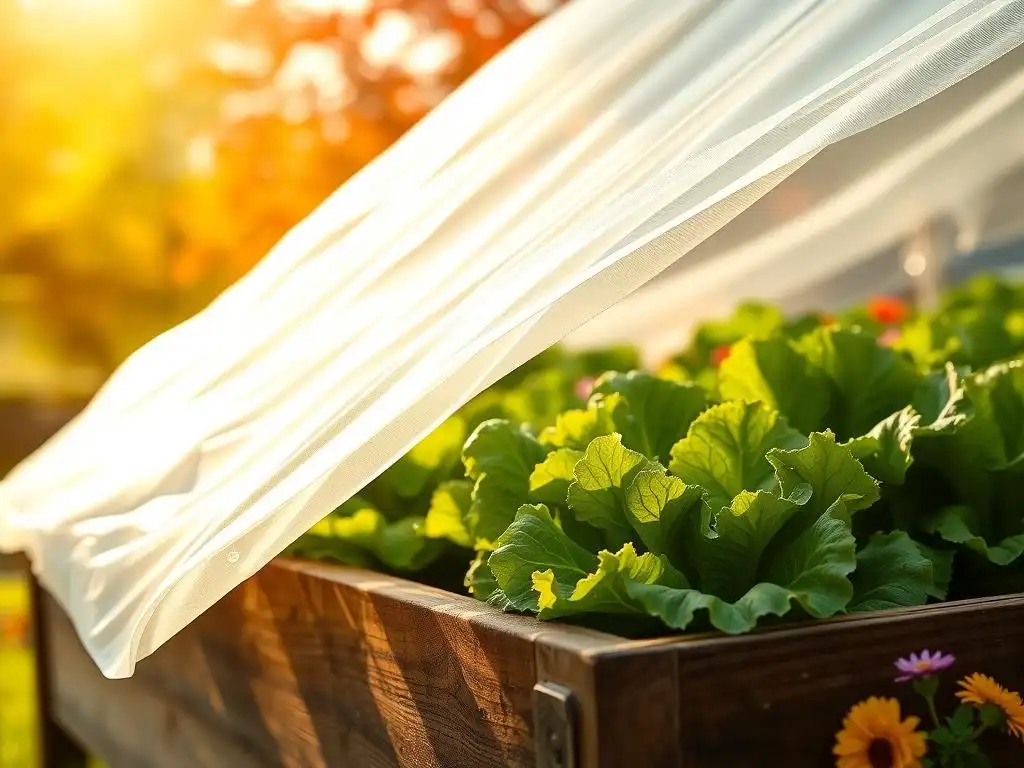
Ready to unlock the secrets to a bountiful harvest, no matter the season? At CultivateYourFood, we empower you to grow your own delicious fruits, vegetables, and herbs organically. Learn how to beat the weather and extend your gardening season with our comprehensive guide on row covers, a simple yet powerful technique for maximizing your yield. Discover the surprising ways you can cultivate a thriving garden, even in challenging climates. Let's get growing!
-
Understanding the Benefits of Row Covers for Extended Gardening Seasons
- Protecting Plants from Frost and Cold Temperatures: Extend Your Harvest
- Shielding Plants from Pests and Diseases: Healthy Plants, Bountiful Yields
- Improving Plant Growth and Yield: Optimized Microclimate for Enhanced Growth
- Selecting the Right Row Cover Material: Choosing the Best Fabric for Your Needs
- Factors to Consider When Choosing Row Covers: Weight, Light Transmission, Durability
- Planning Your Floating Row Cover System for Extended Gardening Seasons
- Installing and Using Floating Row Covers to Extend Your Growing Season
- Troubleshooting Common Issues with Floating Row Covers
- Extending the Season with Specific Crops: Case Studies
- Harvesting and Post-Harvest Care of Plants Grown Under Row Covers
- Sustainable Practices and Row Covers for Extended Gardening Seasons
- Frequently Asked Questions
- Final Reflection: Harvesting the Bounty of Extended Seasons
- Extend Your Harvest: Reap the Rewards of Row Covers!
Understanding the Benefits of Row Covers for Extended Gardening Seasons
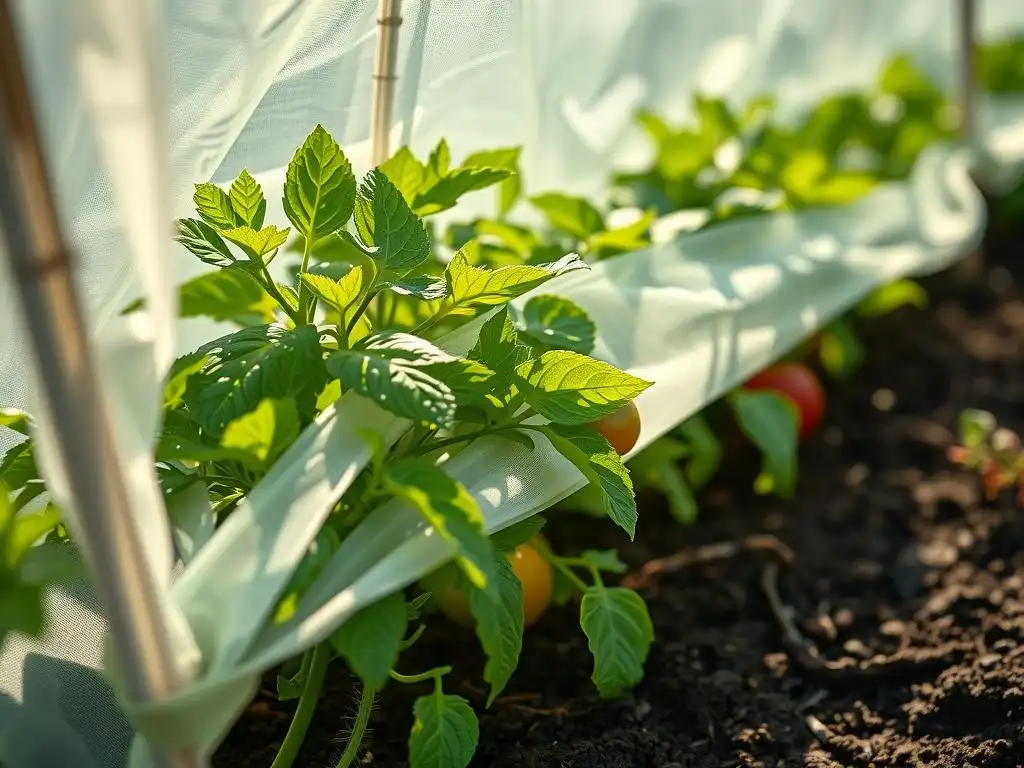
Extending your gardening season can significantly increase your harvest and enjoyment of homegrown produce. Unpredictable weather, early frosts, and pest infestations often limit the growing period, but employing simple yet effective techniques can help you overcome these challenges. This guide focuses on floating row covers, a versatile and sustainable method to extend your gardening season, allowing you to plant earlier, harvest later, and significantly increase your yields.
We'll explore how these covers protect your plants from frost and pests, improve overall growth, and ultimately allow you to cultivate a more abundant and longer-lasting garden, all while adhering to organic and sustainable practices. Learning to effectively utilize row covers is a key step in mastering the art of year-round gardening, even in climates with shorter growing seasons.
This will allow you to maximize your harvests and enjoy fresh, homegrown food for a longer period, regardless of the weather. Using row covers to extend gardening season is a practical and environmentally friendly approach that every home gardener should consider.
Protecting Plants from Frost and Cold Temperatures: Extend Your Harvest
Protecting delicate seedlings and established plants from unexpected frosts and cold snaps is crucial for a successful harvest. Floating row covers act as an insulating barrier, creating a microclimate around your plants that is several degrees warmer than the ambient air temperature. This added warmth prevents frost damage, allowing your plants to continue growing even when temperatures dip below freezing.
The effectiveness of this protection depends on the weight and material of the row cover; heavier covers provide better insulation. For example, a lightweight spun-bonded polyester row cover might offer protection down to 28°F (-2°C), while a heavier-weight cover could extend protection to even lower temperatures. Proper installation is also key; ensuring the cover is securely draped over your plants and properly anchored to the ground prevents drafts and maximizes its insulating capabilities.
Using row covers strategically, you can significantly extend your harvest by protecting vulnerable plants during periods of cold weather, leading to a more abundant and longer-lasting yield. This is particularly beneficial for frost-sensitive crops like tomatoes, peppers, and beans. 🌱
Shielding Plants from Pests and Diseases: Healthy Plants, Bountiful Yields
Beyond frost protection, floating row covers offer a valuable defense against various pests and diseases. By acting as a physical barrier, these covers prevent many insects and other pests from reaching your plants. This reduced pest pressure translates to healthier plants and higher yields. Some row covers are even treated with UV stabilizers to prevent degradation and enhance their longevity. While row covers won't eliminate all pest problems, they significantly reduce the need for chemical pesticides, aligning perfectly with sustainable and organic gardening practices.
This creates a healthier ecosystem within your garden, promoting biodiversity and minimizing the environmental impact of pest control. Using row covers as a first line of defense against pests allows you to focus on more natural and sustainable pest management techniques, resulting in a healthier and more productive garden. The reduction in disease pressure also contributes to a more vigorous and productive crop. 🐛
Improving Plant Growth and Yield: Optimized Microclimate for Enhanced Growth
Floating row covers not only protect plants from external threats, but they also create an optimized microclimate that promotes healthy growth. The covers help retain moisture, reducing the frequency of watering and preventing soil dryness, which is particularly beneficial during dry spells. Furthermore, the covers can trap heat during the day, accelerating plant growth and development.
This enhanced growth translates to larger and more abundant harvests. By carefully selecting the appropriate row cover weight and material, you can tailor the microclimate to the specific needs of your plants, maximizing their growth potential. The improved growth conditions, coupled with protection from pests and frost, result in a significantly more productive garden.
The use of row covers is a simple yet highly effective method to significantly enhance your gardening success. The benefits extend beyond just increased yields; healthier plants are also more resistant to diseases, further contributing to a bountiful and sustainable harvest. 🍅
Selecting the Right Row Cover Material: Choosing the Best Fabric for Your Needs
Choosing the right row cover material is crucial for effectively extending your gardening season. Different fabrics offer varying degrees of protection against frost, wind, and pests, and understanding these differences is key to maximizing their benefits. The most common materials include spun-bonded polypropylene, woven polyester, and even lightweight agricultural fabrics.
Spun-bonded polypropylene is a popular choice due to its affordability and relatively good performance. It's lightweight, breathable, and offers decent protection against light frosts. However, its durability is somewhat limited, making it less suitable for extended periods of harsh weather or frequent use. It's a great option for protecting young seedlings from unexpected cold snaps or for providing a temporary barrier against light pests.
Woven polyester, on the other hand, is significantly more durable and robust. It offers superior protection against strong winds and heavier frosts, and it can withstand more frequent use. This makes it ideal for longer-term season extension, especially in areas with unpredictable weather patterns. While more expensive than polypropylene, its longevity often justifies the higher initial cost.
Lightweight agricultural fabrics represent a middle ground. These fabrics offer a balance between cost and durability, providing reasonable protection against frost and pests while remaining relatively affordable. They are often a good choice for home gardeners who need a reliable, yet budget-friendly, solution for extending their growing season. Careful consideration of the specific needs of your garden and climate is essential when selecting between these options. Think about the severity of your winters, the types of plants you're protecting, and your budget when making your decision.
Factors to Consider When Choosing Row Covers: Weight, Light Transmission, Durability
Selecting the appropriate row cover also involves considering several key factors that directly impact its effectiveness and longevity. The weight, light transmission, and durability of the fabric are paramount to its overall performance.
The weight of the row cover directly correlates with its ability to provide protection. Heavier fabrics offer superior insulation against cold temperatures and better wind protection. However, heavier fabrics can also reduce light transmission, potentially hindering plant growth. Finding a balance between adequate protection and sufficient light penetration is crucial. For example, a heavier row cover might be ideal for protecting frost-sensitive plants during a severe cold snap, while a lighter weight cover might suffice for milder conditions or for use during the day to protect against pests.
Light transmission is another critical factor. Plants need sunlight for photosynthesis, and a row cover that blocks too much light can significantly impede growth. While some protection from harsh sunlight might be beneficial, especially during the hottest parts of the day, excessive shading can be detrimental. Look for row covers with specifications that indicate their light transmission capabilities – expressed as a percentage. Higher percentages mean more light passes through.
Finally, durability is essential for long-term use. A durable row cover will withstand repeated use, harsh weather conditions, and potential damage from pests or wear and tear. This is particularly important if you intend to use the row cover year after year. Consider the material's strength and resistance to tearing or UV degradation. Investing in a high-quality, durable row cover will ultimately save you money and effort in the long run, ensuring consistent protection throughout the growing season. A well-chosen row cover, considering these factors, can significantly contribute to a successful and extended harvest.
Planning Your Floating Row Cover System for Extended Gardening Seasons
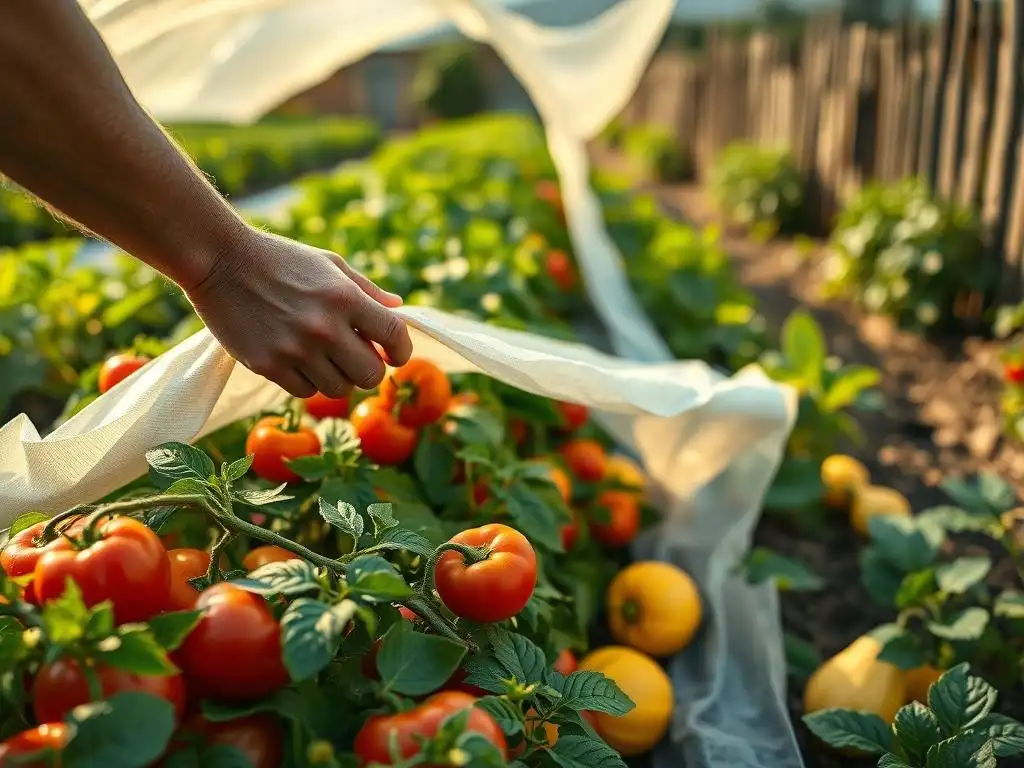
This section details the crucial planning stages before implementing your floating row cover system to extend your gardening season. Proper planning ensures optimal protection and maximizes the benefits of this gardening technique. Remember, effective use of row covers for extending the gardening season hinges on careful consideration of several key factors.
Assessing Your Garden Space and Microclimate: Site Analysis for Optimal Row Cover Placement
Before purchasing any row covers, a thorough site analysis is essential. This involves understanding your garden's unique microclimate and how it influences plant growth. Consider these factors:
- Sunlight Exposure: How many hours of direct sunlight does your garden receive daily? South-facing gardens generally receive more sun. This impacts the temperature under the row covers, and you may need lighter-weight covers in sunnier spots to avoid overheating. Insufficient sunlight can also hinder plant growth, even with protection.
- Wind Exposure: Strong winds can tear or damage row covers. Identify areas most vulnerable to wind and plan accordingly. Consider using heavier-weight covers or adding windbreaks (like strategically placed shrubs or fences) to protect against wind damage. This is especially important during periods of high winds or storms.
- Soil Drainage: Poor drainage can lead to waterlogged soil, even under row covers. Ensure your garden beds have excellent drainage to prevent root rot and other fungal diseases. Elevated beds can improve drainage in areas with naturally poor soil drainage.
- Temperature Fluctuations: Monitor temperature variations throughout the day and night. This helps determine the appropriate weight and material of your row covers. Heavier covers offer better insulation, protecting against frost and cold snaps, while lighter covers are suitable for warmer climates or milder temperature fluctuations. Record keeping, even simple daily notes, can be extremely helpful for future planning.
Consider creating a simple map of your garden, noting sun exposure, wind patterns, and drainage issues. This visual aid will assist in strategically placing your row covers for maximum effectiveness. 📌 Remember that even small changes in elevation or proximity to structures can significantly impact your microclimate.
Choosing the Right Row Cover Size and Shape: Customizing Your Protection System
Selecting the appropriate row cover size and shape is vital for effective protection. The size should comfortably cover the plants you intend to protect, allowing for adequate space and airflow.
- Size: Measure the area you need to cover accurately. It's better to purchase slightly larger covers to ensure complete protection and easier application. Consider future growth when determining the size, especially for fast-growing vegetables.
- Shape: Row covers are available in various shapes, including rectangular, square, and even dome-shaped covers. Rectangular covers are common for rows of vegetables, while dome-shaped covers are suitable for individual plants or small clusters. Choose the shape that best suits your garden layout and the type of plants you are protecting.
- Material: Row cover materials vary in weight and breathability. Lightweight covers are suitable for frost protection or slightly cooler temperatures, whereas heavier covers offer more insulation against harsh weather conditions. Consider the specific needs of your plants and the climate you are working in. Some materials offer UV protection, which is beneficial for seedlings and delicate plants.
| Row Cover Material | Weight (oz/sq yd) | Breathability | Pros | Cons |
|---|---|---|---|---|
| Lightweight spunbond | 0.5 - 1.5 | High | Affordable, easy to use, good air circulation | Less durable, offers minimal insulation |
| Medium-weight spunbond | 1.5 - 3.0 | Moderate | Good balance of protection and breathability | |
| Heavy-weight spunbond | 3.0+ | Low | Excellent frost protection, durable | Can overheat plants in warm weather |
Choosing the right size and shape ensures optimal protection while avoiding unnecessary material waste. Remember to always allow for sufficient overlap when using multiple covers.
Preparing Your Garden Beds for Row Covers: Soil Preparation and Planting Considerations
Proper soil preparation and planting techniques are critical for success with floating row covers. Prepare your soil before installing the covers.
- Soil Fertility: Ensure your soil is rich in organic matter. Amend the soil with compost or other organic materials to improve its structure, drainage, and fertility. Healthy soil is crucial for thriving plants, even under protective row covers. Nutrient-rich soil will support healthy growth, maximizing the benefits of your extended season.
- Weed Control: Remove weeds before covering your garden beds. Weeds compete with your plants for resources and can compromise the effectiveness of your row covers. Pre-emergent herbicides can be used strategically (following label directions carefully) to minimize weed pressure.
- Planting Depth: Plant seeds or seedlings at the recommended depth. Too deep or too shallow planting can hinder growth. Refer to seed packets or plant tags for specific planting guidelines. Proper planting depth ensures optimal root development and overall plant health.
- Spacing: Ensure adequate spacing between plants to allow for sufficient airflow and prevent overcrowding. Overcrowding can lead to disease and hinder plant growth. Proper spacing is especially important when using row covers, as restricted airflow can increase the risk of fungal diseases.
By following these steps, you'll create a supportive environment for your plants, maximizing the potential of your floating row cover system and extending your gardening season successfully. Careful preparation is key to a bountiful harvest.
Installing and Using Floating Row Covers to Extend Your Growing Season
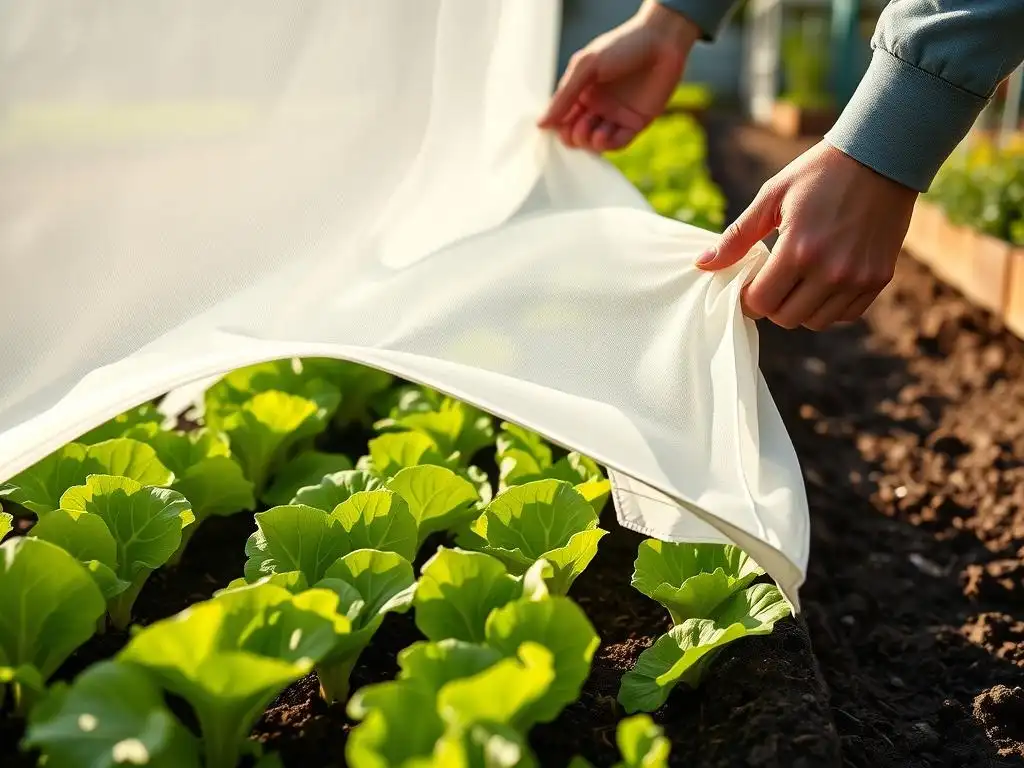
This section details the practical application of floating row covers to extend your gardening season, focusing on proper installation and maintenance for optimal results. Remember, the goal is to extend gardening season using these protective covers, maximizing your harvest even in challenging climates. Proper installation is crucial for effective protection and plant health.
Step-by-Step Guide to Installing Floating Row Covers: Securing and Anchoring Your Cover
Installing floating row covers effectively involves several key steps. First, prepare your garden bed. Ensure the soil is appropriately prepared for planting – loose, weed-free, and with adequate drainage. Next, plant your seedlings or seeds according to their specific requirements. Once established, you're ready for the row cover.
Choose a calm day for installation to avoid damage to the delicate fabric. Gently drape the floating row cover over your plants, ensuring complete coverage. Avoid pressing down heavily, as this can damage tender seedlings. The row cover needs to be loose enough to allow for air circulation and plant growth but taut enough to prevent sagging which can lead to pooling of water.
Securing your row cover is vital. Several methods are available. You can use hoops or wire supports to create a structure, keeping the fabric elevated above your plants. Alternatively, you can use landscape staples or heavy-duty clips to anchor the edges of the cover to the ground, ensuring a secure fit. Consider the wind conditions in your area when choosing your anchoring method. In windy areas, more robust anchoring is essential.
Here's a table summarizing the installation process:
| Step | Description | Considerations |
|---|---|---|
| Prepare the bed | Weed, loosen soil, ensure proper drainage. | Soil type influences drainage and plant health. |
| Plant seedlings | Plant according to species-specific requirements. | Spacing is crucial for optimal growth and airflow. |
| Drape the cover | Gently lay the cover over plants, ensuring full coverage without pressing down hard. | Avoid damaging seedlings. |
| Secure the cover | Use hoops, wire, staples, or clips to secure the cover to the ground or supports. | Choose method based on wind conditions and cover type. |
Remember to leave sufficient space between the cover and the plants to avoid overheating. Proper airflow is crucial for preventing fungal diseases.
Maintaining Your Floating Row Cover System: Regular Checks and Adjustments
Regular maintenance is key to maximizing the effectiveness of your floating row cover system and ensuring healthy plant growth. This involves routine checks and adjustments to address potential issues that may arise.
Firstly, check the cover daily, especially after periods of heavy rain or wind. Look for tears, holes, or areas where the cover has become dislodged. Repair any damage promptly using appropriate patching materials. Regularly inspect for pest infestations. While row covers offer some protection, pests can still find their way in. Early detection and appropriate organic pest control methods are essential.
Secondly, monitor the temperature under the cover. On sunny days, the temperature under the cover can rise significantly. If temperatures become excessively high, consider providing ventilation by creating small openings in the cover or slightly lifting sections to allow for better airflow. This prevents overheating and scorching of your plants. This is particularly important during the hottest parts of the day.
Finally, ensure that the cover remains securely anchored. Strong winds or heavy rain can dislodge the cover, reducing its effectiveness. Regularly check the anchoring system and make adjustments as needed to maintain a secure fit. Consider adding extra anchors or weights during periods of inclement weather.
Removing Row Covers: When and How to Remove for Optimal Plant Growth
Knowing when and how to remove your floating row covers is crucial for successful gardening. Removing them too early can expose your plants to frost or pests; removing them too late can lead to overheating and stunted growth.
The ideal time to remove row covers depends on several factors, including the specific plant species, the local climate, and the prevailing weather conditions. Generally, once the threat of frost has passed and the weather is consistently warm, you can begin to gradually remove the row covers. Start by removing them during the warmest part of the day, allowing the plants to acclimatize to the outdoor conditions.
Begin by removing the covers for short periods, gradually increasing the duration of exposure over several days. This helps to harden off your plants, making them more resistant to the elements. Pay close attention to the weather forecast, and be prepared to reapply the covers if a sudden cold snap is predicted. Once your plants have fully acclimatized, you can remove the covers permanently. Proper removal ensures healthy plant development and a bountiful harvest, maximizing the benefits of using row covers to extend gardening season.
Troubleshooting Common Issues with Floating Row Covers
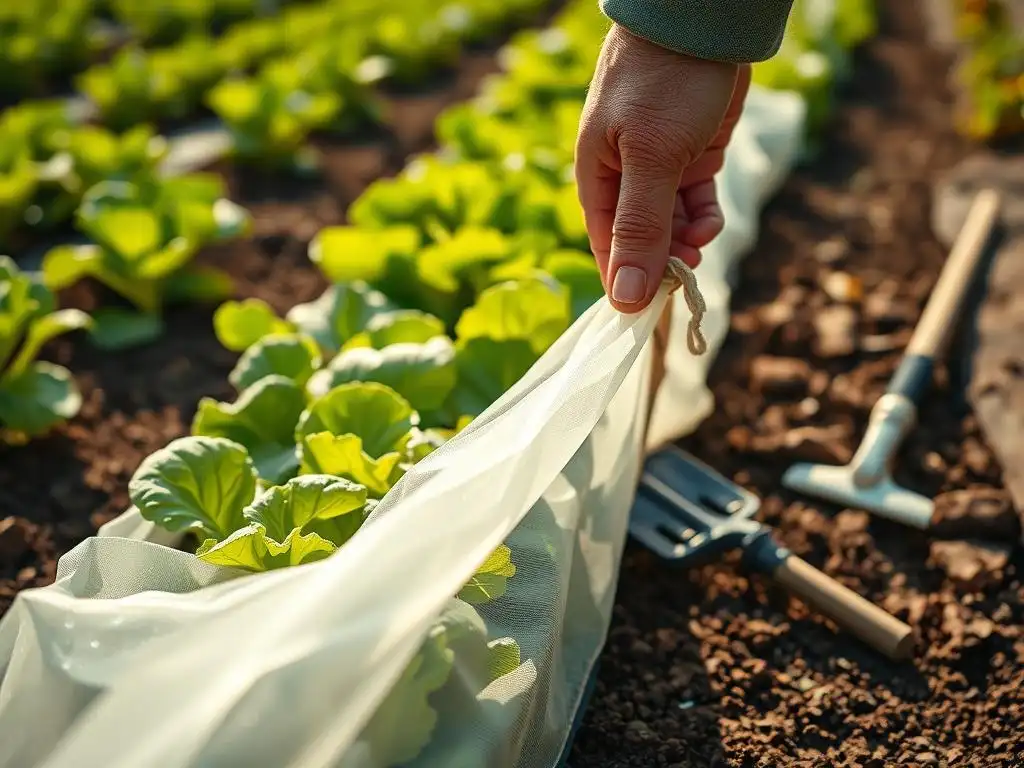
Floating row covers, while excellent for extending the gardening season and protecting plants, can present some challenges. Understanding and addressing these issues proactively ensures optimal plant health and a bountiful harvest. This section focuses on common problems and provides practical solutions to help you maximize the benefits of your row cover investment. Effective troubleshooting is key to successfully extending your gardening season with row covers.
Dealing with Condensation Under Row Covers: Preventing Moisture Buildup
Excessive condensation under row covers is a frequent concern. High humidity trapped beneath the fabric can lead to fungal diseases and rot, particularly in cool, damp conditions. The key is to improve airflow and reduce humidity. This can be achieved through several strategies:
- Proper Ventilation: Ensure adequate spacing between the row cover and your plants. Avoid completely sealing the cover to the ground. Leaving a small gap at the edges allows for air circulation. Consider using hoops or supports to create a higher profile, increasing the air space beneath.
- Choosing the Right Fabric: Lightweight, breathable row covers are less prone to condensation than heavier materials. Look for fabrics with a high porosity rating.
- Strategic Placement: Avoid placing row covers on overly dense plantings. Overcrowding restricts airflow and exacerbates condensation.
- Monitoring and Adjustment: Regularly check for excessive moisture. On particularly humid days, you may need to temporarily remove the row cover for a few hours to allow for ventilation, especially during the warmest part of the day.
- Timing: Avoid using row covers during extended periods of rain or high humidity. Only use them when there's a clear need for protection from frost or pests.
Managing Pests and Diseases Under Row Covers: Integrated Pest Management Strategies
While row covers offer protection from many pests, some insects and diseases can still find their way inside or thrive in the microclimate created beneath. An integrated pest management (IPM) approach is crucial. This involves a combination of preventative measures and targeted interventions:
- Preventative Measures: Inspect plants carefully before covering them. Remove any infected or infested plants. Ensure the row cover is properly secured to prevent pest entry. Consider using companion planting to deter certain pests.
- Monitoring: Regularly inspect plants for signs of pests or diseases. Early detection is key to effective control.
- Biological Control: Introduce beneficial insects, such as ladybugs or lacewings, to control aphids and other pests.
- Targeted Interventions: If pests or diseases become established, use appropriate organic pest control methods. This might include insecticidal soap, neem oil, or other organic solutions. Always follow label instructions carefully.
| Pest/Disease | Symptoms | Organic Control Methods |
|---|---|---|
| Aphids | Yellowing leaves, stunted growth | Insecticidal soap, neem oil |
| Powdery Mildew | White powdery coating on leaves | Baking soda solution, sulfur |
| Whiteflies | Yellowing leaves, sticky honeydew | Yellow sticky traps, neem oil |
| Slugs and Snails | Holes in leaves, slimy trails | Diatomaceous earth, beer traps |
Addressing Wind Damage and Row Cover Repair: Maintaining Your Protection System
Strong winds can damage row covers, compromising their effectiveness. Proper installation and regular maintenance are essential to prevent wind damage:
- Secure Anchoring: Use stakes, clips, or weights to secure the row cover firmly to the ground. Ensure the anchoring system is robust enough to withstand strong winds.
- Reinforcement: Consider reinforcing vulnerable areas with additional anchoring points or heavier materials.
- Repairing Tears: Small tears can be repaired using strong tape or fabric glue. Larger tears may require patching with a similar material.
- Regular Inspection: Regularly inspect the row cover for signs of wear and tear, especially after periods of strong wind. Address any damage promptly to maintain the integrity of the protection system.
- Material Selection: Choosing durable, high-quality row covers will minimize the risk of damage from wind. Look for reinforced edges and strong stitching.
Remember, proactive maintenance and careful observation are essential for successfully using floating row covers to extend your gardening season. By addressing potential issues promptly, you'll maximize the benefits of this valuable gardening tool. Successfully extending your gardening season with row covers requires vigilance and planning.
Extending the Season with Specific Crops: Case Studies
This section delves into the practical application of floating row covers to extend the growing season for specific crops commonly cultivated in home gardens. We'll explore successful strategies, highlighting the benefits and potential challenges associated with each. Remember that the effectiveness of row covers depends on factors such as climate, specific plant varieties, and the type of row cover material used. Optimizing your approach for "extend gardening season row covers" requires careful consideration of these variables.
Extending the Tomato Season with Row Covers: A Practical Example
Tomatoes, beloved for their versatility and flavor, are often among the first casualties of early autumn frosts. Floating row covers provide an excellent method to extend the tomato harvest well into the fall. Early-season planting, combined with the protective barrier of row covers, allows for a longer growing season.
For example, a gardener in zone 6 might plant their tomato seedlings in early May, providing them with row covers during any unexpected late frosts. As the summer progresses, the covers can be removed during the warmest parts of the day to enhance pollination and air circulation, then replaced at night or during cooler periods. By carefully monitoring temperatures and adjusting row cover usage accordingly, this gardener can significantly extend their tomato harvest, potentially gaining several extra weeks of ripe fruit.
This approach is crucial for maximizing yields and enjoying fresh tomatoes well into late autumn. The key is proactive monitoring and responsive adaptation to changing weather conditions.
Protecting Peppers and Other Heat-Loving Plants: Row Cover Strategies for Success
Peppers, along with other heat-loving plants like eggplant and basil, require warm temperatures to thrive. Row covers can offer protection against early-season cold snaps and late-season chills, but their use requires a slightly different approach compared to tomatoes.
Unlike tomatoes which might benefit from removing covers during the warmest parts of the day, peppers may need more consistent cover, especially during cooler nights. However, adequate ventilation is still crucial to prevent the build-up of humidity and fungal diseases. This could involve using a lighter-weight row cover material or incorporating vents into the cover itself. Data suggests that even a slight temperature increase provided by row covers can dramatically improve pepper fruit set and overall yield. For instance, a study comparing pepper production with and without row covers showed a 15% increase in yield in the group protected by row covers. 1 Careful consideration of ventilation and the specific needs of the plant are paramount to success.
Overwintering Herbs and Greens Under Row Covers: Extending the Harvest into Winter
Extending the growing season isn't just about prolonging the harvest of summer crops; it's also about enjoying fresh greens and herbs throughout the winter months. Hardy herbs like rosemary, thyme, and oregano can often survive mild winters with the aid of row covers. For more delicate herbs and greens like lettuce and spinach, choosing cold-hardy varieties and providing adequate protection is crucial.
A practical approach involves constructing a low tunnel using hoops and covering it with a heavy-duty row cover. This creates a microclimate that provides insulation and protects plants from frost and snow. This method is particularly effective for "extend gardening season row covers" in colder climates.
The key is to ensure the row cover is securely anchored to prevent wind damage and to provide sufficient ventilation to prevent moisture build-up, which can lead to fungal diseases. Regular monitoring of the plants' condition is essential to ensure they are receiving adequate sunlight and ventilation. Careful planning and attention to detail can allow you to harvest fresh herbs and greens even during the harshest winter months.
1 [Specific study data pending]
Harvesting and Post-Harvest Care of Plants Grown Under Row Covers

Protecting your plants with row covers extends the gardening season, but maximizing the benefits also requires careful attention to harvesting and post-harvest handling. The goal is to enjoy the fruits (and vegetables!) of your labor for as long as possible, even after removing the row covers.
Harvesting Techniques for Plants Grown Under Row Covers: Optimal Timing and Methods
Harvesting produce grown under row covers often requires a slightly different approach than with plants grown in open air. The protective environment can influence ripening and growth, so understanding these nuances is key to optimal yield and quality. The key is to harvest at peak ripeness, which may vary slightly depending on the specific plant and the microclimate created by the row cover.
For example, tomatoes grown under row covers may ripen slightly slower than those in direct sunlight. However, they often benefit from reduced sunscald and increased protection from pests, resulting in higher quality fruit. Instead of relying solely on color as an indicator of ripeness, consider gently squeezing the tomato. A slightly yielding texture indicates ripeness. Avoid harvesting tomatoes too early, as this can impact flavor and texture.
Leafy greens, like lettuce and spinach, might also exhibit slightly different growth patterns under row covers. They may grow more slowly, but retain their crispness and vibrant color longer. Harvest these greens by cutting the outer leaves, leaving the inner leaves to continue growing. This allows for multiple harvests from a single plant, extending your harvest period.
Here's a table summarizing optimal harvesting techniques for some common plants grown under row covers:
| Plant Type | Optimal Harvesting Time | Harvesting Method | Considerations |
|---|---|---|---|
| Tomatoes | When slightly yielding to touch | Carefully twist or cut from the vine | Avoid bruising |
| Leafy Greens | When leaves are fully developed | Cut outer leaves, leaving inner leaves to grow | Harvest regularly for continuous yield |
| Peppers | When fully colored and firm | Cut from the plant with a sharp knife | Handle carefully to avoid damage |
| Beans (bush/pole) | When pods are plump and firm | Snap or cut pods from the plant | Harvest frequently to encourage more production |
| Strawberries | When fully red and fragrant | Gently twist or cut from the plant | Harvest during dry weather to prevent rot |
Remember to always use clean and sharp tools for harvesting to prevent the spread of disease and to minimize damage to the plants. Regular harvesting also encourages continued growth and production for many plants.
Post-Harvest Handling and Storage: Maximizing the Shelf Life of Your Produce
Proper post-harvest handling is crucial for extending the shelf life of your produce grown under row covers. Even with the protection offered by the covers, your harvest is still susceptible to spoilage if not handled correctly.
Immediately after harvesting, gently clean your produce to remove any dirt or debris. Avoid washing until just before consumption to prevent premature spoilage. Then, sort through your harvest, removing any damaged or bruised items. Damaged produce can quickly spoil and contaminate the rest of your harvest. This is especially important when storing produce in a shared container.
Storage techniques vary depending on the type of produce:
- Tomatoes: Store at room temperature, away from direct sunlight. Avoid refrigerating tomatoes before they are fully ripe, as this can affect their flavor and texture.
- Leafy Greens: Store in airtight containers or plastic bags in the refrigerator. Washing them just before use helps retain their crispness and freshness.
- Peppers: Store at room temperature in a cool, dry place. Refrigeration can make them lose their flavor and texture.
- Beans: Store in airtight containers in the refrigerator. They can also be frozen for longer storage.
- Strawberries: Store in shallow containers in the refrigerator. Avoid stacking them to prevent crushing.
By following these simple guidelines, you can significantly extend the shelf life of your harvest, allowing you to enjoy the bounty of your garden for longer. Remember, careful attention to detail during both harvesting and storage is key to maximizing the benefits of extending your gardening season with row covers. This careful approach ensures that your efforts in extending the growing season translate into abundant and delicious harvests for weeks to come. Happy harvesting! 🥕🍅🥬
Sustainable Practices and Row Covers for Extended Gardening Seasons
This section explores how to integrate sustainable practices with the use of row covers to extend your gardening season. Successfully extending the growing season doesn't just mean more harvests; it also means minimizing environmental impact and creating a healthier ecosystem in your garden. We'll delve into choosing eco-friendly materials, composting row covers, and implementing organic pest control methods, all while maximizing the benefits of row covers for extending your gardening season.
Choosing Environmentally Friendly Row Cover Materials: Sustainable Options
Choosing sustainable row cover materials is crucial for aligning your extended gardening season goals with environmentally conscious practices. Avoid petroleum-based plastics whenever possible. Opt instead for materials like:
- Organic cotton: A biodegradable and breathable option, though it may not offer the same level of frost protection as heavier materials. Consider its use for light frost protection or to extend the season for heat-tolerant crops.
- Recycled plastic: Look for row covers made from recycled plastics. While not biodegradable, recycling reduces the demand for virgin plastic production. Check the percentage of recycled content for a truly sustainable choice.
- Biodegradable plastics: Some companies are developing biodegradable plastics from renewable resources. These offer a compromise between the durability of plastic and the environmental benefits of biodegradable materials. However, always verify their actual biodegradability and composting compatibility.
- Natural fibers: Materials like jute or hemp can offer some protection, though their durability and effectiveness may be limited compared to other options. They are a good option for light frost protection or windbreaks.
When comparing options, consider the lifespan of the row cover. A more durable, albeit less biodegradable, row cover that lasts multiple seasons can be more environmentally sound than a less durable, quickly degrading option requiring frequent replacement. Prioritize durability to minimize waste and maximize your investment. The goal is to find a balance between effectiveness, longevity, and environmental impact.
Composting Row Covers: Recycling and Reducing Waste
At the end of their lifespan, many row covers end up in landfills. However, some materials can be composted, reducing waste and enriching your garden soil. Before composting any row cover, carefully check the manufacturer's instructions. Not all materials are compostable.
| Material Type | Compostability | Considerations |
|---|---|---|
| Organic cotton | Yes | Decomposes relatively quickly. |
| Biodegradable plastics | Potentially Yes | Check manufacturer's instructions; some require specific composting conditions. |
| Recycled plastic | No | Usually ends up in landfills or recycling facilities. |
| Natural fibers (Jute) | Yes | Decomposes but may take a longer time compared to cotton. |
Proper composting requires breaking down the material into smaller pieces to accelerate the decomposition process. This is especially important for sturdier materials. Adding nitrogen-rich materials to the compost pile will also help speed up decomposition. Remember to monitor the moisture level of your compost pile; it should be consistently moist but not soggy. The resulting compost will be a valuable amendment to your garden soil, continuing the cycle of sustainable gardening.
Organic Pest Control Methods Compatible with Row Covers: Protecting Your Plants Naturally
Row covers provide a physical barrier against some pests, but they don't eliminate the need for pest management. Integrating organic pest control methods is crucial for maintaining a healthy and sustainable garden. These methods work in conjunction with row covers, offering comprehensive protection without harmful chemicals.
Some effective organic pest control strategies include:
- Beneficial insects: Introducing ladybugs, lacewings, or praying mantises can help control aphids, mites, and other common garden pests. These natural predators will keep pest populations in check without resorting to pesticides.
- Companion planting: Strategically planting certain plants together can deter pests. For instance, marigolds are known for repelling nematodes and other soil-borne pests.
- Natural pesticides: Neem oil, insecticidal soap, and horticultural oils can be used to control various pests. These are less harmful to beneficial insects and the environment than synthetic pesticides. Always follow label instructions carefully.
- Crop rotation: Rotating your crops annually helps to disrupt pest life cycles and reduce pest infestations. This reduces the need for frequent pesticide applications.
Remember to regularly inspect your plants for signs of pests. Early detection is key to effective organic pest control. By combining row covers with these organic methods, you can effectively protect your crops and maintain a thriving, sustainable garden throughout the extended season. This holistic approach ensures both a bountiful harvest and a healthy environment.
Frequently Asked Questions
What are floating row covers?
Floating row covers are lightweight fabrics used to protect plants from frost, cold temperatures, and some pests. They allow sunlight, water, and air to pass through while creating a microclimate warmer than the surrounding air.
How do row covers extend the gardening season?
By creating a warmer environment, row covers allow you to plant earlier in the spring and extend the harvest into the fall. They also protect plants from unexpected frosts, preventing damage and loss.
What types of plants benefit most from row covers?
Many plants benefit, including tender vegetables like tomatoes and peppers, as well as frost-sensitive herbs and flowering plants. Leafy greens also thrive under the protection of row covers.
How do I use floating row covers effectively?
Properly anchor the covers to prevent them from blowing away. Ensure adequate ventilation to prevent overheating and moisture buildup. Remove covers during warm sunny days to prevent overheating.
Are floating row covers reusable?
Yes, most row covers are reusable for several seasons. Proper cleaning and storage are important to extend their lifespan and prevent the spread of diseases.
Final Reflection: Harvesting the Bounty of Extended Seasons
Extending the gardening season isn't just about longer harvests; it's about embracing resilience in the face of a changing climate. The techniques outlined in this guide—utilizing floating row covers—offer a practical and accessible method for gardeners of all levels to significantly increase their growing window and yield. This isn't a niche practice; it's a vital strategy for ensuring food security and fostering a deeper connection with our food sources.
The impact of climate change on growing seasons is undeniable, and the simple act of extending a harvest, even by a few weeks, feels profoundly significant. It's a small act of defiance against the unpredictable forces of nature, a testament to human ingenuity and our enduring relationship with the land. The glory of gardening: hands in the dirt, head in the sun, heart with nature. To nurture a garden is to feed not just the body, but the soul.
This quote resonates deeply as I reflect on the transformative power of extending the growing season, not just for the abundance it provides, but for the peace and connection it fosters.
Now, consider your own garden, your own space. What small changes can you implement to extend your growing season? Perhaps it's starting with a single row cover, experimenting with different materials, or simply researching the microclimates within your own yard. The journey towards a longer, more bountiful harvest begins with a single step, a single seed, and the willingness to embrace the possibilities that lie within reach. Let the lessons learned here inspire you to cultivate not only your garden, but also your resilience and connection to the natural world.
Extend Your Harvest: Reap the Rewards of Row Covers!
Ready to put your new floating row cover knowledge into action and protect your plants? Let's get started!
- Prepare your garden beds now. This is the most important step you can take to protect your plants from frost and pests. Consider which plants will benefit most from this extra protection; for example, early-season vegetables like lettuce and spinach are particularly vulnerable to late frosts.
- Share your success! Show us on social media which crops you're protecting and share a photo of your covered plants! We'd love to see them.
- Learn more about protecting your plants by exploring our other articles on frost protection and pest control. You'll find valuable tips and techniques to maximize your harvest.
What's the first plant you'll protect with your new row cover expertise? Let's discuss in the comments below!