
High Tunnels: The Ultimate Guide for YearRound Gardening

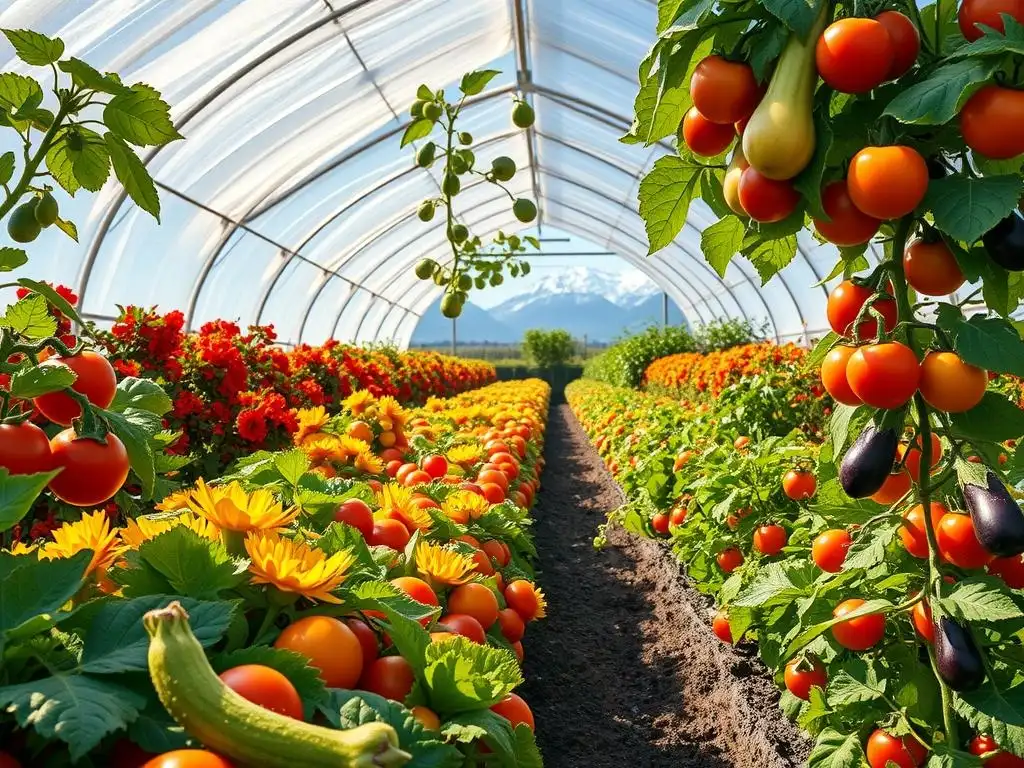
Ready to unlock the secrets to a bountiful harvest, no matter the season? At CultivateYourFood, we empower you to grow your own fruits, vegetables, and herbs organically. Discover the transformative power of year-round gardening high tunnels, and learn how to cultivate your food sustainably, from planting to pest control. Dive in and explore the ultimate guide to extending your growing season – your journey to a thriving garden starts now!
- What are High Tunnels and How They Enable Year-Round Gardening?
- Planning Your High Tunnel Garden: Site Selection and Design
- Building Your High Tunnel: A Step-by-Step Guide
- Year-Round Gardening Techniques Inside High Tunnels
- Maintaining Your High Tunnel for Optimal Performance
- Harvesting and Storing Your Year-Round Produce
- Case Study: A Successful Year-Round High Tunnel Garden
-
Frequently Asked Questions
- What are high tunnels and how do they enable year-round gardening?
- What are the benefits of using high tunnels for year-round gardening?
- What kind of materials are needed to build a high tunnel?
- What are some common crops suitable for year-round gardening in a high tunnel?
- What are the potential drawbacks of using high tunnels?
- Final Reflection: Harvesting the Future of Food, One High Tunnel at a Time
- Unlock the Secrets of Year-Round Harvesting!
What are High Tunnels and How They Enable Year-Round Gardening?
High tunnels, also known as hoop houses or polytunnels, are unheated structures that extend the growing season significantly, allowing for year-round gardening in many climates. These structures create a microclimate within their framework, protecting plants from harsh weather conditions such as frost, strong winds, and excessive rain while simultaneously improving soil temperature and humidity.
This controlled environment allows gardeners to plant and harvest crops much earlier in the spring and later in the fall, effectively extending the growing season by several months, and in some cases, enabling year-round production. This guide will delve into the specifics of high tunnel design, construction, benefits, and comparison to greenhouses, equipping you with the knowledge to determine if a high tunnel is the right solution for your year-round gardening aspirations.
Mastering the art of year-round gardening with high tunnels opens up exciting possibilities for fresh, homegrown produce throughout the year, reducing reliance on commercially grown options and embracing a sustainable, organic approach to food cultivation. Let's explore how these structures can revolutionize your gardening experience.
Defining High Tunnels: Structures and Materials
High tunnels are essentially low-cost, simple structures made of a flexible framework covered with a durable, translucent material. The framework typically consists of arched hoops, usually made of galvanized steel or PVC pipe, creating a tunnel-like shape. These hoops are anchored to the ground using sturdy posts or ground sleeves, providing stability. The covering material is most commonly polyethylene film, although other options like polycarbonate panels or woven fabrics are available, each offering varying degrees of durability, light transmission, and cost.
The size and shape of high tunnels vary greatly depending on the individual needs and available space. They can range from small structures suitable for backyard gardens to large-scale commercial operations. The design often incorporates features like vents and doors for temperature regulation and ventilation, ensuring optimal growing conditions within the structure.
Choosing appropriate materials is crucial for maximizing the lifespan and effectiveness of your high tunnel. For example, heavier gauge polyethylene film offers better durability against the elements but may be more expensive. Careful consideration of these factors is key to building a successful and long-lasting high tunnel for year-round gardening.
Benefits of High Tunnels for Extended Growing Seasons
The advantages of utilizing high tunnels for extending your growing season are numerous and significant. These structures offer several key benefits that make them a popular choice for both hobbyist and commercial gardeners aiming for year-round harvests:
- Extended Growing Season: High tunnels protect plants from frost and cold temperatures, allowing you to start planting earlier in spring and continue harvesting later into autumn. This directly translates into a longer growing season and increased yields.
- Improved Soil Conditions: The enclosed environment within a high tunnel helps retain soil moisture and warmth, creating ideal conditions for plant growth. This improved soil environment can lead to healthier plants and higher yields.
- Protection from Pests and Diseases: High tunnels provide a barrier against many common garden pests and diseases, reducing the need for pesticides and other chemical treatments, promoting organic growing practices.
- Increased Yields: By protecting plants from harsh weather and pests, high tunnels can significantly increase crop yields compared to outdoor gardening, leading to more abundant harvests throughout the year.
- Climate Control (to a degree): While unheated, high tunnels still offer some degree of climate control, allowing for adjustments to temperature and humidity through ventilation and other management techniques. This can be particularly useful in mitigating extreme weather conditions.
- Cost-Effectiveness: Compared to greenhouses, high tunnels are significantly more affordable to build and maintain, making them an accessible option for many gardeners.
High Tunnels vs. Greenhouses: Key Differences and Applications
While both high tunnels and greenhouses provide protection for plants, there are key differences that influence their suitability for specific applications:
| Feature | High Tunnel | Greenhouse |
|---|---|---|
| Heating | Typically unheated | Usually heated |
| Cost | Lower initial and maintenance costs | Higher initial and maintenance costs |
| Structure | Simple, arched frame | More complex structures, often with glass or polycarbonate panels |
| Light Transmission | Generally good, but can vary with material | Very good light transmission |
| Climate Control | Limited, relies on ventilation | More precise climate control capabilities |
| Ideal Application | Extending growing season, frost protection | Year-round growing of delicate plants, starting seeds, etc. |
High tunnels are ideal for extending the growing season and protecting crops from frost and harsh weather. Greenhouses, on the other hand, offer more precise climate control and are better suited for year-round cultivation of more delicate plants, seed starting, and situations requiring a more controlled environment. The choice between a high tunnel and a greenhouse depends on your specific gardening goals, budget, and climate.
Choosing the Right High Tunnel for Your Needs: Size and Materials
Selecting the appropriate high tunnel is crucial for successful year-round gardening. The size and materials you choose will directly impact your yield, ease of maintenance, and overall cost. Let's delve into the key considerations:
Size: The size of your high tunnel should be carefully planned based on your gardening ambitions and available space. A small high tunnel, perhaps 6 feet wide by 10 feet long, is ideal for a beginner or someone with limited space, perfect for growing a few select crops intensively. These smaller structures are easier to manage and less expensive to build or purchase. However, they offer limited space for crop diversification.
Larger high tunnels, ranging from 12 feet wide by 20 feet long to much larger structures, provide significantly more growing area. This allows for a greater variety of crops and potentially higher yields. However, larger high tunnels require more investment, more labor for maintenance (including ventilation and pest control), and may necessitate more sophisticated climate control systems to maintain optimal growing conditions throughout the year.
Consider the number of plants you intend to grow and the space required for each to ensure adequate spacing for growth and easy access for harvesting and maintenance. Remember to factor in aisle space for easy navigation within the tunnel.
Think about your future needs as well. Will your gardening ambitions expand? Choosing a slightly larger tunnel initially, even if it seems excessive at first, could save you from needing to purchase a larger structure in the future.
Materials: The choice of materials significantly impacts the high tunnel's durability, cost, and lifespan. Common materials include:
- Plastic: Polyethylene film is a popular and relatively inexpensive option. However, it has a shorter lifespan (typically 1-3 years) and may require replacement more frequently. Consider using heavier-gauge film for increased durability. UV-resistant films are essential to extend the lifespan of your structure.
- Polycarbonate: This material is more expensive than polyethylene but significantly more durable and longer-lasting (up to 10 years or more). It offers better light transmission and insulation, which is especially important for year-round growing.
- Metal Framing: Galvanized steel is the most common framing material, offering excellent strength and durability. However, it can be more expensive than other options. Consider the gauge of the steel – heavier gauge means greater strength and longevity. Powder-coated steel offers additional protection against rust and corrosion.
- PVC Framing: PVC is a lighter and less expensive alternative to steel, but it's less durable and may not withstand extreme weather conditions as well.
The optimal material choice depends on your budget, climate, and long-term goals. A balance between cost and durability is key. For year-round gardening, investing in more durable materials, even if initially more expensive, will likely pay off in the long run by reducing replacement costs and downtime. Consider the climate in your region; areas with heavy snowfall or strong winds will require a more robust structure.
Ultimately, careful consideration of size and materials is essential to building a high tunnel that effectively supports your year-round gardening aspirations. Don't rush the decision; research your options thoroughly to ensure you select the best high tunnel for your specific needs and budget. The right high tunnel will be a valuable investment that pays dividends for years to come.
Planning Your High Tunnel Garden: Site Selection and Design
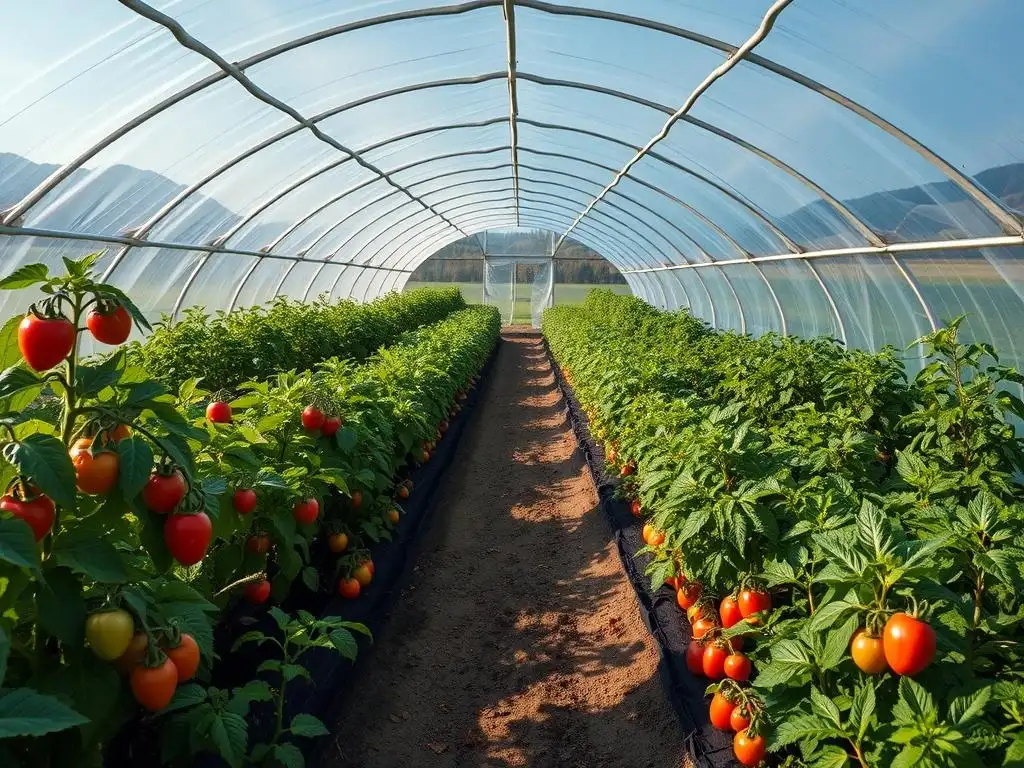
This section focuses on the crucial initial steps in establishing a successful year-round gardening high tunnel: site selection and design. Careful planning at this stage significantly impacts the productivity and longevity of your high tunnel operation. Optimizing these factors directly contributes to successful yearround gardening, maximizing yield and minimizing challenges.
Ideal Site Selection for Optimal Sunlight and Drainage
Choosing the right location for your high tunnel is paramount for year-round gardening success. Sunlight and drainage are the two most critical factors. Your high tunnel needs at least six hours of direct sunlight daily, ideally more. This requirement is especially crucial during shorter winter days. Compromising on sunlight will directly impact plant growth and yield, making year-round harvests challenging.
Consider the following when selecting your site:
- Sunlight Exposure: Use a solar compass or a sun tracking app to determine the sun's path across your property throughout the year. Document the hours of sunlight received at various locations. Aim for a south-facing slope (in the Northern Hemisphere) for maximum sun exposure.
- Drainage: Poor drainage can lead to waterlogged soil, root rot, and plant diseases, severely hindering your year-round gardening efforts. The soil should drain well, avoiding areas prone to flooding or standing water. A slight slope is beneficial to aid drainage. Conduct a simple drainage test by digging a hole and filling it with water. Observe how quickly the water drains.
- Wind Protection: High winds can damage your high tunnel structure and stress your plants. A location sheltered from prevailing winds is preferable. Existing trees or buildings can provide natural windbreaks.
- Accessibility: Ensure easy access to your high tunnel for planting, harvesting, and maintenance. Consider proximity to a water source and your home for convenient management.
Remember, even small variations in sunlight and drainage can significantly affect the success of your year-round gardening efforts. Thorough site assessment is crucial for long-term productivity. Don't rush this important step! The impact of a poorly chosen site can be devastating to your project.
Designing Your High Tunnel Layout for Efficient Space Utilization
Efficient space utilization within your high tunnel is key to maximizing yield in your year-round gardening operation. Careful planning of your layout ensures optimal use of the available area, contributing significantly to the success of your high tunnel gardening.
Here are some key design considerations:
- Row Spacing: Maintain appropriate spacing between rows to allow for easy access for planting, harvesting, and plant maintenance. Overcrowding can lead to poor air circulation, increased disease risk, and reduced yields. Consider the mature size of your plants when determining row spacing.
- Plant Spacing: Proper spacing between individual plants is crucial for optimal growth and yield. Overcrowding leads to competition for resources, resulting in smaller plants and reduced harvests. Research the specific spacing requirements for each crop you intend to grow.
- Pathways: Include wide enough pathways between rows to allow for easy movement and access to plants. Narrow pathways can make tending to your plants difficult and time-consuming.
- Crop Rotation: Plan your crop rotation to prevent soil depletion and the buildup of pests and diseases. Rotate crops annually to maintain soil health and maximize yields. This is especially important for successful year-round gardening.
- Vertical Space: Utilize vertical space by growing vining plants on trellises or other support structures. This maximizes space utilization and increases your overall harvest.
This careful planning translates to significant improvements in the efficiency and productivity of your high tunnel garden, contributing directly to the overall success of your year-round gardening project. A well-designed high tunnel layout is an investment in your long-term productivity.
High Tunnel Foundation Considerations: Preparing the Ground
Preparing the ground for your high tunnel is a critical step that directly impacts the success of your year-round gardening project. A solid foundation ensures stability and longevity for your high tunnel structure, while proper soil preparation optimizes plant growth.
Consider these aspects:
- Leveling the Ground: A level base is essential for a stable high tunnel structure. Use a level to check for unevenness and remove or add soil as needed to create a perfectly level surface. Uneven ground can cause stress on the structure, potentially leading to damage.
- Soil Preparation: Thorough soil preparation is crucial for healthy plant growth. This involves testing the soil's pH and nutrient levels and amending it as necessary. Amendments may include compost, manure, or other organic matter to improve soil structure, drainage, and fertility. This is essential for year-round gardening, as healthy soil is the foundation of successful harvests.
- Weed Control: Eliminate existing weeds before installing your high tunnel. Weeds compete with your plants for resources, reducing yields. Use appropriate methods like tilling or solarization to control weeds effectively. This crucial step will save you time and effort in the long run.
- Drainage System: Ensure adequate drainage to prevent waterlogging, which can damage your plants and the high tunnel's foundation. Consider installing a drainage system if necessary, particularly in areas with poor drainage. This is especially critical for year-round gardening, as excess moisture can be devastating during colder months.
Investing time in proper site preparation ensures a stable and productive high tunnel garden, maximizing your chances of successful year-round gardening. This step is not to be overlooked; it is fundamental to the success of your whole project.
Essential Tools and Materials for High Tunnel Construction
Constructing a high tunnel requires careful planning and the right tools. The specific materials will vary depending on the size and design of your high tunnel, but some essentials remain consistent. Investing in quality materials upfront will ensure longevity and minimize future repairs. Let's explore the key components.
First, you'll need a strong foundation. This could involve using pressure-treated lumber for the base, or even concrete blocks for added stability, particularly in areas prone to strong winds or heavy snowfall. The choice will depend on your budget and soil conditions. Remember to consider the longevity of your chosen material; pressure-treated lumber, while more expensive initially, offers superior resistance to rot and decay compared to untreated wood. For a truly sustainable option, consider reclaimed lumber, which reduces environmental impact and can often be sourced at a lower cost.
Next, the framing is crucial. High-quality galvanized steel pipes are a popular choice due to their durability and resistance to rust. However, other options like PVC pipes or even robust wooden framing are possible, although these may require more frequent maintenance. The strength of the framing directly impacts the high tunnel's ability to withstand harsh weather conditions. Ensure you select materials appropriate for your region's climate and potential extreme weather events. Pre-fabricated kits are also available, simplifying the construction process and often providing detailed instructions.
The covering material is equally vital. Polyethylene film is a cost-effective and widely used option, providing good light transmission. However, its lifespan is typically shorter than other materials, requiring replacement every few years. Consider UV-resistant polyethylene film to extend its lifespan. More durable options include polycarbonate panels or woven fabrics, offering superior longevity and greater protection from UV radiation and extreme temperatures. The choice depends on your budget and desired lifespan of your high tunnel.
Finally, don't forget the smaller but essential items: anchors for securing the structure to the ground, strong rope or twine for reinforcing the covering, and appropriate fasteners for assembling the frame. Having all these items on hand before you begin construction will ensure a smooth and efficient process. A detailed materials list, created based on your specific high tunnel design and chosen materials, will help avoid costly mistakes and delays. Remember to account for potential material waste and always buy slightly more than you initially estimate.
Building Your High Tunnel: A Step-by-Step Guide
This section details the construction of a high tunnel, a crucial step in achieving year-round gardening success. Building your own allows for customization based on your specific needs and space, offering a significant advantage over purchasing pre-fabricated models. Remember, proper construction is vital for maximizing the high tunnel's lifespan and its effectiveness in protecting your plants from harsh weather conditions. Careful attention to detail during each step will ensure a sturdy and long-lasting structure optimized for year-round gardening.
Step 1: Assembling the Frame Structure
The foundation of your high tunnel is its frame. A robust frame is essential for withstanding the stresses of wind, snow, and the weight of the covering material. Popular choices for framing materials include galvanized steel pipes, cedar posts, or even repurposed lumber (ensure it's pressure-treated for longevity). Before beginning construction, carefully review your chosen plans and gather all necessary tools and materials. This includes measuring tapes, levels, shovels, post hole diggers (if using posts), wrenches or pipe clamps (for metal frames), and appropriate fasteners.
The process typically involves:
- Preparing the Ground: Level the ground where your high tunnel will be located. Remove any rocks, weeds, or debris that could interfere with the foundation. For larger high tunnels, consider creating a slight slope to facilitate drainage.
- Setting the Foundation: Depending on your chosen frame material and soil conditions, you may need a solid foundation. This could range from simple ground anchors for lighter structures to concrete footings for larger, more permanent installations. This step is crucial for stability, especially in areas prone to strong winds or heavy snowfall.
- Assembling the Frame: Follow your chosen plans meticulously. This usually involves connecting the hoops or bows (the arched supports) to the end supports, creating the tunnel's shape. Ensure all connections are secure and the structure is plumb and level. Use appropriate fasteners and consider bracing for added stability, especially in windy locations. Regularly check for squareness throughout the assembly process. A slightly out-of-square frame will compromise the overall strength and longevity of your high tunnel.
Step 2: Installing the Covering Material (Plastic, Polycarbonate)
The covering material for your high tunnel is a key factor in its effectiveness. Common choices include polyethylene plastic sheeting (often UV-treated for longevity) and polycarbonate panels. Each offers distinct advantages and disadvantages in terms of cost, durability, light transmission, and lifespan.
- Polyethylene Plastic: This is a more economical option, offering good light transmission. However, it generally has a shorter lifespan than polycarbonate and is more susceptible to tearing. Careful handling during installation is crucial.
- Polycarbonate Panels: More expensive but significantly more durable, polycarbonate panels offer superior weather resistance and a longer lifespan. They are also more resistant to tearing and punctures. They provide better insulation, which can be beneficial in colder climates.
Regardless of your chosen material, ensure you have sufficient overlap between panels or sheets to create a waterproof seal. Many growers use overlapping seams secured with strong tape specifically designed for high tunnels. Consider using a UV-resistant tape to extend the lifespan of the covering. Overlapping is critical to preventing tears and water ingress.
Step 3: Securing the Covering and Ensuring Weather Resistance
Once the covering material is in place, securing it properly is paramount. Loose or improperly secured covering can lead to tears, damage from wind, and reduced effectiveness in protecting your plants. This step is crucial for year-round gardening, as it protects your crops from extreme weather conditions.
- Securing the Edges: Use strong clips, clamps, or weights to securely fasten the covering material to the frame. Ensure that the covering is taut but not stretched excessively, as this can weaken the material. Pay close attention to the edges and corners, as these are the most vulnerable points.
- Weatherproofing: Check for any gaps or tears in the covering material and repair them immediately. Consider using additional weather-resistant tape or sealant to reinforce seams and vulnerable areas. Proper sealing is particularly important in areas with high winds or heavy rainfall.
- Ventilation: Incorporate ventilation strategies into your design. This can be achieved through vents, roll-up sides, or other mechanisms that allow for air circulation and temperature regulation. Adequate ventilation is crucial for preventing the build-up of humidity and disease, which are common issues in enclosed growing environments. Proper ventilation is especially important during warmer months to prevent overheating. Consider the use of automated ventilation systems for larger high tunnels.
By following these steps meticulously, you will build a high tunnel that effectively extends your growing season and contributes to successful year-round gardening. Remember that regular maintenance is key to preserving the integrity and functionality of your high tunnel.
Step 4: Adding Ventilation and Climate Control Systems
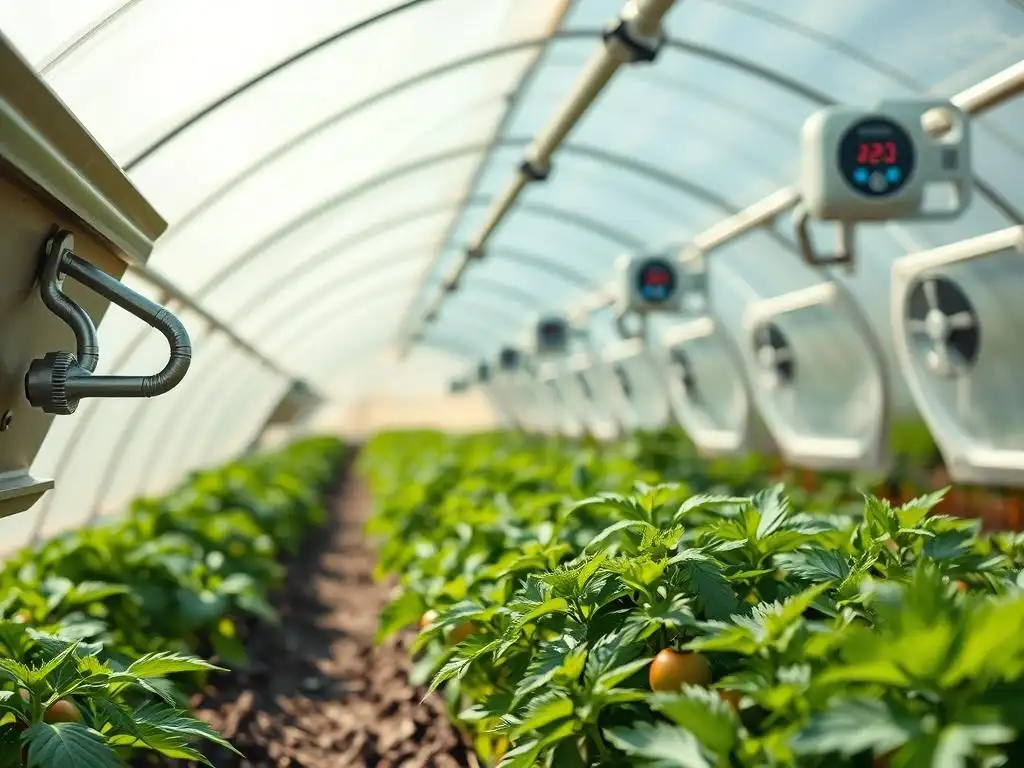
Proper ventilation and climate control are crucial for successful year-round gardening in a high tunnel. Without adequate airflow, humidity can build up, leading to fungal diseases and pest problems. Conversely, insufficient insulation can expose your plants to damaging temperature fluctuations. Therefore, careful planning and implementation of these systems are paramount.
Several options exist for ventilation. Simple roll-up sides, often made of plastic sheeting or woven fabric, offer a cost-effective solution for smaller high tunnels. These can be manually rolled up and down, providing control over airflow based on weather conditions. More sophisticated systems incorporate motorized vents that open and close automatically based on temperature sensors, offering greater convenience and precision. These automated systems are particularly beneficial for larger high tunnels or those located in areas with frequently changing weather patterns.
Climate control extends beyond ventilation. In colder climates, supplemental heating may be necessary, especially during the winter months. Options include propane heaters, electric heaters, or even geothermal systems, each with varying costs and efficiency levels. Careful consideration should be given to the size of your high tunnel and the desired temperature range when selecting a heating system. Remember to prioritize safety and follow all manufacturer instructions when installing and operating any heating equipment. Proper ventilation is crucial even with heating systems to prevent the buildup of combustion byproducts.
For warmer climates, shading solutions might be necessary to prevent overheating. This could involve the use of shade cloth or even specialized films that reflect sunlight. Monitoring internal temperatures using thermometers placed at various heights within the high tunnel is essential for fine-tuning your ventilation and climate control systems.
Regular adjustments are often required to maintain optimal conditions for plant growth throughout the year. Careful observation and data logging can help you optimize your system over time, leading to improved yields and healthier plants. Consider the specific microclimate of your location when designing your ventilation and climate control systems; factors like prevailing winds and sun exposure will significantly impact your choices.
Step 5: Preparing the Soil Inside the High Tunnel
Preparing the soil within your high tunnel is a critical step that directly impacts plant health and yield. Year-round gardening demands fertile, well-drained soil that can support consistent growth. Simply transferring existing soil might not suffice; thorough preparation is essential for optimal results.
Begin by removing any weeds, rocks, and debris from the area. Then, conduct a soil test to determine its pH level and nutrient content. This information will guide your soil amendment strategy. Amendments might include compost, aged manure, or other organic matter to improve soil structure, drainage, and fertility. The amount of amendment needed will depend on the initial soil test results. For example, sandy soils may require more organic matter to improve water retention, while clay soils may benefit from amendments to increase drainage.
The type of amendment you choose also matters. Compost, for instance, provides a slow-release source of nutrients and improves soil structure. Aged manure adds nutrients and organic matter, but ensure it's fully composted to avoid introducing weed seeds or pathogens. Consider incorporating cover crops before planting your main crops. Cover crops, such as clover or rye, can improve soil health, suppress weeds, and add nutrients. They can be tilled into the soil to enhance its fertility.
After amending the soil, thoroughly mix it to ensure even distribution of nutrients and organic matter. You might use a garden tiller or hand tools, depending on the size of your high tunnel and your preference. Finally, consider using raised beds or containers within the high tunnel. This can improve drainage, soil warming, and ease of management, particularly beneficial for year-round gardening where consistent soil conditions are vital. Proper soil preparation is an investment in the long-term health and productivity of your high tunnel garden. It is a foundational step that will significantly impact your success in year-round cultivation.
Year-Round Gardening Techniques Inside High Tunnels
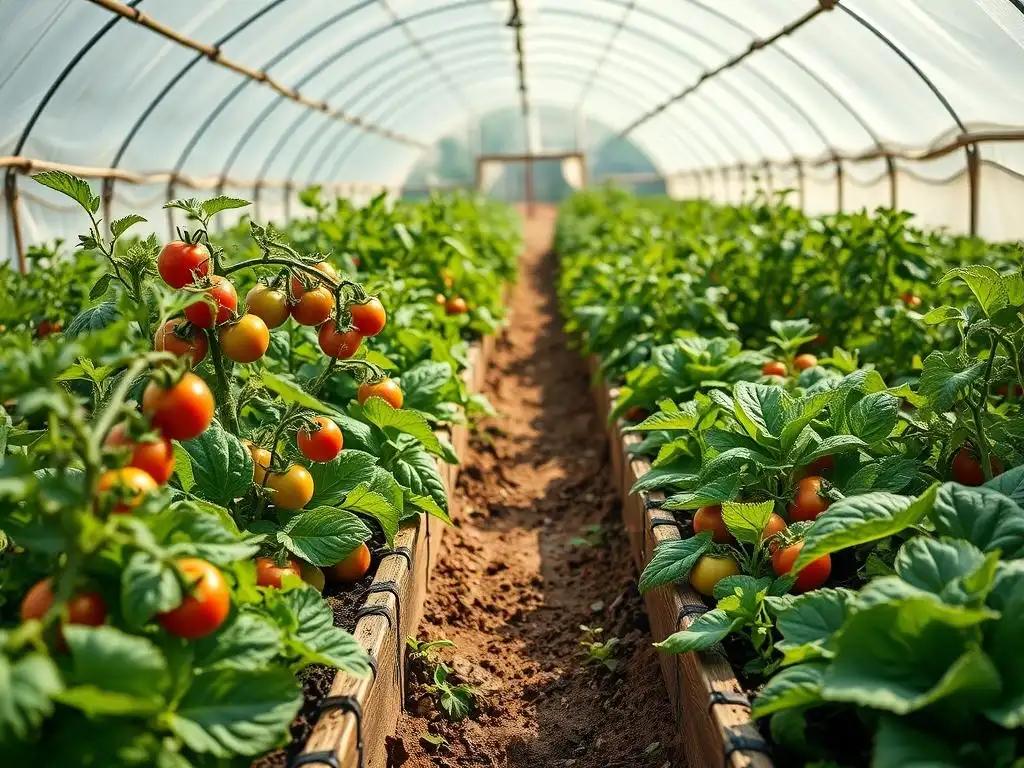
This section delves into the specific techniques needed to maximize your high tunnel's potential for year-round gardening. Success hinges on careful planning and execution, focusing on soil health, crop selection, and strategic crop rotation. Remember, even with a high tunnel, understanding your local microclimate and adapting your practices accordingly is crucial for year-round success. Let's explore the key elements:
Soil Preparation and Amendments for Optimal Growth
Optimal soil is the foundation of successful year-round gardening in a high tunnel. Preparing your soil properly ensures healthy plant growth regardless of the season. This involves more than just tilling; it's about creating a rich, nutrient-dense environment that supports continuous cultivation.
First, conduct a soil test. This inexpensive analysis reveals your soil's pH level and nutrient content – vital information for amending your soil effectively. Knowing your soil's pH is crucial because different plants thrive in different pH ranges. For example, tomatoes prefer slightly acidic soil (pH 6.0-6.8), while blueberries need highly acidic soil (pH 4.5-5.5).
Next, amend your soil based on the test results. If your soil is lacking in organic matter, incorporate compost. Compost improves soil structure, drainage, and nutrient retention. Aim for at least 3-4 inches of compost incorporated into the top layer of your soil. Other amendments, such as aged manure or worm castings, can further enrich your soil with essential nutrients. Remember, a balanced soil is essential for healthy, vigorous plant growth throughout the year. Consider adding slow-release fertilizers to provide a continuous supply of nutrients.
Choosing the Right Crops for Year-Round Production
Selecting the right crops is paramount for year-round production in a high tunnel. Not all plants are created equal when it comes to withstanding varying temperatures and light levels throughout the year. Careful planning is essential for maximizing yields.
Consider these factors when choosing your crops:
- Cold Hardiness: Select varieties known for their tolerance to colder temperatures, especially for fall and winter plantings. Many leafy greens, root vegetables, and brassicas (like kale and broccoli) can thrive even in slightly freezing temperatures.
- Maturity Time: Choose fast-maturing varieties for shorter growing seasons or to allow for multiple harvests within the year. Faster-growing varieties allow for more flexibility in crop planning.
- Light Requirements: Consider the amount of sunlight your high tunnel receives throughout the year. Some plants require full sun, while others tolerate partial shade. This is especially crucial during shorter winter days.
- Succession Planting: Plan your planting schedule to ensure a continuous supply of produce. Succession planting involves planting new crops at regular intervals to replace those that have been harvested. This technique helps maintain a steady supply of fresh produce throughout the year.
Here's an example of a possible year-round planting schedule:
| Season | Crops | Notes |
|---|---|---|
| Spring | Lettuce, spinach, radishes, peas | Fast-maturing, cool-season crops |
| Summer | Tomatoes, peppers, cucumbers, zucchini | Warm-season crops, require ample sunlight |
| Fall | Kale, broccoli, cauliflower, carrots | Cold-hardy crops, can tolerate frost |
| Winter | Leafy greens (under row cover), root vegetables | Requires protection from severe cold |
Implementing Crop Rotation Strategies for High Tunnel Gardening
Crop rotation is a crucial practice for maintaining soil health and preventing pest and disease buildup in your high tunnel. Rotating crops ensures that the same plant family doesn't occupy the same space year after year. This minimizes the risk of soilborne diseases and pest infestations, which can significantly impact your yields.
A simple crop rotation plan might involve dividing your high tunnel into sections and rotating plant families annually. For example:
- Year 1: Legumes (peas, beans) in Section A, Brassicas (broccoli, cabbage) in Section B, Solanaceae (tomatoes, peppers) in Section C.
- Year 2: Solanaceae in Section A, Legumes in Section B, Brassicas in Section C.
- Year 3: Brassicas in Section A, Solanaceae in Section B, Legumes in Section C.
This prevents the buildup of specific pests or diseases associated with each plant family. Furthermore, legumes enrich the soil with nitrogen, benefiting subsequent crops. Implementing a well-planned rotation strategy is a key component of sustainable, year-round high tunnel gardening. Remember to keep detailed records of your crop rotation to ensure you don’t repeat plant families in the same location too soon. This meticulous record-keeping is vital for long-term success in your year-round gardening endeavors. 🌱
Irrigation and Water Management in High Tunnel Environments
Efficient irrigation is crucial for successful year-round gardening in high tunnels. Unlike open-field gardening, the enclosed environment of a high tunnel affects humidity and temperature, influencing water needs. Overwatering can lead to fungal diseases and root rot, while underwatering stunts plant growth and reduces yields. Therefore, a well-planned irrigation system is paramount for optimizing plant health and maximizing harvests.
Several irrigation methods are suitable for high tunnels, each with its pros and cons. Drip irrigation, for instance, delivers water directly to the plant roots, minimizing water waste and reducing the risk of foliar diseases. This method is particularly effective for year-round gardening as it allows for precise water control, crucial during colder months when evaporation rates are lower. However, drip systems require initial investment and regular maintenance to prevent clogging.
Another option is soaker hoses, which provide a gentler, more even watering than drip irrigation. They are relatively inexpensive and easy to install, making them a good choice for smaller high tunnels or for gardeners on a budget. However, soaker hoses may not be as efficient as drip irrigation, leading to higher water consumption.
Overhead irrigation, while less efficient due to water loss through evaporation, can be used for quick wetting of the soil or to increase humidity levels within the tunnel, particularly beneficial in dry climates. The choice of irrigation method should depend on factors such as budget, tunnel size, crop type, and local climate conditions.
Careful monitoring of soil moisture is essential. Regular soil testing using a moisture meter can help determine the frequency and amount of irrigation needed. Consider installing sensors that can automatically trigger the irrigation system when soil moisture falls below a predetermined threshold. This automated approach can significantly reduce labor and ensure consistent water availability for plants throughout the year. Remember to adjust your watering schedule based on the season, the specific needs of your crops, and the prevailing weather conditions. Overwatering, especially during the colder months, should be avoided to prevent the development of fungal diseases.
Pest and Disease Control Strategies within High Tunnels
Year-round gardening in high tunnels presents unique challenges in pest and disease management. The enclosed environment can create ideal conditions for pests and diseases to thrive, potentially leading to significant crop losses if not properly addressed. A proactive, integrated pest management (IPM) strategy is essential for maintaining healthy plants and high yields.
Implementing preventative measures is crucial. This includes selecting disease-resistant varieties, practicing crop rotation to break pest and disease cycles, and maintaining good sanitation practices within the high tunnel. Regularly cleaning and disinfecting the structure, removing plant debris, and controlling weeds can significantly reduce the risk of infestations. Proper ventilation is also important, as it helps to regulate humidity and temperature, minimizing conditions favorable to many fungal pathogens.
Monitoring for pests and diseases is vital. Regular inspections of plants should be conducted to detect any signs of infestation or disease at an early stage. Early detection allows for prompt intervention, reducing the severity of outbreaks and minimizing the need for harsh chemical treatments. Consider using pheromone traps or sticky cards to monitor pest populations and assess the effectiveness of control measures.
Once pests or diseases are detected, a variety of control methods can be employed. Biological control, using beneficial insects or other natural predators, is a sustainable and environmentally friendly approach. For example, introducing ladybugs to control aphids or using nematodes to combat soilborne pests can be highly effective.
Cultural controls, such as adjusting planting density or using row covers, can also help to manage pest populations. Chemical control should be used as a last resort, employing the least toxic options available and following label instructions carefully to minimize environmental impact and potential human health risks. Always prioritize integrated pest management strategies combining preventative measures, monitoring, and a variety of control methods to ensure a sustainable and effective approach to pest and disease management within your high tunnel.
Maintaining Your High Tunnel for Optimal Performance
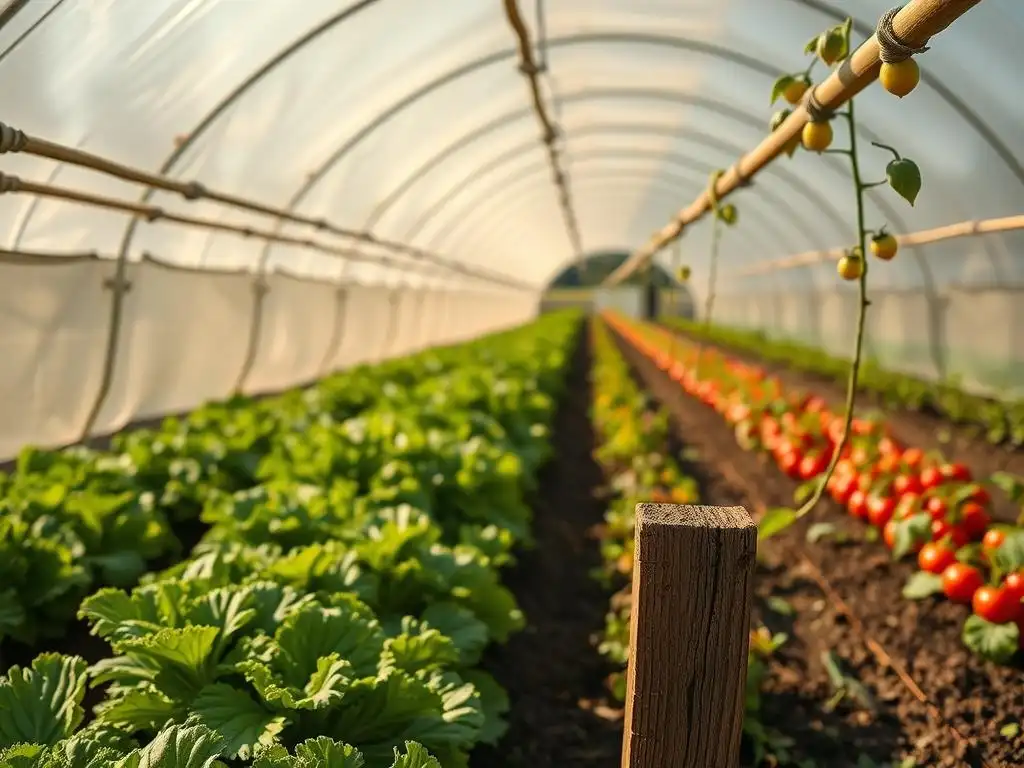
Year-round gardening using high tunnels requires diligent maintenance to ensure optimal plant growth and longevity of the structure itself. Neglecting maintenance can lead to reduced yields, pest infestations, and premature deterioration of your valuable investment. This section details crucial maintenance tasks for maximizing your high tunnel's performance and extending its lifespan. Proper upkeep contributes significantly to successful year-round gardening, making it a key aspect of your high tunnel's success.
Regular Maintenance and Cleaning of the Structure
Regular cleaning is paramount for preventing disease and pest buildup within your high tunnel. A clean environment promotes healthy plant growth and reduces the risk of infestations. Here's a breakdown of essential cleaning tasks:
- Seasonal Cleaning (Spring and Fall): Thoroughly remove all plant debris, weeds, and fallen leaves. This is crucial for breaking the life cycle of many common garden pests and diseases. A good power washer can significantly speed up this process, but always check the material of your high tunnel before using high pressure. Consider using a biodegradable cleaning solution to sanitize the structure.
- Ongoing Cleaning: Regularly inspect the interior for any signs of disease or pest activity. Remove affected plants immediately and dispose of them properly (not in your compost bin!). Regularly wipe down surfaces with a damp cloth to prevent dust and debris buildup.
- Pest Control: Implement preventative measures such as sticky traps for flying insects and beneficial nematodes for soil-borne pests. Monitor regularly and adjust your pest control strategy as needed. Remember to always opt for organic and sustainable pest control methods, aligning with the CultivateYourFood ethos.
- Ventilation: Regularly clean ventilation systems, ensuring proper airflow to prevent humidity buildup and fungal diseases. This is particularly crucial during warmer months to avoid overheating and potential damage to your plants. Clogged vents can severely impact your internal climate management.
Consider creating a maintenance schedule, perhaps a checklist, to ensure you stay on top of these tasks. A clean and well-maintained high tunnel is a happy and productive high tunnel!
Monitoring and Adjusting the Internal Climate
Maintaining the ideal temperature and humidity levels inside your high tunnel is vital for year-round success. Fluctuations can significantly impact plant health and yield. Effective climate control requires regular monitoring and adjustments:
- Temperature Monitoring: Use a reliable thermometer to monitor temperature fluctuations throughout the day and night. Optimal temperatures vary greatly depending on the plant species being cultivated, so consult resources specific to your chosen plants. Consider installing a maximum-minimum thermometer to record the highest and lowest temperatures over a 24-hour period.
- Humidity Control: High humidity can lead to fungal diseases, while low humidity can stress plants. Use a hygrometer to monitor humidity levels. Adjust ventilation as needed to maintain optimal humidity. Consider using a dehumidifier in particularly humid climates or installing additional ventilation systems.
- Ventilation Management: Proper ventilation is key to regulating temperature and humidity. Open and close vents strategically throughout the day to maximize airflow and prevent overheating. This requires careful observation and adjustment based on weather conditions and the time of year.
- Supplemental Heating/Cooling: In colder climates, supplemental heating may be necessary during winter months. In warmer climates, consider using shade cloth or fans to cool the environment during summer. These investments can significantly extend your growing season, making year-round gardening a reality.
Regular climate monitoring and adjustment are essential for optimizing plant growth and ensuring a successful harvest throughout the year. Detailed records can help you fine-tune your strategies over time.
Repairing and Replacing Damaged Components
Over time, your high tunnel will inevitably experience some wear and tear. Promptly addressing any damage is crucial for maintaining the integrity of the structure and preventing further problems.
- Cover Repair: Regularly inspect the cover for tears, holes, or weakened areas. Small tears can often be repaired with specialized tape designed for greenhouse coverings. Larger tears may require replacement sections. Consider using durable, UV-resistant materials for longevity.
- Frame Repair: Inspect the frame for rust, damage, or loose connections. Tighten any loose bolts or screws. Repair or replace any damaged components as needed. Regular inspections are key to catching minor issues before they become major problems.
- Ventilation System Repair: Check the ventilation system regularly for any damage or malfunctions. Repair or replace any broken parts promptly to maintain proper airflow. Malfunctioning ventilation can significantly compromise the internal climate.
- Ground Anchors: Ensure ground anchors remain secure, especially during periods of high winds or heavy rain. Loose anchors can compromise the stability of the entire structure. Regular tightening or replacement of anchors is crucial, particularly in areas prone to extreme weather.
Regular inspections and timely repairs are essential for extending the life of your high tunnel and ensuring its continued effectiveness in your year-round gardening efforts. Investing in quality materials and regular maintenance will pay off in the long run, providing years of productive gardening.
Extending the Lifespan of Your High Tunnel
Proper maintenance significantly extends the lifespan of your high tunnel, ensuring years of bountiful harvests. This involves regular inspections and proactive repairs, preventing small issues from escalating into costly replacements. A well-maintained high tunnel also provides a more consistent and productive growing environment. Neglecting maintenance, however, can lead to structural damage, reduced light penetration, and ultimately, crop failure. Think of it as preventative medicine for your garden – a small investment of time and effort now will save you significant headaches and expenses down the line.
Regularly inspect the entire structure, paying close attention to the plastic covering. Look for tears, punctures, and areas of wear and tear. Even small holes can allow pests and diseases to enter, compromising your crops. Pay particular attention to areas subject to high stress, such as corners and points where the plastic is secured. These are often the first areas to show signs of damage. Consider using UV-resistant plastic sheeting to extend the life of your high tunnel's covering. It's a worthwhile investment that will pay off in the long run.
The framing of your high tunnel is equally important. Check for rust, warping, or loose connections. Tighten any loose bolts or screws and repair any damaged components promptly. Consider repainting the metal frame with a rust-resistant paint to protect it from the elements. This simple step can significantly extend the life of your high tunnel's framework.
Regularly check the ground around the base of the structure for any signs of settling or erosion, addressing these concerns immediately to prevent instability. A stable foundation is crucial for the longevity of your high tunnel. Remember, a strong, stable structure is essential for withstanding harsh weather conditions and providing a secure environment for your plants. Proactive maintenance is key to maximizing the return on your investment and enjoying years of successful year-round gardening.
Harvesting and Storing Your Year-Round Produce
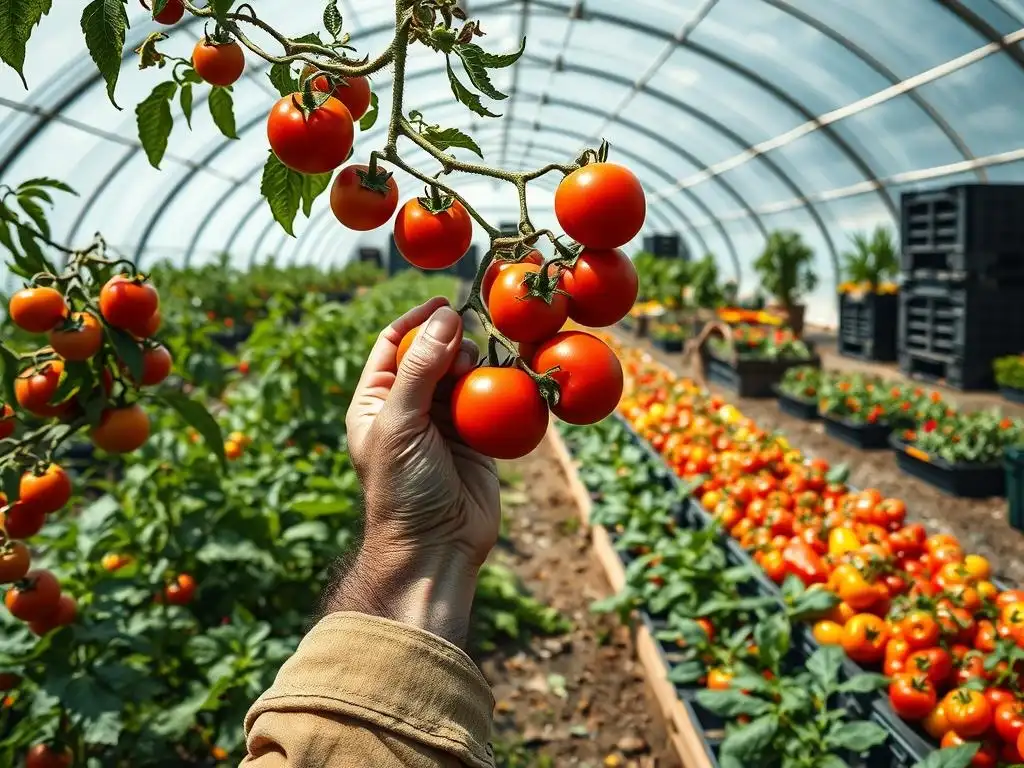
This section focuses on maximizing the yield and longevity of your high tunnel harvests, crucial for successful year-round gardening. Proper harvesting and storage techniques are key to enjoying the fruits (and vegetables!) of your labor throughout the year. We'll explore best practices for various crops and methods for extending the shelf life of your produce, ensuring a consistent supply of fresh, high-quality ingredients.
Harvesting Techniques for Different Crops Grown in High Tunnels
Harvesting techniques vary significantly depending on the crop. Understanding the optimal maturity stage for each plant is essential for maximizing flavor and nutritional value. For instance, tomatoes should be harvested when fully colored and slightly soft to the touch, while peppers can be picked when they reach their characteristic color, even if they haven't fully ripened on the plant. This allows for continued ripening during post-harvest storage.
Here's a table summarizing ideal harvesting times for some common high tunnel crops:
| Crop | Harvesting Stage | Key Considerations |
|---|---|---|
| Tomatoes | Fully colored, slightly soft to the touch | Avoid bruising; harvest in the morning when cool. |
| Peppers | Characteristic color, even if not fully ripe | Harvest regularly to encourage further fruit production. |
| Lettuce | Before bolting (flowering) | Harvest outer leaves first for continuous growth. |
| Spinach | Before bolting (flowering) | Similar to lettuce; harvest regularly for optimal yield. |
| Strawberries | When fully red and fragrant | Gentle handling is crucial to avoid damage. |
| Herbs (Basil, etc.) | Before flowering for optimal flavor | Harvest regularly, pinching off the top leaves. |
Remember to always use clean and sharp tools to prevent damage to the plants and encourage further growth. Careful harvesting minimizes stress on the plants, contributing to a longer and healthier growing season. Harvesting in the cooler parts of the day (morning or late afternoon) also helps to preserve quality.
Proper Storage Methods to Preserve Harvest Quality
Post-harvest handling is just as crucial as the harvesting process itself. Improper storage can lead to rapid spoilage and reduce the shelf life of your produce, negating the benefits of year-round gardening. Different crops have different storage requirements.
For example, tomatoes and peppers are best stored at room temperature in a cool, dry place, away from direct sunlight. Leafy greens, on the other hand, benefit from refrigeration. Proper washing and drying before storage is essential for all produce to prevent the growth of mold and bacteria. Consider using breathable containers or bags to avoid trapping moisture, which can accelerate decay. 🍓
Extending the Shelf Life of Your Produce
Several techniques can help extend the shelf life of your harvest. Proper cleaning and drying are fundamental. Then, consider these options:
- Refrigeration: Most fruits and vegetables benefit from refrigeration, slowing down the metabolic processes that lead to spoilage.
- Freezing: Freezing is an excellent method for preserving many fruits and vegetables for long-term storage. Blanching (briefly boiling) vegetables before freezing helps to retain their color, flavor, and texture.
- Canning: Canning is a method of preserving food by heating it to a high temperature to destroy microorganisms and then sealing it in airtight containers. This extends shelf life significantly. 🥫
- Pickling: Pickling, a preservation technique using vinegar or brine, extends shelf life and adds a unique flavor profile to fruits and vegetables.
By employing a combination of these strategies, you can enjoy the bounty of your high tunnel garden throughout the year, minimizing waste and maximizing the return on your investment of time and effort in year-round gardening. Careful planning and attention to detail are essential for success in this rewarding endeavor.
Case Study: A Successful Year-Round High Tunnel Garden
This section details the experience of the Miller family, showcasing the practical application of high tunnels for year-round gardening and highlighting the successes and challenges encountered. Their farm provides a compelling example of how to effectively utilize high tunnels to extend the growing season and achieve sustainable yields, even in regions with harsh winters. This case study will analyze their methods, results, and lessons learned, providing valuable insights for aspiring year-round gardeners.
The Millers' success underscores the potential of high tunnels for achieving bountiful harvests throughout the year, contributing to food security and sustainable living. The keyword "year-round gardening high tunnels" is exemplified here through their practical approach.
A Successful Year-Round High Tunnel Garden: The Miller Family Farm
The Miller family, located in a region with significant seasonal temperature variations, successfully implemented a year-round gardening system centered around two high tunnels. Their 30ft x 10ft structures were strategically positioned to maximize sunlight exposure. They utilized a combination of techniques to achieve their success, including:
- Soil preparation: Careful soil testing and amendment with compost and organic matter to ensure optimal nutrient levels and drainage.
- Crop selection: Careful selection of cold-hardy varieties suitable for overwintering, alongside faster-maturing crops for succession planting. Examples include kale, spinach, lettuce, and various root vegetables for winter, and tomatoes, peppers, and cucumbers for warmer months.
- Climate control: Utilizing a combination of passive solar heating (south-facing orientation), supplemental heating during extreme cold snaps (with propane heaters), and ventilation systems to regulate humidity and temperature. They diligently monitored internal temperatures and adjusted ventilation accordingly.
- Irrigation system: Implementing a drip irrigation system for efficient water delivery, minimizing water waste and preventing fungal diseases. This system was particularly crucial during winter months when moisture levels need careful management.
- Pest and disease management: Employing integrated pest management (IPM) strategies, relying heavily on beneficial insects and natural pest control methods, supplemented by organic pesticides only when absolutely necessary. Regular monitoring of plants for signs of pests or disease was crucial.
Challenges Faced and Solutions Implemented
Despite their success, the Millers encountered several challenges:
- Condensation: High humidity levels within the high tunnels, especially during colder months, led to significant condensation. This was mitigated by improving ventilation and strategically positioning fans to circulate air.
- Temperature fluctuations: Maintaining consistent temperatures within the tunnels proved difficult, particularly during sudden temperature drops. This was addressed by employing supplemental heating systems and insulating the tunnels more effectively.
- Pest pressure: Certain pests, such as aphids and whiteflies, were more prevalent within the enclosed environment. The Millers addressed this by introducing beneficial insects like ladybugs and lacewings, and using organic insecticidal soaps.
- Light limitations: During winter months, light levels were reduced. Supplemental lighting, using LED grow lights, was implemented to enhance plant growth and yield.
Results Achieved and Lessons Learned
The Miller family's year-round high tunnel gardening yielded impressive results:
| Season | Crops Grown | Yield (Estimated) | Notes |
|---|---|---|---|
| Winter | Kale, spinach, lettuce, carrots, beets | High | Cold-hardy varieties thrived. |
| Spring | Lettuce, radishes, peas, strawberries | Moderate | Transition period; some challenges with pests |
| Summer | Tomatoes, peppers, cucumbers, zucchini | High | Abundant yields; optimal growing conditions |
| Autumn | Squash, broccoli, cauliflower, Brussels sprouts | Moderate | Some crops affected by early frost |
The Millers learned several valuable lessons:
- Planning is key: Careful planning, including crop selection, planting schedules, and climate control strategies, is essential for success.
- Regular monitoring: Consistent monitoring of temperature, humidity, and plant health is crucial for timely intervention.
- Adaptability: Being adaptable and prepared to adjust strategies based on unforeseen challenges is vital.
- Investment in infrastructure: Investing in quality high tunnels and supplemental equipment is a worthwhile investment for long-term success.
Their experience demonstrates that year-round gardening using high tunnels is achievable with careful planning, diligent monitoring, and a willingness to adapt. The Millers’ success story serves as a powerful testament to the potential of high tunnels for extending the growing season and producing fresh, healthy food year-round. 🌱
Frequently Asked Questions
What are high tunnels and how do they enable year-round gardening?
High tunnels are unheated structures covered with plastic or other polymeric film, creating a modified microclimate that extends the growing season. This allows for planting and harvesting various crops throughout the year, even in colder climates.
What are the benefits of using high tunnels for year-round gardening?
High tunnels offer protection from extreme weather, extended growing seasons, increased crop yields, and reduced pest and disease pressure. They also allow for earlier planting and later harvesting, resulting in a longer harvest period.
What kind of materials are needed to build a high tunnel?
Construction requires strong hoops (often galvanized steel or PVC), a durable covering (polycarbonate or polyethylene film), and ground anchors. You'll also need tools for assembly and potentially end walls for extra protection and wind resistance. Consider the size and materials carefully based on your needs and budget.
What are some common crops suitable for year-round gardening in a high tunnel?
Leafy greens like spinach and lettuce, root vegetables such as carrots and radishes, and fruiting plants like strawberries and tomatoes all thrive in high tunnels. Choosing cold-hardy varieties for winter and heat-tolerant varieties for summer is key for successful year-round production.
What are the potential drawbacks of using high tunnels?
High tunnels require an initial investment in materials and construction. Maintenance is also needed, including replacing the covering periodically and ensuring adequate ventilation. Proper planning and preparation are vital for maximizing their benefits.
Final Reflection: Harvesting the Future of Food, One High Tunnel at a Time
The ability to cultivate fresh, nutritious food year-round is no longer a luxury, but a necessity in a world facing climate change and increasing food insecurity. High tunnels, simple yet powerful structures, offer a practical and accessible solution to these pressing challenges, empowering individuals and communities to take control of their food systems. Their impact extends far beyond the immediate harvest, promising a more resilient and sustainable future for all.
The shift towards localized food production, facilitated by high tunnels, is a profound cultural and social change. It represents a return to a more connected relationship with our food sources, fostering a deeper appreciation for the land and the labor involved in bringing food to our tables. The future of food is not just about technology; it's about community, resilience, and a renewed connection to the earth.
This quote encapsulates the essence of the high tunnel movement, highlighting its potential to revitalize both our diets and our communities.
Now, consider your own space, your own potential. Imagine the vibrant colors of fresh produce extending beyond the typical growing season, the satisfaction of nurturing life from seed to table, and the independence that comes with providing for yourself and your loved ones. This is the promise of high tunnels – a promise within reach. Take the knowledge you've gained here, explore the possibilities, and begin building your own path towards a more sustainable and fulfilling relationship with food. The harvest awaits.
Unlock the Secrets of Year-Round Harvesting!
Thank you for exploring the world of high tunnels! We hope you feel empowered to grow your own food, regardless of the season. Ready to elevate your gardening skills?
- Design your ideal high tunnel: Begin planning your structure, considering its size, location, and the crops you intend to cultivate. This is where the real excitement starts!
- Share your high tunnel design: Let's inspire each other! Share your plans in the comments—we love seeing your creative ideas.
- Join our online community forum: Connect with fellow high tunnel gardeners and access expert advice. It's a fantastic resource for troubleshooting problems and celebrating successes.
What's your first step towards creating your own productive high tunnel garden?