
Homemade Water Storage Solutions: Harvesting Rain for Drought

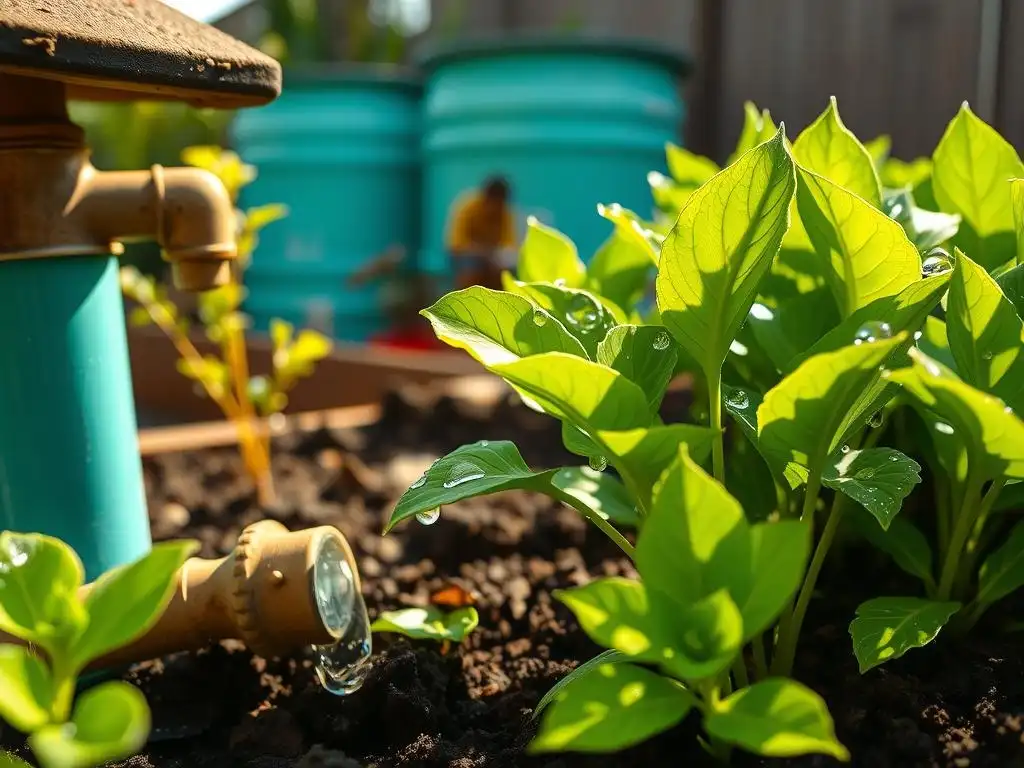
Welcome to CultivateYourFood, your guide to growing a thriving, sustainable garden! Are you ready to unlock the secrets of bountiful harvests, even during drought conditions? Learn how to transform challenging climates into thriving oases with our in-depth guide on Harvest rainwater drought gardening. Discover ingenious homemade water storage solutions and master techniques for flourishing organic growth, no matter the weather. Let's cultivate a greener, more resilient future, together.
- Understanding the Importance of Rainwater Harvesting for Drought-Resistant Gardening
-
Choosing the Right Rainwater Harvesting System for Your Needs
- Evaluating Your Space and Rainfall Patterns for Optimal Rainwater Collection
- Different Types of Rainwater Collection Systems: A Comparison
- DIY Rain Barrels: A Budget-Friendly Option for Small Gardens
- Larger-Scale Rainwater Harvesting Systems for Extensive Gardens
- Selecting Appropriate Materials for Your Rainwater Harvesting System
-
Building Your Homemade Rainwater Harvesting System: A Step-by-Step Guide
- Step 1: Choosing a Location for Your Rainwater Collection System
- Step 2: Gathering Necessary Materials and Tools
- Step 3: Constructing Your Rain Barrel or Collection System
- Step 4: Installing Filters and Overflow Systems
- Step 5: Connecting Your System to Your Gutters
- Step 6: Testing and Maintaining Your Rainwater Harvesting System
-
Utilizing Harvested Rainwater for Drought-Resistant Gardening
- Effective Irrigation Techniques for Drought Conditions Using Harvested Water
- Watering Schedules and Best Practices for Drought-Tolerant Plants
- Choosing Drought-Tolerant Plants for Your Garden
- Supplementing Rainwater with Greywater for Sustainable Irrigation
- Monitoring Soil Moisture Levels During Drought
- Maintaining Your Rainwater Harvesting System for Long-Term Use
-
Frequently Asked Questions
- How can I harvest rainwater for my drought-resistant garden?
- What are the benefits of using harvested rainwater in drought gardening?
- What types of plants thrive in drought conditions and benefit from rainwater harvesting?
- How do I prevent mosquito breeding in my rainwater harvesting system?
- What is the best way to store harvested rainwater for use during prolonged droughts?
- Final Reflection: The Enduring Power of Rainwater Harvesting
- Unlock Your Home's Water Abundance: Start Harvesting Rain Today!
Understanding the Importance of Rainwater Harvesting for Drought-Resistant Gardening
Drought conditions pose a significant threat to home gardens, often leading to wilting plants, reduced yields, and ultimately, crop failure. In these challenging times, securing a reliable water source becomes paramount for maintaining a thriving and sustainable garden.
This article explores the crucial role of rainwater harvesting in mitigating the effects of drought, focusing on practical and effective methods for collecting and utilizing this precious resource to ensure your plants thrive even during periods of water scarcity. We'll delve into the reasons why harvesting rainwater is beneficial, the advantages it offers your garden, and how to assess your specific water needs during drought conditions to optimize your collection and usage strategies.
By understanding and implementing these techniques, you can significantly improve your garden's resilience and productivity, even when facing the challenges of prolonged dry spells. Learning to effectively harvest rainwater drought gardening is a key component of sustainable and resilient gardening practices.
Why Harvest Rainwater During a Drought?
Water restrictions and dwindling municipal supplies are common occurrences during droughts. Relying solely on tap water for irrigation becomes both expensive and environmentally unsustainable. Harvesting rainwater offers a powerful alternative, providing a free and readily available source of water perfectly suited to your plants' needs. Rainwater is naturally soft, lacking the chlorine and other chemicals often found in treated tap water, which can harm beneficial soil microorganisms and negatively impact plant health.
Furthermore, collecting rainwater reduces the strain on municipal water systems, contributing to community-wide water conservation efforts. This practice not only benefits your garden but also promotes responsible water management and environmental stewardship. Consider the long-term savings and environmental benefits: you're reducing your water bill, minimizing your carbon footprint, and contributing to a more sustainable future.
Benefits of Rainwater Harvesting for Your Garden
The benefits of rainwater harvesting extend beyond simply providing a water source during drought. Rainwater is naturally filtered as it passes through the atmosphere, making it ideal for irrigation. This "soft" water is gentler on plants and helps maintain a healthy soil structure. The following table summarizes the key advantages:
| Benefit | Description |
|---|---|
| Cost Savings | Significantly reduces or eliminates reliance on expensive tap water for irrigation. |
| Improved Plant Health | Naturally soft water, free of chemicals, promotes healthier plant growth and reduces the risk of mineral buildup in soil. |
| Environmental Sustainability | Conserves municipal water resources and minimizes your environmental impact. |
| Increased Soil Health | Helps maintain healthy soil structure and microbial activity. |
| Drought Resilience | Provides a reliable water source even during prolonged dry periods. |
Employing rainwater harvesting techniques effectively combats drought conditions, ensuring your garden's continued health and productivity. It's a proactive and environmentally conscious approach to gardening, providing numerous advantages that contribute to a more sustainable and resilient gardening practice. The positive impact on both your plants and the environment makes rainwater harvesting a worthwhile investment for any gardener.
Assessing Your Water Needs During Drought Conditions
Before implementing a rainwater harvesting system, accurately assessing your garden's water requirements during drought is critical. Consider the following factors:
- Plant Type: Different plants have varying water needs. Drought-tolerant plants require less water than others.
- Soil Type: Sandy soils drain faster than clay soils, requiring more frequent watering.
- Climate: Local rainfall patterns and temperatures influence water evaporation rates.
- Garden Size: The larger your garden, the greater the water requirement.
By carefully considering these factors and monitoring soil moisture levels regularly, you can accurately determine your water needs and ensure your rainwater harvesting system is appropriately sized and managed. Accurate assessment is crucial to prevent both water shortage and unnecessary water waste. Remember, even during droughts, careful planning and efficient water usage can help your garden thrive. This proactive approach ensures your garden's sustainability and resilience, protecting your investment and fostering a bountiful harvest even under challenging conditions.
Choosing the Right Rainwater Harvesting System for Your Needs
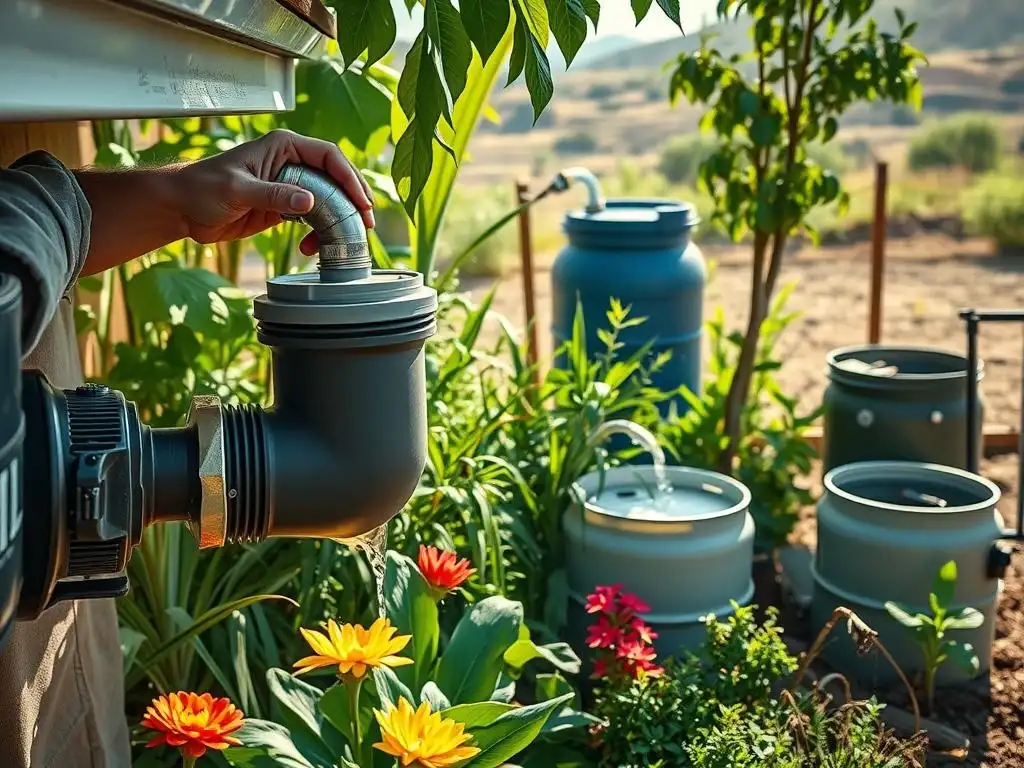
Harvesting rainwater for drought gardening is a crucial step towards sustainable agriculture, especially in arid or semi-arid regions. The effectiveness of your system hinges on careful planning and selection. Choosing the right system depends on several factors, primarily your space limitations, the average annual rainfall in your area, and your gardening needs. Ignoring these factors can lead to insufficient water collection or, conversely, an overly complex system that's not cost-effective. Let's delve into the key considerations.
Evaluating Your Space and Rainfall Patterns for Optimal Rainwater Collection
Before investing in any rainwater harvesting system, a thorough assessment of your property is paramount. Consider the size of your roof (the primary collection area), the available space for storage, and the typical rainfall patterns in your region. A larger roof area naturally translates to greater water collection potential. However, even a small roof can be sufficient for a small garden, provided you optimize storage.
Rainfall data, readily available from local meteorological services, is essential. Knowing your average annual rainfall, as well as the intensity and frequency of rainfall events, helps determine the appropriate size of your storage tanks. For instance, regions with infrequent but intense rainfall events require larger tanks to accommodate the sudden influx of water, preventing overflow and potential loss. Conversely, areas with consistent, moderate rainfall may benefit from smaller, multiple tanks. Detailed record-keeping of your rainfall over several years can significantly refine your system design.
Consider the following table as a guide for planning your rainwater harvesting system based on rainfall and garden size:
| Annual Rainfall (inches) | Garden Size (sq ft) | Recommended Tank Size (gallons) | Notes |
|---|---|---|---|
| < 20 | < 100 | 50-100 | Supplement with other water sources |
| 20-40 | 100-500 | 100-500 | Ideal for small to medium-sized gardens |
| > 40 | > 500 | 500+ | Consider multiple tanks or larger systems |
Remember to factor in potential water loss due to evaporation and leakage. A well-maintained system minimizes these losses, thus maximizing the harvested water's usefulness for your drought gardening efforts. Proper system design is crucial for effective "harvest rainwater drought gardening."
Different Types of Rainwater Collection Systems: A Comparison
Several rainwater collection systems cater to diverse needs and budgets. The most common include rain barrels, cisterns, and more sophisticated systems incorporating filtration and pumping mechanisms. The choice depends largely on the scale of your gardening operation and your budget.
Rain barrels are the most accessible entry point for beginners, ideal for small gardens. They are relatively inexpensive and easy to install. Cisterns, on the other hand, are larger underground storage tanks suitable for larger gardens or properties. They offer greater storage capacity and are less susceptible to temperature fluctuations. More complex systems often incorporate filtration to remove debris and sediments, ensuring cleaner water for irrigation. These might also include pumps for easier access to the stored water, particularly for gardens located at a distance from the collection point.
| System Type | Capacity | Cost | Maintenance | Suitability |
|---|---|---|---|---|
| Rain Barrel | Small | Low | Low | Small gardens, beginner-friendly |
| Cistern | Medium to Large | Medium to High | Medium | Larger gardens, consistent water supply needed |
| Complex System | Large | High | High | Large-scale gardening, demanding water needs |
Choosing the right system involves carefully weighing these factors against your specific requirements. The goal is to create a system that's efficient, cost-effective, and adequately addresses your "harvest rainwater drought gardening" needs.
DIY Rain Barrels: A Budget-Friendly Option for Small Gardens
Constructing your own rain barrel is a rewarding and economical approach to rainwater harvesting, particularly suitable for smaller gardens. Numerous tutorials and guides are available online, detailing the process step-by-step. The key components typically include a large food-grade plastic container (e.g., a used 55-gallon drum), a downspout diverter, a spigot for water access, and a filter to prevent debris from entering the barrel. Remember to position the barrel on a sturdy base to prevent tipping.
Consider these crucial steps:
- Choosing the container: Ensure the container is food-grade plastic to avoid leaching harmful chemicals into the water. Thoroughly clean and disinfect the container before use.
- Installing the diverter: This diverts rainwater from your downspout into the barrel. Securely attach it to prevent leaks.
- Adding a filter: A simple mesh screen or filter will prevent leaves and other debris from clogging the barrel and contaminating the water.
- Attaching the spigot: This allows convenient access to the collected water for irrigation.
While seemingly simple, proper construction and maintenance are crucial to prevent leaks and contamination. Regular cleaning and inspection are vital to ensure the harvested water remains suitable for your plants. A well-maintained DIY rain barrel is a fantastic asset for "harvest rainwater drought gardening," offering a cost-effective and sustainable solution to water scarcity.
Larger-Scale Rainwater Harvesting Systems for Extensive Gardens
For those with larger gardens or properties requiring significant water storage, more substantial rainwater harvesting systems are necessary. These systems often involve larger collection areas, such as rooftops or dedicated catchment surfaces, and larger storage tanks. The size of the system will depend heavily on the size of your garden and your average rainfall. For instance, a 1,000 square foot roof in an area with an average annual rainfall of 40 inches could potentially collect thousands of gallons of water annually. However, this is just a rough estimate; actual collection will vary based on factors like roof material, gutter efficiency, and the intensity of rainfall events.
Effective management of this larger volume of water requires careful planning. This might involve multiple storage tanks strategically placed to minimize transport distances, ensuring even distribution throughout the garden. You'll also need to consider the structural integrity of your storage solution, given the increased weight of a larger water volume. Proper filtration and a robust delivery system, potentially including pumps and a network of pipes, are crucial for efficient distribution to various garden beds.
Maintenance is also more demanding for larger systems, requiring regular cleaning of gutters, filters, and storage tanks to prevent contamination and ensure optimal water quality for your plants. Remember, regular inspection for leaks and damage is vital to prevent water loss and structural issues. Choosing a system that is both appropriate for the scale of your garden and manageable for your maintenance capabilities is paramount. Consider consulting with a professional for larger, more complex systems to ensure a robust and efficient design.
Selecting Appropriate Materials for Your Rainwater Harvesting System
The materials you choose for your rainwater harvesting system significantly impact its longevity, efficiency, and environmental impact. Choosing sustainable and non-toxic materials is crucial for organic gardening practices. For rainwater collection, gutters and downspouts made from galvanized steel or high-quality PVC are common and durable choices. Avoid using materials that can leach harmful chemicals into the water, such as certain types of plastics. Storage tanks present a broader range of options, each with its own advantages and disadvantages.
Food-grade plastic tanks are a popular choice due to their affordability and relatively lightweight nature, but their lifespan can be shorter than other options. Concrete tanks, while more expensive and heavier, offer superior durability and longevity, making them a worthwhile investment for long-term water storage. They also often require less maintenance than plastic tanks. For those prioritizing aesthetics and integration with the landscape, consider using repurposed materials like large, cleaned-out IBC totes or even building a custom-made tank using sustainable timber and a waterproof liner.
However, ensure any repurposed material is thoroughly cleaned and free from any contaminants before use. Finally, when selecting pipes and fittings, opt for PVC or similar non-toxic materials. Remember to consider the overall compatibility of the materials you choose to ensure a seamless and efficient system. The correct choice of materials will significantly impact the longevity and effectiveness of your rainwater harvesting system, contributing to successful drought gardening.
Building Your Homemade Rainwater Harvesting System: A Step-by-Step Guide
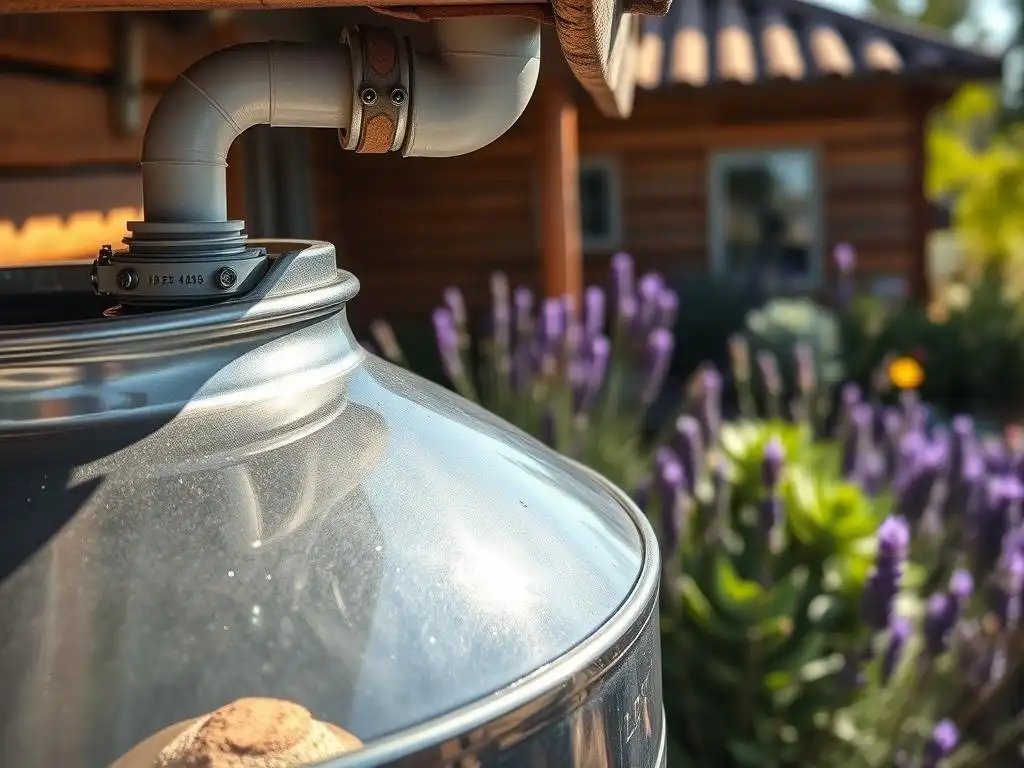
This section details the practical steps involved in building your own rainwater harvesting system, perfect for drought-conscious gardening. Remember, harvesting rainwater is a sustainable and effective way to supplement your garden's water needs, especially during periods of drought. This method helps conserve precious water resources and promotes healthy, organic plant growth. Let's get started!
Step 1: Choosing a Location for Your Rainwater Collection System
Selecting the right location is crucial for efficient rainwater harvesting. Consider these factors when choosing a spot for your rain barrel or collection system:
- Downspout proximity: The system should be placed as close as possible to a downspout to minimize runoff loss. Ideally, it should be directly beneath the downspout, but a short length of gutter extension may be necessary. The closer the connection, the less chance you have of losing valuable rainwater.
- Accessibility: You'll need easy access to your rainwater collection system for filling watering cans, connecting hoses, and performing routine maintenance. A location that’s both convenient and safe is ideal. Avoid placing it in high traffic areas where it may be easily damaged.
- Ground stability: The ground should be level and stable to prevent tipping or shifting. Consider using a level base, such as concrete pavers or a sturdy wooden platform, to ensure stability, especially if you are using a larger collection system.
- Sun exposure: Minimize sun exposure to reduce evaporation. A shaded area will help maintain water quality and reduce the risk of algae growth. Consider placing it under a tree or near a building that provides some shade.
- Drainage: The area surrounding the system should have good drainage to prevent waterlogging and potential mosquito breeding. Slightly elevated ground is preferable.
Choosing the right spot will make the difference between a successful rainwater harvesting system and one that struggles. Careful consideration of these factors will ensure your system operates efficiently and effectively, helping you conserve water and thrive even during drought conditions.
Step 2: Gathering Necessary Materials and Tools
Before you begin, gather all the necessary materials and tools. The specific materials will depend on the type of system you're building (rain barrel, cistern, etc. ), but here's a general list:
- Rain Barrel (or alternative container): A food-grade plastic barrel is ideal for safety and durability. Consider the size based on your needs and available space. Larger barrels will store more water, but require more space and might be harder to maneuver.
- Downspout diverter: This will direct rainwater from the downspout into your collection system.
- Hose or tubing: To connect the downspout diverter to the rain barrel. Ensure the hose is durable and capable of handling the water flow.
- Spigot or tap: For easy access to the harvested water.
- Overflow system: To prevent the barrel from overflowing during heavy rainfall. This could be a simple overflow pipe leading to a drainage area or a second barrel.
- Filter (optional): A screen or filter can be installed to help remove debris like leaves and insects from the water. This will help keep your water cleaner and prevent clogging.
- Tools: Drill, screwdriver, sealant (for leaks), measuring tape, level.
Remember to prioritize safety and use food-grade materials whenever possible, especially if you plan to use the water for irrigation. This ensures the safety of your plants and prevents contamination. Consider investing in a quality filter to enhance water quality further.
Step 3: Constructing Your Rain Barrel or Collection System
The construction process will vary based on your chosen system, but here are general steps:
- Prepare the location: Clear the area, level the ground, and ensure there is adequate space for your rain barrel.
- Install the downspout diverter: Securely attach the diverter to the downspout, ensuring a tight seal to prevent leaks.
- Connect the hose or tubing: Connect the hose or tubing from the diverter to the rain barrel's inlet. Secure all connections with clamps or sealant to prevent leaks. Ensure a snug and secure fit to prevent leakage.
- Install the spigot: Drill a hole (if necessary) and securely attach the spigot to the barrel for easy water access.
- Install the overflow system: This is crucial to prevent overflowing during heavy rainfall. Ensure the overflow system is properly directed to a safe drainage area.
- Add a filter (optional): Install a filter at the inlet to improve water quality.
- Fill the barrel: Once everything is securely connected and leak-free, you can begin collecting rainwater.
- Maintenance: Regularly clean your rain barrel to prevent algae growth and mosquito breeding. Inspect for leaks and address them promptly. Consider adding a mosquito dunks to help prevent mosquito breeding.
Remember to always prioritize safety when working with tools and water. A well-constructed rainwater harvesting system will provide a sustainable and reliable water source for your drought-resistant garden, benefiting your plants and conserving valuable water resources. Regular maintenance is key to keeping your system operating efficiently and effectively for years to come. Happy harvesting!
Step 4: Installing Filters and Overflow Systems
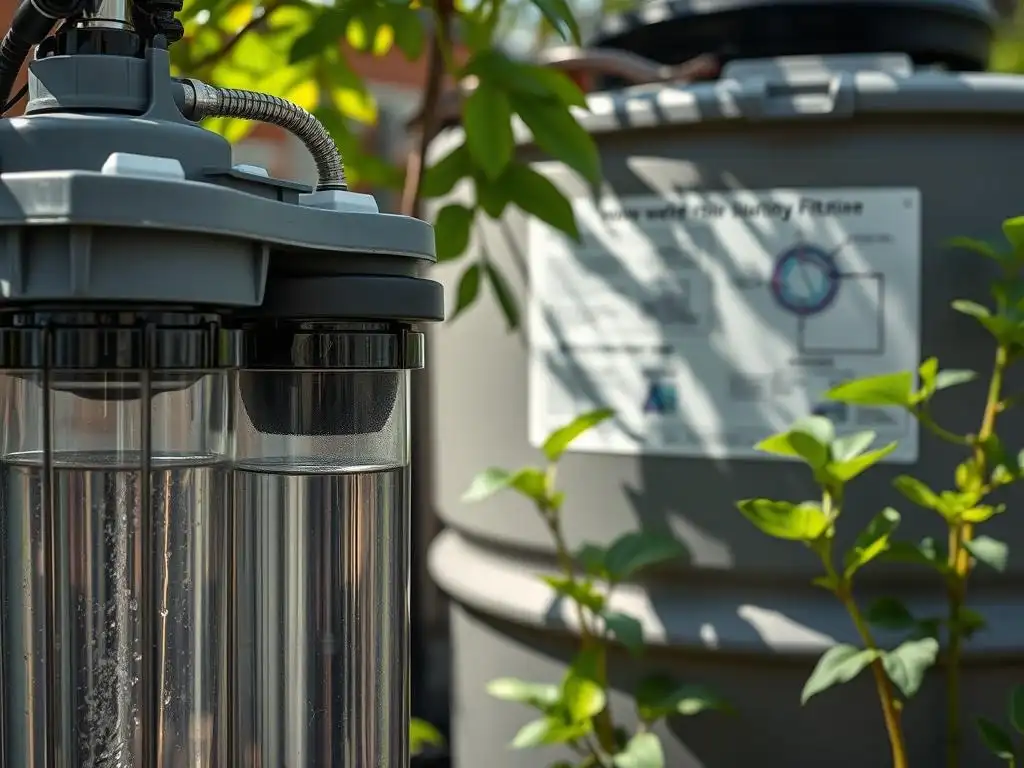
Installing filters is crucial for preventing debris like leaves, insects, and dirt from contaminating your harvested rainwater. This is especially important if you plan to use the water for irrigation, as these contaminants can harm your plants. Several filter types exist, each with its pros and cons. For example, a simple mesh filter can be effective in removing larger debris, but finer filters, such as those using charcoal or sand, are needed for better water purification. The choice depends on your specific needs and the water quality in your area.
Consider the potential clogging frequency with different filter types—more frequent cleaning might be necessary for finer filters. Remember to always follow the manufacturer's instructions for installation and maintenance of your chosen filter system. Failing to maintain your filters can lead to reduced water flow and potentially even damage to your harvesting system. Furthermore, a well-designed overflow system is essential to prevent damage to your storage tank in case of unusually heavy rainfall.
This system should redirect excess water safely away from your home's foundation, preventing waterlogging and potential structural damage. The overflow system's capacity should be carefully calculated based on your tank's size and the typical rainfall intensity in your region. Ignoring this aspect can lead to costly repairs and water damage. Proper planning and installation of both filters and overflow systems are critical to the longevity and efficiency of your rainwater harvesting system for drought gardening.
Step 5: Connecting Your System to Your Gutters
Connecting your rainwater harvesting system to your gutters is a critical step that requires careful planning and execution. The connection point needs to be strategically located to maximize rainwater collection while minimizing the risk of clogging. Consider using downspouts that are specifically designed for rainwater harvesting, as these often have built-in features like mesh filters to prevent debris from entering your system. Ensure a secure and watertight connection between the downspout and your collection system using appropriate sealant and clamps.
A poorly sealed connection can lead to significant water loss and compromise the overall efficiency of your system. Furthermore, the diameter of the downspout and the connecting pipes should be appropriately sized to handle the expected volume of rainwater. Undersized pipes can cause blockages and reduce collection efficiency, especially during intense rainfall events. Proper sizing is crucial for effective rainwater harvesting, especially during drought conditions when every drop counts for your drought-resistant garden.
Remember to regularly inspect the connection points for any leaks or blockages to ensure the system’s continued efficiency. Ignoring this aspect can lead to significant water loss and potential system failure. Proper connection to your gutters is a cornerstone of successful rainwater harvesting for drought.
Step 6: Testing and Maintaining Your Rainwater Harvesting System
After installation, thoroughly testing your system is vital to ensure its proper functionality and identify any potential issues early on. This involves simulating rainfall conditions by using a hose to fill your collection system. Carefully observe the water flow, checking for leaks, blockages, or any other irregularities. Note the time it takes to fill your tank to assess the system's collection efficiency.
This testing phase helps identify any design flaws or installation errors before they become major problems. Regular maintenance is essential for the long-term success of your rainwater harvesting system. This includes tasks such as cleaning filters, inspecting connections for leaks, and checking the water level in your storage tank. The frequency of maintenance depends on factors such as rainfall intensity, the amount of debris in your area, and the type of filters used.
Neglecting maintenance can lead to reduced water quality, decreased collection efficiency, and even system failure. By following a regular maintenance schedule and proactively addressing any issues, you can ensure that your rainwater harvesting system remains efficient and reliable, providing a valuable water source for your garden, especially during drought. This proactive approach will maximize the benefits of your harvest rainwater drought gardening strategy.
Utilizing Harvested Rainwater for Drought-Resistant Gardening
This section details how to effectively utilize harvested rainwater to create a thriving garden even during periods of severe drought. Harvesting rainwater offers a sustainable and cost-effective solution to water scarcity, significantly reducing reliance on municipal water supplies, especially crucial for "harvest rainwater drought gardening". Proper planning and implementation are key to maximizing the benefits of this valuable resource. We will explore effective irrigation techniques, optimized watering schedules, and the selection of drought-tolerant plant species.
Effective Irrigation Techniques for Drought Conditions Using Harvested Water
Efficient irrigation is paramount when using harvested rainwater, as this precious resource needs to be conserved. Avoid wasteful overhead watering methods which lead to significant evaporation loss, especially under intense sun. Instead, prioritize techniques that deliver water directly to the plant's root system, minimizing evaporation and runoff.
Several effective methods include:
- Drip irrigation: This method delivers water slowly and directly to the roots, reducing water waste and promoting healthy root growth. A well-designed drip irrigation system can significantly improve water-use efficiency, making it ideal for "harvest rainwater drought gardening" strategies. Consider using a timer to automate watering schedules further conserving water.
- Soaker hoses: Similar to drip irrigation, soaker hoses release water slowly along their length, moistening the soil around the plants. They are relatively inexpensive and easy to install, making them a practical choice for smaller gardens. However, ensure they are placed carefully to avoid overwatering certain areas.
- Mulching: Applying a layer of mulch (organic matter like straw, wood chips, or shredded leaves) around plants helps retain soil moisture, reducing the frequency of watering. Mulch also suppresses weeds, which compete with plants for water resources. A 2-4 inch layer is generally recommended.
- Water deeply, less often: Instead of frequent shallow watering, water deeply and less frequently to encourage deep root growth. This makes plants more resilient to drought conditions. Deep watering allows roots to access moisture from deeper soil layers, resulting in healthier plants that are better equipped to survive periods of limited rainfall.
The choice of irrigation technique will depend on the size of your garden, the type of plants you are growing, and the volume of harvested rainwater you have available. Careful consideration of these factors will ensure optimal water usage and plant health.
Watering Schedules and Best Practices for Drought-Tolerant Plants
Developing a suitable watering schedule is critical for successful "harvest rainwater drought gardening". The frequency and amount of water needed will vary depending on factors such as plant type, soil type, weather conditions, and the size of your plants.
| Plant Type | Watering Frequency (in dry conditions) | Water Amount (per plant) | Notes |
|---|---|---|---|
| Tomatoes | Every 2-3 days | 1-2 gallons | Water deeply at the base of the plant. |
| Peppers | Every 2-3 days | 1 gallon | Avoid wetting leaves to prevent fungal diseases. |
| Lettuce | Every day | ½ - 1 gallon | Keep soil consistently moist, but not soggy. |
| Herbs (Rosemary, Thyme) | Every 3-5 days | ½ gallon | Drought-tolerant, water less frequently. |
Observe your plants closely. Wilting leaves are a clear indication of underwatering, while yellowing leaves might suggest overwatering. Adjust your watering schedule accordingly, always prioritizing deep watering over frequent shallow watering. Remember that consistent monitoring and adjustment are key to successful drought-resistant gardening.
Choosing Drought-Tolerant Plants for Your Garden
Selecting drought-tolerant plants is crucial for minimizing water consumption and maximizing success during dry spells. These plants have adapted to survive with minimal water, reducing your reliance on your harvested rainwater. Many vegetables, herbs, and flowers thrive even with limited watering.
Here are some excellent choices:
- Vegetables: Squash (especially zucchini and yellow squash), beans (bush beans are more drought-tolerant than pole beans), and sweet potatoes.
- Herbs: Rosemary, thyme, oregano, lavender, and sage are exceptionally drought-tolerant and require minimal watering once established. These are excellent additions to any drought-resistant garden.
- Flowers: Coneflowers, sunflowers, daylilies, and salvia are beautiful and remarkably drought-resistant options that add color and vibrancy to your garden. These flowers will help create a visually appealing garden even during dry spells.
By strategically selecting drought-tolerant plants and implementing the appropriate watering techniques, you can create a resilient and productive garden that flourishes even during periods of drought, making your "harvest rainwater drought gardening" efforts highly successful. Remember that proper planning and observation are vital for success.
Supplementing Rainwater with Greywater for Sustainable Irrigation
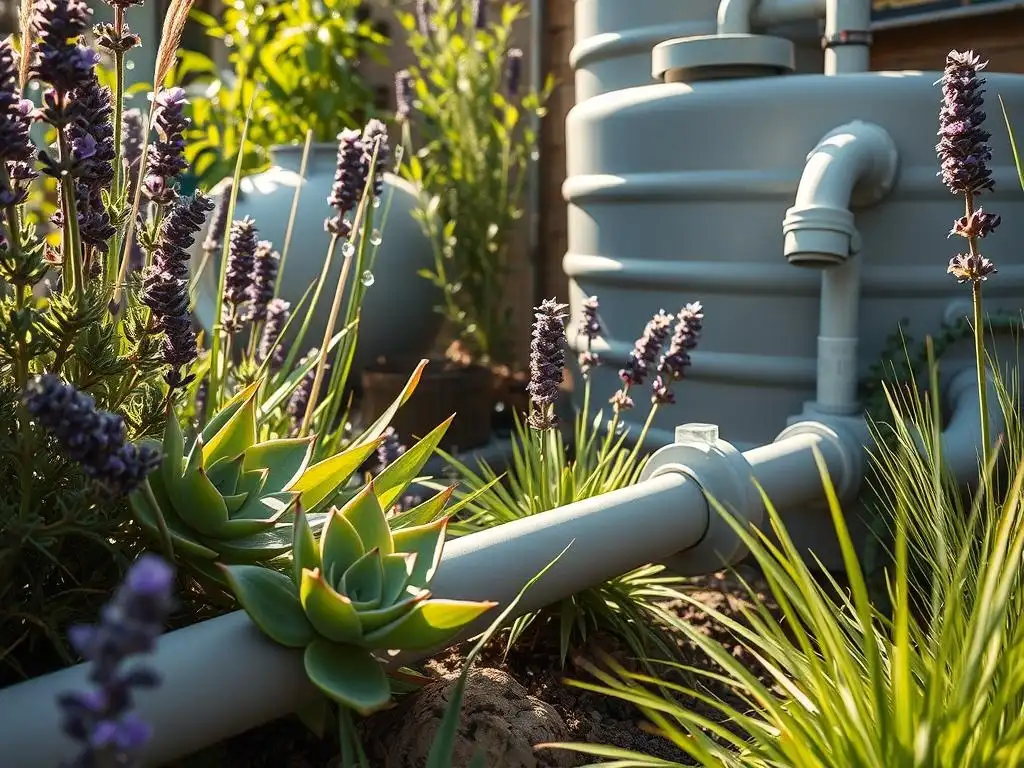
Harvesting rainwater is a fantastic first step towards drought-resistant gardening, but supplementing this with greywater can significantly boost your water supply, especially during prolonged dry spells. Greywater, the relatively clean wastewater from showers, sinks, and laundry (excluding toilet water), is a valuable resource often overlooked. Using greywater for irrigation offers several advantages: it reduces your reliance on municipal water, conserves precious rainwater reserves for critical needs, and provides plants with essential nutrients naturally present in the wastewater. However, it's crucial to implement safe greywater systems to avoid contaminating your soil or plants with harmful pathogens.
Proper filtration and distribution systems are key. Consider installing a simple sand filter to remove solids before directing the greywater to your garden beds. Avoid using greywater on edible plants whose produce comes into direct contact with the soil to minimize the risk of contamination. Instead, focus on irrigating less sensitive plants like ornamentals or drought-tolerant ground cover.
Remember to monitor your plants closely for any signs of distress, and adjust your irrigation schedule accordingly. A well-designed greywater system can be a powerful tool in your drought-resistant gardening arsenal, extending the reach of your rainwater harvesting efforts and promoting a more sustainable approach to gardening. Proper planning and cautious implementation are crucial for a successful and safe greywater irrigation system. The benefits of reduced water bills and a resilient garden during droughts are well worth the effort.
Monitoring Soil Moisture Levels During Drought
Effective drought-resistant gardening hinges on understanding and responding to your soil's moisture levels. Simply relying on a set irrigation schedule, even with harvested rainwater, can be ineffective and wasteful during drought conditions. Regularly monitoring soil moisture helps you tailor your watering practices to the specific needs of your plants, maximizing water efficiency and minimizing water stress. Several methods exist for gauging soil moisture. A simple, inexpensive technique involves digging a small hole near your plants and feeling the soil.
Moist soil will clump together, while dry soil will crumble easily. However, this method is subjective and less precise. More accurate readings can be obtained using a soil moisture meter, a readily available tool that provides a numerical reading of soil moisture content. These meters are easy to use and provide valuable data for informed irrigation decisions. Another useful technique is observing your plants themselves.
Wilting leaves, drooping stems, and discoloration are all clear signs of water stress, indicating the need for immediate irrigation. Regular monitoring, combined with observation of plant health, allows for a more responsive and effective watering strategy, leading to healthier plants and a more resilient garden even in the face of severe drought. Remember to adjust your monitoring frequency based on the severity of the drought and the specific water needs of your plants. Consistent monitoring is a crucial element of successful drought-resistant gardening practices when using harvested rainwater.
Maintaining Your Rainwater Harvesting System for Long-Term Use
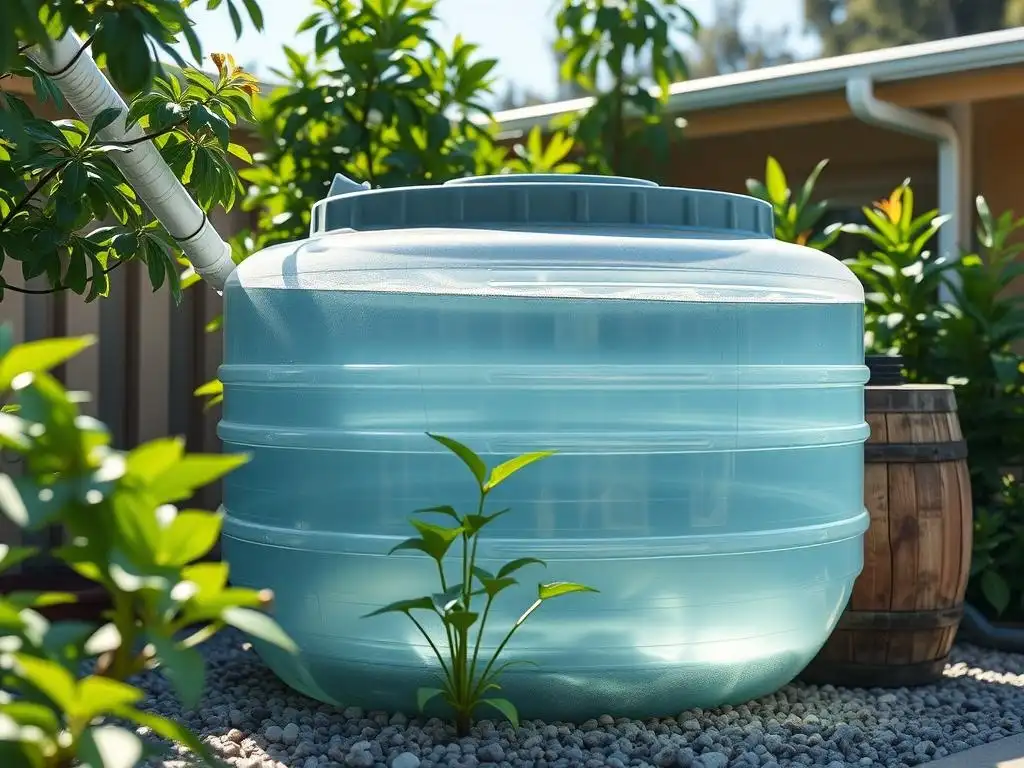
Harvesting rainwater for drought gardening is a fantastic way to ensure your plants have the water they need, even during dry spells. However, a successful rainwater harvesting system requires consistent maintenance to ensure its longevity and effectiveness. Neglecting your system can lead to contamination, reduced water quality, and ultimately, system failure. This section focuses on the crucial aspects of maintaining your system for years of reliable water collection. Proper upkeep will maximize your water supply and minimize the risk of problems, ensuring a bountiful harvest even during prolonged periods of drought.
Cleaning and Maintaining Your Rain Barrels or Collection System
Regular cleaning is paramount to prevent the growth of algae, mold, and bacteria which can contaminate your stored rainwater and harm your plants. The frequency of cleaning depends on factors like your local climate, the amount of rainfall, and the type of material used for your collection system. As a general rule, aim to clean your barrels at least twice a year – once in spring and once in autumn.
Here's a step-by-step guide for cleaning your rainwater harvesting system:
- Empty the barrels: Carefully drain all the water from your rain barrels, using a siphon or pump if possible to minimize spillage. Dispose of the water appropriately; avoid dumping it near sensitive plants.
- Scrub the barrels: Use a stiff brush and a mild, biodegradable soap to scrub the inside of the barrels thoroughly. Avoid harsh chemicals that could contaminate the water. Pay close attention to the bottom and corners where sediment tends to accumulate.
- Rinse thoroughly: Rinse the barrels multiple times with clean water to remove all traces of soap.
- Inspect for leaks or damage: Take this opportunity to inspect the barrels, pipes, and connectors for any cracks, leaks, or damage. Repair or replace any faulty components promptly.
- Refill and observe: Refill the barrels with clean water and observe for any leaks for 24 hours after cleaning.
Remember to always wear appropriate protective gear, including gloves, when cleaning your rainwater harvesting system. For larger systems or those with difficult-to-reach areas, consider using a long-handled brush or a pressure washer (with low pressure to avoid damage).
Preventing Mosquito Breeding in Your Rainwater Storage
Mosquitoes are a common concern with stored rainwater, especially in warmer climates. Standing water provides an ideal breeding ground for these insects. Here are several effective strategies to prevent mosquito breeding:
- Install mosquito netting: Cover the openings of your rain barrels with fine mesh netting to prevent mosquitoes from accessing the water. Ensure the netting is securely fastened to prevent any gaps.
- Use mosquito dunks: These small, biodegradable tablets contain Bacillus thuringiensis israelensis (Bti), a bacterium that specifically targets mosquito larvae without harming other beneficial insects or wildlife. Follow the manufacturer's instructions carefully.
- Introduce mosquito-eating fish: For larger systems, consider introducing mosquito fish ( Gambusia affinis). These small fish are voracious mosquito larva eaters and are effective in controlling mosquito populations. Note: Check local regulations before introducing any non-native species.
- Keep barrels covered: A well-fitting lid can significantly reduce mosquito access.
Addressing Potential Problems and Troubleshooting
Even with careful maintenance, problems can arise with your rainwater harvesting system. Here's a list of common issues and their solutions:
| Problem | Possible Cause | Solution |
|---|---|---|
| Low water yield | Clogged gutters, damaged pipes, insufficient rainfall | Clean gutters, repair pipes, consider expanding your collection area. |
| Cloudy or discolored water | Algae growth, decaying organic matter | Clean barrels regularly, use a filter or water clarifier. |
| Unpleasant odor | Algae, bacteria, decaying matter | Clean barrels thoroughly, add a small amount of activated charcoal (optional) |
| Leaks | Cracks in barrels, loose connections | Repair or replace damaged components. |
| Mosquito infestation | Lack of mosquito control measures | Implement mosquito prevention strategies as described above. |
Regular monitoring and proactive maintenance are key to a successful and long-lasting rainwater harvesting system. By addressing potential problems promptly and following these guidelines, you can ensure a reliable supply of high-quality water for your drought-resistant garden, contributing to sustainable and successful “harvest rainwater drought gardening” practices. 🌱
Extending the Lifespan of Your Rainwater Harvesting System
Regular maintenance is key to extending the lifespan of your rainwater harvesting system. This involves more than just occasional cleaning; it's about proactive care to prevent costly repairs or replacements down the line. A crucial aspect is the careful inspection of all components. This includes checking for leaks in gutters, downspouts, and storage tanks.
Small leaks, if left unattended, can accumulate significant water loss over time, impacting your drought-resistant gardening efforts and potentially leading to structural damage. Regularly inspect all connections and seals, ensuring they remain tight and watertight. Consider using high-quality sealant to reinforce these connections, especially in areas prone to expansion and contraction due to temperature fluctuations. Remember, a well-maintained system is a more efficient system, maximizing your water collection for your harvest rainwater drought gardening needs.
Another essential aspect of extending the lifespan of your system is cleaning. Regular cleaning prevents the buildup of sediment, leaves, and other debris that can clog filters and pipes, reducing the system's efficiency. The frequency of cleaning depends on factors such as the location of your system and the amount of rainfall in your area. In areas with significant tree cover, more frequent cleaning might be necessary.
Consider establishing a cleaning schedule, perhaps every three months or after significant rainfall events. For cleaning, use non-toxic cleaning agents to avoid contaminating your harvested rainwater, which is crucial for organic gardening. Remember, using harsh chemicals can harm plants and compromise the quality of your water supply for harvest rainwater drought gardening.
Winterizing Your Rainwater Harvesting System
Winterizing your rainwater harvesting system is crucial in climates experiencing freezing temperatures. Failing to do so can lead to significant damage, rendering your system unusable until spring and potentially costing you significant repair expenses. The most critical step is to protect your storage tank from freezing. If your tank is above ground, insulating it is essential.
This can involve wrapping the tank with insulation materials or building a protective enclosure around it. For underground tanks, ensure proper drainage to prevent water from accumulating around the tank and freezing, potentially causing cracks or damage to the tank structure. This is especially important for harvest rainwater drought gardening, as a damaged tank renders your carefully collected water unusable.
Another important aspect of winterizing is protecting the pipes and gutters. Water expands when it freezes, potentially causing pipes to burst. To mitigate this risk, ensure all pipes are properly drained before the first frost. Consider using drain valves to easily empty the system.
If you live in an area with particularly harsh winters, you might consider using heat tape or other methods to prevent freezing in particularly vulnerable areas. For gutters and downspouts, clearing them of leaves and debris before winter sets in is crucial to prevent ice build-up and blockages. Protecting your system from the elements will guarantee its availability for the next gardening season, maximizing your harvest rainwater drought gardening efforts. Remember, a little preventative maintenance in the fall can save you significant time, effort, and money in the spring.
Frequently Asked Questions
How can I harvest rainwater for my drought-resistant garden?
You can collect rainwater using rain barrels connected to your downspouts. Larger systems involving cisterns are also possible for larger gardens. Remember to filter the water to remove debris.
What are the benefits of using harvested rainwater in drought gardening?
Rainwater is free, naturally soft, and avoids the use of treated water which can contain chemicals harmful to plants. It's also a sustainable way to water your garden during dry periods.
What types of plants thrive in drought conditions and benefit from rainwater harvesting?
Succulents, xeriscaping plants, and many native plants are well-suited to drought conditions. Rainwater helps them establish strong root systems, making them more resilient.
How do I prevent mosquito breeding in my rainwater harvesting system?
Install a fine mesh screen on your rain barrel to prevent mosquitoes from laying eggs. Regularly clean your system to remove debris and stagnant water, and consider adding mosquito-eating fish (like Gambusia affinis) to larger systems.
What is the best way to store harvested rainwater for use during prolonged droughts?
Use opaque containers to prevent algae growth. Ensure your storage tanks are sealed to prevent contamination. Consider adding a simple filtration system to remove sediment before use.
Final Reflection: The Enduring Power of Rainwater Harvesting
The escalating threat of drought underscores the urgent need for sustainable water solutions, and rainwater harvesting offers a powerful, accessible response. We've explored simple, effective methods for collecting and storing rainwater, transforming a seemingly insignificant resource into a lifeline for drought-stricken gardens and communities. This isn't just about survival; it's about reclaiming our relationship with the natural world and building resilience in the face of climate change.
The shift towards rainwater harvesting represents a profound cultural change, a return to time-tested practices interwoven with a growing awareness of environmental responsibility. We've moved beyond simply accepting water scarcity; we're actively seeking solutions. This resonates deeply with me, as I've witnessed firsthand the transformative power of a thriving garden sustained by collected rainwater, a testament to the ingenuity and resourcefulness of human spirit. The earth provides enough to satisfy every man's needs but not every man's greed.
- Mahatma Gandhi. This quote highlights the importance of sustainable practices like rainwater harvesting, reminding us to use our resources wisely and responsibly.
Consider the possibilities: Imagine the satisfaction of nurturing your garden with water you've collected yourself, knowing you're contributing to a more sustainable future. This isn't just about gardening; it's about empowerment. Start small, begin collecting rainwater today, even if it's just a few gallons. Share your knowledge, inspire your neighbors, and become part of a growing movement that prioritizes resourcefulness and resilience. The future of our water security depends on it.
Unlock Your Home's Water Abundance: Start Harvesting Rain Today!
Thank you for exploring the world of rainwater harvesting! You've learned how to secure a vital resource for your home and garden, even during droughts. Now, let's put that knowledge into action.
- Start Small, Start Smart: Begin by choosing one area of your property—perhaps a downspout or a simple container—to begin collecting rainwater. This initial step is crucial for building a successful rainwater harvesting system.
- Share Your Experience: Join our online community forum and share your progress with others! Describe your chosen setup, any challenges you encountered, and any innovative solutions you discovered.
- Expand Your Knowledge: Learn more about advanced rainwater harvesting techniques by consulting our comprehensive guide. This will help you further develop your system and maximize its capabilities.
Ready to enhance your home's water resilience? What's your first step towards harvesting rainwater?