
Hot Climate Container Gardening: CultivateYourFood's Guide to Success

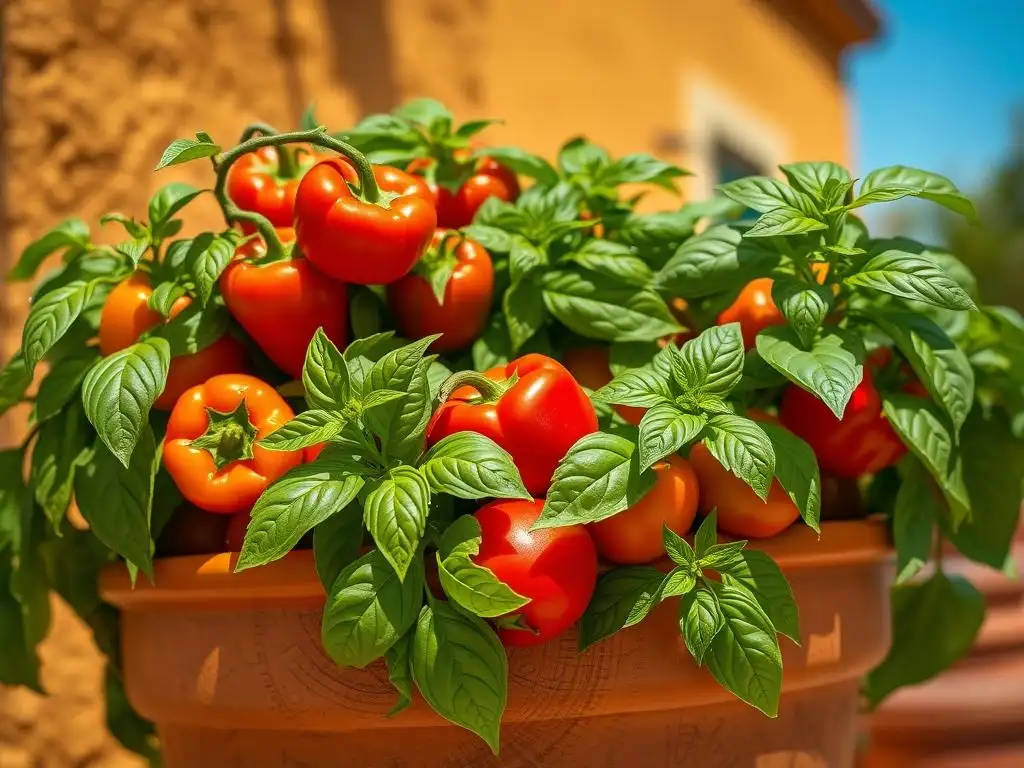
Welcome to CultivateYourFood, your guide to a thriving home garden! Are you ready to unlock the secrets to a bountiful harvest, even in the fiercest heat? Our expert advice on hot climate container gardening tips will transform your outdoor space into a vibrant oasis, brimming with delicious fruits, vegetables, and herbs. Discover sustainable and organic techniques that ensure success, no matter the temperature. Let's get started on your journey to homegrown goodness!
- Choosing the Right Containers for Hot Climate Gardening
- Selecting Heat-Tolerant Plants for Container Gardening
- Watering Strategies for Hot Climate Container Gardens
- Soil Selection and Preparation for Container Gardening in Heat
- Protecting Plants from Intense Sun and Heat
- Pest and Disease Management in Hot Climate Container Gardens
- Harvesting and Maintaining Your Hot Climate Container Garden
- Troubleshooting Common Hot Climate Container Gardening Problems
-
Frequently Asked Questions
- What are the best plants for hot climate container gardening?
- How often should I water containers in hot weather?
- What type of containers are best for hot climates?
- How can I protect my plants from intense sun in hot climates?
- What are some common pest and disease problems in hot weather container gardening, and how can I address them?
- Final Reflection: Nurturing Life in the Heat: A Harvest of Hope
- Unlock Your Urban Oasis: Grow Your Own Food Today!
Choosing the Right Containers for Hot Climate Gardening
Cultivating a thriving garden in a hot climate presents unique challenges, but with the right approach, you can enjoy a bountiful harvest even under intense sun. Container gardening offers a particularly effective solution, allowing for greater control over the growing environment and minimizing the impact of harsh conditions. This guide from CultivateYourFood will equip you with the knowledge and strategies to successfully cultivate fruits, vegetables, and herbs in containers, even in the hottest of climates.
We'll cover crucial aspects like choosing the right containers, optimizing placement, and selecting suitable plants, all while adhering to sustainable and organic practices. Mastering hot climate container gardening is achievable; let's explore the essential steps to success. This guide focuses on practical tips to help you achieve a thriving garden, even in extreme heat, and will help you rank high in search results for "hot climate container gardening tips".
Selecting Materials: Terracotta, Plastic, or Metal?
The material of your container significantly impacts its ability to regulate temperature and retain moisture, crucial factors in hot climates. Let's examine the pros and cons of popular choices:
- Terracotta: These porous pots allow for excellent air circulation and evaporation, which can help prevent overheating of the roots. However, this also means they dry out faster, requiring more frequent watering, potentially several times a day in extreme heat. This increased watering frequency can be a drawback, especially for busy gardeners.
- Plastic: Plastic containers retain moisture better than terracotta, reducing the frequency of watering. They are also generally lighter and less expensive. However, they can overheat quickly in direct sunlight, potentially harming the roots. Dark-colored plastics absorb more heat than lighter colors.
- Metal: Metal containers, while durable, can become excessively hot in direct sunlight, potentially "cooking" the roots of your plants. Unless shaded or painted a light color, they are generally not recommended for hot climate gardening.
Choosing the right material depends on your climate, available time for watering, and plant preferences. Consider the specific needs of your chosen plants and your ability to manage watering schedules.
Container Size and Drainage: Essential Considerations for Success
Container size and drainage are paramount for healthy plant growth, especially in hot weather. Inadequate drainage can lead to root rot, a common problem in hot, humid climates. Overly small containers dry out too quickly, requiring constant attention.
- Size: Select containers large enough to accommodate the mature size of your plants, allowing for adequate root development. Root-bound plants are more susceptible to stress in hot conditions. Check the plant tags for mature size information.
- Drainage: Ensure your containers have ample drainage holes to prevent waterlogging. Without proper drainage, excess water can suffocate the roots and create a breeding ground for diseases. You can add a layer of gravel or broken pottery shards to the bottom of the container to improve drainage further.
Optimizing Container Placement for Sun and Shade
The placement of your containers is critical for success in a hot climate. While many plants need sunlight, excessive exposure to intense midday sun can scorch leaves and stress plants.
- Sun Exposure: Observe your garden throughout the day to determine areas that receive morning sun and afternoon shade. Many plants thrive with morning sun and afternoon shade, avoiding the hottest part of the day. This balance provides sufficient sunlight for photosynthesis without the risk of overheating.
- Wind Protection: Consider the impact of wind. Strong winds can dry out the soil quickly, requiring more frequent watering. Positioning containers in sheltered locations can help reduce water loss and protect plants from wind damage. Using windbreaks can also be beneficial.
Careful consideration of container material, size, drainage, and placement ensures your plants have the best chance to thrive, even in the most challenging hot climates. Remember consistent watering is crucial, especially during heatwaves. By following these tips, you can cultivate a successful and rewarding hot climate container garden.
Selecting Heat-Tolerant Plants for Container Gardening
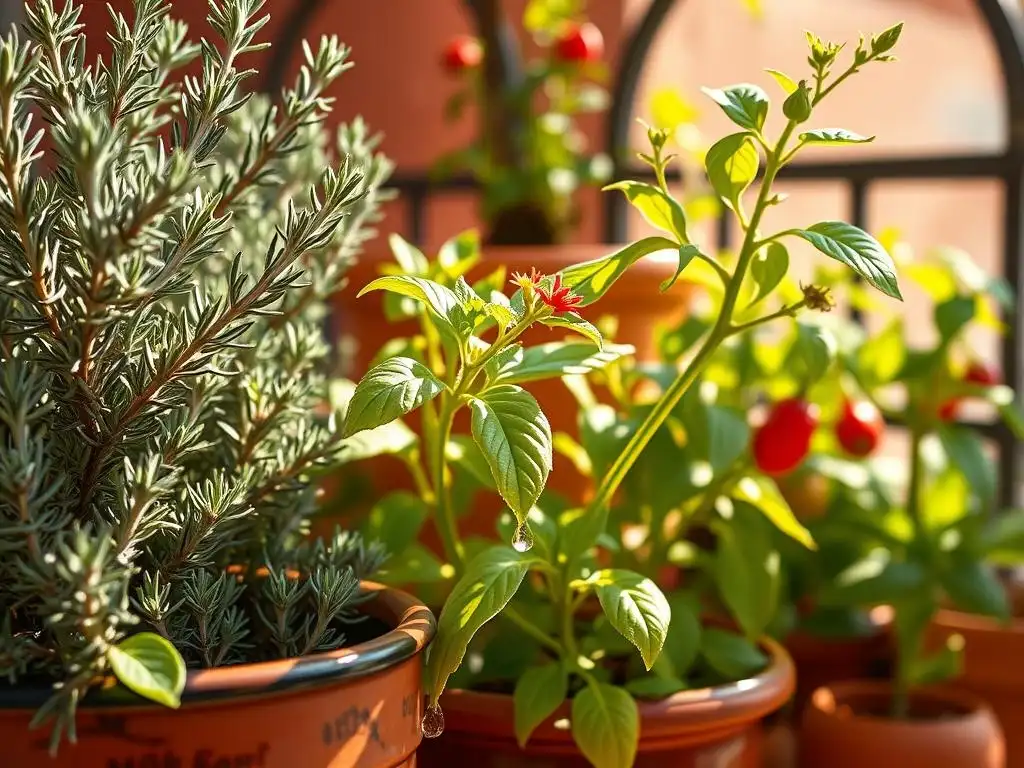
Choosing the right plants is paramount for successful hot climate container gardening. Ignoring this crucial step can lead to wilting, stunted growth, and ultimately, a disappointing harvest. Selecting heat-tolerant varieties is key to thriving in intense sun and high temperatures. This means looking beyond your typical garden center offerings and seeking out species specifically bred to withstand the challenges of a hot climate. Remember, even heat-tolerant plants will need extra care during the hottest parts of the day.
Best Vegetables for Hot and Sunny Conditions
Many vegetables flourish in hot, sunny conditions. However, proper selection and care are crucial. Here are some excellent choices:
- Tomatoes: Choose determinate varieties for container gardening, as they grow to a specific height and are easier to manage in confined spaces. Consider heirloom varieties known for their heat tolerance. Regular watering and well-draining soil are essential.
- Peppers: Both bell peppers and chili peppers thrive in heat. Select compact varieties designed for containers. Ensure consistent moisture, but avoid overwatering, which can lead to root rot. Providing adequate sunlight is key to plentiful harvests.
- Eggplant: Eggplants prefer warm weather and ample sunshine. Choose dwarf varieties suitable for container growing. Consistent watering and fertilization are crucial for healthy fruit development. Mulching around the base of the plant can help retain moisture and regulate soil temperature.
- Cucumbers: While cucumbers prefer slightly cooler conditions, some bush varieties are surprisingly heat-tolerant. Choose compact varieties specifically bred for container gardening. Providing adequate shade during the hottest part of the day might be beneficial. Regular harvesting encourages continued production.
- Squash (Summer varieties): Certain summer squash varieties, like zucchini and yellow squash, can tolerate heat, especially with consistent watering and afternoon shade. Choose compact, bush varieties ideal for containers.
Thriving Herbs in Intense Heat
Certain herbs are remarkably resilient to high temperatures and prolonged sun exposure. These hardy plants can add flavor to your dishes while beautifying your container garden. Here are a few excellent options:
- Basil: A classic hot-weather herb, basil thrives in full sun and warm temperatures. Regular harvesting encourages bushier growth. Ensure well-draining soil to prevent root rot.
- Rosemary: This woody herb is incredibly drought-tolerant and loves the heat. It requires well-draining soil and plenty of sunshine.
- Thyme: Another drought-tolerant herb, thyme thrives in hot, sunny conditions. It's relatively low-maintenance and requires minimal watering once established.
- Oregano: Oregano is a hardy herb that tolerates heat and drought. It prefers full sun and well-draining soil.
- Sage: Sage is another heat-loving herb that thrives in full sun. It's relatively low-maintenance and requires minimal watering. Ensure well-draining soil to avoid root rot.
Fruit Plants Suitable for Container Growing in Hot Climates
While many fruit trees require significant space, some dwarf varieties and specific fruiting plants adapt well to container gardening in hot climates. Careful selection and consistent care are vital for successful fruiting.
- Dwarf Citrus Trees: Dwarf lemon, lime, and orange trees can thrive in containers, especially if provided with ample sunlight and protection from strong winds. Regular fertilization and pruning are crucial for healthy growth and fruit production. They need consistent watering, particularly during hot, dry periods.
- Strawberries: Certain strawberry varieties are well-suited for containers. Choose varieties known for their heat tolerance and ensure consistent moisture and well-draining soil. Mulching can help regulate soil temperature and retain moisture.
- Tomatoes (again!): Yes, tomatoes are both vegetables and fruits! Certain compact varieties are excellent for container growing and produce abundant fruit in warm climates.
Remember that even heat-tolerant plants will benefit from some afternoon shade during the hottest part of the day, especially during heat waves. Consistent watering, well-draining soil, and regular fertilization are essential for success in hot climate container gardening. Careful plant selection is the cornerstone of a thriving container garden, even in the most intense heat.
Watering Strategies for Hot Climate Container Gardens
Container gardening in hot climates presents unique challenges, primarily centered around water management. The smaller volume of soil in containers dries out much faster than in-ground plantings, demanding a more attentive watering schedule. This section focuses on effective watering strategies to ensure your plants thrive even under intense heat. Mastering these techniques is crucial for successful hot climate container gardening, leading to healthier, more productive plants. Understanding your plant's specific water needs, considering the container material, and employing smart irrigation methods are key components to success. Let's delve into the specifics.
Watering Frequency and Techniques: Avoiding Overwatering and Underwatering
The frequency of watering depends on several factors: ambient temperature, sunlight exposure, container size and material (darker colors absorb more heat), plant type, and the current stage of growth. A general rule of thumb is to check the soil moisture daily, especially during heat waves. Insert your finger about an inch into the soil; if it feels dry, it's time to water. Avoid watering based solely on a schedule, as environmental conditions can fluctuate significantly.
Overwatering is a common problem in container gardening, leading to root rot and other diseases. Symptoms include yellowing leaves, wilting, and a foul odor emanating from the soil. Underwatering, on the other hand, results in wilting, stunted growth, and leaf scorch. Striking a balance is key.
Effective watering techniques involve deeply saturating the soil until water drains from the drainage holes. Avoid shallow watering, which only moistens the surface and doesn't reach the roots. Watering in the early morning or late evening is recommended to minimize evaporation. Consider using a watering can with a rose head for gentle, even distribution, preventing soil erosion. For larger containers, a soaker hose can be particularly effective.
Mulching for Moisture Retention in Hot Weather
Mulching is a crucial technique for hot climate container gardening. A layer of mulch on top of the soil helps retain moisture, reducing the frequency of watering and minimizing evaporation. It also suppresses weed growth and regulates soil temperature, protecting roots from extreme heat.
Suitable mulches for containers include organic materials like shredded bark, coconut coir, straw, or even composted leaves. Avoid using mulch that is too dense, which can impede drainage and create a breeding ground for pests. Apply a layer of mulch about 2-3 inches deep, leaving a small gap around the base of the plant to prevent stem rot. Regularly replenish the mulch layer as it decomposes. The benefits of mulch extend beyond moisture retention; it also improves soil structure and adds nutrients as it breaks down.
Utilizing Self-Watering Containers for Efficient Irrigation
Self-watering containers offer a convenient and efficient way to irrigate plants in hot climates. These containers typically feature a reservoir at the bottom that slowly releases water to the roots as needed. This system minimizes the frequency of manual watering, reducing the risk of overwatering and ensuring consistent moisture.
Choosing the right self-watering container depends on the size and type of plants you are growing. Consider the container's material, capacity, and the design of the reservoir. Some self-watering containers include indicators to show when the reservoir needs refilling.
While self-watering containers offer significant benefits, it's still essential to monitor soil moisture occasionally and adjust watering as needed based on environmental conditions and plant growth. Regularly checking the reservoir level and cleaning it to prevent algae growth are important aspects of maintaining these systems. The initial investment in self-watering containers can be offset by long-term water savings and reduced labor.
Soil Selection and Preparation for Container Gardening in Heat
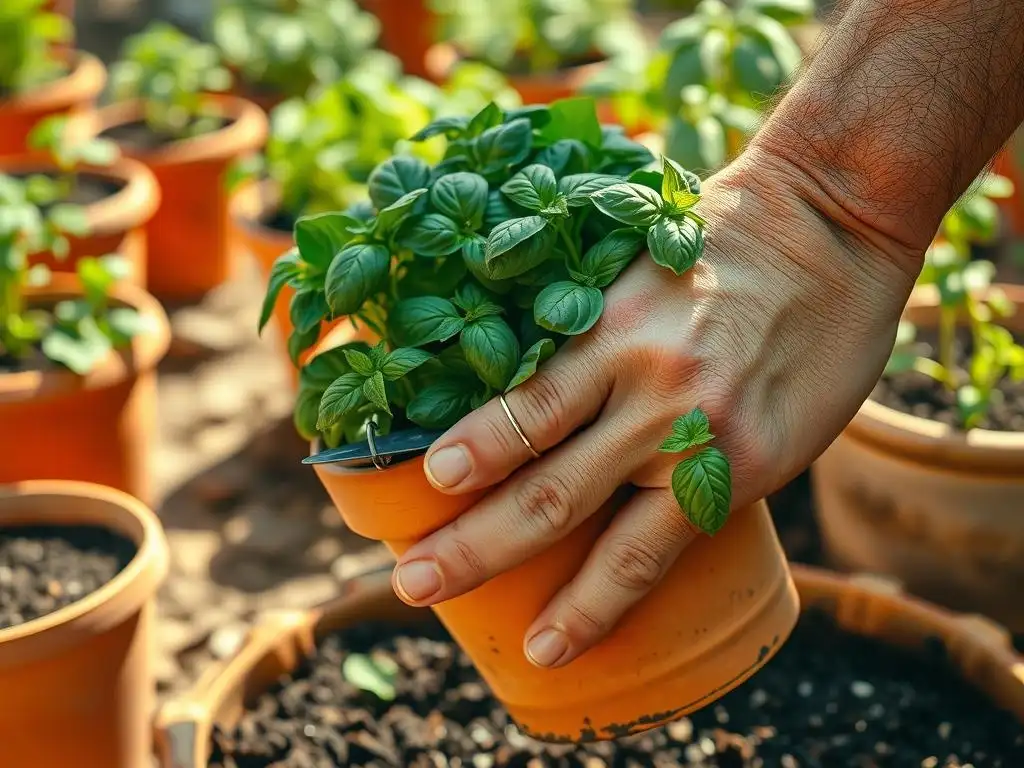
Container gardening in hot climates presents unique challenges, primarily related to water retention and soil temperature. Choosing the right soil and preparing it correctly is crucial for the success of your hot climate container garden. Ignoring these steps can lead to wilting plants, nutrient deficiencies, and ultimately, crop failure. This section focuses on selecting and preparing the ideal soil mix for thriving plants even under intense heat. We'll cover the best potting mixes, the importance of organic matter, and essential nutrient considerations. Mastering these aspects will significantly improve your chances of a bountiful harvest, even in scorching conditions.
Choosing the Right Potting Mix for Hot Climates
Selecting a high-quality potting mix specifically designed for containers is paramount. Avoid using garden soil directly from your yard; it's often too dense and retains too much water, leading to root rot in hot, humid conditions. Instead, look for potting mixes that are:
- Well-draining: The mix should allow excess water to drain quickly, preventing waterlogging and root rot. Look for mixes that include perlite, vermiculite, or coco coir to enhance drainage.
- Lightweight: A lightweight mix helps regulate soil temperature, preventing the soil from becoming excessively hot and damaging roots.
- Air-rich: Good air circulation around the roots is vital for healthy growth. A well-aerated mix promotes root development and oxygen uptake.
- pH balanced: Most plants thrive in a slightly acidic to neutral pH range (6.0-7.0). Check the pH of your chosen potting mix before use. You can adjust the pH if needed with organic amendments like peat moss (to lower pH) or lime (to raise pH).
Many commercially available potting mixes are specifically formulated for container gardening and often meet these criteria. Carefully read the product label to ensure it's suitable for container gardening and hot climates. Remember, a good potting mix is an investment in the health and productivity of your plants.
Adding Organic Matter for Improved Drainage and Water Retention
While good drainage is crucial, you also need to ensure your potting mix retains sufficient moisture, especially during hot, dry spells. Adding organic matter to your potting mix is a key strategy to achieve this balance. Organic matter improves both drainage and water retention simultaneously, creating a more stable soil environment.
Here are some excellent organic amendments:
- Compost: Mature compost adds nutrients and improves soil structure, enhancing both drainage and water retention.
- Coco coir: A sustainable alternative to peat moss, coco coir retains moisture well while also promoting good drainage.
- Worm castings: These are rich in nutrients and beneficial microorganisms, contributing to a healthier soil ecosystem.
The amount of organic matter you add will depend on the specific potting mix you've chosen. Generally, a ratio of 1:1 (potting mix:organic matter) is a good starting point. However, always refer to the manufacturer's instructions on the potting mix packaging for specific recommendations. Adding too much organic matter can lead to compaction, hindering drainage. Careful observation and adjustments are key to finding the perfect balance for your specific needs.
Essential Nutrients for Heat-Tolerant Plants
Heat-stressed plants often exhibit nutrient deficiencies, impacting their growth and yield. Providing essential nutrients is crucial for ensuring your plants thrive in hot conditions. While a good potting mix provides a base level of nutrients, supplementing with fertilizers tailored to the needs of your plants is highly recommended.
- Slow-release fertilizers: These fertilizers gradually release nutrients over time, minimizing the risk of nutrient burn and providing a consistent supply.
- Liquid fertilizers: Liquid fertilizers offer a quick source of nutrients, particularly beneficial during periods of rapid growth or stress. However, use them sparingly to avoid over-fertilizing.
- Organic fertilizers: Organic fertilizers, such as fish emulsion or seaweed extract, are a sustainable and environmentally friendly option that also improve soil health.
Remember to choose fertilizers specifically formulated for the type of plants you're growing. Over-fertilizing can be just as detrimental as under-fertilizizing, so follow the manufacturer's instructions carefully. Regular monitoring of your plants for signs of nutrient deficiency (yellowing leaves, stunted growth) will help you adjust your fertilization strategy as needed. Observing your plants closely is the best way to ensure they receive the right nutrients to flourish in the heat. 🌱
Protecting Plants from Intense Sun and Heat
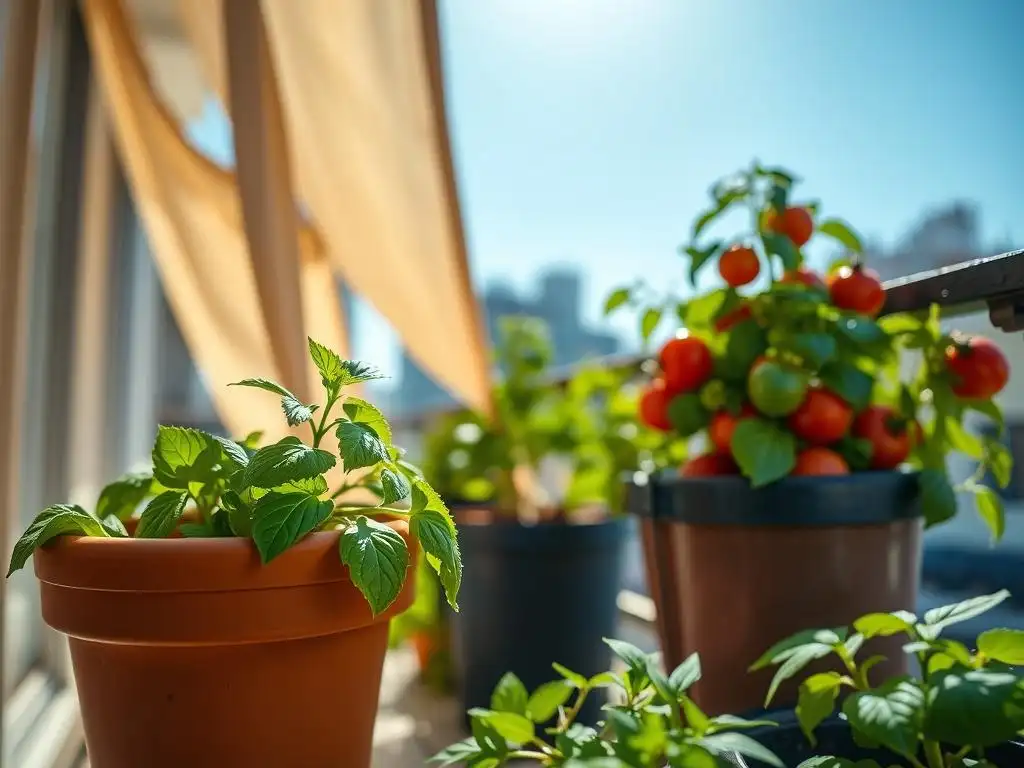
Hot climate container gardening presents unique challenges, primarily the intense solar radiation and high temperatures. Successfully cultivating plants in these conditions requires proactive strategies to mitigate the effects of extreme heat. This section focuses on practical methods to protect your plants from sun stress, ultimately maximizing their health and yield. Understanding the specific needs of your chosen plants is crucial, as some varieties are inherently more heat-tolerant than others.
Remember that even heat-tolerant plants can benefit from protection during the hottest parts of the day. The key to success lies in a multi-pronged approach combining shading, strategic placement, and proper watering techniques. Ignoring these measures can lead to wilting, leaf burn, and reduced fruit production – ultimately hindering your gardening success. Let's delve into the specifics.
Providing Shade During Peak Hours
The most straightforward method for protecting plants from intense sun is to provide shade during the hottest hours of the day, typically between 11 AM and 3 PM. This can be achieved in several ways. For smaller containers, consider using readily available materials like terracotta pots or even larger containers to create a microclimate of shade. Positioning these larger containers strategically can create a cascade effect, reducing the direct sunlight exposure on more delicate plants.
A simple, inexpensive solution is to use readily available materials like large leaves (banana leaves work well in many hot climates! ), or even lightweight fabric draped over the plants. Remember to avoid completely blocking sunlight, as plants still need some light for photosynthesis. The goal is to diffuse the intensity of the sun's rays, especially during peak heat.
Monitor your plants closely; if they show signs of wilting even with this partial shade, you may need to adjust your approach. This method is particularly effective for seedlings and young plants that are more vulnerable to heat stress. Regular observation will allow you to fine-tune your shading strategy based on the specific needs of your plants and the intensity of the sunlight.
Utilizing Shade Cloth for Optimal Protection
Shade cloth offers a more controlled and effective way to protect your plants from excessive sun exposure. Available in various percentages of shade (e.g., 30%, 50%, 70%), you can choose the level of protection best suited to your plants and your climate. A 50% shade cloth, for instance, allows 50% of the sunlight to reach your plants while filtering out the most intense rays.
This is a particularly useful option for larger containers or raised garden beds where providing shade manually might be more challenging. Shade cloth is relatively inexpensive and reusable, making it a cost-effective long-term solution. Moreover, it's easy to install and remove as needed, allowing for flexibility based on weather conditions and plant growth stages.
Remember to secure the shade cloth firmly to prevent it from blowing away in strong winds. This method is especially beneficial during extended periods of extreme heat and intense sunlight, providing consistent protection for your plants. Proper installation and choice of percentage shading are key for optimal results.
Adjusting Container Placement to Manage Sun Exposure
Strategic placement of your containers plays a significant role in managing sun exposure. Observe the sun's path throughout the day to identify areas that receive less direct sunlight during peak hours. Consider placing your containers under trees or near structures that provide natural shade. Even slight variations in placement can make a significant difference in the amount of direct sun your plants receive.
For example, a location that receives morning sun but is shaded in the afternoon might be ideal for heat-sensitive plants. Similarly, placing containers on a north-facing wall (in the Northern Hemisphere) will naturally reduce their exposure to the most intense midday sun. Experiment with different locations to find the optimal balance between sufficient sunlight for photosynthesis and protection from the most damaging rays.
Remember that wind exposure can also exacerbate heat stress, so consider placing containers in sheltered areas to minimize this effect. This simple yet effective technique, coupled with other protective measures, contributes significantly to the overall success of your hot climate container gardening efforts. Careful observation and adjustment are key to ensuring your plants thrive.
Pest and Disease Management in Hot Climate Container Gardens
High temperatures and the contained environment of container gardening can create ideal conditions for certain pests and diseases to thrive. Understanding these challenges and implementing proactive strategies is crucial for maintaining healthy plants and a bountiful harvest, even in the most intense heat. This section focuses on effective pest and disease management techniques specifically tailored for hot climate container gardening. Mastering these methods will significantly improve your chances of success in cultivating thriving plants under challenging conditions. Effective pest and disease management is key to successful hot climate container gardening.
Common Pests and Diseases in Hot Weather
Hot, dry conditions often attract specific pests and encourage the spread of certain diseases. Some common culprits include:
- Aphids: These tiny sap-sucking insects can quickly infest plants, causing stunted growth and leaf curling. They are particularly prevalent in hot, dry weather. Their populations explode rapidly in summer months.
- Spider mites: These microscopic pests also feed on plant sap, creating stippling on leaves and webbing. Hot, dry conditions worsen infestations. Regular monitoring is crucial for early detection.
- Whiteflies: These small, white insects congregate on the undersides of leaves, sucking sap and excreting honeydew, which can lead to sooty mold. They thrive in warm, humid environments, although the heat itself can be a factor in their life cycle.
- Fungal diseases: High humidity and temperatures can encourage the development of fungal diseases like powdery mildew and leaf spot. These can cause discoloration, wilting, and ultimately, plant death.
- Root rot: Overwatering, especially in poorly draining containers, can lead to root rot, a devastating fungal disease that affects the roots and can kill the plant.
Organic Pest Control Methods for Container Gardens
Effective pest control in hot climate container gardens necessitates a multi-pronged approach emphasizing organic methods to protect beneficial insects and the environment. Here are some effective strategies:
- Neem oil: This natural insecticide is effective against a wide range of pests, including aphids, spider mites, and whiteflies. Apply according to package directions, remembering that efficacy can be reduced by high temperatures; reapplication might be necessary.
- Insecticidal soap: This gentle yet effective solution disrupts the cell membranes of many soft-bodied insects. It's a safe option for organic gardening, but may require frequent application, especially during heat waves.
- Diatomaceous earth: This naturally occurring powder can be used as a physical barrier against many crawling insects. Apply it to the soil surface around plants, being careful to avoid inhalation.
- Beneficial insects: Introducing ladybugs, lacewings, or other beneficial insects can help control pest populations naturally. These predatory insects will feed on many common garden pests.
- Physical removal: For small infestations, manually removing pests by hand or with a strong stream of water can be an effective and simple control method.
Preventing Disease Through Proper Watering and Soil Management
Proactive disease prevention is far more effective than treatment. Proper watering and soil management are crucial in a hot climate.
- Watering techniques: Water deeply but infrequently, allowing the soil to dry slightly between waterings. Avoid overhead watering, which can spread diseases. Water at the base of the plant to keep foliage dry. Consider using a soaker hose or drip irrigation system for efficient watering.
- Well-draining soil: Use a well-draining potting mix specifically formulated for containers. Avoid compacted or heavy soils that retain too much moisture, increasing the risk of root rot. Adding perlite or vermiculite to your potting mix can improve drainage.
- Soil sterilization: Before planting, consider sterilizing your potting mix to eliminate any existing pathogens. This can be done by baking the soil in the oven at a low temperature for several hours.
- Crop rotation: Rotate your crops annually to break disease cycles. Avoid planting the same species in the same container year after year to minimize the risk of soilborne diseases.
- Mulching: Applying a layer of mulch around the base of your plants helps to retain soil moisture, regulate temperature, and suppress weeds, which can harbor pests and diseases. Organic mulches such as straw or shredded leaves are ideal.
By implementing these preventative measures and organic pest control methods, you can significantly reduce the risk of pest and disease problems in your hot climate container garden, leading to healthier, more productive plants and a rewarding gardening experience. 🌱
Harvesting and Maintaining Your Hot Climate Container Garden
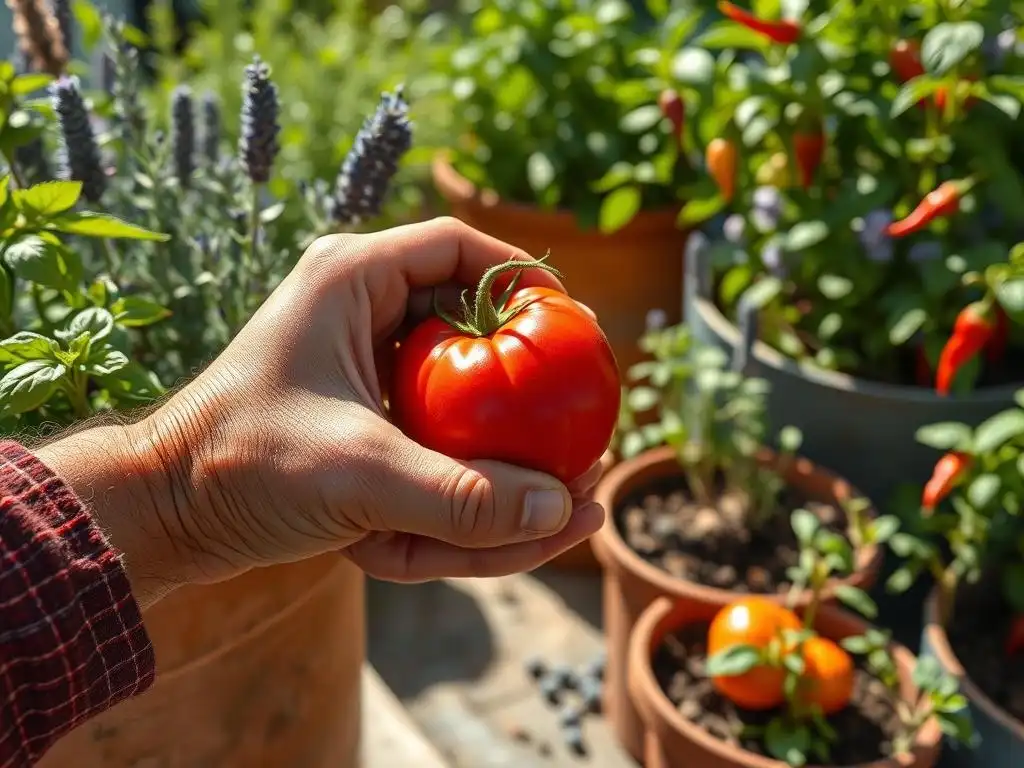
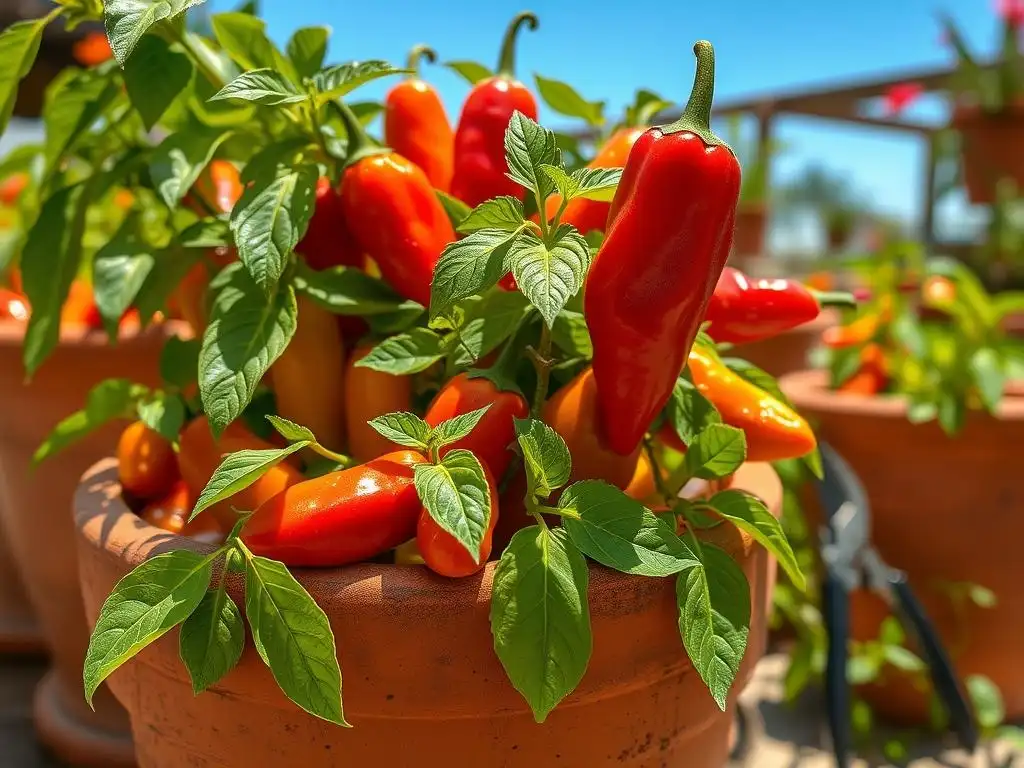
This section focuses on the crucial aspects of harvesting and maintaining your thriving container garden in hot climates. We'll explore efficient harvesting techniques, essential pruning practices, and strategies for extending the life of your plants, even during milder winter months. Remember, consistent care is key to maximizing your yield and enjoying a bountiful harvest throughout the growing season.
Harvesting Techniques for Heat-Tolerant Crops
Harvesting your heat-tolerant crops at the optimal time is paramount for maximizing flavor and nutritional value. Different plants have different readiness cues. For example, tomatoes are typically ready when they've reached their full size and color, and exhibit a slight give when gently squeezed. Similarly, peppers should be harvested when they've reached their mature size and characteristic color – this can vary significantly depending on the variety. Some peppers, like jalapeños, will turn a deep red when fully ripe, while others may stay green.
For leafy greens like kale and spinach, aim to harvest outer leaves regularly, leaving the inner leaves to continue growing. This prevents the plant from bolting (going to seed) prematurely in the heat. Regular harvesting also encourages bushier growth and a more extended harvest period.
The best time to harvest is typically in the early morning or late evening, when temperatures are cooler. This minimizes stress on the plants and helps preserve the quality of the harvested produce. Use sharp, clean tools to prevent damage and the spread of disease. Always handle your harvested produce carefully to avoid bruising.
Here's a handy table summarizing ideal harvesting times for some common heat-tolerant crops:
| Crop | Harvesting Stage | Optimal Harvesting Time |
|---|---|---|
| Tomatoes | Full size, vibrant color, slight give when squeezed | Early morning or late evening |
| Peppers | Mature size and characteristic color | Early morning or late evening |
| Leafy Greens | Outer leaves regularly | Early morning or late evening |
| Zucchini/Squash | Young, tender fruit | Every other day, when small |
| Okra | Young, tender pods | Every other day, when small |
Remember to always check the specific needs of your chosen varieties, as these are general guidelines. Proper harvesting ensures a continuous supply of fresh, flavorful produce from your hot climate container garden. Happy harvesting! 🥕
Pruning and Deadheading for Healthy Growth
Pruning and deadheading are vital for maintaining the health and productivity of your container garden in hot climates. These practices help to redirect the plant's energy towards fruit production rather than seed production, leading to a more abundant harvest. Regular pruning also improves air circulation, reducing the risk of fungal diseases, which are more prevalent in humid conditions.
Deadheading involves removing spent flowers, preventing the plant from producing seeds and encouraging the development of new blooms and fruits. This is particularly important for plants like tomatoes and peppers. Simply pinch off or cut off the spent blossoms cleanly with a sharp pair of scissors.
Pruning, on the other hand, involves removing branches, stems, or leaves to shape the plant and improve its overall health. For indeterminate tomato plants, regular pruning (often called suckering) is essential. This involves removing the small shoots (suckers) that grow from the junction of the main stem and branches. These suckers compete with the main plant for resources, reducing fruit production.
Regular pruning and deadheading are essential for maintaining healthy growth and maximizing yields in your hot climate container garden. It's important to use clean, sharp tools to prevent disease transmission and ensure a clean cut. Remember to research the specific pruning requirements for each plant in your container garden. Careful attention to these details will make a significant difference in the overall health and productivity of your plants.
Winterizing Your Containers in Mild Climates (if applicable)
In regions with mild winters, your container garden might not require extensive winterizing, but some protective measures can still extend the life of your plants and ensure a successful spring planting. This involves protecting your plants from frost and ensuring adequate moisture during periods of low rainfall.
For containers left outdoors, consider grouping them together to provide some insulation against cold temperatures. A layer of mulch around the base of the plants can also help retain soil moisture and protect the roots. If frost is predicted, you can cover your containers with frost cloths or bring smaller containers indoors to a sheltered location.
Even in mild climates, watering needs can change during winter. Reduce watering frequency as the plants go dormant, but avoid letting the soil completely dry out. Regularly inspect your plants for signs of stress, such as wilting or leaf discoloration. Addressing issues promptly can help prevent significant damage. Proper winter care will help your plants thrive when spring arrives. Enjoy the fruits – or vegetables – of your labor! 🍅
Troubleshooting Common Hot Climate Container Gardening Problems
Hot climate container gardening presents unique challenges. The intense heat and sun, coupled with the limited soil volume in containers, can quickly lead to problems if not properly managed. This section will address some of the most common issues and provide practical solutions to help you cultivate a thriving garden even in the most scorching conditions. Understanding these problems and their solutions is key to successful hot climate container gardening.
Dealing with Wilting and Leaf Scorch
Wilting and leaf scorch are common signs of heat stress in container plants. The intense sun rapidly evaporates water from the soil, leaving plants dehydrated. Leaf scorch, characterized by brown, crispy edges or patches on leaves, is a more severe manifestation of this dehydration. Several factors contribute to this issue:
- Insufficient Watering: This is the most frequent culprit. Containers dry out much faster than in-ground gardens, requiring more frequent watering, especially during peak heat. Don't wait until plants visibly wilt; monitor soil moisture regularly and water deeply when the top inch feels dry.
- Poor Drainage: Containers with inadequate drainage can lead to waterlogged soil, which ironically hinders water uptake by roots. Ensure your containers have drainage holes to prevent root rot and ensure proper aeration.
- Sun Exposure: While sunlight is essential, excessive exposure, particularly during the hottest part of the day, can overwhelm plants. Consider providing afternoon shade, either through strategically placed structures or by moving containers to a less sunny location during the hottest hours.
- Container Material: Dark-colored containers absorb and retain more heat than lighter-colored ones, further exacerbating dehydration. Opt for light-colored pots to minimize heat buildup.
To combat wilting and leaf scorch:
- Increase watering frequency: Water deeply and regularly, especially during hot, dry spells. Consider using a moisture meter to monitor soil moisture levels.
- Mulch the surface: A layer of organic mulch, such as straw or shredded bark, can help retain soil moisture and reduce evaporation.
- Provide shade: Offer afternoon shade to protect plants from the harshest sun.
- Use light-colored containers: Choose containers that reflect sunlight rather than absorb it.
- Group plants: Grouping plants together can create a microclimate that helps retain moisture.
Addressing Nutrient Deficiencies in Hot Weather
High temperatures can accelerate nutrient depletion in container gardens. The limited soil volume means nutrients are quickly used up, and hot weather can also reduce nutrient availability to the plants. Symptoms of nutrient deficiencies can include stunted growth, yellowing leaves (chlorosis), and poor flowering or fruiting.
- Nitrogen Deficiency: Manifests as yellowing of older leaves, stunted growth, and pale green coloration. Nitrogen is crucial for leaf growth.
- Potassium Deficiency: Shows up as yellowing and browning of leaf margins, and wilting. Potassium is vital for water regulation and disease resistance.
- Phosphorus Deficiency: Causes stunted growth, dark green or purplish leaves, and poor root development. Phosphorus is important for flowering and fruiting.
To address nutrient deficiencies:
- Regular fertilization: Use a balanced, slow-release fertilizer specifically formulated for container plants. Apply fertilizer according to package directions, but consider more frequent applications during hot weather.
- Soil testing: Conduct a soil test to determine the precise nutrient levels in your soil. This allows for targeted fertilization, preventing nutrient imbalances.
- Compost tea: Compost tea is a natural way to add nutrients and beneficial microbes to your soil. It also improves soil structure and water retention.
- Organic amendments: Incorporate organic matter like compost or worm castings into your potting mix to improve nutrient availability and soil structure.
Managing Overwatering and Root Rot Issues
While underwatering is a common problem in hot climates, overwatering can also be detrimental, leading to root rot. Root rot occurs when roots are deprived of oxygen due to consistently soggy soil. This creates a breeding ground for harmful fungi and bacteria, causing roots to decay and ultimately killing the plant. Signs of overwatering include yellowing leaves, wilting even with moist soil, and a foul odor emanating from the soil.
To prevent and address overwatering and root rot:
- Well-draining potting mix: Use a potting mix that is well-draining and aerated. Avoid using garden soil in containers, as it tends to compact and retain too much water.
- Proper watering techniques: Water deeply but less frequently, allowing the top inch or two of soil to dry out between waterings.
- Drainage holes: Ensure your containers have adequate drainage holes to allow excess water to escape. Raise containers slightly off the ground to improve drainage.
- Avoid overhead watering: Overhead watering can lead to fungal diseases. Water at the base of the plant to keep foliage dry.
- Container selection: Choose containers with appropriate size for the plant. Oversized containers can retain too much moisture.
Preventing these common issues is key to successful hot climate container gardening. By understanding the causes and implementing these solutions, you can enjoy a thriving and productive garden even in the most challenging conditions. 🌱
Frequently Asked Questions
What are the best plants for hot climate container gardening?
Choose heat-tolerant varieties like tomatoes, peppers, zucchini, and herbs such as basil and rosemary. Consider dwarf or compact varieties to manage size in containers. Regular watering is crucial.
How often should I water containers in hot weather?
Watering frequency depends on factors like container size, plant type, and sun exposure. Aim for moist but not soggy soil, checking daily, especially during heat waves. Consider self-watering containers for convenience.
What type of containers are best for hot climates?
Use light-colored containers to reflect sunlight and prevent overheating. Terracotta pots are porous, allowing for better airflow, but require more frequent watering. Ensure containers have adequate drainage holes.
How can I protect my plants from intense sun in hot climates?
Provide afternoon shade using shade cloth, umbrellas, or strategically placing containers. Group plants to create microclimates and offer some natural shade to each other. Mulching the soil surface helps retain moisture and regulate temperature.
What are some common pest and disease problems in hot weather container gardening, and how can I address them?
Watch for pests such as aphids and spider mites. Use organic pest control methods like insecticidal soap or neem oil. Good air circulation helps prevent fungal diseases. Ensure proper spacing between plants to avoid overcrowding and disease spread.
Final Reflection: Nurturing Life in the Heat: A Harvest of Hope
The challenges of hot climate container gardening are real, but so are the rewards. Successfully cultivating a thriving garden in intense heat proves not only our horticultural prowess but also our resilience and adaptability in the face of a changing climate. This ability to nurture life even under challenging conditions offers a powerful symbol of hope for a more sustainable future.
The impact of container gardening extends far beyond the simple act of growing food. It fosters a deeper connection with nature, promoting mindfulness and a sense of accomplishment. It's a tangible way to combat food insecurity, even on a small scale, and to contribute to a more eco-conscious lifestyle. The glory of gardening: hands in the dirt, head in the sun, heart with nature. To nurture a garden is to feed not just the body, but the soul.
This quote perfectly encapsulates the profound and often overlooked benefits of this practice, particularly in challenging climates.
Now, consider your own space. Do you have a sunny balcony, a small patio, or even just a windowsill? Imagine the vibrant colors, the fresh aromas, and the satisfaction of harvesting your own herbs, vegetables, or flowers, all grown within the confines of your own container garden. This is not just about growing food; it's about cultivating a connection with the earth, a sense of purpose, and a resilient spirit that can flourish even in the hottest of summers. Embrace the challenge, and let your garden bloom.
Unlock Your Urban Oasis: Grow Your Own Food Today!
Thank you for exploring the world of hot-climate container gardening with us! We hope you're feeling inspired to cultivate your own delicious, homegrown produce. Now it's time to put your knowledge into action.
- Start small, but dream big: Begin with an easy-to-grow herb or vegetable like basil, peppers, or cherry tomatoes. Even a single pot can make a difference.
- Share your gardening journey: Share a photo of your plant on social media using #CultivateYourFood – let's inspire each other!
- Connect with our community: Join our online forums to share tips, ask questions, and connect with fellow gardeners. We're here to support your gardening journey!
What's the first step you'll take to enjoy the freshness of homegrown food?