
The Importance of Planning Your Cold Climate Garden: Ensuring Success

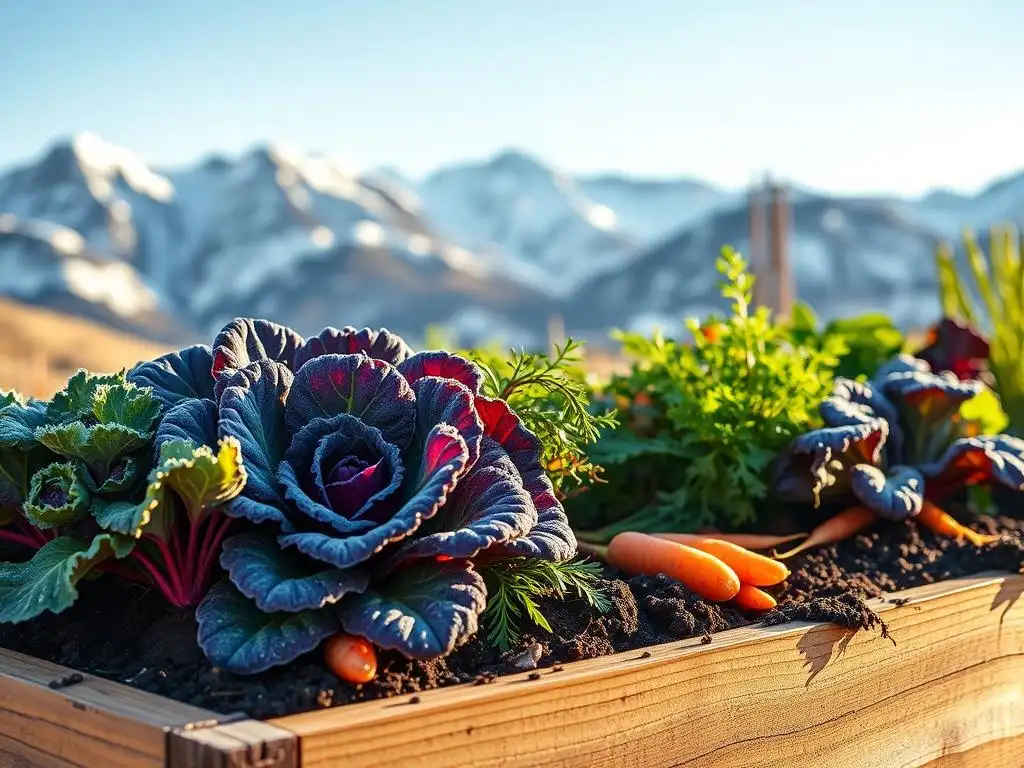
Welcome to CultivateYourFood, your guide to a thriving, sustainable home garden! Are you ready to unlock the secrets of a bountiful harvest, even in the face of chilly temperatures? Our Cold climate gardening planning guide will equip you with the essential knowledge and strategies to successfully cultivate fruits, vegetables, and herbs, regardless of your climate. Discover how meticulous planning can transform your garden from a hopeful dream into a flourishing reality. Let's get started!
- Understanding Your Cold Climate: A Crucial First Step in Cold Climate Gardening Planning Guide
- Choosing the Right Plants for Your Cold Climate Garden
- Soil Preparation and Amendment for Cold Climate Gardening Success
- Site Selection and Garden Design for Cold Climate Gardening
- Cold Climate Gardening Techniques and Strategies
- Pest and Disease Control in Cold Climate Gardens
- Harvesting and Preserving Your Cold Climate Garden Bounty
- Cold Climate Gardening Resources and Further Learning
-
Frequently Asked Questions
- What are the biggest challenges of gardening in a cold climate?
- How do I choose the right plants for my cold climate garden?
- When is the best time to start seeds indoors for a cold climate garden?
- What are some essential cold climate gardening techniques?
- How can I protect my plants from frost damage?
- Final Reflection: Cultivating Resilience in the Frozen Earth
- Unleash Your Winter Wonderland: Grow a Thriving Cold-Climate Garden
Understanding Your Cold Climate: A Crucial First Step in Cold Climate Gardening Planning Guide
Planning a successful garden in a cold climate requires meticulous preparation and a deep understanding of your specific environment. This isn't just about throwing seeds in the ground and hoping for the best; it's about strategically choosing plants that thrive in your conditions, protecting them from harsh weather, and extending your growing season. This comprehensive cold climate gardening planning guide will walk you through the essential steps to ensure a bountiful harvest, even in challenging climates.
We'll explore crucial factors like microclimates, hardiness zones, and frost dates, empowering you to make informed decisions and maximize your gardening success. Ignoring these factors can lead to significant losses, wasted effort, and ultimately, a disappointing yield. Let's delve into the details and equip you with the knowledge to conquer the challenges of cold climate gardening.
Microclimates and Their Impact on Cold Climate Gardening
Understanding microclimates is paramount in cold climate gardening. A microclimate is a small area with a climate that differs from the surrounding area. Even within a single garden, you can experience variations in temperature, sunlight, and wind exposure. For example, a south-facing wall can create a warmer microclimate, ideal for extending the growing season for heat-loving plants. Conversely, a low-lying area might experience frost pockets, making it less suitable for frost-sensitive crops.
Careful observation of your garden throughout the year is key to identifying these microclimates. Note areas that receive more or less sunlight, experience stronger winds, or retain moisture differently. This information will inform your planting decisions, allowing you to place plants in locations that best suit their individual needs.
For instance, you might plant frost-sensitive vegetables near a south-facing wall for extra warmth or position wind-sensitive plants in a sheltered area. Using windbreaks, such as hedges or strategically placed structures, can also help to modify your microclimates and protect plants from harsh conditions. Precise temperature monitoring throughout the year, using multiple thermometers placed strategically, will provide valuable data for long-term planning.
Assessing Your Hardiness Zone for Optimal Plant Selection
Your hardiness zone is a critical factor in determining which plants will survive and thrive in your garden. Hardiness zones are geographical areas with similar average annual minimum temperatures. Knowing your hardiness zone allows you to select plants that are adapted to your specific climate, significantly increasing your chances of success. Using the wrong plants for your zone is a common mistake that can lead to plant failure.
Several online resources provide interactive maps to determine your hardiness zone based on your location. Using this information, you can choose plants with hardiness ratings that match or exceed your zone's minimum temperature. For example, if you live in zone 5, you should choose plants rated for zone 5 or higher.
Pay close attention to the plant tags or descriptions, as they usually indicate the suitable hardiness zones. Consider also the specific microclimates within your garden; a warmer microclimate might allow you to grow plants from a slightly higher zone than your overall hardiness zone rating. This careful selection process is a cornerstone of successful cold climate gardening.
Understanding Frost Dates and Their Significance in Cold Climate Gardening Planning
Frost dates represent the average dates of the last spring frost and the first autumn frost in your area. These dates are essential for determining your planting and harvesting schedules. Planting before the last spring frost can lead to significant crop damage or even loss, while harvesting after the first autumn frost can result in frozen produce.
Knowing your frost dates allows you to plan your planting schedule accordingly. You can use a calendar to mark these dates and then count backward to determine the optimal sowing or planting times for various crops. Using frost protection methods, such as row covers or cloches, can extend your growing season, allowing you to plant earlier in the spring and harvest later in the fall.
These techniques are vital for maximizing your yield in a short growing season. Remember that these are average dates; actual frost dates can vary from year to year, so it's important to monitor weather forecasts closely during the spring and fall. Accurate prediction and preparedness are key to success in cold climate gardening.
Choosing the Right Plants for Your Cold Climate Garden
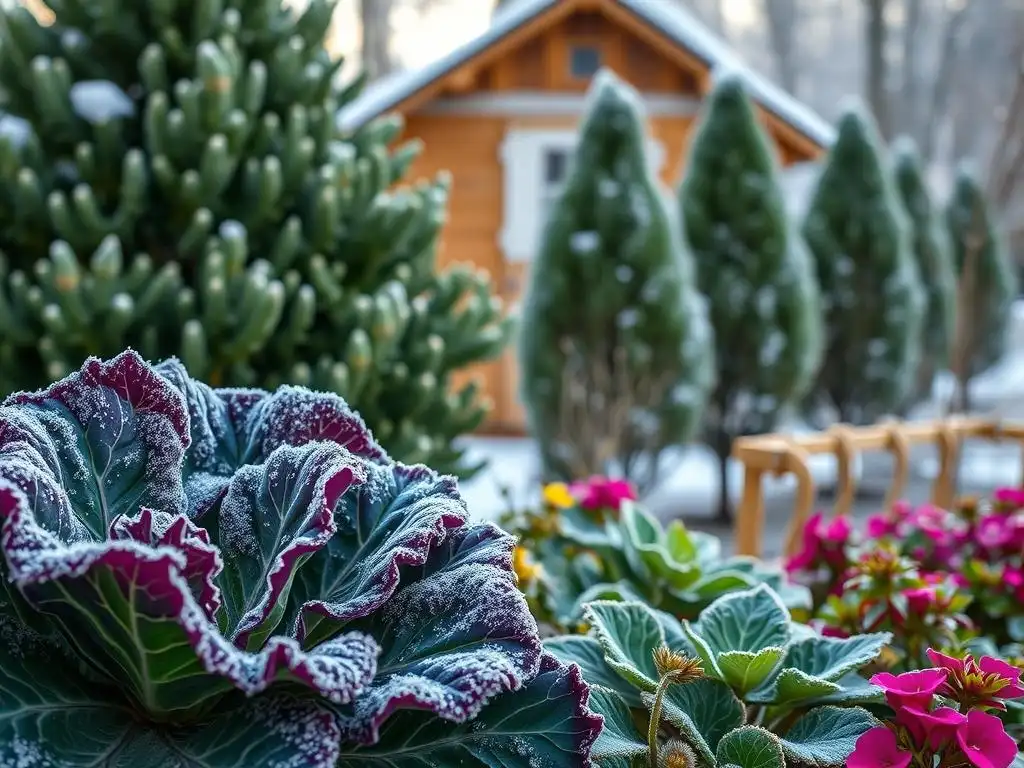
Selecting the appropriate plants is paramount for successful cold climate gardening. A poorly chosen plant will struggle, fail to produce, or simply die, rendering your efforts futile. This section of our Cold climate gardening planning guide focuses on making informed plant selections. Success hinges on understanding the hardiness zones and microclimates within your garden. Knowing your specific location's average first and last frost dates is crucial. This information, readily available from local agricultural extension offices or online weather resources, allows you to choose plants that will thrive, not just survive.
Selecting Cold-Hardy Vegetables and Herbs for Your Cold Climate Gardening Planning Guide
Many vegetables and herbs possess surprising cold hardiness. Consider these options for your cold climate garden:
- Leafy Greens: Kale, spinach, chard, and lettuce varieties specifically bred for cold tolerance are excellent choices. These can often withstand light frosts and even snow cover, providing a harvest well into fall or even early winter in milder climates. Plan for succession planting to ensure a continuous supply.
- Root Vegetables: Carrots, parsnips, beets, and turnips store well and improve in flavor after a frost. These are ideal for extending your harvest season. Plant these early in the spring or late summer for a fall/winter harvest.
- Brassicas: Cabbage, broccoli, cauliflower, and Brussels sprouts are relatively cold-hardy, though they may slow growth in very cold conditions. Consider using row covers for extra protection during particularly harsh periods.
- Herbs: Many herbs, including chives, parsley, rosemary, thyme, and sage, are remarkably hardy and can even benefit from a light frost. These can be planted in the fall for an early spring harvest.
Consider the following table for a quick reference guide on planting times and expected harvest times for some cold-hardy vegetables in a typical cold climate:
| Vegetable | Planting Time | Harvest Time | Notes |
|---|---|---|---|
| Spinach | Early Spring/Fall | 4-6 weeks after planting | Successive planting is recommended |
| Kale | Early Spring/Fall | Continuous harvest | Very cold-tolerant; can withstand frost |
| Carrots | Spring/Summer | Fall/Winter | Needs loose, well-drained soil |
| Garlic | Fall | Summer | Plant cloves in the fall for a summer harvest |
| Winter Squash | Spring | Fall | Needs a long growing season |
Remember to always check seed packets or plant tags for specific cold hardiness information and planting instructions. This ensures optimal results for your cold climate garden.
Incorporating Cold-Tolerant Flowers and Ornamentals
While vegetables and herbs are the focus of many cold climate gardens, incorporating cold-tolerant flowers and ornamentals adds beauty and biodiversity. These plants not only enhance the aesthetic appeal but also benefit pollinators and other beneficial insects, crucial for a thriving ecosystem in your garden.
Many ornamental grasses, such as Festuca glauca (blue fescue) and Miscanthus sinensis (eulalia grass), are highly cold-hardy and provide winter interest. Certain shrubs, like hydrangeas and forsythia, are also known for their cold tolerance. These plants add structure and visual appeal to your garden even during the coldest months. Consider adding pansies, violas, and hellebores for winter color.
Utilizing Cold-Frame and Greenhouse Techniques for Extended Growing Seasons
Extending the growing season is vital for cold climate gardeners. Cold frames and greenhouses provide crucial protection from frost and harsh weather, allowing you to start seeds earlier in the spring and extend the harvest into the fall and even winter in some cases.
A cold frame is a simple structure that uses solar energy to warm the soil and protect plants. It’s a cost-effective option for extending the season by a few weeks. A greenhouse offers more control over temperature and humidity, allowing for year-round cultivation of certain plants. The use of these structures is an important aspect of a comprehensive cold climate gardening plan.
Careful consideration of ventilation is important in both cold frames and greenhouses to avoid overheating and potential plant damage. Properly utilizing these structures can significantly increase the yield and variety of plants you can grow in your cold climate garden. Think of them as valuable extensions of your gardening season. Careful planning and selection of the right plants are key to using them effectively.
Soil Preparation and Amendment for Cold Climate Gardening Success
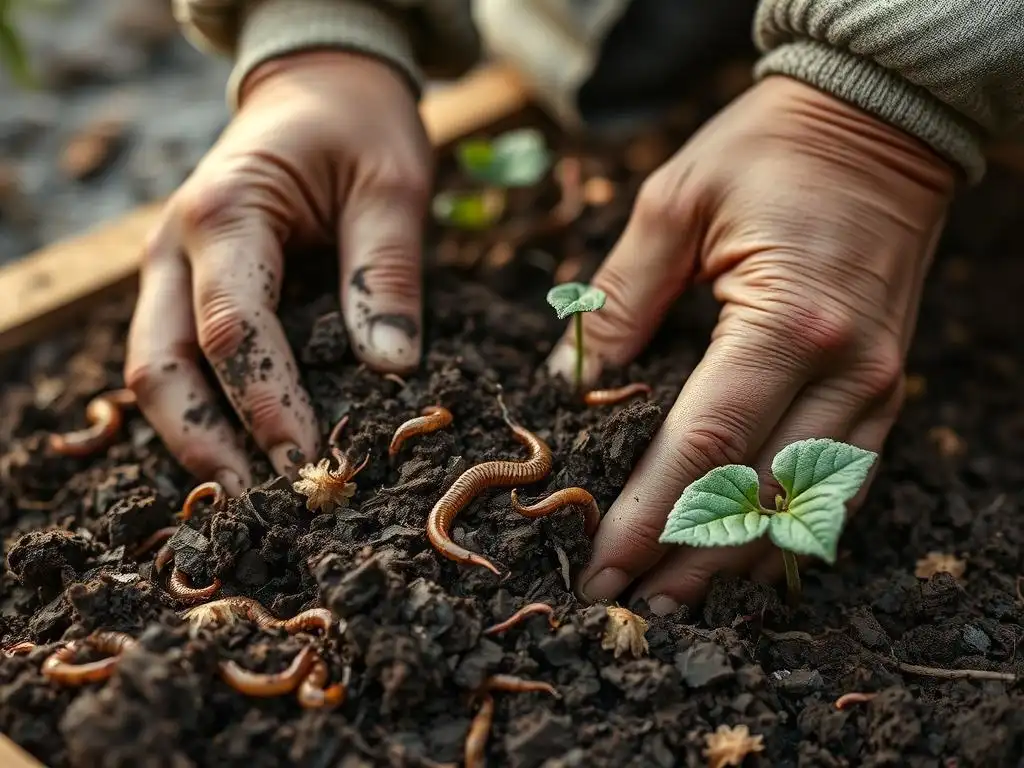
Cold climate gardening presents unique challenges, and soil preparation is paramount to success. Ignoring this crucial step can lead to stunted growth, poor yields, and increased susceptibility to disease. This section focuses on preparing your soil for optimal cold climate gardening, ensuring your plants thrive even in challenging conditions. A well-prepared soil is the foundation of a thriving cold-climate garden, providing the necessary nutrients and structure for healthy plant growth. This planning guide will help you master this essential aspect of cold climate gardening.
Soil Testing and Understanding Your Soil Composition
Before you even think about planting, understanding your soil's composition is vital. A simple soil test, readily available from many garden centers or agricultural extension offices, will reveal crucial information about your soil's pH, nutrient levels (nitrogen, phosphorus, potassium), and texture (clay, sandy, loamy). This information is the cornerstone of effective soil amendment.
Knowing your soil's pH is critical because different plants have different pH preferences. For instance, blueberries thrive in acidic soil (pH 4.5-5.5), while most vegetables prefer a slightly acidic to neutral pH (6.0-7.0). A soil test will tell you if you need to adjust your soil's pH through the addition of lime (to raise pH) or sulfur (to lower pH).
The nutrient levels indicated in your soil test will inform the type and amount of fertilizer you'll need to add. A deficiency in nitrogen, for example, can lead to pale, stunted growth, while phosphorus deficiency affects flowering and fruiting. Understanding these deficiencies allows for targeted amendment, maximizing the efficiency of your fertilizer application. Don't rely solely on visual cues; a soil test provides objective data for informed decision-making. Analyzing your soil composition is a crucial step in your cold climate gardening planning guide.
Improving Soil Drainage and Structure for Cold Climate Gardening
Cold climates often experience heavy rainfall and snowmelt, leading to waterlogged soil. Poor drainage can suffocate plant roots, leading to root rot and other diseases. Improving soil drainage is crucial for cold climate gardening success. This is especially important in clay soils, which tend to retain water.
Several techniques can improve soil drainage:
- Adding organic matter: Incorporating compost, well-rotted manure, or leaf mold improves soil structure, creating air pockets that allow for better drainage. This also improves soil aeration, crucial for healthy root development.
- Raised beds: Constructing raised beds elevates the soil above the surrounding ground, promoting better drainage and warming the soil faster in the spring.
- Amending with coarse materials: Adding materials like perlite or vermiculite improves drainage in heavy clay soils. These materials help to break up the clay particles, creating a more porous soil structure.
- Installing drainage systems: In cases of extremely poor drainage, installing underground drainage systems might be necessary. This is a more involved approach but can be essential in some situations.
Improving drainage isn't just about preventing waterlogging; it also helps prevent frost damage. Well-drained soil warms up faster in spring, allowing for earlier planting and a longer growing season. This is a key element in your cold climate gardening planning guide.
Selecting and Applying Appropriate Soil Amendments for Cold Climate Gardening Planning
Soil amendments improve soil fertility, drainage, and structure. The type and amount of amendment needed will depend on your soil test results and the specific needs of your plants. Choosing the right amendments is a crucial part of your cold climate gardening planning guide.
| Amendment | Benefits | Application Method |
|---|---|---|
| Compost | Improves soil structure, fertility, drainage | Mix into the soil before planting; top-dress |
| Well-rotted Manure | Adds nutrients, improves soil structure | Mix into the soil before planting; top-dress |
| Peat Moss | Improves drainage, aeration, water retention | Mix into the soil before planting; top-dress |
| Perlite/Vermiculite | Improves drainage, aeration | Mix into the soil before planting |
| Lime | Raises soil pH | Spread evenly over the soil and till in |
| Sulfur | Lowers soil pH | Spread evenly over the soil and till in |
Remember to apply amendments according to the package instructions. Over-application can be detrimental, so follow the recommended rates carefully. Applying amendments in the fall allows for better integration into the soil over the winter months, improving soil health for the upcoming growing season. This ensures a strong foundation for your cold-climate garden. Proper amendment selection and application are key to your successful cold climate gardening planning.
Site Selection and Garden Design for Cold Climate Gardening
This section delves into the crucial aspects of site selection and garden design specifically tailored for cold climate gardening. Successful cold climate gardening hinges on understanding and leveraging the unique challenges and opportunities presented by shorter growing seasons and harsher weather conditions. Careful planning is paramount to maximizing yield and minimizing losses. This guide will equip you with the knowledge to create a thriving garden, even in the face of frost and snow.
Maximizing Sunlight Exposure in Your Cold Climate Garden
Sunlight is a precious commodity in cold climates, directly impacting plant growth and overall garden productivity. Maximizing sunlight exposure is critical for successful cold climate gardening. The amount of sunlight your garden receives directly correlates with the length of your growing season and the types of plants you can successfully cultivate. Consider these strategies to optimize sunlight capture:
- South-facing orientation: In the Northern Hemisphere, a south-facing location receives the most sunlight throughout the day. This is ideal for maximizing warmth and extending the growing season. The opposite is true in the Southern Hemisphere, where a north-facing location is preferred.
- Assess existing structures: Analyze your property for obstructions like buildings, trees, or fences that might cast shadows on your garden. Strategic placement can mitigate these issues. For example, a tall fence on the north side can act as a windbreak while still allowing ample sunlight from the south.
- Clear the area: Remove any excessive vegetation or debris that could hinder sunlight penetration. Pruning overhanging branches or removing competing plants will significantly improve sunlight access.
- Sunlight monitoring: Consider using a simple sun tracking app or even a homemade sun dial to accurately assess the sunlight hours across your property. This allows for precise garden placement for optimal sun exposure.
Remember, even small increases in sunlight exposure can translate to significant gains in plant growth and yield in a cold climate. Prioritize sunlight when choosing your garden location. Careful consideration will dramatically improve the success of your cold climate garden.
Protecting Your Garden from Harsh Winds and Cold Temperatures
Cold climate gardening necessitates careful consideration of wind and temperature extremes. Harsh winds can desiccate plants, leading to stunted growth and damage. Sudden drops in temperature can cause frost damage, even to hardy plants. Implementing protective measures is crucial for success:
- Windbreaks: Utilizing natural or artificial windbreaks is paramount. Evergreen trees and shrubs planted strategically around your garden create a natural barrier, reducing wind speed and protecting plants from harsh gusts. Fences or walls can also serve as effective windbreaks.
- Microclimates: Leverage microclimates within your garden to create pockets of warmth and shelter. For instance, a south-facing wall can absorb heat and radiate it back onto your plants. Building raised beds can improve drainage and soil warmth.
- Cold frames and cloches: These simple structures create a miniature greenhouse effect, protecting delicate seedlings and plants from frost and cold temperatures. They are particularly useful for extending the growing season both in spring and autumn.
- Mulching: A thick layer of organic mulch helps insulate the soil, retaining moisture and regulating soil temperature. This helps protect plant roots from freezing during harsh winters. Consider using materials like straw, wood chips, or shredded leaves.
Designing a Cold Climate Garden Layout for Optimal Growth and Accessibility
Effective garden layout is critical for maximizing space utilization and accessibility in a cold climate. Careful planning ensures ease of maintenance and harvesting, especially when dealing with snow and frost. Consider these factors:
- Raised beds: Raised beds offer several advantages in cold climates. They improve drainage, warm up faster in spring, and provide better access for planting and harvesting, even when the ground is wet or frozen. They also allow for better soil management and easier weed control.
- Pathways: Well-defined pathways facilitate easy access to all parts of your garden, regardless of weather conditions. Use durable materials like gravel or paving stones to ensure accessibility even during snow or rain.
- Plant spacing: Ensure adequate spacing between plants to allow for airflow and prevent overcrowding. Overcrowding can lead to disease and reduced yields. Proper spacing allows for sunlight penetration and reduces competition for resources.
- Grouping plants: Group plants with similar sunlight and water needs together to simplify care. This approach streamlines watering and fertilization, making maintenance more efficient. Consider companion planting to further optimize your garden layout.
- Accessibility: Design your garden with accessibility in mind. Place frequently accessed areas, such as pathways and harvesting zones, in easily reachable locations. This is particularly crucial in the colder months when mobility might be affected by snow or ice.
By carefully considering site selection, protection from harsh elements, and efficient garden layout, you can significantly increase your chances of success in cold climate gardening. Remember, planning is key to a thriving and productive garden, even in challenging climates. 🌱
Cold Climate Gardening Techniques and Strategies
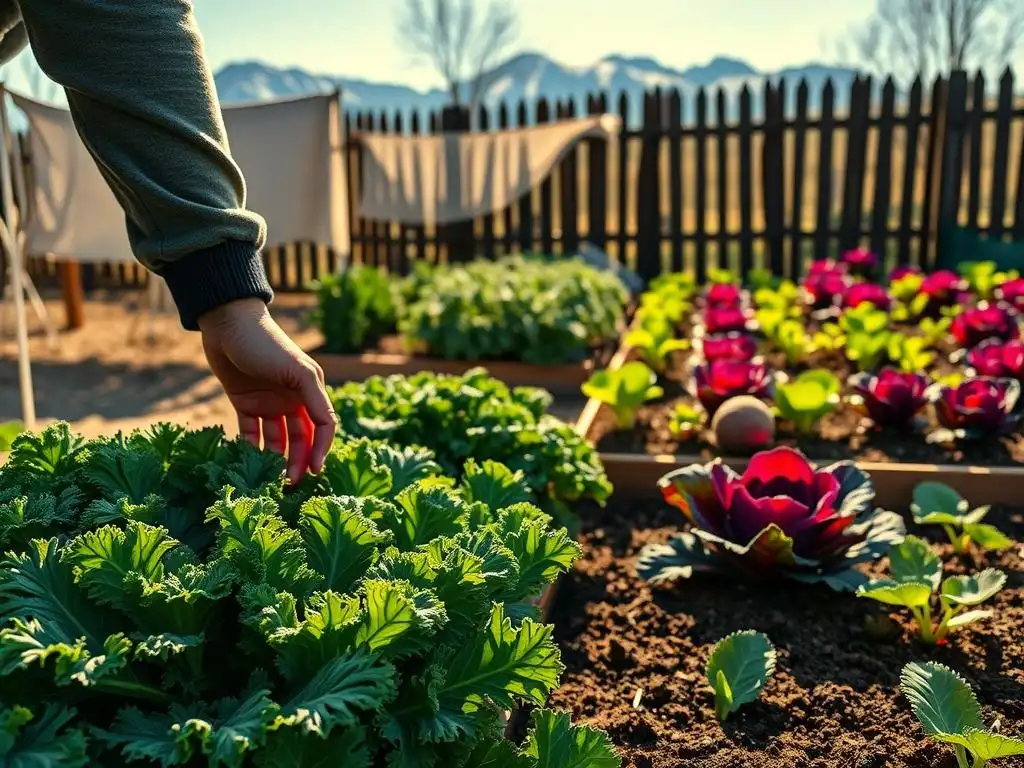
This section delves into specific techniques crucial for successful cold climate gardening, focusing on practical strategies to mitigate the challenges posed by frost, freezing temperatures, and shorter growing seasons. These methods, when implemented effectively, significantly increase the chances of a bountiful harvest even in the harshest winter conditions. Mastering these techniques is key to achieving your cold climate gardening goals and maximizing your yield. Remember, a well-planned cold climate garden is a resilient garden.
Utilizing Row Covers and Other Cold Protection Methods
Protecting your precious plants from unexpected frost or prolonged periods of freezing temperatures is paramount in cold climate gardening. Row covers, also known as floating row covers, are lightweight fabrics that create a microclimate around plants, offering protection from frost and wind chill. These covers allow sunlight and air circulation while preventing radiative heat loss. They're particularly effective for extending the growing season, both in spring and autumn.
For example, a light frost might kill delicate seedlings, but a properly placed row cover can prevent this. Different materials offer varying levels of protection; some are better suited for light frosts, while others are designed to withstand more extreme conditions. Consider the specific needs of your plants and the typical weather patterns in your region when choosing a row cover.
Beyond row covers, other protective measures include:
- Cold frames: These miniature greenhouses provide more substantial protection than row covers, ideal for starting seeds early or overwintering tender plants.
- Cloches: Individual covers placed over individual plants, offering targeted protection from frost and wind.
- Wall protection: Positioning plants near south-facing walls can leverage solar radiation and reduce exposure to harsh winds.
Choosing the right protective method depends on several factors, including the severity of your local climate, the type of plants you're growing, and your budget. Careful planning and selection of these methods are essential for optimizing plant survival and yield. Properly utilizing these protective measures is a critical element in your cold climate gardening planning guide.
Implementing Water Management Strategies for Cold Climates
Water management is uniquely challenging in cold climates. Frozen ground limits water absorption, while fluctuating temperatures can lead to both drought stress and overwatering. Understanding these intricacies and adapting your watering techniques is essential for success. The goal is to provide adequate moisture while preventing root damage from freezing or oversaturation.
One key aspect is to avoid overwatering, particularly during periods of freezing temperatures. Waterlogged soil is more susceptible to freezing, which can damage or kill plant roots. Instead, focus on deep, infrequent watering to encourage strong root development that can withstand colder temperatures. Consider using soaker hoses or drip irrigation, which deliver water directly to the roots without wetting the foliage, minimizing the risk of ice formation on leaves.
Furthermore, consider mulching (discussed in the next section) to help retain soil moisture and regulate temperature fluctuations. Mulch acts as a natural insulator, preventing rapid temperature changes in the soil, making it easier to manage watering needs throughout the cold season. Effective water management is a cornerstone of any comprehensive cold climate gardening planning guide.
Employing Mulching Techniques to Insulate and Protect Plant Roots
Mulching is a cornerstone of successful cold climate gardening. It provides insulation for plant roots, protecting them from freezing temperatures and extreme temperature fluctuations. A good layer of mulch also helps retain soil moisture, reducing the frequency of watering and lessening the risk of drought stress during periods when the soil is frozen.
Different mulching materials offer varying levels of insulation and benefits. Organic mulches, such as straw, shredded leaves, and wood chips, decompose over time, enriching the soil with nutrients. Inorganic mulches, such as landscape fabric or plastic sheeting, provide better insulation but don't improve soil fertility.
The optimal mulch depth depends on your climate and the type of mulch used. Generally, a 3-4 inch layer is sufficient for most cold climates. Applying mulch in autumn, before the first frost, is recommended. In spring, you can gradually remove some mulch around plants to allow for better air circulation and warming of the soil. Remember to avoid mulching directly against plant stems to prevent rot. A well-executed mulching strategy is a vital component of any effective cold climate gardening planning guide.
Pest and Disease Control in Cold Climate Gardens
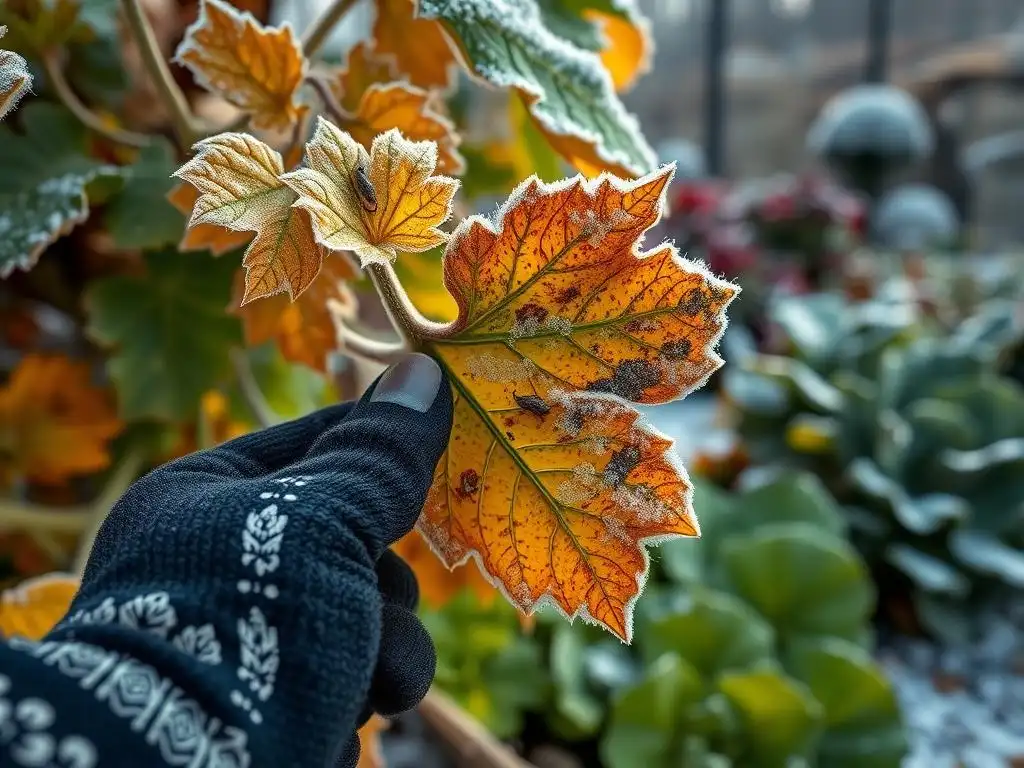
Cold climate gardening presents unique challenges, and pest and disease management is no exception. Shorter growing seasons mean less time for plants to recover from infestations or infections, and the colder temperatures can impact the efficacy of some pest control methods. Successfully navigating these challenges requires a proactive and informed approach, encompassing preventative strategies and environmentally friendly solutions. This section will delve into the specifics of pest and disease control tailored to cold climate gardening, ensuring a healthy and productive harvest.
Identifying Common Cold Climate Garden Pests and Diseases
Identifying the specific pests and diseases affecting your cold climate garden is the first crucial step towards effective control. Common culprits vary depending on your geographic location and specific microclimate, but some frequent offenders include:
- Aphids: These tiny sap-sucking insects can infest a wide range of plants, causing stunted growth and leaf curling. They thrive in cooler, more humid conditions often found in spring and early summer.
- Cabbage worms: These caterpillars are particularly destructive to brassica family plants (cabbage, broccoli, kale). They can quickly defoliate plants if left unchecked.
- Slugs and snails: These mollusks are prevalent in damp, shady areas, feeding on leaves and stems, leaving characteristic slime trails.
- Powdery mildew: A common fungal disease that appears as a white powdery coating on leaves, hindering photosynthesis and plant growth. Cool, humid conditions favor its development.
- Early blight: This fungal disease primarily affects tomatoes and potatoes, causing brown spots on leaves and stems, leading to plant decline.
The severity of infestations and infections can vary significantly. Regular monitoring of your plants is paramount. Look for signs of damage, such as holes in leaves, discoloration, wilting, or unusual growths. Taking clear photos of affected areas can aid in accurate identification, allowing for targeted treatment. Early detection is key to preventing widespread damage and minimizing the need for harsh interventions. Remember to always identify the specific pest or disease before selecting a control method.
Implementing Preventative Measures to Minimize Pest and Disease Problems
Proactive measures are significantly more effective and less disruptive than reactive treatments. A well-planned garden is less susceptible to pest and disease problems. Here are some key preventative strategies for cold climate gardening:
- Crop rotation: Rotating your crops annually helps to break the life cycle of soilborne pests and diseases. Avoid planting the same species in the same location for consecutive years.
- Companion planting: Certain plants can repel pests or attract beneficial insects. Research companion planting combinations suitable for your cold climate garden. For example, planting marigolds near tomatoes can deter certain pests.
- Choosing disease-resistant varieties: Opt for plant varieties known for their resistance to common diseases prevalent in your region. Seed catalogs and local nurseries can provide guidance on suitable options.
- Maintaining good garden hygiene: Regularly remove weeds, dead leaves, and plant debris to eliminate potential breeding grounds for pests and diseases. Proper sanitation minimizes the risk of infection.
- Providing adequate spacing: Ensure sufficient spacing between plants to allow for good air circulation, reducing the humidity that favors fungal diseases.
These preventative measures, when implemented consistently, significantly reduce the likelihood of serious pest and disease outbreaks, leading to healthier plants and a more bountiful harvest. This proactive approach is particularly crucial in cold climates where the growing season is shorter.
Utilizing Organic Pest and Disease Control Methods in Cold Climate Gardening
Organic pest and disease control methods are crucial in cold climate gardening, aligning with sustainable practices and minimizing the environmental impact. Here are some effective organic approaches:
- Beneficial insects: Introducing beneficial insects, such as ladybugs (which prey on aphids) or lacewings, can help to naturally control pest populations.
- Neem oil: A natural insecticide derived from the neem tree, effective against a variety of soft-bodied insects. It's important to follow label instructions carefully.
- Diatomaceous earth: A naturally occurring sedimentary rock, finely ground diatomaceous earth can be used as a non-toxic insecticide against slugs and snails.
- Homemade sprays: Several homemade sprays, using ingredients like baking soda, horticultural oil, or garlic, can offer effective control for some pests and diseases. Research specific recipes for effectiveness against your target pests.
- Resistant varieties: Choosing disease-resistant plant varieties is a key component of organic pest control. This avoids the need for interventions altogether.
Remember to always identify the specific pest or disease before choosing a control method. Organic methods may require more time and effort than chemical treatments, but they offer a safer and more sustainable approach to protecting your cold climate garden. Careful observation, early detection, and a combination of preventative and organic control methods are essential for success. Always carefully follow the instructions on any product label to ensure safe and effective use.
Harvesting and Preserving Your Cold Climate Garden Bounty
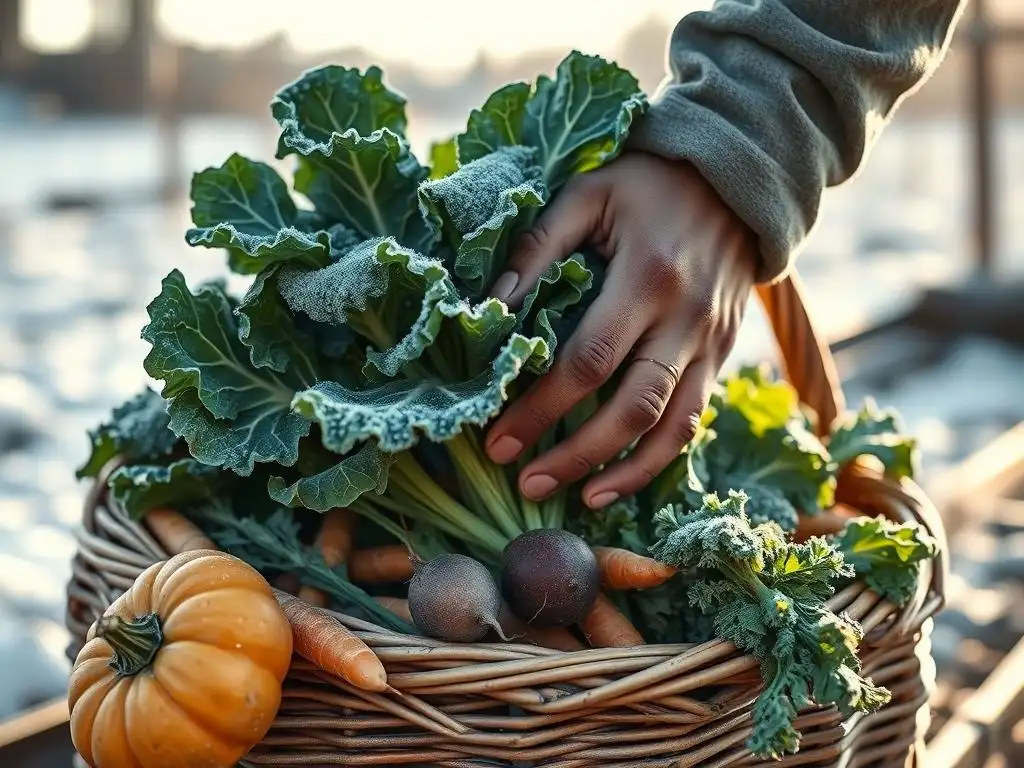
This section focuses on maximizing the yield and longevity of your cold climate garden's produce. Careful planning during the initial stages of your "cold climate gardening planning guide" will pay dividends at harvest time. Understanding the nuances of harvesting and preserving your crops is crucial for enjoying the fruits (and vegetables!) of your labor throughout the year.
Timing Your Harvest for Optimal Flavor and Quality
Harvesting at the peak of ripeness is paramount for both flavor and nutritional value. This timing varies significantly depending on the specific plant and prevailing weather conditions. For example, let's consider tomatoes: While some varieties are ready for picking when they exhibit a deep red color, others might require a slight blush or even a longer period on the vine for optimal sweetness.
Consulting a reliable "cold climate gardening planning guide" specific to your region will provide valuable insights into the ideal harvest times for various crops. Furthermore, monitoring your plants closely is vital. Signs of ripeness can include changes in color, texture, and aroma.
For instance, early-season varieties of leafy greens like spinach and lettuce should be harvested before they bolt (flower), which can result in a bitter taste. Regular harvesting, even before full maturity, can encourage continuous growth and extend the harvesting period. This practice is especially beneficial for crops like bush beans, which produce a continuous yield when harvested frequently.
Remember, extreme temperatures can affect harvest timing. A sudden cold snap might necessitate an earlier harvest to avoid frost damage. Conversely, an unusually warm spell might delay the maturity of certain crops. Flexibility and close observation are key to successful harvesting in a cold climate. The impact of temperature fluctuations on the quality and yield of your harvest is a crucial consideration in any comprehensive cold climate gardening planning guide.
Utilizing Preservation Techniques to Extend the Life of Your Harvest
Once harvested, preserving your bounty is crucial to enjoying your hard work throughout the year. Several methods exist, each suited to different types of produce. Freezing is an excellent way to preserve many fruits and vegetables, retaining much of their nutritional value. Blanching vegetables before freezing helps maintain their color and texture.
Canning, while requiring more preparation, offers a long shelf life for a wide range of items. From jams and jellies made from berries and fruits to pickled vegetables, canning allows you to savor the flavors of summer long after the growing season has ended. Proper canning techniques are essential to ensure food safety, and a good "cold climate gardening planning guide" should include detailed instructions and safety precautions.
Dehydration is another excellent option for preserving herbs, fruits, and some vegetables. This method removes moisture, inhibiting the growth of microorganisms and extending shelf life. Dried herbs can be stored in airtight containers for use in cooking throughout the year. Proper drying techniques are vital to prevent spoilage and maintain optimal flavor. Many fruits and vegetables can be successfully preserved through this method. This is especially beneficial for those seeking a more natural and minimally processed preservation method.
Planning for Winter Storage of Cold-Hardy Crops
Certain cold-hardy crops, such as root vegetables (carrots, beets, potatoes), can be stored over the winter, extending your access to fresh produce. Proper storage techniques are essential to prevent spoilage and maintain quality. A well-structured "cold climate gardening planning guide" should include comprehensive details on this.
Root vegetables should be harvested carefully, avoiding damage to the roots. They should then be cured in a cool, dry place for several days before storage. This curing process helps to reduce moisture content and toughen the skin, improving their shelf life. Storage locations should be cool, dark, and well-ventilated. Basements or root cellars are ideal, but a cool, dark pantry can also work.
Maintaining proper humidity levels is crucial. Too much moisture can lead to rotting, while too little can cause shriveling. Regular inspection is necessary to identify and remove any spoiled produce, preventing the spread of rot to other vegetables. This proactive approach is vital in extending the usable lifespan of your winter harvest. Proper planning for winter storage is a critical component of any successful cold climate gardening strategy.
Cold Climate Gardening Resources and Further Learning
Successfully navigating the challenges of cold climate gardening relies heavily on access to reliable information and supportive communities. This section provides resources to deepen your understanding and enhance your gardening journey. The right resources can make all the difference between a bountiful harvest and a frustrating season. Remember, consistent learning is key to mastering cold climate gardening techniques.
Recommended Books and Online Resources for Cold Climate Gardening
Investing in quality resources is crucial for successful cold climate gardening. Many excellent books and online resources offer invaluable insights into specific techniques and challenges. These resources go beyond the basics, providing detailed information on everything from soil preparation tailored to cold climates to advanced pest control strategies.
Here are some examples of the type of resources you should seek out:
- Books focusing on specific cold-hardy plants: Look for books detailing the cultivation of vegetables, fruits, and herbs known for their resilience in cold environments. These books often provide detailed planting schedules, specific soil requirements, and tailored care instructions for each plant. For instance, a book focused on growing cold-hardy tomatoes in a specific climate zone would be invaluable.
- Online forums and communities dedicated to cold climate gardening: Connecting with other gardeners facing similar challenges is incredibly beneficial. Online forums often feature discussions on local microclimates, pest management, and successful cultivation strategies specific to your region. Participate actively, ask questions, and share your own experiences. The collective knowledge is a powerful resource.
- University Extension Services and Agricultural Departments: Many universities offer extensive resources, including publications and workshops, on local gardening practices. These resources often provide research-based information tailored to your specific geographic location and climate zone, maximizing your chances of success.
- Websites and Blogs by Experienced Cold Climate Gardeners: Seek out blogs and websites maintained by experienced gardeners in similar climates. Their firsthand accounts, tips, and troubleshooting advice can be invaluable. Look for blogs that consistently provide detailed information and practical advice, rather than just general gardening tips.
Connecting with Local Gardening Communities and Experts
Beyond books and online resources, engaging with your local gardening community can significantly boost your success. This provides access to practical advice, shared experiences, and often, invaluable local knowledge.
Here's how you can connect:
- Local Master Gardener Programs: These programs typically offer workshops, consultations, and access to experienced gardeners who can provide personalized guidance based on your specific location and challenges.
- Community Gardens: Participating in a community garden offers a hands-on learning experience and the chance to observe different gardening techniques firsthand. You can learn from experienced gardeners and share your own knowledge.
- Local Farmers' Markets: Farmers' markets are not only a great place to source seeds and plants suited to your climate, but also to connect with local farmers who can share their expertise and advice on successful cold climate gardening. Ask questions about their techniques and the challenges they face.
- Gardening Clubs and Societies: Joining a local gardening club provides a supportive network of fellow gardeners, offering opportunities to exchange information, participate in workshops, and even collaborate on projects. These clubs often have a wealth of collective knowledge built up over years of experience.
Remember, building a successful cold climate garden is a journey, not a race. By utilizing these resources and connecting with your community, you'll be well-equipped to overcome the unique challenges and enjoy the rewards of a thriving garden, even in colder climates. Happy gardening!
Frequently Asked Questions
What are the biggest challenges of gardening in a cold climate?
The biggest challenges include a short growing season, frost, and limited sunlight. Careful planning and selection of cold-hardy varieties are crucial for success.
How do I choose the right plants for my cold climate garden?
Select plants with high cold tolerance and a short maturity period. Check the plant tags for their hardiness zones and ensure they are suitable for your specific climate.
When is the best time to start seeds indoors for a cold climate garden?
The optimal time depends on your last frost date and the specific plant's germination time. Generally, start seeds 6-8 weeks before the last expected frost.
What are some essential cold climate gardening techniques?
Employ techniques like using cold frames or row covers to protect seedlings from frost, and mulching to retain soil moisture and warmth. Consider succession planting to extend the harvest season.
How can I protect my plants from frost damage?
Use row covers, cloches, or even simple sheets to shield plants from frost. Watering deeply before a predicted frost can also help, as moist soil holds heat better.
Final Reflection: Cultivating Resilience in the Frozen Earth
The art of cold climate gardening isn't merely about survival; it's about thriving against the odds. In a world increasingly concerned with sustainable practices and food security, the ability to cultivate a bountiful garden even in challenging climates becomes not just a hobby, but a vital skill. This knowledge, once confined to experienced homesteaders, is now more crucial than ever as we face the unpredictable impacts of climate change and the need for localized food production.
The journey of planning a cold climate garden is a testament to human ingenuity and our enduring connection to the land. It's a process that demands patience, meticulous research, and a deep understanding of the subtle nuances of your environment. This understanding extends beyond simply choosing frost-hardy plants; it encompasses the entire ecosystem, from soil composition and sunlight exposure to the microclimates within your garden itself. The glory of gardening: hands in the dirt, head in the sun, heart with nature. To nurture a garden is to feed not just the body, but the soul.
This quote perfectly encapsulates the profound satisfaction derived from successfully navigating the challenges of cold climate gardening.
Now, consider your own space, your own aspirations. What seeds of resilience can you plant, both literally and metaphorically? Perhaps it's starting with a single raised bed, experimenting with different frost-tolerant varieties, or simply learning to observe the rhythms of your local climate. Embrace the challenges, celebrate the small victories, and remember that the rewards of a thriving cold climate garden extend far beyond the harvest itself; they nourish the spirit and connect us to a timeless tradition of human ingenuity and perseverance.
Unleash Your Winter Wonderland: Grow a Thriving Cold-Climate Garden
Thanks for exploring the world of cold-climate gardening with us! You've gained valuable knowledge to overcome even the harshest winters and enjoy a plentiful harvest. Ready to put your skills to the test?
- Begin planning your cold-hardy garden now: Sketch out your plot, considering sunlight, soil type, and the average date of the last frost. This crucial first step sets the stage for a successful winter garden.
- Share your gardening experiences and challenges with our community: Connect with fellow gardeners in our forums (link omitted as per instructions) and learn from their successes and setbacks.
- Consider trying a new cold-weather crop, such as a hardy kale variety or a frost-resistant lettuce.
What exciting cold-hardy vegetables will you grow this year?