
LowWater Gardening: Creating a Thriving Garden with Minimal Water

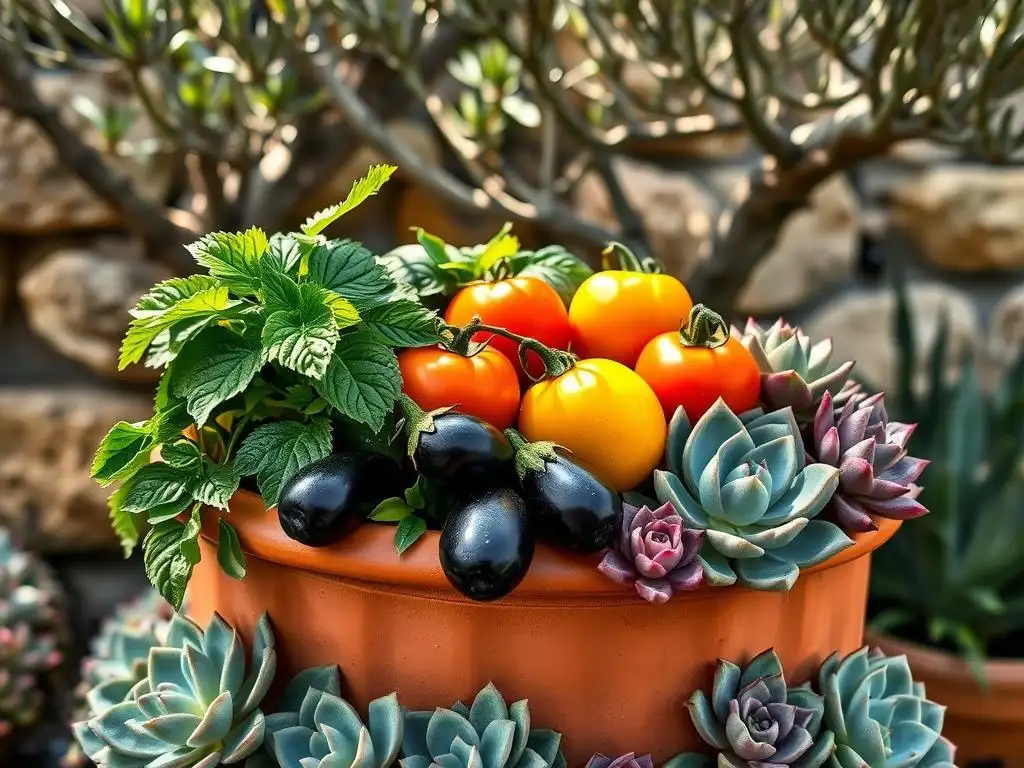
Welcome to CultivateYourFood, your guide to a thriving, sustainable garden! Are you dreaming of juicy tomatoes and fragrant herbs, but worried about water restrictions? Then you've come to the right place. Discover our expert advice on Low water organic gardening tips, packed with practical strategies to cultivate an abundant harvest even with minimal water usage. Let's unlock the secrets to a flourishing garden, no matter your climate. Learn more and begin your journey to a greener, more bountiful life today!
- Understanding the Principles of Low-Water Organic Gardening
- Practical Low Water Organic Gardening Tips for Beginners
- Advanced Techniques for Low Water Organic Gardening
- Harvesting and Maintaining Your Low-Water Organic Garden
- Case Study: A Successful Low-Water Organic Vegetable Garden
- Resources for Low Water Organic Gardening
- Frequently Asked Questions
- Final Reflection: The Enduring Power of Water-Wise Gardening
- Unleash Your Water-Wise Garden!
Understanding the Principles of Low-Water Organic Gardening
Creating a thriving garden in arid or drought-prone regions requires a shift in perspective. Low-water organic gardening isn't about sacrificing yield or beauty; it's about working with nature to cultivate a resilient and productive ecosystem that minimizes water consumption while maintaining soil health and biodiversity. This approach emphasizes efficient irrigation techniques, the selection of drought-tolerant plants, and soil amendments that enhance water retention and nutrient availability.
By embracing these principles, you can significantly reduce your water footprint while enjoying a bountiful harvest of organic fruits, vegetables, and herbs, even in the face of challenging climatic conditions. This guide provides practical, low water organic gardening tips to help you achieve success, even during periods of drought. Let's delve into the key strategies that will allow you to cultivate a flourishing garden while conserving this precious resource.
The principles of low water organic gardening are not only environmentally responsible but also economically beneficial, reducing your water bills and reliance on external inputs. This article focuses on practical techniques and plant selection, ensuring your success in creating a beautiful and productive garden.
Assessing Your Climate and Soil for Xeriscaping Success
Before you even begin planting, understanding your specific climate and soil is paramount for successful xeriscaping – landscaping and gardening that reduces or eliminates the need for supplemental watering. This involves a thorough assessment of several factors:
- Rainfall: Record your average annual rainfall and the distribution throughout the year. This will dictate your irrigation strategy and plant choices. Consider the intensity of rainfall events as well, as intense downpours can lead to runoff and erosion if your soil isn't properly prepared.
- Temperature: Extreme temperatures, both high and low, can significantly impact water needs. Hot, dry climates will require more careful water management and plant selection than those with cooler temperatures.
- Sunlight: The amount of daily sunlight your garden receives will influence the types of plants that will thrive. Full sun locations will require more drought-tolerant plants than those with partial shade.
- Soil Type: Conduct a soil test to determine its texture (sandy, loamy, clay), pH, and nutrient content. Sandy soils drain quickly, requiring more frequent, but less intense watering, while clay soils retain water longer but can become waterlogged if overwatered. Knowing your soil type is crucial for amending it to improve water retention and drainage. For example, adding compost to sandy soil can improve its water-holding capacity, while adding organic matter to clay soil can improve its drainage.
Understanding these factors allows you to choose the right plants and implement appropriate water management strategies from the outset, laying the foundation for a thriving low-water garden. Remember, proper soil preparation is as crucial as plant selection in low-water gardening.
Selecting Drought-Tolerant Plants for Your Low Water Garden
Choosing the right plants is critical for a successful low-water garden. Prioritize native species and those specifically bred for drought tolerance. These plants are naturally adapted to your climate and require less supplemental watering. Consider these characteristics when selecting plants:
- Deep root systems: Plants with deep roots can access water sources unavailable to shallow-rooted plants, making them more resilient during dry periods.
- Small leaves: Smaller leaves reduce water loss through transpiration (evaporation from plant surfaces).
- Succulence: Succulent plants store water in their leaves and stems, enabling them to withstand prolonged drought.
- Hairy or waxy leaves: These features help reduce water loss by reflecting sunlight and reducing evaporation.
Examples of drought-tolerant plants include lavender, rosemary, sage (for herbs), various cacti and succulents, and certain types of grasses. Research plants well-suited to your specific climate and soil conditions. Remember to group plants with similar water needs together to optimize irrigation efficiency. A well-planned garden layout considers sun exposure and water requirements, minimizing water waste and maximizing plant health. This careful selection ensures a vibrant garden even with minimal watering.
Optimizing Soil Health for Water Retention and Nutrient Availability
Healthy soil is the cornerstone of any successful garden, especially in low-water environments. Optimizing soil health enhances its ability to retain moisture and provide essential nutrients to your plants, reducing the need for frequent watering and supplemental fertilizers. Key strategies include:
- Adding Organic Matter: Compost, aged manure, and other organic materials improve soil structure, aeration, and water retention. They also provide a slow-release source of nutrients, reducing the need for chemical fertilizers.
- Mulching: Applying a layer of mulch (wood chips, straw, etc.) helps retain soil moisture, suppress weeds, and regulate soil temperature. It reduces evaporation, keeping the soil cooler and moister for longer periods.
- No-Till Gardening: Avoid tilling the soil, as this disrupts its structure and can reduce water retention. Instead, use techniques like sheet mulching or cover cropping to improve soil health without disturbing its structure.
- Cover Cropping: Planting cover crops, such as legumes or grasses, during fallow periods adds organic matter, improves soil structure, and prevents erosion. They also help to suppress weeds and improve the overall health of your garden bed.
By focusing on these soil health practices, you create a soil environment that supports healthy plant growth with minimal water use. A healthy soil structure is essential for efficient water use, reducing the need for frequent and extensive watering while also ensuring that your plants have access to the nutrients they need to thrive. Investing time in soil improvement will yield substantial rewards in the long run.
Practical Low Water Organic Gardening Tips for Beginners
This section dives deep into practical, actionable steps for establishing a thriving organic garden that minimizes water consumption. We'll explore techniques that conserve water while maximizing plant health and yield, all within the framework of sustainable, organic practices. Remember, successful low-water organic gardening is about thoughtful planning and consistent application of these strategies. The key is to work with nature, not against it.
Water-Wise Planting Techniques: Maximizing Water Efficiency
Efficient watering starts with smart planting. Consider these techniques to optimize water use from the ground up:
- Deep watering, less frequently: Instead of shallow, frequent watering which encourages shallow root systems, opt for deep, infrequent watering. This encourages roots to grow deeper, accessing moisture reserves more effectively. Aim for soaking the soil deeply to a depth of at least 6-8 inches, rather than a light sprinkling. This is crucial for establishing drought tolerance.
- Drip irrigation: This method delivers water directly to the plant's roots, minimizing evaporation and runoff. It's far more efficient than overhead sprinklers, saving significant amounts of water. Consider using recycled materials to create a simple drip system.
- Soaker hoses: A cost-effective alternative to drip irrigation, soaker hoses slowly release water along their length, providing consistent moisture to the root zone. They are ideal for rows of vegetables or flowerbeds.
- Proper spacing: Overcrowding plants leads to competition for water and nutrients. Ensure adequate spacing between plants to allow for optimal air circulation and sunlight penetration, reducing the need for excessive watering. Check the specific spacing requirements for each plant species.
- Water early in the morning: This allows plants to absorb water before the heat of the day causes significant evaporation. Watering at night can lead to fungal diseases due to prolonged leaf wetness.
- Group plants with similar water needs: This simplifies watering schedules and ensures that all plants receive the appropriate amount of moisture. For example, group drought-tolerant plants together and water them less frequently.
Effective Mulching Strategies for Moisture Retention and Weed Control
Mulching is a cornerstone of low-water organic gardening. A good mulch layer acts as a natural insulator, reducing evaporation and suppressing weeds. Here's what to consider:
- Organic mulch materials: Choose from a variety of options including straw, shredded leaves, wood chips, or compost. Avoid using plastic mulch, as it can hinder soil health and increase soil temperatures.
- Mulch depth: Aim for a mulch layer of 2-4 inches thick. A thicker layer provides better insulation and weed suppression but may also hinder air circulation, so find the right balance.
- Mulch placement: Apply mulch around plants, leaving a small gap near the stem to prevent rot. Avoid placing mulch directly against the stem of the plant.
- Benefits beyond moisture retention: Mulching also improves soil structure, suppresses weeds (reducing competition for water), and gradually enriches the soil as it decomposes. This reduces the need for frequent weeding and fertilization.
Choosing the Right Organic Fertilizers for Low-Water Environments
Nutrient-rich soil is vital for healthy plant growth, even in low-water conditions. However, the type of fertilizer you use can significantly impact water use.
- Compost tea: A liquid fertilizer made from composted organic matter, compost tea introduces beneficial microbes to the soil, improving nutrient uptake and water retention.
- Well-rotted compost: Incorporating well-rotted compost into the soil improves soil structure, increasing its water-holding capacity. This reduces the frequency of watering needed.
- Avoid high-nitrogen fertilizers: High-nitrogen fertilizers can stimulate lush growth, which requires more water. Opt for balanced fertilizers that promote healthy growth without excessive water demand.
- Soil testing: Before applying any fertilizer, conduct a soil test to determine your soil's nutrient levels. This helps you apply the right amount of fertilizer, avoiding unnecessary waste and potential environmental impact. This is crucial for optimizing nutrient uptake and water use efficiency.
By diligently implementing these low water organic gardening tips, you can create a thriving and productive garden that minimizes water consumption while adhering to sustainable, organic principles. Remember that consistent observation and adaptation are key to success in any gardening endeavor, especially in drought-prone areas. Enjoy the process of cultivating your food sustainably! 🌱
Advanced Techniques for Low Water Organic Gardening
This section delves into sophisticated strategies for minimizing water consumption while maintaining a thriving organic garden. These techniques move beyond basic water-wise practices and offer more precise control over irrigation, leading to significant water savings and healthier plants. We'll explore how to implement these advanced methods effectively, maximizing their benefits for your low water organic gardening efforts. Remember, the key to success lies in understanding your specific microclimate and adapting these techniques accordingly.
Implementing Drip Irrigation Systems for Precise Water Delivery
Drip irrigation represents a quantum leap in water conservation for the home gardener. Unlike traditional overhead watering, which leads to significant evaporation and runoff, drip systems deliver water directly to the plant's root zone. This targeted approach minimizes water waste and encourages deeper root growth, resulting in more drought-tolerant plants.
Several factors contribute to the effectiveness of drip irrigation for low water organic gardening. Firstly, the slow, steady release of water reduces the risk of soil erosion, a common problem with overhead sprinklers. Secondly, the concentrated moisture delivery promotes beneficial microbial activity in the soil, improving nutrient uptake and overall plant health. Thirdly, the reduced surface moisture minimizes the spread of fungal diseases, a crucial aspect of organic gardening.
Consider these points when designing your drip system:
- Emitter Spacing: Adjust emitter spacing based on plant size and water requirements. Smaller plants need less frequent watering than larger ones. Experimentation is key to finding the optimal spacing for your specific plants and soil type.
- Water Pressure: Maintain consistent water pressure throughout the system. Insufficient pressure can lead to uneven water distribution, negating the benefits of drip irrigation. A pressure regulator can be invaluable in ensuring consistent flow.
- System Maintenance: Regularly check for clogged emitters and leaks. Clogged emitters reduce water flow and can lead to uneven growth. Addressing leaks promptly prevents water waste and ensures the system's longevity.
Utilizing Rainwater Harvesting for Sustainable Irrigation
Rainwater harvesting is a cornerstone of sustainable low water organic gardening. By collecting rainwater, you create a readily available source of irrigation water, reducing your reliance on municipal water supplies. This practice not only conserves water but also provides plants with naturally soft, nutrient-rich water.
Effective rainwater harvesting involves several key components:
- Collection Surface: The size of your collection surface (roof, for example) dictates the amount of water you can collect. Larger surfaces yield more water, allowing for greater irrigation capacity.
- Storage Tank: Choose a storage tank that is appropriately sized for your needs and made of a material that is safe for storing potable water. Consider factors like durability, UV resistance, and potential for algae growth.
- Filtration System: A simple filtration system helps remove debris and prevent clogging of your irrigation system. This can be as simple as a screen or a more sophisticated filter depending on your needs.
Consider these examples: A 1000 square foot roof can collect a significant amount of water during a typical rainfall event. This collected water can then be used to irrigate a substantial portion of your garden throughout the drier months. Proper planning and implementation can make rainwater harvesting a highly effective component of your low water organic gardening strategy. This significantly reduces your reliance on municipal water supplies and minimizes your environmental impact.
Implementing Soil Moisture Monitoring to Optimize Watering Schedules
Precise watering is crucial for low water organic gardening. Overwatering leads to wasted water and can suffocate plant roots, while underwatering stresses plants and reduces yields. Soil moisture monitoring allows you to water only when necessary, optimizing water usage and plant health.
Several methods exist for monitoring soil moisture:
- Moisture Meters: These hand-held devices provide a quick and easy way to assess soil moisture levels. Different types of meters exist, measuring either the volumetric water content or the soil's electrical conductivity.
- Smart Irrigation Controllers: These advanced systems combine soil moisture sensors with weather data and plant information to automatically adjust watering schedules. They optimize watering based on real-time conditions, maximizing water efficiency. This allows for precise water delivery and minimizes water waste.
- Observational Methods: Experienced gardeners can also estimate soil moisture by feeling the soil or observing plant wilting. While less precise than technological methods, this approach can provide valuable insights, especially for smaller gardens.
By combining these methods, you can develop a precise watering schedule tailored to your specific needs and plant types. This approach ensures that your plants receive the optimal amount of water, promoting healthy growth while minimizing water waste and aligning perfectly with low water organic gardening principles. Regular monitoring and adjustments are key to maintaining the efficiency of your watering strategy.
Harvesting and Maintaining Your Low-Water Organic Garden
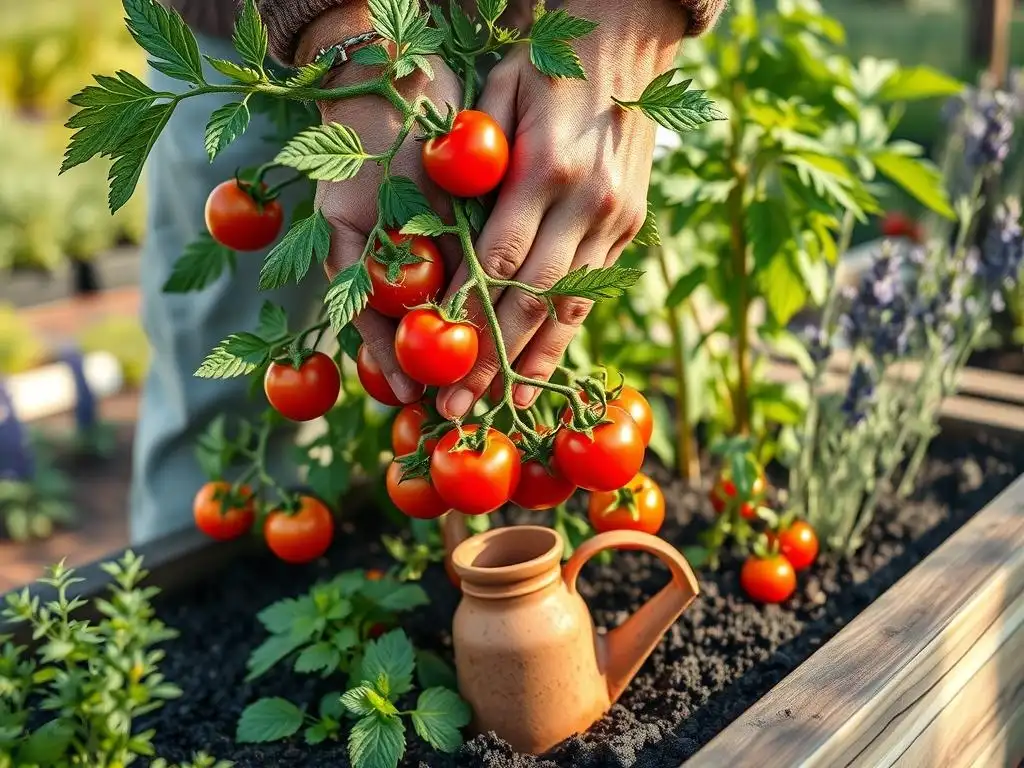
This section focuses on the crucial aspects of harvesting and maintaining your low-water organic garden, ensuring a bountiful yield while conserving precious water resources. Successful low-water gardening requires mindful harvesting practices and proactive maintenance strategies. Let's explore these key elements for achieving a thriving, sustainable garden.
Recognizing Signs of Water Stress in Your Plants
Early detection of water stress is paramount in low-water gardening. Ignoring these signs can lead to reduced yields and even plant death. Learning to identify these symptoms is crucial for timely intervention and maintaining your plants' health. Look out for the following:
- Wilting: Obvious drooping of leaves, even in the morning, is a strong indicator of water stress. This is particularly noticeable in young plants or those recently transplanted. However, wilting can also be caused by other factors, so consider the overall context.
- Leaf Curl: Leaves curling upwards or downwards can signify a lack of moisture. This is often accompanied by a change in leaf color.
- Color Change: Leaves may turn pale, yellow, or brown, particularly at the edges, indicating water deficiency. This discoloration progresses from the leaf margins inwards as the stress intensifies.
- Reduced Growth: Stunted growth is a clear sign that the plant isn't receiving enough water to support its development. New growth will be smaller and slower to emerge.
- Soil Moisture Check: Don't solely rely on visual cues. Regularly check your soil moisture using your finger. Insert your finger a couple of inches into the soil; if it feels dry, it's time to water.
Remember, the frequency of watering will depend on factors like soil type, weather conditions, and the specific plant's water requirements. Regular monitoring is key to preventing severe water stress. Consistent, deep watering is preferable to frequent, shallow watering, as it encourages deeper root growth, making your plants more drought-tolerant.
Pest and Disease Management in Low-Water Gardens
Maintaining a healthy low-water organic garden also requires diligent pest and disease management. While water stress can weaken plants, making them more susceptible, organic methods are essential to avoid harmful chemicals that could contaminate your produce and the environment.
Here's a breakdown of effective organic pest and disease control strategies:
- Beneficial Insects: Introduce beneficial insects like ladybugs and lacewings, which prey on common garden pests like aphids and spider mites. These natural predators can significantly reduce pest populations without harming your plants or the environment.
- Companion Planting: Strategic planting of certain plant species can deter pests. For example, marigolds are known to repel nematodes and some other insects. Research companion planting combinations that work well in your climate and with your chosen plants.
- Natural Pesticides: Utilize natural pesticides like neem oil or insecticidal soap to control pest infestations. These options are less harmful to beneficial insects and the environment compared to synthetic pesticides. Always follow the instructions carefully.
- Disease Prevention: Good sanitation is crucial. Remove and destroy infected plant material promptly to prevent the spread of diseases. Ensure proper spacing between plants to allow for good air circulation, reducing the humidity that favors fungal diseases.
- Healthy Soil: Healthy soil is the foundation of a healthy plant. Composting and the use of organic matter improve soil structure, water retention, and nutrient availability, thereby enhancing plant resilience against pests and diseases.
Extending Your Harvest Season with Low-Water Techniques
Extending the harvest season in a low-water garden requires careful planning and the implementation of specific techniques. The goal is to maximize the yield while minimizing water usage. Consider these strategies:
- Choosing Drought-Tolerant Varieties: Select plant varieties specifically bred for drought tolerance. These plants are naturally better equipped to withstand periods of limited water. Research varieties suitable for your region and climate.
- Mulching: Applying a layer of mulch (organic matter like straw or wood chips) around your plants helps retain soil moisture, reducing the frequency of watering. Mulch also suppresses weeds, reducing competition for water.
- Microclimates: Utilize microclimates to your advantage. South-facing walls can create warmer microclimates, extending the growing season, while shaded areas can help protect plants from intense sun and reduce water loss.
- Water Wisely: Focus on deep, infrequent watering rather than frequent shallow watering. This promotes deeper root growth, making your plants more resilient to drought. Use a soaker hose or drip irrigation for efficient water delivery.
- Succession Planting: Plan your planting schedule to ensure a continuous harvest. By planting successive crops, you can maintain a steady supply of produce throughout the growing season. This requires careful planning to stagger planting times.
Remember, patience and observation are key to success in low-water organic gardening. By understanding your plants' needs and implementing these techniques, you can cultivate a thriving garden that conserves water and provides a bountiful harvest, all while adhering to sustainable and organic practices. Enjoy the fruits (and vegetables!) of your labor! 🥕🍅🌶️
Case Study: A Successful Low-Water Organic Vegetable Garden
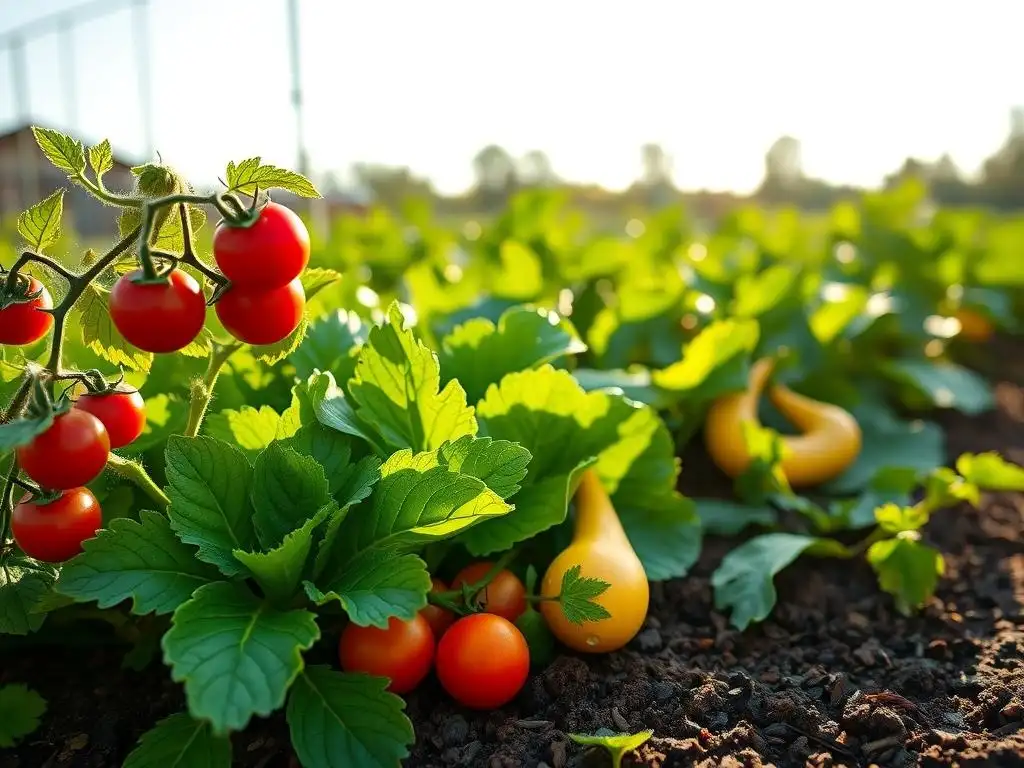
This case study details the creation and maintenance of a thriving organic vegetable garden in a region experiencing consistent drought conditions, showcasing practical application of low-water organic gardening tips. The garden's success highlights the viability of producing abundant, healthy food even with minimal water usage. We'll examine the initial planning, the implemented strategies, and the ultimate results, offering valuable insights for aspiring low-water gardeners.
Initial Challenges and Planning
The primary challenge was the region's arid climate, characterized by low rainfall and high temperatures. Soil analysis revealed sandy loam with poor water retention. This meant water conservation was paramount. Planning involved several crucial steps:
- Site Selection: A south-facing slope was chosen to maximize sunlight exposure, crucial for plant growth, but also to minimize direct sun exposure during the hottest part of the day.
- Soil Amendment: Compost and aged manure were heavily incorporated to improve soil structure, increase water retention, and provide essential nutrients organically. This was crucial for the long-term health of the garden and reduced the need for supplemental fertilizers.
- Plant Selection: Drought-tolerant and native species were prioritized. This included varieties of tomatoes, peppers, zucchini, beans, and herbs known for their resilience to water stress. Careful research on varieties best suited for the specific microclimate was essential. A detailed plant selection chart was created, noting water requirements, sun exposure needs, and harvest times.
- Irrigation System: A drip irrigation system was installed, delivering water directly to the plant roots, minimizing evaporation and runoff. This significantly reduced water consumption compared to traditional overhead watering. A timer was used to automate watering schedules, ensuring consistent moisture delivery.
- Mulching: A thick layer of organic mulch (wood chips and straw) was applied to suppress weeds, retain soil moisture, and regulate soil temperature. This significantly reduced the frequency of watering required.
Implementation of Low-Water Strategies
Several key low-water organic gardening tips were implemented throughout the growing season:
- Water Deeply, Infrequently: Instead of frequent shallow watering, the garden was watered deeply but less often. This encouraged deep root growth, making the plants more drought-tolerant. Soil moisture was monitored regularly using a moisture meter to guide watering decisions.
- Harvesting Rainwater: Rain barrels were used to collect rainwater for irrigation, supplementing the water supply and reducing reliance on municipal water. This proved to be a significant source of water, especially during periods of infrequent rainfall.
- Mulch Maintenance: The mulch layer was regularly replenished to maintain its effectiveness in conserving moisture and suppressing weeds. This required consistent upkeep but was vital for water retention.
- Organic Pest Control: Natural pest control methods were employed, including companion planting, beneficial insect introduction, and homemade insecticidal soaps. This avoided the use of chemical pesticides, which can harm beneficial soil organisms and contribute to water pollution.
- Monitoring and Adjustment: Regular observation of plant health allowed for timely adjustments to watering schedules and other practices. Any signs of stress, such as wilting or yellowing leaves, were addressed promptly.
Results and Lessons Learned
The garden yielded a bountiful harvest of vegetables and herbs throughout the growing season, despite the arid conditions. Water usage was significantly lower than traditional gardening methods. The organic practices resulted in healthy, nutrient-rich produce.
Key lessons learned:
- Planning is crucial: Thorough planning, including site selection, soil preparation, and plant selection, is essential for success in low-water organic gardening.
- Consistent monitoring is key: Regular observation of plant health and soil moisture is vital for effective water management.
- Organic practices are beneficial: Using organic methods improves soil health, reduces water needs, and produces healthier crops. This approach aligns perfectly with the principles of low water organic gardening tips.
- Adaptability is important: Flexibility in adjusting watering schedules and other practices in response to changing weather conditions is crucial.
This case study demonstrates that a thriving, productive, and sustainable organic vegetable garden can be achieved even in drought-prone regions by carefully implementing low-water strategies. The commitment to organic principles further enhanced the overall success and sustainability of the garden. The abundance of healthy produce served as a testament to the effectiveness of these low-water organic gardening tips.
Resources for Low Water Organic Gardening
This section provides valuable resources to help you succeed in your low-water organic gardening endeavors. Finding reliable information and support is key to thriving, even in arid conditions. We'll explore both readily available online and print resources, as well as local support networks that can offer personalized guidance. Remember, the best low water organic gardening tips often come from experience and community knowledge.
Recommended Books and Online Resources
Finding the right resources for low-water organic gardening can make all the difference. Here's a selection of books and online platforms offering practical advice and techniques:
-
Books: Many excellent books delve into xeriscaping (landscape design principles for water conservation) and organic gardening techniques suitable for dry climates. Look for titles focusing on drought-tolerant plants native to your region. Specific titles might include "[Book Title 1: Focusing on Southwestern US Plants]", "[Book Title 2: Mediterranean Climate Gardening]", and "[Book Title 3: Organic Gardening in Arid Environments]". These books often offer detailed planting guides, watering schedules tailored to specific plant types, and soil amendment strategies for improved water retention.
-
Online Resources: The internet is a treasure trove of information! Search for "low water organic gardening tips" along with your specific geographic location to find relevant blog posts, articles, and forum discussions. Many reputable university extension websites offer fact sheets and guides on water-wise gardening practices. Look for sites maintained by agricultural universities or government agencies specializing in sustainable agriculture. For example, you might find valuable information on [Website Example 1: focusing on California native plants] and [Website Example 2: a national database of drought-tolerant plants]. Remember to always cross-reference information from multiple sources to ensure accuracy and reliability.
The key to successful low water gardening is understanding your local climate and selecting the right plants.
- [Name of gardening expert, pending] -
Specific Resources for Soil Improvement: Improving soil structure is paramount for low-water gardening. Look for online resources and books discussing composting techniques, the use of organic mulches (like wood chips or straw), and the benefits of cover cropping for enhancing water retention in the soil. Understanding your soil type is crucial for selecting appropriate amendments.
Local Organizations and Experts to Contact
Connecting with local experts and organizations can provide invaluable support and tailored advice for your specific location and climate. This personalized approach can significantly enhance your success with low-water organic gardening.
- Master Gardeners: Many communities have Master Gardener programs affiliated with universities or agricultural extension services. These trained volunteers provide free advice and workshops on various gardening topics, including water-wise gardening and organic practices. They can offer specific recommendations for plants suitable for your region and soil conditions.
- Local Nurseries and Garden Centers: Visit nurseries specializing in native plants and drought-tolerant varieties. Their staff often possess extensive knowledge of local conditions and can guide you in selecting suitable plants and providing personalized advice on watering techniques and soil management.
- Community Gardens: Joining a community garden can provide a supportive environment where you can learn from experienced gardeners and share tips and techniques. Many community gardens are committed to sustainable and organic practices and may have specific programs related to water conservation.
- Environmental Organizations: Seek out local environmental organizations focused on water conservation and sustainable landscaping. They may offer workshops, consultations, or resources specific to low-water gardening.
| Resource Type | Example | Benefits |
|---|---|---|
| Master Gardener Program | [Local Master Gardener Program Name, pending] | Personalized advice, workshops, access to local expertise |
| Local Nursery | [Local Nursery Name, pending] | Plant selection guidance, advice on soil and watering, access to drought-tolerant varieties |
| Community Garden | [Local Community Garden Name, pending] | Shared learning, peer support, access to shared resources |
Remember to always verify the credibility of any resource before implementing its advice. Happy gardening! 🌱
Frequently Asked Questions
What are some key strategies for low-water organic gardening?
Mulching is crucial to retain soil moisture. Employing drought-tolerant plants and implementing efficient irrigation techniques, such as drip irrigation, are also vital. Consider using water-harvesting methods to supplement your water supply.
How can I choose the right plants for a low-water garden?
Select native plants adapted to your local climate. Research plants labeled as drought-tolerant or xeriscape varieties. These plants are naturally equipped to survive with minimal watering.
What role does soil play in low-water gardening?
Healthy soil is essential for water retention. Amend your soil with compost to improve its structure and water-holding capacity. Proper soil preparation before planting is key to success.
Are organic practices compatible with low-water gardening?
Absolutely! Organic gardening techniques, such as mulching and composting, actually enhance water retention and soil health, making them ideal for low-water environments.
How can I effectively manage pests and diseases in a low-water garden?
Employ proactive pest control strategies like companion planting and introducing beneficial insects. Healthy soil and strong plants are less susceptible to diseases. Avoid overwatering, as this can create conditions favorable for disease.
Final Reflection: The Enduring Power of Water-Wise Gardening
The future of gardening is undeniably water-wise. In a world facing increasing water scarcity and the urgent need for sustainable practices, embracing low-water gardening techniques isn't just a trend—it's a necessity. The principles outlined in this article, from thoughtful plant selection to efficient irrigation methods, are crucial for building resilient and thriving gardens that minimize our environmental footprint.
The shift towards low-water organic gardening reflects a broader societal awakening to the interconnectedness of our actions and the planet's health. It's a movement driven by a growing awareness of the importance of biodiversity, soil health, and responsible resource management. The glory of gardening: hands in the dirt, head in the sun, heart with nature. To nurture a garden is to feed not just the body, but the soul.
This quote beautifully encapsulates the profound satisfaction derived from cultivating a garden, especially one that respects the precious resource of water. This mindful approach to gardening extends beyond simply saving water; it's about fostering a deeper connection with the natural world and contributing to a more sustainable future.
Now, consider your own garden, balcony, or even a single potted plant. What small changes can you implement to reduce your water consumption while still nurturing vibrant growth? Perhaps it's choosing drought-tolerant plants, installing a drip irrigation system, or simply practicing more mindful watering habits. Embrace the challenge, experiment with different techniques, and discover the joy of creating a thriving, water-wise garden that benefits both your soul and the planet. Let's cultivate a future where beauty and sustainability go hand in hand.
Unleash Your Water-Wise Garden!
Thanks for exploring the world of low-water gardening with us! You've unlocked the secrets to a thriving garden that's both beautiful and environmentally friendly. Ready to put your knowledge into practice?
- Design your dream drought-tolerant landscape: Start sketching your ideal low-water garden today. Consider sun exposure, soil type, and your favorite plants. Get creative!
- Share your low-water gardening journey: Tell us about your favorite drought-resistant plants or share your garden design ideas on our CultivateYourFood community forum. Let's inspire each other!
- Challenge yourself to a water-wise day: Pick one day this week to avoid watering your garden (unless absolutely necessary). Observe how your plants respond and identify areas for improvement.
What's one small change you can make today to create a more sustainable and water-wise garden?