
Pest Control in Cold Climates: Managing Garden Pests Naturally

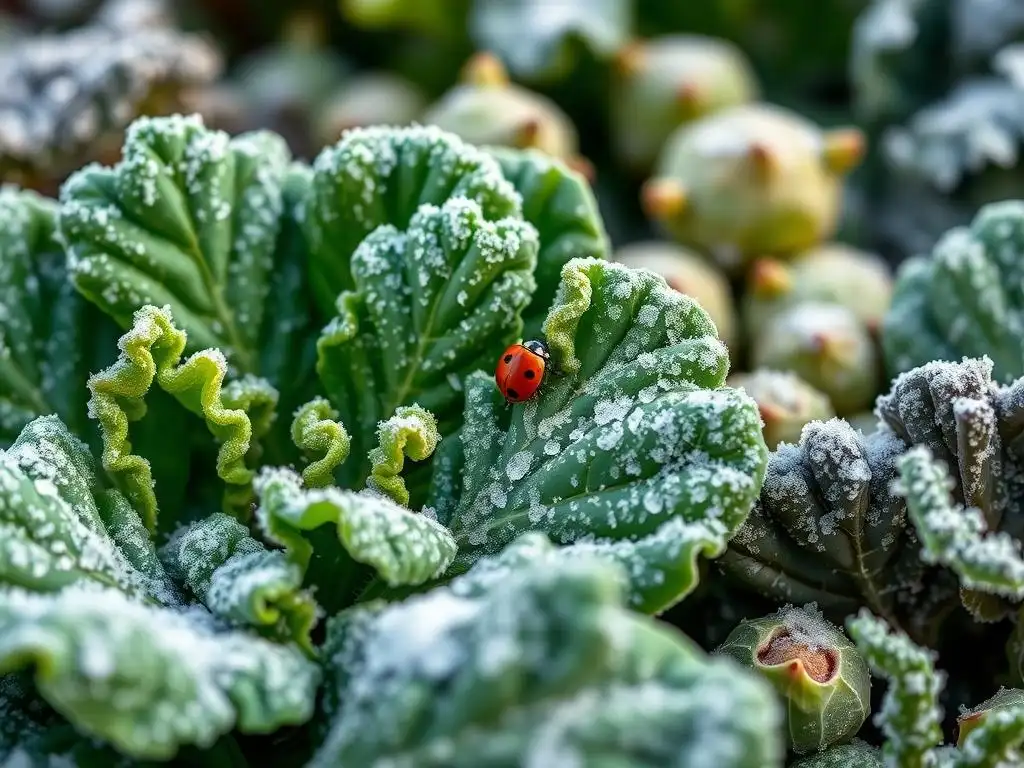
Welcome to CultivateYourFood, your guide to thriving home gardens! Are you ready to unlock the secrets to a bountiful harvest, even in the face of chilly temperatures? This website is dedicated to helping you cultivate fruits, vegetables, and herbs organically, and our latest article dives into the crucial topic of organic pest control in cold climates. Discover effective, sustainable strategies to protect your precious plants and learn how to maintain a flourishing garden regardless of the weather. Let's get growing!
- Understanding Organic Pest Control in Cold Climates
-
Natural Pest Control Strategies for Cold Weather Gardens
- Beneficial Insects and Their Role in Cold Climate Pest Control
- Attracting Beneficial Insects to Your Cold Climate Garden
- Using Diatomaceous Earth for Cold Weather Pest Management
- Neem Oil Application in Cold Temperatures: Effective Strategies
- Creating Physical Barriers Against Pests in Cold Weather Gardens
- Companion Planting for Natural Pest Repellent in Cold Climates
- Preventing Pest Problems in Your Cold Climate Garden
- Monitoring and Addressing Pest Issues in Cold Weather
- Organic Pest Control Resources for Cold Climate Gardening
-
Frequently Asked Questions
- What organic pest control methods work well in cold climates?
- How can I protect my plants from pests during winter dormancy?
- Are there any specific pests I should watch out for in cold climates?
- What role does composting play in organic pest control for cold climates?
- How can I attract beneficial insects to my garden in a cold climate?
- Final Reflection: Nurturing Resilience in a Frozen Garden
- Unleash Your Winter Garden's Full Potential!
Understanding Organic Pest Control in Cold Climates
Gardening in colder climates presents unique challenges, and pest control is no exception. While the shorter growing season might seem to limit pest activity, many hardy insects and diseases thrive even in freezing temperatures, often finding refuge in the soil or under protective plant debris.
This article delves into the specifics of organic pest control strategies tailored for cold climates, focusing on identification, preventative measures, and effective, natural solutions to protect your precious fruits, vegetables, and herbs. Successfully navigating the intricacies of organic pest management in cold weather requires a keen understanding of the pests themselves, the limitations imposed by the environment, and the careful selection of appropriate control methods.
Mastering these aspects will allow you to cultivate a thriving garden, even in challenging conditions, while adhering to sustainable and organic practices. We'll explore practical techniques to minimize pest damage and maximize your harvest, all while respecting the delicate balance of your cold-climate ecosystem.
Identifying Common Cold-Climate Garden Pests
Successfully combating garden pests begins with accurate identification. Knowing your enemy is half the battle! Many pests are surprisingly resilient to cold temperatures, overwintering in various stages of their life cycle. Some common culprits in cold climates include:
- Aphids: These tiny sap-sucking insects can infest a wide range of plants, causing stunted growth and leaf curling. They are particularly active in early spring and late autumn.
- Cabbage White Butterflies: Their larvae (cabbage worms) are voracious eaters, devouring leaves and causing significant damage to brassica crops like cabbage, kale, and broccoli. They are surprisingly hardy and can survive mild winters.
- Slugs and Snails: These mollusks are active even in cool, damp conditions, leaving behind characteristic slime trails and causing damage to leaves and stems.
- Fungal Diseases: Cold, wet conditions create ideal environments for fungal diseases such as powdery mildew and various leaf spots. These can significantly weaken plants, making them more susceptible to other pests.
- Root-knot Nematodes: These microscopic worms infest the roots of many plants, causing galls and hindering nutrient uptake. They can survive freezing temperatures in the soil.
Understanding the life cycle of these common pests is crucial for effective organic control. For example, knowing that cabbage white butterflies overwinter as pupae allows for targeted removal of these pupae from plants during the dormant season. Regular inspection of your plants, paying close attention to both above-ground and below-ground parts, is essential for early detection and timely intervention.
The Challenges of Pest Control in Cold Weather
Controlling pests organically in cold climates presents several unique obstacles:
- Limited Growing Season: The shorter growing season reduces the time available for pest intervention, requiring proactive measures and swift responses.
- Reduced Efficacy of Some Organic Controls: Certain organic pesticides, such as neem oil, might be less effective in colder temperatures or may require more frequent applications.
- Environmental Factors: Cold, wet conditions can hinder the effectiveness of beneficial insects and other natural predators.
- Increased Risk of Disease: Cold, damp environments often favor the development of fungal and bacterial diseases.
- Difficulty in Monitoring: Cold weather can limit access to the garden, making regular monitoring and timely intervention more challenging.
These challenges highlight the importance of preventative measures and the strategic selection of appropriate organic control methods. A well-planned approach that considers the specific conditions of your cold climate garden is essential for success.
Choosing the Right Organic Pest Control Methods for Cold Climates
Effective organic pest control in cold climates requires a multi-pronged approach combining preventative measures with targeted interventions:
- Crop Rotation: Rotating crops annually disrupts pest life cycles and reduces the buildup of pests and diseases in the soil.
- Companion Planting: Strategic planting of certain plants alongside vulnerable crops can deter pests or attract beneficial insects. Examples include planting marigolds to repel nematodes or basil to deter aphids.
- Physical Barriers: Row covers, netting, and other physical barriers can prevent pests from accessing plants.
- Beneficial Insects: Introducing beneficial insects like ladybugs or lacewings can help control aphid and other pest populations. However, their effectiveness is often reduced in colder weather.
- Natural Pesticides: Use of organic pesticides such as insecticidal soap or neem oil (with consideration for temperature limitations) can provide targeted control, but always follow label instructions carefully.
- Cultural Practices: Maintaining good garden hygiene, removing plant debris promptly, and ensuring adequate plant spacing can reduce pest pressure.
By carefully selecting and implementing these methods, gardeners in cold climates can effectively manage pests organically, ensuring a bountiful and healthy harvest. Remember that a proactive and integrated approach is key to success in the challenging conditions of a cold-climate garden. 🌱
Natural Pest Control Strategies for Cold Weather Gardens
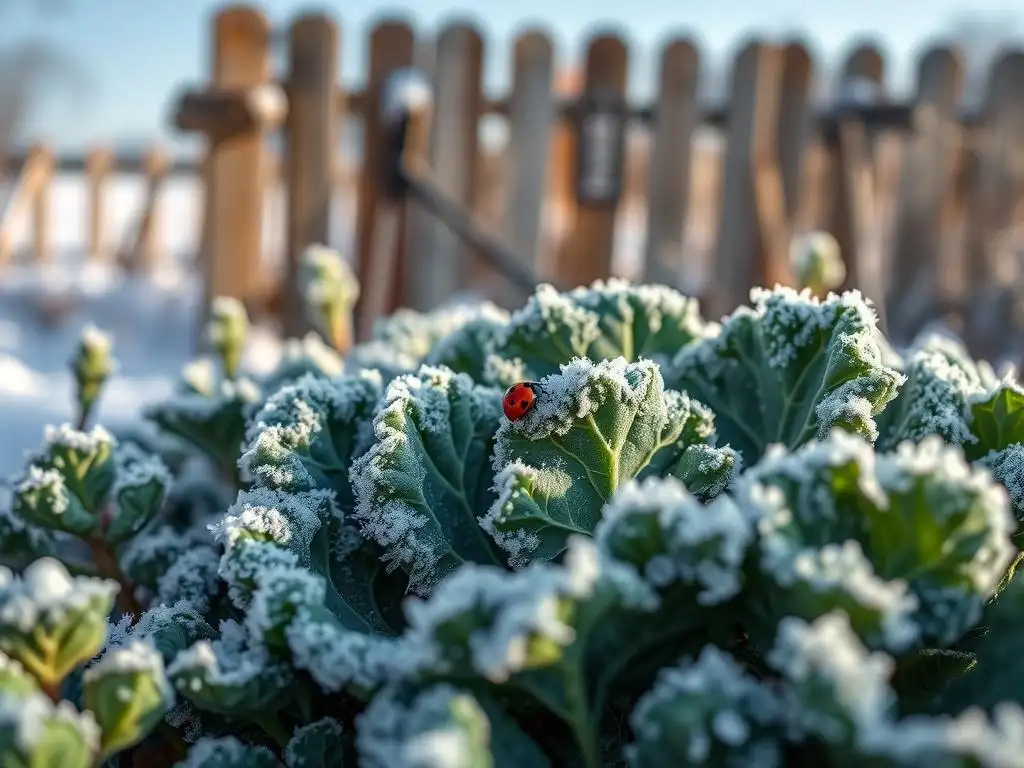
Cold climates present unique challenges for gardeners, but effective organic pest control is still achievable. The shorter growing season and fluctuating temperatures mean pests may behave differently, requiring a tailored approach. Successful organic pest control in cold climates relies on proactive strategies that strengthen plant health and deter pests before they become a significant problem.
This involves understanding the specific pests prevalent in your region and employing methods that are both effective and environmentally friendly. Remember, a healthy plant is much less susceptible to pest infestations. This section will explore several proven natural methods to keep your cold-weather garden thriving.
Beneficial Insects and Their Role in Cold Climate Pest Control
Beneficial insects are your allies in the fight against garden pests. Many insects, such as ladybugs, lacewings, and parasitic wasps, actively prey on common garden pests, helping to maintain a natural balance. However, their activity can be affected by cold temperatures. While some may hibernate or die off during the coldest months, others remain active, albeit at a slower pace. Understanding the life cycle of both beneficial insects and the pests they target is crucial for effective pest management.
For example, ladybugs are voracious eaters of aphids, a common problem in cold-climate gardens. While their activity might slow in late autumn and winter, ensuring they have suitable overwintering habitats in your garden (like leaf litter or brush piles) will increase their numbers the following spring. Similarly, certain parasitic wasps are effective in controlling caterpillars and other larvae, even in cooler temperatures. Providing these beneficial insects with food and shelter throughout the year is key to maximizing their impact on pest populations.
This includes planting flowering plants that attract them, as well as providing shelter from the elements. Careful observation of your garden will help you identify beneficial insects and adjust your strategies accordingly. This proactive approach is essential for achieving effective organic pest control cold climate solutions.
Attracting Beneficial Insects to Your Cold Climate Garden
Attracting beneficial insects requires creating a welcoming habitat. This involves providing food sources, nesting sites, and shelter from harsh weather conditions. Planting a diverse range of flowering plants, particularly those that bloom at different times throughout the growing season, is essential. These plants provide nectar and pollen for adult beneficial insects, fueling their activity and reproduction.
Consider incorporating plants like yarrow, dill, fennel, and goldenrod, known to attract a variety of beneficial insects. These plants offer a continuous supply of food, supporting beneficial insect populations even during cooler periods. Additionally, providing overwintering habitats, such as brush piles or hollow stems, ensures that beneficial insects survive the winter and are ready to combat pests in the spring.
Remember, a healthy ecosystem within your garden is crucial. Avoid using broad-spectrum pesticides, as these can harm beneficial insects along with the pests they target. Using organic pest control methods in a cold climate requires a holistic approach that supports the entire garden ecosystem.
Using Diatomaceous Earth for Cold Weather Pest Management
Diatomaceous earth (DE) is a naturally occurring sedimentary rock composed of fossilized diatoms. It’s a safe and effective organic pest control option that works by physically abrading the exoskeletons of insects, leading to dehydration and death. DE is particularly useful in cold climates because it remains effective even at lower temperatures. Unlike many chemical pesticides, its effectiveness isn't compromised by cold weather.
DE is a fine, white powder that can be applied directly to plants or sprinkled around their base. It's effective against a wide range of crawling insects, including slugs, snails, and some caterpillars. However, it's important to note that DE is most effective when applied to insects directly. It’s not a systemic pesticide, meaning it won't protect plants from insects that don't come into direct contact with the powder.
When using DE, choose a food-grade variety to ensure safety for humans, pets, and beneficial insects. Remember to wear a mask when applying DE to avoid inhaling the fine dust. DE is a valuable tool in your arsenal for organic pest control cold climate gardening, offering a safe and effective way to manage pests throughout the season.
Neem Oil Application in Cold Temperatures: Effective Strategies
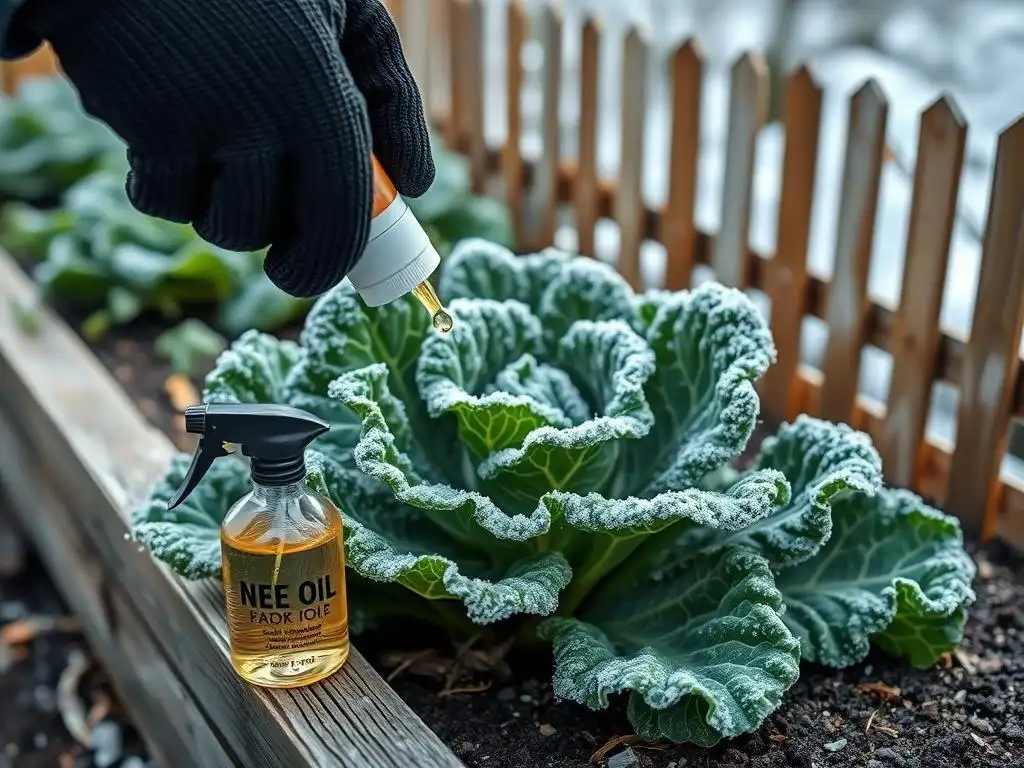
Neem oil, a natural pesticide derived from the neem tree, remains a powerful tool even in colder climates. However, its effectiveness is temperature-dependent. Applying neem oil when temperatures are below 50°F (10°C) can significantly reduce its efficacy and potentially harm your plants. The oil may become less effective at penetrating pest exoskeletons and could even cause damage to plant leaves in the form of chilling injury. Therefore, strategic timing is crucial for successful application.
To maximize neem oil's effectiveness in cold weather, consider these strategies: Apply it on warmer days, ideally when temperatures are above 50°F (10°C) and the sun is shining. This allows the oil to better spread and penetrate. Avoid application when rain is expected, as this will wash away the oil before it can work its magic.
Furthermore, consider using a horticultural oil blend specifically formulated for cold weather conditions, as these formulations often contain additives that enhance their performance in lower temperatures. Always follow the manufacturer's instructions carefully, paying close attention to dilution rates and application methods. Remember, even in cold climates, organic pest control can be highly effective with careful planning.
Creating Physical Barriers Against Pests in Cold Weather Gardens
Physical barriers offer a reliable method of organic pest control, regardless of the temperature. In colder climates, these barriers become even more important, as pests may seek shelter within plants during harsh weather. A variety of options exist, each suited to different pests and plants.
Row covers, for instance, are lightweight fabrics that drape over plants, acting as a physical barrier against many insects and some larger pests like birds or rabbits. These are particularly effective against smaller insects and can also provide some protection against frost. Remember to choose a breathable fabric to allow for adequate air circulation and prevent the buildup of moisture, which can lead to fungal diseases. For larger pests, consider using hardware cloth or chicken wire around vulnerable plants, creating a cage-like barrier. This is especially useful for protecting young seedlings or mature plants from gnawing pests like slugs, snails, and rodents. Finally, simple barriers, such as collars placed around the base of plants, can prevent ground-dwelling pests from reaching stems and leaves. These collars can be made from various materials, including cardboard, metal, or plastic. Remember, a multi-pronged approach, combining several physical barriers, is often the most effective strategy.
Companion Planting for Natural Pest Repellent in Cold Climates
Companion planting leverages the natural repellent properties of certain plants to deter pests from your target crops. This strategy is highly effective and environmentally friendly, making it a cornerstone of organic gardening, even in cold climates. However, selecting the right companion plants for cold-hardy vegetables and herbs is crucial.
Some cold-hardy companion plants with pest-repelling properties include marigolds, which are known to deter nematodes and other soil-borne pests; nasturtiums, which attract aphids away from other plants; and garlic, which repels many insects and fungi. When planning your cold-weather garden, consider incorporating these plants strategically among your main crops. For instance, planting marigolds alongside your broccoli or cauliflower can help protect them from nematodes. Remember to research the specific pests that are prevalent in your region and select companion plants known to effectively deter them.
Effective companion planting often requires careful planning and consideration of the growth habits and flowering times of all plants involved. Furthermore, rotating your companion plants yearly helps prevent the buildup of any potential diseases or pests that might target them. This ensures the long-term effectiveness of this natural pest control method.
Preventing Pest Problems in Your Cold Climate Garden
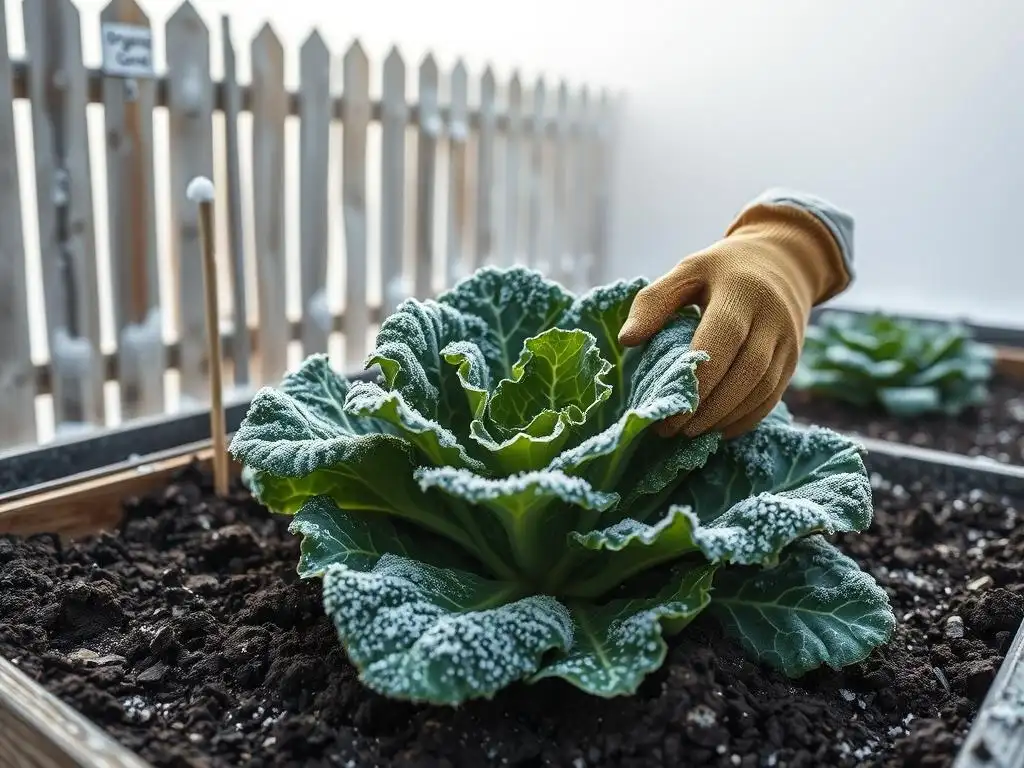
Successfully practicing organic pest control in a cold climate requires a proactive approach. Simply reacting to pest infestations is less effective than implementing preventative measures that minimize their presence from the outset. A healthy garden is far less susceptible to pest damage. This section focuses on strategies to create a robust and pest-resistant environment, even in challenging cold-weather conditions. Remember, the goal is to create an environment where pests find it difficult to thrive, thereby reducing the need for harsh chemical interventions.
Preparing Your Garden for Winter to Minimize Pest Infestations
Proper winter garden preparation is crucial for organic pest control in cold climates. Many pests overwinter in the soil or within plant debris. By diligently cleaning up your garden in the fall, you significantly reduce their numbers come spring. This involves:
- Removing all plant debris: This includes fallen leaves, spent plants, and weeds. These harbor pests and diseases, providing ideal overwintering sites. Dispose of this debris responsibly—composting is ideal if you're sure it's free from disease. Otherwise, bag it for disposal to prevent pest spread.
- Deep cleaning of garden beds: Turn over the soil to expose any overwintering pests to the elements. This also helps break down organic matter, improving soil health for the next growing season.
- Protecting vulnerable plants: For plants that remain in the ground over winter (such as certain hardy herbs or root vegetables), provide appropriate protection from harsh weather and potential pest damage. This might involve mulching or covering them with frost cloth.
- Cleaning and storing tools: Thoroughly clean all gardening tools to remove any soil or plant material that might harbor pests or diseases. Proper storage prevents the spread of pests to the next growing season.
Proper Soil Management to Deter Pests in Cold Climates
Healthy soil is the foundation of a thriving and pest-resistant garden. In cold climates, soil management takes on added importance because of the shorter growing season and potential for soil compaction. Here's how to optimize your soil for organic pest control:
- Improving soil drainage: Poor drainage creates conditions favorable for many fungal diseases which can weaken plants, making them more vulnerable to pests. Amend heavy clay soils with organic matter like compost to improve drainage and aeration.
- Enhancing soil fertility: Nutrient-rich soil produces strong, healthy plants better equipped to withstand pest infestations. Regular soil testing and the addition of compost, aged manure, and other organic amendments help maintain optimal fertility levels. Consider cover cropping to improve soil structure and fertility over the winter months.
- Beneficial soil organisms: A diverse soil ecosystem, teeming with beneficial microorganisms, bacteria, and fungi, naturally suppresses many harmful pests and diseases. Avoid the use of harsh chemicals which can disrupt this delicate balance. Adding compost and other organic matter encourages the growth of these beneficial organisms.
Choosing Pest-Resistant Plant Varieties for Cold Weather Gardening
Selecting pest-resistant plant varieties is a cornerstone of proactive organic pest control, especially in cold climates where the growing season is shorter and plants may be more susceptible to stress. Research varieties specifically bred for resilience in your local climate and known for their resistance to common pests in your region. For example:
| Plant Type | Pest-Resistant Variety (Example) | Common Pests in Cold Climates |
|---|---|---|
| Cabbage | Brunswick | Cabbage worms, aphids |
| Tomatoes | Siberian | Aphids, tomato hornworms |
| Lettuce | Black Seeded Simpson | Slugs, aphids |
| Potatoes | Yukon Gold | Colorado potato beetle, aphids |
Remember that even pest-resistant varieties can be affected by severe infestations if other preventative measures aren't taken. Regular monitoring and prompt action, using organic methods, are still essential for optimal results. The key to organic pest control in a cold climate is a holistic approach, integrating multiple preventative strategies for a truly resilient garden. 🌱
Monitoring and Addressing Pest Issues in Cold Weather
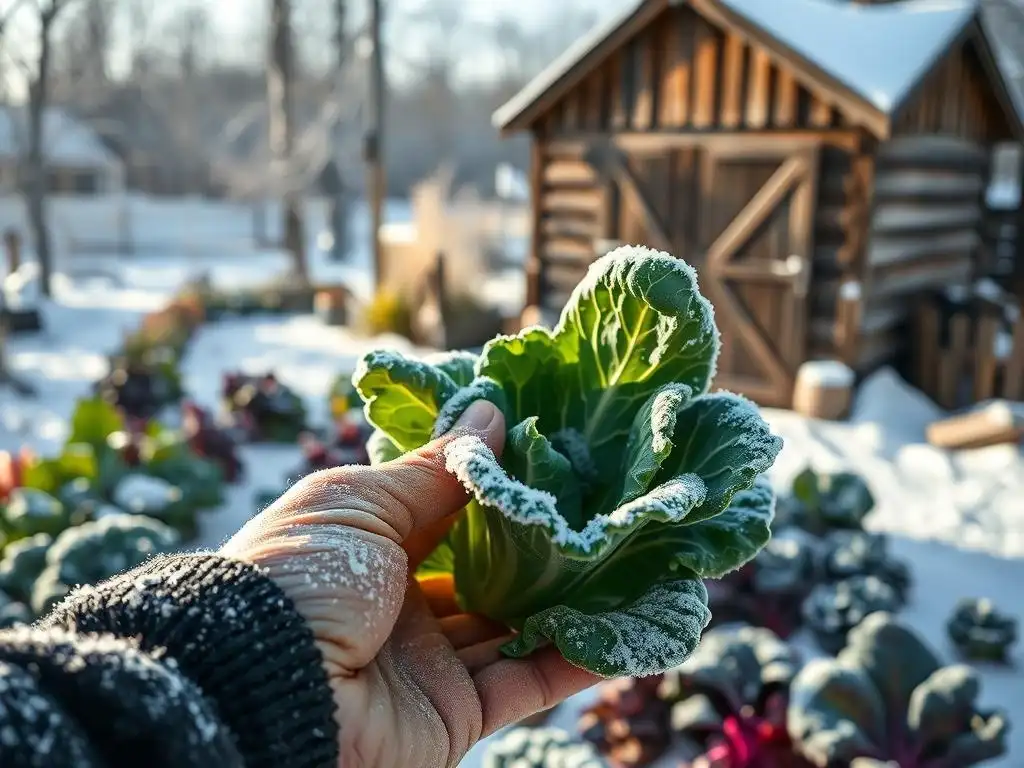
Effective organic pest control in cold climates requires a proactive approach, differing significantly from warmer-weather strategies. The shorter growing season and fluctuating temperatures necessitate a keen eye and rapid response to any pest activity. Ignoring early signs can lead to significant crop damage before you even realize there's a problem. Successfully navigating the challenges of organic pest control in cold climates demands vigilance and adaptability.
Regular Inspection and Early Detection of Pests in Cold Climates
Regular inspections are crucial, even during periods of dormancy. While pest activity slows in the cold, many overwinter in the soil or on plants, emerging when conditions improve. Aim for weekly checks throughout the growing season, increasing frequency to twice a week during periods of rapid growth or if you notice unusual plant activity. Pay close attention to:
- Undersides of leaves: Many pests, such as aphids and spider mites, prefer the shelter of the leaf underside.
- Stems and buds: Look for signs of chewing, discoloration, or webbing.
- Soil around plants: Check for signs of slugs, snails, or grubs.
- Stored produce: Pests can infest stored harvests, so regular checks are essential.
Remember that early detection is key to successful organic pest control. A small infestation is much easier to manage than a widespread one. Use a magnifying glass to help identify smaller pests. Keep detailed records of your observations, noting the type of pest, the affected plants, and the date of discovery. This information will be invaluable in developing an effective pest management strategy. For example, noting a sudden increase in aphid activity on your kale plants in early spring allows for immediate intervention before significant damage occurs.
Responding to Pest Infestations in Cold Weather Conditions
Responding to a pest infestation in cold weather requires a swift and targeted approach. The limited growing season means you have less time to rectify the problem before significant yield loss. Consider these strategies:
- Handpicking: For small infestations, handpicking pests is an effective and environmentally friendly solution. Dispose of collected pests by dropping them into a bucket of soapy water.
- Physical barriers: Row covers can protect plants from many flying insects. Floating row covers allow for air circulation while preventing insect access.
- Beneficial insects: Introducing beneficial insects, such as ladybugs or lacewings, can help control aphid and other pest populations. However, the timing of introduction is crucial in cold climates; ensure they have adequate food sources and suitable overwintering conditions.
- Targeted sprays: Organic insecticidal soaps and neem oil are effective against many common cold-climate pests, but their effectiveness can be reduced by cold temperatures. Apply on warmer days, avoiding direct sunlight and following label instructions carefully.
Remember to always prioritize preventative measures to minimize the need for intervention. A healthy plant is more resistant to pests. Ensure your plants receive adequate sunlight, water, and nutrients. Proper soil preparation and crop rotation are also crucial preventative steps.
Organic Pest Control Solutions for Specific Cold-Climate Pests
Different pests thrive in different cold-climate conditions. Understanding the specific pests common in your region is essential for developing an effective organic pest control strategy.
| Pest | Common Host Plants | Organic Control Methods |
|---|---|---|
| Aphids | Many vegetables and herbs | Insecticidal soap, neem oil, ladybugs, handpicking |
| Cabbage worms | Cabbage, broccoli, kale | Row covers, Bacillus thuringiensis (Bt) |
| Slugs & Snails | Many vegetables and flowers | Beer traps, diatomaceous earth, handpicking, barriers |
| Spider mites | Many vegetables and herbs | Insecticidal soap, neem oil, strong water spray |
| Colorado Potato Beetle | Potatoes, tomatoes | Handpicking, Bacillus thuringiensis (Bt), diatomaceous earth |
Further Considerations for Organic Pest Control in Cold Climates
The shorter growing season in cold climates necessitates careful planning and timing of organic pest control measures. Consider the life cycle of the pests you are targeting and time your interventions accordingly. For example, targeting overwintering pests in the fall can significantly reduce the spring infestation. Additionally, remember that cold temperatures can affect the efficacy of some organic pesticides. Always check the product label for specific instructions and temperature recommendations. Finally, remember to monitor your plants continuously, adapting your strategy as needed. Organic pest control is an ongoing process requiring vigilance and flexibility.
The successful implementation of organic pest control in cold climates relies heavily on observation, planning, and a willingness to adapt strategies as needed. Remember that a healthy plant is the best defense against pests. By combining preventative measures with targeted interventions, you can protect your crops and enjoy a bountiful harvest, even in challenging cold-climate conditions.
Organic Pest Control Resources for Cold Climate Gardening
Successfully practicing organic pest control in cold climates requires access to the right resources. Finding effective and readily available solutions can be challenging, but with careful planning and research, you can protect your plants without resorting to harmful chemicals. This section explores reliable sources of organic pest control products and valuable local expertise to help you navigate the unique challenges of cold-climate gardening.
Reliable Sources of Organic Pest Control Products for Cold Climates
Finding organic pest control products suitable for cold climates often requires looking beyond big-box stores. Many commonly available products aren't formulated for the specific challenges posed by shorter growing seasons and potentially harsher weather conditions. Therefore, sourcing your supplies requires a more targeted approach.
Here are some reliable avenues to explore:
- Specialty nurseries and garden centers: These establishments often carry a wider range of organic pest control options, including those specifically designed for cold climates. They usually have knowledgeable staff who can provide personalized recommendations based on your region and the types of plants you're growing. Ask about products effective against common cold-climate pests like aphids, slugs, and cabbage worms.
- Online retailers specializing in organic gardening: Many online retailers focus exclusively on organic gardening supplies. These sites often offer a broader selection than brick-and-mortar stores, including products that may be difficult to find locally. Carefully review product descriptions and customer reviews to ensure suitability for your cold climate.
- Local farmers' markets and cooperatives: These sources can connect you with local producers of organic pest control solutions, such as homemade insecticidal soaps or neem oil preparations. Supporting local businesses also promotes sustainable practices within your community.
- Direct from manufacturers: Consider contacting manufacturers of organic pest control products directly. This can be particularly helpful for larger gardens or if you need specific formulations for certain pests.
Table of Common Cold-Climate Pests and Potential Organic Controls:
| Pest | Description | Organic Control Options |
|---|---|---|
| Aphids | Small, soft-bodied insects; suck plant sap | Insecticidal soap, neem oil, ladybugs |
| Cabbage worms | Caterpillars that feed on brassicas | Bacillus thuringiensis (Bt), handpicking |
| Slugs and snails | Mollusks that feed on leaves and stems | Diatomaceous earth, beer traps, handpicking |
| Spider mites | Tiny mites that suck plant sap | Horticultural oil, strong water spray, predatory mites |
Remember to always carefully follow product instructions and safety precautions when using any organic pest control product. Effective organic pest control often involves a multi-pronged approach, combining various methods for optimal results.
Local Expertise and Community Resources for Cold Climate Gardening
Beyond sourcing the right products, accessing local expertise is crucial for successful organic pest control in cold climates. Your local environment presents unique challenges, and understanding these specifics is key.
- Master Gardeners: Contact your local county extension office to connect with Master Gardener programs. These volunteers are trained in horticulture and can provide valuable advice tailored to your specific region and its pest pressures. They can often identify pests and recommend effective organic control strategies.
- Local gardening clubs and societies: Joining a local gardening group provides access to a wealth of collective knowledge. Sharing experiences and learning from fellow gardeners in your area is invaluable, particularly concerning pest management in cold climates. These groups often hold workshops and events dedicated to organic gardening techniques.
- University extension services: Universities often have extension services that provide research-based information on pest management and sustainable gardening practices. Their resources can be particularly helpful in understanding the life cycles of common cold-climate pests and developing effective, long-term control strategies. Look for publications specific to your region.
By combining access to reliable organic products with the knowledge and support of your local community, you can build a resilient and thriving garden, even in a challenging cold climate. Remember that prevention is key; healthy plants are better equipped to withstand pest infestations. Focus on providing optimal growing conditions through proper soil preparation, fertilization, and watering practices. This proactive approach minimizes the need for extensive pest control interventions.
Frequently Asked Questions
What organic pest control methods work well in cold climates?
Many natural pest control methods are effective in cold climates. These include physical barriers like row covers, beneficial insects like ladybugs, and diatomaceous earth. Careful garden sanitation in the fall is also crucial.
How can I protect my plants from pests during winter dormancy?
Winter dormancy offers a chance for preventative measures. Clean up fallen leaves and plant debris to remove overwintering pests. Mulching can also help protect plants from frost and some pests.
Are there any specific pests I should watch out for in cold climates?
While many pests are less active in winter, some, like slugs and snails, can still be problematic. Aphids may also overwinter on plants, re-emerging in spring. Monitor your plants even during colder months.
What role does composting play in organic pest control for cold climates?
Composting helps create healthy soil, which is more resistant to pest infestations. It also allows for the decomposition of pest-infested plant matter, reducing the chances of pest resurgence in the spring.
How can I attract beneficial insects to my garden in a cold climate?
Providing shelter, such as leaf litter or brush piles, helps beneficial insects survive the winter. Planting flowering plants that bloom early in the spring will also attract them when they become active again. Consider planting native species that are better adapted to your local climate.
Final Reflection: Nurturing Resilience in a Frozen Garden
The fight against garden pests isn't confined by season; the challenges of organic pest control in cold climates simply require a different approach. The strategies discussed – from beneficial insect cultivation to the strategic use of natural barriers – highlight the resilience and adaptability needed to thrive, even when faced with frost and snow. This isn't just about protecting plants; it's about fostering a healthy ecosystem that endures.
The impact of climate change is making these techniques increasingly vital, not just for gardeners in colder regions, but for everyone striving for sustainable practices. The delicate balance of nature, so easily disrupted by harsh chemicals, is something we must actively protect. The best way to predict the future is to create it,
and by embracing organic methods, we are actively shaping a future where our gardens flourish alongside a thriving natural world.
Consider the lessons learned here – the importance of observation, the power of prevention, and the beauty of working with nature, not against it. This isn't just about pest control; it's about cultivating a deeper understanding of the interconnectedness of life. This winter, as you plan your spring garden, remember the resilience of nature and the power of your own mindful choices. Let your garden be a testament to sustainable practices, a vibrant ecosystem thriving even in the face of winter's chill.
Unleash Your Winter Garden's Full Potential!
Thank you for learning about natural pest control strategies for cold climates! You now have the knowledge to protect your plants from winter pests. Let's put that knowledge to work.
- Craft your own winter pest repellent: Using the natural methods described in this guide, create a repellent today to safeguard your plants.
- Share your winter gardening successes and pest control tips on our CultivateYourFood forum and connect with fellow gardeners.
- Experiment with a new method: Repurpose old socks to create DIY pest traps—you may be surprised by the results!
Ready to transform your winter garden into a thriving haven? What's your first step towards pest-free plants this season?