
Protecting Tomatoes with Season Extension Techniques

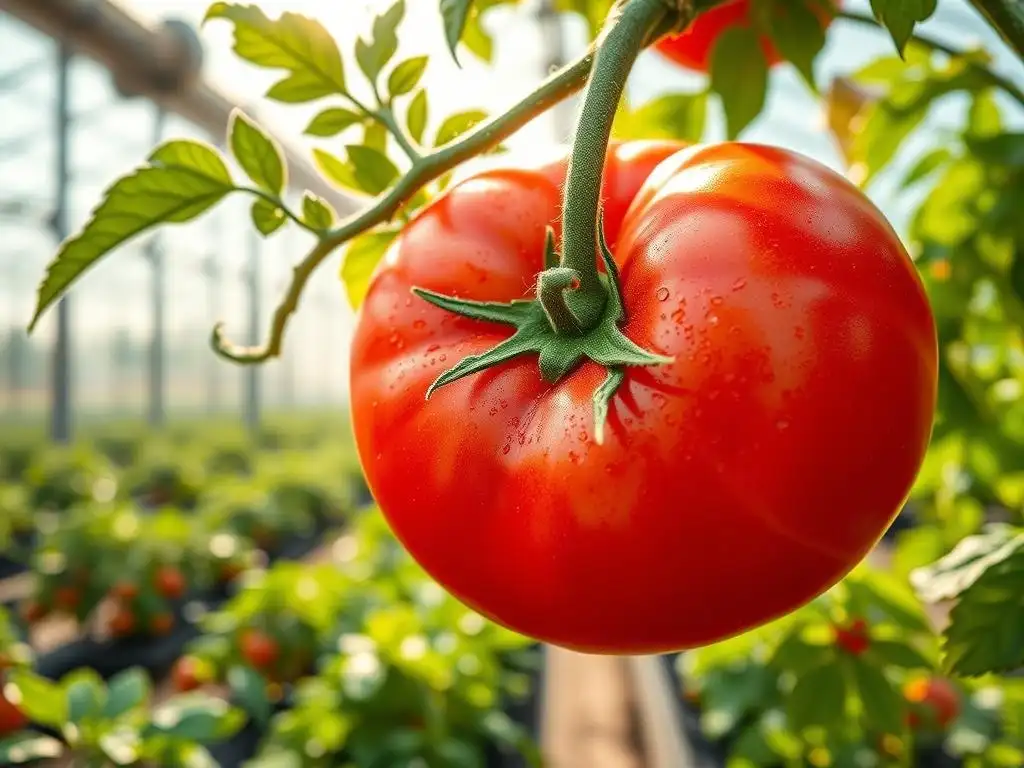
Welcome to CultivateYourFood, your guide to thriving home gardens! Are you ready to harvest bountiful yields year-round, even in challenging climates? Learn how to extend your tomato growing season and enjoy fresh, organic produce longer than ever before. Discover the secrets to sustainable gardening with our expert advice on planting, harvesting, and more – your journey to a flourishing garden starts now!
- Extend Tomato Growing Season: Introduction to Season Extension
- Extend Tomato Growing Season: Cold Frames and Cloches
- Extend Tomato Growing Season: Row Covers and Floating Row Covers
- Extend Tomato Growing Season: Low Tunnels and Greenhouses
- Extend Tomato Growing Season: Protecting Tomatoes from Pests and Diseases
- Extend Tomato Growing Season: Harvesting and Post-Harvest Care
- Frequently Asked Questions
- Final Reflection: Harvesting the Bounty of Extended Seasons
- Unlock Your Tomato Harvest: Extend the Season, Reap the Rewards!
Extend Tomato Growing Season: Introduction to Season Extension
Protecting your tomato plants from the vagaries of the weather is key to enjoying a bountiful harvest well into the fall. This article delves into the art of extending the tomato growing season, focusing on practical techniques and strategies that allow you to cultivate juicy, ripe tomatoes even beyond the typical growing season. We'll explore how understanding your local climate, selecting appropriate tomato varieties, and optimizing your garden space can significantly contribute to a longer and more productive tomato season.
Successfully extending your tomato growing season isn't just about adding extra weeks to your harvest; it's about maximizing your yield and enjoying the freshest, most flavorful tomatoes possible, all while adhering to sustainable and organic practices. This guide will equip you with the knowledge and tools to cultivate a thriving tomato patch, regardless of your geographical location or the challenges posed by shorter growing seasons.
Let's get started on your journey to extended tomato cultivation! 🍅
Understanding Your Climate and Frost Dates for Extended Tomato Growth
Knowing your specific climate and the average first and last frost dates is paramount to successfully extending your tomato growing season. This knowledge dictates when you can safely plant your seedlings outdoors and when you need to implement protective measures. For example, regions with early frosts will require earlier planting or the use of season extension techniques like cold frames or row covers much sooner than areas with milder climates.
Accurate frost date information can be obtained from local agricultural extension offices, weather websites, or experienced gardeners in your area. Once you have this information, you can plan your planting schedule accordingly, ensuring your tomatoes have ample time to mature before the first frost. Consider these factors:
- Microclimates: Your garden might have microclimates—areas with slightly different temperatures and conditions than the surrounding area. South-facing walls, for example, can provide warmth and extend the growing season in certain parts of your garden.
- Soil Temperature: Tomatoes thrive in warm soil. Using soil thermometers can help you determine when the soil is warm enough for planting, even if the air temperature is still cool.
- Average Temperatures: Monitor not just the frost dates, but also the average daily minimum and maximum temperatures throughout your growing season. This will allow you to predict when your tomatoes might be vulnerable to unexpected cold snaps.
Choosing the Right Tomato Varieties for Season Extension
Not all tomato varieties are created equal when it comes to extending the growing season. Some varieties mature faster than others, offering a better chance of producing a harvest before the first frost. Others possess a greater tolerance to cooler temperatures. Selecting the right variety is crucial for success.
Consider these factors when selecting your tomato varieties:
- Days to Maturity: Look for varieties with shorter days to maturity (DTM). This indicates how many days it takes for the plant to produce ripe fruit from the time of planting. Choose varieties with a DTM of 50-70 days for earlier harvests.
- Determinate vs. Indeterminate: Determinate tomatoes produce all their fruit at once, while indeterminate tomatoes continue producing fruit throughout the season. Indeterminate varieties are generally better suited for season extension if you have the means to protect them from frost.
- Cold Tolerance: Some tomato varieties exhibit greater cold tolerance than others. Look for varieties specifically bred for cooler climates or those with a longer growing season.
Assessing Your Garden Space and Sunlight for Optimal Tomato Production
Even with the best planning and variety selection, your garden space and the amount of sunlight your plants receive significantly impact your ability to extend the tomato growing season. Tomatoes are sun-worshippers, requiring at least 6-8 hours of direct sunlight daily for optimal growth and fruit production.
Consider the following:
- Sunlight: Carefully select the location for your tomato plants, ensuring they receive ample sunlight. Avoid areas shaded by trees or buildings.
- Space: Tomatoes need adequate spacing to allow for proper air circulation and prevent the spread of diseases. Follow the spacing recommendations on the seed packet or plant tag.
- Soil Quality: Healthy soil is essential for healthy tomato plants. Amend your soil with compost or other organic matter to improve drainage and nutrient content. This will enhance the plants' resilience to stress and extend their productive life.
Extend Tomato Growing Season: Cold Frames and Cloches
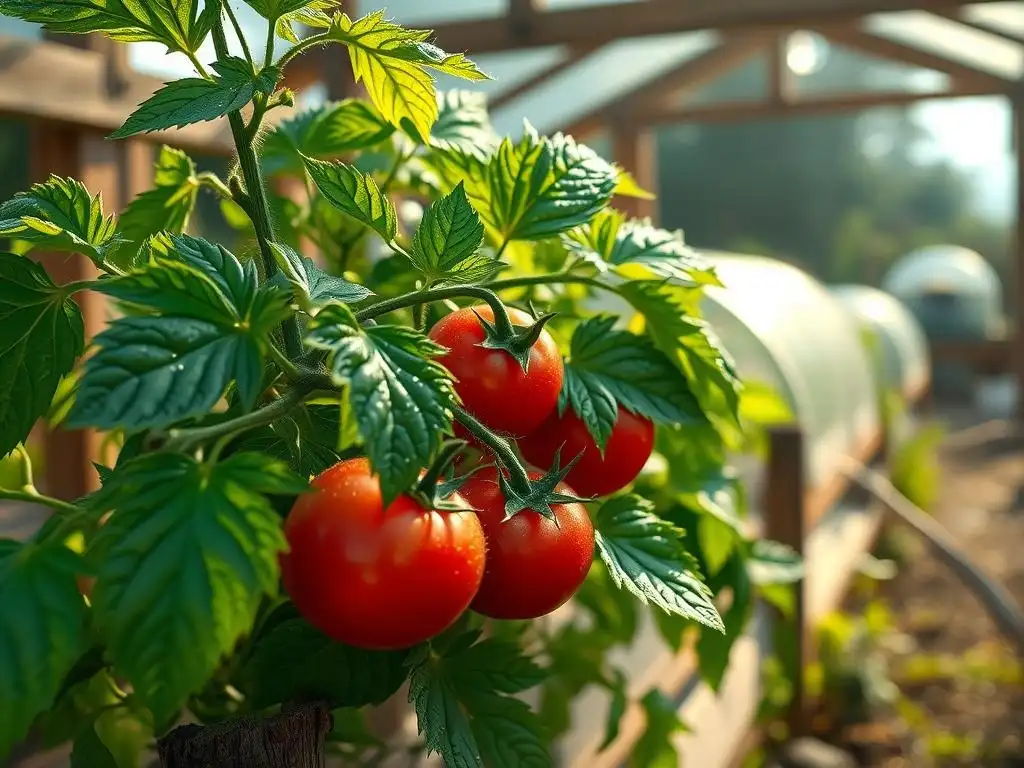
This section focuses on practical methods to extend the tomato growing season using readily available and inexpensive structures: cold frames and cloches. These techniques are particularly valuable for gardeners in regions with shorter growing seasons or unpredictable weather patterns. By providing a microclimate that shields plants from harsh conditions, you can significantly increase your harvest and enjoy fresh, homegrown tomatoes for a longer period. Extending the tomato growing season is achievable with careful planning and the right protective measures. Let's explore how cold frames and cloches can help.
Building a Simple Cold Frame for Tomato Protection
A cold frame is essentially a miniature greenhouse, providing a sheltered environment for your tomato plants. Building one is surprisingly straightforward and inexpensive. You can repurpose materials you may already have, minimizing cost and environmental impact.
Here's a simple design:
- Base: Use untreated lumber (cedar or redwood are excellent choices for durability) to construct a rectangular frame approximately 4 feet wide by 8 feet long. Adjust dimensions to suit your space and the number of tomato plants you intend to protect.
- Walls: The walls should be approximately 12 inches high. You can use more lumber, or even repurposed glass or plexiglass panels for the sides.
- Cover: A transparent covering is crucial. Consider using polycarbonate panels, which are lightweight, durable, and offer excellent light transmission. Alternatively, you can use heavy-duty clear plastic sheeting, though it may require more frequent replacement. Ensure a good seal to maintain temperature and humidity.
- Ventilation: Incorporate ventilation to prevent overheating and excessive humidity. This can be achieved by adding hinges to the cover or incorporating small vents.
Material Costs (Estimate):
| Material | Quantity | Estimated Cost |
|---|---|---|
| Untreated Lumber | 8-10 linear feet | $20-$40 |
| Polycarbonate Panel | 1 sheet (4x8 ft) | $50-$80 |
| Hinges | 2 | $5-$10 |
| Screws/Fasteners | As needed | $5-$10 |
Remember to position your cold frame in a sunny location with good drainage. Proper site selection is critical for maximizing the benefits of the cold frame and extending your tomato season effectively.
Using Cloches to Protect Young Tomato Plants
Cloches offer a simpler, more portable solution for protecting young tomato plants, particularly from frost and early-season cool temperatures. These are individual covers, typically made from clear plastic or glass, that you place over individual plants or small groups.
Types of Cloches:
- Plastic Bottle Cloches: Repurposed plastic bottles (2-liter soda bottles work well) create inexpensive and readily available cloches. Simply cut off the bottom of the bottle and place it over the seedling.
- Glass Cloches: These offer better insulation than plastic but are more fragile and less readily available.
- Commercial Cloches: Many garden centers sell various types of cloche structures, including bell-shaped covers and tunnel-like structures for larger areas.
Using cloches is a great way to get a head start on the growing season and protect your delicate tomato seedlings from unexpected cold snaps. They are easy to use and can be removed as the weather warms. Proper ventilation is still important even with cloches, so monitor your plants closely.
Maintaining Temperature and Humidity Inside Cold Frames and Cloches
Maintaining optimal temperature and humidity is crucial for successful season extension. Overheating can damage plants, while low temperatures can stunt growth. Humidity levels should also be monitored to prevent fungal diseases.
- Temperature Monitoring: Use a thermometer inside the cold frame or cloche to monitor the temperature throughout the day and night. Adjust ventilation as needed to maintain a suitable temperature range (ideally between 65-80°F (18-27°C) for tomatoes).
- Humidity Control: Good air circulation is key to preventing excessive humidity. Open vents during warmer parts of the day to allow for air exchange. Avoid overwatering, as this can contribute to high humidity levels.
- Watering: Water plants as needed, ensuring the soil is moist but not waterlogged. Avoid watering during the hottest part of the day to minimize evaporation and prevent fungal diseases. Consider using a watering can with a rose head for gentle application.
Regular monitoring and adjustments are essential to ensure the cold frame or cloche provides optimal conditions for your tomato plants, ultimately extending your harvest and maximizing your yield. Careful attention to temperature and humidity management is a key element in successfully extending the tomato growing season. 🍅
Extend Tomato Growing Season: Row Covers and Floating Row Covers
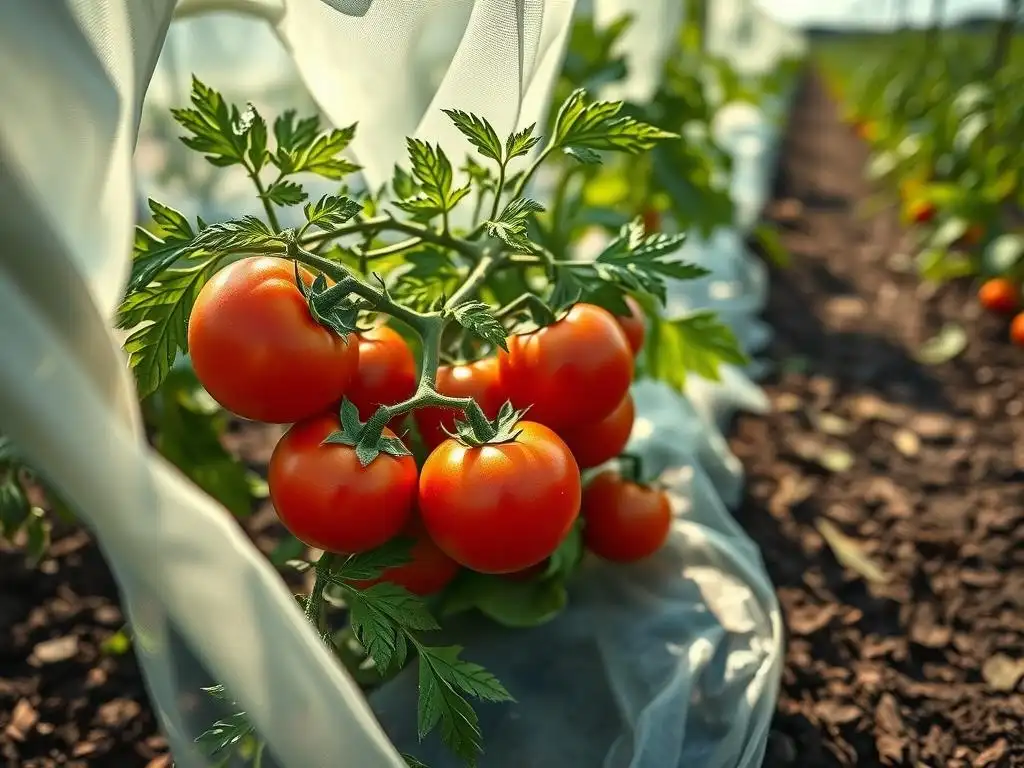
This section focuses on practical techniques to extend your tomato growing season using row covers and floating row covers. These simple yet effective methods provide crucial protection against temperature fluctuations, frost, and pests, allowing you to enjoy a longer harvest. We'll delve into the specifics of material selection, installation, and the benefits of each approach. Mastering these techniques is key to maximizing your tomato yield and extending the enjoyment of homegrown tomatoes well into the cooler months.
Selecting Appropriate Row Cover Materials for Tomatoes
Choosing the right row cover material is critical for successful season extension. The ideal material balances protection against the elements with sufficient light transmission for healthy tomato growth. Several options exist, each with its own advantages and disadvantages.
Consider these factors when selecting your row cover:
- Light Transmission: Tomatoes need ample sunlight for photosynthesis. Choose a material with high light transmission, typically expressed as a percentage. A material with 70-80% light transmission is often ideal. Lower percentages can stunt plant growth.
- Durability: The material should withstand wind, rain, and potential damage from insects. Look for materials known for their tear resistance and longevity. Reinforced edges can further improve durability.
- Weight: Heavier materials offer better protection against frost and wind but can be more challenging to install and may impede airflow, potentially increasing humidity. Lighter materials are easier to manage but might offer less protection.
- Material Type: Common materials include spun-bonded polypropylene (often referred to as landscape fabric), agribon, and even lightweight plastic sheeting (though less breathable). Each offers different levels of light transmission, durability, and cost.
Here's a table summarizing common row cover materials:
| Material | Light Transmission (%) | Durability | Weight | Cost |
|---|---|---|---|---|
| Spun-bonded Polypropylene | 70-80 | Moderate | Light to Medium | Low to Moderate |
| Agribon | 60-75 | High | Medium | Moderate to High |
| Lightweight Plastic Sheeting | 80-90+ | Low | Light | Low |
The best choice depends on your specific climate and budget. For example, in areas with mild winters and occasional frost, a lighter material with high light transmission might suffice. In colder regions, a heavier, more durable material provides better protection. Always check the manufacturer's specifications to ensure the material meets your needs.
Installing Row Covers for Effective Tomato Protection
Proper installation is crucial for maximizing the effectiveness of row covers. Improper installation can lead to reduced light penetration, inadequate protection, and even damage to your plants.
Follow these steps for optimal installation:
- Prepare the Area: Clear any weeds or debris from around your tomato plants.
- Frame Construction (Optional): For larger areas or stronger winds, consider constructing a simple frame using hoops or stakes to support the row cover. This prevents the cover from collapsing or being blown away.
- Cover Application: Drape the row cover gently over your tomato plants, ensuring it makes good contact with the ground to prevent pests from entering.
- Securing the Cover: Secure the edges of the row cover using soil, rocks, or clips to prevent it from blowing away. Avoid using heavy objects that could crush your plants.
- Ventilation: If using heavier materials or in warmer climates, consider providing ventilation by lifting the edges of the row cover slightly or creating vents. This helps prevent excessive humidity and overheating.
- Monitoring: Regularly monitor your plants for signs of stress or damage. Adjust the row cover as needed to maintain optimal conditions.
Remember, consistent monitoring is key to successful row cover use. Regularly check for tears, rips, and any buildup of moisture. Promptly address any issues to prevent plant damage.
Using Floating Row Covers to Extend the Tomato Harvest
Floating row covers offer another effective approach to extend the tomato growing season. Unlike traditional row covers that are placed directly on the soil, floating row covers are suspended above the plants, creating a protective microclimate. This allows for better airflow and minimizes the risk of moisture buildup.
The benefits of floating row covers include:
- Improved Air Circulation: Reduces humidity, minimizing the risk of fungal diseases.
- Protection from Pests: Acts as a barrier against many insect pests.
- Frost Protection: Provides a layer of insulation, protecting plants from light frosts.
- Easier Access: Allows for easier access to plants for watering, fertilizing, and harvesting.
Installing floating row covers involves suspending the cover above the plants using hoops or a similar support structure. The height should be sufficient to allow for proper plant growth and airflow. The choice of material is similar to that of traditional row covers, prioritizing light transmission and durability.
The key to success with floating row covers lies in proper installation and ongoing monitoring. Ensure the cover is securely supported but allows for adequate airflow and access to your plants. Regularly inspect the cover for damage and adjust as needed to maximize its effectiveness. By implementing these techniques, you can significantly extend your tomato harvest, enjoying fresh, homegrown tomatoes well into the autumn months. 🍅
Extend Tomato Growing Season: Low Tunnels and Greenhouses
This section delves into practical methods for extending the tomato growing season using low tunnels and greenhouses, crucial strategies for maximizing your harvest and enjoying homegrown tomatoes throughout a longer period. We'll explore the construction and management of these structures, focusing on their effectiveness in protecting your tomato plants from adverse weather conditions and extending the productive life cycle of your plants.
The successful implementation of these techniques can significantly impact your yield and allow you to enjoy fresh tomatoes far beyond the typical growing season. This directly addresses the need to extend tomato growing season and allows for a more bountiful harvest.
Constructing a Low Tunnel for Extended Tomato Growing
Constructing a low tunnel is a relatively simple and affordable method to extend your tomato growing season. These structures provide protection from frost, wind, and excessive rain, while still allowing for sufficient sunlight penetration. The materials required are readily available and inexpensive. You'll need hoops (often made from PVC pipe or metal), a strong covering material (such as agricultural plastic or row cover fabric), and ground anchors to secure the structure.
The process involves:
- Preparing the soil: Ensure your tomato plants are well-established before covering them. Loosen the soil around the plants gently to avoid damaging roots.
- Installing the hoops: Space the hoops appropriately, depending on the size of your plants and the covering material. Typically, hoops are placed every 2-3 feet. Make sure they are firmly anchored to the ground to withstand wind.
- Securing the covering: Drape the covering material over the hoops, ensuring it's taut and securely fastened to the ground. Leave some ventilation at the ends or sides, which can be easily adjusted depending on weather conditions.
Remember to choose a covering material appropriate for your climate. Thicker materials offer better protection from frost, while lighter materials provide better ventilation and allow for more sunlight penetration. Regularly check the covering for tears or damage and replace it as needed. This simple structure can significantly extend the growing season for your tomato plants. A well-constructed low tunnel can provide several extra weeks of growth, even in cooler climates.
Utilizing Greenhouses for Year-Round Tomato Production
Greenhouses offer a more substantial and controlled environment for extending the tomato growing season, potentially allowing for year-round production. They provide a higher level of protection from extreme temperatures and weather conditions, and allow for greater control over environmental factors such as temperature, humidity, and light. However, constructing or purchasing a greenhouse represents a more significant investment compared to a low tunnel.
Several factors influence the effectiveness of a greenhouse for tomato cultivation:
- Size and Design: The size of the greenhouse should be appropriate for the number of tomato plants you intend to grow. Consider aspects like ventilation, sunlight exposure, and ease of access.
- Heating and Cooling: Depending on your climate, you may need supplemental heating during colder months and ventilation or cooling systems during warmer periods. This can involve fans, vents, or even more advanced climate control systems.
- Lighting: Supplemental lighting can be crucial during shorter days, particularly during winter months, to ensure adequate light for healthy tomato growth.
Proper greenhouse management is crucial for optimal results. This includes monitoring temperature and humidity levels, providing adequate ventilation, and implementing pest and disease control measures. With careful planning and management, a greenhouse can facilitate year-round tomato production, significantly extending the harvest period. Data shows that greenhouses can increase tomato yields by up to 50% compared to outdoor cultivation in colder climates.
Climate Control and Ventilation in Low Tunnels and Greenhouses
Effective climate control and ventilation are essential for maximizing the benefits of low tunnels and greenhouses in extending the tomato growing season. Insufficient ventilation can lead to excessive humidity, promoting fungal diseases and reducing plant health. Conversely, inadequate protection from cold or extreme heat can severely damage or even kill your plants.
Here's a breakdown of key considerations:
| Structure | Ventilation Methods | Temperature Monitoring | Humidity Control |
|---|---|---|---|
| Low Tunnel | Adjustable vents at ends or sides | Thermometers | Monitoring with hygrometer, ventilation |
| Greenhouse | Vents, fans, automated systems | Multiple thermometers | Hygrometer, ventilation, dehumidifiers |
The importance of monitoring cannot be overstated. Regularly check temperature and humidity levels using appropriate instruments. Adjust ventilation based on these readings and weather conditions. For greenhouses, consider investing in automated climate control systems for optimal management. Proper climate control not only protects your plants but also significantly contributes to extending the tomato growing season and achieving a higher yield. Careful attention to ventilation and temperature regulation is crucial for preventing common tomato diseases and ensuring a healthy crop.
Extend Tomato Growing Season: Protecting Tomatoes from Pests and Diseases
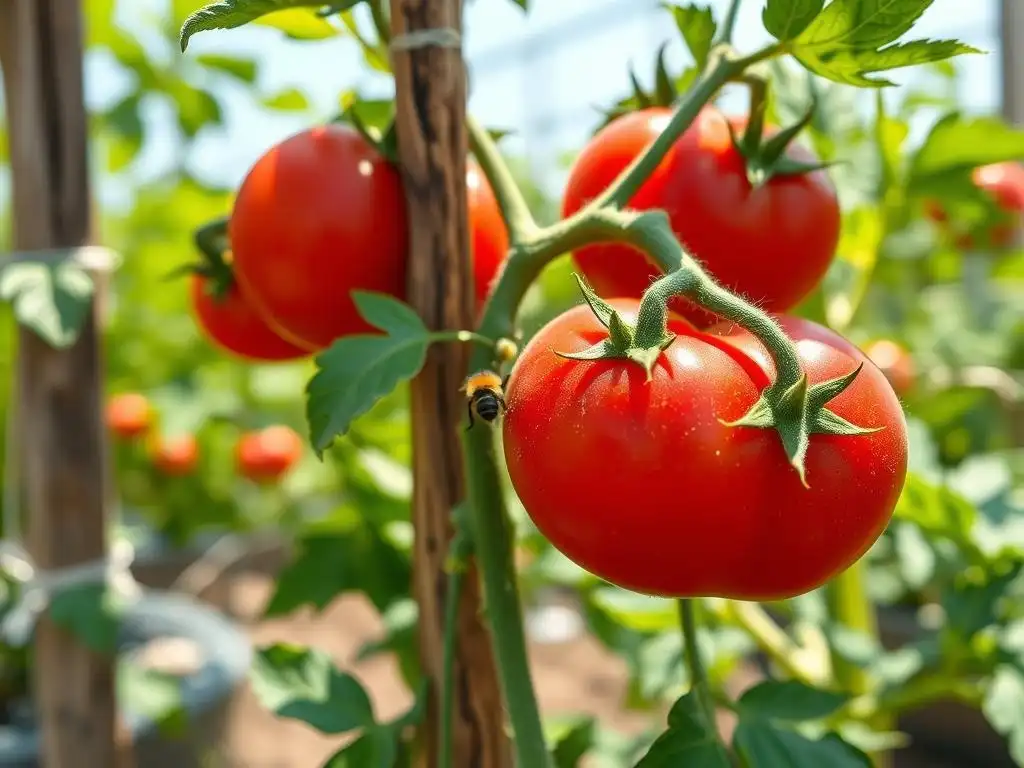
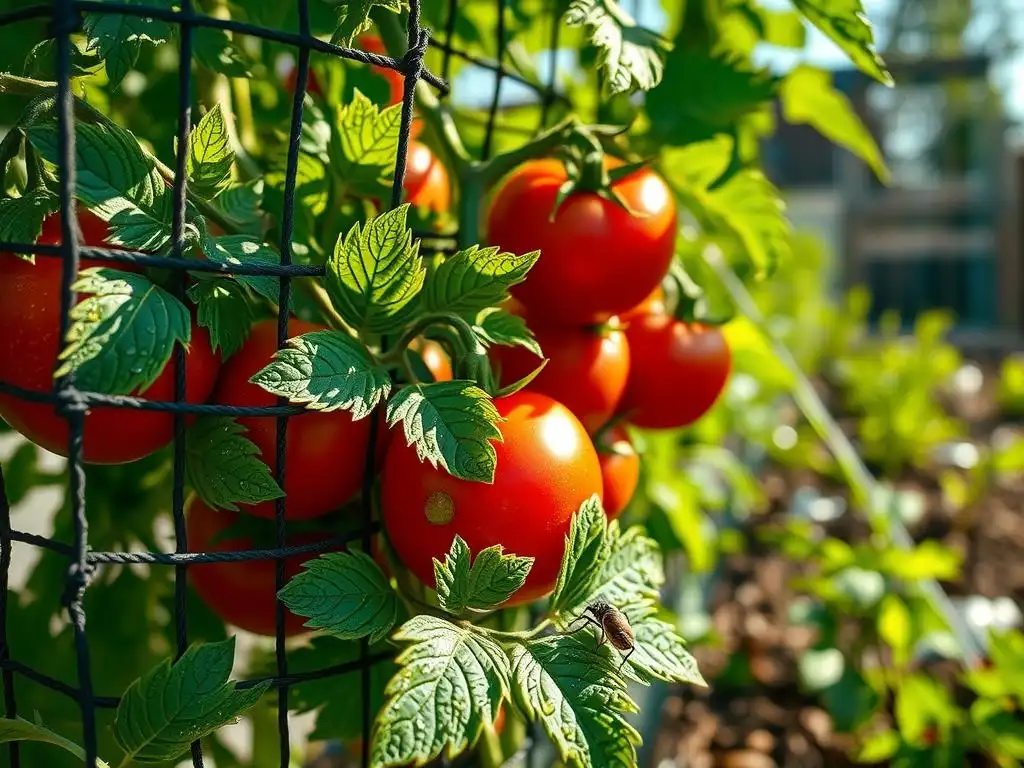
Extending the tomato growing season requires careful consideration of pest and disease pressure, which often intensifies as the season progresses. Cooler temperatures associated with extended seasons can sometimes favor certain fungal diseases, while warmer spells can attract more insect pests. Understanding these threats and implementing proactive strategies is crucial for a successful harvest. This section will focus on protecting your tomato plants throughout an extended growing season.
Common Tomato Pests and Diseases in Extended Seasons
Extended growing seasons, while rewarding, present unique challenges. The prolonged period exposes tomato plants to a wider range of pests and diseases compared to a shorter, traditional growing season. Let's examine some common culprits:
- Early and Late Blight: These fungal diseases are particularly problematic in humid conditions often associated with extended seasons. Early blight manifests as brown spots on leaves, while late blight causes dark, water-soaked lesions on leaves, stems, and fruit. Early detection and prompt action are vital to prevent widespread infection.
- Septoria Leaf Spot: This fungal disease causes small, dark brown spots with light centers on leaves. It thrives in wet conditions and can significantly reduce plant vigor and yield. Proper spacing and air circulation are crucial preventative measures.
- Aphids: These tiny, sap-sucking insects can infest tomato plants, weakening them and transmitting viruses. They are often more prevalent in warmer periods within an extended season.
- Tomato Hornworms: These large caterpillars can quickly defoliate tomato plants, leaving behind significant damage. Their presence is often more noticeable during extended warmer periods of the season.
- Whiteflies: These small, white insects can also suck plant sap, causing leaf yellowing and reduced growth. They are attracted to warmer conditions and can be particularly troublesome during prolonged warm spells within an extended season.
| Pest/Disease | Symptoms | Control Methods |
|---|---|---|
| Early Blight | Brown spots on leaves | Remove infected leaves, use copper fungicide |
| Late Blight | Dark, water-soaked lesions on leaves and fruit | Remove infected plants, use disease-resistant varieties |
| Septoria Leaf Spot | Small, dark brown spots with light centers | Improve air circulation, use fungicide |
| Aphids | Leaf curling, yellowing, stunted growth | Insecticidal soap, neem oil |
| Tomato Hornworms | Defoliation | Handpicking, Bacillus thuringiensis (Bt) |
| Whiteflies | Leaf yellowing, reduced growth | Yellow sticky traps, insecticidal soap |
The prevalence of these pests and diseases can vary depending on your specific geographic location and microclimate. Regular monitoring of your plants is crucial for early detection and intervention.
Implementing Integrated Pest Management (IPM) Strategies
Integrated Pest Management (IPM) is a holistic approach that emphasizes prevention and minimizes reliance on chemical pesticides. For extending the tomato growing season successfully, IPM is key. It involves a combination of strategies:
- Crop Rotation: Rotating your tomato crops annually helps to disrupt pest and disease cycles. This prevents the buildup of pathogens and pests in the soil.
- Resistant Varieties: Selecting tomato varieties resistant to common pests and diseases is a proactive step towards minimizing pest and disease problems.
- Proper Spacing and Air Circulation: Adequate spacing between plants improves air circulation, reducing humidity and minimizing the risk of fungal diseases.
- Sanitation: Removing and disposing of infected plant debris promptly helps prevent the spread of diseases. This is especially important in an extended season where plants are more vulnerable for a longer period.
- Monitoring: Regularly inspect your plants for signs of pests and diseases. Early detection allows for timely intervention before significant damage occurs.
Implementing IPM strategies is crucial for successfully extending your tomato growing season organically. By combining these methods, you can significantly reduce reliance on harmful pesticides.
Organic Pest and Disease Control Methods for Tomatoes
Organic pest and disease control relies on natural methods to protect your plants. Here are some effective options for tomatoes in extended seasons:
- Neem Oil: This natural insecticide is effective against various pests, including aphids and whiteflies. It disrupts the insect's life cycle without harming beneficial insects.
- Insecticidal Soap: This soap-based solution is safe for use on plants and effective against soft-bodied insects like aphids and spider mites.
- Bacillus thuringiensis (Bt): This bacterium is a natural insecticide effective against caterpillars, including tomato hornworms. It's highly specific to caterpillars and poses minimal risk to other beneficial insects or humans.
- Copper Fungicide: This fungicide can help control early and late blight, but should be used judiciously and according to label instructions. It's more effective as a preventative measure.
- Composting: Healthy soil enriched with compost strengthens plants, making them more resilient to pests and diseases. Composting also helps to improve soil drainage, reducing the risk of fungal diseases.
Remember that consistent monitoring and prompt action are key to successful organic pest and disease management. A proactive approach, combined with the right organic methods, will greatly increase your chances of a bountiful tomato harvest even in an extended growing season.
Extend Tomato Growing Season: Harvesting and Post-Harvest Care
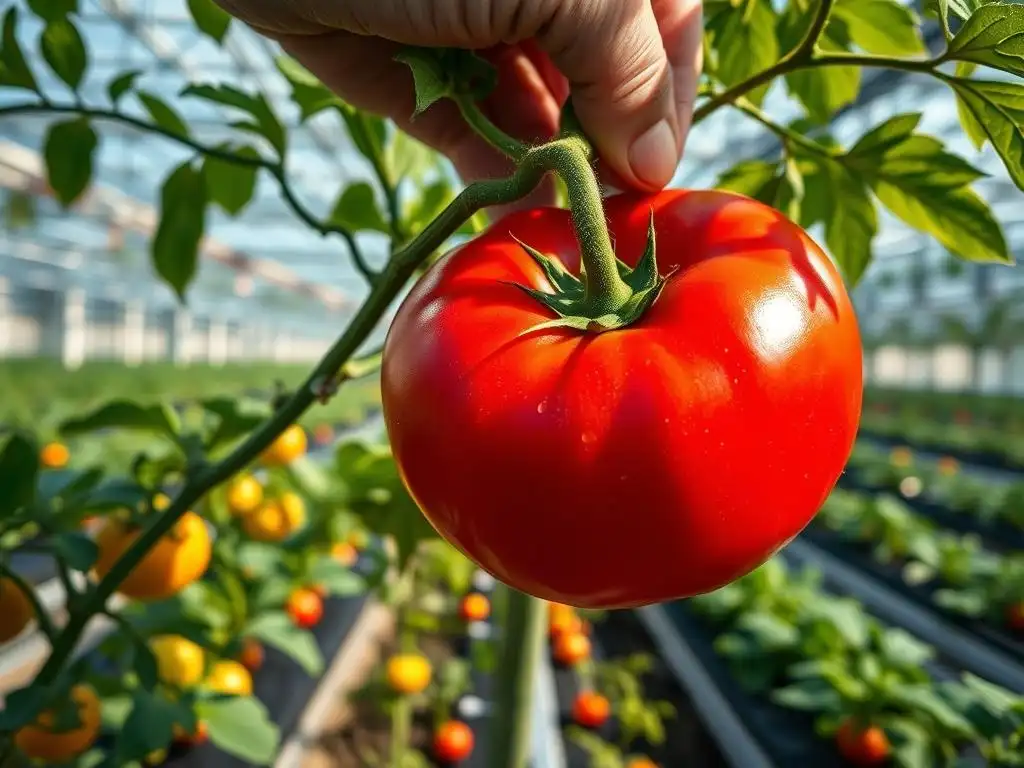
This section focuses on maximizing your tomato harvest even after the typical growing season ends, extending the enjoyment of homegrown tomatoes well into the fall and, in some climates, even winter. Proper harvesting and post-harvest care are crucial for extending the shelf life and quality of your tomatoes, allowing you to enjoy the fruits of your labor for a longer period. Efficient techniques can significantly impact the success of your extend tomato growing season efforts.
Recognizing Optimal Harvesting Time for Extended Season Tomatoes
Knowing precisely when to harvest your tomatoes is paramount for extending their shelf life. Unlike tomatoes harvested at peak ripeness for immediate consumption, tomatoes intended for longer storage or preservation should be picked slightly earlier. Aim for tomatoes that have reached their mature green stage but show a slight blush of color. These tomatoes will continue to ripen off the vine, albeit more slowly, retaining better texture and flavor than fully ripened tomatoes.
The optimal harvesting time also depends on the tomato variety. Some heirloom varieties may require more time to ripen off the vine than hybrid varieties. Careful observation is key. Gently squeeze the tomato; it should yield slightly to pressure. Avoid harvesting tomatoes that are still hard or show signs of damage from pests or diseases. This careful selection directly impacts the success of your extend tomato growing season strategy. Remember, a slightly underripe tomato will ripen beautifully off the vine, whereas an overripe one will quickly spoil.
Here's a quick guide:
| Tomato Stage | Harvesting Time | Ideal Use |
|---|---|---|
| Mature Green | Several days before full color development | Extending the season, canning, freezing |
| Turning Color | When slight blush of color is visible | Extending the season, preserving |
| Fully Ripe | When fully colored and slightly soft to touch | Immediate consumption |
Harvesting in the morning, after the dew has dried, helps prevent the spread of diseases. Handle tomatoes gently to avoid bruising, which accelerates spoilage.
Proper Storage Techniques to Preserve Tomato Quality
Once harvested, proper storage is critical for extending the shelf life of your tomatoes. Avoid storing them in the refrigerator, as the cold temperatures can damage their flavor and texture. Instead, store tomatoes at room temperature in a single layer, ensuring good air circulation. A cool, dark, and dry place is ideal.
Consider these storage tips to optimize your extend tomato growing season results:
- Single Layer Storage: Prevent bruising and rotting by arranging tomatoes in a single layer on a tray or shelf.
- Room Temperature: Avoid refrigeration to preserve flavor and texture.
- Dark and Dry Location: Minimize exposure to sunlight and moisture.
- Avoid Overcrowding: Ensure good air circulation to prevent mold growth.
- Separate Damaged Tomatoes: Remove any bruised or damaged tomatoes immediately to prevent the spread of decay.
Proper storage techniques significantly impact the longevity of your tomatoes, allowing you to enjoy them longer.
Preserving Tomatoes for Extended Use (e.g., canning, freezing)
Preserving tomatoes is an excellent way to extend their usability far beyond the typical growing season. Canning and freezing are popular methods that allow you to enjoy the taste of your homegrown tomatoes throughout the year. Proper preservation techniques are crucial for maintaining quality and safety.
Canning requires careful sterilization and processing to ensure the tomatoes remain safe for consumption. Freezing is a simpler method, but it can affect the texture of the tomatoes, making them slightly softer upon thawing. Both methods, however, offer an effective way to extend tomato growing season benefits.
Here's a brief comparison:
| Method | Advantages | Disadvantages |
|---|---|---|
| Canning | Long shelf life, maintains texture (mostly) | Requires more time and equipment |
| Freezing | Simple and quick | Can affect texture, slightly altering flavor |
Remember to always follow safe food preservation guidelines to avoid spoilage and potential health risks. Proper preservation techniques are an essential part of successfully extending your tomato harvest. This contributes significantly to your overall extend tomato growing season strategy.
Frequently Asked Questions
How can I extend my tomato growing season?
You can extend your tomato growing season by using season extension techniques such as starting seeds indoors, using row covers, or building a greenhouse or cold frame. These methods protect plants from frost and extend the growing period.
What are some low-cost ways to extend the tomato season?
Row covers and low tunnels are inexpensive ways to protect tomatoes from frost and extend the harvest. You can also use mulch to retain soil moisture and regulate temperature.
Can I grow tomatoes indoors to extend the season?
Yes! Growing tomatoes indoors, particularly with grow lights, allows you to start plants early and continue harvesting even during colder months. However, ensure proper ventilation and lighting.
How important is soil temperature for extending the tomato season?
Soil temperature is crucial. Tomatoes need warm soil to germinate and thrive. Using black plastic mulch can help warm the soil and speed up growth.
What are some pest control strategies during season extension?
Protecting your extended tomato season requires vigilance against pests. Regular monitoring, using natural pest control methods, and physical barriers like netting will help keep your plants healthy.
Final Reflection: Harvesting the Bounty of Extended Seasons
The quest to extend the tomato growing season is not merely a pursuit of longer harvests; it's a testament to our enduring connection with nature and our ingenuity in adapting to its rhythms. In a world increasingly concerned with food security and sustainable practices, mastering season extension techniques becomes not just a hobby, but a vital skill for ensuring access to fresh, homegrown produce year-round. The methods discussed – from cold frames and row covers to high tunnels and hydroponics – offer a tangible path towards greater self-sufficiency and a deeper appreciation for the cyclical nature of agriculture.
The impact of extending the growing season extends far beyond the simple act of cultivating more tomatoes. It represents a shift in our relationship with food, fostering a greater understanding of where our food comes from and the effort involved in its production. The glory of gardening: hands in the dirt, head in the sun, heart with nature. To nurture a garden is to feed not just the body, but the soul.
This quote beautifully encapsulates the profound satisfaction derived from nurturing plants through challenging seasons, a satisfaction that transcends the mere consumption of the fruits (or vegetables!) of our labor. It fosters a deeper connection with the natural world and a renewed respect for the delicate balance of ecosystems.
Consider the possibilities: imagine savoring the taste of sun-ripened tomatoes well into autumn, or even extending your harvest into winter. This isn't just about extending the season; it's about extending the joy, the connection, and the abundance that home gardening provides. I urge you to explore the techniques discussed in this article and embark on your own journey of extending the growing season.
Embrace the challenge, learn from your experiences, and savor the rewards – both in the bounty of your harvest and the enrichment of your spirit. The journey of extending your tomato season is a journey of self-discovery, resilience, and the enduring power of nature's gifts.
Unlock Your Tomato Harvest: Extend the Season, Reap the Rewards!
Thanks for learning how to extend your tomato season! You now have the knowledge to grow a more abundant and longer-lasting harvest. Ready to put your new skills to the test?
- Prioritize your best-performing varieties: Identify your most successful tomato varieties this season and plan to plant them again next year. This focused approach will maximize your yield.
- Share your tomato success stories: Let's inspire other gardeners! Share your extended-season tips and photos on our CultivateYourFood community forum.
- Experiment with a new season extension technique: Try a less common method, such as using row covers or a different type of cloche, and see how it works for you.
What innovative technique will you use to supercharge your tomato harvest next year?