
The Science of DroughtTolerant Plants: How They Survive

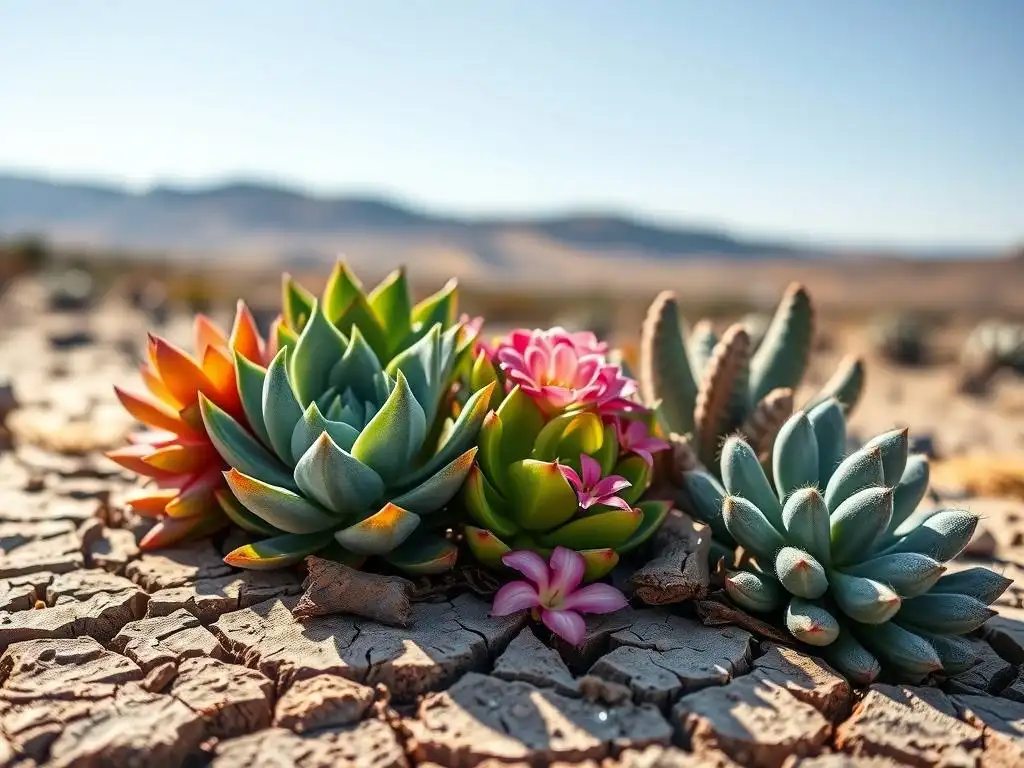
Welcome to CultivateYourFood, your guide to a thriving, sustainable garden! Are you ready to unlock the secrets of bountiful harvests, even in the face of challenging conditions? Then delve into our expert advice on drought-tolerant plant gardening tips, a crucial element of successful gardening in diverse climates. Discover how these resilient plants conquer water scarcity, and learn how you can replicate their success in your own backyard. Let's cultivate a future of flourishing, organic food, together.
- Understanding Drought Tolerance in Plants: Essential Gardening Tips
- Selecting and Planting Drought-Tolerant Plants for Your Garden
- Maintaining Drought-Tolerant Plants: Essential Care Tips
- Advanced Techniques for Drought-Tolerant Plant Gardening
- Harvesting and Preserving Drought-Tolerant Crops
-
Common Myths and Realities of Drought-Tolerant Plant Gardening
- Myth 1: Drought-tolerant plants require no watering.
- Reality 1: Drought-tolerant plants need less frequent watering than other plants, but still require watering, especially during establishment.
- Myth 2: All succulents are drought-tolerant.
- Reality 2: While many succulents are drought-tolerant, not all are, and care requirements vary greatly between species.
- Resources for Further Learning: Expanding Your Drought-Tolerant Gardening Knowledge
- Frequently Asked Questions
- Final Reflection: The Enduring Power of Resilience in a Changing Climate
- Unleash Your Inner Green Thumb: Grow Drought-Resistant Wonders!
Understanding Drought Tolerance in Plants: Essential Gardening Tips
Choosing the right plants is crucial for successful gardening, especially in regions prone to drought. This article delves into the fascinating science behind drought-tolerant plants, providing you with essential gardening tips to cultivate a thriving garden even with limited water resources. We'll explore the physiological and morphological adaptations that allow these remarkable plants to survive and even flourish under arid conditions, empowering you to make informed decisions when selecting plants for your drought-prone garden.
This information is key to sustainable and successful gardening, aligning perfectly with the principles of organic and environmentally conscious cultivation. Mastering these techniques contributes significantly to water conservation, a critical aspect of responsible gardening practices. Let's unlock the secrets of drought-resistant plants and cultivate a beautiful, resilient garden, even in the face of water scarcity.
Defining Drought Tolerance: What Makes a Plant Drought-Resistant?
Drought tolerance isn't simply about surviving a lack of water; it's a complex interplay of physiological and morphological adaptations. A truly drought-resistant plant possesses mechanisms that allow it to:
- Withstand water stress: This means tolerating the physical effects of dehydration on its cells and tissues without irreversible damage.
- Reduce water loss: Efficient water use is key. Plants achieve this through various mechanisms, as we will explore below.
- Maintain growth and reproduction: Even under drought conditions, a truly drought-tolerant plant can still grow, albeit often at a slower rate, and produce seeds or fruits.
It's important to note that the level of drought tolerance varies significantly between species. Some plants can endure prolonged periods without water, while others merely exhibit a higher tolerance than average plants. Understanding these differences is crucial for selecting the right plants for your specific climate and gardening conditions. For example, cacti are known for their exceptional drought tolerance, while many succulents show a moderate level of resistance. Choosing plants appropriate for your local climate is a key tip for sustainable drought-tolerant plant gardening.
Physiological Adaptations: Water Storage Mechanisms in Drought-Tolerant Plants
Many drought-tolerant plants employ sophisticated physiological mechanisms to conserve and efficiently utilize water. Key adaptations include:
- Osmotic adjustment: This involves altering the concentration of solutes within their cells, allowing them to maintain turgor pressure (the pressure exerted by water within the cells) even when water is scarce. This prevents wilting and maintains cellular function.
- Increased water-use efficiency: Drought-tolerant plants often possess specialized leaf structures and metabolic pathways that minimize water loss through transpiration (the process of water evaporation from leaves). This allows them to extract the maximum amount of water from the soil.
- Enhanced root systems: Extensive and deep root systems enable these plants to access water resources unavailable to plants with shallower roots. This is a crucial adaptation for survival during prolonged dry periods. The development of such systems is directly influenced by soil composition and available moisture, highlighting the importance of soil health in drought-tolerant plant gardening.
Morphological Adaptations: Leaf Structure and Root Systems for Water Conservation
The physical characteristics of drought-tolerant plants also play a significant role in their ability to survive dry conditions. These morphological adaptations include:
- Small or reduced leaves: Smaller leaves have a smaller surface area, reducing water loss through transpiration. Some plants even have leaves modified into spines or scales, further minimizing water loss.
- Thick, waxy cuticles: A thick, waxy coating on the leaves helps to reduce water loss by preventing evaporation. This is a particularly effective adaptation in hot, sunny climates.
- Deep and extensive root systems: As mentioned earlier, an extensive root system is crucial for accessing water deep within the soil. Some plants also develop specialized roots for water storage. Taproots, for instance, are particularly effective at reaching deep groundwater sources. Understanding these root systems is vital for appropriate planting techniques, especially when considering soil composition and available moisture levels. This aspect is fundamental in the practice of drought-tolerant plant gardening. The type of soil will heavily influence the root development and therefore the survival of the plant, making soil analysis a crucial step.
The selection of drought-tolerant plants is a key aspect of sustainable gardening. By understanding the science behind their resilience, gardeners can create thriving landscapes that require less water, reducing environmental impact and promoting water conservation. Remember that careful planning and selection are essential for successful drought-tolerant plant gardening tips.
Genetic Factors and Breeding Drought-Resistant Varieties
Plants' inherent ability to withstand drought is largely determined by their genetic makeup. Certain genes code for physiological and morphological traits that enhance drought tolerance. These genes might influence a plant's root system development, enabling deeper penetration into the soil to access water reserves. Others might regulate stomatal conductance, controlling the rate of water loss through transpiration. Still others might influence the synthesis of osmoprotectants, substances that help maintain cell turgor pressure even under water stress conditions. Understanding these genetic mechanisms is crucial for breeding programs aimed at developing drought-resistant varieties.
For example, researchers have identified specific genes in various crops like maize and sorghum that contribute to their drought tolerance. These genes are often associated with improved water-use efficiency, the ability to produce more biomass with less water. Scientists leverage this knowledge through marker-assisted selection (MAS), a technique that uses DNA markers to identify plants with desirable drought-tolerance genes, speeding up the breeding process and improving the efficiency of selecting superior drought-tolerant varieties.
This allows for the development of cultivars that are not only resilient to drought but also maintain high yields even under water-scarce conditions. The ongoing research into the genetic basis of drought tolerance is continually revealing new avenues for enhancing the resilience of crops and other drought-tolerant plant varieties. This genetic understanding is paramount for sustainable agriculture and gardening practices, particularly in arid and semi-arid regions.
The development of superior drought-tolerant varieties is a continuous process, and advancements in genetic engineering and genomics are pushing the boundaries of what's achievable. This translates to more resilient and productive plants for home gardeners and farmers alike, mitigating the impacts of increasingly frequent and severe droughts.
Selecting and Planting Drought-Tolerant Plants for Your Garden
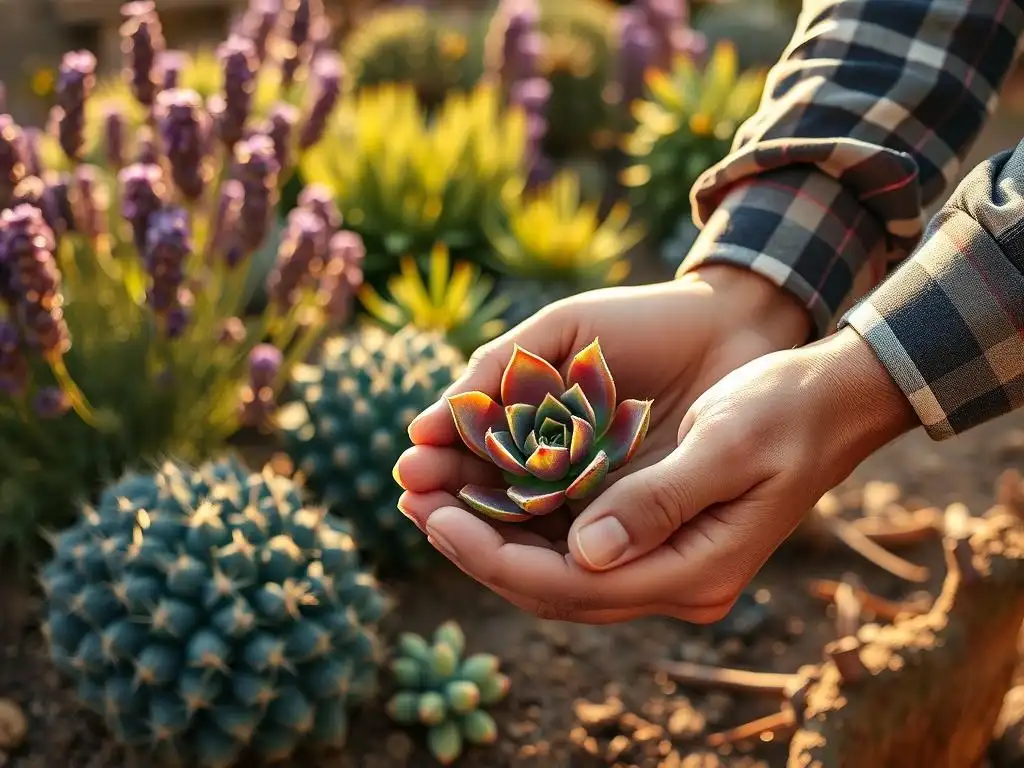
This section delves into the practical aspects of incorporating drought-tolerant plants into your home garden, focusing on selection, planting, and long-term care. Successfully establishing these plants requires careful consideration of several factors, maximizing their natural resilience to arid conditions. Mastering these techniques will contribute significantly to your success in drought-tolerant plant gardening.
Choosing the Right Species for Your Climate and Soil Type
Selecting the appropriate plant species is paramount for thriving in dry conditions. Ignoring this crucial step often leads to disappointment, even with the most diligent care. Consider these key factors:
- USDA Plant Hardiness Zone: This crucial factor determines which plants will survive the winter temperatures in your region. Choosing plants outside your zone is a recipe for failure, regardless of their drought tolerance. Check the USDA Plant Hardiness Zone Map to determine yours.
- Local Climate: Beyond hardiness, consider your specific climate. Some drought-tolerant plants prefer intense sun, while others thrive in partial shade. Analyze your garden's sunlight exposure throughout the day.
- Soil Type: Different plants have varying soil preferences. Well-draining soil is generally best for drought-tolerant plants, preventing waterlogging which can damage roots. Sandy loam or clay loam are often suitable. Amend heavy clay soils with organic matter to improve drainage. Conversely, sandy soils may benefit from the addition of compost to retain some moisture.
- Water Availability: Even drought-tolerant plants need some water, especially when establishing. Consider your access to water and plan accordingly, perhaps selecting plants with varying water needs to create a balanced garden.
A well-researched plant selection is the cornerstone of successful drought-tolerant plant gardening tips. For example, consider the difference between succulents, like Sedum, which store water in their leaves, and deep-rooted shrubs like Lavender, which access water deep within the soil.
Site Selection and Soil Preparation for Optimal Water Retention
Proper site selection and soil preparation are essential for maximizing water retention and minimizing water stress on your drought-tolerant plants.
- Sunlight Exposure: Most drought-tolerant plants prefer full sun (at least 6 hours of direct sunlight per day). However, some species tolerate partial shade, particularly in hotter climates. Careful observation of your garden's sunlight patterns is crucial.
- Wind Protection: Wind increases evaporation, stressing plants. Locate your garden in a sheltered area, or use windbreaks (fences, hedges) to minimize wind exposure.
- Soil Amendment: Improving soil structure is vital. Amend heavy clay soils with organic matter like compost to improve drainage and aeration. Sandy soils can benefit from the addition of compost or other organic matter to increase water retention. Adding a layer of mulch after planting further improves water retention and suppresses weeds.
- Slope Considerations: Steep slopes can lead to rapid water runoff. Terracing or creating swales can help retain water in sloped areas. Planting on a slight slope can still be successful, but water management becomes more crucial.
Implementing these soil preparation techniques provides a foundation for healthy growth and minimizes the need for frequent watering, a key aspect of effective drought-tolerant plant gardening tips.
Planting Techniques for Success: Spacing, Depth, and Mulching
Proper planting techniques significantly impact the success of drought-tolerant plants.
- Spacing: Adequate spacing prevents competition for resources, including water. Follow the recommended spacing guidelines for each plant species. Overcrowding leads to increased competition for resources and can create a humid microclimate, encouraging fungal diseases.
- Planting Depth: Plant at the same depth as the plant was growing in its container. Planting too deep or too shallow can stress the plant and hinder its ability to establish itself. Check the root ball to determine the appropriate depth.
- Watering After Planting: Thoroughly water the plants after planting to settle the soil around the roots. However, avoid overwatering. A deep, infrequent watering schedule is generally preferred for drought-tolerant plants.
- Mulching: Applying a layer of mulch (2-4 inches) around the plants helps conserve soil moisture, suppress weeds, and regulate soil temperature. Organic mulches, such as wood chips or shredded bark, are ideal. Avoid placing mulch directly against the plant stems.
Careful attention to these details drastically reduces water needs and increases the likelihood of thriving plants. This emphasis on detail is a critical component of successful drought-tolerant plant gardening tips. 🌱
Implementing Effective Irrigation Strategies for Drought-Tolerant Plants
Even drought-tolerant plants benefit from strategic watering, especially during establishment and periods of extreme heat. The key is to water deeply and less frequently, encouraging deep root growth which is crucial for drought resilience. Shallow, frequent watering leads to shallow root systems, making plants more vulnerable to drought stress. Think of it like this: a plant with a deep taproot can access water far below the surface, while a plant with shallow roots will quickly dry out when the topsoil is depleted.
Instead of daily sprinkling, aim for infrequent, thorough soakings. The soil should be allowed to dry out somewhat between waterings. You can check soil moisture by inserting your finger a few inches into the ground. If the soil feels dry, it's time to water. The frequency will depend on your climate, soil type, and the specific plants you've chosen. Clay soils retain moisture longer than sandy soils, requiring less frequent watering. Observe your plants carefully; wilting leaves are a clear sign of needing water, but don't wait until they become severely stressed.
Consider using a soaker hose or drip irrigation system for efficient watering. These methods deliver water directly to the roots, minimizing evaporation and runoff. Overhead watering, while seemingly convenient, leads to significant water loss through evaporation, especially in hot, sunny conditions. Furthermore, wet foliage can increase the risk of fungal diseases. For newly planted drought-tolerant specimens, more frequent, but still deep, watering is necessary to help them establish a strong root system before they become fully drought-resistant.
This initial watering regimen should gradually decrease as the plants mature. Remember, the goal is to mimic natural rainfall patterns—infrequent but substantial soaking. Proper irrigation is a cornerstone of successful drought-tolerant gardening, ensuring your plants thrive even under challenging conditions. Careful observation and adjustment based on your specific environment are key to mastering this technique.
Maintaining Drought-Tolerant Plants: Essential Care Tips
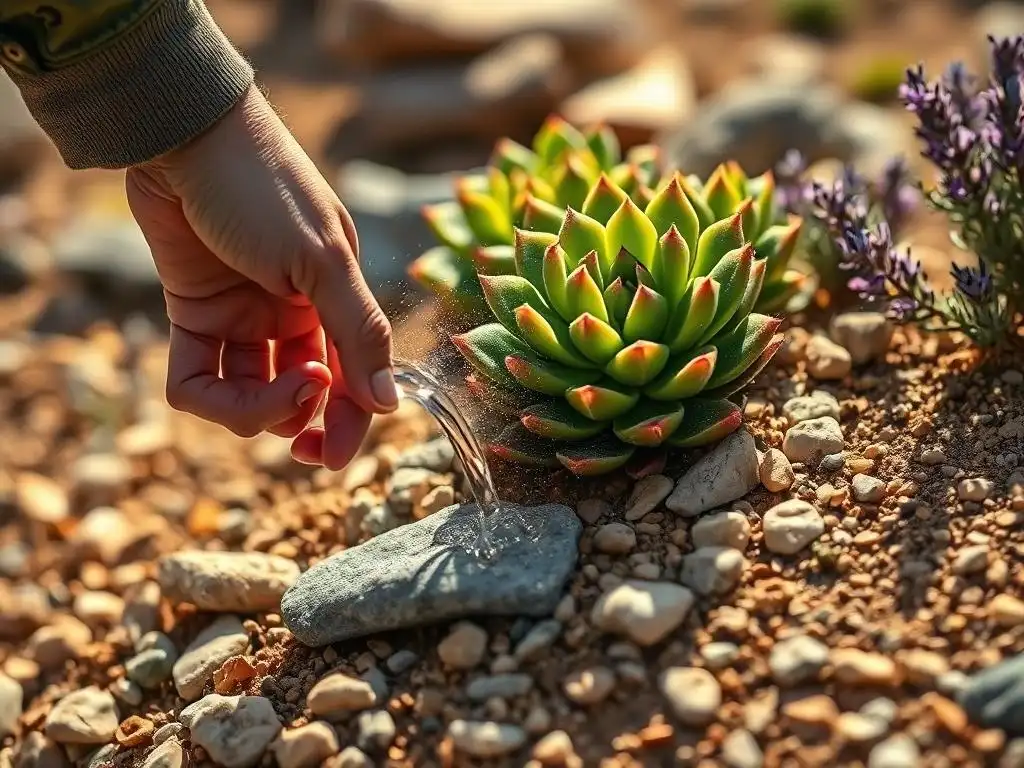
Even drought-tolerant plants need some care to thrive, especially during extended dry spells. While they're naturally equipped to handle water scarcity better than other plants, neglecting their needs entirely can lead to stunted growth and reduced yields. This section delves into crucial maintenance practices to help your drought-resistant garden flourish. Remember, the goal is not to eliminate watering altogether, but to optimize watering and soil management for maximum efficiency and plant health. Following these tips will significantly improve your chances of success with drought-tolerant plant gardening.
Watering Strategies: Deep and Infrequent vs. Frequent Shallow Watering
The most common mistake with drought-tolerant plants is inconsistent watering. Many gardeners assume that because these plants tolerate dryness, they require minimal watering. This is incorrect. Instead of frequent, shallow watering which encourages shallow root systems and makes plants more vulnerable to drought, focus on deep, infrequent watering.
Deep watering encourages roots to grow deeper into the soil, accessing moisture reserves during dry periods. Think of it like this: a shallow root system is like a small cup, easily emptied, while a deep root system is like a large reservoir, capable of holding much more water.
- Deep watering: Water thoroughly until the water penetrates deeply into the soil, often several inches down. You'll know you've done this correctly when water begins to drain from the bottom of the pot (for container gardening) or when the top few inches of soil are thoroughly saturated.
- Infrequent watering: Allow the soil to dry out considerably between waterings. This encourages deeper root growth and prevents root rot. The frequency will depend on factors like soil type, weather conditions, and plant type. Checking soil moisture with your finger is a good way to gauge when to water. Stick your finger a couple of inches into the soil; if it feels dry, it's time to water.
Frequent shallow watering, on the other hand, keeps the soil surface moist while the roots remain dry, resulting in weak, shallow roots and greater susceptibility to drought stress. This leads to smaller plants with reduced yields and increased vulnerability to pests and diseases. Avoid this practice at all costs for optimal drought-tolerant plant gardening.
Mulching Techniques for Water Retention and Weed Control
Mulching is a crucial practice for drought-tolerant plant gardening. A good mulch layer helps conserve soil moisture, suppresses weeds, and regulates soil temperature. Several types of mulch can be used effectively:
- Organic mulches: These include shredded bark, straw, wood chips, and composted materials. They decompose over time, enriching the soil with organic matter.
- Inorganic mulches: These include gravel, pebbles, and landscape fabric. They last longer than organic mulches but don't improve soil fertility.
The ideal mulch layer should be several inches thick, keeping the soil cool and moist. It should also be applied evenly around your plants, leaving a small gap between the mulch and the plant stems to prevent rot. This will help reduce water evaporation and reduce the frequency of watering needed. Proper mulching is a key component of successful drought-tolerant plant gardening tips.
Fertilization and Soil Amendments: Supporting Plant Health During Dry Periods
While drought-tolerant plants are adapted to low-water conditions, they still need nutrients to grow and produce. However, over-fertilizing can harm them, especially during dry periods. Instead of using high-nitrogen fertilizers which promote lush top growth, opt for balanced fertilizers or slow-release options.
- Balanced fertilizers: These provide a good balance of nitrogen, phosphorus, and potassium, essential for overall plant health. Follow package directions carefully, as over-fertilization can damage plants.
- Compost: Adding compost to your soil improves its structure, water retention, and nutrient content, providing a slow release of nutrients to plants. This is arguably the best soil amendment for drought-tolerant plant gardening.
- Soil testing: A soil test can help you determine the specific nutrient needs of your soil and guide your fertilization strategy. This ensures you are providing the right nutrients without over-fertilizing.
Remember, consistent application of these practices is key. By combining deep watering, effective mulching, and balanced fertilization, you can significantly enhance the health and productivity of your drought-tolerant plants, optimizing your drought-tolerant plant gardening. 🌱
Monitoring for Pests and Diseases: Proactive Prevention and Treatment
Regularly inspecting your drought-tolerant plants is crucial for early detection of pests and diseases. These plants, while resilient to water stress, are not immune to infestations or infections. Early identification significantly increases the chances of successful treatment and minimizes damage. A proactive approach, focusing on prevention, is far more effective than reactive measures.
One of the best preventative measures is maintaining good plant hygiene. This involves removing any dead or decaying leaves or branches promptly. These can harbor pests and diseases, providing breeding grounds for future problems. Proper spacing between plants also improves air circulation, reducing the humidity that many fungal diseases thrive in. This simple practice can significantly reduce the risk of various common plant diseases.
When inspecting your plants, pay close attention to leaf discoloration, unusual wilting (beyond what's expected from drought conditions), and the presence of any insects or their larvae. Look for signs of chewing, webbing, or unusual spots or lesions on leaves and stems. A magnifying glass can be helpful for identifying smaller pests and assessing the extent of damage. Remember to check both the upper and lower surfaces of leaves.
For example, a common pest problem in drought-tolerant gardens might be aphids, which suck sap from plants, leading to stunted growth and leaf curling. Early detection allows for treatment with insecticidal soap or neem oil, minimizing the need for harsh chemicals. Similarly, powdery mildew, a fungal disease often appearing as a white powdery coating on leaves, can be treated with a baking soda solution if caught early. However, severe infestations might necessitate stronger fungicides. Always follow the instructions on any pest control product carefully.
Documenting your observations in a garden journal can be incredibly helpful. Note the date, the specific plant affected, the type of pest or disease observed, and the treatment applied. This information is invaluable for future reference and helps track the effectiveness of different prevention and treatment methods. By combining careful monitoring with proactive prevention, you can significantly reduce the impact of pests and diseases on your drought-tolerant plants, ensuring a healthy and thriving garden. Remember that even drought-tolerant plants need your attention to stay healthy and productive.
Advanced Techniques for Drought-Tolerant Plant Gardening
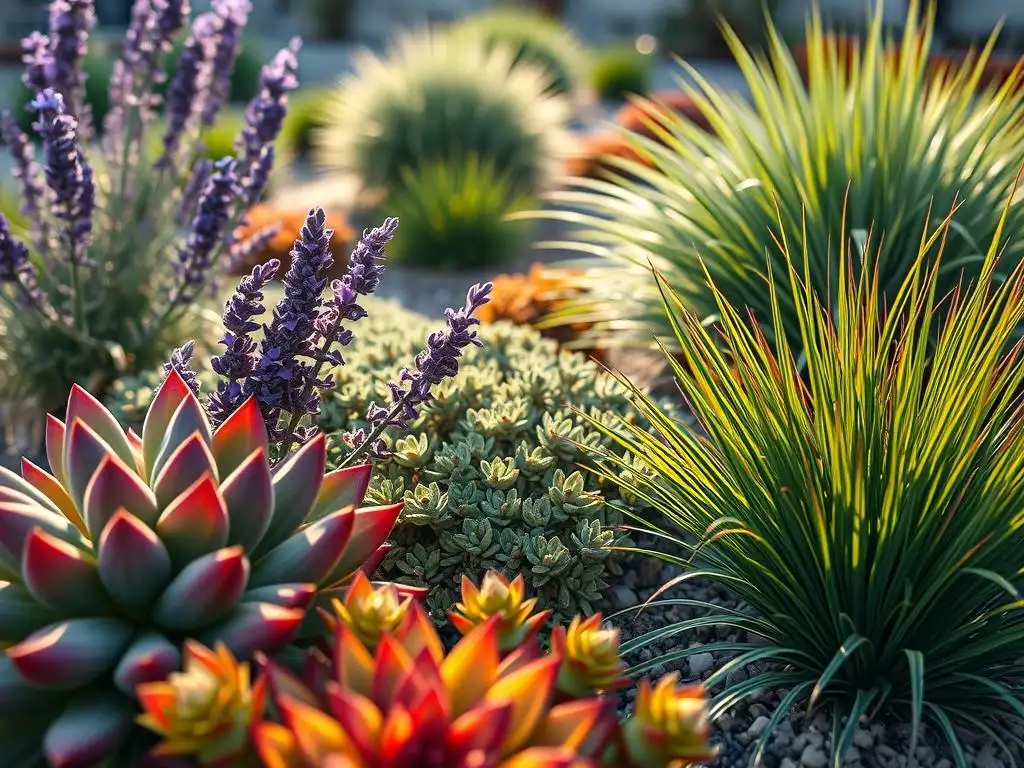
This section delves into advanced strategies for cultivating a thriving garden even under drought conditions. We'll explore techniques that go beyond simply selecting drought-tolerant plants, focusing on optimizing water management and soil health to maximize your garden's resilience. Mastering these techniques will significantly enhance your success with drought-tolerant plant gardening tips, ensuring a bountiful harvest even during periods of limited rainfall.
Water Harvesting and Greywater Recycling for Sustainable Irrigation
Water conservation is paramount in drought-tolerant gardening. Simple water harvesting techniques can significantly supplement your irrigation needs. Consider installing rain barrels to collect rainwater runoff from your roof. A single moderate rainfall can yield surprising amounts of water, perfect for irrigating your plants. Remember to clean your barrels regularly to prevent mosquito breeding and ensure water quality.
Furthermore, explore the potential of greywater recycling. Greywater, the relatively clean wastewater from showers, sinks, and laundry, can be a valuable resource. Proper filtration and treatment are crucial before using greywater for irrigation, preventing the introduction of harmful chemicals or pathogens to your plants. A well-designed greywater system can significantly reduce your reliance on municipal water supplies, a key aspect of sustainable drought-tolerant plant gardening tips.
The efficiency of greywater recycling can be further enhanced by using a drip irrigation system. This method delivers water directly to the roots, minimizing evaporation and ensuring efficient water usage. Implementing this alongside water harvesting techniques offers a holistic approach to water management in your drought-tolerant garden.
Consider the following table for a comparison of water sources:
| Water Source | Pros | Cons | Setup Complexity |
|---|---|---|---|
| Rainwater Harvesting | Abundant in rainy seasons, free, pure water | Requires storage, seasonal variability | Low |
| Greywater Recycling | Reduces municipal water usage, free | Requires filtration & treatment, potential risks | Moderate |
| Municipal Water | Reliable, readily available | High cost, unsustainable during droughts | Low |
Xeriscaping Principles: Designing a Drought-Resistant Landscape
Xeriscaping, the art of creating a landscape that requires minimal irrigation, is crucial for successful drought-tolerant plant gardening. This approach focuses on selecting appropriate plants, optimizing soil health, and employing smart design strategies to conserve water. Effective xeriscaping involves strategically grouping plants with similar water needs, reducing the overall water requirement for the entire garden. This means arranging your drought-tolerant plants together, and grouping plants needing more frequent watering separately. This targeted approach to watering significantly reduces water waste.
Key elements of xeriscaping include:
- Proper Soil Preparation: Improving soil structure through the addition of compost and organic matter enhances water retention, reducing the frequency of watering.
- Mulching: A thick layer of mulch helps retain soil moisture, suppresses weeds, and regulates soil temperature.
- Plant Selection: Prioritizing native and drought-adapted plants is essential. These plants are naturally equipped to withstand dry conditions, requiring less supplemental watering.
- Efficient Irrigation: Drip irrigation systems or soaker hoses deliver water directly to the roots, minimizing evaporation and water waste. This precision watering reduces overall water consumption considerably.
Utilizing Cover Crops to Improve Soil Health and Water Retention
Cover crops play a vital role in building soil health and improving water retention, crucial aspects of drought-tolerant plant gardening tips. Planting cover crops during fallow periods helps prevent soil erosion, improves soil structure, and enhances its water-holding capacity. Leguminous cover crops, such as clover and vetch, also fix nitrogen in the soil, reducing the need for synthetic fertilizers.
The extensive root systems of cover crops improve soil aeration and drainage, while also increasing its ability to retain moisture. When tilled back into the soil, cover crops decompose, adding valuable organic matter that further improves water retention and provides nutrients for subsequent plantings.
The selection of cover crops should be tailored to your specific climate and soil conditions. Some popular choices include:
- Oats: A fast-growing option suitable for various soil types.
- Rye: A hardy cover crop that tolerates cold temperatures.
- Clover: A nitrogen-fixing legume that improves soil fertility.
By integrating these advanced techniques into your gardening practices, you can significantly enhance the resilience of your garden, ensuring a thriving and productive landscape even in the face of drought conditions. Remember, consistent application of these drought-tolerant plant gardening tips will yield the best results.
Propagating Drought-Tolerant Plants: Seed Starting and Cuttings
Propagating drought-tolerant plants offers several advantages, including cost savings and the ability to quickly expand your garden. Two primary methods are seed starting and taking cuttings. Mastering these techniques is crucial for successfully cultivating these resilient plants, especially in arid or water-restricted environments.
Seed starting for drought-tolerant plants often requires a bit more attention to detail than with other species. Many drought-tolerant plants have seeds with a hard coat, requiring scarification – a process of weakening or breaking the seed coat – to improve germination rates. This can be done mechanically, by gently rubbing the seeds with sandpaper, or chemically, by soaking them in diluted sulfuric acid (though this requires careful handling and appropriate safety measures).
Once scarified, seeds should be sown in well-draining seed-starting mix, avoiding overwatering which can lead to fungal diseases, a common problem in damp conditions. Keep the soil consistently moist, but not soggy, and provide ample sunlight. Germination times vary greatly depending on the species; some may germinate quickly, while others may take several weeks or even months.
Patience is key. For example, certain succulents may take significantly longer to sprout than fast-growing annuals like zinnias, even though both can tolerate drought conditions once established.
Taking cuttings is another effective propagation method, particularly useful for plants that don't readily produce viable seeds or for preserving specific desirable traits of a mother plant. The process involves selecting healthy, non-flowering stems from the parent plant. Cuttings should be approximately 4-6 inches long, with a clean cut made just below a node (the point where leaves or branches emerge). Remove lower leaves to prevent rot and dip the cut end in rooting hormone powder to stimulate root development.
Plant the cuttings in a well-draining potting mix and keep them consistently moist but not waterlogged. Providing a humid environment, such as covering the cuttings with a plastic bag or humidity dome, will significantly increase success rates. Regular misting can also be beneficial. Rooting typically takes several weeks to several months, depending on the species and environmental conditions.
Observe the cuttings closely; once new growth appears, it's a sign that roots have formed. Successful propagation of drought-tolerant plants through cuttings ensures the continuation of valuable, established plants in your garden, contributing to sustainable drought-tolerant plant gardening. This method is particularly valuable for preserving rare or difficult-to-source varieties. Properly executed, both seed starting and cuttings offer efficient and rewarding ways to increase your collection of drought-tolerant plants, adding resilience to your garden and reducing the need for purchasing additional plants.
Harvesting and Preserving Drought-Tolerant Crops
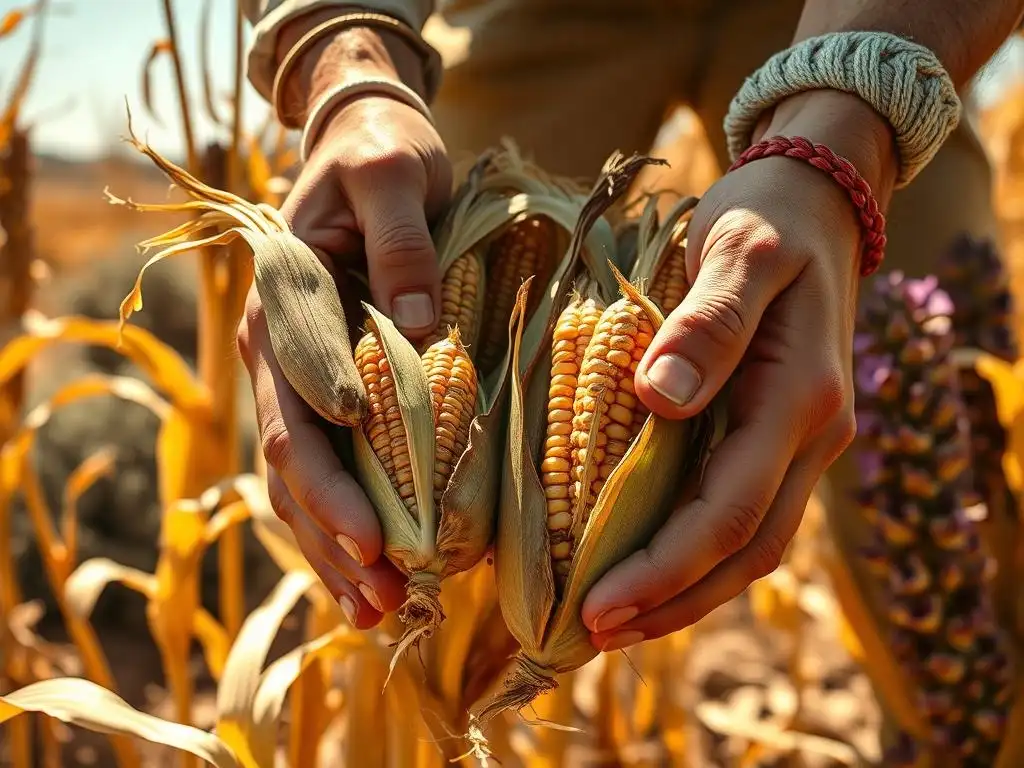
This section delves into the crucial aspects of harvesting and preserving the fruits of your labor—your drought-tolerant crops. Successfully navigating these steps ensures you maximize the yield from your hard work and enjoy the bounty of your garden throughout the year. Proper techniques are especially important when dealing with plants already stressed by drought conditions. Remember, even small details can significantly impact the quality and longevity of your harvest. Let's explore the best practices for maximizing your drought-tolerant plant gardening tips.
Recognizing Signs of Maturity in Drought-Resistant Plants
Determining the optimal harvest time is paramount for achieving the best flavor and nutritional value from your drought-resistant plants. Unlike plants grown in consistently moist conditions, drought-tolerant varieties may exhibit slightly different maturity indicators. Careful observation is key.
For example, tomatoes grown under drought conditions might ripen slightly earlier, and their skins may appear thicker than those grown with abundant water. Similarly, peppers might show a more intense color at maturity, indicating readiness for harvest. The key is to understand the specific characteristics of each drought-tolerant variety you're growing.
Consider keeping a detailed garden journal. Note the planting dates, the specific variety of each plant, and the observed signs of maturity for each. This detailed record will become an invaluable resource for future harvests, improving your drought-tolerant plant gardening tips year after year. You can even track the size and weight of produce to compare year-to-year yields.
Here's a table summarizing some common signs of maturity in different types of drought-tolerant plants:
| Plant Type | Sign of Maturity | Additional Notes |
|---|---|---|
| Tomatoes | Deep, rich color; slight give when gently squeezed | Avoid over-ripening, which can compromise flavor and texture. |
| Peppers | Vibrant color; firm texture | Harvest when fully colored for optimal flavor. |
| Herbs (e.g., Rosemary, Lavender) | Strong aroma; firm leaves | Harvest before flowering for the most potent flavor. |
| Leafy Greens (e.g., Kale, Swiss Chard) | Mature size; slightly thicker leaves | Harvest younger leaves for a more tender texture. |
Proper Harvesting Techniques to Minimize Stress on Plants
Gentle harvesting is especially important when working with drought-stressed plants. Rough handling can further weaken already vulnerable plants, potentially impacting future yields. Here are some best practices:
- Use sharp tools: Clean, sharp pruning shears or knives make clean cuts, minimizing damage to the plant. Avoid tearing or pulling.
- Harvest in the morning: Cooler morning temperatures reduce stress on the plants during and after harvesting.
- Avoid over-harvesting: Leave enough foliage to allow the plant to continue photosynthesizing and producing more fruit or vegetables. This is crucial for the long-term health of the plant.
- Water lightly after harvesting: A light watering can help the plant recover from the stress of harvesting, especially during dry conditions. This helps to replenish moisture lost during the harvest.
Preserving Your Harvest: Drying, Freezing, and Canning Methods
Preserving your drought-tolerant harvest ensures you can enjoy its bounty throughout the year. Several methods are suitable for different types of produce:
- Drying: This is ideal for herbs, peppers, and some fruits. Air drying, using a dehydrator, or even hanging bunches upside down are effective techniques. Proper drying prevents spoilage and preserves flavor and nutrients.
- Freezing: Freezing is a great method for preserving leafy greens, tomatoes, and berries. Blanching (briefly boiling) vegetables before freezing helps retain their color and texture. Proper packaging is essential to prevent freezer burn.
- Canning: Canning is suitable for fruits and tomatoes, offering long-term storage. Following proper canning procedures is essential to ensure food safety and prevent botulism. This involves sterilizing jars and processing the canned goods at a specific temperature and time, depending on the food.
By following these guidelines, you can maximize the yield and enjoyment from your drought-tolerant garden, even under challenging conditions. Remember, careful observation and gentle handling are key to success in drought-tolerant plant gardening. Experiment with different preservation methods to find what works best for your specific crops and preferences. Happy harvesting!
Common Myths and Realities of Drought-Tolerant Plant Gardening
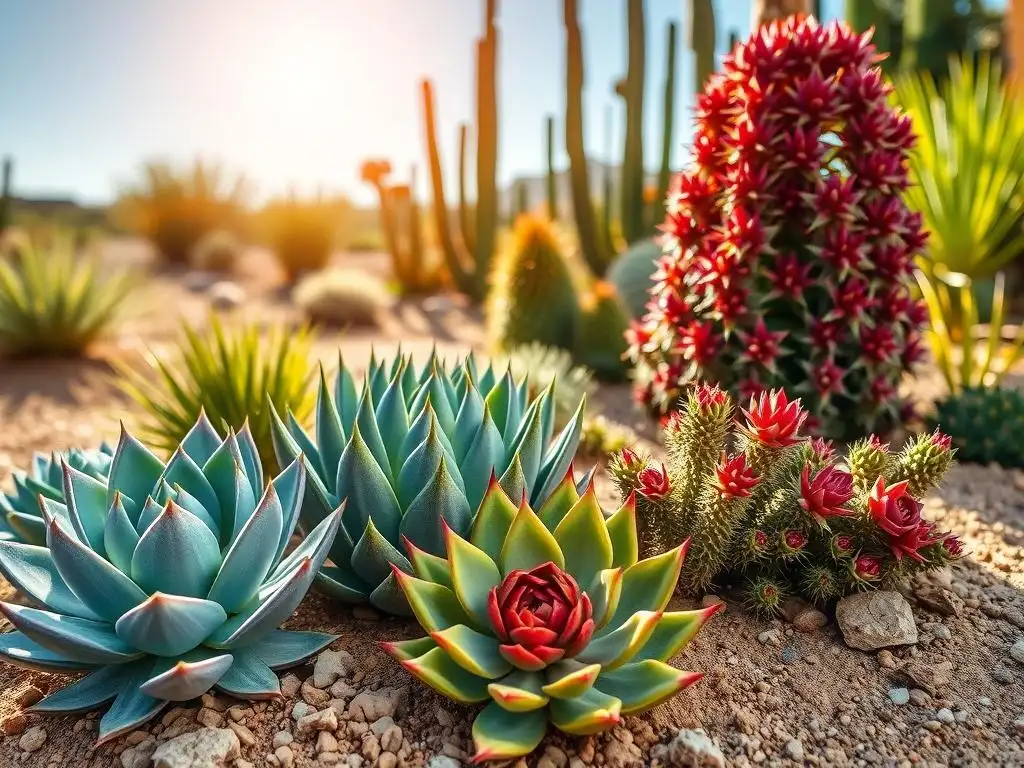
This section will dispel common misconceptions surrounding drought-tolerant plant gardening, providing practical, evidence-based information for successful cultivation even in arid conditions. Understanding these realities is crucial for maximizing your gardening success and minimizing water waste, key aspects of sustainable and organic "Droughttolerant plant gardening tips".
Myth 1: Drought-tolerant plants require no watering.
This is a pervasive misconception. While drought-tolerant plants are adapted to survive with less water than their non-drought-tolerant counterparts, they still require hydration, particularly during critical growth stages. Newly planted drought-tolerant specimens, for example, need regular watering to establish a strong root system. Think of it like this: even a camel, known for its water-storing capabilities, still needs to drink. The key difference is frequency and amount.
A drought-tolerant plant's deep root system allows it to access water deeper in the soil, reducing the need for frequent surface watering. However, neglecting watering altogether, especially during prolonged dry spells or periods of intense heat, will lead to stress, stunted growth, and potentially plant death. Consistent, but less frequent, deep watering is the key to success. Consider using a soil moisture meter to guide your watering schedule, avoiding both overwatering and underwatering.
Reality 1: Drought-tolerant plants need less frequent watering than other plants, but still require watering, especially during establishment.
The reality is nuanced. Drought-tolerant plants possess several adaptations that allow them to thrive in drier conditions. These include features like:
- Deep root systems: These tap into deeper water sources unavailable to plants with shallower roots.
- Succulent leaves or stems: These store water for periods of drought.
- Waxy or hairy leaves: These minimize water loss through transpiration.
- Small leaves: Reducing surface area decreases water loss.
However, even with these adaptations, neglecting watering entirely is detrimental. Young plants, in particular, need consistent moisture to develop a robust root system. Once established, watering can be reduced significantly, but should still occur during extended dry periods. The best practice is to water deeply and less frequently, encouraging deep root growth and drought resilience. Observing your plants for signs of stress, such as wilting or leaf discoloration, is also vital. These are clear indicators that supplemental watering is needed.
Myth 2: All succulents are drought-tolerant.
While many succulents are indeed drought-tolerant, this isn't universally true. The term "succulent" refers to plants with thick, fleshy leaves or stems that store water. While this trait often implies drought tolerance, the specific water needs vary greatly depending on the species and its origin. Some succulents, particularly those from tropical or subtropical regions, require more frequent watering than their desert-dwelling counterparts.
For example, Echeveria species generally need less water than Sedum species. Therefore, it's crucial to research the specific water requirements of each succulent you grow, rather than assuming all succulents are equally drought-tolerant. Proper identification and research are crucial for successful "Droughttolerant plant gardening tips". Always check the plant's specific care requirements before planting.
Further Considerations for Drought-Tolerant Gardening
Mulching is a highly effective strategy to conserve soil moisture and suppress weeds. A layer of organic mulch, such as shredded bark or compost, helps to retain soil moisture, reducing the frequency of watering needed. Furthermore, selecting appropriate plant species for your specific climate and soil conditions is paramount. Choosing plants naturally adapted to your region’s rainfall and temperature will significantly reduce the need for supplemental watering.
Reality 2: While many succulents are drought-tolerant, not all are, and care requirements vary greatly between species.
The popularity of succulents as drought-tolerant options has exploded in recent years, and rightfully so! Many succulent species boast impressive water-retention capabilities and can thrive in arid conditions. However, lumping all succulents into a single "low-water" category is a significant oversimplification. The sheer diversity within the succulent family, encompassing thousands of species across various genera (like Sedum, Echeveria, Agave, and Aloe), means their water needs, sun exposure preferences, and overall care requirements differ substantially.
For instance, while an Agave americana can tolerate extreme heat and drought with minimal watering, an Echeveria elegans (Mexican Snowball) might require slightly more frequent watering, especially during its active growing season. Overwatering an Agave can lead to root rot, while underwatering an Echeveria can result in shriveled leaves and stunted growth. Understanding the specific needs of your chosen succulent species is crucial for its survival and flourishing.
Careful research into the specific cultivar is essential before planting. Don't rely solely on the general label "succulent"; delve into the specific botanical name for accurate care instructions. Many online resources and botanical guides provide detailed information on individual succulent species, highlighting their unique water requirements and other crucial aspects of their care.
Furthermore, even within a single species, variations in growth habits and environmental conditions can influence water needs. A mature Aloe vera plant might handle prolonged drought better than a young seedling of the same species. Similarly, a plant grown in full sun might require more infrequent but deeper watering compared to one grown in partial shade. Observing your plants closely and adjusting your watering schedule accordingly is key to successful drought-tolerant gardening, regardless of the plant's general reputation for drought tolerance.
Regularly checking the soil moisture is far more effective than adhering to rigid watering schedules. Learn to feel the soil, recognizing the difference between dry and moist conditions to avoid both under and overwatering. This hands-on approach, combined with specific knowledge of your plants, is the cornerstone of successful succulent cultivation.
Resources for Further Learning: Expanding Your Drought-Tolerant Gardening Knowledge
This section provides valuable resources to deepen your understanding of drought-tolerant plant gardening and help you cultivate a thriving garden even in arid conditions. We'll explore recommended books and websites, as well as local resources that can provide expert guidance tailored to your specific region. Mastering drought-tolerant plant gardening tips requires consistent learning and adaptation, and these resources will support your journey.
Recommended Books and Websites on Drought-Resistant Gardening
Finding reliable information on drought-resistant gardening is key to success. Many excellent resources are available, both online and in print, offering in-depth knowledge and practical advice. Here are a few examples to get you started:
- Books: Look for books focusing on xeriscaping (landscape design that conserves water) or gardening in specific arid or semi-arid climates. Titles often include phrases like "drought-tolerant landscaping," "water-wise gardening," or "desert gardening." Pay attention to the author's credentials and the publication date to ensure the information is current and accurate. Consider books focusing on native plants, as these are often best adapted to local conditions.
- Websites: Many reputable gardening websites offer comprehensive guides and articles on drought-tolerant plants. Look for websites with a strong focus on sustainable and organic gardening practices. Search for terms like "drought-tolerant plant gardening tips," "water-wise gardening techniques," or "xeriscaping designs" to find relevant content. Reputable university extension services often provide regionally specific information on drought-tolerant plant selection and care.
Remember to critically evaluate the information you find online. Look for websites and books that cite scientific research and provide evidence-based recommendations.
Here's a table summarizing the types of information you should seek out:
| Resource Type | Key Information to Look For | Example Search Terms |
|---|---|---|
| Books | Author credentials, publication date, regional focus, scientific basis | Drought-tolerant plants, xeriscaping, water-wise gardening |
| Websites | Author/organization credibility, updated content, regional relevance | Drought-tolerant plant gardening tips, water conservation gardening |
| University Extensions | Region-specific recommendations, research-based information | [Your State/Region] drought-tolerant plants |
Local Resources and Experts for Drought-Tolerant Plant Selection and Care
Your local environment plays a crucial role in successful drought-tolerant gardening. Accessing local expertise is invaluable for selecting the right plants and implementing appropriate care practices. Consider these resources:
- Local Nurseries and Garden Centers: These businesses often employ staff with extensive knowledge of plants that thrive in your specific climate. They can advise you on suitable drought-tolerant varieties, offer tips on planting and maintenance, and provide access to locally sourced plants already adapted to your region's conditions. Don't hesitate to ask questions—a knowledgeable nursery staff member can be an invaluable resource.
- Master Gardener Programs: Many communities have Master Gardener programs run by universities or agricultural extension services. These programs train volunteers to provide horticultural advice to the public. They are a great source of information on drought-tolerant gardening techniques and plant selection specific to your area. They often offer workshops and educational resources.
- Local Horticultural Societies and Gardening Clubs: Joining a local gardening club can connect you with experienced gardeners in your area. They can share their knowledge, tips, and experiences with drought-tolerant plants, providing valuable insights based on local conditions. Networking with fellow gardeners can also lead to plant exchanges and other opportunities.
Remember, choosing the right plants and implementing proper care is crucial for successful drought-tolerant gardening. By utilizing these resources, you'll be well-equipped to create a beautiful and sustainable garden that thrives even in the driest conditions. Happy gardening! 🌱
Frequently Asked Questions
What makes a plant drought-tolerant?
Drought-tolerant plants possess specialized adaptations like deep root systems to access water deep underground, waxy leaves to reduce water loss through transpiration, and the ability to store water in their stems or leaves.
What are some examples of drought-tolerant plants?
Many succulents, such as Sedum and Agave, are excellent choices. Other options include herbs like lavender and rosemary, and certain flowering plants like coneflowers and yarrow.
How can I improve my soil to help drought-tolerant plants thrive?
Well-draining soil is crucial. Amend heavy clay soils with compost or other organic matter to improve drainage and water retention without waterlogging. Consider adding mulch to retain moisture.
Are drought-tolerant plants low-maintenance?
While they require less watering, drought-tolerant plants still need proper sunlight and occasional fertilization. Regular monitoring for pests and diseases is also important.
Can I use drought-tolerant plants in any garden setting?
While they tolerate dry conditions, consider the specific sunlight and soil requirements of each plant. Some drought-tolerant plants prefer full sun, while others may do better in partial shade. Always check the plant's specific needs.
Final Reflection: The Enduring Power of Resilience in a Changing Climate
The science of drought-tolerant plants isn't just about surviving dry spells; it's about building a more sustainable and resilient future for our gardens and our planet. Understanding these remarkable adaptations offers a crucial pathway to navigating the increasingly unpredictable climate challenges we face. The ability to thrive with less water is no longer a niche interest; it's a necessity.
The impact of drought-tolerant gardening extends far beyond the individual garden. It represents a shift in our relationship with nature, a move away from resource-intensive practices towards a more harmonious coexistence. The earth provides enough to satisfy every man's needs but not every man's greed.
- Mahatma Gandhi. This quote highlights the importance of mindful gardening practices, especially in the face of water scarcity. By embracing drought-tolerant species, we actively participate in conserving precious resources and creating landscapes that are both beautiful and environmentally responsible.
You now possess the knowledge to cultivate a thriving garden even in the face of drought. Consider the plants discussed within this article – their unique adaptations, their resilience, and their beauty. I urge you to incorporate these principles into your own gardening practices. Choose wisely, plant thoughtfully, and watch as your garden becomes a testament to the power of adaptation and the enduring beauty of nature's ingenuity. Let your garden be a beacon of sustainability, a vibrant example of how we can live in harmony with the environment, even in the driest of times.
Unleash Your Inner Green Thumb: Grow Drought-Resistant Wonders!
Thanks for exploring the fascinating world of drought-tolerant plants! You've now gained the knowledge to create a thriving, water-wise garden. Ready to put this knowledge into action?
- Start planning your drought-resistant garden today! Sketch out your garden beds, considering sunlight exposure and soil type – remember those key factors we discussed! Consider the overall dimensions and layout, as well as the specific needs of the plants you intend to grow.
- Share your favorite drought-tolerant plant varieties with our community in the comments below! Let's inspire each other with our successes and challenges.
- Challenge yourself to add a new drought-resistant plant to your garden this season – step outside your comfort zone and try something different! Explore local nurseries or online resources to discover exciting new additions.
What unique drought-tolerant plant are you most excited to cultivate, and why? Perhaps a vibrant succulent or a hardy native species? We'd love to hear about your plans!