
Watering Strategies for Cold Climates: Avoiding Overwatering and Frost Damage

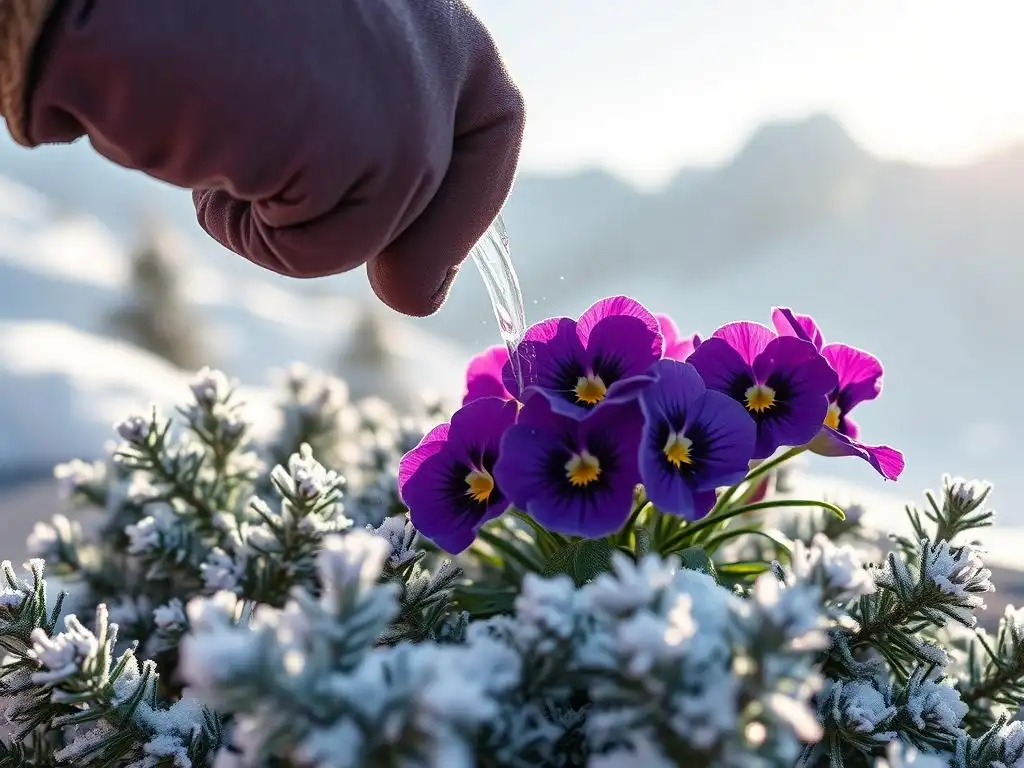
Welcome to CultivateYourFood, your guide to nurturing a thriving garden using sustainable methods! Are you ready to unlock the secrets to a bountiful harvest, even in challenging conditions? This website is dedicated to empowering you with the knowledge and techniques you need to succeed. Learn how to overcome the unique challenges of cold climates with our expert advice on Cold climate watering tips, ensuring your plants flourish despite the cold. Discover the secrets to avoiding overwatering and frost damage—and get ready to reap the rewards of your own organic produce!
- Understanding Cold Climate Watering Needs
- Cold Climate Watering Tips: A Practical Guide
- Preventing Overwatering in Cold Climates
- Protecting Plants from Frost Damage Through Proper Watering
- Advanced Cold Climate Watering Techniques
- Frequently Asked Questions
- Final Reflection: Nurturing Life in Winter's Embrace
- Unleash Your Garden's Winter Resilience!
Understanding Cold Climate Watering Needs
Cultivating a thriving garden in a cold climate presents unique challenges, particularly when it comes to watering. Unlike warmer regions where consistent watering is often crucial, cold climates require a more nuanced approach to avoid both overwatering and the damaging effects of frost. This article will delve into the specific strategies needed for successful cold-climate gardening, focusing on minimizing the risks associated with frozen soil, reduced water uptake by plants, and the overall impact of low temperatures on your plants' health.
Mastering these techniques is key to maximizing your harvest, even in the face of freezing temperatures and shorter growing seasons. We'll explore practical tips and techniques to help you optimize your watering schedule and protect your precious plants from the harsh realities of winter's grip.
Proper watering is a cornerstone of successful cold-climate gardening, and by understanding the unique needs of your plants in these conditions, you can significantly improve their chances of survival and productivity. This guide will equip you with the knowledge to implement effective "cold climate watering tips" for a bountiful harvest.
Unique Challenges of Watering in Cold Weather
Watering plants in cold weather presents a unique set of obstacles compared to warmer climates. The most significant challenge is the increased risk of frost damage. When water freezes within plant tissues, it expands, causing cellular rupture and potentially killing the plant. This is exacerbated by the fact that cold temperatures slow down the plant's ability to absorb water, making it more susceptible to dehydration even if the soil is moist.
Furthermore, cold soil can become compacted, reducing drainage and increasing the risk of root rot. Another factor to consider is the frequency of precipitation. In many cold climates, precipitation might come in the form of snow, which insulates the soil and can delay watering needs. However, it is crucial to note that snow melt can lead to periods of excess moisture, potentially leading to root rot if not properly managed.
Therefore, a careful observation of soil conditions and weather patterns is essential. Monitoring soil moisture levels regularly, and adjusting your watering schedule accordingly, is paramount to successful cold-climate gardening. This requires a more attentive approach than in warmer climates. 🥶
Soil Freezing and Water Availability
One of the primary concerns when watering in cold climates is the freezing of the soil. Frozen soil becomes impermeable to water, meaning that even if you water your plants, the roots will not be able to absorb the moisture. This can lead to dehydration and stress, even if the ground appears wet on the surface. The depth to which the soil freezes varies depending on several factors, including the type of soil, the duration of freezing temperatures, and the presence of snow cover.
Heavier clay soils tend to freeze more deeply and slowly than lighter sandy soils. A deep freeze can restrict water availability to plant roots for extended periods. This makes the timing and method of watering crucial. For example, watering deeply but less frequently encourages deeper root growth, making plants more resilient to short periods of frozen soil.
Conversely, frequent shallow watering can lead to shallower root systems more vulnerable to freezing temperatures. Understanding these dynamics is crucial for adjusting your watering strategy throughout the cold season. Careful monitoring of soil temperature and moisture levels, using tools like soil thermometers and moisture meters, can greatly improve your decision-making process.
Impact of Cold Temperatures on Plant Uptake
Cold temperatures significantly reduce a plant's ability to absorb water. This is because the metabolic processes within the plant slow down, reducing the rate at which water is transported from the roots to the leaves. This physiological response means that even if the soil is moist and not frozen, the plant may struggle to uptake sufficient water to meet its needs. This can lead to wilting and stress, even in the absence of visible signs of dehydration in the soil.
Furthermore, cold temperatures can damage the delicate root hairs, which are responsible for absorbing water and nutrients. This damage can further impair the plant's ability to absorb moisture, even after the temperatures rise. Therefore, while watering is still necessary in cold weather, it should be done judiciously to avoid overwatering and the associated risks.
Careful observation of plant health, looking for signs of wilting or stress, is crucial in determining when supplemental watering is necessary. Remember, less frequent, deeper watering is generally preferred to avoid chilling the soil and roots. This approach promotes deeper root growth, leading to increased drought tolerance and cold hardiness.
Cold Climate Watering Tips: A Practical Guide
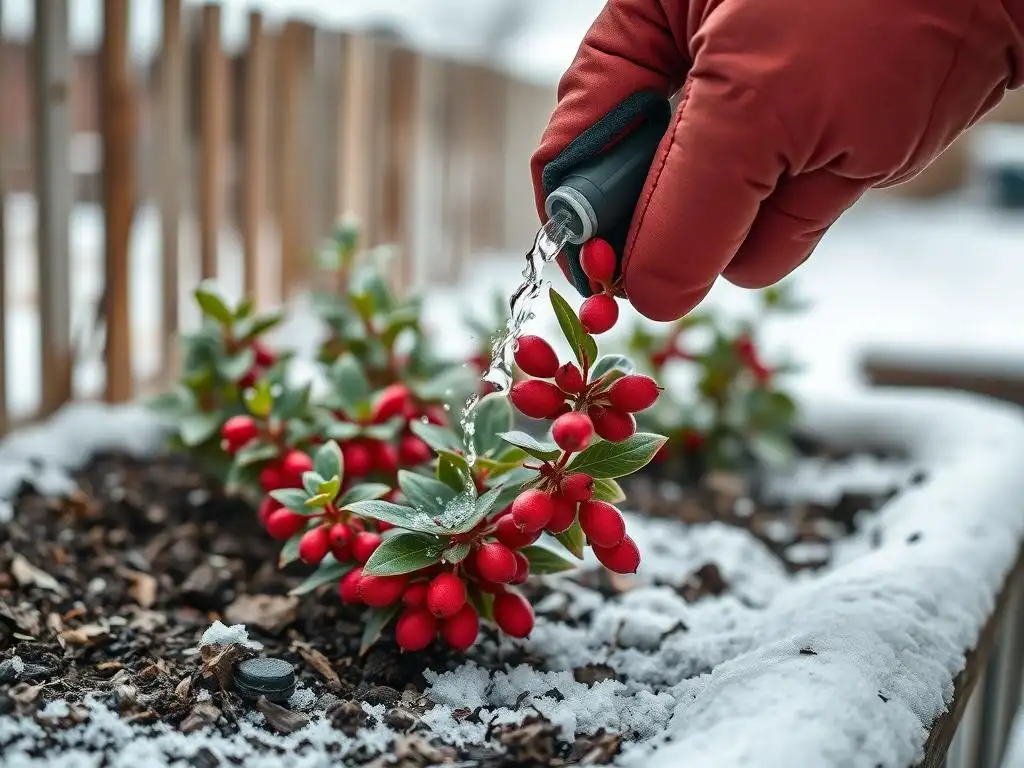
This section delves into the specifics of watering plants in cold climates, focusing on techniques to prevent overwatering and frost damage, crucial aspects for successful gardening in challenging conditions. Mastering these cold climate watering tips will significantly improve your chances of a bountiful harvest, even during the harshest winter months. We'll explore practical methods to ensure your plants receive the optimal amount of moisture without succumbing to the perils of excess water or freezing temperatures.
Assessing Soil Moisture: The Finger Test and Beyond
Proper watering hinges on accurately assessing soil moisture. The classic "finger test" remains a valuable tool. Simply insert your index finger about an inch into the soil. If it feels dry, it's time to water. However, relying solely on the finger test can be insufficient, especially in cold climates where surface soil can dry out quickly while deeper layers remain moist.
To gain a more comprehensive understanding, consider supplementing the finger test with other methods. A moisture meter, readily available at most garden centers, provides a numerical reading of soil moisture levels. This eliminates guesswork and ensures consistent watering practices. Furthermore, observing plant symptoms can be surprisingly insightful. Wilting leaves, especially during warmer periods, are a clear indication of thirst. Conversely, overly saturated soil might lead to yellowing leaves or stunted growth, signaling overwatering.
Remember that different soil types retain moisture differently. Sandy soils drain rapidly, requiring more frequent watering, while clay soils retain moisture longer, necessitating less frequent irrigation. Understanding your soil type is paramount for tailoring your watering schedule effectively.
Watering Frequency in Winter Months
Winter presents unique challenges for cold climate gardeners. Lower temperatures slow down plant growth and reduce the rate of water evaporation. Consequently, the frequency of watering needs to be significantly reduced compared to warmer months. Overwatering during winter is a prevalent mistake that can lead to root rot, a fatal condition for many plants.
The optimal watering frequency will vary depending on several factors, including the type of plant, the soil type, and the severity of the winter conditions. However, as a general guideline, reduce watering to once every 1-2 weeks in most cases. Observe your plants carefully for signs of wilting or dryness. If the soil is still moist after a week, postpone watering.
Always water deeply but infrequently, encouraging strong root development that can access moisture even when the surface layer is dry. Avoid shallow, frequent watering, as this encourages shallow root systems susceptible to frost damage. Remember that consistent monitoring and adaptation are key to success in winter watering.
Choosing the Right Watering Time: Avoiding Nighttime Watering
The timing of watering is crucial in cold climates. Avoid watering your plants at night, especially during freezing temperatures. Water left on the foliage overnight can freeze, causing damage to plant tissues. This freezing process can lead to cellular rupture, ultimately harming or killing the plant. This is especially detrimental to delicate plants and seedlings.
The ideal time to water is during the warmest part of the day, typically the late morning or early afternoon. This allows ample time for the leaves to dry before nightfall, reducing the risk of frost damage. Furthermore, the warmer temperatures promote faster water absorption by the roots, optimizing hydration. On particularly cold days, consider watering only when the sun is shining directly on the plants. This will help to warm the water and improve absorption. Prioritize watering during frost-free periods whenever possible. Always prioritize the health and well-being of your plants by employing these carefully considered watering strategies.
Optimizing Water Temperature for Cold-Hardy Plants
Using water that's too cold can shock cold-hardy plants, especially when they're already stressed by freezing temperatures. The sudden temperature drop can damage delicate root systems, hindering nutrient uptake and overall plant health. This is particularly crucial in early spring when the soil is still cold and plants are just beginning to emerge from dormancy. Think of it like this: would you jump into an icy lake on a cold day? Probably not! Your plants feel similarly.
To avoid this, aim to use water that's at or near the ambient air temperature. This means allowing your watering can or hose water to sit outside for a while before watering, particularly on very cold days. While you might not need to precisely measure the temperature, a noticeable difference between the water and the surrounding air will likely cause stress. For example, if the air temperature is around 35°F (2°C), bringing the water temperature closer to that range will be beneficial to your plants.
Furthermore, the method of watering can influence the temperature of the water reaching the roots. Using a drip irrigation system, for instance, allows the water to warm slightly as it travels through the tubing, minimizing the shock to the plant's roots compared to a sudden deluge of cold water from a hose. Observe your plants carefully after watering. Wilting or discoloration, especially in the immediate aftermath of watering with cold water, could be an indicator of cold water shock.
Adjust your watering practices accordingly. Remember, a little preventative care can significantly improve the health and resilience of your cold-hardy plants. Careful attention to water temperature, especially during colder months, is a key aspect of successful cold climate gardening.
Preventing Overwatering in Cold Climates
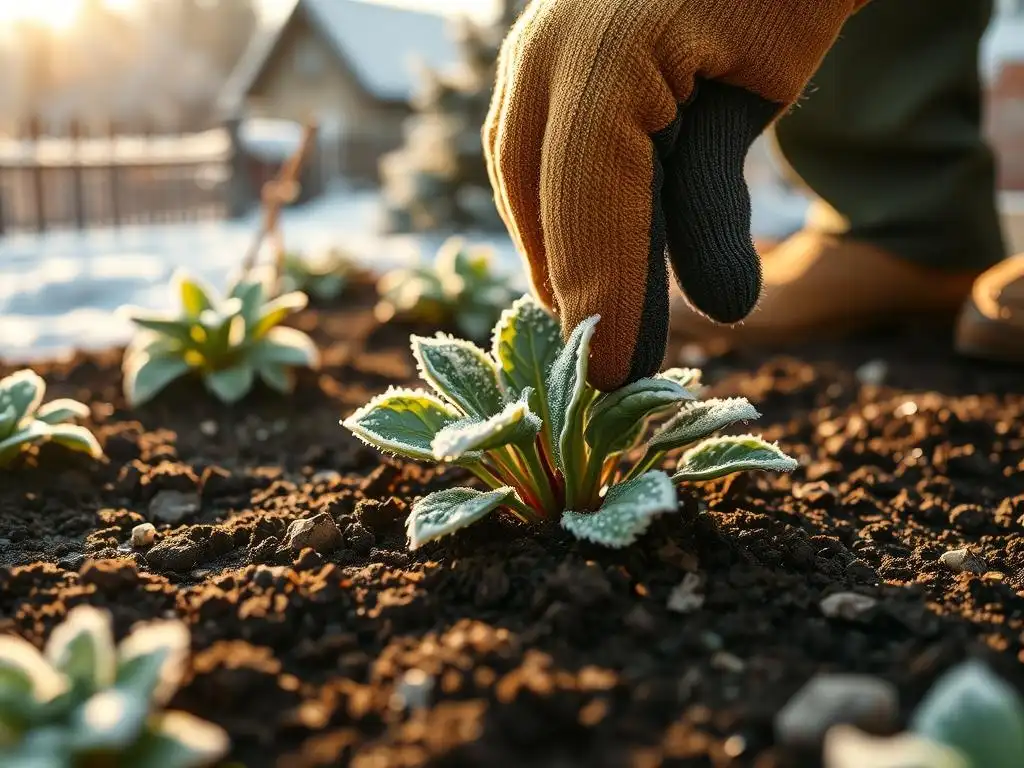
Overwatering is a common problem for home gardeners, especially those in cold climates. The cold temperatures slow down plant growth and reduce the rate of evaporation, meaning the soil stays wet for much longer. This creates an environment conducive to root rot and other fungal diseases, severely impacting your plants' health and potentially leading to their demise. Successfully navigating cold climate gardening requires a nuanced understanding of how to adjust watering practices to avoid this issue.
Proper watering techniques are crucial for thriving plants, even in challenging conditions. This section delves into specific strategies to prevent overwatering and maintain the health of your plants during cold spells. Mastering these techniques will significantly improve your chances of a bountiful harvest, even in the face of frosty conditions.
Signs of Overwatering in Cold Weather Plants
Recognizing the signs of overwatering in cold weather is crucial for taking timely corrective action. Unlike warmer months where wilting is a clear indicator, cold weather overwatering presents itself differently. Look for these key symptoms:
- Yellowing or browning lower leaves: While nutrient deficiencies can also cause this, in combination with other symptoms, it's a strong indicator of overwatering. The roots are suffocating due to lack of oxygen in waterlogged soil.
- Mushy or limp stems: Healthy stems are firm. Soft, mushy stems indicate root rot, a common consequence of excessive moisture.
- Slow or stunted growth: Even if your plants aren't showing obvious signs of distress, significantly slower growth than expected, especially considering the time of year, could point to overwatering. Roots struggling in saturated soil cannot efficiently uptake nutrients.
- Presence of mold or fungus: Examine the soil surface and the base of the plant stems. The appearance of mold or fungus is a clear sign of excessive moisture and a potential disease outbreak.
- Leaves falling prematurely: While some leaf drop is normal in autumn, excessive leaf loss, especially of healthy-looking leaves, can be a sign of root problems caused by overwatering.
It's important to remember that these symptoms can overlap with other plant problems. Therefore, careful observation and a holistic assessment are vital for accurate diagnosis. Remember to check the soil moisture before watering, rather than relying solely on visual cues from the plant itself. This proactive approach will prevent many water-related issues.
Adjusting Watering Based on Plant Type and Growth Stage
Watering needs vary significantly depending on the plant species and its growth stage. Cold-hardy vegetables like kale and spinach have different water requirements than more delicate herbs like basil. Furthermore, the watering frequency changes throughout the plant’s life cycle.
| Plant Type | Watering Frequency (Cold Weather) | Growth Stage Considerations |
|---|---|---|
| Kale & Spinach | Every 5-7 days (or when top inch of soil is dry) | Reduce watering as temperatures drop and growth slows. |
| Lettuce | Every 4-6 days (or when top inch of soil is dry) | Water more frequently during head formation. |
| Root Vegetables (carrots, beets) | Every 7-10 days (or when top inch of soil is dry) | Less frequent watering encourages deeper root growth. |
| Herbs (rosemary, thyme) | Every 7-10 days (or when top inch of soil is dry) | These are typically more drought-tolerant. |
During the dormant season, most plants require significantly less water. Always check the soil moisture before watering; using your finger to test the soil's dryness is a simple but effective method. Avoid watering on cloudy days or when the soil is already damp. The goal is to keep the soil consistently moist, but not soggy. Overwatering, even in small amounts, can accumulate and cause problems over time.
Drainage and Soil Composition: Key Considerations
Proper drainage is paramount in preventing overwatering, especially in cold, wet climates. Poor drainage leads to waterlogging, creating anaerobic conditions that suffocate roots. Clay soils, in particular, tend to retain water excessively and can quickly become waterlogged.
To improve drainage:
- Amend heavy clay soils: Incorporating organic matter like compost significantly improves soil structure, increasing aeration and drainage. This allows for better water penetration and reduces the risk of waterlogging.
- Raised garden beds: Raised beds provide better drainage than in-ground planting, especially in areas with poor drainage.
- Avoid over-compacting the soil: Compacted soil impedes water drainage and root growth. Gentle handling during planting helps maintain soil structure.
- Use well-draining potting mixes: When planting in containers, use a specifically formulated potting mix designed for good drainage to avoid waterlogged roots.
The soil's composition directly influences its water retention capacity. Sandy soils drain quickly, requiring more frequent watering, while clay soils retain water longer, necessitating less frequent watering. Understanding your soil type is crucial for adjusting your watering schedule accordingly. A soil test can help determine your soil type and its drainage capacity. Addressing drainage issues proactively is a key element in successful cold-climate gardening, helping you avoid the pitfalls of overwatering and ensuring healthy plant growth.
The Importance of Mulching for Moisture Retention
Mulching is a cornerstone of successful cold-climate gardening, playing a crucial role in preventing overwatering and protecting plant roots from frost damage. A layer of mulch acts as a natural insulator, moderating soil temperature fluctuations. This is particularly important in cold climates where temperature swings can be dramatic, leading to rapid soil drying and subsequent chilling of the root zone.
By slowing down evaporation, mulch helps retain soil moisture, reducing the frequency of watering and minimizing the risk of oversaturation. This is especially beneficial during periods of freezing temperatures, as a consistently moist soil is more susceptible to freezing and subsequent root damage.
Different mulches offer varying levels of insulation and moisture retention. Organic mulches, such as straw, shredded leaves, or aged compost, are excellent choices. They not only retain moisture but also decompose slowly, enriching the soil over time.
Inorganic mulches, like gravel or landscape fabric, can also help regulate soil temperature, but they offer less in terms of soil improvement. The depth of the mulch layer is also important; a layer that's too thin won't provide sufficient insulation, while a layer that's too thick can smother plants and impede growth. A general guideline is to apply a 2- to 4-inch layer of mulch around plants, keeping it a few inches away from the stems to prevent rot.
Proper mulching techniques are essential for achieving optimal moisture retention. For instance, applying mulch after the soil has warmed up in the spring allows the soil to absorb heat more effectively while still retaining moisture. Similarly, topping up the mulch layer in late autumn provides additional insulation against winter frosts and helps maintain soil moisture throughout the colder months.
Careful observation of your garden and the specific needs of your plants will help you determine the optimal mulching strategy for your particular cold climate. Remember, consistent monitoring and adjustments are key to successful cold-climate gardening. Careful attention to mulching, along with other cold climate watering tips, will significantly reduce the risk of overwatering and frost damage.
Protecting Plants from Frost Damage Through Proper Watering
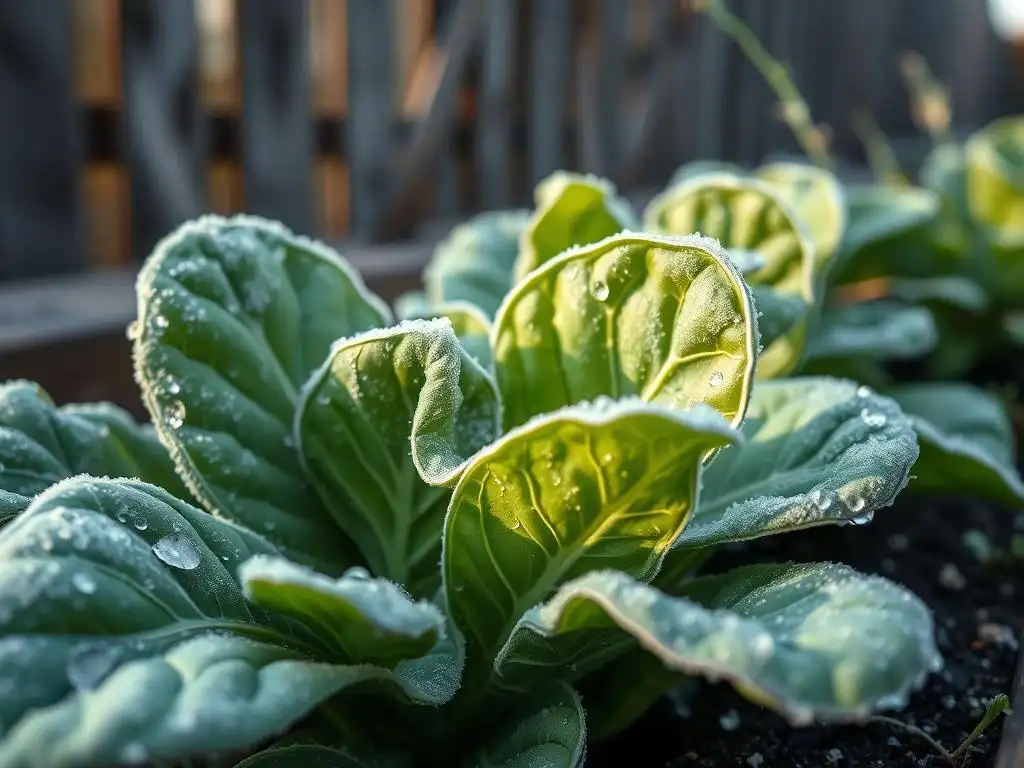
Cold climate watering tips are crucial for successful gardening, especially when protecting plants from frost damage. Understanding the relationship between water, plant cells, and freezing temperatures is key to preventing irreversible harm. Improper watering techniques can exacerbate the effects of frost, leading to significant crop losses. This section details effective strategies to safeguard your plants during periods of freezing temperatures. Mastering these techniques is vital for thriving in colder climates and maximizing your harvest.
How Frost Affects Plant Cells and Hydration
Frost damage occurs when the water within plant cells freezes, expanding and rupturing cell walls. This process, known as ice crystal formation, leads to cellular dehydration and ultimately, plant death. The damage isn't solely caused by the low temperature itself; the formation of ice crystals within the plant's delicate tissues is the primary culprit.
Plants that are already dehydrated are far more susceptible to this damage because there's less water available to buffer against ice crystal formation. Think of it like this: a well-hydrated plant has a larger volume of water to freeze, distributing the expansion more evenly and reducing the likelihood of cell rupture. Conversely, a dehydrated plant has less water, concentrating the ice crystal formation and causing more extensive damage.
The severity of frost damage depends on several factors including the intensity and duration of the freeze, the plant species (some are more cold-hardy than others), and, crucially, the plant's hydration level before and during the frost. For instance, succulents, known for their water retention capabilities, are generally more resistant than leafy greens. However, even cold-hardy plants can suffer significant damage if they enter a freeze dehydrated. Regular monitoring of soil moisture is therefore vital, especially as temperatures begin to drop.
Watering Before a Freeze: A Protective Measure
Watering before a predicted freeze acts as a protective measure, but timing is critical. The goal isn't to saturate the soil, but rather to increase the plant's internal water content. This provides a buffer against the expansion of freezing water within the cells. Deep watering a day or two before an anticipated frost allows the water to penetrate the root zone, increasing the plant's overall hydration levels. This is especially important for plants that are already showing signs of stress, such as wilting leaves or dry soil.
Avoid watering immediately before a freeze, as this can lead to the formation of ice crystals on the plant's surface. This surface ice can further damage delicate tissues. The ideal approach involves a deep, thorough watering well in advance, allowing the water to be absorbed and utilized by the plant before the onset of freezing temperatures. The amount of water needed varies depending on the plant type, soil type, and weather conditions. However, the principle remains consistent: adequate hydration before a freeze is key to minimizing frost damage.
Watering After a Freeze: Rehydration Strategies
Once the frost has passed, it's essential to assess the damage and implement appropriate rehydration strategies. Avoid watering immediately after the frost has thawed, as this could shock already damaged cells. Instead, wait until the soil has begun to thaw and the temperatures have risen slightly. Gentle watering, focusing on the soil rather than directly on the plant, is recommended. This allows the soil to gradually rehydrate and prevents further damage from cold water.
Monitor your plants carefully after a freeze. Wilting or discoloration may indicate further damage. In such cases, you may need to apply a diluted liquid fertilizer to help the plant recover. The key is gentle, gradual rehydration, avoiding any actions that could further stress the already compromised plant tissues. Remember, patience is key in the recovery process. Careful observation and measured actions will help your plants bounce back and continue to thrive even after a harsh frost.
Identifying Frost Damage and Recovery Techniques
Frost damage in plants manifests in several ways, making early identification crucial for effective recovery. Leaves exhibiting a water-soaked appearance, often turning dark green or black, are a classic sign. These leaves may become limp and eventually wilt, sometimes curling inwards. Young, tender growth is especially vulnerable, often showing browning or shrivelling. In severe cases, the entire plant may appear frozen solid. Different plants exhibit frost damage slightly differently; for example, while leafy greens might show browning, fruit trees may develop sunken or discolored areas on their fruit. Careful observation is key to understanding the extent of the damage.
Recovery techniques depend on the severity of the frost damage. For minor damage, where only some leaves are affected, simply removing the damaged foliage can often suffice. The plant will likely recover as new growth emerges. Remember to avoid harsh pruning until you’re sure the frost damage is fully contained, as further damage to the plant may occur. For more significant damage, providing supplemental water and nutrients can aid recovery.
Use a balanced liquid fertilizer diluted to half strength to encourage new growth. Ensure the soil remains consistently moist, but avoid overwatering, as this can exacerbate the problem. Mulching around the base of the plant can help to protect the roots and maintain soil moisture. In cases of severe damage, where significant portions of the plant are affected, recovery may take longer, or the plant may not recover at all. In these situations, patience and continued care are essential.
Remember to monitor the plant closely for signs of further damage or disease. Protecting plants with covers during periods of expected frost is a proactive strategy to avoid this extensive damage altogether. This is especially important for newly planted or tender plants with weaker root systems. Regular monitoring, combined with prompt and appropriate actions, significantly improves your chances of saving your plants from the damaging effects of frost. Careful observation and a proactive approach are key to successful recovery.
Advanced Cold Climate Watering Techniques
This section delves into more sophisticated watering methods specifically designed to address the challenges of cold-climate gardening. These techniques go beyond basic watering schedules and focus on optimizing water delivery and conservation, crucial aspects for successful cultivation in colder regions. Mastering these strategies will significantly improve your chances of a bountiful harvest, even with the limitations imposed by frost and freezing temperatures. Remember, consistent moisture is key, but excessive watering can be as detrimental as insufficient watering in cold climates.
Utilizing Drip Irrigation Systems for Precise Watering
Drip irrigation offers unparalleled control and efficiency in cold-climate gardening. Unlike overhead watering, which can lead to excessive leaf wetness and subsequent frost damage, drip irrigation delivers water directly to the plant's root zone. This minimizes water waste and prevents the chilling effect of wet foliage. The system's precise delivery also allows for customized watering schedules based on individual plant needs and soil conditions.
For example, a mature tomato plant will require a significantly higher water volume than a young seedling. Drip irrigation allows you to cater to these differences, ensuring optimal hydration without overwatering. Furthermore, the reduced water usage translates to lower utility bills and a smaller environmental footprint, aligning perfectly with sustainable gardening practices.
Consider using a timer to automate the watering process, further enhancing convenience and efficiency. This ensures consistent watering even during periods of inclement weather or when you're away from home. Proper installation is key; ensure the drip lines are buried slightly below the soil surface to protect them from freezing.
Water Harvesting and Reuse for Sustainable Gardening
Water conservation is paramount in cold climates, where water resources may be limited. Water harvesting and reuse practices significantly reduce reliance on municipal water supplies and contribute to a more environmentally responsible approach to gardening. Rain barrels are a simple and effective method for collecting rainwater runoff from rooftops and downspouts. This collected water can then be used to irrigate your plants throughout the growing season, significantly reducing your water bill.
Moreover, greywater recycling – using water from showers, sinks, and washing machines (after proper filtration) – can supplement your rainwater harvesting efforts. This recycled water, rich in nutrients, can be particularly beneficial for certain plants. However, it's crucial to understand which plants tolerate greywater and to ensure proper filtration to avoid introducing harmful chemicals or pathogens into your garden.
Always research the specific needs of your plants before introducing greywater. Remember, proper planning and execution are essential for a successful water harvesting and reuse system. Consider the size of your garden, the amount of rainfall you typically receive, and the storage capacity needed to meet your watering requirements.
Protecting Water Sources from Freezing Temperatures
Protecting water sources from freezing temperatures is crucial for maintaining a consistent water supply for your plants throughout the winter months. Exposed water sources, such as rain barrels or even outdoor faucets, are vulnerable to freezing, which can cause damage to the containers and interrupt your watering system.
Insulating your rain barrels is a simple yet effective measure. This can be achieved by wrapping them in insulating materials like bubble wrap or using a barrel cover designed for winter conditions. Similarly, outdoor faucets should be protected using insulated covers or by draining the pipes to prevent water from freezing and causing cracks. Another critical aspect is protecting your irrigation system.
For in-ground systems, draining the lines before the first frost is essential to prevent damage from freezing water. Above-ground systems may require similar winterization procedures, depending on the materials used. Failing to protect your water sources can lead to significant disruptions in your watering schedule and potential damage to your valuable plants. Regular inspection and proactive measures are crucial to prevent freezing-related problems.
Innovative Cold-Climate Watering Solutions
Cold climates present unique challenges for watering, demanding strategies that go beyond basic techniques. Innovative solutions are emerging to address the specific needs of gardeners in these challenging environments. One such innovation is the use of smart irrigation systems. These systems utilize sensors to monitor soil moisture levels, ambient temperature, and even weather forecasts.
Based on this real-time data, they automatically adjust watering schedules, ensuring plants receive precisely the right amount of water, preventing both underwatering and overwatering, which is especially crucial in cold, unpredictable conditions. This precision minimizes water waste and optimizes plant health. Furthermore, these systems can be programmed to temporarily suspend watering during periods of freezing temperatures, significantly reducing the risk of frost damage. The initial investment might be higher compared to traditional methods, but the long-term benefits in terms of water conservation and plant health make it a worthwhile consideration for serious cold-climate gardeners.
Another promising development lies in the area of water-retaining polymers. These superabsorbent materials, when mixed into the soil, can hold significantly more water than the soil alone. This stored water is then slowly released to the plant roots, providing a consistent source of moisture even during periods of drought or freezing temperatures.
The benefits extend beyond just water retention; these polymers can also improve soil aeration and drainage, creating a more optimal growing environment for plants accustomed to cold conditions. While the addition of polymers adds a small extra cost, their effectiveness in reducing the frequency of watering, especially during periods of cold snaps, makes them a valuable tool for cold-climate gardeners. Careful consideration of the type and amount of polymer used is crucial to ensure proper soil structure and prevent potential negative impacts on root growth.
Finally, the increasing popularity of drip irrigation systems specifically designed for cold climates offers another level of sophistication. Unlike traditional sprinkler systems that can lead to ice formation on plant foliage, drip irrigation delivers water directly to the plant roots, minimizing surface moisture and reducing the risk of frost damage. Many cold-climate drip systems incorporate frost-resistant tubing and self-draining components, further mitigating the risk of freezing.
Furthermore, many modern drip systems can be easily integrated with smart irrigation controllers, offering the best of both worlds: precision water delivery and automated scheduling based on real-time data. This approach provides a targeted and efficient watering method, ideal for cold environments where conserving water and preventing frost damage are paramount. The initial setup may require more time and effort than simpler methods, but the long-term benefits for plant health and water conservation make this a compelling investment.
Frequently Asked Questions
How often should I water my plants in cold weather?
Less frequently than in warm weather. Reduce watering frequency significantly, checking the soil moisture before each watering. Overwatering is a bigger threat than underwatering in cold climates.
What are the signs of overwatering in cold weather?
Look for yellowing or wilting leaves, even with sufficient moisture in the soil. Soggy soil and a musty odor are also indicators. Root rot can quickly develop in cold, wet conditions.
How does cold weather affect plant watering needs?
Cold temperatures slow down plant growth and water absorption. Frozen soil prevents root uptake, making frequent watering unnecessary and potentially harmful. Adjust your watering schedule accordingly.
Should I water my plants when the ground is frozen?
Generally, no. Watering frozen soil can damage plant roots and increase the risk of frost damage. Wait until the ground thaws slightly before resuming watering.
What are the best watering practices to prevent frost damage?
Water early in the day to allow foliage to dry before nightfall. Avoid watering when temperatures are close to freezing. Consider using drip irrigation for more controlled watering.
Final Reflection: Nurturing Life in Winter's Embrace
The delicate balance of water in cold climates is not merely a gardening technique; it's a testament to our ability to adapt and thrive alongside nature's rhythms. Ignoring this balance can lead to devastating losses, highlighting the crucial need for understanding and implementing effective watering strategies, especially as climate change continues to shift weather patterns and intensify cold snaps. The consequences of overwatering or underwatering in winter can be severe, impacting not only plant health but also the overall sustainability of our gardening practices.
The impact of proper watering extends far beyond the individual plant; it speaks to a deeper connection with the environment and a respect for the resilience of life in challenging conditions. The glory of gardening: hands in the dirt, head in the sun, heart with nature. To nurture a garden is to feed not just the body, but the soul.
This quote beautifully encapsulates the emotional and spiritual rewards of successfully navigating the challenges of cold-climate gardening, a journey that demands patience, observation, and a deep understanding of the needs of our plants. It’s a journey I hope this article has helped you begin.
Consider the lessons learned within these pages. Think about your own gardening practices, and ask yourself: Are you truly understanding the unique needs of your plants in the face of winter's chill? Are you adapting your watering techniques to the specific conditions of your climate and soil?
Take the time to observe, to learn, and to adjust your approach. By embracing a mindful and adaptive approach to watering, you'll not only nurture healthier plants but also cultivate a deeper appreciation for the intricate dance between life and the elements. Let this be your starting point for a more successful and fulfilling gardening journey in the years to come.
Unleash Your Garden's Winter Resilience!
Thank you for learning about protecting your plants from harsh winter weather. You've gained valuable insights into preventing overwatering and frost damage, significantly improving your gardening success this winter. Let's put that knowledge to work!
- Prioritize your watering schedule: Carefully adjust your watering routine to match each plant's needs and the current weather. Don't let frost damage your plants!
- Share your cold-weather watering tips with other gardeners! Let's build a strong community of resilient gardeners.
- Consider alternative watering methods like drip irrigation for efficient and controlled watering during freezing temperatures.
Ready to see your garden thrive even during the coldest months? What's your biggest challenge in winter watering, and how can we help you overcome it?