
Accessible Gardening: Creating a Thriving Garden Regardless of Physical Limitations

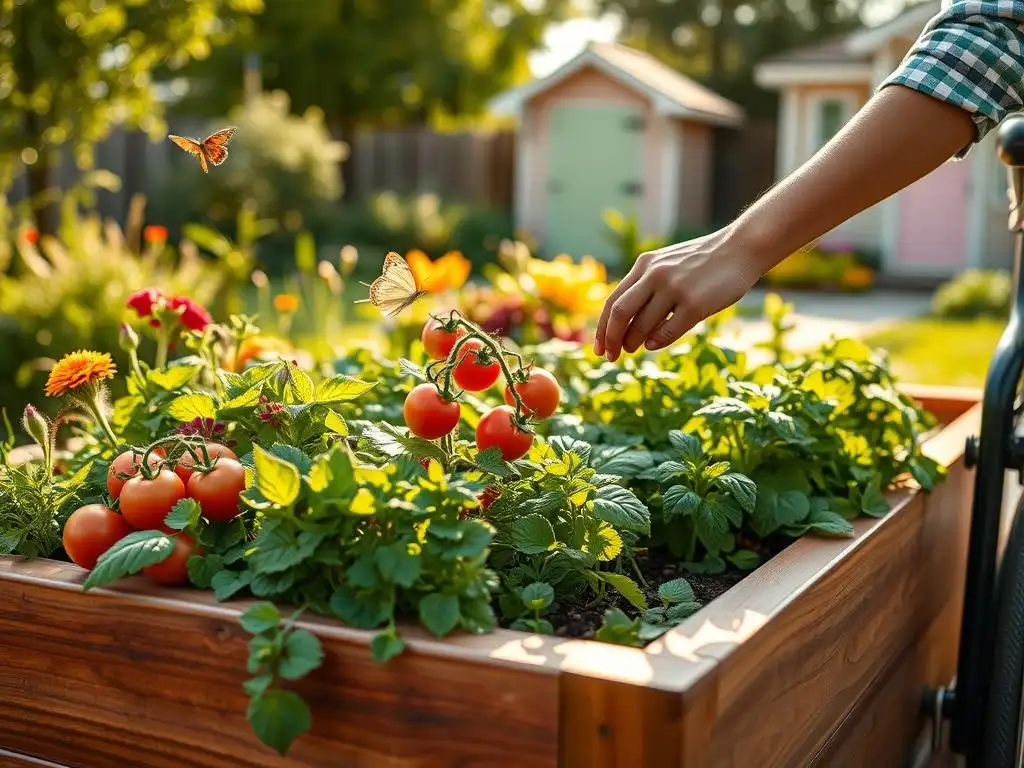
Welcome to CultivateYourFood, your guide to a bountiful and sustainable home garden! Are you ready to experience the joy of growing your own food, even with physical limitations? We believe that everyone deserves the opportunity to connect with nature, and that's why we're excited to share accessible gardening techniques that will help you cultivate a thriving garden, regardless of your abilities. Discover practical tips and inspiring ideas in our "Getting Started" section, and embark on your journey towards a healthier, more fulfilling life, one harvest at a time. Let's grow together!
- Adapting Gardening Techniques for Diverse Abilities
- Choosing the Right Plants for Accessible Gardening
- Creating an Accessible Garden Layout
- Sustainable and Accessible Composting Techniques
- Pest Control in Accessible Gardens
- Harvesting Techniques for Accessible Gardening
- Resources and Further Support for Accessible Gardening
- Frequently Asked Questions
- Final Reflection: Cultivating Inclusivity, One Garden at a Time
- Unleash Your Green Thumb: Grow a Bountiful Garden Today!
Adapting Gardening Techniques for Diverse Abilities
Cultivating a vibrant and productive garden is a rewarding experience, but physical limitations shouldn't hinder anyone's green thumb. This guide explores accessible gardening techniques, empowering individuals with diverse abilities to enjoy the joys of homegrown fruits, vegetables, and herbs. We'll delve into practical solutions and adaptable methods that prioritize ease of access and minimize physical strain, allowing you to create a thriving garden tailored to your specific needs and capabilities.
This approach to accessible gardening focuses on sustainable and organic practices, aligning with the core values of CultivateYourFood and ensuring a healthy and fulfilling gardening journey for everyone. We'll cover everything from modifying garden layouts to utilizing assistive tools, emphasizing that a bountiful harvest is within reach, regardless of physical limitations. Let's explore how to make gardening truly inclusive and accessible to all.
Raised Garden Beds for Easier Access
Raised garden beds offer a transformative solution for gardeners with mobility challenges, back problems, or other physical limitations. Instead of bending over to tend to plants nestled in the ground, raised beds bring the gardening action to a comfortable height. This reduces strain on the back, knees, and other joints, making gardening significantly more accessible. The height of the raised bed can be customized to suit individual needs, ranging from knee-height for those who can comfortably kneel, to waist or even chest-height for those who require even less bending.
Furthermore, the contained nature of raised beds allows for better soil management. This means improved drainage, easier weed control, and less physical exertion overall compared to traditional gardening methods. Consider using materials like cedar, recycled plastic, or even repurposed pallets to construct your raised beds, opting for lightweight and durable materials for ease of construction and maintenance.
Proper planning and construction are key to ensuring the long-term success and accessibility of your raised garden bed. Careful consideration should be given to the dimensions of the bed, ensuring easy reach to all areas without excessive stretching or reaching. Remember, the goal is to create a gardening experience that is both productive and enjoyable, regardless of physical limitations.
Adaptive Gardening Tools and Equipment
Investing in adaptive gardening tools can significantly enhance accessibility and reduce physical strain. Many companies now produce ergonomic tools designed with features to accommodate various needs. These can include tools with extended handles, lightweight materials, cushioned grips, and other modifications that promote comfort and reduce physical exertion. For example, a long-handled hoe or trowel can minimize bending, while a seated gardening cart can help transport tools and supplies without excessive walking.
Even simple modifications can make a big difference. Consider using a gardening glove with a built-in grip aid to improve dexterity and reduce hand fatigue. Additionally, exploring assistive technology such as powered wheelbarrows or automated irrigation systems can further alleviate physical demands.
When selecting adaptive tools, prioritize quality and durability to ensure they withstand regular use. Remember to carefully consider your individual needs and preferences when choosing tools to ensure they truly enhance your gardening experience. Don't hesitate to seek advice from occupational therapists or gardening specialists who can guide you towards the most appropriate tools for your specific circumstances.
Ergonomic Gardening Practices for Reduced Strain
Beyond tools and infrastructure, adopting ergonomic gardening practices is crucial for minimizing physical strain and maximizing comfort. This means paying attention to posture, taking frequent breaks, and avoiding repetitive movements that can lead to injury. When working in the garden, maintain good posture by standing upright, bending at the knees, and avoiding twisting movements.
Using a kneeling pad or garden stool can offer additional support and comfort during prolonged periods of gardening. Taking frequent short breaks allows your body to rest and recover, reducing the risk of fatigue and injury. Remember to stay hydrated and listen to your body – if you experience pain, stop and rest.
Consider incorporating stretching exercises before and after gardening sessions to improve flexibility and reduce muscle soreness. Prioritizing ergonomics during your gardening routine can dramatically improve the overall experience, ensuring it remains a pleasurable and sustainable activity regardless of physical capabilities. Remember that accessible gardening is a journey of adaptation and personalization, and finding the right techniques and tools is key to creating a fulfilling and sustainable homegrown harvest.
Choosing the Right Plants for Accessible Gardening
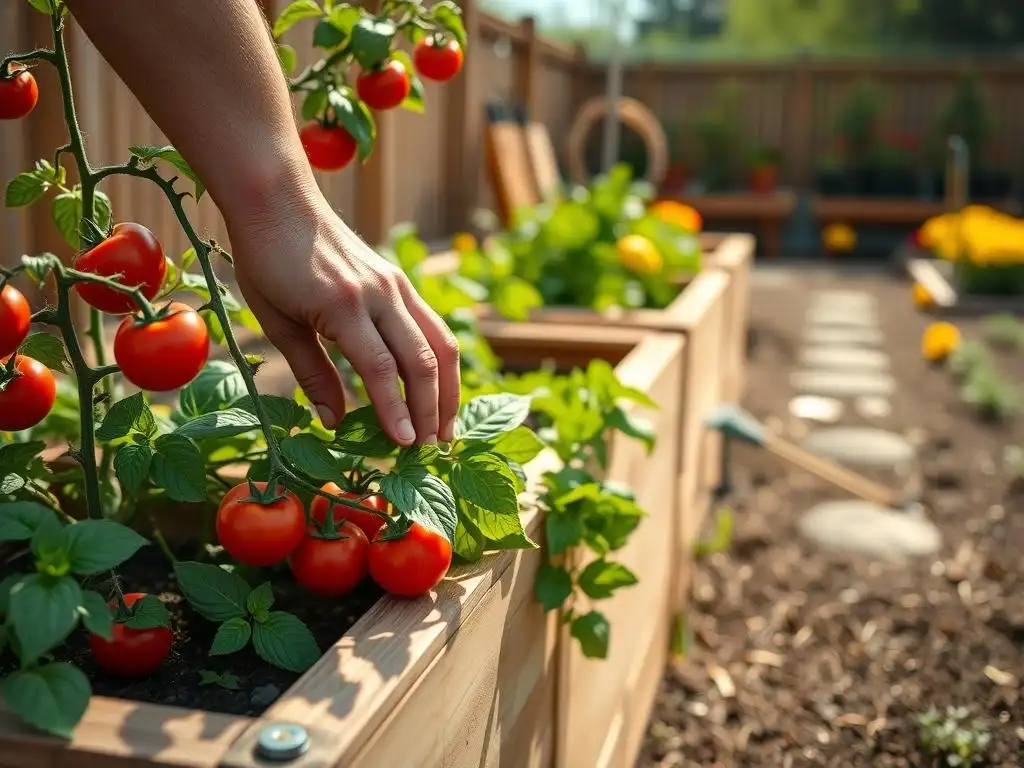
Selecting the appropriate plants is crucial for successful and enjoyable accessible gardening. The right choices can significantly reduce physical strain and maximize your harvest, regardless of your physical limitations. Consider plant characteristics beyond aesthetics; prioritize ease of care and accessibility in your selection process. This section explores key plant characteristics to consider when planning your accessible garden. Remember, the goal is to create a rewarding gardening experience that fits your needs and abilities.
Low-Maintenance Plants for Reduced Effort
Low-maintenance plants are your best allies in accessible gardening. These require minimal upkeep, reducing the physical demands often associated with gardening. Consider these options:
- Herbs: Many herbs, such as rosemary, thyme, and oregano, are incredibly resilient and require minimal watering. They thrive in well-drained soil and are less prone to diseases, reducing the need for frequent intervention. Their compact growth habit also makes them suitable for container gardening.
- Self-seeding annuals: Plants like calendula and nasturtiums readily reseed themselves, minimizing the effort required for annual planting. They are visually appealing and add beauty and biodiversity to your garden.
- Perennial vegetables: Asparagus and rhubarb are excellent choices; once established, they require minimal care and provide a harvest for years to come. Their robust nature makes them tolerant of various conditions and less susceptible to pest damage.
Choosing low-maintenance varieties drastically reduces the physical demands of gardening, making it more accessible and enjoyable for everyone. Remember to research the specific needs of each plant to ensure it thrives in your climate and soil conditions.
Plants Suitable for Container Gardening
Container gardening offers unparalleled accessibility. It eliminates the need for bending, kneeling, or reaching, allowing you to garden from a seated or standing position. The selection of plants for containers is wide-ranging:
- Dwarf or compact varieties: Choose dwarf fruit trees, compact vegetables like bush beans or cherry tomatoes, and smaller herb varieties to fit comfortably in your containers. These plants are specifically bred for smaller sizes, making them ideal for accessible gardening.
- Hanging baskets: Utilize hanging baskets for strawberries, trailing herbs, or cascading flowers. This eliminates the need for bending and allows you to enjoy the beauty of your plants at eye level. Consider using lightweight containers to minimize strain.
- Elevated garden beds: If mobility is a concern, consider raised garden beds or containers placed at a comfortable working height. This helps prevent back strain and makes tending to your plants much easier. Remember to choose appropriate container materials that are sturdy and easy to manage.
Proper container selection and plant choice are crucial for successful container gardening. Consider the weight of the container, drainage, and the plant's mature size when making your selections.
Selecting Drought-Tolerant Varieties for Easier Care
Drought-tolerant plants require less frequent watering, significantly reducing the physical demands of gardening. This reduces the need for heavy lifting (carrying watering cans) and frequent bending or kneeling to water individual plants. Here are some excellent options:
- Succulents: A wide variety of succulents thrive with minimal watering and are very visually appealing. They are incredibly resilient and tolerate various soil conditions.
- Lavender: Known for its fragrant blooms and drought tolerance, lavender is a perfect addition to any accessible garden. It requires minimal watering and is relatively pest-resistant.
- Sedum: Sedum plants are also extremely drought-tolerant and require minimal care. They come in a variety of sizes and colors, making them versatile options for any garden design. Their low-maintenance nature makes them perfect for those with physical limitations.
Choosing drought-tolerant plants not only simplifies watering but also contributes to water conservation, a key aspect of sustainable gardening practices. Remember to research the specific water requirements of your chosen varieties to ensure they thrive in your environment. Proper soil preparation, such as adding compost, can further enhance their drought tolerance.
Creating an Accessible Garden Layout
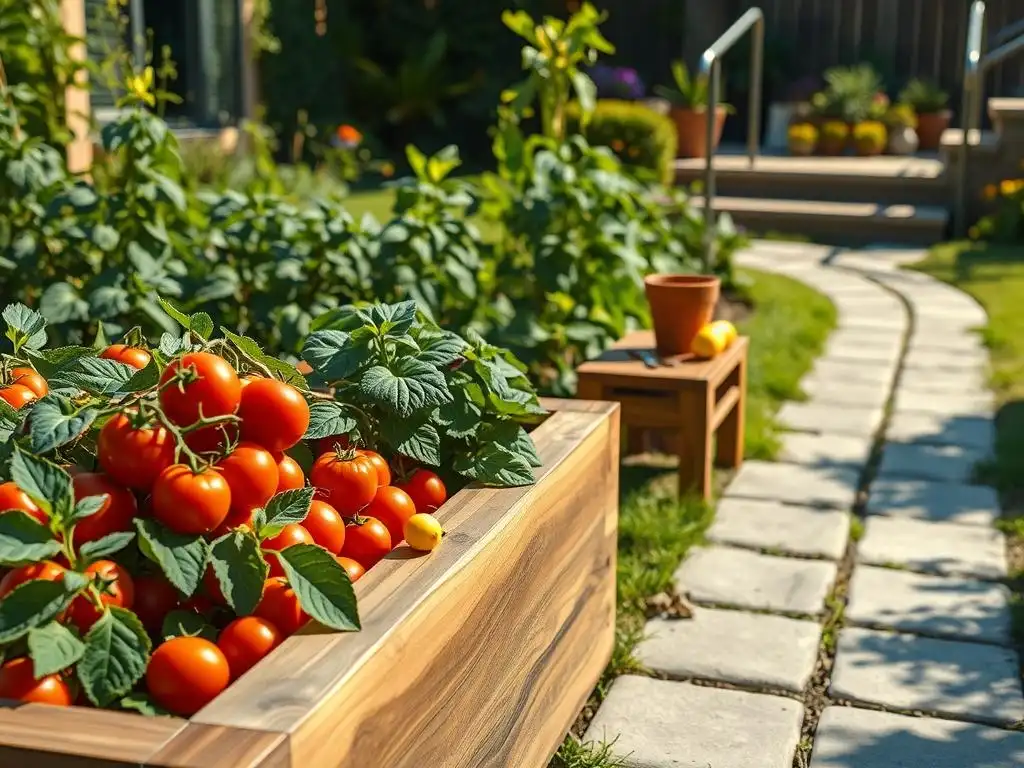
Creating a thriving garden shouldn't be limited by physical capabilities. With thoughtful planning and the right techniques, anyone can enjoy the rewards of homegrown produce, regardless of their mobility or other physical limitations. This section focuses on designing an accessible garden layout that prioritizes ease of movement and access to all plants. We'll explore practical strategies for maximizing accessibility and ensuring a comfortable and productive gardening experience. The key is to consider "accessible gardening techniques" from the very beginning of the design process.
Designing Wide Pathways for Wheelchair Access
Wheelchair accessibility is paramount for many gardeners. Standard garden pathways are often too narrow for safe and comfortable wheelchair navigation. To ensure accessibility, pathways should be at least 36 inches (91 cm) wide, allowing for easy turning and maneuvering. This width accommodates not only wheelchairs but also other mobility aids like walkers and canes. Consider the surface as well; compacted gravel, paving stones, or smooth concrete are preferable to loose soil or uneven terrain which can be difficult to navigate.
Avoid inclines steeper than 1:12 (8.3%), as steeper slopes can present significant challenges. Regular maintenance is also crucial; keep pathways clear of debris, weeds, and any obstacles that might hinder movement. Remember, a well-maintained pathway is not just about accessibility; it's also about preventing falls and injuries. For those with limited upper body strength, consider installing handrails along particularly challenging sections of the pathway.
Optimizing Garden Space for Maximum Accessibility
Optimizing garden space for accessibility involves considering the height and arrangement of planting beds. Raised garden beds are an excellent solution, eliminating the need to bend or kneel extensively. The ideal height for raised beds depends on the gardener's individual needs, but a height between 24 and 36 inches (61 and 91 cm) is often comfortable for most individuals. This height allows for comfortable access while minimizing strain on the back and knees.
The depth of the beds should be sufficient for the chosen plants, typically around 12-18 inches (30-45 cm). Additionally, consider the placement of the beds themselves. Arrange them in a way that minimizes walking distance and allows for easy access from multiple directions. For those using wheelchairs, ensure ample space between beds for maneuvering.
Consider using vertical gardening techniques to maximize space and minimize bending. Vertical planters, trellises, and hanging baskets can accommodate many plants while keeping them within easy reach. This approach is particularly beneficial for individuals with limited mobility or upper body strength.
Strategic Placement of Plants for Easy Reach
Strategic placement of plants is crucial for accessible gardening. Place frequently used plants and herbs in easily accessible locations, near pathways and at comfortable heights. Consider using different planting heights to allow for convenient access from sitting or standing positions. Taller plants can be placed at the back of the garden bed, with shorter plants in the front for easy reach.
For those with limited mobility, consider clustering plants of similar care needs together to minimize the need for excessive movement. This reduces the energy expenditure required for gardening tasks. Consider using self-watering systems or drip irrigation to reduce the frequency of watering and the need to bend or kneel.
Remember, the goal is to create a garden that is not only productive but also enjoyable and accessible to everyone. The use of assistive devices, such as ergonomic gardening tools, long-handled tools, and raised bed tools, should also be considered as part of the overall strategy for maximizing accessibility. Careful planning and attention to detail will transform your garden into a truly inclusive and rewarding space.
Sustainable and Accessible Composting Techniques
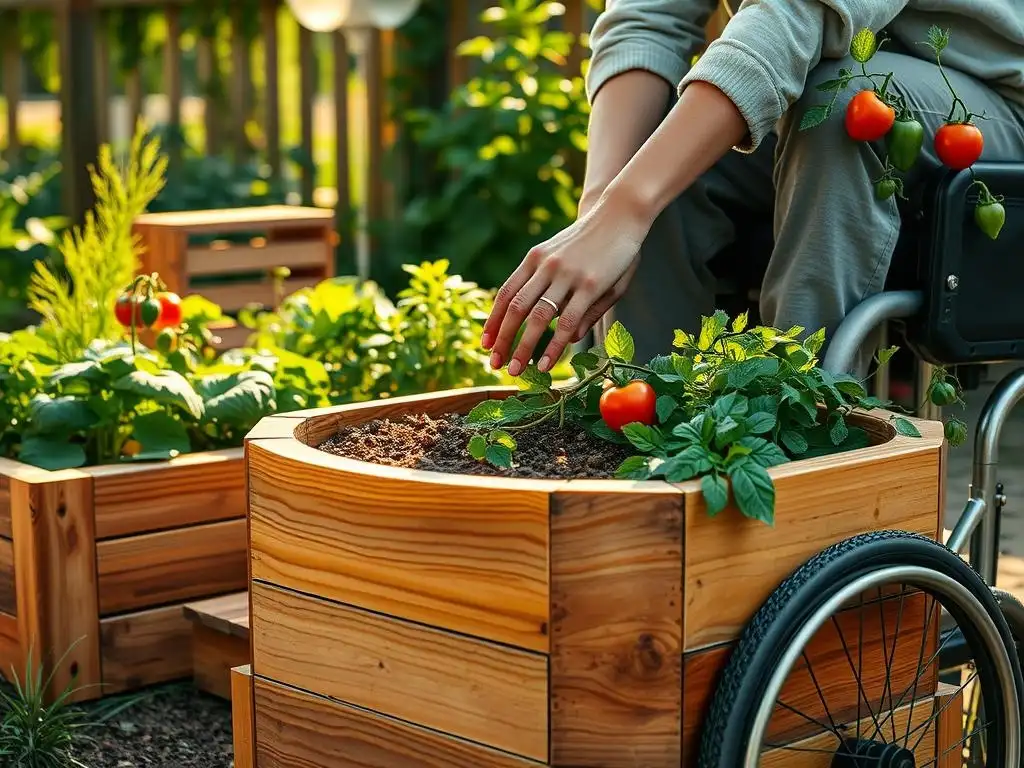
Composting is a cornerstone of sustainable gardening, enriching your soil with nutrient-rich organic matter while reducing waste. However, traditional composting methods can present challenges for individuals with physical limitations. This section explores accessible composting techniques that minimize physical strain while maximizing environmental benefits, aligning perfectly with the principles of accessible gardening techniques. We'll focus on simplifying the process and adapting tools to suit diverse needs.
Simplified Composting Methods for Reduced Physical Exertion
Traditional composting often involves turning the pile regularly, a physically demanding task. Fortunately, several methods significantly reduce this effort. Consider these accessible alternatives:
- Lasagna Composting (Layer Composting): This no-turn method involves layering brown (carbon-rich) and green (nitrogen-rich) materials directly on the ground or in a designated compost bin. The decomposition process happens more slowly but requires minimal physical intervention. Simply add layers as needed, avoiding the need for strenuous turning. This is a fantastic option for those with limited mobility or strength.
- Worm Composting (Vermicomposting): Worm composting utilizes red wiggler worms to break down organic matter in a contained bin. This method requires minimal effort, primarily involving adding food scraps and occasional harvesting of worm castings (worm poop! ), a highly valuable fertilizer. The worms do most of the work! This is ideal for gardeners with limited upper body strength or those who find bending and turning difficult.
- Tumbler Composters: While some tumblers require turning, many now offer a more passive composting experience. Some models allow for simple turning with minimal effort, while others are designed for slow, self-composting without needing to turn the drum frequently. Look for features like easy-access doors and smooth-rolling mechanisms to enhance accessibility.
- Small-Scale Composting: Instead of one large compost pile, consider several smaller bins located in convenient locations. This reduces the need to carry heavy materials long distances and makes the process more manageable.
Remember, even with simplified methods, using appropriate tools and techniques can significantly impact the ease of composting.
Adaptive Tools for Composting
Adapting tools can make a huge difference in making composting more accessible. Consider these modifications and alternatives:
- Long-handled tools: For those with limited bending or reaching capabilities, long-handled shovels, forks, and rakes can help manage the compost pile without excessive bending or stretching.
- Lightweight tools: Opt for lightweight tools made from aluminum or plastic to reduce strain on muscles and joints.
- Ergonomic handles: Tools with ergonomic handles provide a more comfortable and secure grip, reducing hand fatigue and improving control.
- Seated composting: Designate a seated composting area, allowing you to work comfortably without standing for extended periods. A raised compost bin or a strategically placed compost bin at a comfortable height can be helpful.
- Power tools (with caution): While generally not recommended for small-scale composting, power tools like small electric tillers can assist with turning larger compost piles for those who have the necessary strength and coordination to safely operate them. Always prioritize safety and use appropriate safety gear.
By combining simplified composting methods with adaptive tools, individuals with physical limitations can successfully create nutrient-rich compost, contributing to a thriving and sustainable garden. Accessible gardening techniques extend to every aspect of gardening, including this crucial element of soil enrichment. Remember to listen to your body and adjust your approach as needed. The goal is to enjoy the process and reap the rewards of a healthy and productive garden.
Pest Control in Accessible Gardens
Maintaining a healthy and thriving garden, free from pests, is crucial for any gardener, but it presents unique challenges for those with physical limitations. Accessible gardening techniques for pest control focus on minimizing strenuous activities and maximizing efficiency. This section explores practical and adaptable strategies to protect your plants while making the process manageable and comfortable.
The key is to prioritize preventative measures and utilize tools and methods that reduce physical strain. Remember, early detection is vital in preventing widespread infestations. Regular, albeit gentle, inspection of your plants is key to early intervention and minimizing the need for extensive treatments.
Natural Pest Control Methods for Easier Management
Natural pest control methods offer a safer and less physically demanding alternative to harsh chemicals. These techniques are often gentler on the body and the environment, reducing the need for heavy lifting or strenuous spraying. Here are some examples:
- Companion Planting: Strategically planting certain species together can deter pests. For example, marigolds planted near tomatoes help repel nematodes and other insects. This technique requires minimal effort beyond thoughtful planning during planting. Consider using raised beds or containers to simplify the process further.
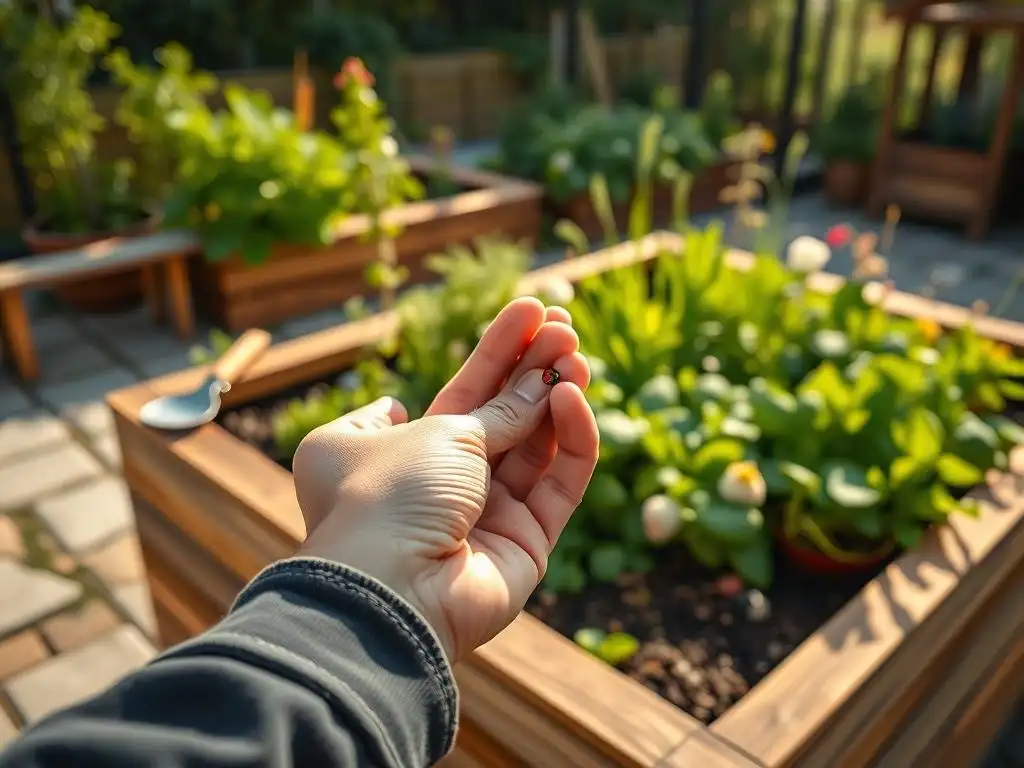
- Beneficial Insects: Introducing ladybugs, lacewings, or praying mantises can naturally control aphid and other pest populations. These insects are readily available online or from local nurseries and require minimal care once introduced. Simply placing them strategically amongst your plants is sufficient.
- Neem Oil: Neem oil is a natural insecticide derived from the neem tree. It's effective against a wide range of pests and is relatively easy to apply using a pump sprayer with an ergonomic handle – look for models with adjustable nozzles and comfortable grips for easier handling. Remember to always dilute according to package instructions.
- Diatomaceous Earth: This naturally occurring substance is a non-toxic powder that acts as a desiccant, dehydrating and killing soft-bodied insects. Applying it around the base of plants is simple and requires minimal physical exertion.
- Homemade Sprays: Many effective pest control sprays can be made at home using readily available ingredients such as water, soap, and garlic. This reduces the need for purchasing and handling pre-made chemical solutions. Remember to test a small area first to ensure it doesn't harm your plants.
Preventing Pest Damage with Accessible Techniques
Prevention is always better than cure, especially when dealing with physical limitations. Proactive measures significantly reduce the need for intensive pest control later on. Here are some accessible prevention strategies:
- Healthy Plants: Strong, healthy plants are naturally more resistant to pests. Ensure your plants receive adequate sunlight, water, and nutrients using methods that minimize physical strain. Consider using self-watering planters or drip irrigation systems.
- Proper Spacing: Providing ample space between plants improves air circulation, reducing the risk of fungal diseases and pest infestations. This also makes inspection and treatment easier.
- Regular Inspection (Adapted): Regular inspection is crucial, but it needs to be adapted to individual needs. Use a magnifying glass with a long handle or a telescopic plant viewer to inspect hard-to-reach areas without bending or stretching. Consider using a stool or other assistive device to maintain a comfortable working height.
- Protective Barriers: Row covers or netting can effectively protect plants from flying insects and larger pests. These barriers can be easily installed and removed, minimizing physical effort.
- Mulching: Applying a layer of mulch around your plants helps regulate soil moisture, suppress weeds (which can attract pests), and acts as a physical barrier against some crawling insects. Consider using lightweight materials to reduce the strain of handling.
Remember to always prioritize your safety and comfort when engaging in pest control. Adapt these techniques to your specific needs and abilities, and don't hesitate to seek assistance if needed. Accessible gardening is about finding creative solutions that allow you to enjoy the rewards of cultivating your own food, regardless of physical limitations. With careful planning and the right tools, a thriving, pest-free garden is within reach for everyone.
Harvesting Techniques for Accessible Gardening
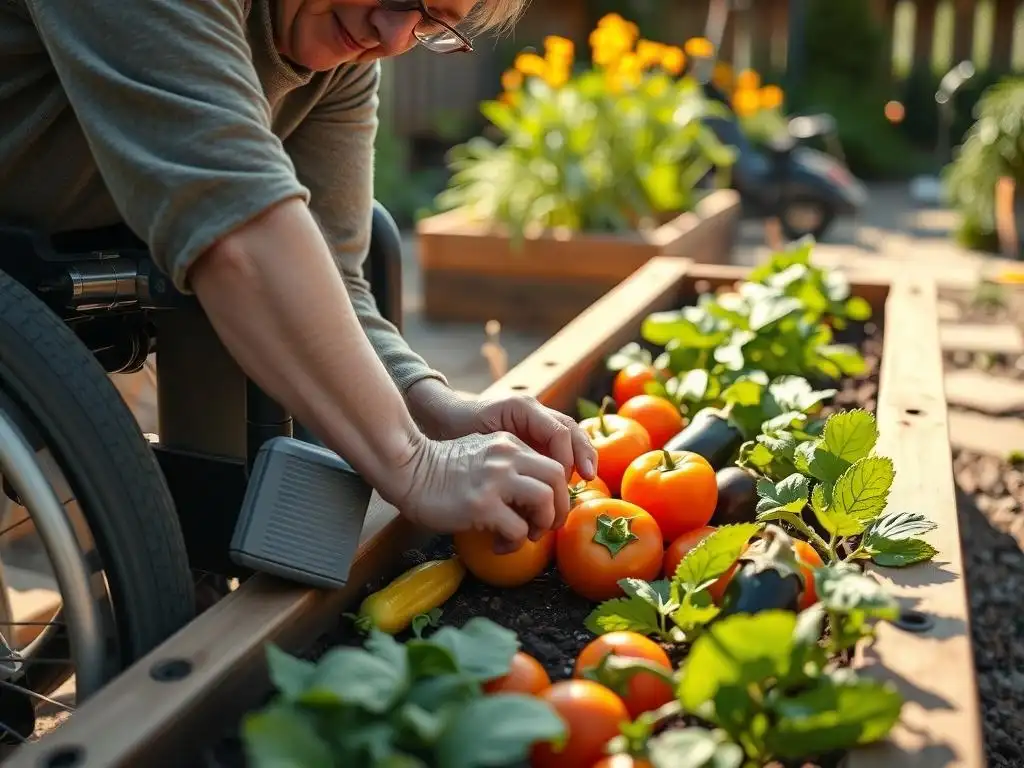
Harvesting your homegrown fruits, vegetables, and herbs should be a rewarding experience, regardless of physical limitations. Adapting your harvesting techniques is crucial for maintaining comfort and safety while ensuring a bountiful harvest. This section focuses on practical strategies and tools to make harvesting accessible to everyone. We'll explore ergonomic tools and methods, and adaptive strategies for various abilities, promoting inclusive and sustainable gardening practices. Remember, accessible gardening is about finding what works best for you.
Ergonomic Harvesting Tools and Methods
Ergonomics plays a vital role in preventing strain and injury during harvesting. Choosing the right tools and employing efficient methods can significantly reduce physical stress. Consider these suggestions:
- Lightweight harvesting tools: Opt for lightweight shears, trowels, and harvesting baskets. Heavier tools can quickly lead to fatigue, especially for individuals with limited strength or mobility. Look for tools with comfortable, ergonomic grips.
- Long-handled tools: For those with difficulty bending or kneeling, long-handled tools are invaluable. These extend your reach, allowing you to harvest crops without excessive bending or stretching. Consider long-handled weeders, pruners, and fruit pickers.
- Seated harvesting: Whenever possible, arrange your garden beds to allow for seated harvesting. This minimizes strain on your back, knees, and hips. Use a comfortable chair or stool to support your posture while you work.
- Rolling harvesting carts: Instead of carrying heavy baskets, use a rolling cart to transport your harvest. This reduces the physical burden of carrying heavy loads.
- Elevated planting beds: Raised garden beds or containers can significantly reduce bending and kneeling. They bring the plants to a more accessible height, making harvesting easier and less strenuous. The height should be tailored to your individual needs.
- Using assistive devices: Don't hesitate to use assistive devices such as reach extenders or grabber tools to help you reach difficult-to-access plants or harvest delicate produce without excessive stretching or bending. These are readily available and can dramatically improve accessibility.
Adaptive Harvesting Strategies for Different Abilities
Adapting your harvesting methods to your specific abilities is key to accessible gardening. There's no one-size-fits-all approach; finding what works best for you is paramount. Consider these examples:
- Individuals with limited mobility: Prioritize raised garden beds and containers. Utilize long-handled tools, rolling carts, and assistive devices to minimize bending and reaching. Schedule shorter, more frequent harvesting sessions to avoid fatigue.
- Individuals with limited upper body strength: Choose lightweight tools with ergonomic grips. Consider using harvesting aids such as fruit pickers or specialized shears designed for ease of use. Break down harvesting tasks into smaller, manageable chunks.
- Individuals with limited dexterity: Select tools with large, easy-to-grip handles. Consider using tools with assisted opening mechanisms or adaptive grips. Seek assistance if needed, or adapt tasks to simplify the process.
- Individuals with visual impairments: Use tactile markers to identify plants and their ripeness. Employ assistive technology such as magnifiers or voice-activated tools. Consider planting plants with contrasting colors to aid in identification.
Remember, accessible gardening is a continuous process of adaptation and refinement. Experiment with different tools and techniques to find what best suits your needs and abilities. Don't be afraid to ask for help or seek advice from occupational therapists or gardening professionals specializing in adaptive gardening. The goal is to enjoy the process of cultivating and harvesting your food, regardless of physical limitations. 🌱
Resources and Further Support for Accessible Gardening
This section provides valuable resources and support networks for individuals seeking to cultivate their own food, regardless of physical limitations. We understand that embarking on an accessible gardening journey can present unique challenges, and we are committed to providing the tools and information necessary for success. The following resources offer further assistance and guidance in creating a thriving and inclusive garden.
Organizations Supporting Accessible Gardening Initiatives
Many organizations are dedicated to promoting and supporting accessible gardening initiatives. These groups often provide valuable resources, workshops, and community programs designed to empower individuals with disabilities to participate fully in the joys of gardening. They frequently offer adapted tools, techniques, and advice specifically tailored to various physical limitations.
For example, some organizations might focus on providing raised garden beds to individuals with mobility challenges, while others might offer assistance with seed starting or adaptive gardening tools. Finding the right organization can significantly enhance your gardening experience and provide invaluable support. Specific examples of the types of support offered include:
- Adaptive Tool Lending Programs: Many organizations loan out or provide discounted access to specialized gardening tools designed for individuals with various disabilities. This can include everything from ergonomic hand tools to wheeled seeders and other assistive devices.
- Workshops and Training: Many organizations offer hands-on workshops and training sessions on accessible gardening techniques, providing practical instruction and support. These workshops often cover topics such as raised bed construction, adaptive planting methods, and ergonomic gardening practices.
- Community Gardens: Several organizations maintain and support community gardens specifically designed to be accessible to individuals with disabilities. These gardens provide a collaborative environment where individuals can learn from each other and share their experiences.
- Consultations and Guidance: Some organizations offer personalized consultations and guidance to help individuals plan and develop their own accessible gardens, tailored to their specific needs and limitations.
It’s crucial to research organizations in your local area to access these valuable resources. Remember to inquire about their specific programs and how they can best support your individual needs. [Specific organization names and contact information pending further research].
Online Communities and Forums for Accessible Gardeners
The internet offers a wealth of support and connection for individuals engaging in accessible gardening. Online communities and forums provide a platform to share experiences, ask questions, and receive advice from others facing similar challenges. Connecting with others who understand the unique aspects of accessible gardening can be incredibly beneficial and encouraging. These online spaces often foster a sense of community and shared learning, encouraging the exchange of innovative techniques and solutions.
The benefits of joining an online community include:
- Access to a wide range of expertise: You can connect with experienced accessible gardeners from diverse backgrounds and geographical locations, broadening your knowledge and perspectives.
- Support and encouragement: Finding a supportive community can be incredibly motivating, especially when facing challenges in accessible gardening.
- Sharing of resources and tips: Members often share valuable resources, including links to adaptive tools, seed suppliers, and other helpful materials.
- Problem-solving and troubleshooting: You can share your challenges and receive advice from others who have encountered similar difficulties.
- Building relationships: Online communities can help you connect with like-minded individuals, fostering a sense of belonging and shared purpose.
Participating in these online communities empowers you to navigate the unique aspects of accessible gardening with confidence and support. Remember to actively engage in discussions, share your experiences, and contribute to the collective knowledge base. [Specific online community names and links pending further research]. Remember to always prioritize your safety and well-being while gardening.
Frequently Asked Questions
What if I have limited mobility? Can I still garden?
Absolutely! Accessible gardening is all about adapting techniques to your needs. Raised beds, vertical gardening, and assistive tools can make gardening enjoyable and achievable for everyone.
How can I make gardening easier on my joints?
Use ergonomic tools with comfortable grips and lightweight materials. Raised beds and containers eliminate bending, and wheelbarrows or carts can reduce strain from carrying heavy items.
Are there gardening techniques suitable for people with visual impairments?
Yes! Tactile gardening involves using textures and scents to identify plants. Raised beds with clearly labeled plants and audio gardening apps can also be beneficial.
What about gardening with limited strength?
Choose low-maintenance plants and use tools designed for ease of use. Consider seed starting to avoid transplanting larger plants and utilize assistive devices like gardening gloves with extra grip.
Where can I find more information on accessible gardening resources?
Our website, CultivateYourFood, offers many articles and guides on accessible gardening techniques. You can also search online for local organizations and groups supporting adaptive gardening practices.
Final Reflection: Cultivating Inclusivity, One Garden at a Time
Accessible gardening isn't just about adapting techniques; it's about expanding the joy and benefits of gardening to everyone. The principles discussed—from raised beds and ergonomic tools to adaptive planting strategies—are crucial not only for individuals with physical limitations but also for an aging population and those seeking more sustainable, less labor-intensive gardening practices. This is a movement towards a more inclusive and equitable approach to a beloved pastime.
The impact of accessible gardening extends far beyond the individual garden. It fosters a sense of community, empowerment, and connection with nature for those who might otherwise be excluded. The garden is a lovesong written in flowers and leaves.
This quote beautifully captures the emotional resonance of gardening, a resonance that should be accessible to all. Witnessing the transformative power of gardening on someone who previously felt excluded is deeply moving, highlighting the importance of creating truly inclusive spaces.
Consider the seeds of change you can plant in your own life. Perhaps it's adapting your own gardening practices to be more inclusive, or advocating for accessible garden spaces in your community. Maybe it's simply sharing this information with others, helping to spread the word and inspire more people to experience the joy and therapeutic benefits of nurturing life, regardless of physical ability. Let's work together to ensure that the beauty and bounty of the garden are available to everyone.
Unleash Your Green Thumb: Grow a Bountiful Garden Today!
Thank you for learning about accessible gardening! We hope you feel empowered to create a thriving garden tailored to your needs. Ready to begin?
- Design your accessible garden: Start by sketching your ideal space. Consider raised beds, ergonomic tools, and pathways that suit your abilities. This is your opportunity to personalize your gardening experience.
- Share your gardening journey: Connect with our community on social media and inspire others to grow their own food. Let's build a supportive network of gardeners of all abilities.
- Explore adaptive gardening tools: Discover innovative tools online that make gardening easier and more enjoyable. The possibilities are vast!
What innovative solutions will you use to create your uniquely accessible garden?