
The Best Garden Hose for Efficient Watering: A Buyer's Guide

Ready to transform your backyard into a thriving oasis? At CultivateYourFood, we empower you to grow your own delicious and healthy fruits, vegetables, and herbs using sustainable methods. But first, let's get the basics right. Discover our guide to finding the best organic garden hose, a crucial tool for efficient and eco-friendly watering—the first step towards a bountiful harvest. Dive in and learn how to choose the perfect hose to nurture your burgeoning garden!
- Choosing the Right Organic Garden Hose for Your Needs
- Top Features of an Eco-Friendly Garden Hose
- Best Organic Garden Hose Reviews: Top Picks for 2024
- Maintaining Your Organic Garden Hose for Optimal Performance
- Frequently Asked Questions about Organic Garden Hoses
-
Frequently Asked Questions
- What makes a garden hose "organic"?
- Why is choosing the right garden hose important for my organic garden?
- What features should I look for in the best organic garden hose?
- Are there any specific materials I should avoid when buying an organic garden hose?
- Where can I find the best organic garden hose?
- Final Reflection: Cultivating a Greener Future, One Hose at a Time
- Unleash Your Green Thumb: Take Action Today!
Choosing the Right Organic Garden Hose for Your Needs
Cultivating a thriving organic garden requires careful attention to detail, and choosing the right tools is paramount. A garden hose might seem like a simple purchase, but selecting the best organic garden hose can significantly impact your watering efficiency, the health of your plants, and even your environmental footprint. This comprehensive buyer's guide will help you navigate the world of garden hoses, focusing on sustainable and eco-friendly options that align with organic gardening principles.
We'll explore various materials, lengths, diameters, and water pressure considerations to help you find the perfect hose for your specific needs, ensuring your plants receive the optimal hydration they need to flourish. From understanding the differences between rubber, PVC, and eco-friendly alternatives to matching your hose to your existing water pressure system, we'll cover everything you need to make an informed decision. Let's get started on your journey to efficient and sustainable watering!
Understanding Different Hose Materials: Rubber, PVC, and Eco-Friendly Alternatives
The material of your garden hose significantly impacts its durability, longevity, and environmental impact. Let's examine the common options:
- Rubber Hoses: Traditionally a popular choice, rubber hoses are known for their flexibility and durability. However, many rubber hoses contain harmful chemicals during their manufacturing process, making them less ideal for organic gardening. Look for hoses explicitly labeled as "phthalate-free" or "lead-free" to minimize exposure to potentially harmful substances.
- PVC Hoses: Polyvinyl chloride (PVC) hoses are often inexpensive, but they are not environmentally friendly. PVC production is energy-intensive and releases harmful pollutants. Furthermore, PVC hoses can leach chemicals into the water, potentially harming your plants and soil. Avoid PVC hoses if you are committed to organic gardening practices.
- Eco-Friendly Alternatives: The best organic garden hose will likely be made from one of several eco-friendly materials. These include:
- Recycled Rubber: Hoses made from recycled rubber offer a sustainable alternative, reducing waste and minimizing the environmental impact of production.
- Natural Rubber: Naturally derived rubber is a biodegradable option, although it may not be as durable as some synthetic materials.
- Bio-Based Plastics: Some manufacturers are developing bio-based plastics from renewable sources, offering a more sustainable alternative to traditional PVC. These are still relatively new to the market, but their availability is increasing.
Choosing an eco-friendly alternative is crucial for maintaining the integrity of your organic garden and reducing your environmental impact. Consider the long-term benefits of investing in a higher-quality, sustainable hose, even if the initial cost is slightly higher. The health of your plants and the environment are worth the investment!
Hose Length and Diameter: Finding the Perfect Fit for Your Garden
Selecting the appropriate length and diameter is crucial for efficient watering and ease of use. A hose that's too short will require constant repositioning, while one that's too long can be cumbersome and unwieldy. Similarly, the diameter impacts water flow and pressure.
Consider these factors when choosing:
| Feature | Considerations |
|---|---|
| Hose Length | Measure the distance from your water source to the furthest point in your garden. Add extra length for maneuvering. |
| Hose Diameter | A larger diameter (e.g., 5/8 inch) generally allows for higher water flow, but might be heavier and less flexible. A smaller diameter (e.g., 1/2 inch) is lighter and more manageable but may have reduced water flow. |
Remember to consider the layout of your garden and the distance between different planting areas when determining the ideal length. A longer hose might be necessary to reach all areas without constantly moving the hose. The diameter choice depends on your water pressure and the size of your garden. A larger diameter is beneficial for larger gardens or areas with low water pressure.
Water Pressure Considerations: Matching Hose to Your System
Water pressure significantly impacts the effectiveness of your watering. Low water pressure might require a larger diameter hose to maintain adequate flow, while high water pressure might necessitate a more robust hose to prevent damage.
Before purchasing a hose, consider:
- Your Water Pressure: Check your home's water pressure to ensure you select a hose that can handle it without bursting or kinking. High water pressure can damage a less durable hose, while low pressure might require a larger diameter to compensate.
- Hose Construction: Look for hoses with reinforced construction, such as multiple layers of material, to withstand higher water pressure and prevent leaks.
- Potential for Kinking: Some hoses are more prone to kinking than others. If you have low water pressure, a hose prone to kinking will further restrict water flow.
Understanding your water pressure and choosing a hose that complements it is essential for efficient and effective watering. A correctly matched hose will save you time, water, and potential frustration. Investing in a high-quality hose designed for your specific water pressure will ensure long-term performance and prevent costly replacements.
Top Features of an Eco-Friendly Garden Hose
Choosing the best organic garden hose isn't just about finding a hose that delivers water; it's about selecting a product that aligns with your sustainable gardening practices and provides long-term value. Several key features distinguish a superior eco-friendly hose from a standard one. Let's delve into the most important aspects to consider when making your purchase.
Durability and Longevity: Investing in a Long-Lasting Hose
A durable garden hose is a cornerstone of sustainable gardening. Replacing a hose frequently contributes to unnecessary waste. Look for hoses made from high-quality, recycled materials, such as recycled rubber or reinforced latex. These materials offer superior resistance to cracking, punctures, and UV degradation, extending the hose's lifespan significantly.
A good indicator of durability is the hose's construction—multiple layers of reinforced material provide far greater resilience than single-layer hoses. For example, a five-layer hose with a robust outer sheath will likely outlast a cheaper, thinner alternative by several seasons, minimizing your environmental impact in the long run. Investing in a durable hose is a financially savvy decision as well; replacing a cheap hose every year costs more in the long run than investing in a high-quality, long-lasting option. Think of it as an investment in your garden's future and a reduction in your carbon footprint.
Kink Resistance: Ensuring Smooth Water Flow
Nobody enjoys wrestling with a tangled, kinked garden hose. Kinks not only interrupt your watering schedule but also put undue stress on the hose, potentially leading to premature failure. A truly effective organic garden hose should boast excellent kink resistance.
This feature is often achieved through the use of flexible materials and a well-designed construction that allows the hose to bend and stretch without kinking. Look for hoses specifically advertised as "kink-resistant" or "non-kinking." Some manufacturers use special internal reinforcement or flexible materials to minimize the likelihood of kinks.
Consider the hose's diameter as well; a larger diameter hose is generally less prone to kinking. The difference between a smooth, uninterrupted watering session and a frustrating battle with a tangled mess is significant, especially when you're working on a large garden. Efficient water flow is crucial for healthy plant growth, and a kink-resistant hose ensures you can deliver that water effectively.
Lightweight Design for Easy Handling
Watering your garden shouldn't be a workout! A lightweight design is a crucial element of an effective organic garden hose, particularly for those with larger gardens or physical limitations. Lighter hoses are easier to maneuver, reducing strain and making the whole gardening process more enjoyable. This is especially important when dealing with longer hoses, where the weight can become a significant factor.
Many eco-friendly hoses utilize lighter materials without sacrificing durability, allowing for easy handling and storage. When comparing hoses, consider the weight per foot. A lighter-weight hose will noticeably improve your gardening experience, and it might be the deciding factor for individuals who value comfort and ease of use. A comfortable gardening experience encourages consistent watering, ultimately leading to healthier plants and a more satisfying gardening journey.
UV Resistance: Protecting Your Hose from Sun Damage
Prolonged exposure to the sun's ultraviolet (UV) rays can significantly degrade the quality of a garden hose, leading to premature cracking, weakening, and ultimately, failure. This is especially true for hoses made from less durable materials. A high-quality organic garden hose, designed for longevity, will boast superior UV resistance. This resistance is crucial for maintaining the hose's structural integrity and extending its lifespan, saving you money in the long run and reducing waste.
Look for hoses explicitly stating their UV resistance capabilities, often indicated with a UV protection rating or guarantee. For example, some manufacturers might advertise a 5-year UV protection warranty, signifying their confidence in the hose's ability to withstand sun exposure. Choosing a hose with robust UV resistance ensures your investment lasts and minimizes the need for frequent replacements, aligning with sustainable gardening practices.
The added benefit is the peace of mind knowing your hose will perform reliably throughout the growing season, regardless of intense sunlight. Ignoring UV resistance can lead to a brittle, cracked hose that leaks or bursts, potentially damaging your plants and wasting precious water. Investing in a UV-resistant hose is a small price to pay for the long-term benefits.
Kink Resistance: Ensuring Smooth Water Flow
A kink-resistant hose is a must-have for any gardener, especially those with larger gardens or challenging terrain. Kinks interrupt the smooth flow of water, reducing watering efficiency and potentially damaging the hose itself. The frustration of constantly straightening a tangled, kinked hose is a common gardener's woe. Organic garden hoses often incorporate design features that minimize kinking.
These features might include a reinforced inner layer, a more flexible material composition, or a specific hose design that naturally resists bending and twisting. The benefit of a kink-resistant hose extends beyond mere convenience; it contributes to water conservation. When water flows freely without interruption, you use less water to achieve the desired results. This is especially important when practicing sustainable gardening, where water conservation is paramount.
Consider the hose's diameter as well – a larger diameter hose is less prone to kinking than a smaller one, though it might be slightly heavier. The material itself plays a crucial role; some materials are inherently more flexible and kink-resistant than others. Look for hoses explicitly marketed as kink-resistant, often with descriptions emphasizing their flexibility and durability. By selecting a kink-resistant hose, you'll ensure a smoother, more efficient watering experience and contribute to your overall water conservation efforts.
Durable Construction: Built to Last
The durability of your garden hose is directly related to its lifespan and overall value. An organic garden hose designed for long-term use should exhibit superior durability compared to cheaper alternatives. This durability is often achieved through the use of high-quality materials and robust construction techniques. Look for hoses made from reinforced materials, such as multiple layers of durable rubber or PVC, to ensure they can withstand the rigors of daily use.
A well-constructed hose will resist punctures, abrasions, and the general wear and tear associated with frequent use and exposure to the elements. Investing in a durable hose is a sustainable choice because it reduces the need for frequent replacements, minimizing waste and saving you money in the long run. Consider the hose's weight – a heavier hose often signifies more robust construction and enhanced durability. However, a heavier hose might be less maneuverable.
Therefore, find a balance between durability and ease of use. The construction features of a durable hose often include reinforced layers to prevent bursting or leaking under pressure. Examine the hose's construction details before purchasing to ensure it meets your needs for longevity and resilience. A durable, long-lasting hose is a true testament to sustainable gardening practices.
Best Organic Garden Hose Reviews: Top Picks for 2024
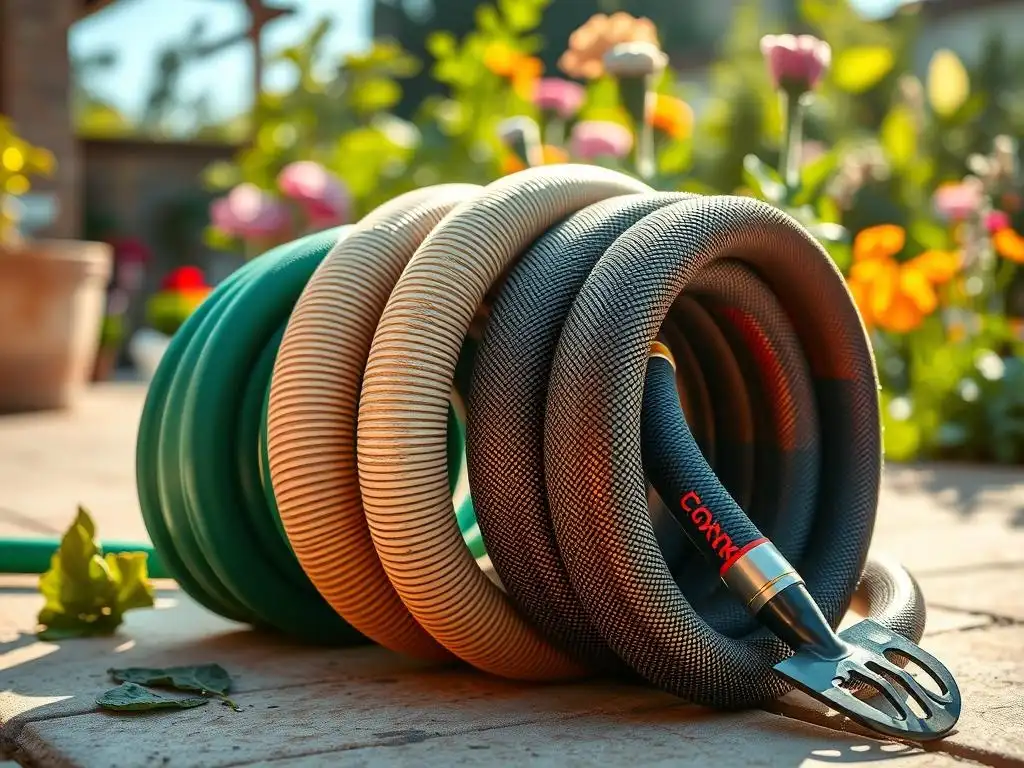
This section dives deep into reviews of three leading brands offering organic garden hoses, crucial for maintaining a healthy and sustainable garden ecosystem. We'll examine their features, durability, and overall value to help you choose the best organic garden hose for your needs. Remember, choosing an organic hose minimizes the risk of leaching harmful chemicals into your soil and plants, contributing to your commitment to organic gardening.
Review of Hose Brand A: "Evergreen Organics"
Evergreen Organics boasts a reputation for high-quality, environmentally friendly gardening products. Their garden hose is constructed from a durable, BPA-free, and phthalate-free material. This ensures that no harmful chemicals leach into your precious soil, protecting your plants and the overall health of your garden. One key feature is its kink-resistant design; a significant advantage for those navigating uneven terrain or working with longer hose lengths.
The Evergreen Organics hose also features a robust construction, promising longevity even with frequent use. Customer reviews highlight its exceptional durability and ease of use. The company also emphasizes sustainable manufacturing practices, further solidifying its commitment to organic gardening. While the initial cost is slightly higher than some competitors, many users feel the superior quality and eco-friendly design justify the price.
The hose comes in various lengths, catering to different garden sizes. A few reported minor issues with the connectors, but the overall user experience is overwhelmingly positive. This makes it a strong contender for the title of "best organic garden hose".
Review of Hose Brand B: "Nature's Flow"
Nature's Flow presents a more budget-friendly option without compromising on the commitment to organic materials. Their hose uses recycled rubber, showcasing a dedication to sustainability. The recycled rubber, while durable, might not possess the same kink resistance as the Evergreen Organics hose. This is something to consider if you frequently maneuver your hose around obstacles.
However, Nature's Flow compensates with a lightweight design, making it easier to handle, especially for those with limited physical strength. The hose’s flexibility is excellent, allowing for easy maneuvering around plants. Customer feedback is generally positive, praising its affordability and eco-conscious design. Some users mentioned a slightly shorter lifespan compared to higher-priced options, but for the price point, it offers excellent value.
Nature's Flow also offers a range of lengths to suit various garden sizes. The connectors are a standard size, ensuring compatibility with most garden fittings. The hose's performance is impressive for its price, making it a strong contender in the best organic garden hose market for budget-conscious gardeners.
Review of Hose Brand C: "GreenThumb Pro"
GreenThumb Pro positions itself as a premium choice for professional and serious organic gardeners. This hose prioritizes durability and longevity. Made from a reinforced, non-toxic material, it's designed to withstand the rigors of daily use for years. The construction is noticeably thicker and more robust than the previous two brands, suggesting a significantly longer lifespan. While this robustness translates into a heavier hose, the added durability might be worth the extra weight for long-term use.
The GreenThumb Pro hose stands out with its superior kink resistance. It maintains a smooth flow even when coiled or bent sharply. The higher price point reflects its premium features and exceptional quality. Customer reviews emphasize its unmatched durability and resistance to wear and tear.
However, the heavier weight might be a drawback for some users. The hose is available in limited lengths, potentially restricting its suitability for larger gardens. Despite the higher price, for those prioritizing absolute durability and long-term value, the GreenThumb Pro is a serious contender for the title of "best organic garden hose". The robust construction ensures a long lifespan, minimizing the need for frequent replacements and reducing environmental impact in the long run.
Maintaining Your Organic Garden Hose for Optimal Performance
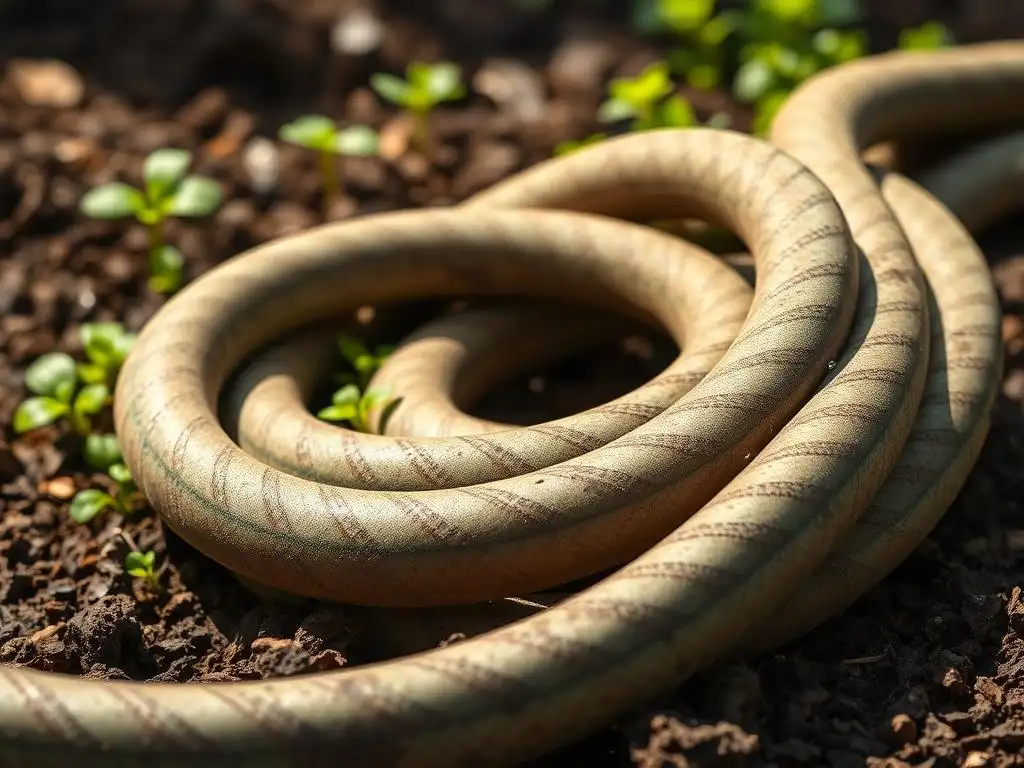
Maintaining your garden hose, especially an organic one, is crucial for ensuring its longevity and optimal performance. A well-maintained hose will provide consistent, efficient watering for your plants, contributing to a thriving organic garden. Neglecting maintenance, however, can lead to premature wear and tear, reducing its lifespan and potentially impacting the health of your plants. This section will outline essential practices for keeping your best organic garden hose in top condition. Remember, proper care translates to a better gardening experience and a healthier environment.
Cleaning and Storage Tips to Extend Hose Lifespan
Regular cleaning is key to extending the life of your best organic garden hose. Debris, algae, and mineral deposits can clog the hose, reducing water flow and potentially damaging the inner lining. After each use, flush the hose thoroughly with clean water, ensuring all traces of fertilizer, pesticides (even organic ones can leave residue), or soil are removed. A simple attachment like a nozzle with a reverse flow setting can greatly assist in this process.
For more stubborn clogs, a mixture of white vinegar and water can be effective. Fill the hose with the solution, let it sit for about 30 minutes, then flush thoroughly. Avoid using harsh chemicals, as these can damage the hose material and contaminate your soil. Remember, we're aiming for an organic gardening experience! 🌱
Proper storage is just as important as cleaning. Avoid leaving your hose out in direct sunlight for extended periods, as UV rays can degrade the material, making it brittle and prone to cracking. Store it in a cool, dry place, ideally coiled loosely to prevent kinks and stress on the hose. Using a hose reel designed for organic hoses will not only keep it organized but also protect it from the elements. Consider storing it in a shed or garage during winter months to protect it from freezing temperatures, which can also damage the hose.
Here's a simple checklist for cleaning and storing your organic hose:
- [ ] Flush with water after each use.
- [ ] Clean with vinegar solution for stubborn clogs (quarterly).
- [ ] Store in a cool, dry place, away from direct sunlight.
- [ ] Coil loosely to prevent kinks.
- [ ] Use a hose reel for protection and organization.
Identifying and Addressing Common Hose Problems
Even with proper maintenance, problems can arise. Recognizing and addressing these issues promptly can prevent further damage and ensure your best organic garden hose continues to perform at its best.
One common problem is kinking. Kinks restrict water flow and can weaken the hose over time. Avoid sharp bends when coiling and uncoiling, and gently straighten out any kinks that occur. If a kink persists, it may indicate a more serious issue requiring replacement.
Another issue is leaks. Small leaks can be patched using a specialized hose repair kit, readily available at most garden centers. Larger leaks, however, may signal a more significant problem with the hose's integrity and might necessitate replacement. Inspect your hose regularly for any signs of wear and tear, such as cracks or abrasions, which can lead to leaks.
Finally, reduced water pressure can be caused by several factors, including clogs (addressed above), kinks, or a damaged inner lining. Troubleshooting involves systematically checking for these issues. If the problem persists after cleaning and checking for kinks, it may be a sign of internal damage requiring replacement.
Addressing these issues promptly ensures you maintain the efficiency and longevity of your best organic garden hose, contributing to a successful and sustainable gardening experience. Regular inspection and preventative maintenance are key to preventing costly repairs or premature replacement. Remember, a well-maintained hose is an investment in your organic garden's success.
Frequently Asked Questions about Organic Garden Hoses
This section addresses common queries regarding the selection and maintenance of organic garden hoses, helping you make an informed decision for your sustainable gardening practices. Choosing the right hose can significantly impact your watering efficiency and the overall health of your plants.
What are the benefits of using an organic garden hose?
Using an organic garden hose offers several advantages over conventional hoses, particularly for those committed to organic gardening. Firstly, organic hoses are typically made from materials that are free from harmful chemicals like phthalates and BPA, which can leach into the water and potentially harm your plants and soil ecosystem. This ensures you're providing your plants with clean, uncontaminated water, contributing to healthier, more vibrant growth.
Furthermore, many organic hoses are constructed from recycled or sustainable materials, reducing your environmental footprint. This aligns perfectly with the principles of sustainable gardening and minimizes the negative impacts associated with traditional hose manufacturing.
Consider this: A standard PVC hose might contain harmful plasticizers that gradually break down and contaminate your soil over time. An organic alternative, on the other hand, protects the integrity of your soil and the health of your plants, ultimately leading to a more bountiful and sustainable harvest. The long-term benefits of investing in an organic garden hose are substantial, contributing to a healthier garden and a healthier planet. Choosing an organic hose is a small step that makes a big difference in your overall gardening practices.
How do I choose the right hose length for my garden?
Selecting the appropriate hose length is crucial for efficient watering. Too short a hose restricts your reach, while an excessively long one can be cumbersome and prone to kinking. Before purchasing, carefully measure the distance from your water source to the furthest point in your garden that requires watering. Add an extra few feet to account for maneuvering and reaching around obstacles.
Here's a simple guide:
| Garden Size | Recommended Hose Length (feet) |
|---|---|
| Small (under 500 sq ft) | 25-50 |
| Medium (500-1000 sq ft) | 50-75 |
| Large (over 1000 sq ft) | 75-100+ |
Remember to consider the layout of your garden. A more complex layout might necessitate a longer hose to reach all areas effectively. For instance, a garden with multiple raised beds might benefit from a longer hose than a compact, rectangular garden. Always measure carefully to avoid purchasing a hose that is either too short or unnecessarily long.
How can I prevent kinking in my organic garden hose?
Kinking is a common problem with garden hoses, especially longer ones. However, several strategies can minimize or prevent this issue. Firstly, choose a hose with a reinforced construction, such as one with multiple layers or a thicker wall. These are less prone to kinking than thinner, single-layered hoses.
Secondly, avoid sharp bends and kinks during use. Try to coil the hose loosely when storing it, preventing stress points that can lead to kinking. Consider using a hose reel to keep your hose organized and prevent tangling and excessive bending. A well-maintained hose reel can extend the life of your hose significantly.
Furthermore, regularly inspecting your hose for any signs of damage or weakening can help prevent kinking. Repairing minor issues promptly prevents them from escalating into larger problems. Proper storage and handling are key to maintaining the integrity of your organic garden hose and maximizing its lifespan. A little preventative care goes a long way in ensuring your hose remains kink-free and ready for use. Investing in a high-quality, well-constructed organic hose from the outset is also a valuable preventative measure.
How often should I replace my garden hose?
The lifespan of a garden hose, especially an organic one, depends heavily on several factors. Material plays a significant role; a high-quality, reinforced rubber hose will generally outlast a cheaper, thinner vinyl option. Exposure to harsh sunlight is another major culprit. UV rays degrade the hose material over time, making it brittle and prone to cracking. Frequent kinking and twisting also accelerates wear and tear, weakening the hose's structure. Finally, the water pressure in your system impacts longevity; excessively high pressure can stress the hose and lead to premature failure.
A good rule of thumb is to inspect your organic garden hose at least once a year, preferably before the start of the growing season. Look for signs of cracking, brittleness, leaks, or significant kinks. If you notice any of these issues, especially significant cracking or leaks, it's time for a replacement. Ignoring these warning signs can lead to water wastage, inconvenient interruptions to your watering schedule, and even potential damage to your plants if chemicals leach from a deteriorating hose.
While a high-quality, well-maintained organic hose might last 5-7 years or even longer, a poorly maintained or low-quality hose may need replacing every 2-3 years. Remember, preventing a burst hose during peak watering season is crucial for maintaining a thriving organic garden. Regular inspection and timely replacement ensure efficient watering and a longer lifespan for your investment. Prioritizing hose maintenance is a key element of sustainable gardening practices.
Frequently Asked Questions
What makes a garden hose "organic"?
A garden hose isn't inherently "organic" in the way produce is. The term usually refers to hoses made without harmful chemicals during manufacturing, and from sustainable materials, minimizing environmental impact. Look for hoses made from recycled rubber or other eco-friendly materials.
Why is choosing the right garden hose important for my organic garden?
The right hose ensures efficient watering, reducing water waste – a key aspect of sustainable gardening. A durable, high-quality hose also minimizes the need for frequent replacements, reducing landfill waste. Furthermore, it improves the overall gardening experience.
What features should I look for in the best organic garden hose?
Consider durability (reinforced construction), lightweight material for easy handling, kink resistance, and a length appropriate for your garden's size. Check for leak-proof connections and a spray nozzle with adjustable settings for different watering needs.
Are there any specific materials I should avoid when buying an organic garden hose?
Avoid hoses made with PVC or other plastics containing harmful chemicals, as these can leach into the soil and harm your plants. Also, look out for hoses with lead-based fittings, which are toxic.
Where can I find the best organic garden hose?
Many online retailers and garden supply stores now offer hoses marketed as environmentally friendly. Look for reviews and comparisons to find a hose that fits your needs and budget. Consider checking out CultivateYourFood for more gardening advice.
Final Reflection: Cultivating a Greener Future, One Hose at a Time
The quest for the perfect garden hose extends far beyond mere convenience; it's a reflection of our growing commitment to sustainable living and responsible resource management. Choosing an organic hose isn't just about avoiding harmful chemicals in your garden; it's a conscious decision to minimize our environmental footprint and protect the health of our planet. This commitment, increasingly shared by many, signifies a powerful shift in consumer behavior.
The journey to find the best organic garden hose highlighted the surprising complexity of seemingly simple choices. It underscored the importance of understanding the materials used, the manufacturing processes, and the long-term impact on both our gardens and the environment. The earth laughs in flowers.
- Ralph Waldo Emerson. This quote resonates deeply, reminding us that our actions, even seemingly small ones like choosing a garden hose, directly impact the beauty and health of the natural world. The increasing demand for eco-friendly products like organic hoses demonstrates a growing awareness of this interconnectedness.
Now, consider your own garden. What steps can you take to make it more sustainable? Perhaps it's choosing an organic hose, as discussed here, or maybe it's exploring water-wise gardening techniques. The power to create a greener, healthier future lies in our hands, one conscious choice at a time. Let the simple act of watering your garden become a mindful practice, a testament to your commitment to a more sustainable world.
Unleash Your Green Thumb: Take Action Today!
Thanks for exploring efficient watering techniques with us! We hope you're now confident in selecting the right garden hose for your needs. Ready to transform your garden? Let's begin:
- Choose the perfect hose: Use our guide's recommendations to find the ideal hose for your garden. Remember to measure your garden space beforehand!
- Share your watering experience: Tell us which hose you chose and why – share your experience in the comments below! Let's build a thriving community of gardeners!
- Enhance your watering routine: Explore other articles on our website for more gardening tips and tricks to help your garden flourish.
What's the first step you'll take to improve your watering?