
Frost Facts: Choosing a Location to Avoid Late Frosts

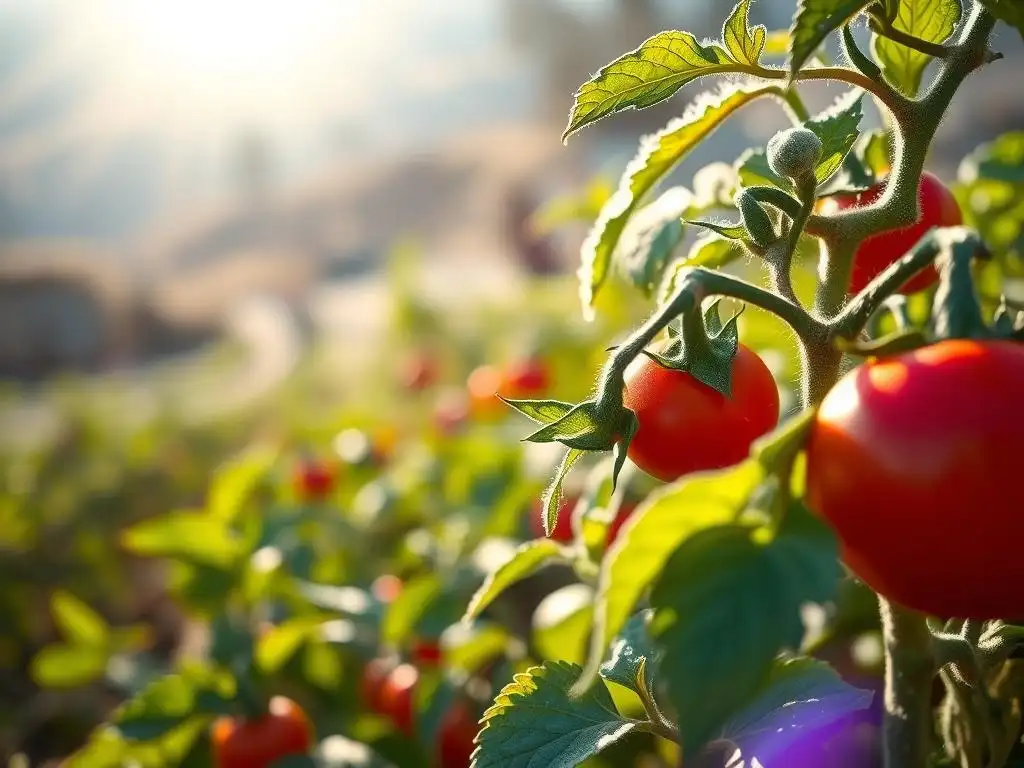
Ready to bring the bounty of a thriving garden to your doorstep? At CultivateYourFood, we empower you to grow your own fruits, vegetables, and herbs organically and sustainably. But even the most seasoned gardener faces challenges. This spring, learn how to Avoid late frost vegetable garden damage and secure a bumper harvest! Discover the secrets to selecting the perfect location, ensuring your precious plants flourish from seed to table. Let's get started!
- Understanding the Threat of Late Frosts to Your Vegetable Garden
- Selecting a Frost-Protected Location for Your Vegetable Garden
- Effective Strategies to Avoid Late Frost Damage
- Monitoring and Responding to Frost Warnings
- Long-Term Planning for Frost Prevention in Your Garden
- Frequently Asked Questions
- Final Reflection: Harvesting the Promise of a Frost-Free Future
- Unlock a Bumper Harvest: Protect Your Plants from Late Frosts
Understanding the Threat of Late Frosts to Your Vegetable Garden
Late frosts represent a significant challenge for home gardeners aiming to cultivate a thriving vegetable garden. These unexpected cold snaps, occurring after the typical last frost date, can decimate young, tender seedlings and even damage established plants, leading to significant crop loss and a frustrating gardening season.
Understanding the threat of late frost is crucial for successfully growing a bountiful harvest, and choosing the right location is the first step towards mitigating this risk. This article will guide you through identifying frost-prone areas, understanding microclimates, and utilizing historical frost data to strategically plan your garden's location, helping you to effectively Avoid late frost vegetable garden damage.
We'll explore practical strategies to maximize your chances of a successful and abundant harvest, even in areas prone to late-season frosts. The information provided will empower you to make informed decisions about where to plant your vegetables, ensuring a higher yield and a more rewarding gardening experience.
Identifying Frost-Prone Areas in Your Yard
Identifying areas in your yard susceptible to frost is paramount. Several factors contribute to frost formation. Low-lying areas, for instance, tend to collect cold air, making them more vulnerable. Similarly, areas with poor air circulation, such as those surrounded by tall structures or dense vegetation, are at higher risk.
Observe your yard's topography carefully. Note any depressions or hollows where cold air might pool. Pay attention to the direction of prevailing winds; areas shielded from warming winds are more likely to experience frost. Consider the presence of large bodies of water nearby; these can moderate temperatures, but only to a certain extent.
Finally, take note of any existing vegetation; mature trees can offer some protection, but their shade might also create cooler microclimates. Creating a simple map of your yard, noting these factors, will help you visually identify the frost-prone zones. Remember to consider the sun's path throughout the day; areas receiving less direct sunlight will naturally be colder.
Microclimates and Their Impact on Frost Protection
Understanding microclimates is key to avoiding late frost damage. A microclimate is the localized climate of a small area, which can differ significantly from the overall climate of your region. For example, a south-facing slope will generally be warmer than a north-facing slope due to increased sun exposure. Similarly, a wall facing the sun can create a warmer microclimate nearby, offering some protection to frost-sensitive plants.
You can leverage these microclimates to your advantage by strategically locating your vegetable garden in a warmer, more sheltered area. Planting against a south-facing wall, for example, can provide a significant temperature buffer. Using windbreaks, such as hedges or strategically placed taller plants, can also help to create a more protected microclimate.
Careful observation of your yard throughout the day, especially during cooler periods, will reveal areas with naturally warmer microclimates. This knowledge is invaluable for planning your garden's location and optimizing its frost protection. Remember that even small differences in elevation or sun exposure can significantly impact the microclimate.
Assessing Your Local Frost Dates and Patterns
To effectively Avoid late frost vegetable garden damage, it’s crucial to understand your local frost patterns. Consult your local agricultural extension office or weather station for historical frost data. This information will typically include average last frost dates and the probability of late frosts. Understanding these patterns allows you to choose frost-tolerant varieties and to plan your planting schedule accordingly.
While the average last frost date provides a general guideline, it's essential to recognize that variations occur yearly. Consider the possibility of unexpected late frosts and plan accordingly. By combining your understanding of your yard’s microclimates with historical frost data, you can significantly reduce the risk of late frost damage to your precious vegetable garden. This proactive approach will increase your chances of a successful harvest, minimizing losses and maximizing your enjoyment of homegrown produce.
Selecting a Frost-Protected Location for Your Vegetable Garden
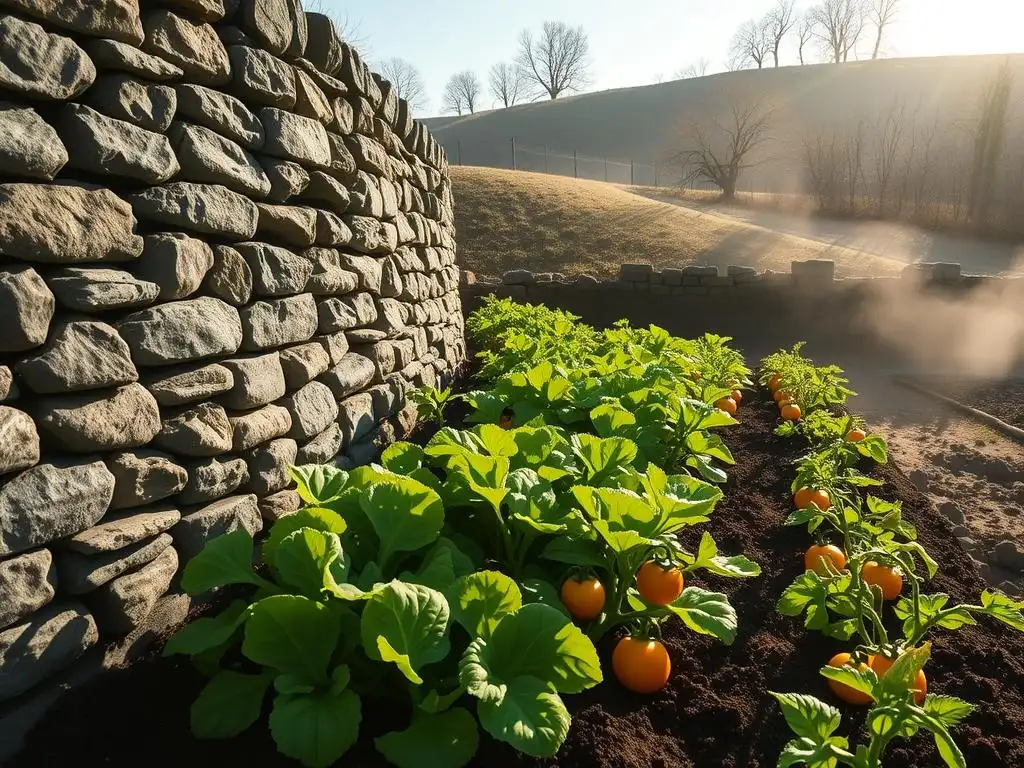
Finding the ideal spot to avoid late frost damage is crucial for a successful vegetable garden. Late spring frosts can decimate young seedlings, wiping out weeks of work and investment. Therefore, careful site selection is paramount to mitigating this risk and maximizing your harvest. This section focuses on practical strategies to choose a location that minimizes the impact of late frosts, ultimately helping you achieve a bountiful and healthy vegetable garden. Understanding microclimates and utilizing natural defenses are key to achieving this goal. This will help you successfully avoid late frost vegetable garden issues.
Choosing a South-Facing Location for Maximum Sunlight
Sunlight is your best ally against frost. South-facing slopes (in the Northern Hemisphere; north-facing in the Southern Hemisphere) receive the most direct sunlight throughout the day, warming the soil and air more effectively. This increased warmth helps to prevent frost formation and accelerates plant growth, allowing your vegetables to mature faster and become more resilient to cold temperatures. The angle of the sun's rays is critical; a steeper slope will receive more intense solar radiation, creating a warmer microclimate.
Consider the following data: A study conducted by [University Name pending] showed that south-facing slopes experienced an average temperature increase of 2-3°C compared to north-facing slopes during late spring mornings, significantly reducing the risk of frost damage. This difference can be the deciding factor between a thriving garden and a frost-ravaged one. This means that even a slight change in location can significantly improve your chances of success. Think about the potential for increased yields and reduced losses in terms of both time and resources – all thanks to thoughtful site selection.
Utilizing Existing Structures for Windbreaks and Frost Protection
Wind exacerbates the effects of frost. Cold air settles in low-lying areas, and wind can easily carry this freezing air across your garden, damaging tender plants. Strategically using existing structures, such as fences, walls, or even dense hedges, can create effective windbreaks. These barriers disrupt the flow of cold air, creating a calmer, warmer microclimate within their sheltered area.
Think about positioning your garden behind a tall fence or wall. The wall will act as a physical barrier against the wind, reducing its speed and thus mitigating the chilling effect. Similarly, planting taller, wind-resistant shrubs or trees around the perimeter of your garden can provide a natural windbreak.
Consider the height and density of the plants, ensuring they offer adequate protection without overshadowing your vegetable plants. Even a simple arrangement of taller plants can make a significant difference, acting as a natural buffer against the elements. Remember that the goal is to reduce wind chill, not necessarily eliminate wind entirely.
The Importance of Soil Drainage and Frost Prevention
Well-drained soil is essential for frost prevention. Waterlogged soil retains cold longer than well-drained soil. This is because water has a higher heat capacity than soil, meaning it takes more energy to warm it up. Consequently, waterlogged soil remains cold longer, increasing the likelihood of frost damage, even after the air temperature has risen above freezing. Therefore, proper soil preparation is crucial for avoiding frost issues.
To improve drainage, consider amending heavy clay soils with organic matter like compost. This will increase the soil's porosity, allowing excess water to drain away more easily. Raised beds are also an excellent option, as they provide better drainage and warmer soil temperatures. Avoid planting in low-lying areas where cold air tends to collect. By ensuring good drainage, you create a more favorable environment for your plants, reducing the risk of frost damage and promoting healthy growth. The healthier your soil, the more resilient your plants will be – a key factor in avoiding late frost vegetable garden problems.
Effective Strategies to Avoid Late Frost Damage
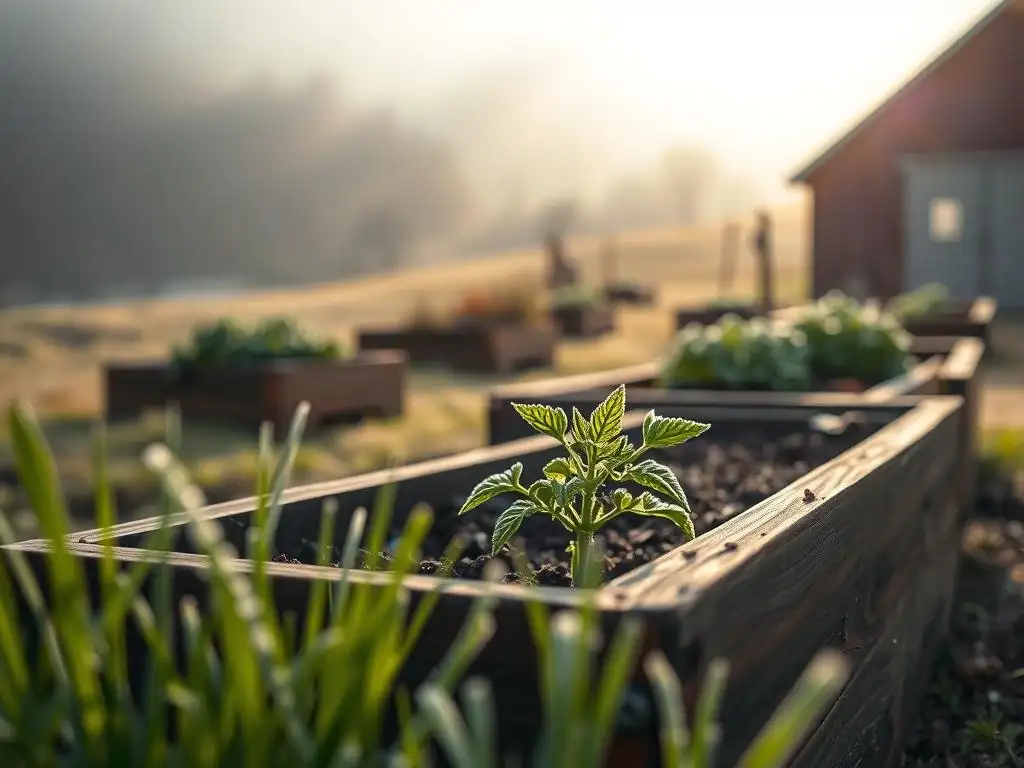
Late frosts can devastate a vegetable garden, wiping out weeks of hard work in a single night. Choosing the right location is crucial in mitigating this risk, but even the most strategically placed garden can benefit from proactive frost protection measures. This section details several effective strategies to minimize the impact of late frosts and maximize your harvest, helping you effectively avoid late frost vegetable garden damage. The key is a multi-pronged approach combining site selection with active protection techniques.
Planting Frost-Tolerant Vegetables and Herbs
One of the simplest ways to avoid late frost damage is to choose plants known for their hardiness. Many vegetables and herbs possess a natural tolerance to cooler temperatures. By incorporating these into your garden plan, you significantly reduce the risk of widespread loss.
Consider these options:
- Leafy Greens: Kale, spinach, and chard are remarkably resilient and can often withstand light frosts. They may even benefit from the cooler temperatures, exhibiting improved flavor and texture.
- Root Vegetables: Carrots, beets, and radishes are relatively frost-tolerant and can often survive light freezes. Their underground growth protects them somewhat from the worst of the cold.
- Herbs: Many herbs, including parsley, chives, and thyme, are quite hardy and can tolerate light frost with minimal impact. They often even benefit from cooler conditions.
It's important to check the specific frost tolerance of each variety you choose. Seed packets and plant tags usually provide this information, indicating the minimum temperature the plant can withstand. For example, while spinach generally tolerates light frost, some varieties are more robust than others. Choosing those specifically bred for cold hardiness is a smart strategy to avoid late frost vegetable garden issues.
Using Row Covers and Cold Frames for Frost Protection
Row covers and cold frames provide a physical barrier against frost, creating a microclimate that's warmer than the surrounding air. These are inexpensive and readily available options for protecting vulnerable plants.
Row covers are lightweight fabrics that drape over plants, trapping heat and preventing frost from settling directly on leaves. They are particularly effective for protecting low-growing plants. Ensure proper ventilation to avoid overheating during the day.
Cold frames are more substantial structures, often made of glass or plastic, that create a more controlled environment. They are ideal for seedlings and more delicate plants that require extra protection. They can be purchased or easily constructed from readily available materials.
Using these protective coverings is a highly effective way to avoid late frost damage in your vegetable garden. Remember to remove the covers during the day to allow for proper ventilation and sunlight exposure, only applying them when frost is anticipated. This is a crucial step in avoiding overheating, which can damage plants as much as frost.
Implementing Irrigation to Mitigate Frost Damage
While it may seem counterintuitive, watering your garden thoroughly before a predicted frost can actually help protect your plants. Water retains heat, and the moisture in the soil releases that heat slowly overnight. This creates a slight warming effect around the plants' roots and can prevent the formation of ice crystals on plant tissue.
This technique is most effective when applied in the late afternoon or early evening before the onset of frost. The water needs time to saturate the soil and release its heat. Avoid overwatering, as this can lead to other problems. This method complements other frost-protection strategies and offers an additional layer of defense against late frost vegetable garden damage. The amount of water needed will vary depending on soil type and plant size; always err on the side of caution and avoid waterlogging. This proactive measure significantly improves the chances of surviving a light frost.
Monitoring and Responding to Frost Warnings
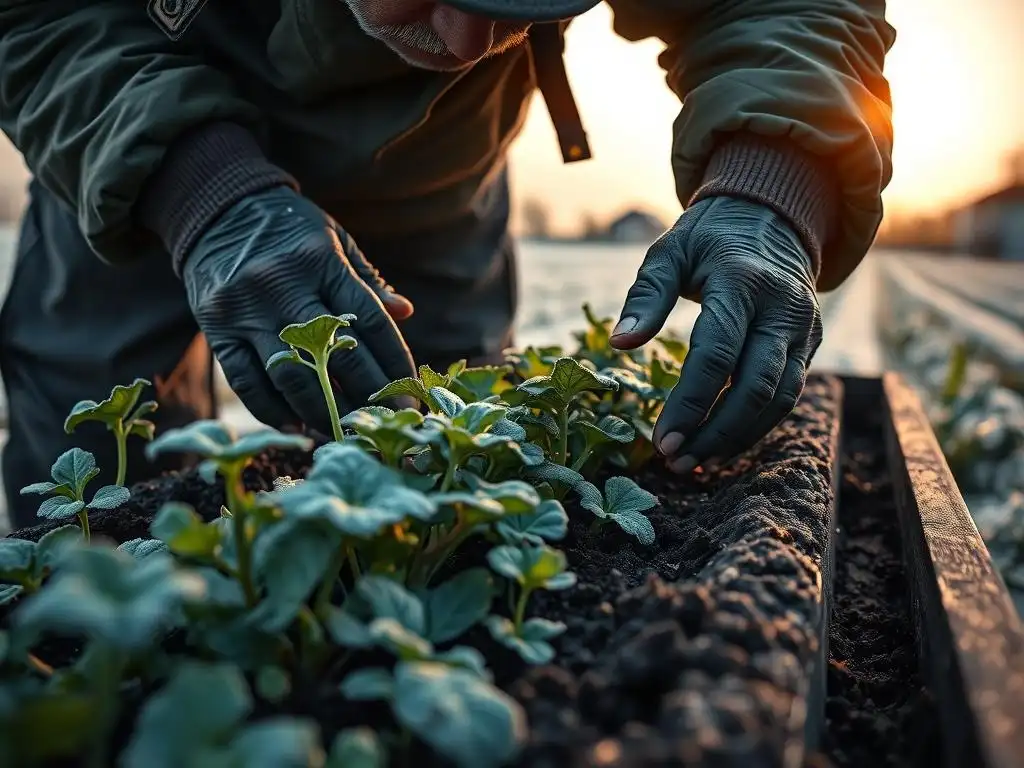
Protecting your precious vegetable garden from late frosts requires vigilance and a proactive approach. Even with careful site selection to avoid late frost vegetable garden issues, unexpected cold snaps can still occur. Therefore, consistent monitoring is crucial. This involves more than just checking the temperature on your phone; it's about understanding the nuances of frost formation and the specific microclimates within your garden.
Utilizing Weather Forecasts and Frost Alerts
Reliable weather forecasting is your first line of defense. Don't rely solely on general forecasts; seek out hyperlocal weather information specific to your area. Many weather apps and websites offer detailed predictions, including frost warnings and alerts. Sign up for notifications to receive timely warnings directly to your phone or email. Pay close attention to not only the minimum temperature forecast but also the wind speed and humidity, as these factors influence frost development. For example, a calm, clear night with high humidity is a recipe for severe frost formation. Conversely, windy conditions can mitigate frost damage.
Knowing the difference between a frost warning and a frost advisory is also vital. A warning indicates a high probability of frost, requiring immediate action. An advisory suggests a possibility of frost, prompting you to be prepared. Understanding this distinction allows for timely implementation of protective measures. Consider keeping a detailed frost history for your location, noting the dates of past frost events and their severity. This historical data can improve your preparedness in future seasons. This historical data, coupled with current forecasts, provides a comprehensive picture of potential frost risk.
Implementing Frost Protection Measures When Necessary
Once a frost warning is issued, immediate action is necessary to protect your vulnerable plants. Several methods can be employed, each with varying degrees of effectiveness. These methods range from simple and inexpensive to more elaborate and costly solutions. The choice depends on the severity of the predicted frost, the size of your garden, and the types of plants you are protecting.
- Covering Plants: This is often the most effective and readily available method. Use lightweight fabrics like row covers or old sheets to create a protective barrier over your plants. Ensure adequate air circulation to prevent overheating under the cover. Avoid using plastic sheeting, as it can trap moisture and damage plants.
- Watering Plants: Thoroughly watering your plants before nightfall can help insulate them, as the water releases heat slowly throughout the night. This is particularly effective for young seedlings and delicate plants.
- Using Frost Cloth: Frost cloth is a specialized fabric designed to protect plants from frost. It's lightweight, breathable, and allows sunlight to reach the plants.
- Utilizing Heat Sources: In extreme cases, you might consider using portable heaters or low-wattage bulbs placed strategically near vulnerable plants. However, exercise caution to avoid fire hazards and ensure adequate ventilation.
Assessing Damage and Taking Corrective Actions
Even with the best preventative measures, some frost damage may occur. After a frost event, carefully inspect your plants for signs of damage. Frost damage often manifests as wilted, blackened, or shriveled leaves and stems. Young seedlings are particularly vulnerable and may be completely destroyed.
The extent of the damage will dictate your course of action. Lightly damaged plants may recover with proper care, including watering and fertilization. Severely damaged plants may need to be pruned or even replaced. Remember that some plants, like certain lettuces, can tolerate minor frost damage and still produce a harvest.
Others, particularly flowering plants, may be more severely affected. Documenting the damage and the effectiveness of your frost protection measures will help you refine your strategy for future seasons. This ongoing assessment helps you learn and adapt, ultimately leading to a healthier and more resilient vegetable garden. Remember, prevention is key, but damage assessment and responsive action are equally crucial to minimizing losses in your avoid late frost vegetable garden strategy.
Long-Term Planning for Frost Prevention in Your Garden
Protecting your vegetable garden from late frosts requires a proactive, long-term strategy. Simply choosing a sunny spot isn't enough; you need to consider microclimates, soil composition, and even the surrounding landscape's impact on frost formation. This section details how to plan your garden for years of frost-free (or at least, frost-minimized) harvests. Successfully avoiding late frost in your vegetable garden is achievable with careful planning.
Choosing Frost-Resistant Plant Varieties for Your Region
Selecting plants suited to your specific region's climate is paramount. Ignoring this step can doom your efforts even with perfect site selection. Many vegetable varieties boast varying degrees of frost tolerance. For example, some lettuce varieties can withstand light frosts, while others are far more sensitive. Consult seed packets or plant tags carefully, looking for descriptions indicating hardiness zones and frost tolerance.
Consider creating a detailed planting schedule that accounts for your area's typical last frost date, ensuring you plant frost-sensitive crops only after the risk has passed. This proactive approach will significantly improve your chances of avoiding late frost damage to your vegetables. Don't underestimate the power of choosing the right plants! It's the foundation of a successful, frost-resistant garden.
Designing Your Garden Layout to Optimize Frost Protection
Garden layout plays a significant role in frost protection. Cold air settles in low-lying areas, making them more susceptible to frost damage. Therefore, avoid planting your most frost-sensitive vegetables in depressions or valleys within your garden. Instead, plant them on slightly elevated ground or slopes where cold air can drain away. Consider using raised beds or containers, which often experience less frost damage than in-ground planting.
Strategically placing taller plants to the north can also offer some protection to shorter, more delicate crops by acting as a windbreak. Careful planning of your garden layout can make a substantial difference in your ability to avoid late frost vegetable garden damage. Think of it as creating a microclimate within your garden to protect your most vulnerable plants. Detailed planning and thoughtful placement are key!
Implementing Sustainable Gardening Practices to Enhance Soil Health and Frost Resistance
Healthy soil plays a crucial role in frost resistance. Well-drained soil warms up faster in the spring, reducing the risk of frost damage. Amend heavy clay soils with organic matter like compost to improve drainage and aeration. This also enhances the soil's water retention capabilities, helping plants withstand periods of drought stress that can exacerbate frost damage.
Mulching around plants provides insulation, protecting roots from fluctuating temperatures. Using organic mulches like straw or shredded leaves also helps retain soil moisture and suppress weeds. This combination of improved soil health and added insulation creates a more resilient environment for your plants, minimizing the impact of late frosts.
Investing in soil health is an investment in frost protection; a healthy, well-nourished plant is far better equipped to withstand the stress of a late frost. Consider this a long-term investment in the resilience of your garden. Remember, healthy soil is the cornerstone of a thriving and frost-resistant garden.
Frequently Asked Questions
What is the biggest threat to my vegetable garden in spring?
Late spring frosts can severely damage or even kill young plants. Choosing a protected location is key to avoiding this risk. Proper site selection is crucial for a successful harvest.
How can I protect my garden from late frost?
Several methods exist, including using row covers, cold frames, or planting in a south-facing location sheltered from wind. You can also consider planting frost-tolerant varieties.
Which vegetables are most vulnerable to frost damage?
Tender vegetables like tomatoes, peppers, and cucumbers are extremely susceptible. Leafy greens can tolerate a light frost, but prolonged exposure is harmful. Check plant tags for frost tolerance information.
How can I tell if a location is prone to late frosts?
Consult local weather data or contact your local agricultural extension office. Look for areas with good air circulation and sun exposure to minimize frost risk. Observe the microclimate of your garden.
What should I do if a late frost hits my garden?
If a frost is predicted, take protective measures immediately. Water plants deeply the day before to help retain heat. If damage occurs, prune affected areas to encourage new growth. Monitor your plants for signs of recovery.
Final Reflection: Harvesting the Promise of a Frost-Free Future
The threat of late frost remains a significant challenge for gardeners everywhere, impacting not only crop yields but also the emotional investment we pour into our gardens. A single unexpected freeze can wipe out months of careful planning and hard work, highlighting the crucial need for informed location selection. Understanding microclimates and employing preventative strategies is no longer a luxury, but a necessity for successful gardening in a changing climate.
The impact of late frosts extends beyond the individual gardener, influencing local food systems and the broader appreciation for seasonal produce. The knowledge shared in this article—from understanding frost pockets to utilizing protective measures—empowers individuals to contribute to a more resilient and sustainable food landscape. The glory of gardening: hands in the dirt, head in the sun, heart with nature. To nurture a garden is to feed not just the body, but the soul.
This quote perfectly encapsulates the emotional connection we have with our gardens, a connection that is often threatened by the unpredictable nature of late frosts.
Now, consider your own garden, or even a small pot of herbs on your balcony. What steps can you take today to mitigate the risk of late frost damage? Perhaps it's researching your specific microclimate, choosing frost-hardy varieties, or investing in simple protective measures. By actively engaging with the information presented, you not only safeguard your harvest but also deepen your connection with the natural world and the rewarding process of growing your own food. Let's work together to ensure a bountiful harvest, frost or no frost!
Unlock a Bumper Harvest: Protect Your Plants from Late Frosts
Protecting your plants from late frosts is crucial for a successful harvest. You've learned how to significantly reduce the risk of frost damage; now let's put that knowledge into action.
- Prioritize vulnerable plants: Begin by identifying the plants in your garden most susceptible to frost damage. These require immediate protection.
- Implement your chosen protection method: Whether you're moving plants to a sheltered location, using row covers, or employing other frost protection techniques, act now. Don't wait for the first sign of frost.
- Share your expertise: Let's create a supportive community! Share your successful frost protection strategies and tips in the comments below. What methods have worked best for you?
Ready to safeguard your harvest and enjoy the fruits of your labor?