
Location, Location: The Key to a Successful Garden

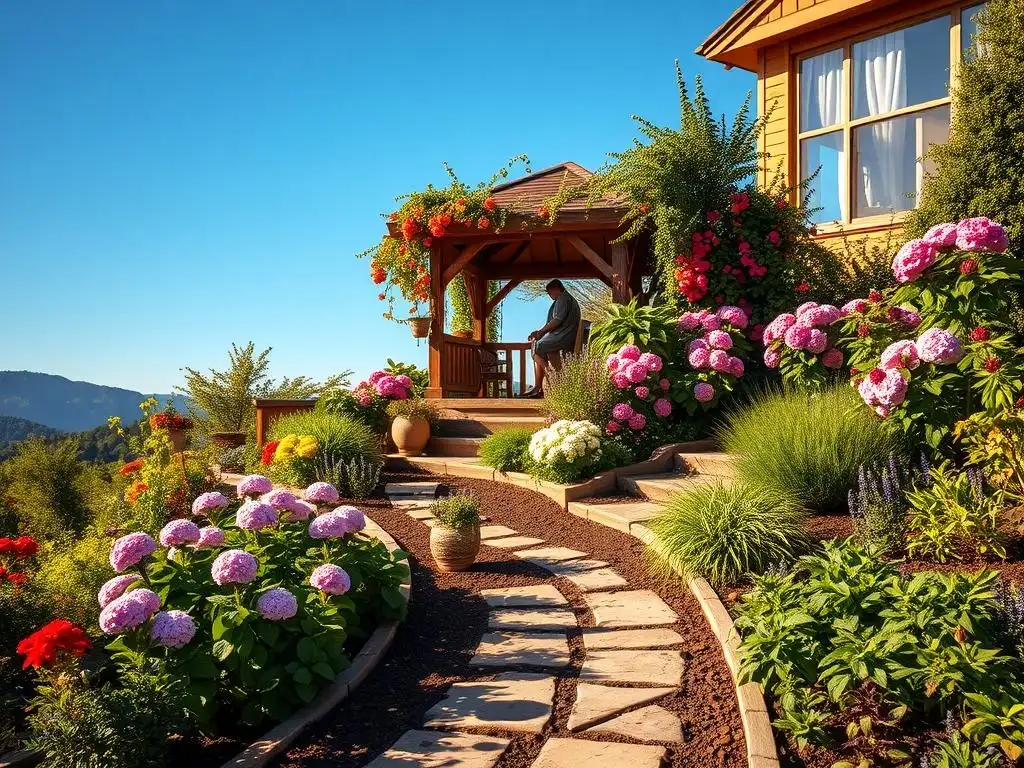
Ready to transform your backyard into a thriving oasis of fresh, organic produce? At CultivateYourFood, we empower you to grow your own fruits, vegetables, and herbs using sustainable methods. But before you even think about planting a seed, understanding the importance of location is paramount. Discover the secrets to choosing the best garden location tips in our "Getting Started" guide and unlock the key to a bountiful harvest – your journey to a greener, healthier lifestyle begins now!
- Finding the Best Garden Location: Sunlight Requirements for Optimal Growth
- Soil Considerations for a Thriving Garden: Soil Type and Improvement
- Protecting Your Garden from the Elements: Shelter and Microclimates
- Water Access and Irrigation: Efficient Watering for a Healthy Garden
- Planning for Garden Accessibility and Maintenance: Easy Access for Best Results
- Avoiding Problem Areas: Identifying and Avoiding Challenging Locations
- Frequently Asked Questions
- Final Reflection: Cultivating Success: Where Your Garden Truly Thrives
- Unlock Your Garden's Potential: Start Growing Today!
Finding the Best Garden Location: Sunlight Requirements for Optimal Growth
Choosing the right location for your garden is arguably the most crucial step towards a bountiful harvest. This isn't just about finding a patch of land; it's about understanding the specific needs of your chosen plants and ensuring your garden receives the optimal amount of sunlight, water, and protection from the elements. A well-chosen location can significantly reduce pest problems, minimize disease, and dramatically increase your yields, making all the difference between a thriving garden and one that struggles to produce. This guide will walk you through the key considerations for finding the best garden location, focusing on maximizing sunlight exposure and selecting the right plants for your conditions.
We'll explore practical tips to improve your gardening success, helping you achieve the thriving, organic garden you've always dreamed of. Remember, understanding your garden's environment is the foundation of sustainable and successful organic gardening. Let's get started!
Assessing Your Sunlight Hours: A Crucial First Step for Best Garden Location
Before even thinking about which plants you want to grow, you need to understand the sunlight conditions in your potential garden locations. The amount of sunlight your garden receives directly impacts plant growth and yield. Most fruits and vegetables require at least six hours of direct sunlight per day to thrive. However, some plants are more tolerant of shade than others.
To accurately assess sunlight exposure, observe your potential garden spots throughout the day for at least a week, noting the amount of direct sunlight each area receives during different times of the day. Consider using a sun-tracking app or a simple sundial to help you determine the number of hours of direct sunlight. Keep a detailed log. This crucial step will inform all subsequent decisions about plant selection and garden layout.
Accurate data is essential for choosing the best garden location for your specific needs. Don't underestimate the importance of this initial assessment; it's the foundation of your gardening success. Accurate sunlight data will guide you toward optimal plant selection and a thriving garden.
Choosing the Right Plants for Your Sunlight Conditions: Sun-Loving vs. Shade-Tolerant
Once you've determined the amount of sunlight your garden receives, you can select plants that are suited to those conditions. Many vegetables, like tomatoes, peppers, and cucumbers, are considered sun-lovers and require at least 6-8 hours of direct sunlight daily. Others, such as lettuce and spinach, are more shade-tolerant and can thrive with less sunlight.
Consider the following when selecting plants:
| Plant Type | Sunlight Requirement |
|---|---|
| Tomatoes | 6-8 hours |
| Peppers | 6-8 hours |
| Cucumbers | 6-8 hours |
| Lettuce | 4-6 hours |
| Spinach | 4-6 hours |
| Herbs (e.g., basil) | 6-8 hours |
Matching your plant choices to your sunlight conditions is crucial for maximizing yields and minimizing stress on your plants. Remember to check the specific sunlight requirements for each plant variety you choose, as these can vary. Choosing the right plants is a key aspect of achieving a successful and bountiful garden.
Maximizing Sunlight Exposure: Tips for Optimizing Your Garden Space
Even if you have a location with limited sunlight, you can still optimize your garden space to maximize exposure. Consider these tips:
- Prune overhanging branches: Remove any tree branches or other obstructions that cast shade on your garden.
- Adjust plant spacing: Ensure adequate spacing between plants to allow for optimal sunlight penetration. Overcrowding can lead to reduced yields.
- Utilize reflective surfaces: Strategically place reflective materials, like white gravel or aluminum foil, to reflect sunlight onto your plants.
- Choose compact varieties: Opt for compact plant varieties that require less space and allow for better sunlight penetration.
By implementing these strategies, you can create a more efficient and productive garden, even in areas with limited sunlight. Remember that maximizing sunlight is a key factor in achieving a successful harvest. Careful planning and attention to detail will yield the best results. A little extra effort in optimizing your garden space can make a significant difference in your overall yield.
Soil Considerations for a Thriving Garden: Soil Type and Improvement
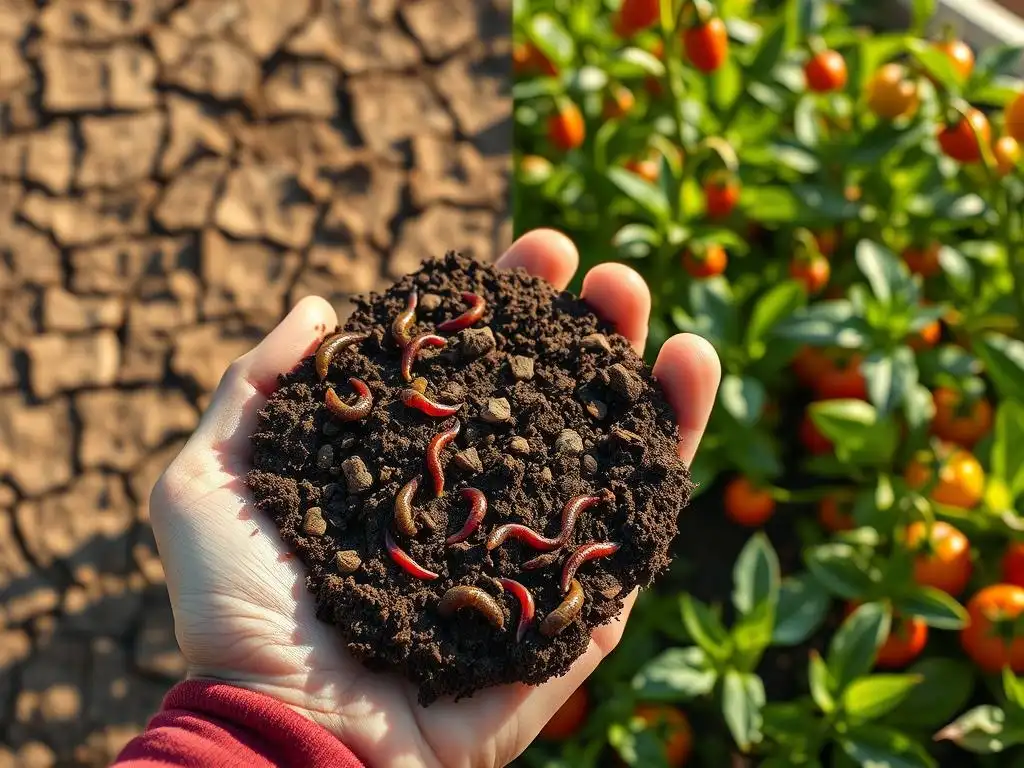
The success of your home garden hinges significantly on the quality of your soil. "Best garden location tips" often overlook this crucial aspect, focusing solely on sunlight and water access. However, understanding and improving your soil is paramount for healthy plant growth and bountiful harvests. This section delves into the intricacies of soil assessment and enhancement, providing you with the knowledge to cultivate a thriving garden, regardless of your starting soil conditions.
Understanding Your Soil Type: Conducting a Simple Soil Test
Before you even think about planting, you need to understand the composition of your soil. A simple soil test can reveal vital information about its texture (sandy, silty, or clay), pH level (acidity or alkalinity), and nutrient content. This information is crucial for determining the best plants for your location and what amendments might be necessary.
You can perform a basic soil test at home. Dig a small hole, collect a representative sample from different areas of your garden, and combine them. Examine the soil's texture by rubbing it between your fingers. Sandy soil feels gritty, silty soil feels smooth, and clay soil feels sticky when wet. For a more precise pH level assessment, you can purchase a home soil testing kit readily available at most garden centers.
These kits often provide instructions on how to assess nutrient levels as well. Understanding your soil's pH is vital; most plants thrive in a slightly acidic to neutral range (pH 6.0-7.0). Knowing your soil's limitations allows you to choose plants that will flourish in your particular conditions, maximizing your chances of a successful harvest. Remember, a healthy soil ecosystem is the cornerstone of a thriving garden.
Improving Poor Soil: Amendments for Better Drainage and Fertility
Even if your soil test reveals less-than-ideal conditions, don't despair! Many soil issues can be addressed with appropriate amendments. Poor drainage, a common problem, can be improved by incorporating organic matter like compost, aged manure, or peat moss. These materials increase the soil's porosity, allowing water to drain more effectively, preventing root rot and promoting healthy growth. Adding organic matter also significantly improves soil fertility. Organic matter acts as a slow-release fertilizer, providing essential nutrients to your plants over time. This reduces the need for chemical fertilizers, aligning with sustainable gardening practices.
For example, if your soil is heavy clay, which retains too much water, incorporating significant amounts of compost and coarse sand can help create a more balanced soil structure. Conversely, sandy soil, which drains too quickly, benefits from the addition of compost and other organic materials to improve water retention and nutrient-holding capacity. Remember, amending your soil is an ongoing process. Regular additions of compost will continuously improve soil structure and fertility, creating a more productive and sustainable garden environment. The key is patience and consistent effort. Monitor your soil's progress and adjust your amendments as needed.
Selecting the Right Soil for Specific Plants: Matching Needs to Location
Different plants have different soil requirements. Understanding these needs is crucial for successful gardening. For instance, tomatoes thrive in well-drained, slightly acidic soil rich in organic matter, while blueberries prefer acidic soil with a high organic content. Before selecting your plants, cross-reference their specific soil needs with your soil test results. This will help you choose plants that are likely to thrive in your garden.
Consider creating raised beds or containers if your existing soil is unsuitable for your desired plants. This allows you to create a customized soil mix tailored to the specific needs of each plant. For example, you could create a raised bed filled with a well-draining mix of compost, topsoil, and perlite for your tomatoes, ensuring optimal growing conditions. Similarly, you might use a specialized potting mix for container gardening, selecting a formula designed for the specific plants you'll be growing.
By carefully matching plant needs to soil conditions, you significantly increase the chances of a successful and abundant harvest. Remember, even minor adjustments can make a world of difference in the health and productivity of your plants. Careful planning and soil management are key components of successful gardening.
Protecting Your Garden from the Elements: Shelter and Microclimates
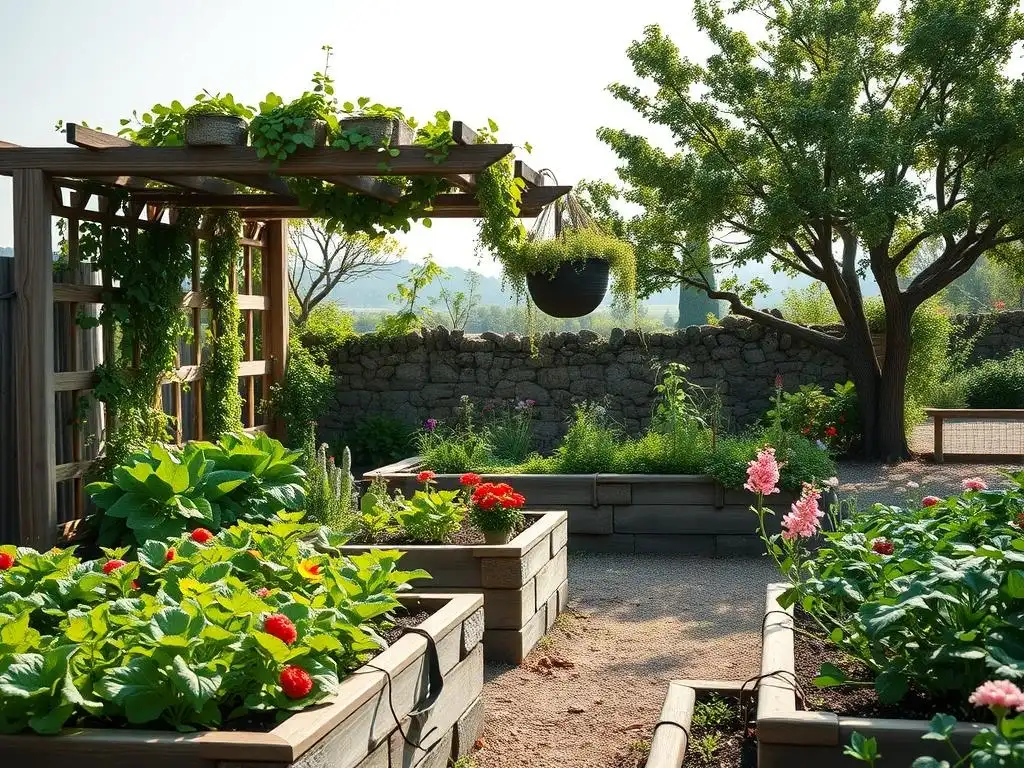
This section focuses on optimizing your garden's location by considering the crucial role of shelter and microclimate creation in achieving a thriving, productive space. Finding the best garden location involves more than just sunlight; it's about protecting your plants from harsh weather conditions and creating ideal growing environments. We'll explore practical strategies to shield your plants from damaging winds, intense sun, and temperature fluctuations.
Shielding from Wind: Natural and Artificial Windbreaks for Best Garden Location
Wind can severely damage young plants, dry out soil, and reduce yields. Strategic windbreaks are essential for a successful garden, especially in exposed locations. The best windbreaks are those that are dense enough to slow the wind but permeable enough to allow some air circulation. This prevents the creation of stagnant air pockets which can encourage disease.
Natural windbreaks are often the most aesthetically pleasing and environmentally friendly option. Consider planting evergreen trees like pines or spruces along the perimeter of your garden. These provide year-round protection. Deciduous trees, such as oaks or maples, offer protection in the winter months but allow sunlight through during the growing season. Shrubs, such as privet or forsythia, can also create effective, smaller-scale windbreaks. The effectiveness of a natural windbreak increases with its height and density. A good rule of thumb is to aim for a windbreak at least as tall as the prevailing winds are strong.
For quicker results, or in situations where space is limited, artificial windbreaks can be implemented. These can include fences, walls, or even strategically placed large containers filled with plants. Consider using materials that are permeable to some degree, like woven fencing, to prevent the creation of dead air spaces. Remember, even a simple fence can significantly reduce wind speed within the garden.
Providing Shade: Strategies for Protecting Plants from Intense Heat
Excessive sun exposure can scorch leaves, stress plants, and reduce yields. While many plants need ample sunlight, intense midday sun can be detrimental. Understanding your garden's microclimate and providing appropriate shade is key to maximizing your harvest.
Some plants are naturally shade-tolerant and thrive in partially shaded areas. These can be strategically placed to provide natural shade for more sun-sensitive plants. Alternatively, you can create shade structures using shade cloth, awnings, or even strategically positioned taller plants. Shade cloth is a versatile option available in various densities, allowing you to adjust the level of shade provided.
The optimal amount of shade will vary depending on the specific plants and the intensity of the sun in your location. Consider using data from your local weather station to determine the average daily sun hours and peak sun intensity. This will allow for a more precise shade plan.
Creating Microclimates: Optimizing Your Garden's Environment
Microclimates are small areas within your garden that have different environmental conditions than the surrounding area. By carefully planning your garden layout and utilizing various techniques, you can create microclimates that cater to the specific needs of different plants.
For example, a north-facing wall can create a cooler, shadier microclimate, ideal for plants that prefer these conditions. Similarly, a south-facing wall can create a warmer, sunnier microclimate, perfect for heat-loving vegetables. Consider using raised beds or containers to modify soil temperature and drainage. These allow for better control over soil moisture and temperature, creating diverse microclimates within a limited space. The use of mulch can also significantly affect the microclimate, helping to retain moisture and regulate soil temperature.
This is especially important in areas with extreme temperature fluctuations. By thoughtfully creating these microclimates, you can successfully grow a wider variety of plants, maximizing your garden's overall productivity and beauty. Careful observation and experimentation are key to understanding how these microclimates interact within your specific garden space. 🌱
Water Access and Irrigation: Efficient Watering for a Healthy Garden
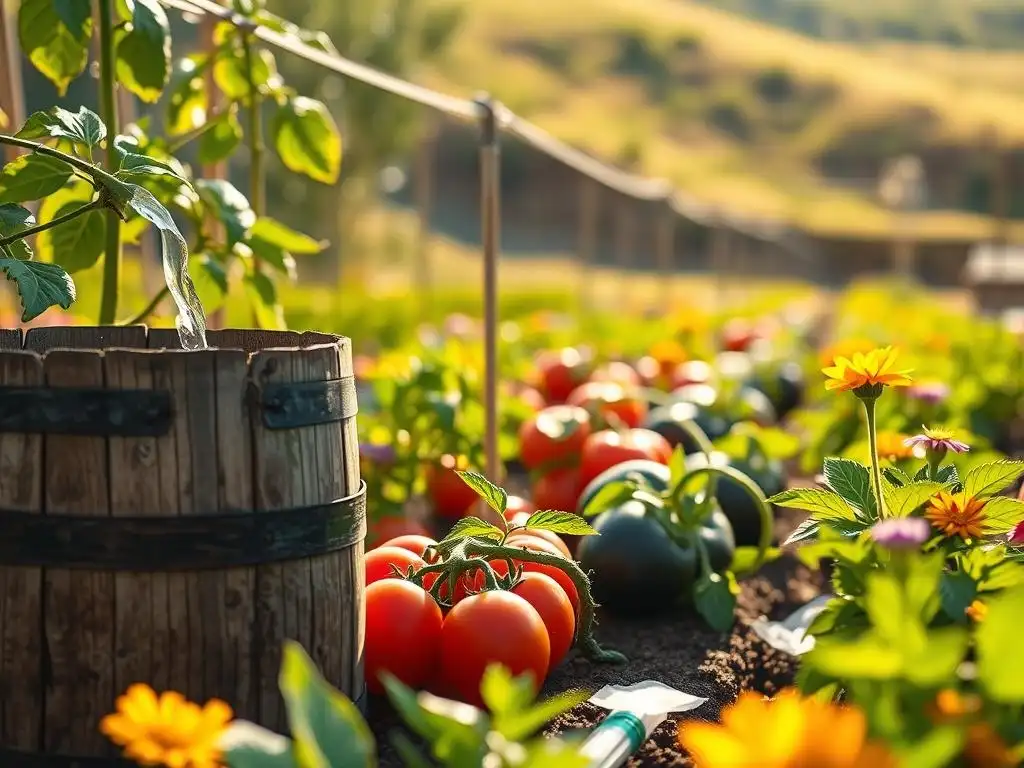
Access to a reliable water source is paramount for a thriving garden, especially during dry spells. The best garden location tips often center around this crucial element. Neglecting proper irrigation planning can lead to stunted growth, wilting plants, and ultimately, a disappointing harvest. Let's explore how to optimize water access and irrigation for your home garden.
Ensuring Adequate Water Supply: Proximity to Water Sources
The ideal scenario involves locating your garden within easy reach of a water source. This could be a readily accessible outdoor tap, a rainwater harvesting system, or even a nearby pond (provided the water is suitable for irrigation). The closer your garden is to the water source, the less time and effort you'll spend on watering, and the less water you'll potentially waste. Consider the distance you'll need to carry hoses or the length of pipes required for an automated system.
A garden situated far from a water source can become a significant inconvenience, especially during the hot summer months. Planning ahead and selecting a location near a water tap minimizes this hassle. For larger gardens, consider the feasibility of installing an underground irrigation system that draws water from a central point.
Choosing the Right Irrigation System: Drip Irrigation, Soaker Hoses, and More
Selecting the appropriate irrigation system is crucial for efficient water usage and plant health. Several options exist, each with its own advantages and disadvantages:
- Drip Irrigation: This method delivers water directly to the roots of plants via a network of tubes and emitters. It minimizes water waste through evaporation and runoff, making it particularly efficient in arid climates. It's also ideal for gardens with a mix of plants with varying water needs. Drip irrigation systems can be quite cost-effective in the long run, considering water savings.
- Soaker Hoses: A simpler, less expensive alternative to drip irrigation, soaker hoses slowly release water along their length. They are effective for watering rows of vegetables or flowerbeds. However, they may not be as precise as drip irrigation and can lead to slightly higher water consumption if not properly managed.
- Overhead Sprinklers: While convenient, overhead sprinklers are less efficient than drip or soaker hoses, as a significant portion of water is lost through evaporation and can wet foliage, potentially encouraging fungal diseases. They are best suited for larger areas where precision watering isn't as critical.
Choosing the right system depends on factors such as garden size, plant types, budget, and water availability. Researching different systems and weighing their pros and cons is vital to making an informed decision.
Water Conservation Techniques: Best Practices for a Sustainable Garden
Sustainable gardening practices emphasize water conservation. Here are some techniques to minimize water usage while maintaining a healthy garden:
| Technique | Description | Benefits |
|---|---|---|
| Mulching | Applying a layer of organic material (straw, wood chips, etc.) around plants. | Reduces evaporation, suppresses weeds, improves soil health. |
| Deep Watering | Watering less frequently but deeply, encouraging deep root growth. | Promotes drought tolerance and reduces the need for frequent watering. |
| Rainwater Harvesting | Collecting rainwater for irrigation using barrels or other containers. | Saves money on water bills and reduces reliance on municipal water supplies. |
| Choosing Drought-Tolerant Plants | Selecting plants adapted to your local climate and requiring less water. | Reduces water consumption and simplifies garden maintenance. |
| Using Soil Moisture Sensors | Monitoring soil moisture levels to determine when watering is necessary. | Prevents overwatering and ensures plants receive only the water they need. |
Implementing these water conservation techniques, combined with selecting the appropriate irrigation system, will significantly contribute to a healthy and sustainable garden. Remember, efficient water management is a key component of "best garden location tips" for long-term gardening success. Proper planning and thoughtful execution will lead to thriving plants and a more environmentally conscious gardening approach. 🌱
Planning for Garden Accessibility and Maintenance: Easy Access for Best Results
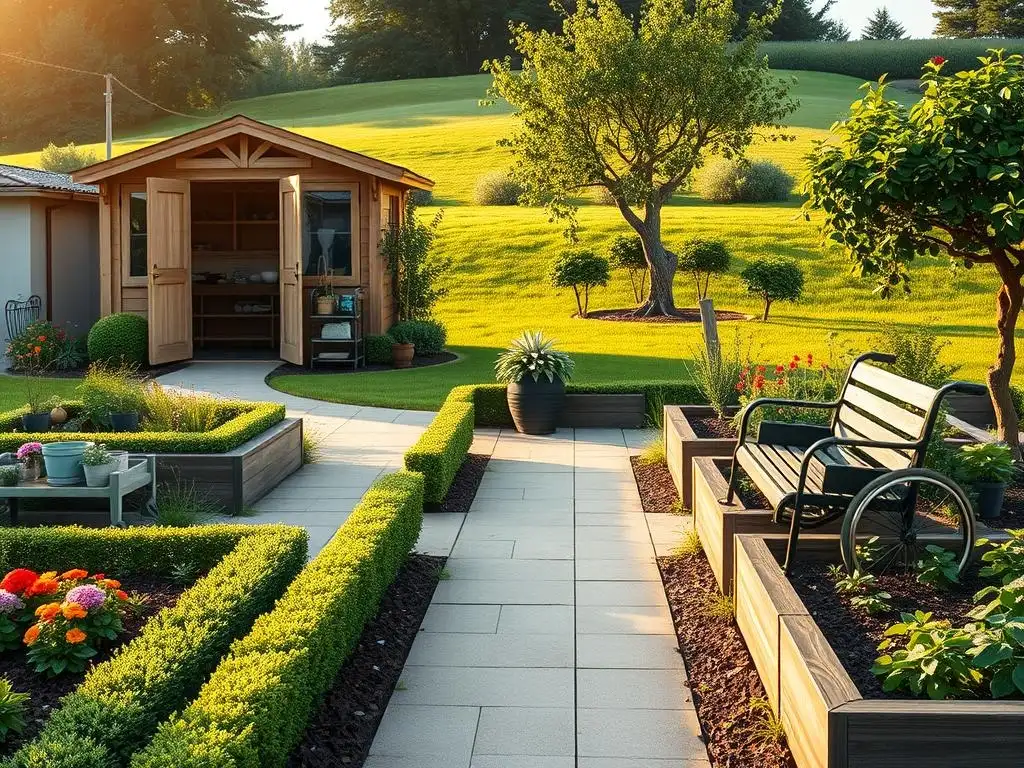
Creating a thriving garden isn't just about sunlight and soil; it's also about thoughtful planning for ease of access and maintenance. A well-designed garden, accessible for all levels of mobility, significantly increases your enjoyment and reduces the physical strain involved in gardening tasks. This translates to a more sustainable and enjoyable gardening experience, ultimately leading to better results. Prioritizing accessibility from the outset minimizes future frustration and maximizes your ability to tend to your plants effectively. Let's explore practical strategies to build a garden that's both productive and user-friendly.
Designing for Easy Access: Planning for Comfortable Gardening
Before you even break ground, consider the layout of your garden. Will you be bending, kneeling, or squatting frequently? Designing pathways and planting beds with your physical comfort in mind is crucial. Raised beds, for example, eliminate the need for excessive bending, making gardening more comfortable for people of all ages and physical abilities. Their elevated position also improves soil drainage and warms the soil faster in spring, contributing to a healthier growing environment.
Consider the positioning of water sources too. Proximity to a water tap minimizes the need for heavy water carrying, a major factor in reducing gardening fatigue. A well-placed hose reel can also dramatically improve efficiency. Thinking about these ergonomic factors early in the planning stage sets the foundation for a more enjoyable and sustainable gardening practice. Remember, a comfortable gardener is a productive gardener!
Creating Accessible Pathways: Improving Mobility in Your Garden
Well-designed pathways are essential for easy navigation within your garden, regardless of your mobility level. Wide, level paths accommodate wheelchairs, walkers, and even garden carts, simplifying the movement of tools and harvested produce. Use materials like gravel, pavers, or wood chips that provide good traction and are easy to navigate. Avoid using slippery materials, especially in areas prone to moisture. Consider the use of ramps to navigate changes in elevation, ensuring smooth transitions between different garden areas.
Regularly maintain these pathways, removing weeds and debris to prevent tripping hazards. For larger gardens, consider strategically placed seating areas along the paths to provide rest points during gardening sessions. These small details significantly impact the overall accessibility and usability of your garden, fostering a more inclusive and enjoyable gardening experience. This is a critical aspect of achieving "best garden location tips" for long-term success.
Choosing Low-Maintenance Plants: Reducing Workload for a Successful Garden
Selecting low-maintenance plants is a key strategy for sustainable gardening, especially for those with limited time or physical capabilities. Consider native plants, as they are adapted to the local climate and require less watering and fertilization than non-native species. Drought-tolerant varieties further minimize the need for frequent watering, reducing workload and conserving water resources. Similarly, disease-resistant plants reduce the need for chemical interventions, promoting a healthier and more environmentally friendly garden. When selecting plants, research their mature size and growth habits to prevent overcrowding and ensure adequate spacing for easy access and maintenance. Consider using companion planting techniques to naturally deter pests and improve plant health, reducing the need for pesticides. By carefully selecting low-maintenance plants, you can create a thriving garden that requires less effort while still delivering bountiful harvests. This smart selection process is a significant component of implementing the best garden location tips for ease of maintenance.
Avoiding Problem Areas: Identifying and Avoiding Challenging Locations
Choosing the best garden location is paramount for success. Ignoring potential problems can lead to stunted growth, disease, and ultimately, a disappointing harvest. This section focuses on identifying and mitigating common location issues before you even break ground. Finding the optimal spot will significantly improve your chances of reaping a bountiful harvest, embodying the best garden location tips.
Identifying Potential Issues: Recognizing Obstacles to Garden Success
Before selecting your plot, conduct a thorough site assessment. Consider these key factors:
- Sunlight: How many hours of direct sunlight does the area receive daily? Most fruits and vegetables need at least 6-8 hours of sunlight. Insufficient sunlight will lead to weak plants and poor yields. Note the sun's path throughout the day – morning sun is generally preferable to afternoon sun in hot climates.
- Wind: Strong winds can damage plants, dry out the soil, and spread diseases. Look for a sheltered location, perhaps near a fence, hedge, or building. Observe wind patterns in different areas of your yard over several days.
- Soil: Analyze your soil's texture, drainage, and pH. Heavy clay soil retains water, leading to root rot, while sandy soil drains too quickly, resulting in drought stress. A soil test will reveal your soil's pH, indicating its suitability for various plants. Amendments such as compost can improve soil structure and fertility.
- Access to Water: Easy access to a water source is crucial, especially during dry spells. Consider the distance from your water source to the garden and the ease of irrigation.
- Proximity to Structures: Consider the proximity to buildings, sheds, or fences. These structures can provide shade or wind protection, but they can also compete for resources and create drainage issues. Avoid planting too close to foundations, as roots can damage structures.
- Existing Plants and Trees: Mature trees and shrubs can compete with your garden for nutrients and water. Observe the root systems of existing plants – large root systems can deplete resources in a wide area.
Failing to address these issues early on can significantly impact your garden's productivity. Careful planning and observation are key to avoiding costly mistakes.
Dealing with Shade: Strategies for Growing in Limited Sunlight
Even with careful planning, some gardeners may have limited sunlight. Don't despair! While many fruits and vegetables thrive in full sun, several options exist for shaded areas:
- Choose Shade-Tolerant Varieties: Many leafy greens, herbs, and root vegetables tolerate partial shade. Research varieties specifically bred for lower light conditions. Examples include spinach, lettuce, kale, and certain types of herbs like mint and parsley.
- Maximize Available Light: Prune overhanging branches to increase sunlight penetration. Consider using reflective surfaces, like aluminum foil or white paint on nearby walls, to reflect light into the garden.
- Adjust Planting Times: In areas with limited sunlight, early planting can allow plants to establish themselves before the summer heat reduces light availability.
- Supplement with Artificial Light: In extreme cases, supplemental lighting, such as grow lights, can help compensate for insufficient sunlight. This is especially helpful during the shorter days of winter.
Remember, even in shaded areas, proper soil preparation and moisture management are essential for success. It's important to note that yields might be lower than in full-sun locations, but you can still cultivate a thriving garden with careful planning.
Managing Drainage Problems: Preventing Waterlogging and Root Rot
Poor drainage is a common problem that can severely impact plant health. Waterlogged soil suffocates roots, leading to root rot and plant death. Here's how to address drainage issues:
- Improve Soil Drainage: Amend heavy clay soil with organic matter like compost to improve its structure and drainage. This will enhance aeration and allow excess water to drain away.
- Raise Garden Beds: Creating raised beds elevates the planting area above the surrounding soil, improving drainage. This is particularly helpful in areas with consistently wet soil.
- Install Drainage Systems: In severely problematic areas, consider installing drainage systems, such as French drains, to divert excess water away from the garden. This might involve digging trenches and filling them with gravel or perforated pipes.
- Choose Drought-Tolerant Plants: In poorly draining areas, opt for plants that are more tolerant of moist conditions. Research plants that can withstand periods of waterlogging without succumbing to root rot.
- Monitor Soil Moisture: Regularly check soil moisture levels to avoid overwatering. Overwatering, even in well-drained soil, can contribute to root problems.
Addressing drainage issues proactively will prevent many potential problems and ensure a healthier, more productive garden. Remember, careful observation and proactive measures are key to a successful garden, no matter the location.
Frequently Asked Questions
What is the most important factor when choosing a garden location?
The most important factor is sunlight. Most fruits, vegetables, and herbs need at least 6-8 hours of direct sunlight daily to thrive. Consider the sun's path throughout the day when selecting your spot.
How much space do I need for a successful home garden?
The space needed depends on your goals. Start small if you're a beginner; even a few containers on a sunny balcony can be successful. Plan your layout carefully to maximize space and sunlight.
What types of soil are best for gardening?
Well-draining soil is crucial. Amend heavy clay soils with compost and organic matter to improve drainage and aeration. Sandy soils may need more frequent watering to retain moisture. A soil test can help determine your soil's needs.
How do I protect my garden from pests and diseases?
Employ preventative measures! Choose disease-resistant varieties, practice crop rotation, and attract beneficial insects like ladybugs. Avoid overwatering, which can encourage fungal diseases. Organic pest control methods are highly recommended.
What are the best ways to prepare my garden location before planting?
Clear the area of weeds, rocks, and debris. Test your soil and amend it as needed. Consider adding a layer of mulch to retain moisture, suppress weeds, and regulate soil temperature. This will create a healthy environment for your plants.
Final Reflection: Cultivating Success: Where Your Garden Truly Thrives
The quest for the perfect garden isn't just about aesthetics; it's about understanding the fundamental relationship between plants, sunlight, and soil. A thriving garden, bursting with life and color, is a testament to careful planning and a deep respect for nature's rhythms. Choosing the right location is the cornerstone of this success, a decision that dictates the very essence of your horticultural journey.
The impact of location on gardening success is profound, extending far beyond the immediate yield of fruits and vegetables. It shapes our connection with nature, influencing not only the health of our plants but also our own well-being. The simple act of selecting a sunny spot or a sheltered nook becomes a mindful engagement with the environment. The glory of gardening: hands in the dirt, head in the sun, heart with nature. To nurture a garden is to feed not just the body, but the soul.
This quote perfectly encapsulates the deeper meaning behind choosing the ideal location for your garden – it's about cultivating a connection, a harmony between human endeavor and the natural world.
Now, consider your own space. Where could you create a haven for your plants? What aspects of your yard best suit the needs of your chosen species? Take the time to observe the sunlight patterns, the soil composition, and the prevailing winds. Don't just plant; plan. By thoughtfully selecting the location for your garden, you're not just growing plants; you're cultivating a deeper relationship with the natural world and nurturing a space that will bring you joy for years to come. Let the lessons of location guide your green thumb, and watch your garden flourish.
Unlock Your Garden's Potential: Start Growing Today!
Thanks for exploring the secrets of successful gardening with us! You've learned how important location is to healthy plants and a bountiful harvest. Now it's time to put that knowledge to work.
- Plan your planting locations carefully: Consider sunlight, water access, and soil quality to maximize your garden's success. This is the first step towards a thriving garden.
- Share your garden plans with our community! Discuss your location choices and get feedback from fellow gardeners. Let's help each other grow.
- Start small, but dream big: Begin with a single plant, focusing on the perfect spot and nurturing it with your newfound knowledge. For example, you might choose a tomato plant or a type of pepper depending on the space and sun you have available.
So, tell us: What's the first change you'll make to your garden based on what you've learned today?