
Micronutrients Matter: Trace Elements Your Plants Need to Thrive

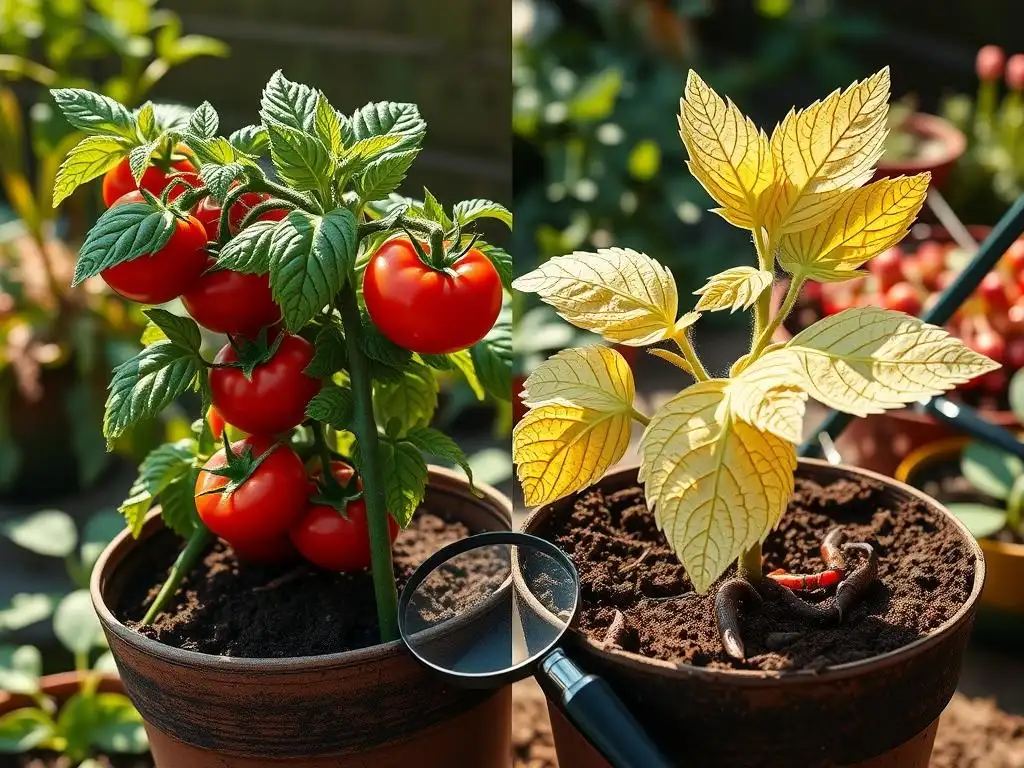
Ready to unlock the secrets to a bountiful, thriving garden? At CultivateYourFood, we believe everyone can grow their own delicious and nutritious food. But did you know that even the healthiest-looking plants can suffer from hidden problems? Our latest article in the "Getting Started" category dives into plant micronutrient deficiency solutions, revealing how addressing these often-overlooked trace elements can transform your harvest. Discover the surprising impact of micronutrients and learn how to ensure your fruits, vegetables, and herbs reach their full potential – read on to learn more!
- Understanding Essential Plant Micronutrients and Their Roles
-
Frequently Asked Questions
- What are micronutrients, and why are they important for plant health?
- How can I identify micronutrient deficiencies in my plants?
- What are some common micronutrient deficiencies, and how can I address them?
- How can I prevent micronutrient deficiencies in my garden?
- Are there organic ways to address micronutrient deficiencies?
- Final Reflection: The Unsung Heroes of Plant Health
- Unlock Your Garden's Potential: Nourish Your Plants for Abundant Growth!
Understanding Essential Plant Micronutrients and Their Roles
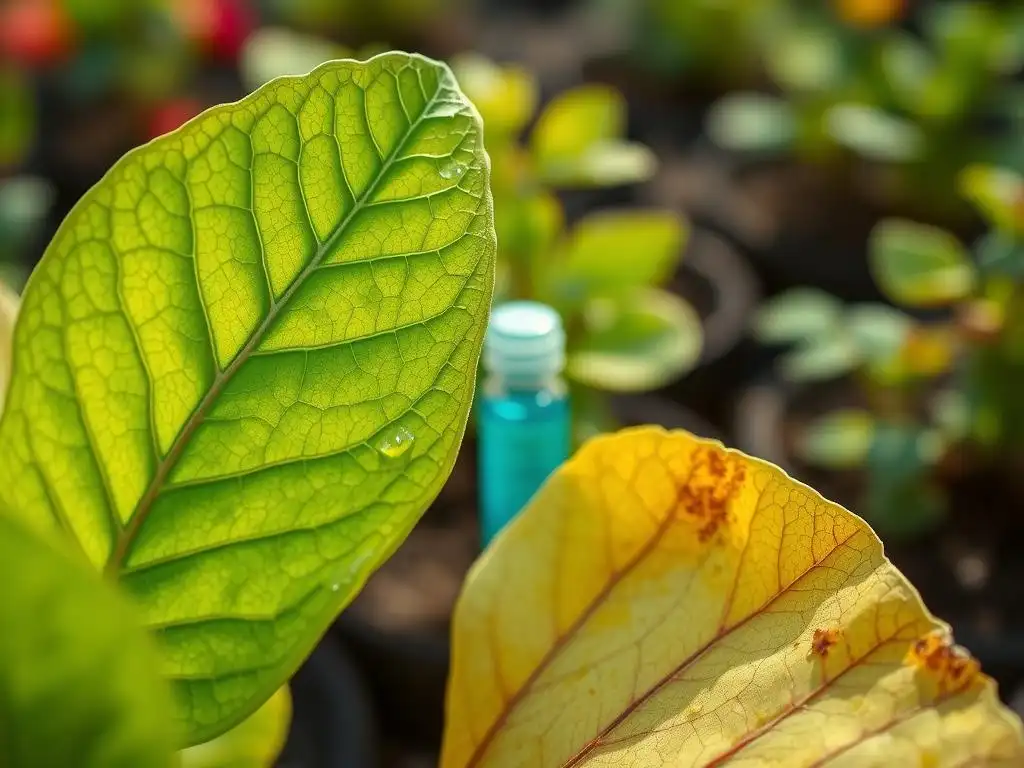
Growing vibrant, healthy fruits, vegetables, and herbs at home requires more than just sunlight, water, and the right soil. While macronutrients like nitrogen, phosphorus, and potassium are well-known for their vital roles in plant growth, a critical often-overlooked aspect of successful cultivation lies in understanding and addressing the needs for plant micronutrients. These trace elements, though required in smaller quantities, are absolutely essential for various metabolic processes, influencing everything from chlorophyll production to enzyme function.
A deficiency in even one micronutrient can significantly impact your plant's health, yield, and overall resilience. This article will delve into the crucial roles of these often-overlooked nutrients, providing you with the knowledge to identify and address micronutrient deficiencies in your home garden, ultimately achieving thriving plants and bountiful harvests. Understanding these deficiencies is key to developing effective plant micronutrient deficiency solutions.
The Big Seven: Essential Micronutrients for Plant Health
Plants require several micronutrients to thrive. These "big seven" – iron (Fe), manganese (Mn), zinc (Zn), boron (B), copper (Cu), molybdenum (Mo), and chlorine (Cl) – each play unique yet interconnected roles in plant physiology. A deficiency in any of these can lead to stunted growth, chlorosis (yellowing of leaves), reduced yields, and increased susceptibility to pests and diseases.
Let's explore each one in more detail:
- Iron (Fe): Crucial for chlorophyll synthesis, iron deficiency often manifests as interveinal chlorosis (yellowing between leaf veins). Symptoms usually appear on younger leaves first.
- Manganese (Mn): Essential for photosynthesis and enzyme activation, manganese deficiency can cause similar chlorosis symptoms to iron deficiency, but often with brown spots or speckles on the leaves.
- Zinc (Zn): Involved in numerous enzyme systems and hormone production, zinc deficiency leads to stunted growth, small leaves, and reduced internode length (distance between leaf nodes).
- Boron (B): Plays a crucial role in cell wall formation and sugar transport. Deficiency results in deformed leaves, thickened stems, and impaired flowering and fruiting.
- Copper (Cu): Essential for various enzyme functions, copper deficiency can cause wilting, distorted growth, and reduced yields.
- Molybdenum (Mo): A key component of nitrogenase, the enzyme responsible for nitrogen fixation, molybdenum deficiency affects nitrogen metabolism, leading to chlorosis and stunted growth.
- Chlorine (Cl): While its role is less understood than other micronutrients, chlorine is involved in photosynthesis and stomatal regulation. Deficiency symptoms are less pronounced and often subtle.
Identifying Micronutrient Deficiencies: Visual Clues and Diagnostic Tools
Identifying a micronutrient deficiency can be challenging, as symptoms can often overlap. However, careful observation of your plants can provide valuable clues. Look for:
- Chlorosis: Yellowing of leaves, often starting in younger leaves (iron, manganese, molybdenum, zinc).
- Necrosis: Browning and death of leaf tissue.
- Stunted Growth: Reduced plant size and internode length (zinc, boron).
- Deformed Leaves: Distorted leaf shape and size (boron, copper).
- Reduced Flowering and Fruiting: Impairment of reproductive processes (boron, molybdenum).
While visual inspection is a good starting point, soil testing is crucial for accurate diagnosis. Soil tests can reveal the levels of various micronutrients in your soil, helping you determine if supplementation is necessary. This allows for targeted plant micronutrient deficiency solutions.
Addressing Micronutrient Deficiencies: Effective Strategies for Your Garden
Once a deficiency is identified, several strategies can be employed to correct the imbalance:
- Soil Amendment: Adding organic matter like compost improves soil structure and nutrient availability.
- Micronutrient Fertilizers: Using fertilizers specifically formulated to provide the deficient micronutrient(s). Always follow product instructions carefully.
- Foliar Feeding: Applying micronutrients directly to the leaves as a foliar spray can provide a rapid response, especially in cases of severe deficiency.
- Chelated Micronutrients: Chelated forms of micronutrients are more readily absorbed by plants, making them a more effective choice for supplementation.
Remember, prevention is key. Regular soil testing and the use of balanced fertilizers can help prevent micronutrient deficiencies before they become a major problem. By understanding the importance of micronutrients and implementing appropriate strategies, you can cultivate healthy, productive plants and enjoy abundant harvests from your home garden. This proactive approach is crucial for developing long-term, sustainable plant micronutrient deficiency solutions.
Frequently Asked Questions
What are micronutrients, and why are they important for plant health?
Micronutrients are essential trace elements needed in small amounts for healthy plant growth. A deficiency can lead to stunted growth, reduced yields, and increased susceptibility to diseases. Healthy plants need a balanced supply of both macronutrients and micronutrients.
How can I identify micronutrient deficiencies in my plants?
Look for visual symptoms like yellowing leaves (chlorosis), stunted growth, or discoloration. Specific deficiencies show up differently, so consulting a reliable resource or soil testing can help pinpoint the problem. Compare your plants to healthy examples of the same species.
What are some common micronutrient deficiencies, and how can I address them?
Common deficiencies include iron, zinc, manganese, and boron. Solutions involve soil testing to determine the specific deficiency, then amending the soil with appropriate fertilizers or using foliar sprays containing the missing nutrient. Organic options exist for most deficiencies.
How can I prevent micronutrient deficiencies in my garden?
Maintain healthy soil through regular composting, avoid overwatering or poorly draining soil, and use a balanced fertilizer that includes micronutrients. Regular soil testing helps monitor nutrient levels and prevent problems before they become severe. Choose plants suitable for your soil type.
Are there organic ways to address micronutrient deficiencies?
Yes! Organic fertilizers like compost, worm castings, and seaweed extracts often contain micronutrients. Foliar sprays made from natural sources like kelp or liquid manure can also provide a quick boost. Improving soil health organically is a preventative measure against deficiency.
Final Reflection: The Unsung Heroes of Plant Health
Understanding plant micronutrient deficiencies is no longer a niche pursuit; it's a crucial element in ensuring global food security and sustainable gardening practices. The implications of neglecting these vital trace elements extend far beyond wilting leaves, impacting crop yields, ecosystem health, and ultimately, our food supply. Ignoring the subtle signs of micronutrient deficiencies can lead to significant losses in productivity and quality, highlighting the urgent need for widespread awareness and proactive solutions.
The impact of micronutrient deficiencies resonates deeply, extending beyond the immediate health of individual plants to influence entire agricultural systems and the livelihoods of those who depend on them. The interconnectedness of these elements within the plant's physiology, and the broader ecosystem, is a powerful reminder of the delicate balance of nature. The earth provides enough to satisfy every man's needs but not every man's greed.
- Mahatma Gandhi. This quote underscores the responsibility we have to understand and address the needs of our plants, ensuring sustainable practices that benefit both the environment and humanity.
You now possess the knowledge to identify and address micronutrient deficiencies in your own plants. Take this opportunity to observe your plants more closely, paying attention to the subtle cues they provide. Don't just treat symptoms; understand the underlying causes. By proactively addressing micronutrient needs, you're not just nurturing individual plants; you're contributing to a healthier, more resilient ecosystem and a more sustainable future for all. Start observing, start learning, and start growing!
Unlock Your Garden's Potential: Nourish Your Plants for Abundant Growth!
Thank you for exploring the world of micronutrients! We hope you feel confident in providing your plants with optimal care. Ready to put this knowledge into practice and see amazing results?
- Create a customized nutrient plan: Analyze your soil type and the specific needs of your plants to develop a tailored feeding schedule that promotes vibrant growth. This crucial step will maximize your harvest!
- Share your experiences: Join our CultivateYourFood community forum and discuss your successes and challenges with micronutrient feeding. Let's learn from each other!
- Utilize natural sources of micronutrients: Discover innovative ways to naturally increase your plants' micronutrient intake, such as using compost teas enriched with beneficial microbes.
What exciting new ingredients will you incorporate into your garden this growing season to boost its micronutrient levels?