
Planning for Composting: The Key to Sustainable Gardening

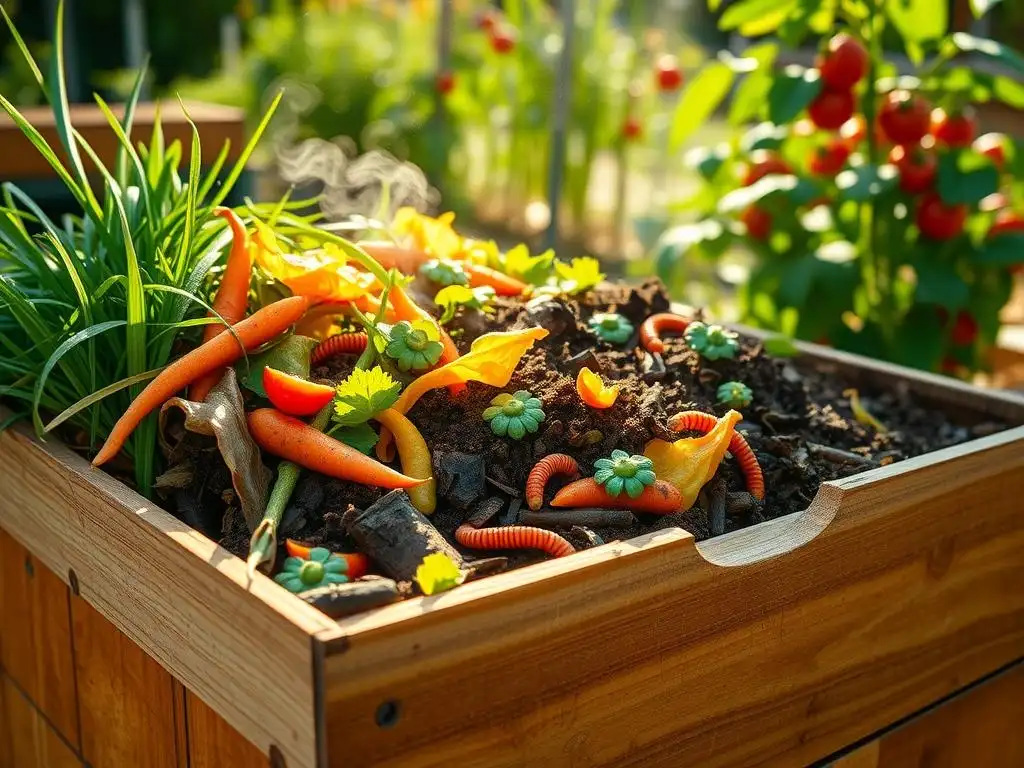
Ready to transform your backyard into a thriving, eco-friendly oasis? CultivateYourFood is your guide to growing delicious fruits, vegetables, and herbs at home. We'll show you how to cultivate a bountiful harvest using sustainable methods, from seed to table. Discover the secrets to successful sustainable gardening compost planning, the cornerstone of any thriving organic garden – and unlock the potential of your own green space. Let's get started!
- Understanding the Benefits of Compost in Sustainable Gardening
- Assessing Your Composting Needs: A Step-by-Step Guide
- Planning Your Compost System: Location and Materials
-
Creating a Balanced Compost Mix: The Recipe for Success
- Understanding the Importance of Brown and Green Materials in Composting
- Green Materials: Kitchen Scraps, Grass Clippings, and Other Nitrogen-Rich Additions
- Brown Materials: Dried Leaves, Twigs, Shredded Paper, and Other Carbon-Rich Additions
- Maintaining the Optimal Carbon-to-Nitrogen Ratio for Effective Decomposition
- Managing Your Compost Pile: Turning, Moisture, and Aeration
- Harvesting and Using Your Compost: Enriching Your Garden Soil
- Troubleshooting Common Composting Problems
- Long-Term Compost Planning for Sustainable Gardening Practices
-
Frequently Asked Questions
- What is the importance of compost in sustainable gardening?
- How do I plan my compost effectively for sustainable gardening?
- What materials are suitable for sustainable gardening compost?
- How can I accelerate the composting process for sustainable gardening?
- How does compost contribute to reducing my environmental impact in sustainable gardening?
- Final Reflection: Cultivating a Sustainable Future, One Compost Pile at a Time
- Unlock Your Garden's Potential: Start Composting Today!
Understanding the Benefits of Compost in Sustainable Gardening
Composting is far more than just a trendy gardening technique; it's a cornerstone of sustainable gardening practices. This article delves into the crucial role of compost planning in achieving a thriving, environmentally responsible garden. We'll explore how meticulous planning around your compost system directly impacts the health of your plants, reduces your environmental footprint, and creates a more resilient and fertile growing environment.
Successfully integrating compost into your gardening routine is key to unlocking the full potential of sustainable gardening, transforming your backyard into a vibrant and productive ecosystem. By understanding the benefits and planning your composting strategy effectively, you'll pave the way for bountiful harvests and a healthier planet. Let's explore the multifaceted advantages of incorporating compost into your sustainable gardening plan.
Nutrient-Rich Soil for Healthy Plants
Healthy soil is the foundation of any successful garden, and compost is the key ingredient. Compost acts as a natural fertilizer, enriching the soil with essential nutrients like nitrogen, phosphorus, and potassium – the vital elements plants need to thrive. Unlike synthetic fertilizers, which can disrupt soil ecosystems and contribute to environmental pollution, compost provides these nutrients in a slow-release form. This gradual release prevents nutrient burn, allowing plants to absorb them steadily throughout their growing cycle.
The organic matter in compost also improves the soil's ability to retain nutrients, reducing the need for frequent fertilization and minimizing runoff that can contaminate water sources. The result? Healthier, more vigorous plants with increased yields and enhanced resistance to pests and diseases. Consider the difference: a plant grown in nutrient-poor soil might produce small, weak fruits, while a plant nurtured with compost-enriched soil will flourish, producing abundant, high-quality produce.
Reduced Waste and Environmental Impact
Sustainable gardening is inherently linked to reducing waste and minimizing your environmental impact. Composting plays a crucial role in this by diverting organic waste from landfills. Food scraps, yard waste, and other organic materials that would otherwise decompose in landfills, producing harmful methane gas, are transformed into a valuable soil amendment. By composting at home, you're actively participating in reducing greenhouse gas emissions and lessening the strain on landfills.
Moreover, the use of compost reduces the need for synthetic fertilizers, which are often produced using energy-intensive processes and can have detrimental effects on the environment. This transition to a compost-based fertilization system directly contributes to a smaller carbon footprint and a healthier planet. Think about it: every kilogram of compost you create is a kilogram of waste diverted from a landfill and a step closer to a more sustainable lifestyle.
Improved Soil Structure and Water Retention
Beyond nutrient enrichment, compost significantly improves soil structure and water retention. It increases the soil's porosity, allowing for better aeration, which is crucial for healthy root development. This improved aeration enables roots to access oxygen more easily, promoting stronger growth and overall plant health. Furthermore, the organic matter in compost acts like a sponge, increasing the soil's ability to absorb and retain water.
This enhanced water retention is particularly beneficial during dry periods, reducing the need for frequent watering and conserving valuable water resources. The improved soil structure also minimizes soil erosion, contributing to a more stable and productive garden environment. Imagine the difference: compact, clay-like soil struggles to retain moisture and allows for poor root penetration, while compost-amended soil is loose, airy, and capable of holding ample water, fostering vigorous plant growth.
Enhanced Microbial Activity for a Thriving Ecosystem
Composting isn't just about breaking down organic matter; it's about cultivating a vibrant underground ecosystem. The process significantly enhances microbial activity in your soil. Think of it as creating a bustling metropolis beneath the surface, teeming with beneficial bacteria, fungi, and other microorganisms.
These microbes are the unsung heroes of a healthy garden, playing crucial roles in nutrient cycling and plant health. A compost-rich soil boasts a significantly higher population of these beneficial organisms compared to soil lacking compost. This increased microbial biomass leads to a more efficient breakdown of organic matter, making essential nutrients readily available for your plants.
The diverse microbial community in compost also contributes to disease suppression. Many beneficial microbes compete with harmful pathogens for resources, effectively reducing the risk of plant diseases. This natural disease control mechanism is a cornerstone of sustainable gardening practices, minimizing the need for chemical pesticides.
Furthermore, a thriving microbial community improves soil structure, creating better aeration and water retention – crucial factors for healthy root development and overall plant vigor. The improved soil structure also reduces compaction, allowing for better root penetration and nutrient uptake. This leads to healthier, more resilient plants that are better equipped to withstand environmental stresses.
Studies have shown a direct correlation between compost application and increased microbial diversity, leading to more robust and productive plant growth. For example, research on tomato plants showed a significant increase in yield and disease resistance in plots amended with compost compared to control plots. The difference was attributed directly to the increased microbial activity and improved soil health fostered by the compost.
Assessing Your Composting Needs: A Step-by-Step Guide
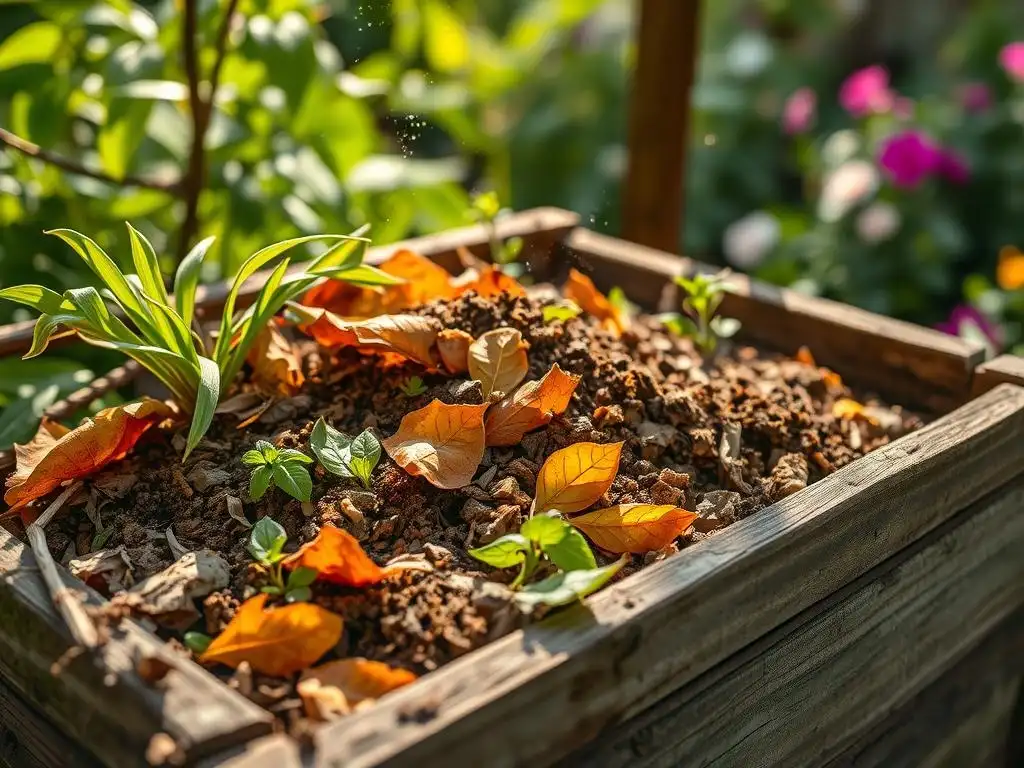
This section guides you through a practical assessment of your composting needs, ensuring your composting efforts align perfectly with your sustainable gardening goals. Effective compost planning is crucial for maximizing the benefits of this valuable gardening practice. We'll cover determining your compost volume, identifying suitable space, and selecting the optimal composting method. Remember, sustainable gardening compost planning is about optimizing resource use and minimizing waste.
Determining Your Compost Volume Requirements Based on Garden Size
The amount of compost you need directly correlates to your garden's size and the types of plants you cultivate. A larger garden naturally requires a larger volume of compost. Let's break down how to estimate your needs:
First, measure your garden's area. Let's say your garden is 100 square feet. A general rule of thumb is to aim for applying approximately 2-4 inches of compost per square foot annually. Therefore, for a 100 square foot garden, you'll need between 200 and 400 cubic feet of compost each year. This translates to approximately 7.4 - 14.8 cubic yards.
However, this is just a starting point. Consider these factors:
- Plant type: Heavy feeders like tomatoes and peppers require more compost than leafy greens.
- Soil quality: If your soil is already rich in organic matter, you may need less compost.
- Composting frequency: If you plan to compost year-round, you'll need a larger volume to accommodate the continuous process.
To refine your estimate, create a simple table:
| Plant Type | Quantity | Compost Needed (cu ft/plant) | Total Compost (cu ft) |
|---|---|---|---|
| Tomatoes | 10 | 1 | 10 |
| Peppers | 5 | 1 | 5 |
| Lettuce | 20 | 0.5 | 10 |
| Total | 25 |
This table illustrates how to account for different plants and their compost requirements. Remember to adjust the "Compost Needed" column based on your specific needs and research. This more detailed approach ensures you produce the right amount of compost, maximizing efficiency and minimizing waste in your sustainable gardening compost planning.
Identifying Your Available Space for a Compost Bin or Pile
Once you've determined your compost volume needs, consider the available space for your compost system. Several factors influence the space required:
- Compost method: A compost bin requires a dedicated area, while a compost pile can be more adaptable. A worm composting system requires significantly less space than either.
- Compost size: A larger volume of compost naturally demands more space.
- Accessibility: Choose a location that allows for easy access for turning and adding materials. Proximity to your garden is also beneficial.
Consider these options:
- Dedicated Compost Area: A designated corner of your yard, perhaps partially shaded, is ideal.
- Integrated Compost Bin: Some gardeners incorporate a compost bin into their garden design, enhancing aesthetics and functionality.
- Vertical Composting: If space is limited, consider a vertical composting system which maximizes vertical space.
Before selecting a location, carefully assess the area's sunlight exposure, drainage, and proximity to water sources. Proper site selection is key to successful composting and efficient sustainable gardening compost planning.
Choosing the Right Composting Method: Bin, Pile, or Worm Composting
The composting method you choose significantly impacts your sustainable gardening compost planning. Each method has advantages and disadvantages:
- Compost Bin: Offers better containment, reducing odor and preventing the scattering of materials. Bins come in various sizes and materials, allowing for customization based on your needs and space. They are generally easier to manage than piles, particularly regarding moisture control.
- Compost Pile: A simpler, more cost-effective approach, ideal for larger volumes of organic material. Requires more attention to managing moisture and turning the pile to ensure proper decomposition. Can be less aesthetically pleasing than a compost bin.
- Worm Composting (Vermicomposting): A space-saving option, perfect for smaller gardens or apartment dwellers. Uses worms to break down organic matter, producing high-quality compost known as vermicast. Requires consistent moisture and temperature management.
The best method depends on your available space, the volume of organic material you'll be composting, and your personal preferences. Carefully weigh the pros and cons of each method to make an informed decision that aligns with your sustainable gardening compost planning strategy. Consider your experience level and the time you can dedicate to maintaining your compost system.
Evaluating Your Yard Waste and Kitchen Scraps for Composting Potential
Before you even think about buying a compost bin, take stock of your potential composting materials. A successful compost pile relies on a balance of "browns" (carbon-rich materials) and "greens" (nitrogen-rich materials). Understanding the volume and types of waste you generate is crucial for sustainable gardening compost planning. This initial assessment will guide your bin size selection and inform your composting strategy.
Let's start with your yard waste. Do you have a large garden producing substantial quantities of spent plants, leaves, and grass clippings? Or is your yard relatively small, yielding only a modest amount of yard debris? The answer significantly impacts your composting needs. A large garden will require a larger compost bin and potentially more frequent additions of materials. Consider the seasonal variation too; leaf fall in autumn will drastically increase your brown material input. Accurate estimation of your annual yard waste is key to sustainable gardening compost planning.
Next, consider your kitchen scraps. This is where your lifestyle and dietary habits play a role. A family of four consuming a lot of fruits and vegetables will generate considerably more food waste than a single person with a limited vegetable intake. Think about the types of scraps you produce: fruit peels and cores, vegetable scraps, coffee grounds, eggshells – these all contribute to the "green" component of your compost.
Keep a log for a week or two to accurately gauge your weekly kitchen scrap volume. This detailed record will help you determine the appropriate size and type of compost bin for your needs. Remember, overestimating is better than underestimating, as you can always add more materials, but a too-small bin can lead to inefficient decomposition.
Proper sustainable gardening compost planning hinges on this accurate assessment. Don't forget to factor in any potential additional sources of compostable materials, such as neighbours' yard waste (with their permission, of course! ), or even sustainably sourced materials from local businesses.
This careful evaluation of both your yard waste and kitchen scraps will enable you to determine the appropriate size and type of compost bin needed, as well as the frequency of turning and monitoring required for successful composting. By accurately assessing your waste stream, you're taking a significant step towards effective and efficient sustainable gardening compost planning.
Planning Your Compost System: Location and Materials
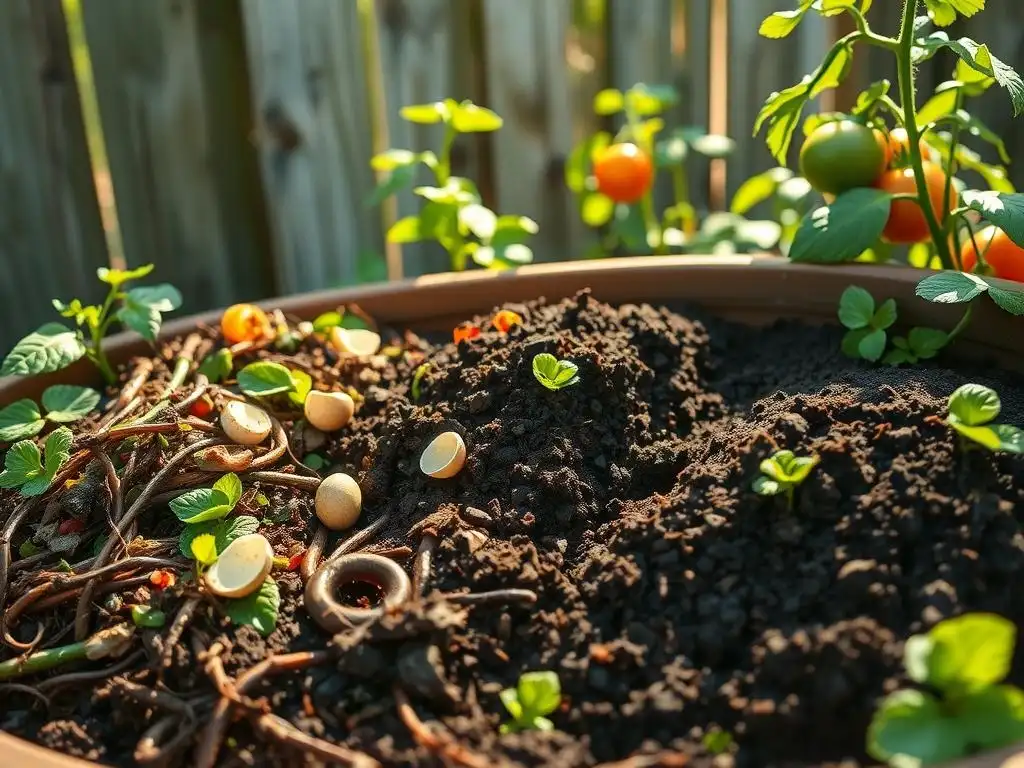
This section delves into the crucial first steps of sustainable gardening compost planning: selecting the optimal location and materials for your composting system. Proper planning ensures efficient decomposition and minimizes potential issues. Remember, successful composting contributes significantly to a thriving and truly sustainable gardening experience.
Ideal Location for Your Compost Bin or Pile: Sunlight, Accessibility, and Drainage
Choosing the right spot for your compost is paramount. The ideal location balances several key factors: sunlight, accessibility, and drainage. Let's examine each:
- Sunlight: While not strictly necessary, some sunlight aids in the composting process by raising the temperature, accelerating decomposition. A location receiving at least a few hours of direct sunlight each day is preferable. However, avoid excessively sunny spots that could lead to rapid drying of the compost.
- Accessibility: Regular turning of the compost pile is essential for proper aeration and decomposition. Therefore, choose a location that is easily accessible, allowing for convenient turning and addition of materials throughout the year. A location close to your garden, but not directly in the way, is often ideal.
- Drainage: Good drainage is crucial to prevent the compost pile from becoming waterlogged. Soggy compost hinders decomposition and can create unpleasant odors. Choose a location with slightly sloped ground or ensure adequate drainage in the chosen area. Consider adding a layer of gravel or rocks to the bottom of your bin for improved drainage, especially in clay soils. Proper drainage is a cornerstone of sustainable gardening compost planning.
Choosing the Right Compost Bin Materials: Wood, Plastic, or Other Options
Compost bins come in a variety of materials, each with its advantages and disadvantages. The best choice depends on your budget, aesthetic preferences, and the scale of your composting operation.
| Material | Advantages | Disadvantages |
|---|---|---|
| Wood | Natural, aesthetically pleasing, good airflow | Can rot over time, requires regular maintenance |
| Plastic | Durable, long-lasting, inexpensive | Less aesthetically pleasing, can retain heat |
| Metal | Durable, resistant to pests | Can rust, can overheat in direct sunlight |
| DIY Structures | Customizable, uses recycled materials | Requires more effort to build, may not be as durable |
Consider the longevity and ease of use when selecting your materials. For instance, while a wooden bin might look great, it requires more maintenance and will need replacing eventually. Plastic offers a more durable, low-maintenance option, though its aesthetic appeal might be less desirable. A well-designed plastic bin can however greatly contribute to successful sustainable gardening compost planning.
Sourcing Materials for a DIY Compost Pile: Building a Framework or Using Existing Structures
Building your own compost pile offers a cost-effective and environmentally friendly approach. Several options exist, from constructing a simple framework to repurposing existing structures.
- Building a Framework: A simple framework can be constructed using readily available materials like pallets, chicken wire, or even sturdy branches. This provides a structure to contain the compost pile while allowing for good air circulation. Ensure the framework is strong enough to hold the weight of the compost as it accumulates. Consider using recycled wood to reduce your environmental impact further, making it more aligned with sustainable gardening compost planning.
- Repurposing Existing Structures: You might be able to repurpose existing structures on your property. Old barrels (ensure they are cleaned thoroughly), large containers, or even a designated corner of your garden could serve as a compost pile. However, ensure the chosen structure provides adequate drainage and air circulation.
Remember to consider the size of your compost pile based on your gardening needs. A larger pile decomposes more slowly but can handle larger quantities of organic waste. Conversely, smaller piles decompose faster but require more frequent turning and may not be suitable for large gardens. Careful consideration of these factors is vital for effective sustainable gardening compost planning.
Creating a Balanced Compost Mix: The Recipe for Success
Sustainable gardening relies heavily on effective composting, and achieving optimal decomposition requires a balanced mix of materials. The key to successful composting lies in understanding the crucial role of both brown and green materials, often referred to as the "brown-to-green ratio." This ratio isn't a strict formula, but rather a guideline to ensure efficient decomposition and prevent unpleasant odors or slow decomposition.
A well-balanced compost pile will break down quickly and efficiently, providing you with nutrient-rich soil amendment for your garden. Ignoring this balance can lead to a slow, inefficient process or even a smelly, rotting mess. Let's delve deeper into the specifics.
Understanding the Importance of Brown and Green Materials in Composting
The success of your compost heap hinges on the delicate balance between brown and green materials. Brown materials, rich in carbon, provide the structural framework for the compost pile. They are relatively dry and slow to decompose. Green materials, on the other hand, are rich in nitrogen and provide the energy for the decomposition process.
They are typically moist and decompose quickly. Think of it like this: the browns are the "fuel" and the greens are the "accelerant." Without enough browns, your pile will become too wet and may smell bad. Too many browns, and the decomposition process will slow down significantly.
The ideal ratio is generally considered to be around 2:1 or 3:1 (brown to green), but this can vary depending on the specific materials used and the environmental conditions. Regular monitoring and adjustments are key to achieving optimal results. Observing the temperature of your pile is a crucial indicator; a consistently warm pile (around 130-160°F or 54-71°C) indicates a healthy, active decomposition process.
Green Materials: Kitchen Scraps, Grass Clippings, and Other Nitrogen-Rich Additions
Green materials are essential for fueling the microbial activity that drives the composting process. These materials are high in nitrogen, a crucial element for plant growth. Examples of excellent green materials include:
- Fruit and vegetable scraps: Apple cores, banana peels, carrot tops – almost any kitchen waste is suitable, excluding meat, dairy, and oily foods.
- Coffee grounds and tea bags: These add nitrogen and beneficial microbes to your compost. Remove staples from tea bags before adding them.
- Grass clippings: Freshly cut grass is a fantastic source of nitrogen, but avoid adding grass that has been treated with herbicides or pesticides.
- Seaweed: A great source of minerals and nitrogen.
- Manure (herbivore): Horse, cow, sheep, and rabbit manure are excellent nitrogen sources. Avoid using meat-based manure.
It's crucial to remember that the moisture content of green materials is high. Too many green materials without enough brown materials to absorb the excess moisture can lead to anaerobic conditions, resulting in foul odors and slow decomposition. Aim for a balance to ensure efficient decomposition. A good rule of thumb is to chop up larger green materials to increase their surface area for faster breakdown.
Brown Materials: Dried Leaves, Twigs, Shredded Paper, and Other Carbon-Rich Additions
Brown materials provide the structure and carbon backbone of the compost pile. They are slower to decompose than green materials, providing a stable base for the decomposition process. Examples of suitable brown materials include:
- Dried leaves: A readily available and excellent source of carbon, particularly in the autumn.
- Shredded paper and cardboard: Make sure it's free of ink, glue, and plastic coatings.
- Small twigs and branches: These add structure and improve aeration within the pile.
- Straw: A good source of carbon, especially when combined with nitrogen-rich materials.
- Wood chips (smaller pieces): These add structure and carbon but decompose more slowly than other materials.
The addition of brown materials is crucial for maintaining a proper balance in your compost pile. They absorb excess moisture from the green materials, preventing anaerobic conditions and foul smells. A well-balanced compost pile will have a crumbly texture, indicating a healthy decomposition process.
Remember to chop larger brown materials into smaller pieces to increase their surface area and speed up the decomposition process. This will help your compost pile break down faster and more efficiently, providing you with the rich, nutrient-rich soil you need for your sustainable garden. Consistent monitoring and adjustment of the brown-to-green ratio is key to achieving optimal results in your sustainable gardening compost planning.
Maintaining the Optimal Carbon-to-Nitrogen Ratio for Effective Decomposition
Maintaining the right balance between carbon-rich ("browns") and nitrogen-rich ("greens") materials is crucial for successful composting. This carbon-to-nitrogen ratio (C:N ratio) fuels the microbial activity that breaks down organic matter. An ideal C:N ratio generally falls between 25:1 and 30:1. Too much nitrogen, and your pile becomes slimy and smelly, potentially attracting pests. Too much carbon, and decomposition slows to a crawl.
Think of it like this: carbon provides the energy source for the microbes, while nitrogen helps them build proteins and reproduce. A balanced ratio ensures a thriving microbial community that efficiently breaks down your compost materials. Monitoring this ratio is a key aspect of sustainable gardening compost planning.
To achieve the optimal C:N ratio, you need to carefully consider the materials you add to your compost pile. "Browns," such as dried leaves, shredded paper, and wood chips, are rich in carbon. "Greens," including grass clippings, vegetable scraps, and coffee grounds, are high in nitrogen. A good rule of thumb is to add roughly three parts "browns" to one part "greens."
However, this is just a guideline; the exact ratio will depend on the specific materials you're using. For instance, freshly cut grass might require a higher proportion of browns due to its high moisture and nitrogen content. Similarly, very dry leaves might need more greens to kickstart the decomposition process.
Regularly assessing your compost pile's moisture and temperature can also indicate whether the C:N ratio is balanced. A pile that's too wet and smelly likely has too much nitrogen, while a dry, slow-decomposing pile probably needs more nitrogen-rich materials. Adjusting the ratio as needed is a crucial part of effective composting and a cornerstone of sustainable gardening practices. Remember, consistent monitoring and adjustments are key to mastering this essential aspect of sustainable gardening compost planning. Experimentation and observation will help you refine your technique over time, leading to a consistently productive compost pile.
Managing Your Compost Pile: Turning, Moisture, and Aeration
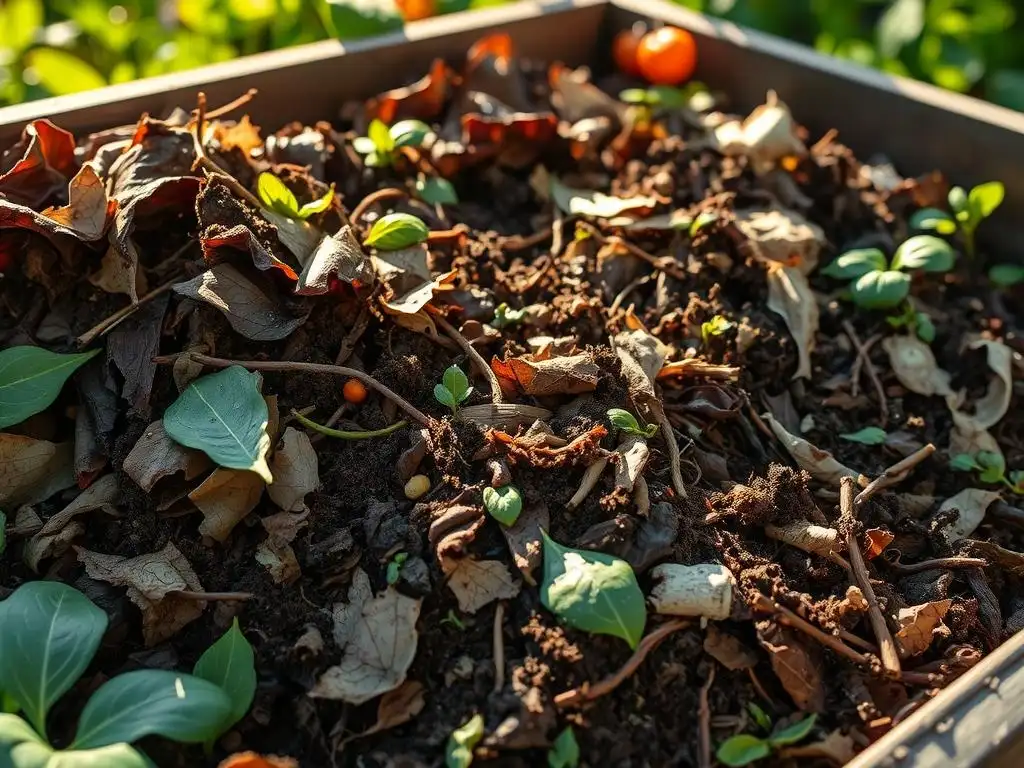
Sustainable gardening relies heavily on effective composting, and managing your compost pile properly is crucial for success. This section focuses on the key aspects of compost pile management: turning, moisture control, and aeration. These practices directly impact the decomposition rate and the quality of your finished compost, ultimately contributing to healthier plants and a more sustainable garden. Properly planned compost management is key to sustainable gardening compost planning.
The Importance of Regularly Turning Your Compost Pile for Aeration
Regularly turning your compost pile is arguably the most important aspect of compost management. Turning, or aerating, introduces oxygen into the pile, which is vital for aerobic decomposition – the process where beneficial microorganisms break down organic matter. Without sufficient oxygen, anaerobic decomposition occurs, leading to foul odors, slow decomposition, and a less nutrient-rich end product.
Think of it like this: the microorganisms in your compost pile are like tiny workers. They need air to breathe and work efficiently, just like we do. Turning the pile allows them to access the oxygen they need to thrive and break down the organic materials effectively. A well-aerated pile will show signs of active decomposition: a slightly warm temperature (ideally around 130-160°F or 54-71°C), a dark brown color, and an earthy smell. Conversely, a poorly aerated pile will smell unpleasant, be cold to the touch, and decompose much more slowly.
A good rule of thumb is to turn your compost pile at least once a week, more frequently if you notice unpleasant odors or slow decomposition. The frequency will also depend on the size of your pile and the materials used. Larger piles may require more frequent turning. Use a pitchfork or garden spade to thoroughly mix the materials, ensuring good air circulation throughout the pile.
Maintaining Optimal Moisture Levels for Efficient Decomposition
Maintaining the correct moisture level is just as important as aeration. Your compost pile should be as moist as a wrung-out sponge. Too dry, and the decomposition process slows down significantly. Too wet, and it becomes anaerobic, leading to unpleasant smells and potentially attracting pests.
Checking the moisture level is simple. Grab a handful of compost. If it feels dry and crumbly, add water. If water drips freely from your handful, it's too wet and needs more dry materials added, such as shredded paper or dry leaves. You can also use a moisture meter designed for soil to obtain a more precise measurement. Regularly monitoring and adjusting the moisture content ensures optimal conditions for microbial activity and efficient decomposition, contributing to the overall success of your sustainable gardening compost planning.
Monitoring Temperature and Adjusting the Compost Mix as Needed
Monitoring the temperature of your compost pile provides valuable insights into the decomposition process. An actively decomposing pile will generate heat. You can use a compost thermometer to monitor the temperature. Ideally, the temperature should remain in the mesophilic range (around 100-140°F or 38-60°C) or thermophilic range (130-160°F or 54-71°C) for several weeks. If the temperature drops significantly, it may indicate a need for more aeration or moisture. If the temperature stays consistently high for extended periods, it could mean the pile is too wet or compact and needs turning.
Furthermore, the composition of your compost pile can influence its temperature and decomposition rate. A balanced mix of "greens" (nitrogen-rich materials like grass clippings and food scraps) and "browns" (carbon-rich materials like leaves and twigs) is essential. If decomposition slows, consider adjusting the ratio of greens to browns to optimize the process. This detailed approach to monitoring and adjusting your compost pile is vital for successful sustainable gardening compost planning. Remember, consistent monitoring and adjustment are key to achieving optimal results.
Harvesting and Using Your Compost: Enriching Your Garden Soil
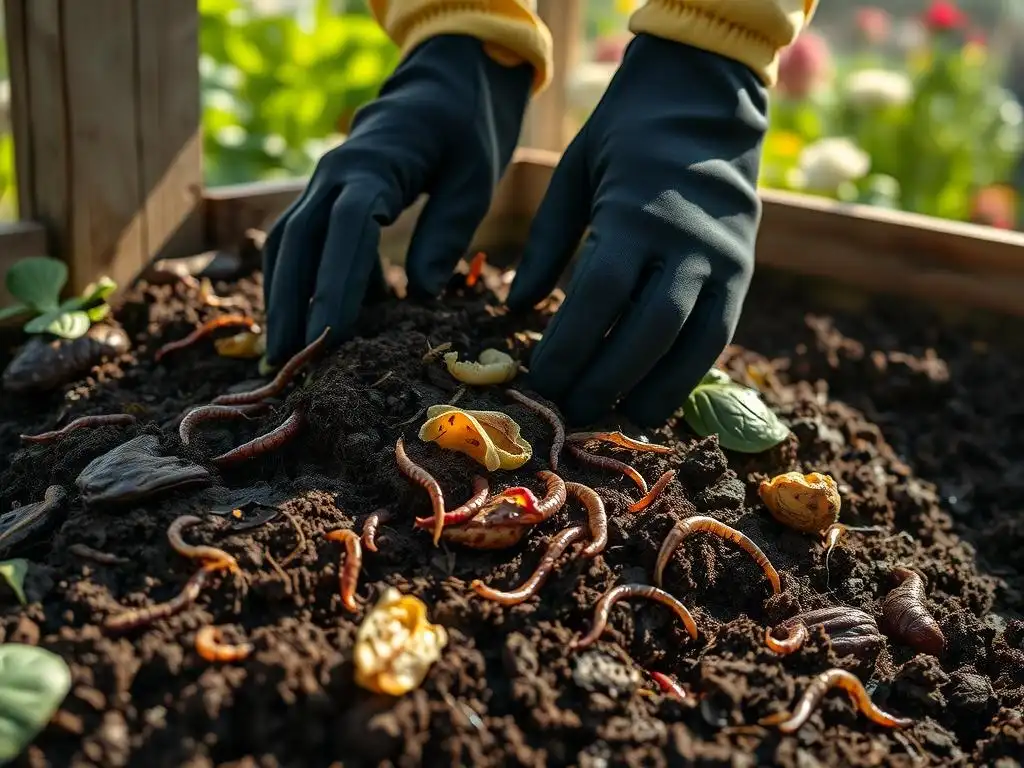
This section focuses on the rewarding culmination of your composting efforts: harvesting and utilizing the nutrient-rich compost to enhance your garden's health and productivity. Successful sustainable gardening compost planning hinges not only on the creation of compost but also on its effective application. Let's explore the process of harvesting mature compost and integrating it into your garden beds.
Recognizing When Your Compost is Ready for Use: Signs of Decomposition and Maturity
Knowing when your compost is ready is crucial for maximizing its benefits. Immature compost can harbor weed seeds and harmful pathogens, while overly decomposed compost may have lost some of its valuable nutrients. Several key indicators signal compost maturity:
- Dark, rich color: Mature compost transitions from its initial light brown or greenish hue to a dark brown or even black, indicating complete decomposition. This color change reflects the breakdown of organic matter and the formation of humus.
- Crumbly texture: The finished product should resemble dark, fertile soil, with a crumbly and easily friable texture. Avoid large, undecomposed chunks of organic material. A good test is to squeeze a handful – it should hold its shape slightly but crumble easily when broken.
- Earthy aroma: A pleasant, earthy smell signifies successful decomposition. Avoid any foul odors, which may indicate anaerobic decomposition and the presence of harmful bacteria. A slightly sweet, mushroomy scent is a positive sign.
- Lack of recognizable materials: You shouldn't be able to easily identify the original materials. Everything should be well-integrated and decomposed. The presence of significant pieces of fruit peels, leaves, or other recognizable materials indicates the compost needs more time.
- Temperature: The composting process generates heat. As the pile matures, the temperature will decrease and stabilize. A cool pile is usually a sign of maturity.
The process of decomposition is significantly influenced by factors such as the carbon-to-nitrogen ratio, moisture levels, and aeration. Maintaining a balanced ratio and adequate moisture and oxygen levels are essential for achieving optimal decomposition. Monitoring these factors throughout the composting process is key to sustainable gardening compost planning.
Incorporating Compost into Your Garden Beds: Methods and Best Practices
Integrating your finished compost into your garden beds provides a substantial boost to soil health and plant growth. Several methods ensure effective incorporation:
- Mixing into the topsoil: For established beds, gently mix a few inches of compost into the existing topsoil before planting. This improves soil structure, aeration, and nutrient content. The amount of compost to incorporate depends on the soil's condition; typically 2-4 inches is a good starting point.
- Creating raised beds: For new garden beds, incorporating compost into raised beds provides an excellent foundation for healthy plant growth. Simply fill the raised bed with a mixture of compost and soil, ensuring proper drainage.
- Topdressing: Spreading a layer of compost as a topdressing helps retain moisture, suppress weeds, and gradually enrich the soil over time. This method is particularly useful for established plantings. A 1-2 inch layer is usually sufficient.
Remember to avoid over-composting. Excessive compost can lead to nutrient imbalances and negatively impact plant growth. Start with smaller amounts and adjust based on your soil’s needs and the type of plants you are growing. Careful observation of plant growth and soil conditions will guide you towards the ideal amount of compost to use. This is a crucial aspect of sustainable gardening compost planning.
Using Compost as a Mulch for Weed Suppression and Moisture Retention
Compost isn't just for incorporating into the soil; it also makes an excellent mulch. Using compost as a mulch offers several benefits:
- Weed suppression: A layer of compost acts as a physical barrier, hindering weed seed germination and growth. This reduces the need for herbicides and promotes a healthier garden ecosystem.
- Moisture retention: Compost mulch helps retain soil moisture, reducing the frequency of watering, especially during dry periods. This is particularly beneficial in areas with limited water resources.
- Soil temperature regulation: The mulch helps moderate soil temperature, protecting plant roots from extreme heat or cold.
- Improved soil structure: Over time, the compost mulch gradually decomposes, further enriching the soil.
Applying compost mulch is straightforward. Simply spread a 2-4 inch layer of compost over the soil surface around your plants, taking care to avoid piling it directly against the stems. Regularly replenish the mulch layer as it decomposes. This simple yet effective practice is a cornerstone of sustainable gardening compost planning. The benefits extend beyond improved plant health, contributing to a more environmentally friendly and sustainable gardening approach.
Troubleshooting Common Composting Problems
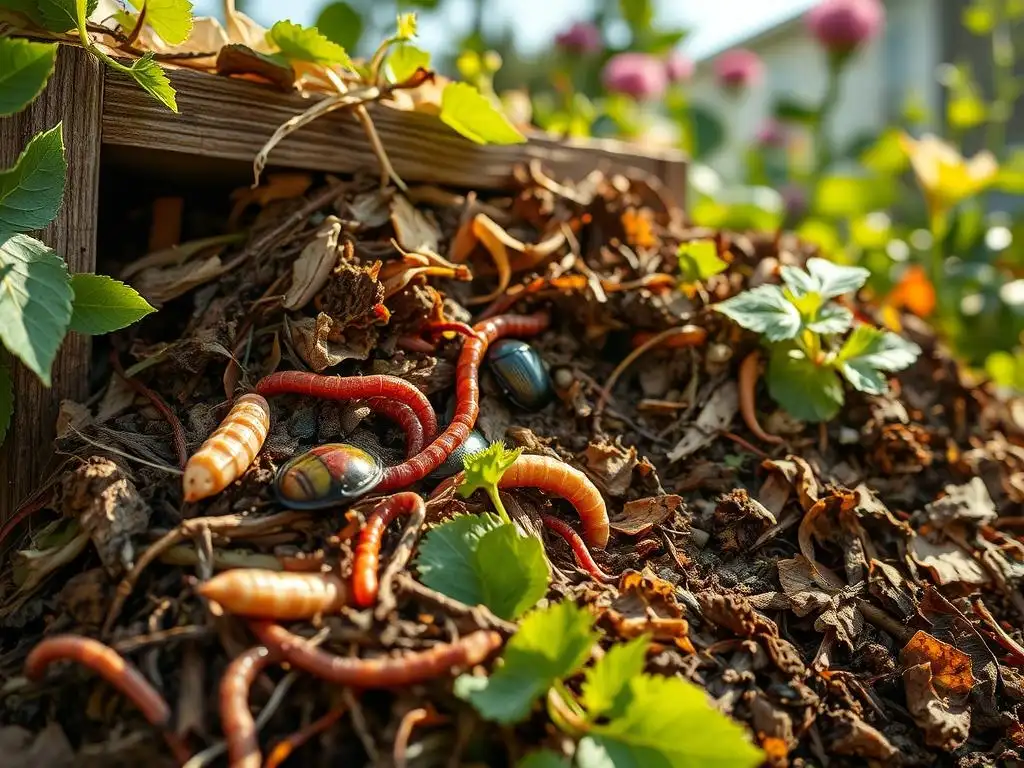
Sustainable gardening relies heavily on effective composting, transforming organic waste into nutrient-rich soil amendment. However, even the most diligent composters encounter challenges. This section addresses common problems and offers practical solutions to keep your composting system running smoothly and efficiently. Proper planning for your compost, including understanding potential issues, is crucial for successful sustainable gardening.
Dealing with Unpleasant Odors: Identifying and Addressing the Causes
Unpleasant smells emanating from your compost bin are a clear indication that something is amiss. The most common culprit is anaerobic decomposition – a process that occurs when there isn't enough oxygen reaching the organic matter. This leads to the production of foul-smelling gases. Several factors contribute to this:
- Insufficient aeration: A compacted compost pile restricts airflow, creating anaerobic conditions. Regular turning of the pile is essential to introduce oxygen and break up compacted areas. Aim for turning at least once a week, more frequently in hot weather.
- Excessive moisture: A soggy pile also inhibits oxygen flow. The ideal moisture content should resemble a damp sponge. If your compost is too wet, add more dry brown materials like shredded paper or dried leaves to absorb excess moisture.
- Incorrect carbon-to-nitrogen ratio: An imbalance between "brown" (carbon-rich) and "green" (nitrogen-rich) materials can also lead to odor problems. Too much nitrogen (from grass clippings, food scraps) without enough carbon can result in a smelly, slimy mess. Strive for a ratio of approximately 30:1 (brown to green).
- Inclusion of unsuitable materials: Certain materials, such as meat, dairy products, and oily foods, decompose slowly and attract pests, contributing to unpleasant odors. These materials should generally be avoided in home composting systems.
Addressing these issues involves adjusting the compost's composition and management practices. Regular monitoring of moisture levels and the carbon-to-nitrogen ratio, coupled with frequent turning, are key to preventing and resolving odor problems. Remember, a well-managed compost pile should have an earthy aroma, not a putrid one. This is a crucial aspect of sustainable gardening compost planning.
Managing Pests and Vermin in Your Compost Pile or Bin
While composting is a natural process, it can attract unwanted guests. Rodents, insects, and other pests can be a nuisance, but they are usually a sign of an imbalance within the system. Here’s how to manage them:
- Rodents: Keep your compost bin enclosed and elevated off the ground to prevent rodent access. Regular turning helps to disrupt their habitats. Avoid adding large quantities of food scraps that might attract them.
- Insects: Many insects are beneficial decomposers, but excessive populations can be a problem. Ensuring proper aeration and moisture levels often helps control insect numbers naturally. Introducing beneficial nematodes can also help manage pest populations.
- Birds: Birds can scatter compost and create a mess. Covering the compost pile with a tarp or netting can deter them.
Implementing preventative measures is more effective than dealing with infestations. Regular monitoring, proper bin design, and maintaining the correct balance of materials within the compost are crucial for sustainable gardening compost planning and pest control. A well-maintained compost pile will naturally deter many pests.
Addressing Slow Decomposition: Improving Aeration and Moisture Levels
Slow decomposition can be frustrating, delaying the production of valuable compost. Several factors can contribute to this:
| Factor | Description | Solution |
|---|---|---|
| Insufficient aeration | Lack of oxygen slows down microbial activity. | Turn the pile regularly, ensure adequate space between materials. |
| Inadequate moisture | Insufficient moisture limits microbial activity. | Add water if necessary; aim for a damp sponge consistency. |
| Large chunks of material | Large pieces decompose slowly. | Chop or shred materials before adding them to the compost pile. |
| Incorrect C:N ratio | An imbalance in carbon and nitrogen slows decomposition. | Adjust the ratio by adding more brown or green materials as needed. |
| Low temperatures | Cold temperatures slow microbial activity. | Consider using a covered bin or insulating the pile in cold weather. |
| Lack of beneficial microbes | Insufficient microbial diversity can slow down the decomposition process. | Consider adding compost starter or aged compost to introduce beneficial microbes. |
Addressing slow decomposition often involves a combination of these solutions. Regular monitoring, adjustments to the compost's composition and moisture, and attention to aeration are vital for efficient composting. This careful management is a key element of sustainable gardening compost planning, ensuring that your compost matures quickly and effectively. Remember, patience is key; even with optimal conditions, composting takes time.
Long-Term Compost Planning for Sustainable Gardening Practices
Effective compost planning is crucial for sustainable gardening. It's not just about throwing scraps in a bin; it's about creating a year-round system that maximizes nutrient generation and minimizes waste. This requires foresight and a strategic approach, considering factors like seasonal changes, available space, and the specific needs of your garden. Successfully implementing a long-term composting strategy directly contributes to the overall health and productivity of your garden, reducing your reliance on external inputs and fostering a truly sustainable ecosystem. The key to successful sustainable gardening compost planning is understanding your needs and tailoring your approach accordingly.
Developing a Year-Round Composting Schedule
A year-round composting schedule ensures a consistent supply of nutrient-rich compost for your garden throughout the growing season. This requires understanding the decomposition process and adjusting your input based on seasonal changes. For instance, during the warmer months (spring and summer), decomposition is faster due to increased microbial activity. This allows for the addition of larger quantities of "green" materials (nitrogen-rich, like grass clippings and fruit/vegetable scraps).
Conversely, during colder months (autumn and winter), the decomposition rate slows. Therefore, you should focus on adding "brown" materials (carbon-rich, like dried leaves and twigs) to maintain a proper carbon-to-nitrogen ratio. A balanced ratio is essential for efficient decomposition and prevents unpleasant odors.
Consider creating a simple calendar or spreadsheet to track your composting activity. This could include:
| Month | Green Materials (Nitrogen-Rich) | Brown Materials (Carbon-Rich) | Notes |
|---|---|---|---|
| January | Minimal kitchen scraps | Dried leaves, shredded paper, small twigs | Slow decomposition, focus on browns |
| February | Increased kitchen scraps, small amounts of grass | Dried leaves, twigs, cardboard | Gradually increase greens as weather improves |
| March | Kitchen scraps, grass clippings | Dried leaves, shredded branches | Decomposition speeds up |
| April | Abundant kitchen scraps, grass clippings | Smaller amounts of browns, maintain balance | Active decomposition, monitor moisture levels |
| May | Same as April | Same as April | High decomposition rate, regular turning needed |
| June | Same as April | Same as April | High decomposition rate, regular turning needed |
| July | Same as April | Same as April | High decomposition rate, regular turning needed |
| August | Same as April | Same as April | High decomposition rate, regular turning needed |
| September | Gradually decreasing kitchen scraps | Increased dried leaves, twigs | Decomposition slows as temperatures decrease |
| October | Minimal kitchen scraps | Abundant dried leaves, twigs, shredded branches | Slow decomposition, focus on browns |
| November | Minimal kitchen scraps | Dried leaves, twigs, cardboard | Slow decomposition, focus on browns |
| December | Minimal kitchen scraps | Dried leaves, shredded paper, small twigs | Slow decomposition, focus on browns |
Remember to adjust this schedule based on your specific climate and the types of materials you have available. Regular monitoring and adjustments are key to successful year-round composting.
Integrating Composting into Your Overall Sustainable Gardening Strategy
Sustainable gardening compost planning isn't isolated; it's an integral part of a larger system. Think of it as a continuous cycle: your garden produces waste (plant debris, kitchen scraps), which is then composted to create nutrient-rich soil that nourishes your plants, leading to further growth and waste production. This closed-loop system significantly reduces your reliance on external resources like chemical fertilizers and pesticides.
To seamlessly integrate composting into your overall strategy:
- Plan your garden layout: Consider proximity to your compost bins for easy access and transportation of materials.
- Choose appropriate composting methods: Consider factors like space availability, climate, and the amount of waste generated. Different methods, such as static pile, tumbling composter, or worm composting, will have different requirements and outputs.
- Monitor soil health: Regularly test your soil to understand its nutrient levels and adjust your composting strategy accordingly. You may need to supplement with other organic materials based on the results.
- Reduce waste: Prioritize using materials from your garden and kitchen to reduce your reliance on external inputs. Proper planning minimizes food waste and maximizes the use of organic materials within your sustainable gardening system.
Planning for Compost Storage and Future Use
Once your compost is ready, proper storage is vital to maintain its quality and prevent nutrient loss. A covered bin or pile will protect it from rain and leaching. If the compost is too wet, allow it to dry slightly before storing. This prevents compaction and helps retain beneficial microorganisms. Proper storage also protects your compost from pests and prevents weed seeds from germinating.
Planning for future compost use involves considering the types of plants you'll be growing and their nutrient requirements. Different plants have varying needs, and understanding these needs will enable you to tailor your compost application accordingly. For example, heavy feeders like tomatoes and squashes benefit from higher levels of nitrogen, while others, like leafy greens, might require a more balanced approach.
Consider creating a compost schedule for your garden that coincides with your planting calendar. This ensures that you have sufficient compost ready when needed and prevents waste. Ultimately, effective planning ensures you're maximizing the benefits of your compost in a sustainable way, enhancing the fertility and resilience of your garden.
Frequently Asked Questions
What is the importance of compost in sustainable gardening?
Compost is crucial for sustainable gardening because it improves soil structure, increases nutrient availability, and reduces the need for chemical fertilizers. It also helps retain water, benefiting both plants and the environment.
How do I plan my compost effectively for sustainable gardening?
Effective compost planning involves choosing the right location, size, and type of compost bin for your needs. Consider your waste generation and the space available. A well-planned system ensures efficient decomposition.
What materials are suitable for sustainable gardening compost?
Suitable materials include brown materials (like dried leaves and twigs) and green materials (like grass clippings and fruit/vegetable scraps). Avoid meat, dairy, and diseased plants to prevent attracting pests and foul odors. Balance is key.
How can I accelerate the composting process for sustainable gardening?
You can speed up composting by ensuring a good mix of brown and green materials, maintaining the right moisture level, and regularly turning the compost pile to aerate it. Smaller pieces decompose faster.
How does compost contribute to reducing my environmental impact in sustainable gardening?
Using compost reduces your reliance on synthetic fertilizers, which have environmental consequences. It also minimizes waste going to landfills, contributing to waste reduction and a smaller carbon footprint. It's a cornerstone of sustainable practices.
Final Reflection: Cultivating a Sustainable Future, One Compost Pile at a Time
Planning for compost is not merely a gardening technique; it's a fundamental shift in our relationship with waste and the environment. The meticulous planning detailed in this article—from selecting the right bin to understanding the crucial role of carbon and nitrogen—is more relevant today than ever before, as we grapple with the urgent need for sustainable practices. Our planet's health depends on our ability to reduce, reuse, and recycle, and composting stands as a powerful symbol of this commitment.
The impact of composting extends far beyond the fertile soil it creates; it represents a conscious effort to move away from a culture of disposability. It's a tangible act of stewardship, a way to reconnect with the natural cycles that sustain us. As Wendell Berry so eloquently put it: The practice of gardening, then, is a practice of hope, a practice of faith in the future.
This hope is embodied in the rich, dark earth produced through careful composting, a testament to our ability to nurture life and build a more sustainable future.
Now, consider your own backyard, your own community. What small steps can you take to integrate composting into your life? Perhaps it's starting a small worm bin on your balcony, or joining a community composting initiative. No matter the scale, the act of planning and participating in the composting process is a powerful act of self-sufficiency and environmental responsibility. Embrace the journey, and watch as your garden—and your understanding of sustainability—flourishes.
Unlock Your Garden's Potential: Start Composting Today!
Thanks for learning about the rewarding world of composting! We hope you're inspired to create a healthier, more sustainable garden. Now, let's put your knowledge into practice.
- **Begin composting today! ** Even a small backyard bin makes a big difference. Start collecting suitable materials and build your compost pile.
- Share your composting experiences—both successes and challenges—with our community. Join the CultivateYourFood forum and connect with fellow gardeners. Let's learn and grow together!
- Explore different composting methods such as vermicomposting, bokashi, or a simple heap. Each offers unique advantages.
What composting method will you try first, and why?