
Planning a Seasonal Garden: Planting for Spring, Summer, Fall, and Winter

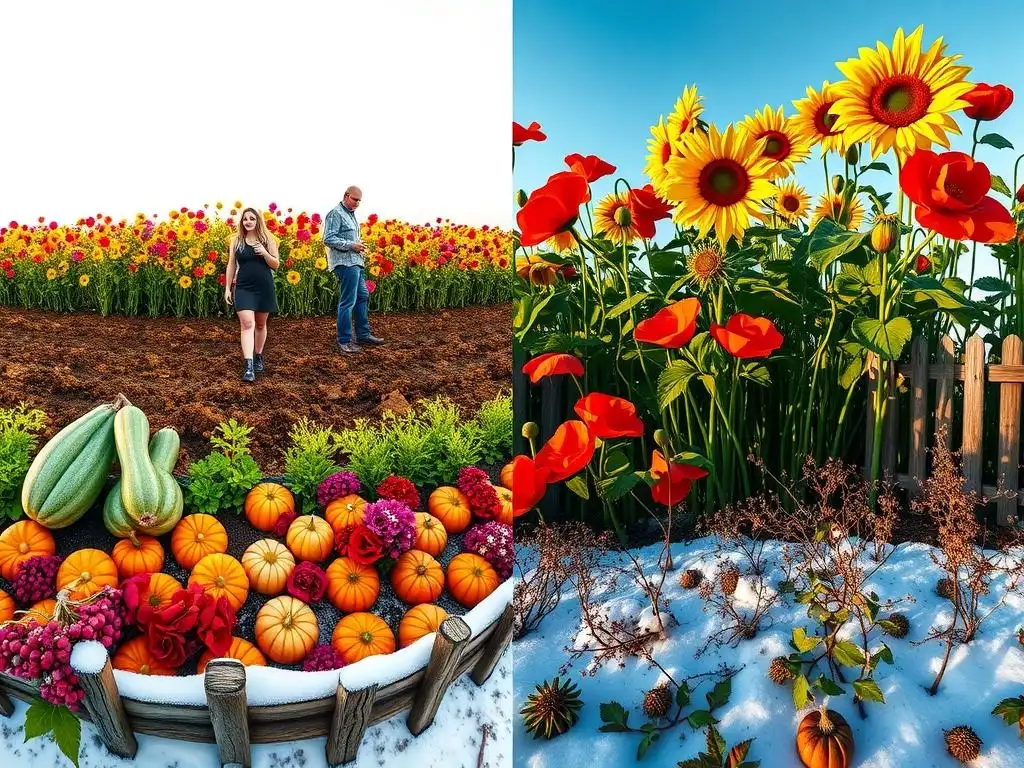
Ready to transform your backyard into a thriving oasis of fresh, organic produce? CultivateYourFood is your guide to successful home gardening. Unlock the secrets to bountiful harvests with our expert advice on everything from seed to table. Discover the optimal timing for planting with our comprehensive Seasonal Garden Planting Schedule, and begin your journey towards a year-round supply of delicious, homegrown goodness. Let's get growing!
- Understanding Your Seasonal Garden Planting Schedule
- Spring Garden Planting: A Burst of Color and Flavor
- Summer Garden Planting: Maximizing the Growing Season
- Fall Garden Planting: Harvesting Autumn's Bounty
- Winter Garden Planting: Embrace the Cold
- Creating a Year-Round Harvest: Seasonal Succession Planting
- Sustainable Gardening Practices for a Seasonal Garden
-
Frequently Asked Questions
- What is a seasonal garden planting schedule?
- How do I determine the best planting times for my region?
- What are some key factors to consider when planning a seasonal garden?
- Can I grow all vegetables year-round in any location?
- Where can I find more information about sustainable and organic gardening practices?
- Final Reflection: Harvesting the Bounty of Time and Nature
- Unleash Your Green Thumb: Grow a Year-Round Harvest!
Understanding Your Seasonal Garden Planting Schedule
Planning a successful seasonal garden hinges on understanding the nuances of your local climate and the specific needs of the plants you choose. A well-thought-out seasonal garden planting schedule maximizes your harvest and ensures a continuous supply of fresh produce throughout the year. This guide will walk you through the crucial steps of planning your seasonal garden, focusing on spring, summer, fall, and winter plantings, helping you optimize your yield and enjoy the fruits (and vegetables!)
of your labor. Mastering your seasonal garden planting schedule is key to successful organic gardening, and this comprehensive guide will provide you with the tools and knowledge to achieve a thriving and productive garden, all while embracing sustainable practices.
We'll explore how factors like microclimates, frost dates, and plant selection influence your planting timeline, enabling you to create a flourishing garden that provides fresh, healthy food all year round. Let's dive into the details to help you plan your seasonal garden effectively and sustainably.
Microclimates and Their Impact on Planting Times
Even within a relatively small area, microclimates can significantly affect planting times. A south-facing slope, for instance, will receive more sunlight and warmth than a north-facing one, allowing for earlier planting of heat-loving vegetables like tomatoes and peppers. Similarly, areas sheltered by buildings or trees might experience milder temperatures and be less prone to frost damage. Understanding these variations within your garden is crucial for optimizing your planting schedule. Consider these factors when planning:
- Sun Exposure: Track the amount of sunlight different areas of your garden receive throughout the day. Note areas that get full sun (6+ hours), partial sun (4-6 hours), and shade (less than 4 hours).
- Wind Protection: Identify areas sheltered from prevailing winds. Wind can significantly impact plant growth and increase the risk of frost damage.
- Soil Drainage: Assess the drainage of your soil. Poor drainage can lead to root rot and affect planting times, as waterlogged soil is less suitable for many plants.
- Elevation: Higher elevations generally experience cooler temperatures and shorter growing seasons.
By carefully observing these microclimatic variations, you can create a more nuanced planting schedule, maximizing the potential of each area within your garden. For example, you might plant cold-hardy vegetables like kale and spinach in shadier, cooler spots earlier in the season, while reserving sunnier, warmer areas for heat-loving crops later. This strategic approach will significantly improve the overall success of your garden.
First Frost and Last Frost Dates: Essential for Planning
Knowing your area's average first frost and last frost dates is paramount for successful seasonal gardening. These dates determine the length of your growing season and dictate when you can safely plant tender crops. These dates are readily available from local agricultural extension offices or online weather resources specific to your region. You can also refer to historical weather data from the past few years to gain a more comprehensive understanding of your local climate patterns.
Remember that these dates are averages; unexpected early or late frosts can still occur. Consider planting cold-hardy crops a little earlier and using frost protection methods like row covers or cloches to safeguard your plants against unpredictable weather events. This proactive approach can save your crops from potential damage and ensure a more consistent harvest throughout the season. For example, if your last frost date is typically around May 15th, but you've experienced late frosts in previous years, it might be wise to wait until a week or two after that date to plant heat-sensitive seedlings.
| Crop Type | Typical Planting Time (relative to last frost) | Notes |
|---|---|---|
| Cool-season crops | 2-4 weeks before last frost | Can tolerate some frost |
| Warm-season crops | 2-4 weeks after last frost | Sensitive to frost, require warmer temperatures |
| Tender annuals | After all danger of frost has passed | Extremely sensitive to frost |
Choosing the Right Plants for Your Region
Selecting plants appropriate for your region's climate is crucial for a thriving seasonal garden. Consider the average temperature, rainfall, and sunlight hours throughout the year. Choosing plants that are well-suited to your specific conditions will significantly increase your chances of success. Don't be afraid to consult with local nurseries or gardening experts; they can provide valuable insights into which plants thrive best in your area. Furthermore, researching the specific needs of each plant, including its preferred soil type, water requirements, and disease resistance, is also a critical step in successful gardening.
Consider creating a planting plan that incorporates a variety of plants with different growth cycles and maturity times. This ensures a continuous harvest throughout the growing season. For example, you can plant early-season crops like lettuce and radishes alongside later-season crops like tomatoes and peppers. This staggered approach will maximize your yield and provide a consistent supply of fresh produce.
Also consider succession planting, which involves planting new crops at regular intervals to ensure a continuous supply of vegetables. This technique is particularly beneficial for fast-growing crops like lettuce, spinach, and radishes. Remember, careful planning and selection are key to a successful and bountiful seasonal garden. 🌱
Spring Garden Planting: A Burst of Color and Flavor
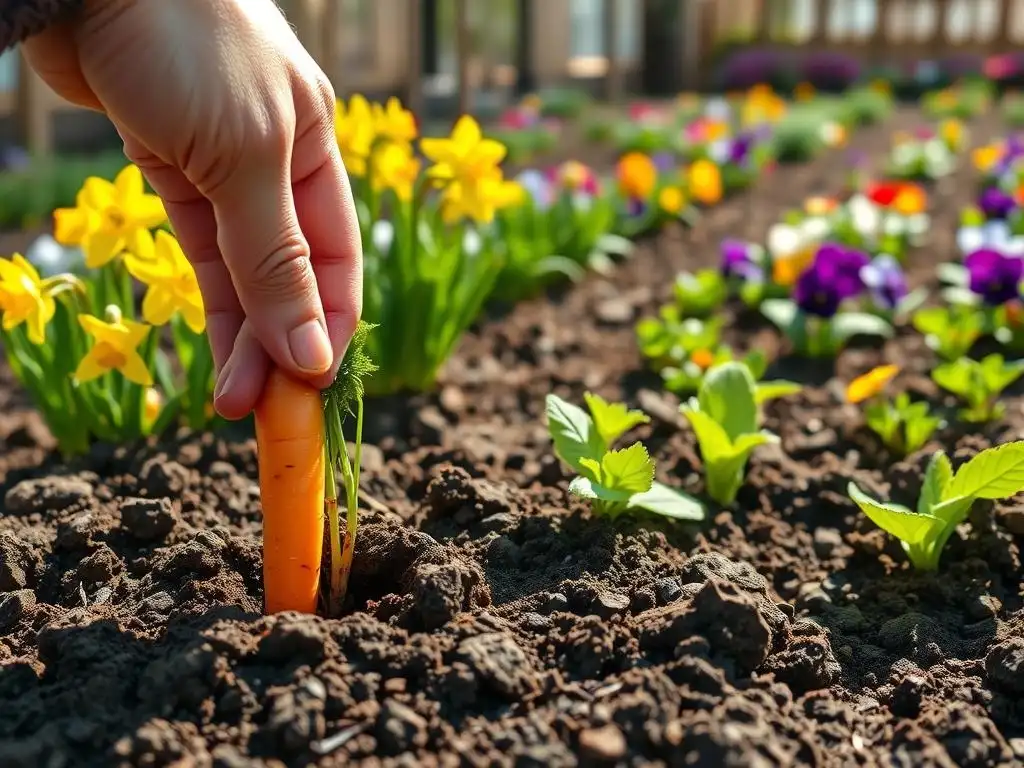
Spring is the perfect time to kickstart your seasonal garden planting schedule, brimming with the promise of fresh, homegrown produce. This season offers a unique opportunity to plant a variety of crops that thrive in milder temperatures and longer daylight hours. Careful planning ensures a bountiful harvest throughout the spring and into early summer. Let's delve into the specifics of maximizing your spring garden.
Early Spring Vegetables for a Head Start
Many vegetables can be sown directly into the ground once the threat of frost has passed and the soil has warmed sufficiently. This usually means waiting until the soil temperature reaches at least 50°F (10°C). Some hardy early spring vegetables that tolerate cooler conditions include:
- Lettuce: Various lettuce varieties, including loose-leaf, butterhead, and romaine, are cold-hardy and quick to mature. Consider succession planting—sowing a new batch every couple of weeks—for a continuous harvest.
- Spinach: Another cold-hardy green, spinach thrives in cool spring weather. Similar to lettuce, succession planting is recommended for a longer harvest period.
- Radishes: These fast-growing root vegetables are ready for harvest in as little as 3-4 weeks, making them ideal for early spring planting.
- Kale: A nutrient-rich leafy green that can withstand light frost.
- Peas: Plant peas early in the season, as they prefer cooler temperatures. Consider using pea netting to support the climbing vines.
Remember to check your local frost dates to determine the optimal planting time for your area. Soil preparation is crucial for success; ensuring good drainage and amending with compost will provide the ideal environment for healthy growth. Early spring planting requires vigilance; monitor for pests and diseases and address them promptly to prevent significant crop loss. A healthy start in spring sets the stage for a successful growing season.
Spring Flowers: Adding Beauty to Your Edible Garden
While focusing on vegetables is crucial for a productive garden, incorporating spring flowers adds aesthetic appeal and supports beneficial pollinators. Flowers like:
- Calendula: These bright orange and yellow flowers attract pollinators and are also edible, adding a peppery flavor to salads.
- Nasturtiums: Their vibrant blooms and peppery leaves are both edible and visually stunning.
- Pansies: These cheerful flowers add a splash of color and are relatively low-maintenance.
- Violets: Their delicate blooms and sweet fragrance attract pollinators, and the petals are edible.
These flowers not only enhance the beauty of your garden but also attract beneficial insects like bees and butterflies, which are essential for pollinating your vegetables and fruits. Strategic placement among your vegetable crops can improve overall yield and create a vibrant, thriving ecosystem.
Preparing Your Soil for Spring Planting
Before planting anything, soil preparation is paramount. This involves several key steps crucial for a successful seasonal garden planting schedule:
- Testing: Conduct a soil test to determine its pH and nutrient levels. This information will guide you in amending the soil with the appropriate fertilizers and compost. Knowing your soil's composition is crucial for optimal plant growth.
- Amending: Improve your soil's structure and fertility by adding organic matter, such as compost. Compost enriches the soil, improves drainage, and provides essential nutrients for healthy plant growth. Aim for a loose, well-draining soil that is rich in organic matter.
- Tilling: Lightly till the soil to break up compacted areas and improve aeration. Avoid over-tilling, which can damage soil structure. A gentle tilling is sufficient to create a suitable planting bed.
- Weed Removal: Remove any weeds or grass before planting to prevent competition for resources. Thorough weed removal is crucial to ensure your vegetable and flower seedlings have the best chance of thriving.
By carefully preparing your soil in the spring, you lay the foundation for a successful and bountiful harvest. Remember, healthy soil equals healthy plants. This diligent preparation is a vital component of your overall seasonal garden planting schedule, optimizing your chances for a successful growing season.
Summer Garden Planting: Maximizing the Growing Season
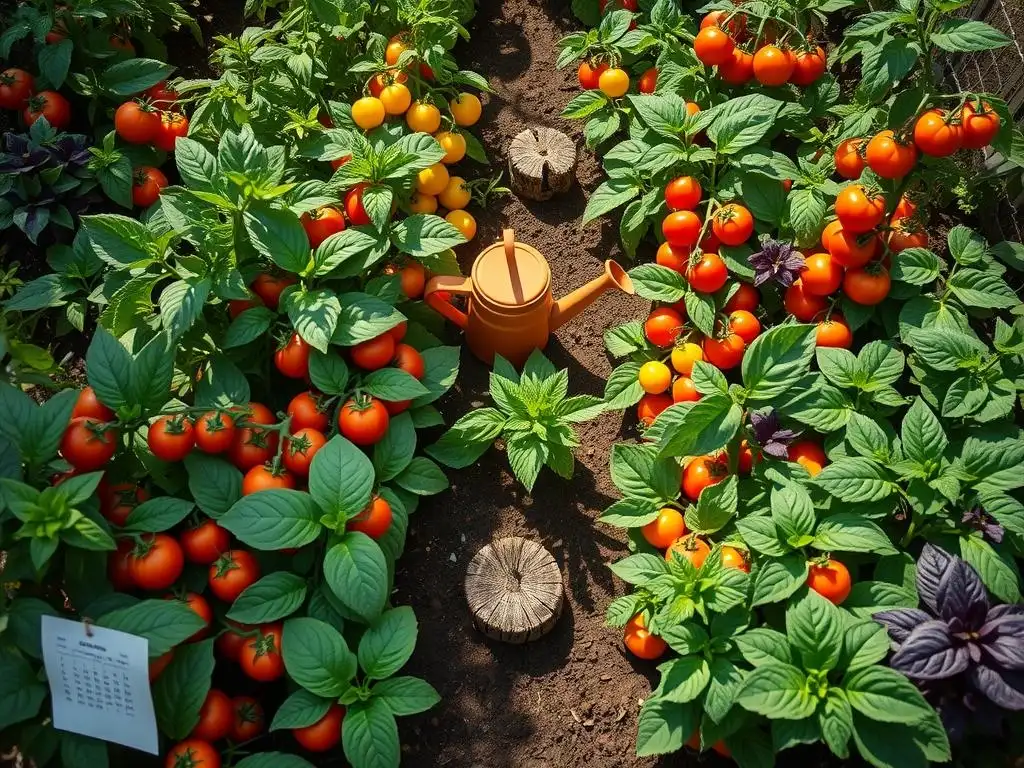
Summer presents unique challenges and opportunities for gardeners. The long days and intense sunlight offer a chance for abundant harvests, but also demand careful planning and execution to avoid heat stress and water loss. A well-planned summer garden leverages the season's strengths while mitigating its drawbacks. This section focuses on optimizing your summer garden for maximum yield and flavor, using a seasonal garden planting schedule that prioritizes heat-tolerant varieties and efficient water management.
Heat-Tolerant Vegetables for Summer Success
Summer's heat can be detrimental to many vegetables, causing wilting, blossom drop, and reduced yields. However, many varieties thrive in these conditions. Choosing the right crops is key to a successful summer harvest. Here are some excellent heat-tolerant options:
- Squash: Summer squash (zucchini, yellow squash) and winter squash (butternut, acorn) are incredibly heat-tolerant. They need plenty of sun and well-drained soil. Planting them early in the season ensures a long harvest. Consider succession planting – planting new seeds every few weeks – to extend the harvest period.
- Beans: Bush beans and pole beans are heat-loving plants that produce prolifically throughout the summer. They are relatively low-maintenance and require minimal care once established. Remember to provide adequate support for pole beans.
- Tomatoes: While tomatoes require consistent warmth, excessive heat can lead to blossom end rot. Choose heat-tolerant varieties like 'Celebrity' or 'Roma'. Proper watering and mulching are crucial to protect them from extreme temperatures.
- Peppers: Peppers, particularly bell peppers and jalapeños, enjoy hot weather and long growing seasons. They are heavy feeders, so enrich the soil with compost before planting.
- Eggplant: Eggplant also thrives in hot weather, but needs consistently moist soil. Mulching helps to retain moisture and regulate soil temperature.
Summer Herbs: Fresh Flavors for Your Dishes
Summer is the peak season for many flavorful herbs. Their vibrant aromas and tastes enhance any dish. Here's a selection of herbs that flourish in summer's heat:
- Basil: A quintessential summer herb, basil loves warmth and sun. Regular harvesting encourages bushier growth and prolongs the harvest. Experiment with different basil varieties, like Genovese, Thai, or lemon basil, for diverse flavors.
- Cilantro: While cilantro tends to bolt (go to seed) in intense heat, planting it in partial shade and harvesting regularly can extend its lifespan.
- Rosemary: A woody, drought-tolerant herb, rosemary thrives in hot, dry conditions. It's a perfect addition to Mediterranean-style dishes.
- Thyme: Similar to rosemary, thyme requires minimal watering and tolerates high temperatures. Its strong flavor adds depth to many culinary creations.
- Oregano: Another sun-loving, drought-tolerant herb, oregano is a versatile addition to many dishes. It is also relatively pest-resistant.
Watering and Mulching Techniques for Summer Gardens
Efficient watering and mulching are essential for protecting your summer garden from the intense heat. Improper watering can lead to stress and reduced yields, while the lack of mulch can lead to increased evaporation and soil temperature fluctuations.
- Watering: Deep, infrequent watering is more effective than shallow, frequent watering. Water deeply in the morning to allow plants to absorb the water before the heat of the day. Use drip irrigation or soaker hoses to deliver water directly to the roots, minimizing evaporation.
- Mulching: Applying a layer of mulch (straw, wood chips, or shredded leaves) around your plants helps to retain soil moisture, suppress weeds, and moderate soil temperature. A 2-3 inch layer of mulch is generally sufficient. Avoid piling mulch directly against plant stems to prevent rot. Mulching is a crucial aspect of a successful seasonal garden planting schedule.
This detailed approach to summer gardening ensures that your plants thrive, producing a bountiful and flavorful harvest throughout the season. Remember that consistent observation and adaptation are key to success in any garden, especially during the peak summer months. Enjoy the fruits (and vegetables!) of your labor!
Pest and Disease Management in Summer
Summer's heat and humidity create ideal conditions for many pests and diseases to thrive in your garden. Proactive pest and disease management is crucial for a successful summer harvest. Regular monitoring is key – inspect your plants at least twice a week, looking for signs of infestation or disease. Early detection significantly increases your chances of successful intervention. Look for unusual spots, discoloration, wilting, holes in leaves, or the presence of insects themselves.
One effective strategy is companion planting. Certain plants repel or attract beneficial insects that prey on common garden pests. For example, basil planted near tomatoes can deter tomato hornworms, while marigolds can repel nematodes. Research companion planting combinations that are suitable for your specific crops. This natural approach minimizes the need for chemical pesticides, aligning with sustainable gardening practices.
However, sometimes, despite your best efforts, pest infestations or diseases can occur. When dealing with pests, consider using organic pest control methods first. This could involve introducing beneficial insects like ladybugs or praying mantises, which are natural predators of many common garden pests. You can also use insecticidal soap or neem oil, both of which are relatively safe for beneficial insects and pollinators. Always follow the instructions on the product label carefully.
For disease management, ensuring good air circulation around plants is crucial. Overcrowding can lead to increased humidity and fungal diseases. Proper spacing between plants allows for better airflow and reduces the risk of disease spread. In addition, ensuring your plants receive adequate sunlight and water is vital for their overall health and resistance to diseases.
Avoid overhead watering, which can promote fungal growth. Instead, opt for watering at the base of the plants. If disease does occur, remove and destroy affected plant parts to prevent further spread. In severe cases, you might need to consider removing the entire plant to protect the rest of your garden.
Remember to rotate your crops yearly to break pest and disease cycles. This simple practice significantly reduces the build-up of pathogens and pests in the soil. A healthy soil is a strong foundation for a healthy and resilient garden. The use of compost and other organic matter enriches the soil, supporting plant health and natural pest resistance.
Fall Garden Planting: Harvesting Autumn's Bounty
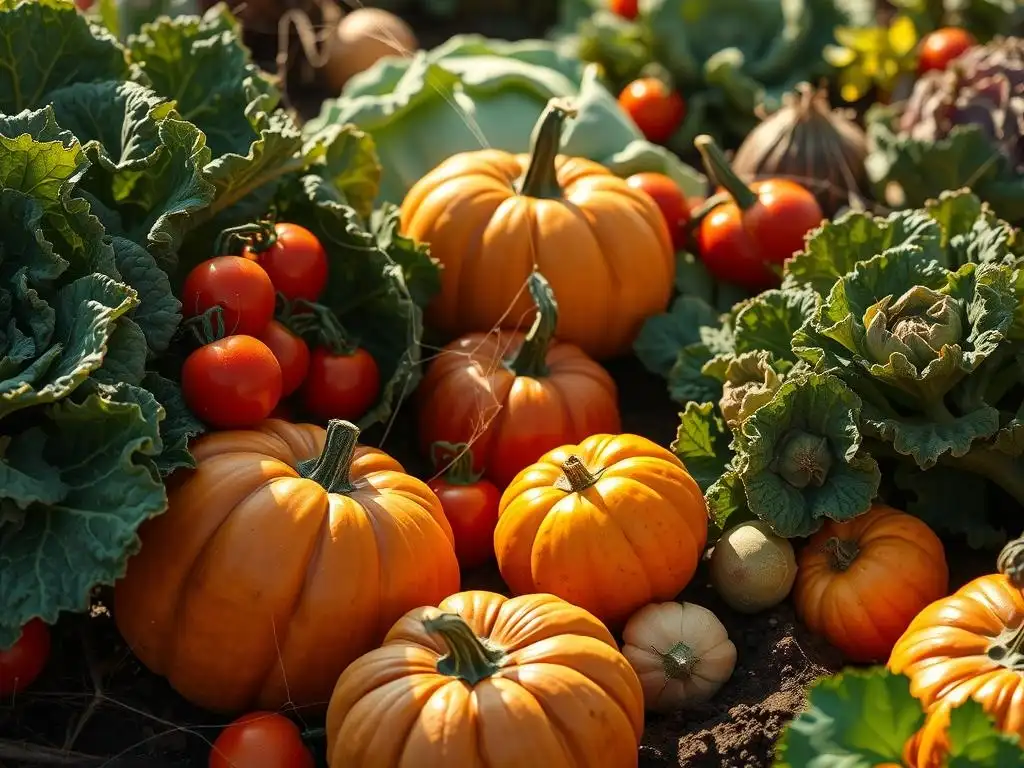
Fall gardening offers a unique opportunity to extend the harvest season and prepare your garden for the winter months. A well-planned fall garden can provide a delicious bounty of cool-season crops and vibrant fall flowers, adding beauty and sustenance to your autumn days. This section will guide you through the essential steps for successful fall planting, focusing on optimizing your seasonal garden planting schedule for maximum yield.
Cool-Season Crops for a Late Harvest
Many vegetables thrive in the cooler temperatures of autumn. These cool-season crops are perfect for a late harvest, extending your access to fresh produce well into the fall. Timing is crucial for a successful fall harvest; it is important to check your local frost dates to ensure you've got enough time before the first frost. Here are some excellent options:
- Leafy Greens: Spinach, kale, lettuce, and arugula are all cold-hardy and will continue to produce until the first hard frost. Successive sowing every few weeks will ensure a continuous supply. Consider planting these in a partially shaded area to protect them from the intense afternoon sun.
- Root Vegetables: Carrots, beets, radishes, and turnips are also excellent choices for fall planting. These root vegetables will continue to grow and mature throughout the fall, providing a delicious harvest in late autumn. Ensure the soil is loose and well-drained for optimal growth.
- Brassicas: Broccoli, cauliflower, cabbage, and Brussels sprouts can be planted in early fall for a harvest in late fall or early winter (depending on your climate). These crops tolerate some frost but may need protection in extremely cold conditions.
Planning your planting schedule requires careful consideration of your specific climate and the average number of frost-free days. For instance, planting spinach too late might mean it doesn't fully mature before frost sets in, while planting it too early might lead to bolting (going to seed prematurely). Consult local gardening resources or experienced gardeners in your area for optimal planting times.
Fall Flowers: Extending the Beauty into Autumn
Don't limit your fall garden to vegetables! Extend the beauty of your garden into autumn with a selection of hardy fall flowers. These flowers add a splash of color to your landscape as the leaves change, creating a stunning autumn display. Consider these options for vibrant fall color:
- Asters: These daisy-like flowers come in a wide array of colors and bloom late into the fall. They are relatively low-maintenance and attract beneficial pollinators.
- Chrysanthemums (Mums): These cheerful blooms are a classic fall favorite, available in a variety of colors and sizes. They are relatively easy to care for and add a burst of color to your garden.
- Ornamental Kale and Cabbage: Beyond their culinary uses, these plants offer stunning foliage in shades of purple, red, and green, providing visual interest well into winter.
Remember to choose varieties suited to your specific climate and soil conditions. Planting in well-drained soil and providing adequate sunlight (depending on the flower's preference) will help ensure a vibrant display. Deadheading (removing spent blooms) will encourage more flowering.
Preparing Your Garden for Winter
Preparing your garden for winter is crucial for its health and productivity in the following seasons. This involves several important steps to protect your plants and soil:
- Cleaning Up: Remove all dead plants, weeds, and debris from your garden beds. This helps prevent the spread of diseases and pests. Composting healthy plant material is a sustainable way to enrich your soil for the next growing season.
- Soil Amendment: Improve soil health by adding organic matter such as compost or well-rotted manure. This will improve drainage, aeration, and nutrient content, ensuring a fertile growing environment for the next spring.
- Mulching: Apply a thick layer of mulch (such as straw, shredded leaves, or wood chips) to protect the soil from frost, retain moisture, and suppress weeds. This also helps regulate soil temperature, keeping it from fluctuating drastically.
- Protecting Plants: For any plants you wish to overwinter, provide appropriate protection against frost and cold temperatures. This might involve covering them with frost cloth, moving them to a sheltered location, or bringing them indoors.
By following these steps, you'll ensure your garden remains healthy and productive throughout the seasons, maximizing your harvest and making the most of your seasonal garden planting schedule. A well-prepared garden is the foundation for a successful spring planting.
Winter Garden Planting: Embrace the Cold
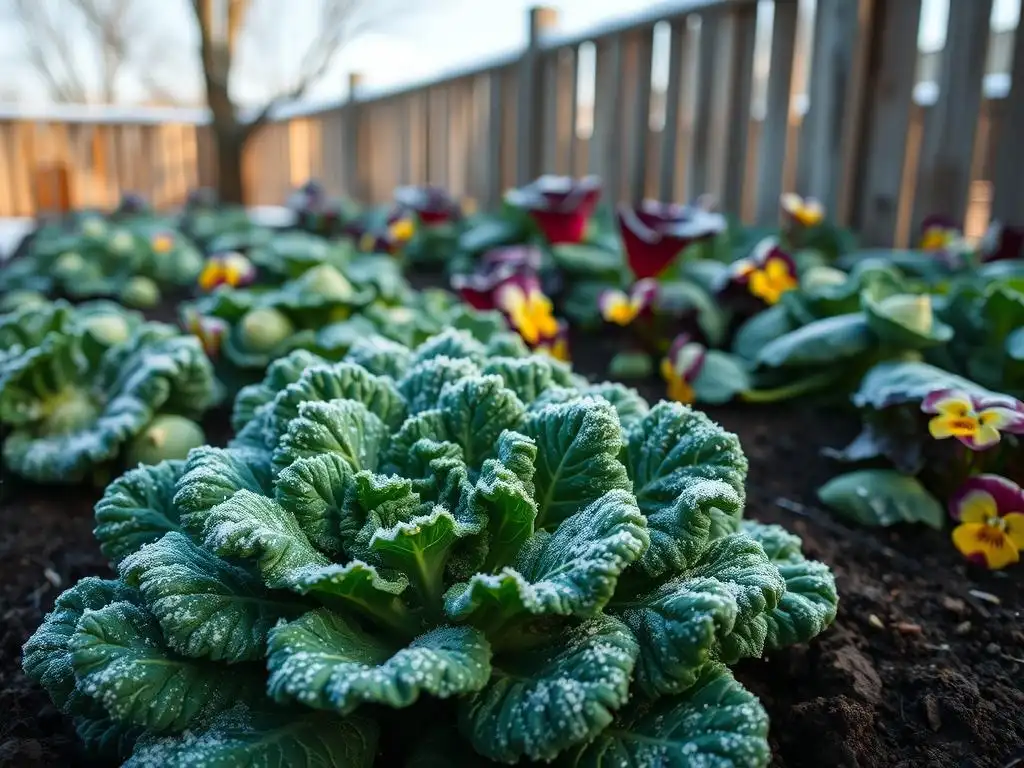
Winter gardening might seem daunting, but with careful planning and selection, you can enjoy fresh produce even when snow blankets the ground. A successful winter garden hinges on choosing the right plants and providing adequate protection against the elements. This section will guide you through creating a thriving winter garden, optimizing your "seasonal garden planting schedule" for the colder months.
Cold-Hardy Vegetables and Greens
Many vegetables and greens thrive in cooler temperatures and even tolerate light frost. These cold-hardy options are key to a successful winter garden. Consider incorporating these into your "seasonal garden planting schedule":
- Leafy Greens: Kale, spinach, arugula, and lettuce varieties specifically bred for cold weather are excellent choices. These plants can often withstand temperatures down to 20°F (-7°C) with minimal damage. Planting them in succession ensures a continuous harvest throughout the winter.
- Root Vegetables: While many root vegetables are harvested in the fall, some, like parsnips and winter radishes, actually improve in flavor after a frost. Their cold hardiness makes them ideal for winter harvesting.
- Other Cold-Hardy Options: Other cold-hardy vegetables include collard greens, chard, and even some varieties of broccoli and cauliflower. Remember to check the specific cold-hardiness of each variety before planting, as tolerance can vary significantly.
Planning your winter vegetable garden requires careful consideration of your local climate and the specific cold-hardiness of each plant. Researching specific varieties suited to your region is crucial for success. For example, a variety of kale that thrives in the Pacific Northwest might not fare as well in the harsh winters of the Midwest. Consult your local agricultural extension office or seed catalogs for recommendations tailored to your area's microclimate.
Protecting Your Plants from Winter's Harsh Conditions
Even the hardiest plants need some protection from winter's extremes. Several strategies can help your winter garden survive:
- Cold Frames and Row Covers: Cold frames are low, transparent structures that trap solar heat and provide insulation. Row covers, lightweight fabrics, offer similar protection. Both can significantly extend the growing season and protect plants from frost. Proper ventilation is important to prevent overheating on sunny days.
- Mulching: A thick layer of mulch (straw, shredded leaves, or other organic matter) around plants insulates the soil, preventing it from freezing and protecting roots from fluctuating temperatures. This is a simple yet highly effective technique.
- Location, Location, Location: Choose a sunny spot protected from strong winds. South-facing locations receive maximum sunlight, crucial for winter growth. Windbreaks, such as fences or hedges, can also provide significant protection.
- Water Wisely: Overwatering can damage plants during winter. Water deeply but less frequently, allowing the soil to dry slightly between waterings to prevent root rot. Avoid watering on cold days, as this can cause ice formation.
Planning for Next Year's Spring Planting
While focused on your winter garden, now is also the time to start planning for spring. A successful spring garden begins with fall preparations:
- Soil Improvement: Amend your soil with compost or other organic matter in the fall to improve its structure and fertility for next spring's planting.
- Seed Starting: For certain plants, starting seeds indoors in late winter will give them a head start for spring planting. This allows for earlier harvests and stronger plants.
- Planning Your Layout: Sketch out a garden plan, noting which plants you'll grow where to optimize sunlight, spacing, and companion planting. Consider crop rotation to prevent soilborne diseases and pest infestations.
By planning ahead, you can ensure a bountiful and successful spring garden following your winter harvest. This careful integration of planning for both seasons enhances the overall effectiveness of your "seasonal garden planting schedule" and allows for year-round enjoyment of homegrown produce. Remember that adapting your strategy based on your specific climate and local conditions is essential for maximizing your yield.
Creating a Year-Round Harvest: Seasonal Succession Planting
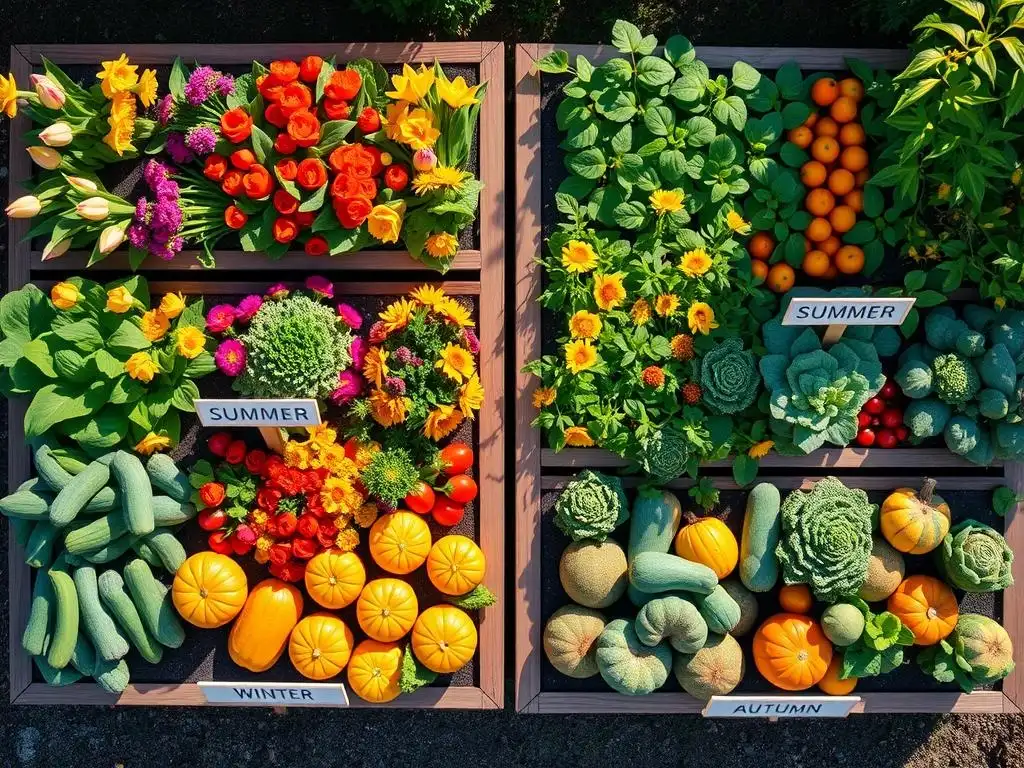
Succession planting, a cornerstone of a successful seasonal garden planting schedule, is the art of planting crops in stages throughout the growing season. This ensures a continuous harvest, preventing periods where your garden lies fallow and maximizing your yield. Instead of planting everything at once, you stagger plantings of the same crop at intervals of several weeks. This approach is crucial for maintaining a steady supply of fresh produce, even in shorter growing seasons.
For example, instead of planting all your lettuce seedlings at the same time, you'd plant a batch every two to three weeks. This way, you'll have fresh lettuce available throughout the growing season, from early spring to late fall. The precise intervals depend on the specific crop's maturity time and your local climate.
Planning for Continuous Harvesting
Careful planning is key to achieving a continuous harvest. This involves understanding the growth cycles of your chosen plants. Consider factors like days to maturity, planting dates for your region (determined by your last frost date and the average first frost), and the ideal spacing requirements for each plant.
A well-structured planting plan, possibly using a spreadsheet or garden journal, is essential. This plan should meticulously detail each planting date, the crop type, the number of seeds or seedlings, and the designated location in your garden. For instance, if you want fresh tomatoes from July to October, you'll need to plant several tomato varieties with varying maturity times; some early-season, some mid-season, and some late-season varieties.
This strategy ensures a consistent supply of tomatoes throughout the late summer and fall. Failing to plan properly can lead to gaps in your harvest, with periods of abundance followed by long lulls. Careful consideration of your seasonal garden planting schedule is essential for a successful outcome.
Vegetable and Herb Combinations for Optimal Growth
Strategic companion planting, maximizing the benefits of beneficial plant interactions, is another aspect of a successful seasonal garden planting schedule. Certain plants thrive when grown together, benefiting from each other's presence. For example, basil planted near tomatoes is said to repel tomato hornworms and improve tomato flavor. Similarly, marigolds can deter many common garden pests. Understanding these relationships allows you to create a synergistic garden ecosystem, minimizing the need for pesticides and maximizing yields. Creating a detailed plan that considers these interactions is crucial.
Here's a simple example of companion planting:
| Plant 1 | Plant 2 | Benefit |
|---|---|---|
| Tomatoes | Basil | Repels pests, enhances tomato flavor |
| Carrots | Onions | Deters carrot root flies |
| Cabbage | Rosemary | Repels cabbage moths and white butterflies |
Conversely, some plants are incompatible and should not be planted near each other. Understanding these relationships is just as crucial as knowing which plants work well together. This careful consideration of plant compatibility enhances the overall health and productivity of your garden.
Utilizing Trellises and Vertical Gardening Techniques
Vertical gardening techniques, such as using trellises, stakes, or hanging baskets, are effective space-saving methods, particularly beneficial for smaller gardens. They also improve air circulation, reducing the risk of fungal diseases, and allow for optimal sunlight exposure for all plants. This is especially important when following a dense seasonal garden planting schedule. Consider using trellises for climbing plants like beans, peas, cucumbers, and tomatoes.
This maximizes space utilization and ensures that your plants receive adequate sunlight and air circulation, leading to healthier plants and higher yields. Vertical gardening can significantly increase the overall productivity of your garden, especially when space is limited, making it a valuable tool in your seasonal garden planting schedule. Moreover, utilizing vertical space can create a more aesthetically pleasing and visually interesting garden.
Sustainable Gardening Practices for a Seasonal Garden
This section delves into the crucial sustainable practices that underpin a successful and environmentally friendly seasonal garden. By embracing these techniques, you not only cultivate healthy plants but also contribute to a healthier planet. A well-planned seasonal garden planting schedule, incorporating these practices, ensures optimal yields while minimizing your environmental impact.
Composting and Soil Enrichment
Composting is the cornerstone of sustainable gardening. It's a natural process that transforms organic waste—fruit and vegetable scraps, yard clippings, coffee grounds—into nutrient-rich compost, a fantastic soil amendment. This compost significantly improves soil structure, aeration, and water retention. Healthy soil is the foundation of thriving plants, reducing the need for chemical fertilizers.
The benefits extend beyond improved soil health. Composting reduces landfill waste, a significant environmental concern. By diverting organic materials from landfills, you decrease methane emissions, a potent greenhouse gas. Moreover, using compost eliminates the need for synthetic fertilizers, which can harm beneficial soil organisms and pollute waterways.
Creating a compost pile is surprisingly simple. You can use a dedicated compost bin or even a simple designated area in your garden. Layer "brown" materials (dried leaves, twigs) with "green" materials (grass clippings, food scraps), maintaining a balance for optimal decomposition. Regularly turn the pile to aerate it and speed up the process. After several months, you'll have dark, crumbly compost ready to enrich your garden beds. Consider adding a worm composting system (vermicomposting) for a more efficient and convenient method, especially for smaller spaces. The resulting vermicompost is exceptionally rich in nutrients.
Natural Pest Control Methods
Natural pest control is vital for maintaining a healthy and sustainable garden. Instead of relying on harmful chemical pesticides, you can employ various eco-friendly methods to manage pests effectively. These methods are not only safer for the environment and your family but also promote biodiversity in your garden.
Several techniques can be implemented:
- Beneficial insects: Introduce ladybugs, lacewings, and praying mantises, which prey on common garden pests like aphids and caterpillars. Providing habitat for these beneficial insects, like planting flowering herbs, will attract them naturally.
- Companion planting: Strategically planting certain plants together can deter pests. For example, basil repels tomato hornworms, while marigolds deter nematodes. Research companion planting combinations suited to your specific plants and pest pressures.
- Physical barriers: Row covers protect seedlings from pests like cabbage worms, while sticky traps effectively catch flying insects.
- Handpicking: Regularly inspecting plants and removing pests manually is an effective method, especially for smaller infestations.
- Neem oil: This natural insecticide derived from the neem tree is effective against a wide range of pests and is relatively safe for beneficial insects and pollinators. Always follow the instructions carefully.
Using a combination of these methods provides a holistic approach to pest management, minimizing the need for harmful chemicals while fostering a healthy ecosystem within your garden. Remember that proactive pest monitoring is key to early intervention and preventing large-scale infestations.
Water Conservation Strategies
Water conservation is crucial for sustainable gardening, especially in drier climates. Efficient watering techniques not only save water but also promote healthier plant growth. Overwatering can lead to root rot and other diseases, while underwatering stresses plants and reduces yields.
Here are some key strategies for water conservation:
- Drip irrigation: This method delivers water directly to the roots, minimizing evaporation and runoff. It is particularly efficient for larger gardens.
- Soaker hoses: These hoses slowly release water along their length, providing consistent moisture to the soil. They are ideal for smaller gardens and raised beds.
- Mulching: Applying a layer of mulch (straw, wood chips, or compost) around plants helps retain soil moisture, reducing the frequency of watering.
- Rainwater harvesting: Collecting rainwater in barrels or tanks provides a free and sustainable source of water for your garden.
- Watering during cooler times: Avoid watering during the hottest part of the day to minimize evaporation. Early morning or late evening are the best times.
By implementing these water conservation strategies, you significantly reduce your water consumption while ensuring your plants receive the necessary hydration for optimal growth. Remember to monitor soil moisture regularly to adjust your watering schedule as needed, considering factors like weather conditions and plant type. A well-planned seasonal garden planting schedule that accounts for water needs is essential for success.
Frequently Asked Questions
What is a seasonal garden planting schedule?
A seasonal garden planting schedule is a plan that outlines the best times to plant different fruits, vegetables, and herbs based on your local climate and the specific needs of each plant. This ensures optimal growth and yields.
How do I determine the best planting times for my region?
Consult a local gardening guide or use online resources to find frost dates and average temperatures for your area. This will help you identify the appropriate planting windows for your chosen crops.
What are some key factors to consider when planning a seasonal garden?
Consider your local climate, including frost dates and average temperatures; the amount of sunlight your garden receives; and the specific needs of the plants you want to grow (e.g., sun exposure, soil type).
Can I grow all vegetables year-round in any location?
No, most vegetables have specific temperature requirements and growing seasons. You'll need to choose plants suitable for your climate and consider techniques like using a greenhouse or cold frame for extending the growing season.
Where can I find more information about sustainable and organic gardening practices?
Our website, CultivateYourFood.com, offers in-depth information on sustainable and organic gardening techniques, including planting, harvesting, composting, and pest control, helping you create a thriving and environmentally friendly garden.
Final Reflection: Harvesting the Bounty of Time and Nature
The art of seasonal gardening, far from being a mere horticultural practice, is a profound connection to the rhythms of nature and a powerful act of self-sufficiency. In a world increasingly disconnected from its food sources, understanding and implementing a seasonal planting schedule offers not only fresh, flavorful produce but also a deeper appreciation for the cyclical nature of life itself. This knowledge empowers us to actively participate in our food systems, fostering a sense of agency and connection to the land.
The impact of seasonal gardening extends beyond the individual, weaving its way into the fabric of our communities and cultures. From the shared joy of a bountiful harvest to the quiet satisfaction of nurturing life from seed to table, the practice fosters a deeper respect for the environment and the interconnectedness of all things. The glory of gardening: hands in the dirt, head in the sun, heart with nature. To nurture a garden is to feed not just the body, but the soul.
This quote perfectly encapsulates the holistic experience of tending a seasonal garden, enriching not only our plates but also our spirits.
Now, consider your own space, your own potential. What seeds of change can you plant? Perhaps it's a single herb box on your balcony, a small vegetable patch in your backyard, or even just a few potted plants on your windowsill. No matter the scale, the act of engaging with the seasonal cycle, of planting with intention and harvesting with gratitude, is a journey of self-discovery and a testament to the enduring power of nature's rhythm. Embrace the opportunity to cultivate not only your garden, but also your connection to the earth and the bounty it provides.
Unleash Your Green Thumb: Grow a Year-Round Harvest!
Thank you for exploring the joys of seasonal gardening! You now have the knowledge to plan a garden brimming with life all year long. Ready to put your expertise into practice?
- Start planting now! Use our seasonal guide to select the perfect plants for your region and get those seeds in the ground (or seedlings in pots). This is the crucial first step towards a thriving garden.
- Share your gardening journey! Tell us about your favorite plants or most exciting gardening project on our CultivateYourFood community forum.
- Document your progress: Keep a journal or take photos to track your plants' growth—it's incredibly rewarding to witness the fruits of your labor!
What's the first vegetable or flower you're eager to plant in your garden?