
Planning a Theme Garden: Create a Unique and Beautiful Space

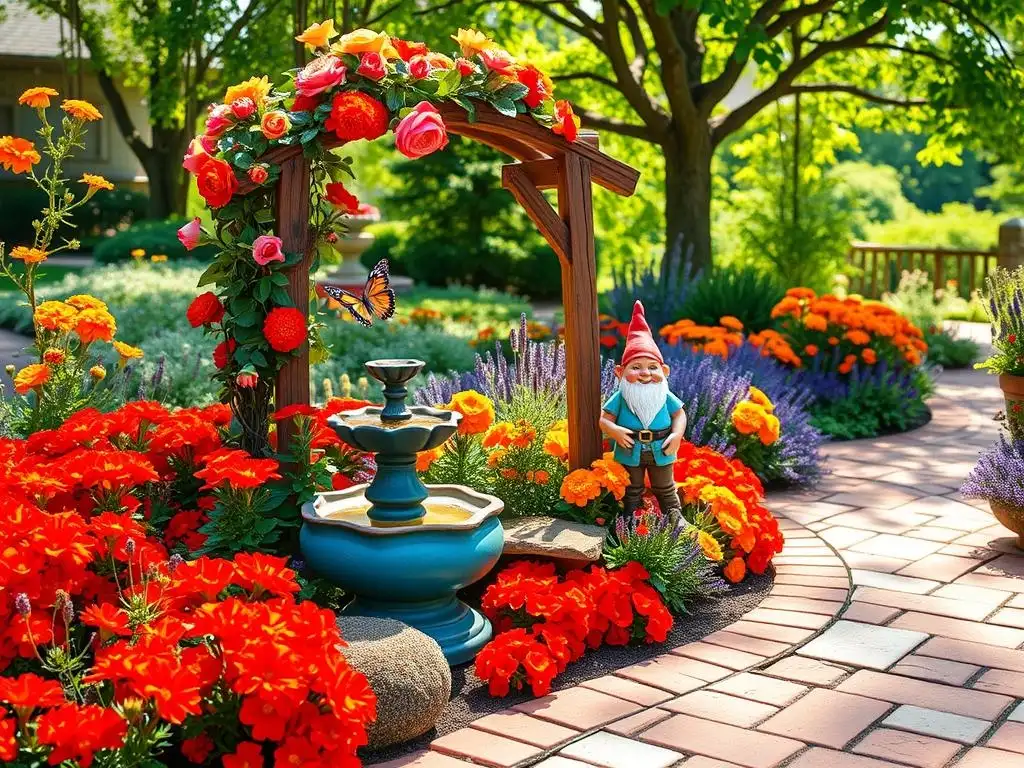
Ready to transform your backyard into a vibrant, productive haven? At CultivateYourFood, we empower you to grow your own delicious fruits, vegetables, and herbs using sustainable methods. Discover the secrets to successful home gardening, starting with our inspiring guide on Theme Garden Planning Ideas. Unleash your creativity and learn how to design a unique and thriving garden that reflects your personal style – let's get growing!
- Choosing Your Theme Garden Style: Initial Planning & Inspiration
- Designing Your Themed Garden Layout: Practical Considerations
- Implementing Your Themed Garden Design: Step-by-Step Guide
- Maintaining Your Themed Garden: Ongoing Care and Seasonal Adjustments
-
Enhancing Your Themed Garden's Aesthetics: Adding Finishing Touches
- Adding Decorative Elements: Enhancing the Visual Appeal of Your Garden
- Incorporating Pathways and Seating Areas: Creating a Relaxing and Functional Space
- Using Lighting to Highlight Your Themed Garden: Creating Ambiance After Dark
- Maintaining the Beauty of Your Themed Garden: Long-Term Care and Upkeep
- Frequently Asked Questions
- Final Reflection: Cultivating Dreams, One Bloom at a Time
- Unleash Your Inner Gardener: Design Your Dream Theme Garden Today!
Choosing Your Theme Garden Style: Initial Planning & Inspiration
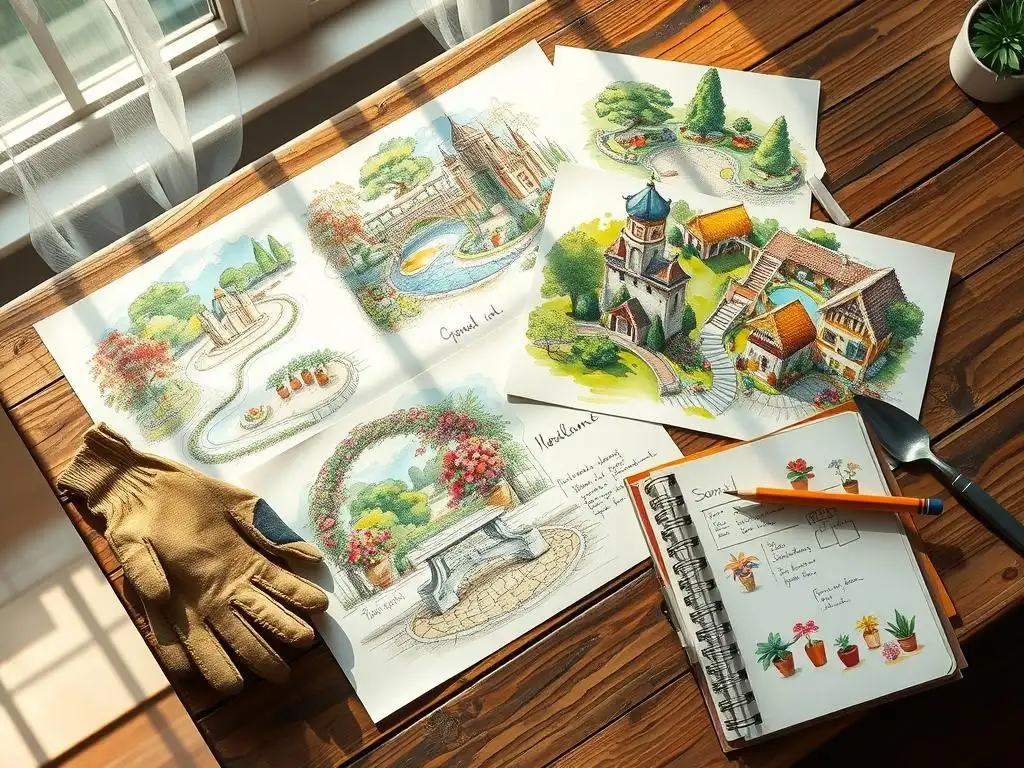
Planning a theme garden is a fantastic way to inject personality and creativity into your home gardening. It moves beyond simply growing food; it's about crafting a unique outdoor space that reflects your passions and enhances your enjoyment of the gardening process. This guide will walk you through the essential steps of planning your theme garden, from brainstorming initial ideas to selecting plants that both thrive in your environment and complement your chosen aesthetic.
We'll explore various thematic approaches, offering practical advice to help you create a beautiful and productive garden that truly embodies your vision. Choosing a theme not only makes the garden more visually appealing, but it also simplifies plant selection, making the entire gardening experience more manageable and rewarding. This article will cover everything from selecting a theme that aligns with your space and lifestyle to researching design ideas to ensure your theme garden is both stunning and sustainable.
Let's cultivate your dream theme garden! 🌱
Defining Your Garden's Theme: Ideas for Themed Gardens
The first step in planning your theme garden is defining its central theme. This will guide all subsequent decisions, from plant selection to garden layout. Consider what truly sparks your joy and aligns with your personal style. Here are some popular theme garden ideas to get you started:
- Herb Garden: A classic choice, focusing on culinary and medicinal herbs. Consider incorporating different heights and textures for visual interest. Think rosemary bushes, delicate chives, and fragrant lavender.
- Pollinator Garden: Attract beneficial insects like bees and butterflies with vibrant, nectar-rich flowers alongside herbs and vegetables. This not only benefits the ecosystem but also contributes to a healthier and more productive garden.
- Mediterranean Garden: Evokes the sun-drenched landscapes of the Mediterranean with drought-tolerant plants like olives, lavender, and rosemary. This style lends itself to warm climates and requires less frequent watering.
- Cottage Garden: A charming, informal style characterized by a mix of flowering plants, herbs, and vegetables spilling over pathways. This style prioritizes abundance and a romantic, whimsical feel.
- Japanese Garden: Emphasizes tranquility and harmony with carefully selected plants, rocks, and water features. This style requires careful planning and consideration of space and proportion.
- Vegetable Patch: A functional garden focused on growing a variety of vegetables. Consider companion planting to maximize yield and deter pests. This approach emphasizes practicality and productivity.
Remember, these are just starting points. You can blend elements from multiple themes or create something entirely unique! For example, a "Mediterranean Herb Garden" combines the fragrant herbs of a herb garden with the drought-tolerant plants of a Mediterranean garden. The possibilities are endless!
Selecting a Garden Theme that Suits Your Space and Lifestyle
Once you have a few theme ideas, it's crucial to assess their suitability for your space and lifestyle. Consider the following factors:
- Available Space: A Japanese garden requires careful planning and might not be suitable for a small balcony. A large vegetable patch needs ample space for rows of plants.
- Sunlight: Sun-loving plants won't thrive in a shady area, and vice versa. Match your theme to the amount of sunlight your garden receives.
- Climate: Choose plants that are well-suited to your local climate and growing season.
- Time Commitment: Some gardens, like cottage gardens, require more maintenance than others. Be realistic about how much time you can dedicate to gardening.
- Budget: Consider the cost of plants, materials, and any additional features (like water features or structures).
Carefully evaluating these factors will ensure that your chosen theme is both achievable and enjoyable. Don't be afraid to adjust your initial vision to better suit your practical circumstances. A successful theme garden is one that you can realistically maintain and enjoy for years to come.
Researching Theme Garden Design Ideas: Finding Inspiration Online and in Books
After selecting your theme, it's time to delve into the design process. Researching existing theme gardens is invaluable for gathering inspiration and learning from others' experiences. Explore various resources:
- Online Resources: Websites and blogs dedicated to gardening offer a wealth of information and visual inspiration. Search for images and articles related to your chosen theme.
- Gardening Books: Many books offer detailed guidance on specific garden styles, including plant selection and design principles.
- Visit Gardens: If possible, visit local gardens or botanical gardens that showcase similar themes. This provides firsthand experience and allows you to observe successful designs.
By thoroughly researching and gathering inspiration, you can refine your vision and develop a comprehensive plan for your theme garden. Remember to consider not only the aesthetic appeal but also the practical aspects of plant selection, spacing, and maintenance. This research phase is crucial for creating a beautiful and thriving theme garden that you'll cherish for years.
Budget Considerations for Your Themed Garden Project
Planning a theme garden, while incredibly rewarding, requires careful budgeting. The costs can quickly escalate if you don't set a realistic budget from the outset. Many factors influence the overall expense, and understanding these is crucial for successful planning and avoiding financial surprises.
One significant cost is the initial investment in plants. The price varies dramatically depending on the chosen theme. A Mediterranean garden, for example, might feature drought-tolerant herbs and succulents, which are generally less expensive than rare or unusual flowering plants that might be the focus of a Victorian-style theme garden. Researching plant costs beforehand is essential – check local nurseries and online retailers for price comparisons. Consider starting with a smaller selection of plants and gradually expanding your garden as your budget allows. Propagating plants from cuttings or seeds can also significantly reduce costs over time.
Beyond plants, consider the cost of materials. This includes soil amendments (compost, mulch, etc. ), garden tools (shovels, trowels, watering cans), and any structural elements like trellises, fences, or decorative pathways. Choosing readily available, affordable materials can save a considerable amount. For instance, repurposing old pallets for trellises or using gravel instead of expensive paving stones for pathways are excellent cost-saving measures.
Don't underestimate the ongoing costs of maintaining your theme garden. This includes watering, fertilizing, pest control, and any necessary repairs or replacements. Factor in the cost of water, organic fertilizers, and pest control solutions. Regular maintenance helps prevent more significant and costly problems down the line. For example, neglecting weed control early on can lead to a much more labor-intensive (and expensive) weed removal process later.
Finally, consider the time investment. While not a direct monetary cost, your time is valuable. If you're short on time, you might consider hiring help for specific tasks like landscaping or heavy lifting, which should be factored into your overall budget. A well-planned budget, considering all these factors, will ensure your theme garden project remains enjoyable and financially manageable. Remember, a successful theme garden isn't necessarily about extravagance; it's about creating a beautiful and functional space within your means. Prioritize your spending and focus on the elements that are most important to achieving your vision.
Designing Your Themed Garden Layout: Practical Considerations
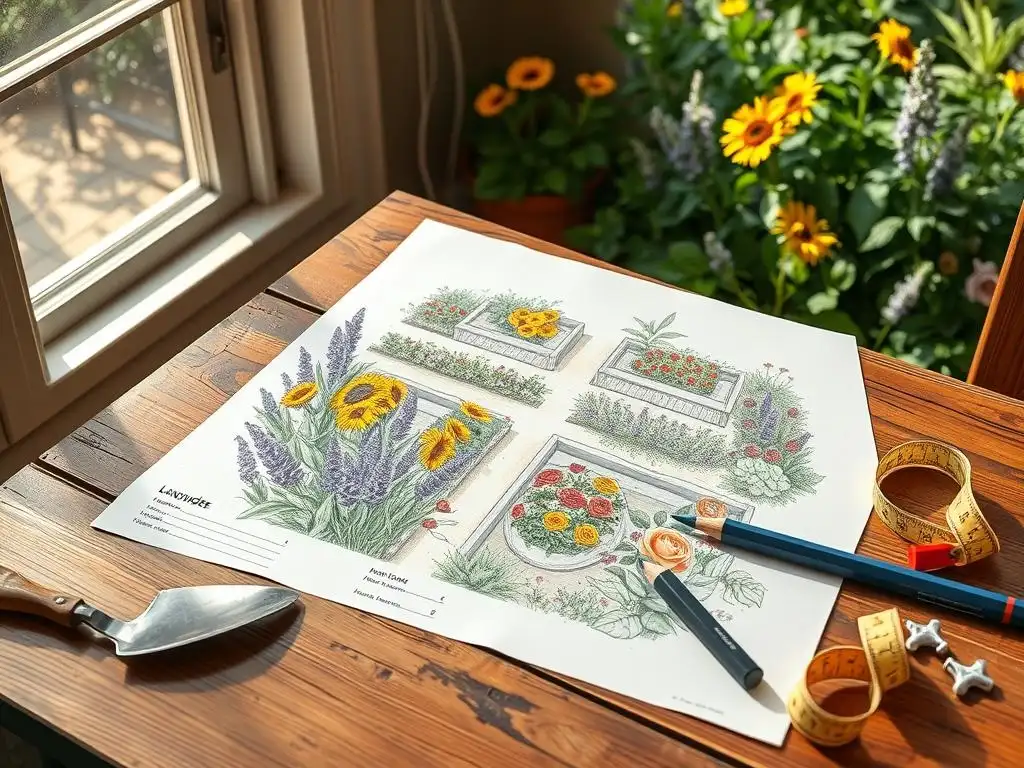
This section focuses on the practical aspects of designing the physical layout of your theme garden. Careful planning at this stage ensures a visually appealing and functional space that thrives. We'll explore key considerations to maximize your theme garden's potential.
Planning Your Garden's Layout: Size, Shape, and Orientation
Before even thinking about plant selection, you need a solid plan for your garden's physical dimensions and arrangement. The size will be dictated by available space and your ambition. A small, compact theme garden, perhaps focusing on a single type of herb like lavender, can be as satisfying as a larger, more complex design. Consider the shape – a square, rectangle, circle, or even a more free-flowing, informal shape. The choice impacts the overall aesthetic and how easily you can manage the space.
Orientation is crucial for maximizing sunlight. Most plants need at least six hours of direct sunlight daily. Observe the sun's path throughout the day to determine the best location for your theme garden. South-facing (in the Northern Hemisphere) generally receives the most sun. However, consider shading from buildings or trees. Documenting sunlight patterns over a week will provide invaluable data for your layout.
For example, a Mediterranean theme garden might benefit from a sunny, south-facing location, while a woodland theme might thrive in a shadier, north-facing area. Remember to account for pathways – wide enough for comfortable movement – and any water features you might incorporate. A well-defined layout prevents overcrowding and facilitates easy maintenance. Sketching several possible layouts on paper, noting sun exposure and plant placement, is a highly recommended step in the theme garden planning process.
Selecting Plants for Your Themed Garden: Choosing Species that Complement Your Theme
Choosing the right plants is paramount to bringing your theme garden to life. This involves selecting species that not only fit your chosen theme but also thrive in your specific climate and soil conditions. A cohesive plant palette is essential for creating a unified and visually stunning garden.
Consider the various aspects of your chosen theme. For instance, a Japanese garden might feature bamboo, bonsai trees, maples, and flowering cherry trees. A cottage garden might include roses, lavender, foxgloves, and other old-fashioned blooms. Research plants native to the region you are emulating for a more authentic and sustainable approach.
Beyond visual appeal, think about plant size and growth habits. Avoid overcrowding by selecting plants with appropriate mature sizes. Consider their height, spread, and how they will interact with each other as they grow. A well-balanced mix of heights and textures adds depth and visual interest. Use a garden planner or sketch to map out plant placement, ensuring that taller plants don't shade out smaller ones.
For example, if you are planning a butterfly garden, you would need to include nectar-rich plants like milkweed, coneflowers, and butterfly bush. Understanding the needs of each plant – sunlight, water, and soil type – will ensure their success and contribute to the overall health of your theme garden. Remember to choose a variety of flowering times to ensure continuous color throughout the growing season.
Incorporating Sustainable and Organic Practices into Your Themed Garden Design
Sustainable and organic gardening practices are crucial for creating a healthy and environmentally friendly theme garden. These methods minimize the environmental impact while promoting biodiversity and soil health. They contribute to a more aesthetically pleasing and resilient garden.
Composting is a cornerstone of sustainable gardening. It provides a nutrient-rich soil amendment, reducing reliance on chemical fertilizers. Consider creating a compost bin or using a composting system that aligns with your theme garden's aesthetic. This is an excellent way to recycle kitchen and garden waste, enriching the soil naturally.
Pest control should prioritize natural methods. Introducing beneficial insects like ladybugs and lacewings can help control pest populations without the use of harmful pesticides. Companion planting, selecting plants that repel pests or attract beneficial insects, is another effective strategy. Regularly inspecting plants for pests and diseases will allow for early intervention, reducing the need for stronger measures.
Water conservation is also vital. Use drought-tolerant plants whenever possible, and consider implementing water-wise irrigation techniques, such as drip irrigation or soaker hoses, to minimize water waste. Mulching helps retain soil moisture, reducing the frequency of watering. By implementing these sustainable practices, you’ll not only create a beautiful theme garden but also contribute to a healthier environment. The benefits extend beyond aesthetics, fostering a thriving ecosystem within your garden space.
Creating a Planting Schedule for Your Themed Garden
Developing a precise planting schedule is crucial for a successful theme garden, ensuring continuous blooms and harvests throughout the growing season. This isn't just about planting everything at once; it's about strategically staggering planting times to maximize the visual impact and yield of your themed garden. Consider the specific needs of each plant within your chosen theme.
For example, a Mediterranean theme might incorporate herbs like rosemary and thyme, which prefer warmer temperatures and full sun, alongside sun-loving vegetables such as tomatoes and peppers. These plants should be started indoors or planted out later in the spring after the last frost. In contrast, cooler-season crops like lettuce and spinach can be planted earlier.
To create your planting schedule, start by researching the ideal planting times for each plant in your theme garden. Many seed packets and plant tags provide this information. Your local agricultural extension office or gardening center can also offer valuable guidance specific to your region's climate. Utilize a garden planner, either a physical calendar or a digital app, to visually represent the planting schedule. Note the days to maturity for each plant; this information, combined with your desired harvest time, will help you determine the optimal planting date.
Remember to factor in the spacing requirements for each plant. Overcrowding will lead to competition for resources, impacting growth and yield. Use this information to determine how many plants you can comfortably fit in your designated garden space, optimizing the visual appeal of your theme garden. This also allows you to avoid overcrowding that might lead to the spread of diseases and pests. For example, if you're creating a butterfly garden, you'll need to space milkweed plants appropriately to allow for healthy growth and attract butterflies effectively.
Furthermore, consider succession planting to extend the harvest period. Succession planting involves planting new crops at intervals to replace those that have been harvested. This ensures a continuous supply of fresh produce throughout the growing season. For instance, you could plant a new batch of lettuce seeds every couple of weeks to ensure a continuous supply of fresh leaves. A well-planned succession planting strategy extends the visual appeal of your theme garden by constantly providing new growth and color.
Finally, don't forget to account for potential weather delays. Late frosts or unexpected heat waves can impact planting schedules. Keep an eye on weather forecasts and be prepared to adjust your planting schedule as needed. Having backup plants ready to go can mitigate the impact of unforeseen weather events, preserving the integrity of your theme garden's design. A flexible approach to your planting schedule ensures resilience and maximizes the success of your theme garden project.
Implementing Your Themed Garden Design: Step-by-Step Guide
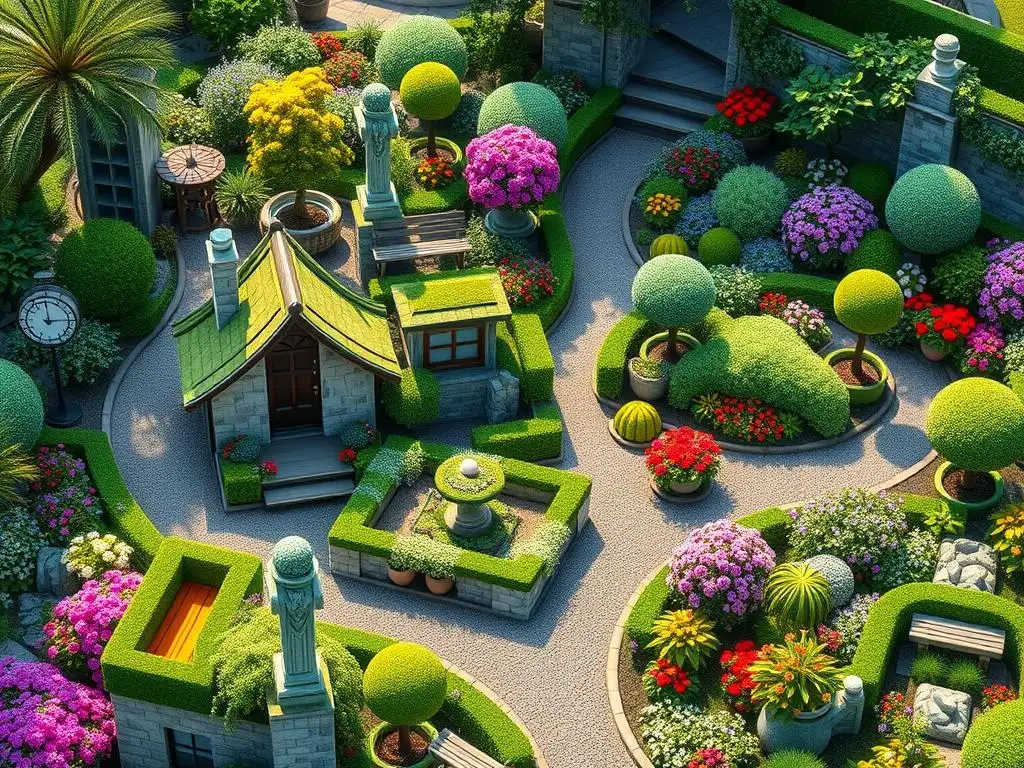
This section provides a practical, step-by-step guide to bringing your theme garden planning ideas to life. We'll move from soil preparation to planting and ongoing maintenance, ensuring your themed garden thrives. Remember, successful theme garden planning hinges on meticulous execution.
Preparing the Soil for Planting: Enriching Your Soil for Optimal Growth
Before even thinking about planting, soil preparation is paramount for a flourishing theme garden. Healthy soil is the foundation of any successful garden, regardless of theme. This involves several key steps:
- Testing your soil: Begin by testing your soil's pH level and nutrient content. A soil test kit, readily available at most garden centers, will provide valuable insights into your soil's composition. This allows you to amend the soil appropriately for the specific needs of your chosen plants. For example, acidic soil might require lime to raise the pH, while nutrient-poor soil benefits from compost or other organic matter.
- Improving soil structure: Good soil structure is crucial for drainage and aeration. Amend heavy clay soils with organic matter like compost, well-rotted manure, or peat moss to improve drainage and aeration. Sandy soils, conversely, benefit from the addition of organic matter to improve water retention. Consider adding coco coir for better water retention and drainage.
- Adding organic matter: Organic matter is essential for enriching the soil with nutrients and improving its overall health. Compost is an excellent choice, adding valuable nutrients and beneficial microorganisms. Well-rotted manure can also be incorporated, providing a slow-release source of nutrients. Avoid using fresh manure, as it can burn plant roots.
- Weed removal: Thoroughly remove any existing weeds and their roots before planting. Persistent weeds can compete with your desired plants for nutrients and water, hindering their growth. Consider using a garden fork to loosen the soil and make weed removal easier. Mulching after planting helps suppress future weed growth.
Planting Your Themed Garden: A Step-by-Step Guide to Planting
With your soil prepared, it's time to plant! The success of your theme garden planning directly correlates with the careful planting process.
- Choosing the right plants: Select plants that are appropriate for your chosen theme and your local climate. Consider plant height, spread, bloom time, and color to create a visually appealing and harmonious design. Research the specific needs of each plant to ensure compatibility with your soil conditions and location.
- Spacing your plants: Proper spacing is critical for optimal growth. Overcrowded plants compete for resources, leading to weaker growth and increased susceptibility to pests and diseases. Follow the recommended spacing guidelines for each plant species. Refer to plant tags or reliable gardening resources for precise spacing recommendations.
- Planting techniques: Plant seedlings or transplants at the appropriate depth, ensuring the root ball is covered completely with soil. Gently firm the soil around the base of each plant to ensure good contact with the roots. Water thoroughly after planting to settle the soil and help the plants establish themselves.
- Mulching: Apply a layer of mulch around your plants to conserve moisture, suppress weeds, and regulate soil temperature. Organic mulches, such as straw, wood chips, or shredded leaves, decompose over time, adding valuable organic matter to the soil. Consider using different mulches around different plants based on their specific needs.
Watering and Maintaining Your Themed Garden: Essential Care Tips
Ongoing care is essential for maintaining a thriving theme garden. Consistent watering and other maintenance tasks are crucial for long-term success.
- Watering schedule: Establish a regular watering schedule, adjusting based on weather conditions and soil moisture levels. Water deeply and less frequently rather than shallowly and often, encouraging deep root growth. Avoid overwatering, which can lead to root rot. Consider using a drip irrigation system for efficient and targeted watering.
- Fertilizing: Supplement your initial soil amendments with regular fertilization to provide plants with the nutrients they need. Use a balanced organic fertilizer or compost tea to promote healthy growth. Avoid over-fertilizing, which can damage plants and harm the environment.
- Pest and disease control: Regularly inspect your plants for signs of pests or diseases. Implement preventative measures, such as companion planting or the use of organic pest control methods, to minimize problems. Early intervention is key to controlling pests and diseases effectively. Consider introducing beneficial insects to your garden to help naturally control pests.
- Deadheading and pruning: Deadhead spent blooms to encourage continued flowering and prevent seed production. Prune plants as needed to maintain their shape and size and to remove any diseased or damaged growth. Pruning promotes air circulation and reduces the risk of disease. Regular maintenance keeps your theme garden looking its best.
Remember, consistent effort and attention are key to enjoying your beautiful, productive theme garden. Happy gardening!
Pest and Disease Control in Your Themed Garden: Organic Solutions
Maintaining a thriving theme garden relies heavily on proactive and sustainable pest and disease management. Organic methods are crucial for preserving the health of your plants and the environment, aligning perfectly with the sustainable ethos of CultivateYourFood. Instead of relying on harsh chemicals, which can harm beneficial insects and contaminate your produce, consider these organic approaches:
First, prevention is key. Proper plant spacing allows for good air circulation, reducing the risk of fungal diseases. Choosing disease-resistant varieties specific to your climate and theme is also vital. Regularly inspecting your plants for early signs of infestation or disease is another critical step. Early detection allows for swift intervention, preventing widespread damage. For example, a few aphids on a rose bush can be easily controlled, while a large infestation requires much more effort.
Secondly, introduce beneficial insects. Ladybugs, lacewings, and praying mantises are natural predators of many common garden pests like aphids and caterpillars. Creating a habitat that attracts these beneficial creatures, such as planting flowering herbs like dill and fennel, can significantly reduce pest populations. Consider building a small insect hotel to provide shelter and encourage their presence. This natural pest control method is both effective and environmentally friendly.
Thirdly, employ organic pest control methods. Neem oil is a versatile and effective organic pesticide derived from the neem tree. It disrupts the life cycle of many insects without harming beneficial insects or pollinators. Similarly, insecticidal soap is a safe and effective option for controlling soft-bodied insects like aphids and mealybugs. Always follow the instructions carefully and apply these treatments as needed. Remember to test a small area first to ensure there is no negative reaction on your specific plants.
Finally, consider companion planting. Certain plants repel pests and attract beneficial insects. For example, planting basil near tomatoes can deter tomato hornworms, while marigolds can repel nematodes. Researching companion plants suited to your specific theme garden can significantly enhance your organic pest control strategy. The strategic placement of these plants can create a self-regulating ecosystem within your garden, minimizing the need for external interventions. A well-planned theme garden, incorporating these principles, can flourish naturally, showcasing the beauty of sustainable gardening practices.
Maintaining Your Themed Garden: Ongoing Care and Seasonal Adjustments
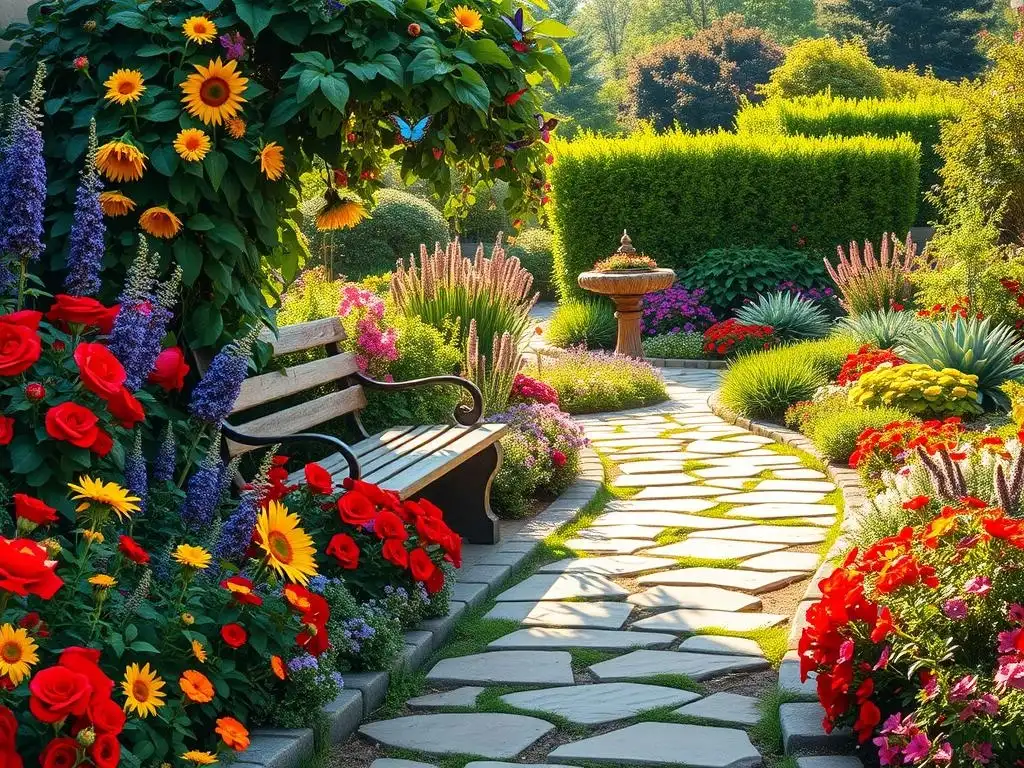
Maintaining a thriving theme garden requires consistent effort and adaptation throughout the year. Success hinges on understanding the specific needs of your chosen plants and adjusting your care routine accordingly. This section provides practical advice for ongoing maintenance, ensuring your themed garden remains vibrant and productive. Effective theme garden planning ideas incorporate a robust maintenance strategy from the outset.
Seasonal Maintenance: Adapting Your Care Routine Throughout the Year
The beauty of a themed garden lies in its unique character, but this also means diverse plant needs. Seasonal maintenance is key to addressing these varied requirements. Spring, for instance, demands a focus on preparing the soil, planting seedlings, and providing ample water as plants establish themselves. Regular weeding is crucial during this period, preventing competition for resources. Consider mulching to retain moisture and suppress weed growth.
Summer brings the challenge of heat stress. Regular watering, potentially twice daily during particularly hot spells, is vital. Monitor for signs of wilting or leaf scorch, adjusting watering schedules as needed. Pruning may be necessary for some plants to encourage air circulation and prevent fungal diseases. Consider providing shade during the hottest part of the day for sensitive plants.
Autumn calls for a shift in focus towards harvesting and preparing for winter. Gather your bounty, composting any plant debris. For frost-sensitive plants, consider protective measures like cloches or moving containers indoors. Clean up fallen leaves to prevent the build-up of disease-carrying organisms.
Winter requires careful planning. Many plants will go dormant, but this doesn't mean neglecting your garden entirely. Clear away dead plants, protect vulnerable roots with mulch, and plan for spring planting. This proactive approach ensures a healthy start to the next growing season. Remember, consistent observation and timely adjustments are crucial for maintaining a vibrant theme garden year-round.
Dealing with Pests and Diseases: Organic Solutions for Common Problems
A beautiful theme garden is susceptible to pests and diseases, just like any other garden. However, maintaining an organic approach is essential for preserving the integrity of your sustainable cultivation. Instead of relying on harmful chemicals, focus on preventative measures and organic pest control strategies.
- Preventative measures: These are your first line of defense. Practicing crop rotation helps disrupt pest cycles. Maintaining healthy soil through composting strengthens plant resilience. Selecting disease-resistant plant varieties minimizes the risk of outbreaks. Regular garden inspections allow for early detection of infestations.
- Organic pest control: When pests do appear, several organic solutions are available. Introducing beneficial insects, such as ladybugs or lacewings, can naturally control aphid populations. Using insecticidal soap or neem oil targets specific pests without harming beneficial insects or pollinators. Diatomaceous earth, a natural powder, can also be effective against some crawling insects. For fungal diseases, ensure good air circulation and avoid overhead watering. Consider using a copper-based fungicide as a last resort, following instructions carefully. Remember, organic pest control requires patience and consistent monitoring.
Harvesting from Your Themed Garden: Tips for Maximizing Your Yield
Harvesting from your themed garden is the culmination of your efforts, providing fresh, organic produce and a sense of accomplishment. However, timing and technique are key to maximizing your yield.
Harvesting at the optimal time ensures the best flavor and nutritional value. For example, tomatoes should be picked when fully colored and slightly soft. Leafy greens are best harvested young and tender. Root vegetables are typically ready for harvest when they reach their mature size.
Proper harvesting techniques also prevent damage to the plant and encourage further growth. Use sharp, clean tools to avoid bruising. For example, use pruning shears to cut herbs rather than pulling them. Support plants with stakes or cages to prevent breakage during harvest.
Regular harvesting, even of small amounts, can stimulate further production in many plants. This process encourages the plant to produce more fruits, vegetables, or flowers. Consider preserving your harvest through freezing, canning, or drying to enjoy your themed garden's bounty throughout the year. Careful planning and appropriate harvesting techniques are essential aspects of theme garden planning ideas, leading to a plentiful and rewarding harvest.
Extending the Growing Season: Techniques for a Longer Harvest
Extending your harvest season in a themed garden requires strategic planning and the implementation of several techniques. The goal is to coax your plants to produce for as long as possible, maximizing the beauty and bounty of your themed space. This isn't just about extending the life of individual plants; it's about carefully selecting varieties known for their extended production periods and employing methods to protect them from early frosts and late-season pests.
One crucial aspect is selecting varieties specifically bred for extended yields. For instance, choosing heirloom tomato varieties known for their late-season production can significantly lengthen the time you enjoy homegrown tomatoes. Similarly, selecting pepper plants with a longer fruiting season can keep those vibrant colors and flavors in your themed garden well into the autumn. Researching varieties suited to your specific climate and microclimate within your garden is paramount. Consider varieties that are less susceptible to early blight or other common diseases that can shorten the growing season.
Beyond varietal selection, employing protective measures is essential. Row covers, for example, can create a microclimate around your plants, protecting them from unexpected early frosts. These lightweight fabrics allow sunlight and air circulation while offering a barrier against cold temperatures. The timing of their application is crucial; removing them during the day to avoid overheating the plants and replacing them at night as temperatures drop.
Another effective technique is using cold frames. These structures, essentially miniature greenhouses, provide a more substantial layer of protection against frost and colder temperatures. Cold frames can be constructed from readily available materials, making them a cost-effective and sustainable option. They also offer added protection against pests and wind damage, enhancing the overall health and longevity of your plants.
Finally, consider the use of companion planting. Certain plants can help protect others from frost or attract beneficial insects that help control pests. Strategic placement of these companion plants can contribute to a longer and healthier harvest. For example, planting basil near tomatoes can not only enhance flavor but also deter certain pests.
Researching which companion plants are best suited to your themed garden's specific plants is a critical element of extending the growing season. Careful planning and attention to detail will ensure your themed garden continues to thrive and provide an extended harvest, maximizing the beauty and productivity of your unique space. Remember to document your successes and challenges to refine your approach year after year.
Enhancing Your Themed Garden's Aesthetics: Adding Finishing Touches
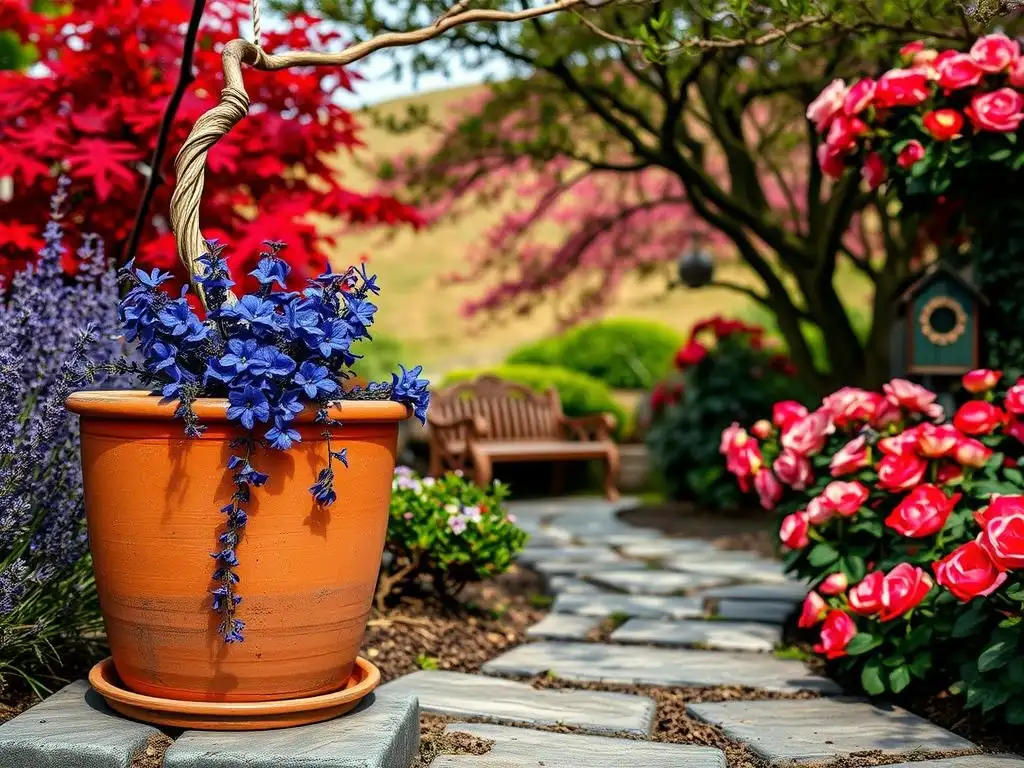
This section focuses on the crucial final steps in creating a truly captivating theme garden. While the plant selection and layout form the foundation, the finishing touches are what elevate your garden from merely functional to breathtakingly beautiful and inviting. Effective theme garden planning ideas extend beyond just the plants themselves; they encompass the overall atmosphere and experience.
Adding Decorative Elements: Enhancing the Visual Appeal of Your Garden
Once your plants are thriving, it’s time to add those extra elements that will truly bring your theme to life. Consider these options, carefully selecting items that complement, not clash with, your chosen theme.
- Ornamental Structures: A rustic birdhouse for a cottage garden, a sleek modern sculpture for a minimalist theme, or a charming archway draped with climbing roses for a romantic setting. These additions provide visual interest and anchor different areas of your garden. Think about scale and placement – a large structure in a small space can overwhelm the design.
- Artistic Touches: Hand-painted terracotta pots, mosaic stepping stones, or even strategically placed garden art can add pops of color and personality. These details should reflect your chosen theme; for example, whimsical gnomes might suit a fairytale garden, while sleek metal accents would fit a modern theme.
- Natural Elements: Incorporating natural elements like river rocks, driftwood, or smooth stones can add texture and visual interest. A carefully arranged rock garden can become a focal point, especially if you incorporate drought-tolerant plants around them, ideal for water-wise gardening. Remember to consider the overall color palette and how these additions interact with the existing plants and structures.
The key is to be selective and avoid overcrowding. Too many decorative elements can make your garden feel cluttered and detract from the overall design. Less is often more when it comes to achieving a polished and sophisticated look. Remember to consider the longevity of your chosen decorations; some might require more maintenance than others.
Incorporating Pathways and Seating Areas: Creating a Relaxing and Functional Space
A well-designed pathway not only improves navigation through your theme garden but also enhances its aesthetic appeal. The pathway material should complement the overall theme:
- Natural Pathways: Gravel, stepping stones, or mulch paths create a rustic and natural feel, perfect for cottage, woodland, or wildflower gardens. These options are relatively low-maintenance and blend seamlessly with the surrounding landscape.
- Formal Pathways: Brick, pavers, or concrete pathways offer a more formal and structured look, suitable for Mediterranean, English, or other structured garden themes. These require more initial investment and maintenance but provide a clean, polished appearance.
Beyond pathways, consider incorporating seating areas to create opportunities for relaxation and contemplation within your garden. A simple bench, a charming bistro set, or even a few strategically placed Adirondack chairs can transform your garden into a tranquil escape. Choose seating that complements your theme and provides comfort and functionality.
Using Lighting to Highlight Your Themed Garden: Creating Ambiance After Dark
Lighting is a powerful tool for enhancing the atmosphere of your theme garden, extending its enjoyment into the evening hours. Well-placed lighting can highlight key features, create mood, and add a touch of magic to your space.
- Pathway Lighting: Solar-powered path lights or low-voltage landscape lighting can illuminate walkways and prevent accidents, while simultaneously adding a soft glow to the garden. This is particularly important for safety and navigation in darker areas.
- Accent Lighting: Spotlights can be used to highlight individual plants, sculptures, or other focal points, drawing the eye to specific areas and creating visual interest. Consider using different lighting colors to enhance the mood; warm white light creates a cozy atmosphere, while cooler tones offer a more modern feel.
- Ambient Lighting: String lights, lanterns, or uplighting can create a soft, ambient glow that enhances the overall mood of the garden. These options are particularly effective in creating a romantic or whimsical atmosphere. Consider using energy-efficient LED lighting to minimize environmental impact and reduce electricity costs.
Remember, thoughtful lighting design is essential for creating a welcoming and visually stunning theme garden, even after sunset. Experiment with different types of lighting to find the perfect balance that complements your chosen theme and enhances the overall ambiance. Proper planning, including consideration of energy efficiency and safety, will ensure a beautiful and functional lighting scheme.
Maintaining the Beauty of Your Themed Garden: Long-Term Care and Upkeep
Maintaining the aesthetic appeal of your theme garden isn't a one-time effort; it requires consistent care and attention. Regular upkeep is crucial for preserving the beauty and integrity of your carefully crafted design. This involves a multifaceted approach encompassing several key practices.
One vital aspect is consistent weeding. Weeds not only compete with your chosen plants for nutrients and water, but they also detract from the overall visual harmony of your theme garden. Regular weeding, ideally weekly during peak growing seasons, will prevent weeds from becoming established and overpowering your carefully selected plants.
Consider using mulch around your plants to suppress weed growth and retain soil moisture, reducing the frequency of weeding. Different mulches, such as wood chips, straw, or shredded leaves, can enhance the aesthetic appeal of your garden depending on your chosen theme. For example, a Japanese-themed garden might benefit from using gravel mulch, while a cottage garden could incorporate straw.
Another important element is pruning and deadheading. Regularly removing dead or dying flowers and leaves (deadheading) encourages new blooms and prevents the spread of disease. Pruning, while potentially more involved, is essential for maintaining the shape and size of your plants, preventing overcrowding, and ensuring adequate airflow to minimize pest and disease problems.
The specific pruning techniques will vary depending on the plant species, but researching the proper methods for your chosen plants is crucial to avoid damaging them. For instance, roses require specific pruning techniques to promote abundant blooms, whereas lavender benefits from light trimming to maintain its shape.
Beyond weeding and pruning, regular fertilization is essential to maintain the health and vibrancy of your plants. Using organic fertilizers is in line with sustainable gardening practices and helps to nourish the soil, leading to healthier, more attractive plants. The type and frequency of fertilization depend on the specific needs of your plants and the soil conditions.
A soil test can provide valuable insights into your soil's nutrient levels, helping you determine the appropriate fertilizer type and application schedule. Remember to choose fertilizers that are appropriate for your chosen theme and avoid using harsh chemicals that could harm beneficial insects or pollute the environment.
Finally, monitoring for pests and diseases is a crucial aspect of long-term garden maintenance. Early detection and treatment can prevent minor problems from escalating into major issues that compromise the beauty and health of your garden. Regularly inspect your plants for signs of pests or diseases and take appropriate action, using organic pest control methods whenever possible.
This proactive approach ensures your theme garden remains a vibrant and healthy space for years to come. Implementing a comprehensive pest management plan, including preventative measures like companion planting, can minimize the need for interventions. For example, planting marigolds near susceptible plants can deter certain pests.
Frequently Asked Questions
What is a theme garden?
A theme garden is a garden designed around a central theme, such as color, shape, scent, or a specific type of plant (e.g., a rose garden, a vegetable garden, or a butterfly garden). It allows for creative expression and focused planting.
How do I choose a theme for my garden?
Consider your personal preferences, the available space, and the climate. Think about what plants you enjoy, the overall aesthetic you want to achieve, and the level of maintenance you're willing to commit to.
What are some popular theme garden ideas?
Popular themes include herb gardens, cottage gardens, pollinator gardens, vegetable gardens, and sensory gardens focusing on different textures and scents. The possibilities are endless!
What are the benefits of planning a theme garden?
Theme gardens offer a sense of unity and purpose, making the garden easier to maintain and more visually appealing. They also allow for focused plant selection, leading to better growth and increased yields (especially in vegetable gardens).
Where can I find more theme garden planning ideas?
Explore the resources available on websites like CultivateYourFood for inspiration and practical advice. You can also find many ideas on Pinterest and other gardening blogs to spark your creativity.
Final Reflection: Cultivating Dreams, One Bloom at a Time
The meticulous planning of a theme garden isn't merely about arranging plants; it's about crafting a personal sanctuary, a vibrant expression of self, and a testament to the enduring power of nature's artistry. In a world increasingly dominated by digital spaces, the tangible beauty and restorative power of a thoughtfully designed garden offer a vital counterpoint, a place of peace and creative expression that enriches our lives immeasurably.
The impact of theme gardens extends beyond the individual, weaving a thread of beauty and inspiration throughout our communities. They transform mundane spaces into havens of tranquility, fostering a deeper connection with the natural world and inspiring others to cultivate their own creative landscapes. A garden is a friend you can always visit.
This simple truth underscores the profound emotional and psychological benefits of engaging with a space we have nurtured with our own hands. The act of planning, planting, and tending a theme garden becomes a journey of self-discovery, mirroring the growth and evolution of the garden itself.
Now, consider your own space. What story do you yearn to tell through the language of flowers, foliage, and design? What themes resonate deeply with your soul? Don't just dream of a beautiful garden; actively begin to cultivate it. Embrace the process, learn from each step, and allow the journey to enrich your life as much as the final result. The seeds of your dreams are waiting to be planted; let them blossom into a unique and breathtaking reality.
Unleash Your Inner Gardener: Design Your Dream Theme Garden Today!
Thank you for exploring the exciting world of theme gardens! We hope you're feeling inspired and ready to transform your outdoor space. Now, let's unleash your creativity!
- Sketch your dream garden: Grab a pen and paper (or your favorite digital design tool) and begin visualizing your perfect theme garden. Let your imagination soar!
- Share your vision: Share your preliminary designs on our CultivateYourFood community forum and get feedback and inspiration from fellow gardening enthusiasts.
- Start small, build momentum: Begin by planting a small section of your theme garden, focusing on one key plant or feature to build confidence and see tangible progress.
Ready to bring your unique garden vision to life? What's the first plant or design element you're most excited to incorporate?